Real Life Super-hero of the Omega Initiative, Zoa Zorusson is it's official chronicler and spokeperson.
His alter ego owns a BA in literary art and have written various books.
The notion of individualism is one that has been explored by many thinkers throughout history. From the Enlightenment philosophers to the existentialists of the 20th century, the concept of the individual has been at the forefront of philosophical discourse. One such thinker who contributed to this discourse was the German philosopher Max Stirner, whose book « The Ego and Its Own » presented a radical form of individualism that rejected all forms of external authority and emphasized the importance of the individual’s unique sense of self.
Published in 1844, « The Ego and Its Own » was part of the intellectual movement known as the Young Hegelians, who were critical of the conservative Hegelian philosophy prevalent in Germany at the time. Stirner’s work, however, went beyond mere criticism, as he presented a radical vision of individual freedom and autonomy that challenged the dominant ideologies of his time.
At the heart of Stirner’s philosophy is the rejection of fixed ideology and the embrace of individual self-interest. He argued that individuals should be free to pursue their own desires and goals without being constrained by external norms or values. For Stirner, any attempt to impose external authority was a form of oppression, and the individual’s unique sense of self should be the highest authority in one’s life.
Stirner’s concept of the « ego » refers to the individual’s unique sense of self, which he argued should be the highest authority in one’s life. This means that individuals should be free to pursue their own goals and desires without being constrained by external norms or values. Stirner saw this as a way to overcome the limitations imposed by traditional morality and social conventions, which he argued were based on false notions of duty and obligation.
Stirner’s rejection of external authority extended to all forms of fixed ideology, including religious, political, and moral beliefs. He argued that these ideologies were used to control and oppress individuals, and that the individual should instead focus on their own self-interest. For Stirner, the individual’s actions should be guided solely by their desires and interests, and any attempt to impose external moral or ethical principles was a form of coercion.
Stirner also critiqued traditional morality and social conventions, which he saw as limiting individual freedom and autonomy. He argued that these norms were based on false ideas of duty and obligation, and that individuals should instead focus on their own self-interest. Stirner believed that individuals should reject any external authority that tries to impose moral or ethical principles on them, even if these principles are widely accepted or considered « universal. »
Stirner’s rejection of fixed identity was also an important part of his philosophy. He argued that individuals are constantly changing and evolving, and that the ego is a dynamic force that is constantly seeking to expand its power and influence. For Stirner, the individual’s uniqueness is what makes them human, and they should reject any attempt to limit or define their identity.
While Stirner’s ideas were controversial in his time, they have had a significant influence on later philosophical movements and thinkers. The anarchist movement, for example, has been influenced by Stirner’s rejection of external authority and fixed ideology, as well as his emphasis on individual freedom and autonomy. Similarly, the existentialist movement of the 20th century was influenced by Stirner’s rejection of fixed identity and his emphasis on the individual’s unique sense of self.
In conclusion, « The Ego and Its Own » is a radical critique of the dominant ideologies of Stirner’s time, and an attempt to create a new vision of individual freedom and autonomy. Stirner’s rejection of external authority, fixed ideology, and traditional morality, as well as his emphasis on the individual’s unique sense of self, have had a significant influence on later philosophical movements and thinkers. While some of Stirner’s ideas have been controversial, his work
The Mass Psychology of Fascism is a seminal work that explores the psychological and social factors that led to the rise of fascism in Germany. Written by Wilhelm Reich, a psychoanalyst and former student of Sigmund Freud, the book provides a unique perspective on the roots of fascism that goes beyond traditional political or economic explanations.
Reich argues that fascism is not simply a political movement, but a reflection of deep-seated psychological and emotional needs in the population. He suggests that fascism arises when individuals feel alienated, helpless, and afraid, and seek a strong leader or ideology to give them a sense of purpose and belonging.
To understand the roots of fascism, Reich examines the authoritarian ideology of the family, the role of sexual repression, and the appeal of mysticism and nationalism in fascist movements. He sees the authoritarian family as a microcosm of the larger society, where parents exert complete control over their children and instill in them a sense of obedience and conformity. This upbringing creates a sense of powerlessness in the individual, which they seek to overcome through identification with a strong leader or ideology.
Reich also argues that sexual repression plays a key role in the development of fascism. He sees sexual repression as a form of social control that creates a sense of guilt and anxiety in individuals, which they seek to alleviate through identification with a strong leader or ideology. In this way, fascism provides an outlet for repressed sexual and aggressive impulses, which are channeled into violence and domination.
Finally, Reich examines the appeal of mysticism and nationalism in fascist movements. He sees mysticism as a form of escape from the realities of everyday life, where individuals seek to transcend their material existence and connect with a higher power. Nationalism, on the other hand, provides individuals with a sense of belonging and identity, which they may lack in their everyday lives.
When we examine the current political climate in the United States, we can see many of these same factors at play. There is a growing sense of alienation and powerlessness among many Americans, who feel left behind by globalization, economic inequality, and cultural change. This sense of alienation has fueled a rise in nationalism and nativism, as individuals seek to reassert their identity and sense of belonging in an increasingly diverse and globalized world.
At the same time, we are witnessing a resurgence of authoritarianism and an attack on democratic norms and institutions. This has been exemplified by the rise of Donald Trump, who has been accused of authoritarian tendencies and a disregard for democratic norms and the rule of law.
The appeal of Trump and his brand of politics can be seen as a reflection of the same psychological and emotional needs that Reich identifies in his analysis of fascism. Trump has positioned himself as a strong leader who can restore American greatness and protect the interests of the « real » Americans. He has appealed to the anxieties and resentments of many Americans, offering a vision of a return to a simpler, more secure past.
In this sense, the rise of Trump and the current political climate in the United States can be seen as a warning sign of the potential for fascism to take hold in modern democracies. It is a reminder that we must remain vigilant against the forces of authoritarianism, nationalism, and hate, and work to build a more inclusive and democratic society.
In conclusion, Reich’s Mass Psychology of Fascism provides a valuable framework for understanding the roots of fascism and authoritarianism. His analysis of the psychological and emotional factors that drive these movements offers insights that are still relevant today, as we confront the rise of authoritarianism and nationalism in many parts of the world. By recognizing and addressing these underlying factors, we can work to build a more just and democratic society, where the forces of hate and authoritarianism are kept at bay.
Wilhelm Reich was a pioneering figure in the fields of psychoanalysis, sexology, and alternative medicine, whose work had a profound impact on our understanding of human psychology and social behavior. Born in Austria in 1897, Reich trained as a psychoanalyst under Sigmund Freud, and later developed his own theories and practices that challenged established norms and practices in the field.
One of Reich’s most influential contributions was his theory of the orgasm, which he outlined in his 1927 book, The Function of the Orgasm. In this work, Reich argued that the repression of sexual energy leads to psychological and physical disorders, and that release of this energy through orgasm is essential for maintaining good mental and physical health. Reich believed that the orgasm was not simply a physical release of tension, but an expression of a person’s overall emotional and psychological well-being.
Reich’s ideas on the role of sexuality in mental health were highly controversial at the time, and his work was met with skepticism by some in the medical and psychological establishment. However, his ideas would go on to influence a generation of psychologists and therapists, who saw the importance of addressing their patients’ sexual issues as a critical component of their overall mental health.
Reich’s later work focused on the study of character, and he developed the concept of « character armor », which referred to the emotional and physical blocks that individuals develop in response to traumatic experiences. Reich believed that these blocks, or « armor », could be released through a form of psychotherapy he called « character analysis ». In this approach, the therapist works with the patient to identify and address the sources of their emotional and psychological blocks, helping them to release the emotional tension that has been stored in their body.
Reich’s work on character analysis and the role of emotional armor in social behavior was highly influential in the field of psychology, and it continues to be an important area of study and practice to this day. Reich’s insights into the relationship between sexual repression and authoritarianism were also groundbreaking, and he developed a theory that the rise of fascism in Europe was a direct result of the patriarchal family structure and sexual repression that characterized European society at the time.
Reich’s work in the 1940s and 1950s focused on the study of bioenergy, which he believed was a universal life force that permeated all living organisms. In his 1948 book, The Cancer Biopathy, Reich developed his controversial theory that cancer was caused by a bioenergetic disturbance in the body, and that it could be cured through a form of bioenergetic therapy. Reich also developed a theory of « orgone energy », which he believed could be harnessed and used to treat a range of physical and mental illnesses.
Reich’s work on bioenergy and orgone energy was highly controversial, and it led to conflict with the government authorities in the United States. Reich’s claims were met with skepticism by the medical establishment, and his theories were never fully validated by scientific research. Nevertheless, his ideas continue to be studied and debated by scholars and practitioners in a range of fields, and his contributions to our understanding of human psychology and social behavior remain an important part of the history of modern psychology.
complete wilhelm reich bibliography
Der triebhafte Charakter: Eine psychoanalytische Studie zur Pathologie des Ichs (The Impulsive Character: A Psychoanalytic Study of the Pathology of the Self) – 1925
Über den Gegensatz von Sexualität und Kultur (The Contrast Between Sexuality and Culture) – 1936
Die Funktion des Orgasmus: Zur Psychopathologie und zur Soziologie des Geschlechtslebens (The Function of the Orgasm: Sex-Economic Problems of Biological Energy) – 1927
Charakteranalyse: Technik und Grundlagen für studierende und praktizierende Analytiker (Character Analysis: Principles and Techniques for Psychoanalysts in Practice and Training) – 1933
Massenpsychologie des Faschismus (The Mass Psychology of Fascism) – 1933
Die Sexualität im Kulturkampf (The Sexual Revolution) – 1936
Die Entdeckung des Orgons: Eine Entdeckung von entscheidender Bedeutung für die Naturwissenschaften und für das Leben (The Discovery of the Orgone: Volume One, The Function of the Orgasm) – 1942
Christusmord: Eine klinische Studie (The Murder of Christ: A Clinical Study) – 1953
Ether, God and Devil: Cosmic Superimposition – 1951
People in Trouble – 1953
The Cancer Biopathy – 1948
Cosmic Superimposition: An Inquiry into the True Nature of the Universe – 1951
Listen, Little Man! – 1948
Reich Speaks of Freud – 1967
The Bioelectrical Investigation of Sexuality and Anxiety – 1937
Reich’s Selected Writings: An Introduction to Orgonomy – 1960
The Mass Psychology of Fascism: Third Edition – 1970
Selected Writings: An Introduction to Orgonomy – 1973
Children of the Future: On the Prevention of Sexual Pathology – 1972
The Bion Experiments: On the Origins of Life – 1979
Sing, O muse, of Zorusson, who once was blessed, But suffered loss of all he held dear, his heart oppressed, With loved ones gone and commerce vanished, He found himself adrift and without purpose banished.
Then, in his sorrow, came a call from on high, A mission to help others, to hear their anguished cry, But the task seemed overwhelming, his doubt grew, Yet he found strength in his love for his daughter, his heart anew.
A mentor appeared, the Omega Man, Teaching Zorusson the ways of superheroism, his guide and plan, From willpower, science, and discipline to costumes and identities, And the ways to build networks, teamwork, and technical abilities.
With his training complete, Zorusson crossed a threshold, Leaving his old life behind, his future to unfold, Obstacles were many, despair, depression, and addiction, But with his determination, he overcame each affliction.
The road of trials was long, filled with challenges and tests, Opposition from those who sought to undermine his quests, He established a new Omega Initiative, ready for the return of the Omega Man, Developing leadership skills and making amends for his past, a noble plan.
A young girl, Saturnita, also practiced superheroism, Her embodiment of love and compassion gave him emotional nourishment, Hope rekindled, Zorusson realized his mission was his to achieve, To make the human condition better, a higher purpose to receive.
Transcending to a new level of understanding and enlightenment, Zorusson took control of his life, his destiny, with new excitement, Inspiring and helping others, a symbol of hope and compassion, Superheroism became a way of life, spreading across the land, a new fashion.
Thus, ends the tale of Zorusson, a hero of legend, Whose journey inspires all, a noble message to send, Of perseverance, courage, and hope, A shining example of how to cope.
As the night sky hung heavy above the city, a solitary figure emerged from the shadows, bearing the name of Zorusson. He was a man reborn, remade from the shattered remnants of his former self. His eyes blazed with an intensity, a fiery will to redeem himself and his fellow human beings. And with each step he took, he drew closer to his true destiny, to the purpose for which he had been created.
Zorusson was not just a man, but a force of nature, a living embodiment of compassion and hope. He had undergone the arduous training of the Omega Initiative, directly guided by the Omega Man himself. And though the Initiative may have fallen, its teachings lived on through him.
As he strode through the city, Zorusson felt a deep connection to the people around him. He saw the hunger, the pain, the suffering etched on their faces, and he knew that he had been called to assist them. And so he began to feed the hungry, to heal the sick, to comfort the brokenhearted.
Zorusson’s actions were not born from a desire for fame or fortune, but from a deeper, more profound sense of purpose. He had been touched by the suffering of others, and he knew that he had the power to make a difference in their lives.
At first, people were wary of him, uncertain of this stranger who seemed to have descended from the heavens. But as Zorusson continued to help them, they began to realize that he was sincere, that he genuinely cared about their well-being.
As he toiled tirelessly to ease the pain of those around him, Zorusson began to attract attention from the media. They dubbed him a hero, a savior, a saint. But Zorusson knew that his true mission was not to be found in the admiration of others, but in the lives he was able to touch and transform through his acts of kindness and compassion.
Over time, Zorusson’s message of love and hope began to spread throughout the city, and beyond. People from all over the world began to take notice of him, inspired by his unwavering commitment to assisting others.
Despite the resistance of those who sought to undermine his efforts, Zorusson remained steadfast in his mission. He knew that his path was not an easy one, that he would face many challenges and obstacles along the way. But he also knew that he had been chosen for a special purpose, to be a beacon of light in a world filled with darkness.
And so Zorusson continued to walk the path of compassion and hope, his spirit unbroken by the trials and tribulations that lay ahead. For he knew that he had been designated for a special purpose, to be a messenger of love and healing in a world that sorely required it.
How Marshall McLuhan’s ideas on technology and communication continue to shape our world
Marshall McLuhan was a Canadian philosopher and media theorist who became one of the most influential thinkers of the 20th century. McLuhan’s ideas about the relationship between technology and human perception have had a profound impact on the way we understand media and communication today, and they continue to shape the world around us.
One of McLuhan’s most famous statements, « the medium is the message, » encapsulates his view that the way we communicate is just as important as what we communicate. In other words, the medium we use to convey a message shapes the message itself and influences the way it is perceived. For example, the message conveyed in a newspaper article is different from the message conveyed in a television news report, even if the content is the same.
McLuhan believed that all technologies are extensions of the human body, both physical and mental. These technological extensions change the way we perceive and interact with the world, creating new possibilities for human communication and expression. For example, the invention of the wheel allowed us to transport goods and people more efficiently than we could by walking or carrying. Similarly, the development of writing and print allowed us to record and preserve knowledge in a way that changed the way we conceptualize history and our relationship with the past.
McLuhan saw technology as a key driver of social and cultural change. He believed that new technologies create new forms of communication and interaction that transform the way we live and think. For example, the printing press enabled the mass production and distribution of books, which led to the spread of literacy and the development of new ideas. Similarly, the internet has created a global network of communication that has transformed the way we work, learn, and socialize.
Moreover, McLuhan’s theory of technological extensions goes beyond just physical capabilities. He believed that our technologies also extend our mental capacities and shape the way we think and perceive the world. The computer, for instance, allows us to process and store vast amounts of information and to perform complex calculations that would be impossible for us to do in our heads.
McLuhan also argued that the technologies we create have unintended consequences that are often overlooked. For example, the car has allowed us to travel greater distances more quickly than ever before, but it has also contributed to environmental degradation and urban sprawl. Therefore, it is essential for us to understand the ways in which technology shapes our lives and to critically examine the unintended consequences of technological development.
According to McLuhan, technology is the primary driving force behind social and cultural change, and all progress is driven by technology. He saw technology as an evolutionary process that continually shapes and transforms society, creating new forms of communication and interaction that push society forward. New technologies often bring about new social and cultural practices, and these practices, in turn, shape the development of further technologies.
Overall, McLuhan’s view of technology as a driving force behind progress challenges us to think about the ways in which we shape and are shaped by technology, and to consider the implications of technological change for our social, cultural, and economic systems. His work continues to be relevant as we grapple with the ways in which technology is shaping our lives and the world around us. McLuhan’s ideas remind us to approach technological progress with a critical and reflective mindset, so that we can ensure that we use technology to create a better world for ourselves and future generations.
Marshall McLuhan was a prolific writer and published several books throughout his career. Here is a brief summary of some of his most influential works:
The Mechanical Bride: Folklore of Industrial Man (1951) – McLuhan’s first book explores the relationship between popular culture and technology. He argues that advertisements and other forms of media reflect and shape the cultural values of society.
The Gutenberg Galaxy: The Making of Typographic Man (1962) – In this book, McLuhan examines the impact of the printing press on Western civilization. He argues that the printing press created a new form of knowledge that emphasized visual and linear thinking and had a profound effect on the way we perceive and understand the world.
Understanding Media: The Extensions of Man (1964) – McLuhan’s most famous work, this book introduces the concept that « the medium is the message. » He explores how different forms of media, such as television, radio, and print, shape the way we perceive the world and each other.
The Medium is the Massage: An Inventory of Effects (1967) – This book is a collaboration between McLuhan and graphic designer Quentin Fiore. It uses innovative visual and textual techniques to explore the effects of different media on society.
War and Peace in the Global Village (1968) – In this book, McLuhan explores the effects of electronic media on the way we perceive and understand global events. He argues that electronic media have created a global village, where events from around the world are interconnected and can be experienced in real time.
Culture Is Our Business (1970) – McLuhan argues that corporations have become the new cultural centers of society and that they shape our values and perceptions through the media and advertisements they create.
From Cliché to Archetype (1970) – In this book, McLuhan explores the relationship between culture and mythology. He argues that myths and archetypes are fundamental to our understanding of the world and that they are reflected in our cultural values and practices.
Take Today: The Executive as Dropout (1972) – This book, co-written with Barrington Nevitt, explores the role of executives in society. McLuhan and Nevitt argue that executives have become isolated from the rest of society and that they need to reconnect with the world to be effective.
Overall, McLuhan’s books explore the relationship between technology, media, and culture and how they shape our perceptions and understanding of the world. His work continues to be influential in fields such as media studies, cultural studies, and communication theory.
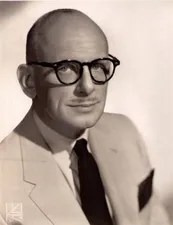
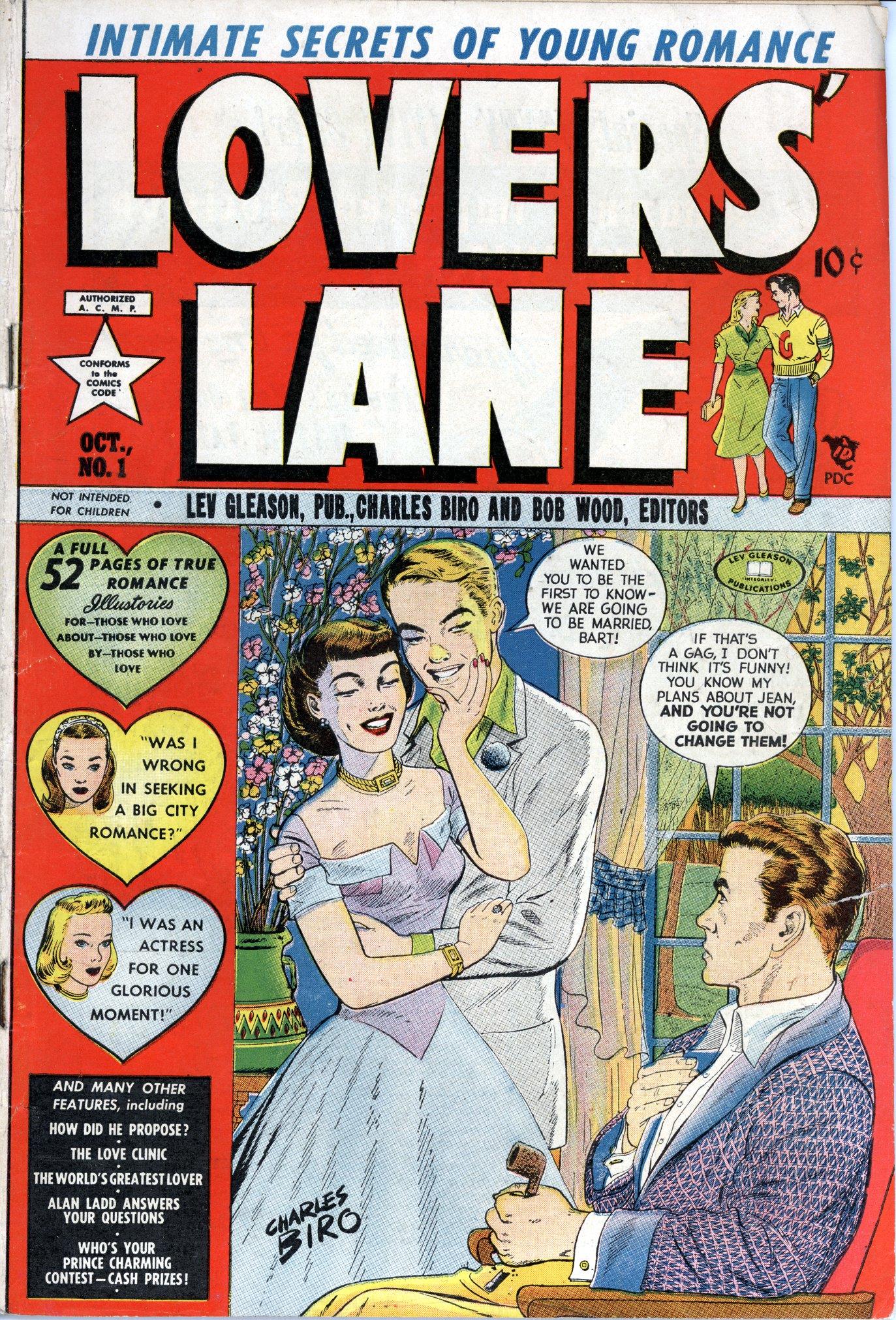
Lev Gleason (February 25, 1891 – June 24, 1971) was an American publisher and political activist who made significant contributions to the comic book industry. His publishing company, Lev Gleason Publications, was a major player in the industry during the Golden Age of Comic Books in the 1930s and 1940s. Gleason was also known for his progressive political views and activism, particularly during the McCarthy era.
Early Life and Career
Lev Gleason was born on February 5, 1891, in Brooklyn, New York. He was the youngest of seven children born to Abraham and Tillie Gleason, who were Jewish immigrants from Russia. Gleason grew up in a working-class family and attended school until the eighth grade when he dropped out to help support his family. He worked a variety of odd jobs, including selling newspapers, driving a horse-drawn wagon, and working in a shirt factory, before landing a position as a proofreader at the New York Evening Mail.
In 1915, Gleason started his own publishing company, Gleason Publications, which produced a variety of magazines and newspapers, including trade publications for the movie industry. Gleason was always on the lookout for new ventures, and in the 1930s, he became interested in the emerging comic book industry.
Publishing Career
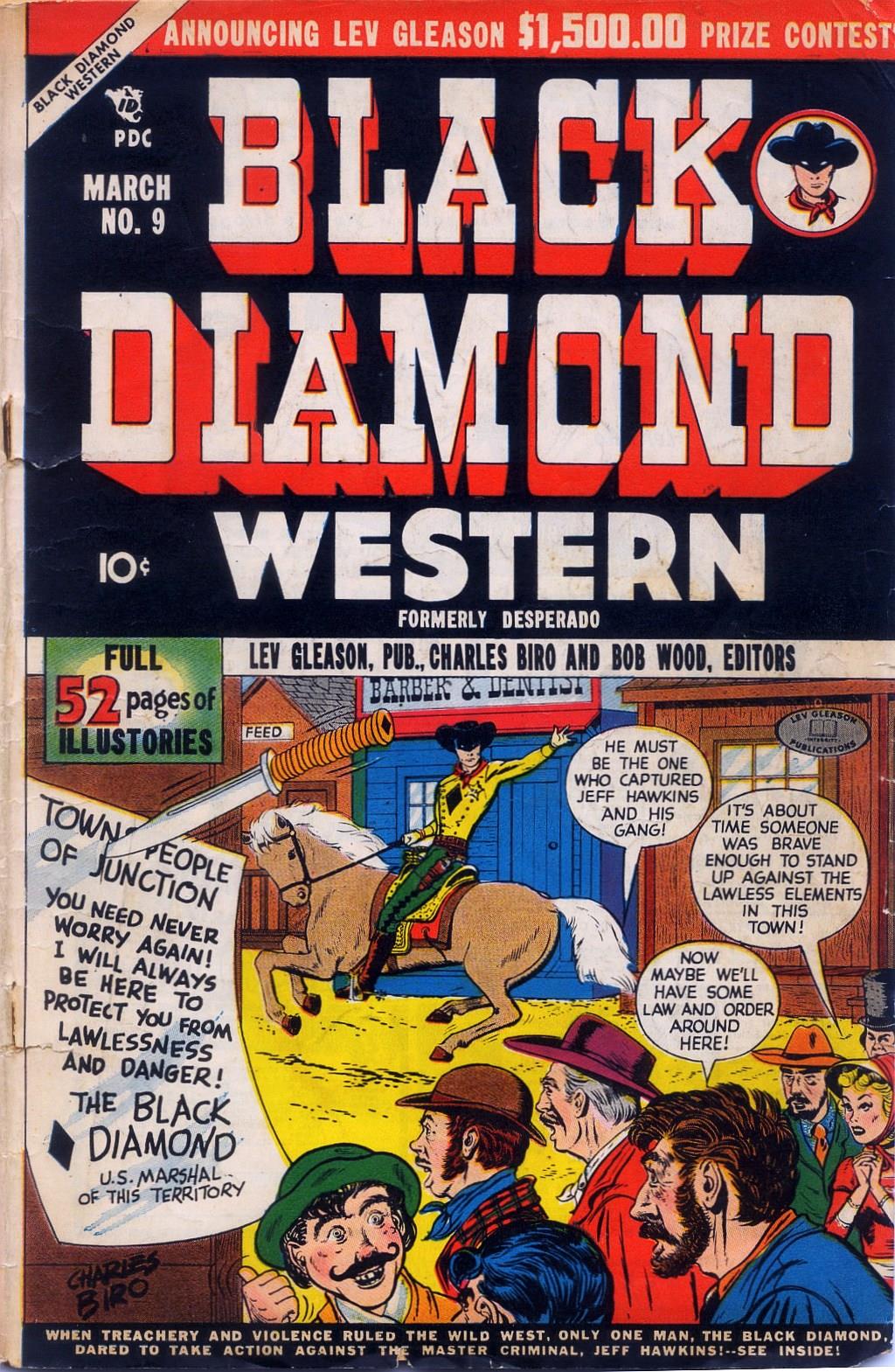
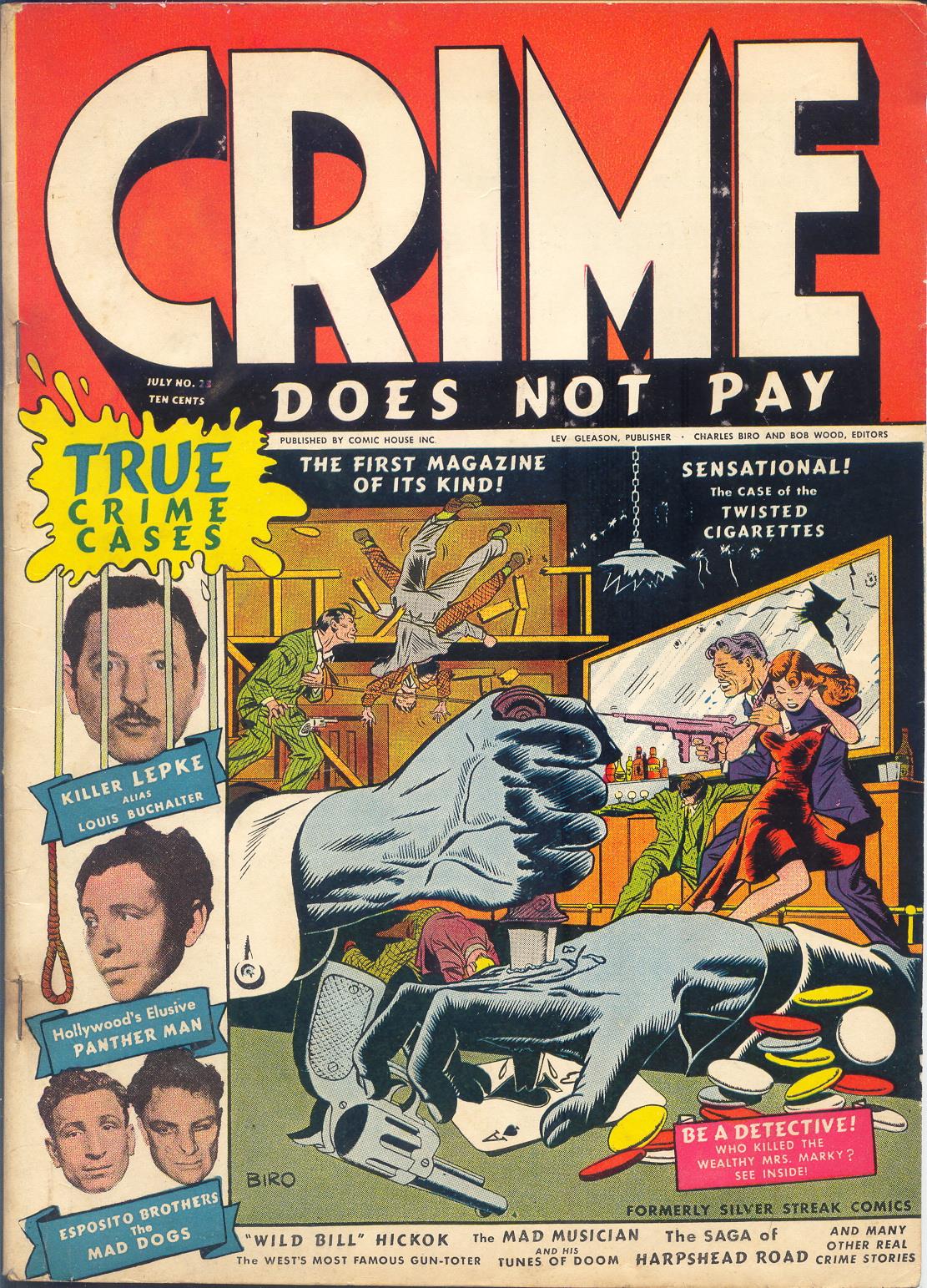
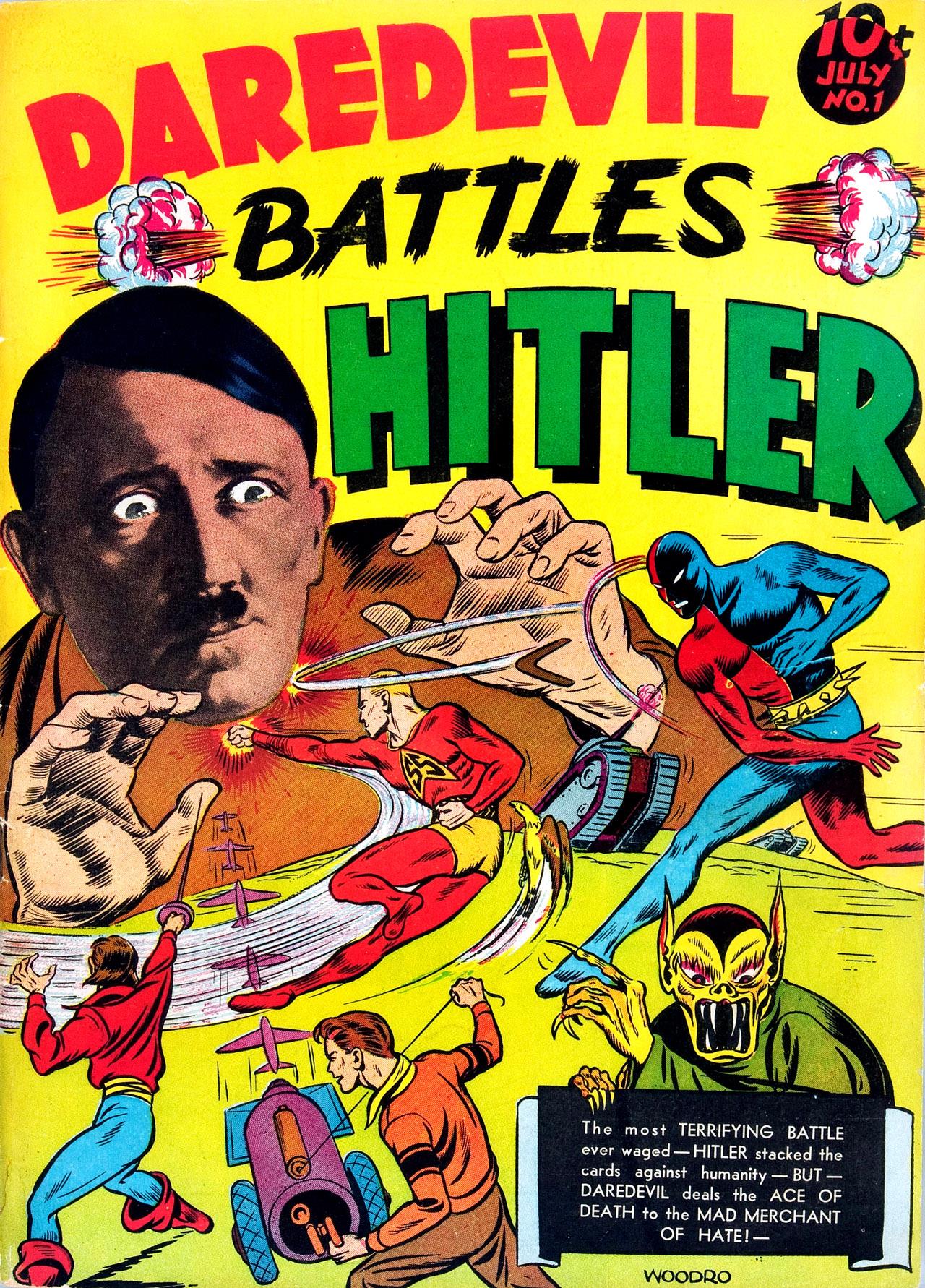
In 1939, Gleason entered the comic book market with the launch of his flagship title, Silver Streak Comics, which introduced the character of the same name, the first comic book superhero with a female sidekick. The series was an instant success and led to the creation of a number of other popular titles, including Daredevil Comics, Boy Comics, and Crime Does Not Pay, which became one of the top-selling comic books of the era. Gleason also introduced a number of innovations in comic book storytelling, including the use of the full-page splash panel and the integration of sound effects into the artwork.
Gleason was a hands-on publisher who was involved in every aspect of his comics. He hired talented writers and artists and gave them creative freedom to tell the stories they wanted to tell. He was also known for his attention to detail and his insistence on accuracy in his comics, particularly in his crime titles, which were based on real-life criminal cases.
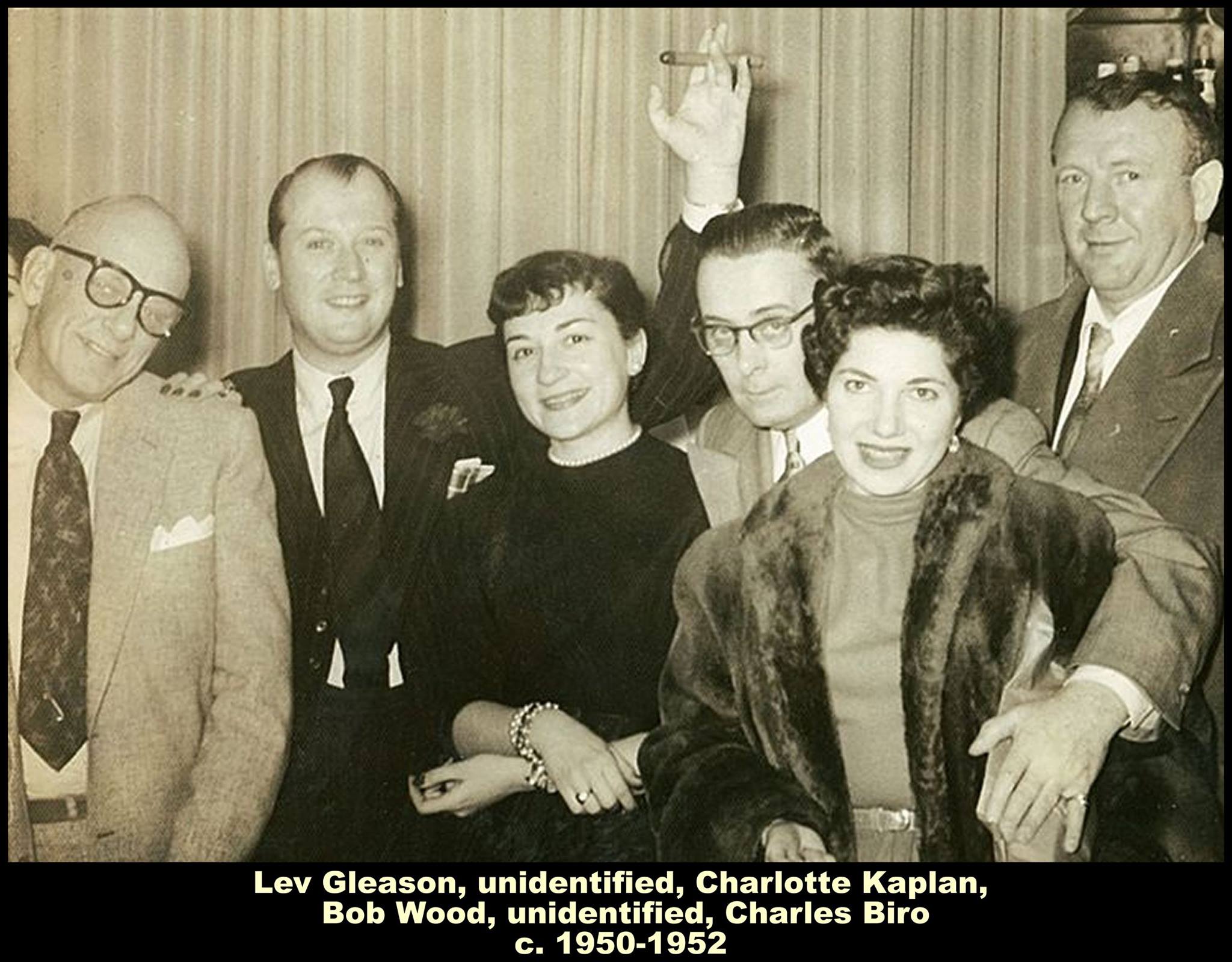
Lev Gleason’s publishing company was home to some of the most talented writers and artists of the Golden Age of Comics. Among the creators who worked for Gleason were Charles Biro, Bob Montana, Bob Wood, and Jerry Robinson, who went on to create some of the most iconic characters in comics history. Biro was the creator of Daredevil, the Boy Without Fear, and Crimebuster, while Montana is best known for creating Archie Andrews and the gang at Riverdale High School. Bob Wood worked on numerous titles for Gleason, including Silver Streak Comics and Crime Does Not Pay, and was known for his dynamic artwork and attention to detail. Jerry Robinson, who is credited with creating the Joker and Robin the Boy Wonder, worked on some of Gleason’s earliest titles. Other notable artists who worked for Gleason include Jack Cole, Mort Meskin, and George Tuska. Together, these artists helped to shape the comic book industry and created some of the most enduring characters and stories of the era.
Political Activism
Despite facing setbacks during the McCarthy era, Lev Gleason remained a committed political activist and continued to use his influence in the comic book industry to promote social justice and progressive causes. His activism extended beyond the realm of comics, as he was also involved in various leftist organizations, including the Communist Party USA. Gleason was a strong advocate for civil rights and supported labor unions and workers’ rights. He was also a vocal opponent of the internment of Japanese Americans during World War II and used his comics to criticize the government’s actions. In addition, Gleason was a supporter of the fight against fascism and was a strong supporter of the Soviet Union.
Gleason’s political activism and willingness to tackle controversial subjects made him a controversial figure in his time. He was known for pushing the boundaries of what was acceptable in comics, often exposing the dark underbelly of American society and shedding light on issues that were often ignored or overlooked by mainstream media. Despite facing backlash and being blacklisted in the comics industry, Gleason’s legacy as a trailblazer in the medium of comics and a champion of social justice remains strong.
In addition to his activism during the McCarthy era, Gleason was also involved in political activism outside of the United States. During the Spanish Civil War in the 1930s, he was part of a group that helped to smuggle Republican fighters out of Spain and bring them to safety in other countries. Gleason was a strong supporter of the Republican cause in Spain and used his publishing connections to help spread awareness of the conflict and rally support for the Republicans. His activism during the Spanish Civil War brought him into contact with other leftist activists and intellectuals, including writers Ernest Hemingway and John Dos Passos. Gleason was part of a group that organized a fundraising campaign to support the Republican cause and help provide aid to civilians affected by the conflict.
Throughout his life, Lev Gleason remained dedicated to his political beliefs and used his platform in the comic book industry to advocate for social change. He was a vocal supporter of the civil rights movement in the 1950s and 1960s and used his comics to advocate for desegregation and equal rights for all Americans. He also supported the anti-war movement during the Vietnam War and used his platform to criticize the government’s policies and actions. Gleason’s legacy continues to be celebrated by fans and scholars alike, and his influence can be seen in the work of many contemporary creators who are carrying on his legacy of using comics as a tool for social change.
Legacy
Despite the setbacks he faced later in his career, Gleason’s contributions to the comic book industry were significant. He was a pioneer in the field, introducing many innovations in comic book storytelling and publishing some of the most popular titles of his era. He also used his comics to promote his political views and was a committed advocate for civil rights and workers’ rights. Gleason’s legacy lives on in the countless comic book creators who have been inspired by his work.










































 Initiative Oméga