

Blog

Holyoke Publishing Company

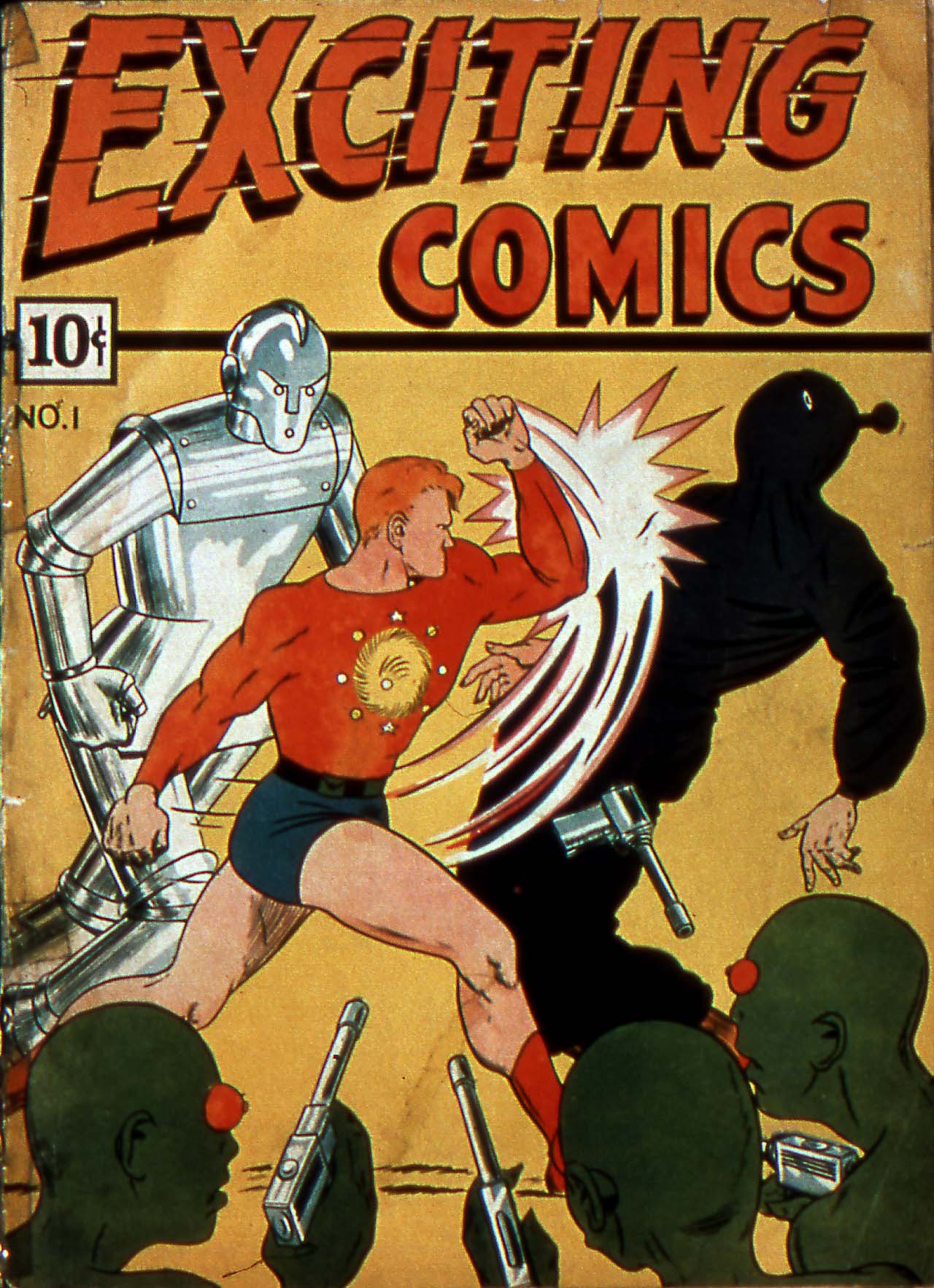
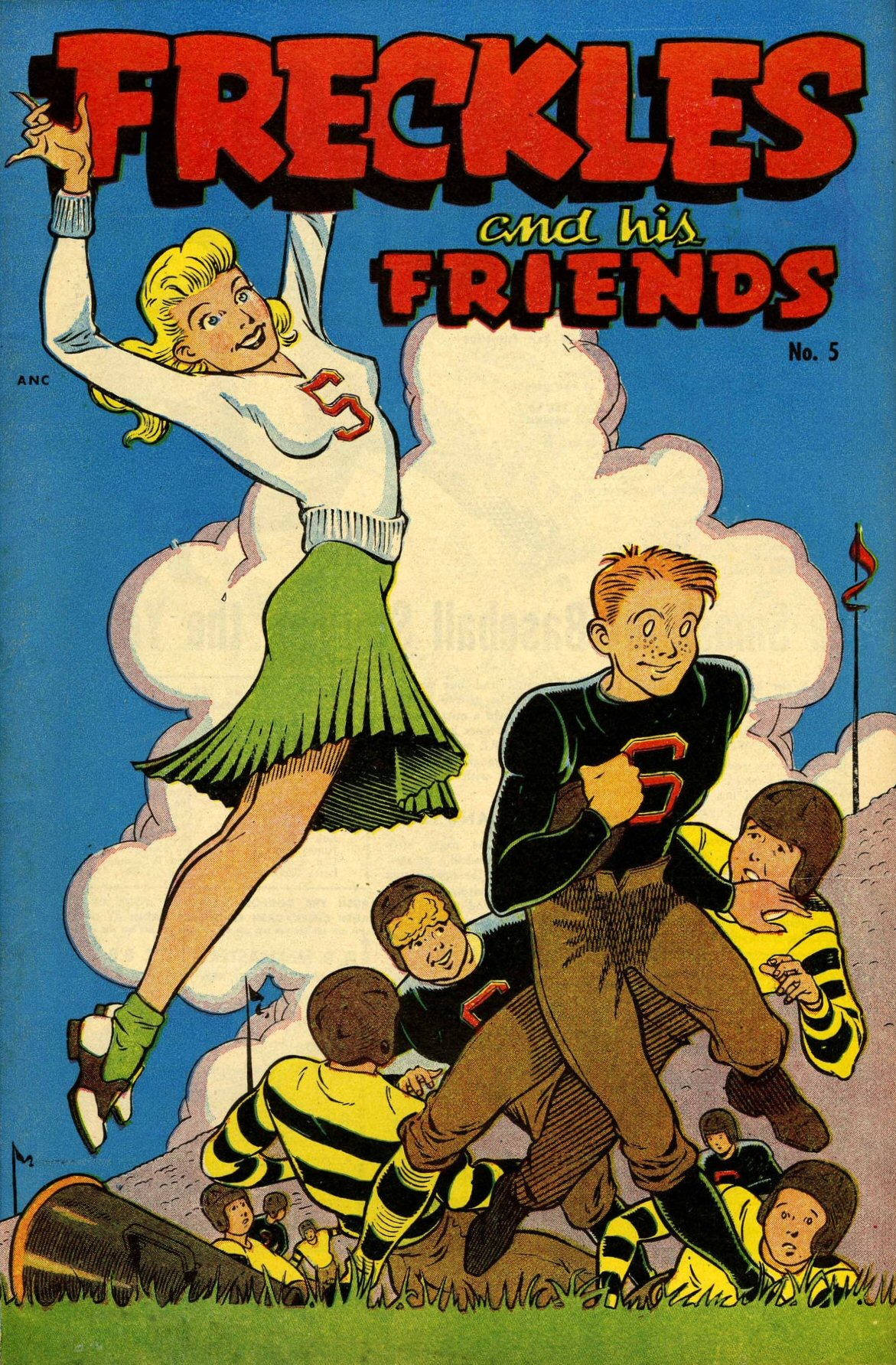
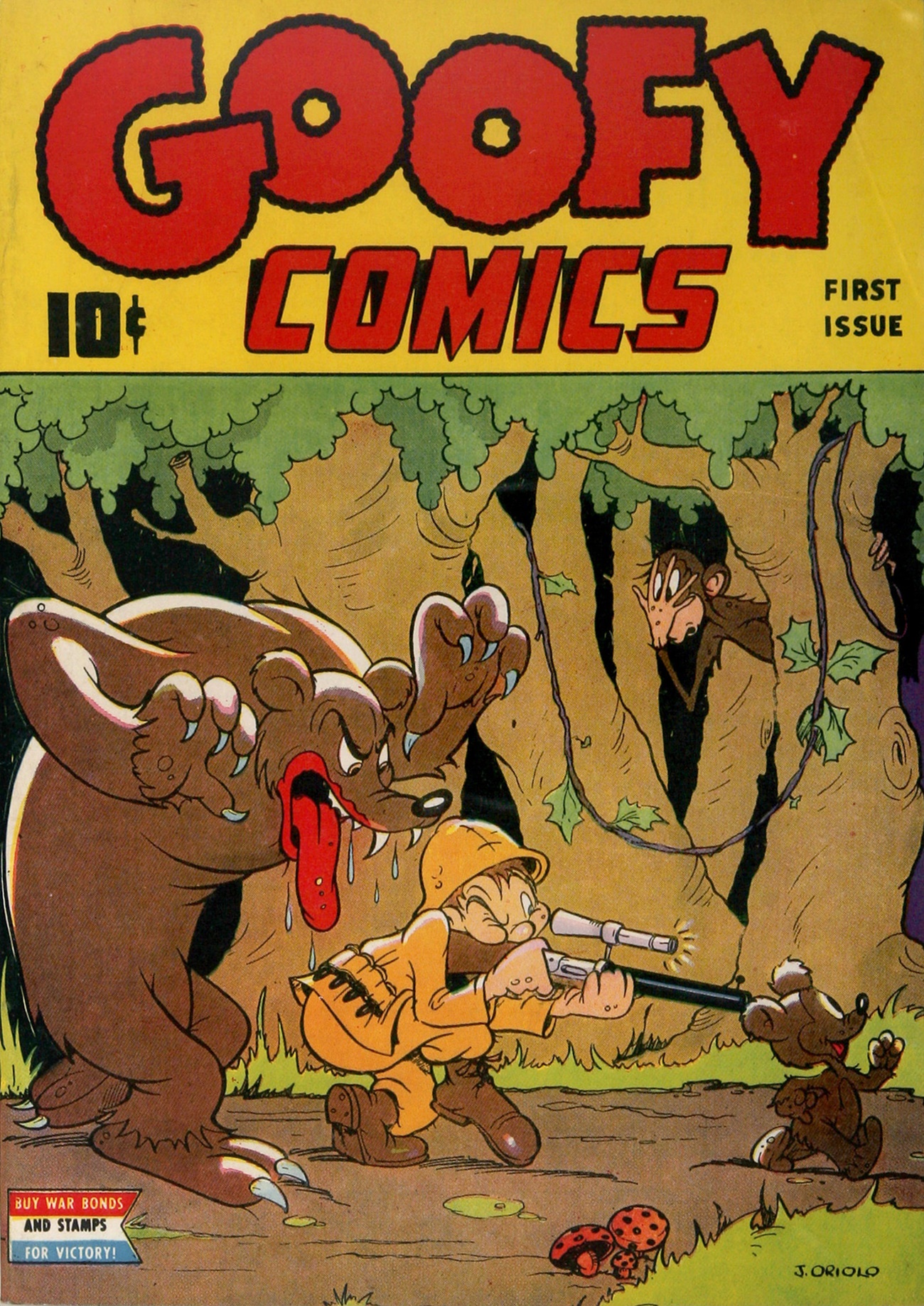
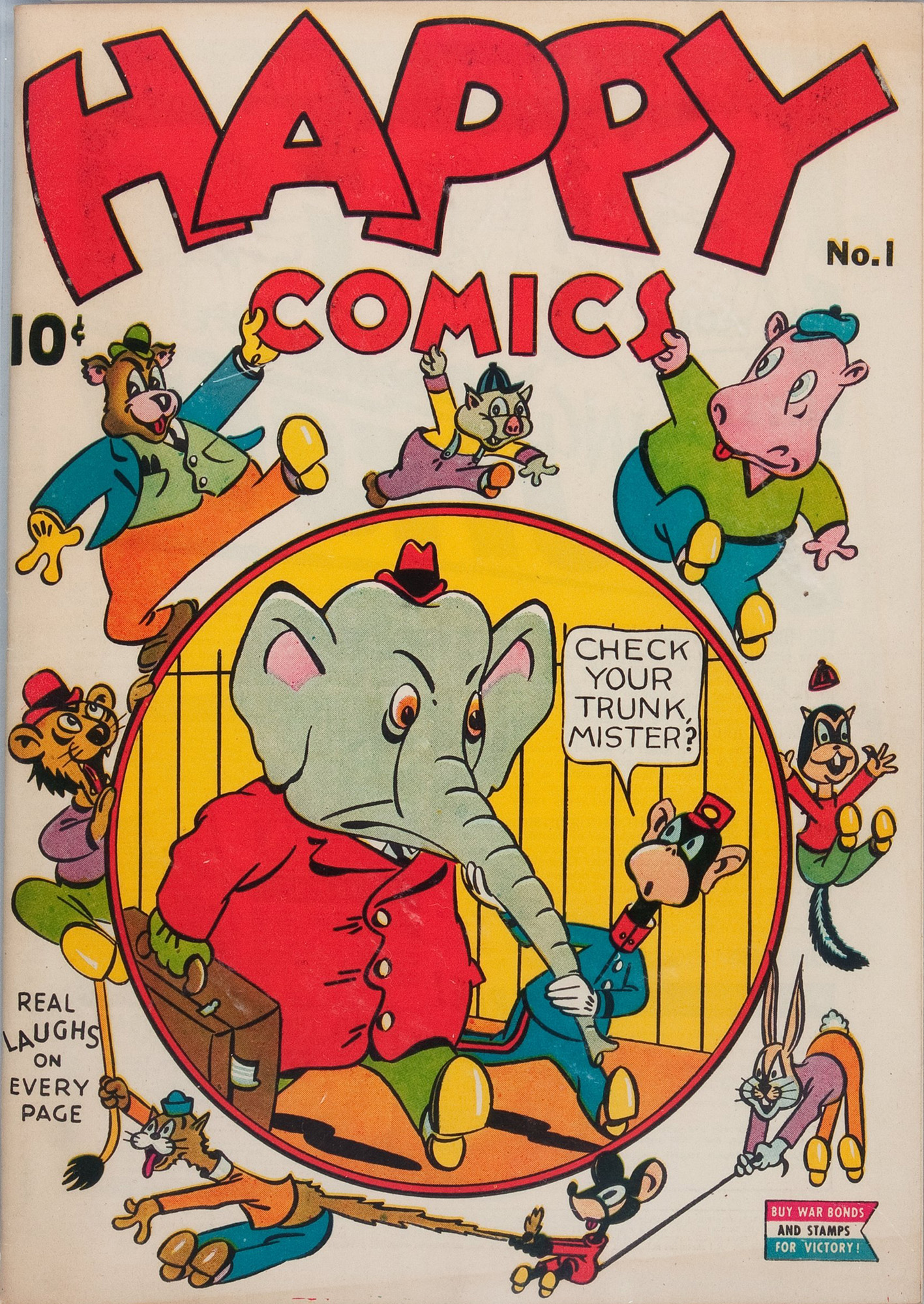
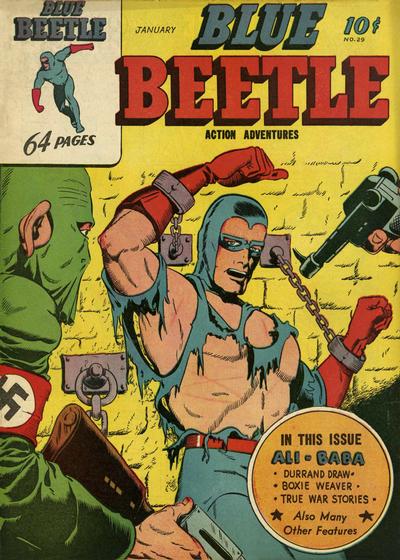
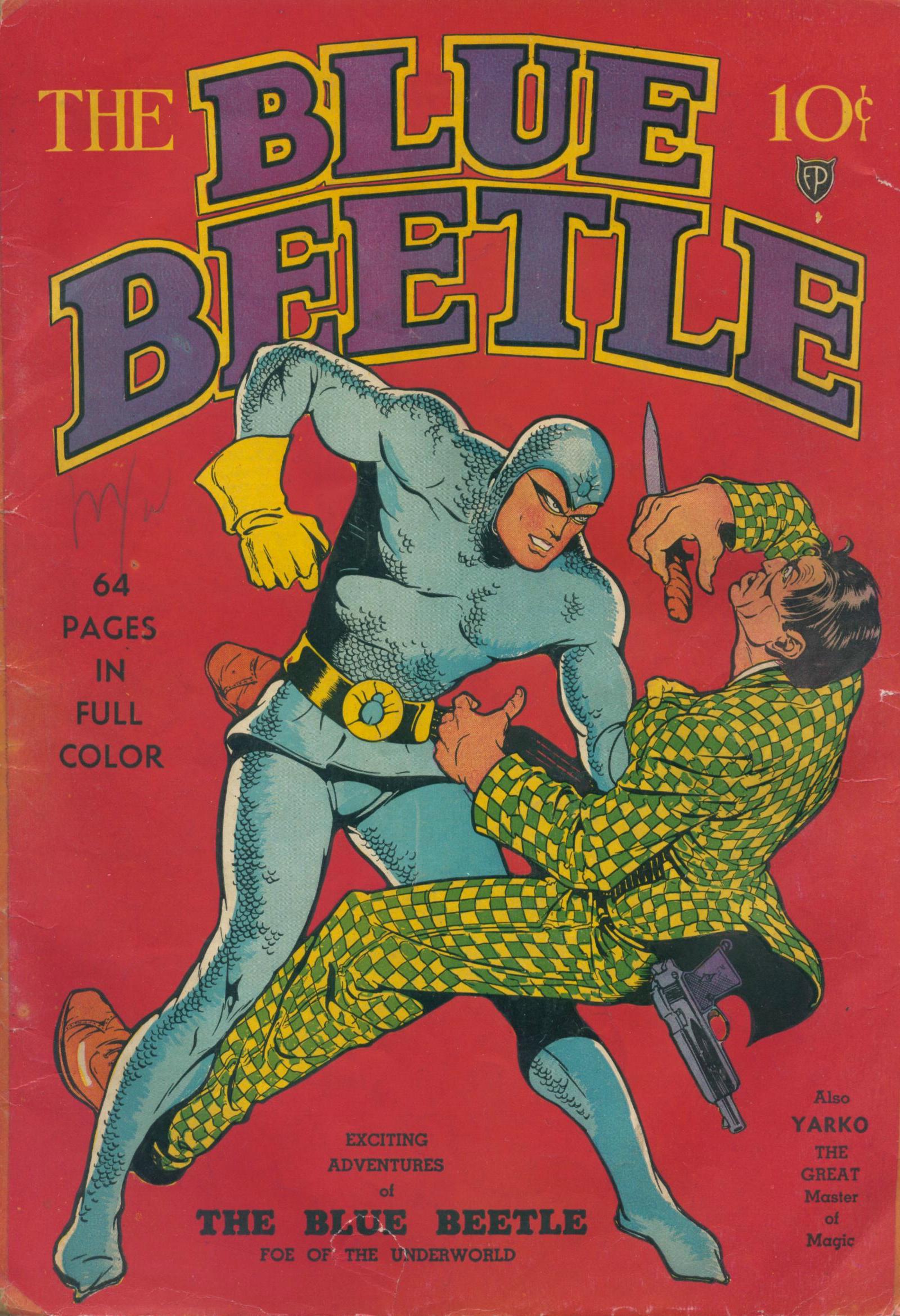
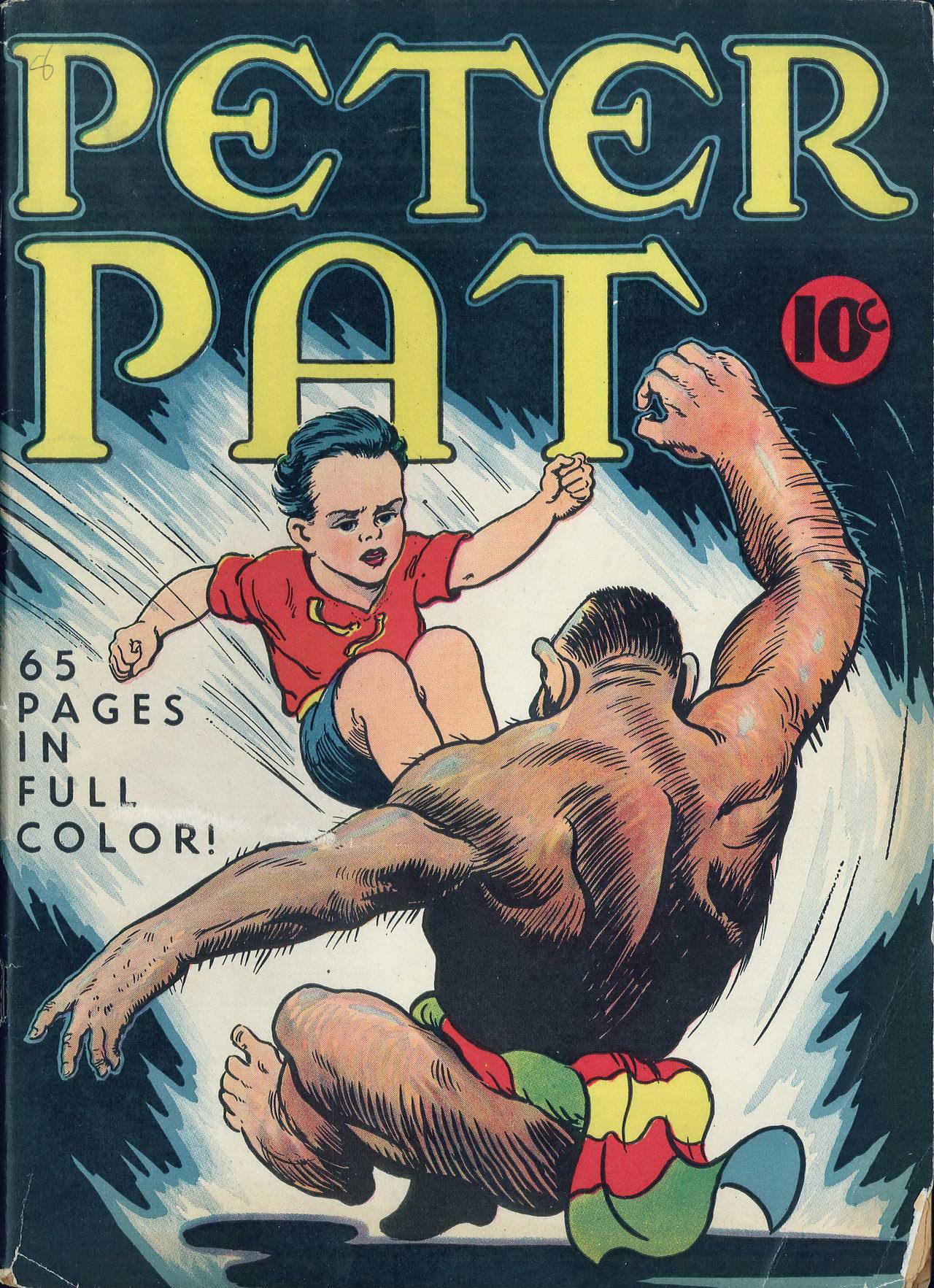
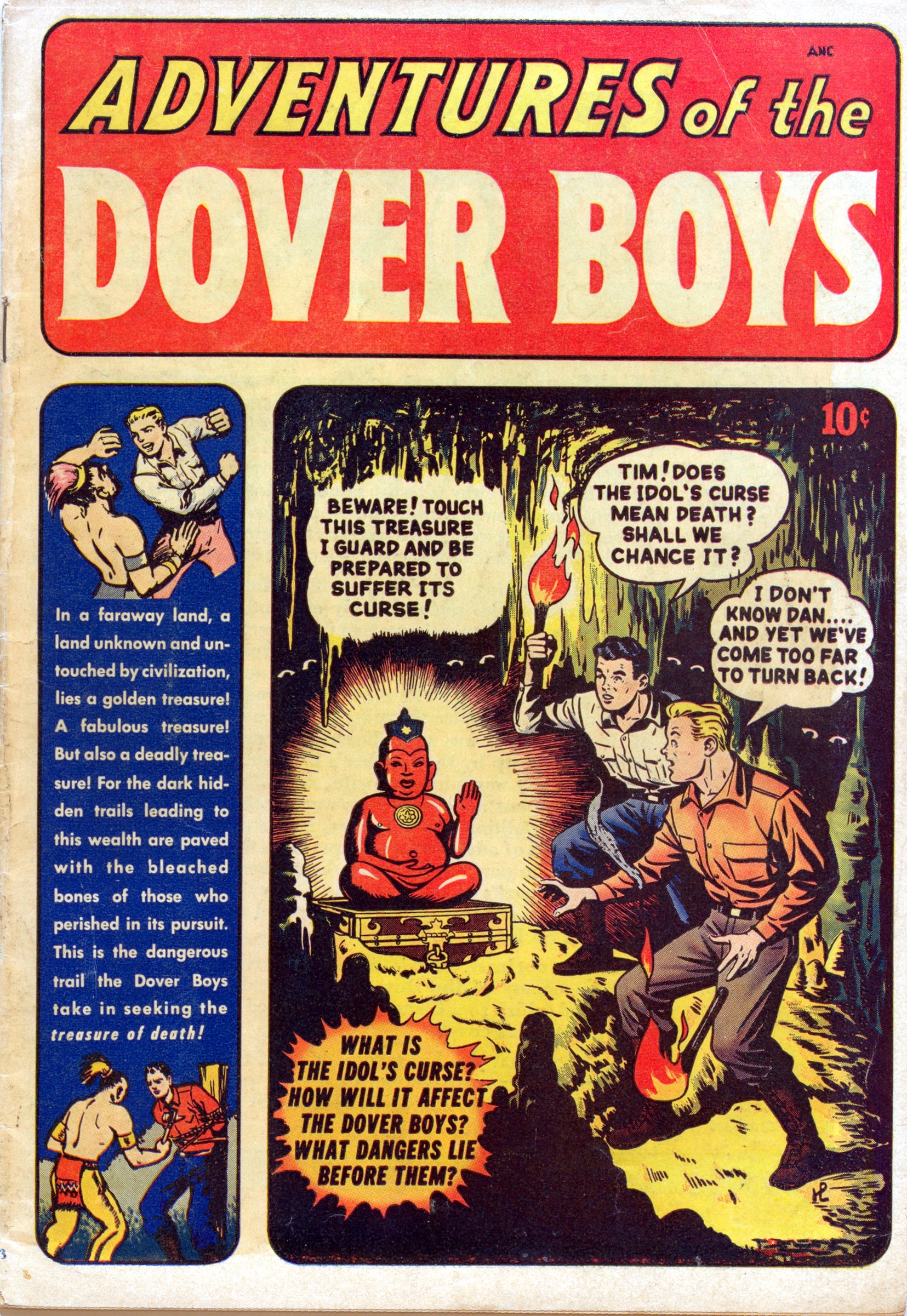
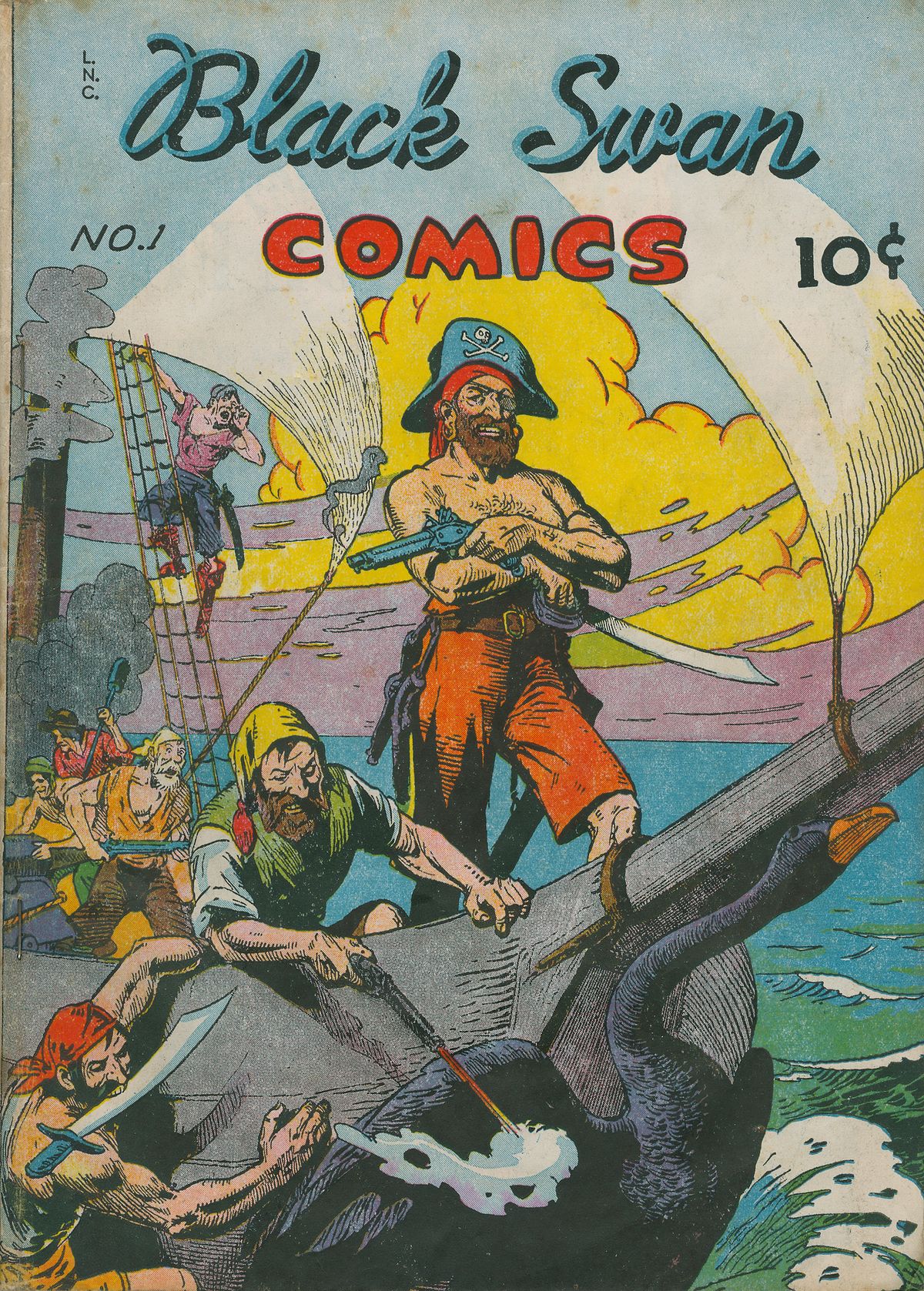
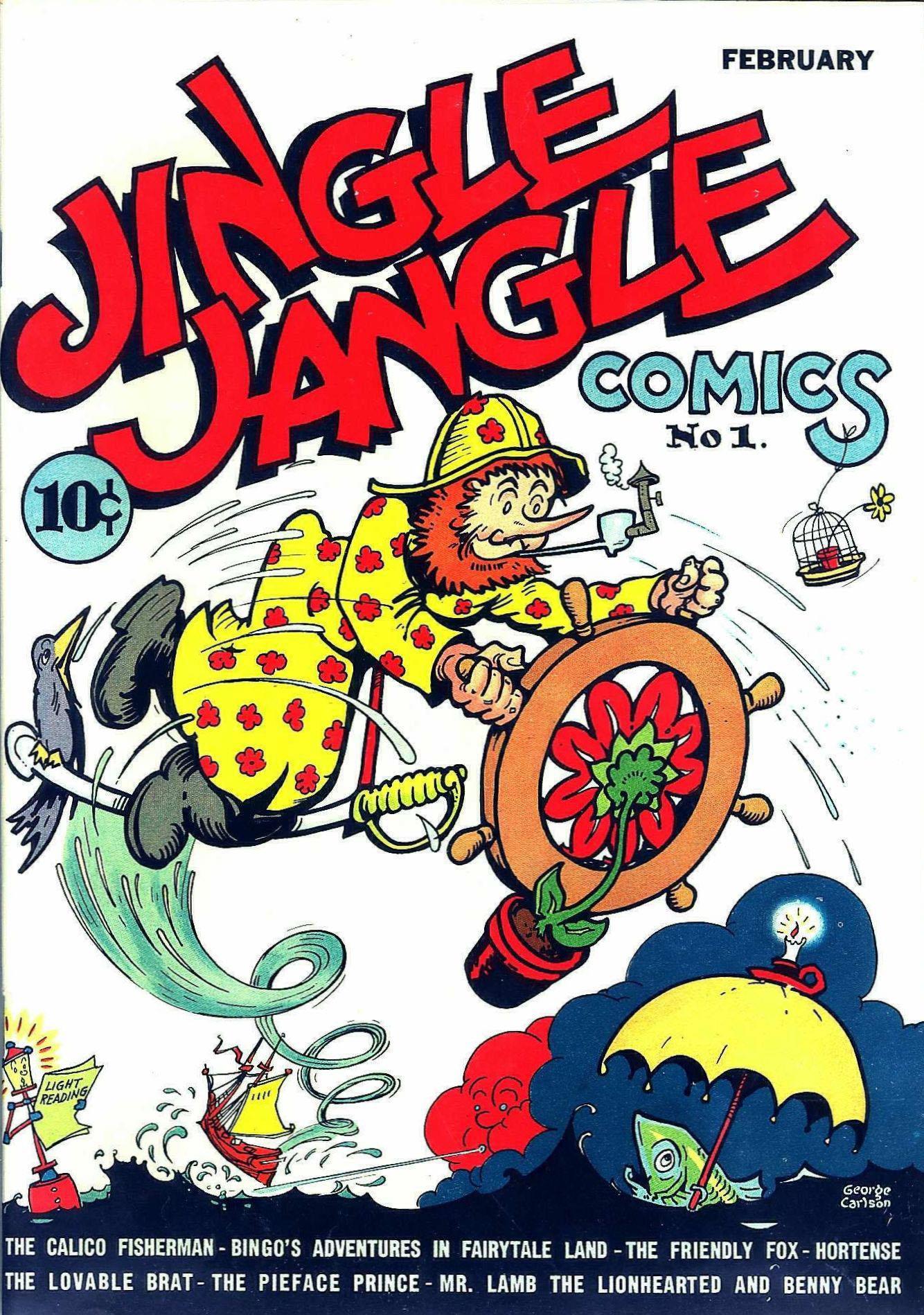
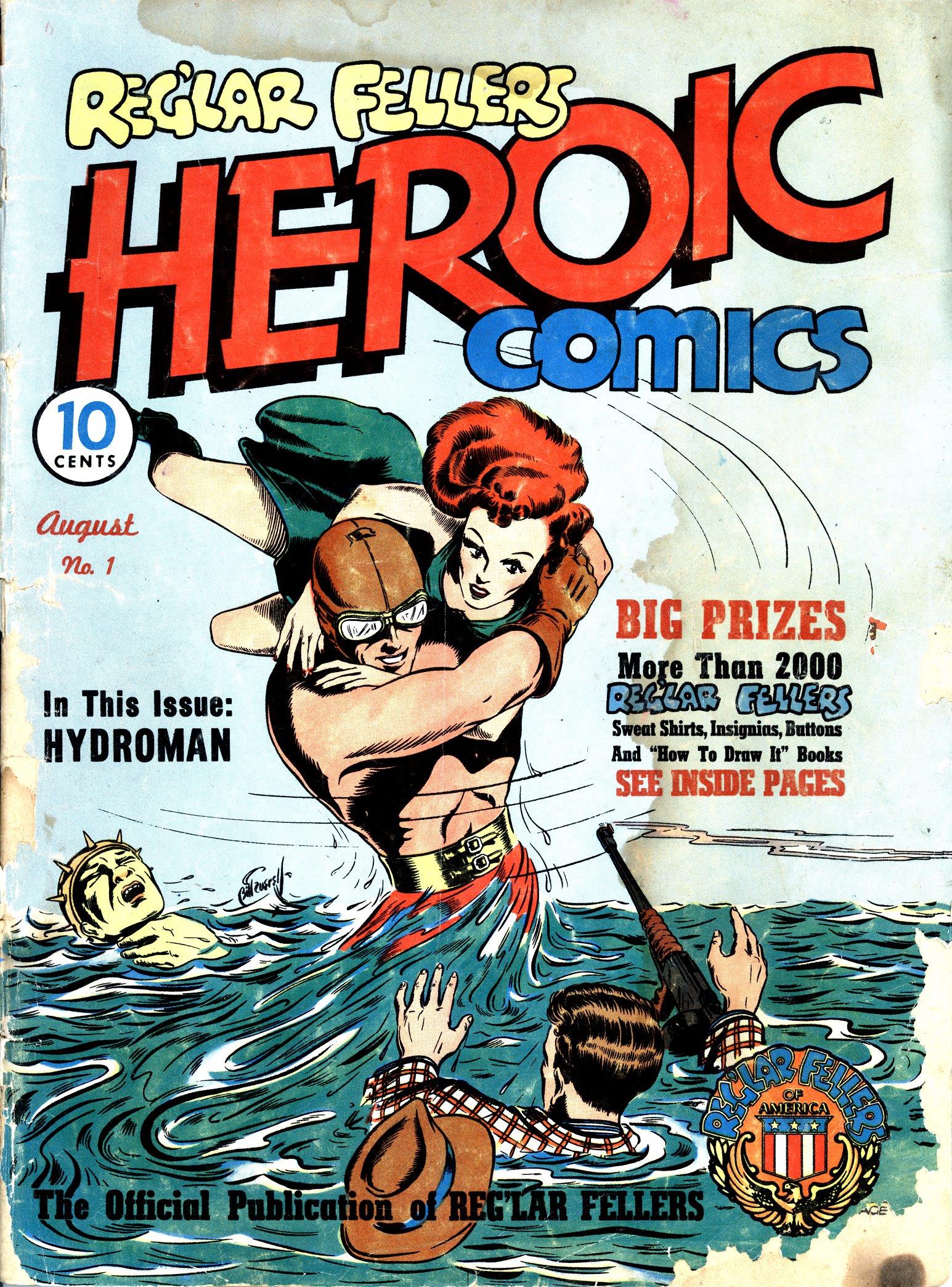
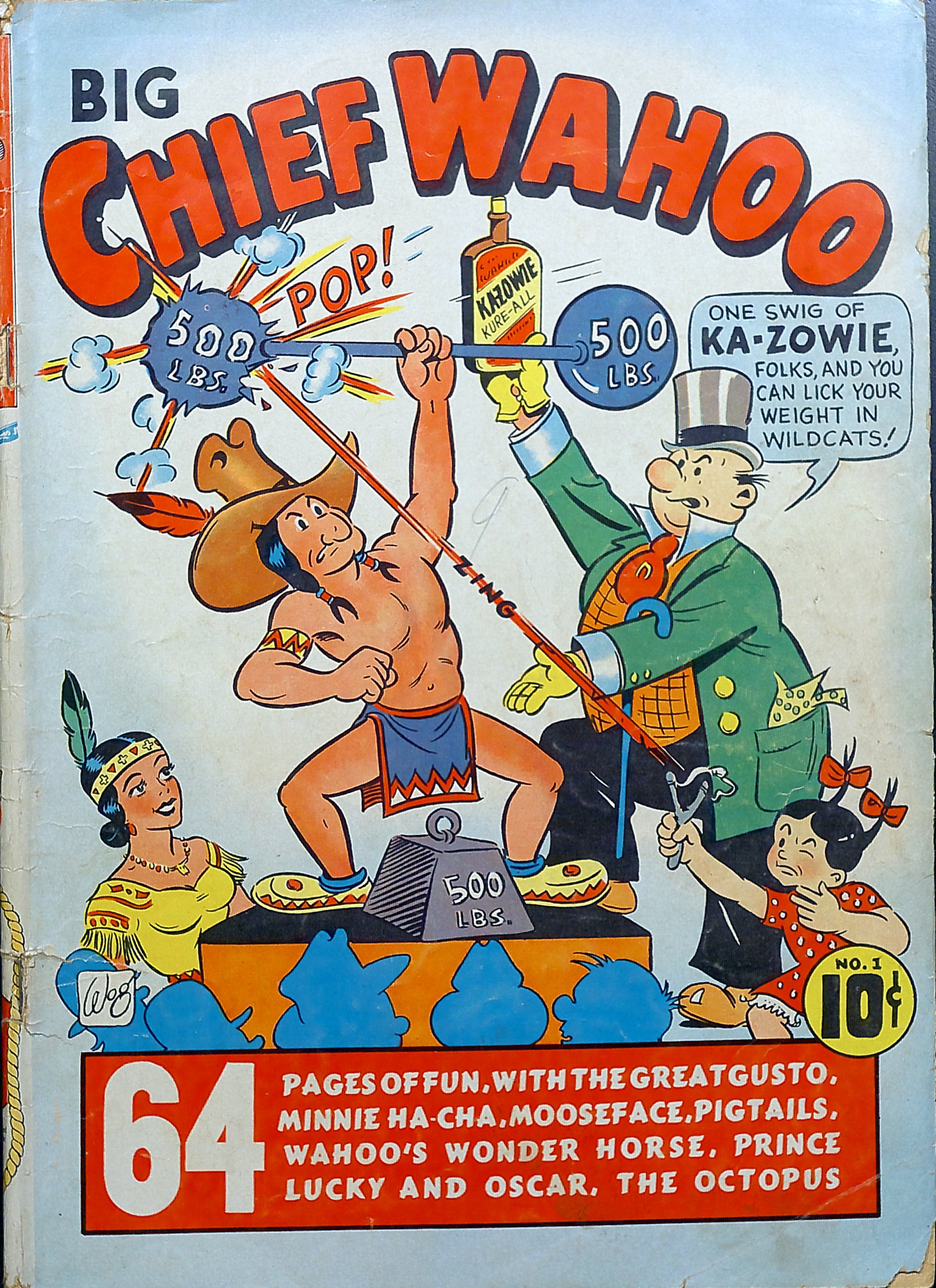
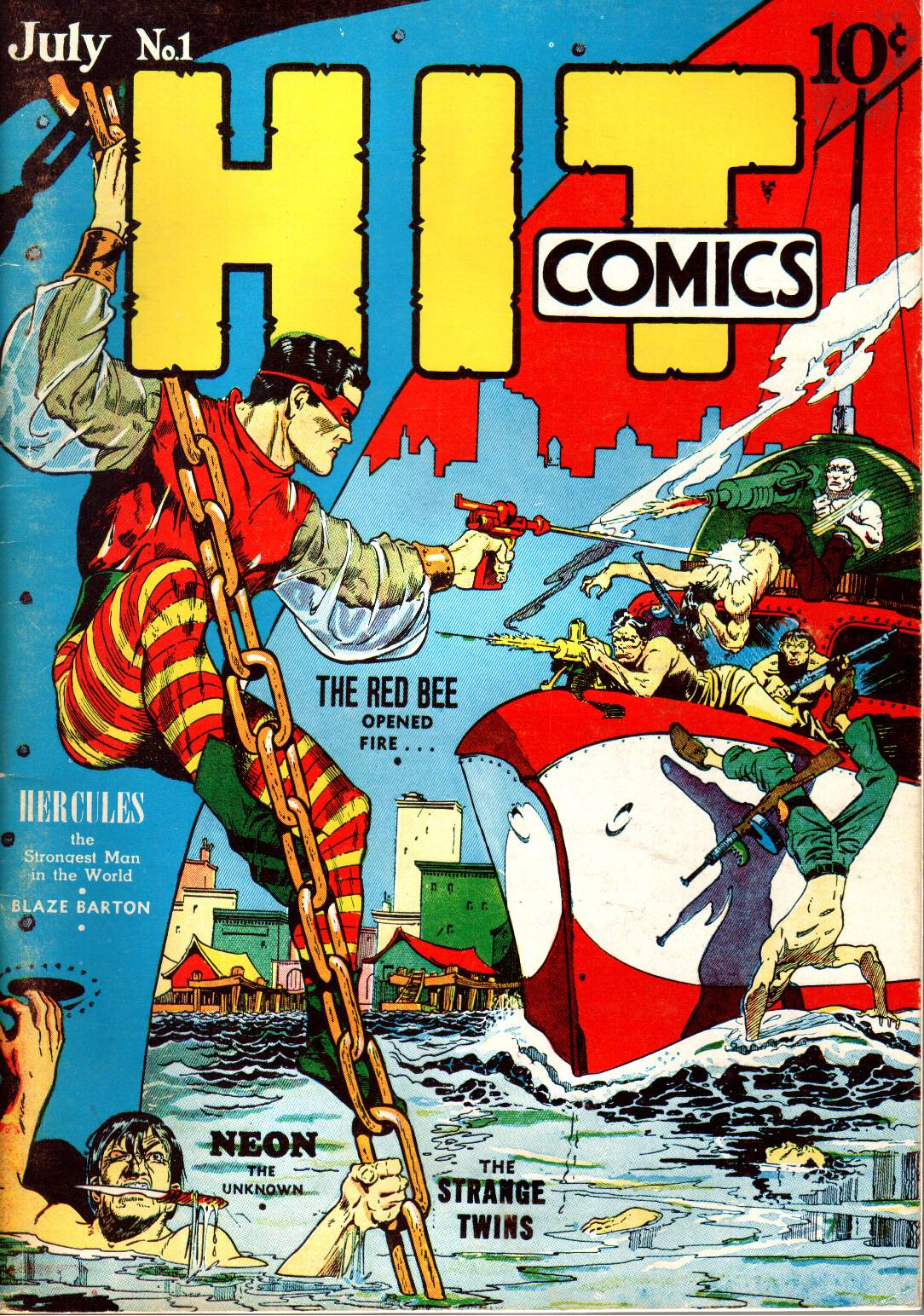
The Holyoke Publishing Company was an American magazine and comic-book publisher with offices in Holyoke, Springfield, Massachusetts, and New York City. Its best-known comics characters were Blue Beetle and the superhero duo Cat-Man (later rendered as Catman, sans hyphen) and Kitten, all inherited from defunct former clients of Holyoke’s printing business.

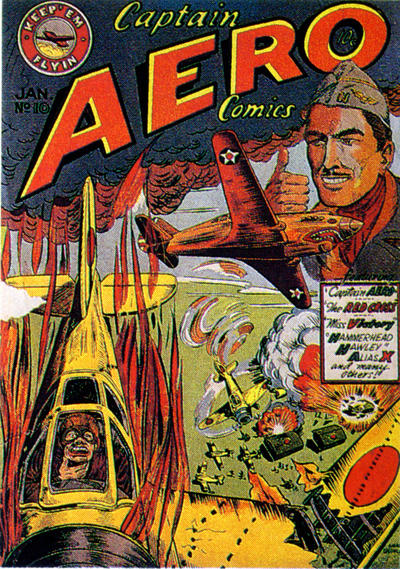
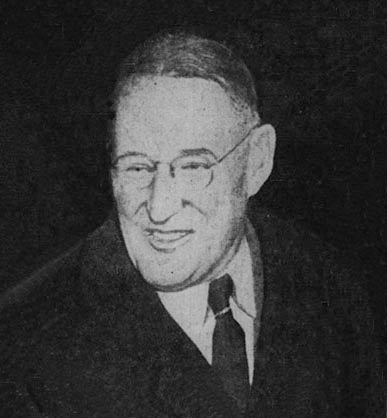
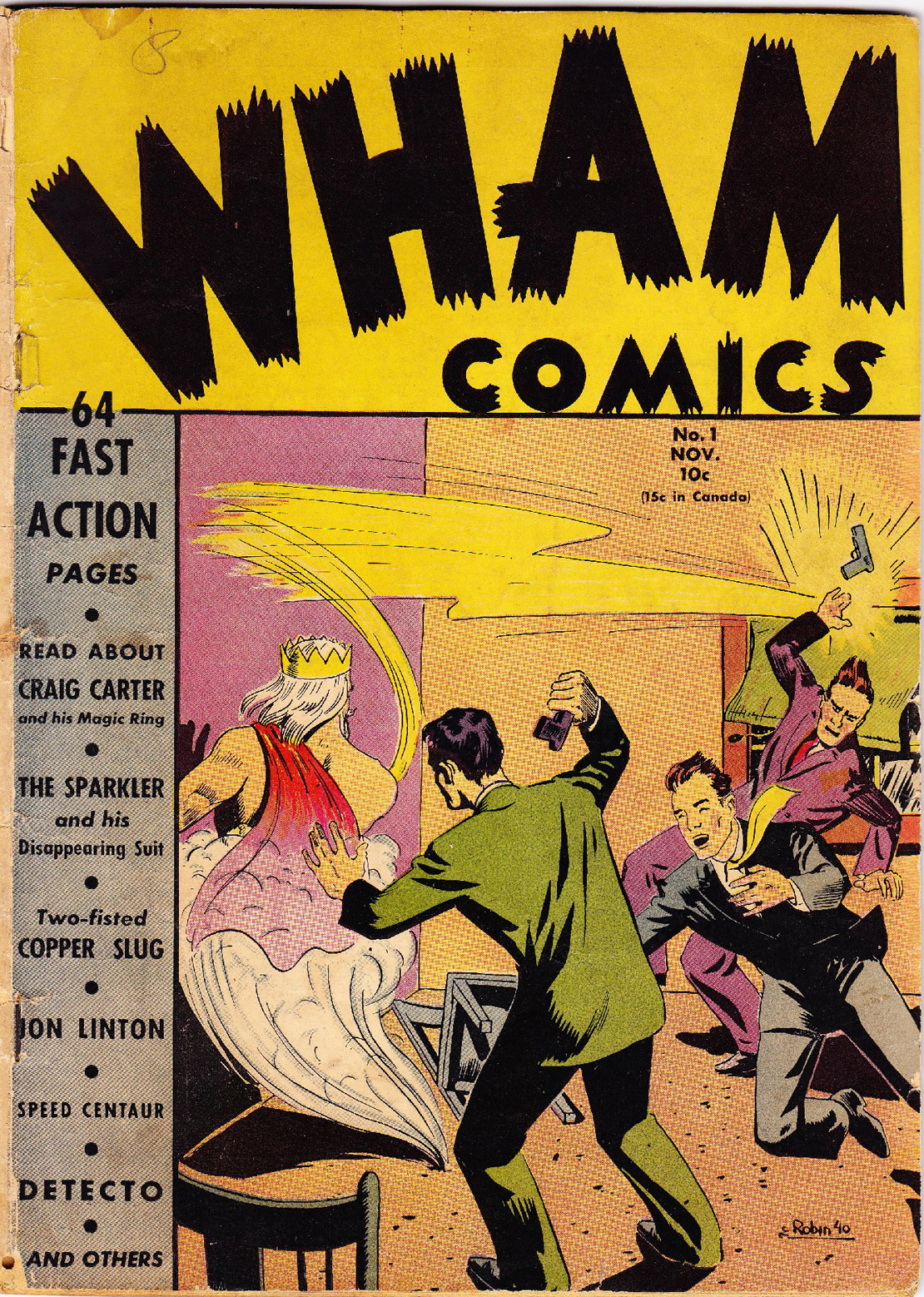
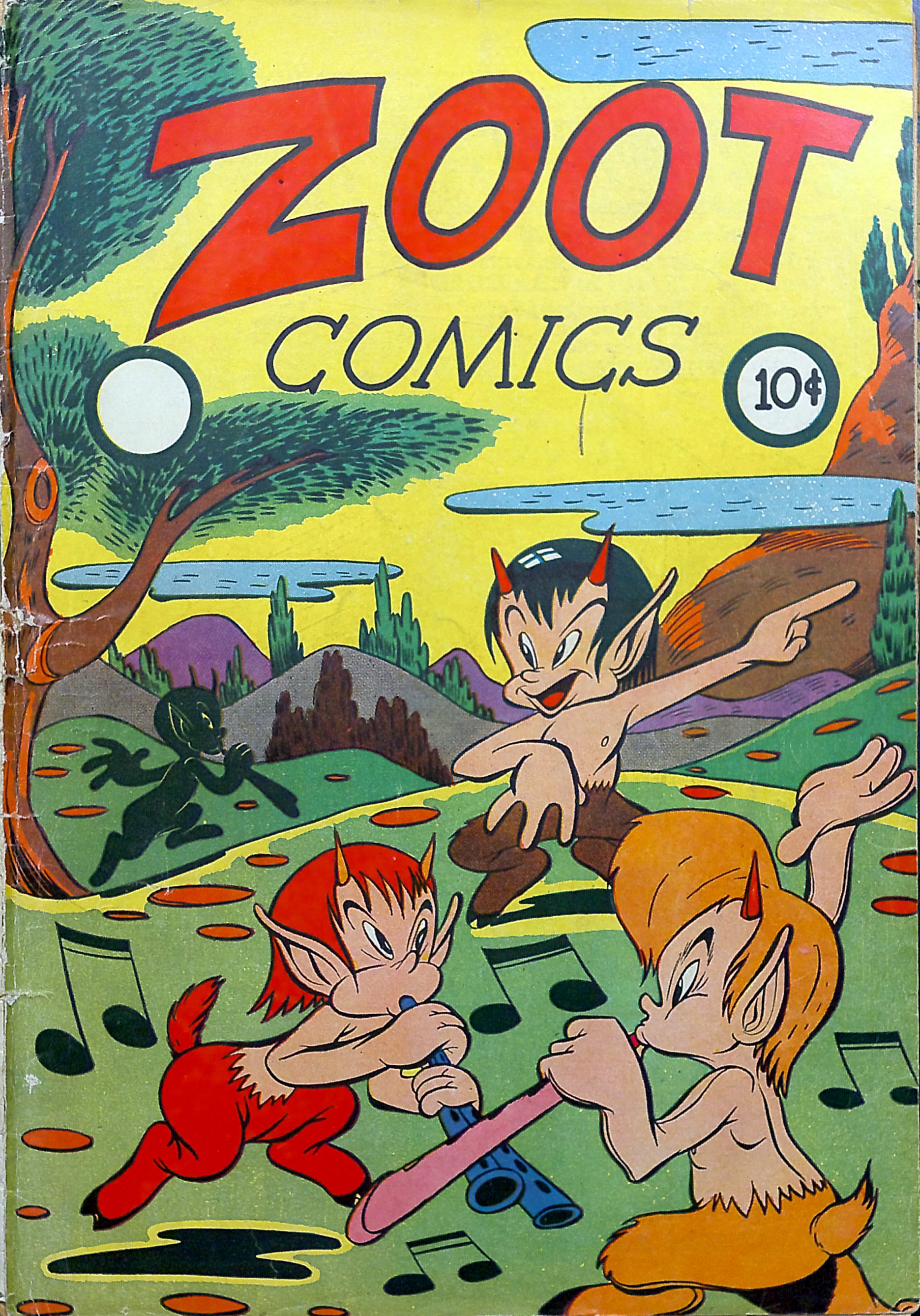
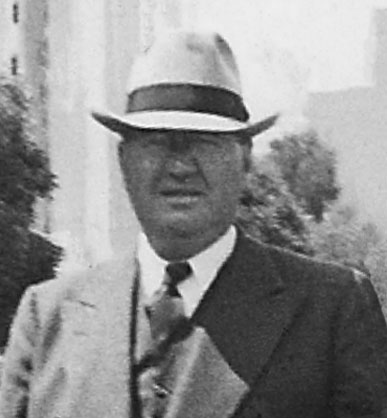
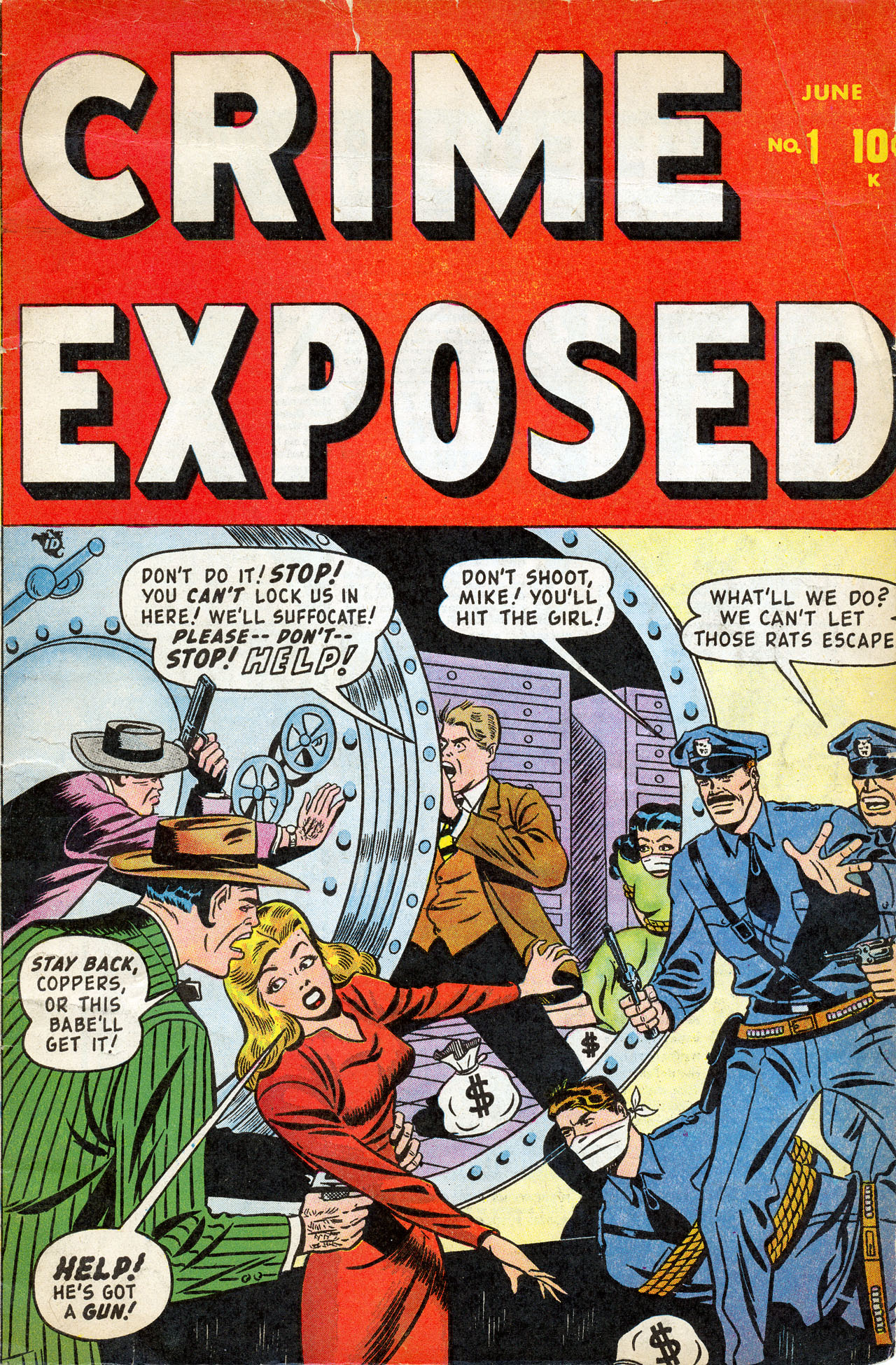
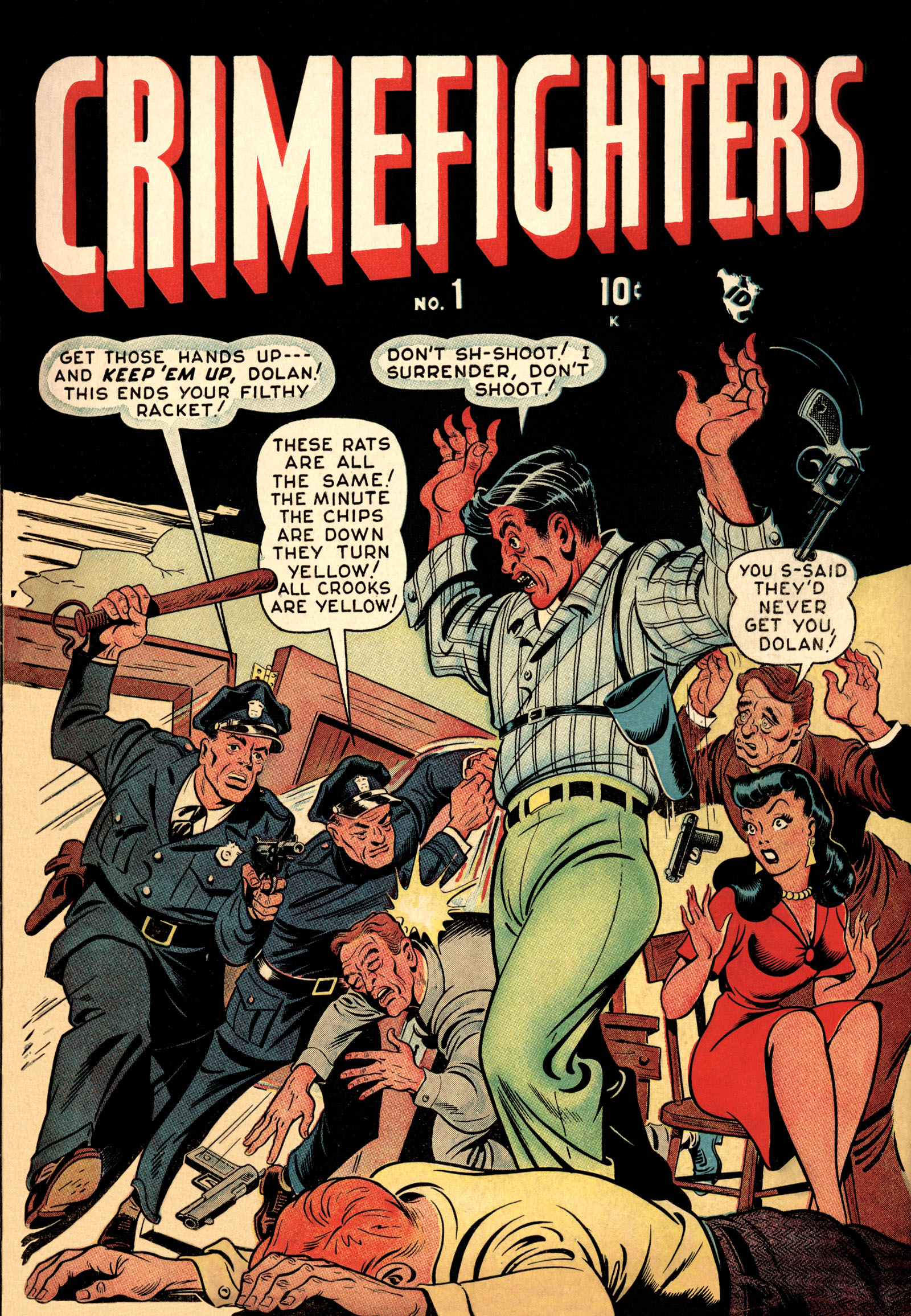
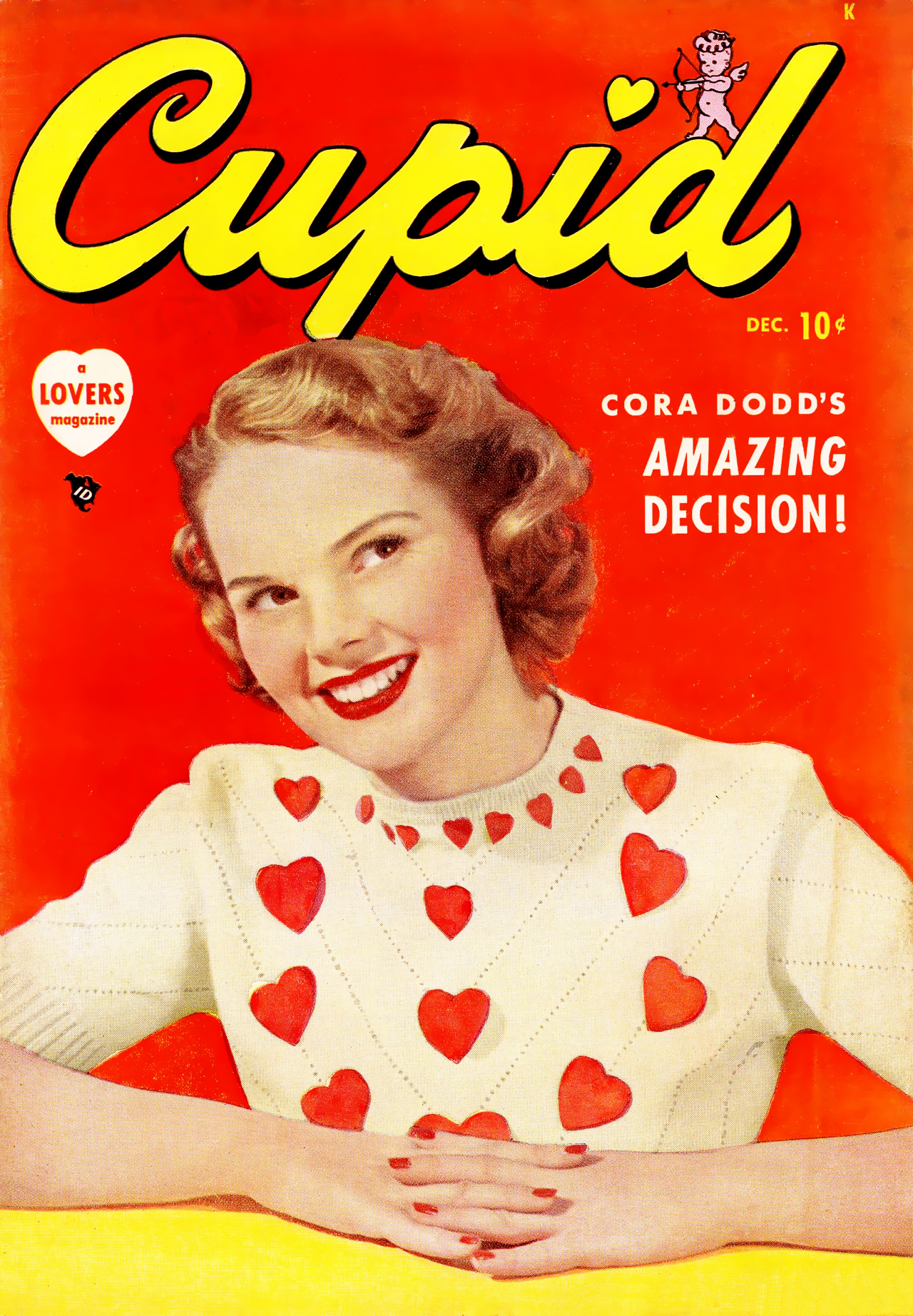
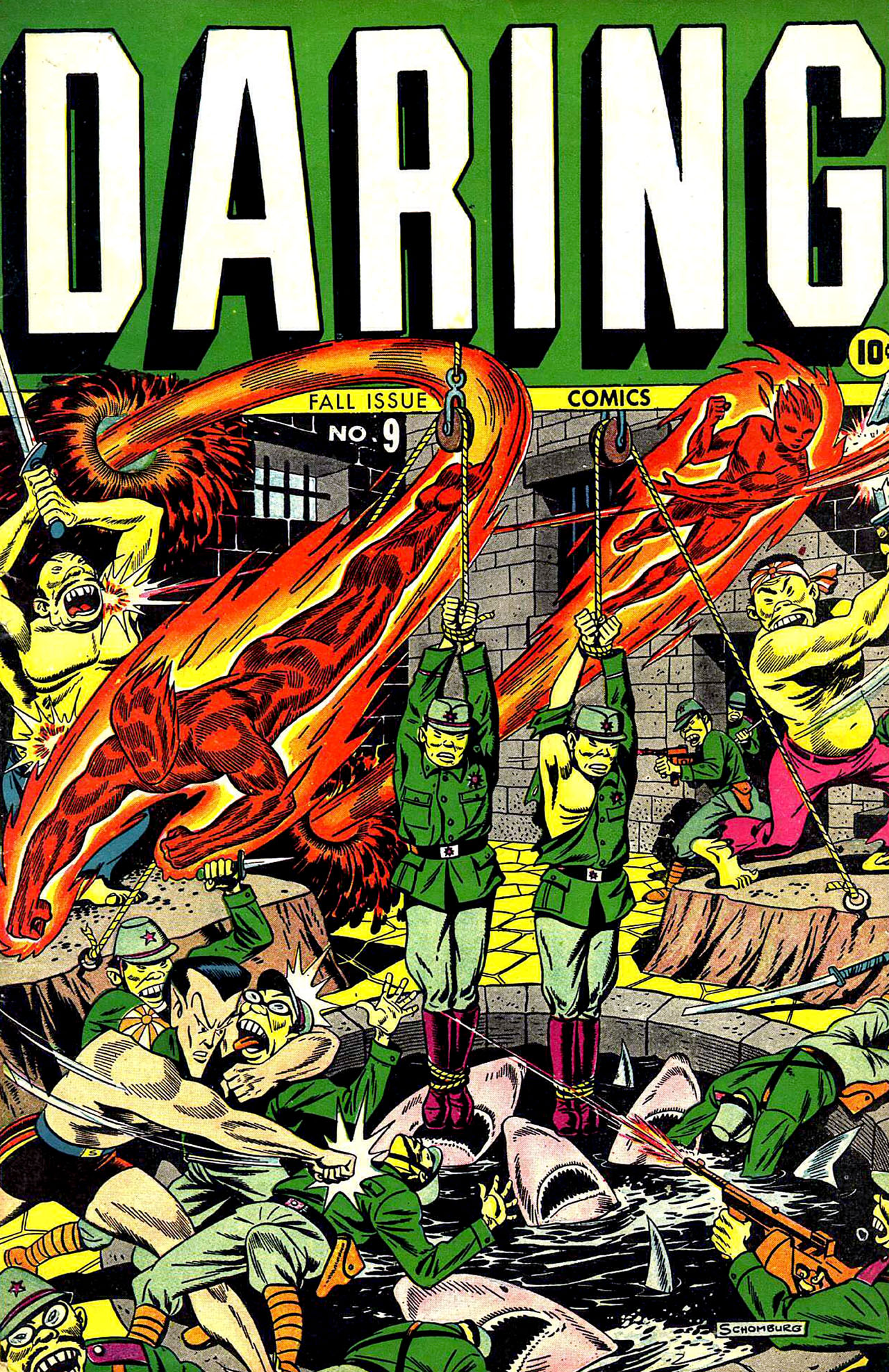
Holyoke Publishing originated with Sherman Bowles, who had taken over his family’s Springfield, Massachusetts newspaper dynasty, consisting of The Republican and other papers. He entered comic-book publishing through his printing division, which took over two existing titles from Frank Z. Temerson’s Helnit Publishing Company: the superhero series Cat-Man Comics and the war comics series Captain Aero Comics.

The Little-Known Story of Sherman Bowles, the Comic Book Pioneer Who Faced Legal Trouble in World War II-Era America

In the world of comic books, names like Stan Lee, Jack Kirby, and Bob Kane are well-known to fans and historians alike. However, there are many lesser-known figures who played important roles in the development of the medium. One of these figures is Sherman Bowles, a comic book publisher who faced legal trouble during World War II for allegedly using paper that wasn’t rightfully his.

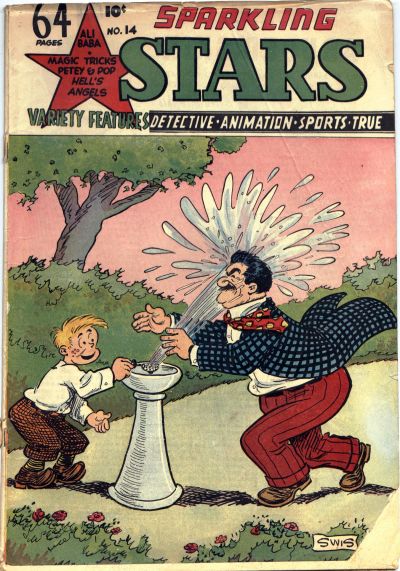
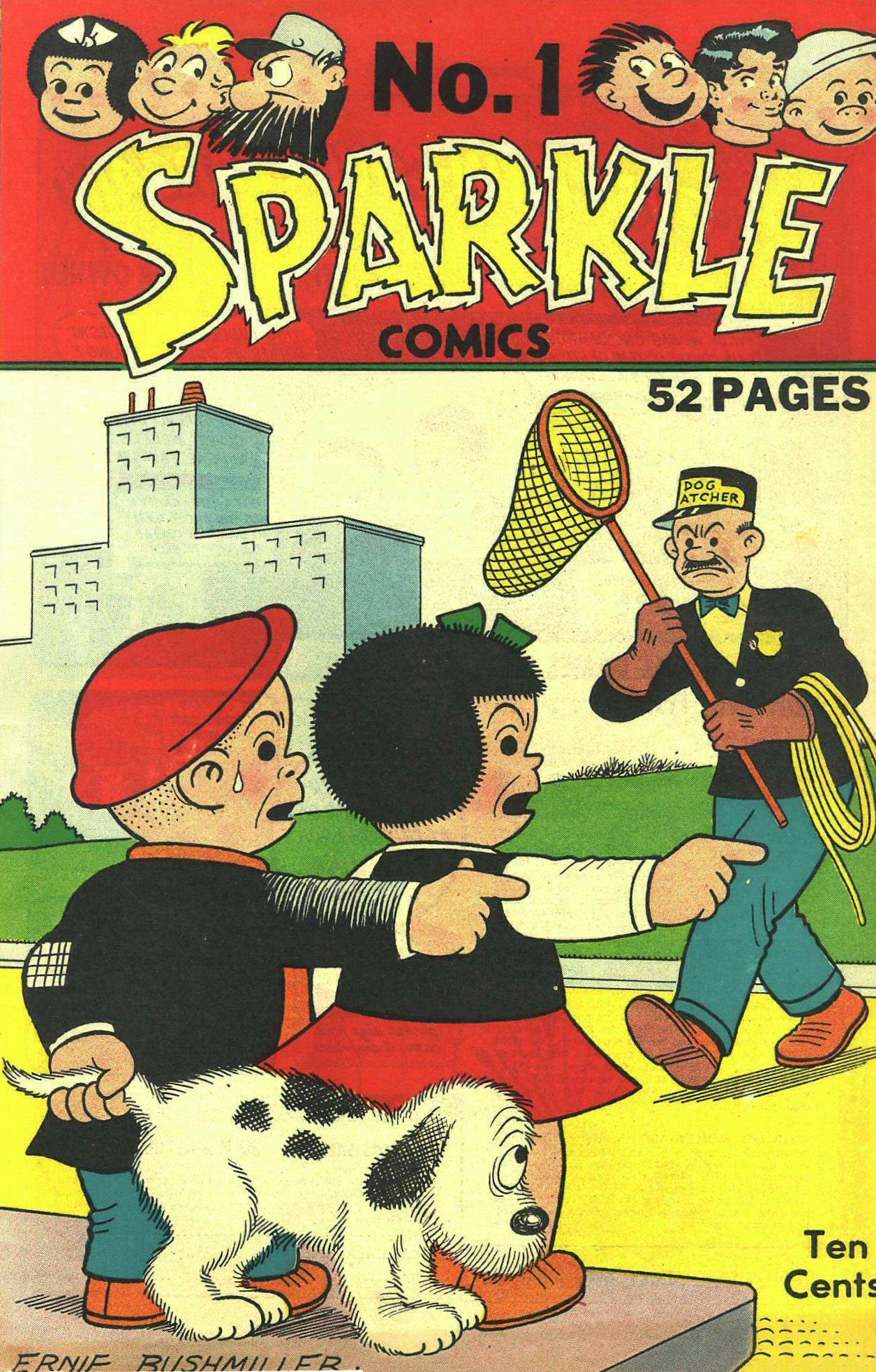
Sherman Bowles was a comic book publisher who got his start in the 1930s when the medium was still in its infancy. He was the founder of Star Publications, which produced a number of popular titles in the 1940s, including “Sparkling Stars.” The comic was notable for its all-female cast of superheroes, which was a rarity at the time. Bowles was also known for his business savvy, which allowed him to navigate the often tumultuous world of comic book publishing.

Despite his success, Bowles ran into legal trouble during World War II. In 1945, the Federal Register reported that the War Production Board had ruled that Bowles had illegally used 775,772 pounds of print paper to produce “Sparkling Stars.” According to the ruling, the paper was actually the property of Frank Z. Temerson and Victor Fox, who had temporarily passed proprietorship of their comics Cat-Man, Captain Aero, and Blue Beetle to Bowles in order to repay an outstanding debt.

The ruling was a serious blow to Bowles’ business. He was ordered to pay a fine of $25,000 and was barred from using the paper in question for the next two years. The ruling also put a damper on the production of “Sparkling Stars,” which had to be printed on lower-quality paper. Despite these setbacks, Bowles continued.

Sherman Bowles

Comic Magazine Company/Chesler/Ultem/Centaur

The Golden Age of comic books, from the late 1930s to the mid-1950s, saw the emergence of a number of companies that would leave their mark on the industry. Among them were Comic Magazine Company (C.M.C.), Chesler Publications, Ultem Comics, and Centaur Comics.
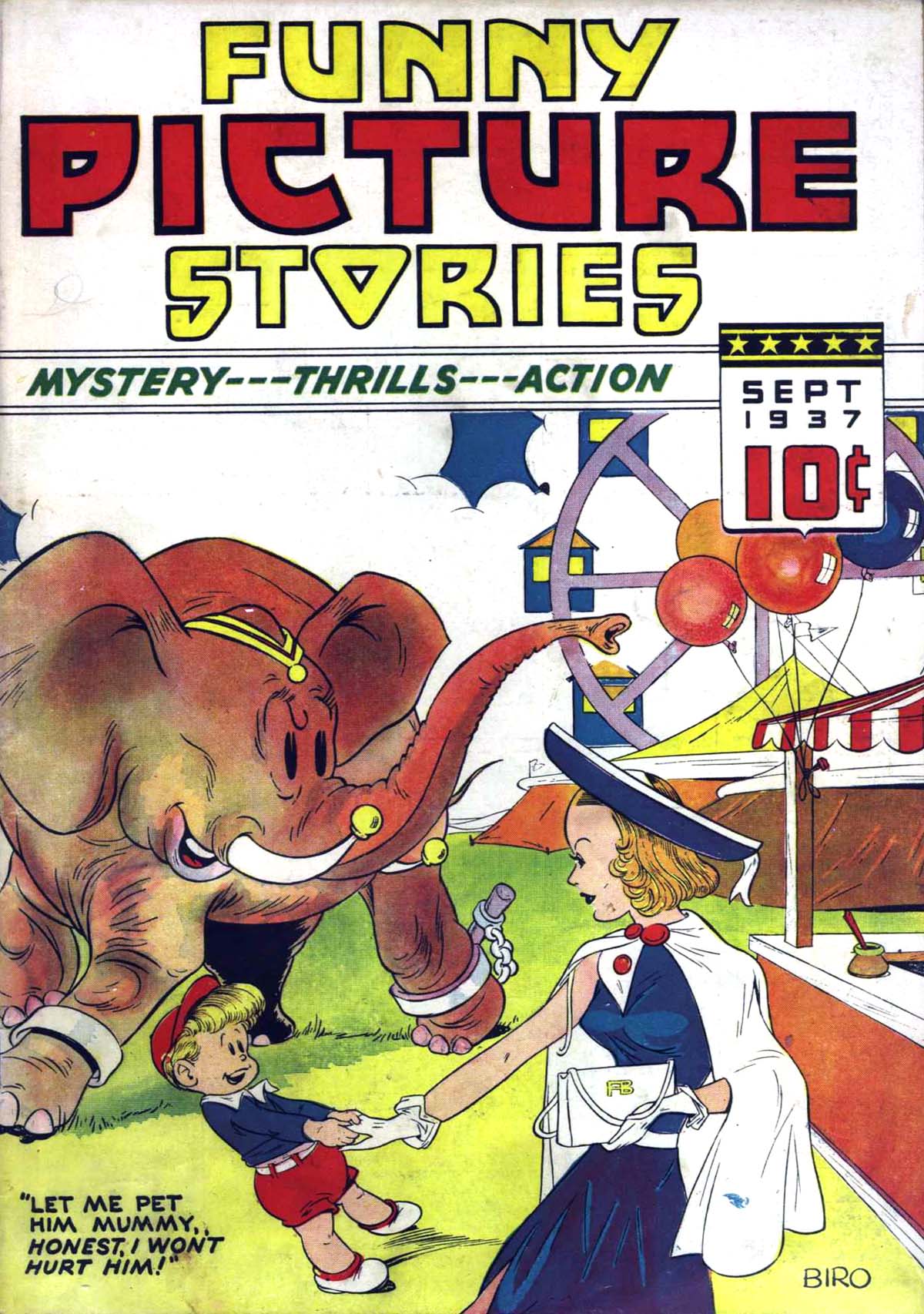
C.M.C. was founded in 1936 by John Mahon and Bill Cook, both of whom had worked for National Allied Publications. The company’s first title, The Comics Magazine, debuted in May of that year and featured many features from National drawn by the original artists. Some characters made only a single appearance or returned to National, while others continued to work for both companies. Another C.M.C. title, Funny Picture Stories, premiered in November 1936 and introduced The Clock, Comic Book’s first masked hero.

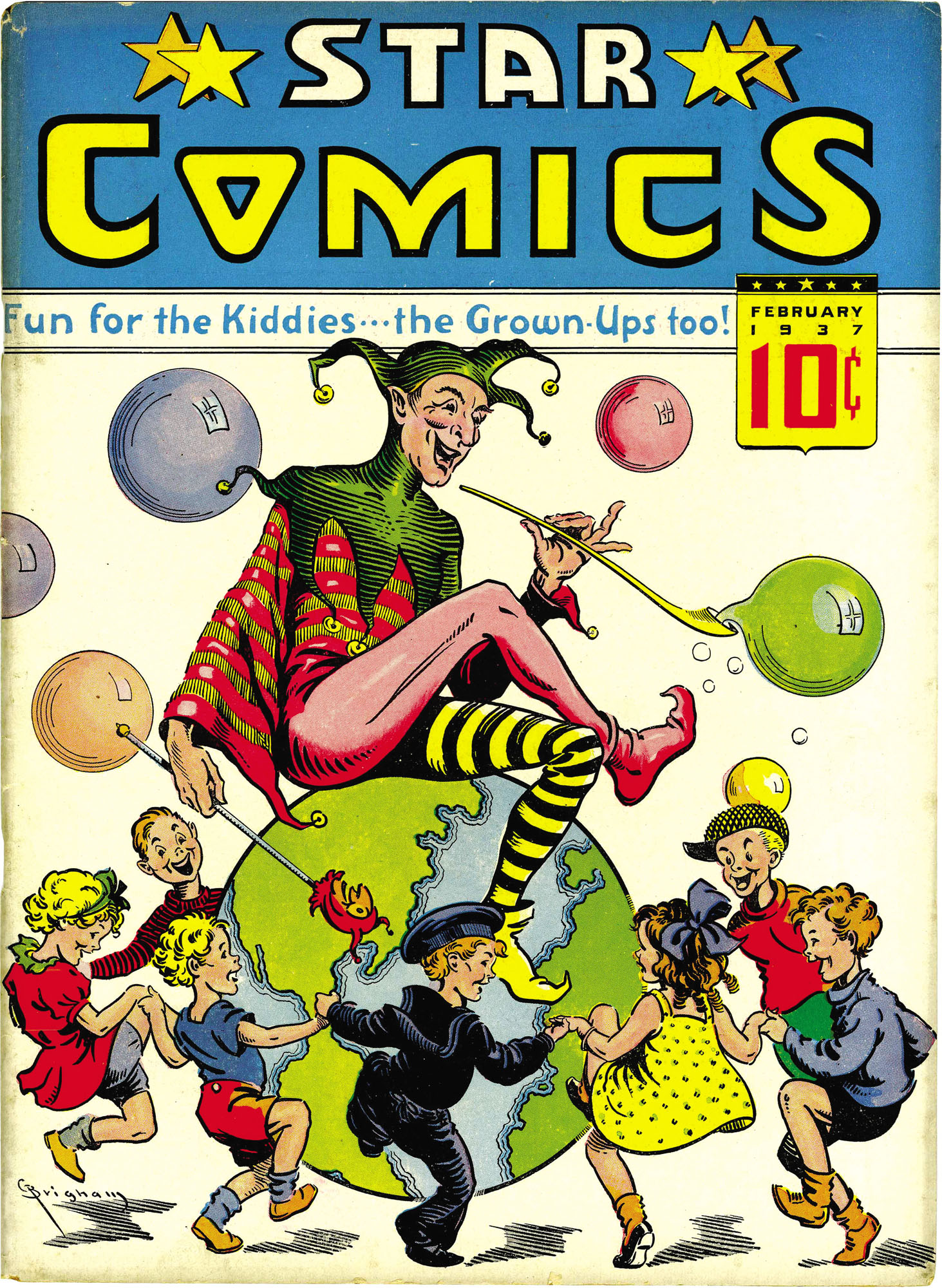
In 1937, Harry « A » Chesler founded Chesler Publications, a comic book packager and publisher. Chesler provided early work to artists and writers like Jack Cole, Jack Binder, Otto Binder, Charles Biro, and Mort Meskin. Chesler’s first titles were Star Comics and Ranger Comics, two oversize comics that debuted in February 1937. Chestler Dynamics would follow.

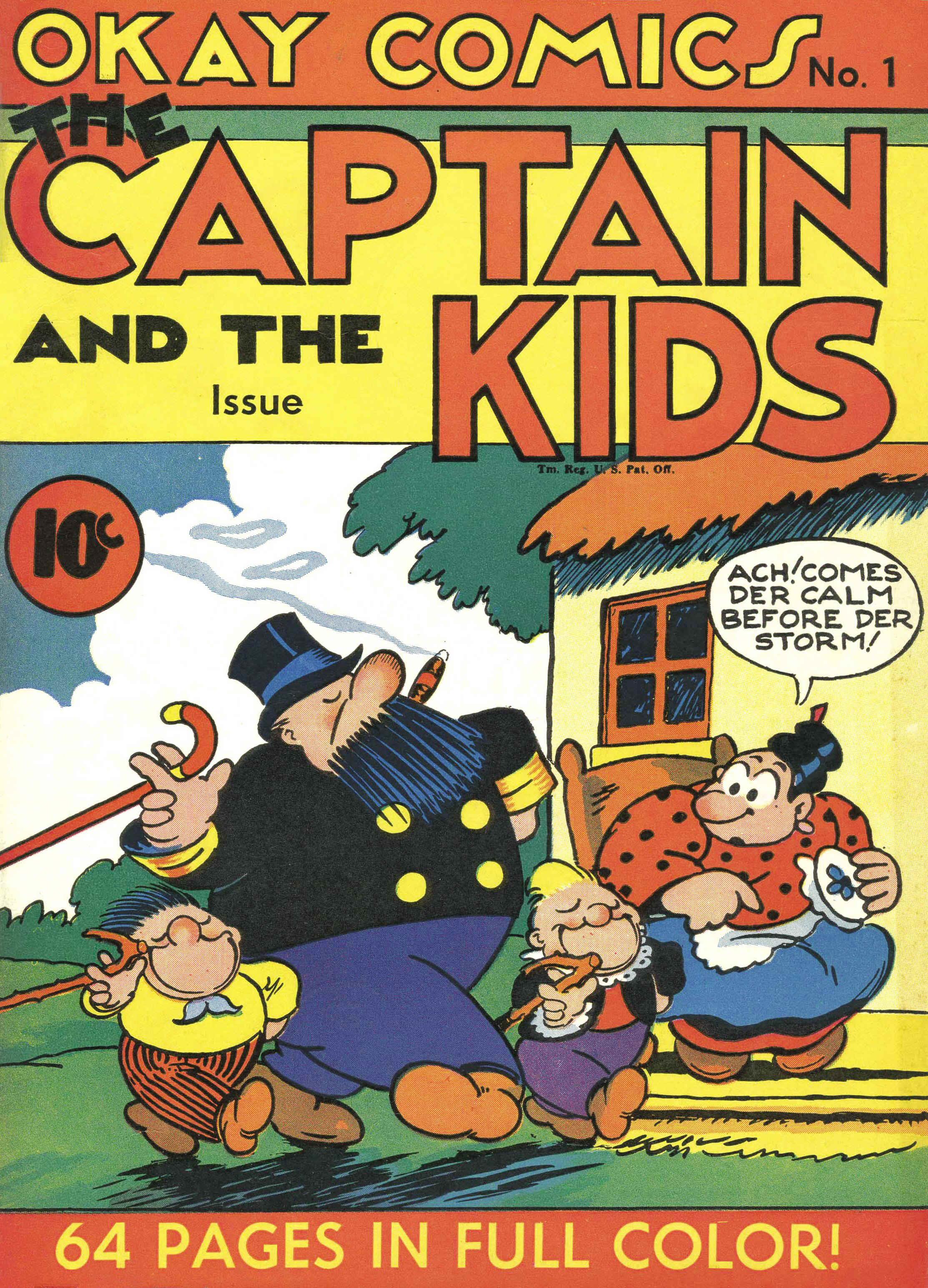
That same year, I.W. Ullman and Frank Z. Temerson founded Ultem Comics, which acquired Chesler’s and C.M.C. in 1937. Chesler remained on as editor and packager, and Ultem operated out of the same office as Chesler had rather than at Ullman and Temerson’s offices. The company would continue to produce titles until January 1938.

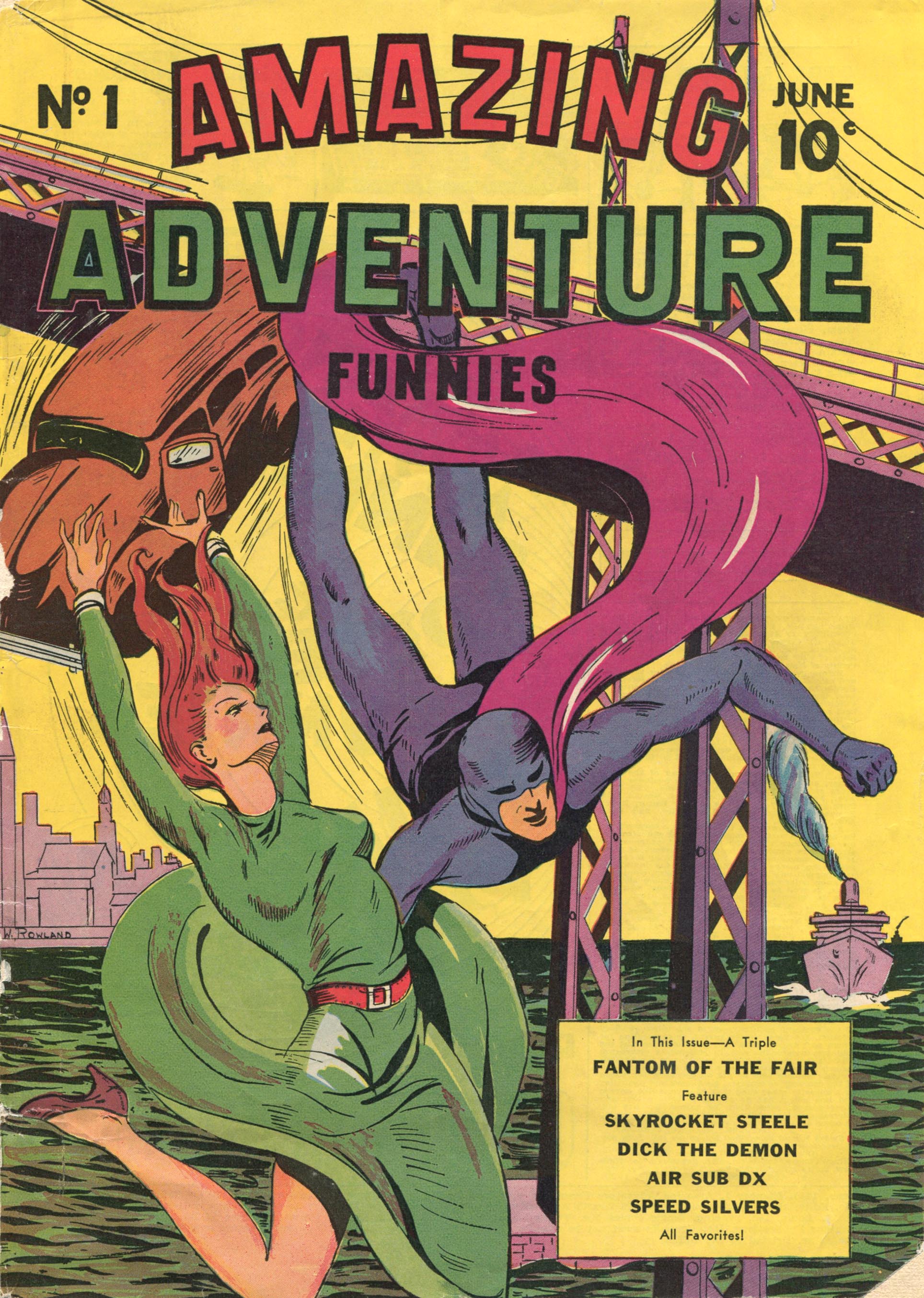
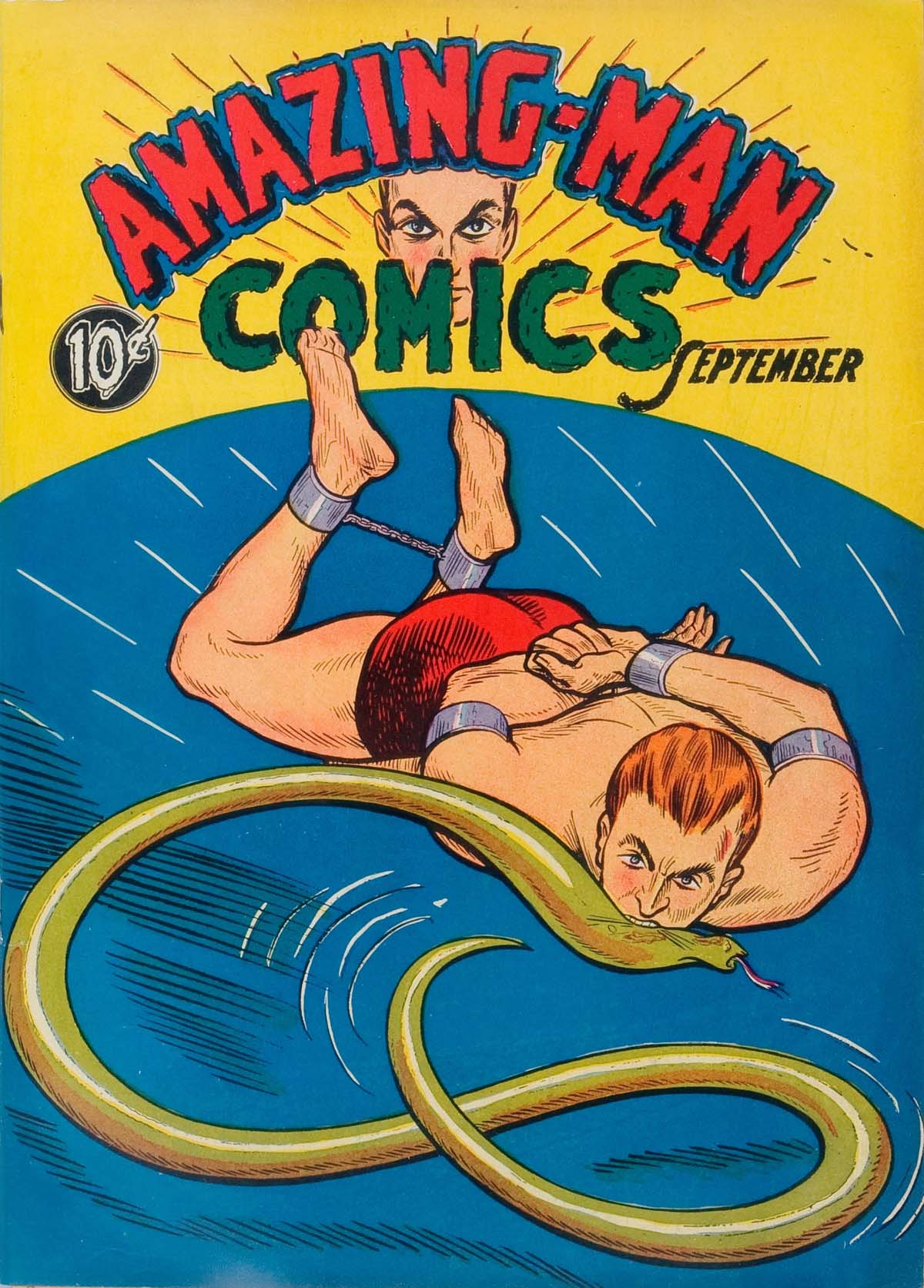
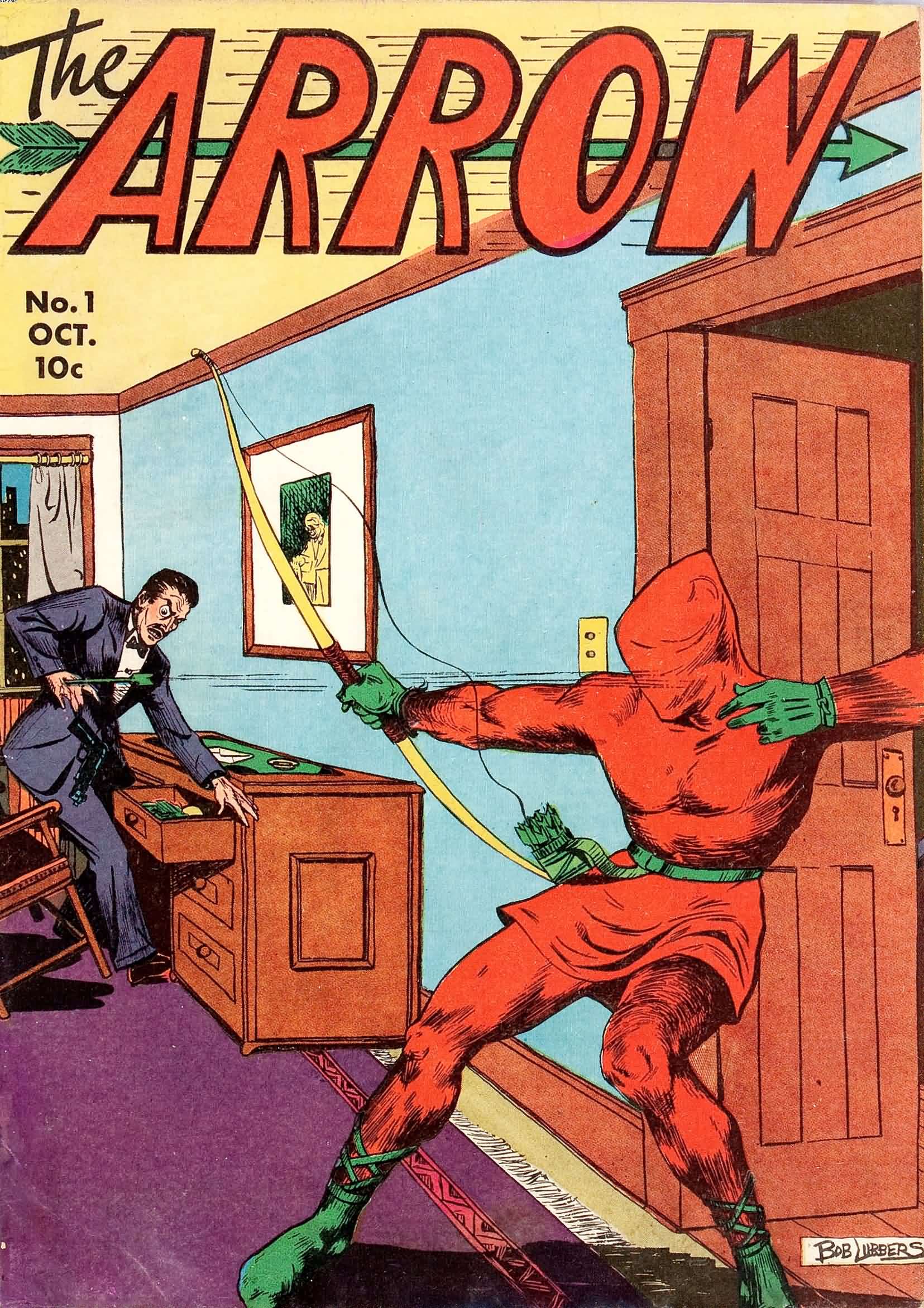
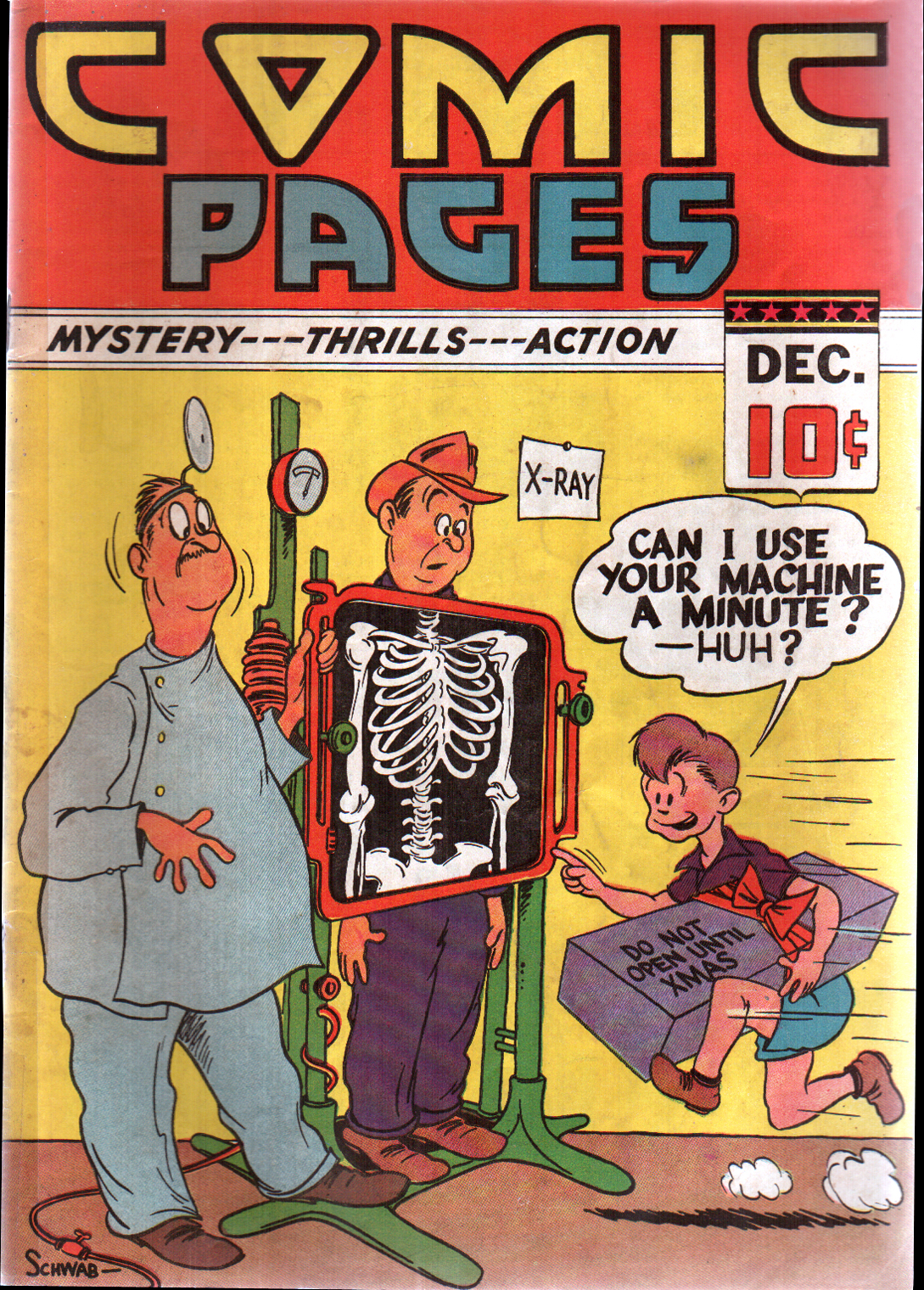
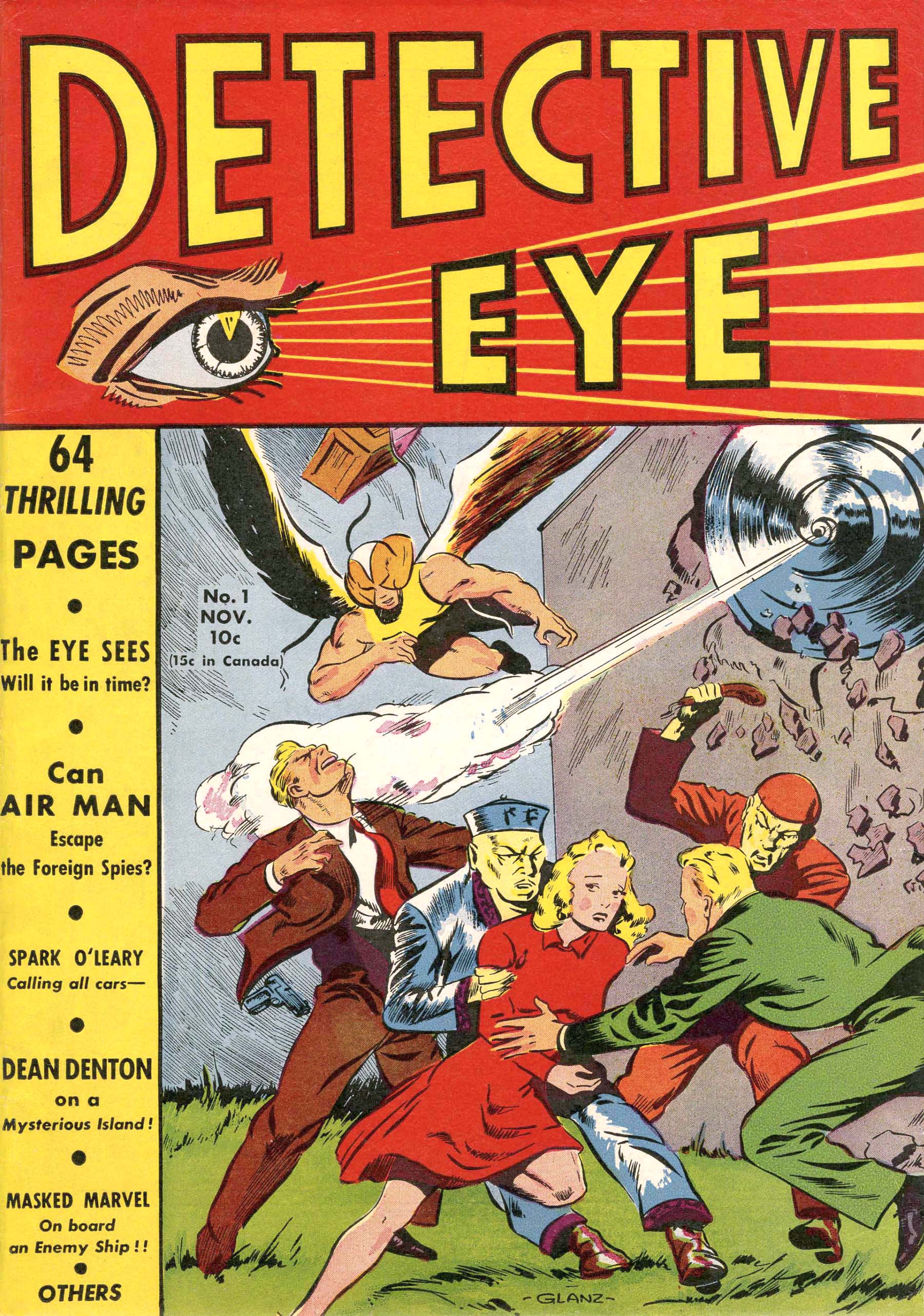
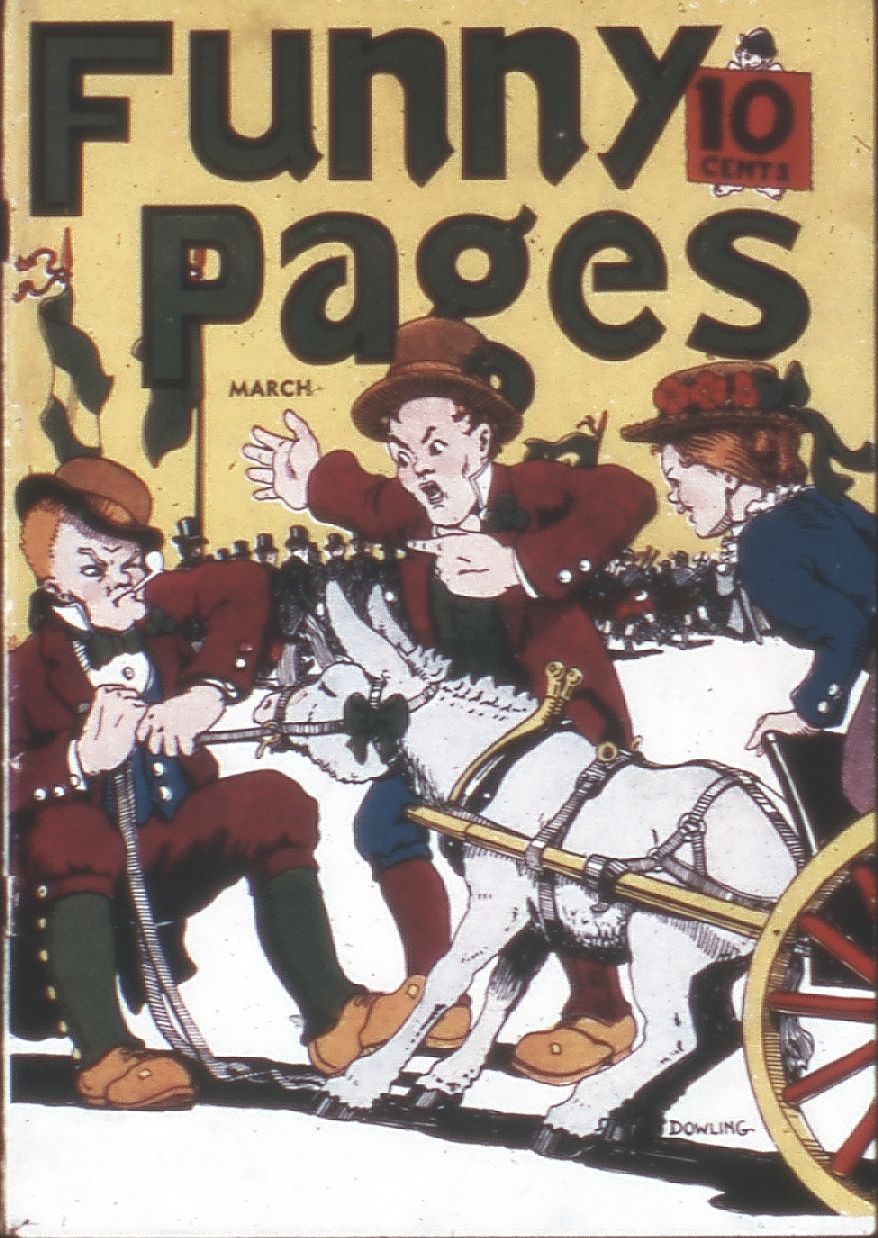
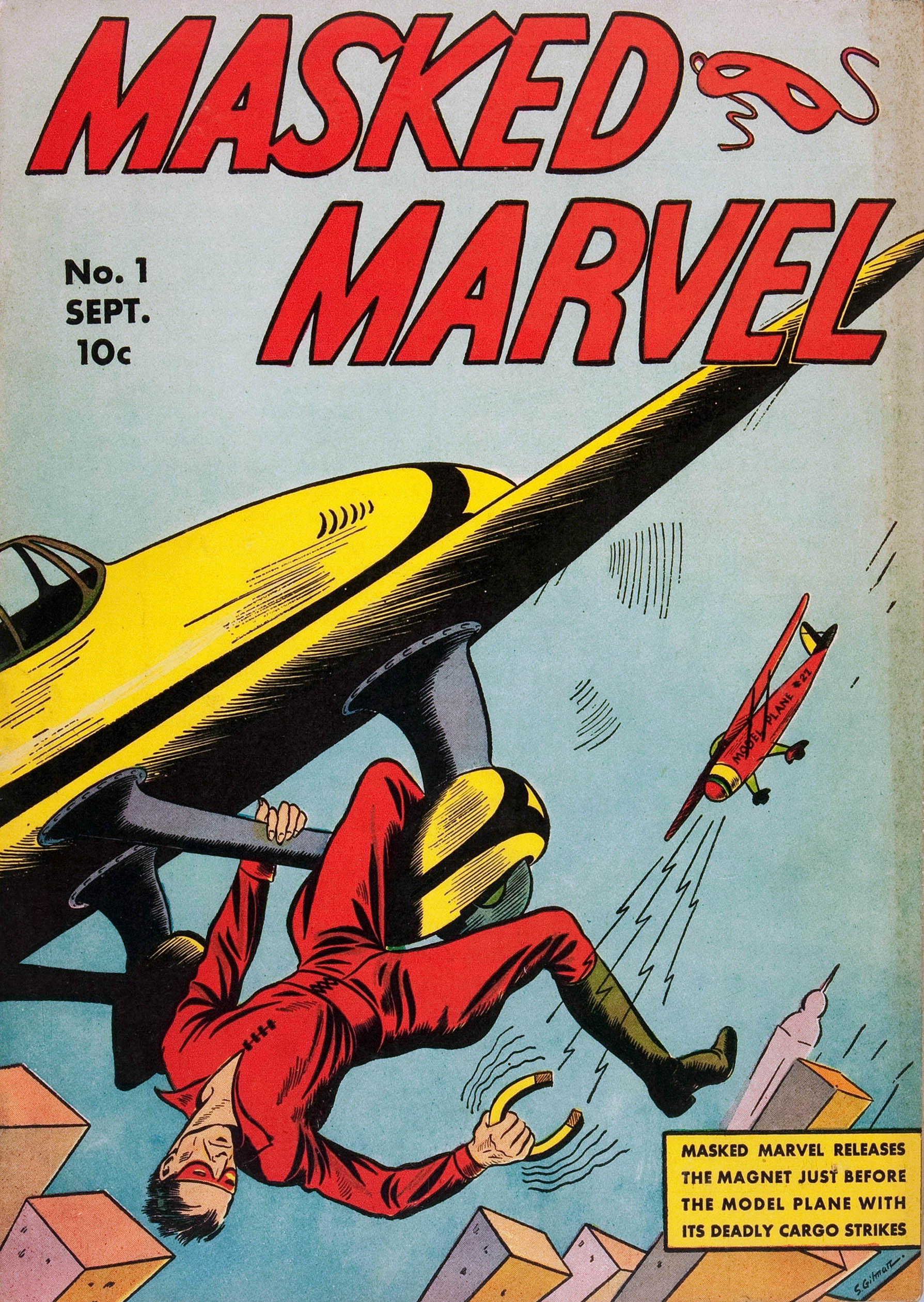
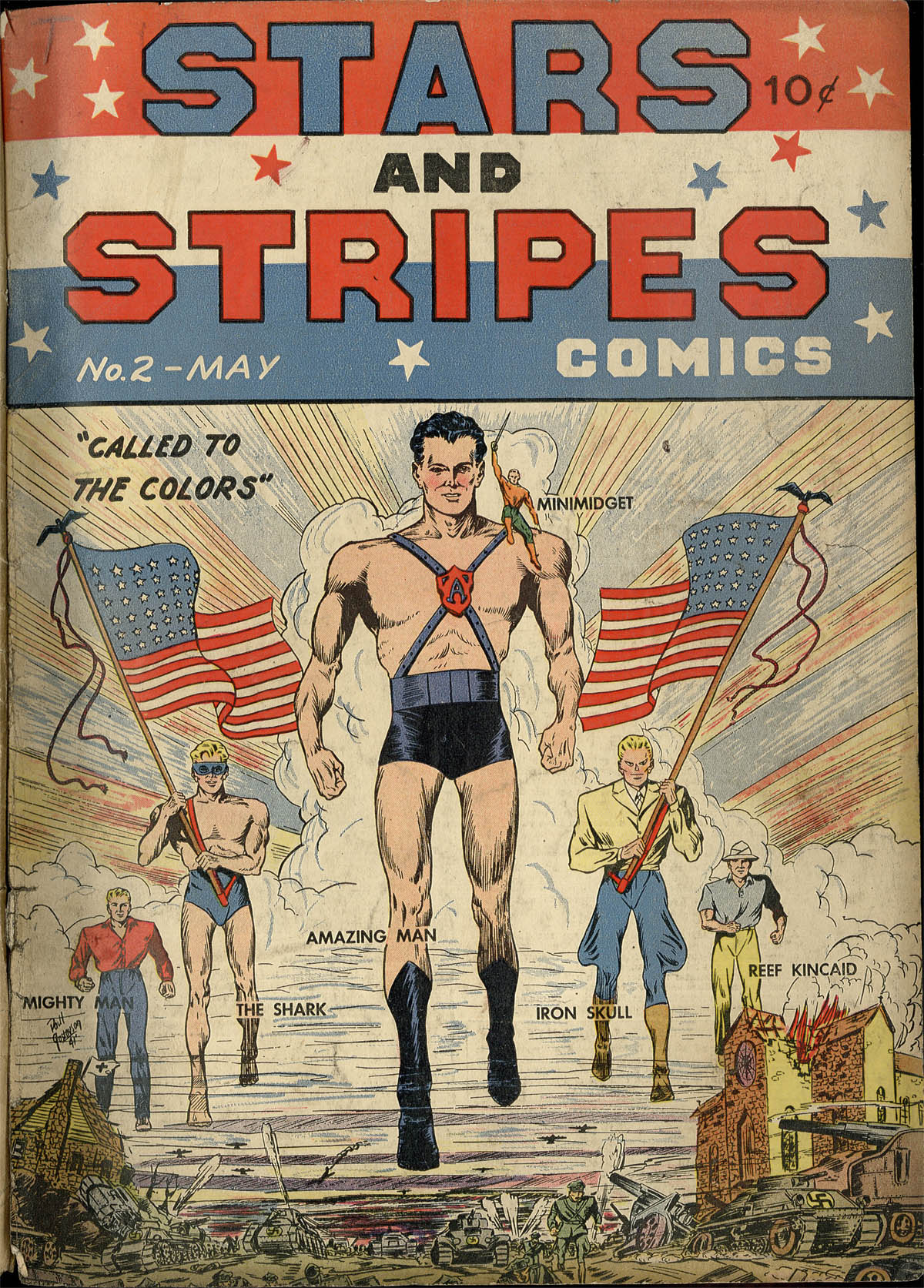
Centaur Comics was founded in 1938 by Joseph Hardie and Raymond J. Kelly. The company was unique in that it had its own distribution network, rather than relying on the system controlled by organized crime through the American News Company. Centaur’s first title was Funny Pages, which debuted in January 1936 and featured such characters as Amazing-Man, The Clock, and The Arrow. Other Centaur titles included Detective Eye, Fantoman, and Masked Marvel.

Centaur’s run would be cut short in 1942, as the U.S. government imposed restrictions on paper and ink during World War II. After the war, many of the creators and characters associated with Centaur would find new homes at other publishers, including DC Comics and Marvel Comics.

In conclusion, the stories of C.M.C., Chesler Publications, Ultem Comics, and Centaur Comics are just a few examples of the fascinating history of the early comic book industry. These companies may have been short-lived, but their impact on the medium would be felt for decades to come.
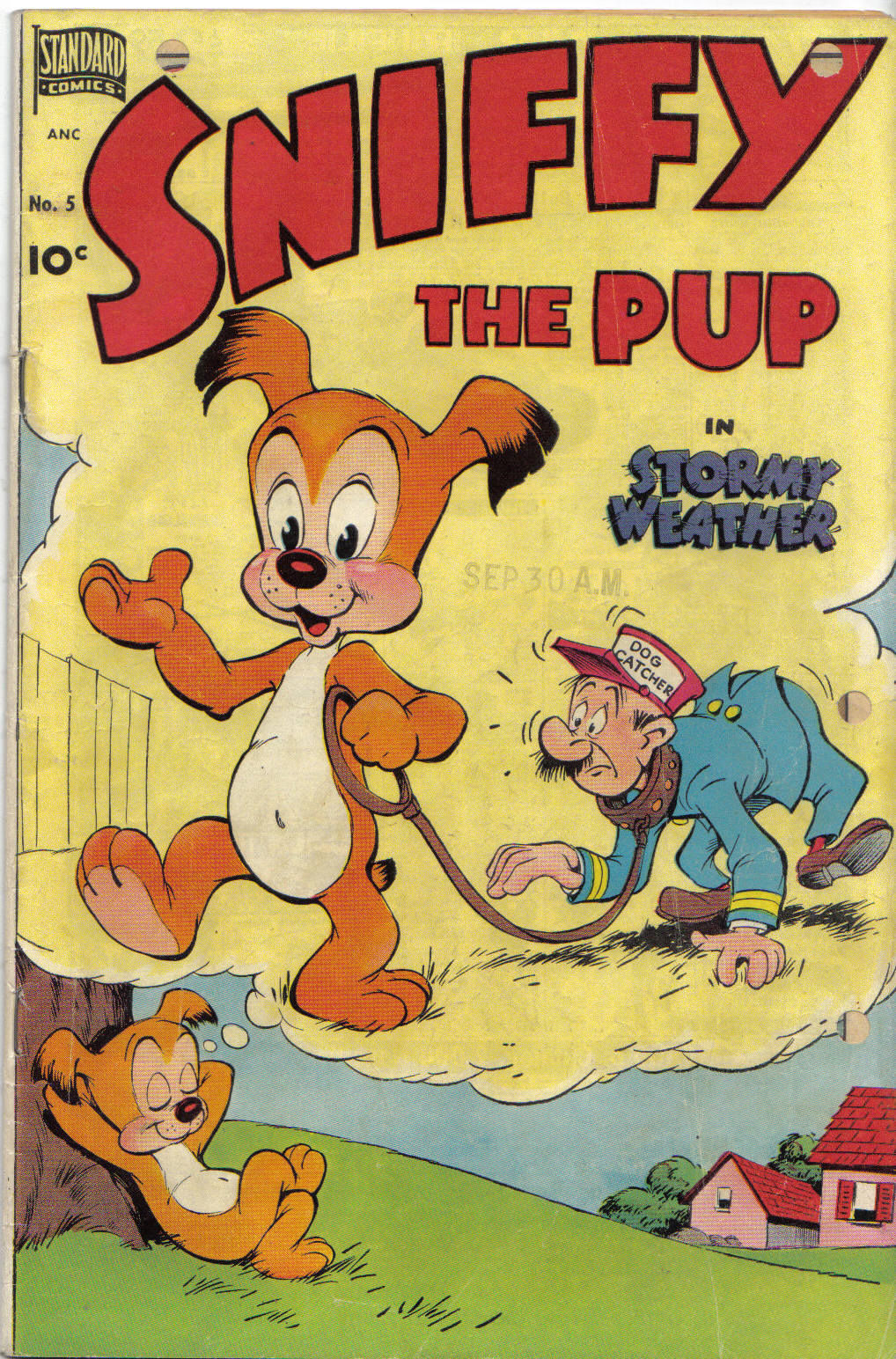
Fox Feature Syndicate


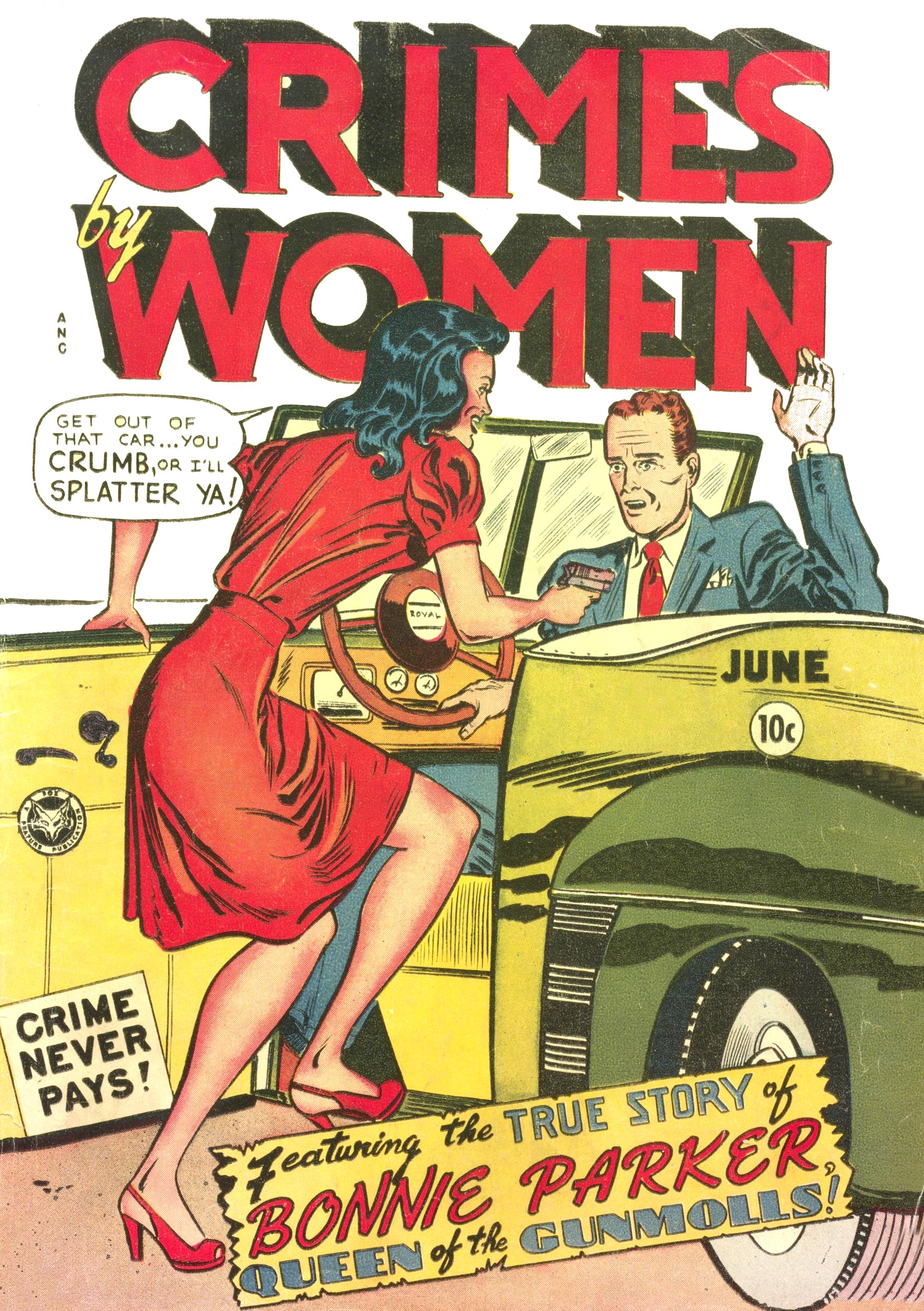
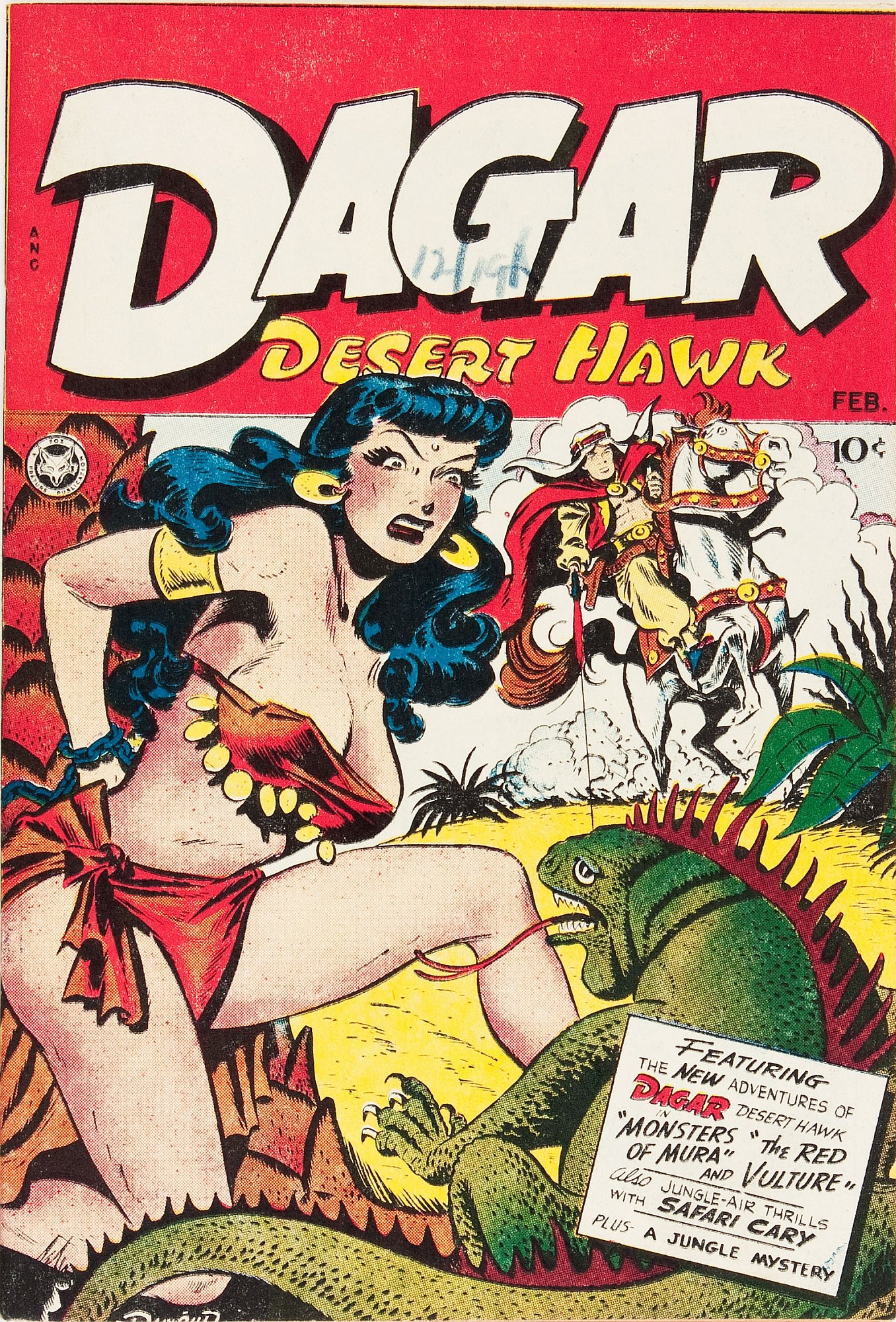
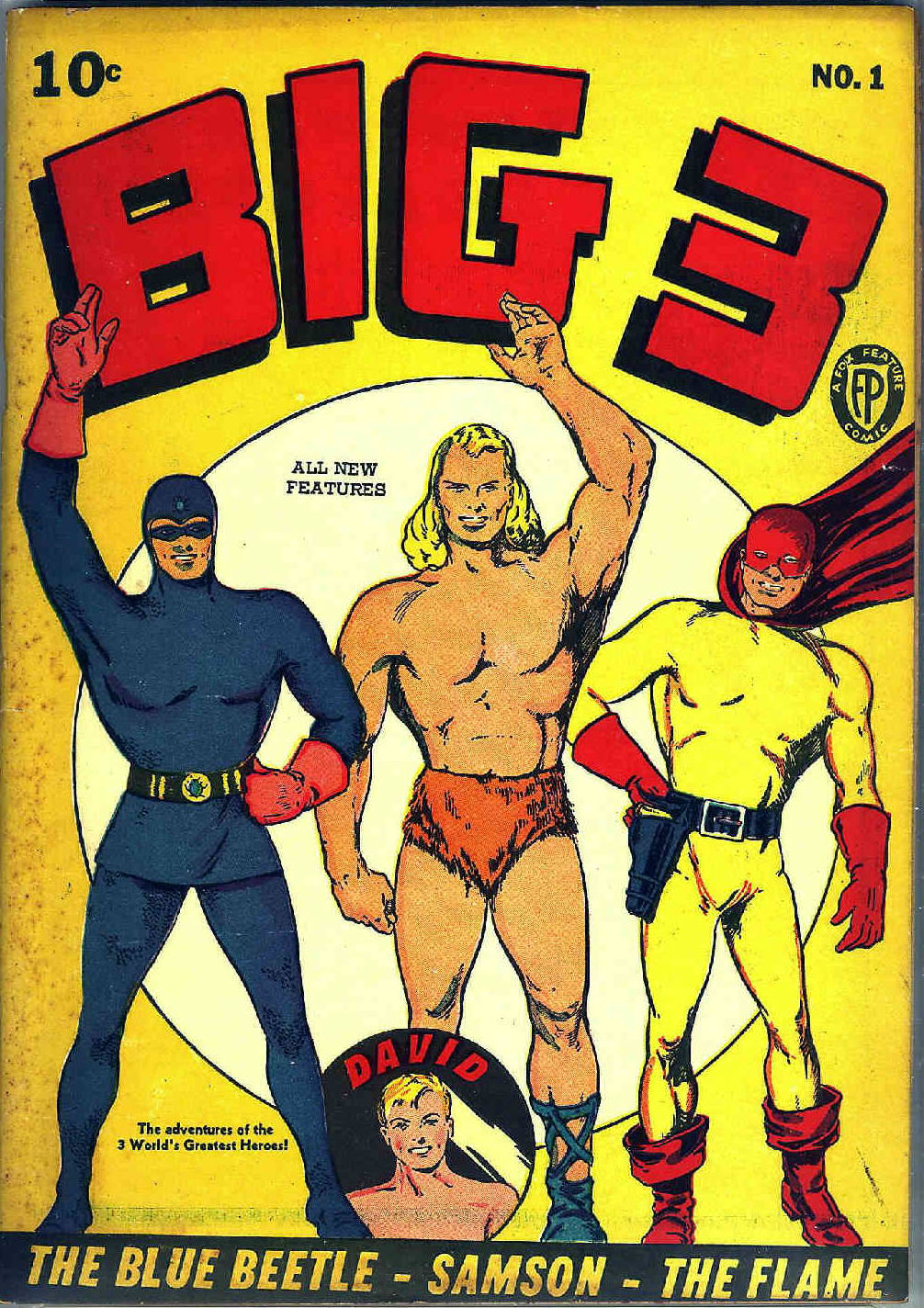
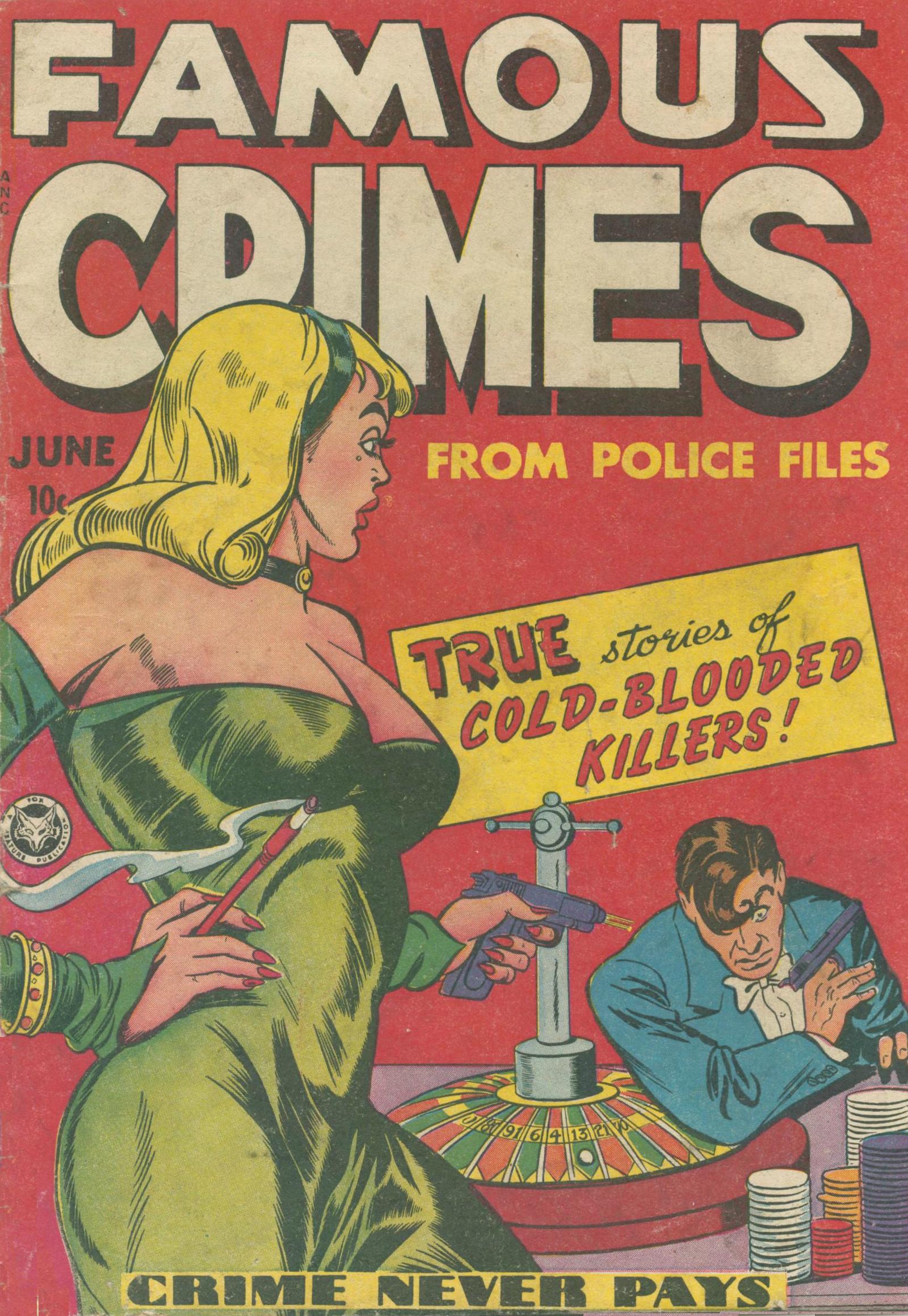
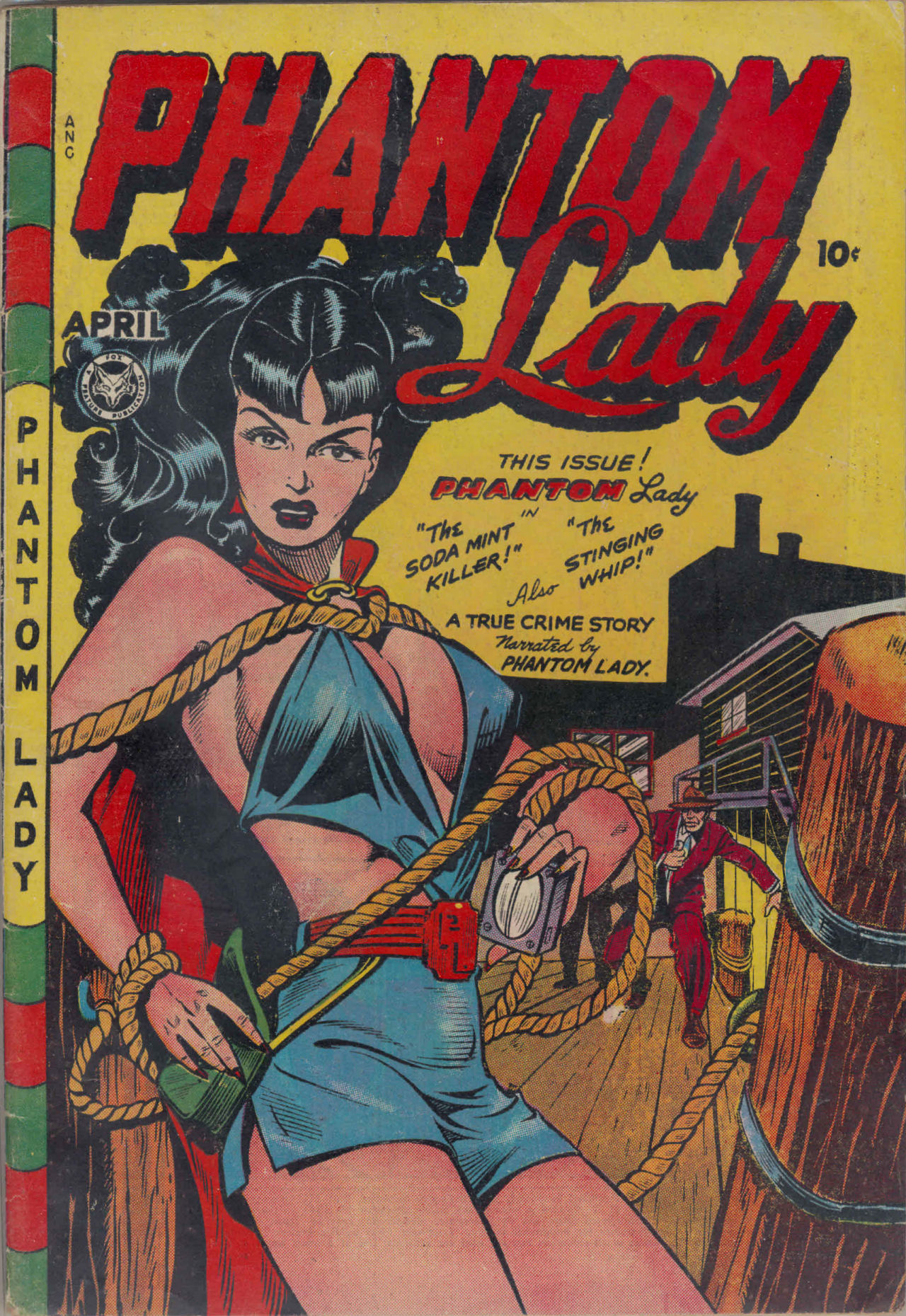
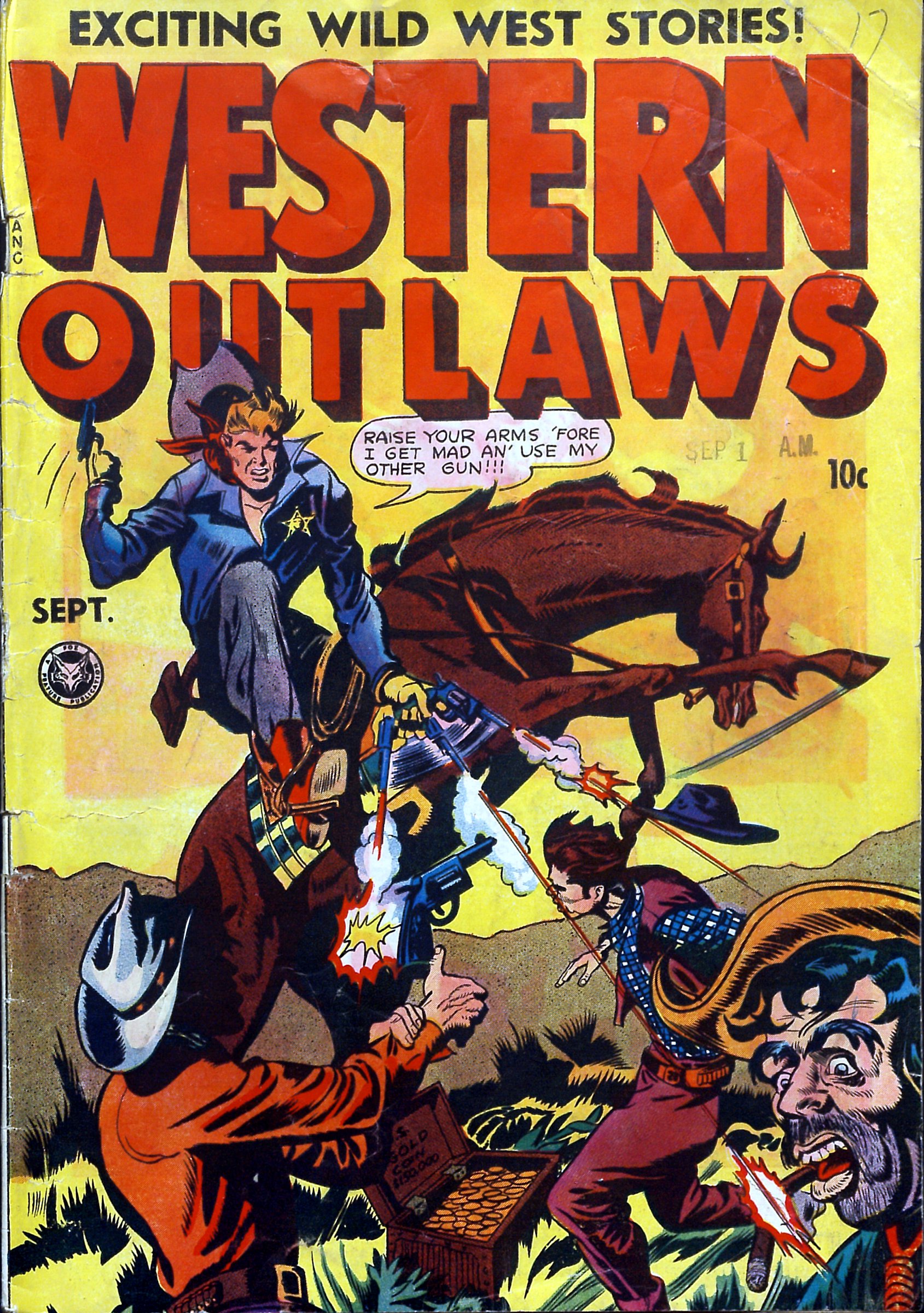
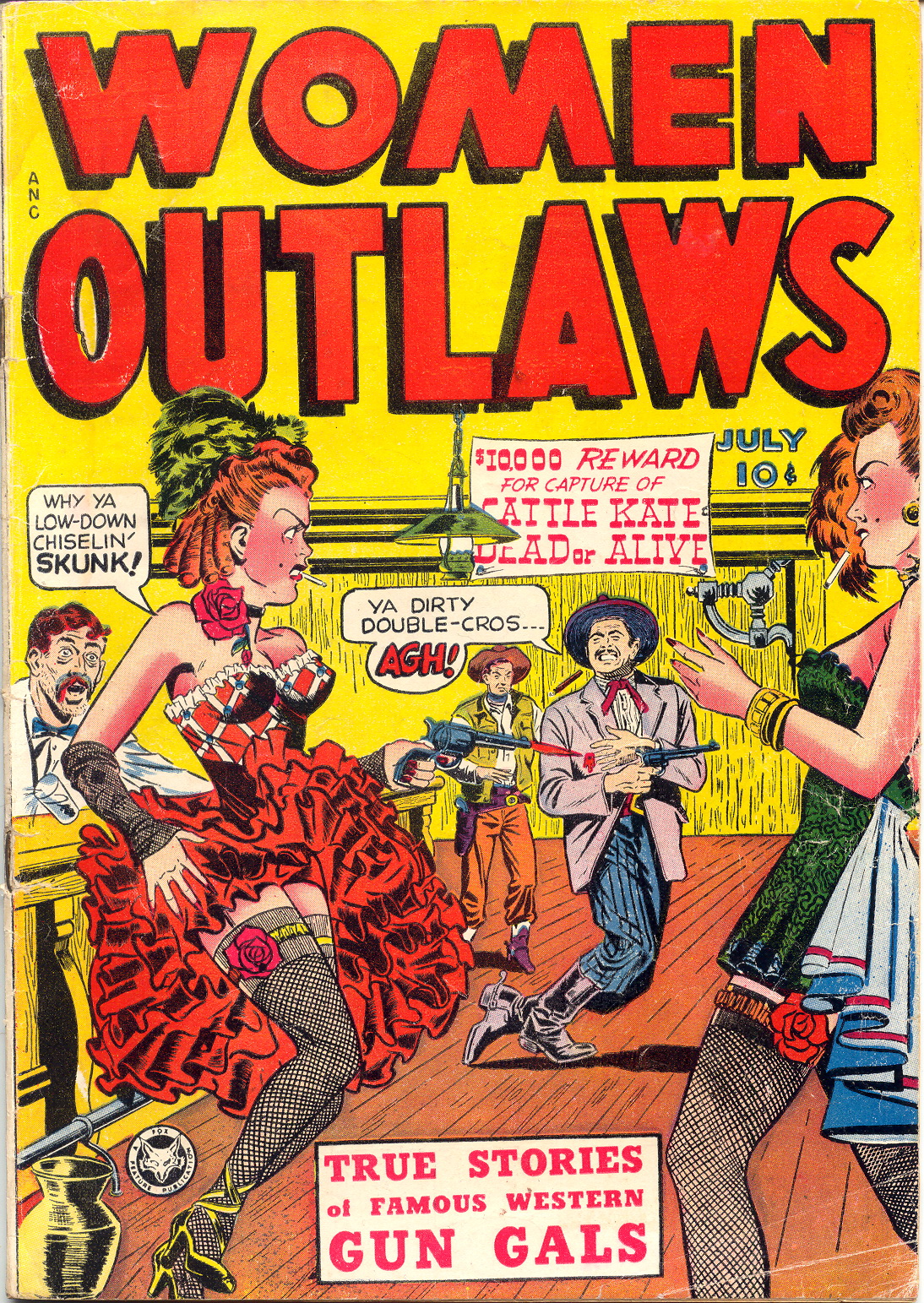
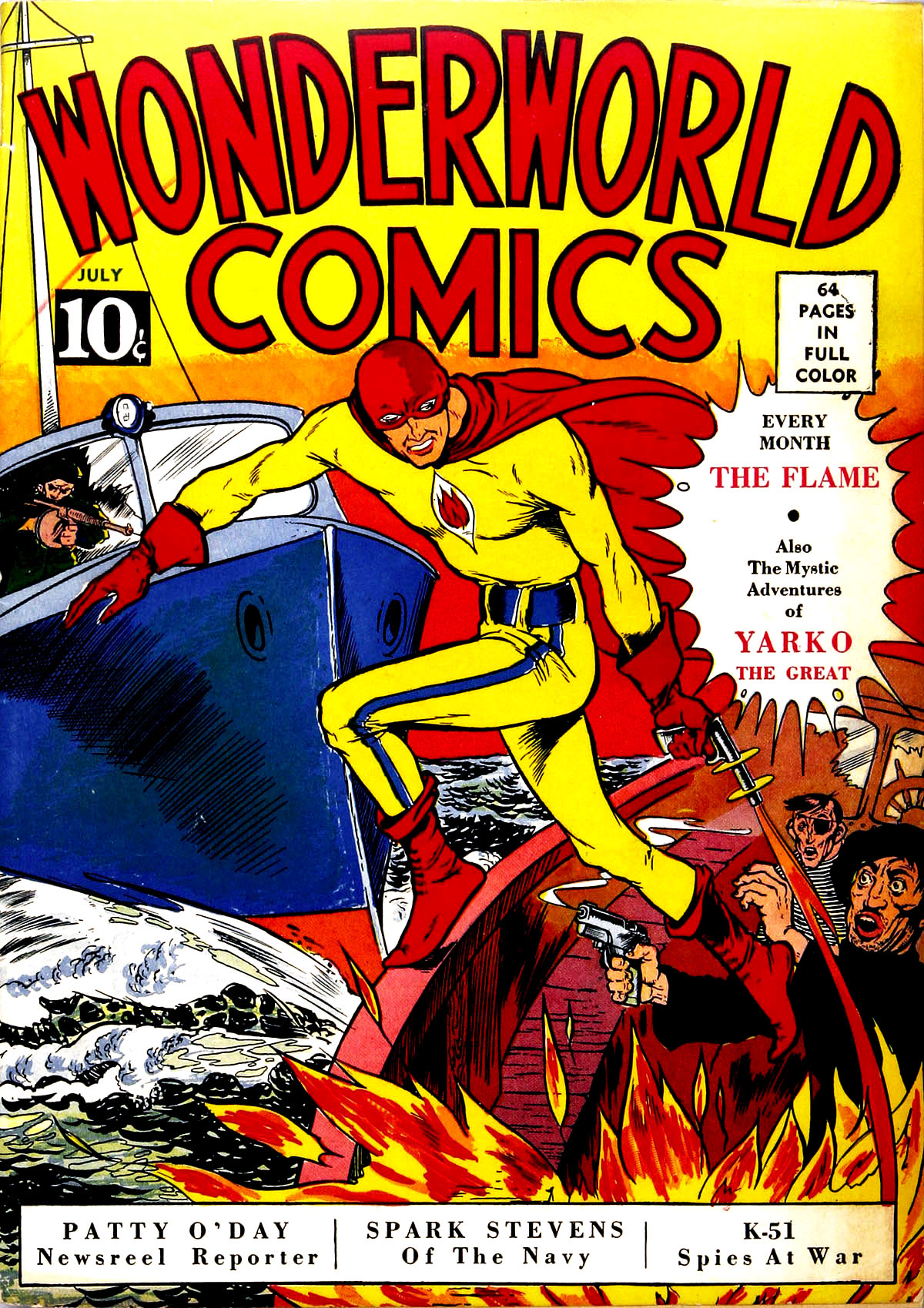
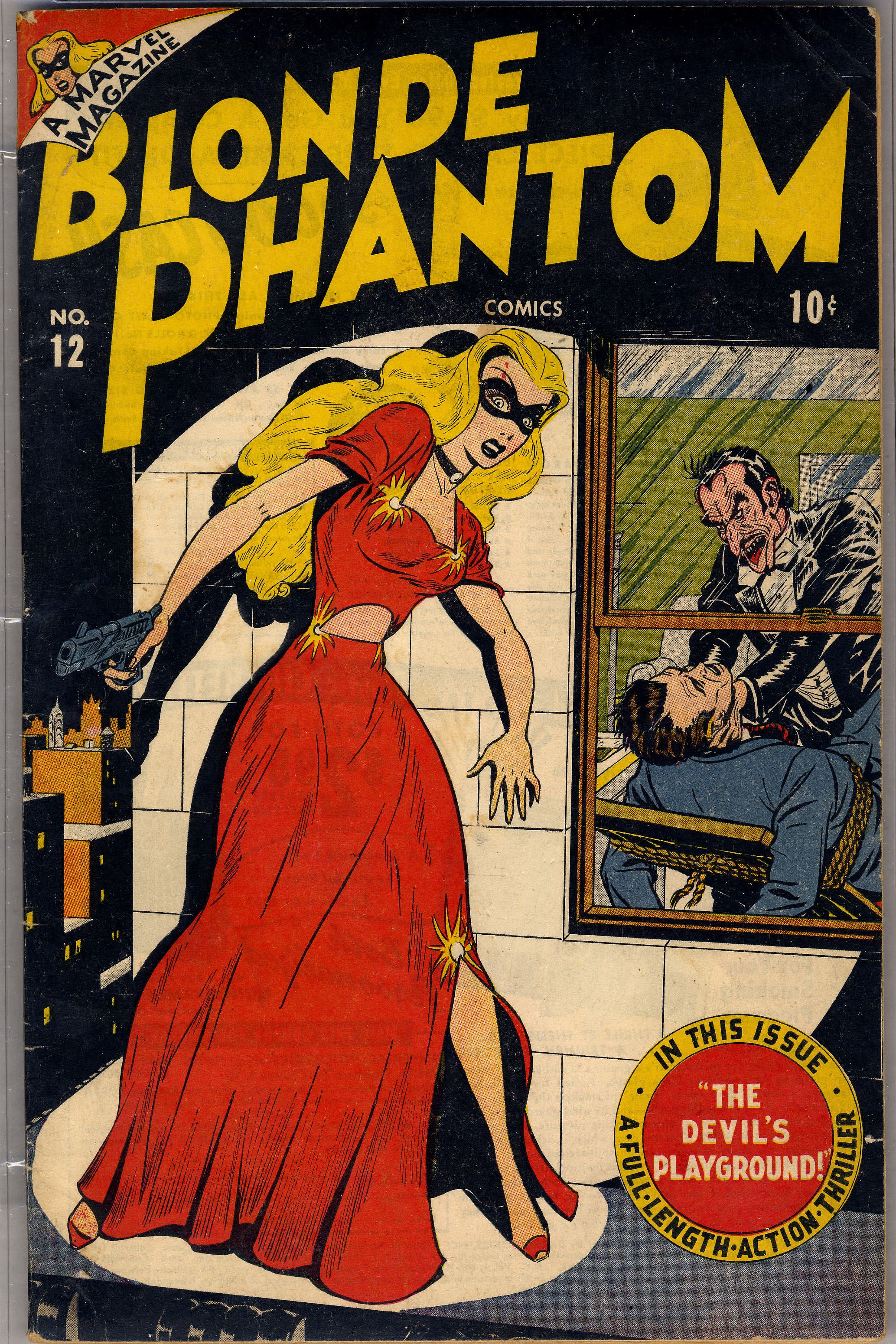
Fox Feature Syndicate was an American comic strip syndication company founded in 1937 by Victor S. Fox. The company produced many popular comic strips in the 1940s, including « The Flame, » « The Blue Beetle, » and « Phantom Lady. » Fox Feature Syndicate was also known for publishing comics with more mature and violent content than its competitors at the time.

However, due to poor management and financial problems, Fox Feature Syndicate closed its doors in 1950. Over the years, the rights to the characters created by the company were sold to various comic book publishers, and some of these characters are still being published today.

Fox Feature Syndicate remains an important name in the history of American comics, particularly for its influence on the development of the superhero comic book genre, as well as for its impact on the creation of the Comics Code Authority in 1954, which introduced restrictions on the content of comics in the United States.

Samuel Jacob Victor Fox

Samuel Jacob Victor Fox, born on either April 13, March 23, or July 3, 1893 in Nottingham, England (the exact date is unclear), is best known for his contributions to the comic book industry. His parents, Joseph and Bessie Fox, were Russian immigrants of Jewish ancestry who moved to America in 1896 and settled in Fall River, Massachusetts. Victor began working at a clothing store at the age of fourteen, but eventually moved to New York City with his family in 1914 to work in the women’s clothing business.
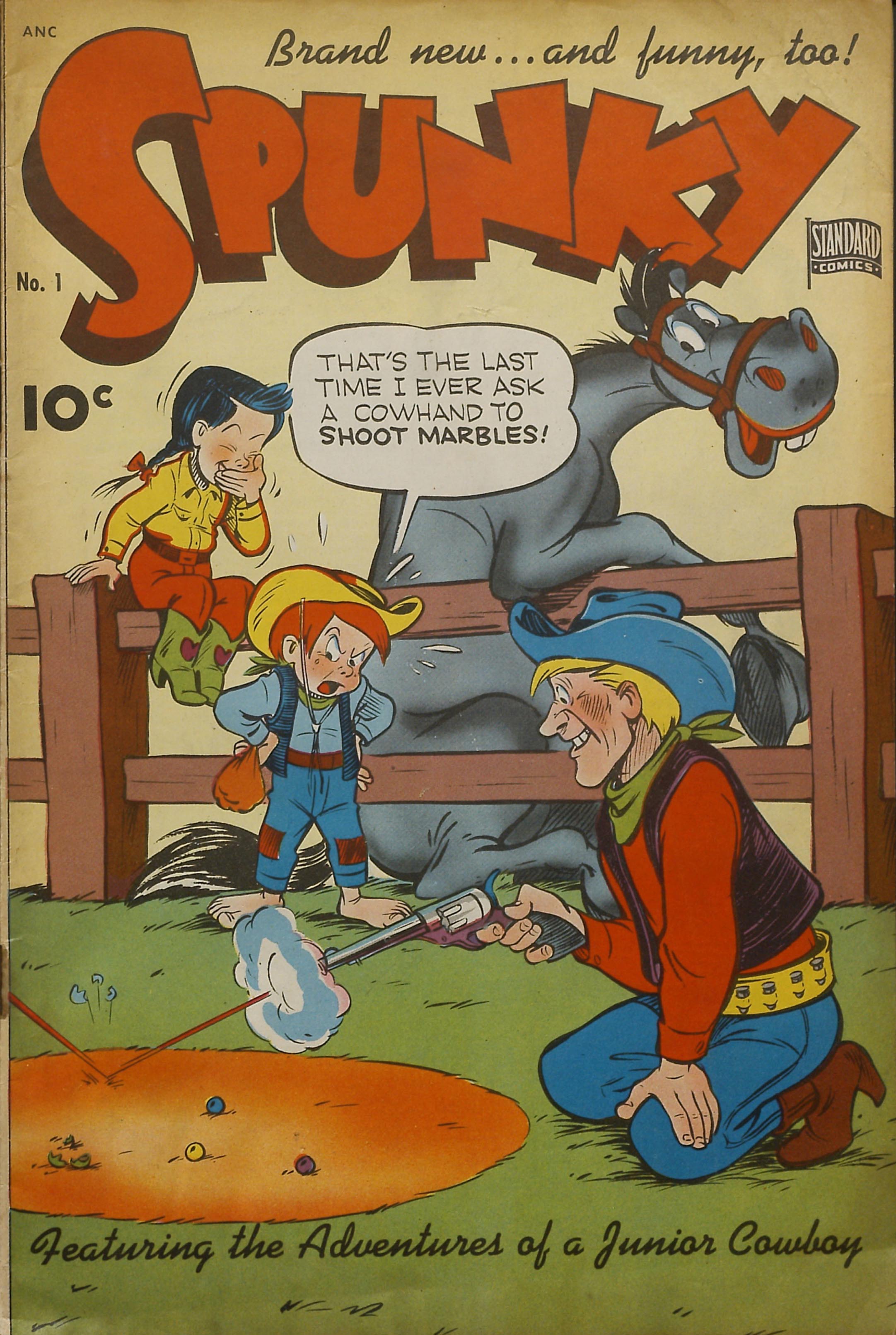
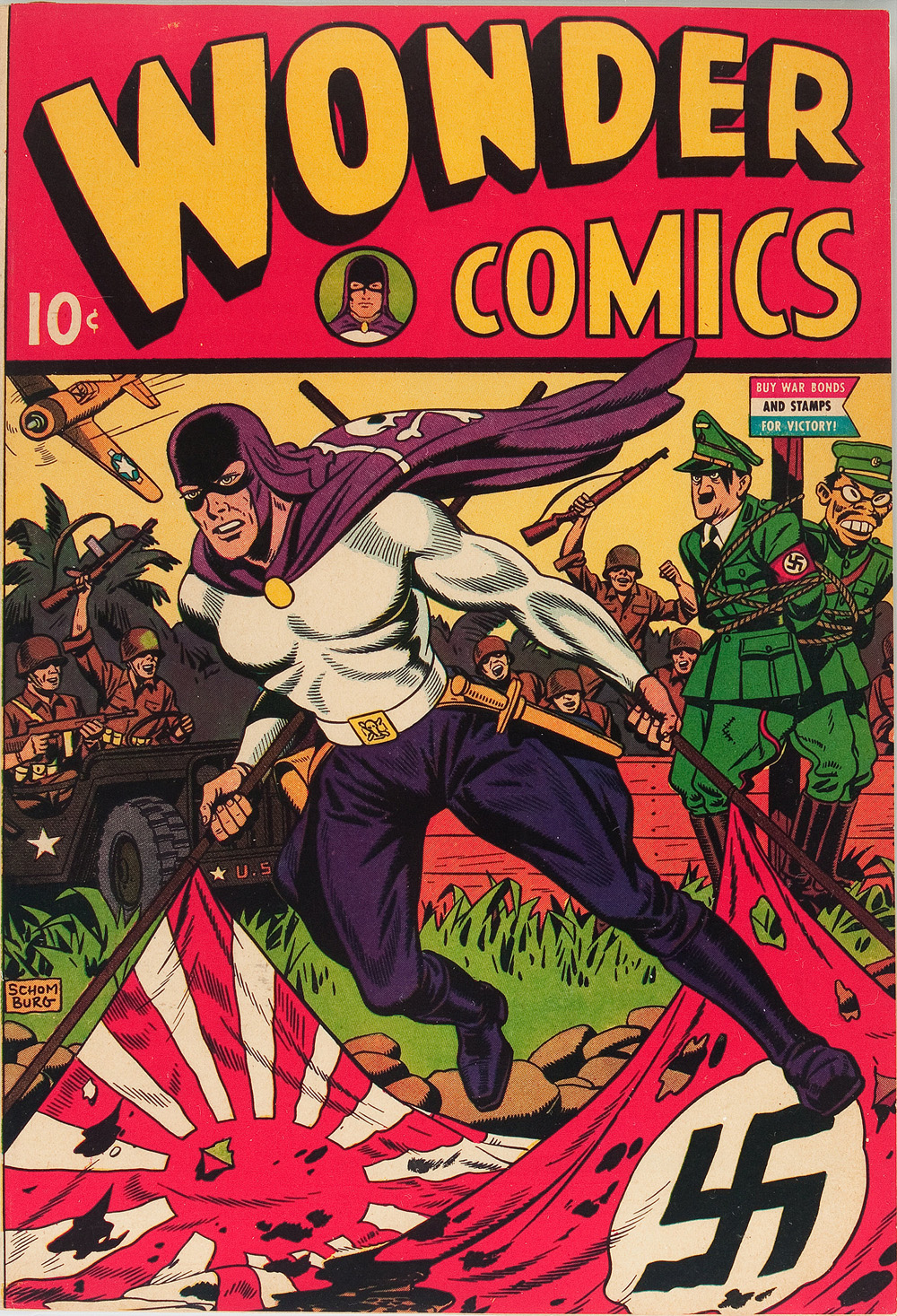
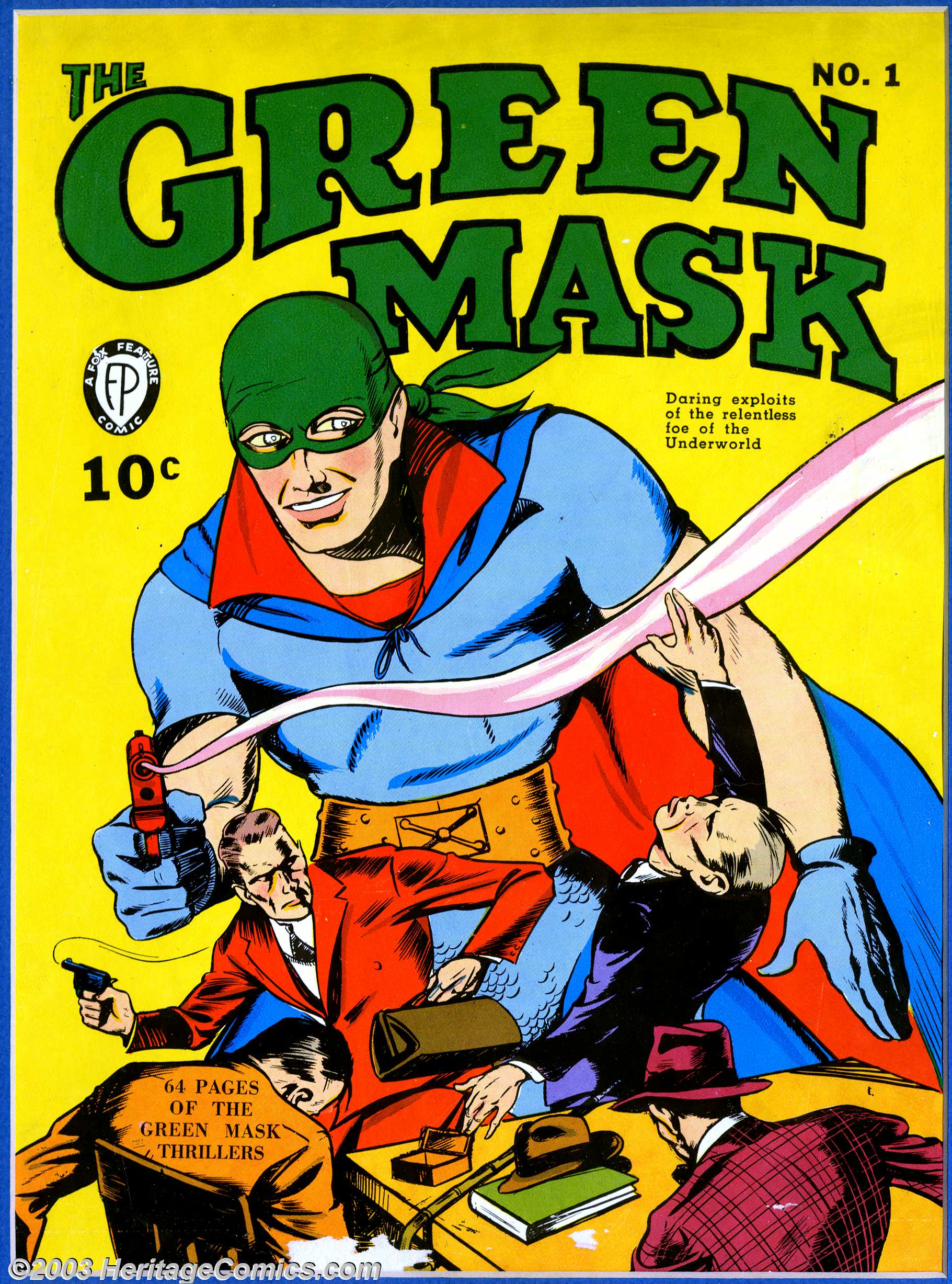
In 1916, Victor S. Fox, along with Harry T. Johnson and E. Goodman, founded a new ladies’ apparel business in New York City. However, his true success came in the comic book industry. In the late 1930s, Fox established his own comic book publishing company, Fox Feature Syndicate. He created and published a number of popular characters, including the superhero the Blue Beetle and the jungle hero Sheena, Queen of the Jungle.
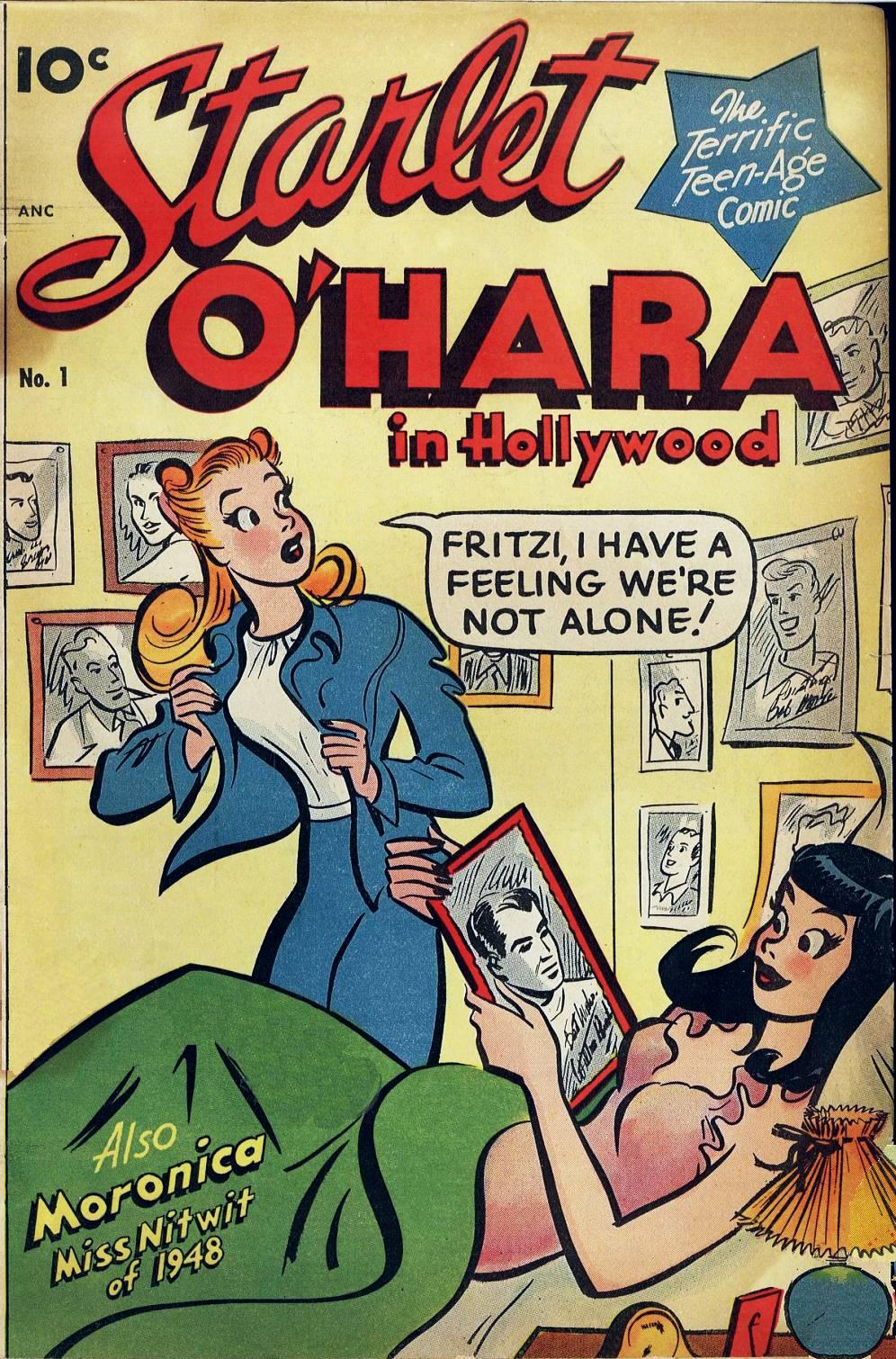
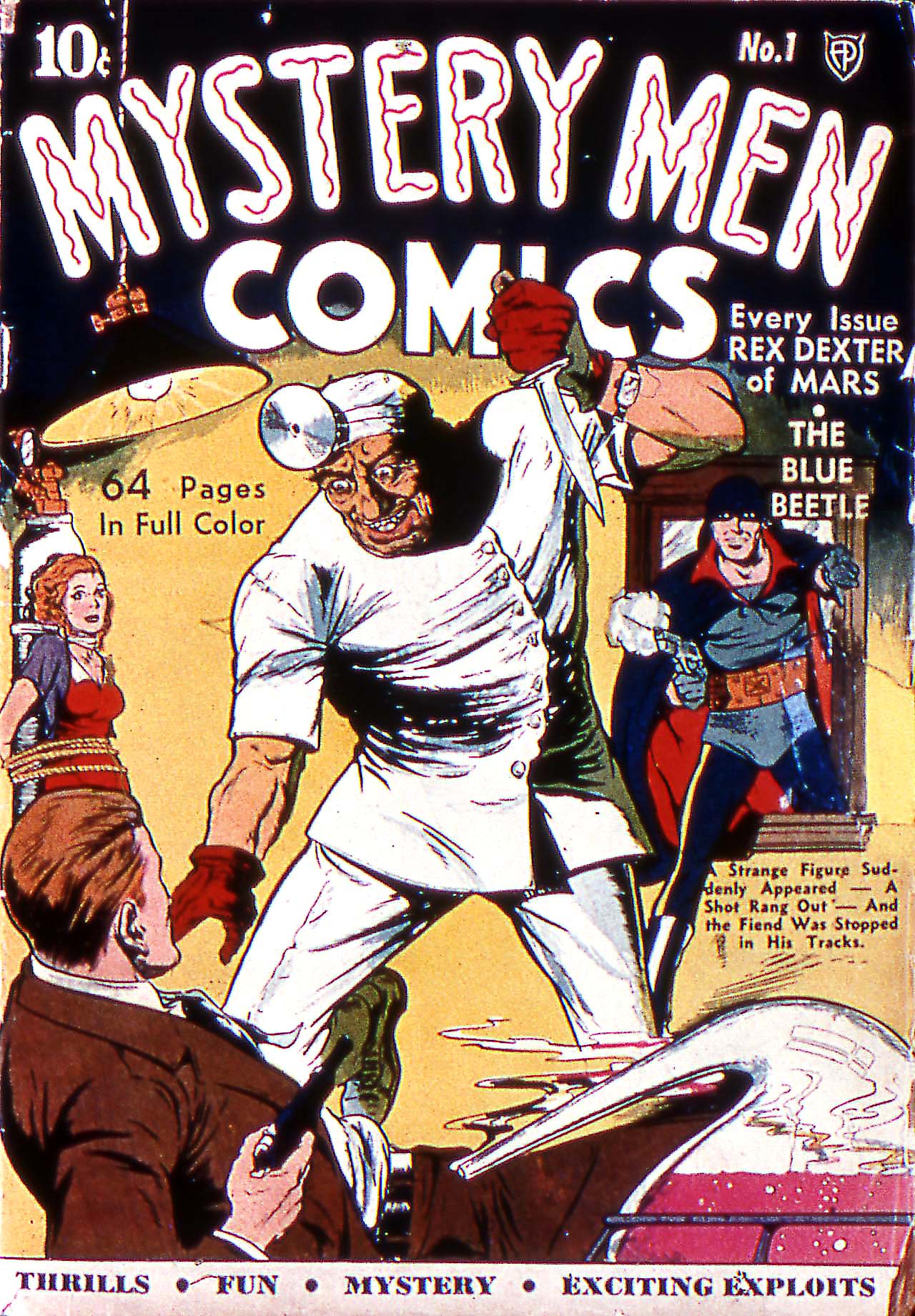
Fox’s Blue Beetle was one of the first comic book superheroes to feature a full-face mask and to be featured in his own solo title. The character was created by writer Charles Nicholas Wojtkoski and artist Charles Clarence « CC » Beck, and made his first appearance in Mystery Men Comics #1 in 1939. Sheena, Queen of the Jungle, co-created by Will Eisner and Jerry Iger, debuted in Wags #1 in 1937, and was later published by Fox Feature Syndicate.

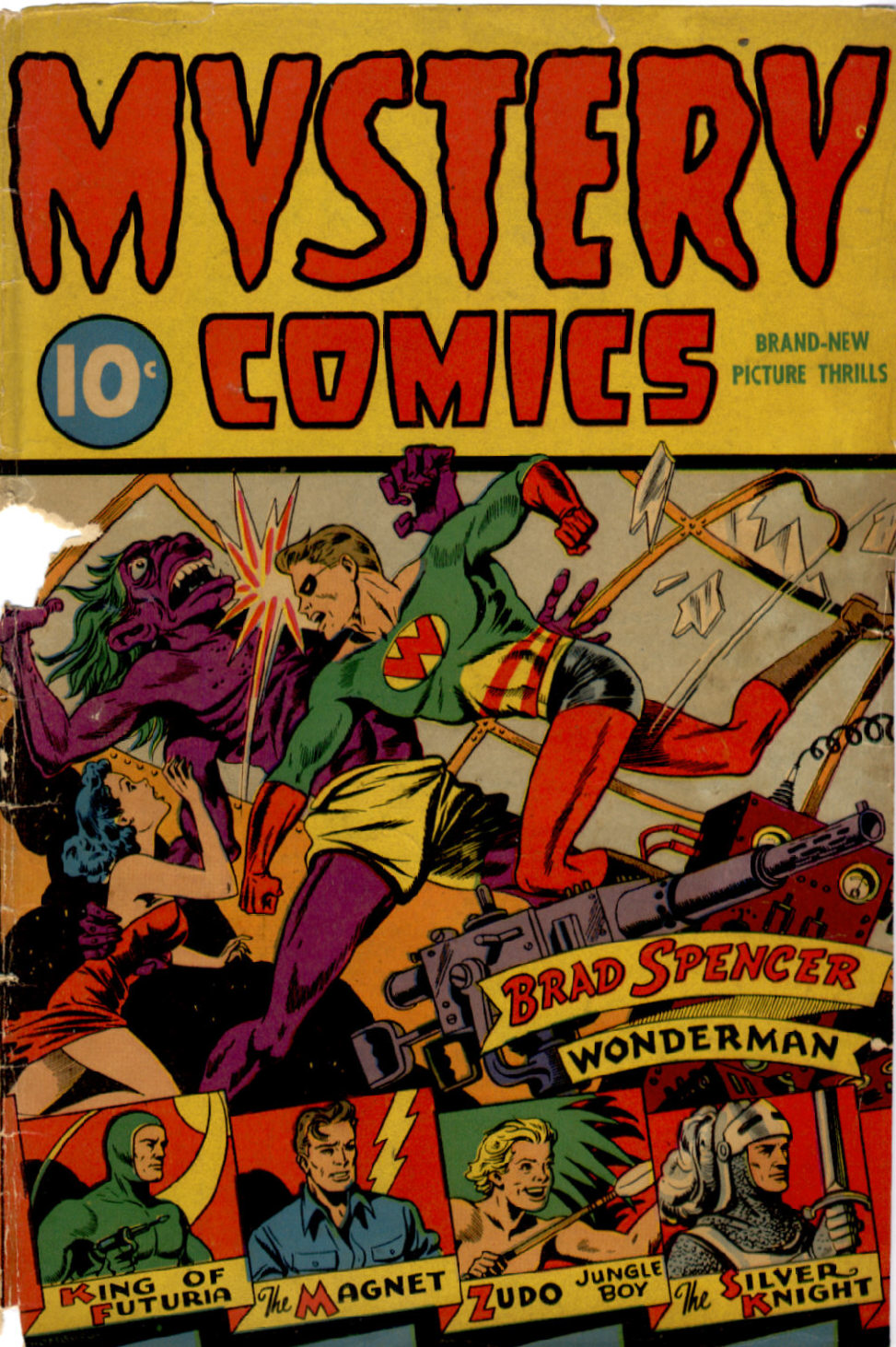
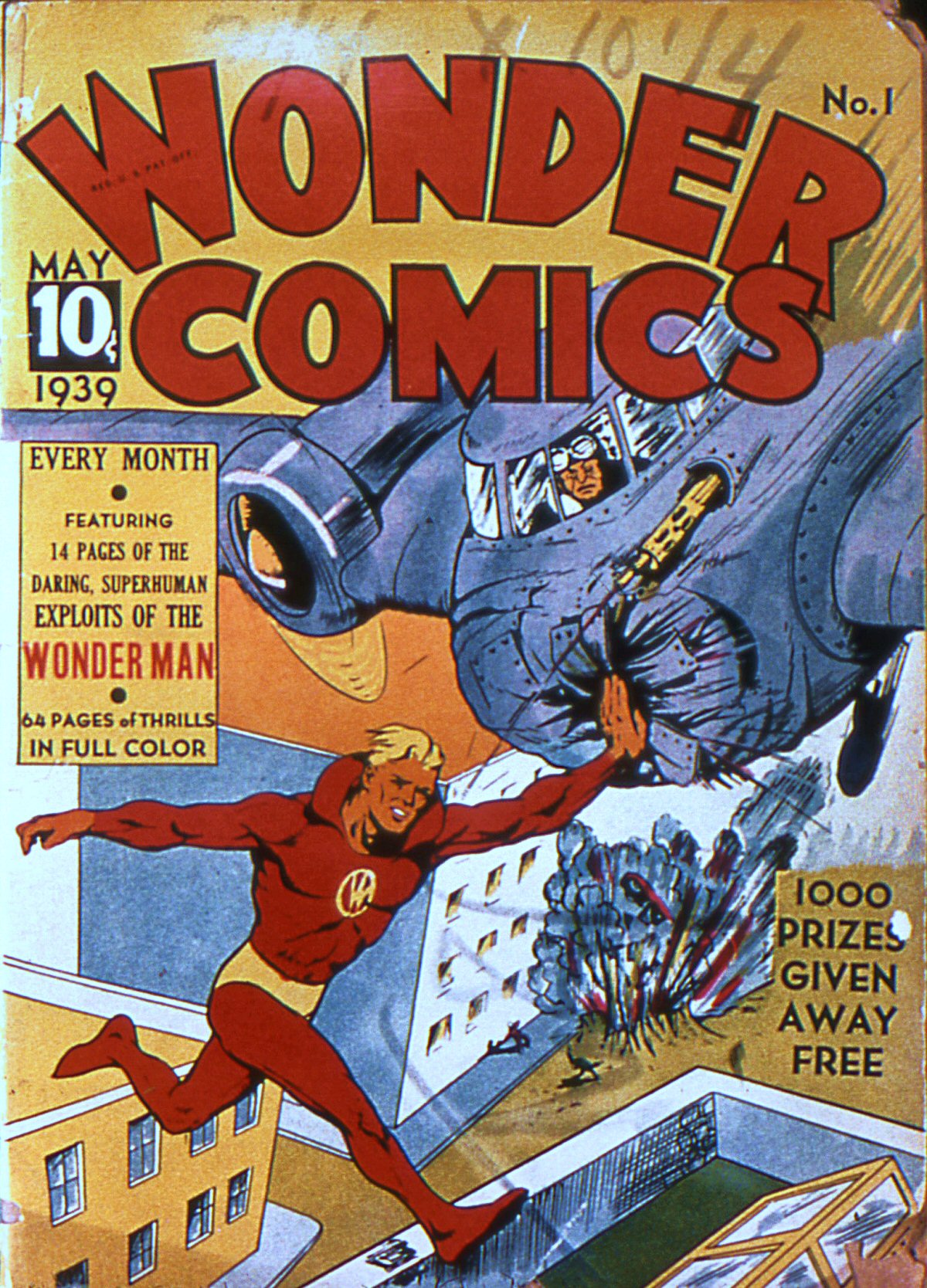
Despite the success of his comic book ventures, Fox experienced financial troubles and legal disputes throughout his career. In 1941, he was sued by Superman creators Jerry Siegel and Joe Shuster for copyright infringement, as Fox had created a character called « Wonder Man » that was similar to Superman. The case was settled out of court. Fox Feature Syndicate also faced legal challenges from National Comics Publications (now DC Comics) over their character, Wonder Man.

Despite these difficulties, Fox Feature Syndicate continued to publish comics into the 1950s. Fox himself passed away on October 20, 1959. While his comic book career may have been overshadowed by legal disputes and financial difficulties, his contributions to the industry, particularly with the creation of the Blue Beetle and Sheena, Queen of the Jungle, helped to shape the superhero and adventure genres in comics.

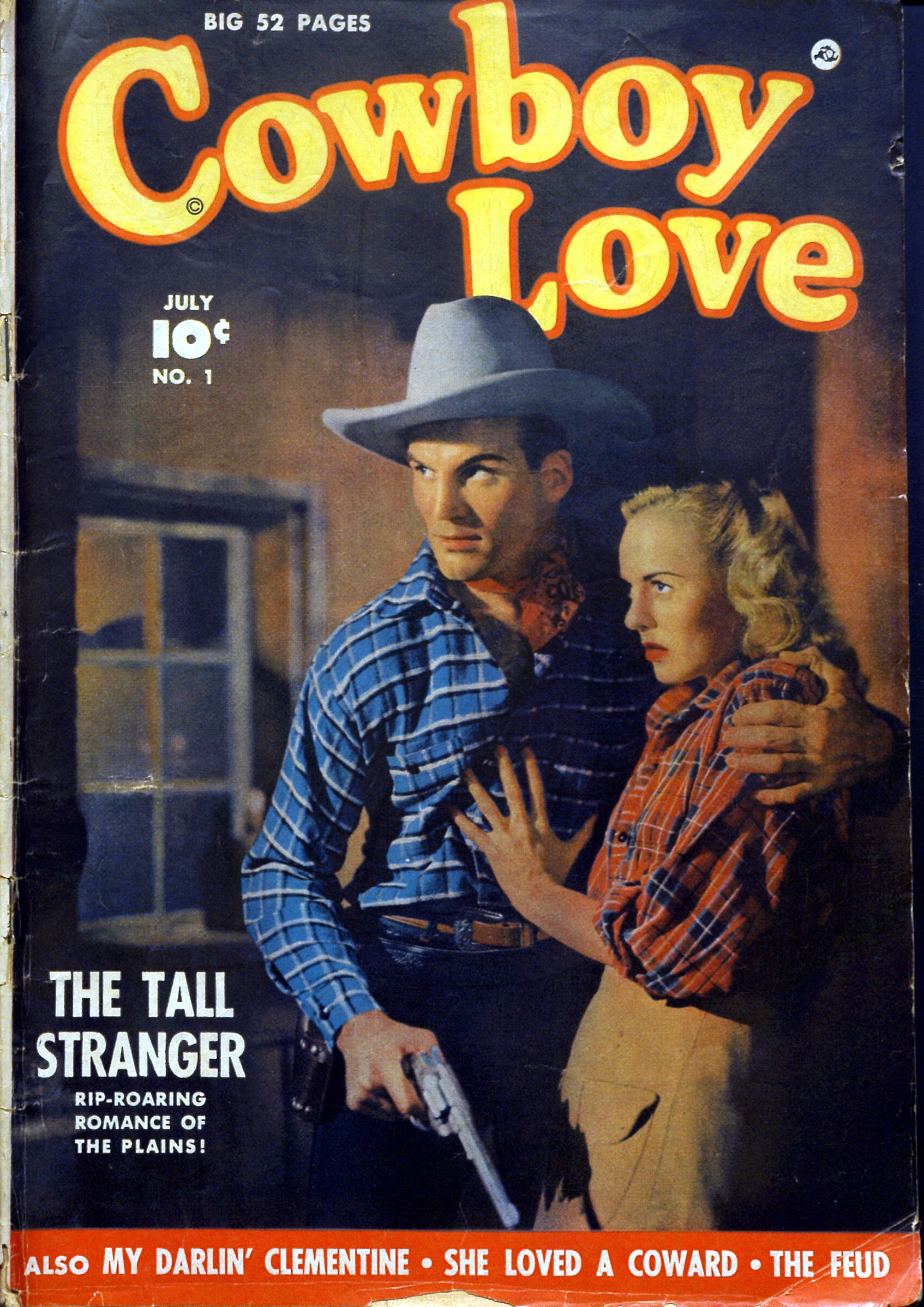
Fawcett Comics

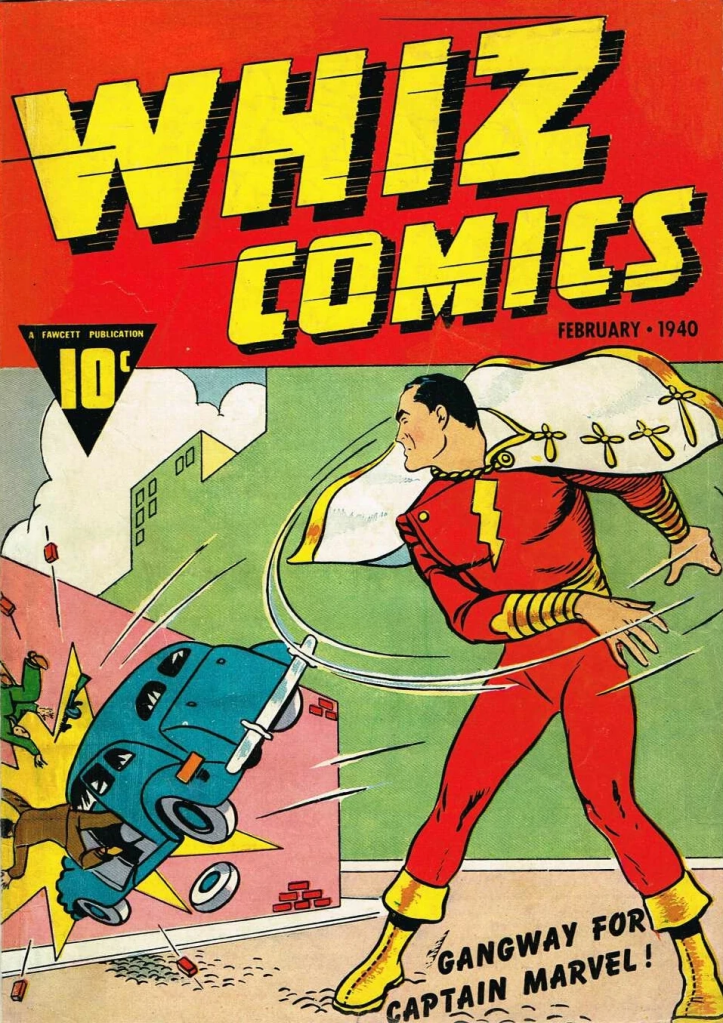
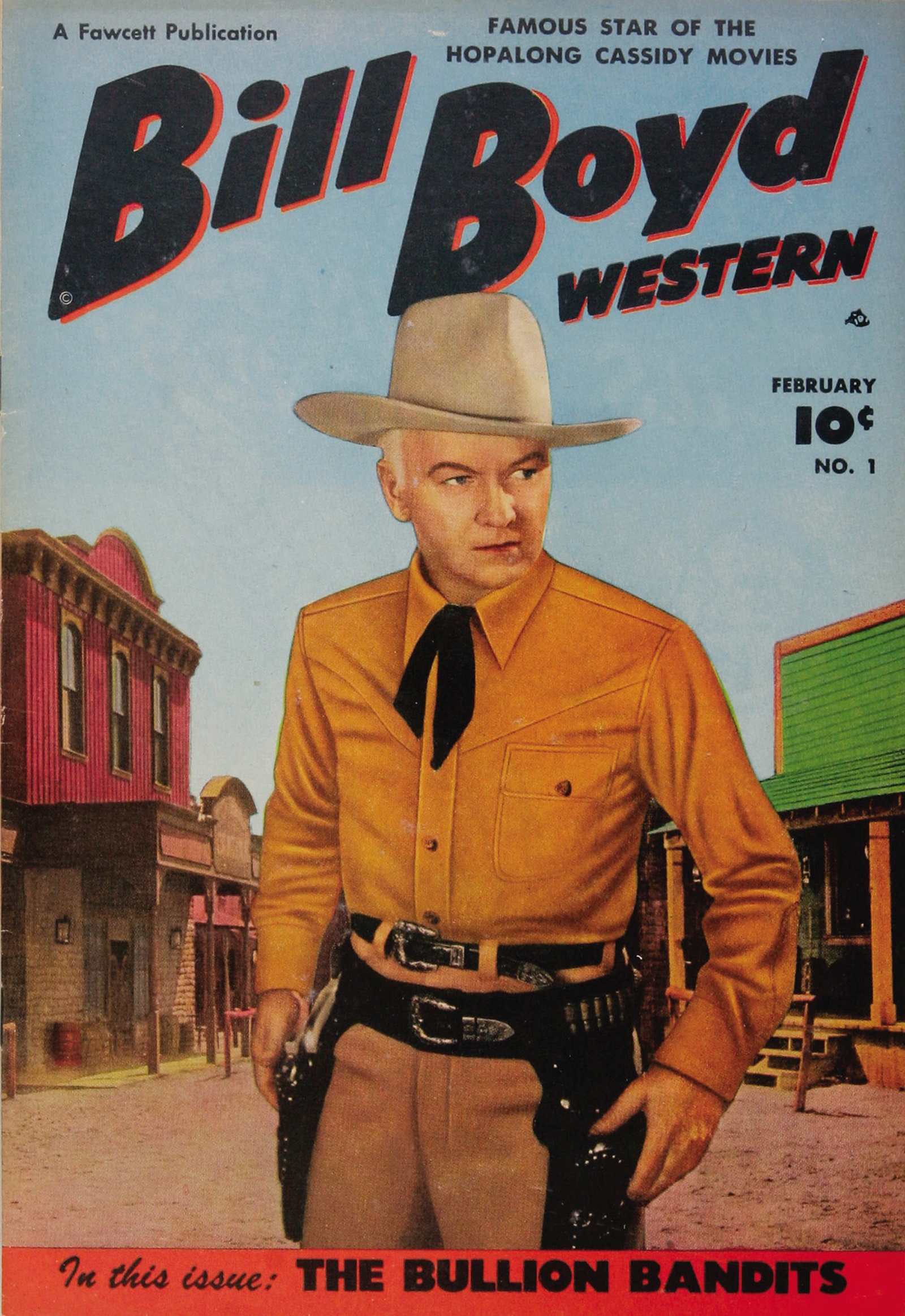
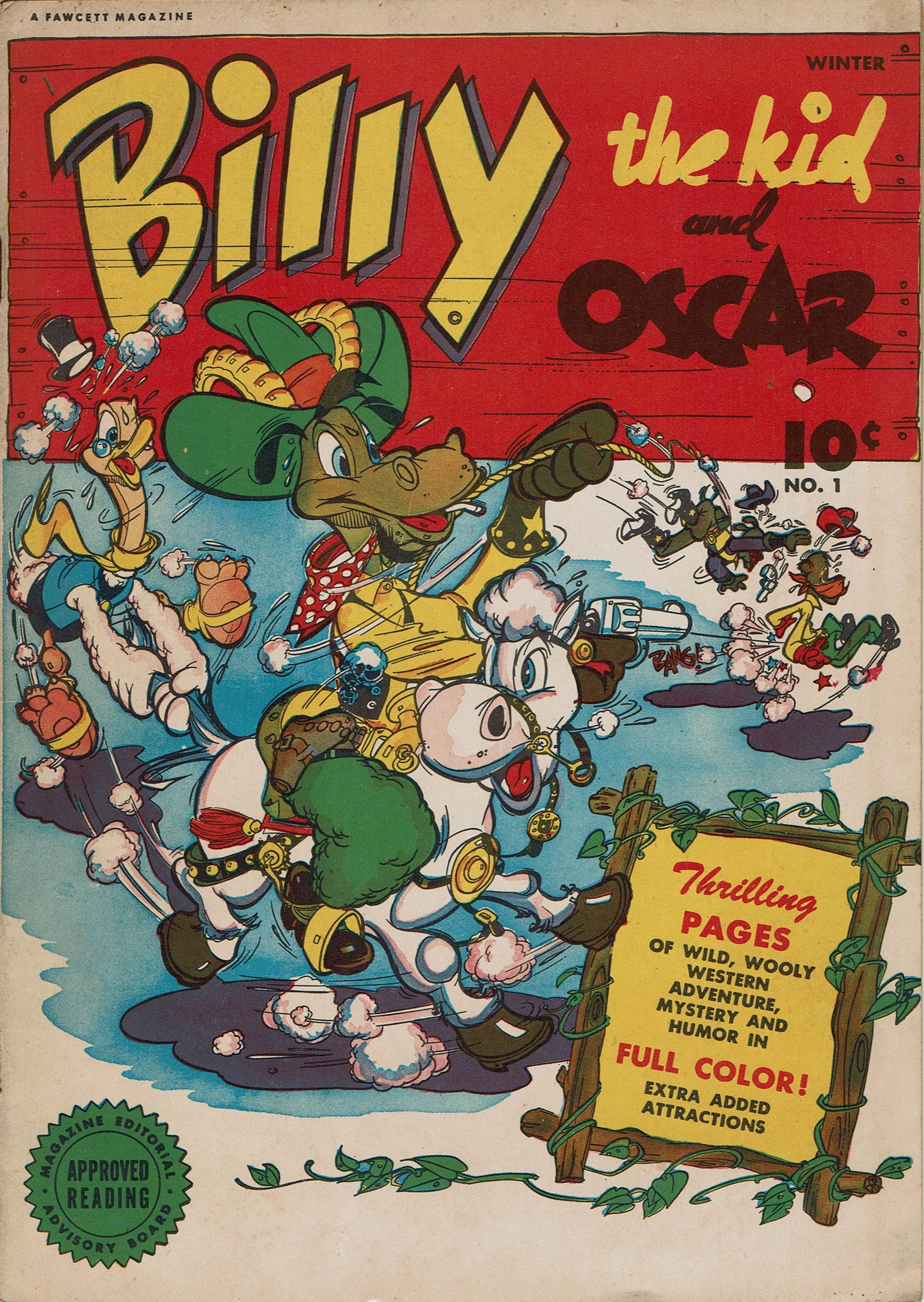
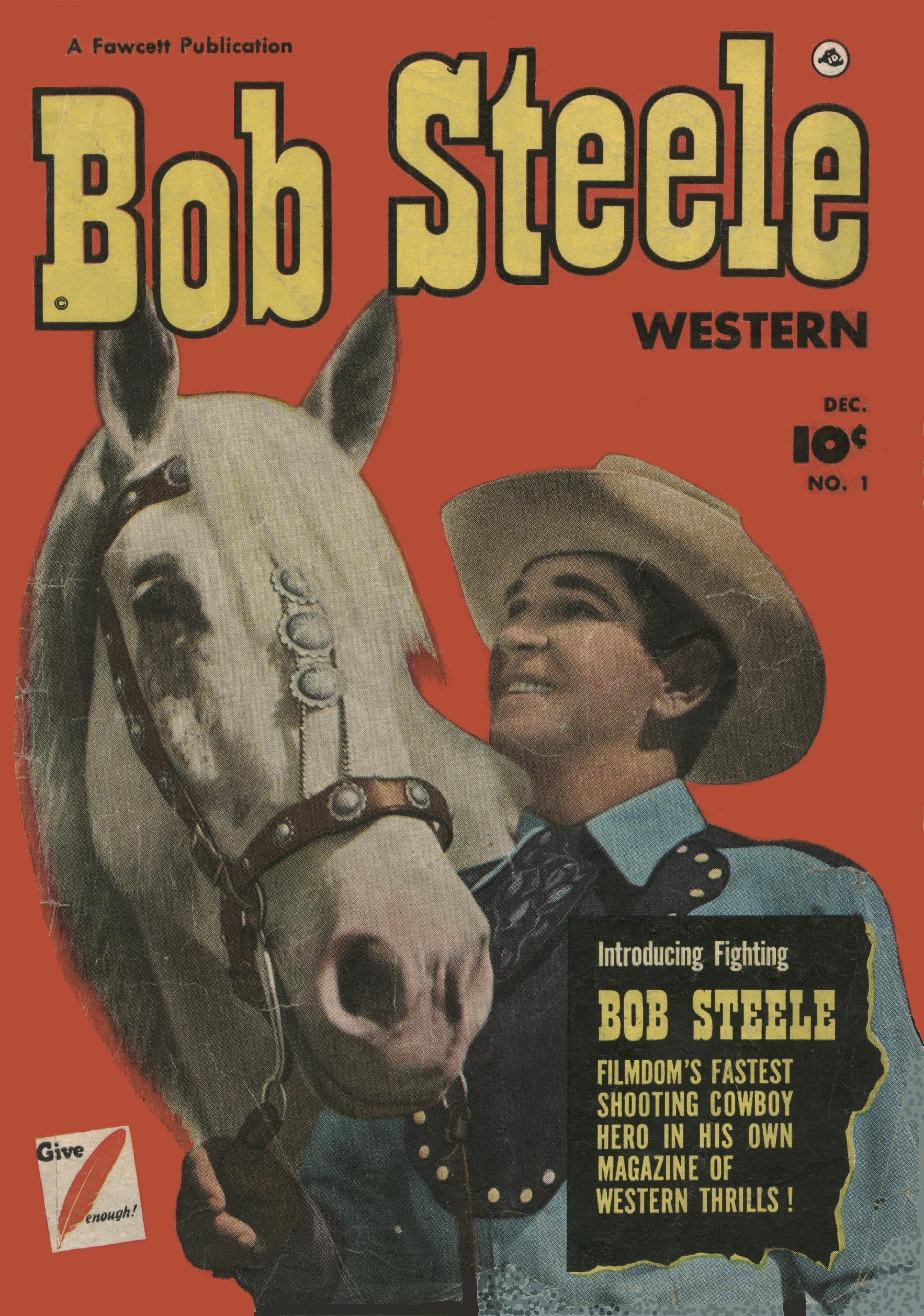
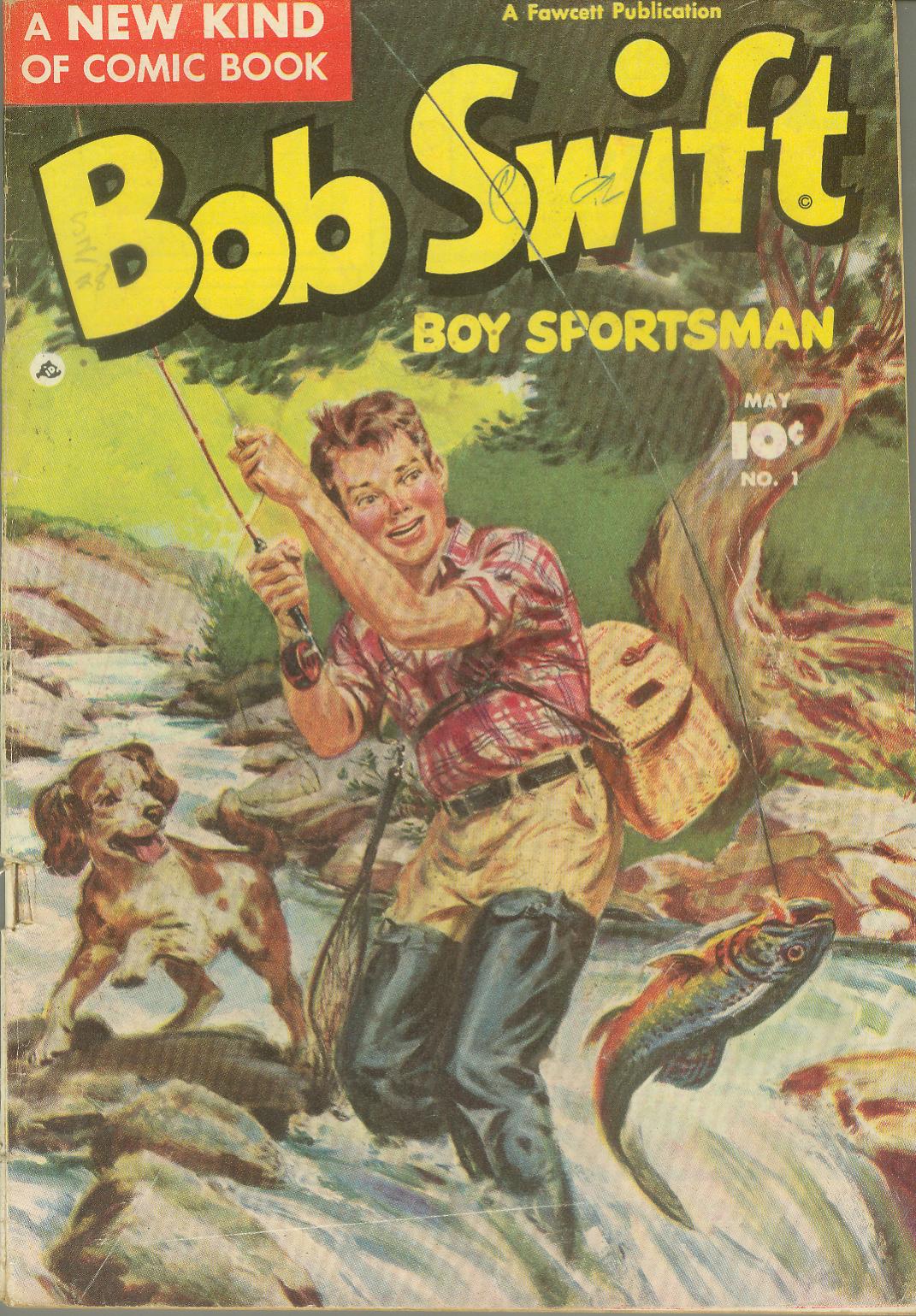
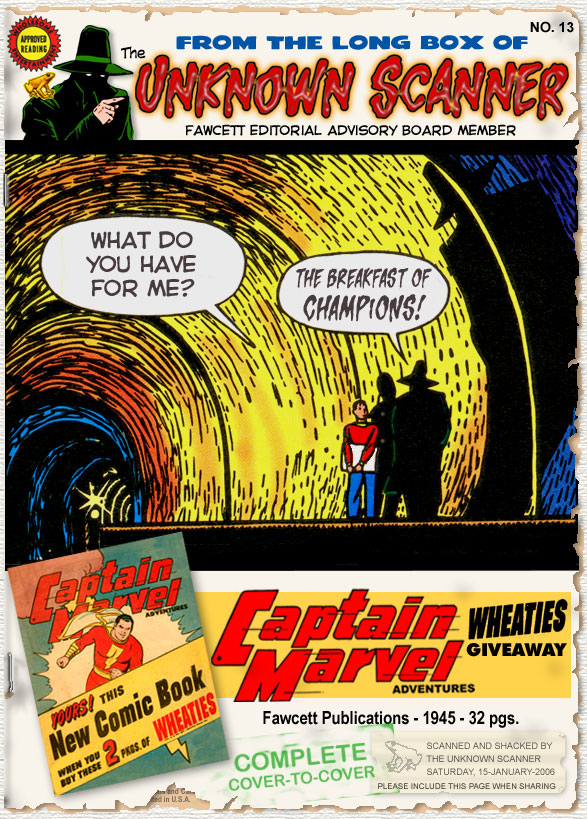
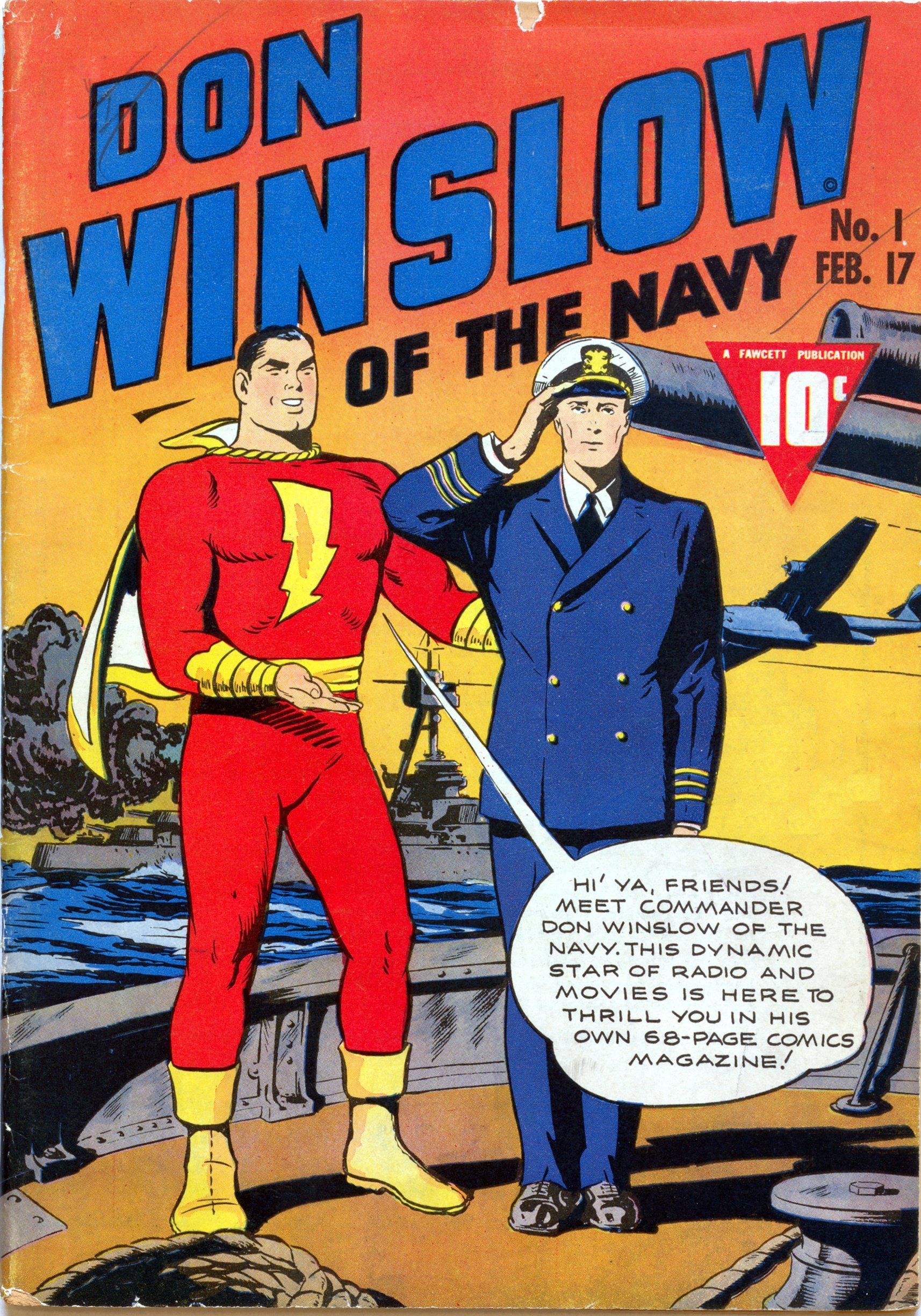
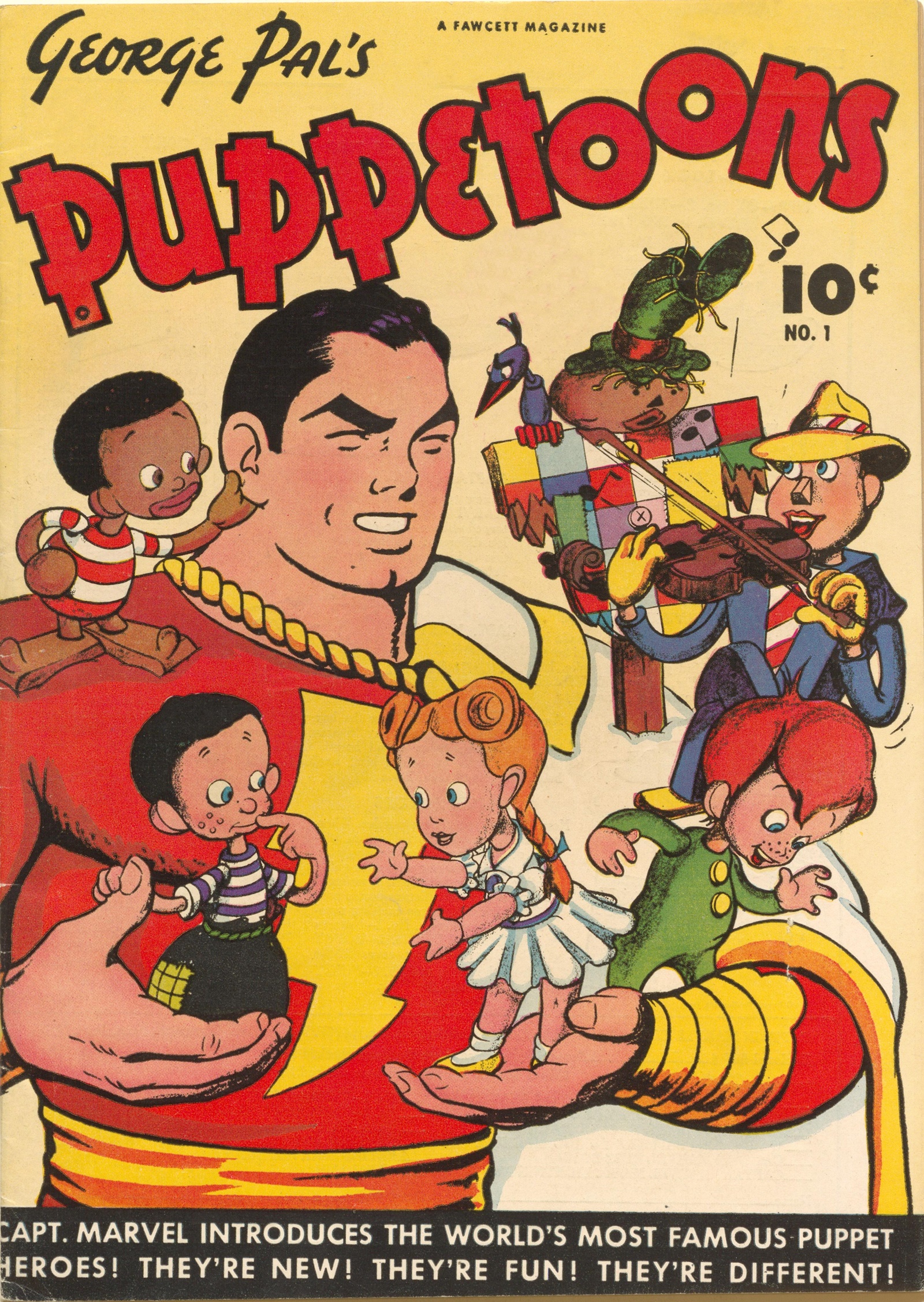
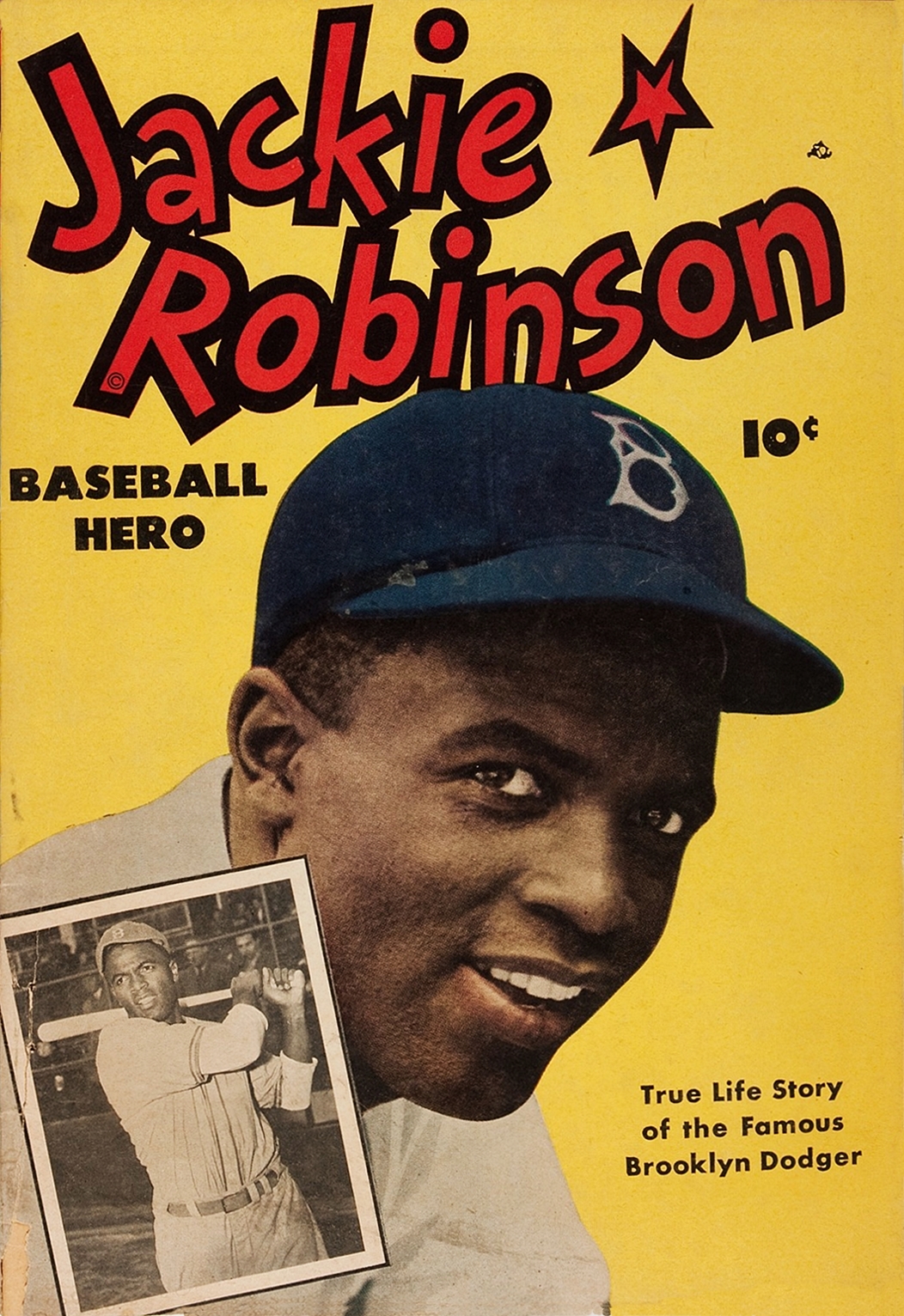
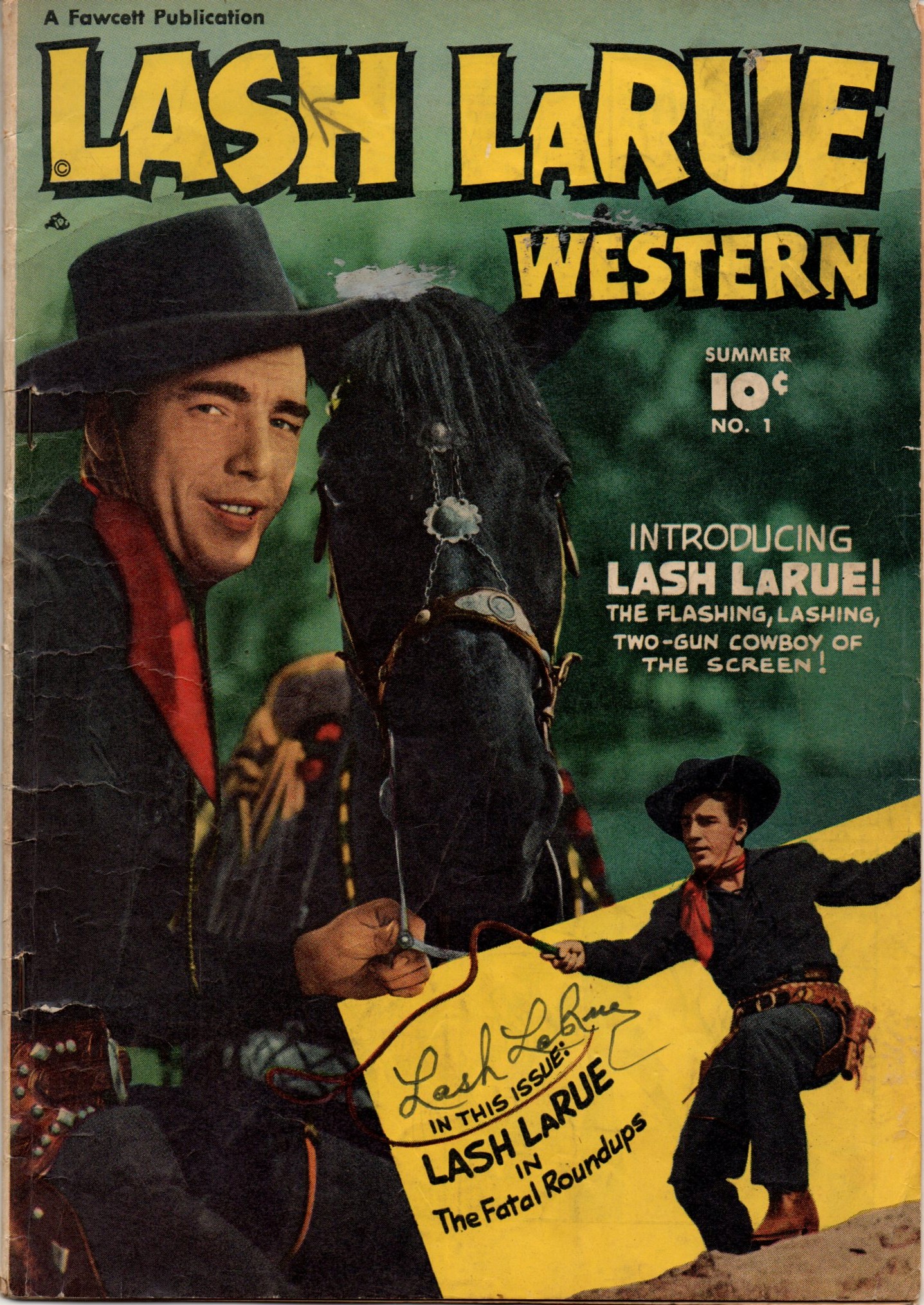
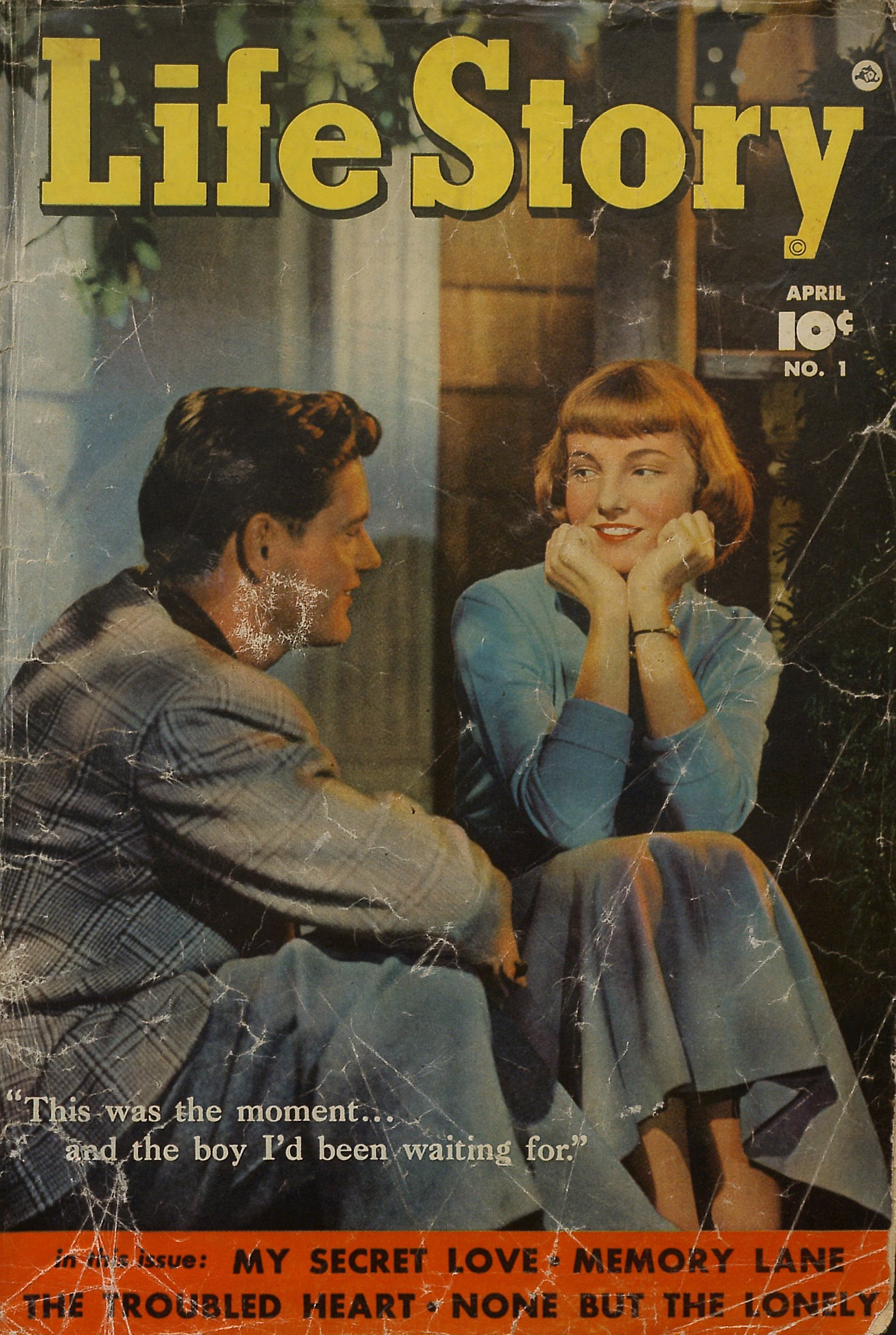
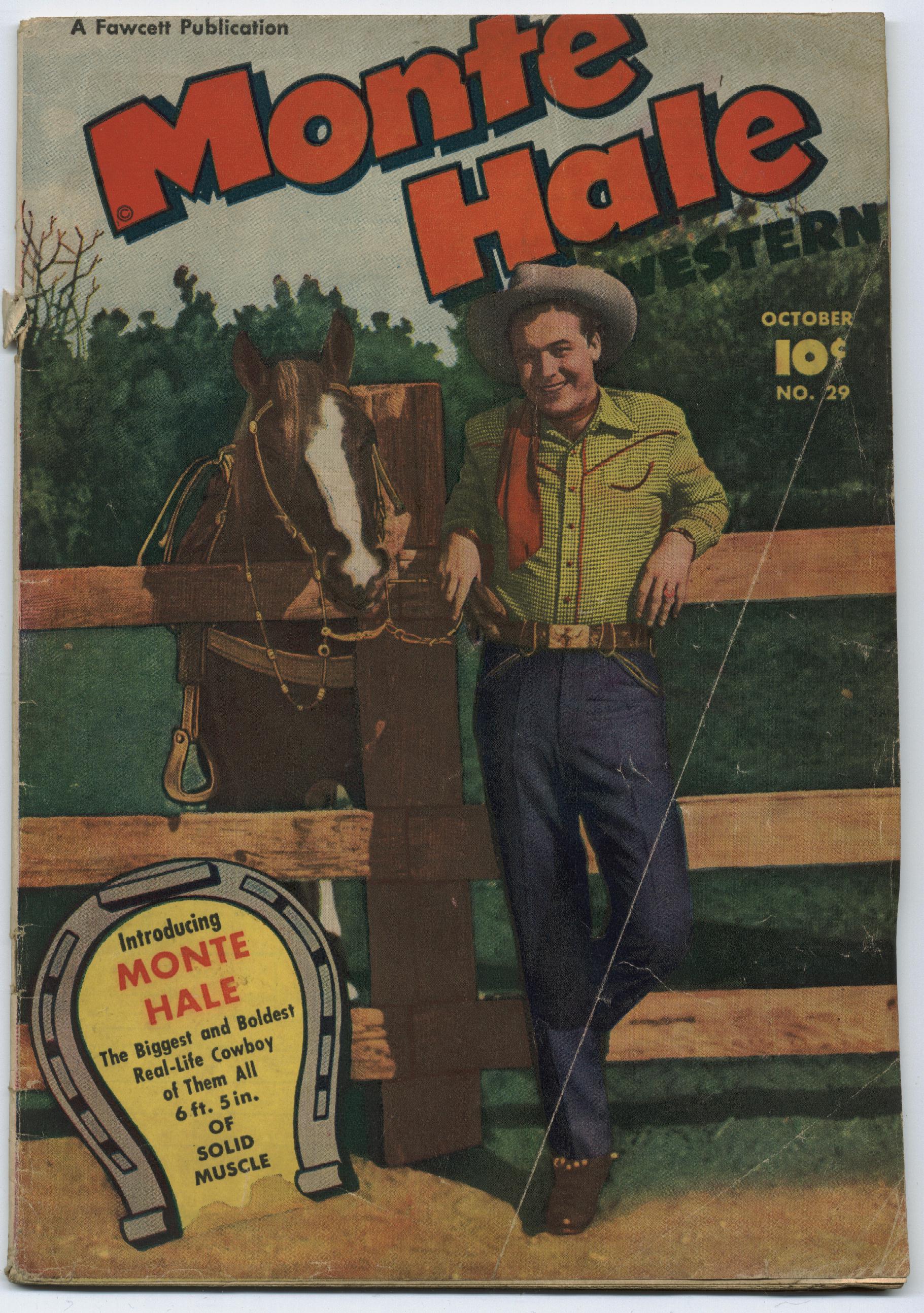
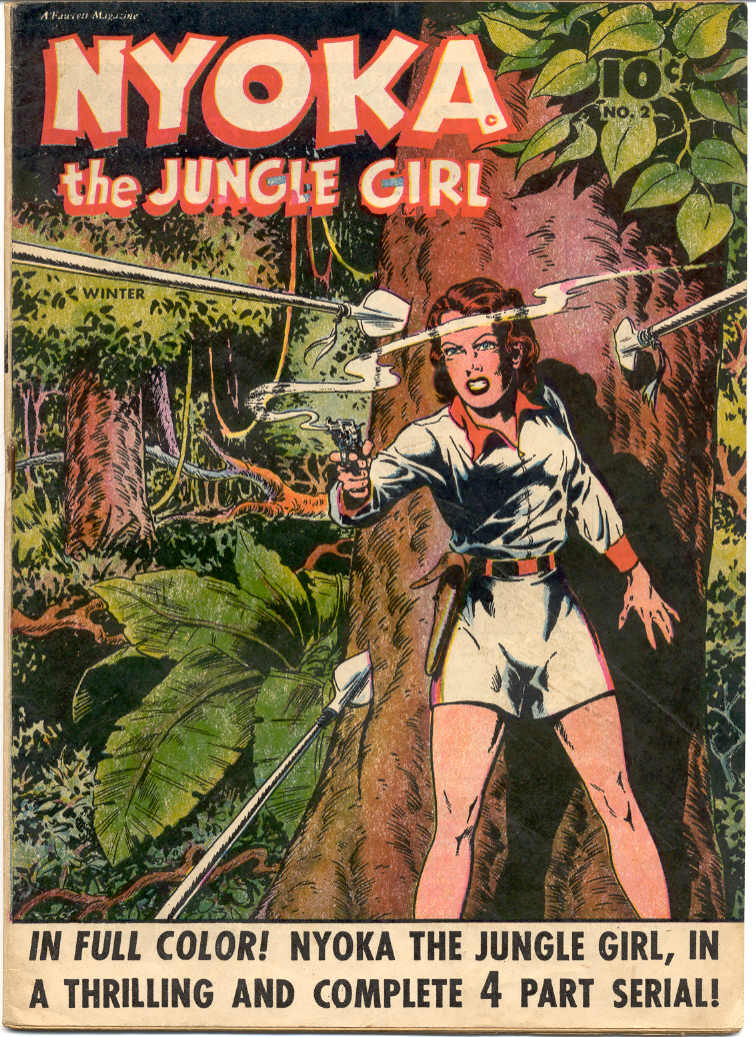
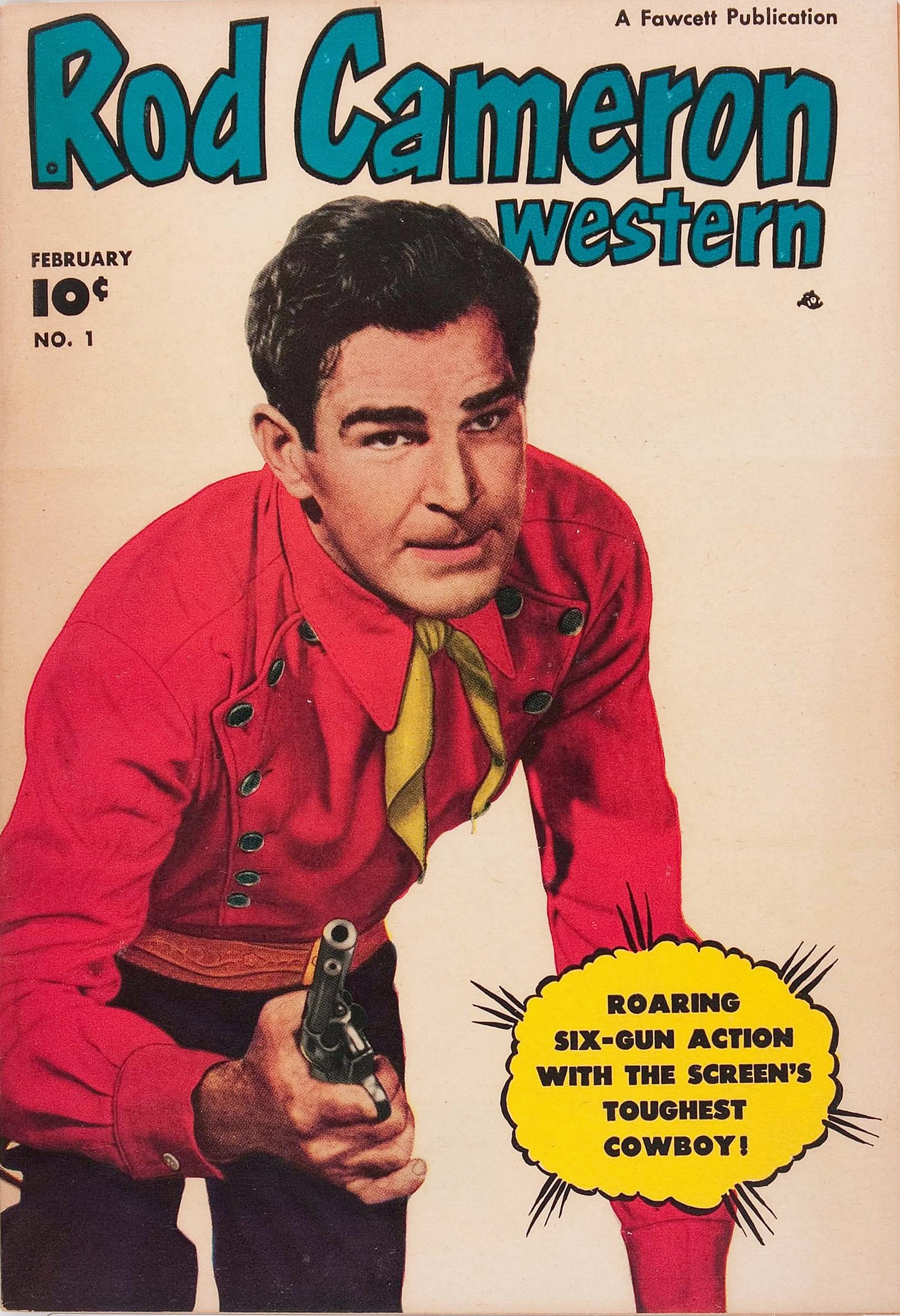
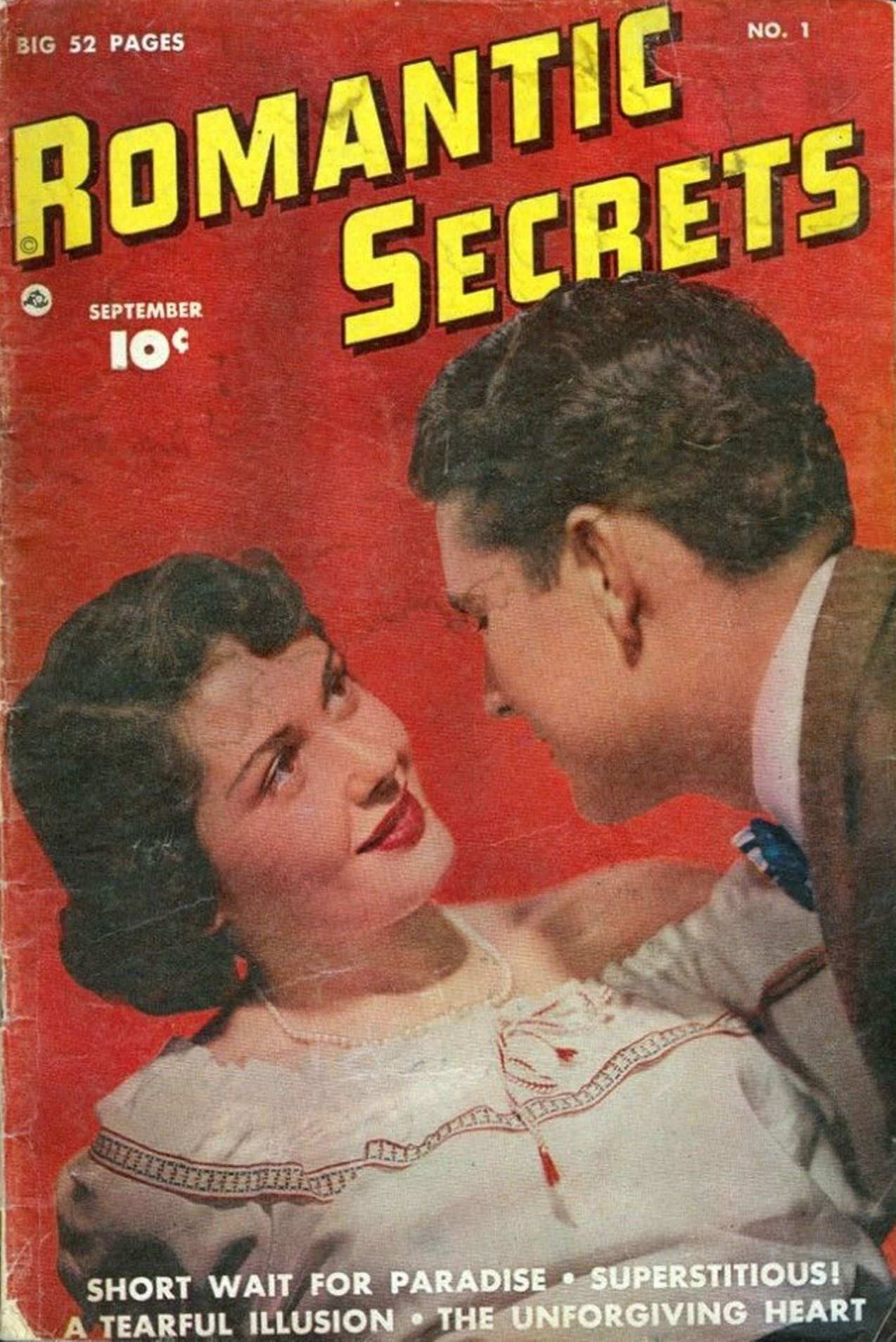
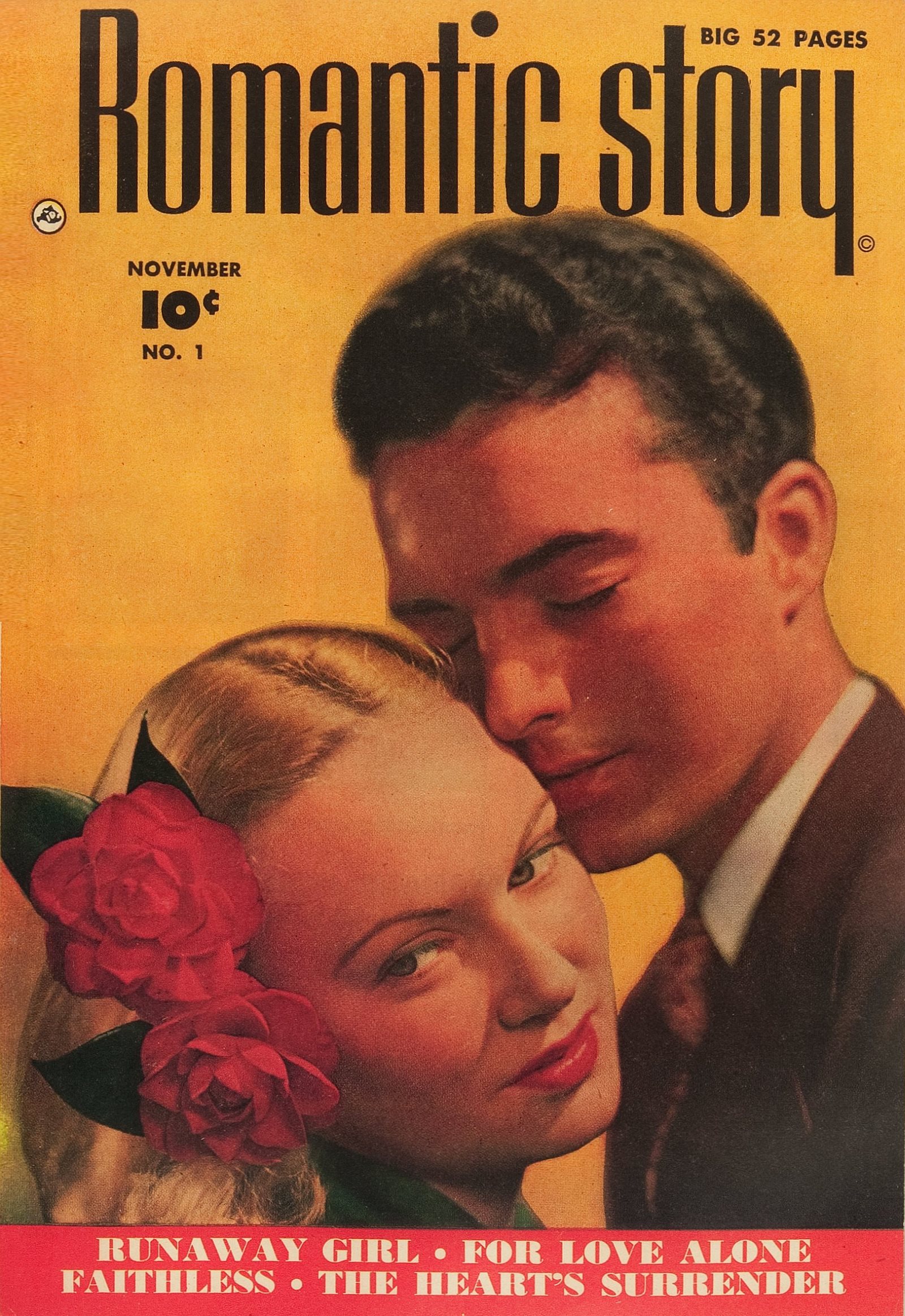
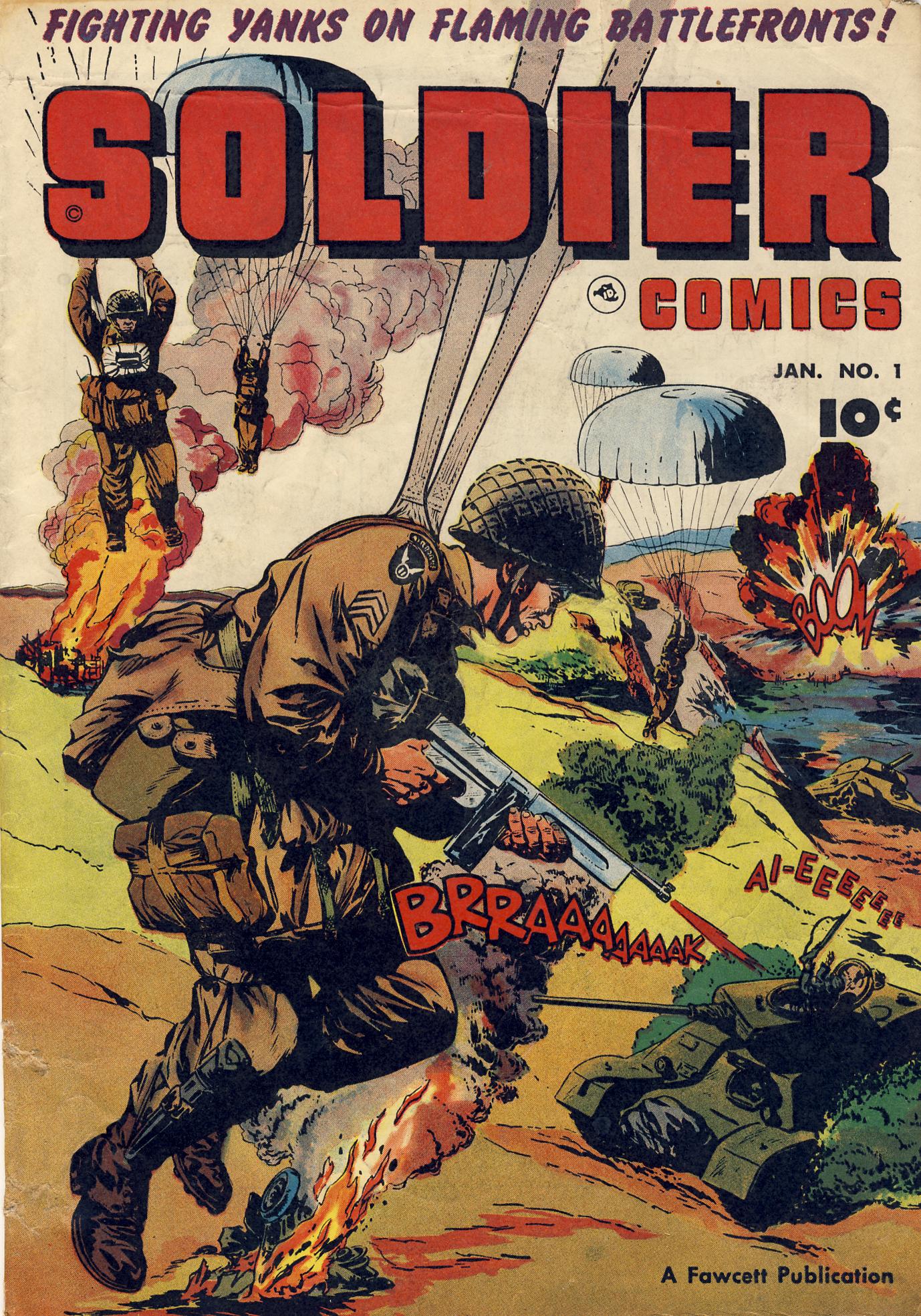
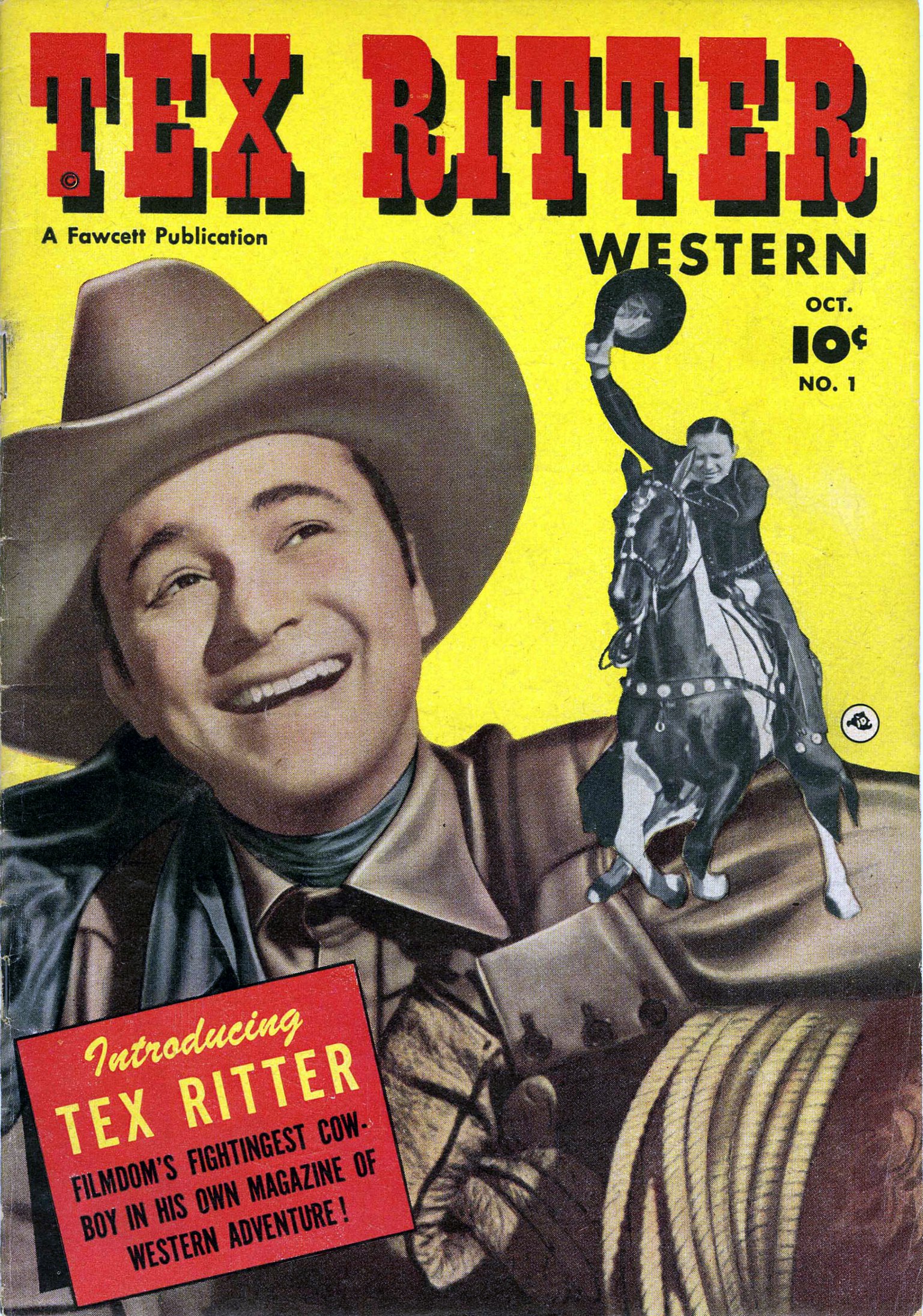
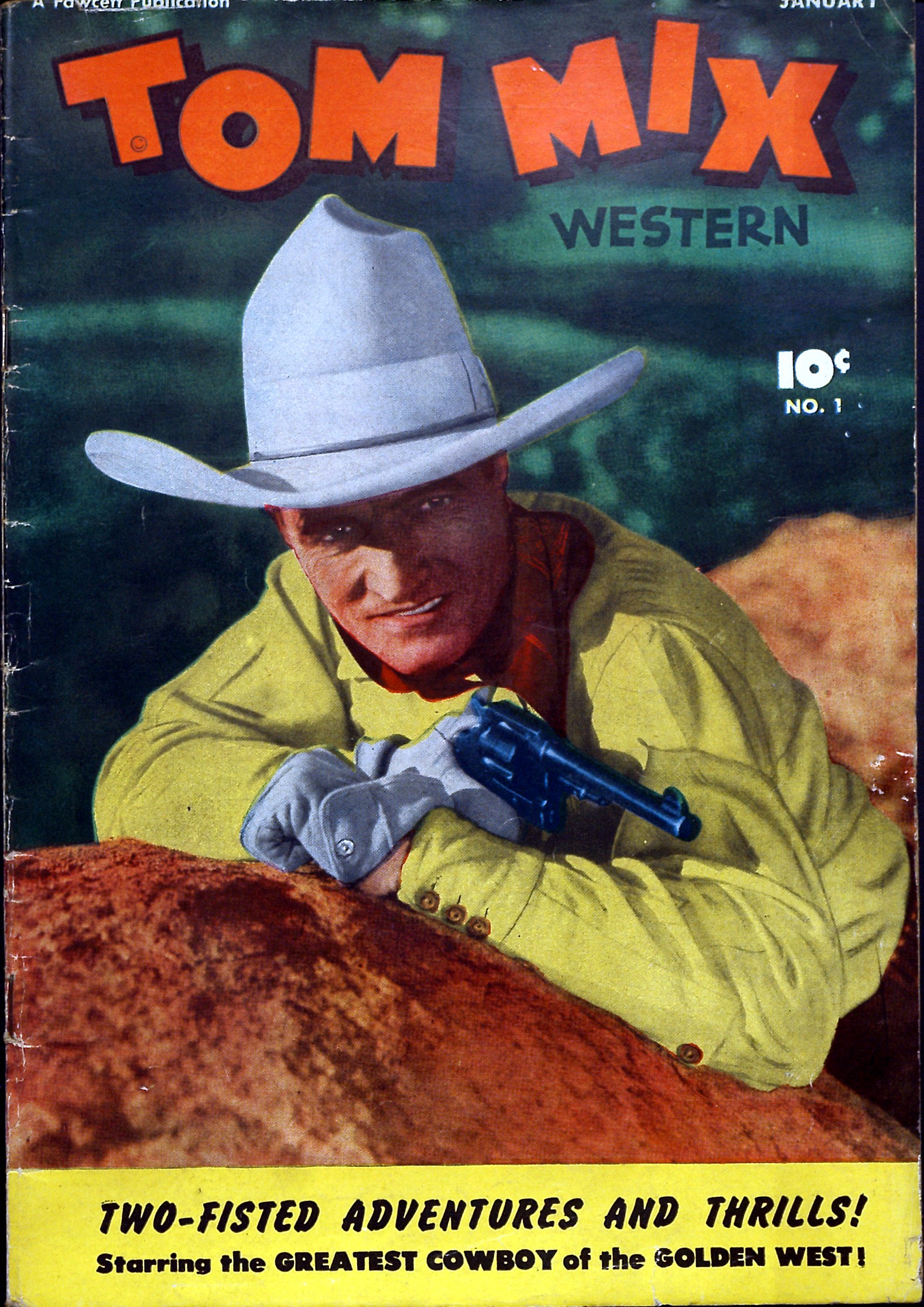
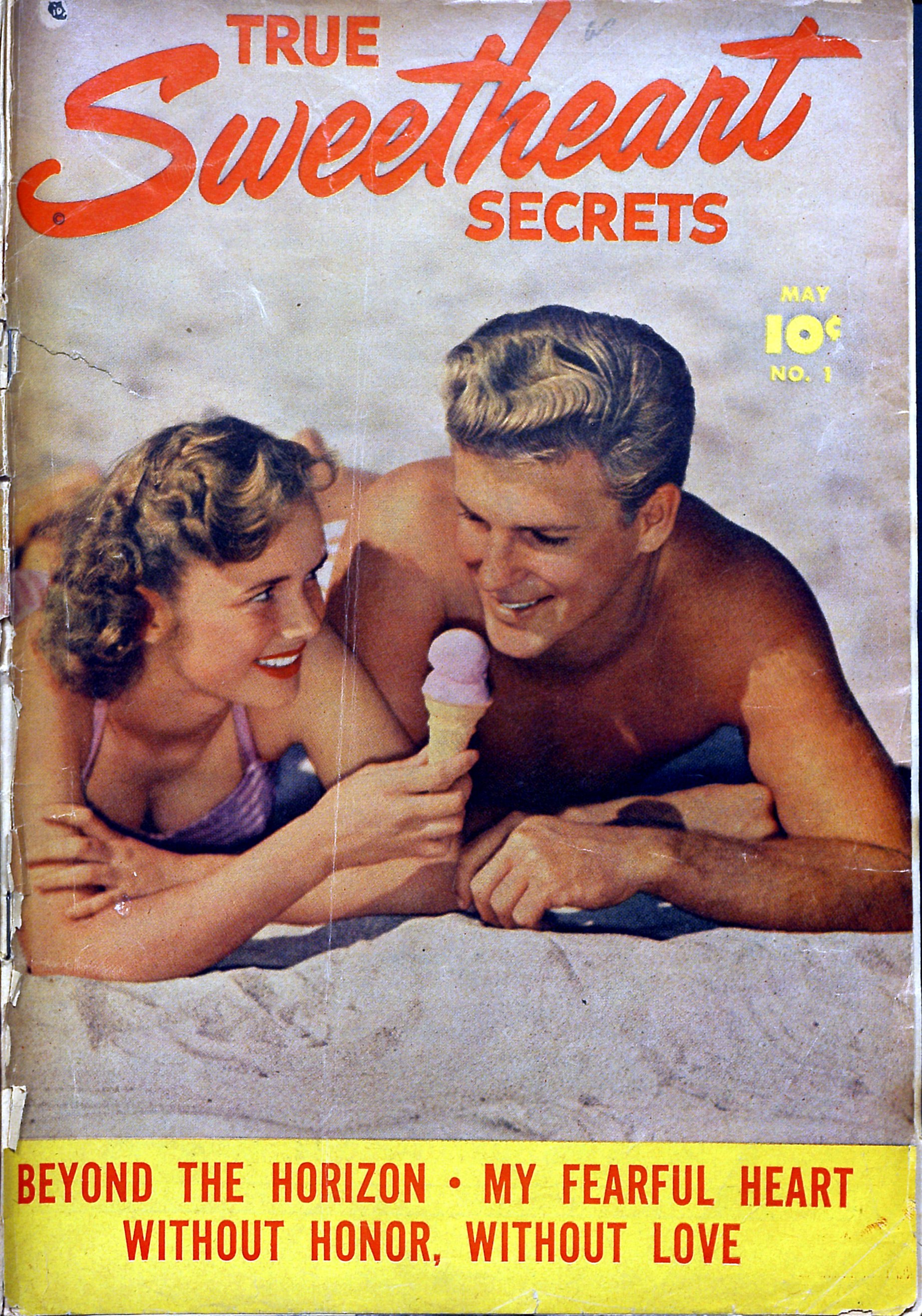
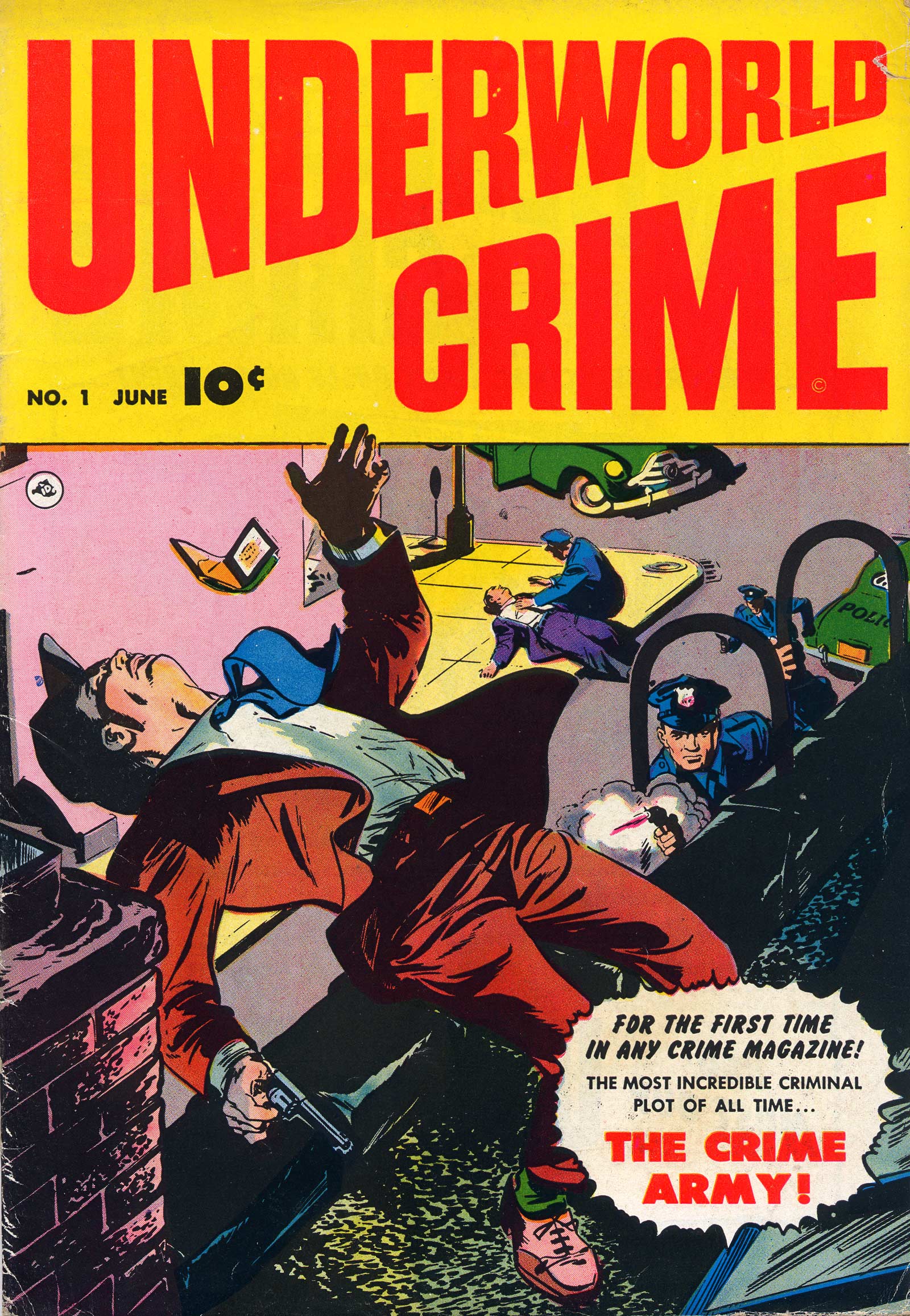
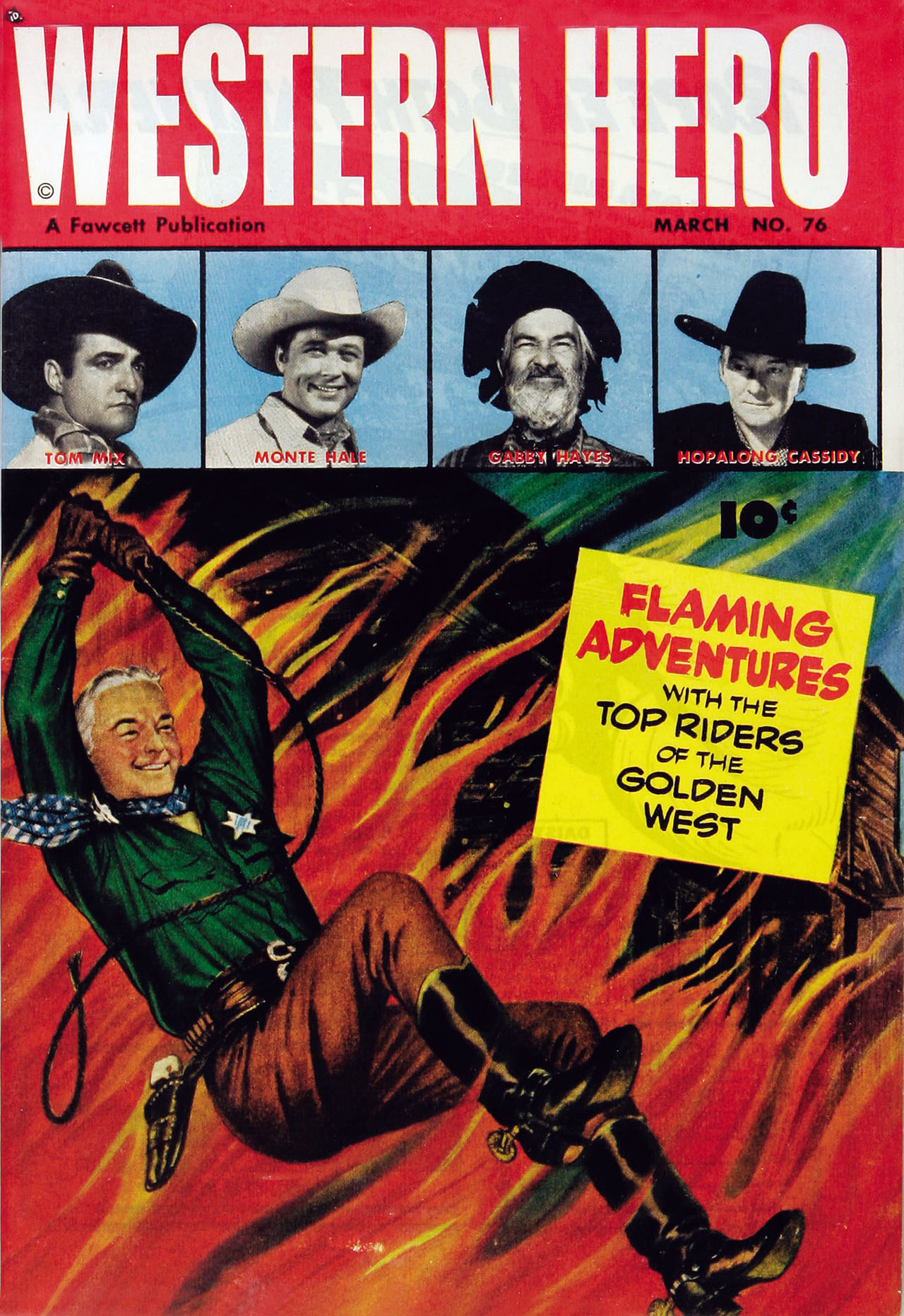
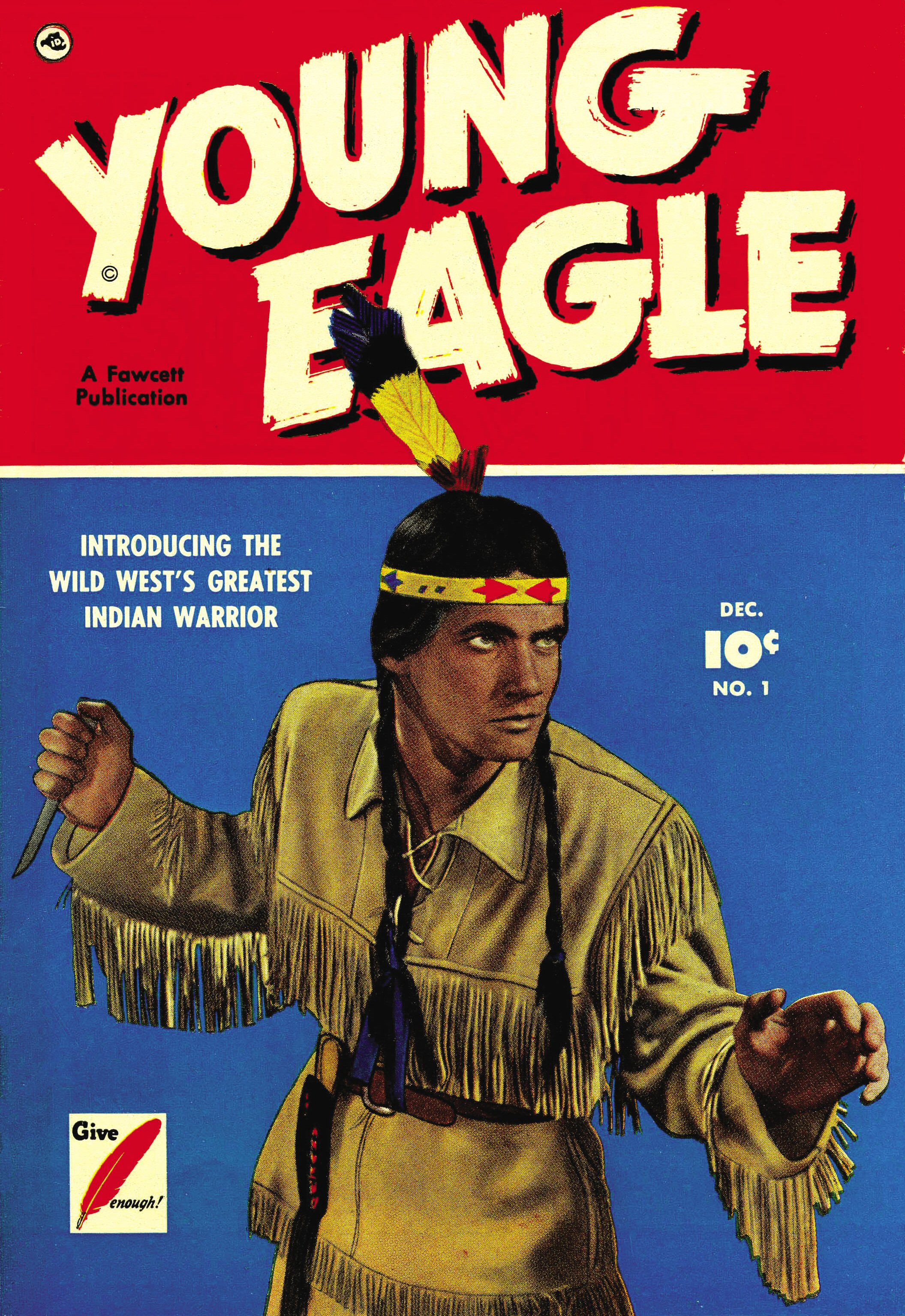
Fawcett Publications was a highly successful publishing company in the early to mid-1900s. Founded in 1919 by Wilford Fawcett, the company expanded from the publication of Captain Billy’s Whiz Bang magazine to include a line of periodicals with a combined circulation of ten million a month. The company entered the world of comic book publishing in the late 1930s and early 1940s, with the development of the iconic superhero character Captain Marvel.

Captain Marvel, created by artist C.C. Beck and writer Bill Parker, was initially published under the name « Captain Thunder » but was later renamed due to a trademark dispute with Marvel Comics. The character quickly became one of the most popular superheroes of the 1940s, even outselling Superman. The character’s popularity was due in part to his unique concept and design, with the young Billy Batson transforming into the adult Captain Marvel by saying the magic word « Shazam, » granting him a variety of superhuman abilities. This concept resonated with readers, particularly children who could relate to Billy Batson’s sense of wonder and empowerment.

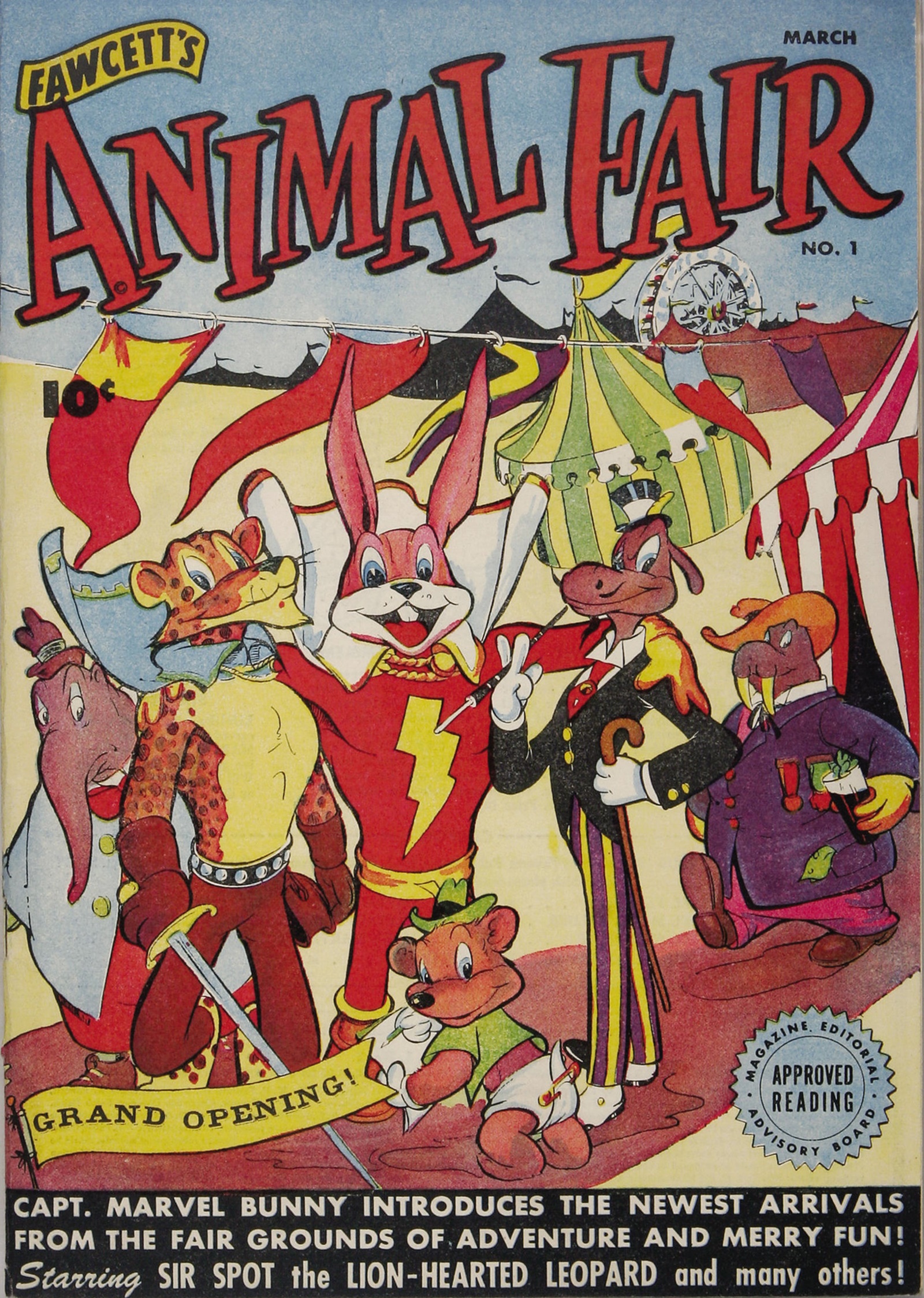
Fawcett Comics also published other notable superhero characters, including Mary Marvel, Captain Marvel Jr., and the Marvel Family. However, the success of Captain Marvel was short-lived, as Fawcett Comics faced legal challenges from DC Comics over similarities between Captain Marvel and Superman. In the early 1950s, Fawcett Comics ceased publication of its superhero comics due to these legal issues and declining sales.

Despite the legal battles and decline of Fawcett Comics, Captain Marvel’s legacy has endured. The rights to the character have changed hands several times, with DC Comics currently owning the rights to the character since 1991. The character has been reinvented and revived several times by various publishers, and has appeared in numerous adaptations including animated TV shows, video games, and live-action movies. The legacy of Captain Marvel continues to inspire new generations of readers and fans, cementing the character’s place in the pantheon of comic book superheroes.

Some of Fawcett’s most famous characters and titles include:

  1. Captain Marvel (also known as Shazam) – a superhero who gained his powers from a wizard and had his own self-titled comic series. He was created by writer Bill Parker and artist C. C. Beck.
  2. Marvel Family – a group of superheroes that included Captain Marvel, Mary Marvel, and Captain Marvel Jr. They appeared in their own comic series titled « The Marvel Family » and were also created by Parker and Beck.
  3. Bulletman – a superhero who had the power of flight and super strength. He appeared in his own self-titled comic series and was created by writer Bill Parker and artist Jon Smalle.
  4. Ibis the Invincible – a superhero who had the power to summon an ancient Egyptian magic wand. He appeared in his own self-titled comic series and was created by writer Bill Parker and artist Bob Kingett.
  5. Hopalong Cassidy – a western hero who was popular in both comics and on the big screen. He appeared in his own self-titled comic series and was created by writer Clarence E. Mulford.

Other notable Fawcett Comics titles and characters include Spy Smasher, Mister Scarlet and Pinky, and Minute-Man. Some of the artists who contributed to Fawcett Comics include C. C. BeckMac RaboyDan BarryKurt SchaffenbergerPete CostanzaLeonard FrankCarl Pfeufer, Jack Binder and many others.

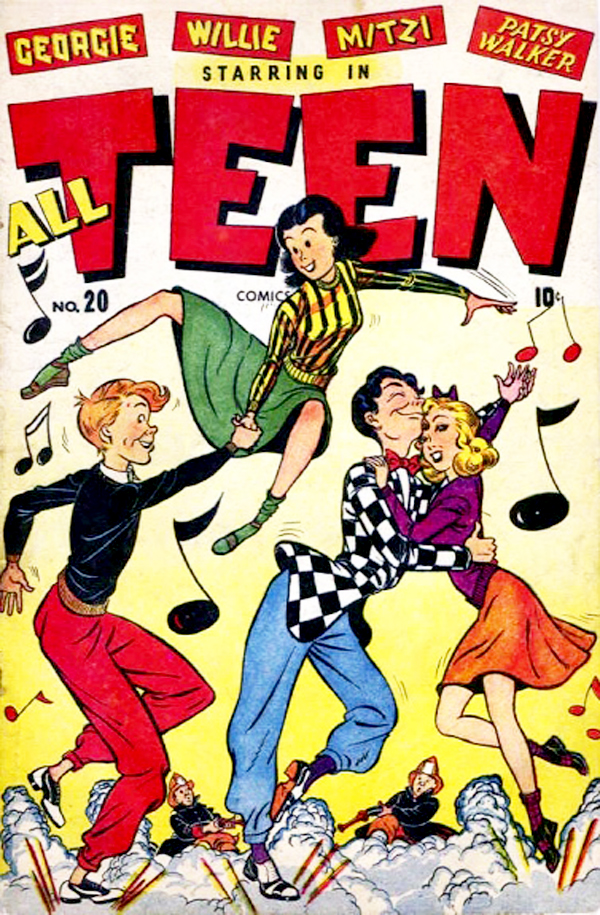
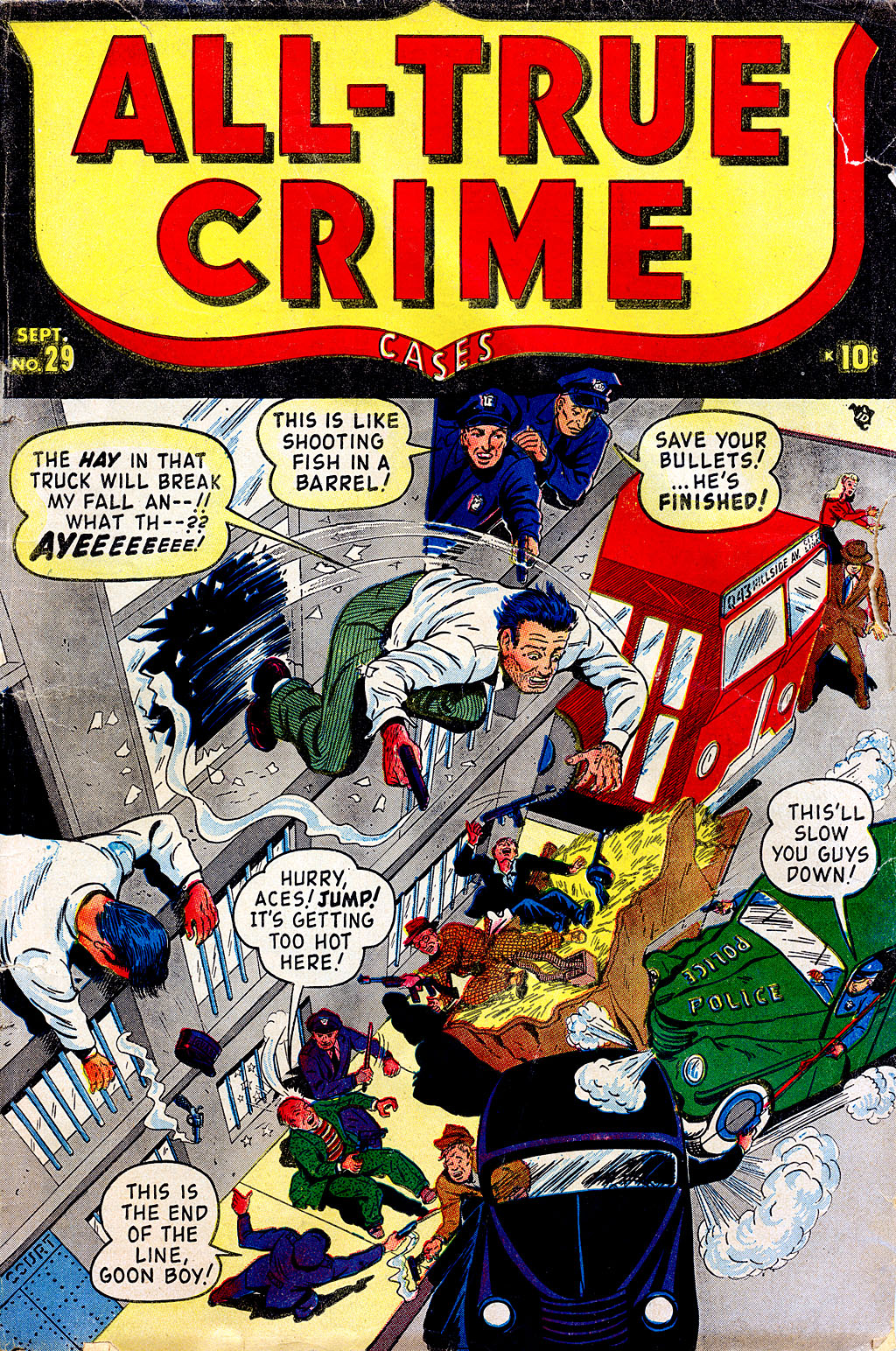
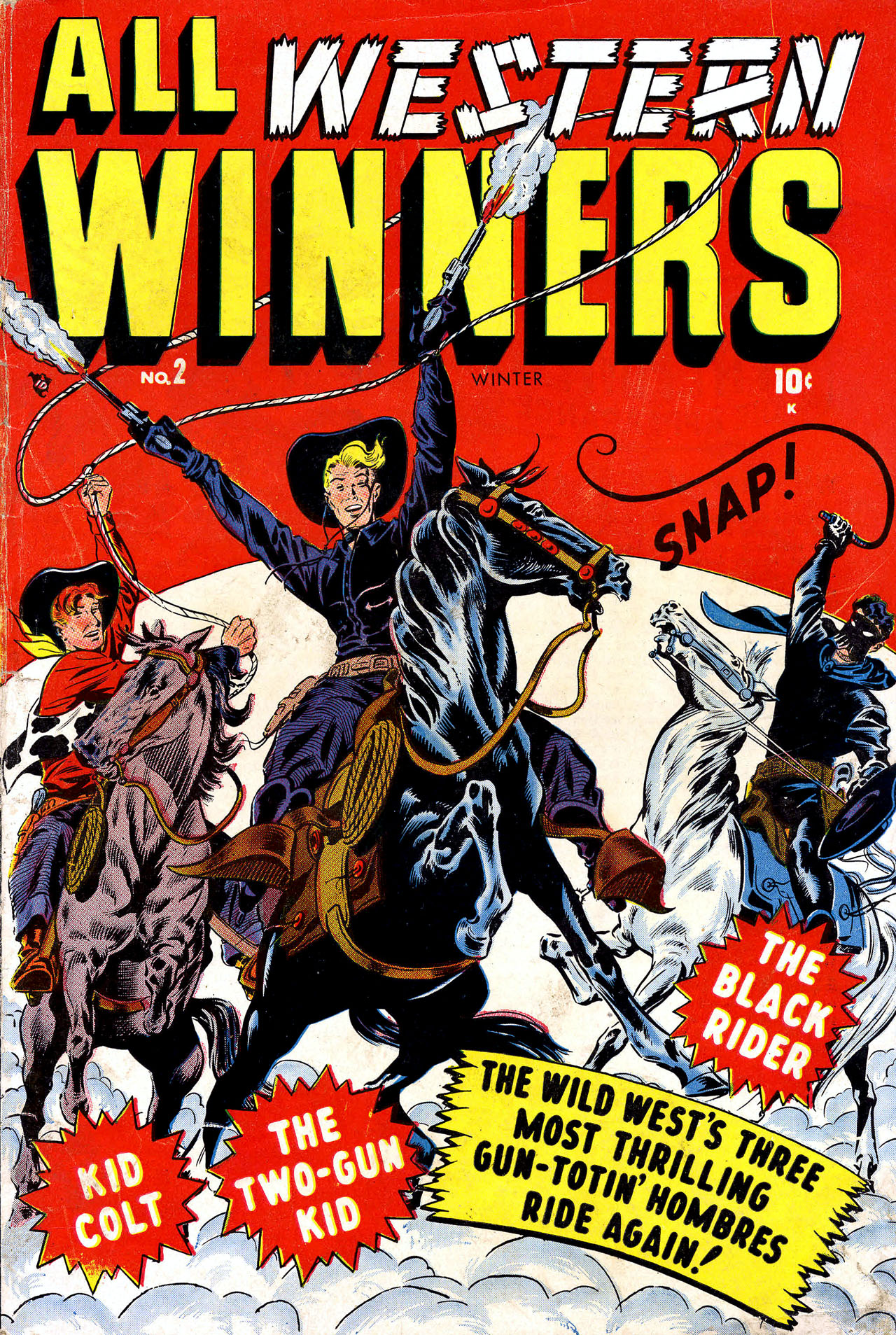
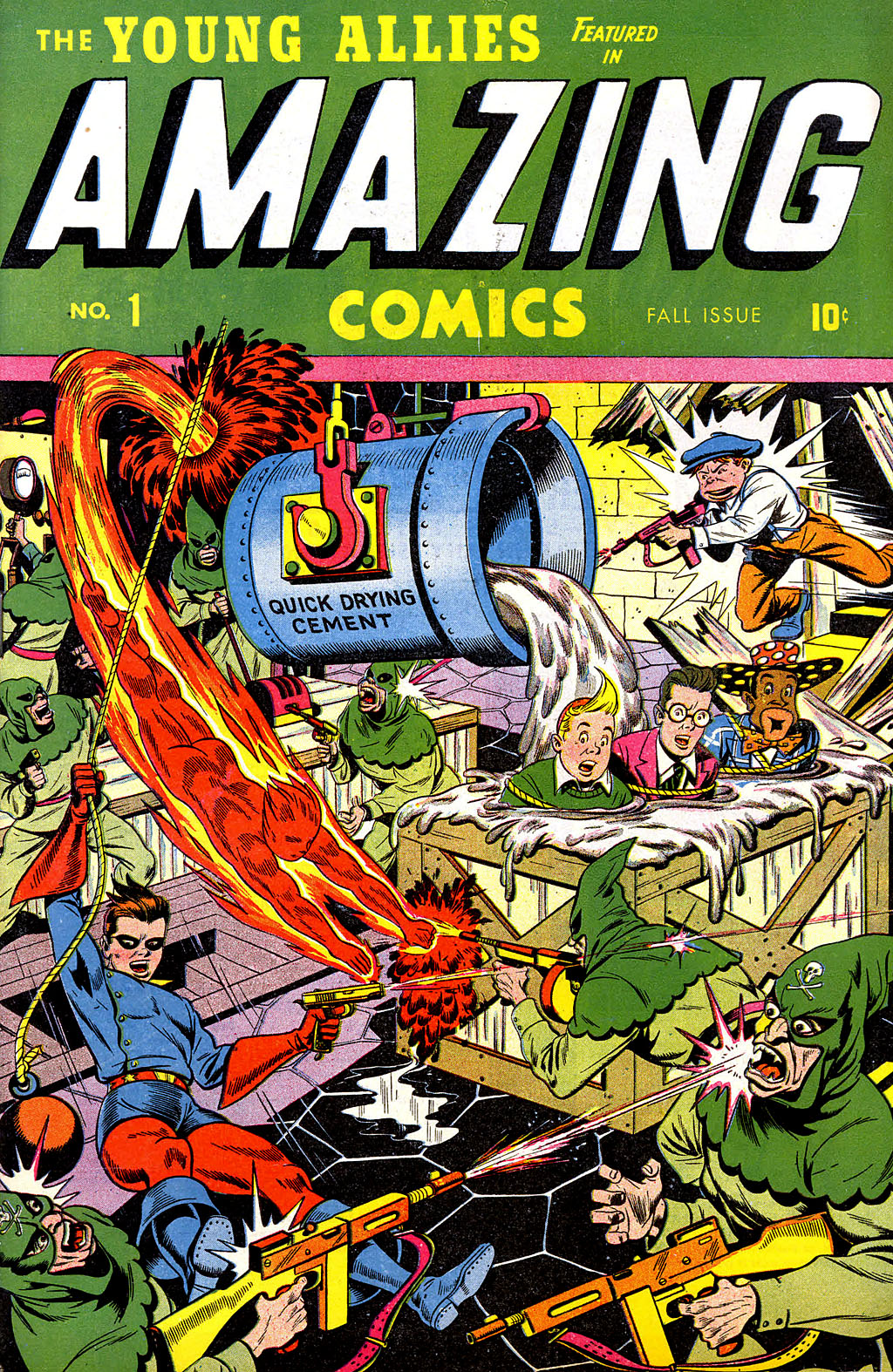
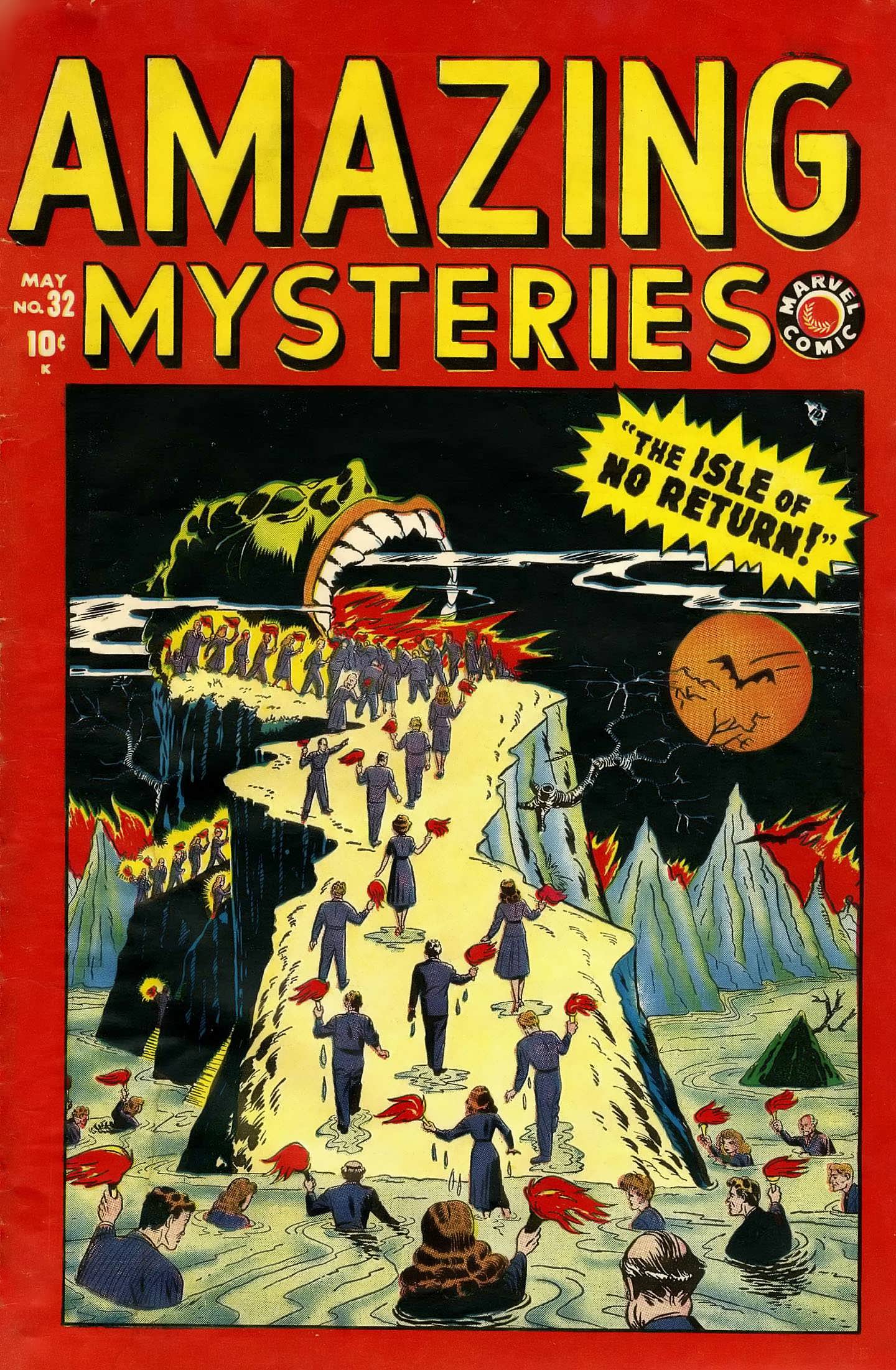
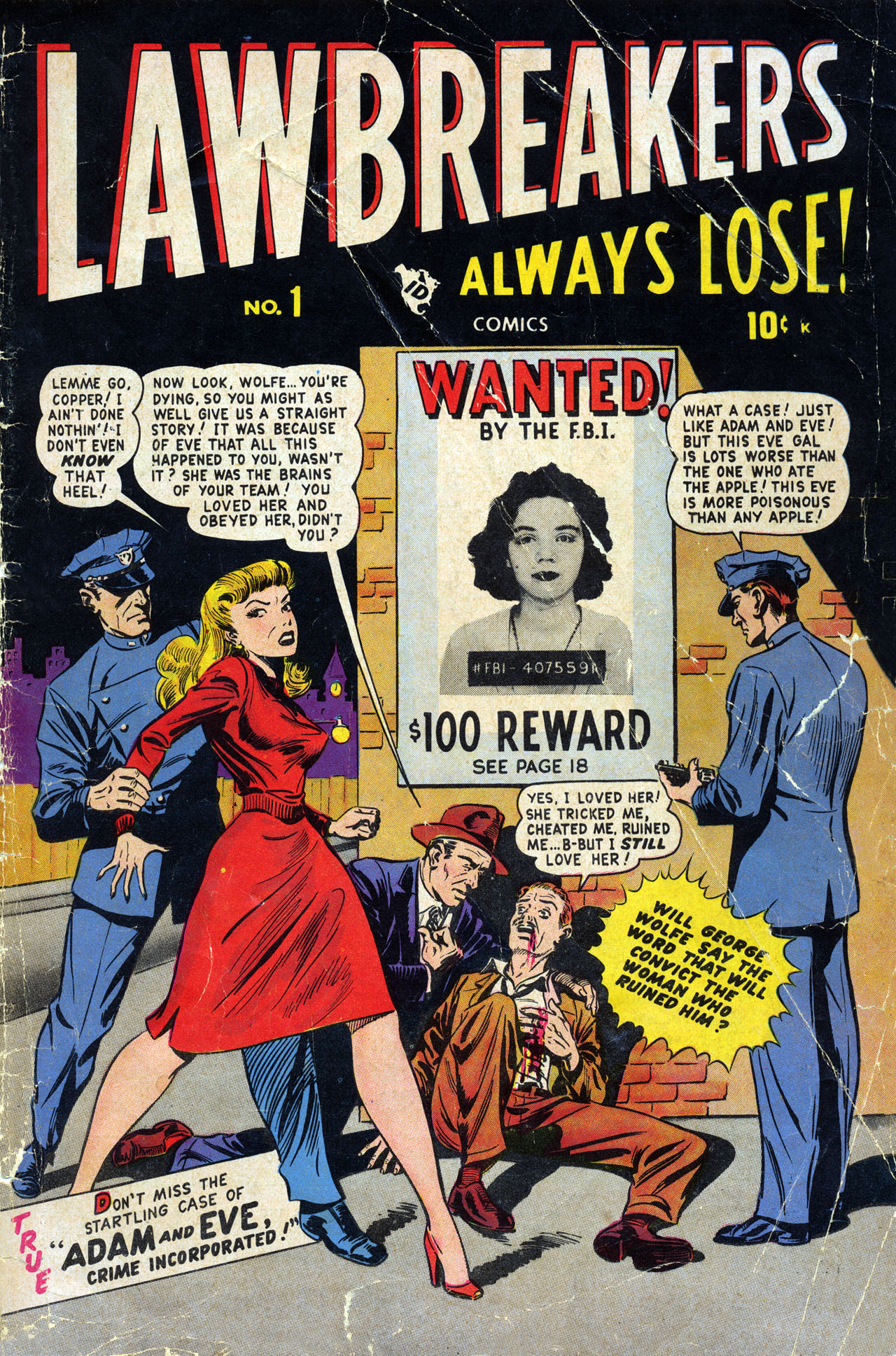
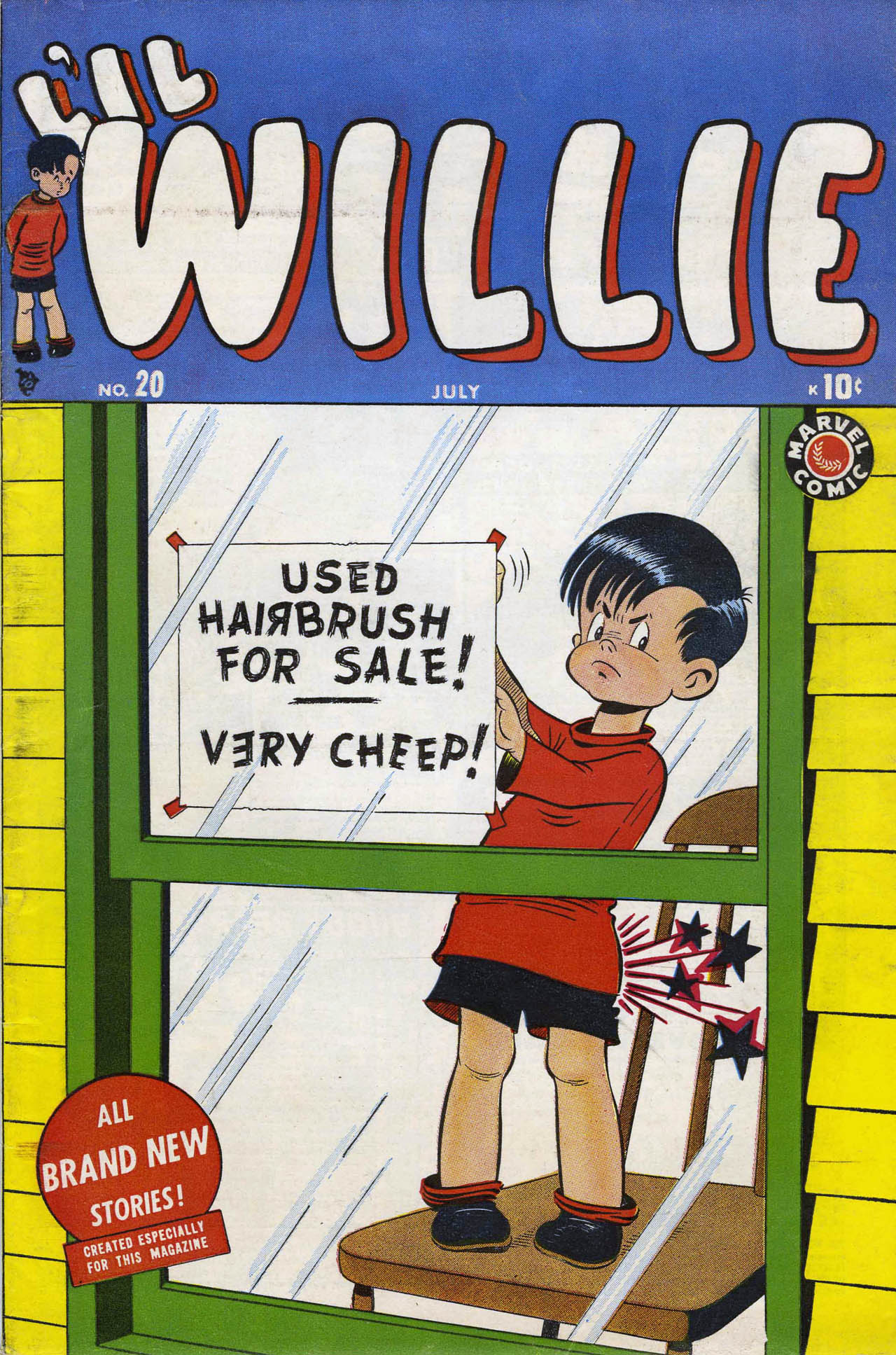
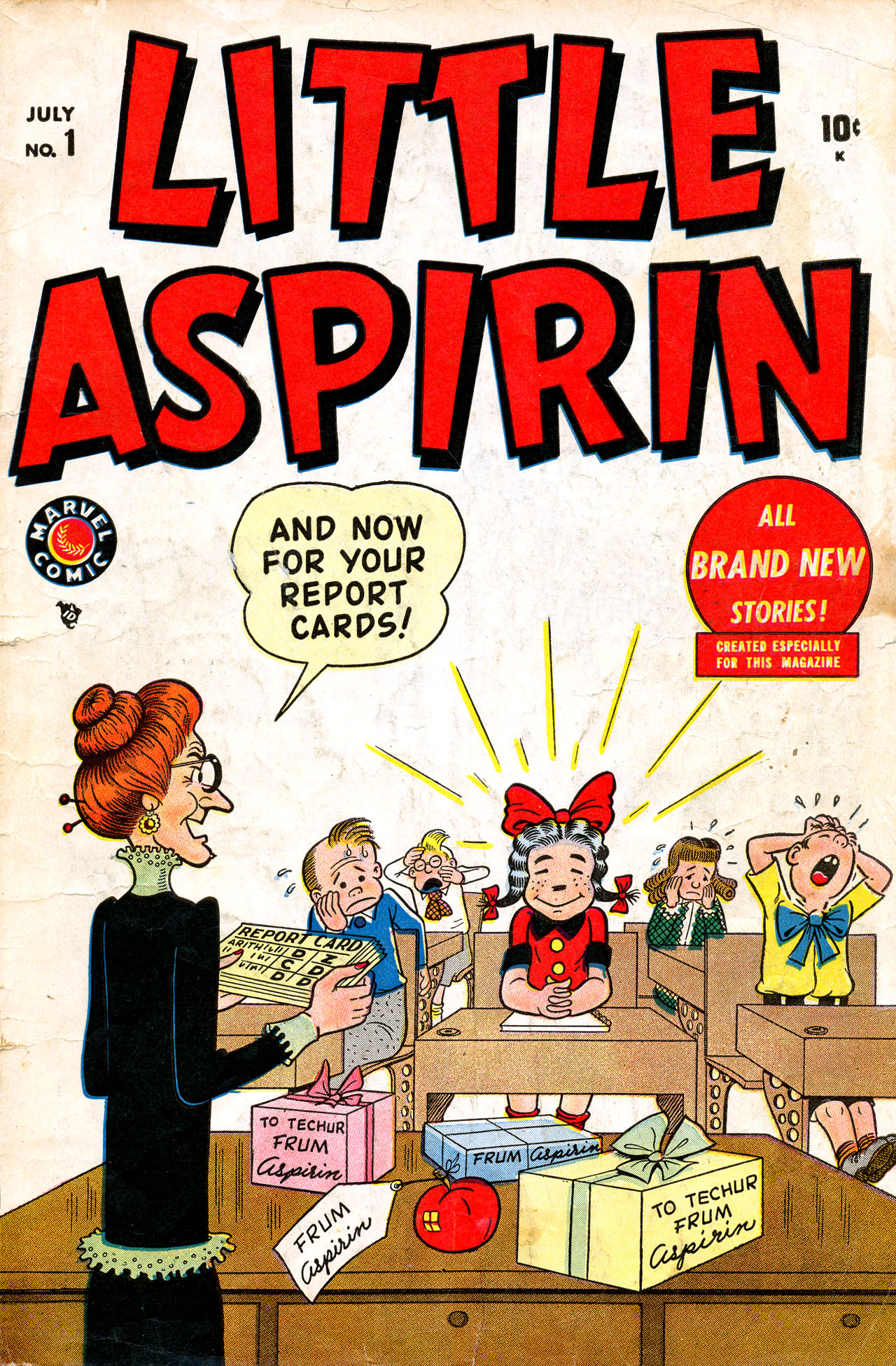
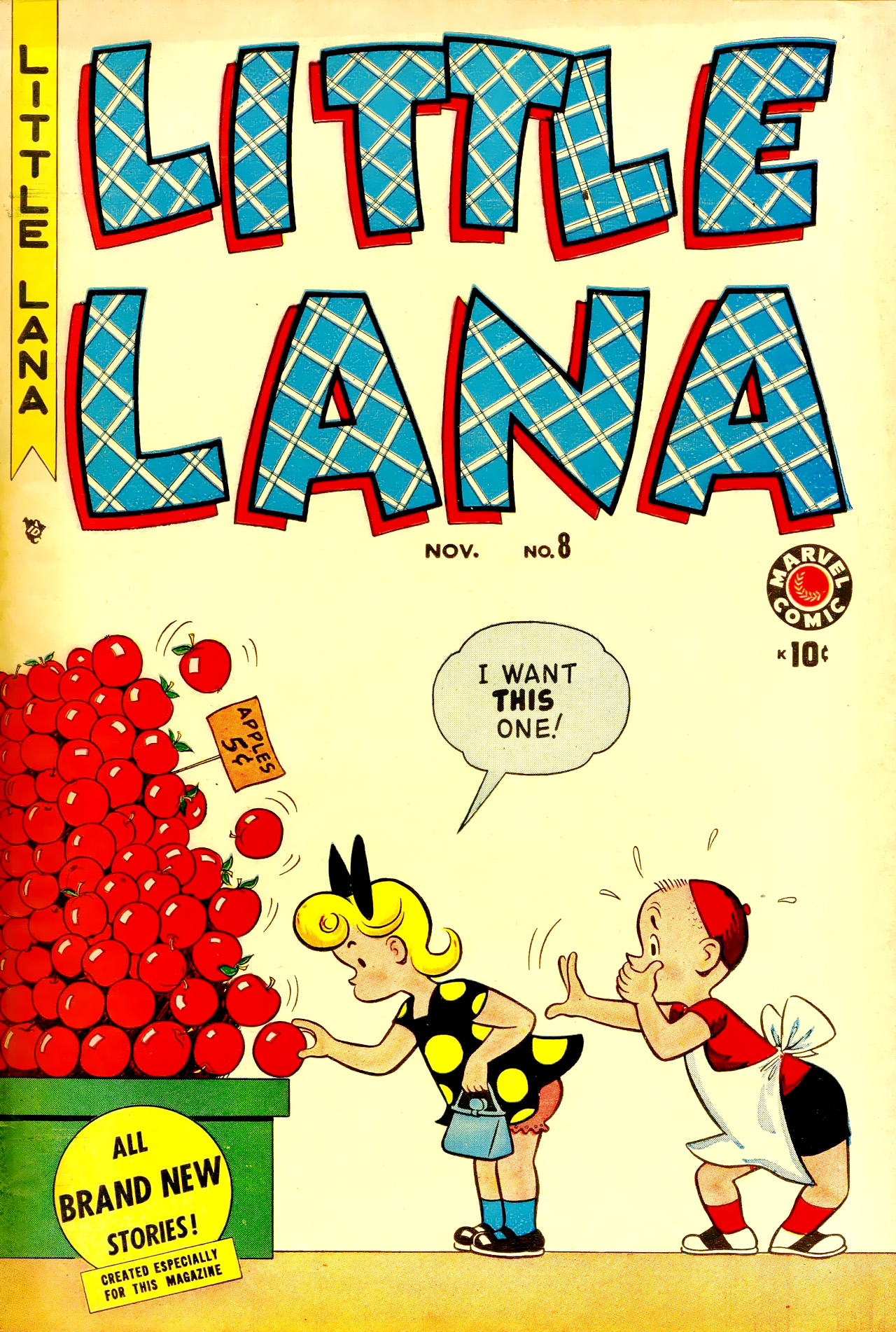
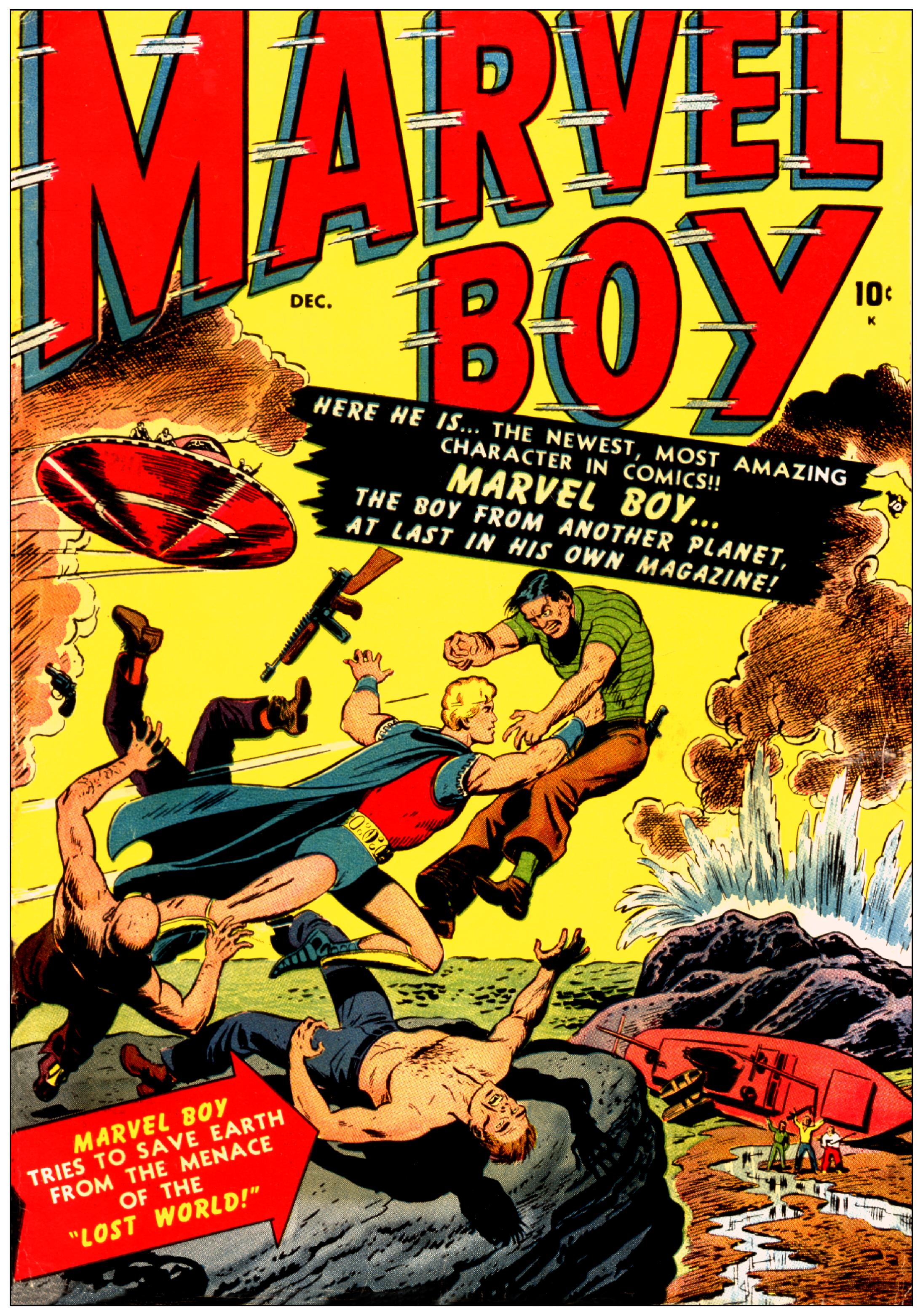
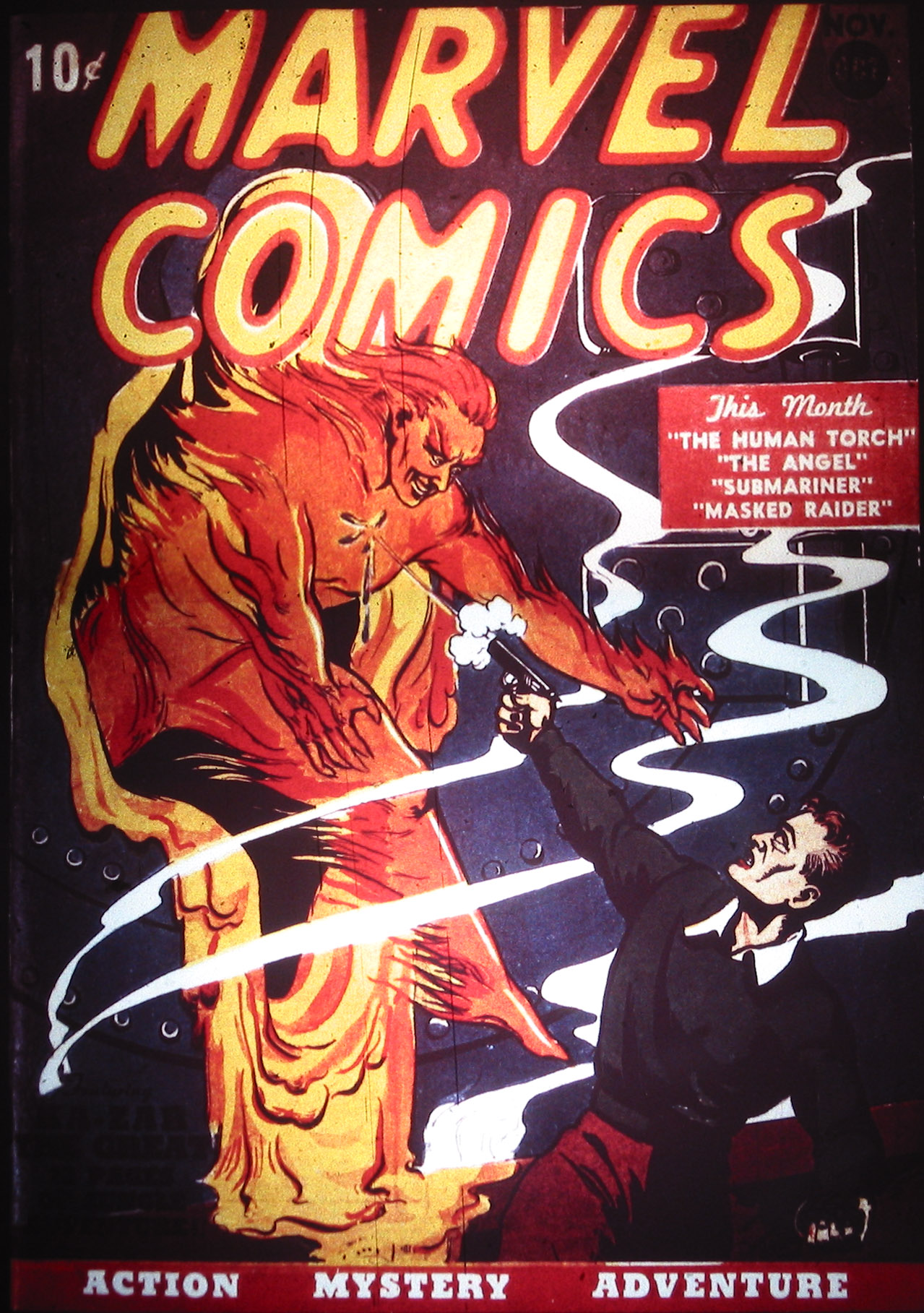
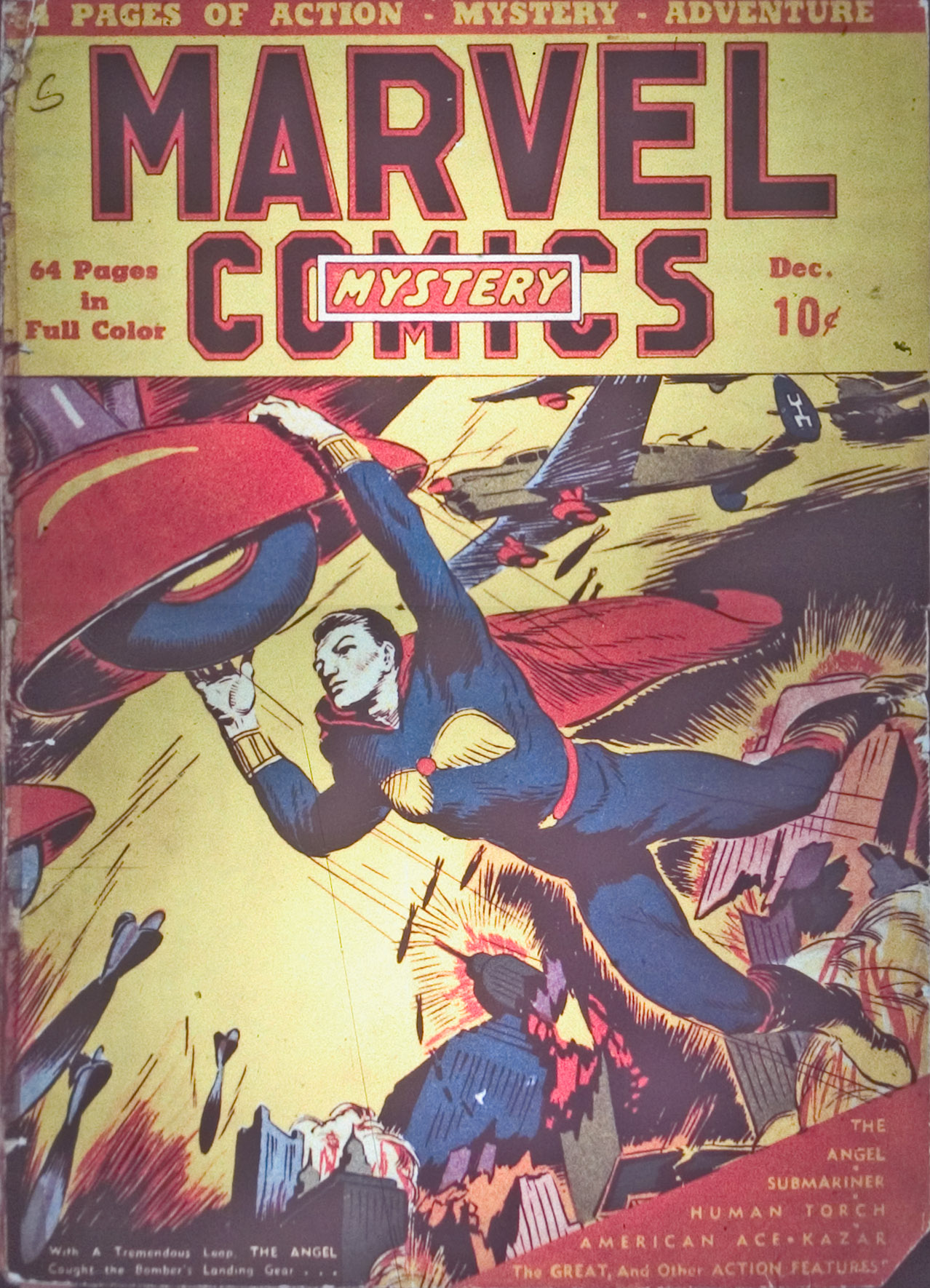
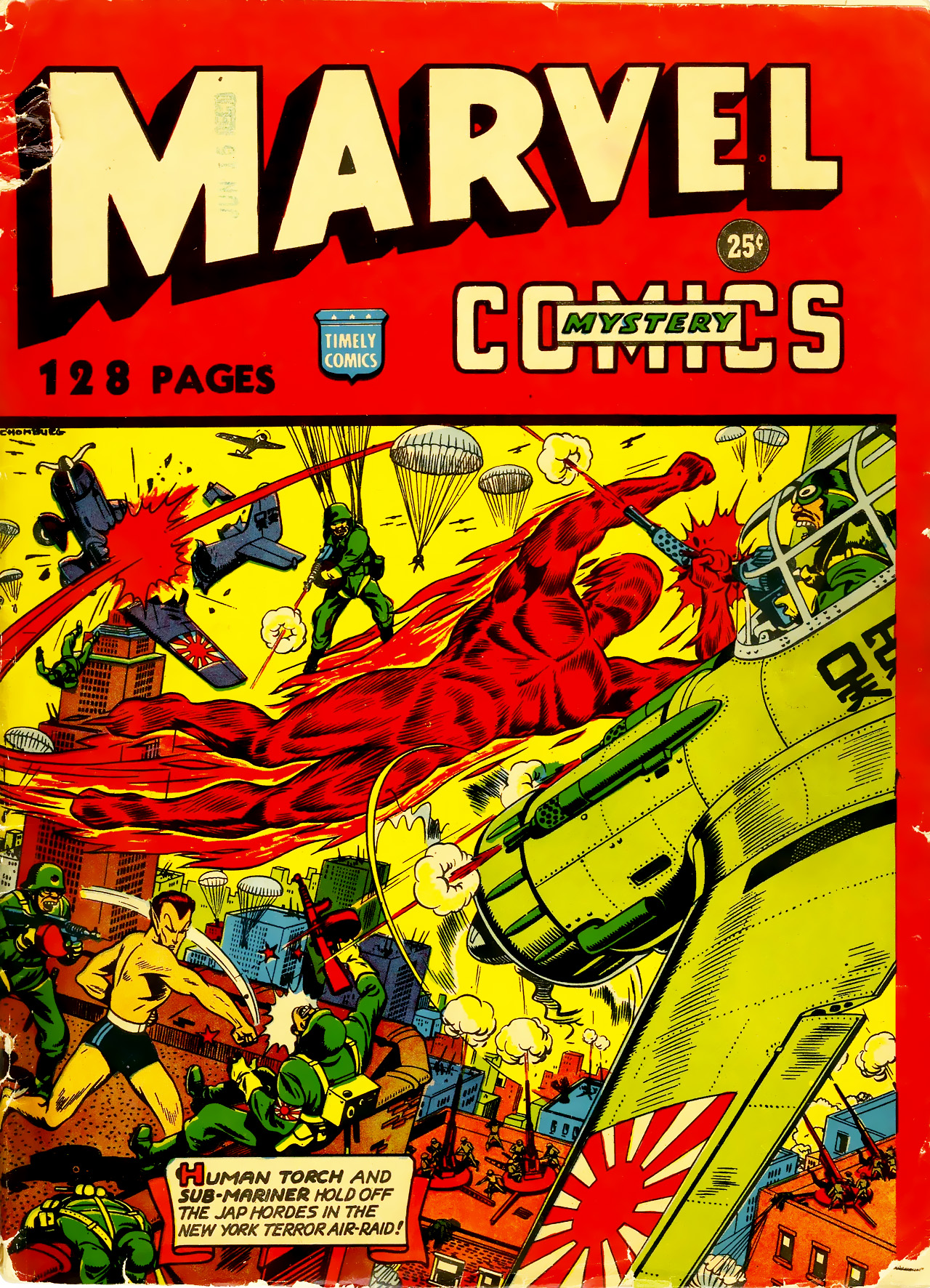
Timely Comics, Atlas, Marvel

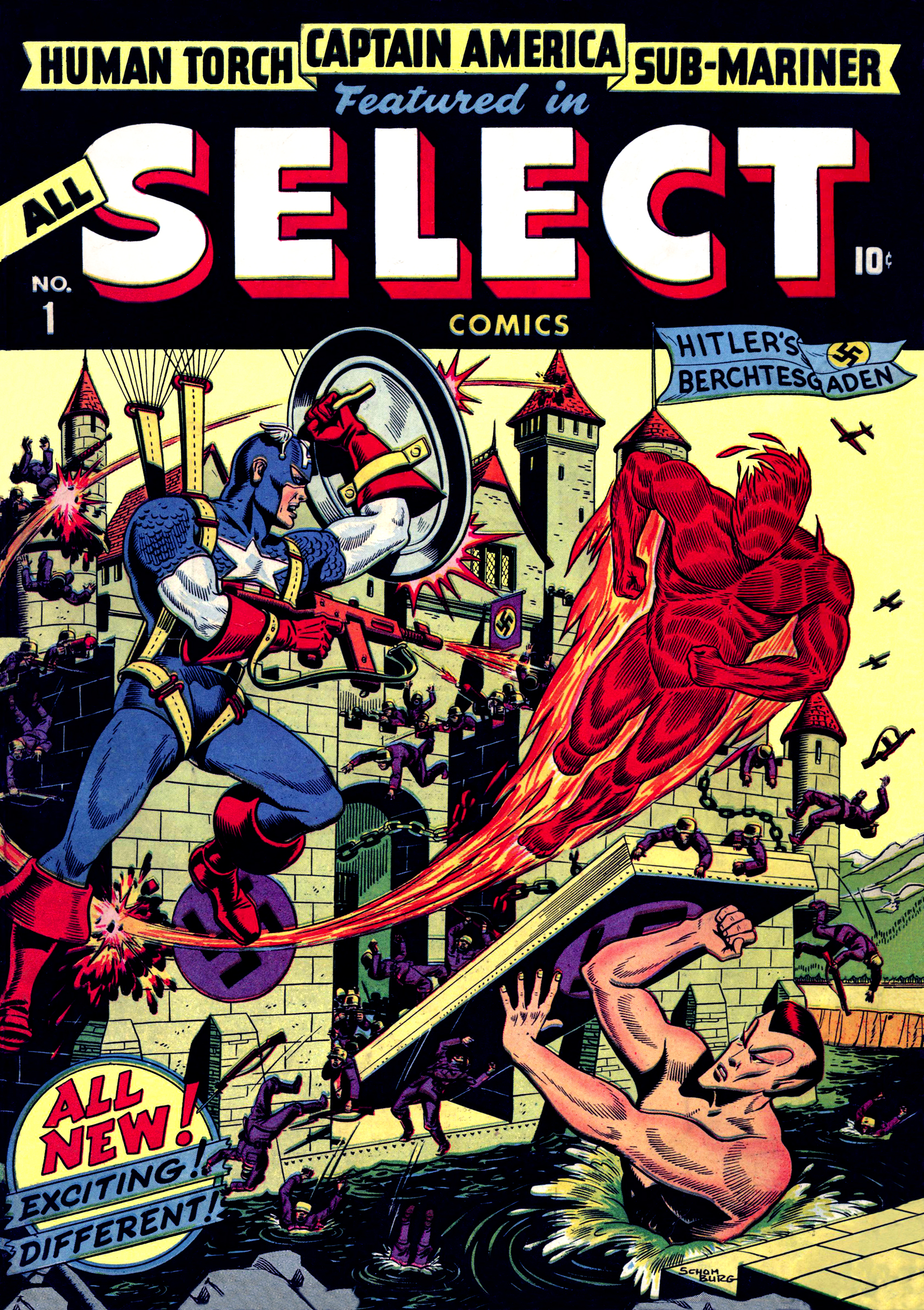
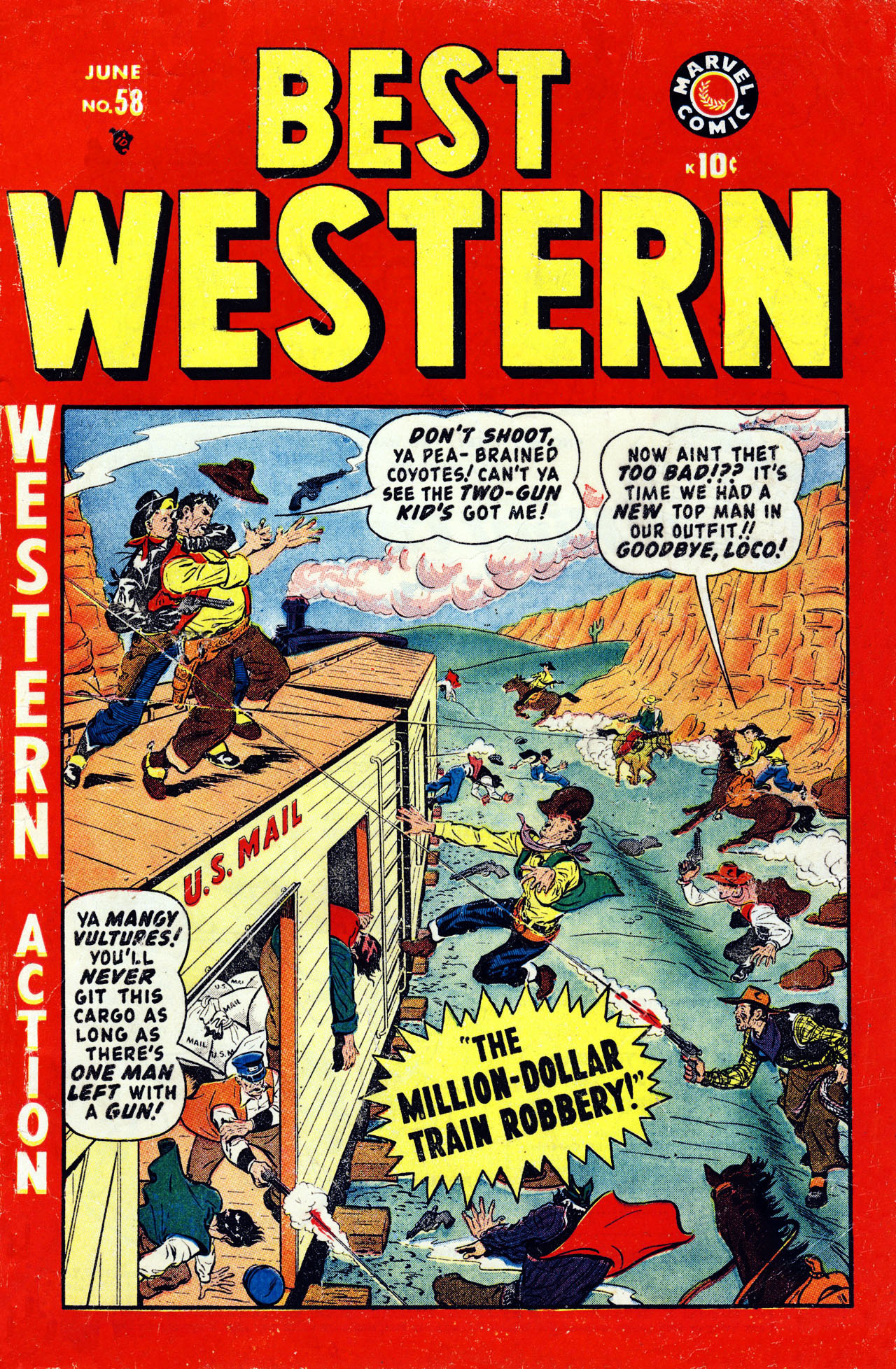
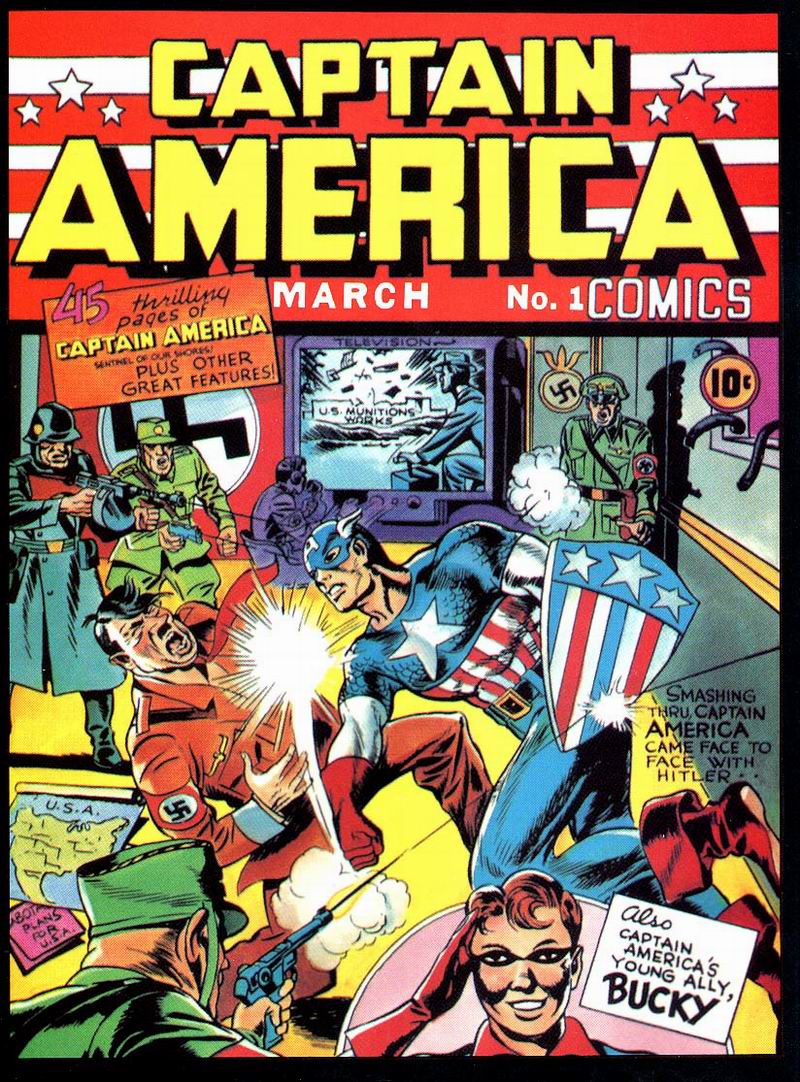
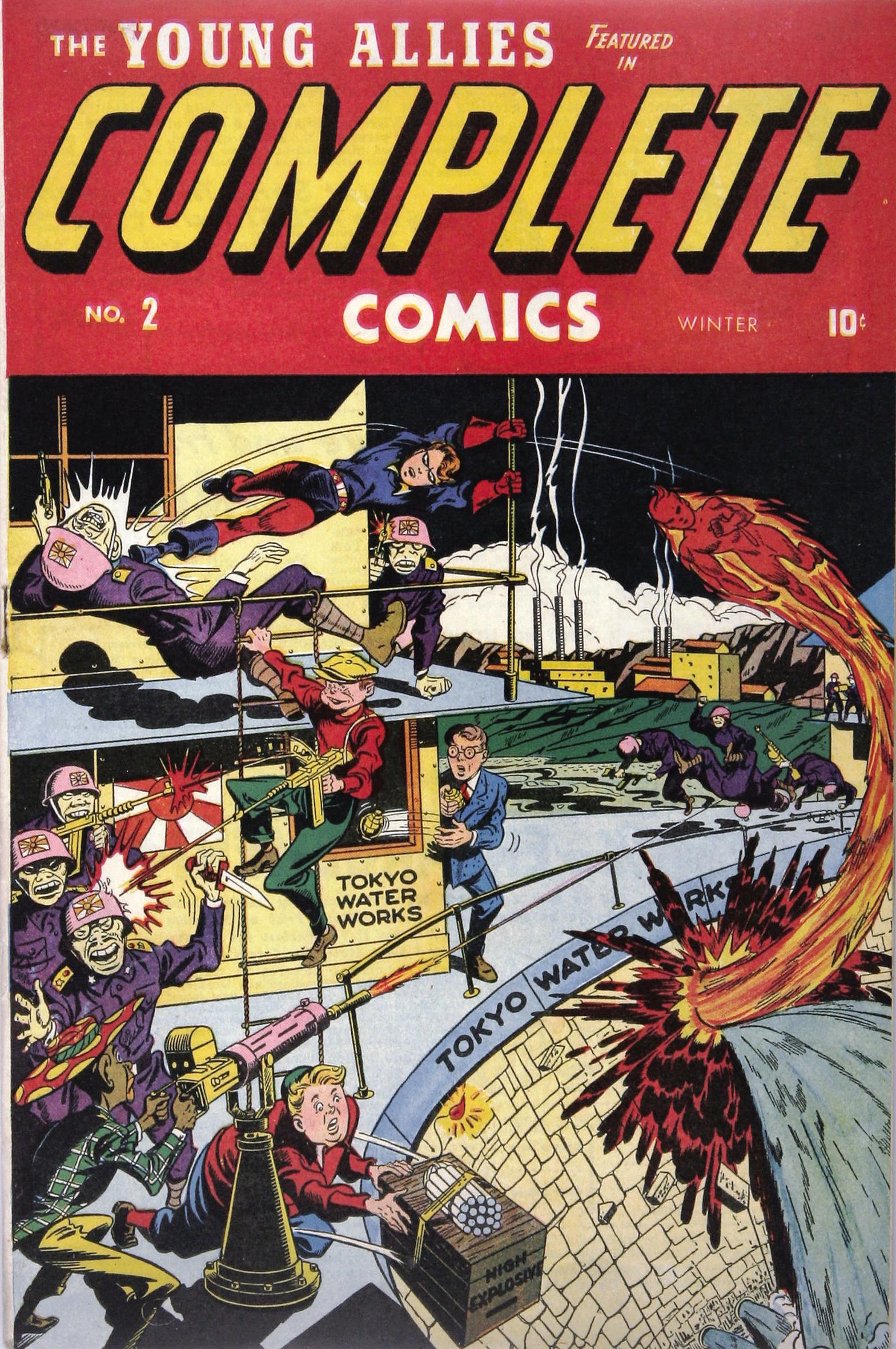
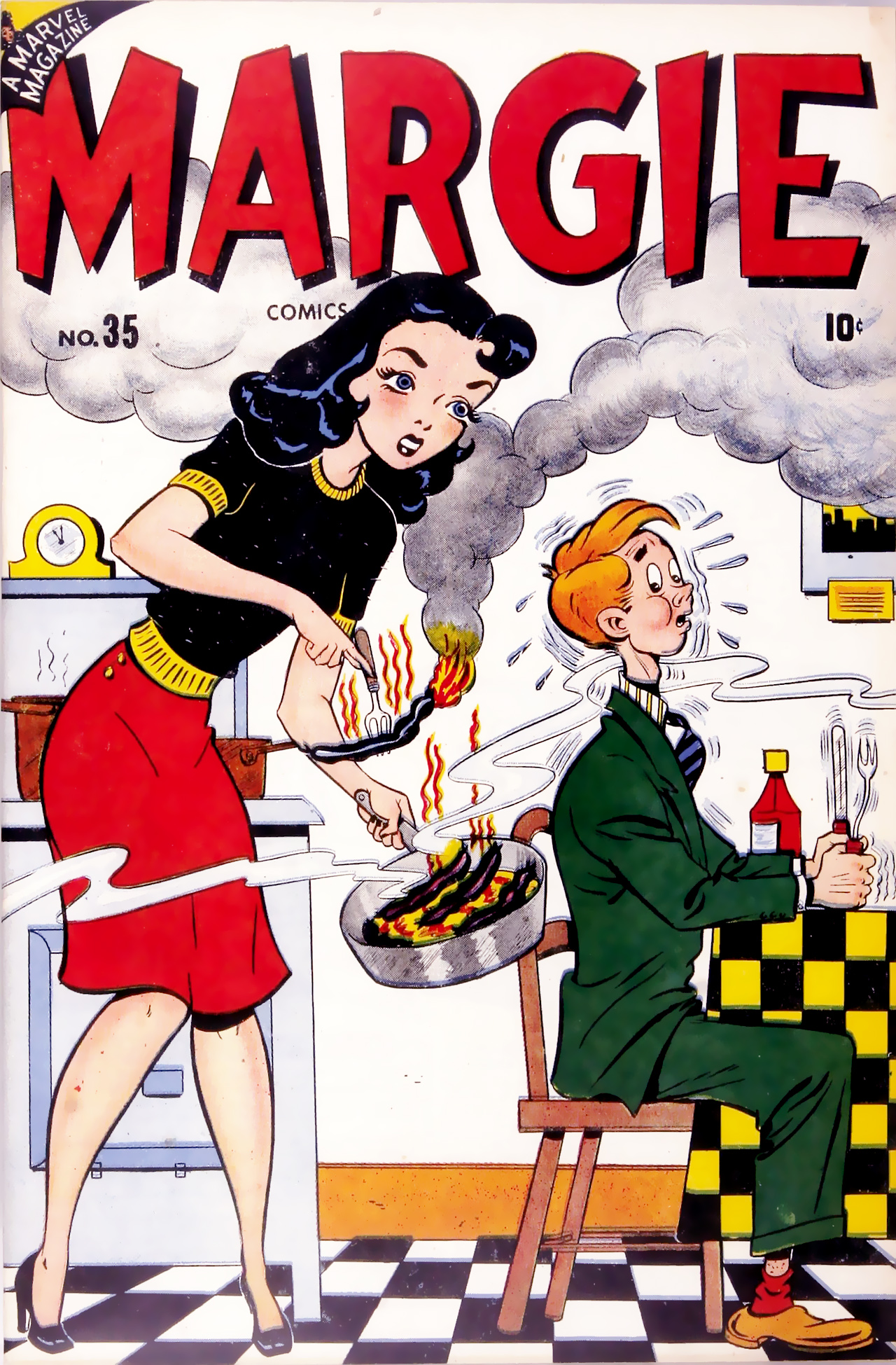
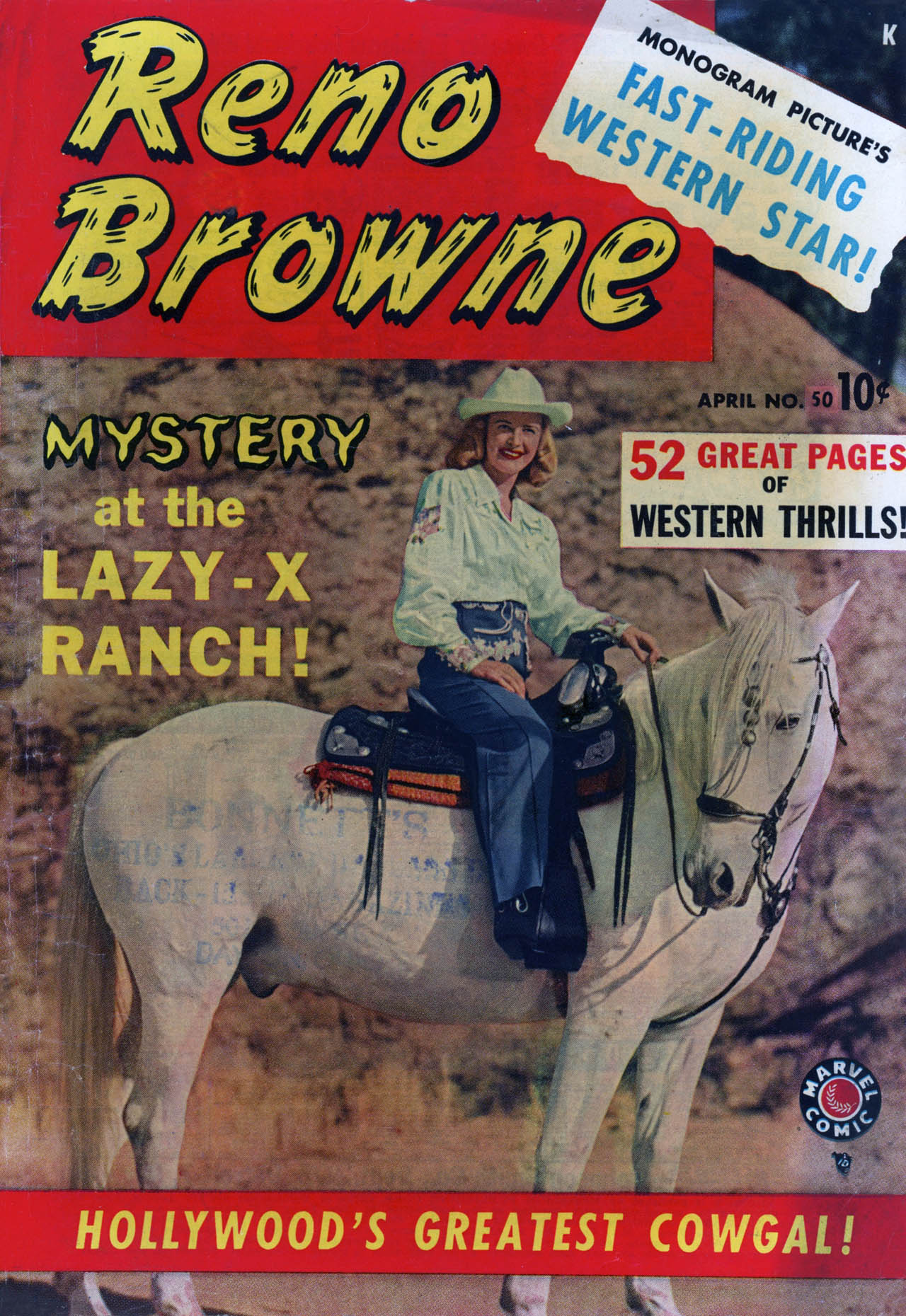
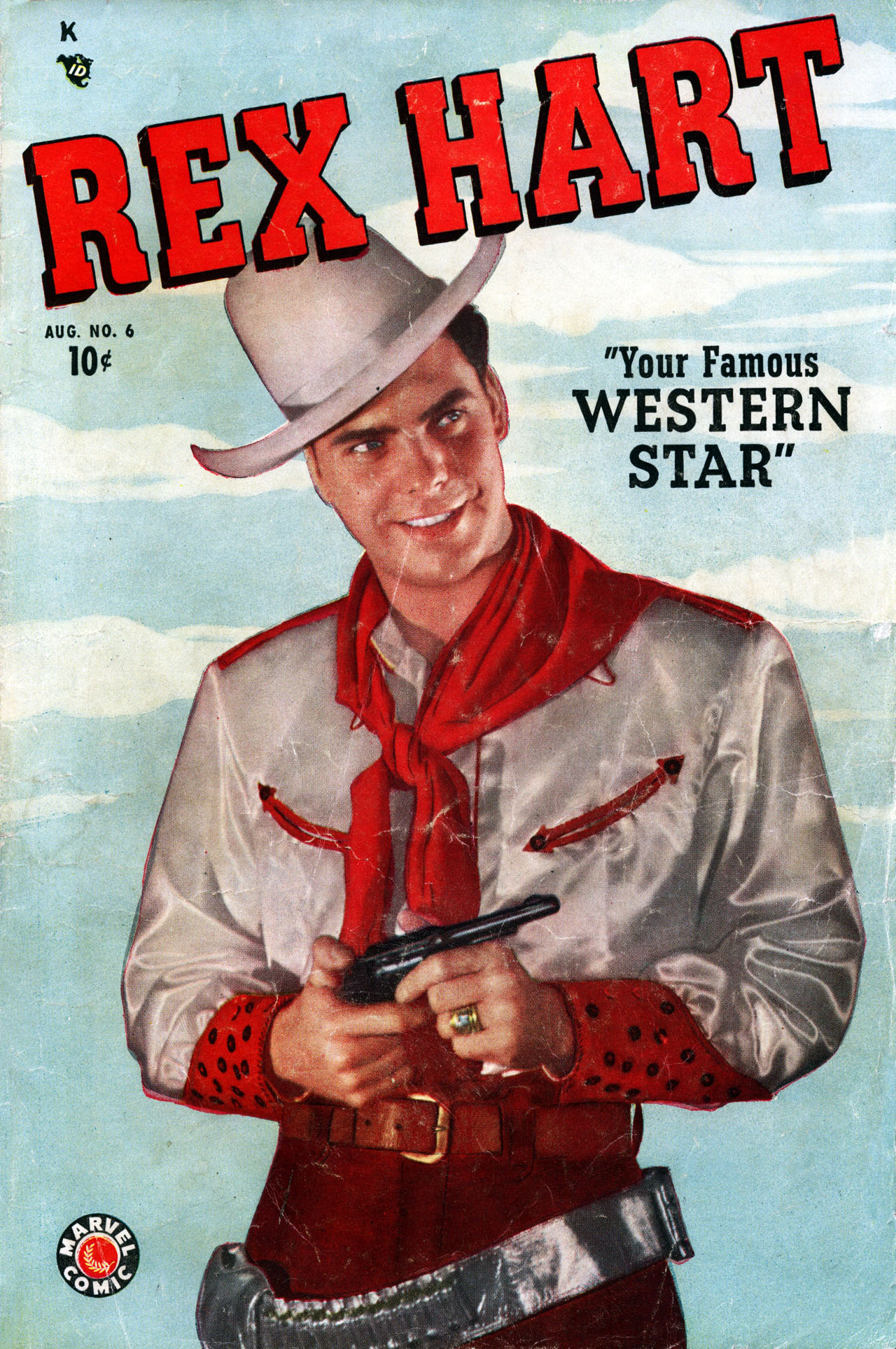
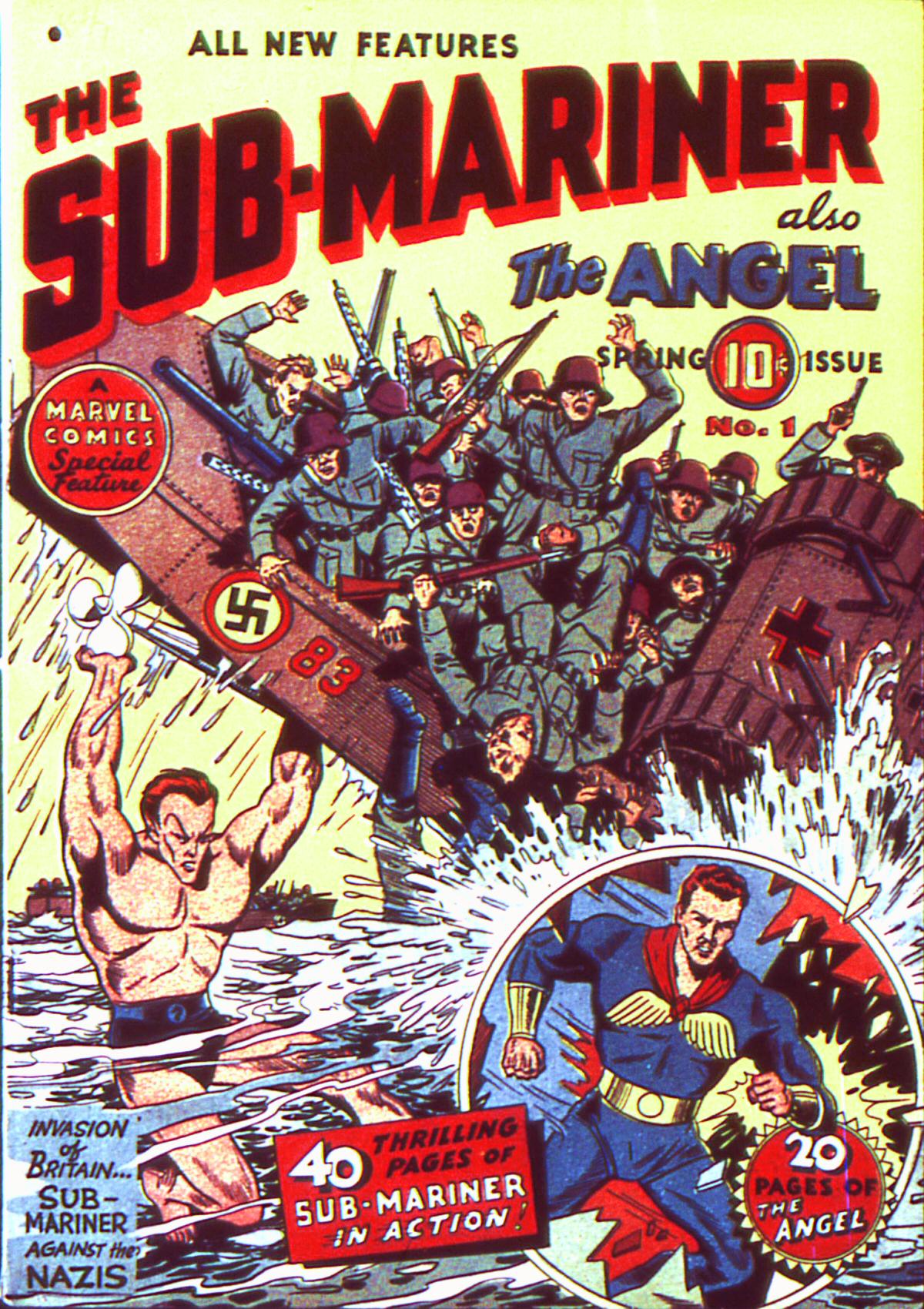
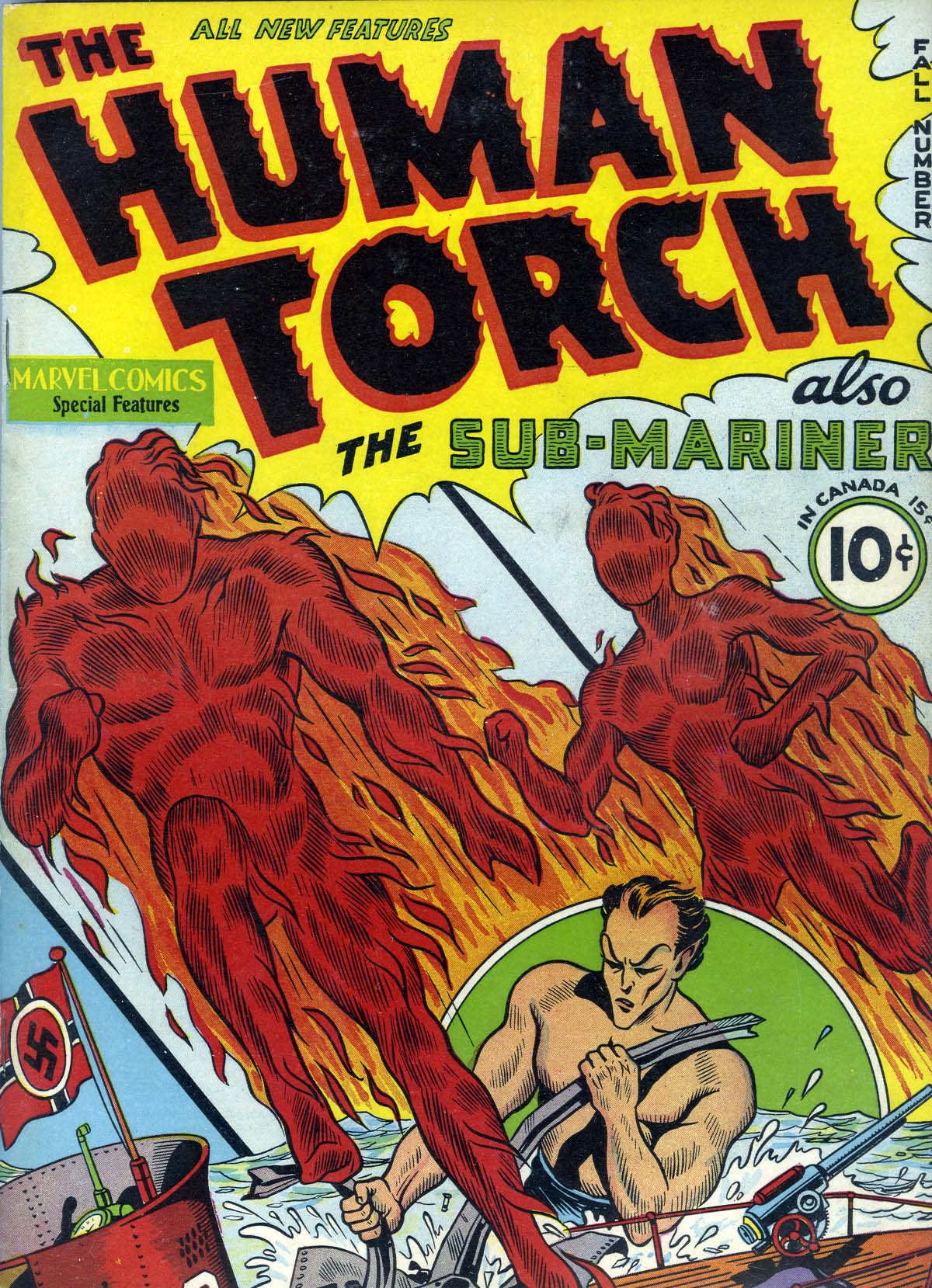
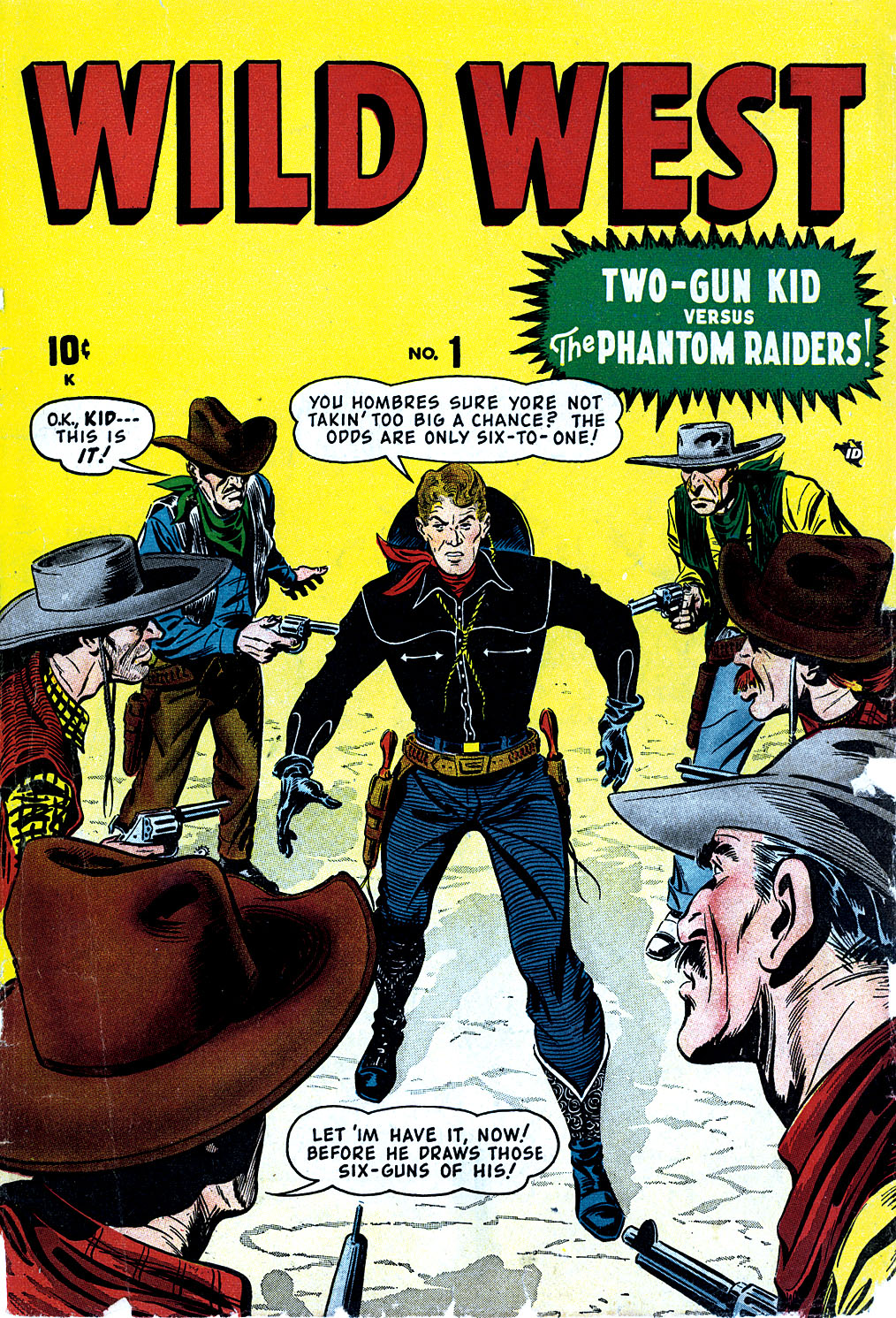
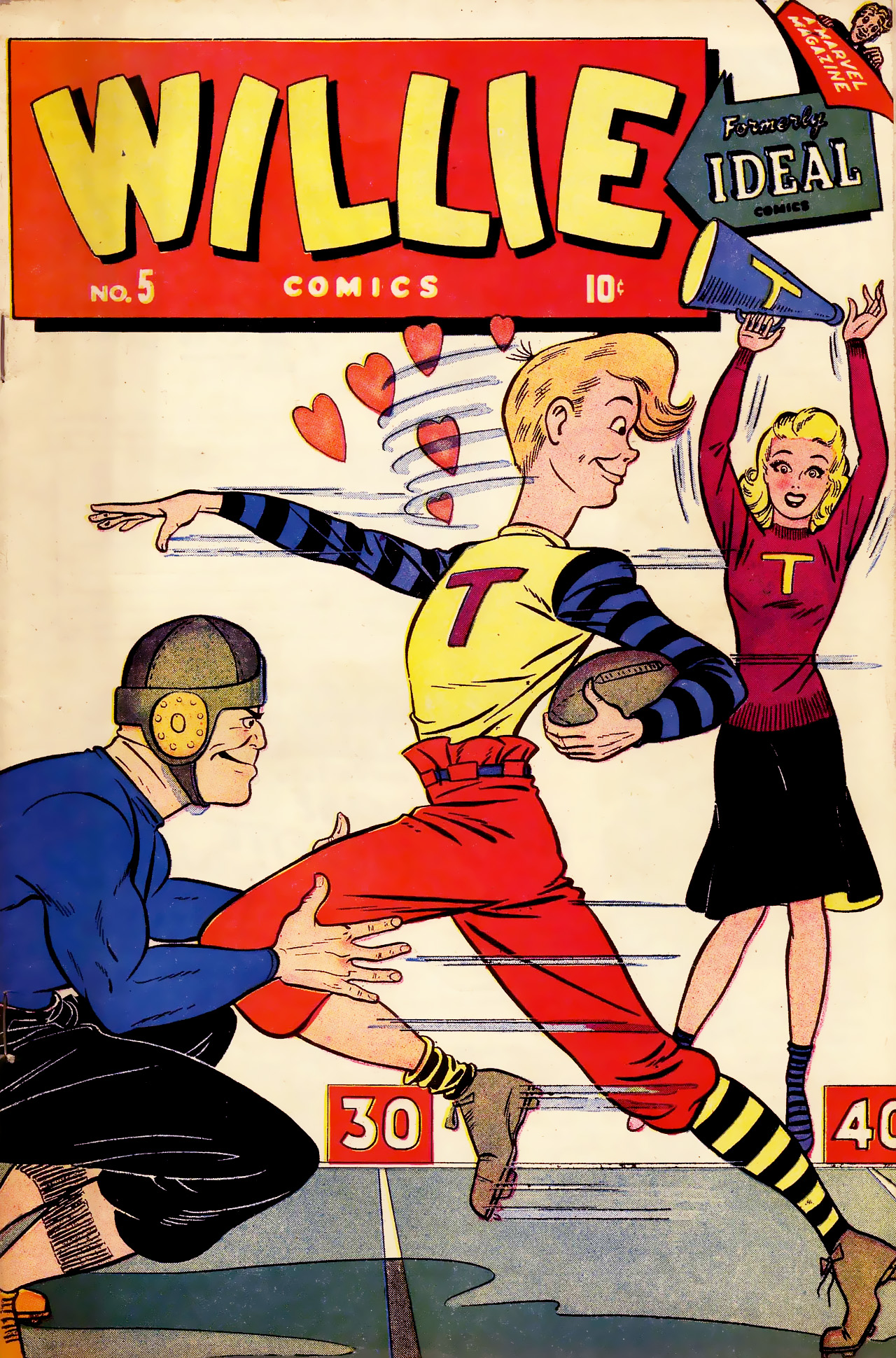
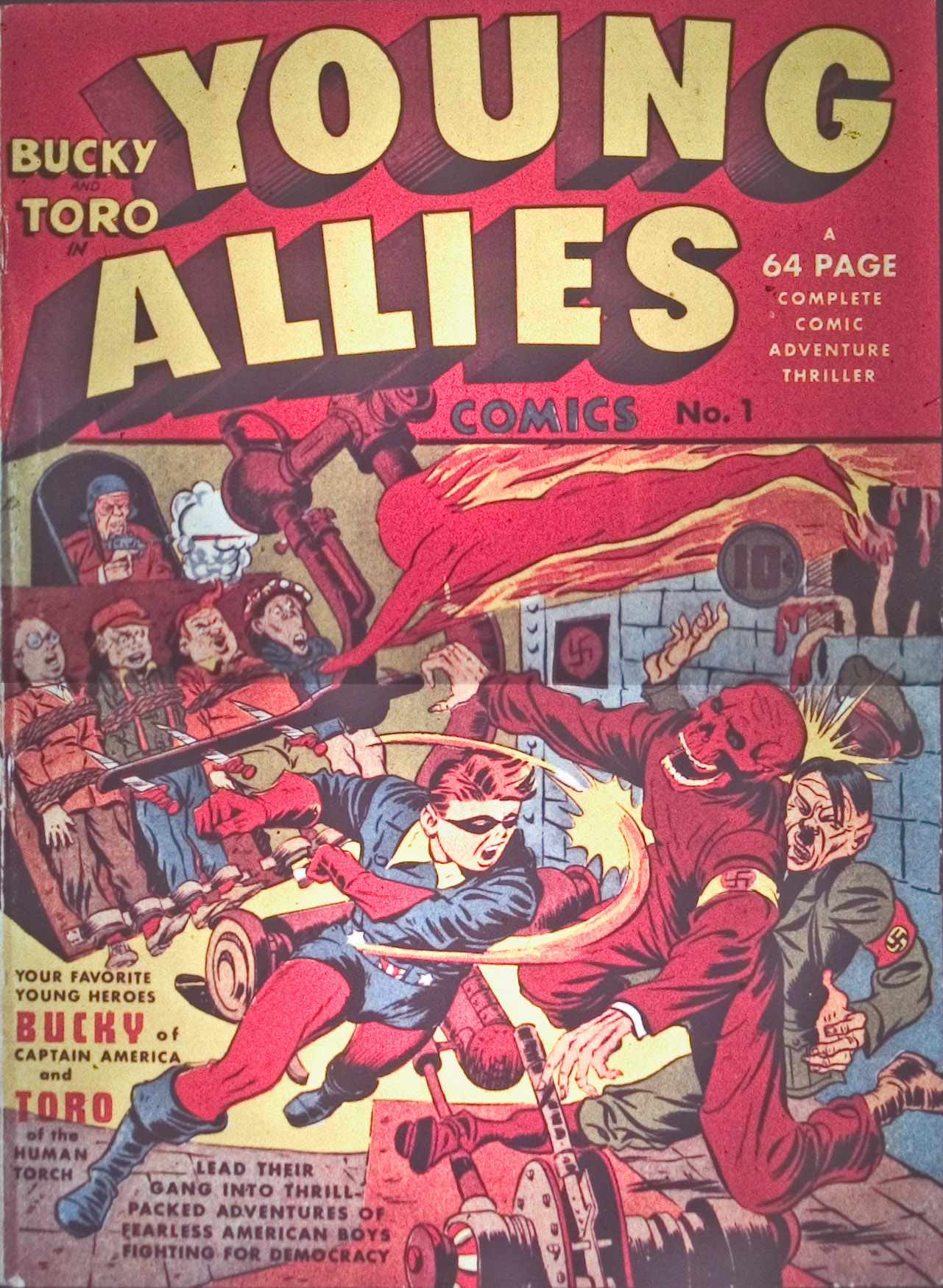
Timely Comics was founded in 1939 by Martin Goodman, who was also the publisher of several pulp magazines. Timely Comics initially published a mix of superhero, horror, humor, and adventure comics. The company quickly gained popularity with characters like the Human Torch, Namor the Sub-Mariner, and Captain America.

Timely’s characters and titles were created by a number of different artists and writers, including Joe Simon, Jack Kirby, Bill Everett, Carl Burgos, and Stan Lee, among others. Many of these creators went on to have long and influential careers in the comic book industry.
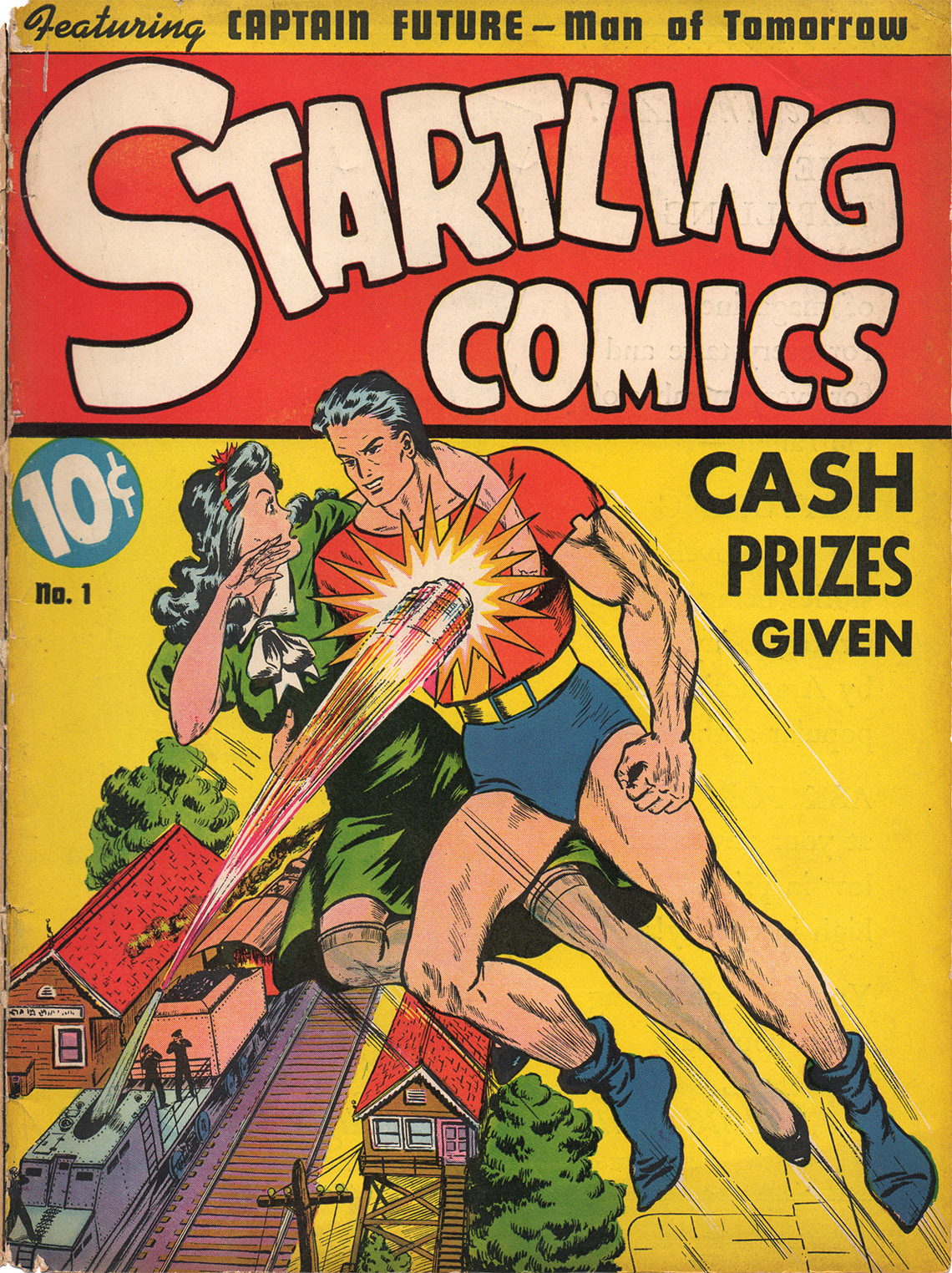
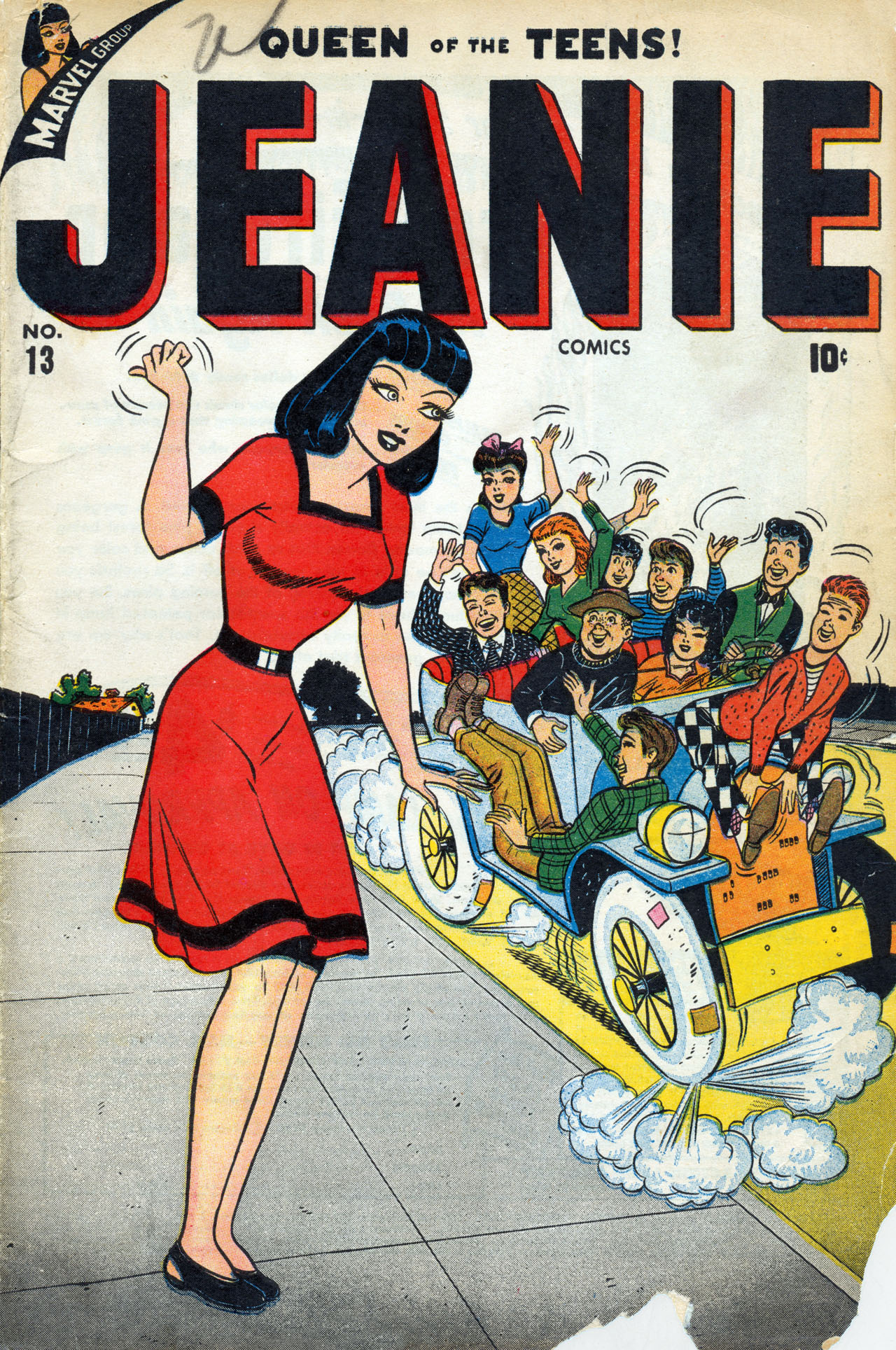
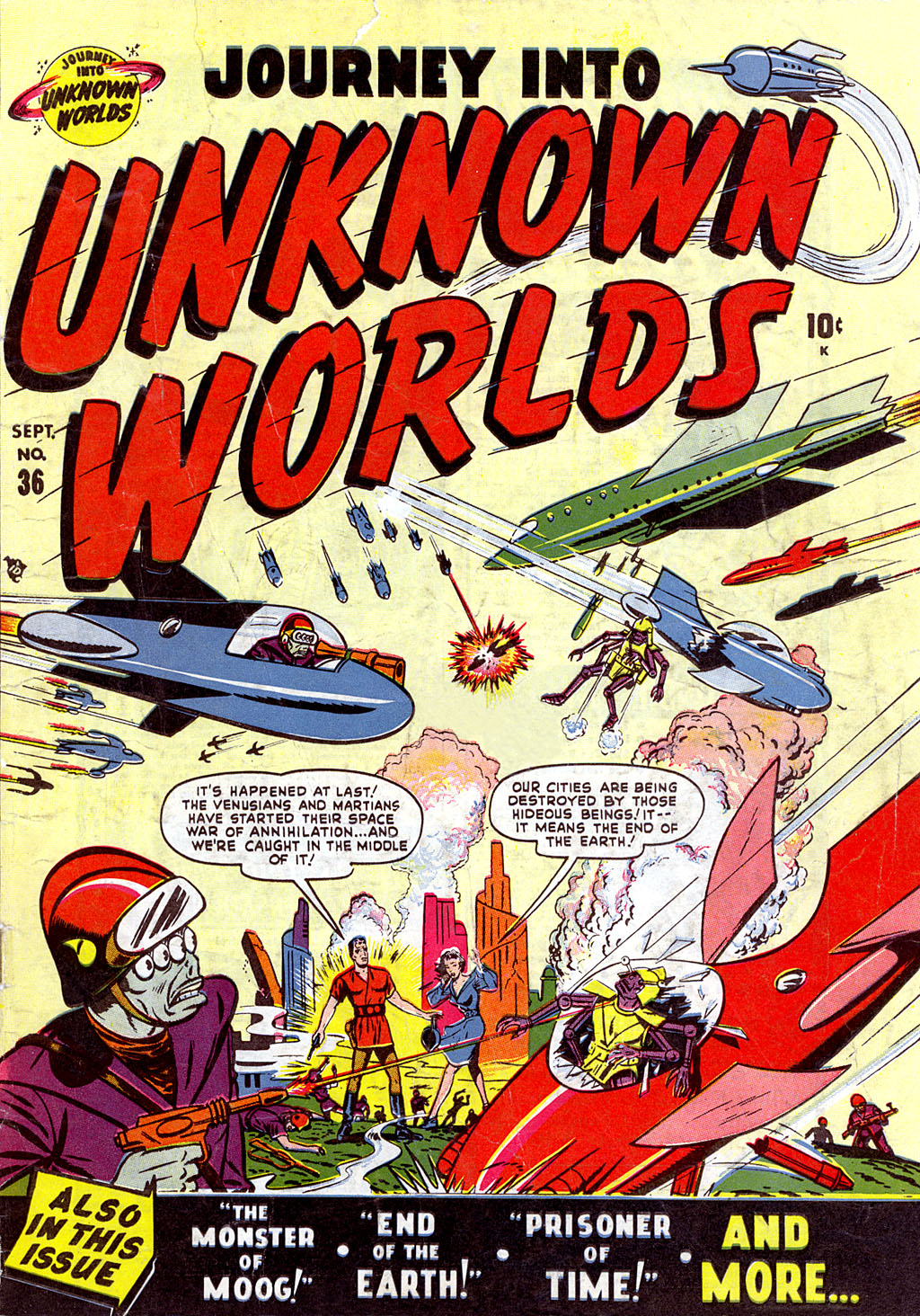
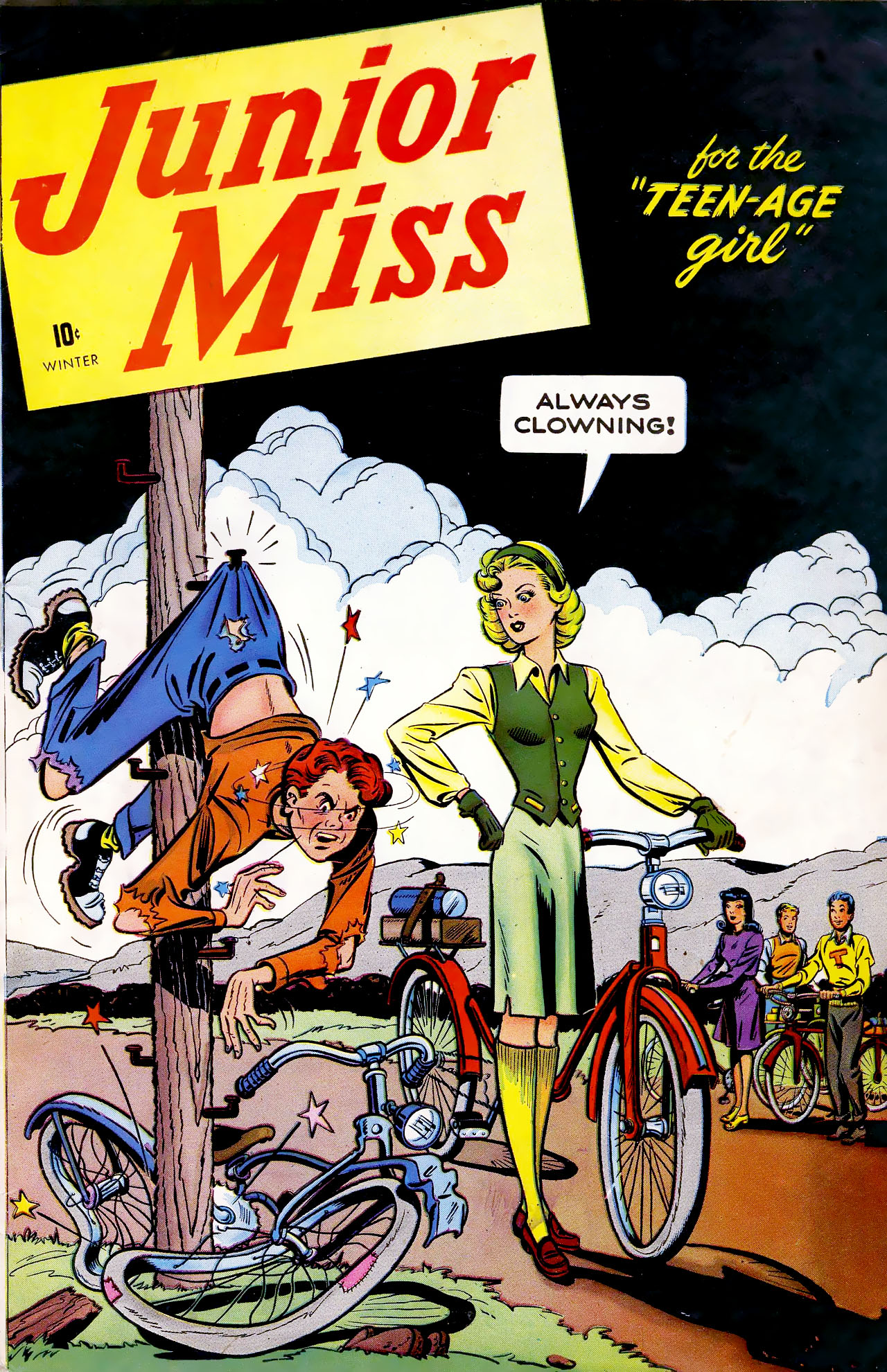
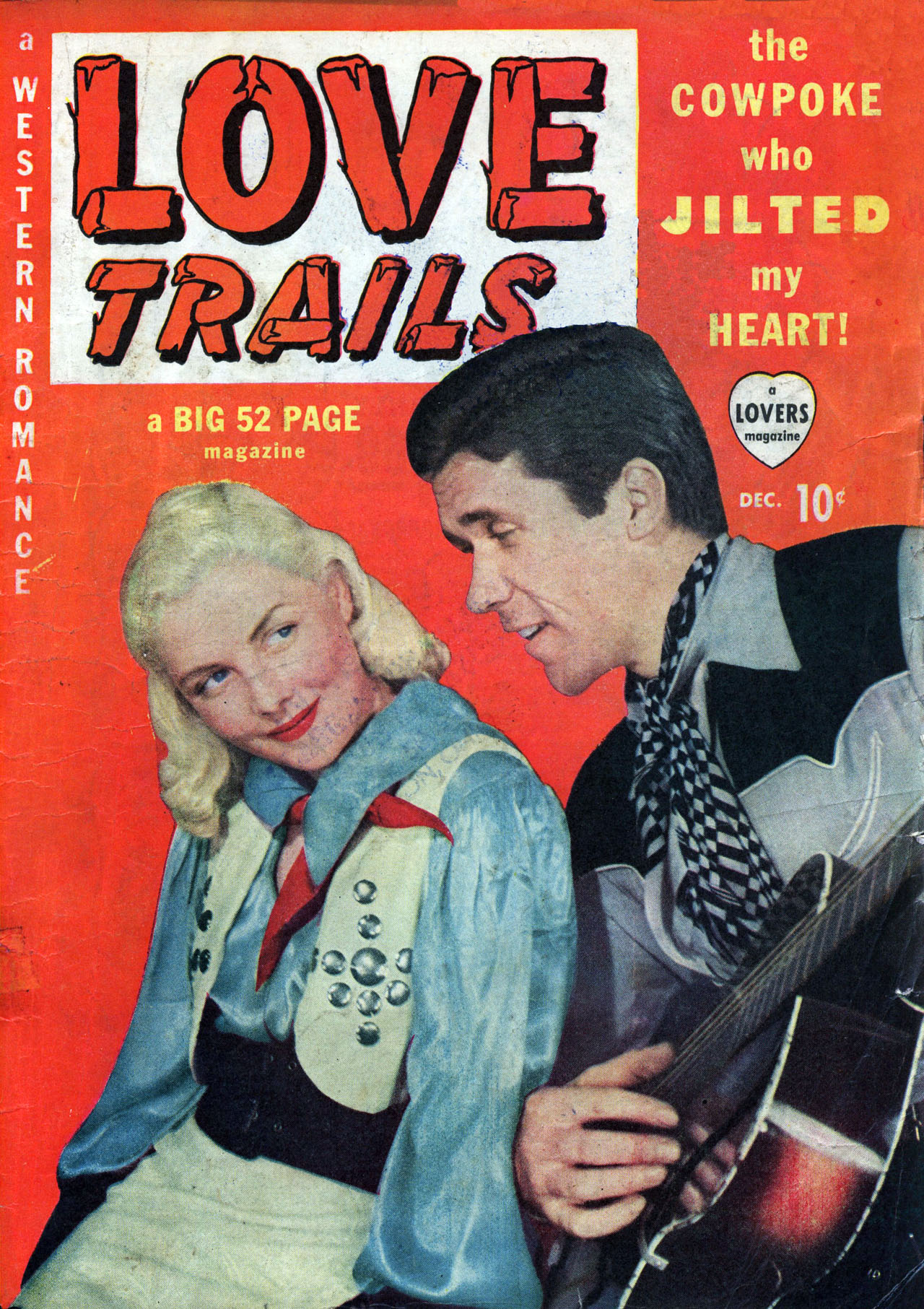
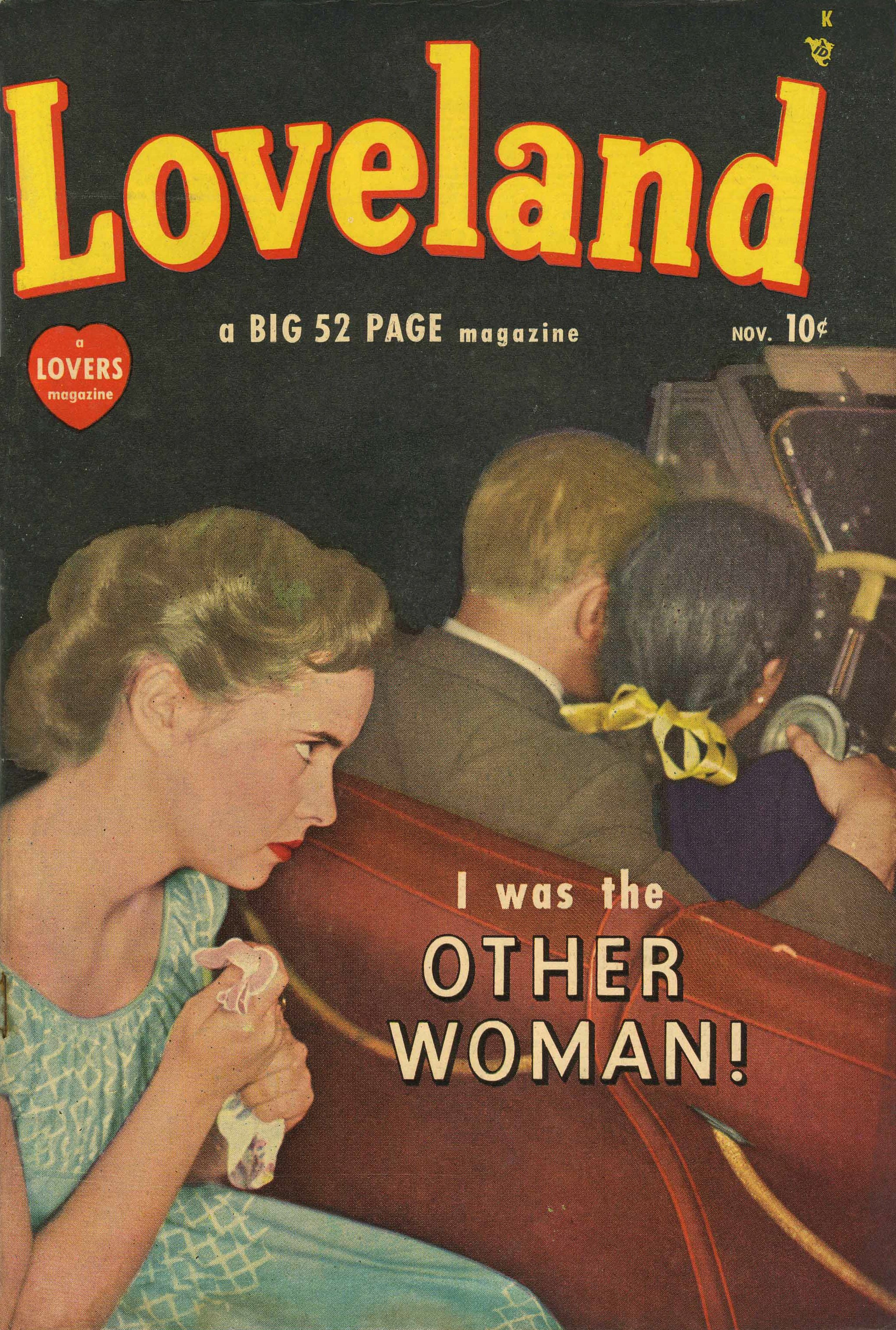
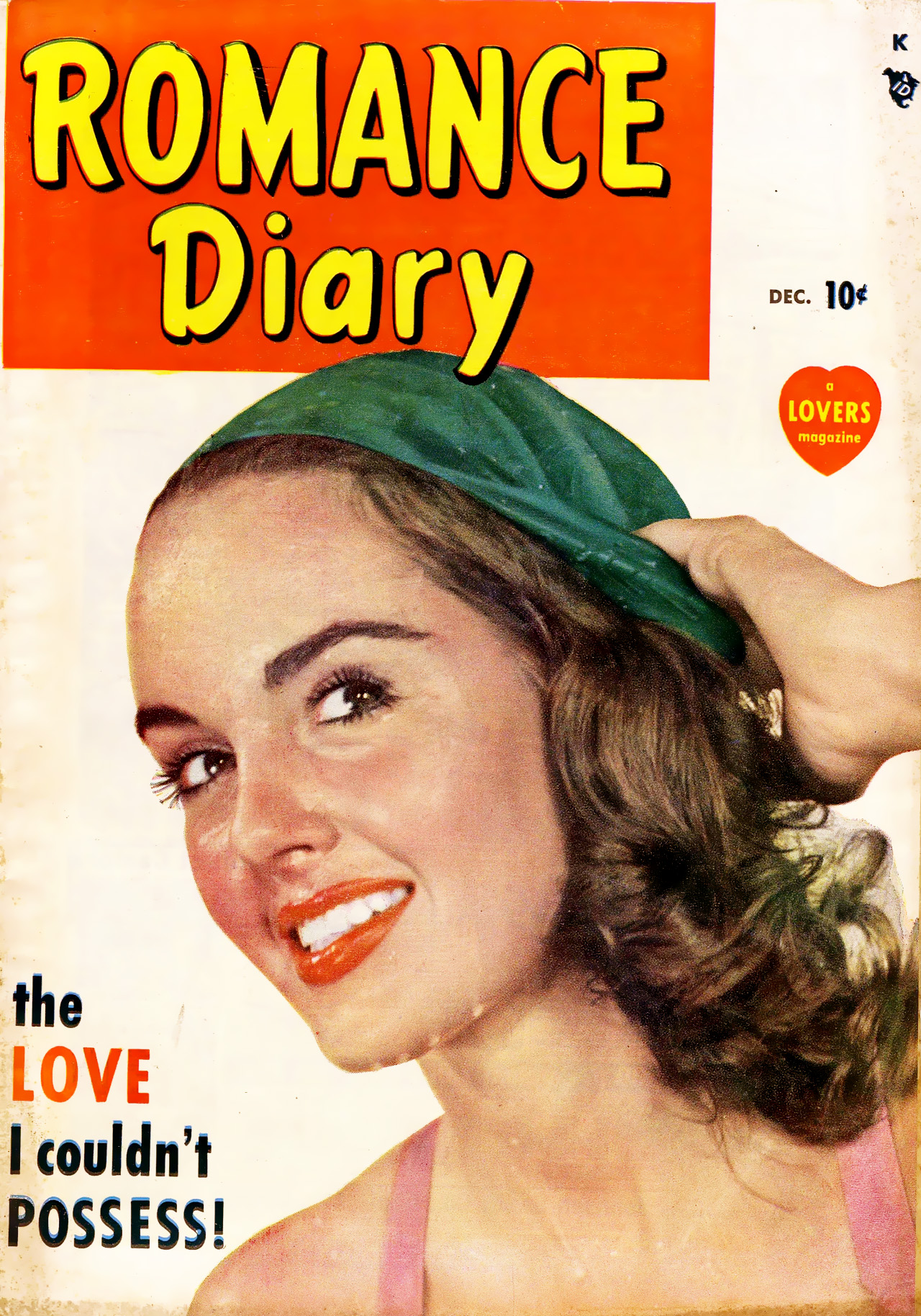
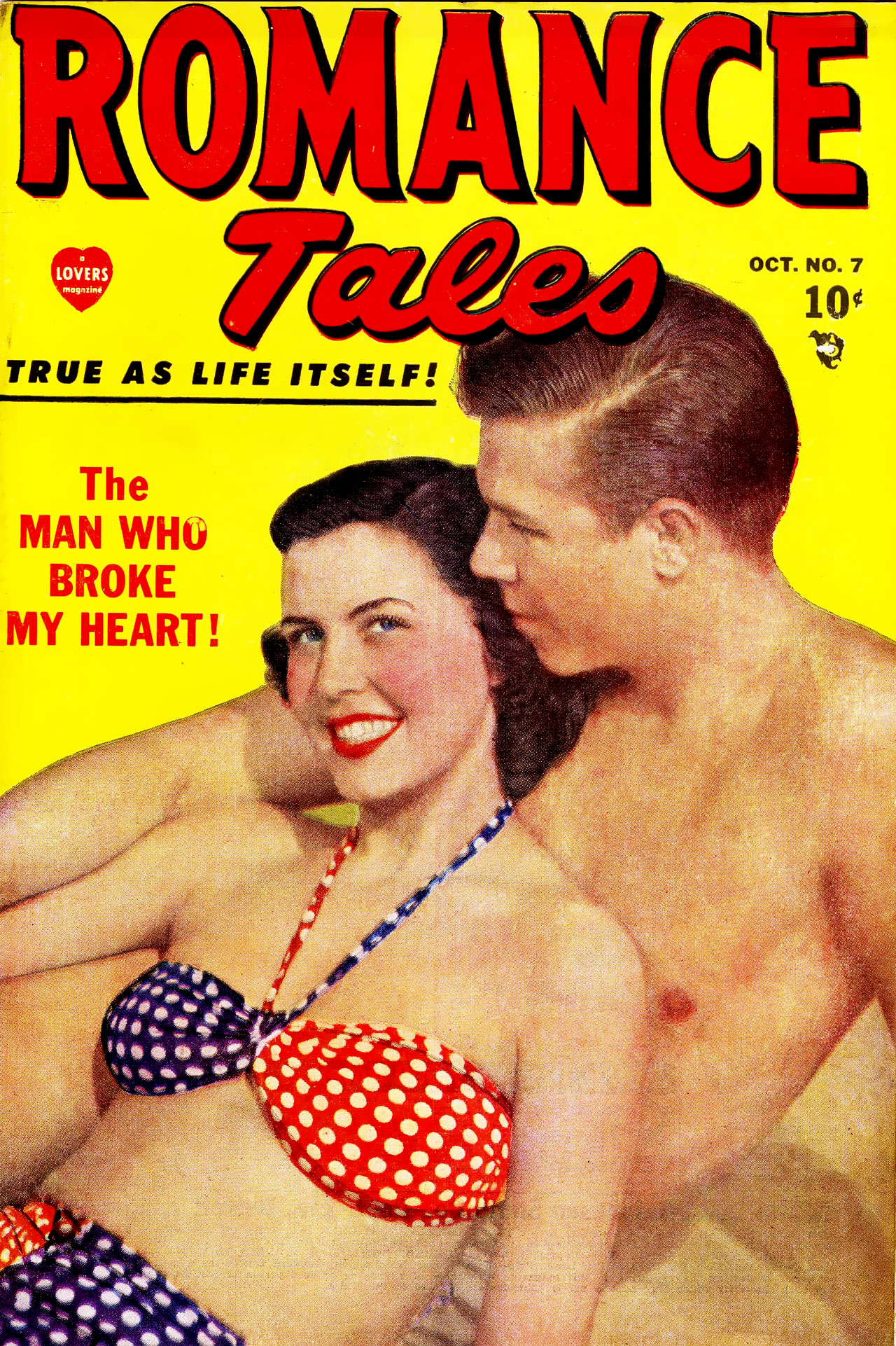
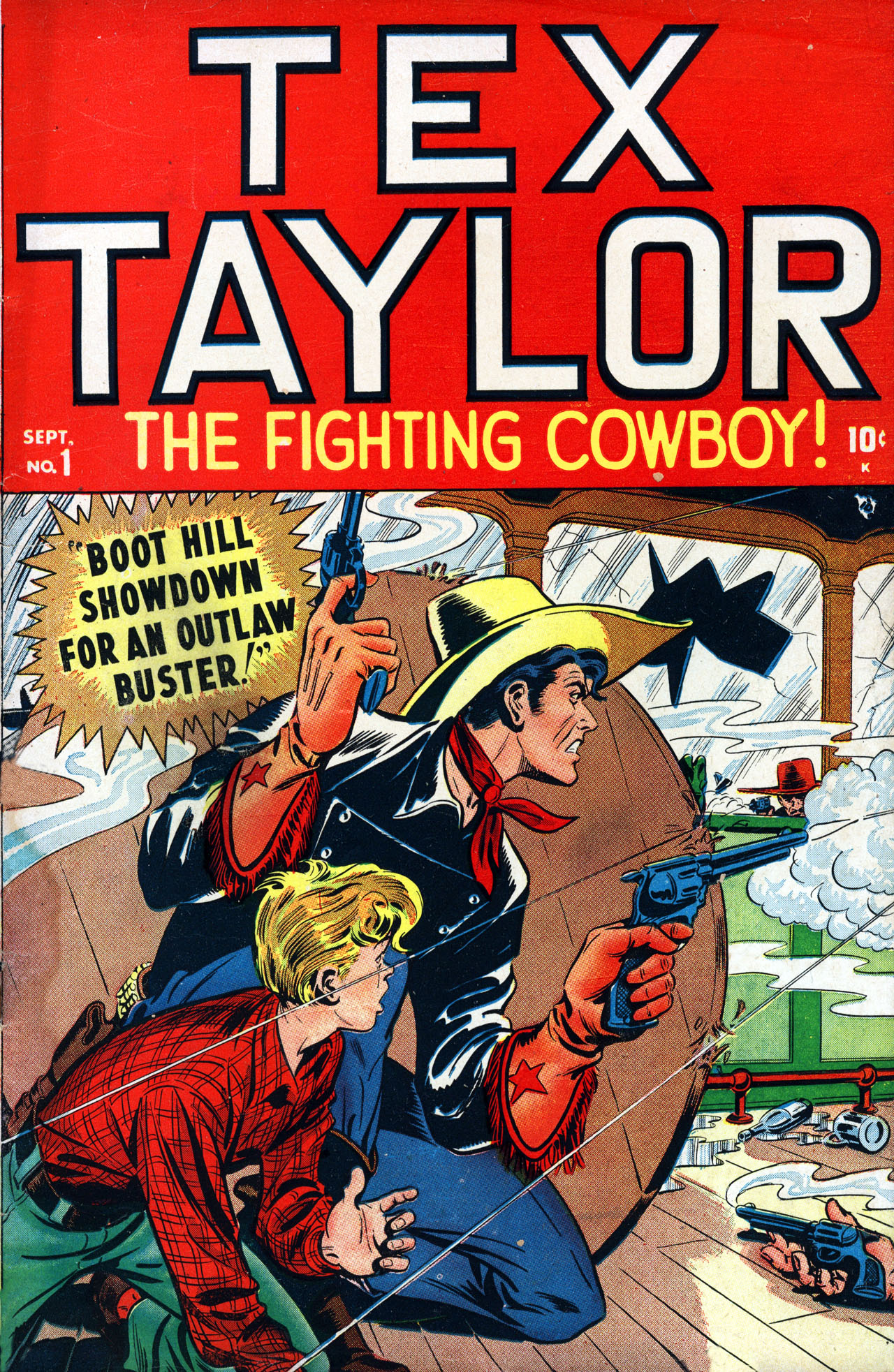
In the early 1950s, as the popularity of superhero comics waned, Timely Comics changed its name to Atlas Comics and shifted its focus to other genres, including westerns, war comics, and romance comics. Atlas Comics was still home to a number of talented creators, including Joe Maneely, Gene Colan, and Steve Ditko.

In the early 1960s, Martin Goodman decided to try his hand at superhero comics again, inspired by the success of rival publisher DC Comics’ Justice League of America. Goodman tasked Stan Lee and Jack Kirby with creating a new superhero team, which resulted in the creation of the Fantastic Four. This marked the beginning of what is now known as the Marvel Age of Comics.

Under Stan Lee’s guidance, Marvel Comics became known for its interconnected universe of characters and storylines, with heroes like Spider-Man, the Hulk, Iron Man, and Thor joining the Fantastic Four and other characters from the Timely/Atlas era. Marvel’s success helped to revitalize the comic book industry and set the stage for the superhero-dominated landscape of comics today.

Many of the talented artists and writers who had worked for Timely and Atlas Comics also contributed to the Marvel Age, including Steve Ditko, Gene Colan, and Bill Everett, among others. Their work helped to shape the look and feel of Marvel’s characters and universe, and their influence can still be felt in the comics of today.

United Feature Comics

United Feature Comics was a comic book publishing company that was active from the 1930s to the 1970s. During its heyday, United Feature Comics was responsible for publishing a number of popular comic strips, including some of the most well-known and beloved strips in history.

United Feature Comics was founded in 1930 by William Randolph Hearst, the publishing magnate who owned a number of newspapers and media outlets across the United States. The company was initially established as a way to promote Hearst’s newspaper properties and syndicate their content to other outlets.

One of the most important properties published by United Feature Comics was the comic strip character Popeye, who made his debut in 1929 and quickly became one of the most popular characters in the world. United Feature Comics published a number of Popeye comic books during the 1940s and 1950s, which helped to cement the character’s place in popular culture.

In addition to Popeye, United Feature Comics was also responsible for publishing a number of other popular comic strip characters during its tenure. These included Blondie, a domestic comedy strip that first appeared in 1930 and is still being published today; Flash Gordon, a science fiction adventure strip that was created in 1934; and Beetle Bailey, a military comedy strip that first appeared in 1950.

Despite its many successes, United Feature Comics struggled to compete with other comic book publishers during the 1960s and 1970s, and the company eventually went out of business in 1978. However, the characters and properties that it helped to create and popularize continue to be beloved by fans all around the world.

Here are some of the notable comic book titles published by United Features Syndicate in chronological order:

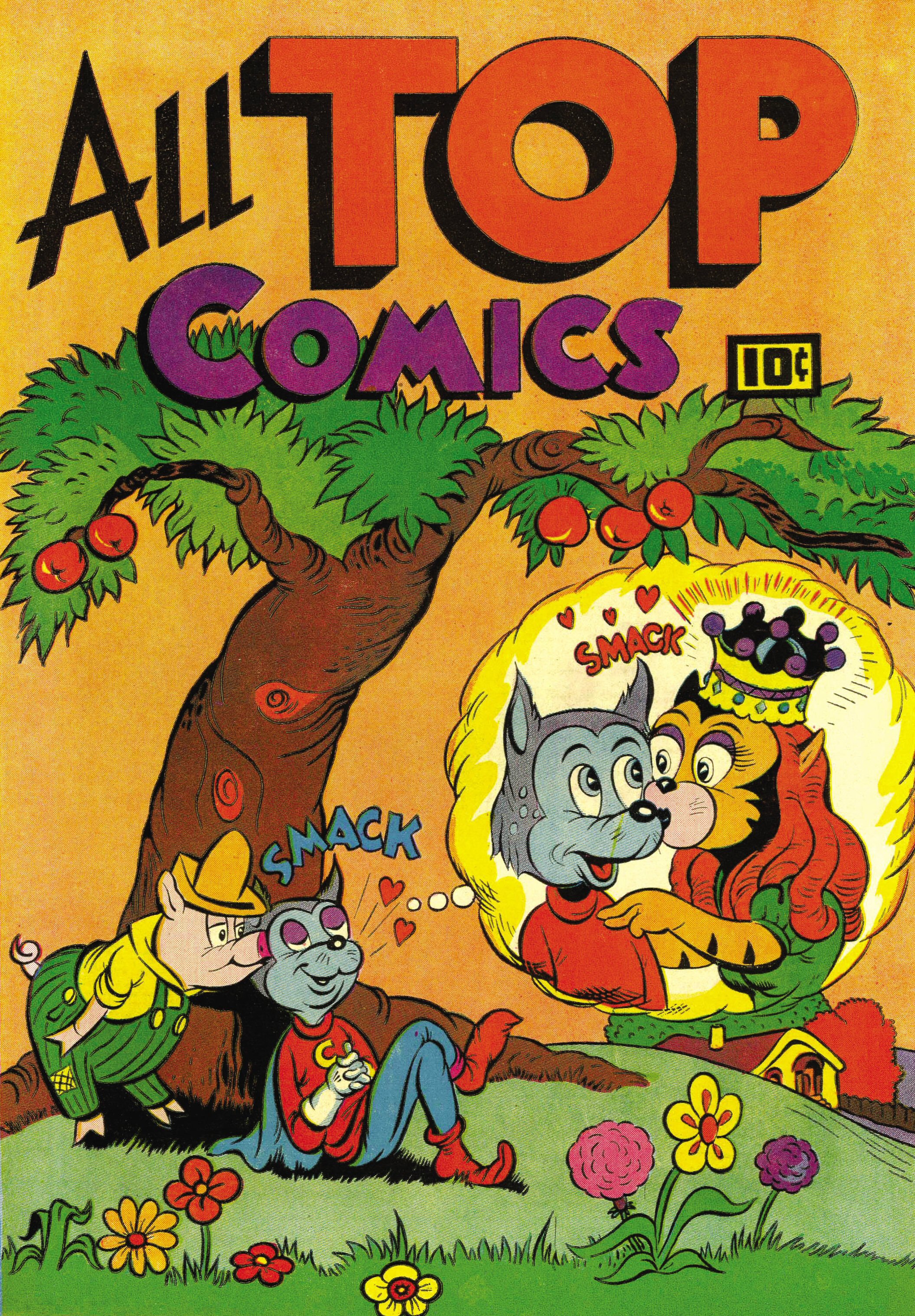
  • « Tip Top Comics » (1936-1955) – a comic book anthology series featuring a variety of licensed and original comic strip characters.
  • « Flash Gordon » (1937-1943) – a science fiction adventure series based on the popular comic strip created by Alex Raymond.
  • « Terry and the Pirates » (1939-1948) – a swashbuckling adventure series based on the popular comic strip created by Milton Caniff.
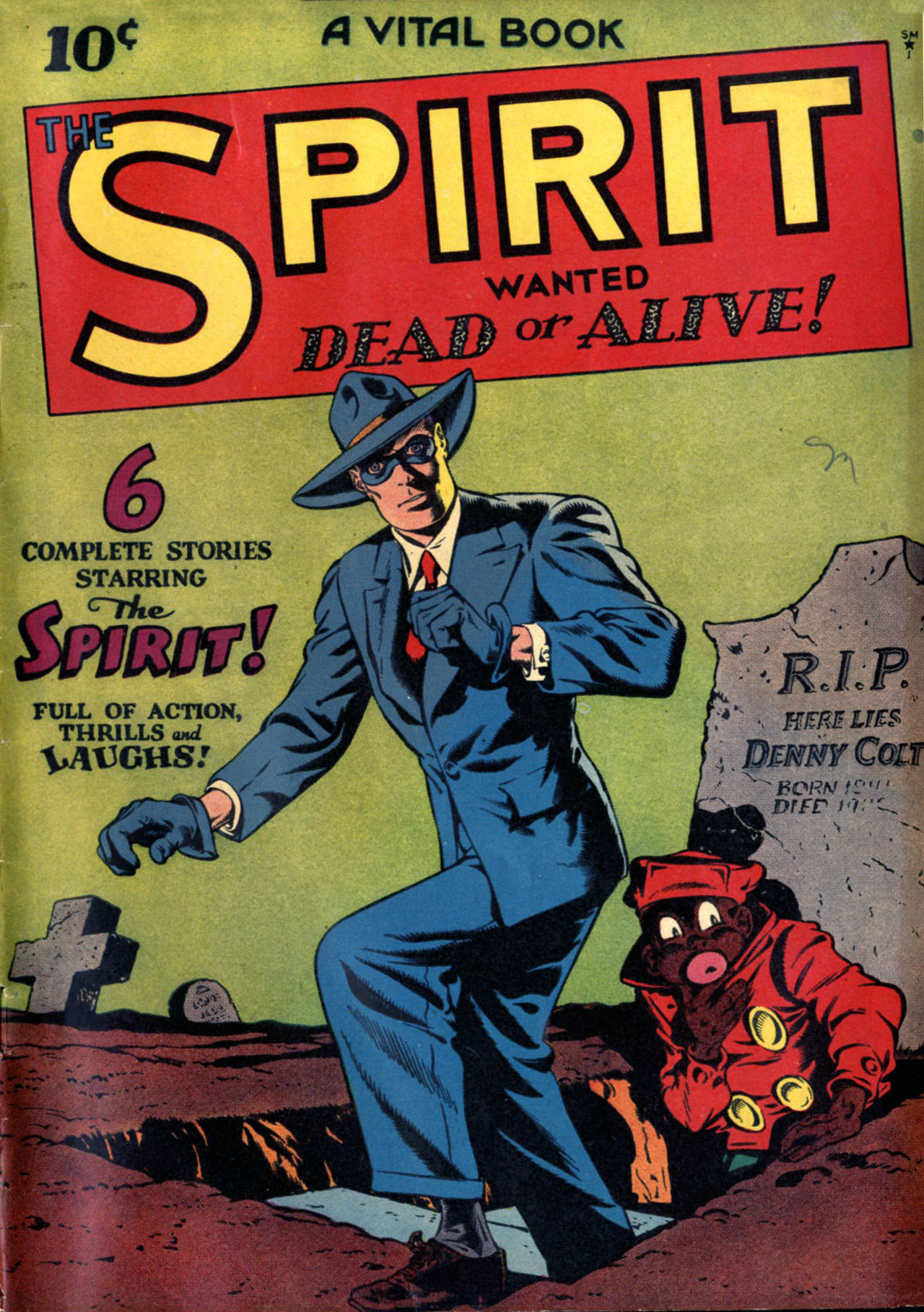
  • « The Spirit » (1940-1952) – a crimefighter series created by Will Eisner, known for its innovative storytelling and use of visual techniques.
  • « Popeye » (1940-1957) – a series featuring the adventures of the popular comic strip character created by E.C. Segar.
  • « Bugs Bunny » (1941-1962) – a series featuring the popular Warner Bros. cartoon character.
  • « Blondie » (1942-1959) – a series featuring the domestic comedy strip created by Chic Young.
  • « Little Lulu » (1945-1959) – a series featuring the popular comic strip character created by Marjorie Henderson Buell.
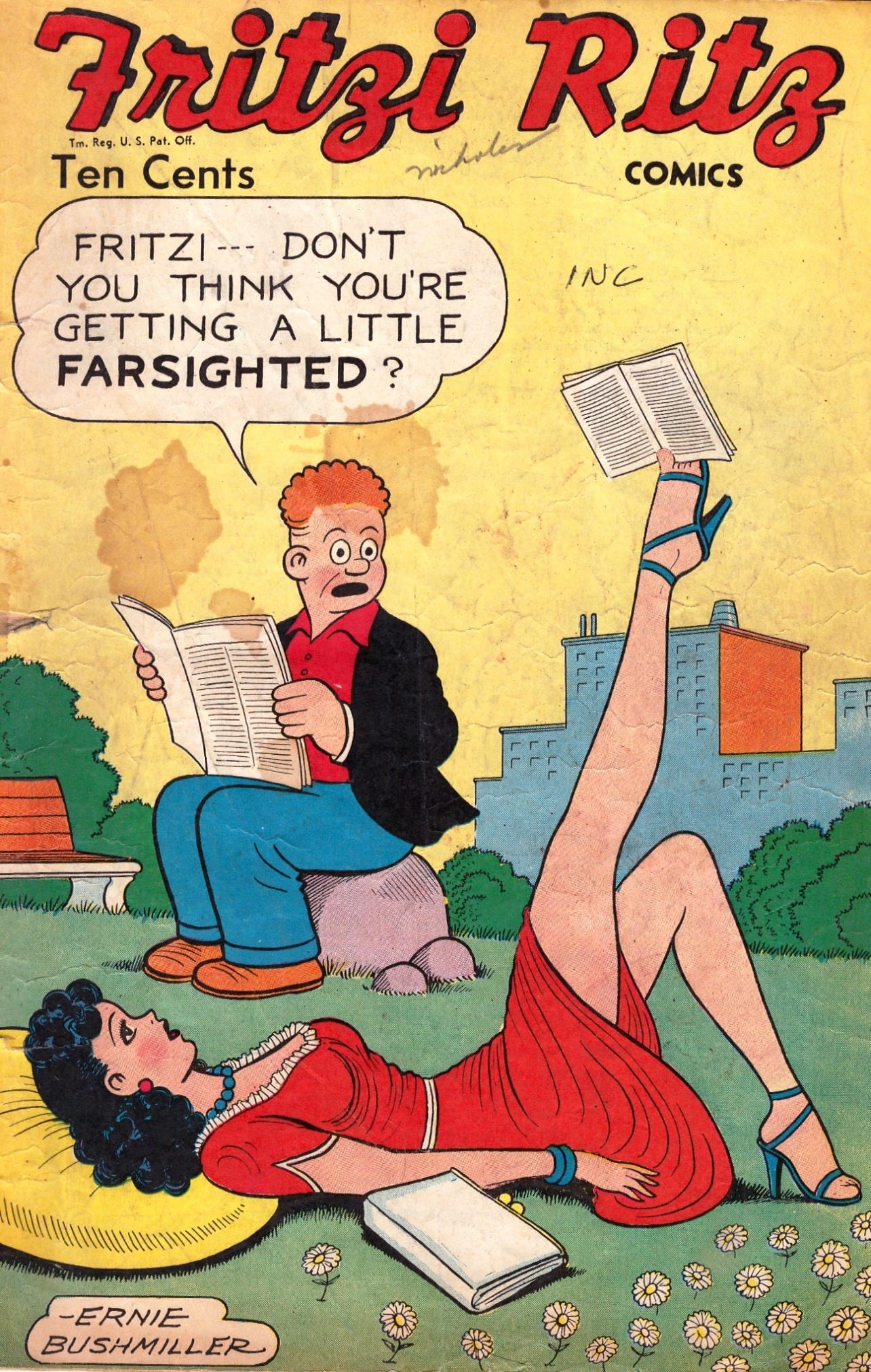
  • « Fritzi Ritz » (1945-1957) – a series featuring the teen comedy strip created by Ernie Bushmiller.
  • « Bringing Up Father » (1945-1956) – a series featuring the domestic comedy strip created by George McManus.
  • « Li’l Abner » (1947-1951) – a series featuring the satirical hillbilly comic strip created by Al Capp.
  • « Bob Phantom » (1948-1949) – a superhero series created by Joseph Greene and drawn by Bob Montana.
  • « Bungle Family » (1948-1949) – a domestic comedy strip created by Harry J. Tuthill.

MLJ/Archie Comics

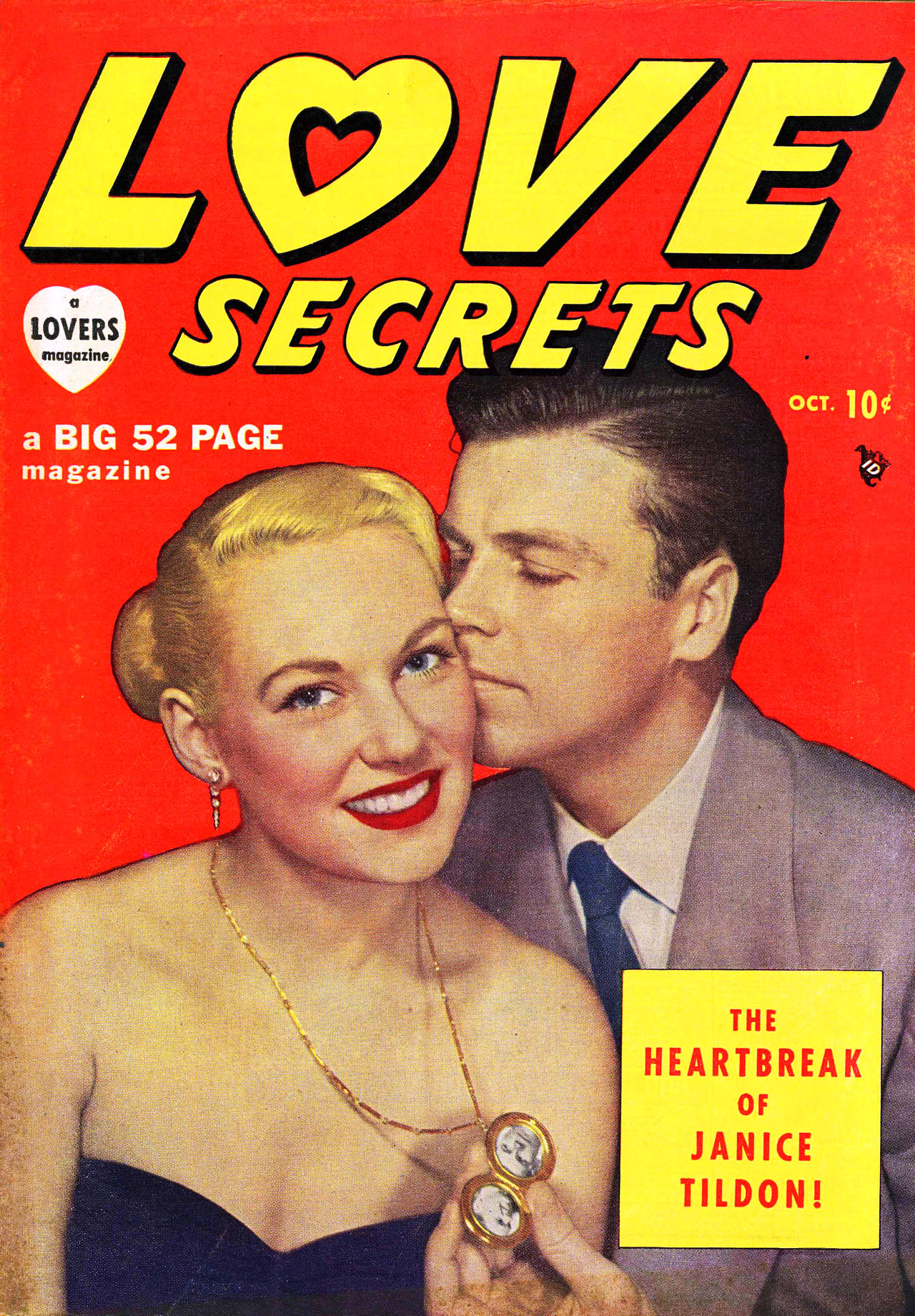
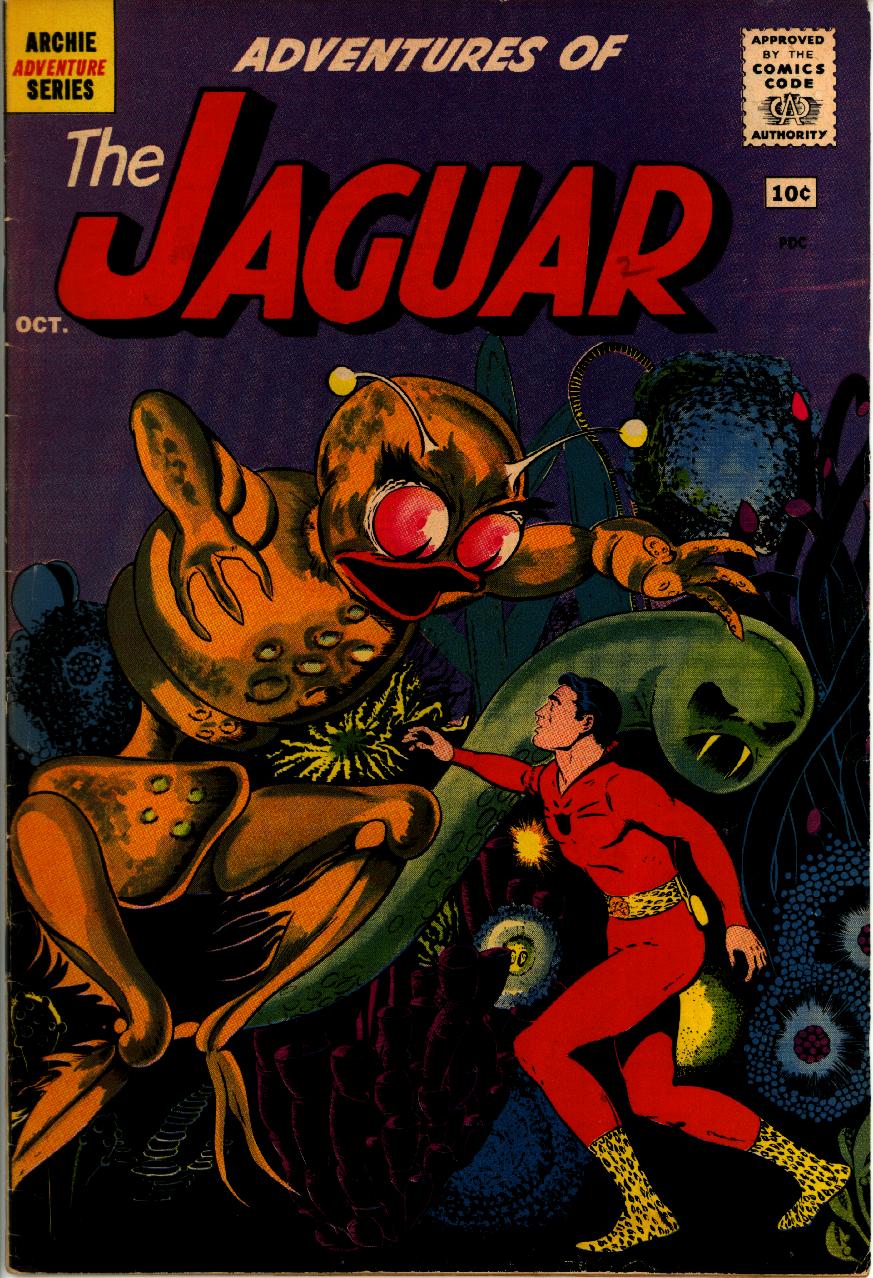
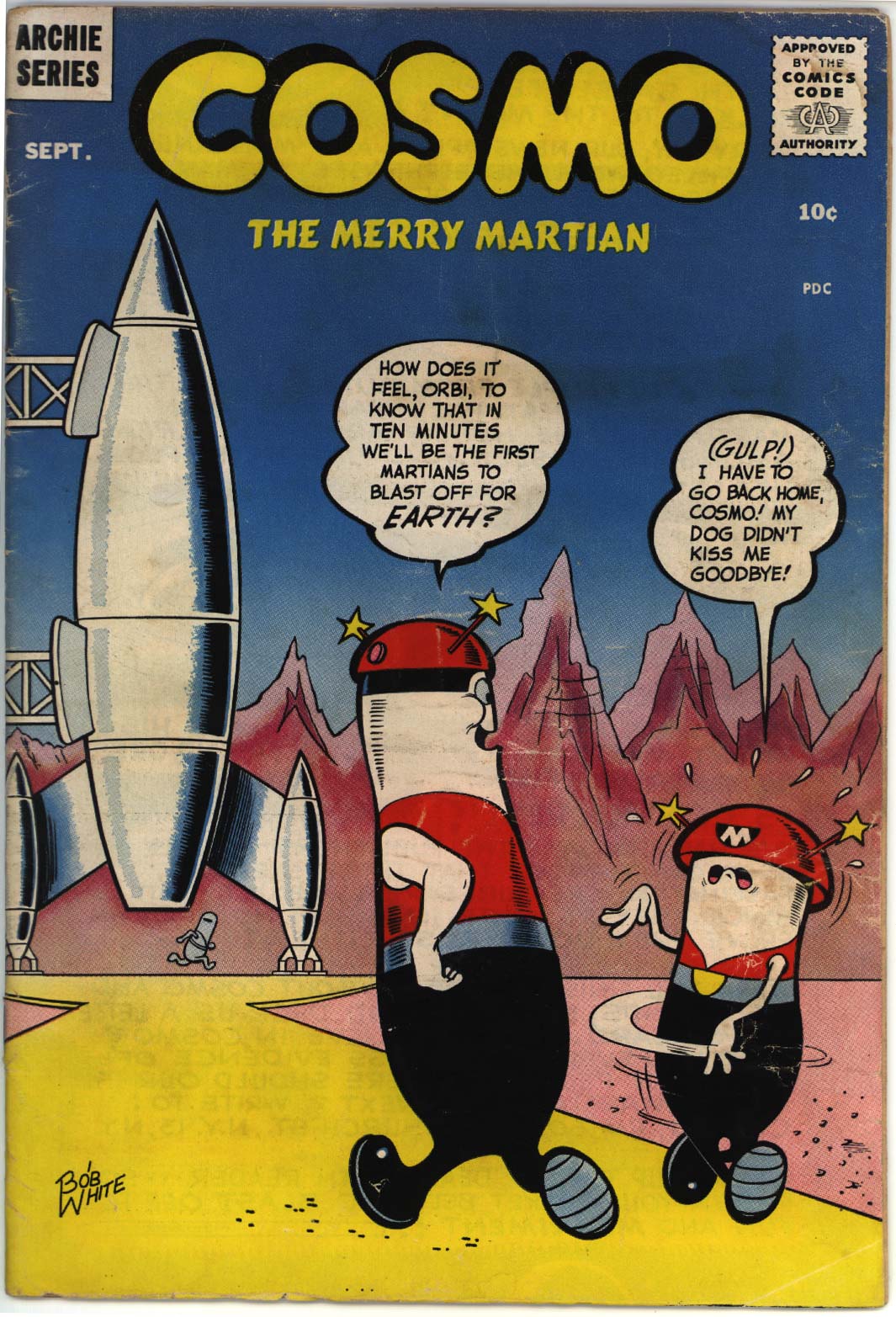
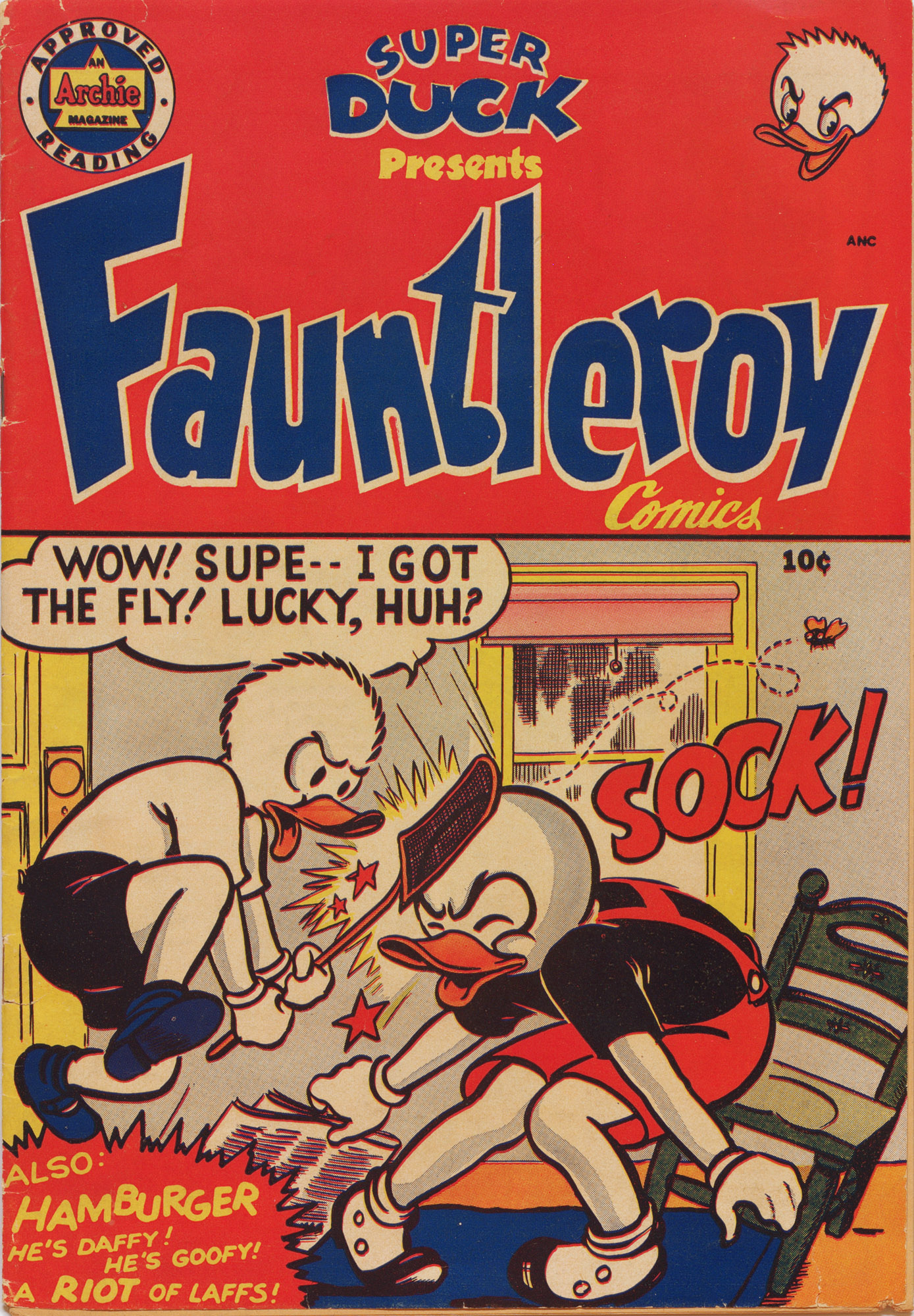
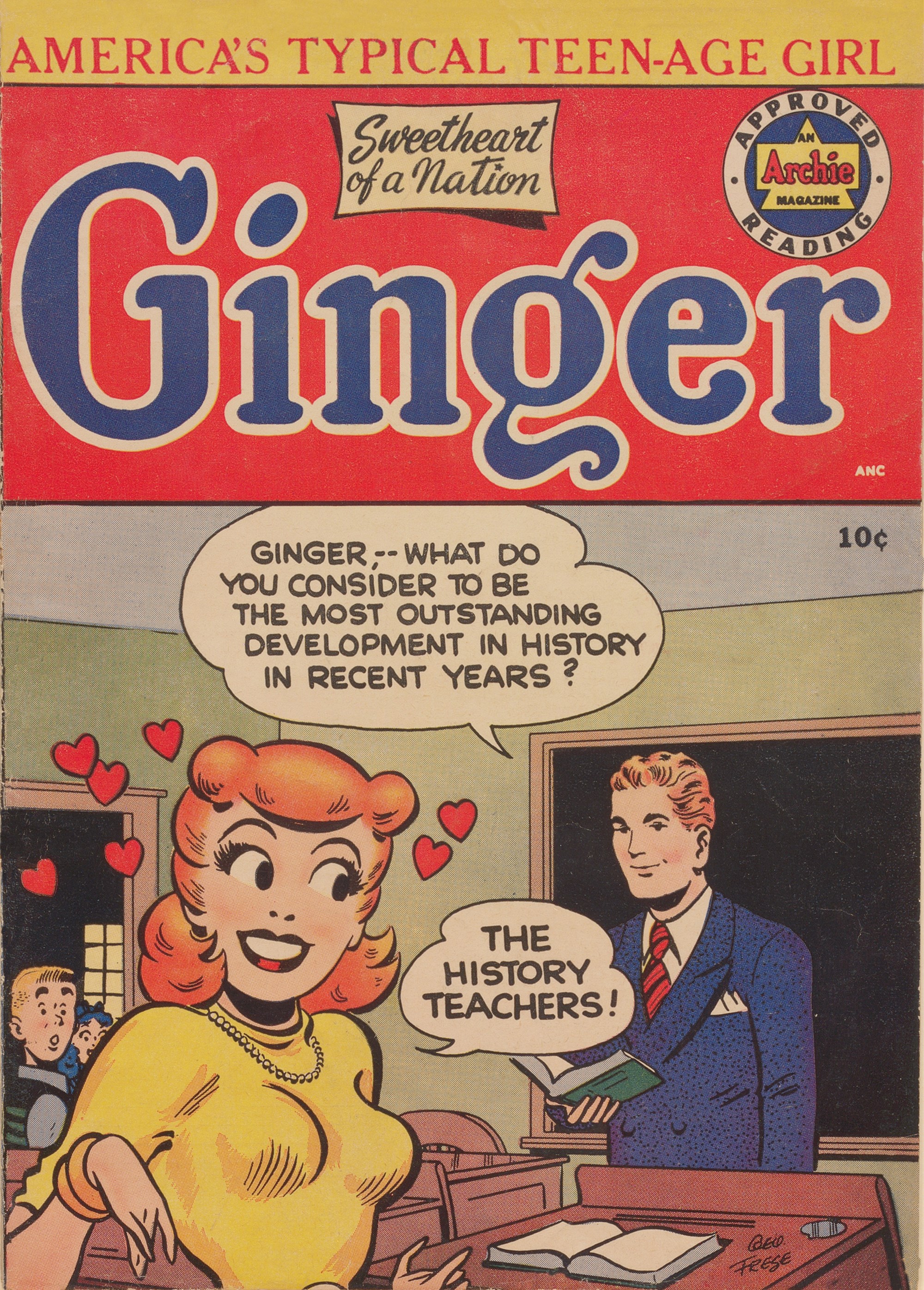
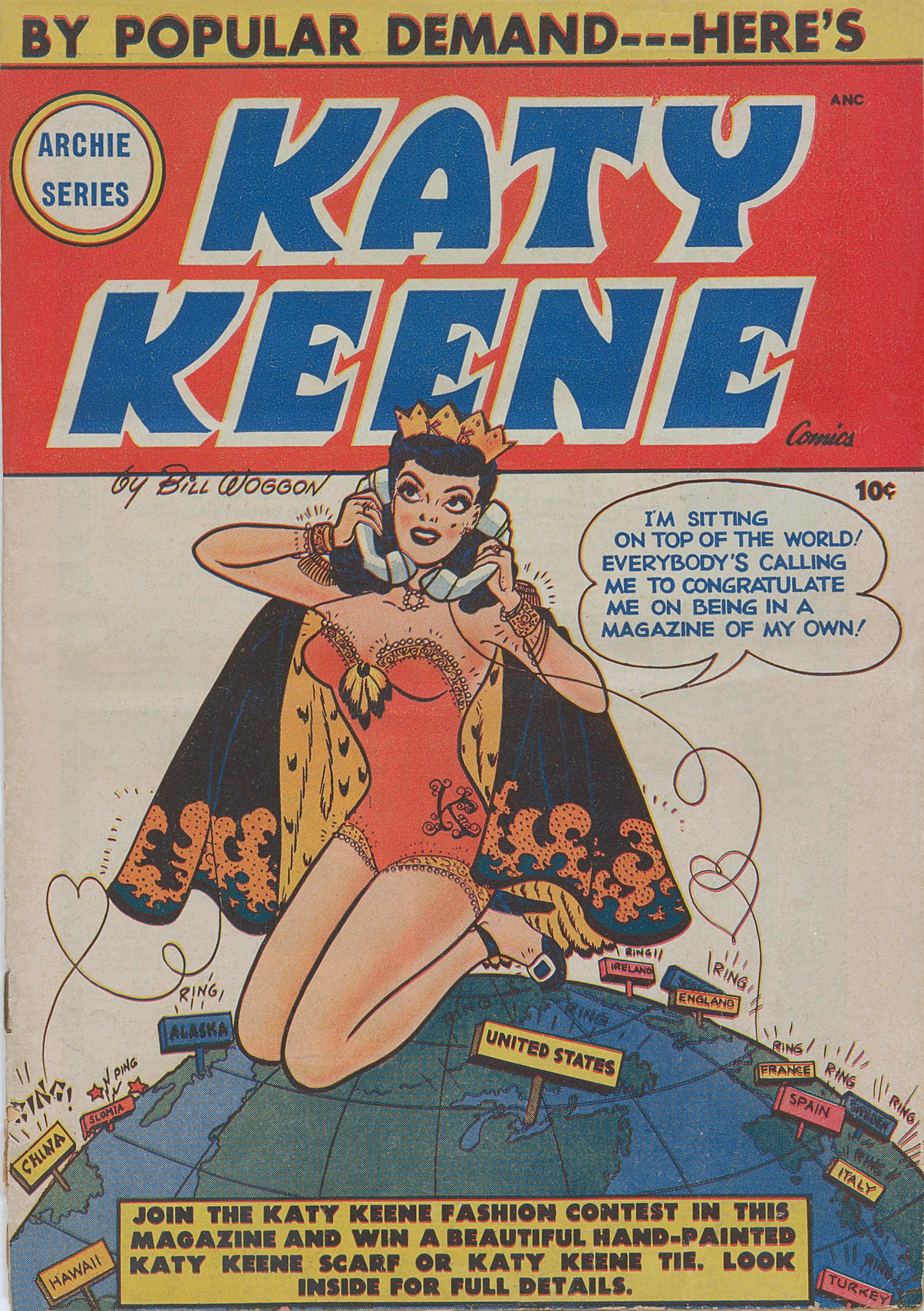
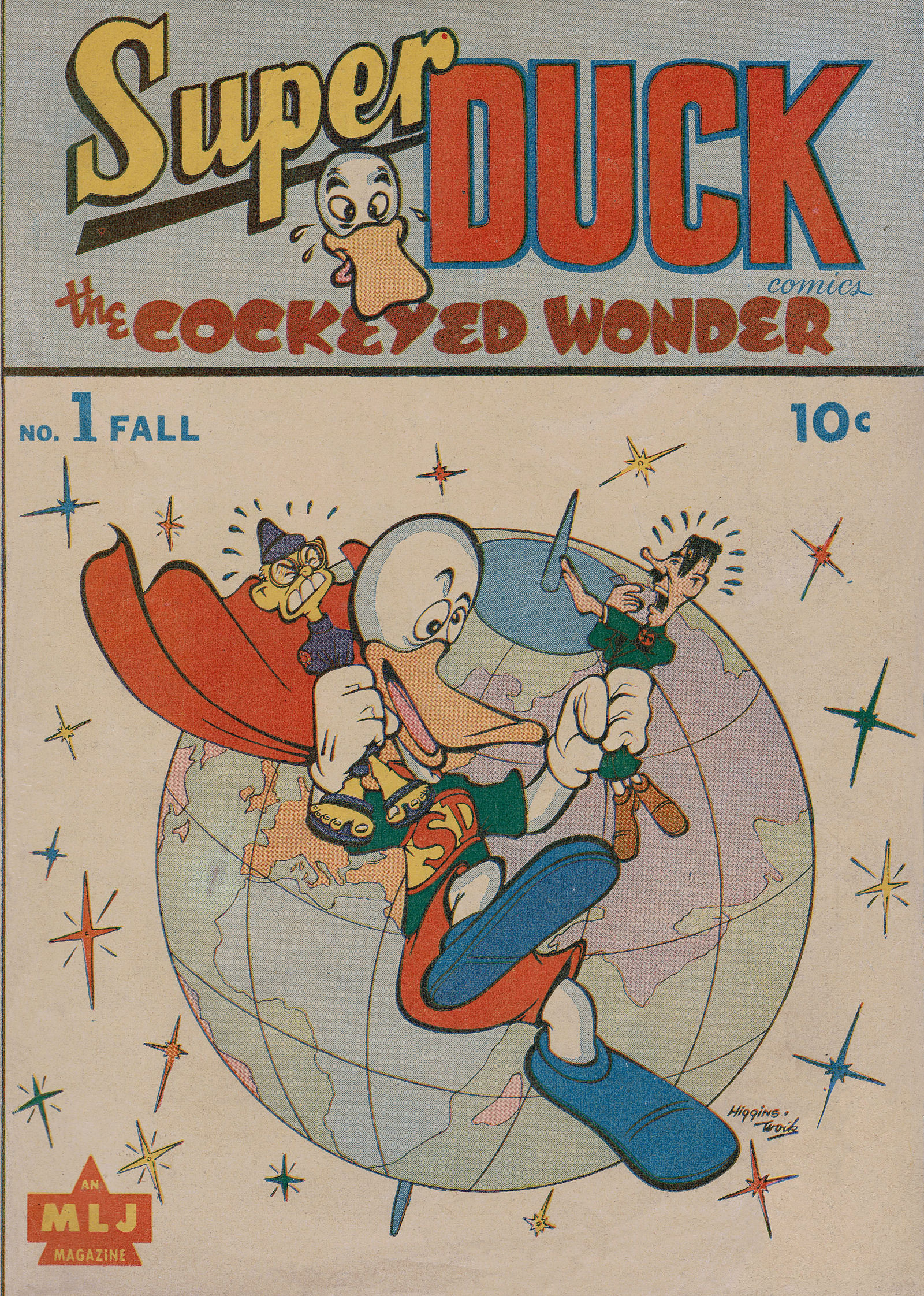
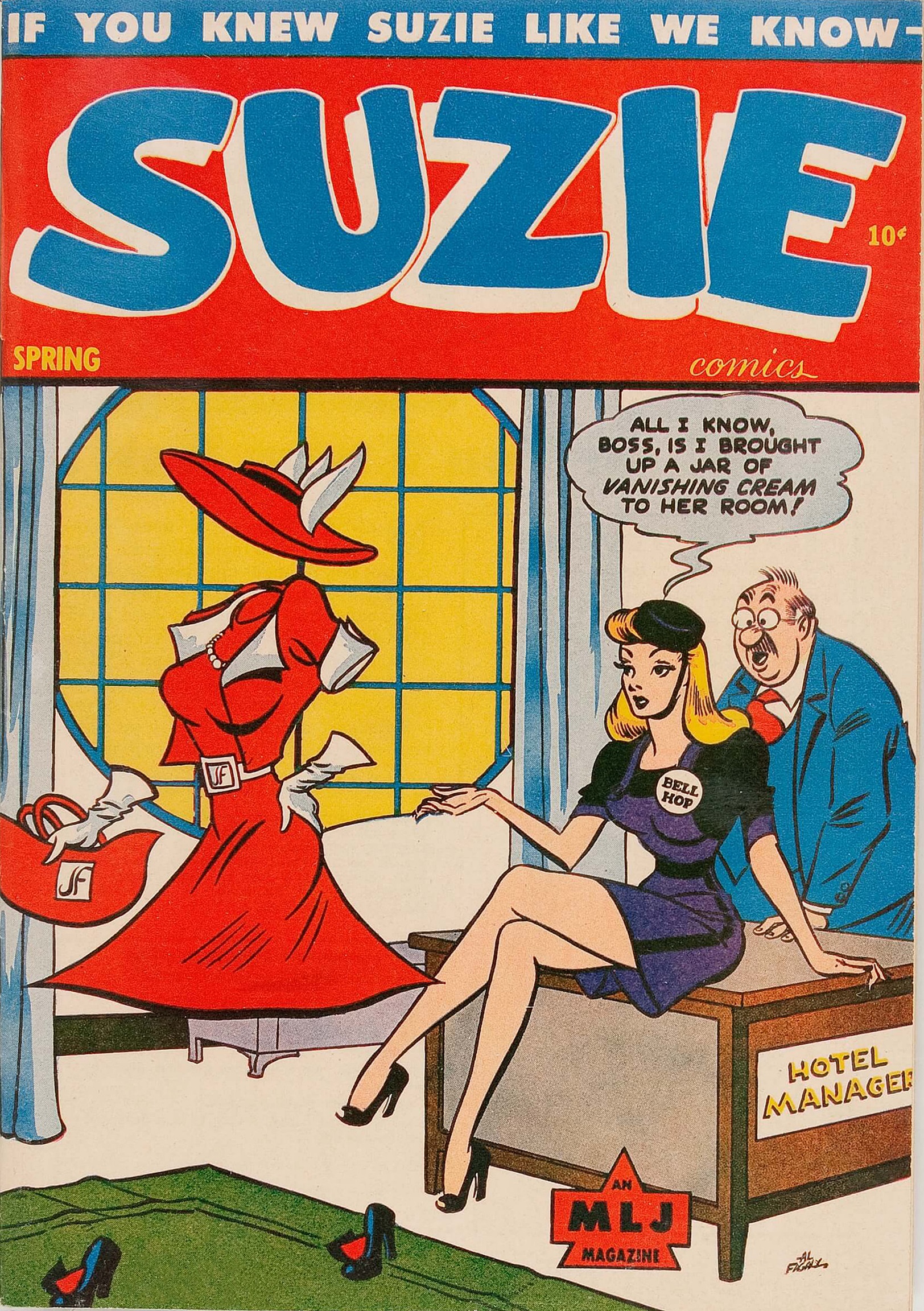
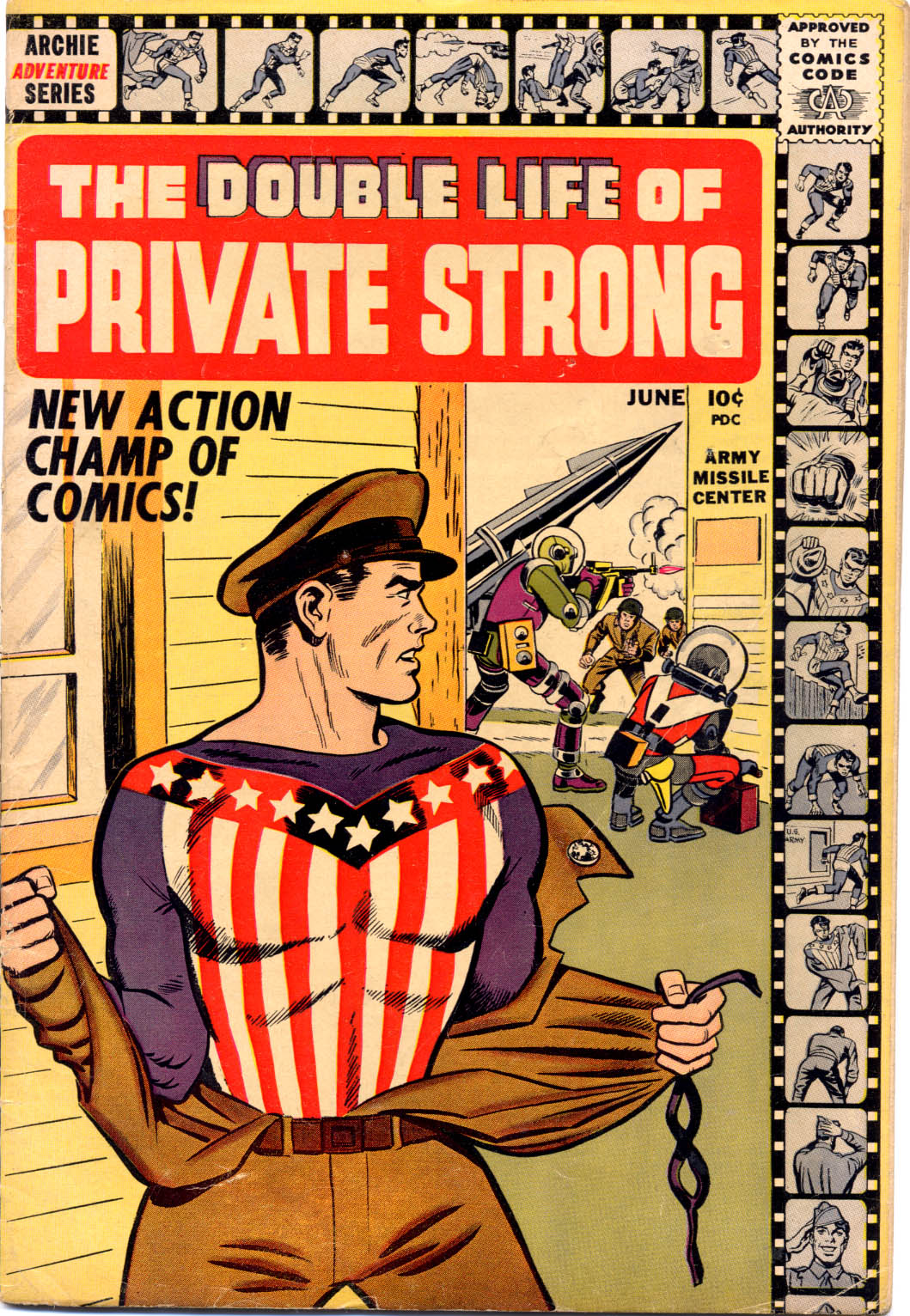
MLJ Comics, also known as Archie Comics, is a comic book publisher that was founded in 1939 by Maurice Coyne, Louis Silberkleit, and John L. Goldwater. The company is based in Pelham, New York, and is best known for its popular Archie Comics line of titles featuring the iconic characters Archie Andrews, Betty Cooper, Veronica Lodge, and Jughead Jones.

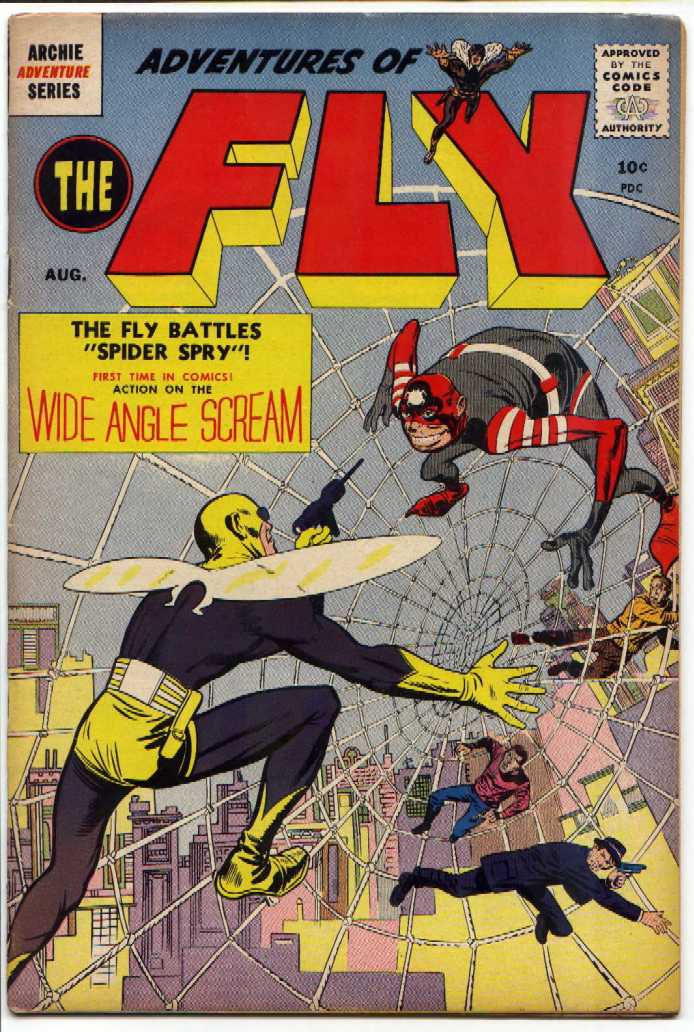
In the early days, MLJ Comics primarily published superhero comics, with characters such as the Shield, the Black Hood, and the Fly. These characters were popular in the 1940s and 1950s, but as the popularity of superhero comics declined in the 1960s, MLJ Comics shifted its focus to more traditional teen comedy and romance stories.

The company continued to produce Archie Comics, which had first appeared in 1941, and these titles became their most popular and enduring franchise. Archie Comics spawned numerous spinoffs and adaptations over the years, including an animated TV series, several live-action films, and even a Broadway musical.

One of the unique features of Archie Comics is its focus on slice-of-life stories that deal with everyday issues faced by teenagers, such as dating, school, and friendships. The comics are known for their wholesome tone and relatable characters, and they have remained popular with readers of all ages for over 80 years.

In recent years, Archie Comics has undergone a resurgence in popularity, thanks in part to the success of TV series Riverdale, which is loosely based on the Archie Comics characters. This has led to the creation of several new spinoffs and adaptations, including a supernatural horror series called Chilling Adventures of Sabrina, and a series based on the classic comic book superhero team, the Mighty Crusaders.

Overall, MLJ Comics/Archie Comics has had a long and successful history, with a beloved cast of characters and a commitment to providing wholesome, relatable stories for its readers. Whether you’re a longtime fan or a newcomer to the world of Archie Comics, there’s sure to be something for everyone in this enduring and beloved franchise.

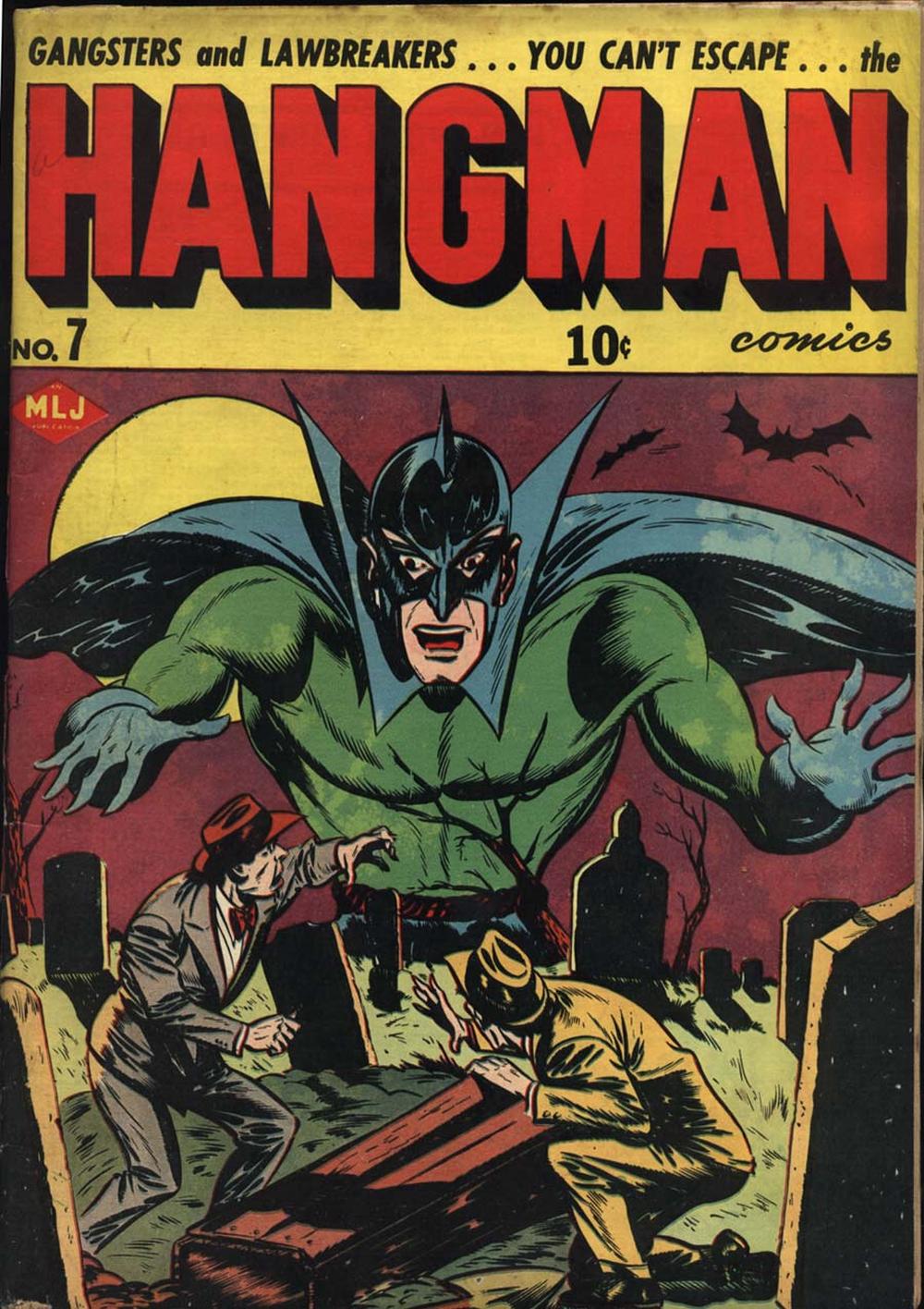
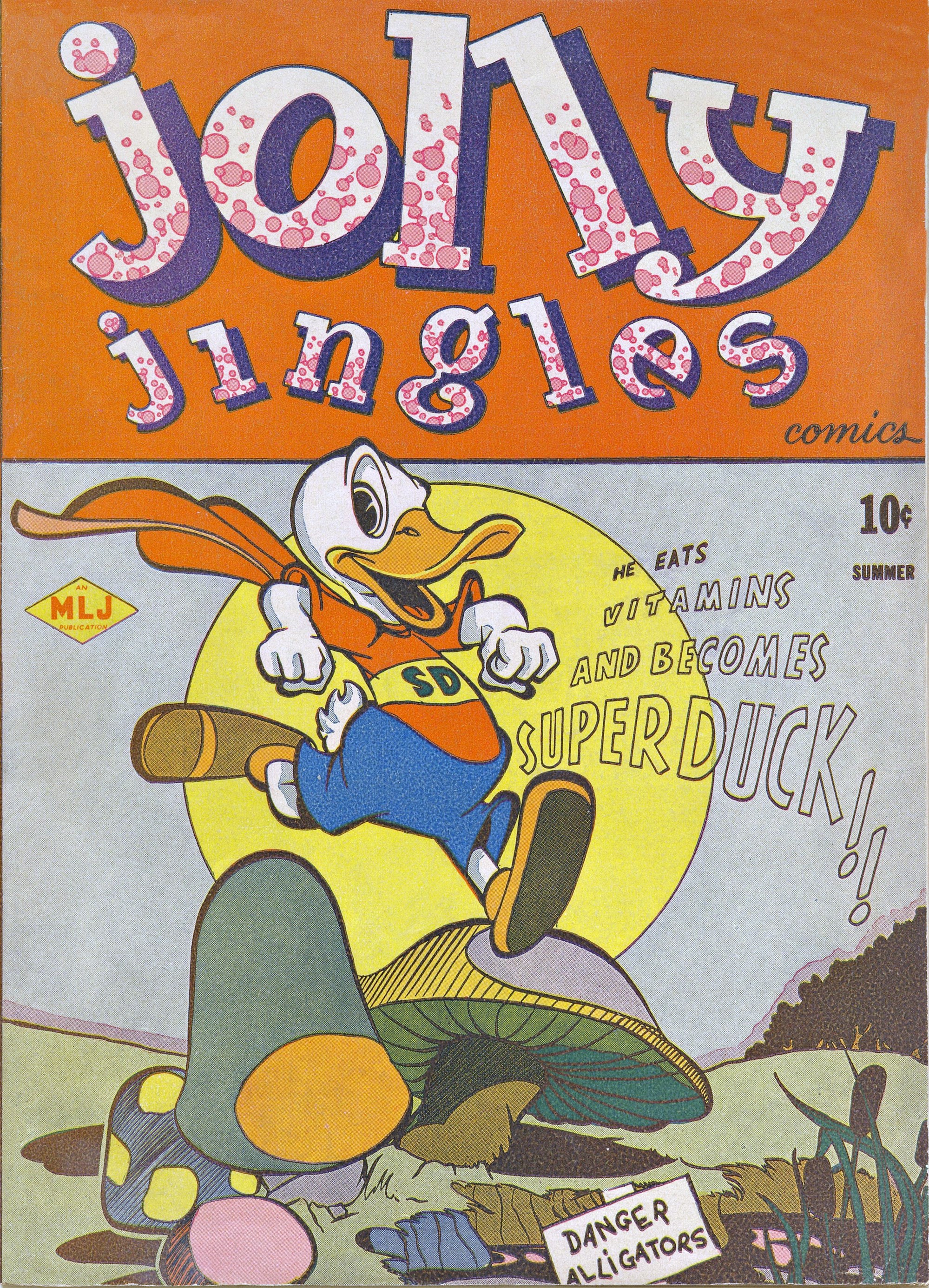
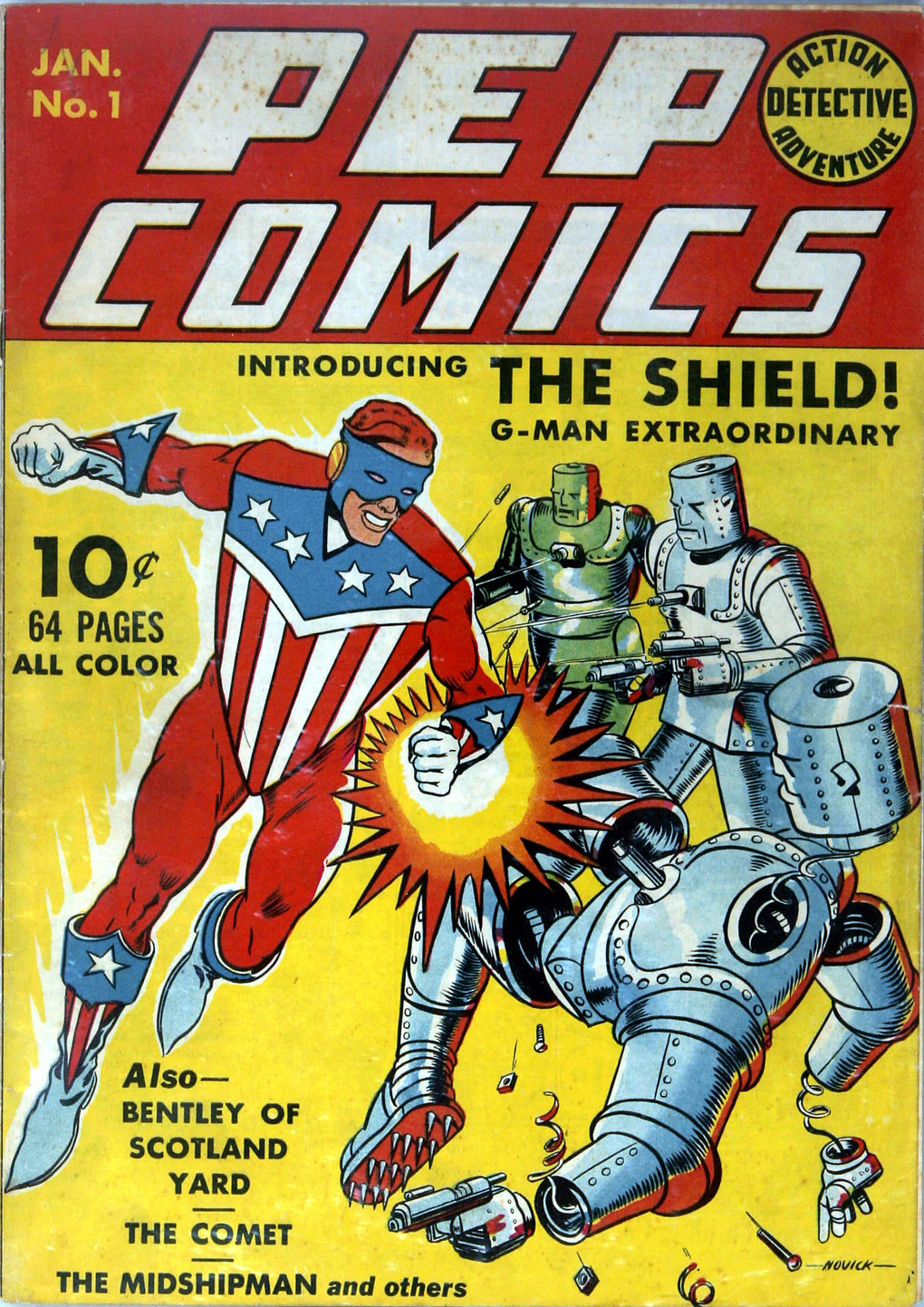
MLJ Comics, also known as Archie Comics, was a significant publisher during the Golden Age of Comics, which is generally considered to have spanned from the late 1930s to the early 1950s. During this period, MLJ Comics published a wide range of comic book titles featuring a variety of superhero characters, many of which have become iconic in the world of comics.One of the most notable MLJ Comics characters from this era was the Shield, who made his debut in Pep Comics #1 in January 1940. The Shield was created by writer Harry Shorten and artist Irv Novick, and was one of the first patriotic superheroes to appear in comics. The character had superhuman strength, speed, and durability, and used his abilities to fight against Nazis, gangsters, and other villains.MLJ Comics also introduced a number of other popular superhero characters during this period, including the Black Hood, a vigilante who wore a black hood to conceal his identity and fought crime on the streets of New York City; and the Hangman, a vengeful vigilante who avenged the death of his brother by hunting down and punishing criminals.In addition to superhero comics, MLJ Comics also published a variety of other titles during the Golden Age, including romance, horror, and comedy comics. One of the most popular and enduring of these titles was Archie Comics, which first appeared in 1941 and followed the adventures of a group of teenage friends in the small town of Riverdale. The Archie Comics line included a variety of beloved characters, such as Archie Andrews, Betty Cooper, Veronica Lodge, Jughead Jones, and Reggie Mantle.

During the Golden Age of Comics, MLJ Comics played a significant role in shaping the comics industry and popular culture as a whole. The company’s superhero characters were widely read and admired, and helped to establish many of the conventions of the genre that are still in use today. Meanwhile, the Archie Comics line proved to be immensely popular with readers of all ages, and has remained a beloved and enduring franchise for over 80 years.

MLJ Comics, like many publishers during the Golden Age of Comics, employed a wide range of talented artists, writers, and editors to create its comic books. These creators were responsible for bringing to life the colorful characters and thrilling stories that captured the imaginations of readers across America.

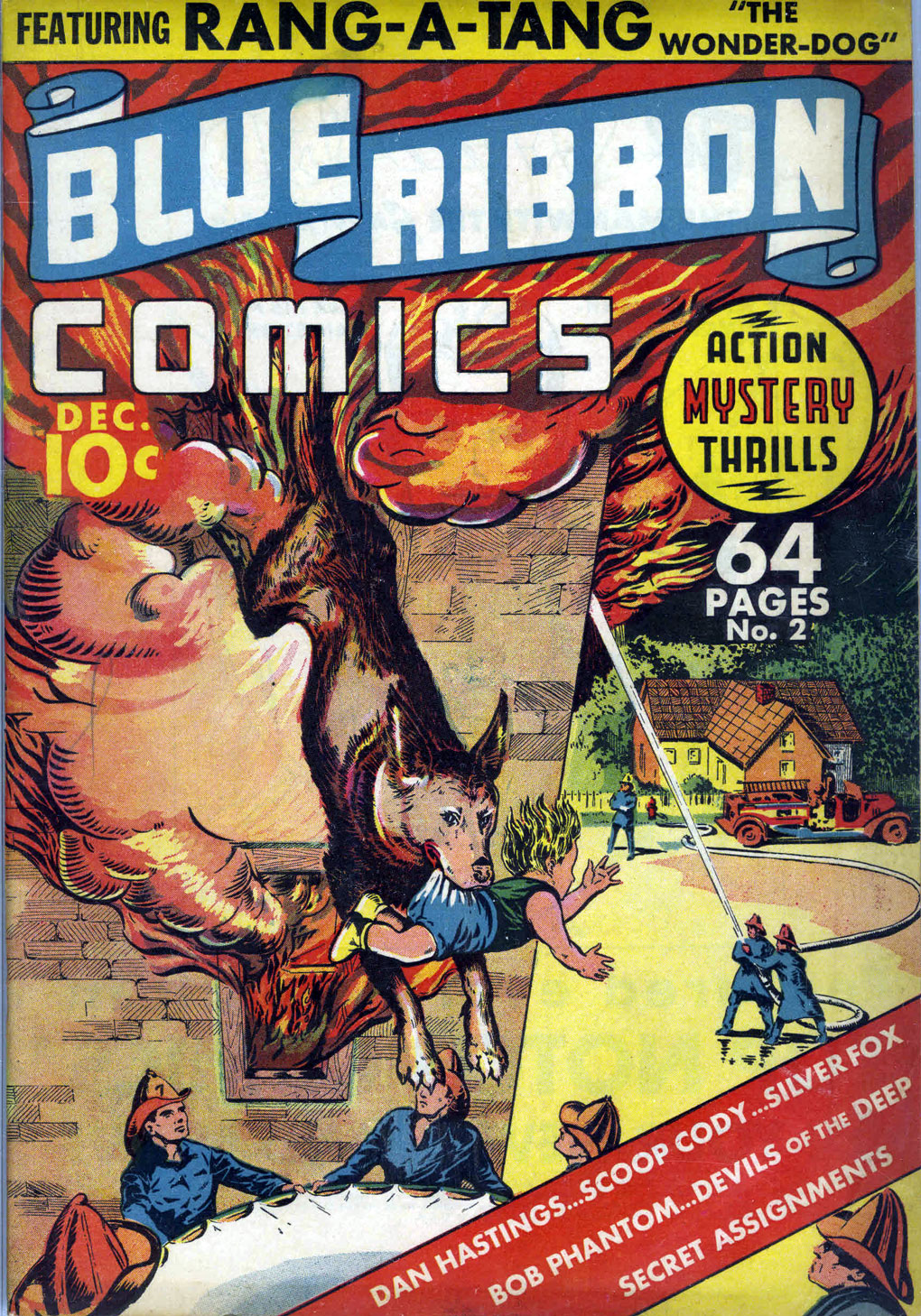
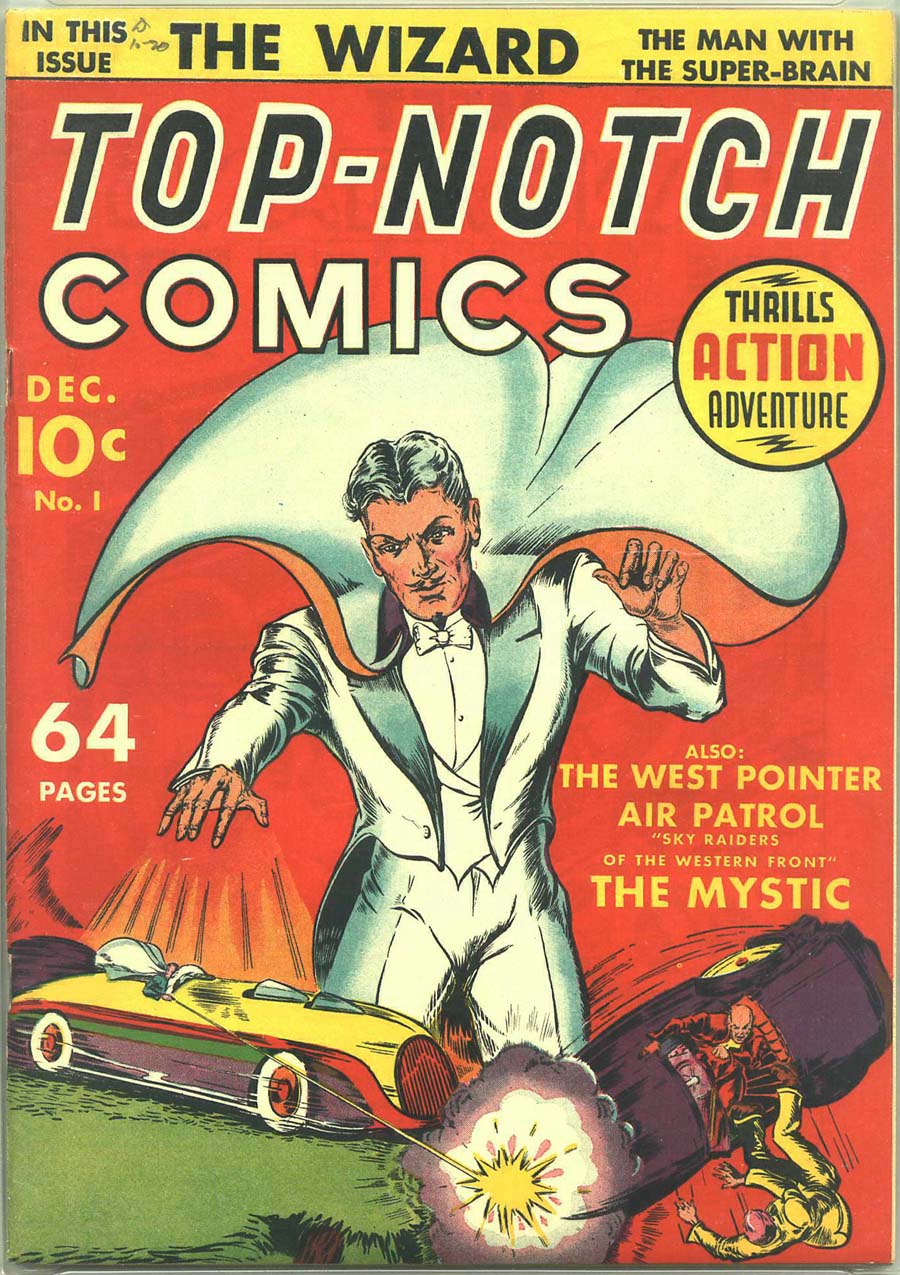
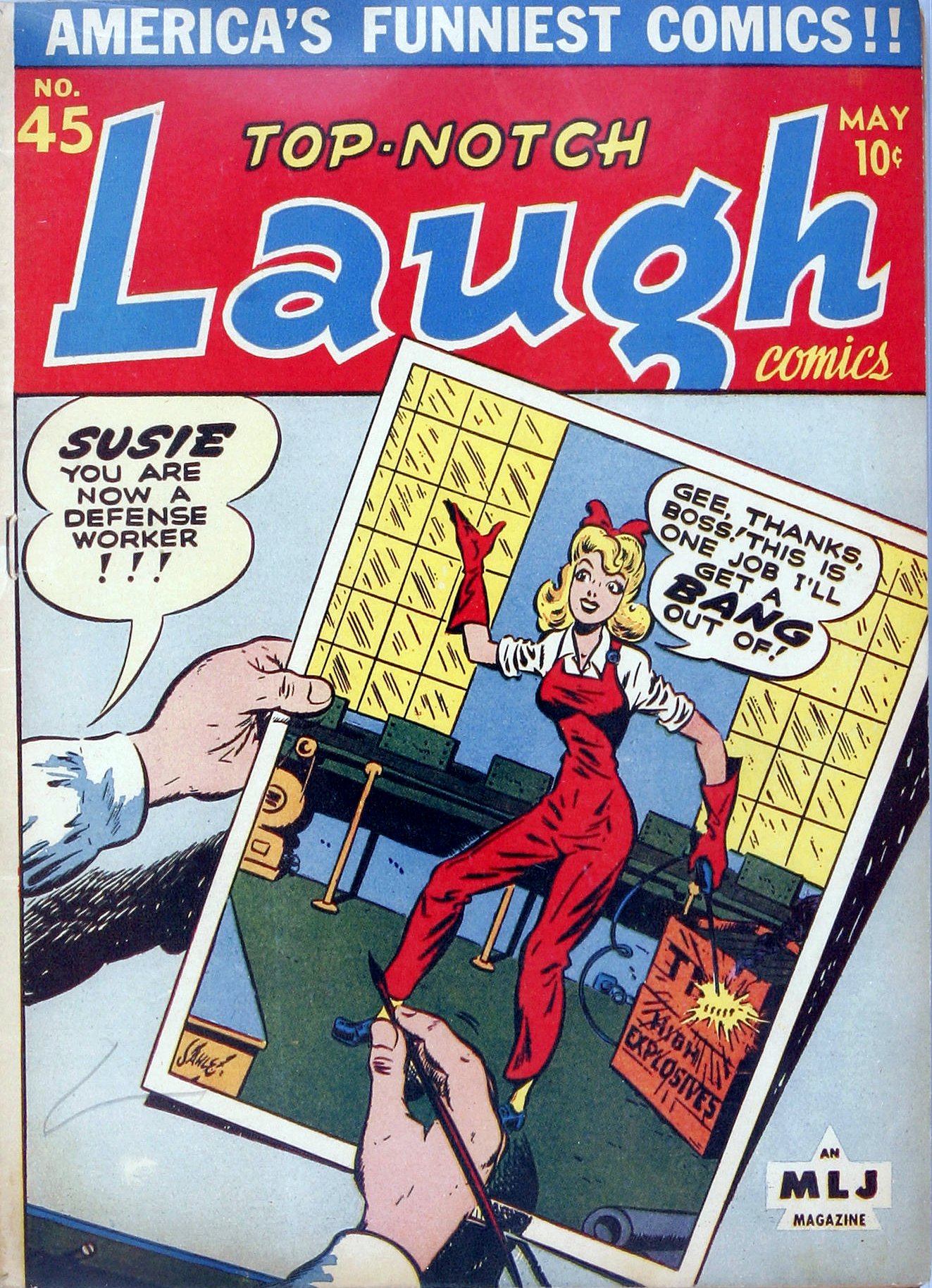
One of the most prominent writers working for MLJ Comics during this era was Harry Shorten, who created the Shield, the company’s flagship superhero character. Shorten also wrote for other MLJ Comics titles, including Blue Ribbon Comics, Top-Notch Comics, and Pep Comics. His contributions helped to establish the conventions of the superhero genre and set the tone for many of the company’s most popular characters.

Another important writer for MLJ Comics was Joe Blair, who wrote for many of the company’s most popular titles, including Archie Comics and the Shield. Blair was known for his humorous and light-hearted approach to storytelling, and his work helped to establish the tone of many of MLJ Comics’ most popular titles.

In terms of artists, MLJ Comics employed a number of talented individuals, including Irv Novick, who co-created the Shield with Harry Shorten. Novick was a prolific artist who worked on a wide range of MLJ Comics titles, including Top-Notch Comics, Blue Ribbon Comics, and Pep Comics. He was known for his dynamic, action-packed style, which helped to bring the company’s superhero characters to life.

Another important artist for MLJ Comics was Bob Montana, who created the character of Archie Andrews and helped to establish the look and feel of the Archie Comics line. Montana’s style was more realistic and grounded than many of his contemporaries, and his work helped to set Archie Comics apart from other comics of the era.

Finally, MLJ Comics also had a number of talented editors who helped to guide the direction of the company’s titles. One of the most important of these was Victor Gorelick, who worked for Archie Comics for over 60 years and was instrumental in shaping the company’s output during the Golden Age and beyond. Gorelick was known for his attention to detail and his commitment to quality, and his contributions helped to establish Archie Comics as one of the most beloved and enduring comic book publishers of all time.

The Eastern Color Printing Company


The Eastern Color Printing Company was a company that revolutionized the American comic book industry. Founded in 1928, the company initially specialized in printing color newspaper sections for various papers in New England and New York. In 1930, Eastern was the first major institution to perfect an engraving process that allowed color to be added to black-and-white comics, a game-changer for the newspaper syndicates.
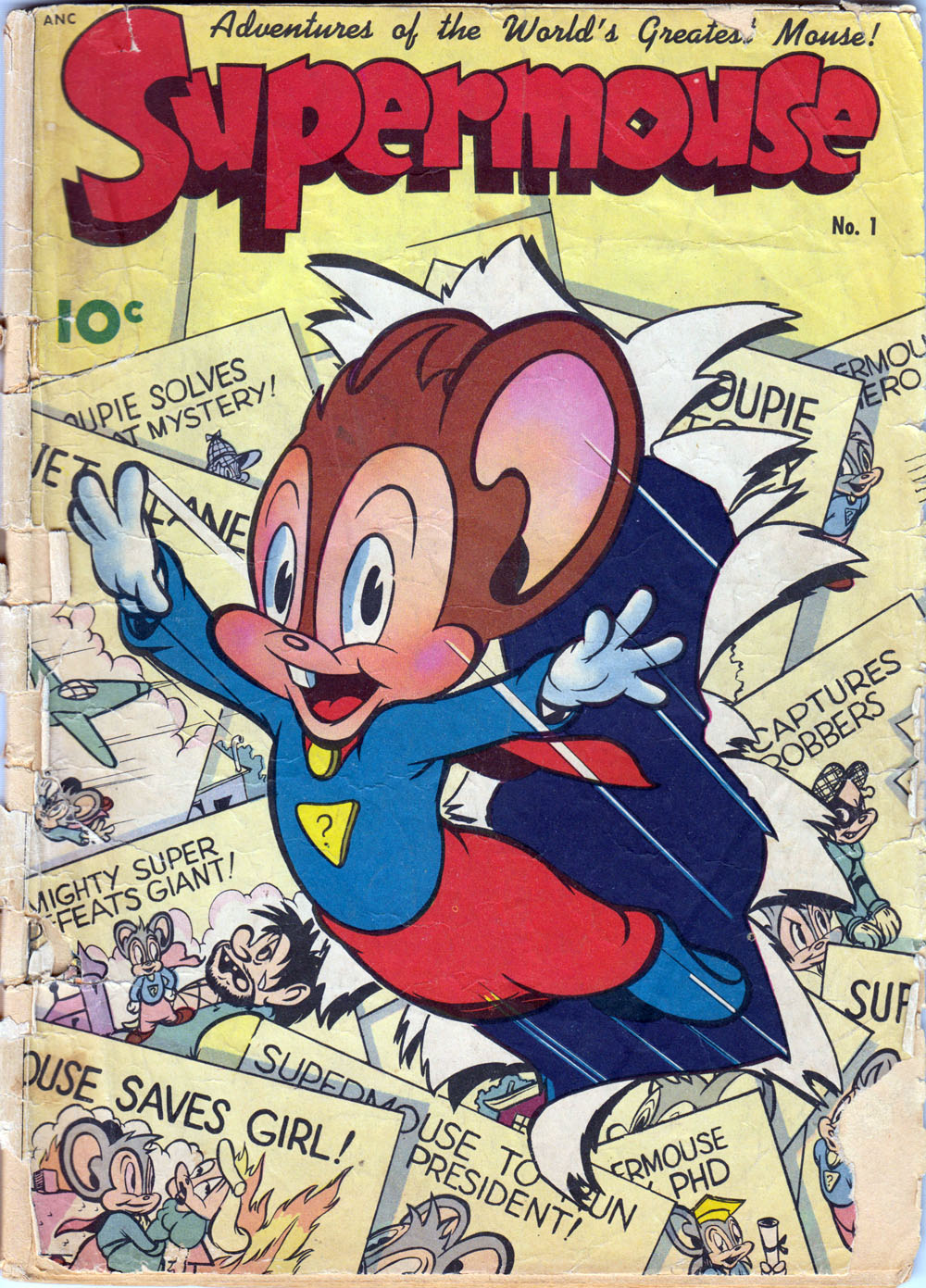
In 1933, Eastern’s sales manager Harry I. Wildenberg came up with the idea of using comics as a medium for advertising. The company’s first comic, Gulf Comic Weekly, was a promotional giveaway for Gulf Oil Company. Each issue of the comic contained a full-color single-page comic strip and proved a hit at Gulf service stations, with distribution reaching three million copies a week. Eastern also published another four-page tabloid for Standard Oil, titled Standard Oil Comics.

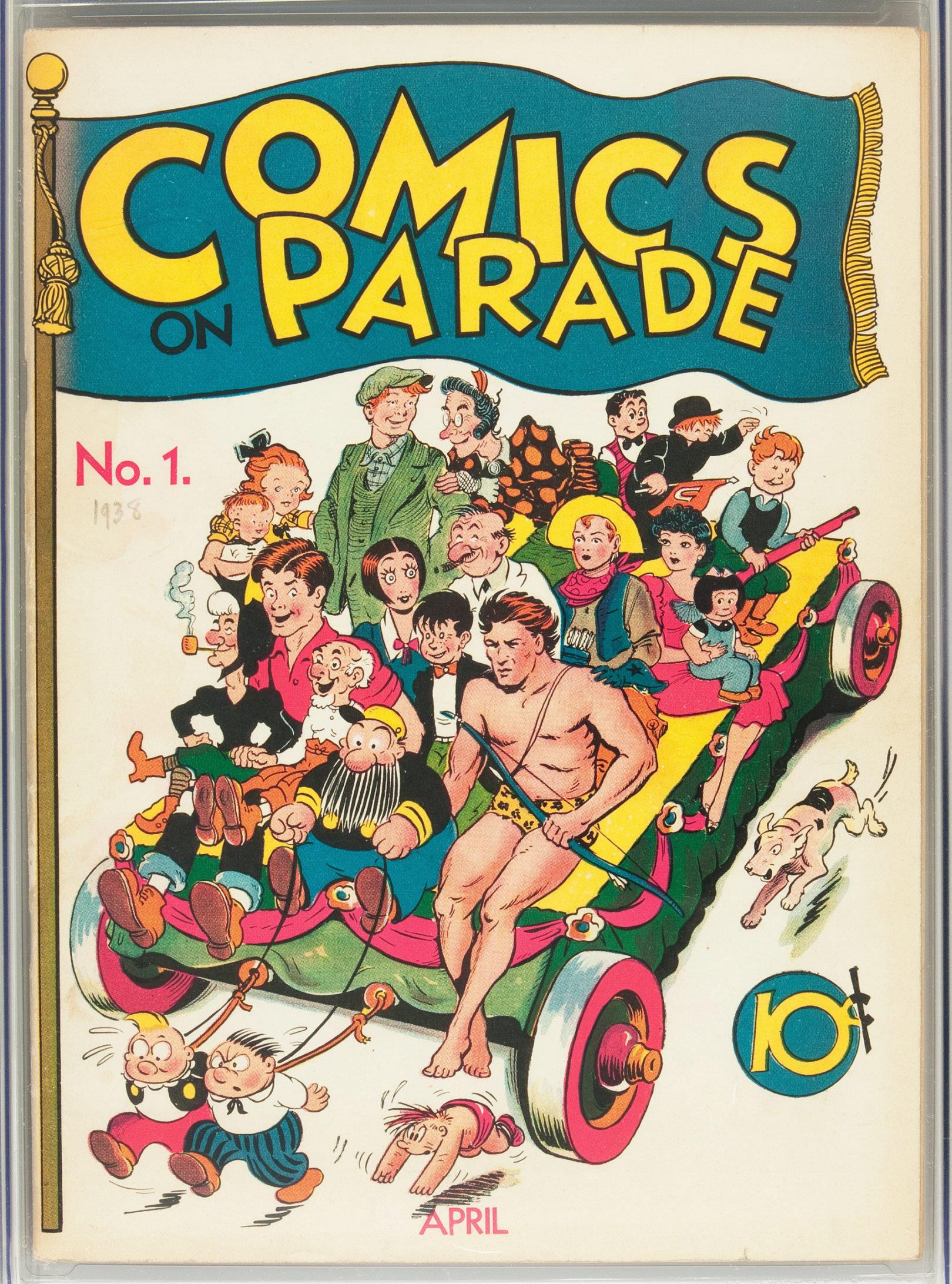
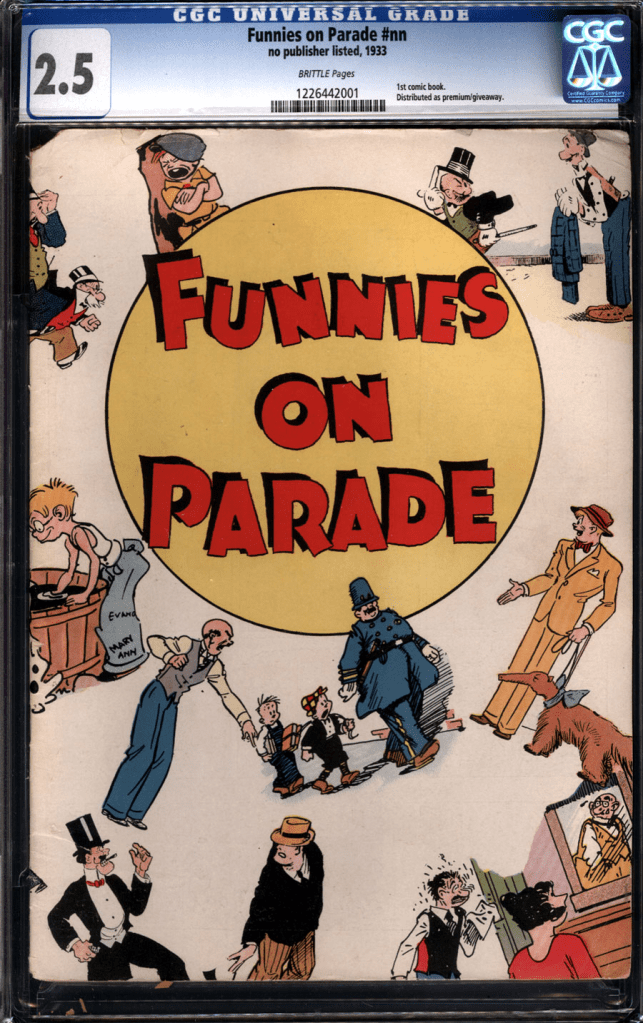
In the same year, Eastern published the first modern-format comic book, the 32-page Funnies on Parade, which was a promotion for Procter & Gamble.

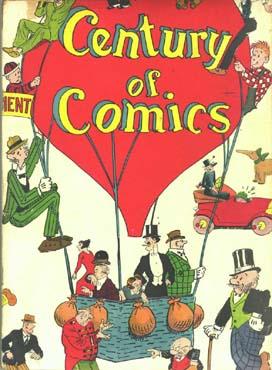
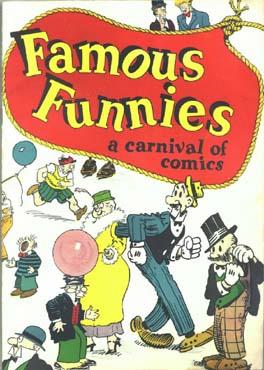
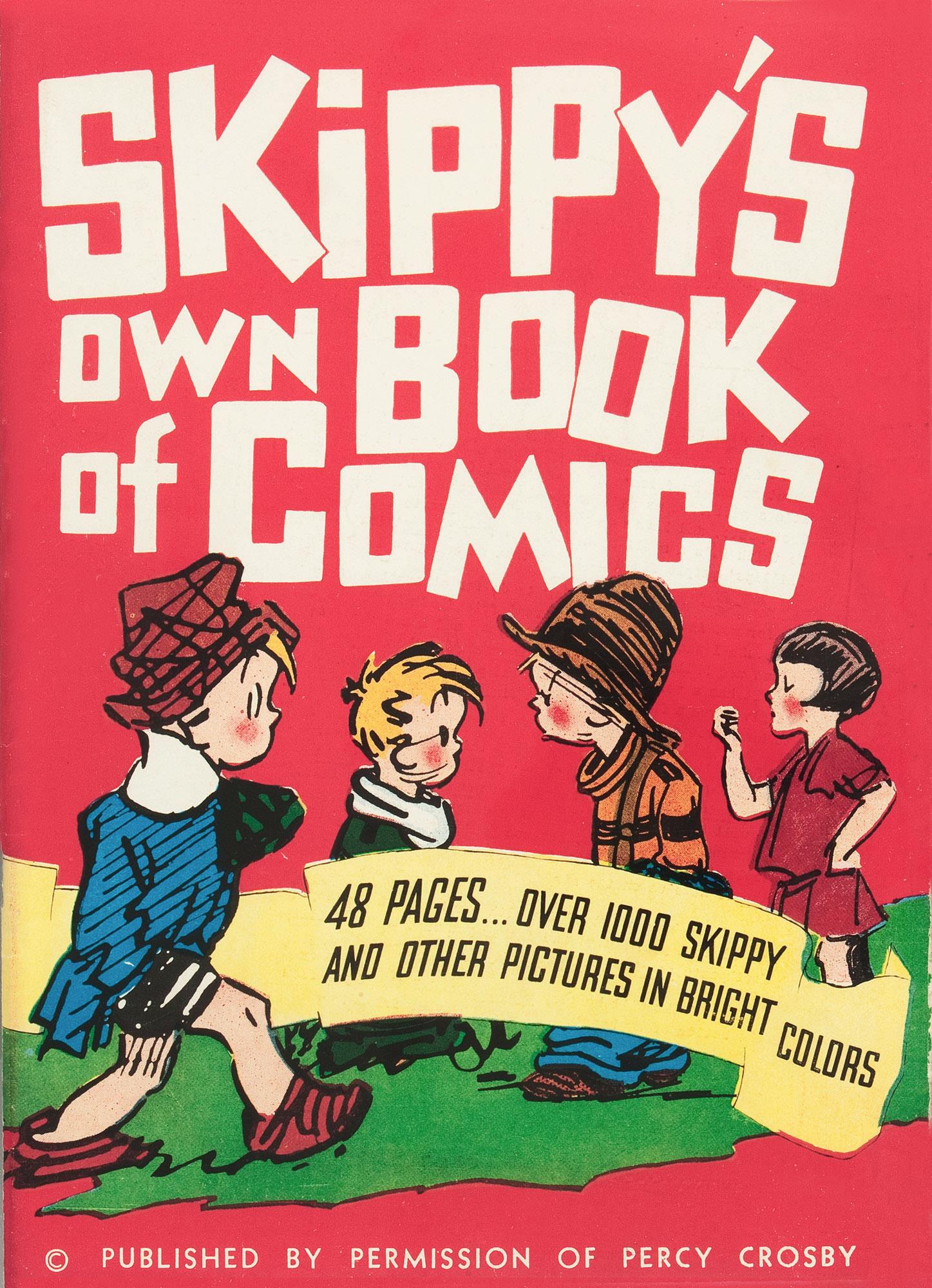
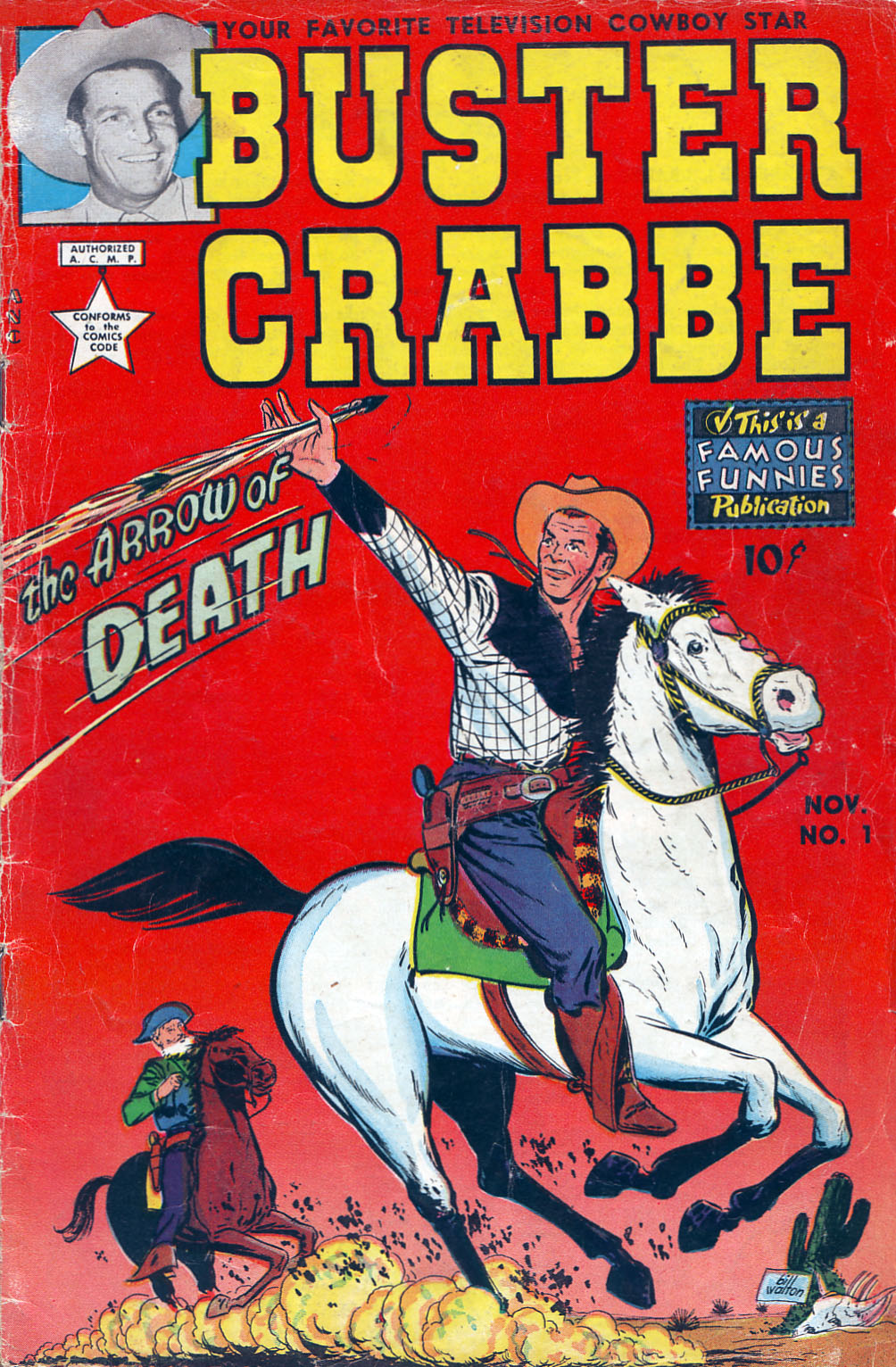
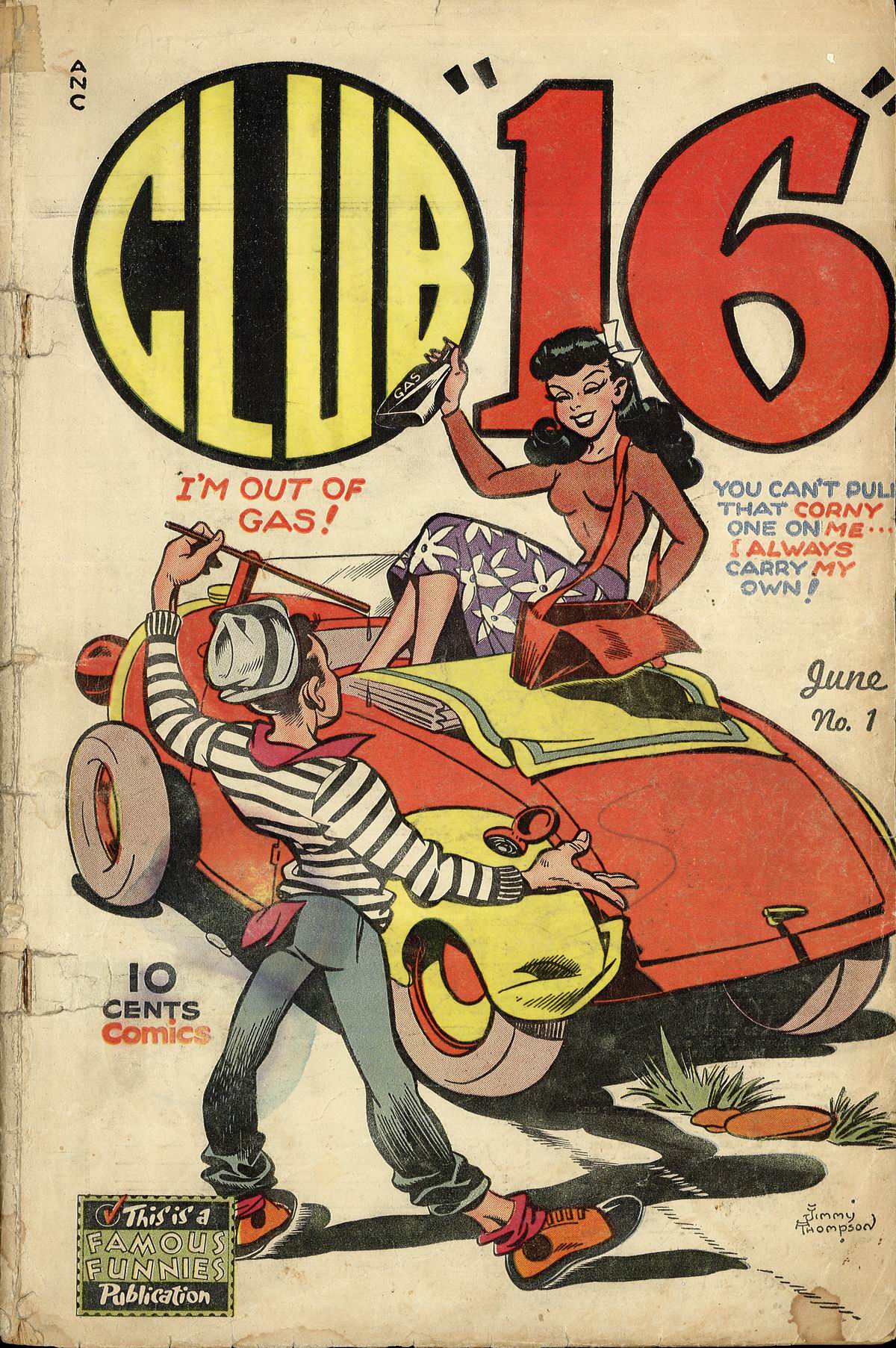
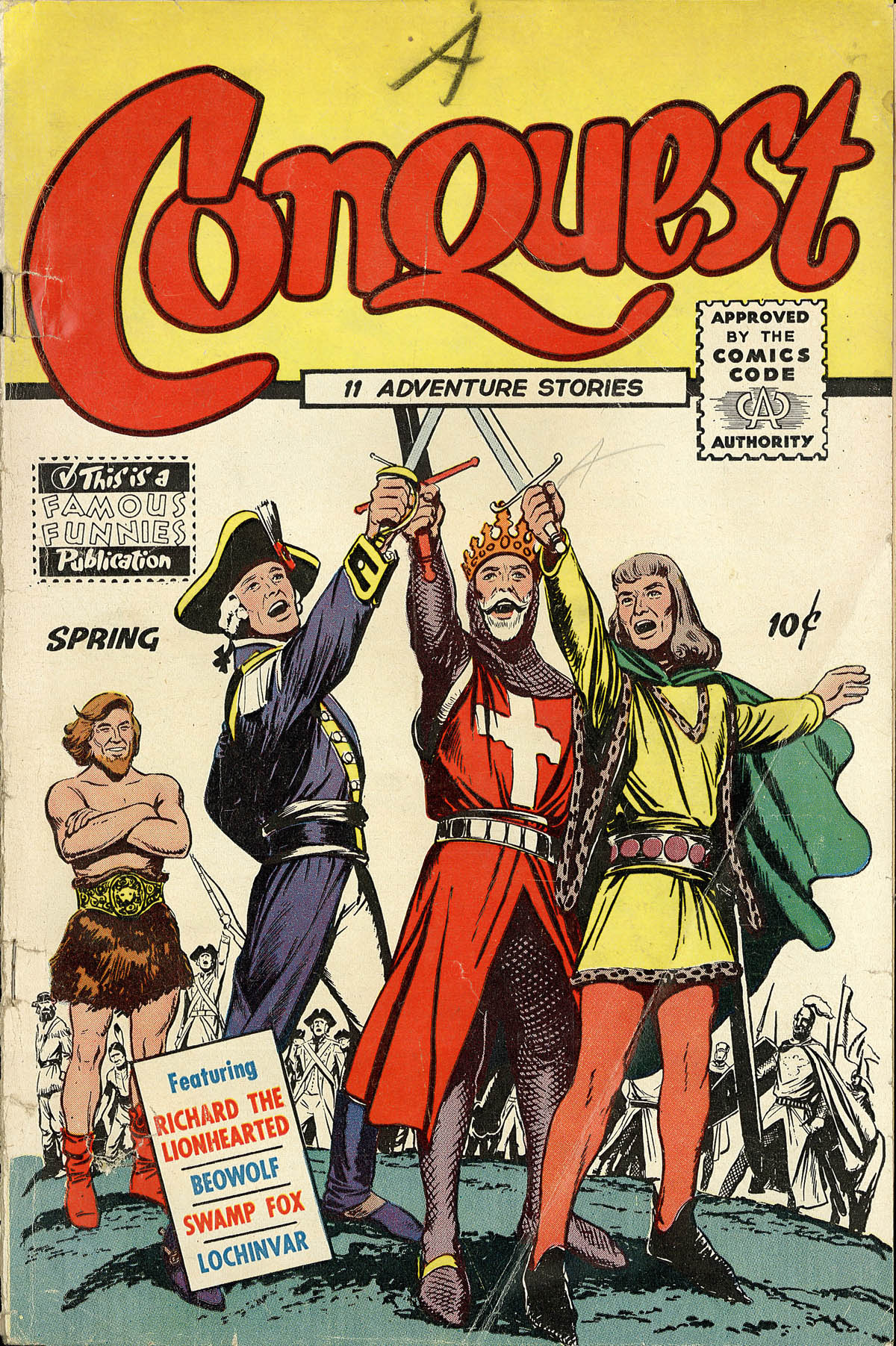
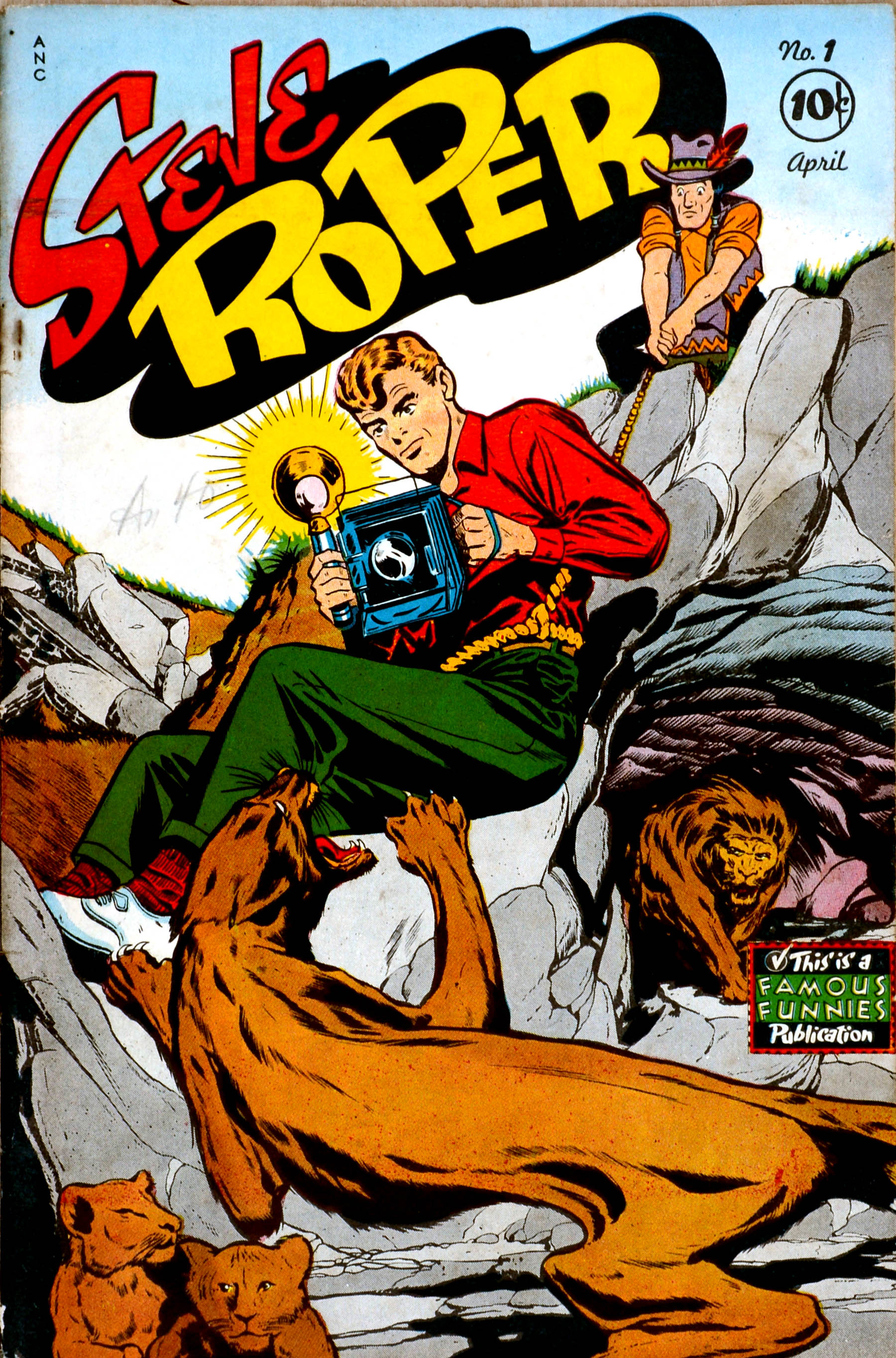
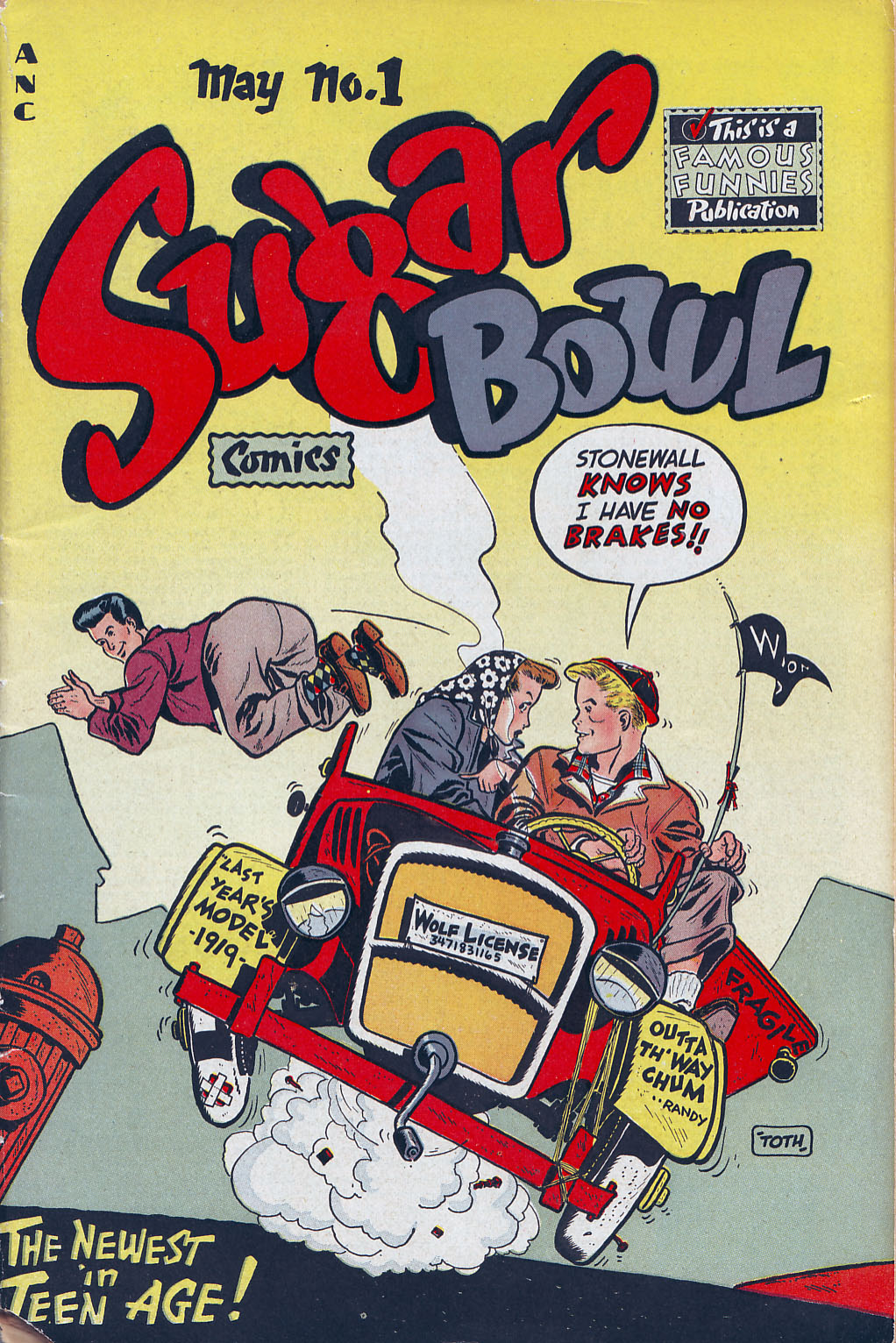
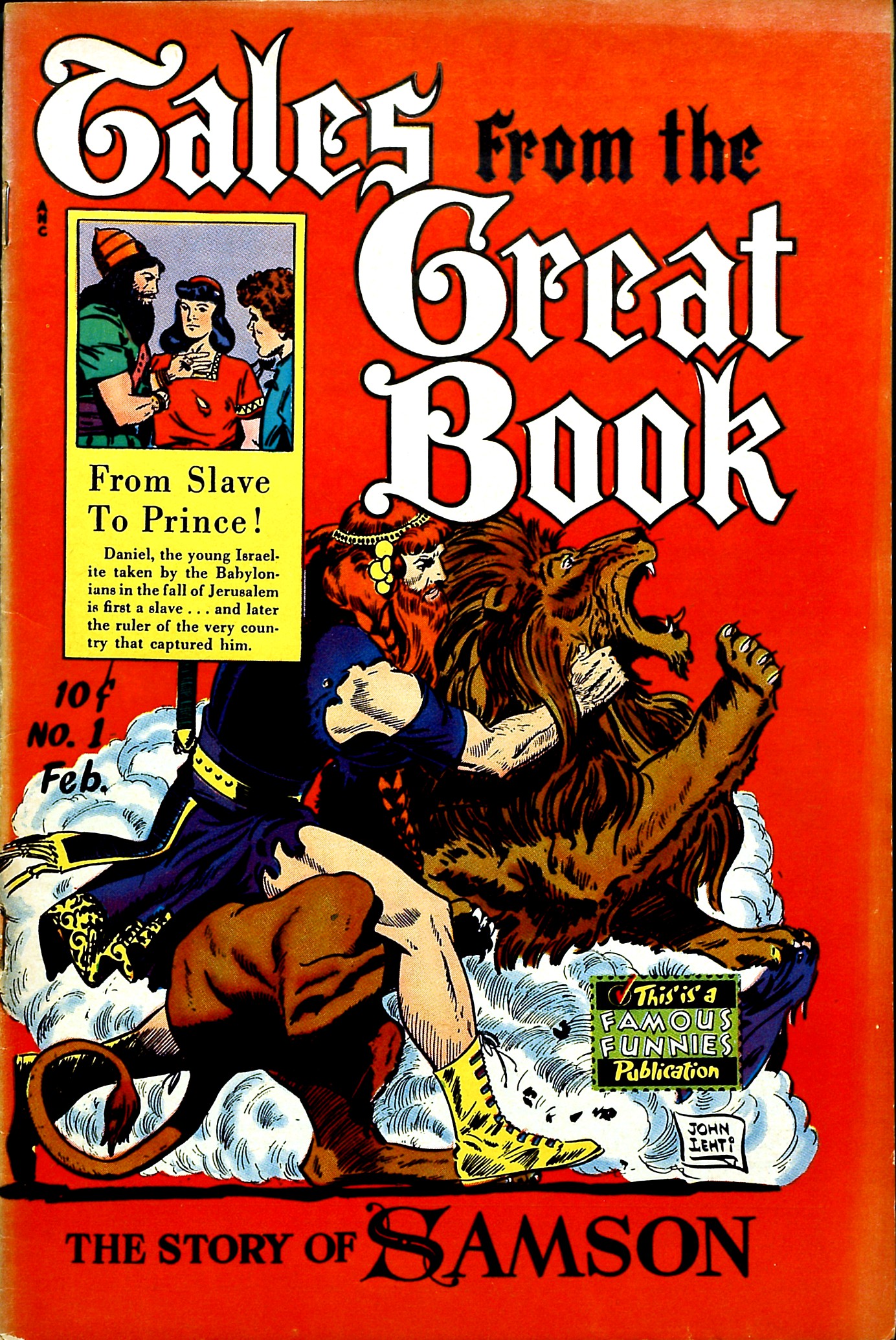
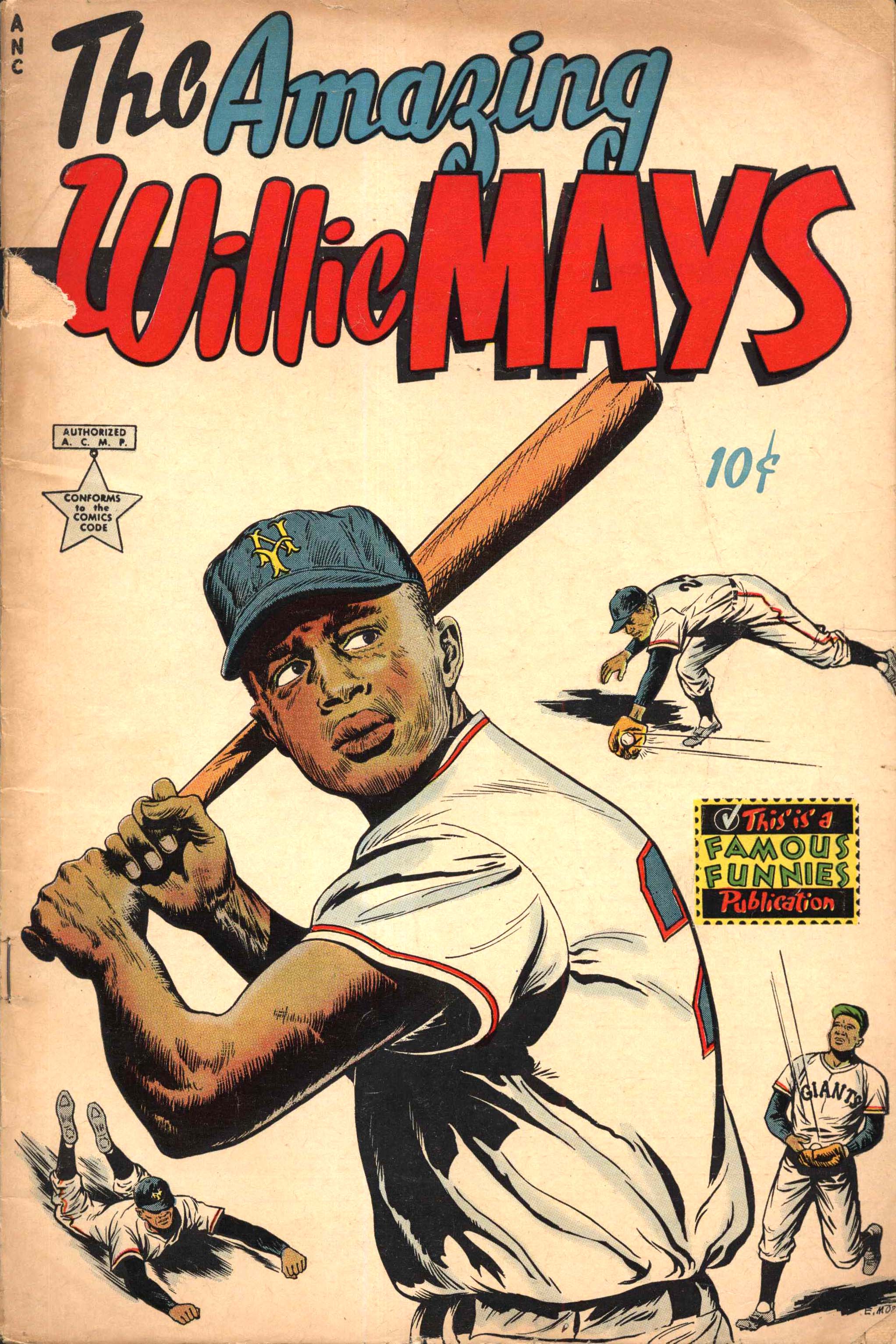
The success of the promotion led to Eastern producing similar periodicals for Canada Dry, Kinney Shoes, Wheatena cereal, and others. In late 1933, Eastern published Famous Funnies: A Carnival of Comics, A Century of Comics, and Skippy’s Own Book of Comics, with Famous Funnies being the most popular.

Famous Funnies was the first true American comic book, and it gave birth to the American comic book industry. The comic featured reprints of popular newspaper comic strips, such as Buck Rogers, Dick Tracy, and Flash Gordon, and became an instant hit. In 1934, Eastern printed Shell Globe, a comic featuring Bud Fisher’s popular characters Mutt and Jeff, for distribution at 13,000 Shell gas stations.
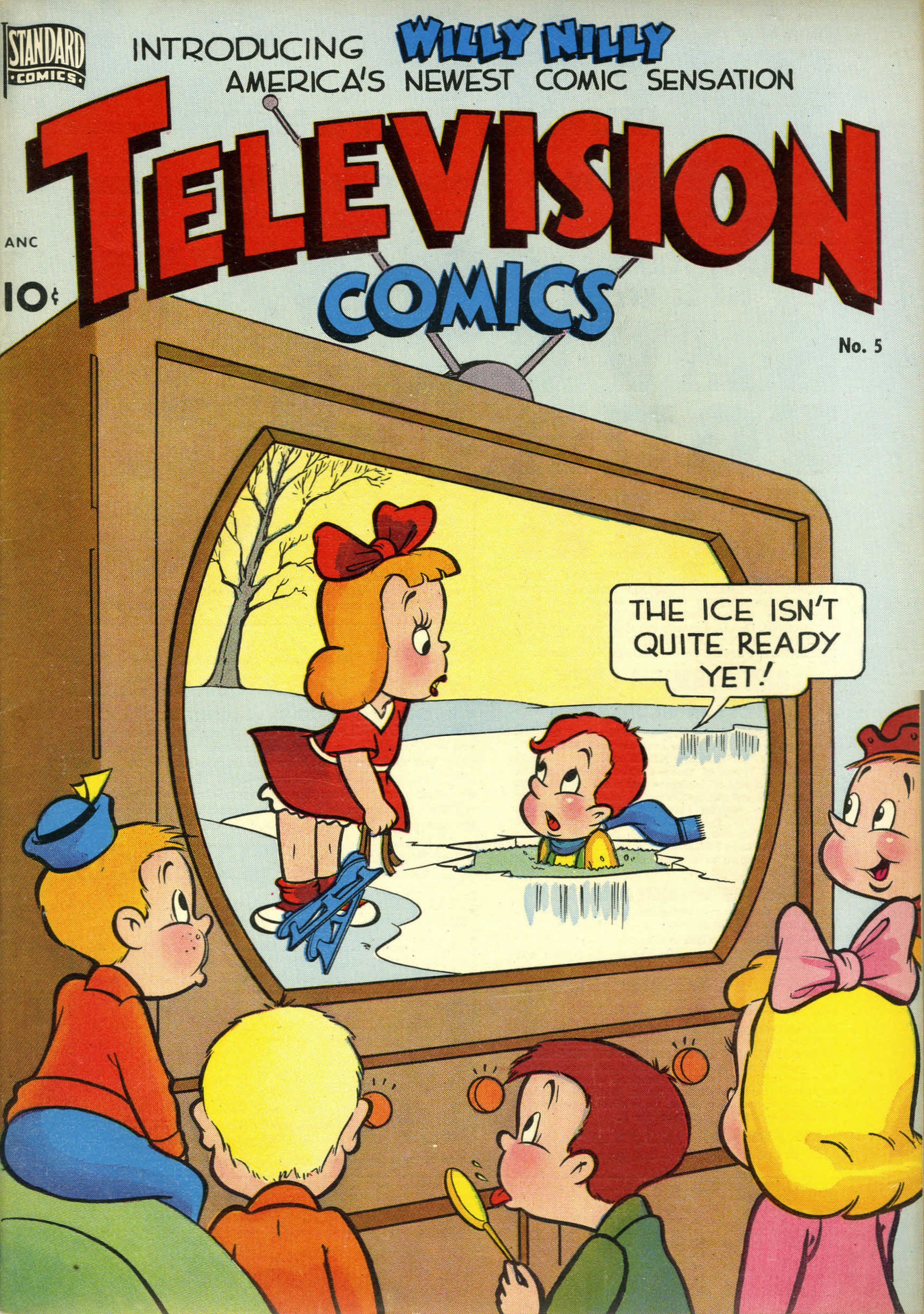
Eastern published its comic books until the mid-1950s and continued to print comic books for other publishers until 1973. However, the company struggled financially from the 1970s to 2002, when it closed due to changing printing technologies. Despite its closure, Eastern Color Printing’s legacy as the company that revolutionized the American comic book industry remains intact.

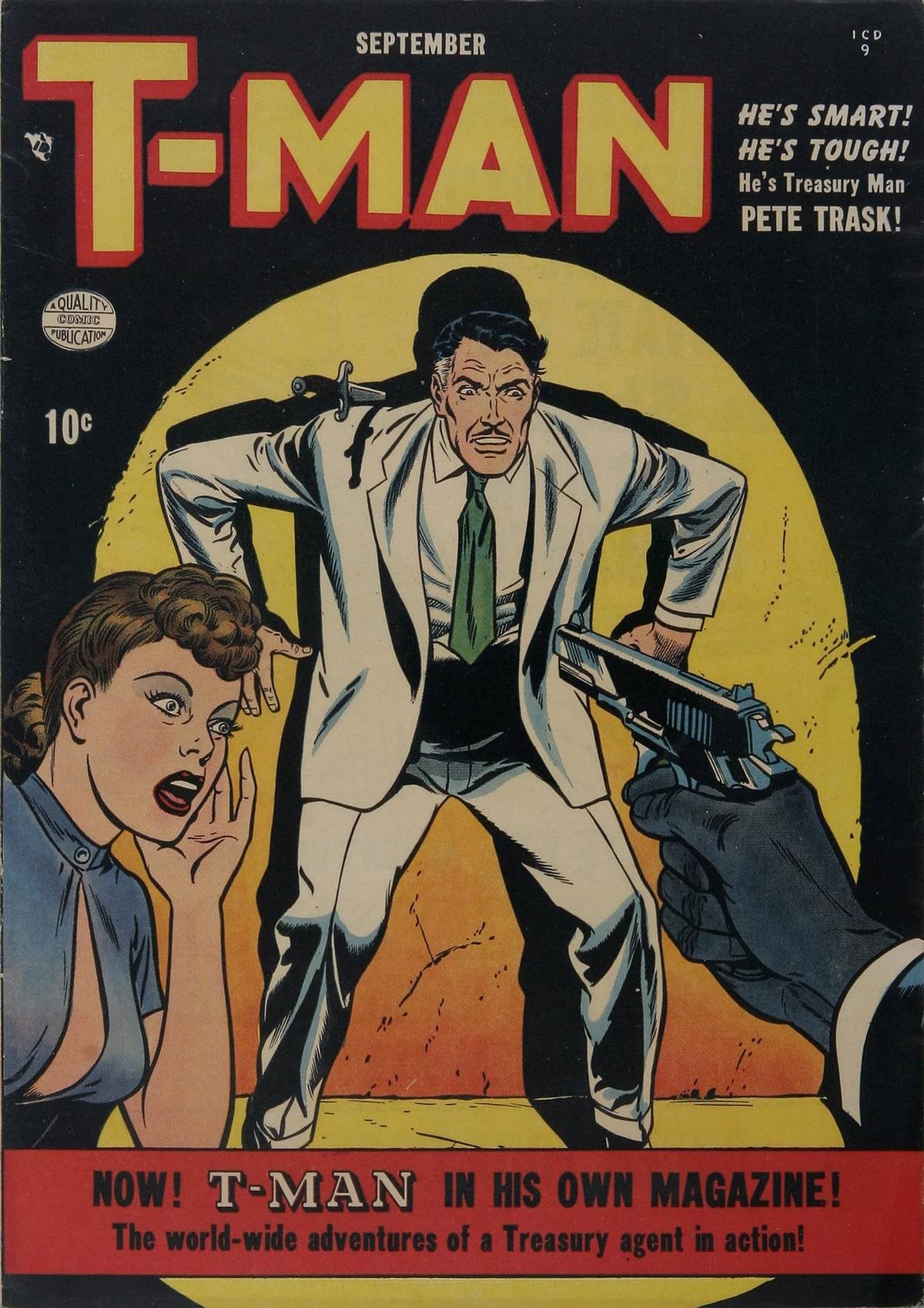
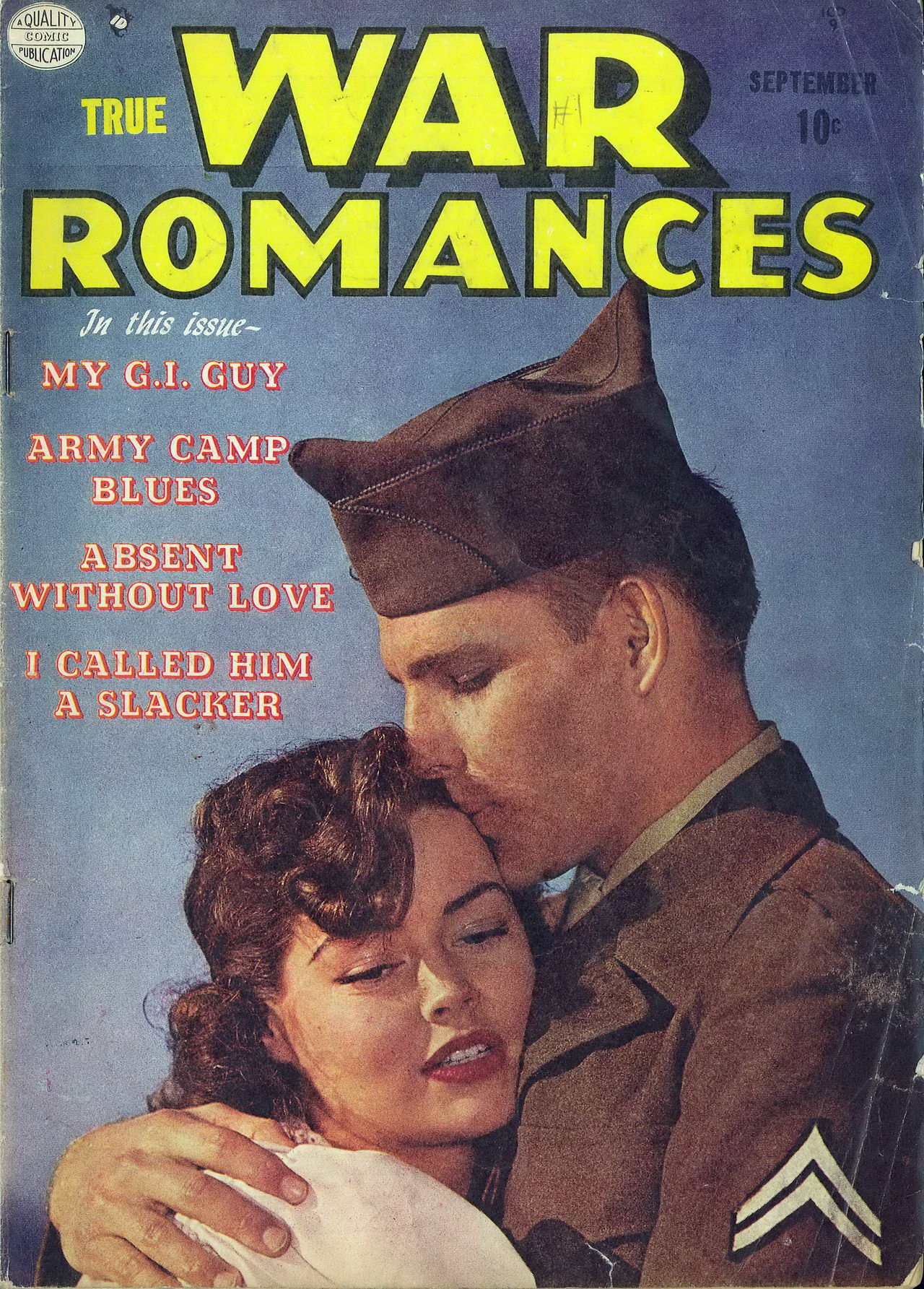
Quality Comics


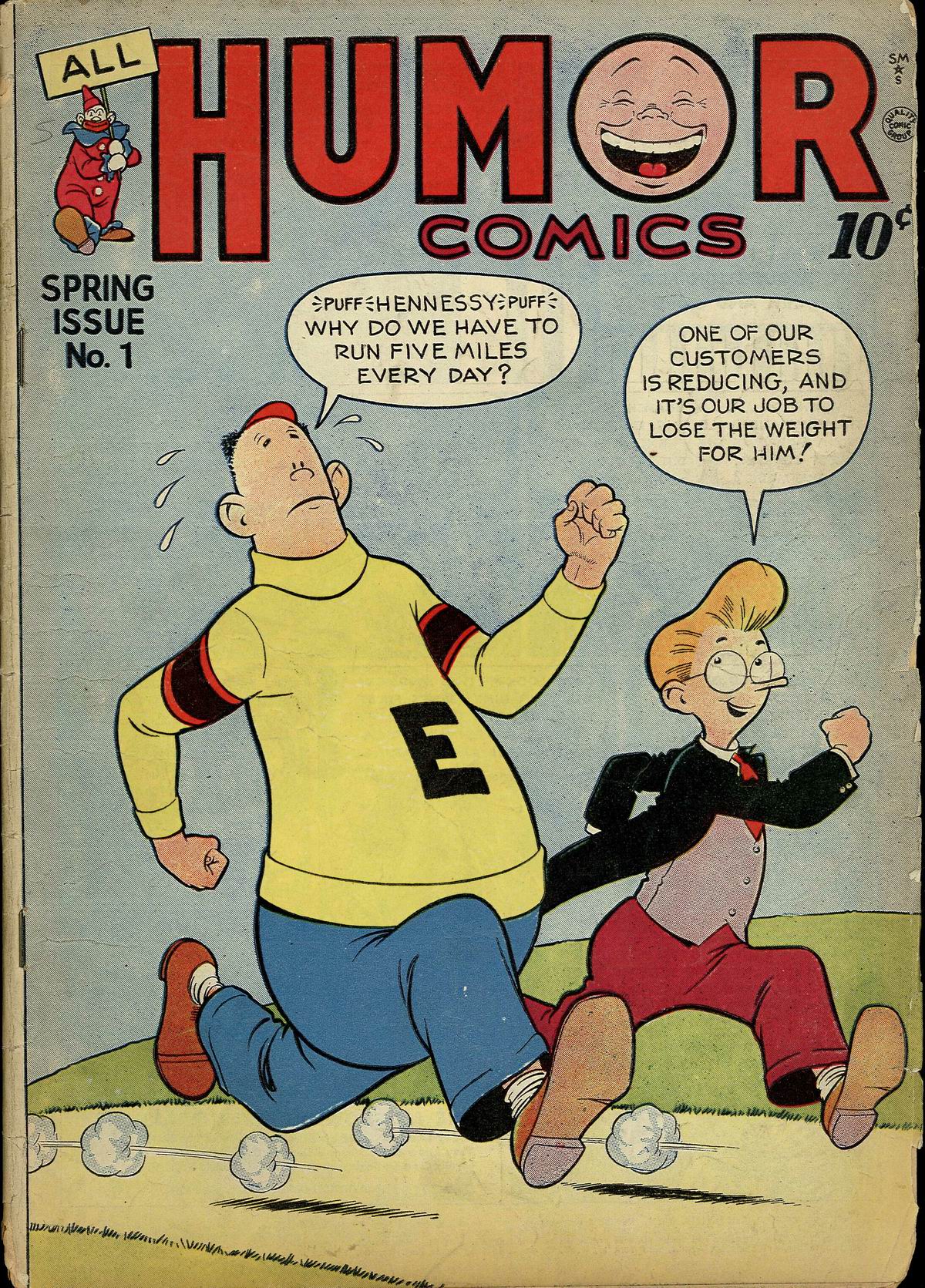
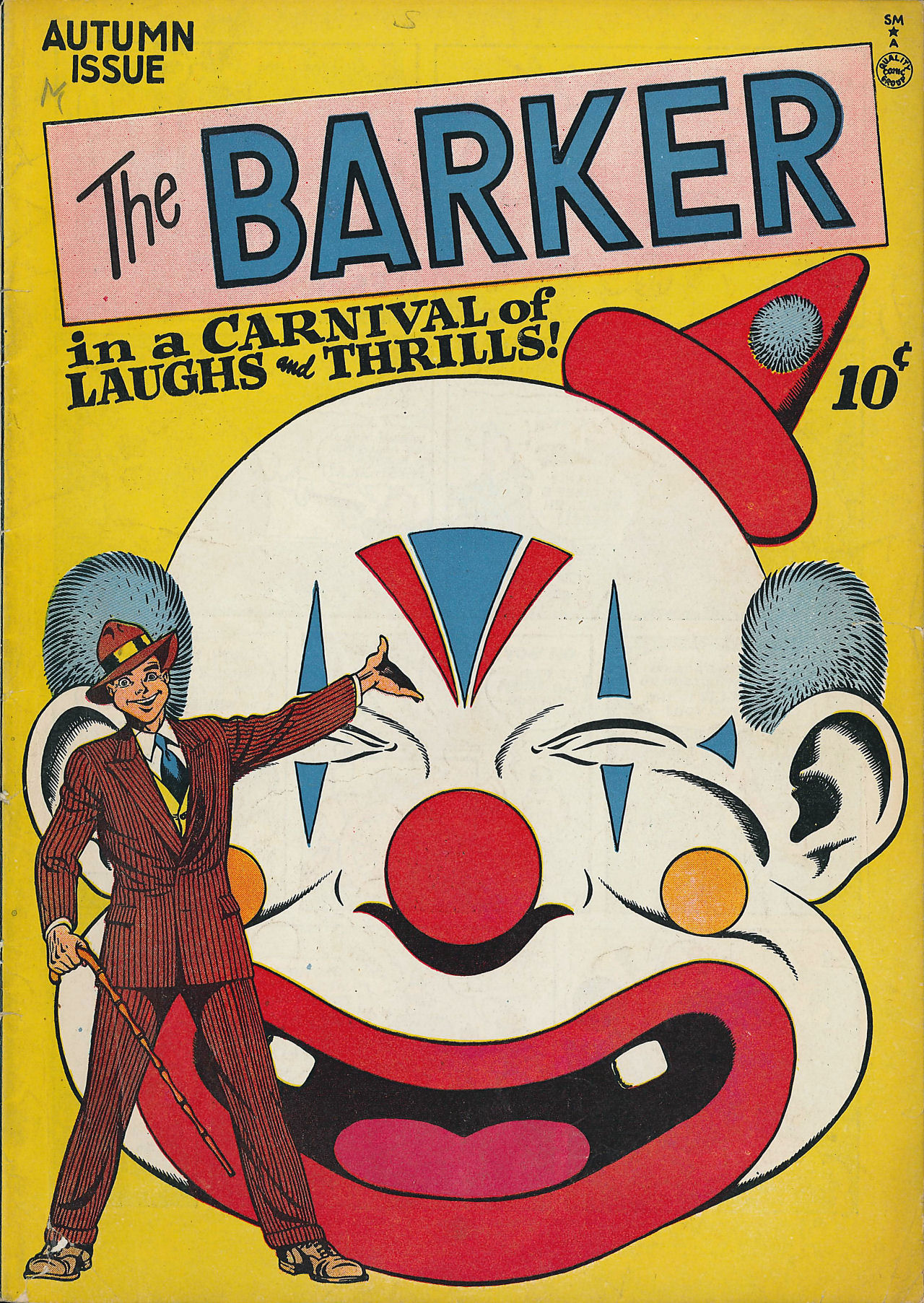
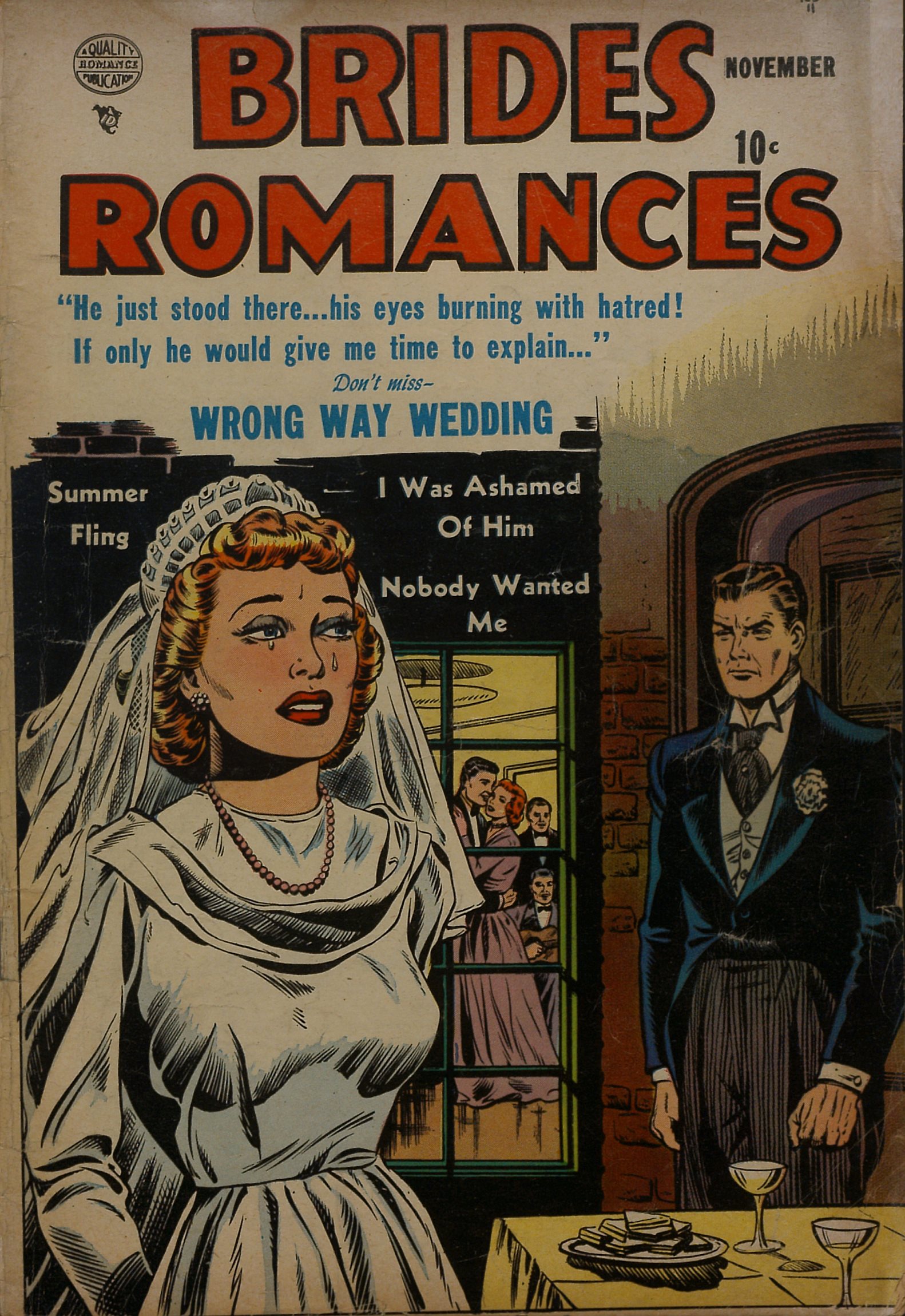
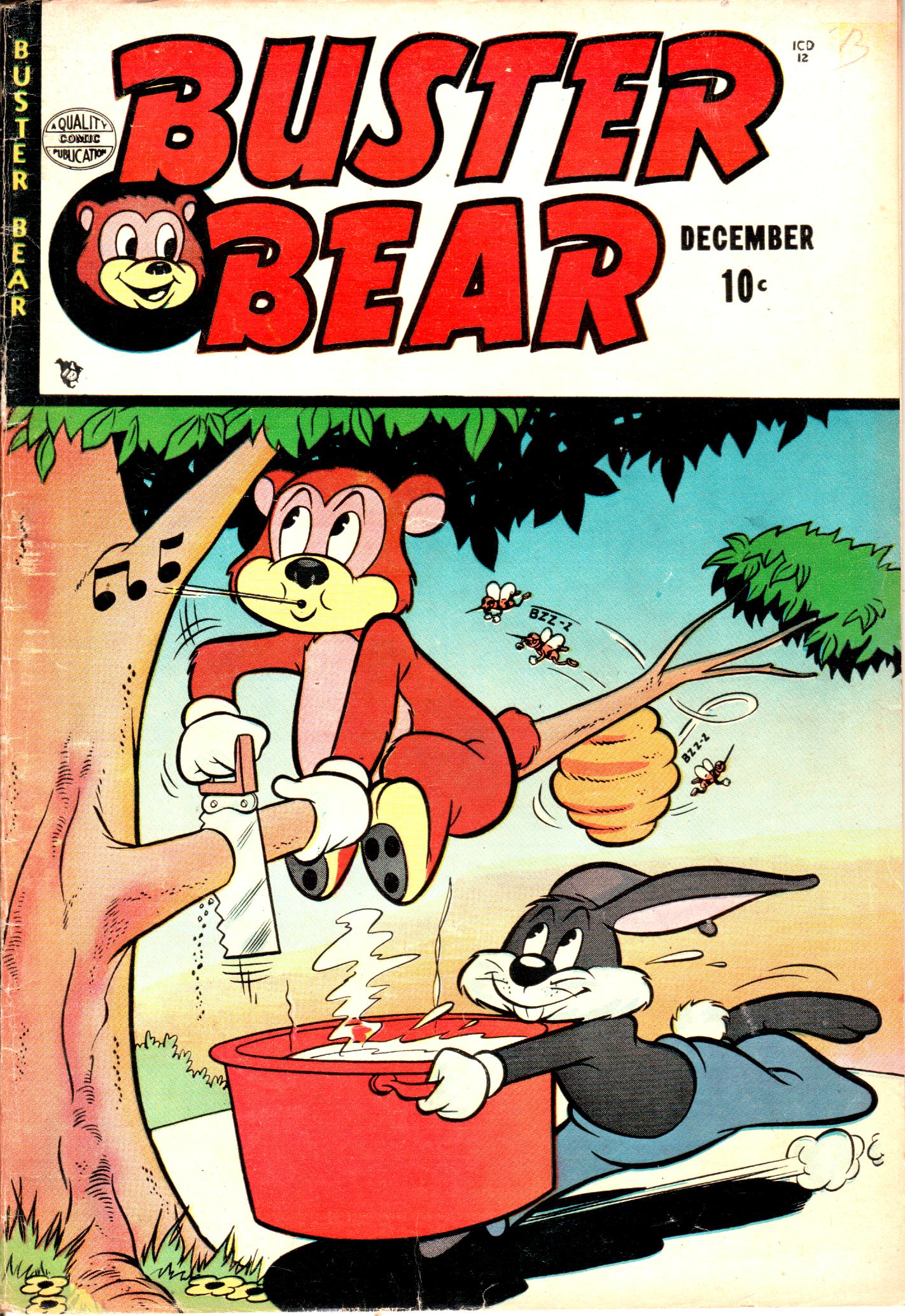
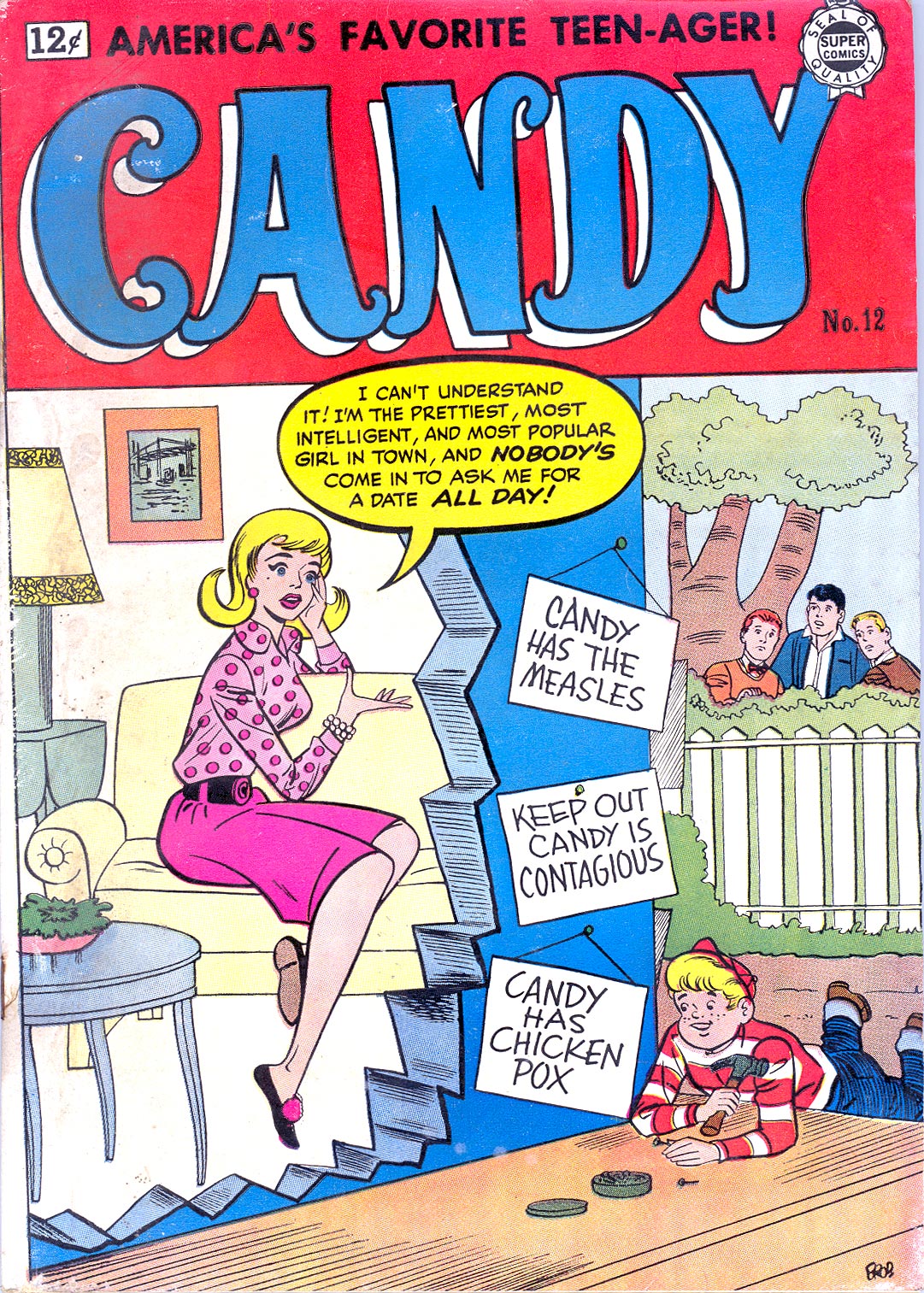
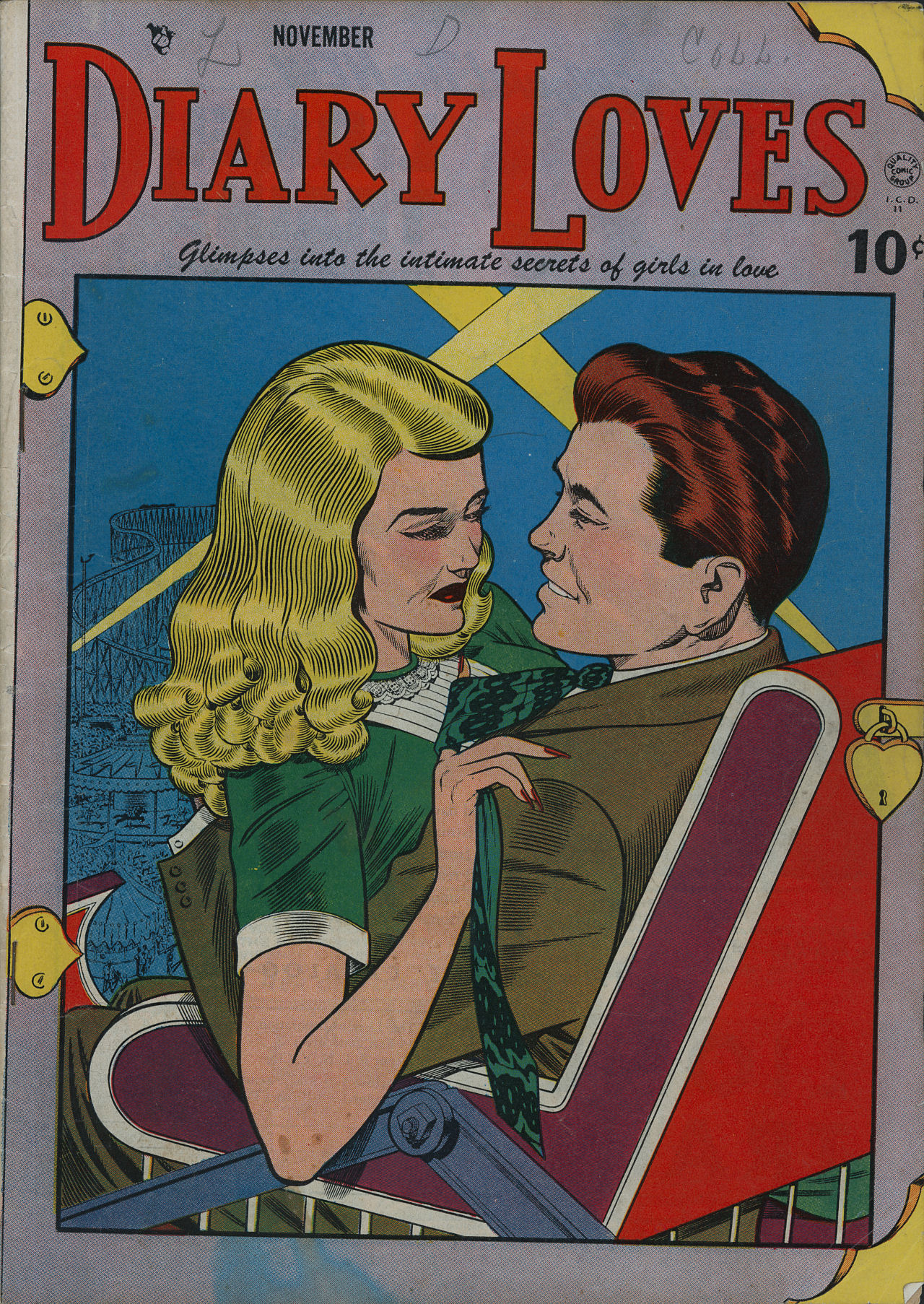
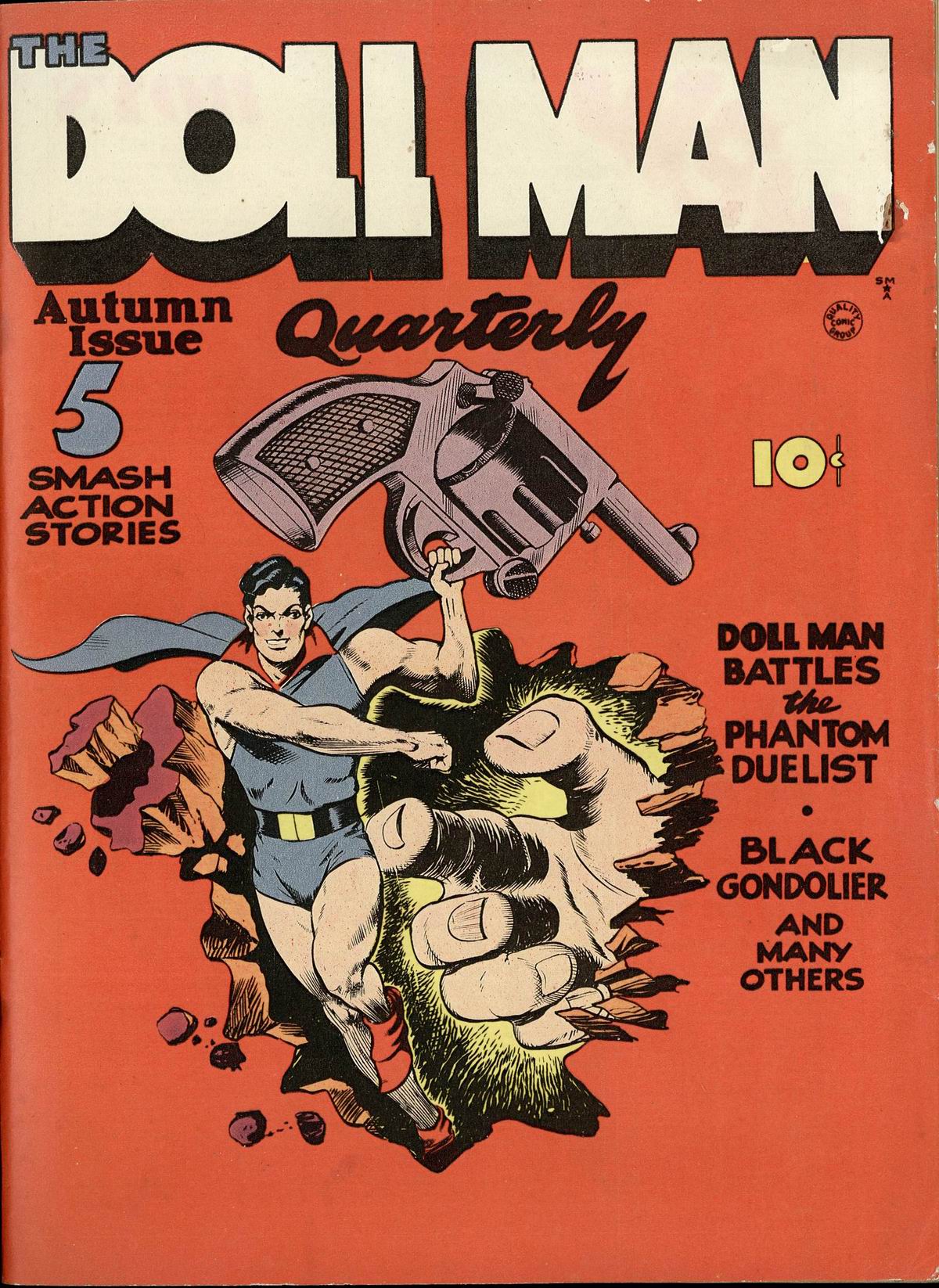
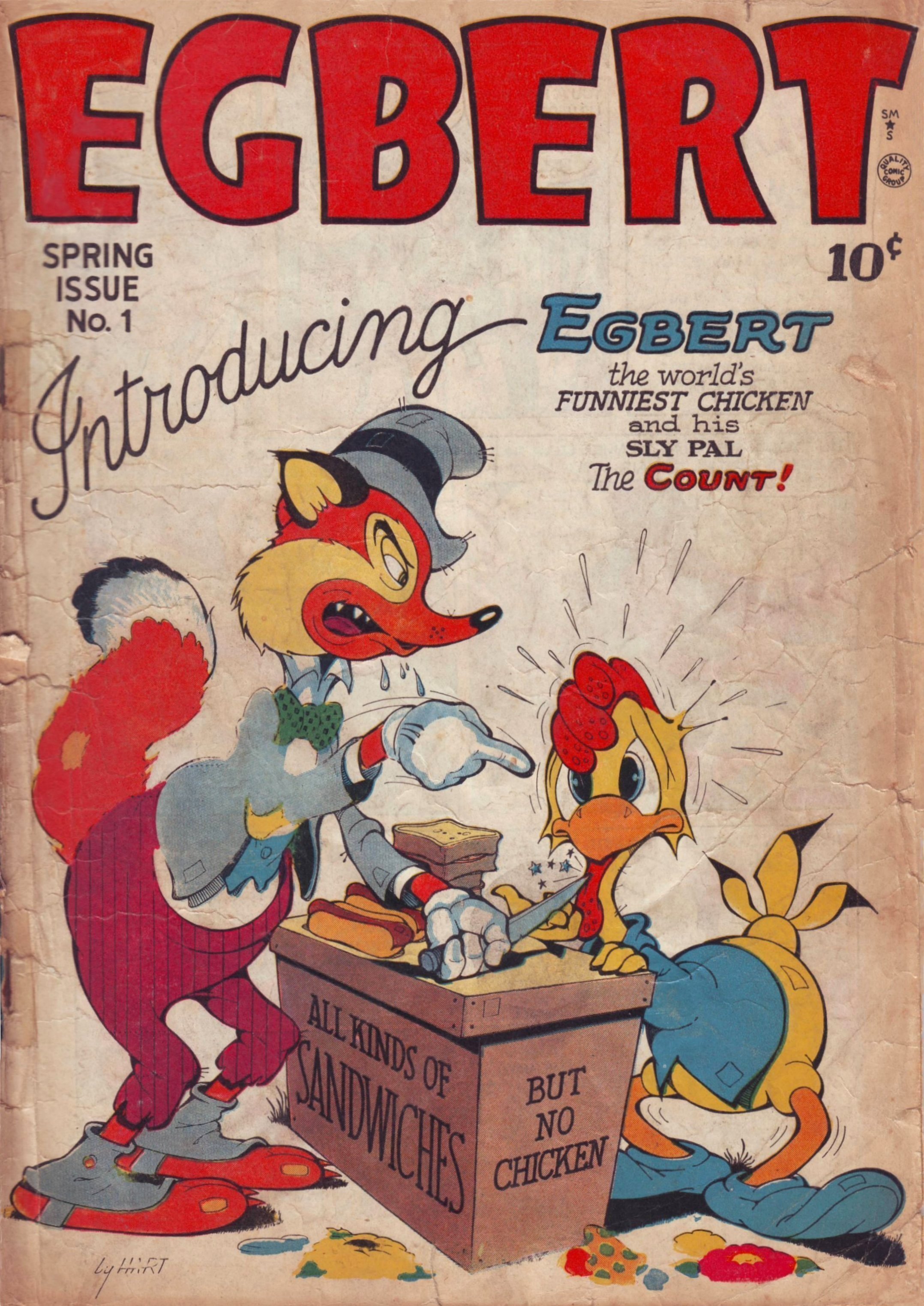
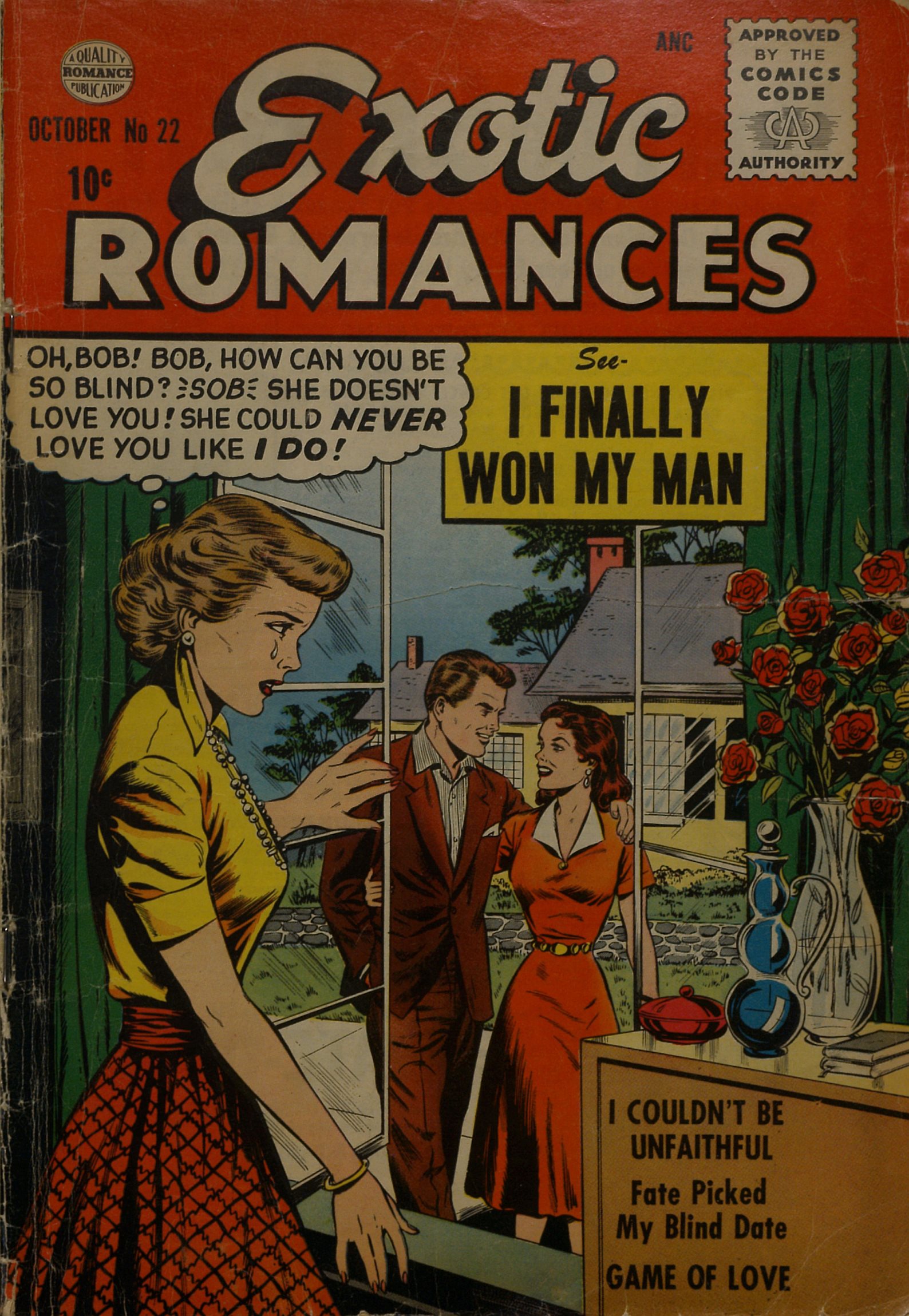
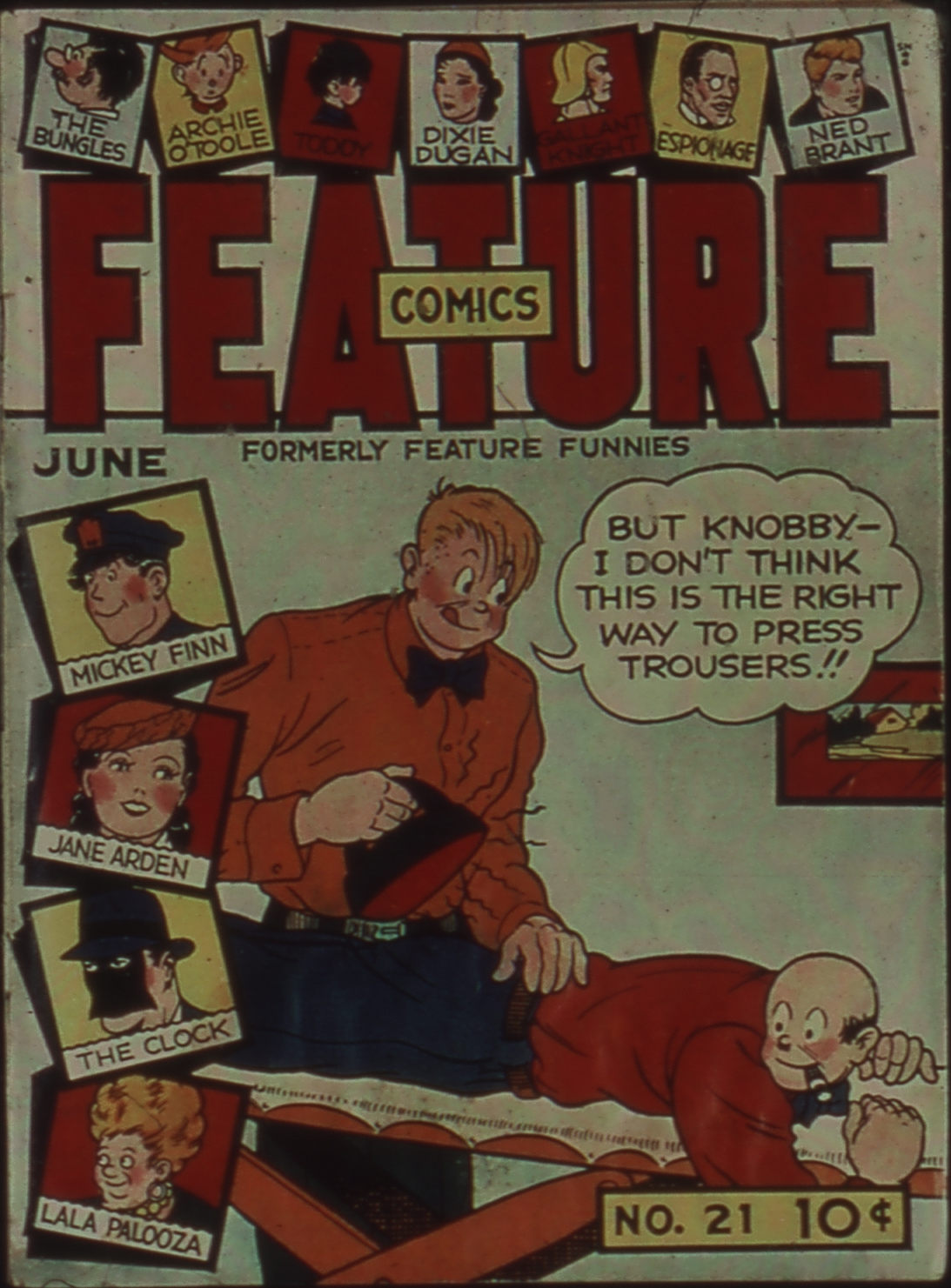
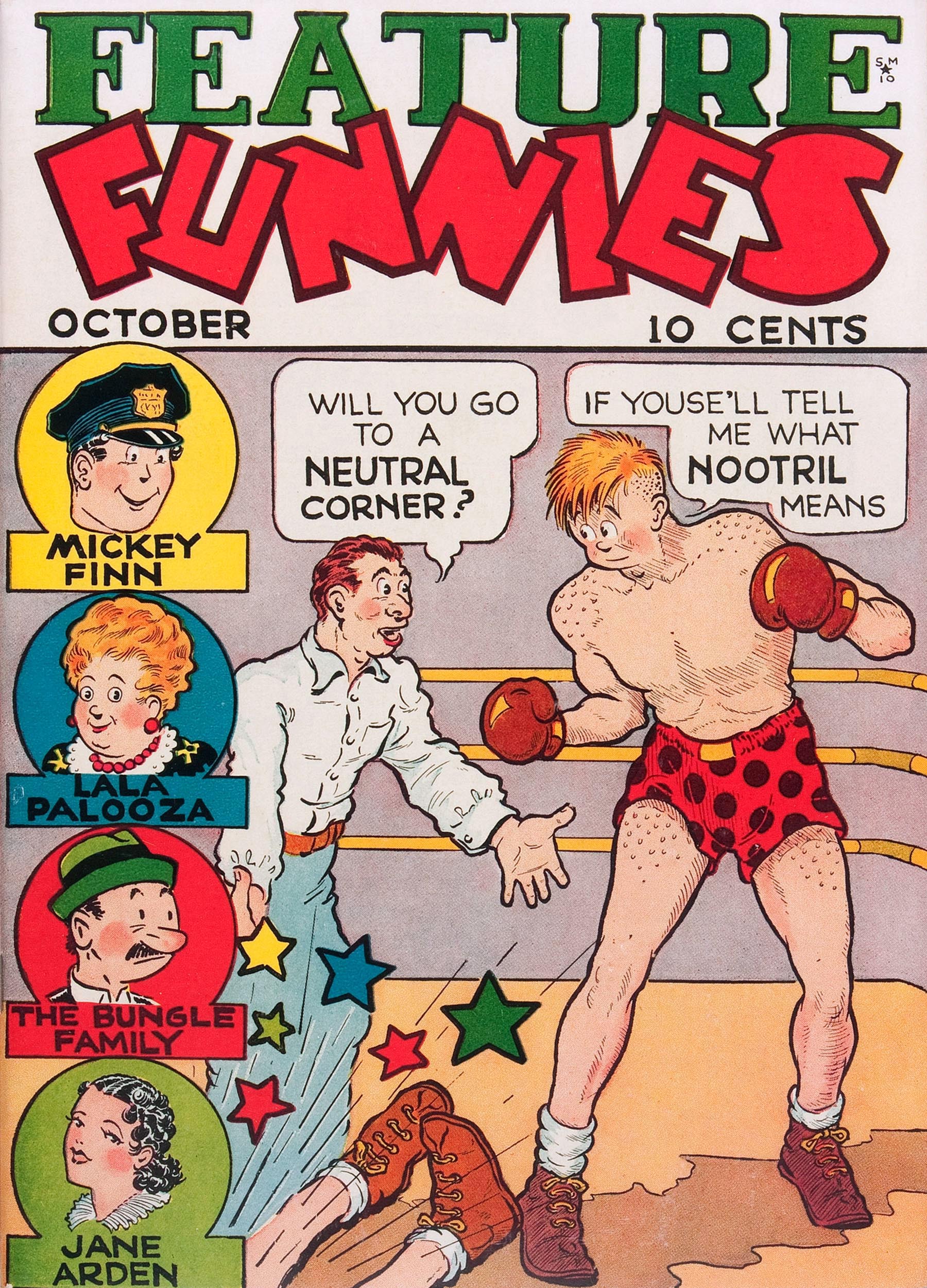
Quality Comics was a major force in the Golden Age of Comic Books, operating from 1937 to 1956. The company produced many titles and characters that are still recognized and appreciated today. Quality Comics was founded by Everett M. « Busy » Arnold, a printer who saw the potential of the comic book medium. In 1937, Arnold formed Comic Favorites, Inc. with three newspaper syndicates, which published Feature Funnies. This publication was the start of a series of comics that would become an important part of American pop culture.

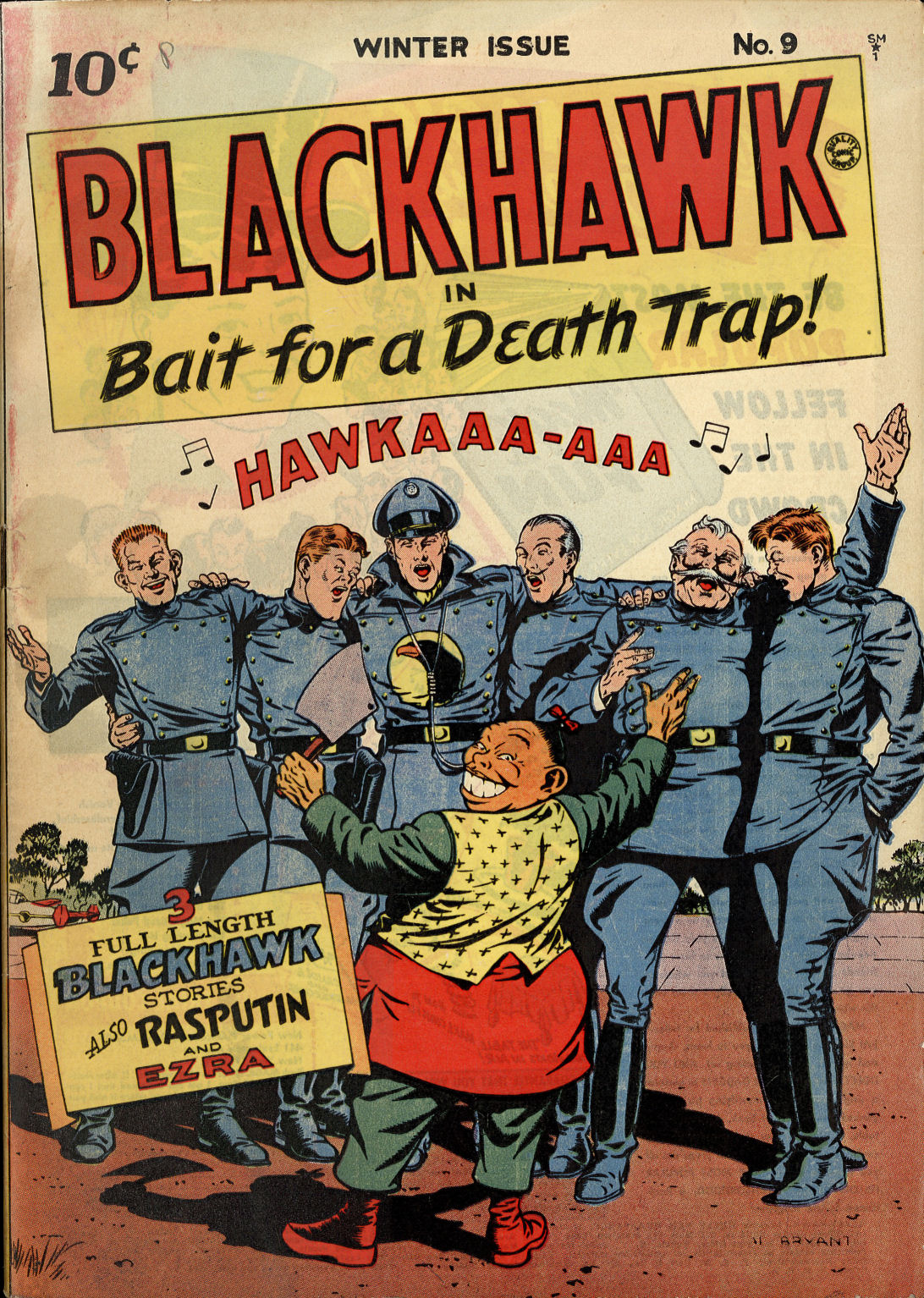
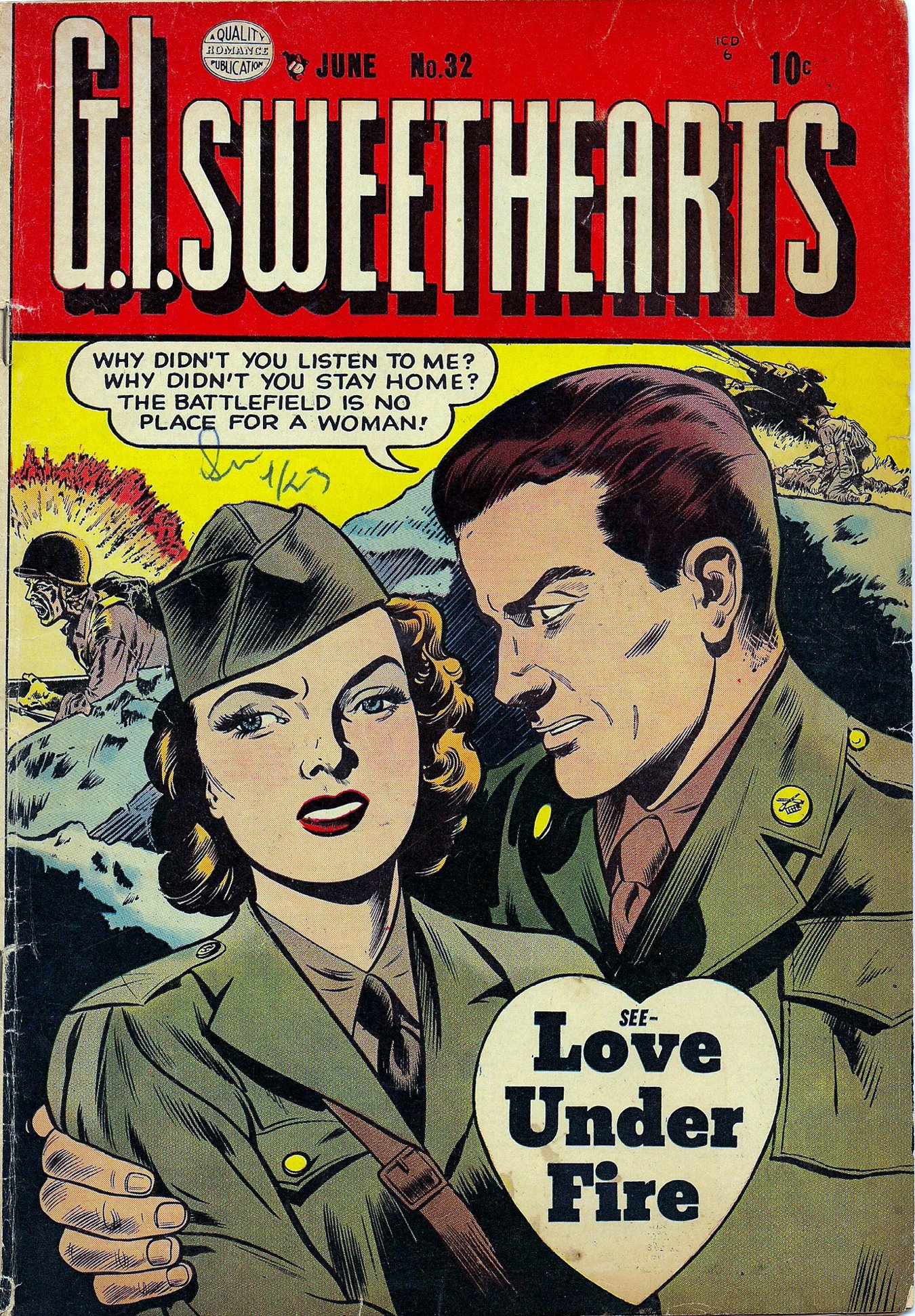
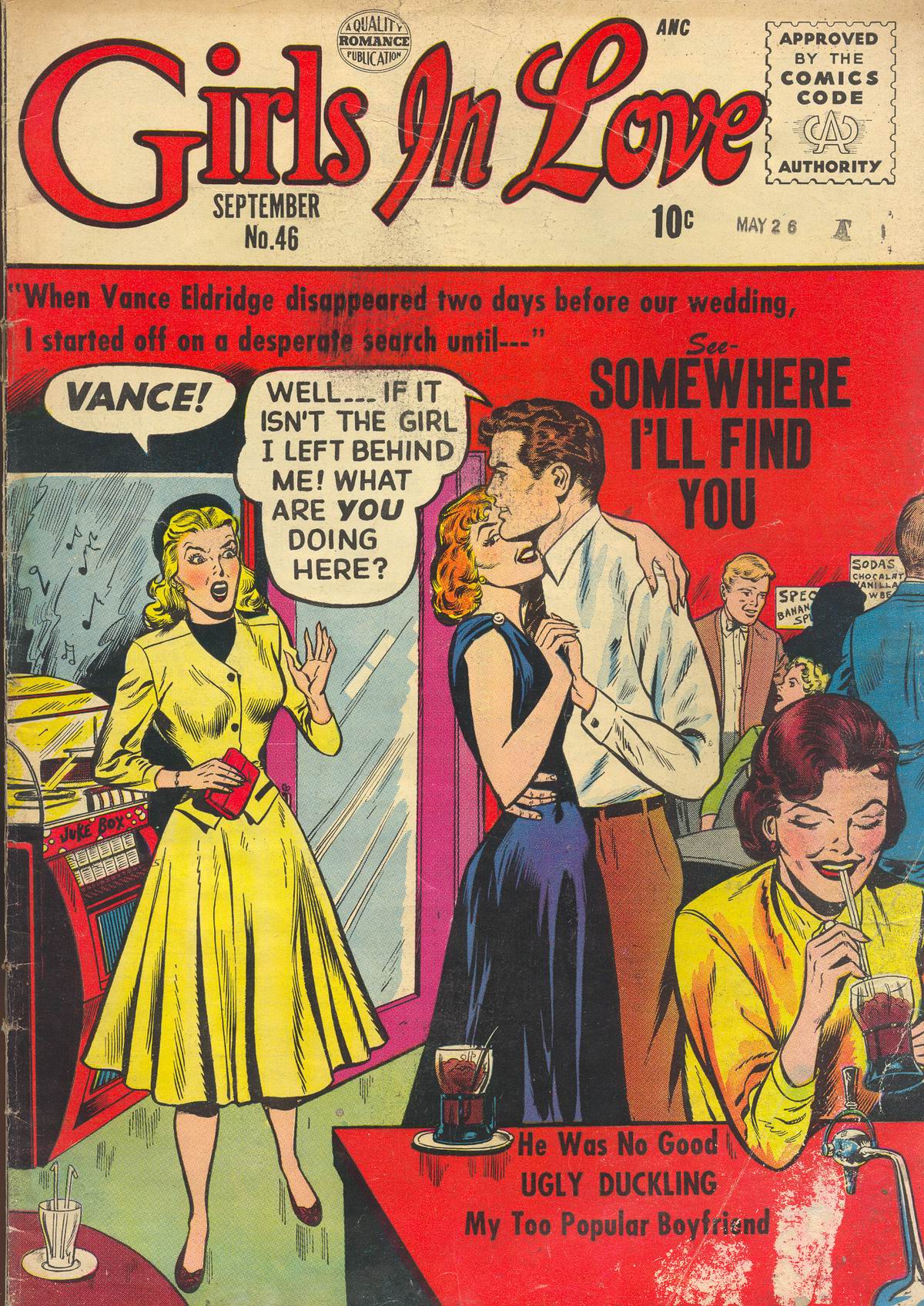
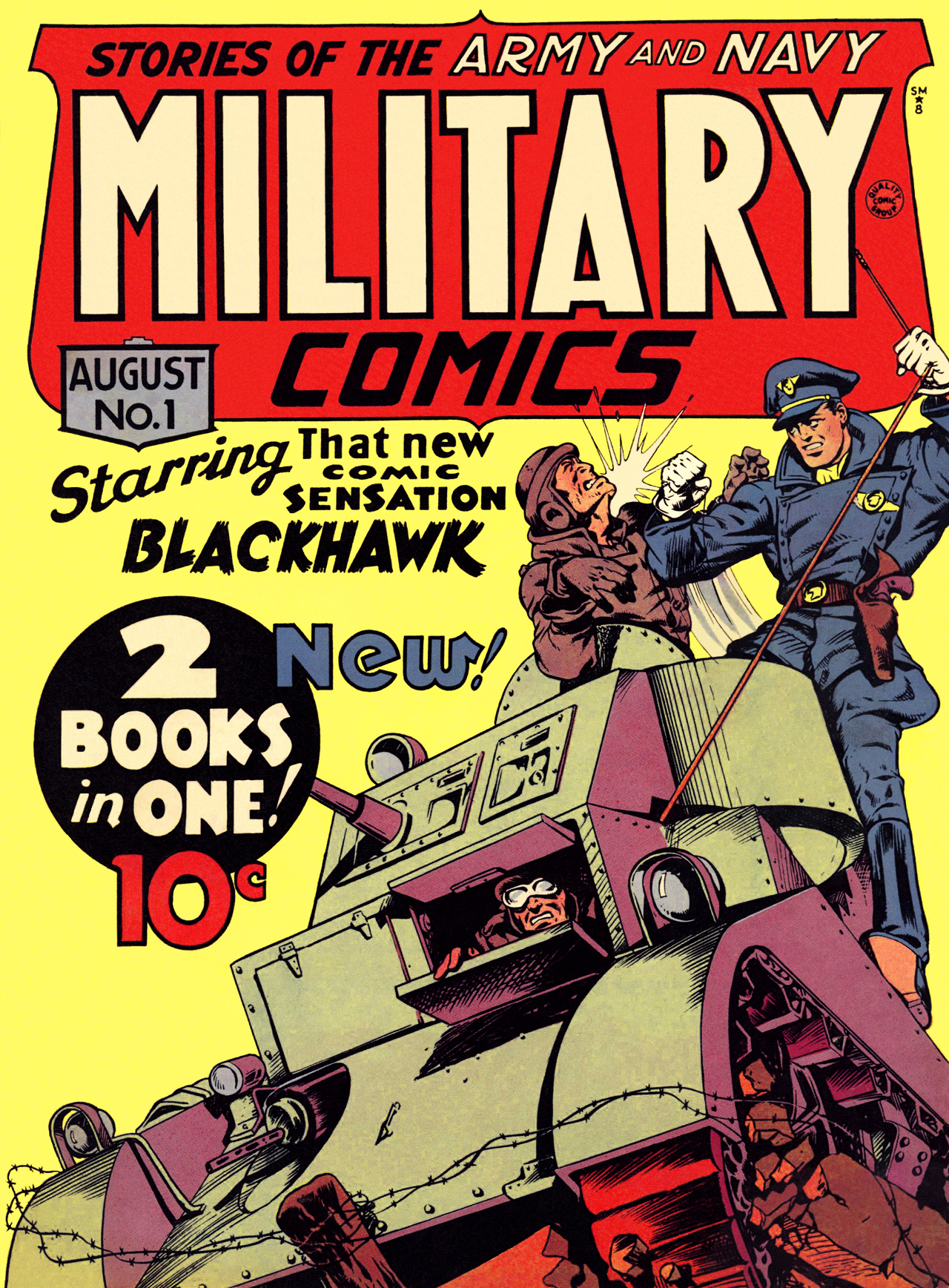
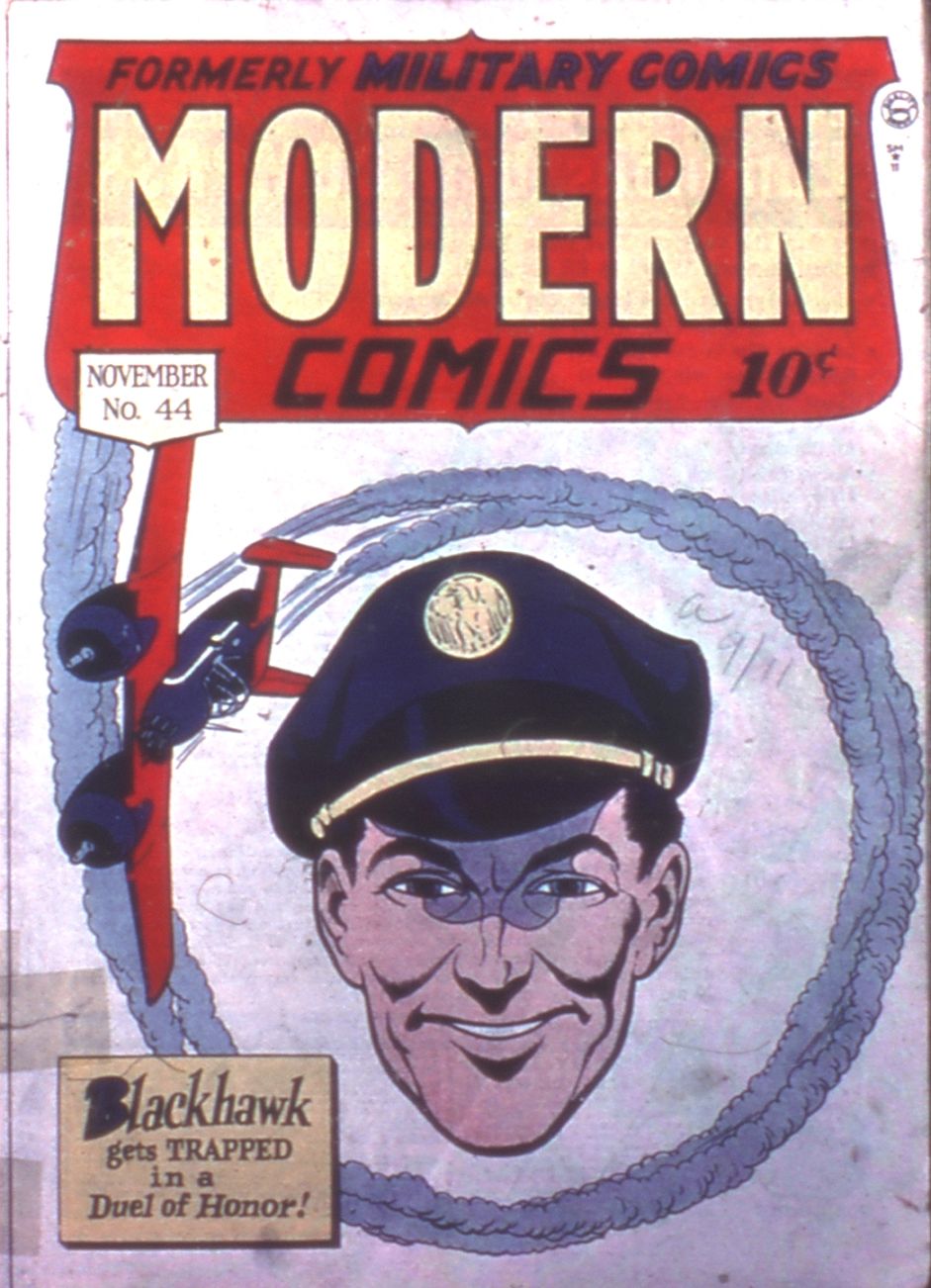
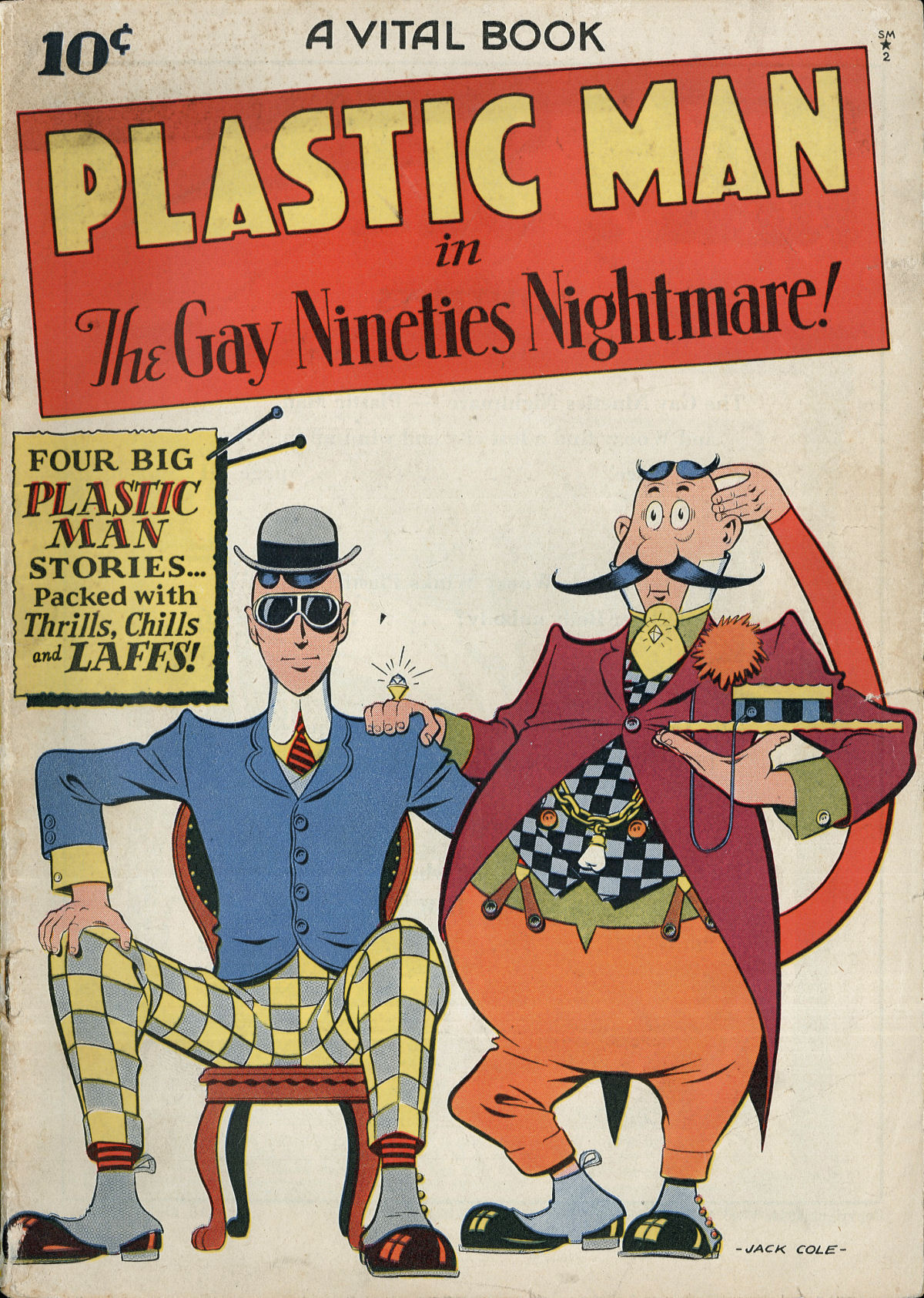
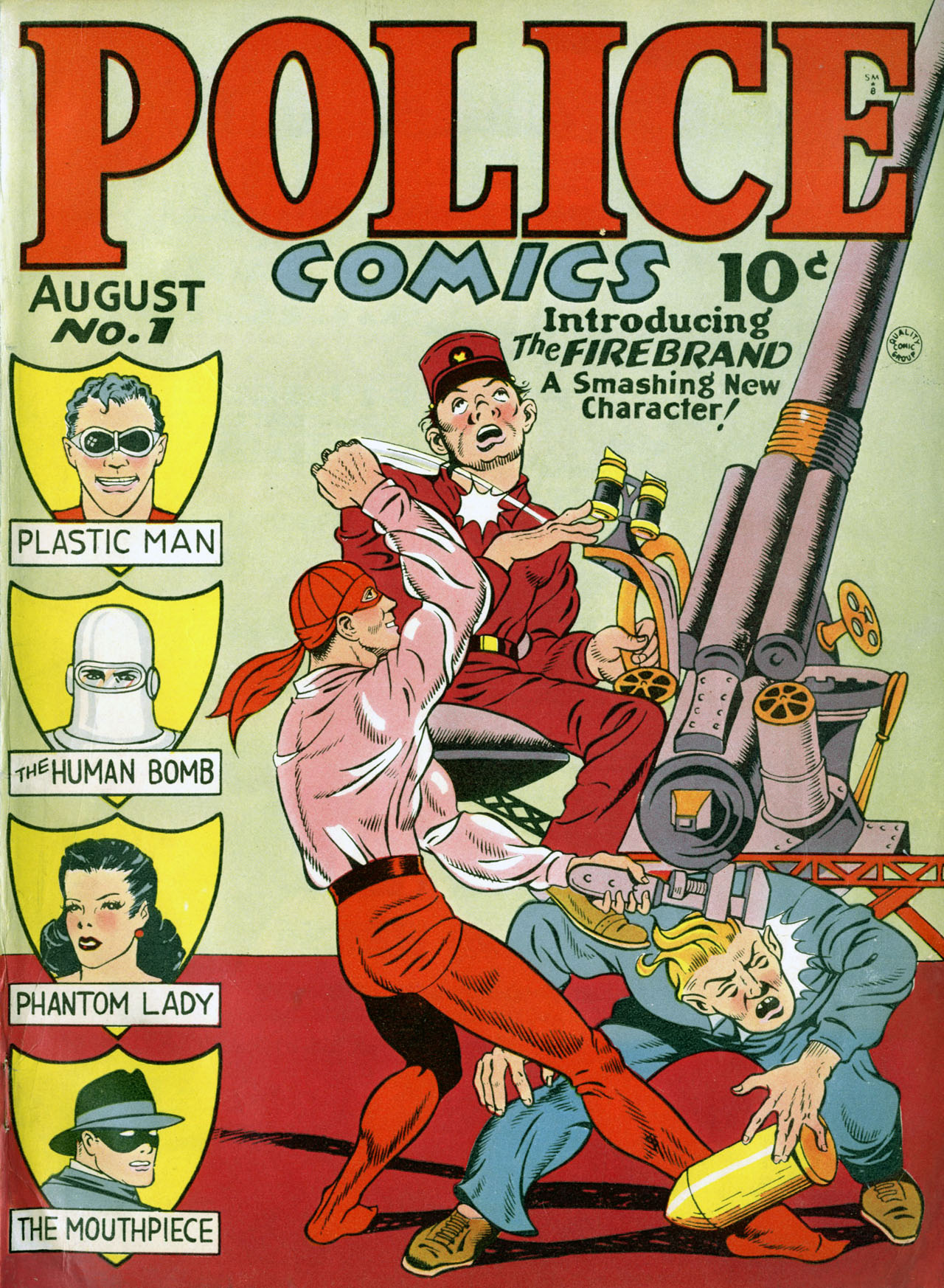
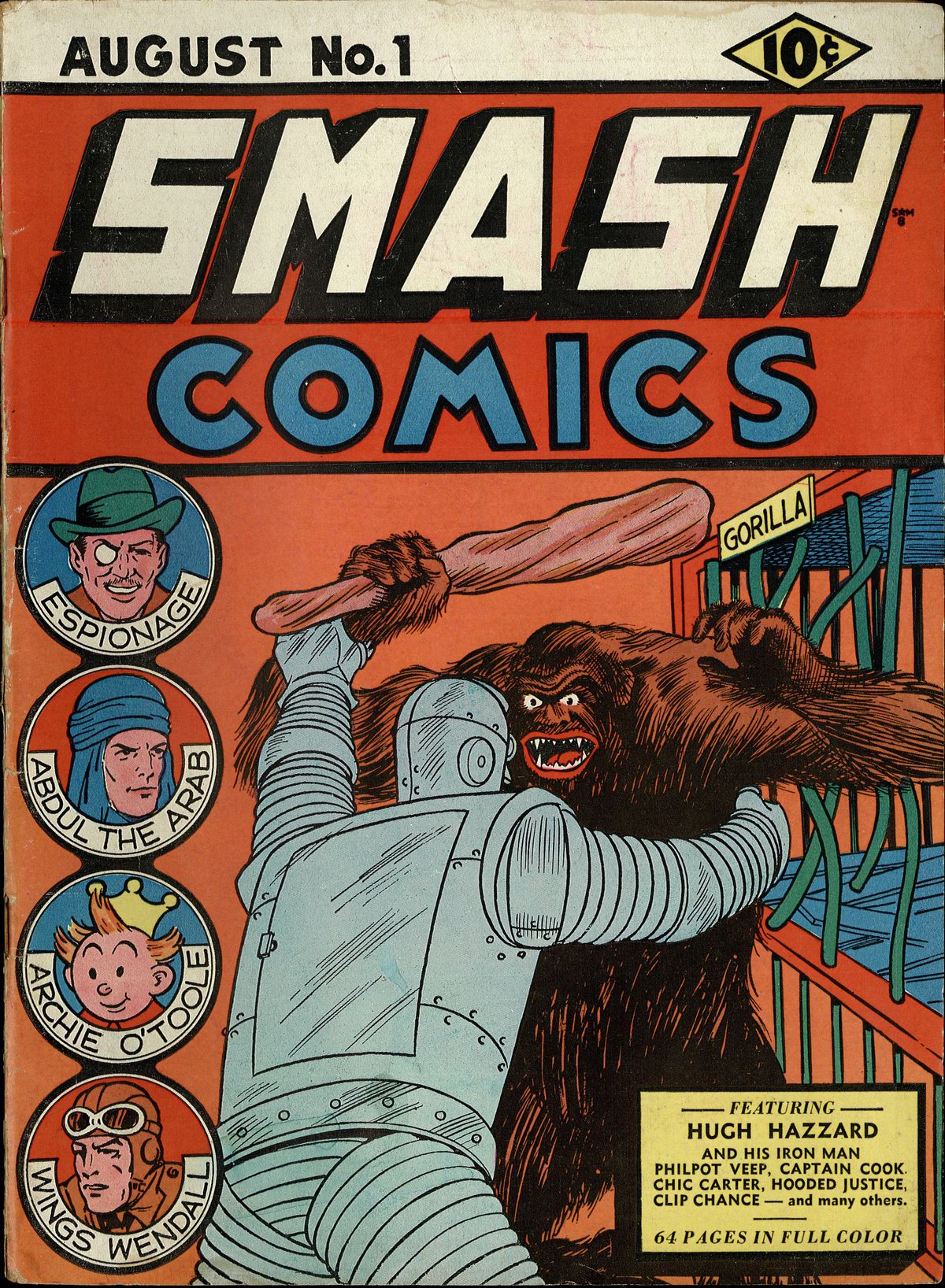
Quality Comics was responsible for some of the most iconic characters of the Golden Age. These characters include Blackhawk, G.I. Combat, Heart Throbs, Military Comics/Modern Comics, Plastic Man, Police Comics, Smash Comics, and The Spirit. Quality Comics published many titles, and the quality of the comics they produced was apparent in the popularity of their characters.

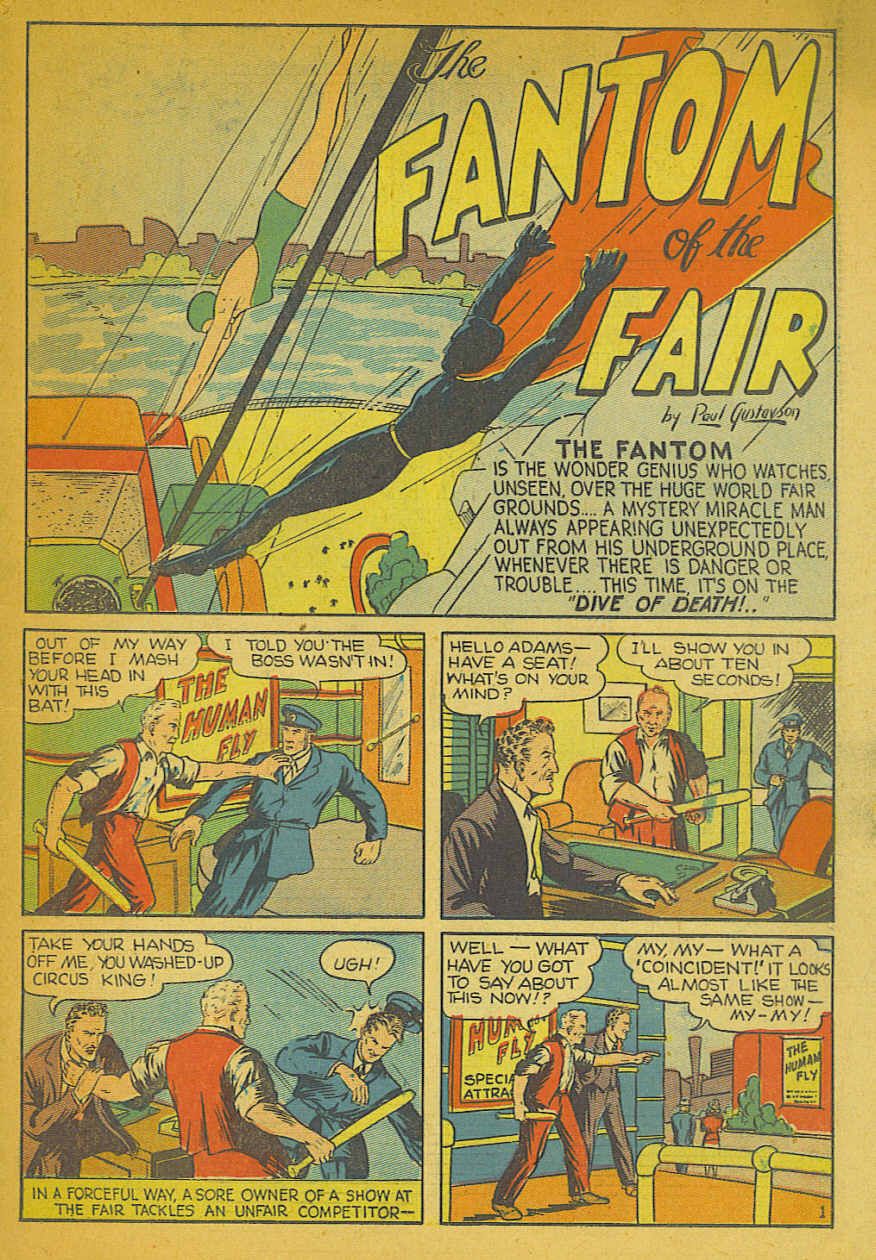
Quality Comics had some of the most notable creators of the Golden Age of Comics. Jack Cole, Reed Crandall, Will Eisner, Lou Fine, Gill Fox, Paul Gustavson, Bob Powell, and Wally Wood were all associated with the company. These creators helped shape the style and storytelling of comics, influencing generations of artists and writers.

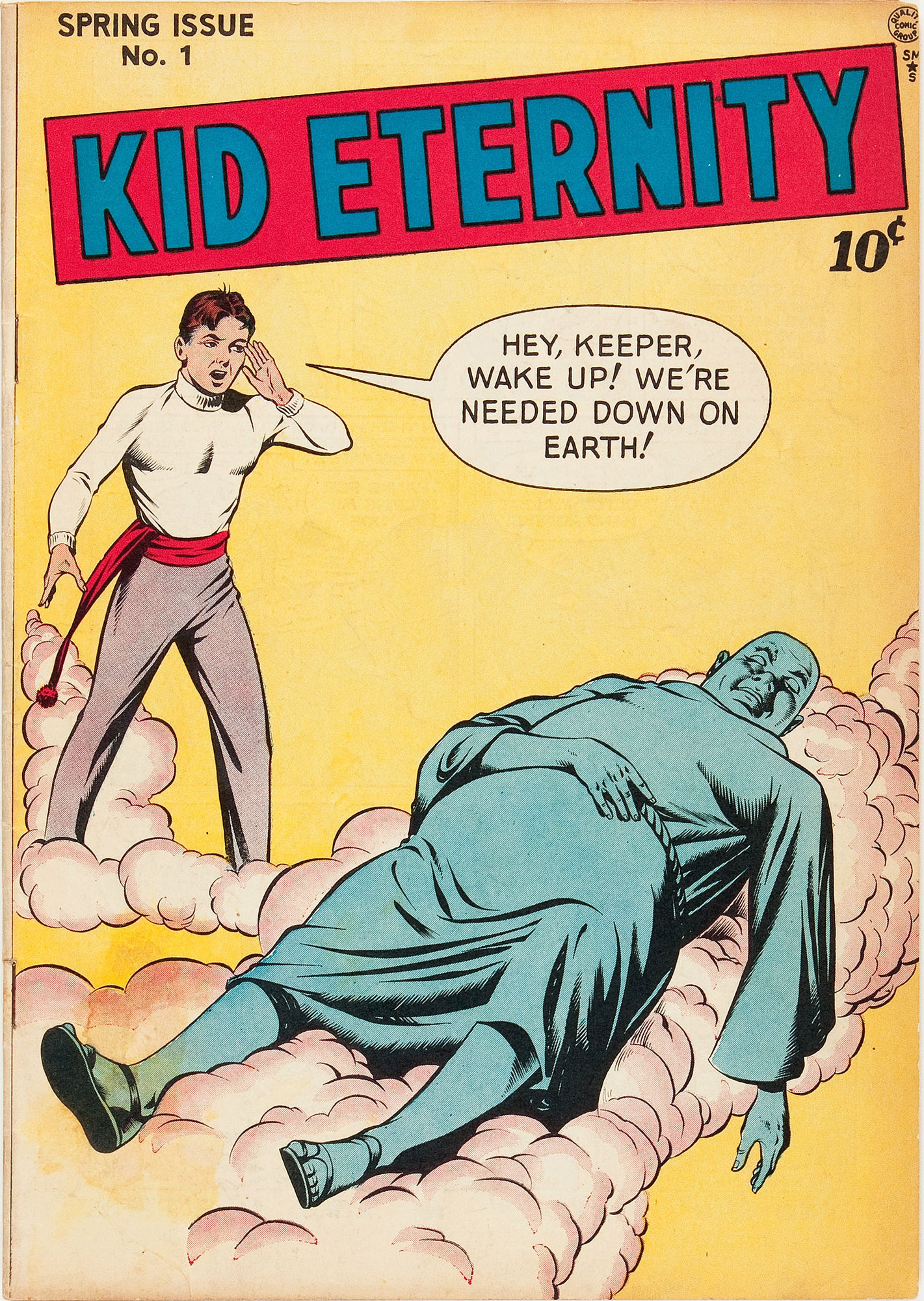
Quality Comics was known for its dedication to producing quality comics. The company would buy features from Eisner & Iger, a prominent « packager » that produced comics on demand for publishers. Quality introduced such superheroes as Plastic Man and Kid Eternity, as well as non-superhero characters like Blackhawk.

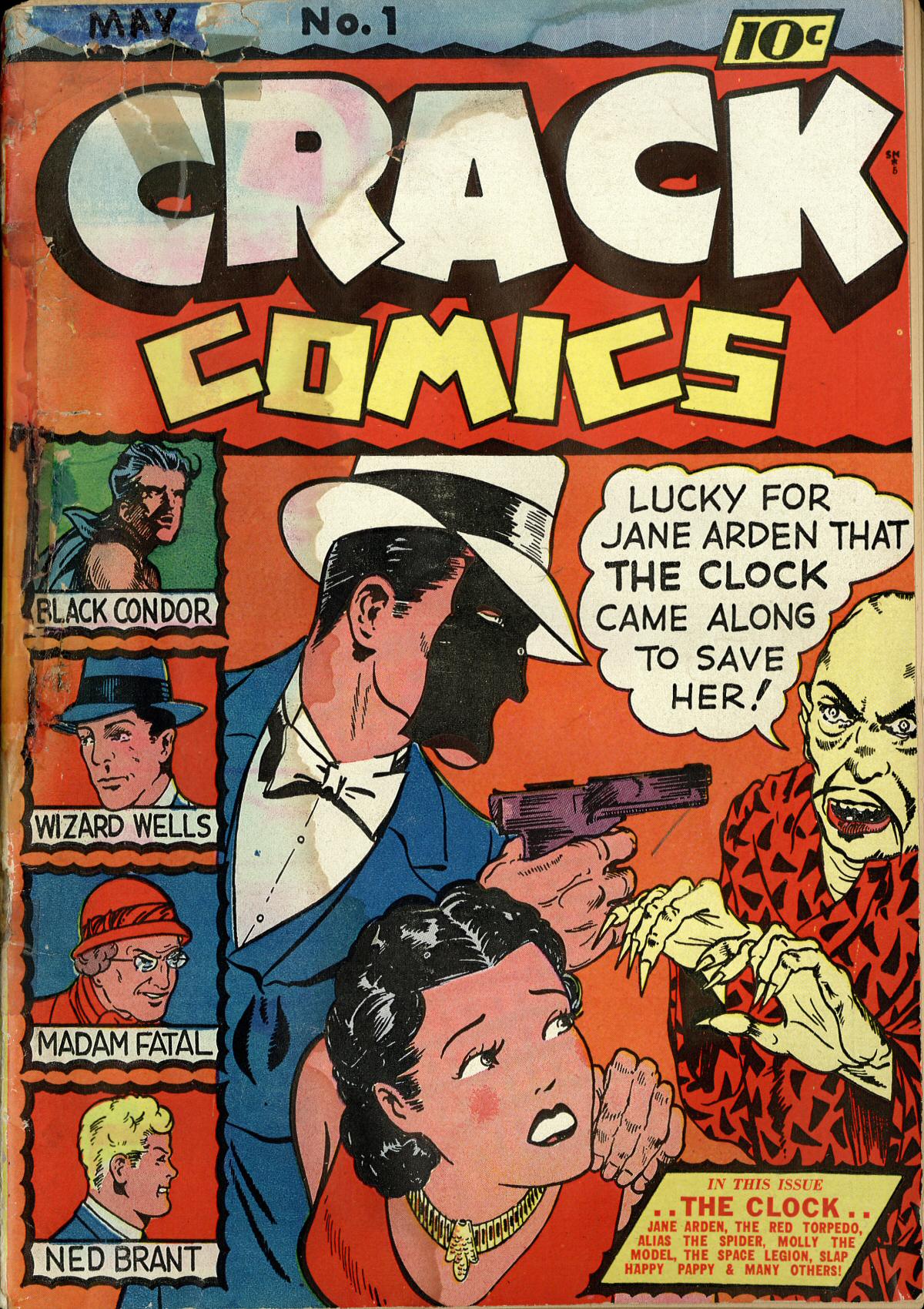
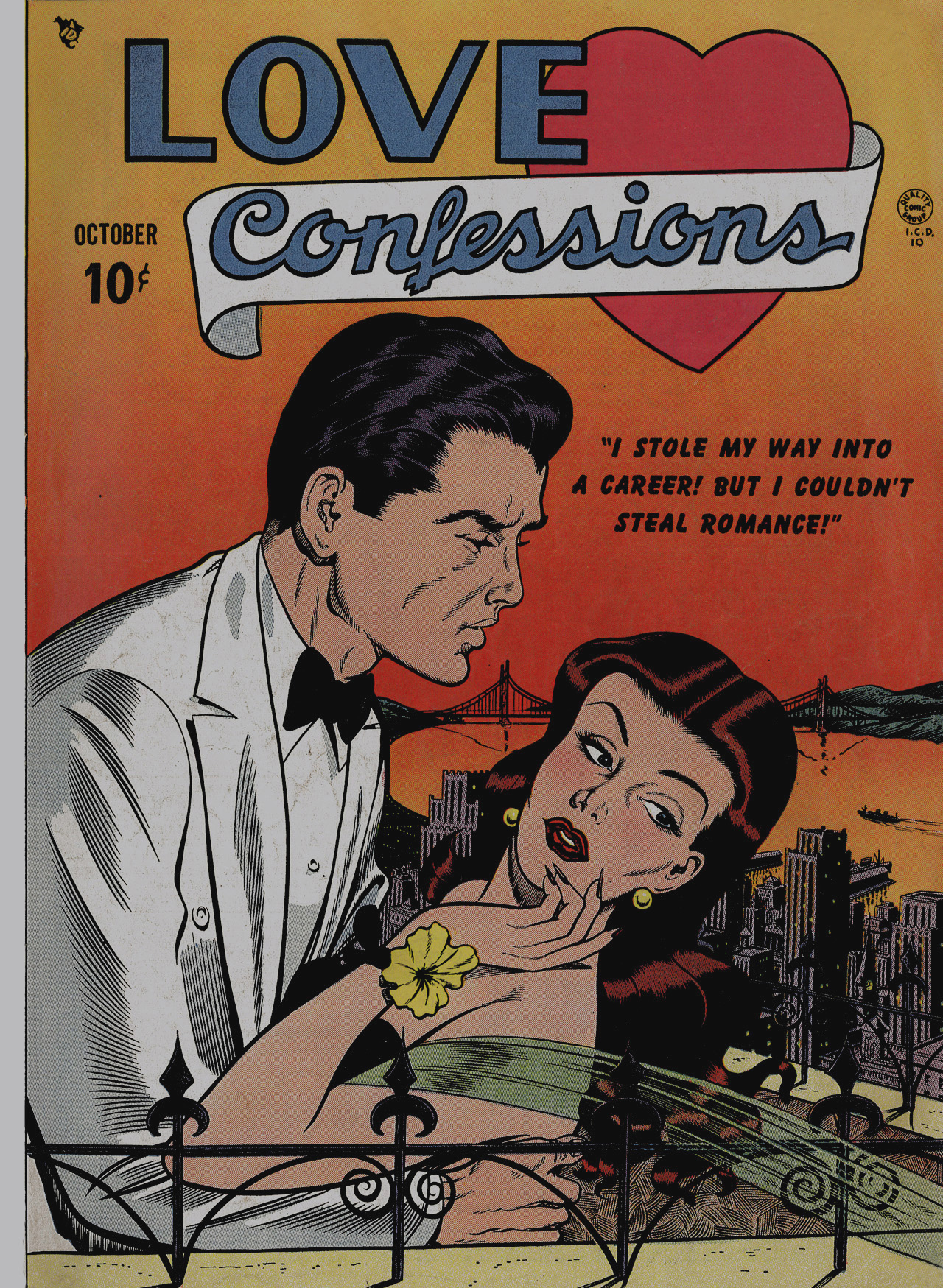
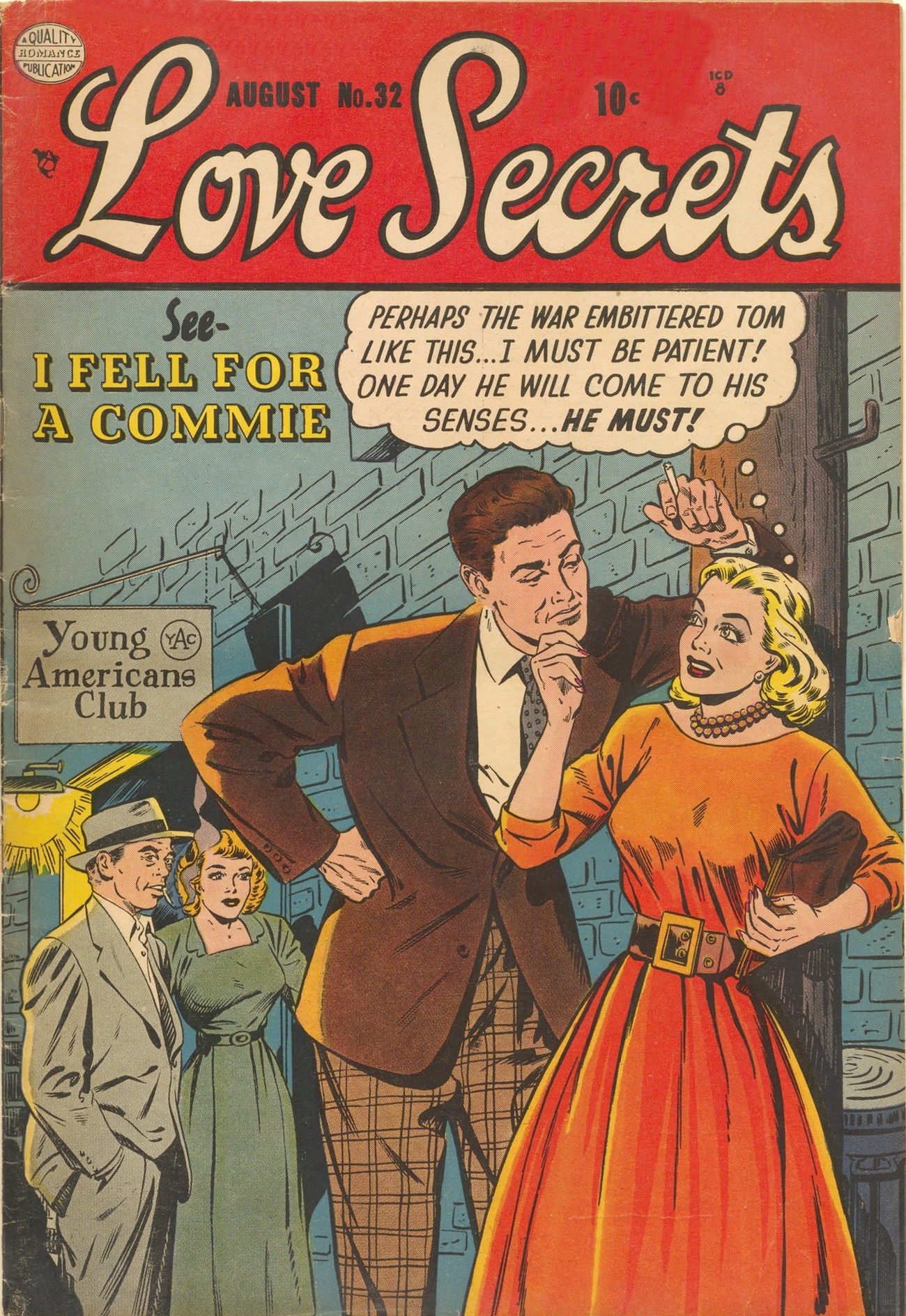
The name Quality Comics first appeared on the cover of Crack Comics #5 (Sept. 1940). The Quality Comics Group was a trademarked name, encompassing Comic Favorites Inc., E.M. Arnold Publications, Smash Comics, and any other imprints owned by Arnold. By the mid-1950s, however, interest in Quality’s characters had declined considerably, and the company ceased operations with comics cover-dated December 1956.

Many of Quality’s character and title trademarks were sold to National Comics Publications, now DC Comics. DC Comics kept only four series running: Blackhawk, G.I. Combat, Heart Throbs, and Robin Hood Tales. The original copyrights for Quality’s publications have never been renewed by either Arnold or DC, leaving those original stories in the public domain. The trademarks to the characters, and to the titles of the various comic book series, however, were sold to DC in late 1956.

In conclusion, Quality Comics was a major publisher of the Golden Age of Comics. The company produced some of the most iconic characters of the era, and its dedication to quality comics set a standard for the industry. The influence of Quality Comics can still be seen today in the comic book industry.
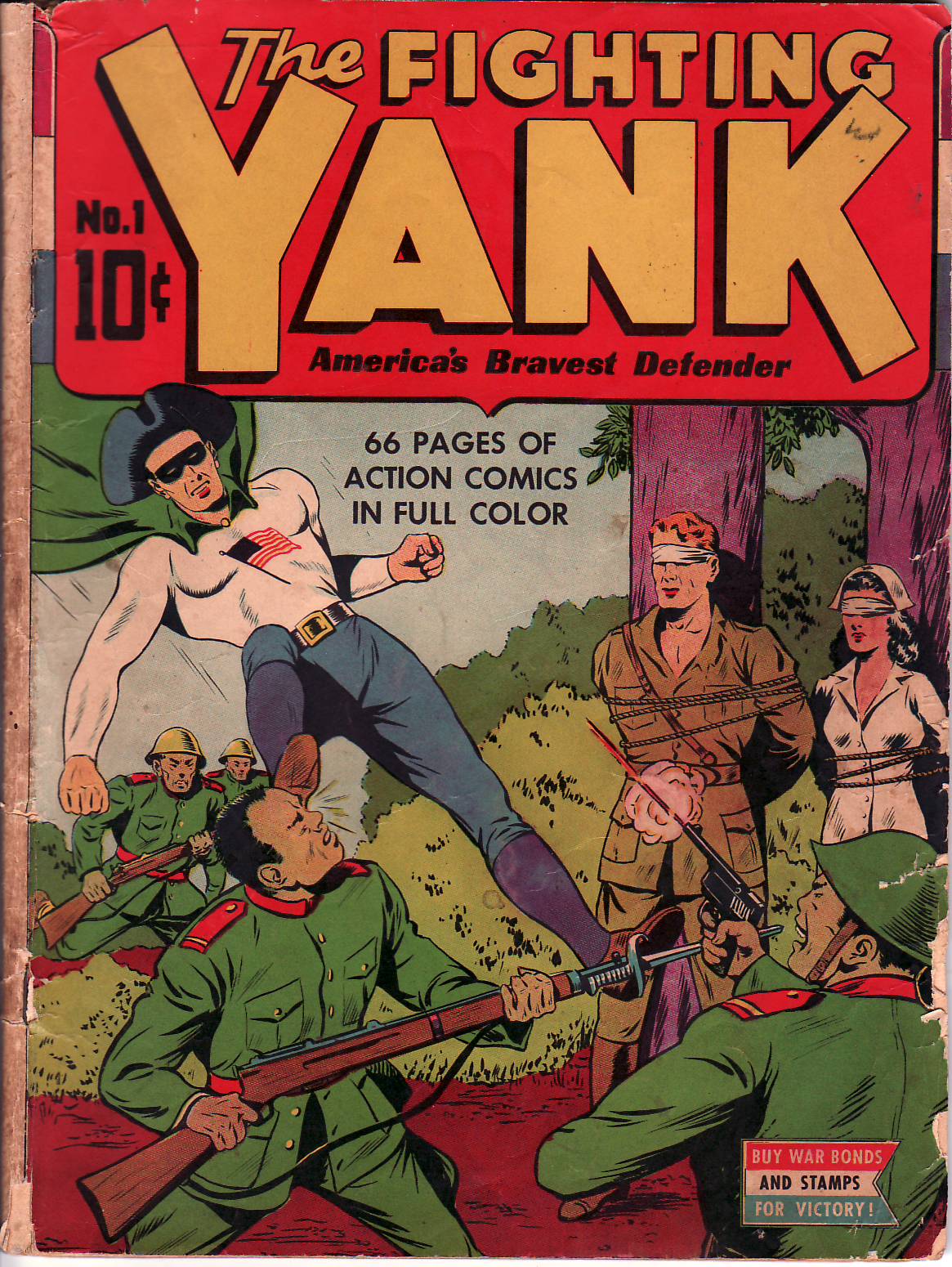
Ziff-Davis Publications

Ziff-Davis Publications, a prominent publisher during the mid-twentieth century, is perhaps best known for its contribution to the comic book industry. While they were latecomers to the field, their impact was significant, producing many memorable titles and introducing talented writers, artists, and editors.
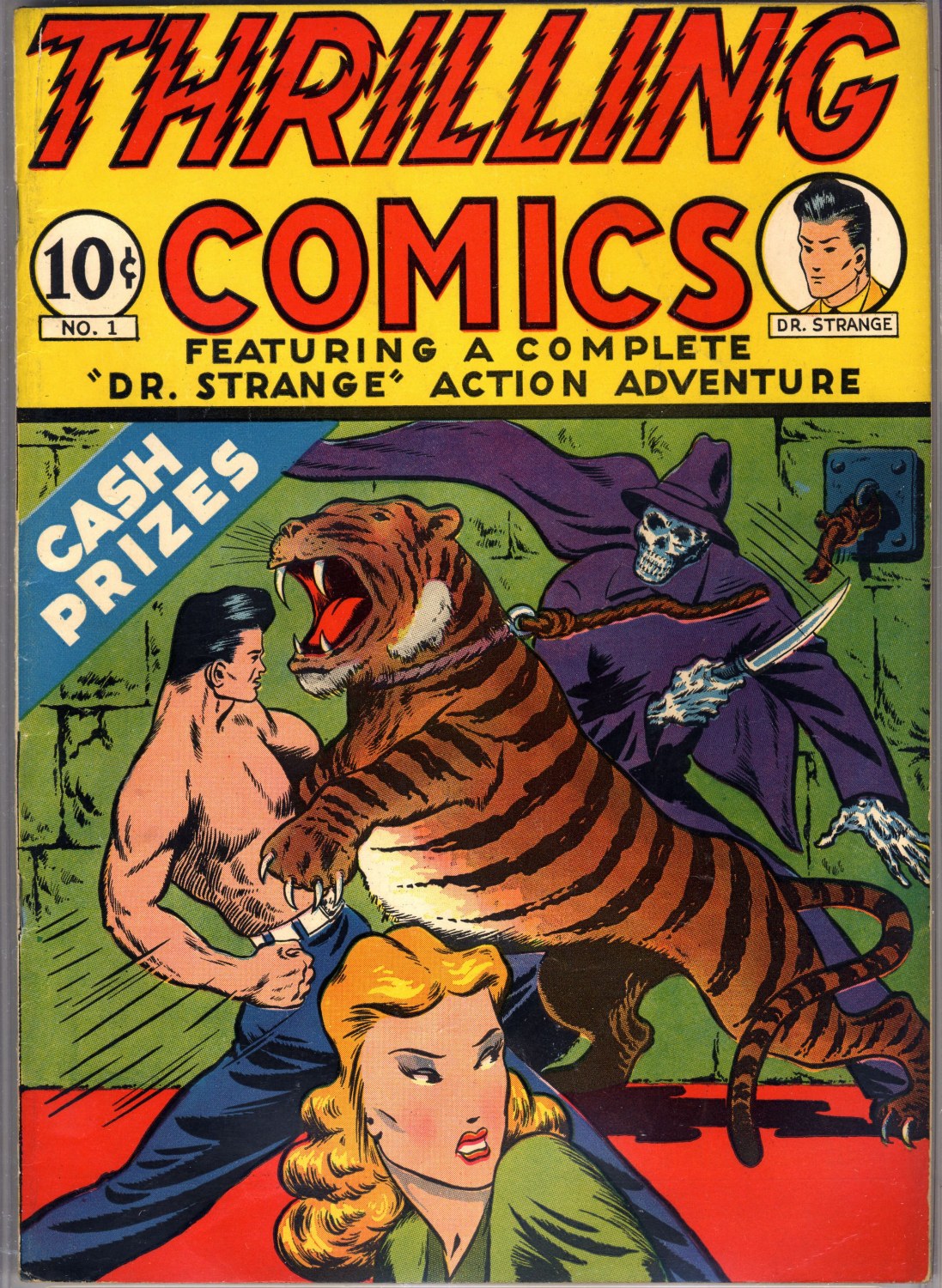
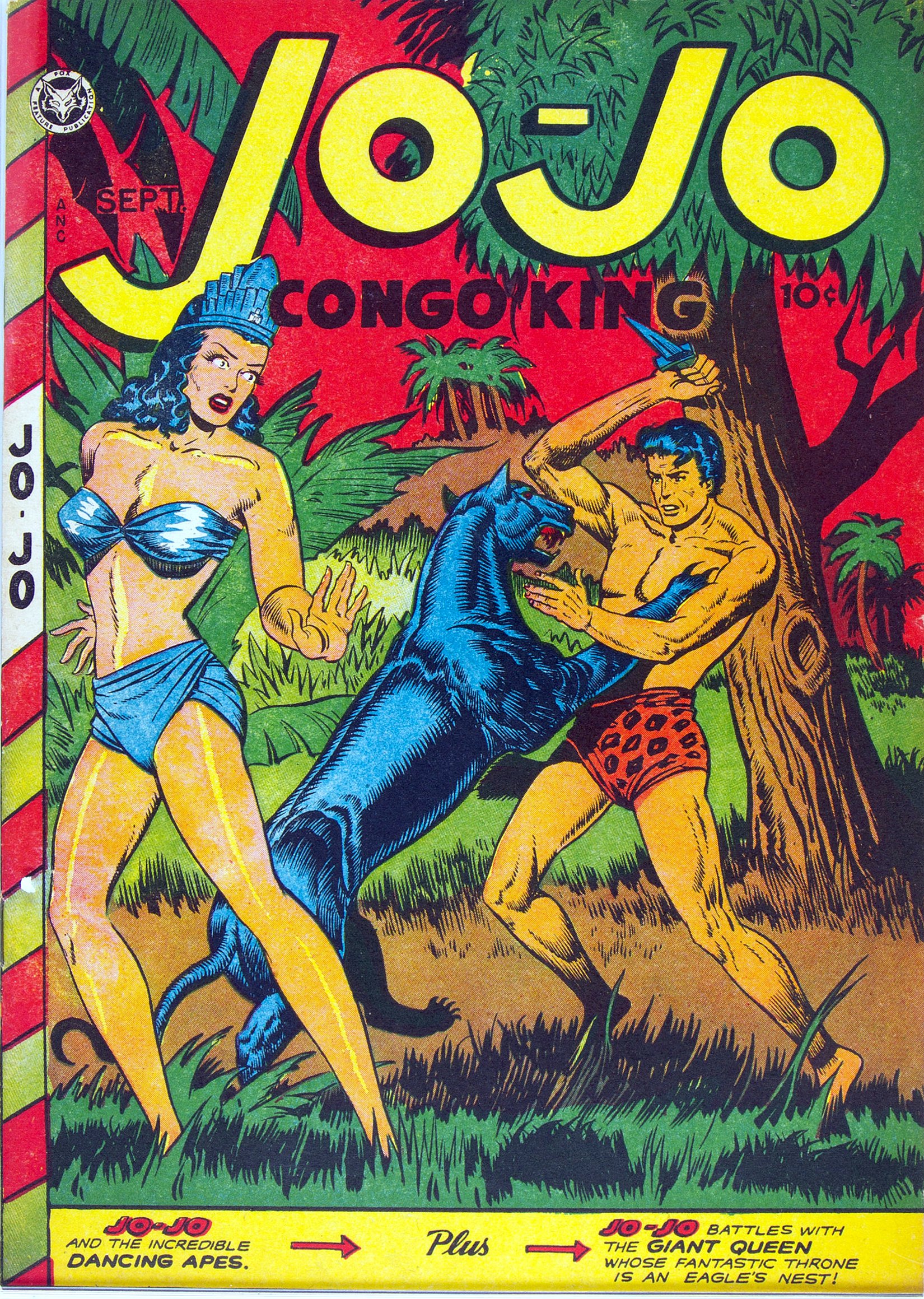
Among their most successful comic book titles were G. I. Joe and Kid Cowboy. G. I. Joe, which ran for 46 issues, followed the adventures of a group of soldiers fighting during World War II, while Kid Cowboy, which ran for 10 issues, focused on the exploits of a young cowboy. While both titles were short-lived, they demonstrated the high quality of work produced by Ziff-Davis Publications.
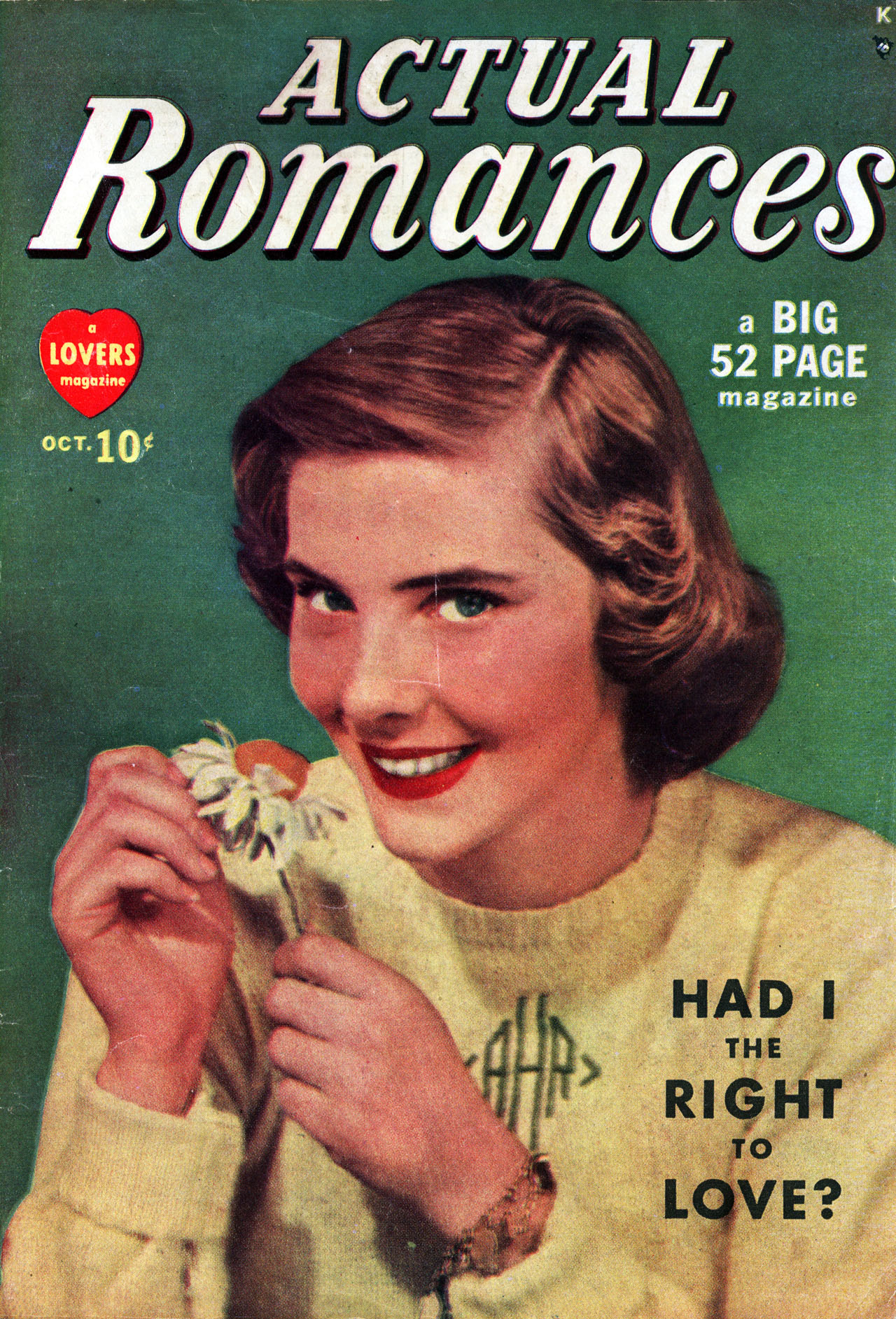
What distinguished Z-D comics from others of the time were their striking painted covers that were reminiscent of earlier pulp magazines. Additionally, many of their covers were known for their use of violence and sexually suggestive imagery, which would not have been acceptable under the Comics Code Authority. Another interesting fact about Z-D comics is that they often started their books with issue #10, and if the series lasted more than half a dozen issues, they would switch to the number that it would have been at if they had started at #1. This led to some confusion among collectors but added to the unique charm of Z-D comics.

Ziff-Davis Publications was also home to many talented comic book creators, such as Jim Steranko, a writer and artist who worked on many of their popular titles. Steranko was known for his innovative storytelling techniques and unique art style, which helped to shape the direction of the medium in the 1960s.

Although Ziff-Davis Publications did not stay in the comic book industry for long, their legacy remains. Their innovative storytelling, striking cover art, and unique approach to numbering their comics have made their titles highly collectible among comic book enthusiasts. Ziff-Davis may have left the comics business, but their impact on the medium will be remembered for years to come.