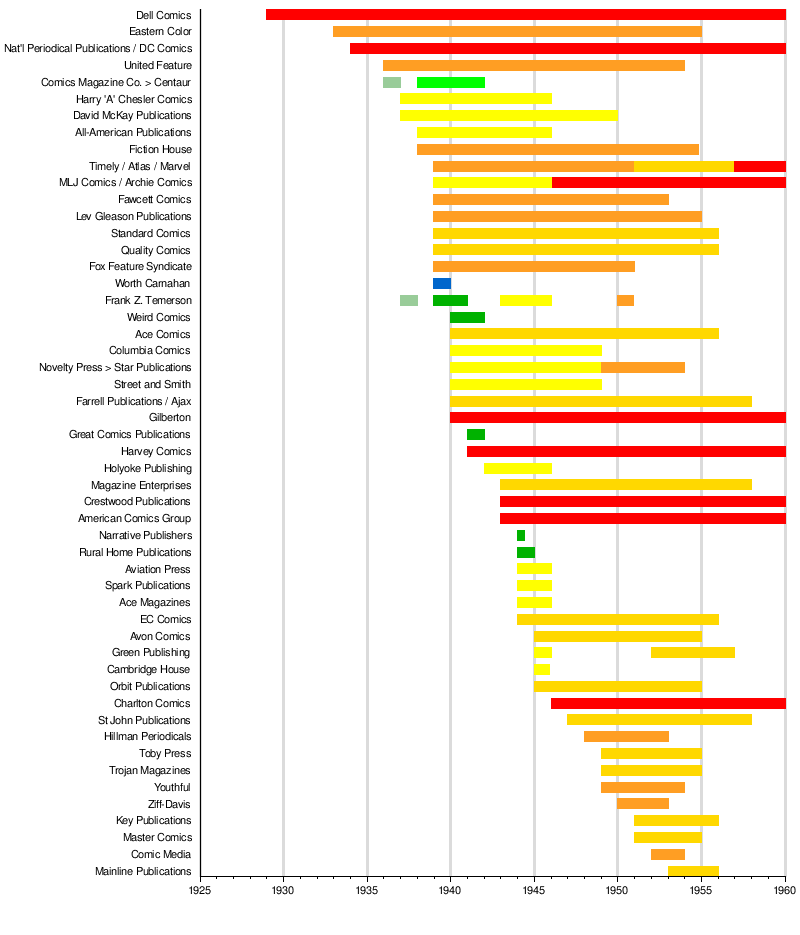
Fiction House: Founded in 1921, Fiction House was a pulp magazine publisher that expanded into comics in the early 1940s. They published a variety of genres, including adventure, romance, and science fiction. Notable titles include Jumbo Comics, Jungle Comics, and Wings Comics. Fiction House’s most popular character was Sheena, Queen of the Jungle, created by Will Eisner and Jerry Iger in 1937.
Ziff-Davis Publications: Founded in 1927, Ziff-Davis was primarily a publisher of pulp magazines and later science fiction and fantasy books. They began publishing comics in the early 1950s, with notable titles including « Tales of the Mysterious Traveler, » which was published from 1956 to 1959. The series featured science fiction and horror stories, often with twist endings. Other notable Ziff-Davis titles include « Space Adventures » and « Amazing Adventures. » They also briefly published a superhero title, « Captain Science, » in 1950. However, Ziff-Davis ceased publishing comics in 1957 and focused on their magazine and book publishing business.
Dell Comics was founded in 1929 and was initially known for its pulp magazines. In the early 1940s, they began publishing comic books, including their flagship title « Four Color Comics ». They were a major publisher of licensed comics based on popular movies and TV shows, including titles featuring Disney characters such as Mickey Mouse and Donald Duck, as well as Warner Bros. characters like Bugs Bunny and Daffy Duck.
In terms of original titles, Dell Comics published a number of genres, including westerns, romance, and war comics. One of their most popular original characters was Captain Midnight, a superhero who first appeared in 1942. They also published a number of science fiction titles, including « Space Man », « Tom Corbett, Space Cadet », and « The Lone Ranger ».
DC Comics (formerly National Allied Publications): Founded in 1934, DC is one of the oldest and most well-known comic book publishers. They published a variety of genres, including superhero comics like Batman and Superman, as well as mystery and horror comics like The Spectre and House of Mystery. Some of DC’s most famous creators from the Golden Age include Bob Kane, Bill Finger, Jerry Siegel, Joe Shuster, and Jack Kirby.
Quality Comics: Founded in 1937, Quality was known for their superhero comics, including Plastic Man, Blackhawk, and The Spirit. They were acquired by DC Comics in 1956, which led to many of their characters becoming integrated into the DC Universe.
MLJ Comics (later Archie Comics): Founded in 1939, MLJ was initially known for their superhero comics, including the patriotic hero The Shield and the teenage superhero team The Mighty Crusaders. However, they later became famous for their teen humor comics, including Archie, Betty, and Veronica. MLJ changed their name to Archie Comics in 1946.
Marvel Comics (formerly Timely Comics): Founded in 1939, Marvel was known for their superhero comics, including Captain America, The Human Torch, and Sub-Mariner. In the 1960s, Marvel revolutionized the comics industry with their « Marvel Age of Comics, » which introduced a new generation of superheroes like Spider-Man, The X-Men, and The Fantastic Four. Some of Marvel’s most famous creators from the Golden Age include Jack Kirby, Joe Simon, and Stan Lee.
Fawcett Comics: Founded in 1939, Fawcett was best known for their superhero Captain Marvel, who was later renamed Shazam due to legal disputes with DC Comics. Fawcett also published titles like Bulletman and Ibis the Invincible.
Fox Feature Syndicate: Founded in 1939, Fox was known for their superhero comics, including the Golden Age version of The Blue Beetle and The Flame. They also published horror and crime comics, such as Jo-Jo Comics and Phantom Lady.
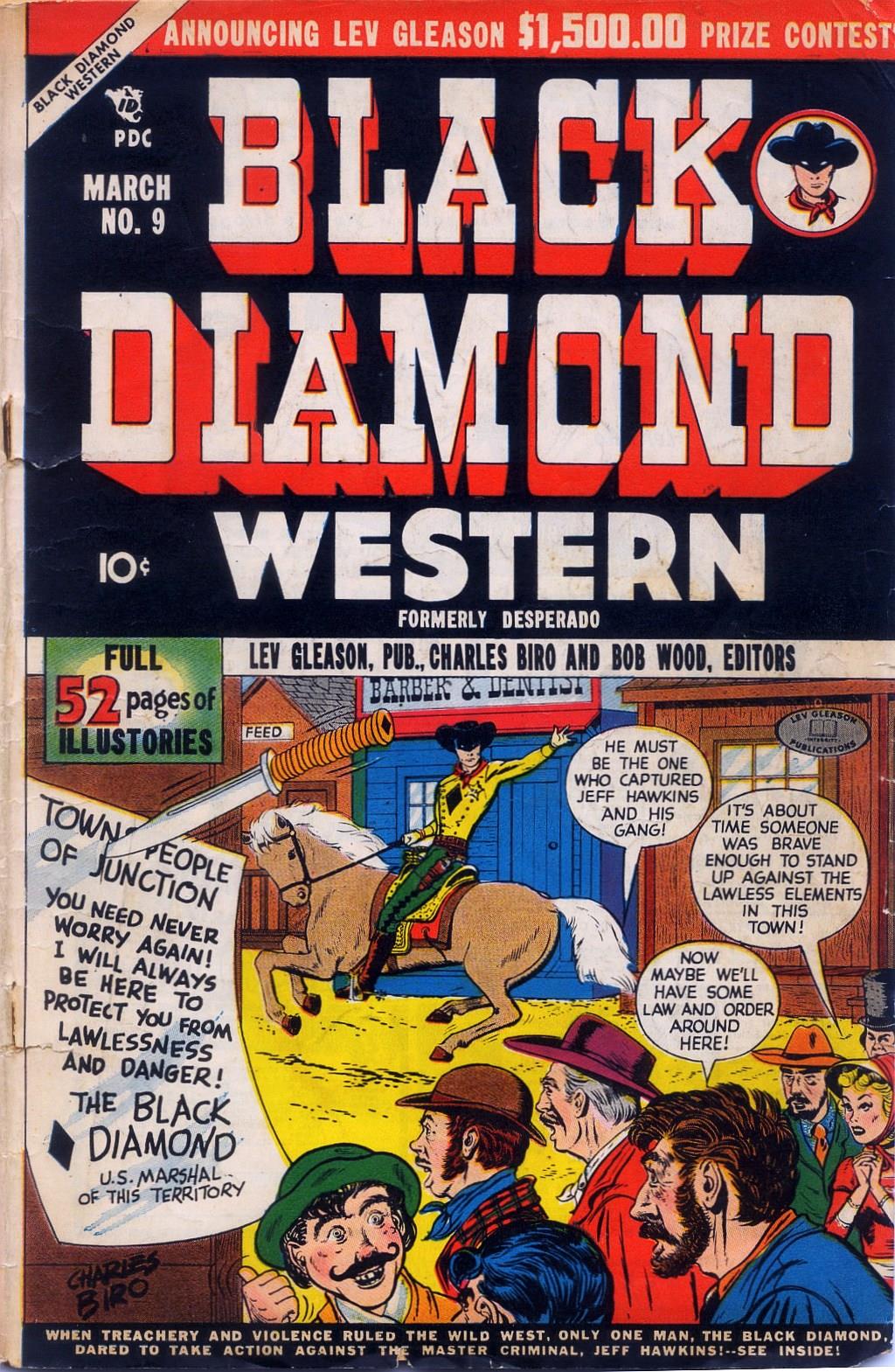
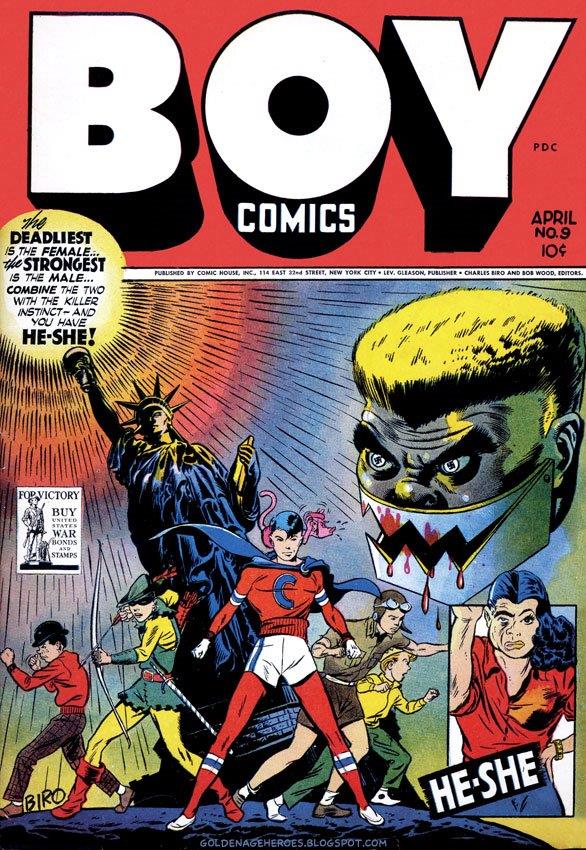
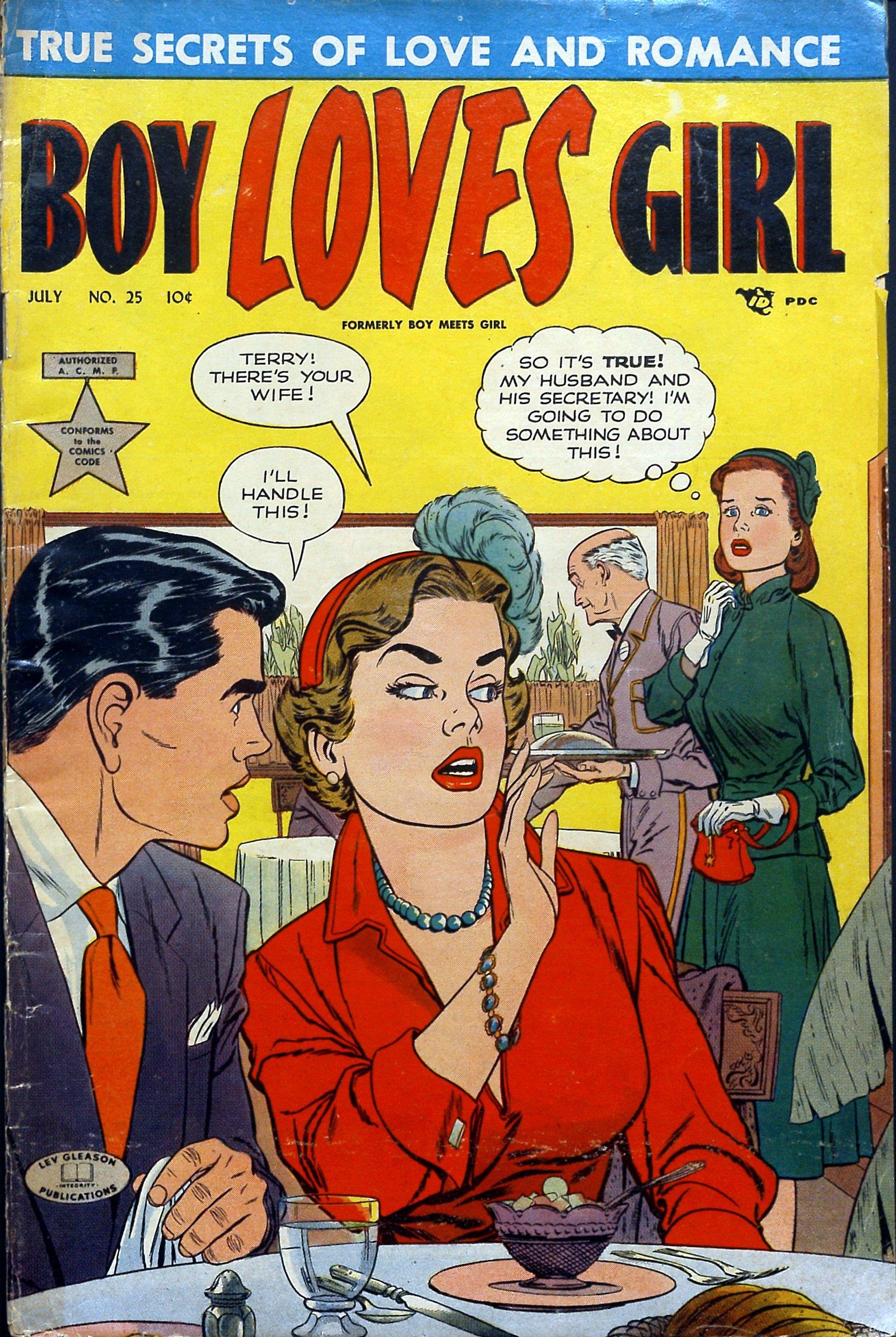
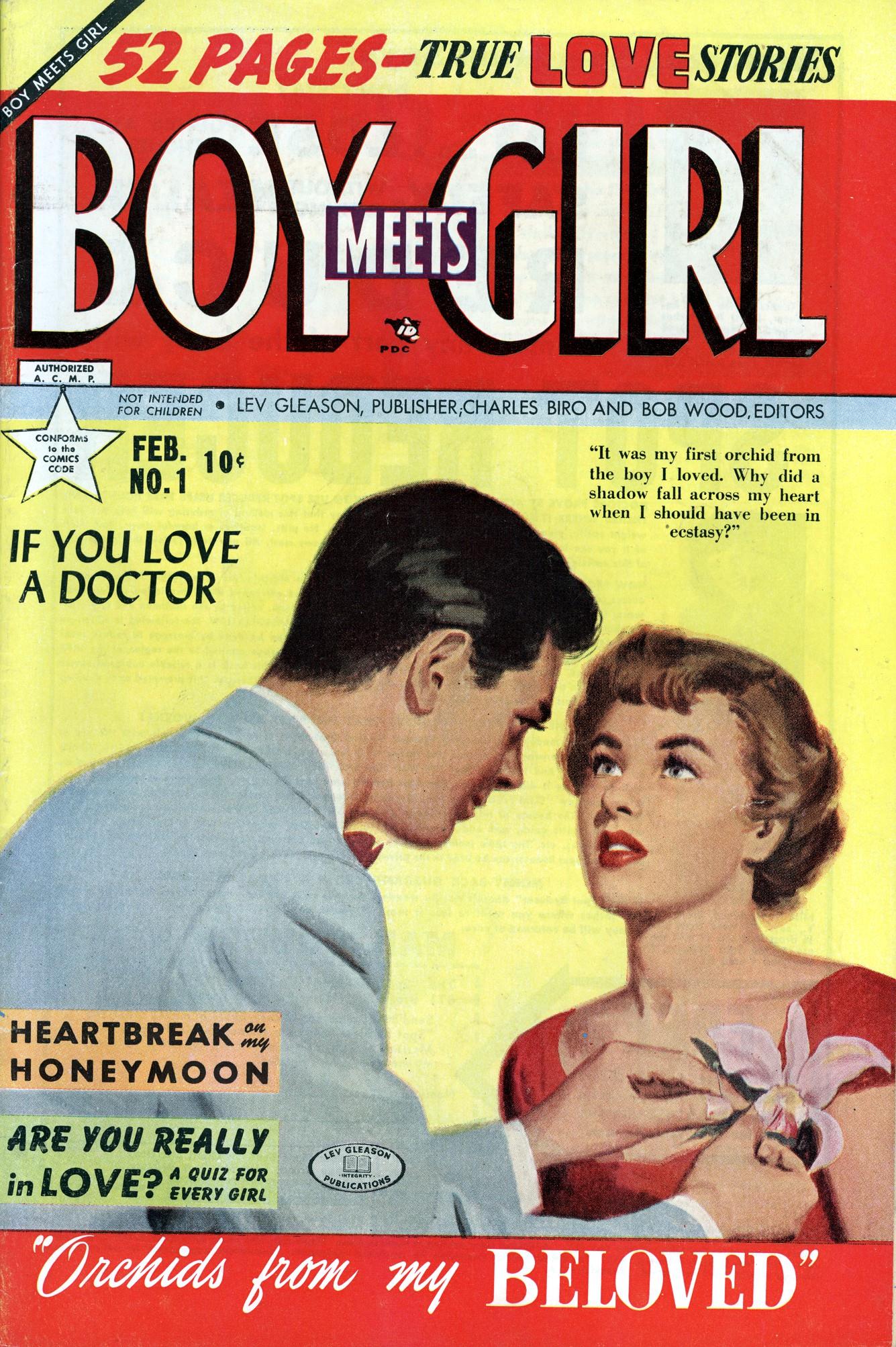
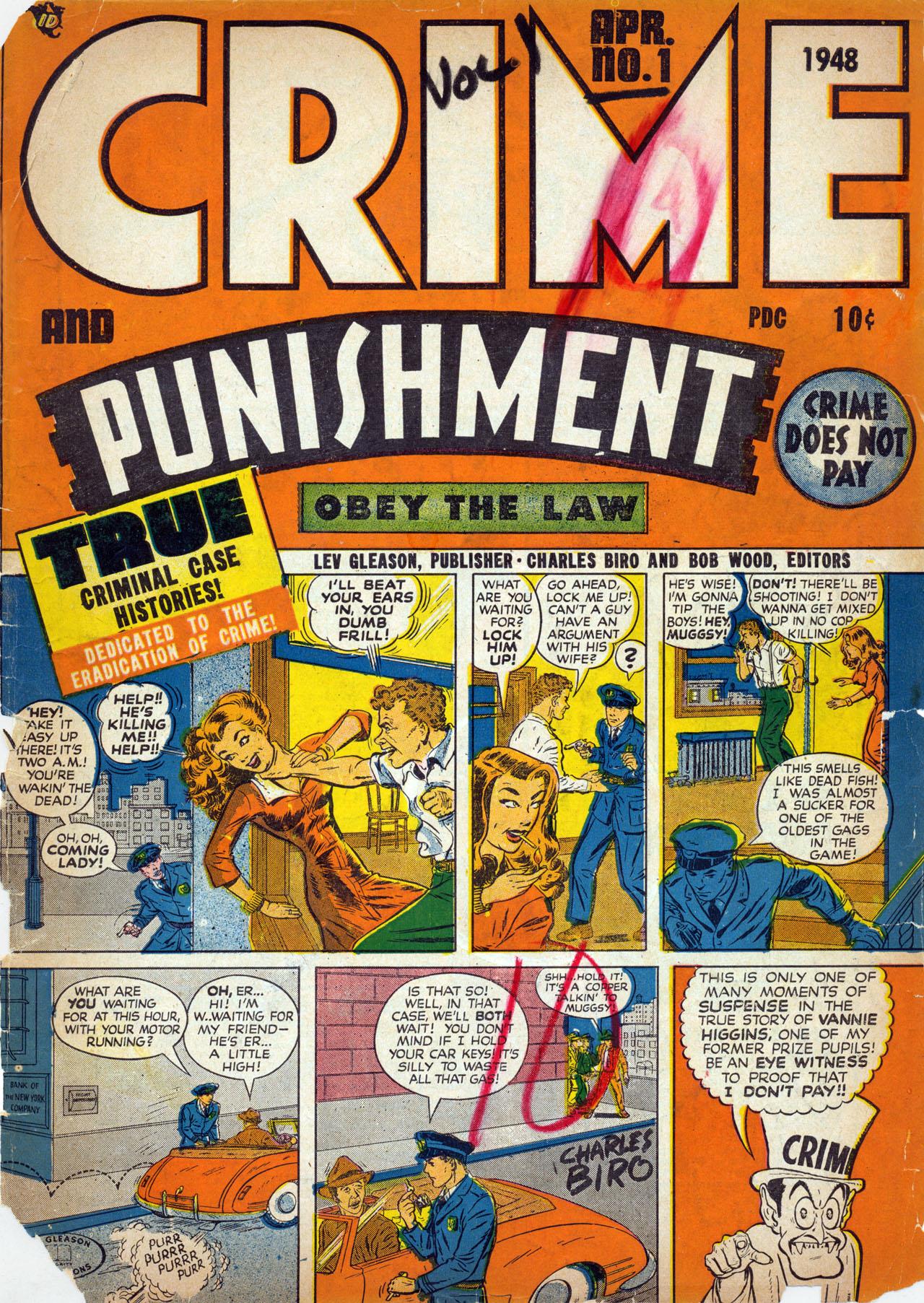
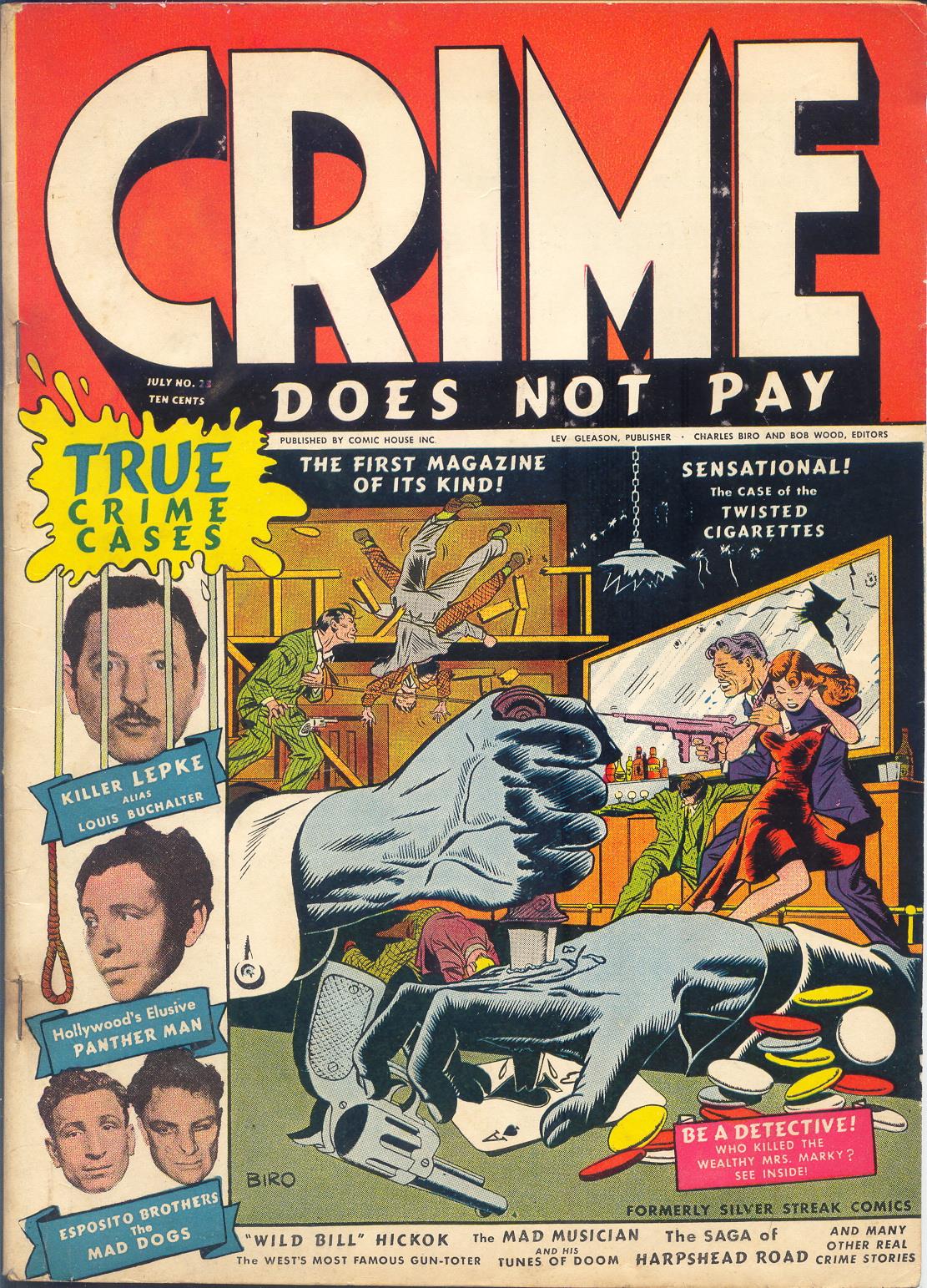
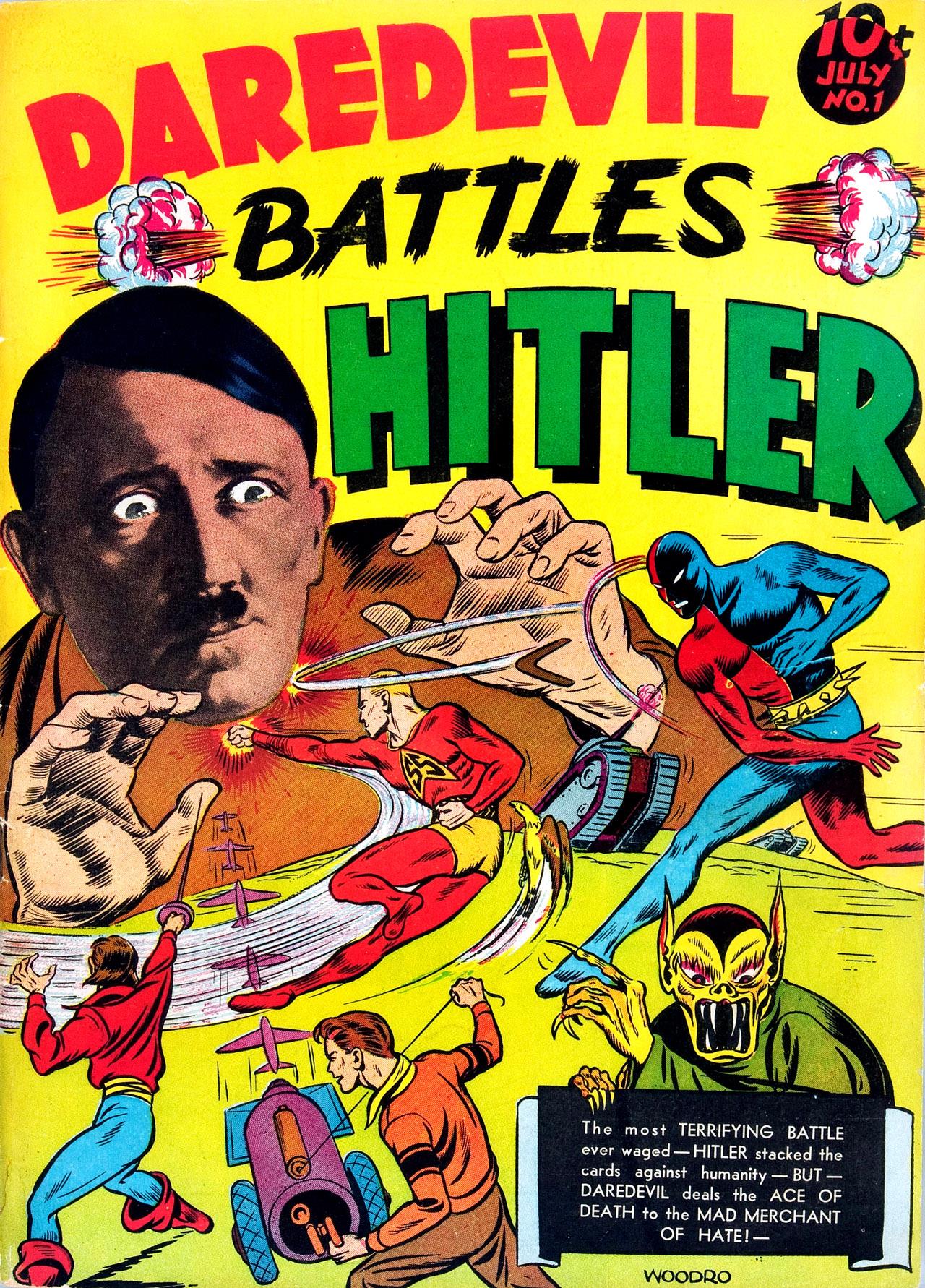
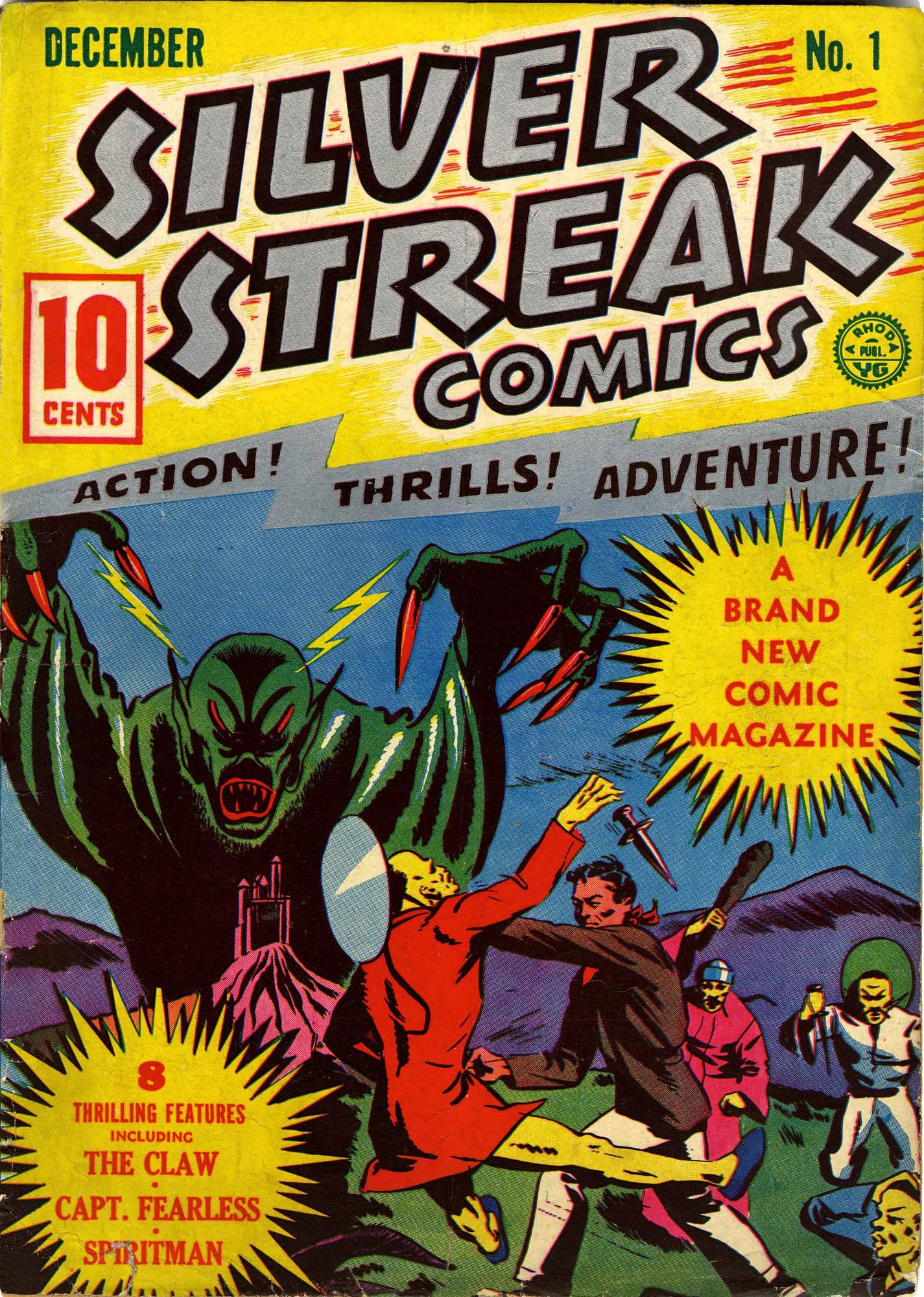
Lev Gleason Publications: Founded in 1939, Lev Gleason was known for their crime and adventure comics, including Daredevil and Crime Does Not Pay. They also published titles like Silver Streak and Boy Comics.
Comics Magazine Company, Nedor Publishing, Centaur Comics. During the Golden Age of comic books, from the late 1930s to the mid-1950s, several companies made their mark on the industry, including Comic Magazine Company (C.M.C.), Chesler Publications, Ultem Comics, and Centaur Comics. C.M.C., founded in 1936 by John Mahon and Bill Cook, debuted with The Comics Magazine and Funny Picture Stories. Chesler Publications, founded in 1937 by Harry « A » Chesler, provided early work to artists like Jack Cole and Otto Binder. Ultem Comics, founded in 1937 by I.W. Ullman and Frank Z. Temerson, acquired Chesler’s and C.M.C. and continued to produce titles until January 1938. Finally, Centaur Comics, founded in 1938 by Joseph Hardie and Raymond J. Kelly, had its own distribution network and published titles like Funny Pages, Detective Eye, and Fantoman. Although these companies were short-lived, they left a lasting impact on the comic book industry, with some of their creators and characters finding new homes at publishers like DC Comics and Marvel Comics.
Hillman Periodicals – Hillman Periodicals was a comic book publisher founded in 1939 by Robert W. Farrell. Hillman was known for publishing a variety of genres including superhero, western, and romance comics. Some of their most popular titles included « Airboy, » « Black Diamond Western, » and « My Date. » Hillman was also known for publishing some of the earliest superheroines, such as « Miss Fury » and « The Phantom Lady. » Notable artists who worked for Hillman during the Golden Age include Jack Kirby, Bob Powell, and Matt Baker. Hillman ceased publishing in 1953.
Holyoke Publishing – Holyoke Publishing was a comic book publisher founded in 1940 by Everett M. Arnold. During the Golden Age of Comics, Holyoke was known for publishing a variety of genres including superhero, western, and romance comics. Some of their most popular titles included « Cat-Man Comics, » « Captain Aero Comics, » and « The Green Hornet. » Holyoke was also known for their iconic superhero team-up book « The Holyoke Heroes, » which featured some of the most popular heroes of the time. Notable artists who worked for Holyoke during the Golden Age include Will Eisner, Joe Kubert, and Charles Sultan. Holyoke ceased publishing in 1954.
Standard/Better/Nedor/Pines Standard Comics was an American comic book imprint founded by Ned Pines. It was a parent company of two comic-book lines, Better and Nedor Publishing. During the Golden Age of comic books from 1939 to 1956, Standard was a prolific publisher. One of its best-known characters was the Black Terror. After Standard Comics ended its operations in 1956, only two titles continued under the Pines Comics imprint. These four imprints played a significant role in shaping the comic book landscape during their time.
Harvey Comics – Harvey Comics was a comic book publisher founded in 1941 by Alfred Harvey. During the Golden Age of Comics, Harvey was known for publishing a variety of genres including superhero, funny animal, and romance comics. Some of their most popular titles included « Casper the Friendly Ghost, » « Richie Rich, » and « Little Audrey. » Harvey was also known for their iconic superhero team-up book « The Harvey Superheroes, » which featured some of the most popular heroes of the time. Notable artists who worked for Harvey during the Golden Age include Joe Simon, Jack Kirby, and Warren Kremer. Harvey ceased publishing in 1994.
EC Comics – EC Comics was a comic book publisher founded in 1944 by Max Gaines. During the Golden Age of Comics, EC was known for publishing a variety of genres including horror, science fiction, and crime comics. Some of their most popular titles included « Tales from the Crypt, » « The Vault of Horror, » and « Crime SuspenStories. » EC was also known for their iconic horror host « The Crypt-Keeper, » who introduced many of their horror stories. Notable artists who worked for EC
Avon Publications – founded in 1945, ceased publishing comics in 1952. Avon Publications was a publishing company that was founded in 1945 by the American News Company. During the Golden Age of comics, Avon primarily published romance comics, westerns, and horror comics. Some of their popular titles included « Eerie, » « Weird Mysteries, » « Out of the Night, » « Love at First Sight, » and « The Lone Ranger. »
In 1952, Avon Publications stopped publishing comics due to declining sales, but the company continued to publish other types of literature, such as novels and magazines.
Charlton Comics – founded in 1946, ceased publishing in 1986. Charlton Comics was founded by John Santangelo Sr. in 1946 and was based in Derby, Connecticut. During the Golden Age of comics, Charlton published a wide variety of genres including superhero, science fiction, western, horror, romance, and crime comics. Some of their popular titles included « Blue Beetle, » « Captain Atom, » « The Question, » « Space Adventures, » and « Teen-Age Love. »
Charlton was known for its low-budget approach to publishing comics and was often referred to as a « nursery » or « training ground » for new talent. Many well-known creators in the comic book industry started their careers at Charlton, including Steve Ditko, John Byrne, and Denny O’Neil. Despite its reputation for low-budget comics, Charlton also had some popular characters and stories, such as the « Charlton Bullseye » series and « The Peacemaker. »
However, by the late 1970s, Charlton’s sales had declined significantly and the company ceased publishing comics in 1986. The rights to some of their characters were later acquired by DC Comics.
Trojan Comics – founded in 1949, ceased publishing in 1952 Trojan Comics was a short-lived comic book publisher that was founded in 1949 by Robert and Katherine Farrell. During its brief existence, Trojan published a variety of genres, including westerns, science fiction, and romance comics. Some of their popular titles included « Funnyman, » « Lash LaRue Western, » and « Roy Rogers Comics. »
Despite some popular titles, Trojan Comics struggled with distribution issues and ultimately ceased publishing in 1952 after only three years in the industry.
Ajax-Farrell Publications – founded in 1951, ceased publishing in 1958 Ajax-Farrell Publications was a comic book publisher that was founded in 1951 by Allen Hardy and Jack Farrell. The company primarily published romance and western comics, as well as some science fiction and horror titles. Some of their popular titles included « Young Love, » « True Life Romance, » « The Black Cat, » and « Adventures into the Unknown. » The company ceased publishing in 1958.
Ajax-Farrell was known for its use of recycled art and stories, with many of their comics featuring content that had been previously published by other publishers. The company ceased publishing in 1958 due to declining sales and distribution issues.
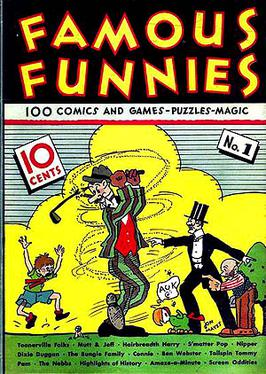
Eastern Colors The Eastern Color Printing Company was instrumental in transforming the American comic book industry. The company was founded in 1928 and initially focused on printing color newspaper sections for various papers in New England and New York. In 1930, Eastern developed an engraving process that allowed color to be added to black-and-white comics, which was a significant breakthrough for the newspaper syndicates. Eastern’s sales manager, Harry I. Wildenberg, came up with the idea of using comics as a medium for advertising in 1933, leading to the creation of Gulf Comic Weekly, the first promotional comic book. The company went on to publish the first modern-format comic book, Funnies on Parade, in 1933, and subsequently produced similar periodicals for other companies, including Canada Dry, Kinney Shoes, and Wheatena cereal. Eastern’s most popular comic book, Famous Funnies, was published in 1933 and became the first true American comic book. Eastern continued to print comic books until the mid-1950s and produced comic books for other publishers until 1973, but eventually closed in 2002 due to changes in printing technologies. Despite this, the company’s legacy as a pioneer in the American comic book industry remains strong.
United Features: United Feature Comics was a comic book publishing company that was active from the 1930s to the 1970s. During its heyday, United Feature Comics was responsible for publishing a number of popular comic strips, including some of the most well-known and beloved strips in history.
Colombia Comics Columbia Comics Corporation, fondée en 1940, a marqué l’âge d’or de la bande dessinée par son innovation et sa créativité. Née de la collaboration entre Vin Sullivan, le McNaught Syndicate et le Frank Jay Markey Syndicate, Columbia a lancé des titres emblématiques comme Big Shot Comics, introduisant des personnages iconiques tels que Skyman et The Face. La société a également entretenu une relation stratégique avec Eastern Color Printing, consolidant ainsi sa position sur le marché. Malgré la cessation de ses activités en 1949, l’influence de Columbia Comics persiste, son approche innovante de l’édition, ses personnages uniques et son soutien aux talents ayant laissé une empreinte durable sur l’industrie de la bande dessinée.
Comic books have been an important part of American popular culture for nearly a century, and one of the most influential publishers during the Golden and Silver Ages of comics was Dell Comics. Founded in 1929 by George T. Delacorte Jr., Dell Comics initially focused on publishing pulp magazines and reprints of classic literature. However, the company entered the comic book market in 1938 and quickly became one of the leading publishers in the industry.
Dell Comics was renowned for producing high-quality comics featuring popular licensed characters, including Mickey Mouse, Donald Duck, Tarzan, and Superman. These comics were extremely popular with readers of all ages and helped to establish many of the characters as icons of American popular culture. In fact, Dell Comics was the leading publisher of comic books in the United States during the 1950s, outselling even Marvel and DC Comics.
One of the defining moments in the history of Dell Comics came in the 1950s with the Senate Subcommittee on Juvenile Delinquency. This committee was established to investigate the link between comic books and juvenile delinquency. This led to the creation of the Comics Code Authority, which imposed strict regulations on comic book content. Dell Comics was one of the few publishers that supported the code, which helped to increase the company’s sales and establish its reputation for producing « wholesome » comics.
In addition to its impact on the comic book industry, Dell Comics played an important role in the wider popular culture of its time. In the 1940s and 1950s, comic books were one of the most popular forms of entertainment in America. The company’s licensed comics featuring popular characters from Disney, Warner Bros., and other major entertainment companies were hugely popular with readers and helped to establish many of these characters as beloved icons of American popular culture.
One of the most notable aspects of Dell Comics was the company’s commitment to producing high-quality comics. Dell was known for its innovative formats, such as the « Giant » and « King-Size » comics that featured larger pages and longer stories. The company’s artists and writers were among the best in the industry, and many of them went on to become legends in their own right. Some of the most famous artists who worked for Dell Comics include Carl Barks, who created many of the classic Donald Duck and Uncle Scrooge stories, and John Stanley, who created the popular character Little Lulu.
However, by the 1960s, Dell Comics faced increasing competition from new publishers, such as Marvel and DC Comics, and the rise of television as the dominant entertainment medium. In 1962, the company was acquired by Western Publishing and became part of the Gold Key imprint. While Dell Comics continued to produce licensed comics, including adaptations of popular TV shows like « Star Trek » and « The Twilight Zone, » sales began to decline. By the 1970s, Dell Comics faced significant financial difficulties and the company ceased publication in 1973.
Today, Dell Comics are highly prized by collectors and are seen as important artifacts of the Golden and Silver Ages of comics. The company’s support for the Comics Code Authority helped to establish its reputation for producing « wholesome » comics, and its commitment to producing high-quality comics helped to establish many beloved characters as icons of American popular culture. While Dell Comics may no longer be in business, its impact on the comic book industry and popular culture as a whole will be felt for generations to come.
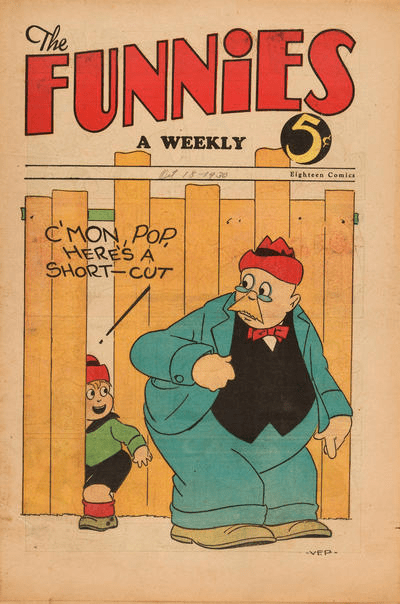
Dell Comics was the comic book publishing arm of Dell Publishing, which was established in 1929. The company published comics until 1974 and was the most successful comic book publisher in the United States, claiming to sell 26 million copies per month in 1953. Its first title was The Funnies, which was a newspaper tabloid insert.
Publication Dates:January 16, 1929 – October 18 1930 Number of Issues Published:36 (#1 – #36) Color:Color (some pages) Dimensions:10.5″ x 15.5″ Paper Stock: Newsprint (no covers)
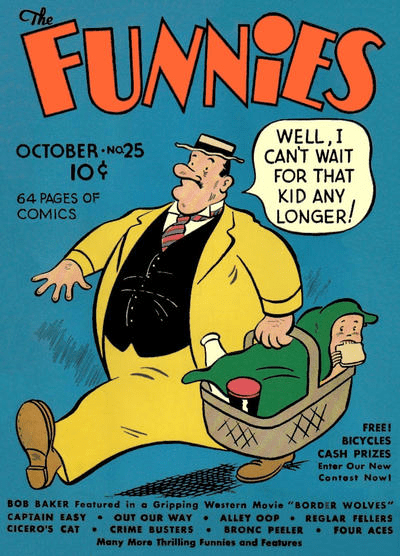
Publication Dates:October 1936 – May 1942 Number of Issues Published:64 (#1 – #64) Color:full color and some black and white Dimensions:standard Golden Age U. S. Paper Stock:glossy cover; newsprint interior Binding:saddle-stitched Publishing Format:was ongoing series numbering continues with New Funnies (Dell, 1942 series)#65
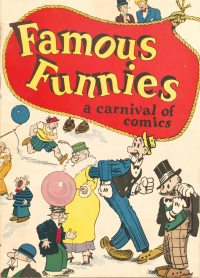
The company collaborated with Eastern Color Printing to publish Famous Funnies: A Carnival of Comics in 1933, which was considered the first true American comic book.
Dell published the single-issue Famous Funnies: Series 1 in 1934. In 1938, Dell formed a partnership with Western Publishing to finance and distribute publications that Western would produce, which was a highly successful enterprise.
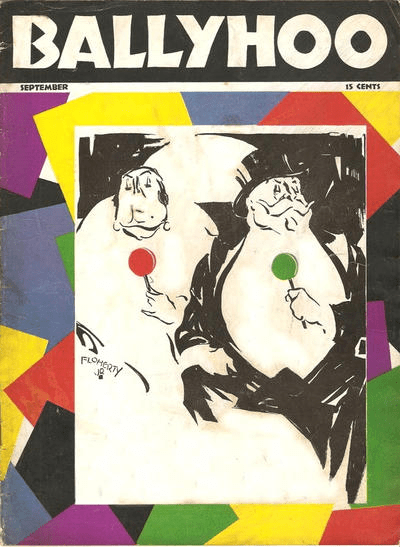
Publication Dates:August 1931 – February 1939 Number of Issues Published:86 (#v1#1 – #v16#1) Color:Full Color Cover; Black and White Interior Dimensions:Magazine SizeBinding:Saddle-stitched Adult oriented humor magazine. Lots of cartoons about drinking, prohibition, repeal, gambling, girls, the depression, gangsters. Social commentary on the times. Many of the cartoons are risque. Also contains fake advertising (like « wacky packages »). Large format 8.5″ X 11.5″ on nice stock.
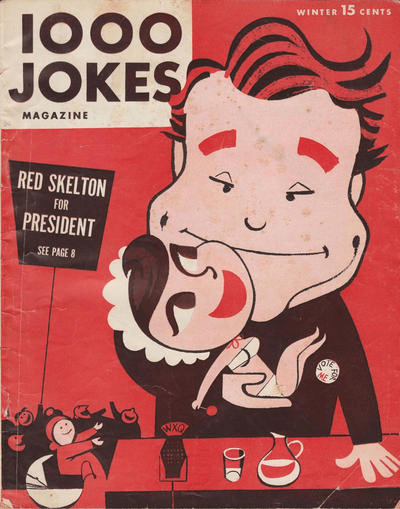
Publication Dates:1938 – March-May 1969 Number of Issues Published:117 (#14 – #129) Color:black and white interiors; color cover Dimensions:magazine sized Paper Stock:glossy white Binding:saddle-stitched; squarebound Publishing Format:was ongoing series Publication Type:magazine Numbering continues from 1000 New Jokes (Dell, 1934 series)
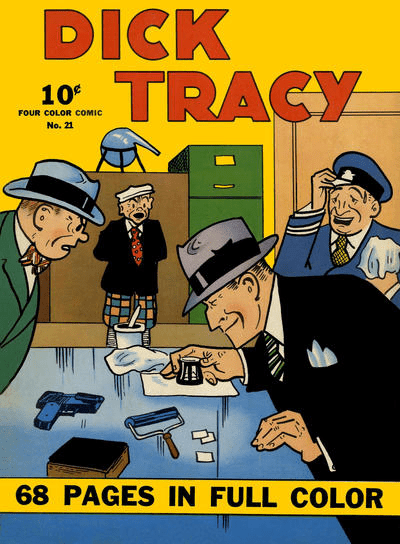
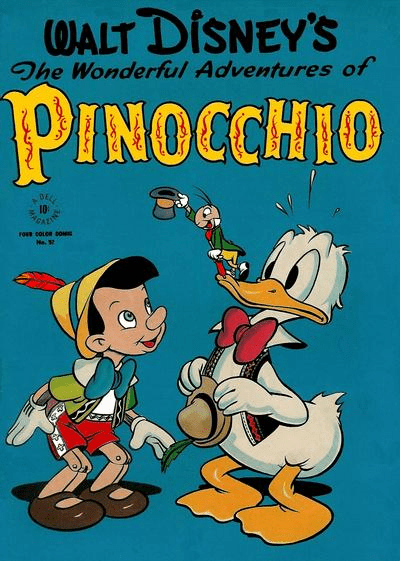
Dell Comics was best known for its licensed material, such as characters from Walt Disney Productions, Warner Bros., Metro-Goldwyn-Mayer, and Walter Lantz Studio, along with many movie and television properties. From 1938 to 1962, Dell’s most notable and prolific title was the anthology Four Color.
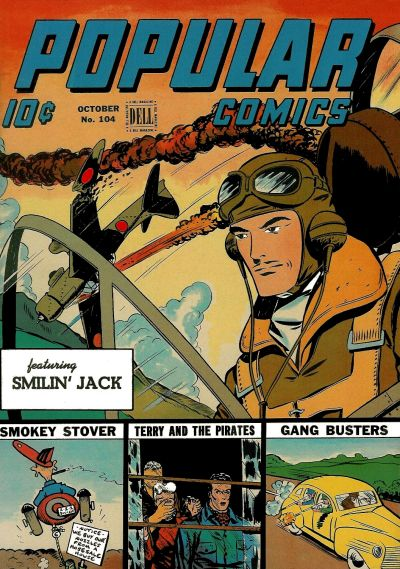
Publication Dates:1942 – April-June 1962 Number of Issues Published:1331 (#1 – Little Joe – #1354 – Calvin and the Colonel) Color:color Dimensions:standard Golden Age U.S.; standard Silver Age U.S. Paper Stock:glossy cover; newsprint interior Binding:saddle-stitched Publishing Format:was ongoing series Publication Type:magazine
Published in English (United States) Publication Dates:[April] 1939 – 1942 Number of Issues Published:30 (#1 – #30) Color:color covers; black and white interiors Dimensions:8.5″ X 11.37″ Paper Stock:newsprint- covers 1-9 heavy rough stock, 10-30 slick coated stock but very thin Binding:saddle-stitched Publishing Format:was ongoing series Publication Type:magazine
Publication Dates:October 1940 – August 1962 Number of Issues Published:264 (#v1#1 [1] – #v22#11 (263)) Publishing Format:Was ongoing series Publication Type:magazine
A Look at Some of Their Most Popular Characters
Dell Comics was a prominent comic book publisher during the mid-20th century. They had a long-standing licensing agreement with Walt Disney Productions and Warner Bros., which allowed them to produce comics featuring some of the most beloved characters from these studios. But Dell Comics also had their own original characters that gained popularity in their own right. In this article, we’ll take a closer look at some of the most popular characters that appeared in Dell Comics.
Disney Characters
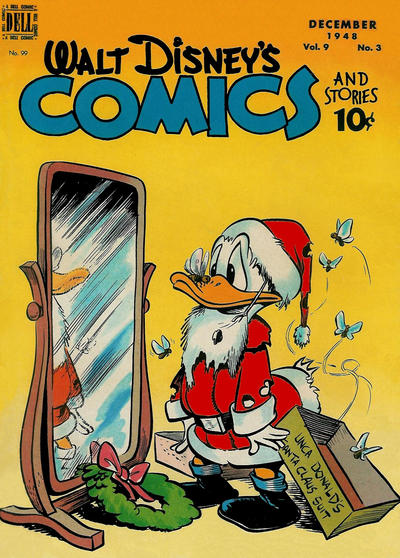
Dell Comics had a deep relationship with Walt Disney Productions, which allowed them to produce comics featuring many of Disney’s iconic characters. Mickey Mouse, Donald Duck, Goofy, and Pluto were all featured in their own series, as were lesser-known characters like Chip ‘n Dale, Scrooge McDuck, and the Three Little Pigs.
Warner Bros. Characters
In addition to Disney characters, Dell Comics also had a licensing agreement with Warner Bros. This allowed them to produce comics featuring characters from the Looney Tunes and Merrie Melodies cartoons, including Bugs Bunny, Daffy Duck, and Porky Pig.
Little Lulu
Created by Marjorie Henderson Buell in 1935, Little Lulu was a popular comic strip that eventually became a comic book series published by Dell Comics. The character was known for her wit and resourcefulness, and her comics were popular with both children and adults.
Tarzan
Dell Comics published a long-running series of Tarzan comics, which were based on the popular character created by Edgar Rice Burroughs. The comics followed Tarzan’s adventures in the jungle and often featured his wife, Jane, and their son, Boy.
The Lone Ranger
The Lone Ranger was a popular western character who starred in his own series of Dell Comics. The character was known for his silver bullets and his code of honor, which he followed as he fought against injustice in the Old West.
Turok, Son of Stone
Turok was a Native American hero who fought prehistoric creatures in his adventures. Created by Dell Comics, the character was known for his bravery and resourcefulness.
Zorro
Zorro was a masked vigilante who fought against corruption and injustice in Spanish California. The character was popularized by a series of Dell Comics, and he has since been adapted into numerous movies and television shows.
Felix the Cat
Felix the Cat was a classic cartoon character who had a long-running comic book series published by Dell Comics. Known for his mischievousness and his trademark grin, Felix was a popular character with readers of all ages.
Nancy and Sluggo
Nancy and Sluggo were characters from the popular comic strip created by Ernie Bushmiller. Dell Comics adapted the strip into a comic book series that was beloved by readers for its wit and humor.
Looney Tunes Characters
In addition to Bugs Bunny, Daffy Duck, and Porky Pig, Dell Comics also published comics featuring other Looney Tunes characters like Tweety Bird, Sylvester, and Yosemite Sam. These comics were popular with children and adults alike.
Uncle Scrooge McDuck
Created by Carl Barks, Uncle Scrooge was a popular character in the Disney comics published by Dell Comics. The character was known for his wealth and his adventurous spirit, and his comics often featured him on treasure-hunting expeditions around the world.
Other Characters
Dell Comics also published comics featuring original characters like Little Audrey, Little Dot, Richie Rich, and Casper the Friendly Ghost. They also published comics featuring characters from other media like Flash Gordon, Mandrake the Magician, and Dick Tracy.
GEORGE DELACORTE, Jr.
(1893-1991)
George Thomas Delacorte Jr. was born on June 20, 1893 in Brooklyn, New York. He attended Brooklyn Boys’ High School and then went on to study at Harvard University and Columbia College, where he studied the Business of Advertising.
In 1912, he married Margarita Von Doenhoff and they had a son named Albert. Margarita was a certified German Language High School Teacher, and George worked in advertising.
In 1923, George founded his own publishing company, Dell Publishing Co., which became one of the largest publishers of paperback books in the world. He also founded the Delacorte Press, which published many successful novels, including Truman Capote’s « In Cold Blood » and William Goldman’s « The Princess Bride ».
In addition to his publishing ventures, George was also a philanthropist, donating money to various causes, including the Central Park Zoo and the Shakespeare Garden in Central Park. He also founded the Delacorte Theater in Central Park, which has hosted free performances of Shakespearean plays since 1962.
George Thomas Delacorte Jr. passed away on May 8, 1991, leaving behind a legacy as a successful publisher, philanthropist, and lover of the arts.
Lev Gleason (February 25, 1891 – June 24, 1971) was an American publisher and political activist who made significant contributions to the comic book industry. His publishing company, Lev Gleason Publications, was a major player in the industry during the Golden Age of Comic Books in the 1930s and 1940s. Gleason was also known for his progressive political views and activism, particularly during the McCarthy era.
Early Life and Career
Lev Gleason was born on February 5, 1891, in Brooklyn, New York. He was the youngest of seven children born to Abraham and Tillie Gleason, who were Jewish immigrants from Russia. Gleason grew up in a working-class family and attended school until the eighth grade when he dropped out to help support his family. He worked a variety of odd jobs, including selling newspapers, driving a horse-drawn wagon, and working in a shirt factory, before landing a position as a proofreader at the New York Evening Mail.
In 1915, Gleason started his own publishing company, Gleason Publications, which produced a variety of magazines and newspapers, including trade publications for the movie industry. Gleason was always on the lookout for new ventures, and in the 1930s, he became interested in the emerging comic book industry.
Publishing Career
In 1939, Gleason entered the comic book market with the launch of his flagship title, Silver Streak Comics, which introduced the character of the same name, the first comic book superhero with a female sidekick. The series was an instant success and led to the creation of a number of other popular titles, including Daredevil Comics, Boy Comics, and Crime Does Not Pay, which became one of the top-selling comic books of the era. Gleason also introduced a number of innovations in comic book storytelling, including the use of the full-page splash panel and the integration of sound effects into the artwork.
Gleason was a hands-on publisher who was involved in every aspect of his comics. He hired talented writers and artists and gave them creative freedom to tell the stories they wanted to tell. He was also known for his attention to detail and his insistence on accuracy in his comics, particularly in his crime titles, which were based on real-life criminal cases.
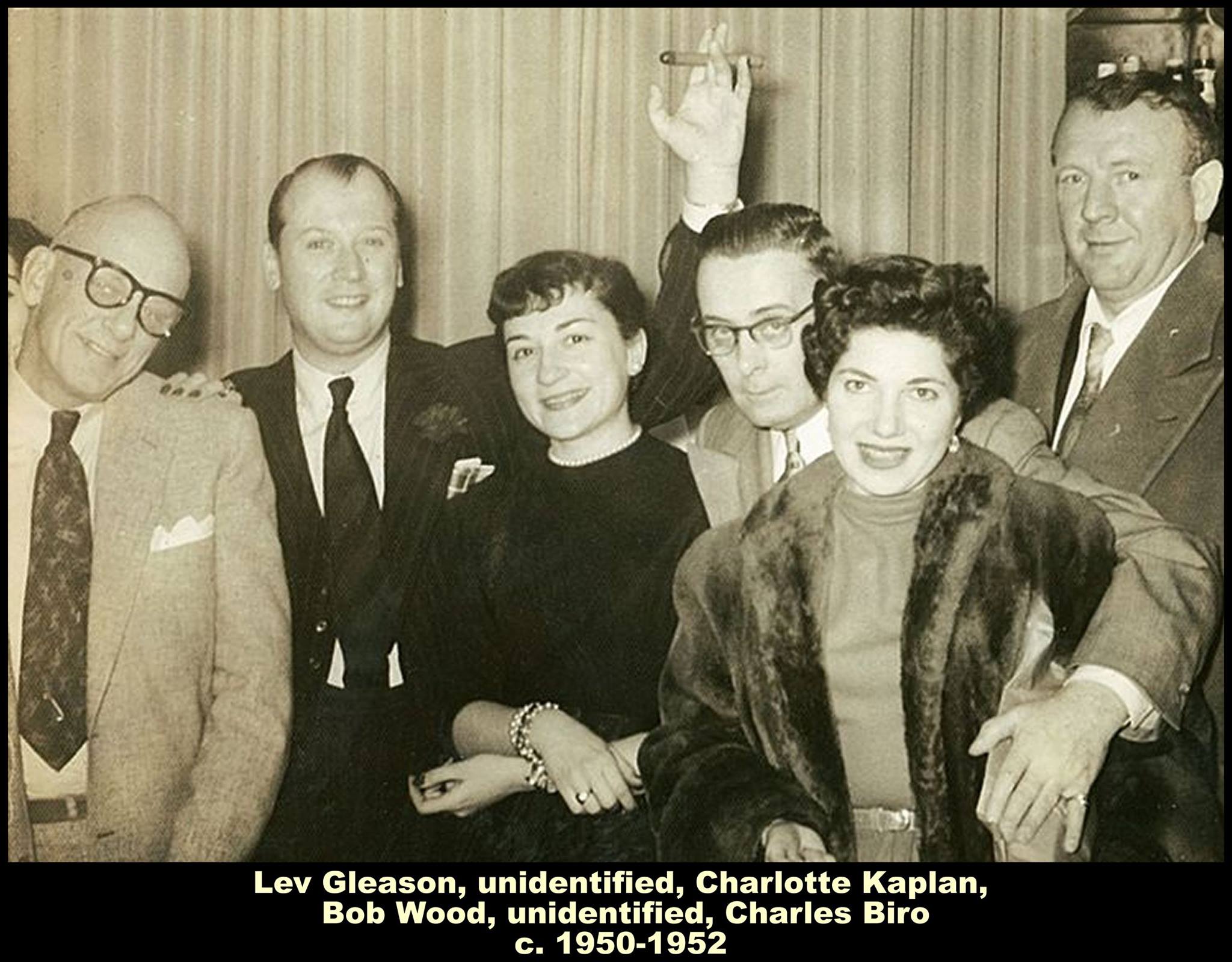
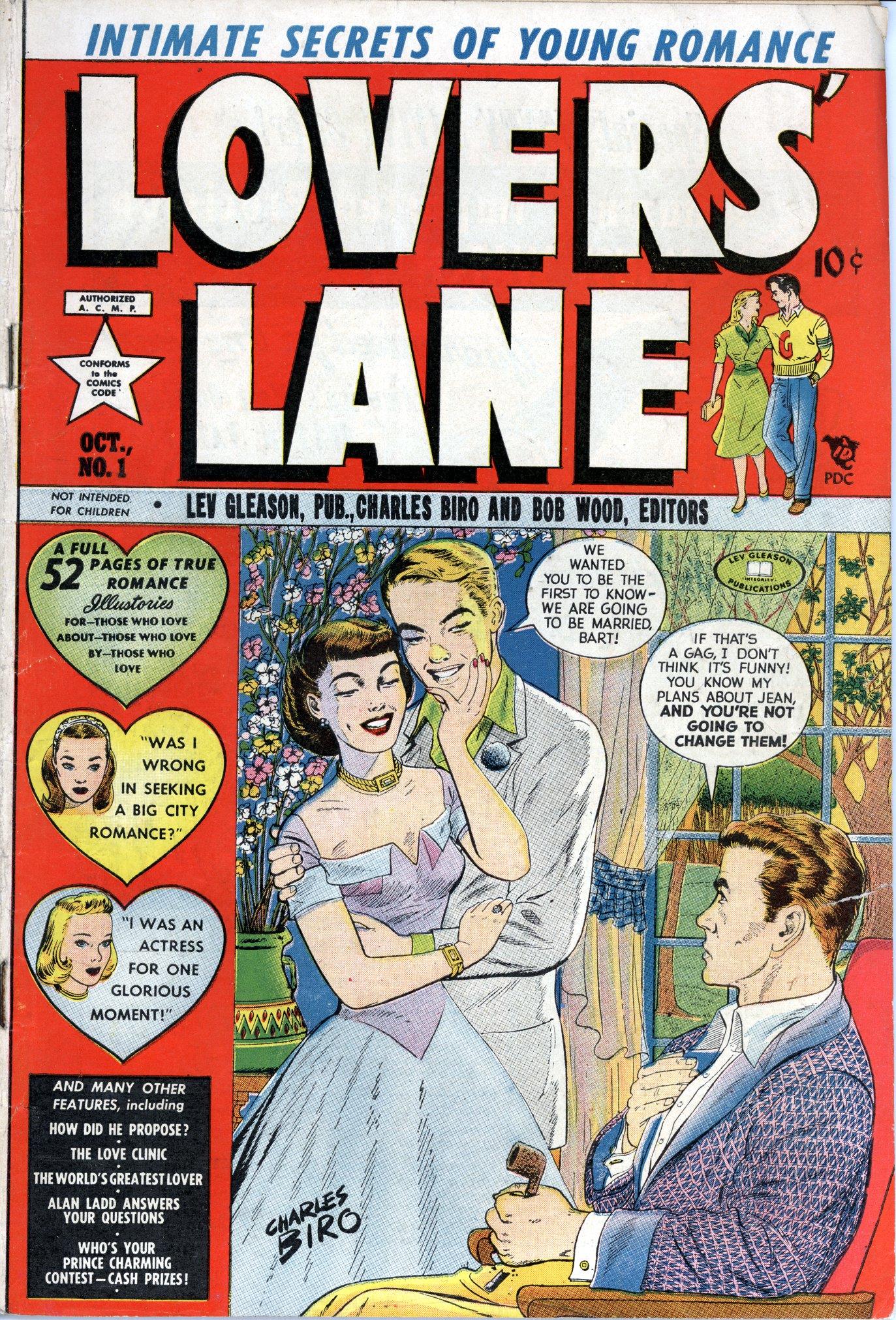
Lev Gleason’s publishing company was home to some of the most talented writers and artists of the Golden Age of Comics. Among the creators who worked for Gleason were Charles Biro, Bob Montana, Bob Wood, and Jerry Robinson, who went on to create some of the most iconic characters in comics history. Biro was the creator of Daredevil, the Boy Without Fear, and Crimebuster, while Montana is best known for creating Archie Andrews and the gang at Riverdale High School. Bob Wood worked on numerous titles for Gleason, including Silver Streak Comics and Crime Does Not Pay, and was known for his dynamic artwork and attention to detail. Jerry Robinson, who is credited with creating the Joker and Robin the Boy Wonder, worked on some of Gleason’s earliest titles. Other notable artists who worked for Gleason include Jack Cole, Mort Meskin, and George Tuska. Together, these artists helped to shape the comic book industry and created some of the most enduring characters and stories of the era.
Political Activism
Despite facing setbacks during the McCarthy era, Lev Gleason remained a committed political activist and continued to use his influence in the comic book industry to promote social justice and progressive causes. His activism extended beyond the realm of comics, as he was also involved in various leftist organizations, including the Communist Party USA. Gleason was a strong advocate for civil rights and supported labor unions and workers’ rights. He was also a vocal opponent of the internment of Japanese Americans during World War II and used his comics to criticize the government’s actions. In addition, Gleason was a supporter of the fight against fascism and was a strong supporter of the Soviet Union.
Gleason’s political activism and willingness to tackle controversial subjects made him a controversial figure in his time. He was known for pushing the boundaries of what was acceptable in comics, often exposing the dark underbelly of American society and shedding light on issues that were often ignored or overlooked by mainstream media. Despite facing backlash and being blacklisted in the comics industry, Gleason’s legacy as a trailblazer in the medium of comics and a champion of social justice remains strong.
In addition to his activism during the McCarthy era, Gleason was also involved in political activism outside of the United States. During the Spanish Civil War in the 1930s, he was part of a group that helped to smuggle Republican fighters out of Spain and bring them to safety in other countries. Gleason was a strong supporter of the Republican cause in Spain and used his publishing connections to help spread awareness of the conflict and rally support for the Republicans. His activism during the Spanish Civil War brought him into contact with other leftist activists and intellectuals, including writers Ernest Hemingway and John Dos Passos. Gleason was part of a group that organized a fundraising campaign to support the Republican cause and help provide aid to civilians affected by the conflict.
Throughout his life, Lev Gleason remained dedicated to his political beliefs and used his platform in the comic book industry to advocate for social change. He was a vocal supporter of the civil rights movement in the 1950s and 1960s and used his comics to advocate for desegregation and equal rights for all Americans. He also supported the anti-war movement during the Vietnam War and used his platform to criticize the government’s policies and actions. Gleason’s legacy continues to be celebrated by fans and scholars alike, and his influence can be seen in the work of many contemporary creators who are carrying on his legacy of using comics as a tool for social change.
Legacy
Despite the setbacks he faced later in his career, Gleason’s contributions to the comic book industry were significant. He was a pioneer in the field, introducing many innovations in comic book storytelling and publishing some of the most popular titles of his era. He also used his comics to promote his political views and was a committed advocate for civil rights and workers’ rights. Gleason’s legacy lives on in the countless comic book creators who have been inspired by his work.
Ace Magazines était une société d’édition de bandes dessinées et de magazines de pulps dirigée par Aaron A. Wyn et sa femme Rose Wyn. Les Wyns publiaient des romans de pulps sous les noms de Periodical House et A.A. Wyn’s Magazine Publishers depuis 1928, et ont publié des bandes dessinées entre 1940 et la fin de 1956.
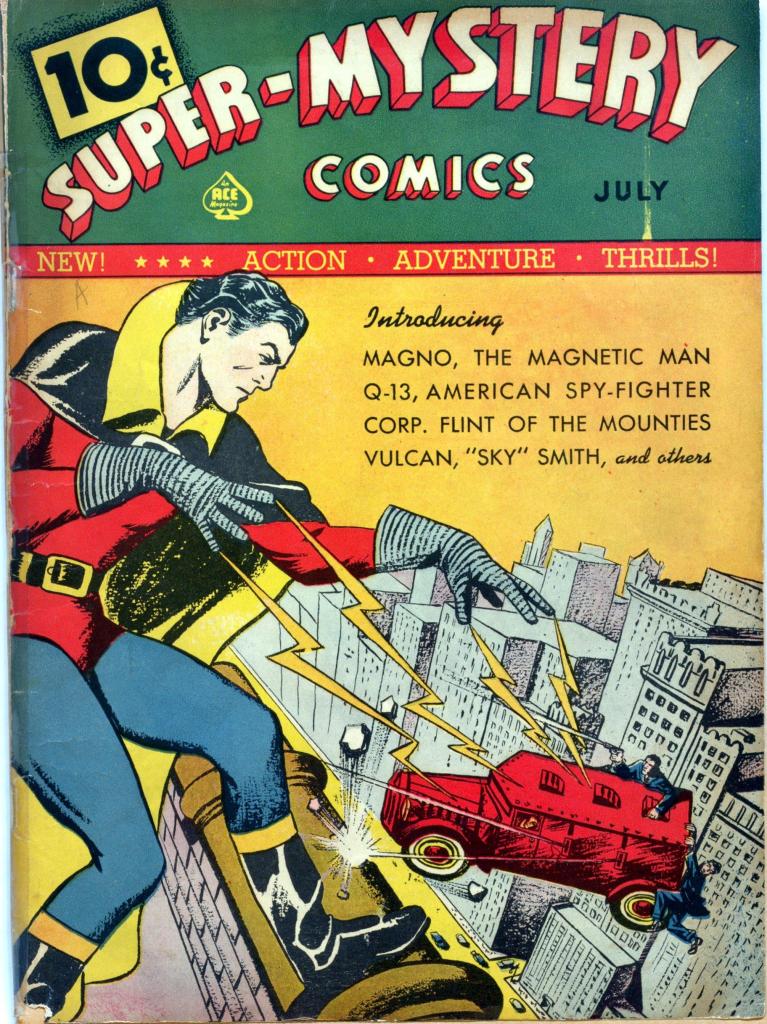
Son titre de super-héros le plus réussi et le plus long était Super-Mystery Comics, mettant en vedette Magno l’homme magnétique et son partenaire Davey, qui sont apparus dans 28 numéros sur les 48 numéros de la série. Magno est presque unique parmi les super-héros car il n’a ni origine pour ses pouvoirs ni aucune identité secrète apparente.
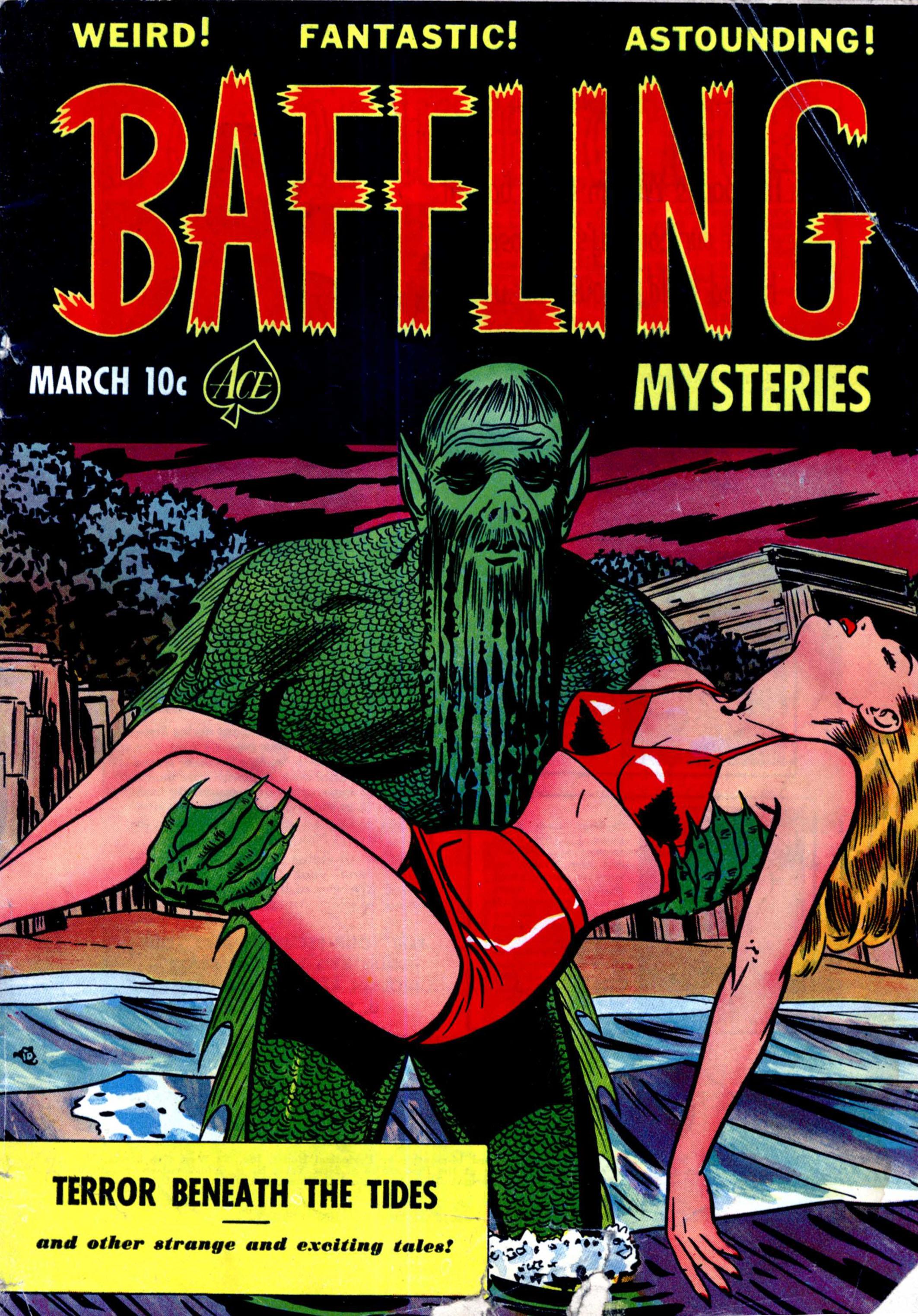
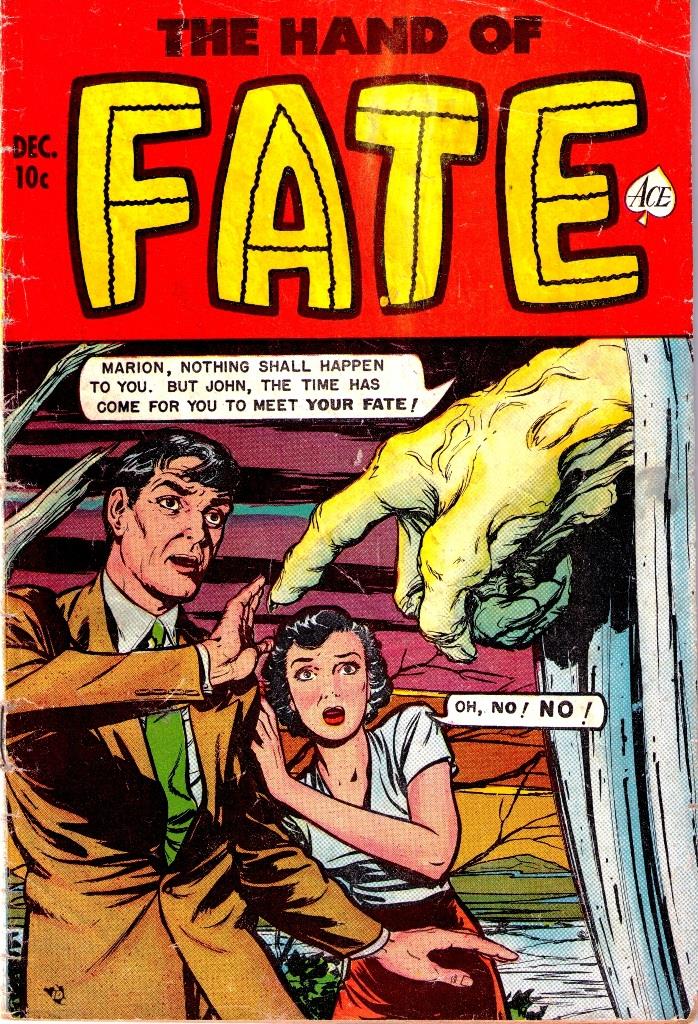
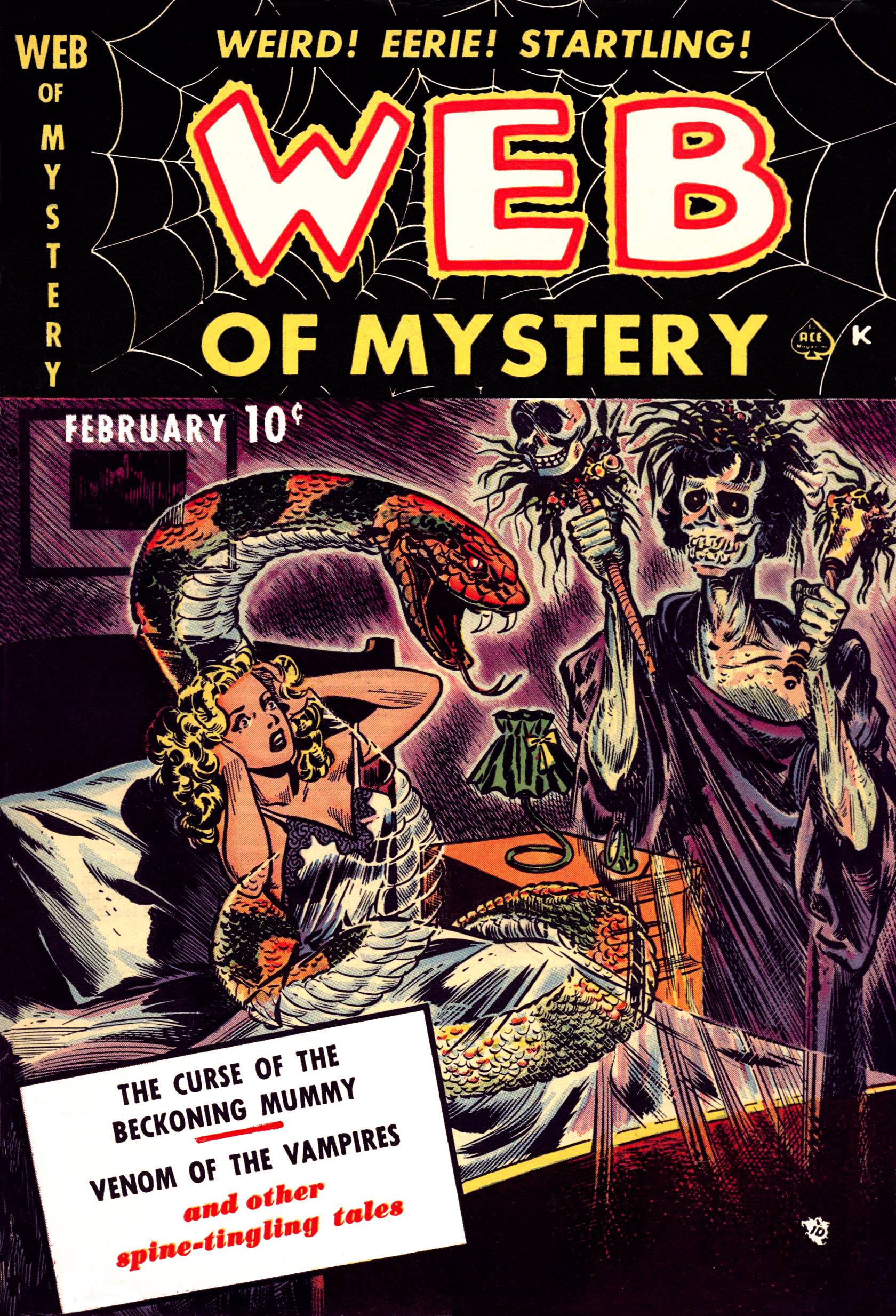
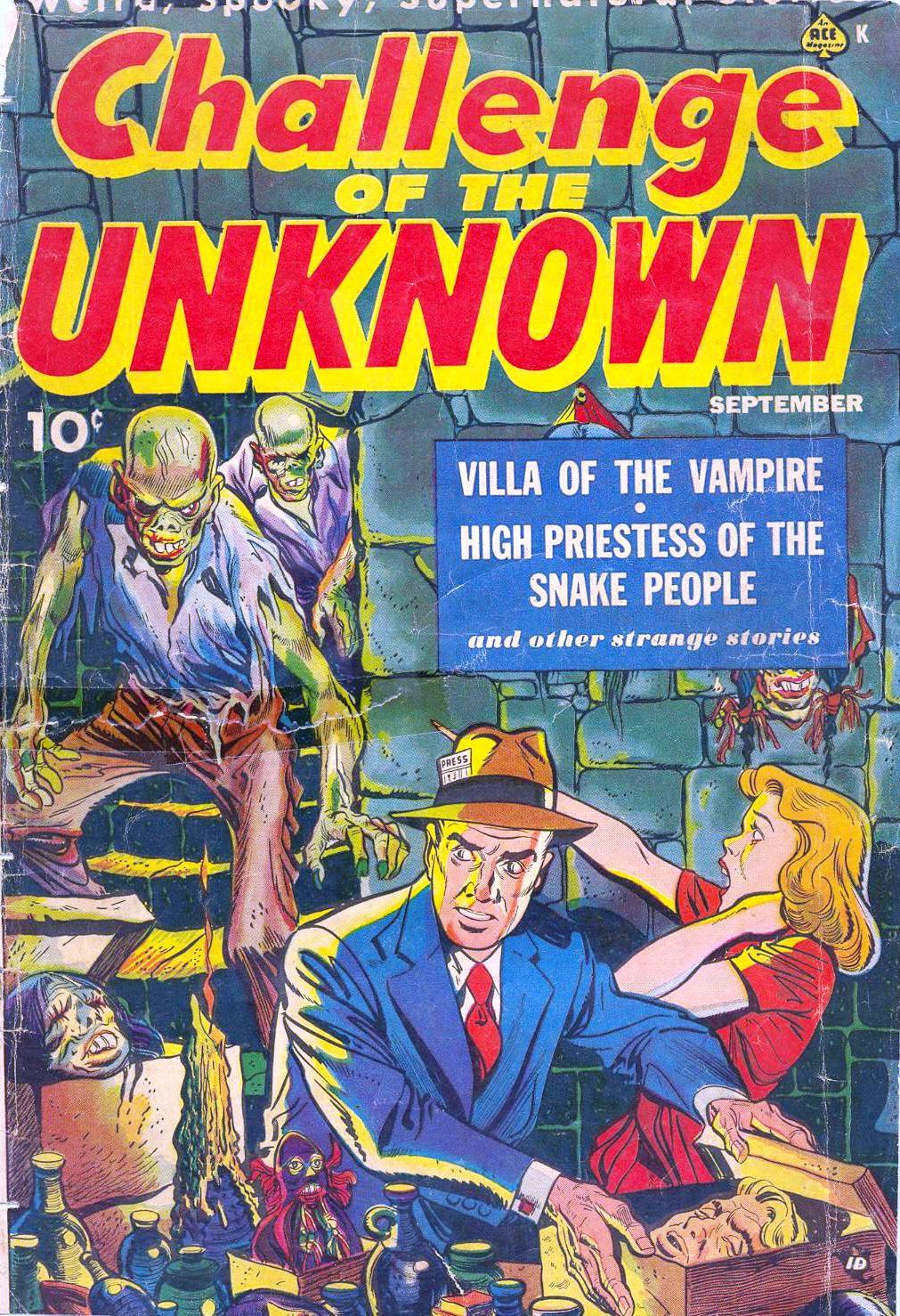
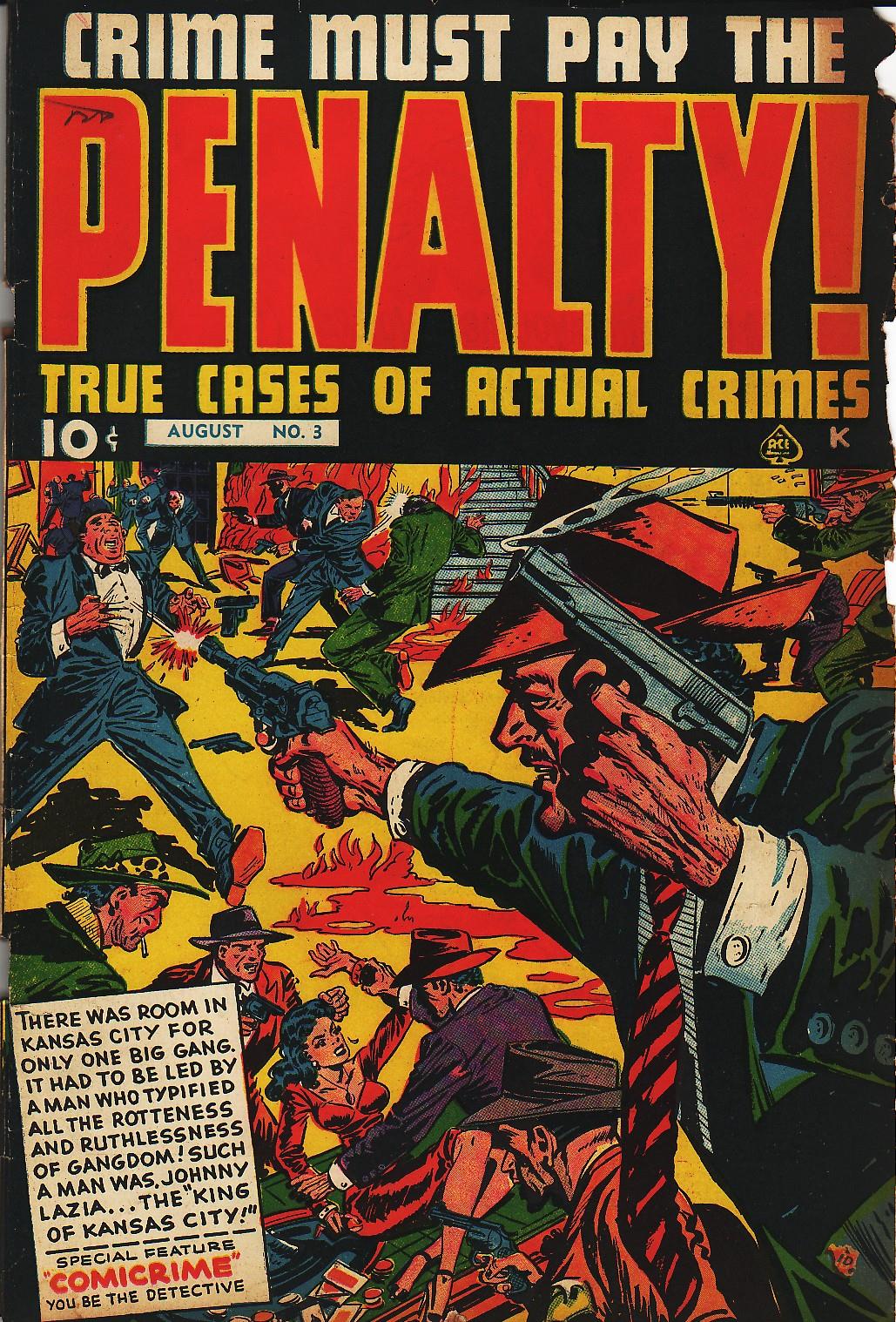
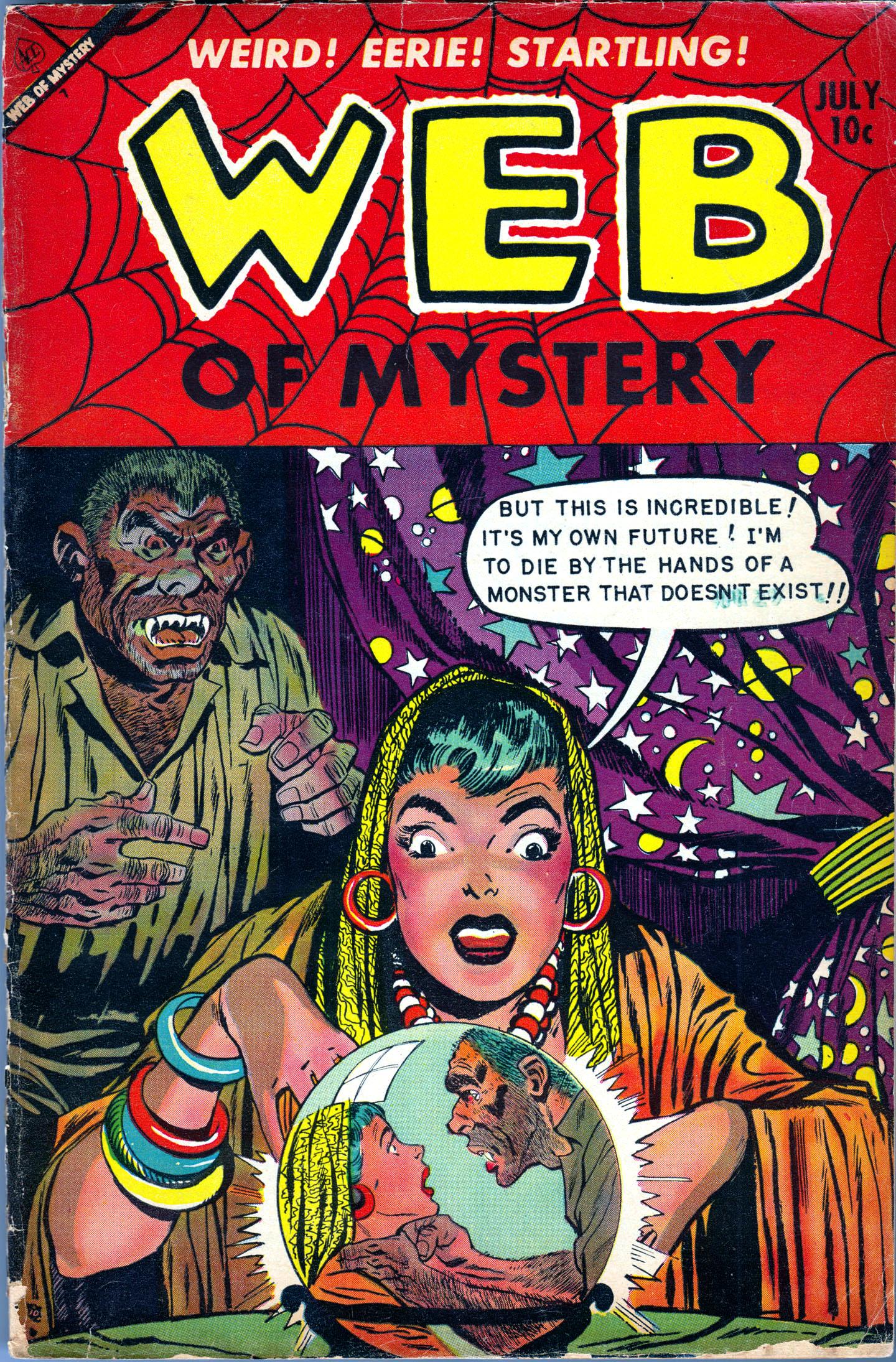
Les bandes dessinées d’horreur incluaient Baffling Mysteries, Hand of Fate et Web of Mystery, tandis que leur contribution aux bandes dessinées criminelles était Crime Must Pay the Penalty (le titre a ensuite été raccourci pour les deux derniers numéros).
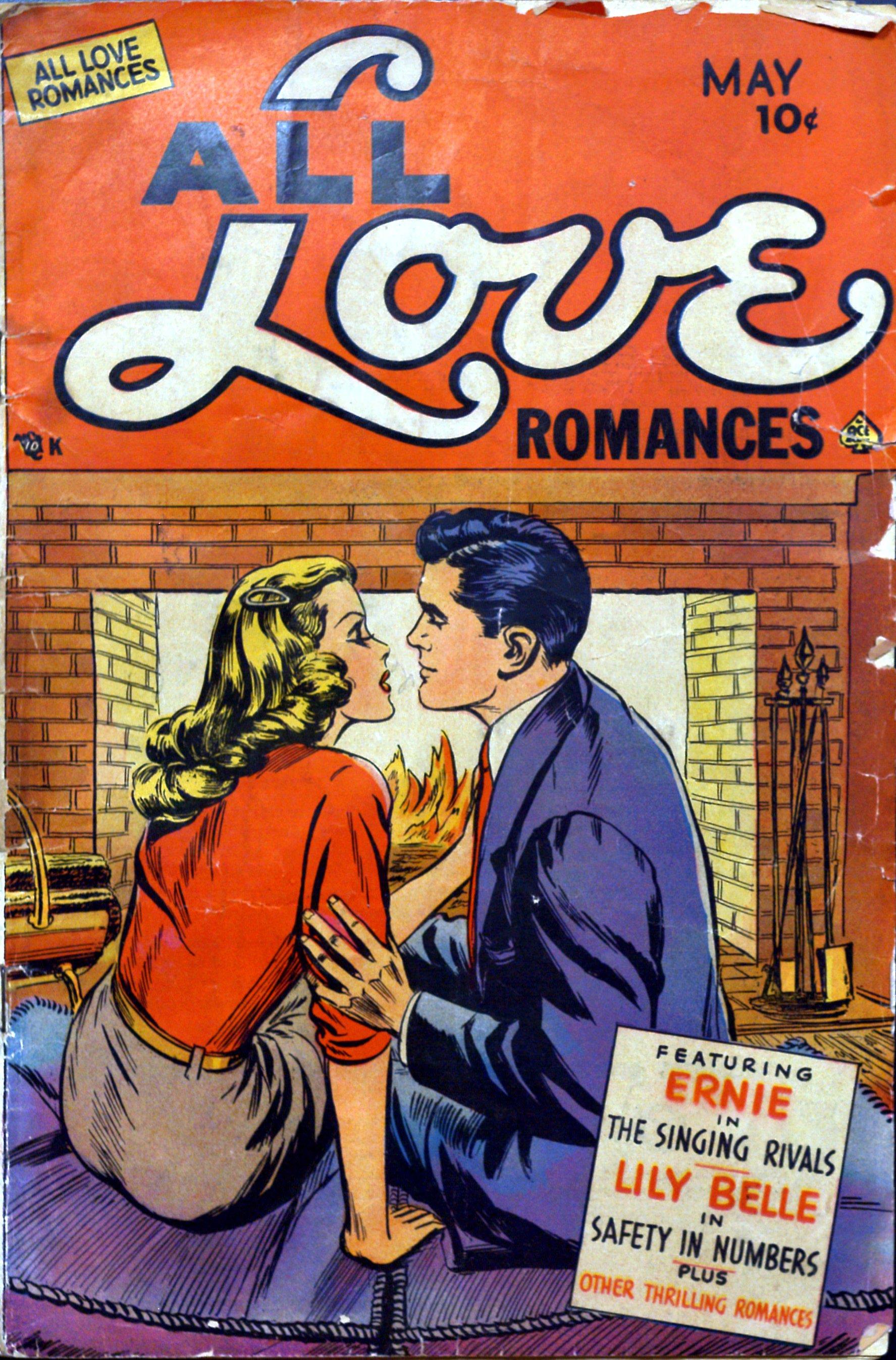
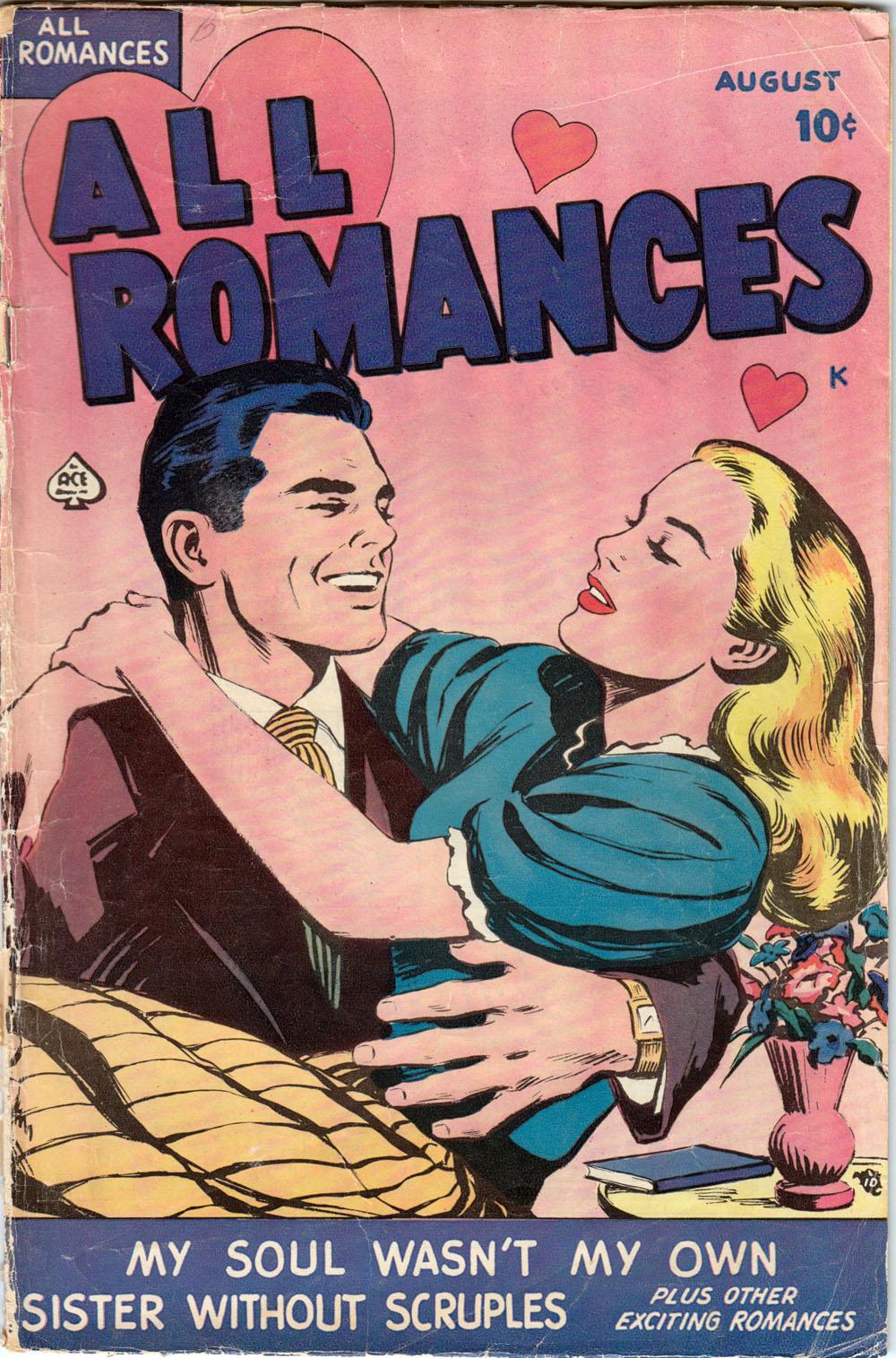
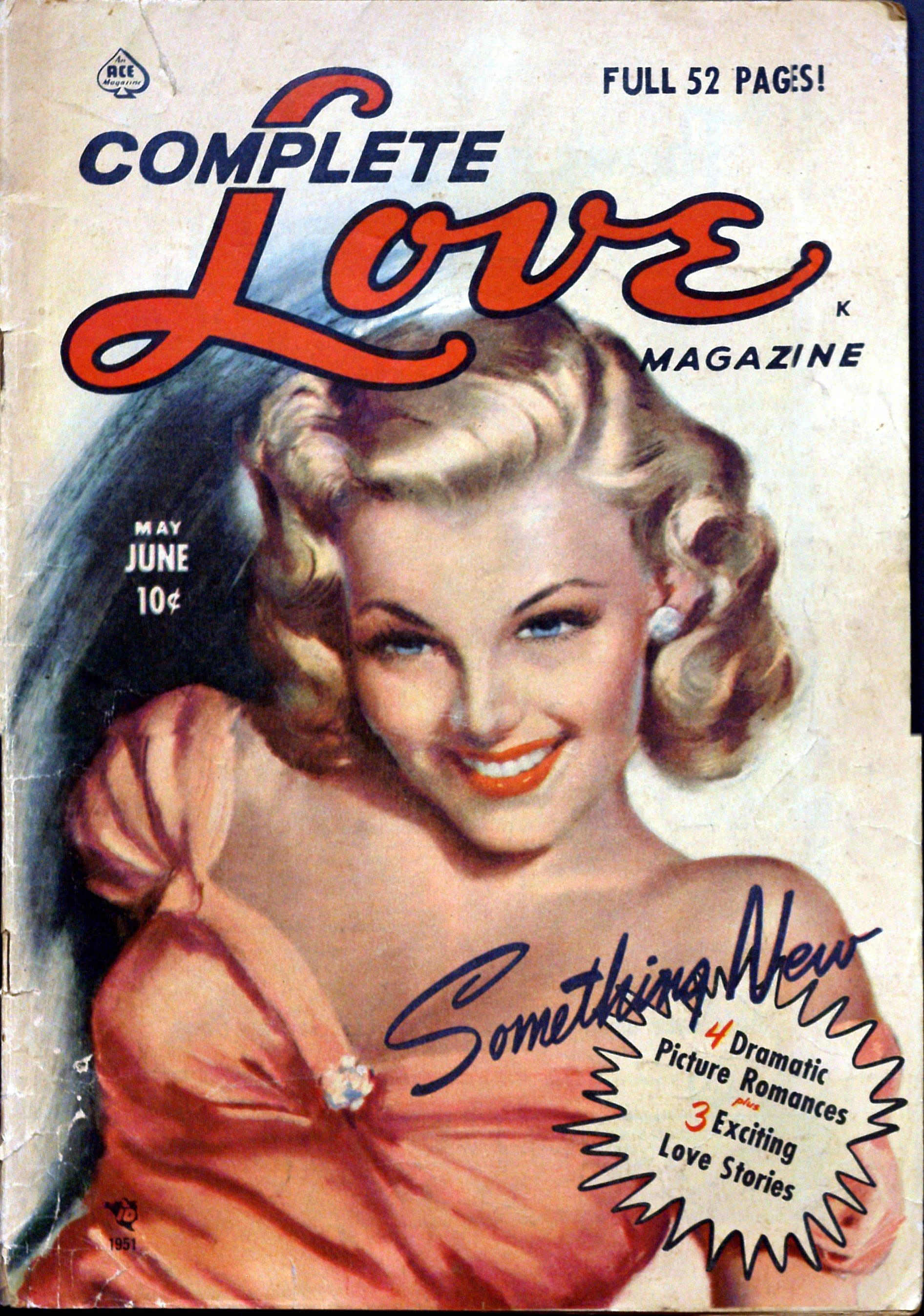
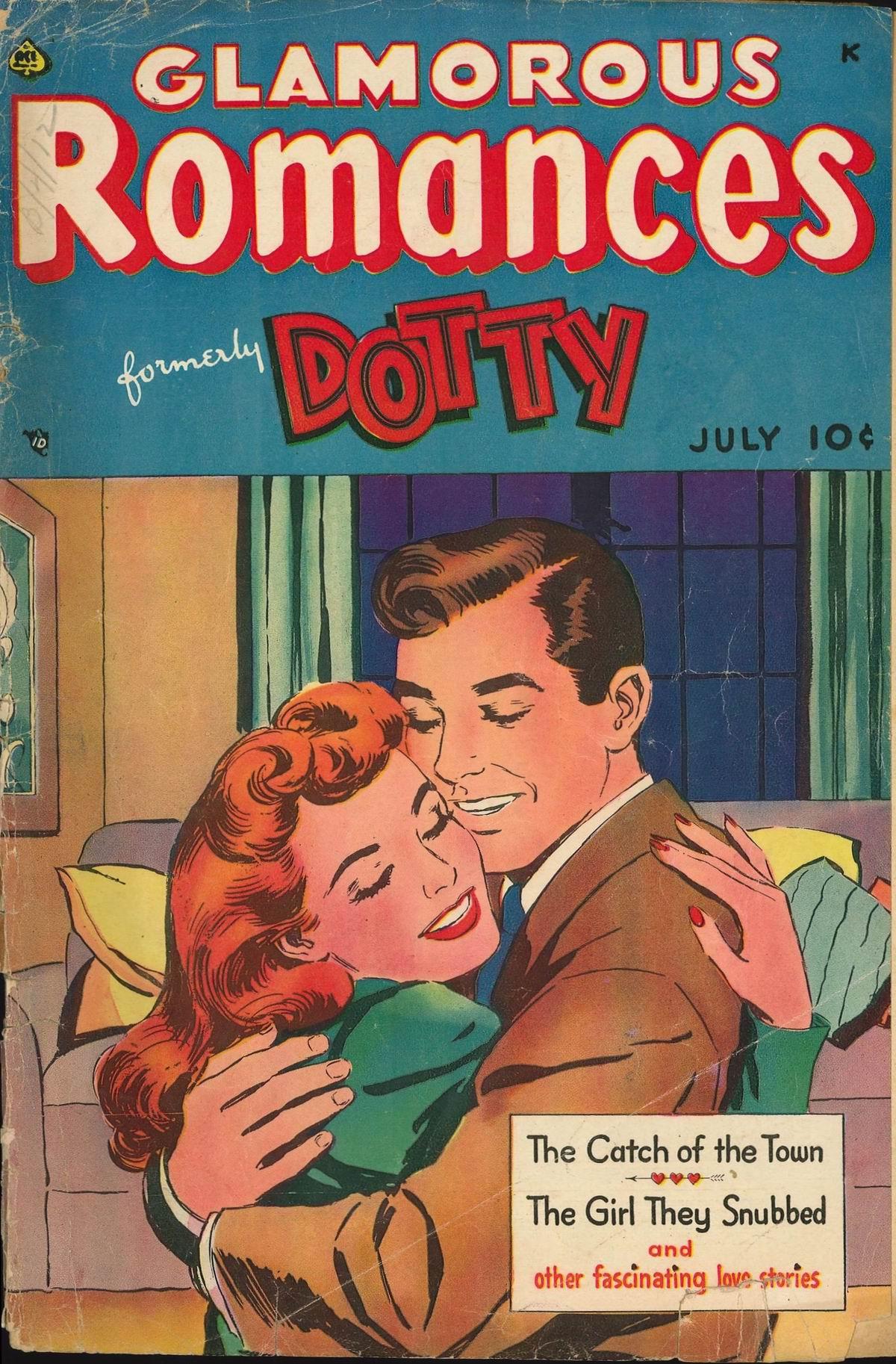
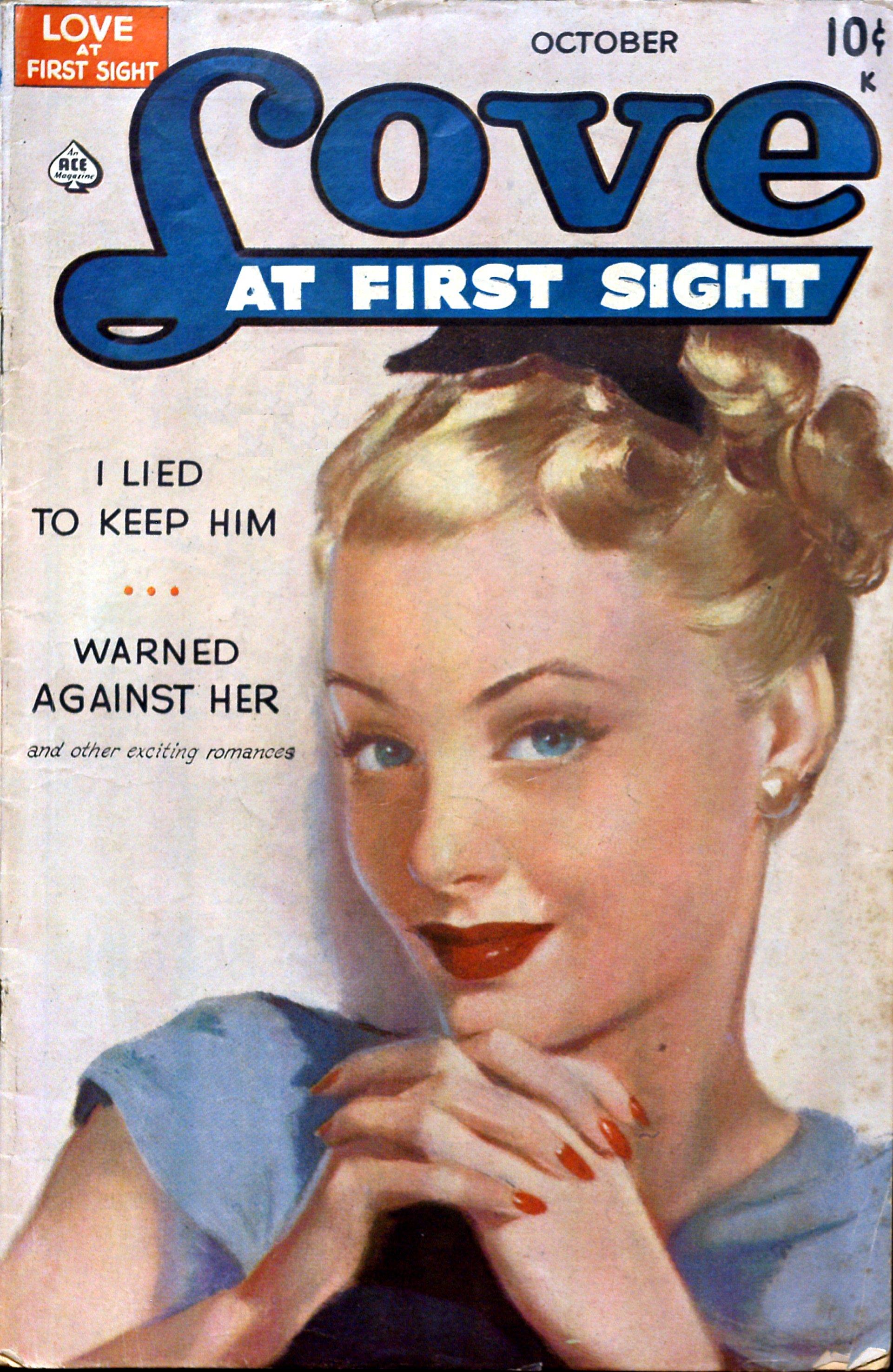
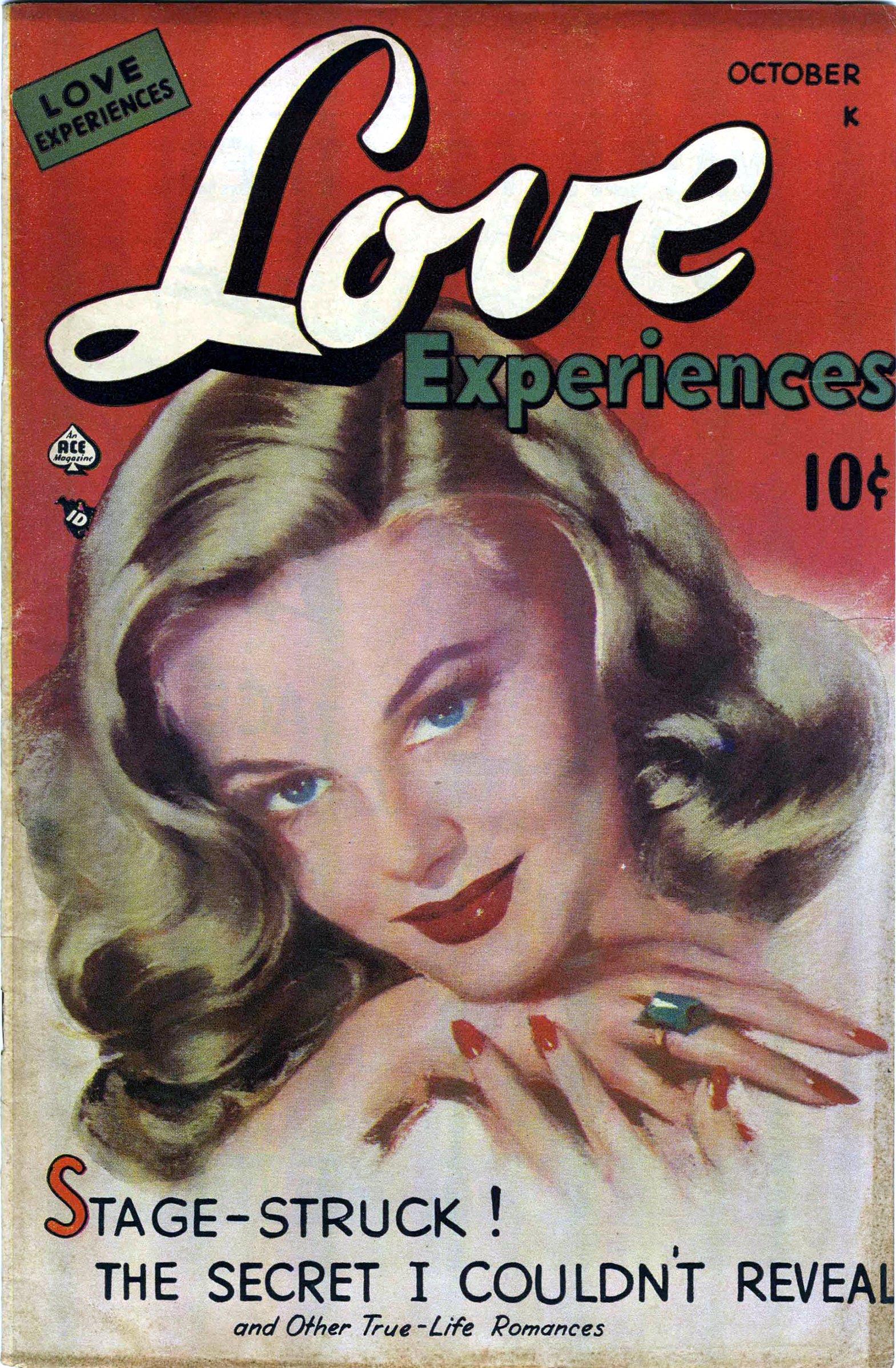
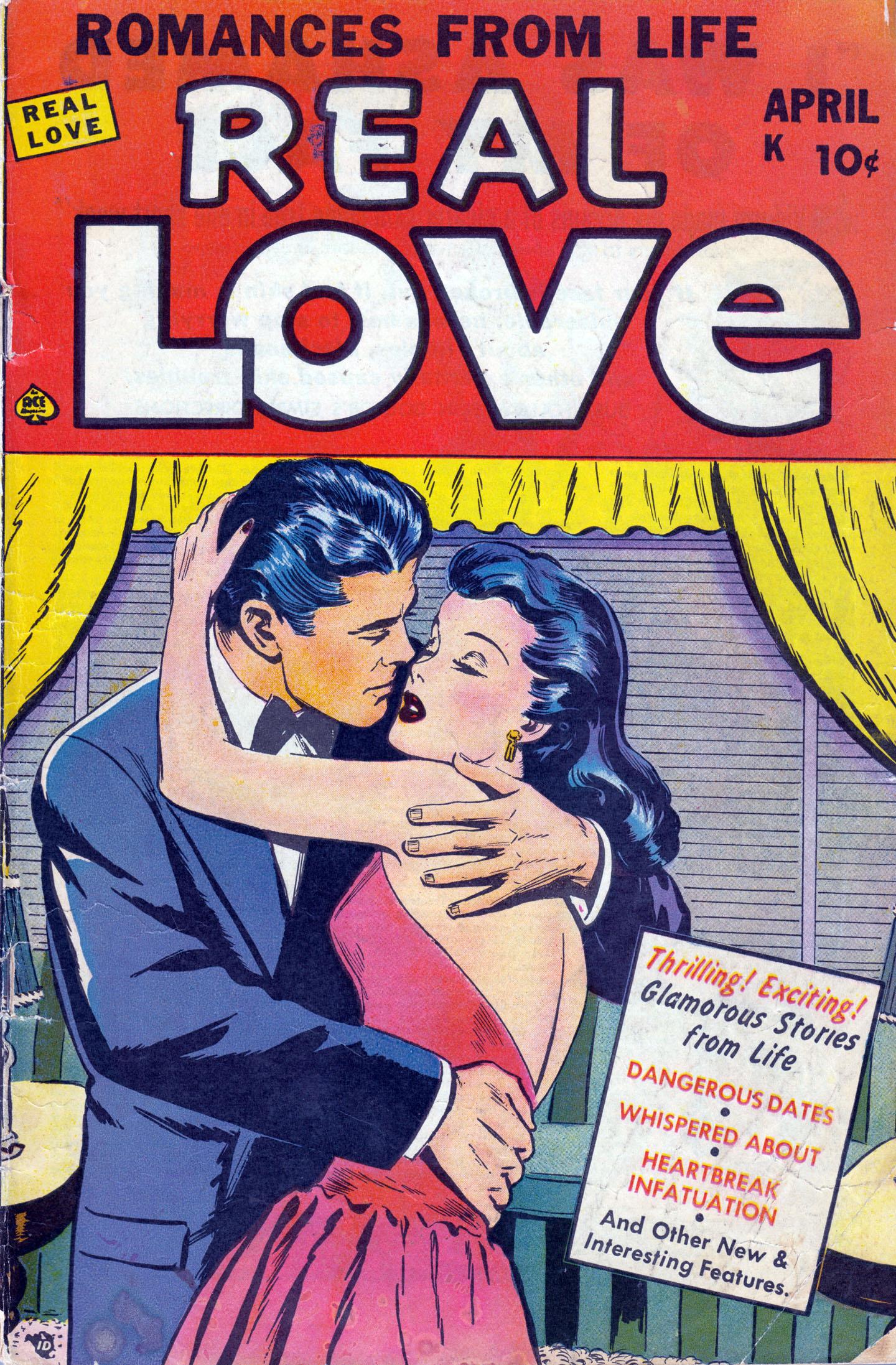
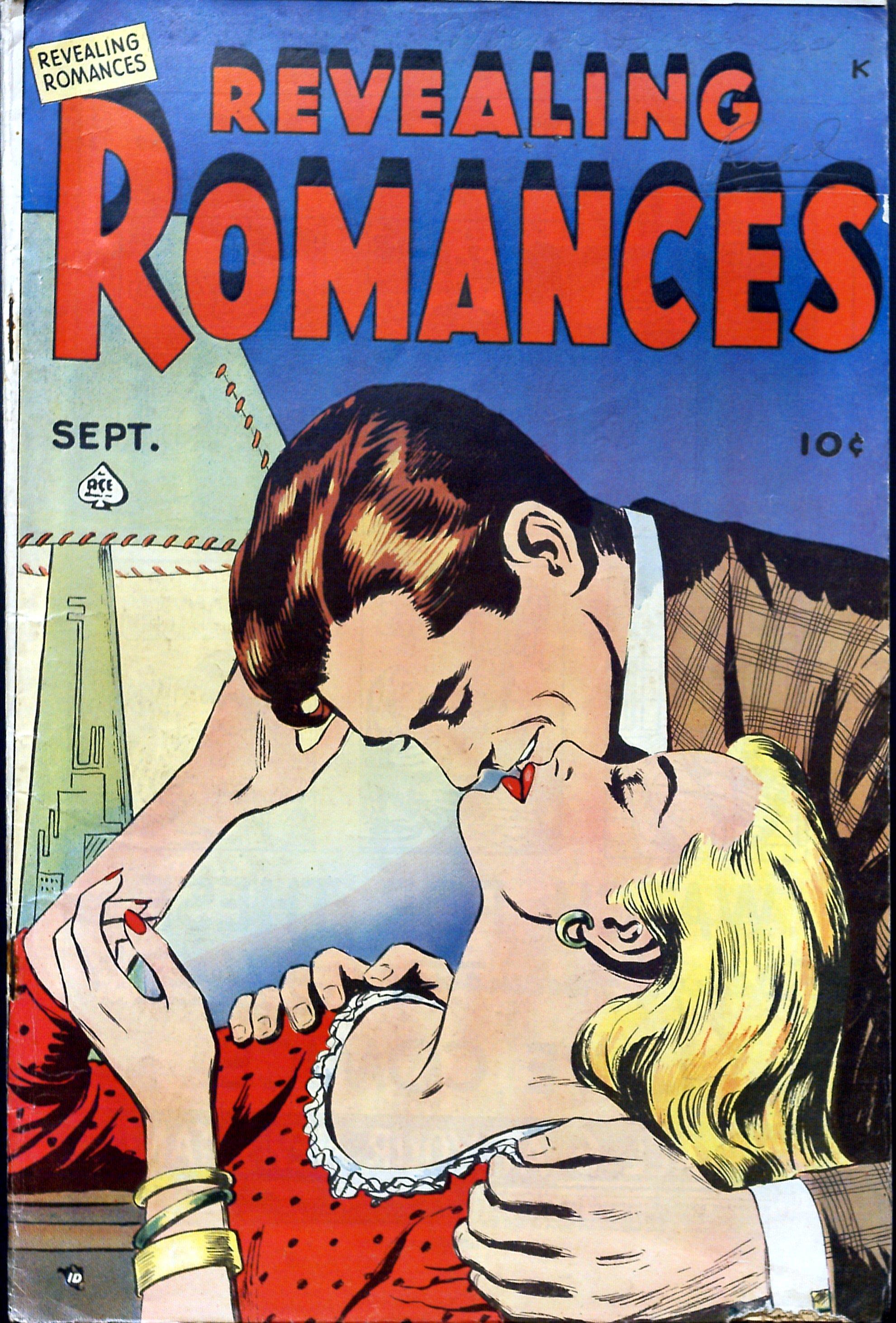
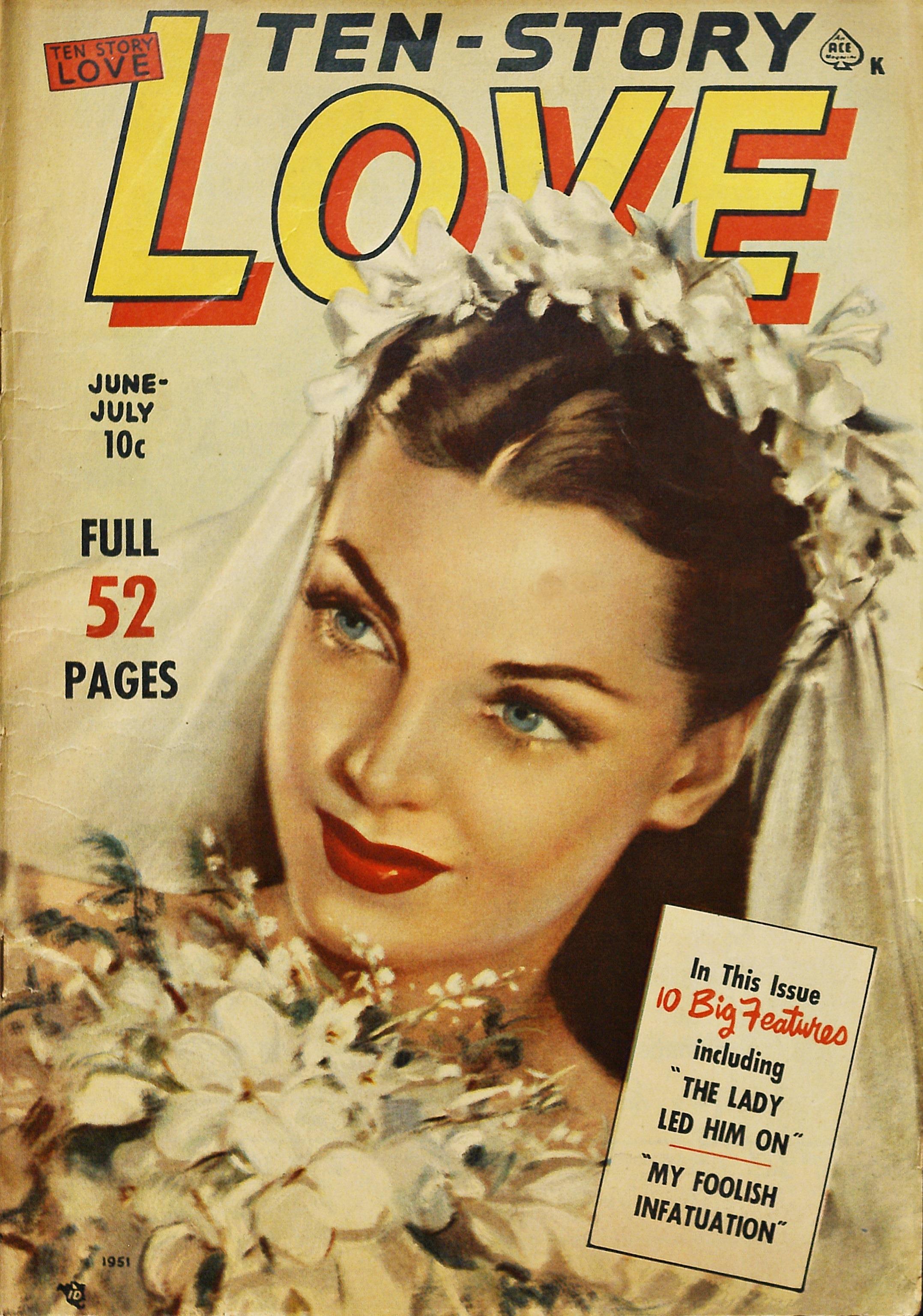
Les séries les plus longues d’Ace étaient les bandes dessinées romantiques de la société : Glamorous Romances, Love At First Sight, Love Experiences et Real Love, qui ont commencé à la fin des années 1940 alors que les livres de super-héros disparaissaient, et ont continué jusqu’à ce que la société cesse de publier des bandes dessinées en 1956. D’autres titres romantiques à longue durée de vie tels que Complete Love Magazine et Ten Story Love ont commencé comme des magazines de pulps avant de passer au format de bandes dessinées au début des années 1950.
Un certain nombre d’histoires d’Ace ont été utilisées comme exemples d’imagerie violente et macabre dans les enquêtes du Congrès américain des années 1950 sur l’influence des bandes dessinées sur la délinquance juvénile qui ont conduit à l’autorité du code de la bande dessinée, notamment Challenge of the Unknown #6, Crime Must Pay the Penalty #3 et Web of Mystery #19. Western Adventures Comics #3 a été utilisé comme exemple dans Seduction of the Innocent de Fredric Wertham, et au Royaume-Uni, Atomic War #4, Beyond #18 et World War III #2 ont été cités comme exemples par le livre de Geoffrey Wagner sur le même sujet en 1954, Parade of Pleasure – A Study of Popular Iconography in the USA.
Les personnages des bandes dessinées Ace ont connu un destin plutôt mouvementé après la fin de leur publication dans les années 1950. Bien que leurs noms aient été utilisés pour d’autres personnages de bande dessinée, tels que Captain Victory de Jack Kirby et plusieurs méchants de DC Comics appelés Black Spider, les personnages originaux sont restés inutilisés pendant des décennies.
Cependant, en 2008, les personnages de Lash Lightning et Lightning Girl ont fait leur retour dans un flash-back de Project Superpowers de Dynamite Entertainment. Dans le one-shot Project Superpowers: Chapter Two Prelude, il a été annoncé que les deux personnages apparaîtraient dans cette série en tant que membres d’une équipe appelée The Super-Mysterymen, probablement nommée en référence à la série Ace Super-Mystery Comics.
Malgré leur longue absence, les personnages de la bande dessinée Ace ont donc réussi à se frayer un chemin jusqu’à la scène de la bande dessinée moderne, grâce à leur retour dans Project Superpowers. Leur héritage continue d’être célébré par les fans de la bande dessinée et les collectionneurs, rappelant l’importance de ces personnages dans l’histoire de la bande dessinée.
A. A. WYN
A. A. WYN (1898-1967)
Aaron Abraham Weinstein, plus connu sous le nom d’A. A. Wyn, est né le 22 mai 1898 à New York City. Ses parents, Jacob et Rebecca Weinstein, étaient tous deux d’origine juive et étaient nés en Russie. Ils ont émigré aux États-Unis en 1891 et se sont installés à New York City. Le père de Wyn a travaillé comme emballeur de cigares dans une usine pour le reste de sa vie.
Wyn a été diplômé de l’école secondaire publique du Bronx en juin 1916 et a ensuite utilisé le nom « Aaron A. Wyn » pour s’inscrire à la City College de New York (C.C.N.Y.). Pendant la Première Guerre mondiale, il a été exempté du service militaire en raison de son statut d’étudiant universitaire, mais il a reçu une formation de l’armée à l’école pendant un semestre. Après avoir terminé sa troisième année à C.C.N.Y., Wyn a quitté l’université et a commencé à travailler en tant que correcteur d’épreuves dans l’industrie de l’imprimerie.
En 1926, Wyn a épousé Rose Schiffman, dont le père avait également une entreprise d’imprimerie à New York. Wyn a commencé à travailler pour Magazine Publishers, Inc. et a rapidement gravi les échelons pour devenir éditeur et éventuellement éditeur en chef de plusieurs magazines pulp, notamment Western Aces, Flying Aces, Ten Detective Aces, Secret Agent-X, Spy Stories et Love Fiction Monthly Magazine.
Wyn a également contribué à la création de la société de publication Avon Publications, Inc. en 1941, qui est devenue l’une des plus grandes maisons d’édition de livres de poche aux États-Unis.
Tout au long de sa carrière, Wyn a travaillé avec certains des meilleurs illustrateurs de magazines pulp, notamment Norman Saunders, Rafael M. DeSoto et Leo Morey. Il est décédé en 1967 à l’âge de 68 ans.
Bien que la carrière d’A. A. Wyn ne soit pas très connue, il a été un pionnier dans l’industrie de l’édition et a contribué de manière significative au développement de la littérature populaire américaine.


 Initiative Oméga