





Harry Donenfeld, un nom qui résonne avec une certaine puissance dans l’industrie de la bande dessinée. Né dans une humble famille d’immigrants, il a gravi les échelons pour devenir l’un des éditeurs les plus influents de son époque, introduisant des personnages emblématiques tels que Superman et Batman au monde. Son parcours, cependant, n’a pas été sans controverses, avec des allégations de liens avec le crime organisé et des accusations d’obscénité. Malgré ces défis, Donenfeld a laissé une empreinte indélébile dans l’histoire de la bande dessinée. Cette biographie explore la vie et l’héritage de cet homme complexe et fascinant.
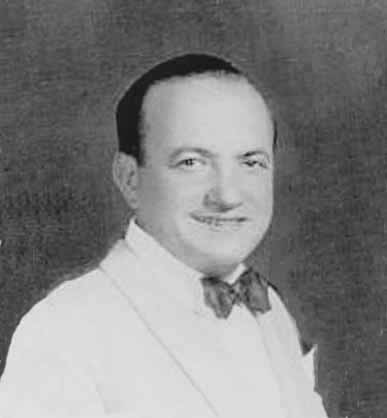
Harry Donenfeld est né le 17 octobre 1893 à Iași, en Roumanie, une ville connue pour sa riche culture juive. À l’âge de cinq ans, il a quitté sa ville natale avec ses parents et son frère Irving pour traverser l’océan Atlantique et s’installer aux États-Unis. Ils ont posé leurs valises dans le Lower East Side de New York, un quartier vibrant de communautés d’immigrants.
La jeunesse de Harry a été marquée par une instabilité constante. Il a alterné entre l’école et la rue, naviguant entre les défis de l’éducation et les tentations des gangs de rue. Ces expériences ont forgé en lui une résilience et une ténacité qui allaient devenir des traits caractéristiques de sa personnalité. Malgré les difficultés, Harry a réussi à tirer des leçons précieuses de ces expériences, des leçons qui allaient s’avérer cruciales dans sa future carrière.
En tant que jeune adulte, Harry Donenfeld aspirait à plus que la vie ordinaire d’un travailleur. Il se voyait comme un homme d’affaires, un entrepreneur. Il a commencé sa carrière en tant que vendeur de vêtements à New York, un emploi qui lui a permis d’interagir avec une clientèle diversifiée et d’affiner ses compétences en persuasion. Son charisme et son talent pour la vente étaient déjà évidents à ce stade de sa carrière.
En 1918, un tournant significatif a eu lieu dans sa vie. Donenfeld a épousé Gussie Weinstein et, avec l’aide financière de ses beaux-parents, il a ouvert un magasin de vêtements à Newark, dans le New Jersey. Cette entreprise a marqué son premier pas dans le monde des affaires, lui offrant une expérience précieuse dans la gestion d’une entreprise commerciale. Cependant, cette première aventure commerciale n’a pas été sans défis. Le climat économique aux États-Unis à la fin des années 1920 était volatile, et les dépenses de consommation étaient en baisse. Malgré leurs meilleurs efforts, Harry et Gussie ont connu des difficultés financières, et en 1921, ils se sont retrouvés endettés. Cette période de lutte financière a été une expérience d’apprentissage cruciale pour Donenfeld, lui enseignant les réalités difficiles de la gestion d’une entreprise.
Face à la dépression économique et à l’échec de son magasin de vêtements, Harry Donenfeld a été contraint de trouver une source de revenus stable. Cela l’a amené à rejoindre l’entreprise d’imprimerie de ses frères, Martin Press, en tant que vendeur et quatrième partenaire. Ce fut un changement significatif dans sa trajectoire de carrière, passant du secteur de la vente au détail à l’industrie de l’édition.
Au cours des années 1920, Martin Press a connu une expansion substantielle de son capital. On suppose que Harry, en utilisant ses relations avec le gangster Frank Costello, a facilité le transport d’alcool, illégal pendant l’ère de la prohibition, en même temps que du papier de pulpe canadien légitime à travers la frontière. Cette entreprise a non seulement augmenté les profits de l’entreprise, mais a également élargi le réseau de Harry dans le monde souterrain.
En 1923, Harry a réussi à conclure une importante affaire de vente, en acquérant les droits pour Martin Press d’imprimer six millions de prospectus d’abonnement pour les magazines Hearst, tels que Cosmopolitan et Good Housekeeping. On attribue en partie le succès de cette affaire à ses contacts dans le monde souterrain, qui avaient des liens étroits avec le vendeur de journaux Hearst, Moe Annenberg.
Le succès de cette affaire a permis à l’entreprise de déménager de son ancien emplacement du centre-ville à un immeuble de douze étages dans le quartier de Chelsea. La même année a également vu l’émergence de l’acuité commerciale compétitive de Donenfeld. Il a pris le contrôle de Martin Press, forçant ses deux frères aînés à quitter l’entreprise et laissant Irving en tant que partenaire minoritaire et imprimeur en chef. Dans un geste symbolique, il a changé le nom de l’entreprise de Martin Press à Donny Press, marquant sa domination dans l’entreprise.
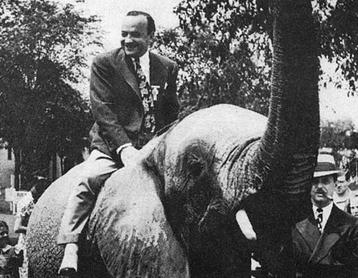
Vers 1925, Harry Donenfeld a commencé une nouvelle aventure dans l’industrie de l’édition. Il a commencé à collaborer avec Frank Armer pour produire des lignes de « pulps de filles », un genre de magazines pulp qui présentaient du contenu risqué et sensationnel. Ces publications étaient diffusées sous différents noms de sociétés, ajoutant une couche de complexité et d’intrigue aux opérations commerciales de Donenfeld.
Donenfeld a acquis plusieurs pulps de filles, dont « Ginger Stories », « Pep Stories » et « Snappy Stories » de William Clayton. Ces magazines étaient publiés sous le nom de DM. Il a élargi son portefeuille en lançant d’autres magazines sur le même modèle, tels que « Hot Stories », « Joy Stories » et « Juicy Tales », sous les noms de Merwil et plus tard Irwin Publishing.
En novembre 1933, Donenfeld et Armer ont formé une société appelée Super Magazines. Cette société se spécialisait dans les pulps mixtes de filles/genres, produisant des titres comme « Spicy Adventure », « Spicy Detective », « Spicy Mystery » et « Spicy Western ».
Cependant, cette entreprise n’a pas été sans controverse. Après avoir été accusé d’obscénité, Donenfeld a échappé de justesse à la prison et a décidé de changer le nom de Super Magazines en Culture Publications. Ce mouvement était une tentative de rebranding et de nettoyage de l’image de l’entreprise. Malgré les défis, l’implication de Donenfeld dans l’industrie des magazines pulp a marqué une phase significative de sa carrière, démontrant sa volonté de prendre des risques et de repousser les limites dans le monde de l’édition.
En 1929, Harry Donenfeld a tendu la main à un ancien client, Julius Liebowitz, en offrant du travail à son fils, Jack. Malgré leurs différences, Jack et Harry ont formé un partenariat redoutable, l’acuité financière de Jack complétant le talent de vendeur de Harry. Avec le soutien financier de Paul Sampliner, Irving Donenfeld en tant qu’imprimeur en chef, Harry en tant que vendeur, et Jack Liebowitz en charge des finances, ils ont lancé la Independent News Company en 1932. Ce fut une étape importante dans la carrière de Donenfeld, car il est devenu distributeur ainsi qu’éditeur.
En 1935, le Major Malcolm Wheeler-Nicholson a approché Independent News avec une proposition de relancer sa bande dessinée, New Fun. Malgré les faibles ventes précédentes de la bande dessinée et ses dettes, Donenfeld a accepté de la distribuer, mais avec une perte significative de droits pour Wheeler-Nicholson. Cela a conduit à la production de deux autres titres, New Comics et Detective Comics, sous la bannière de Detective Comics Inc. En 1938, à la suite d’un procès contre Wheeler-Nicholson pour non-paiement, Donenfeld a acquis Detective Comics Inc. et National Allied Publications de Wheeler-Nicholson dans leur intégralité.
La quatrième publication sous National Allied Publications était Action Comics (1938), qui a présenté au monde le super-héros, Superman. Malgré des réserves initiales sur le personnage, Donenfeld a été convaincu par sa popularité et sa rentabilité. Ce fut un tournant dans sa carrière, car il a non seulement bénéficié de ventes saines de bandes dessinées, mais a également profité de la commercialisation de produits dérivés tels que des jouets, des costumes et même une émission de radio mettant en vedette le personnage.
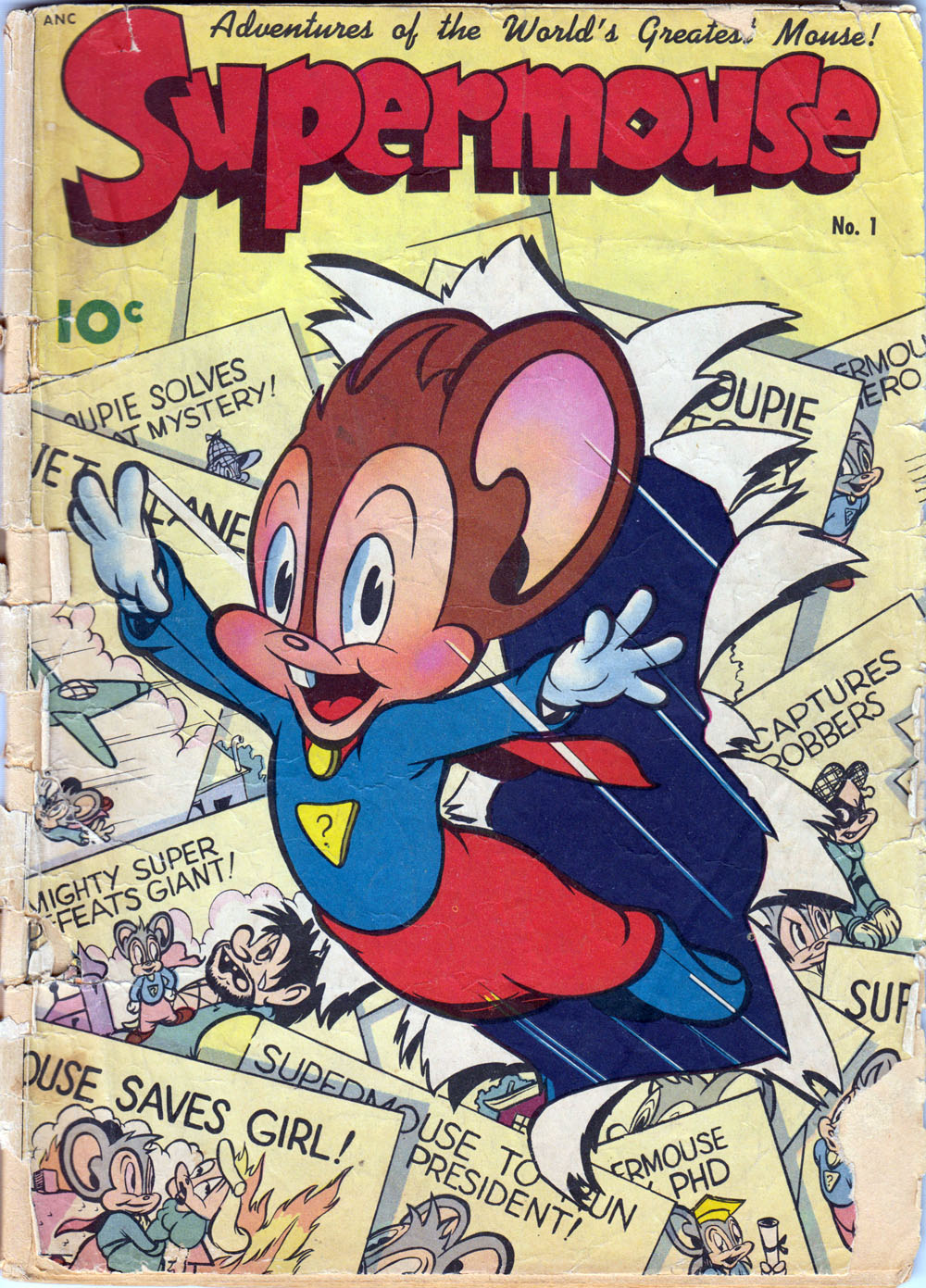
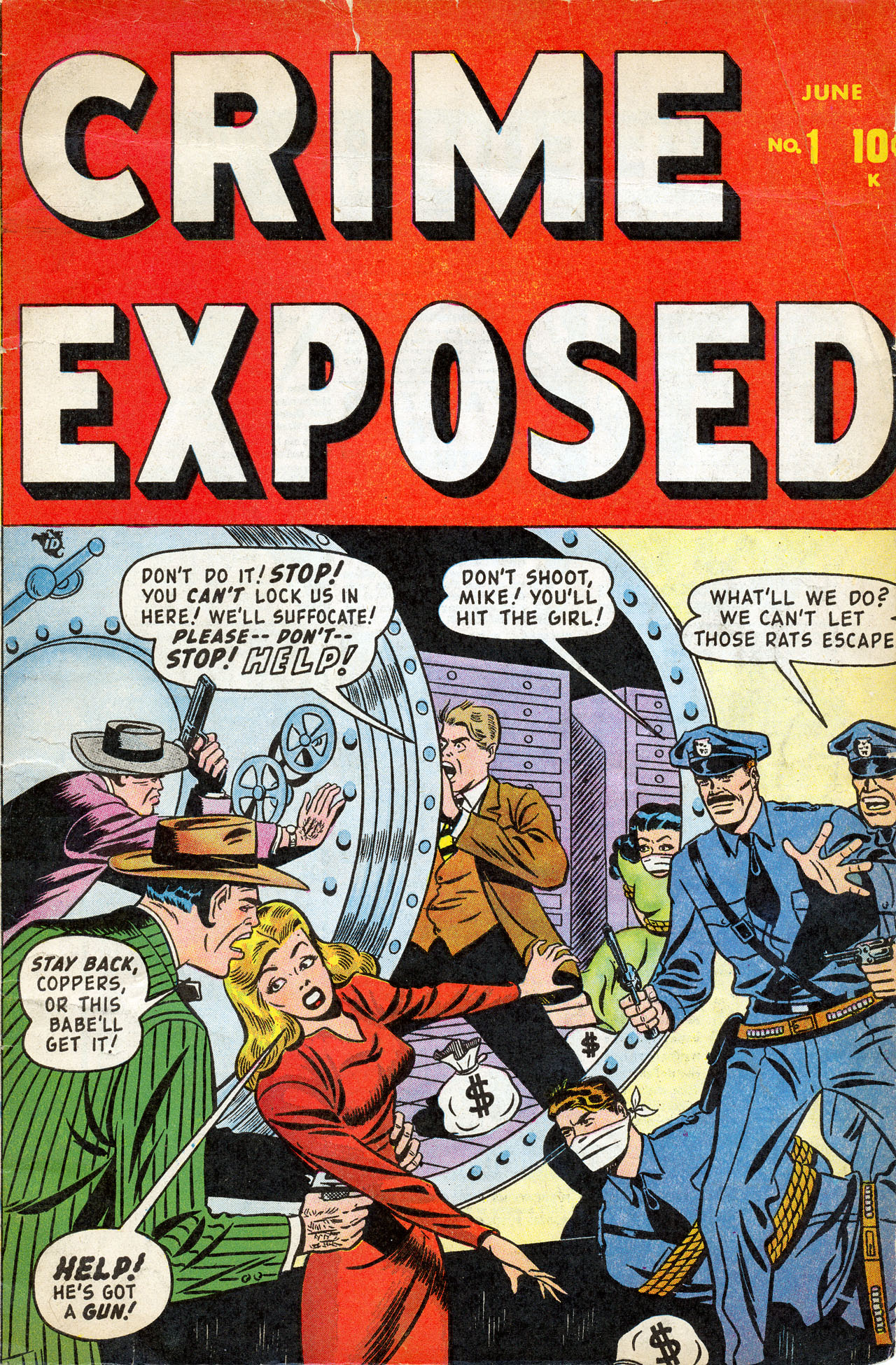
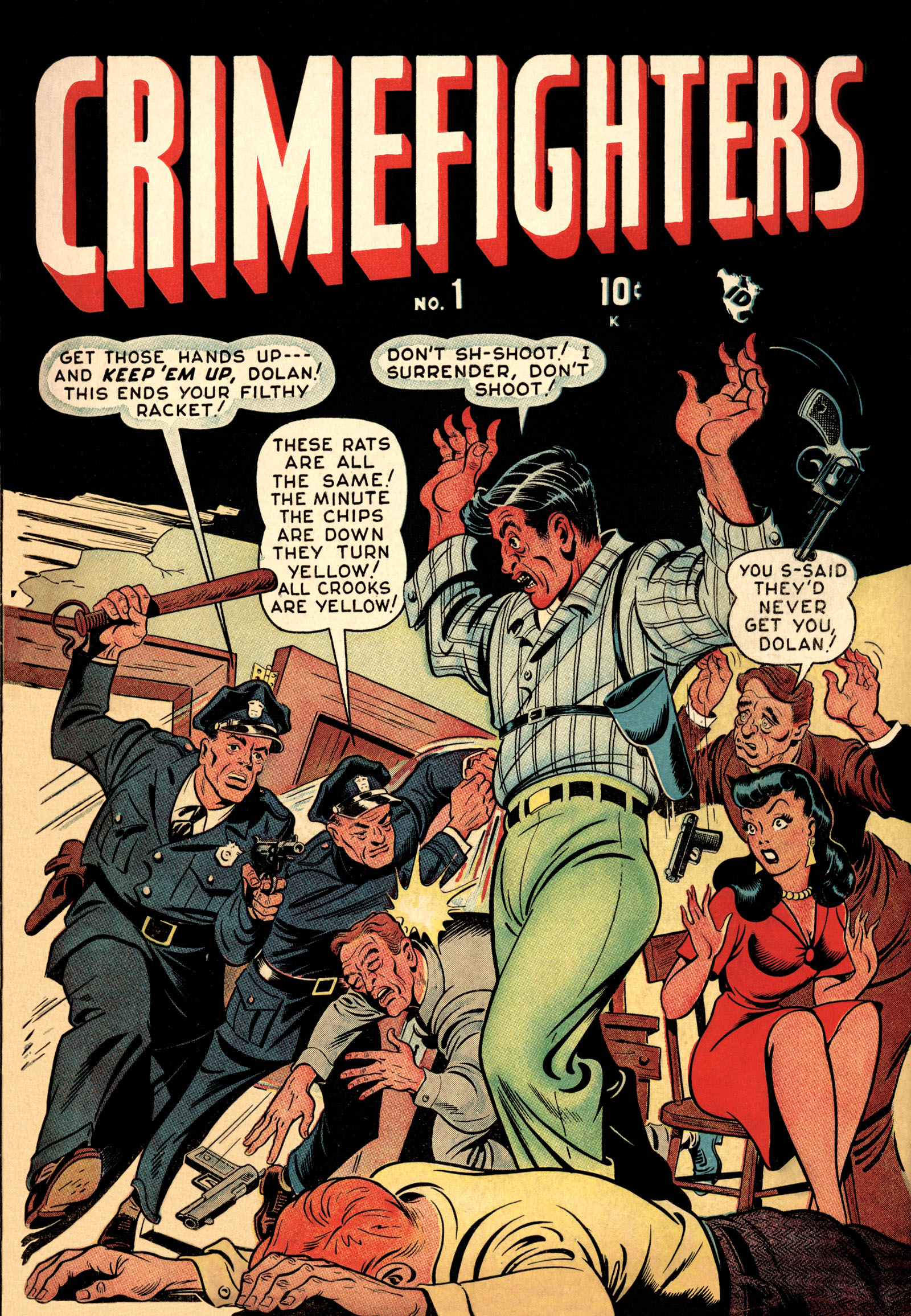
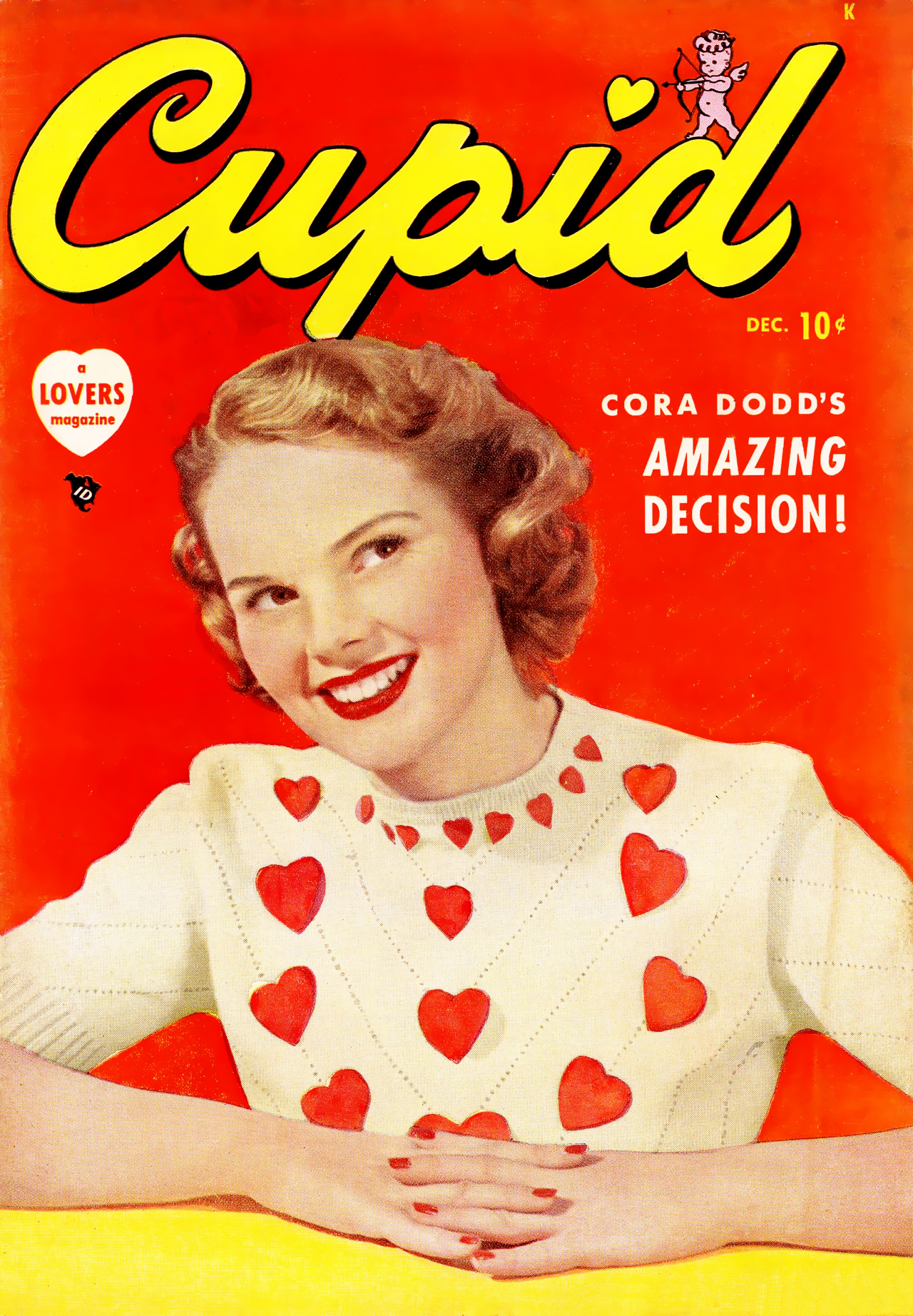
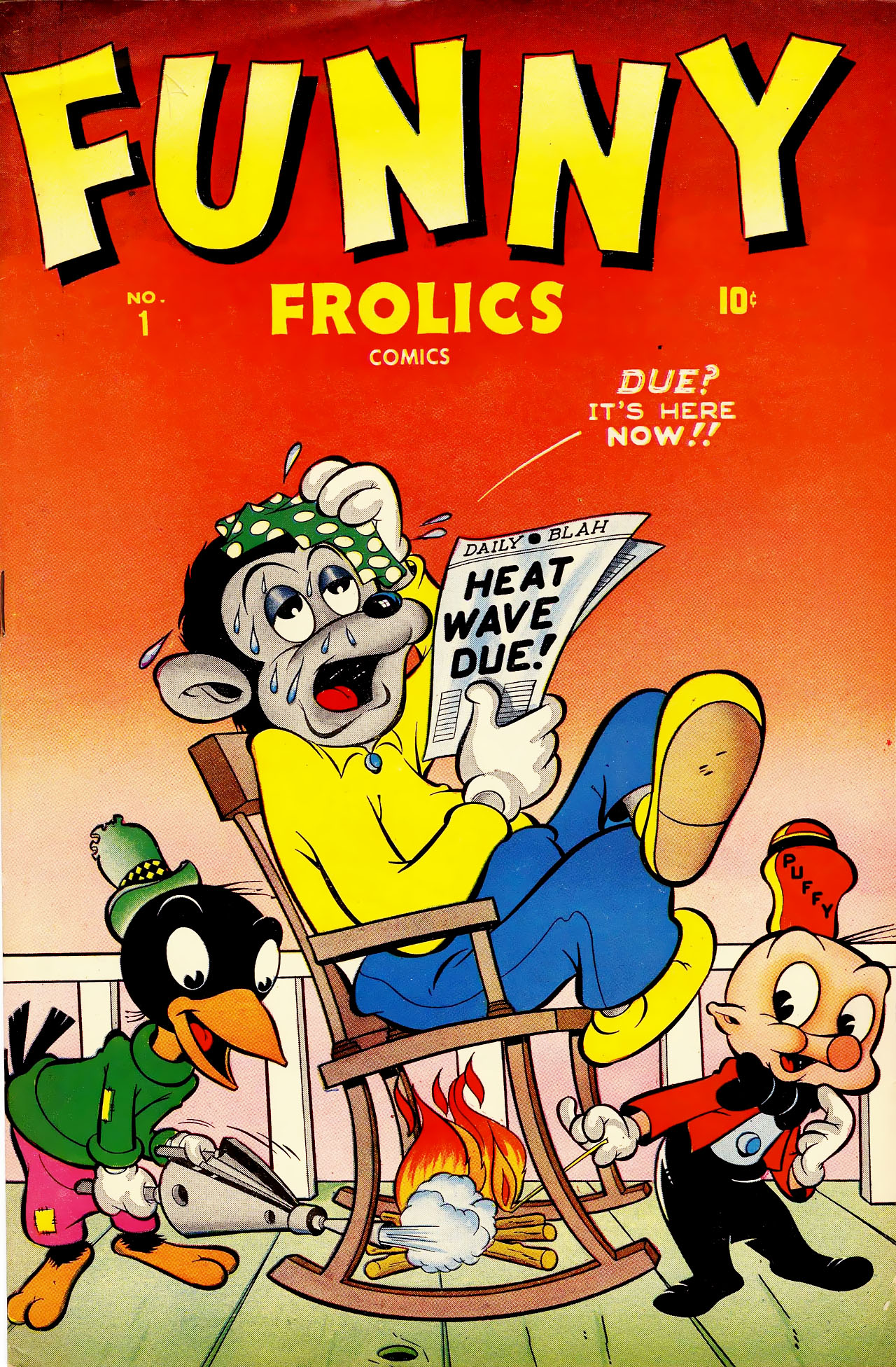
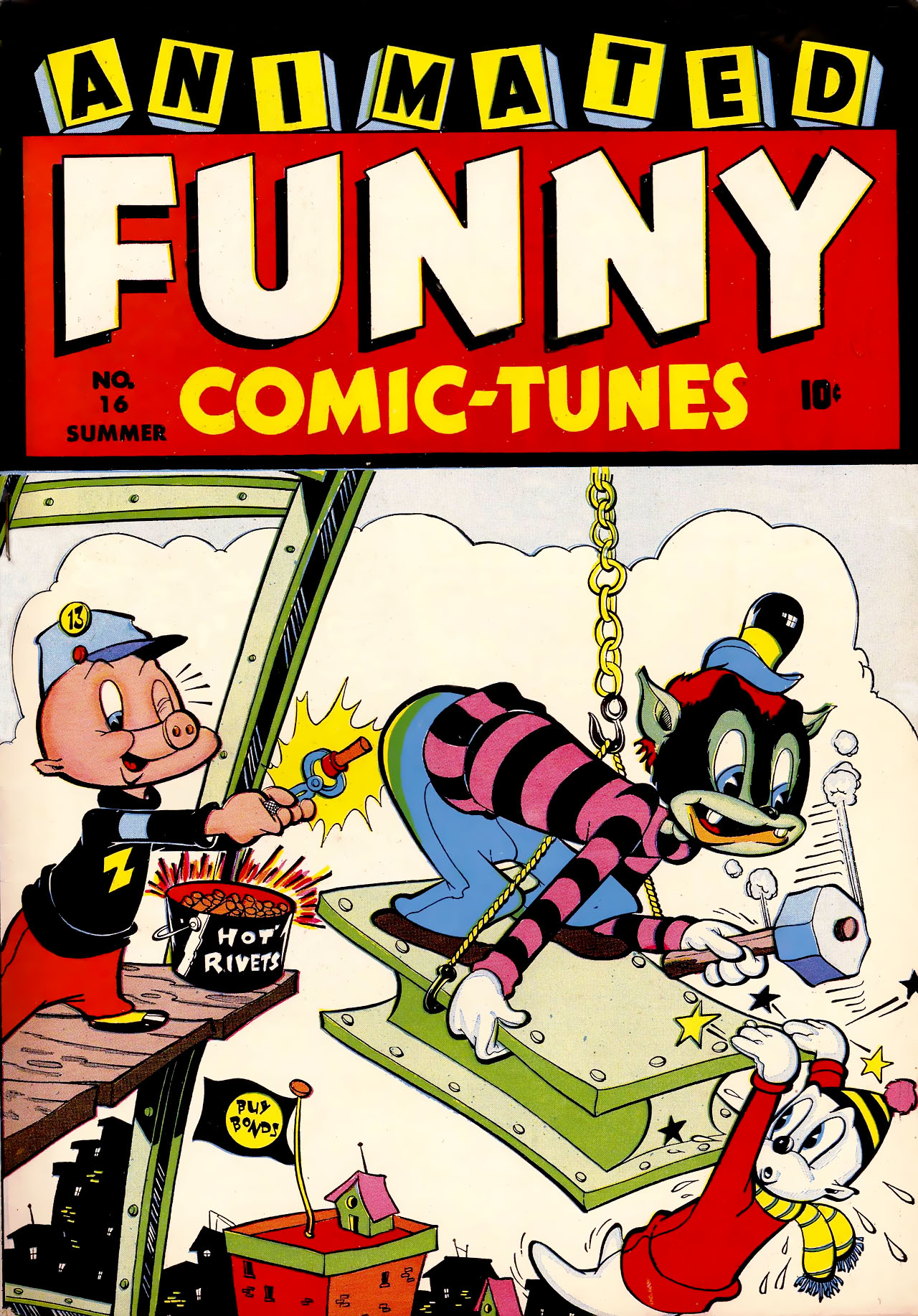
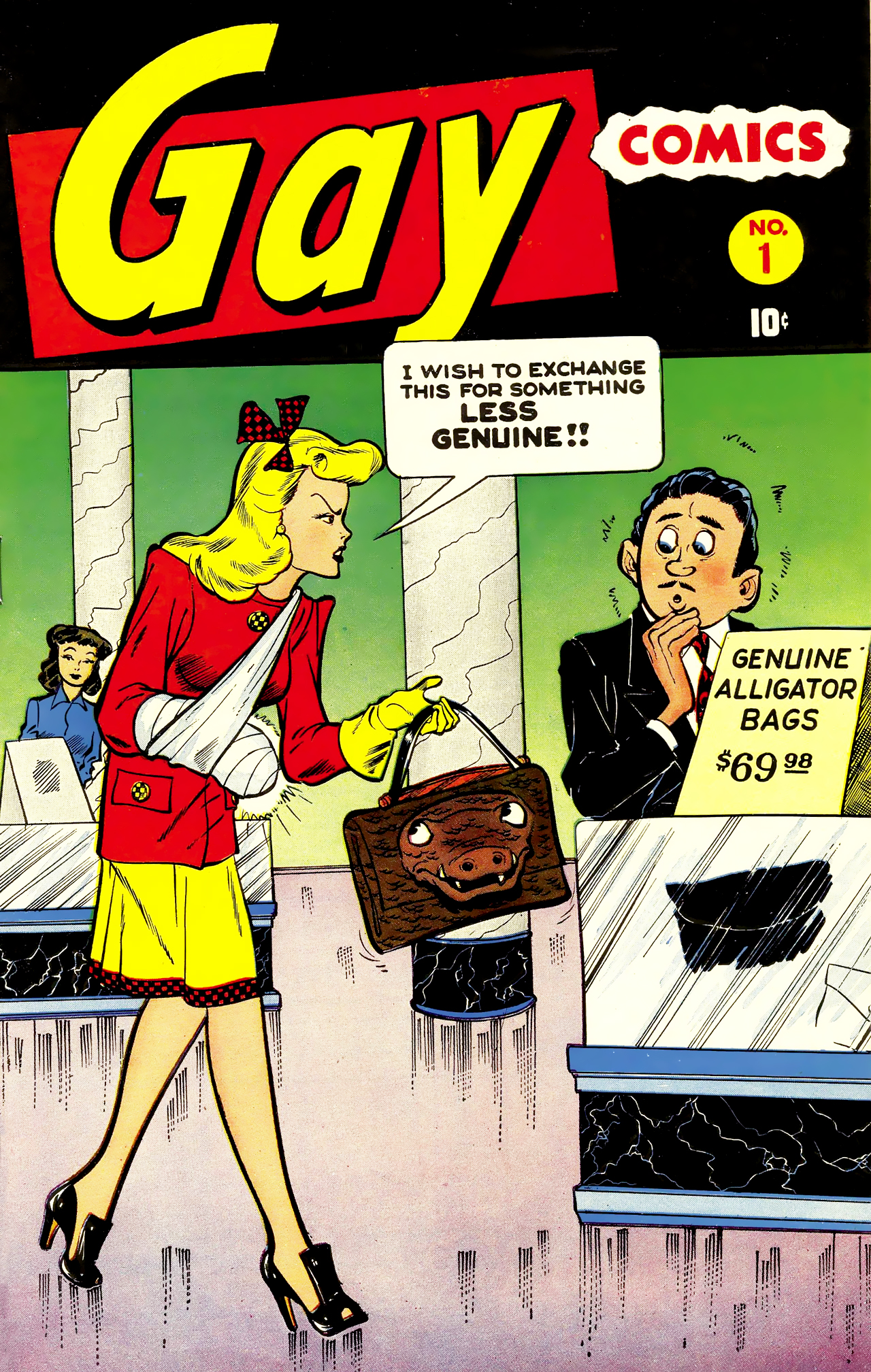
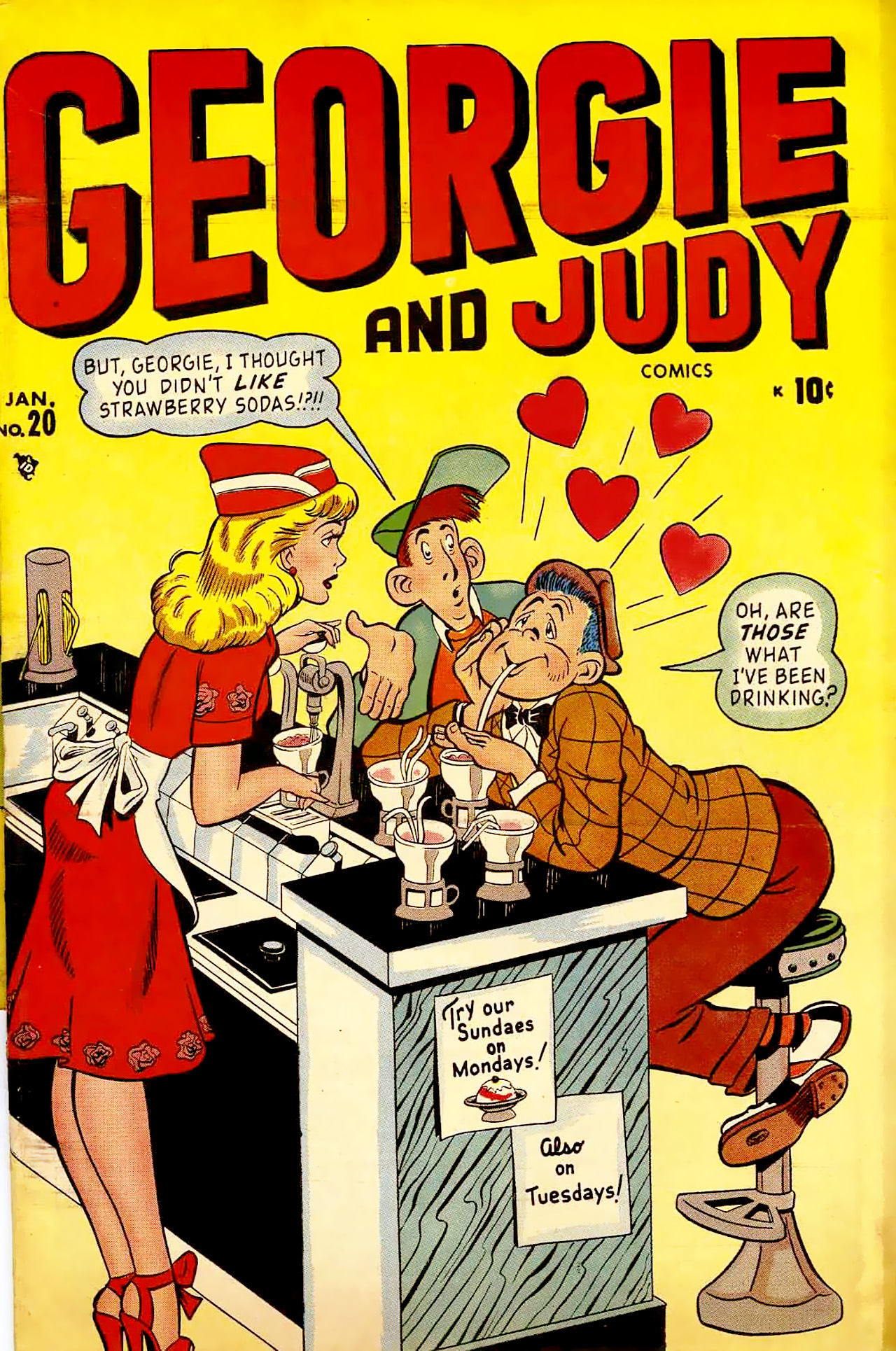
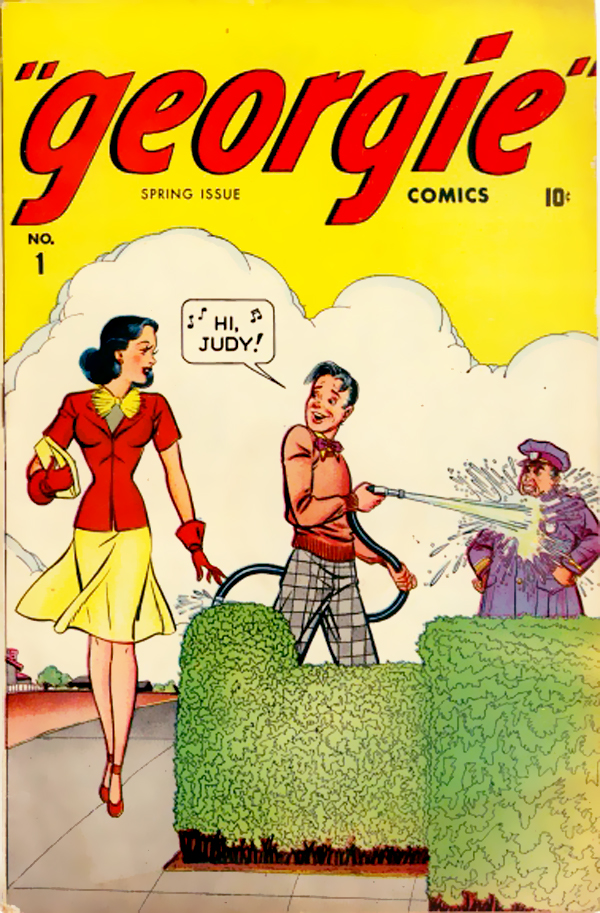
En plus de ses réussites avec National Allied Publications, Harry Donenfeld a également eu une participation dans un éditeur de bandes dessinées concurrent, American Comics Group (ACG). Cet investissement témoigne de l’acuité commerciale de Donenfeld et de sa compréhension du potentiel de l’industrie de la bande dessinée.
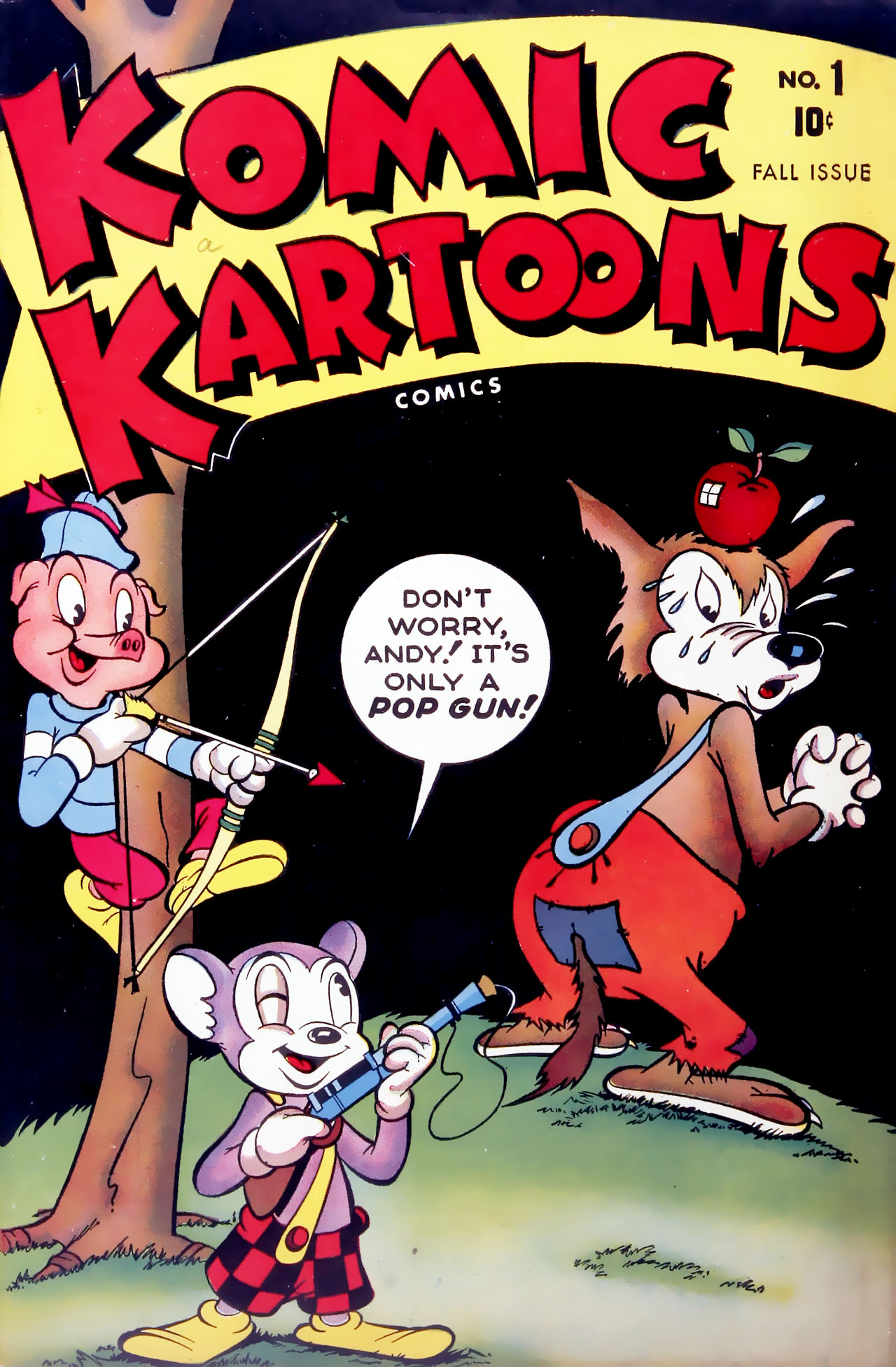
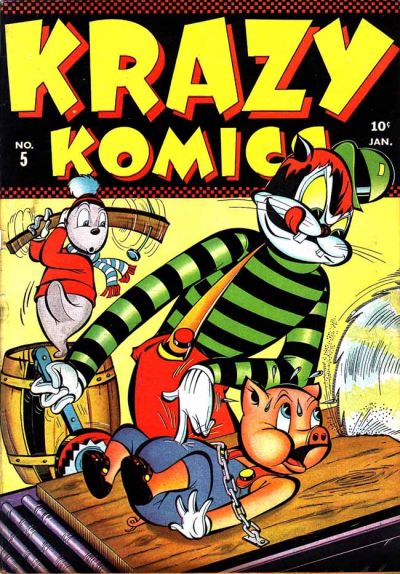
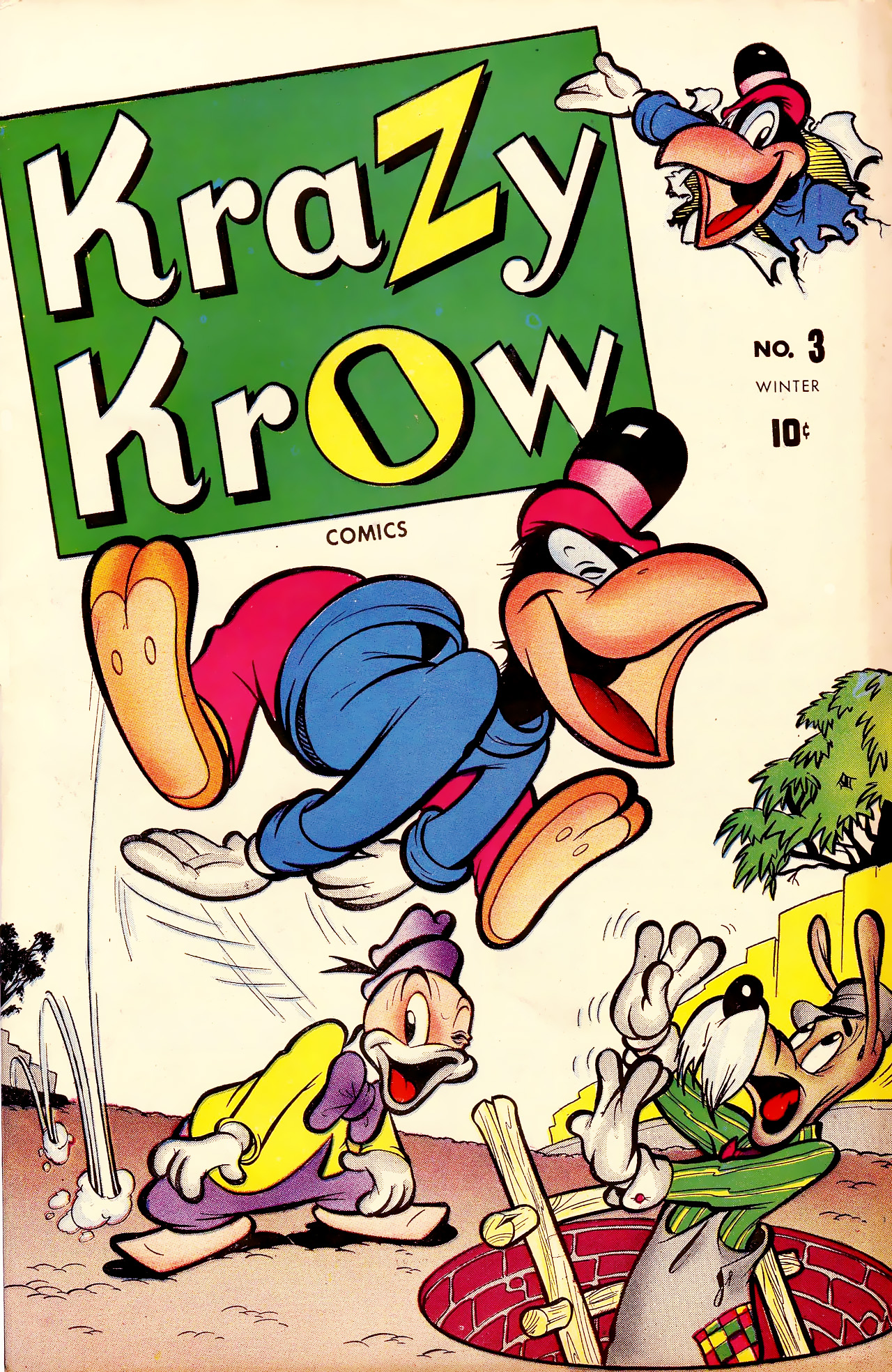
L’implication de Donenfeld avec ACG a commencé en 1943 lorsqu’il a aidé Benjamin W. Sangor, un partenaire de gin rummy et de voyage, à démarrer l’entreprise. Malgré le fait qu’ils étaient concurrents dans la même industrie, le soutien de Donenfeld à l’entreprise de Sangor souligne sa volonté d’explorer diverses opportunités commerciales. ACG a continué à publier jusqu’en 1967, avec sa distribution gérée par Independent News de Donenfeld.
Cette phase de la carrière de Donenfeld démontre son approche stratégique des affaires. En possédant des participations dans plusieurs entreprises au sein de la même industrie, il a pu diversifier ses investissements et atténuer les risques. Son implication avec ACG lui a également permis d’acquérir une perspective plus large de l’industrie de la bande dessinée, ce qui aurait été inestimable pour façonner ses stratégies commerciales.
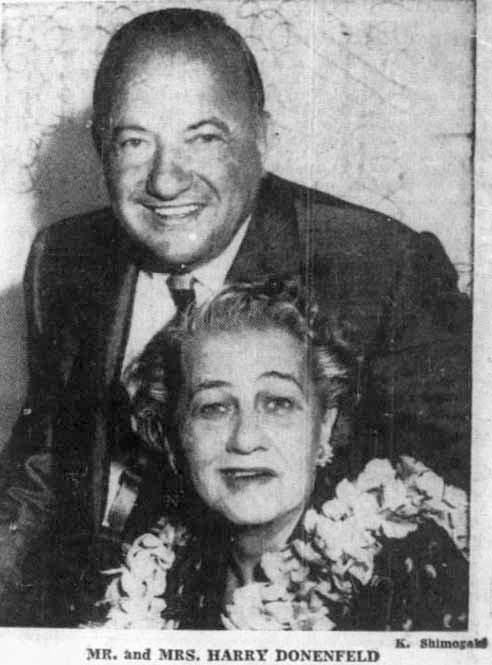
Au milieu de sa carrière florissante, la vie personnelle de Harry Donenfeld évoluait également. En 1918, il a épousé Gussie Weinstein. Cette union n’était pas seulement un engagement personnel, mais aussi un partenariat commercial, car les parents de Gussie ont fourni le prêt qui a permis à Harry d’ouvrir son premier magasin de vêtements. Cela a marqué le début du parcours entrepreneurial de Donenfeld.
Le couple a eu deux enfants : un fils, Irwin, né en 1926, et une fille, Sonia, affectueusement appelée « Peachy », née en 1928. Irwin a plus tard rejoint l’entreprise familiale, travaillant pour la firme de 1948 à environ 1968 et occupant les postes de directeur éditorial et de vice-président exécutif. Sonia, quant à elle, a épousé Fred Iger en 1947 et a eu deux enfants. Son mariage a pris fin par un divorce après 15 ans.
La vie personnelle de Donenfeld était étroitement liée à ses efforts professionnels. Sa famille a joué un rôle significatif dans ses opérations commerciales, et ses expériences personnelles ont influencé ses décisions commerciales. Malgré les exigences de sa carrière, Donenfeld a réussi à maintenir un équilibre entre sa vie personnelle et professionnelle, témoignant de sa résilience et de son adaptabilité.
En 1962, un tragique accident a radicalement changé le cours de la vie de Harry Donenfeld. Une semaine seulement avant qu’il ne soit prévu de se marier avec sa deuxième femme, Donenfeld a fait une chute qui a entraîné une grave blessure à la tête. Cet accident a eu un impact profond sur sa santé, entraînant une perte de mémoire et des troubles de la parole dont il ne s’est jamais complètement remis.
Après sa blessure, la santé de Donenfeld a progressivement décliné. Il a passé ses dernières années dans une maison de soins, un contraste frappant avec la vie dynamique et trépidante qu’il avait menée en tant qu’éditeur prospère. Le 1er février 1965, Harry Donenfeld est décédé, laissant derrière lui un héritage qui continuerait à influencer l’industrie de l’édition pendant des années à venir.
La mort de Donenfeld a marqué la fin d’une époque dans l’industrie de la bande dessinée et du pulp magazine. Ses contributions à ce domaine, en particulier son rôle dans la popularisation de personnages de super-héros comme Superman et Batman, ont eu un impact durable. Malgré ses luttes personnelles et les défis qu’il a rencontrés dans sa carrière, l’histoire de la vie de Donenfeld reste un témoignage de sa résilience, de sa ténacité et de son esprit d’entreprise.
Malgré sa disparition, l’influence de Harry Donenfeld dans l’industrie de l’édition ne s’est pas terminée avec sa mort. Ses contributions à l’industrie de la bande dessinée et du pulp magazine ont été reconnues à titre posthume lorsqu’il a été nommé parmi les lauréats par DC Comics dans la publication du 50e anniversaire de la société, « Fifty Who Made DC Great », en 1985. Cet honneur souligne l’impact significatif qu’a eu Donenfeld sur le développement et la popularisation des bandes dessinées, en particulier son rôle dans l’introduction de personnages de super-héros emblématiques comme Superman et Batman.
L’héritage de Donenfeld va au-delà de ses réalisations personnelles. Son fils, Irwin, a poursuivi le travail de son père dans l’industrie de l’édition, en tant que directeur éditorial et vice-président exécutif de l’entreprise familiale. Cette continuation du nom de Donenfeld dans l’industrie est un témoignage de l’influence de Harry et de l’impact durable de son travail.
De plus, les personnages et les histoires que Donenfeld a aidé à créer continuent de captiver les publics du monde entier. Superman et Batman, deux personnages qui ont été introduits sous la direction de Donenfeld de National Allied Publications, restent des figures emblématiques de la culture populaire. Leurs histoires ont été adaptées dans de nombreux formats, des films et des séries télévisées aux jeux vidéo et aux produits dérivés, consolidant davantage l’héritage de Donenfeld dans les annales de l’histoire de la bande dessinée.
Malgré son succès dans l’industrie de l’édition, la carrière de Harry Donenfeld a été entachée d’allégations de liens avec le crime organisé. Ces allégations ont commencé à émerger pendant l’ère de la prohibition, lorsque la vente d’alcool était illégale, ce qui a entraîné une montée du crime organisé. Donenfeld a été accusé d’avoir des connexions avec ce monde souterrain, bien que ces allégations n’aient jamais été prouvées.
L’une des allégations les plus notables concernait la publication de The Daily Racing Tab, un quotidien de courses hippiques. Il a été spéculé que cette publication a été réalisée avec la complicité des gangsters Lucky Luciano, Frank Costello et Arnold Rothstein. Cependant, ces allégations n’ont jamais été confirmées et restent à ce jour des spéculations.
De plus, la société d’impression de Donenfeld, Elmo Press, a reçu un contrat lucratif de Moe L. Annenberg, qui avait des liens avec des gangsters notoires de Chicago. Encore une fois, ces allégations n’ont jamais été prouvées, mais elles ont contribué à l’image controversée de Donenfeld.
Enfin, Donenfeld a formé Independent News Distribution (IND) avec Paul Sampliner, qui s’occupait de la distribution de diverses publications, dont certaines étaient considérées comme indécentes et ont conduit à des accusations d’obscénité. Ces accusations ont été un autre coup dur pour la réputation de Donenfeld, bien qu’il ait réussi à éviter une condamnation.
Ces allégations et controverses ont ajouté une couche de mystère et d’intrigue à la vie de Donenfeld. Bien qu’elles aient jeté une ombre sur sa carrière, elles ont également souligné la complexité de son personnage et la nature tumultueuse de l’industrie de l’édition à cette époque.
Harry Donenfeld, born in Iași, Romania in 1893, was a figure who straddled the worlds of publishing and organized crime. His journey from the Lower East Side of New York to the heights of the comic book industry was marked by a series of alliances with underworld figures, making him a controversial figure in the annals of American publishing.
Moses « Moe » Louis Annenberg, born in 1877 in Kaliscz, Russia, was a figure of significant influence and controversy in the early 20th century. His life was a blend of entrepreneurial success and criminal associations, making him a fascinating character in the annals of American history.
Annenberg immigrated to the United States with his family in 1885, settling in Chicago. He and his brother Max began their careers working for local hoodlums, eventually establishing themselves in gambling and protection rackets. By 1898, the Annenberg brothers had notorious reputations in Chicago, a city then embroiled in a violent circulation war among newspaper chains.
Annenberg’s rise in the publishing world began when he founded the Chicago Newsstand Distribution Company in 1906 to promote circulation of Hearst newspapers. His company’s dominance was enforced by the infamous North Side Gang, which was eventually headed by Dean O’Banion.
Annenberg’s connections to organized crime were numerous and complex. His control over the nationwide gambling industry was facilitated by his monopoly on racetrack wire services and an affiliated network of racing forms. Anti-racketeering prosecutors targeted Annenberg’s national wire service, considering it the lifeblood of the gambling industry that nourished American gangsters.
His control over this nationwide monopoly of racetrack wire services was likely achieved with the complicity of New York City mobsters Lucky Luciano, Frank Costello, and Arnold Rothstein. Furthermore, Annenberg’s association with Harry Donenfeld, a known figure in the underworld of publishing, further solidified his connections to organized crime.
Annenberg’s influence extended to the comic book industry. He was involved in the production of scandal sheets in major cities across the U.S., which were often associated with extortion and blackmail. These publications were printed on the same rotogravure press and featured illustrations by the same artists, indicating a significant influence on the comic book industry.
Annenberg’s known affiliates included William Randolph Hearst, Joseph Ottenstein, Emile Gauvreau, Stephen Clow, and Harry Donenfeld. Donenfeld, in particular, was a significant figure in the comic book industry, co-founding the company that would eventually become DC Comics.
Annenberg’s life was not without legal troubles. In 1939, he was charged with tax evasion, leading to a conviction and a three-year prison sentence. His health declined during his incarceration, and he was released early for medical treatment. He died in 1942 while recuperating from a brain operation.
Despite his controversial life, Annenberg’s legacy lived on through his son, Walter Annenberg, who led Triangle Publications to even greater prosperity and became one of America’s most outstanding charitable and political donors.
Moe Annenberg’s life is a testament to the complex interplay of power, crime, and influence in the early 20th century. His story serves as a reminder of the often blurred lines between legitimate business and organized crime in the annals of American history.
Fondation et premières années (1938-1943)
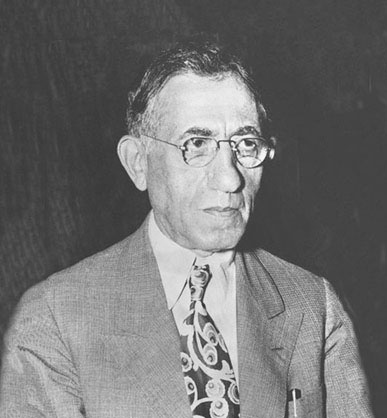
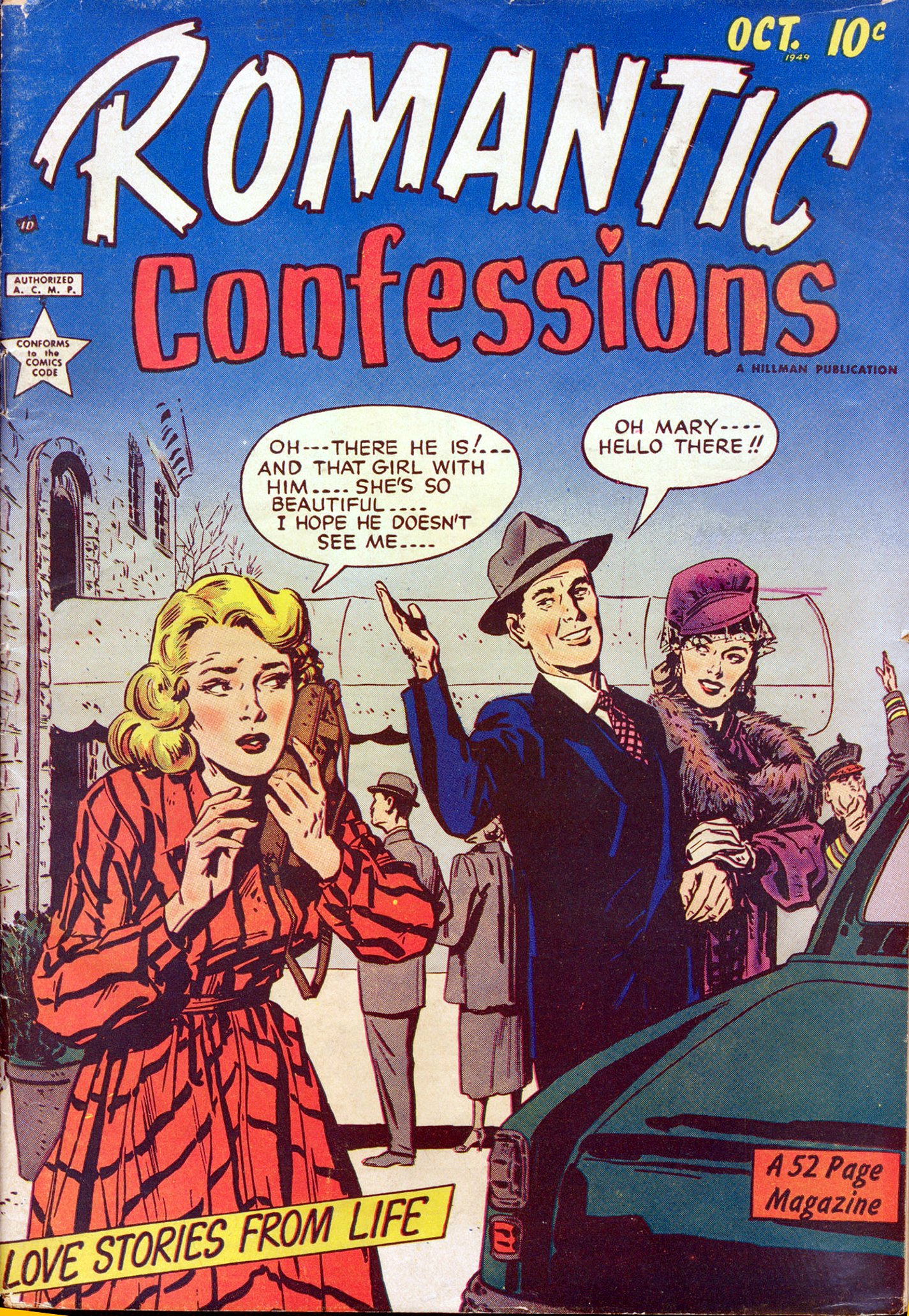
L’histoire de Hillman Periodicals commence en 1938, lorsque Alex L. Hillman, un ancien éditeur de livres de New York, a décidé de se lancer dans l’aventure de l’édition de magazines. Hillman, un homme passionné par l’art et la littérature, a fondé Hillman Periodicals avec l’intention de créer des publications qui captivent l’imagination des lecteurs et reflètent les réalités de la vie quotidienne.
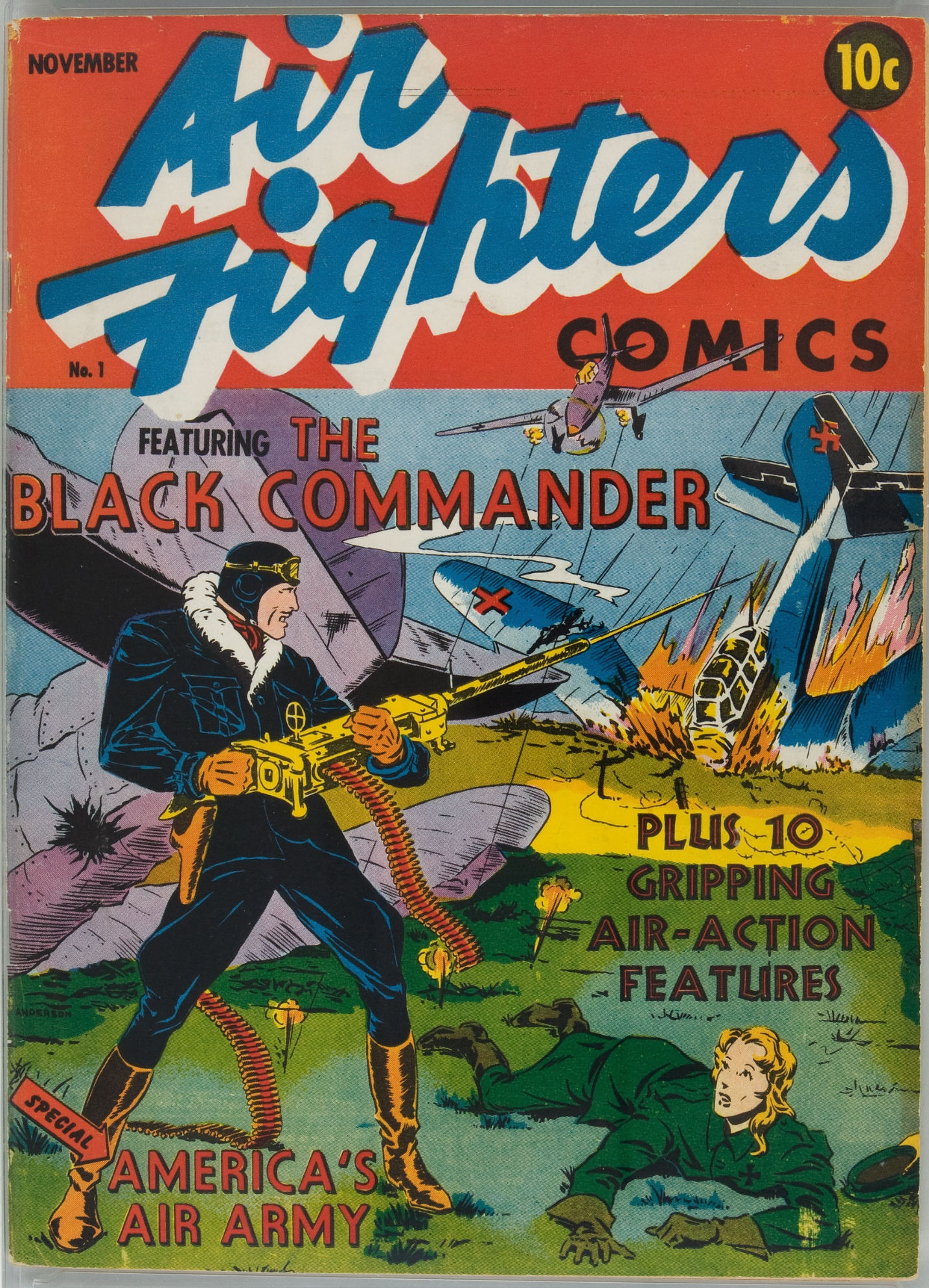
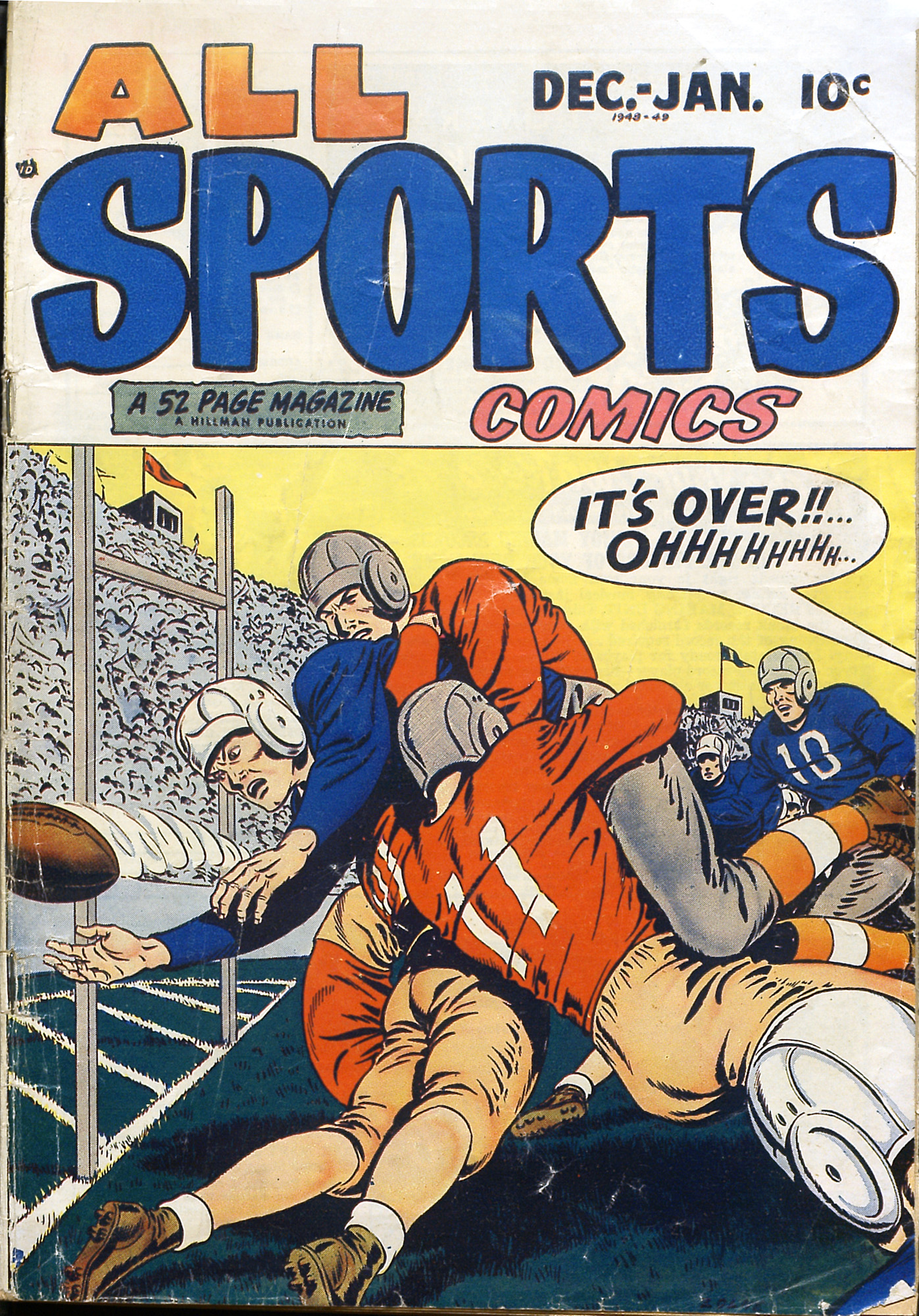
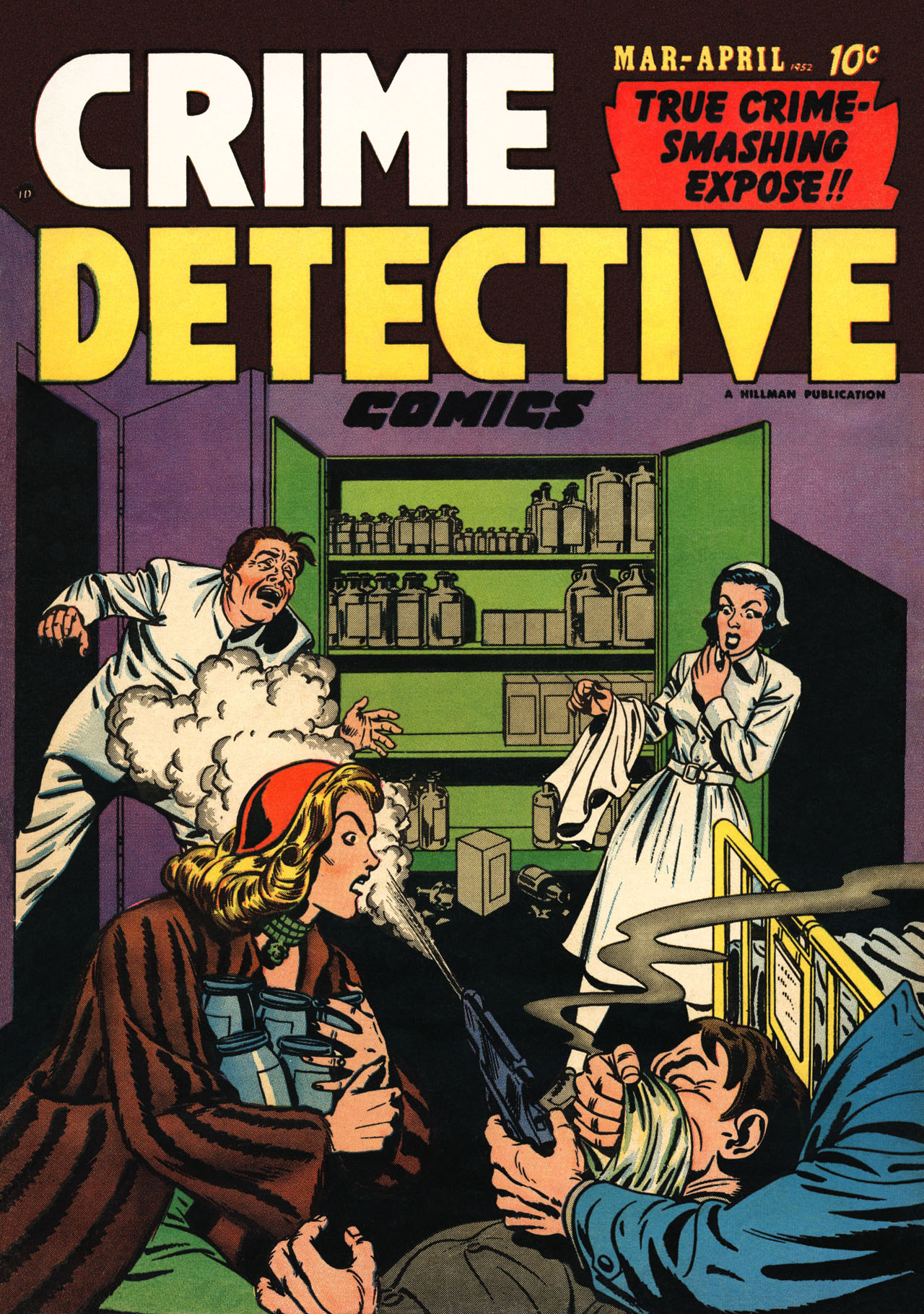
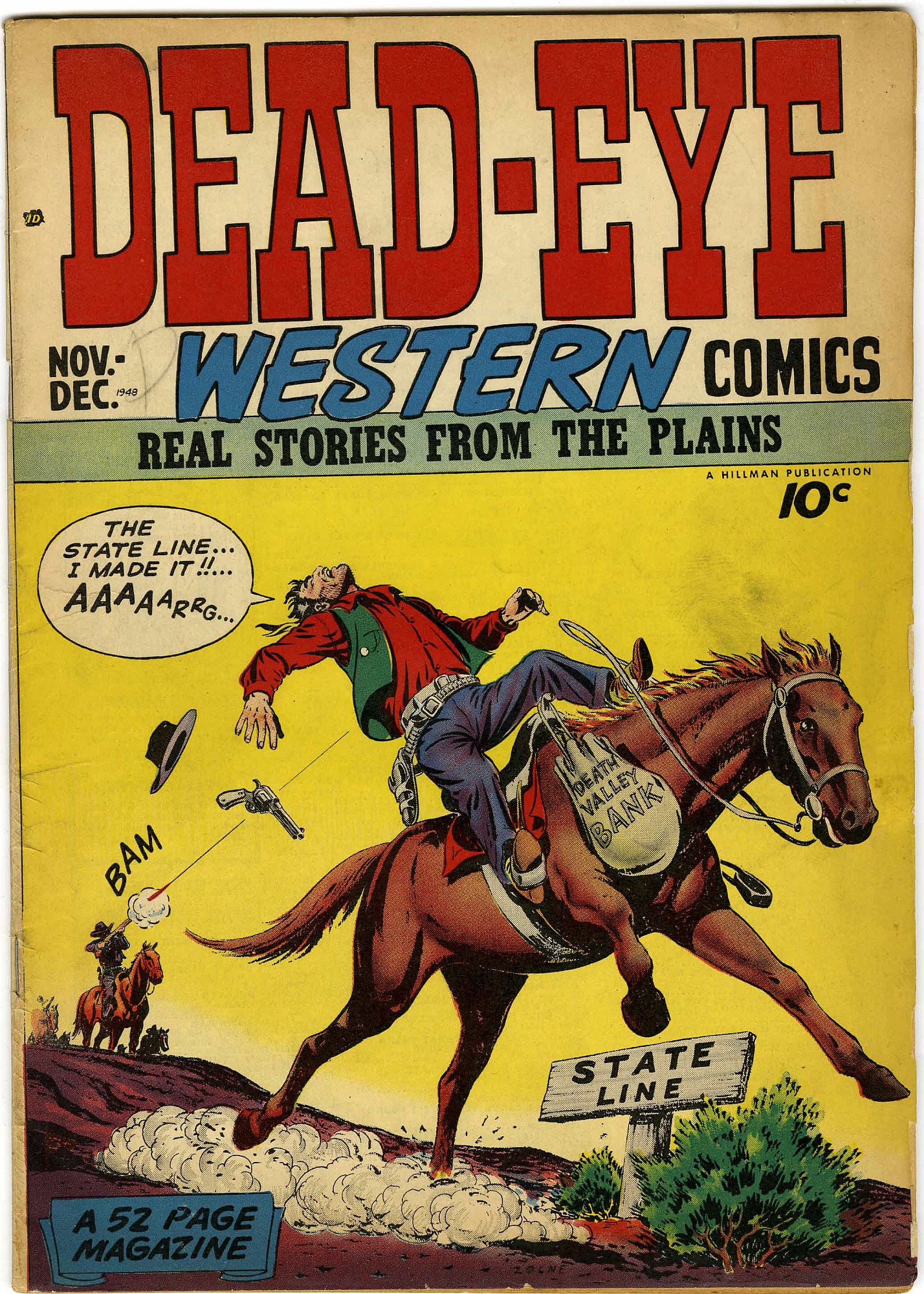
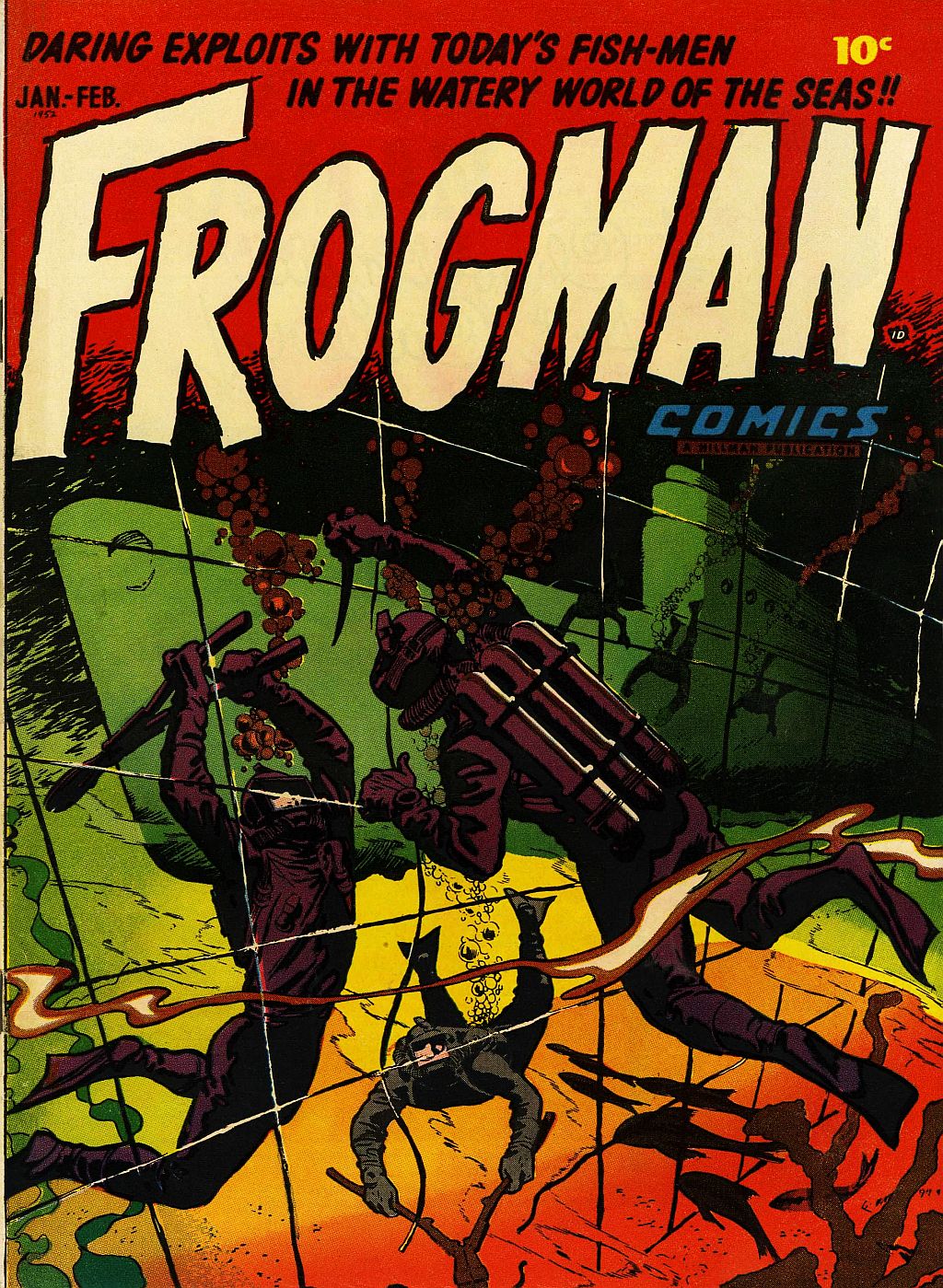
La société a commencé par publier des magazines de confessions vraies et de crimes vrais, des genres qui étaient très populaires à l’époque. Parmi les premiers titres publiés par Hillman Periodicals figurent Real Story, Real Confessions, Real Romances, Crime Detective, Real Detective et Crime Confessions. Ces magazines étaient remplis d’histoires dramatiques et passionnantes qui captivaient les lecteurs et les tenaient en haleine.
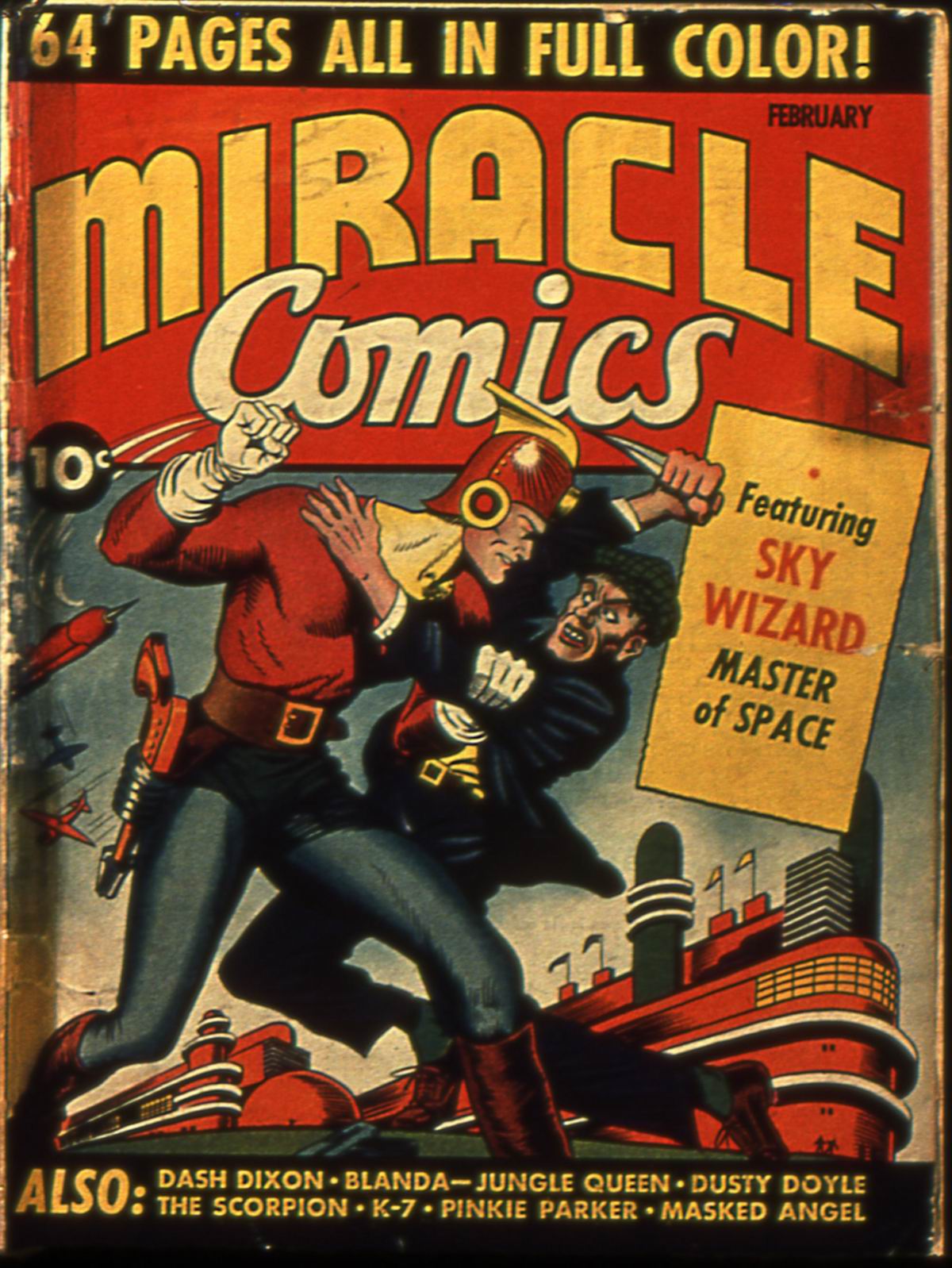
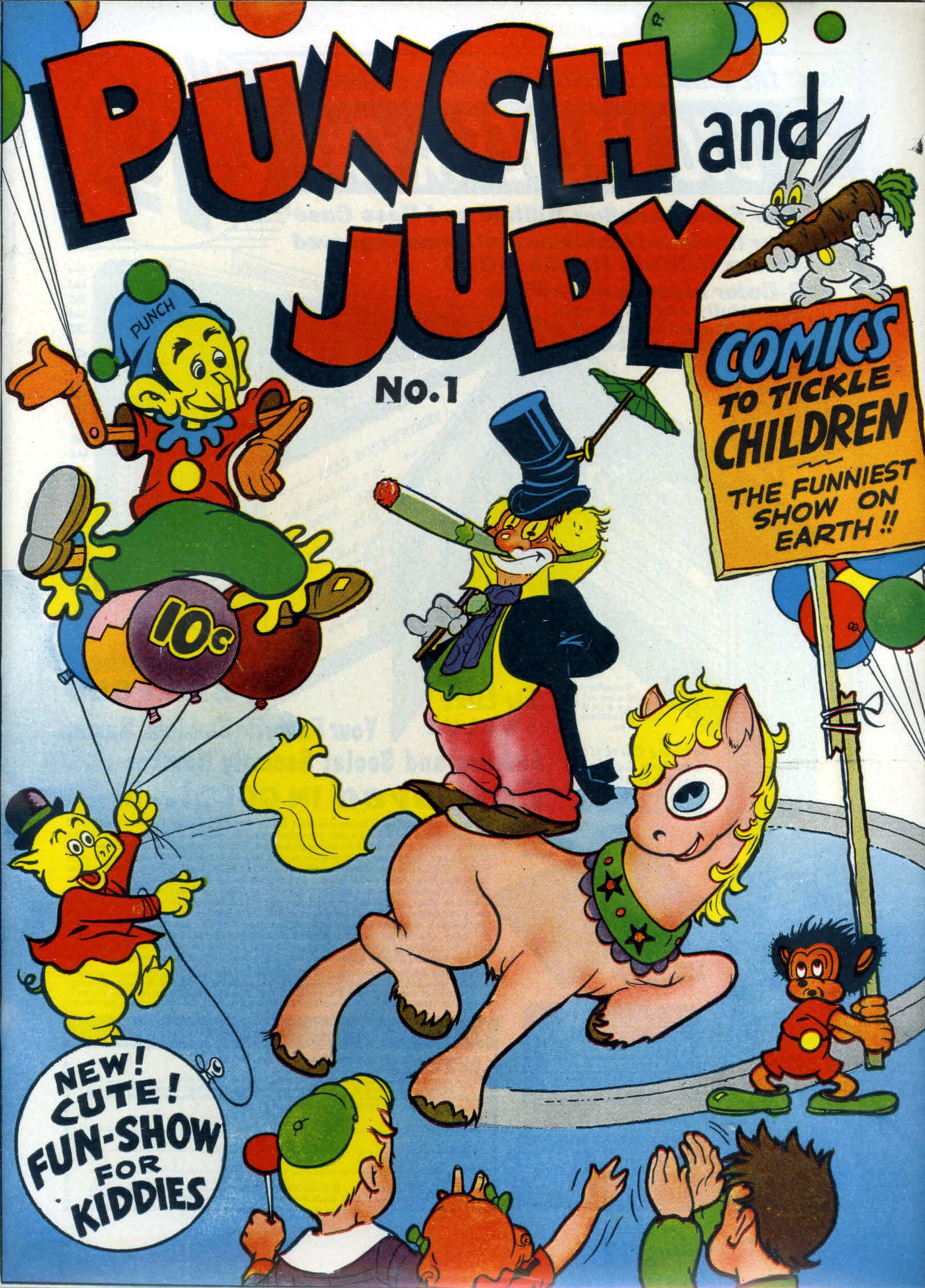
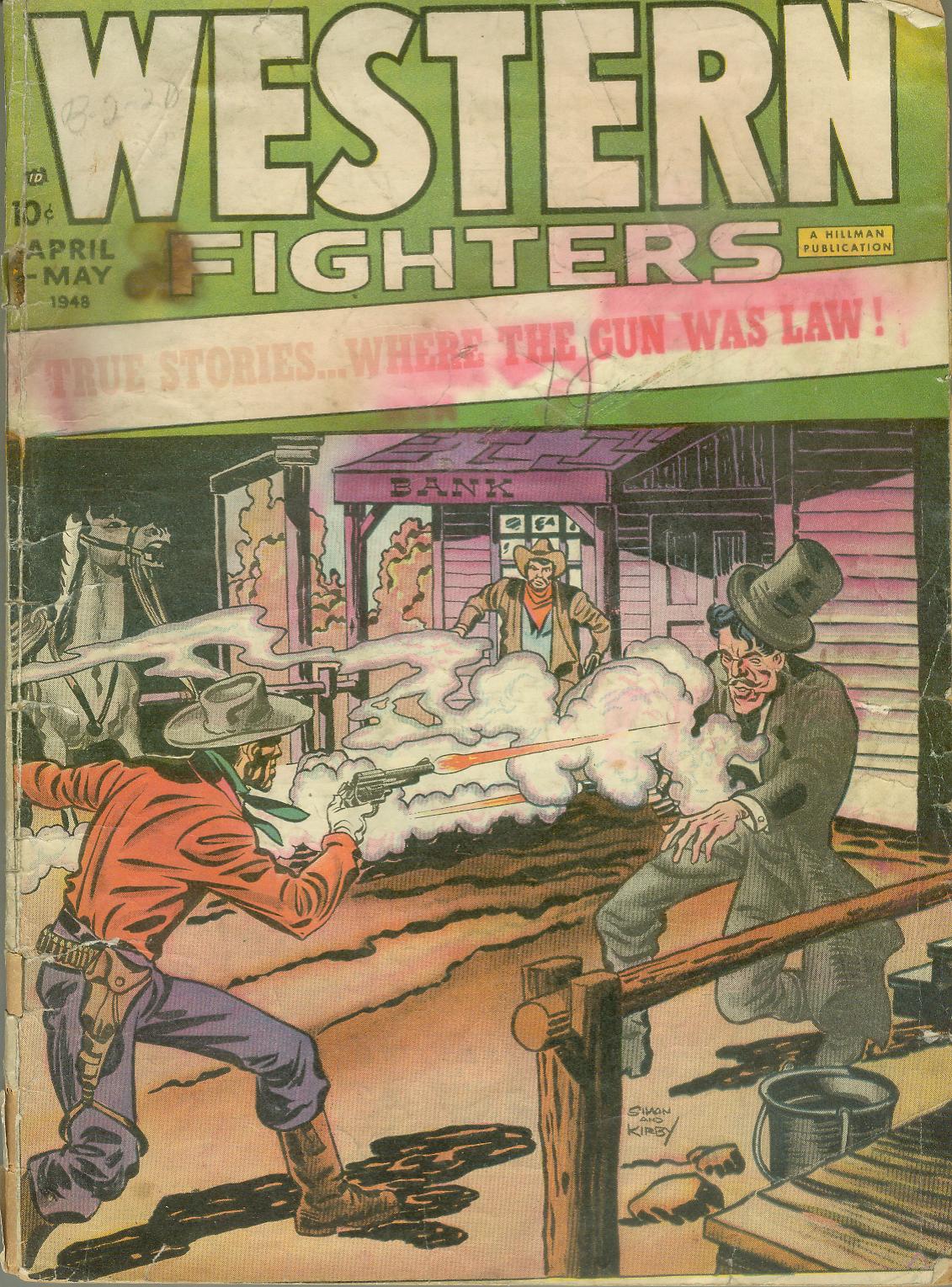
En plus de ces magazines, Hillman Periodicals a également commencé à publier des bandes dessinées. À une époque où la bande dessinée commençait à gagner en popularité, Hillman a reconnu le potentiel de ce médium pour raconter des histoires captivantes et a décidé de l’inclure dans son portefeuille de publications.
Ces premières années ont été une période de croissance et d’expansion pour Hillman Periodicals. Malgré les défis posés par le lancement d’une nouvelle entreprise, Hillman a réussi à établir sa société comme un acteur important dans l’industrie de l’édition. Grâce à son sens aigu des affaires et à sa passion pour la création de contenu de qualité, Hillman a jeté les bases de ce qui allait devenir une entreprise d’édition prospère et influente.
Expansion et lancement de nouveaux titres (1944-1953)
La période de 1944 à 1953 a été une période d’expansion et de diversification pour Hillman Periodicals. En 1944, Hillman a lancé Pageant, un magazine d’intérêt général de format digest. Ce magazine a marqué un tournant pour l’entreprise, car il a permis à Hillman de toucher un public plus large et de diversifier son offre de contenu.
Cependant, la Seconde Guerre mondiale a posé des défis uniques à Hillman et à d’autres éditeurs. En raison du rationnement du papier pendant la guerre, Hillman a été contraint de mettre fin à ses magazines de détective et à ses bandes dessinées, qui ensemble rapportaient un profit annuel de 250 000 dollars. Cependant, malgré ces défis, Hillman a continué à innover et à s’adapter.
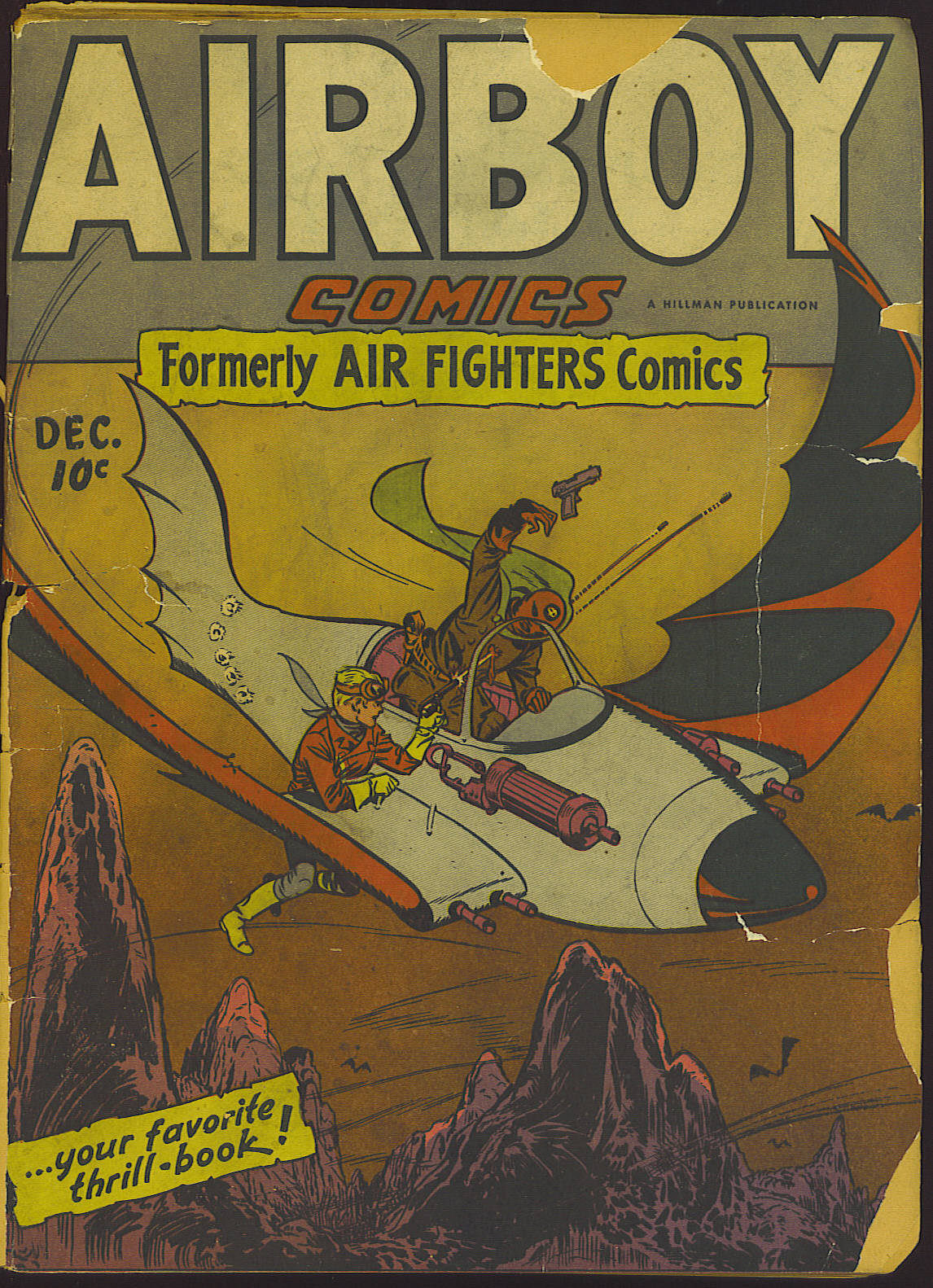
En 1946, Hillman est revenu aux bandes dessinées, reprenant certains titres de la série précédente. Pendant cette période, Hillman a souvent fait appel aux talents des créateurs de Captain America, Joe Simon et Jack Kirby. Le personnage le plus notable de Hillman était cependant Airboy, qui a continué à apparaître dans de nouvelles histoires publiées par un autre éditeur, Eclipse Comics, dans les années 1980.
Cette période d’expansion et de diversification a permis à Hillman Periodicals de renforcer sa position dans l’industrie de l’édition et de la bande dessinée. Grâce à une combinaison de perspicacité commerciale, de créativité et de résilience face aux défis, Hillman a réussi à faire croître son entreprise et à laisser une empreinte durable dans l’industrie de la bande dessinée.

Dernières années et fin de la publication de bandes dessinées (1953-1961)
La décennie suivante a marqué une période de changement pour Hillman Periodicals. En 1953, Hillman a pris la décision difficile de cesser de publier des bandes dessinées.
Cependant, malgré la fin de cette partie de son entreprise, Hillman a continué à innover et à se diversifier, lançant de nouveaux magazines comme Homeland et People Today.
En 1961, Hillman a vendu Pageant à Macfadden Communications Group. Malgré le changement de propriété, le magazine a continué à être publié jusqu’en 1977, témoignant de la qualité et de la popularité du contenu produit par Hillman Periodicals.
Ces dernières années ont été une période de transition pour Hillman Periodicals, mais elles ont également été une période de résilience et d’adaptation. Malgré les défis et les changements dans l’industrie de l’édition, Hillman a réussi à maintenir la pertinence et le succès de son entreprise.
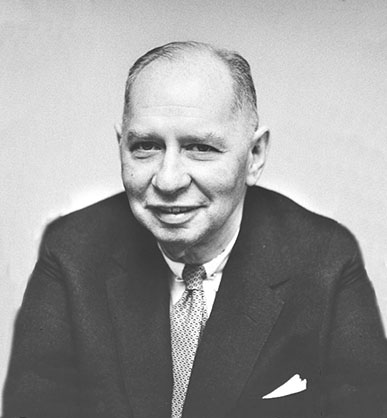
Alex L. Hillman, le fondateur
Alex L. Hillman était bien plus qu’un éditeur de magazines et de bandes dessinées. Il était également un collectionneur d’art passionné qui a commencé à s’intéresser à ce domaine lorsqu’il était éditeur de livres, commissionnant des artistes pour illustrer de nouvelles éditions de la littérature classique.
Hillman a commencé sa collection avec des peintres américains comme Raphael Soyer et Preston Dickinson, et l’a élargie pour inclure des peintres impressionnistes et autres. Sa passion pour l’art l’a finalement conduit à créer la Alex Hillman Family Foundation, une fondation privée à Manhattan, pour superviser sa collection.
Autres activités
Outre Hillman Periodicals, Alex Hillman a également fondé plusieurs autres entreprises d’édition, dont Hillman Press, Hillman-Bird Publishing Company, A. L. Hillman Publishing Company, William Godwin Publications, et Arcadia House Publications. Il a également produit des magazines d’aventure pour hommes dans les années 1950, tels que Action For Men, Epic, Expose For Men, Champ, Escape To Adventure, et Real Adventure Magazine.
Ces autres entreprises ont permis à Hillman de diversifier encore plus son portefeuille de publications et de toucher un public encore plus large. Elles témoignent de son esprit d’entreprise et de son dévouement à l’industrie de l’édition.
Retraite et décès
En 1961, Alex Hillman a vendu Pageant Magazine et s’est retiré de l’édition pour se concentrer sur la Alex Hillman Investment Company. Il est décédé en 1968 à l’âge de soixante-sept ans, laissant derrière lui un héritage durable dans l’industrie de l’édition et de la bande dessinée.
La retraite d’Alex Hillman de l’édition n’a pas marqué la fin de son influence ou de son impact. Au contraire, il a continué à contribuer à l’industrie de l’édition et de l’art à travers la Alex Hillman Investment Company et la Alex Hillman Family Foundation. Même après sa mort, son héritage continue d’influencer et d’inspirer les éditeurs et les créateurs de bandes dessinées.
En conclusion, l’histoire de Hillman Periodicals et de son fondateur, Alex L. Hillman, est une histoire de passion, d’innovation et de résilience. De la fondation de l’entreprise en 1938 à la fin de la publication de bandes dessinées en 1953, en passant par l’expansion et le lancement de nouveaux titres dans les années 1940 et 1950, Hillman Periodicals a laissé une empreinte indélébile dans l’industrie de la bande dessinée. Le parcours de l’entreprise et de son fondateur offre un aperçu fascinant de l’évolution de l’industrie de l’édition et de la bande dessinée au XXe siècle, et continue d’inspirer les éditeurs et les créateurs de bandes dessinées aujourd’hui.


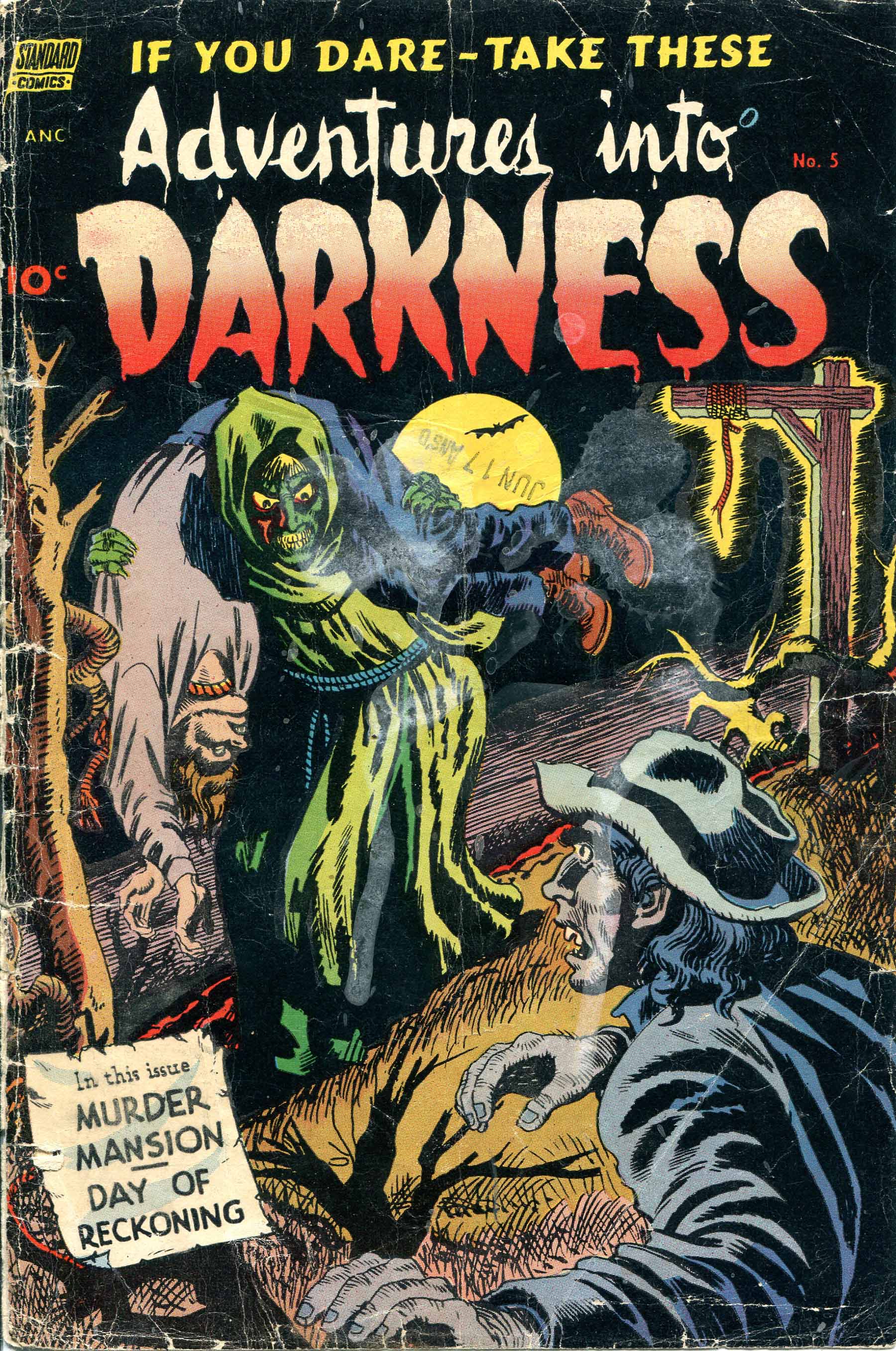
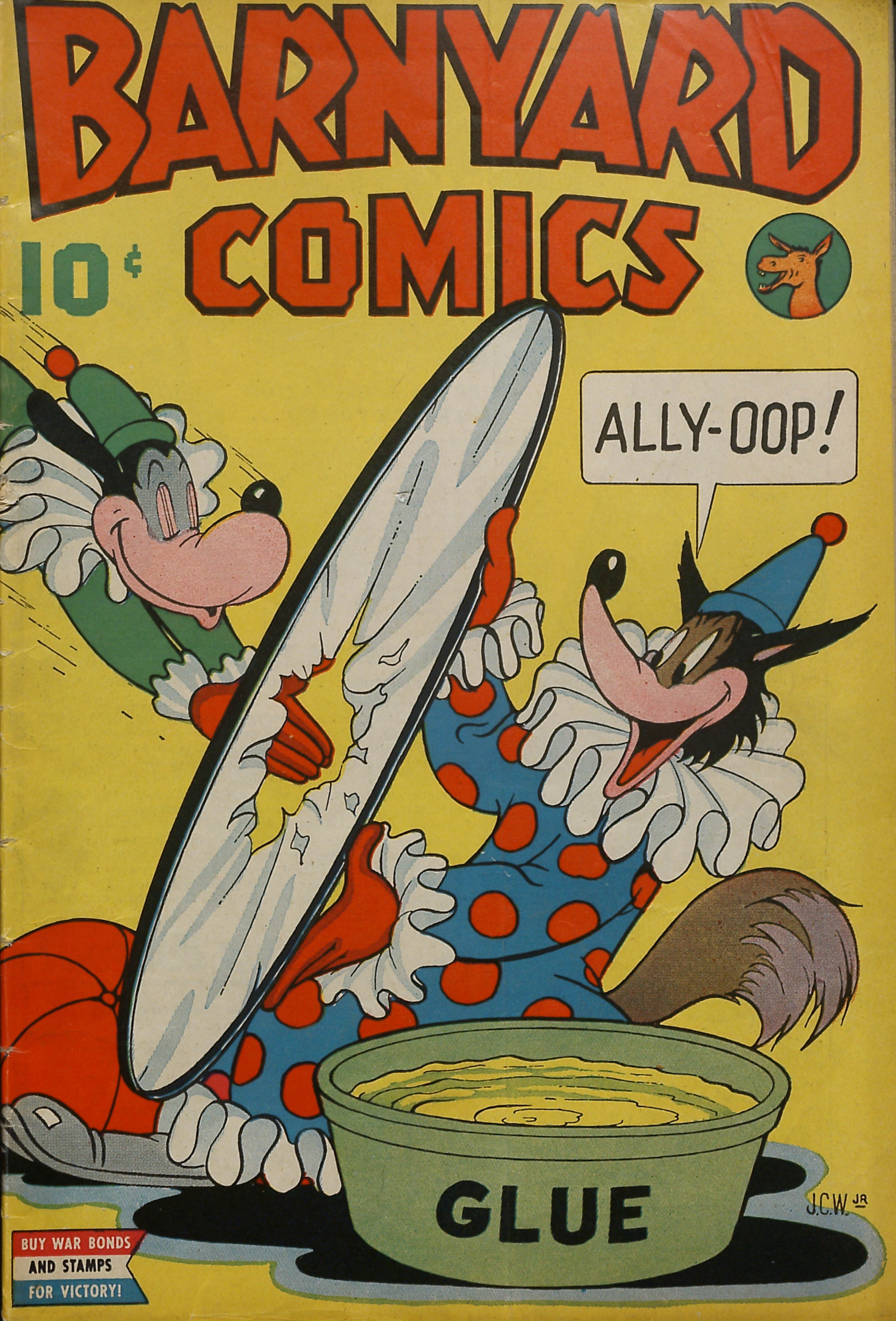
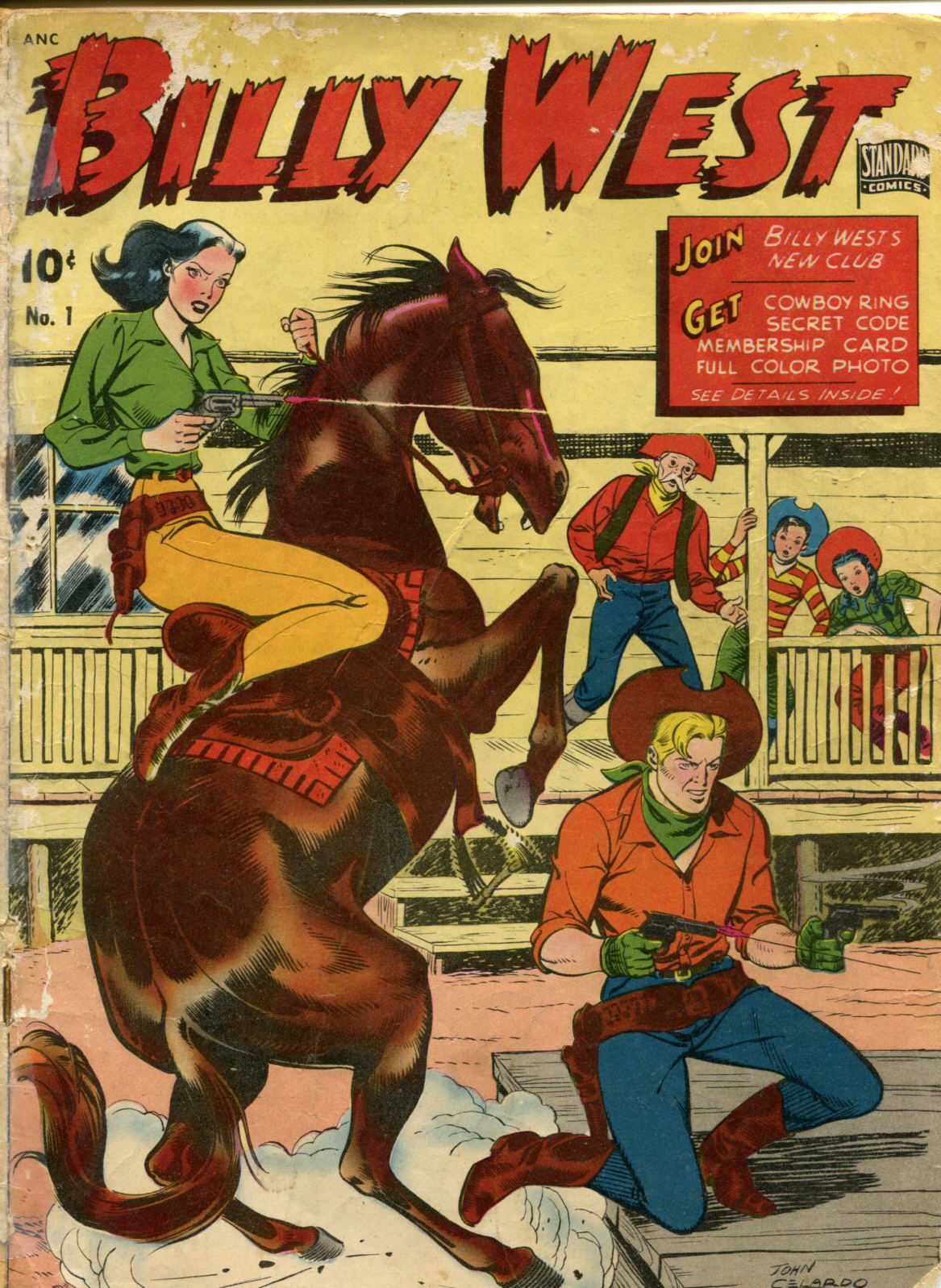
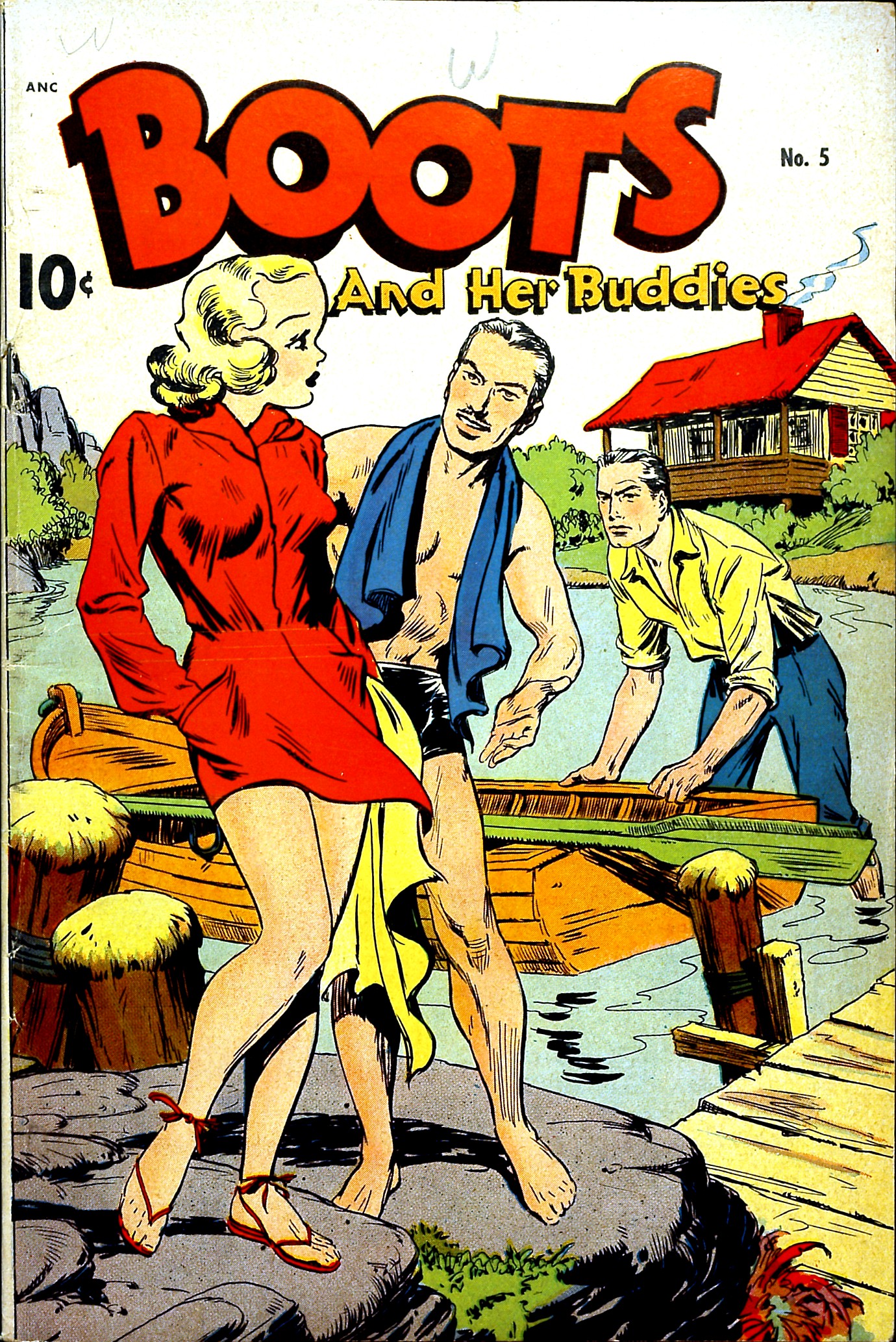
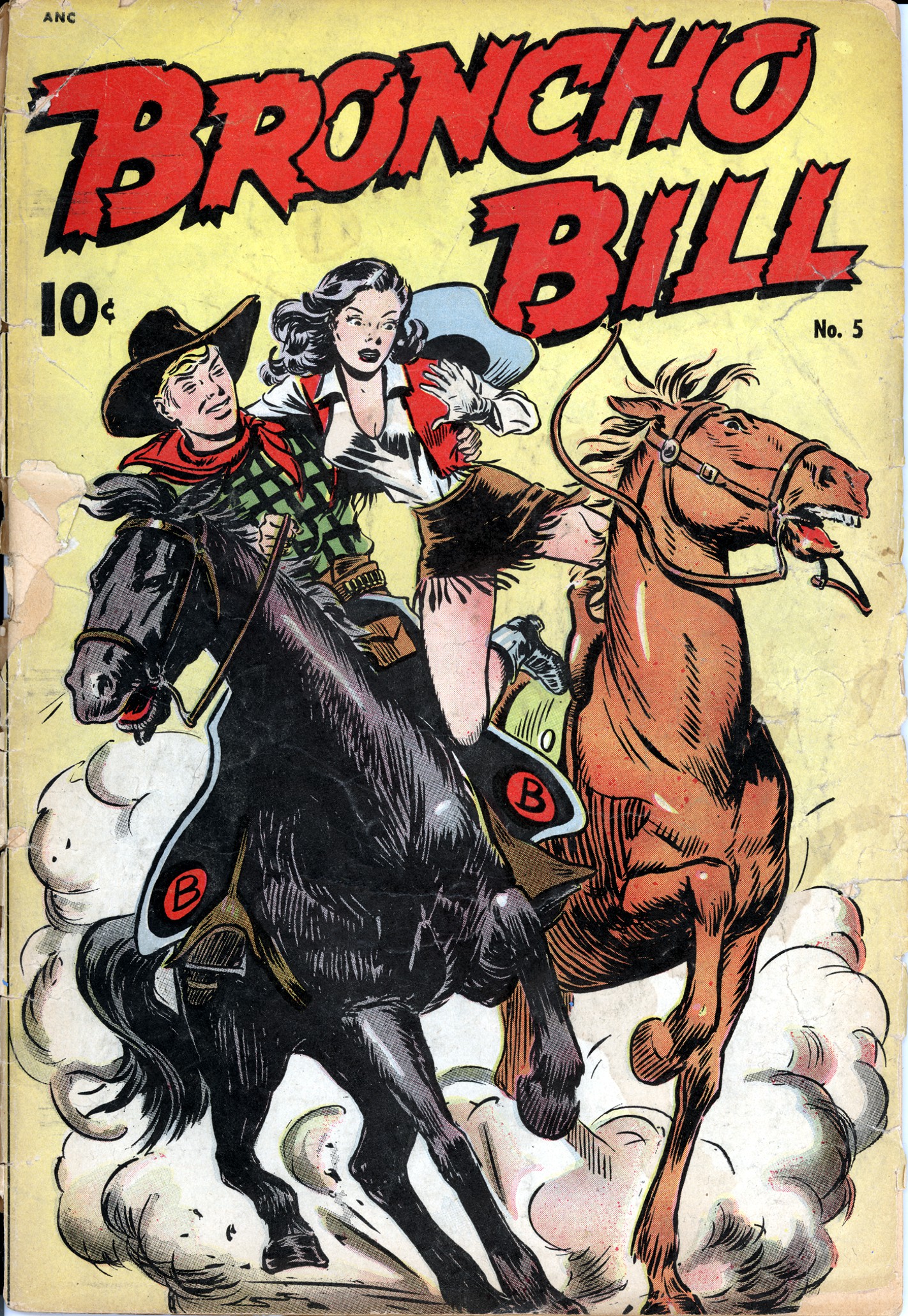
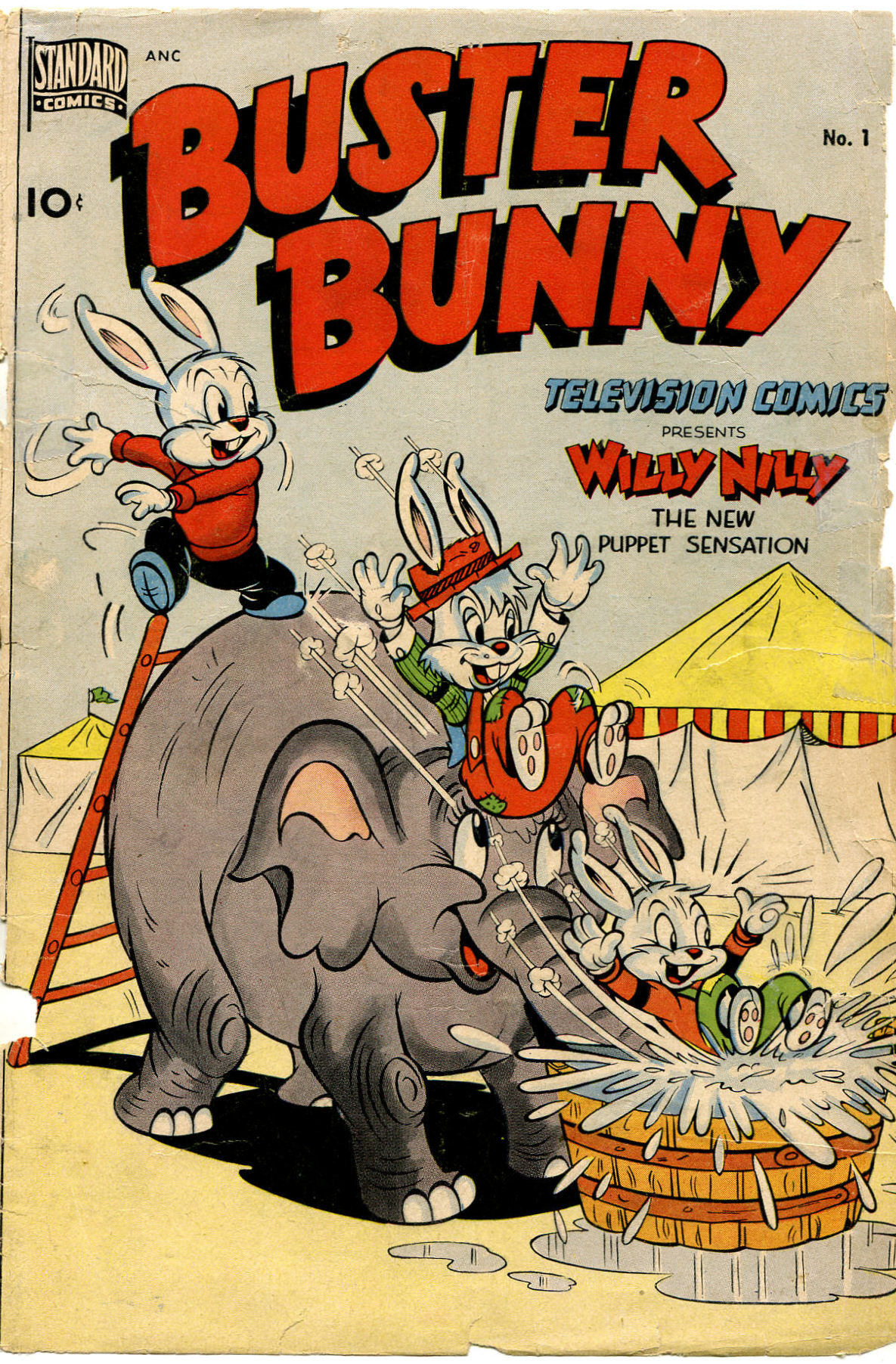
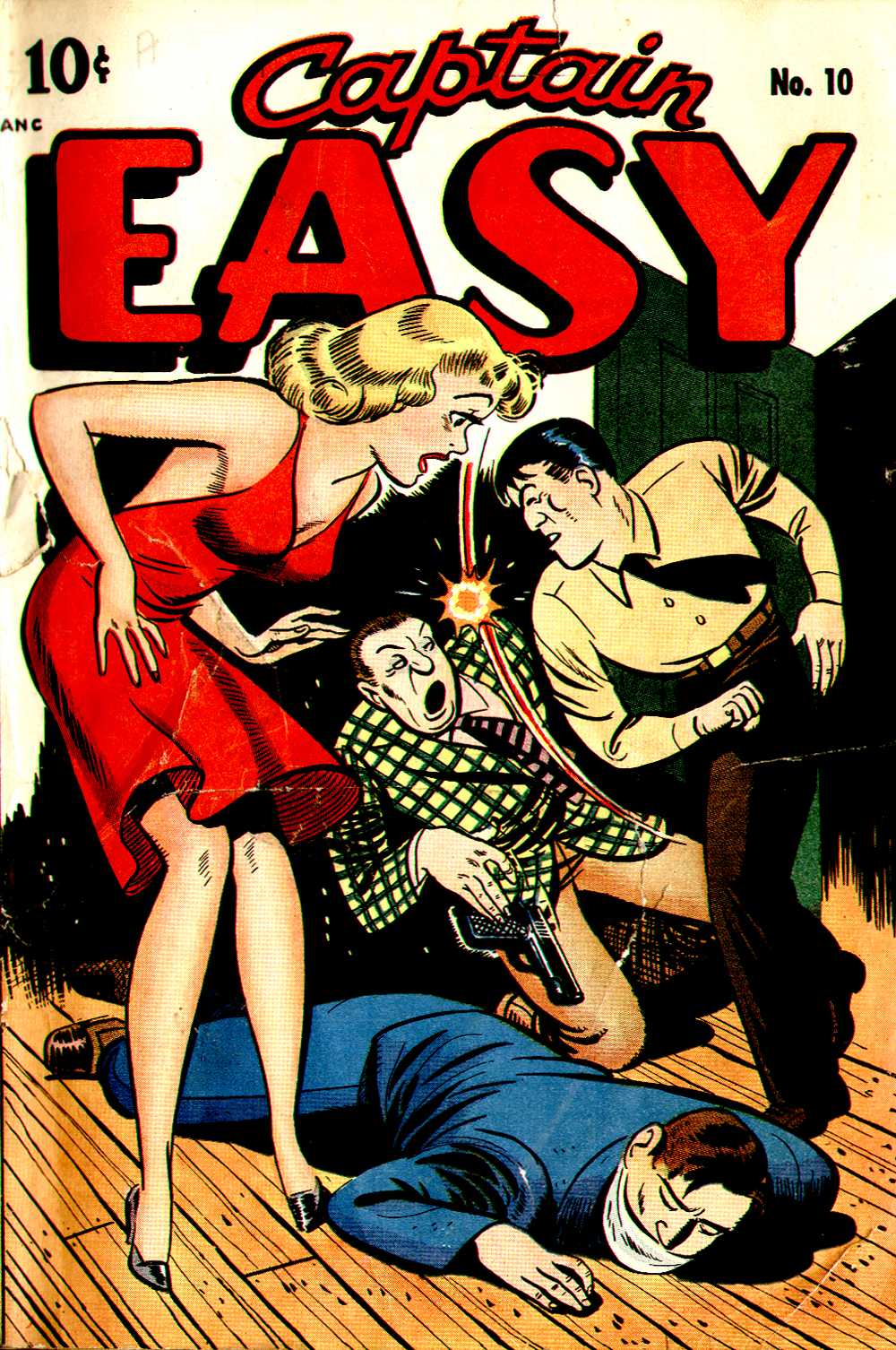
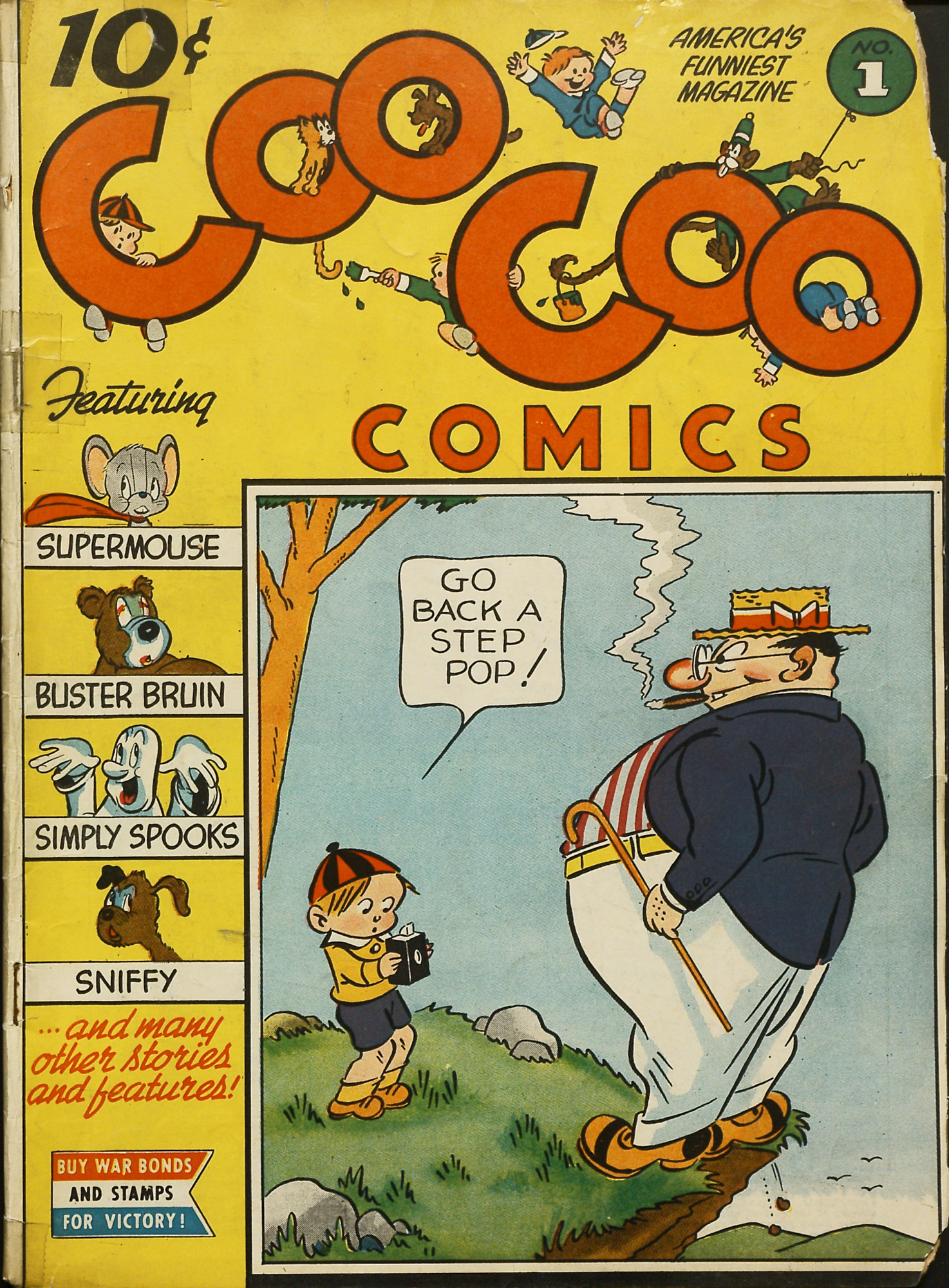
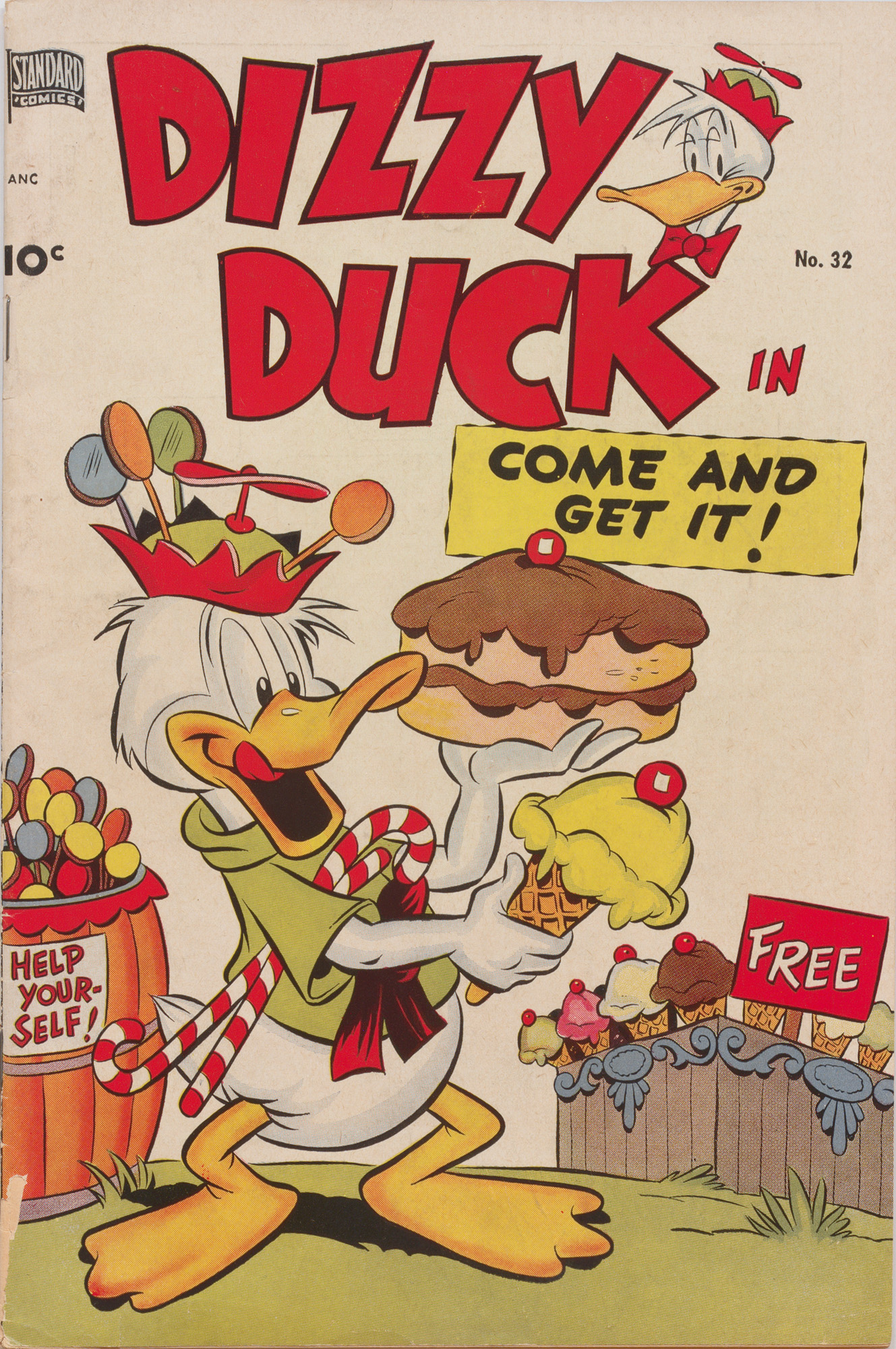
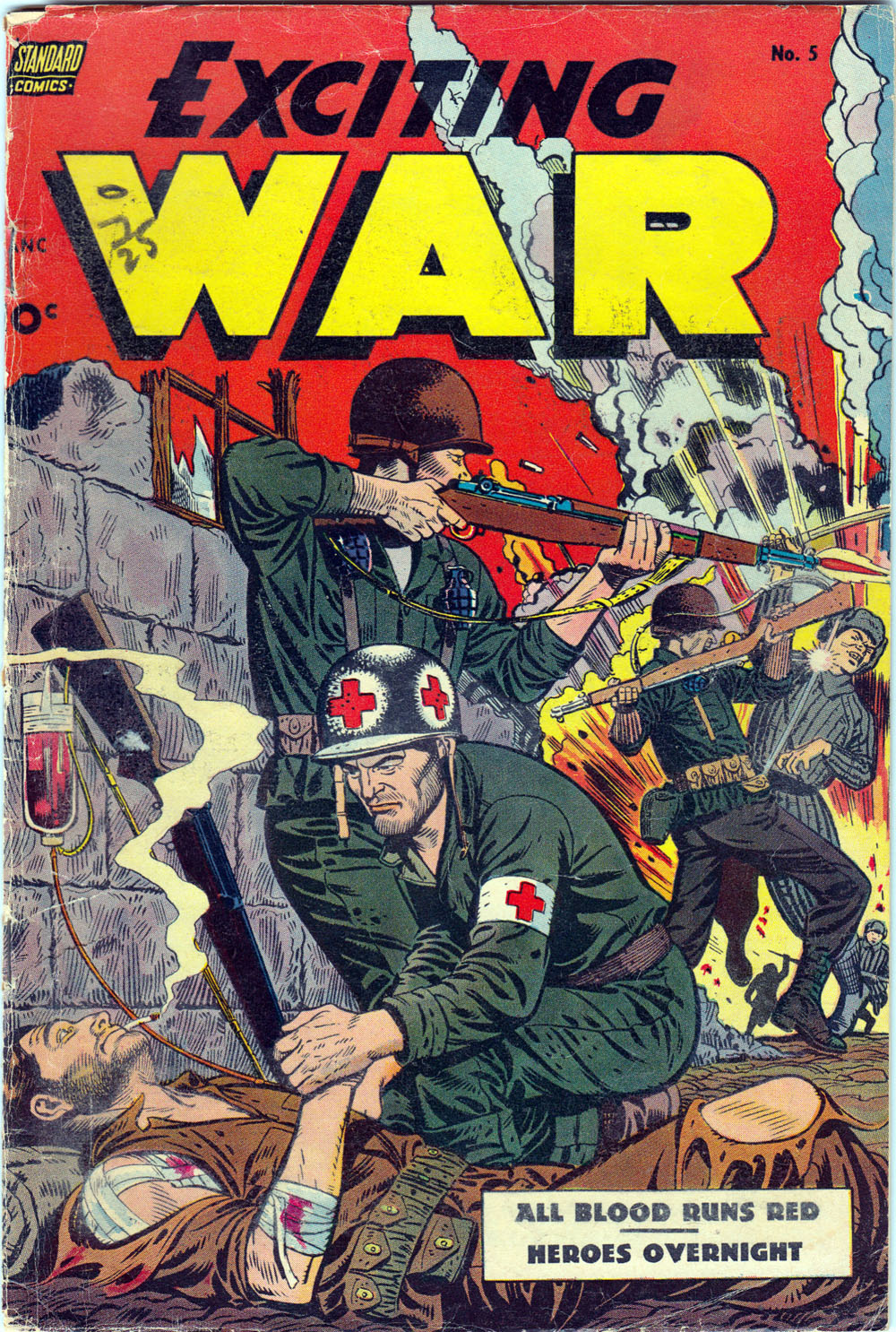
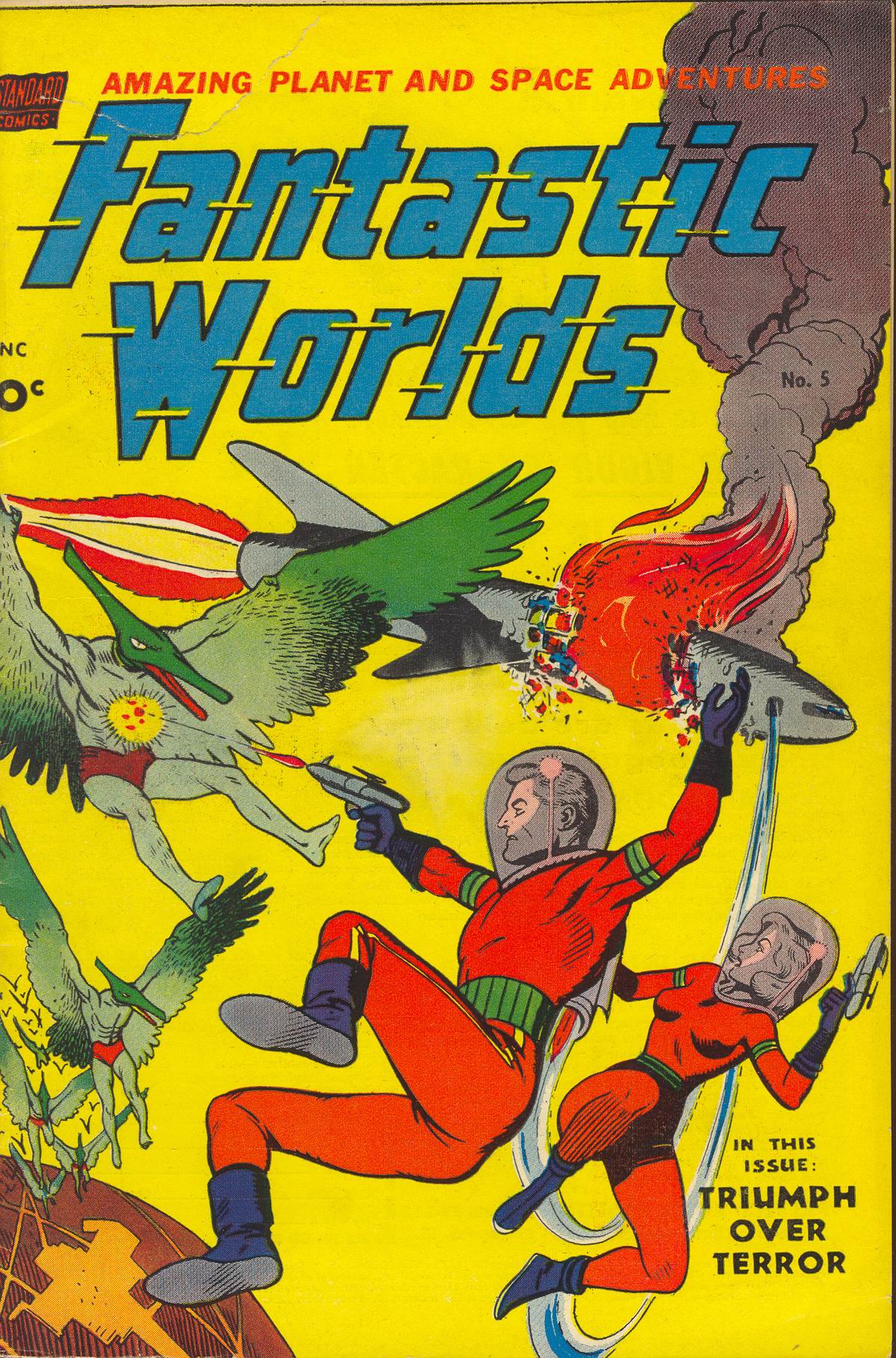
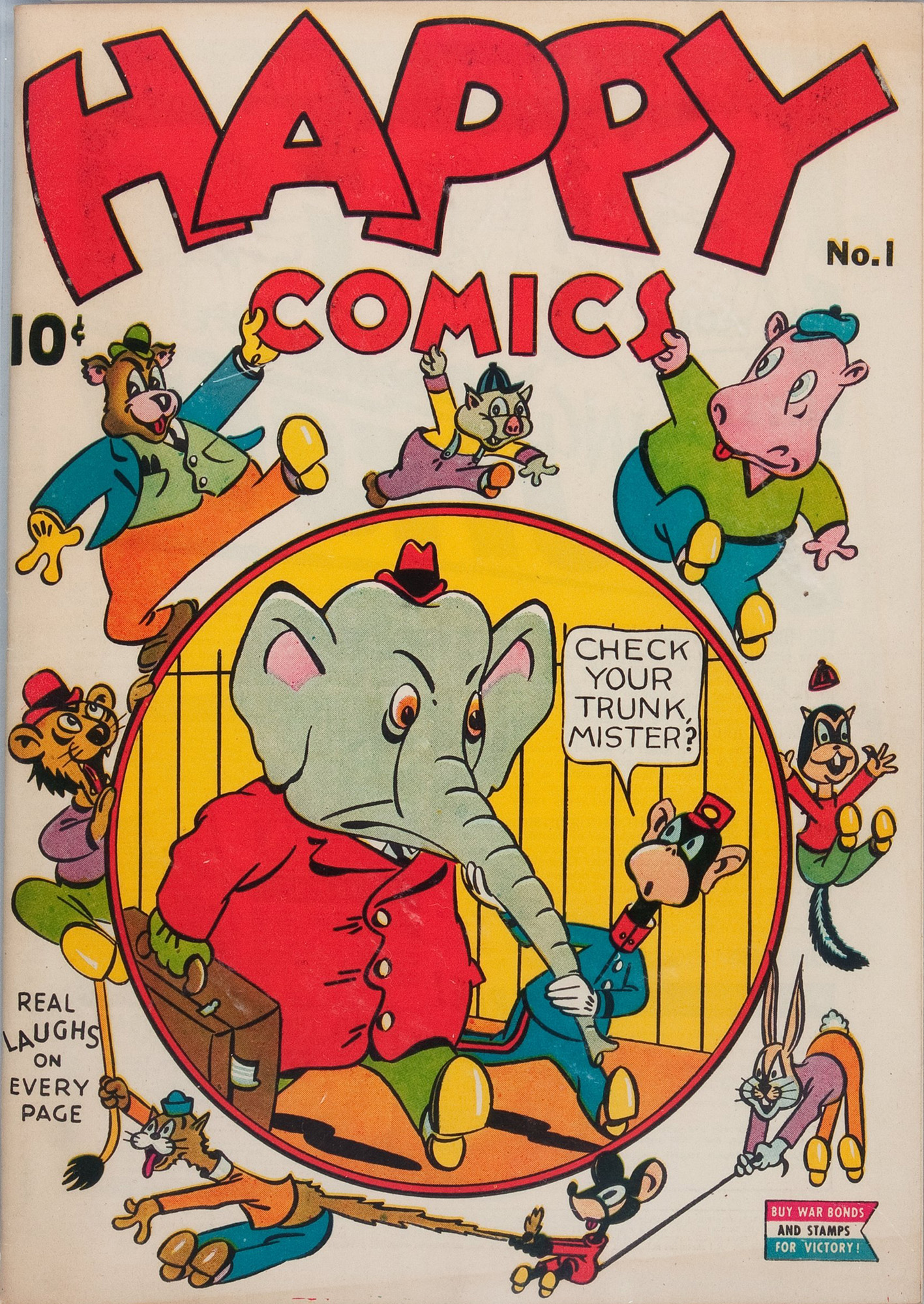
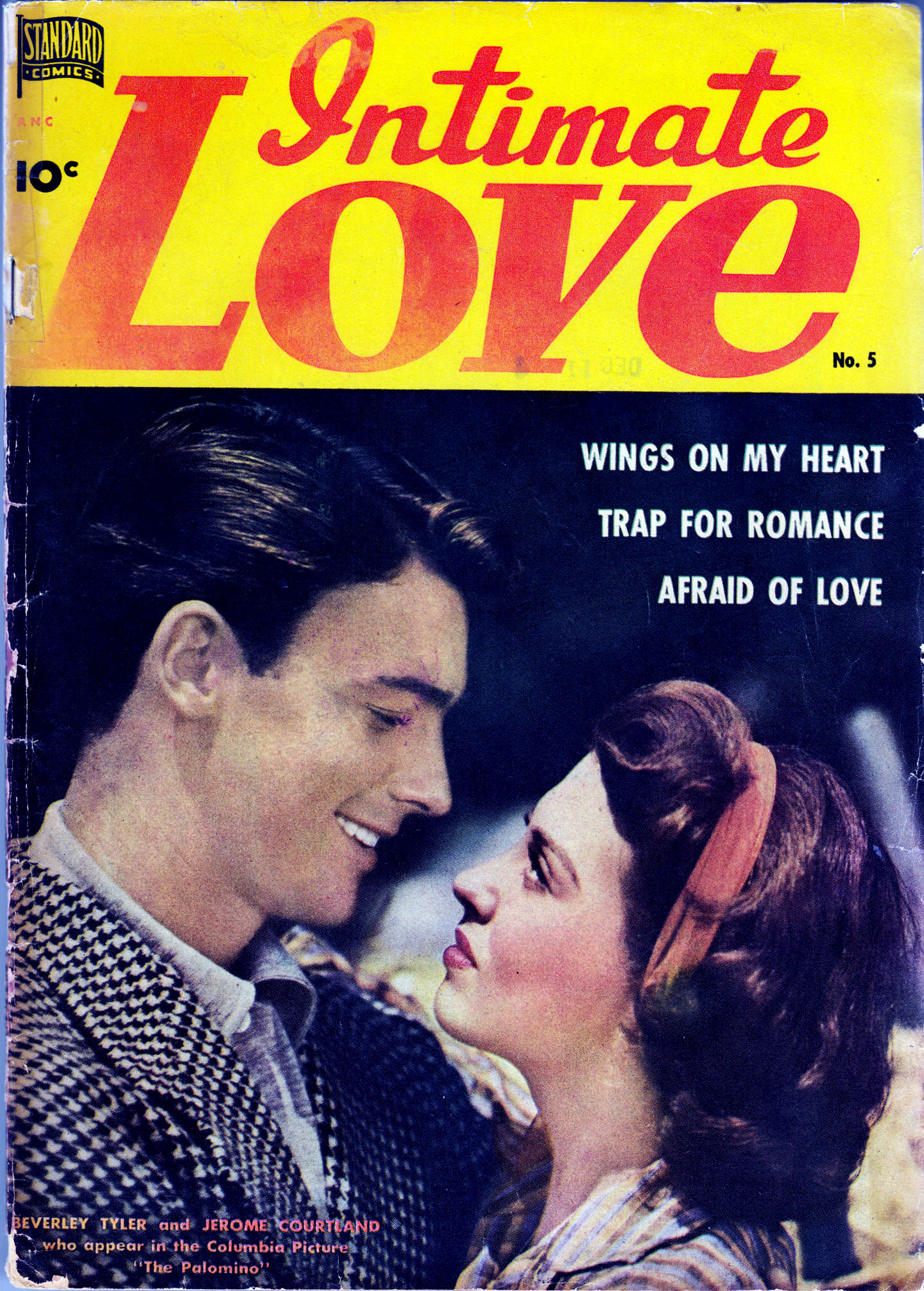
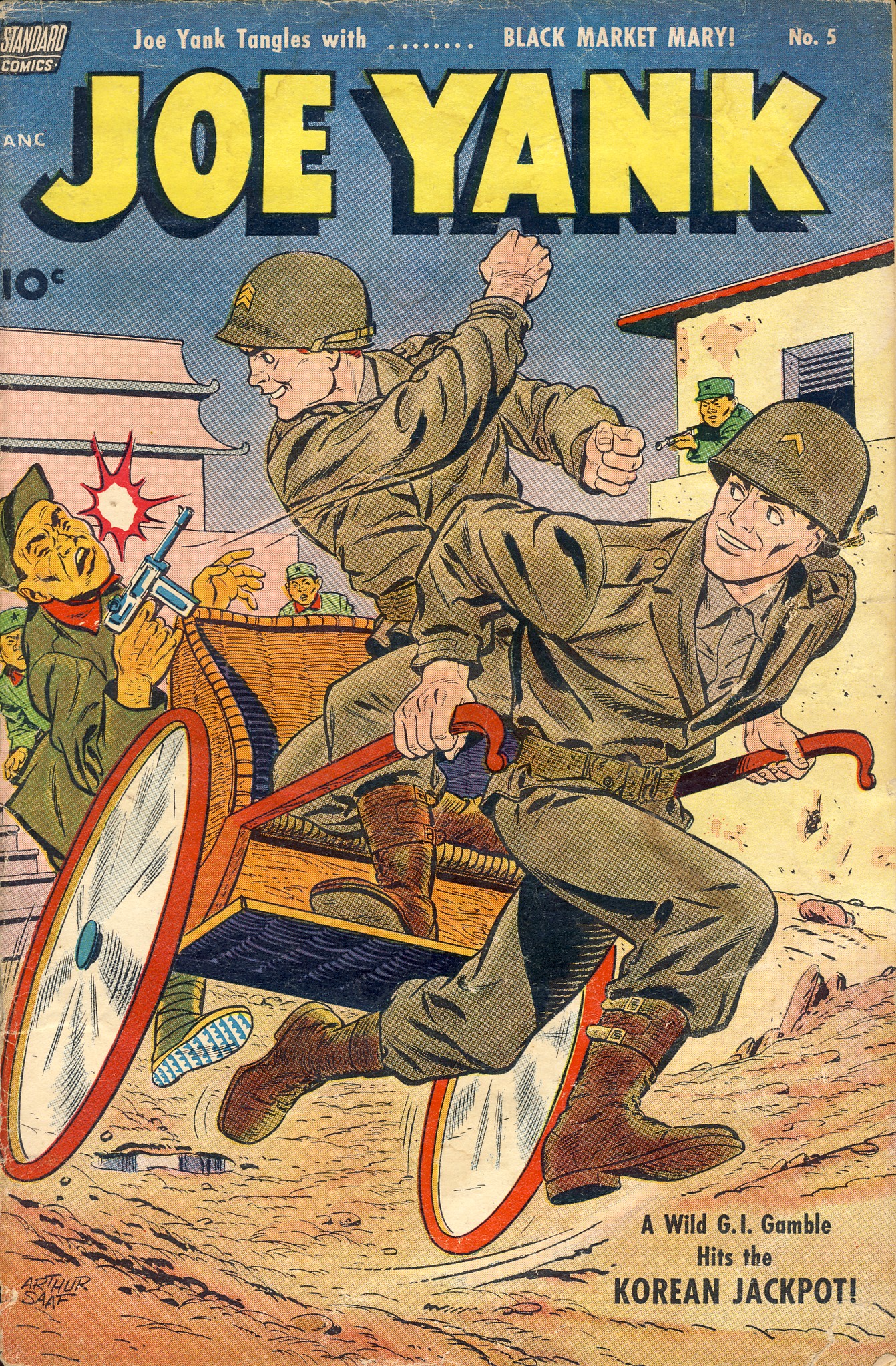
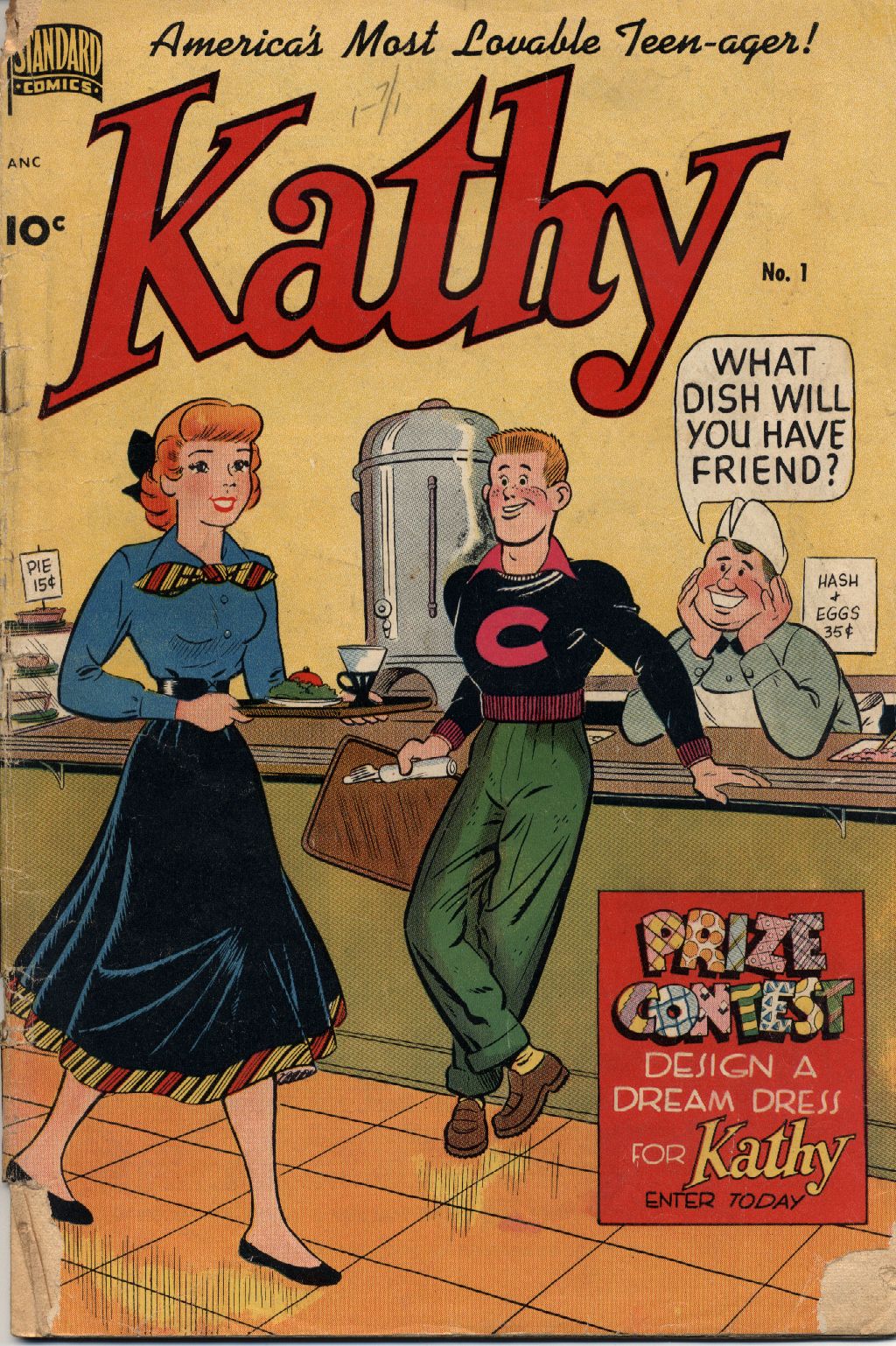
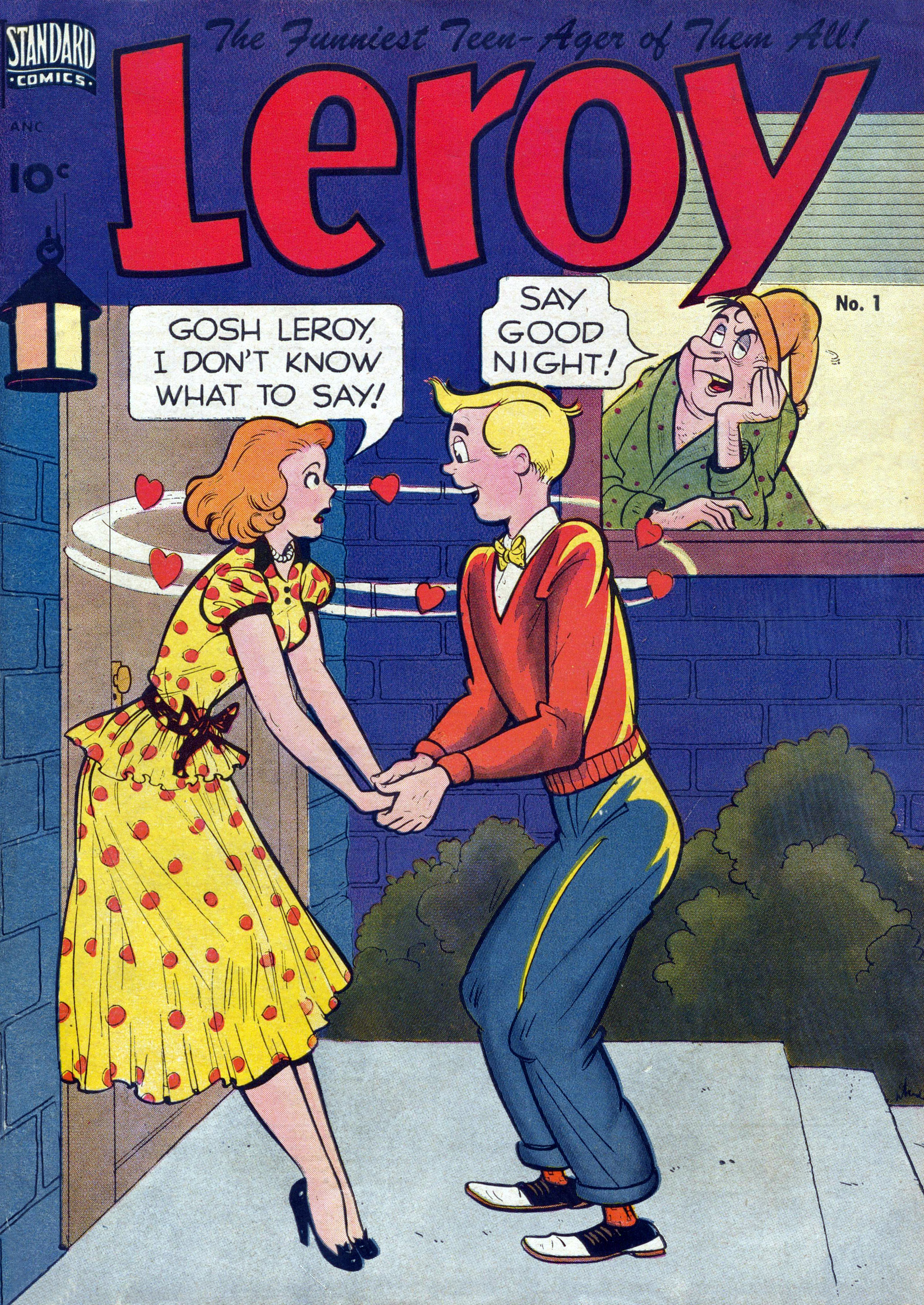
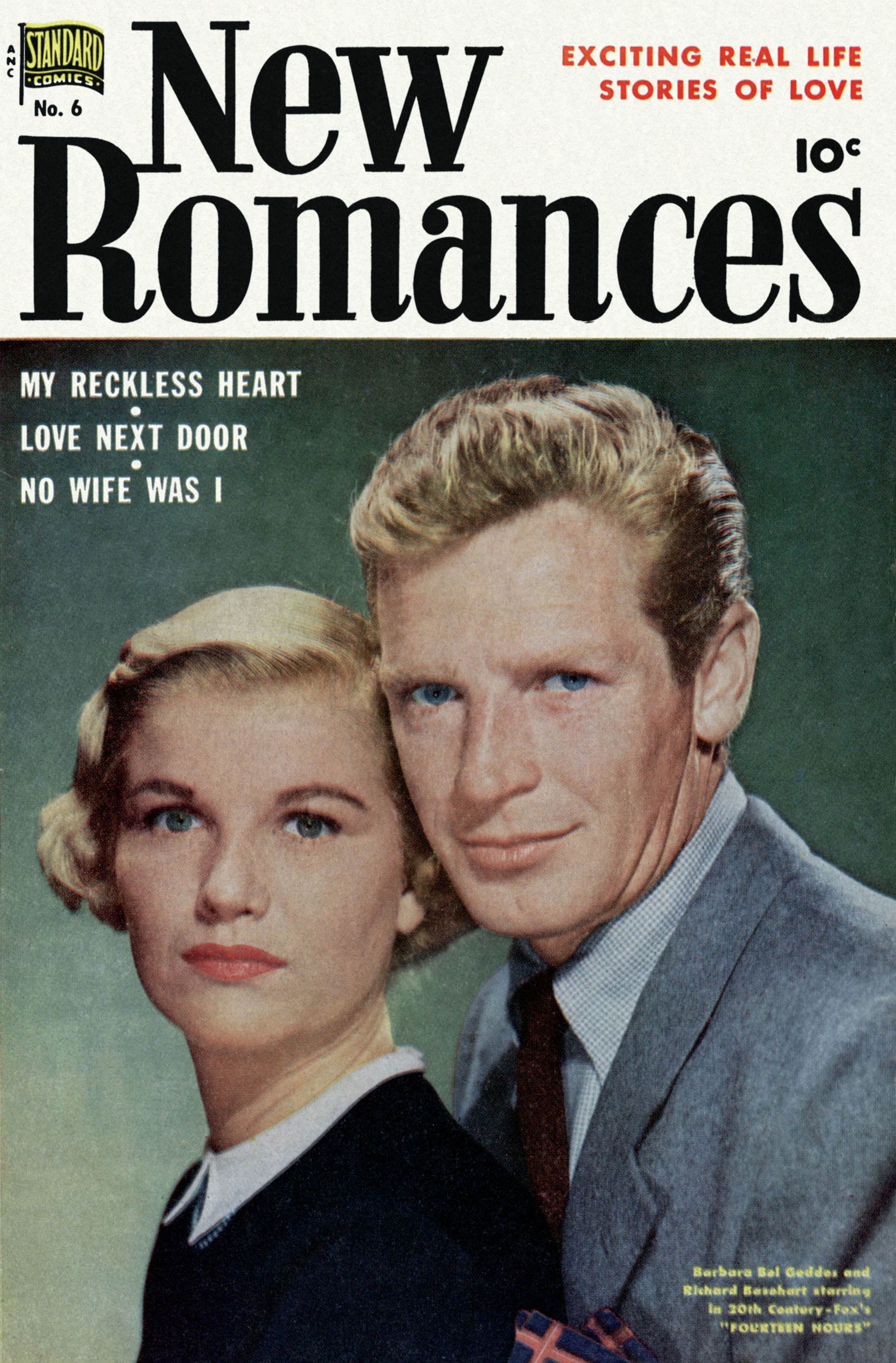
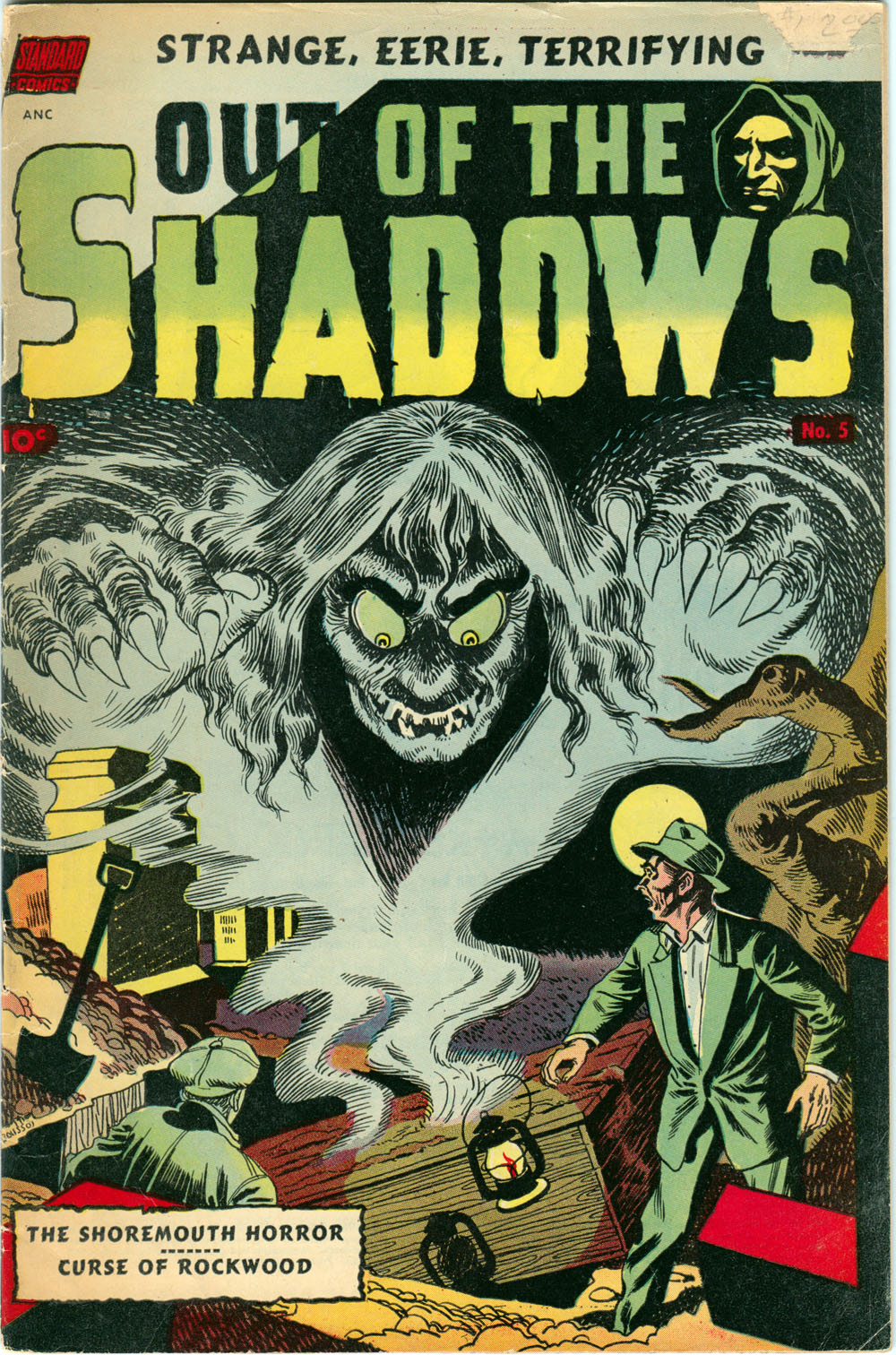
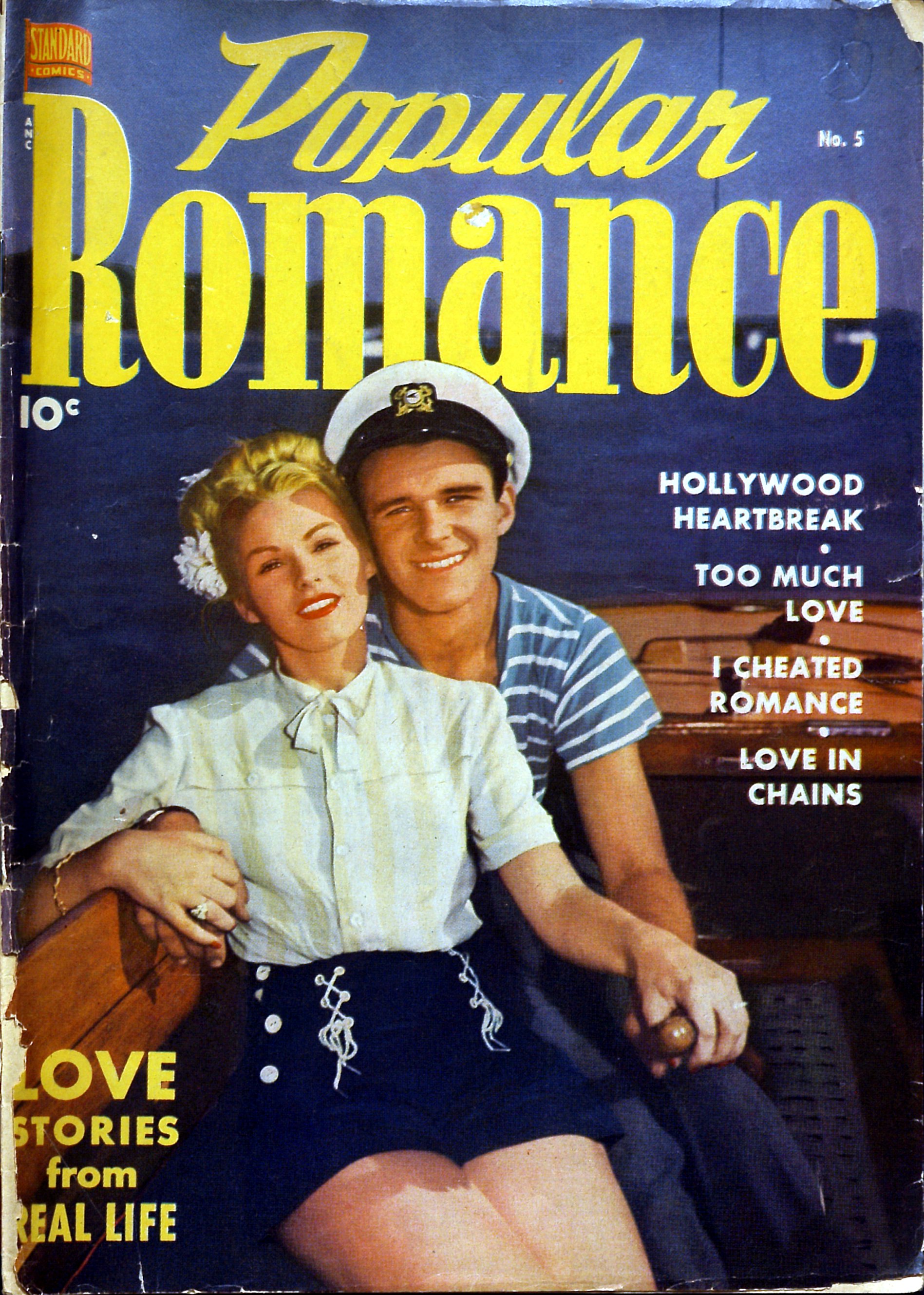
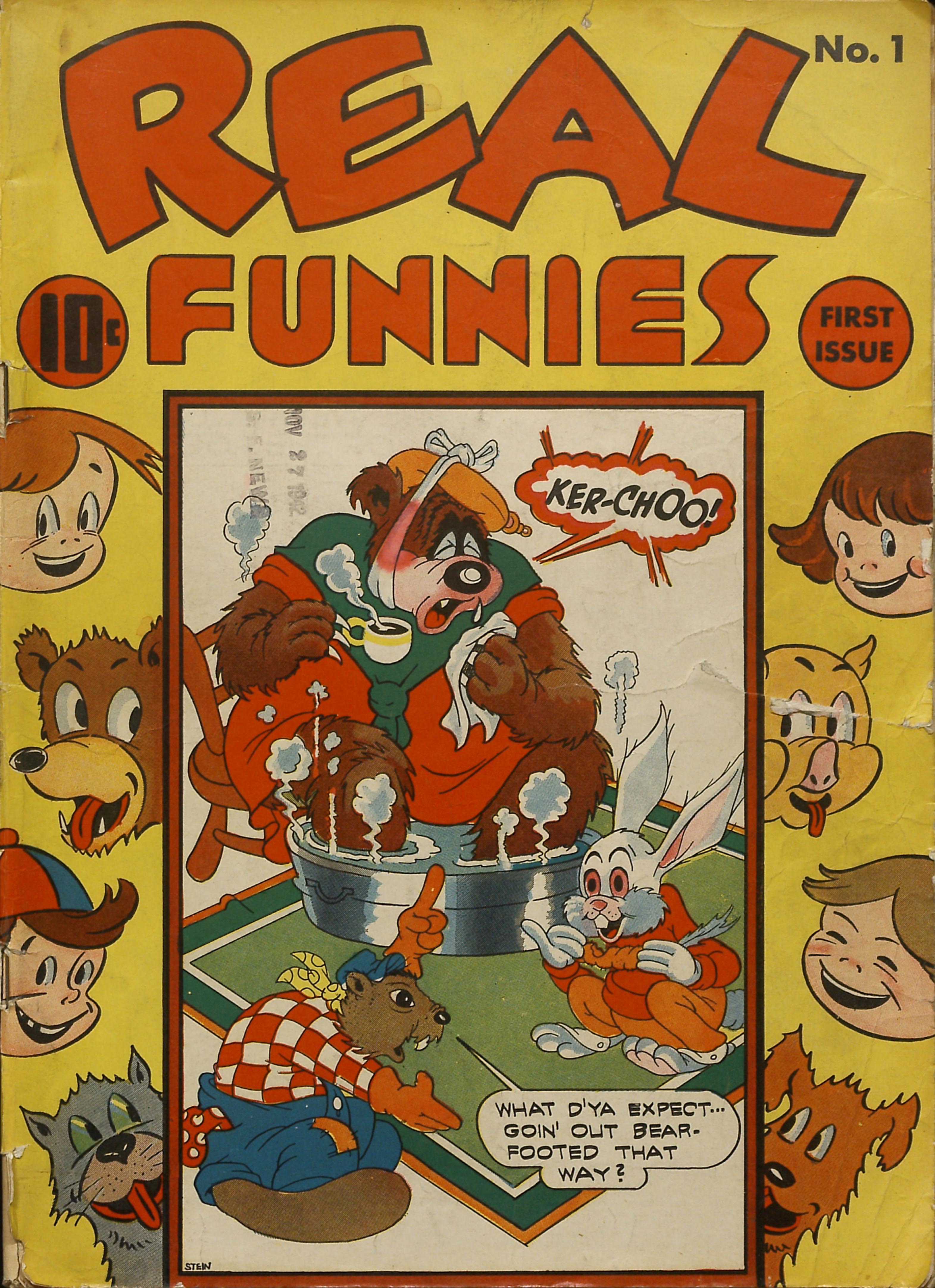
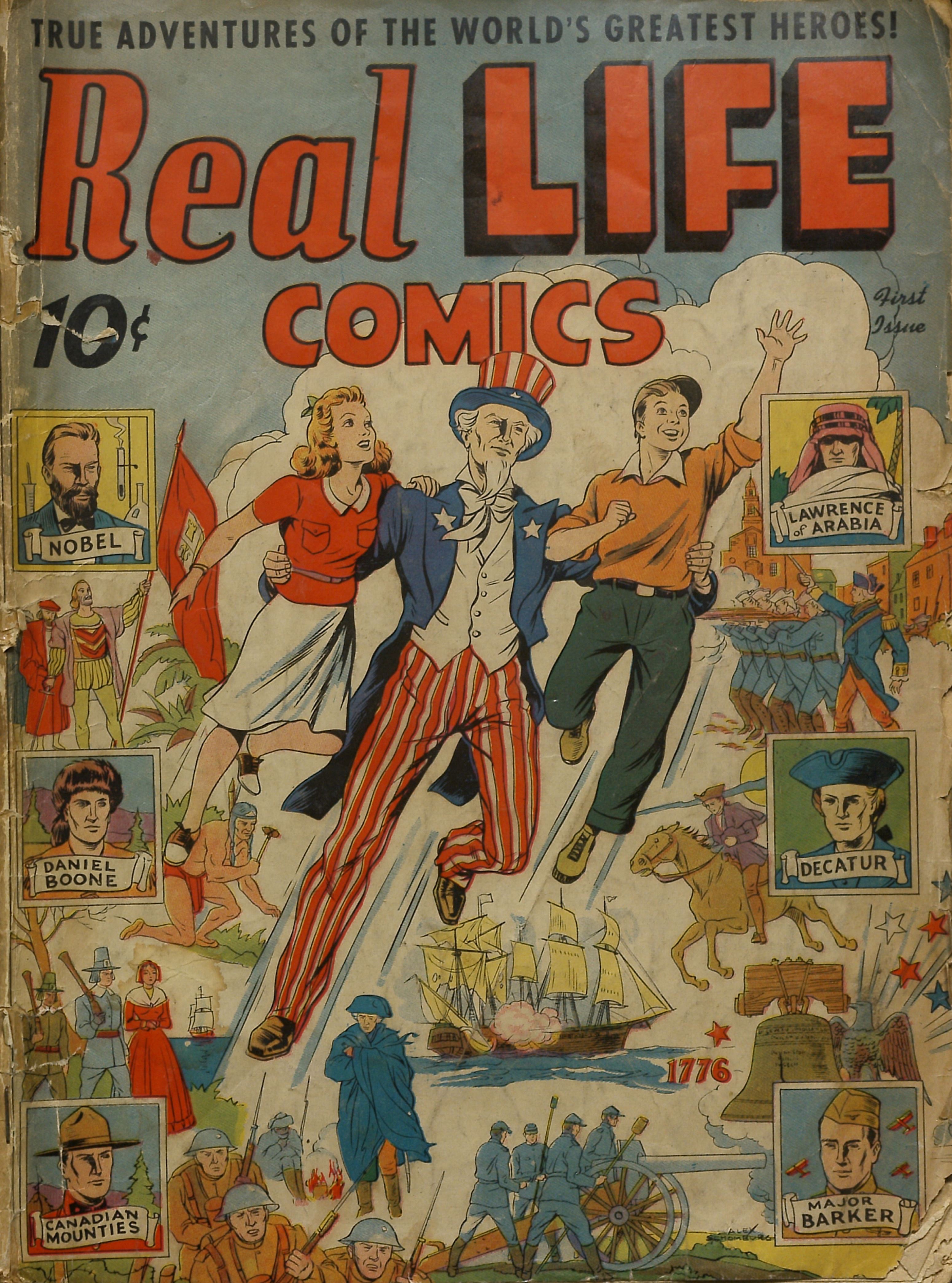
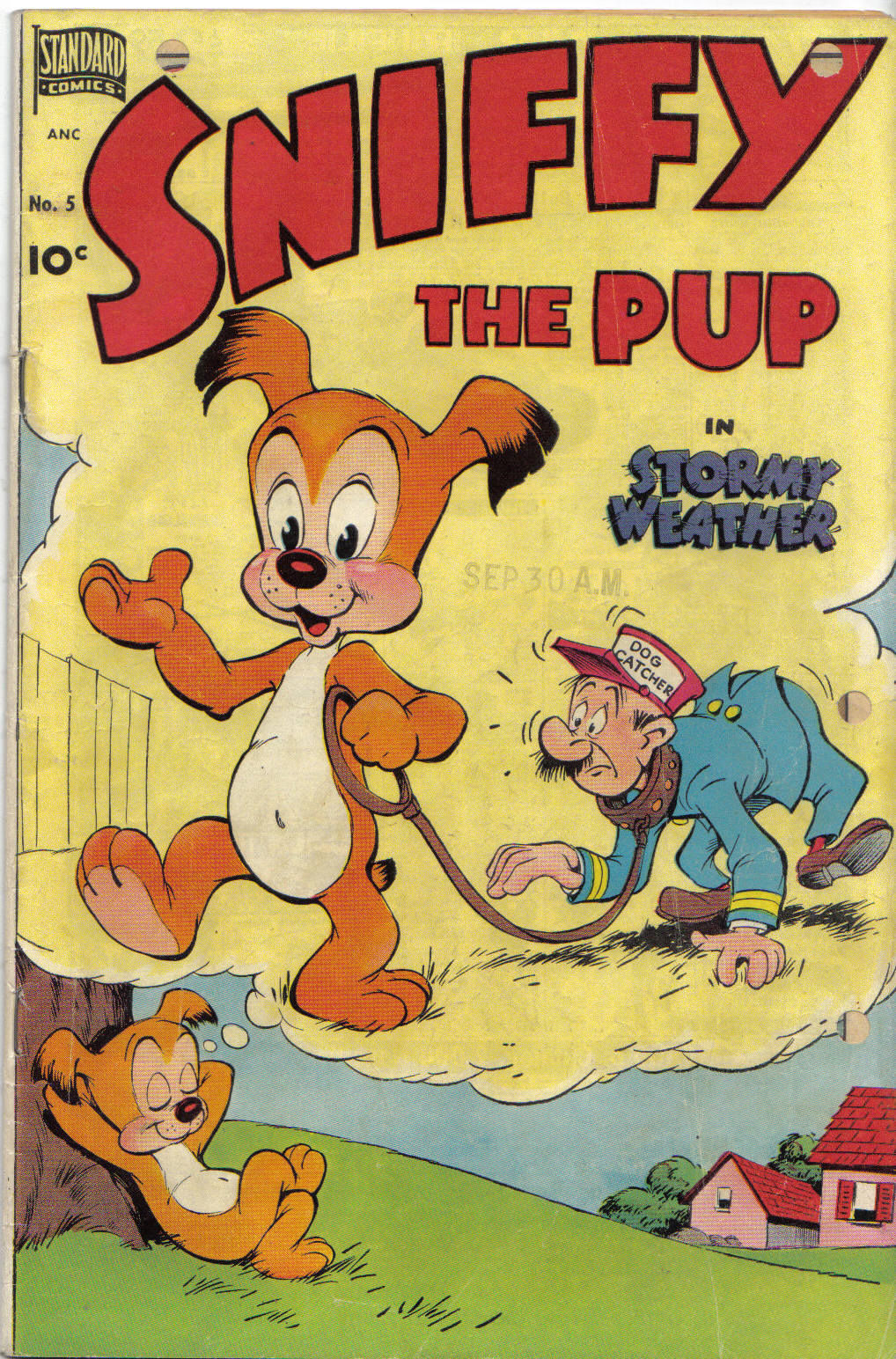
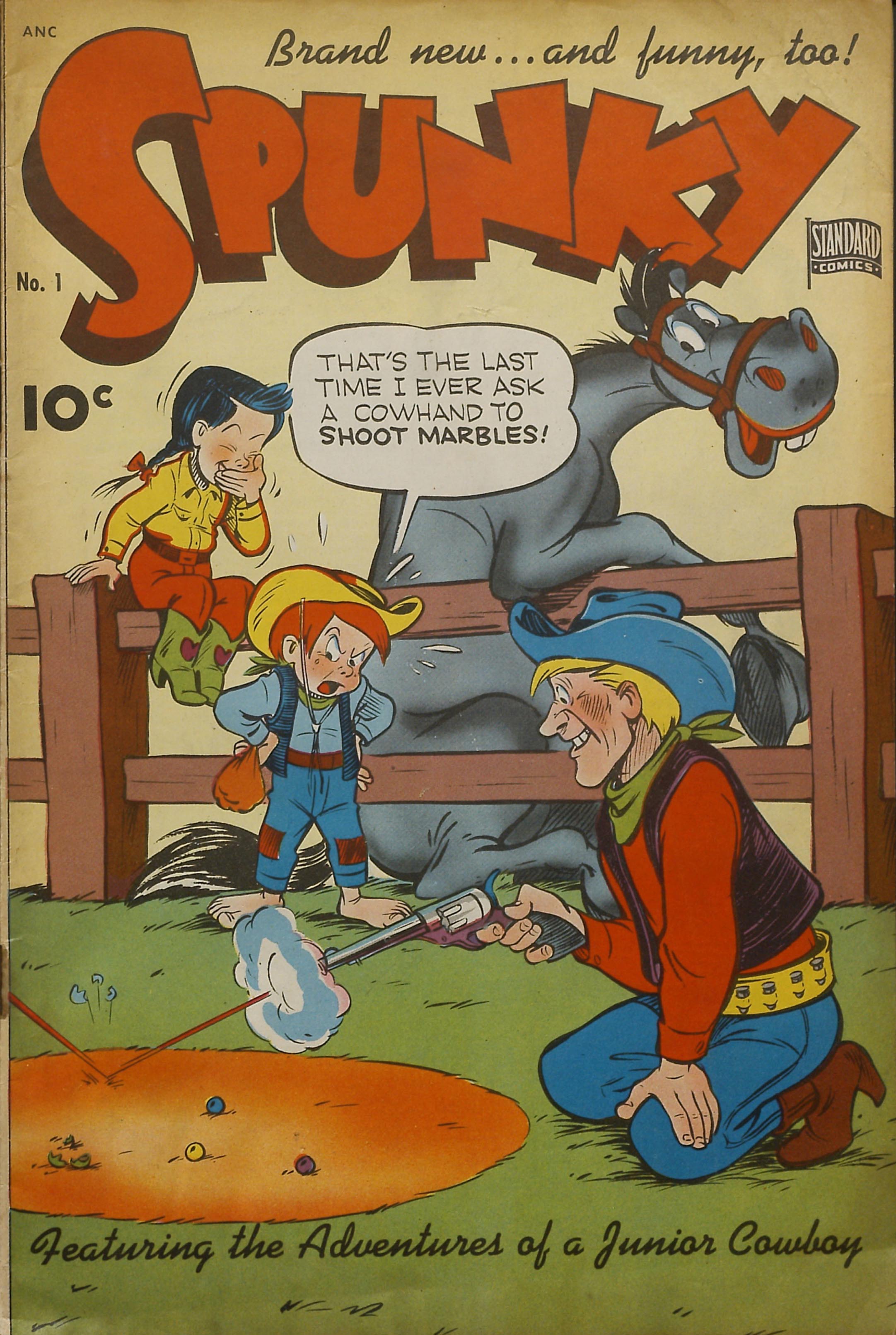
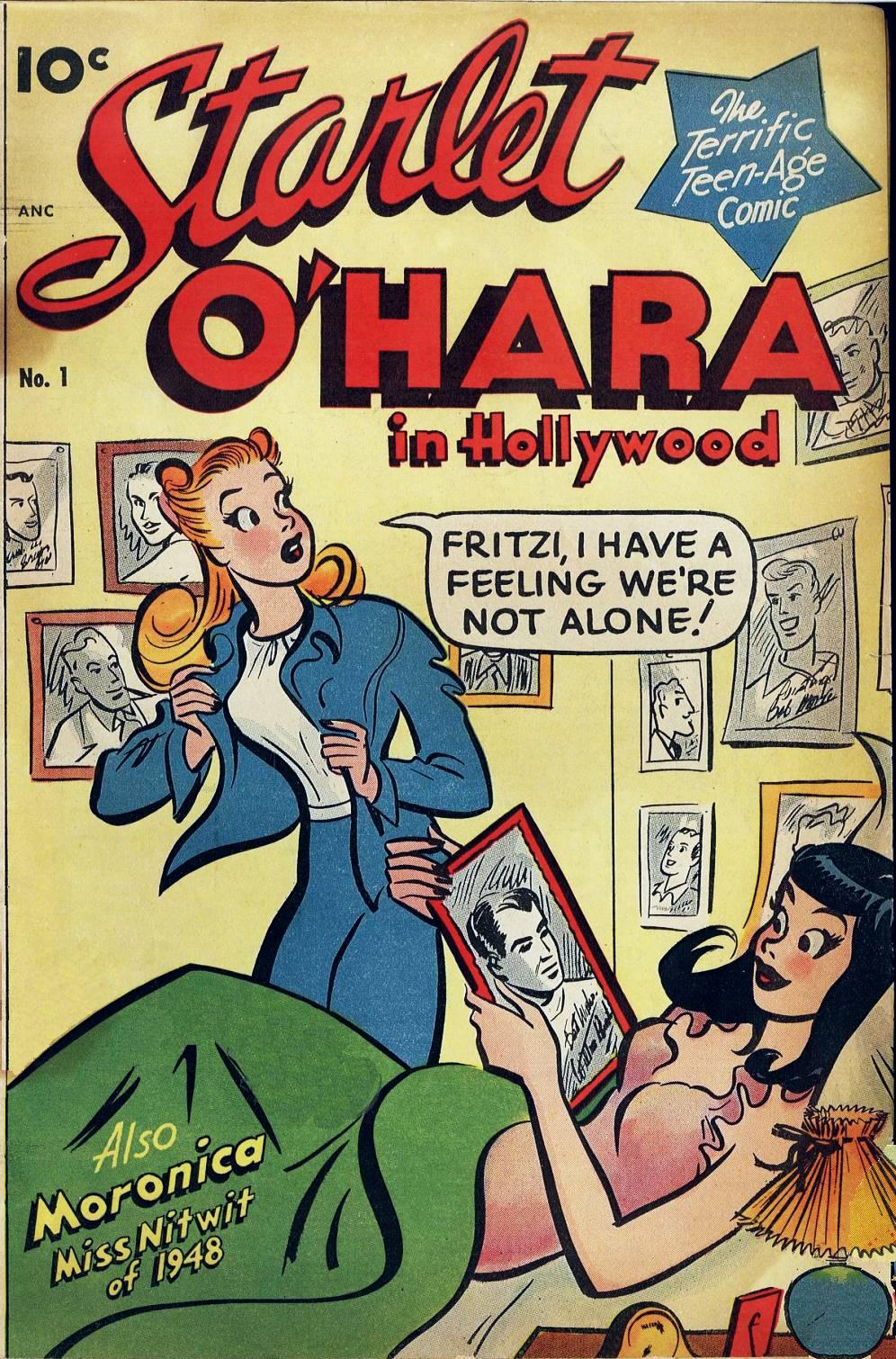
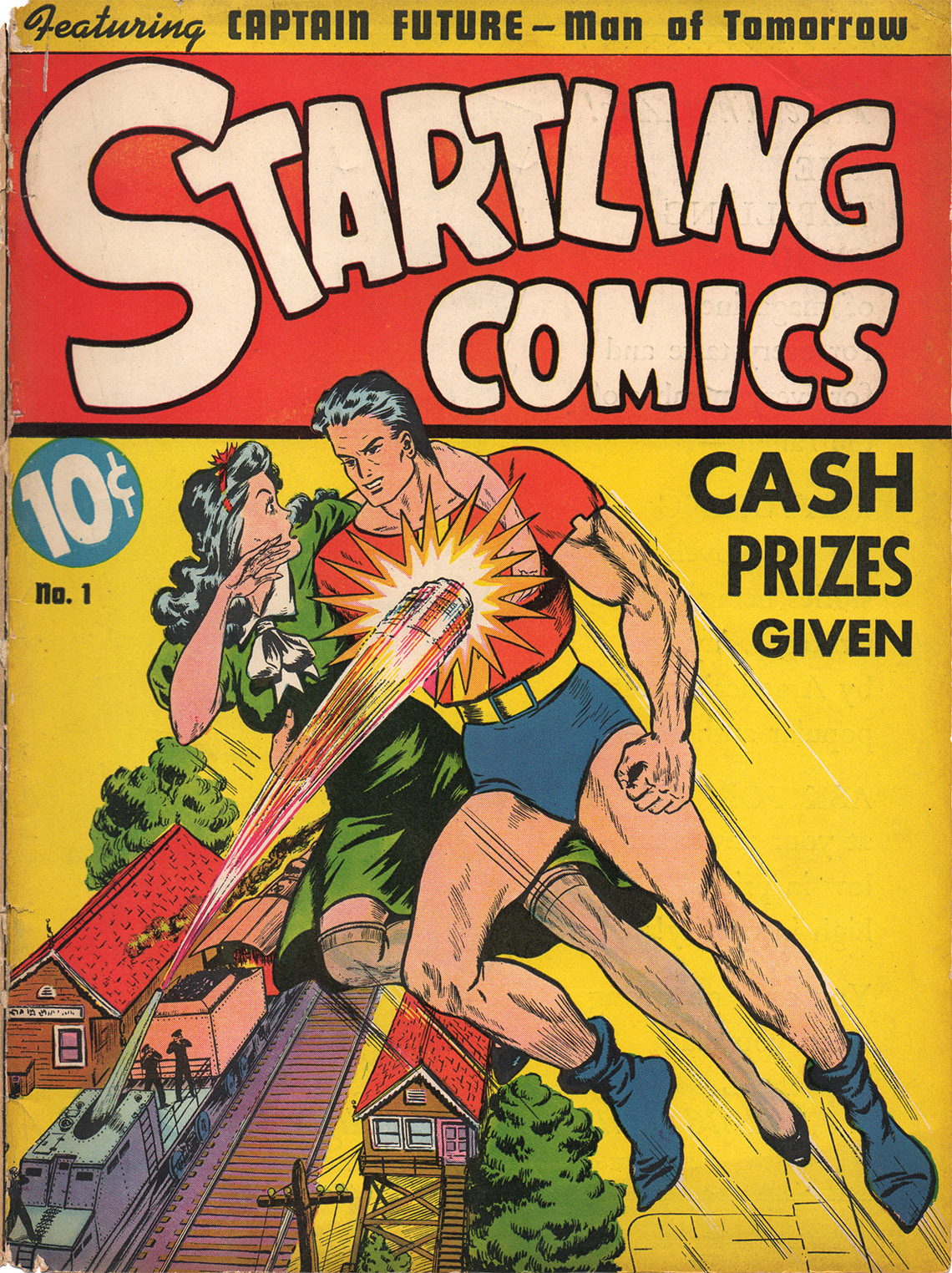
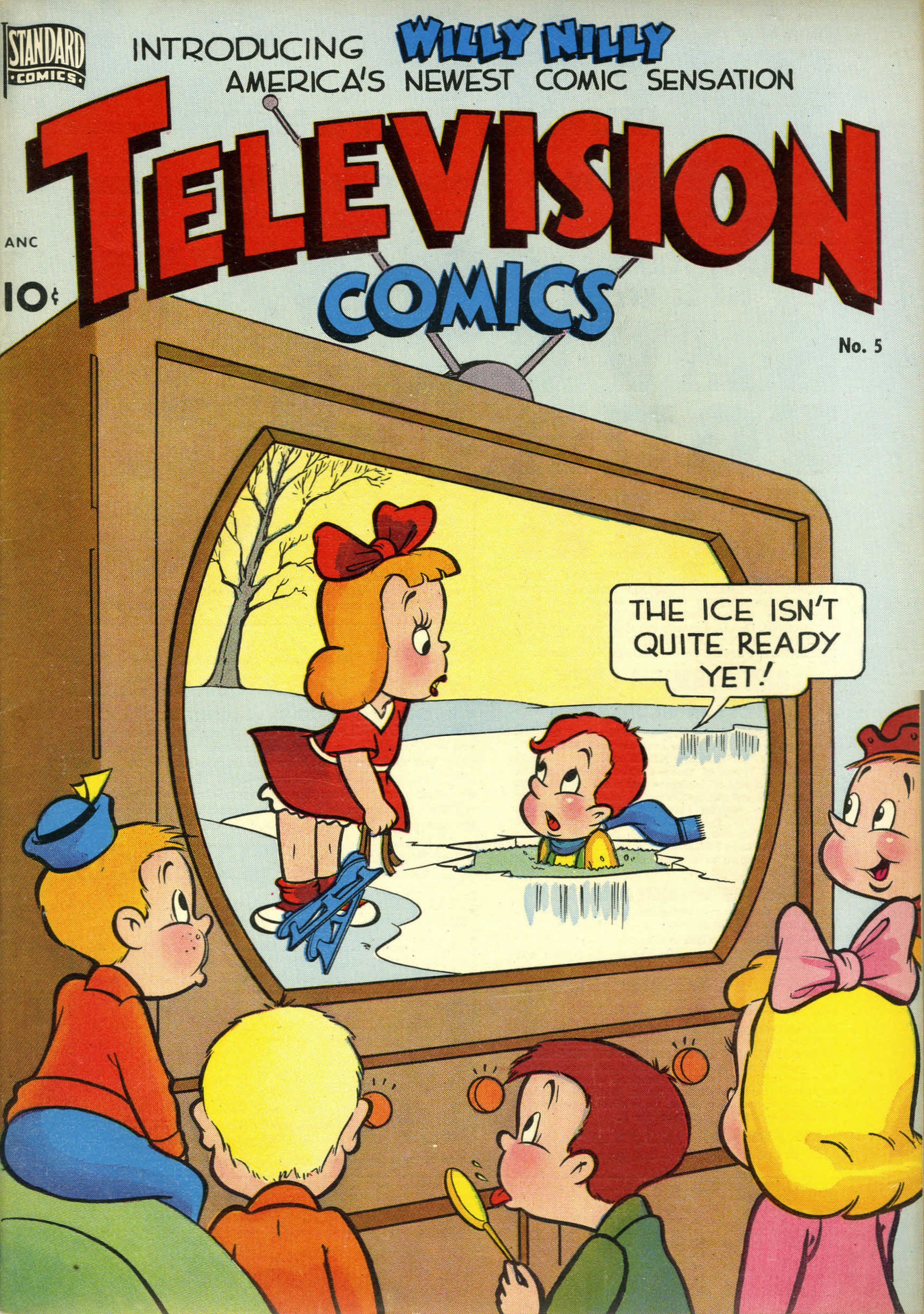
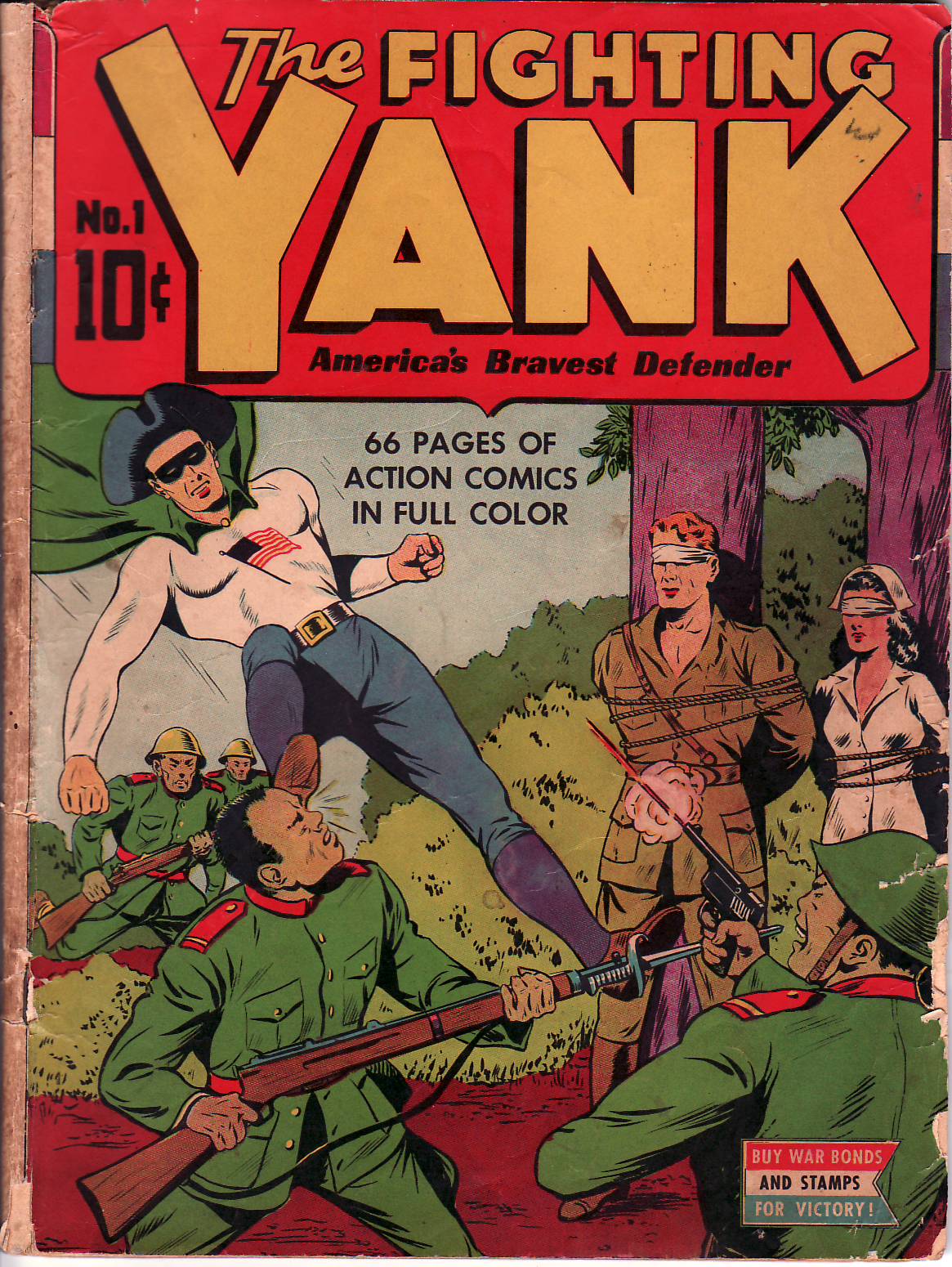
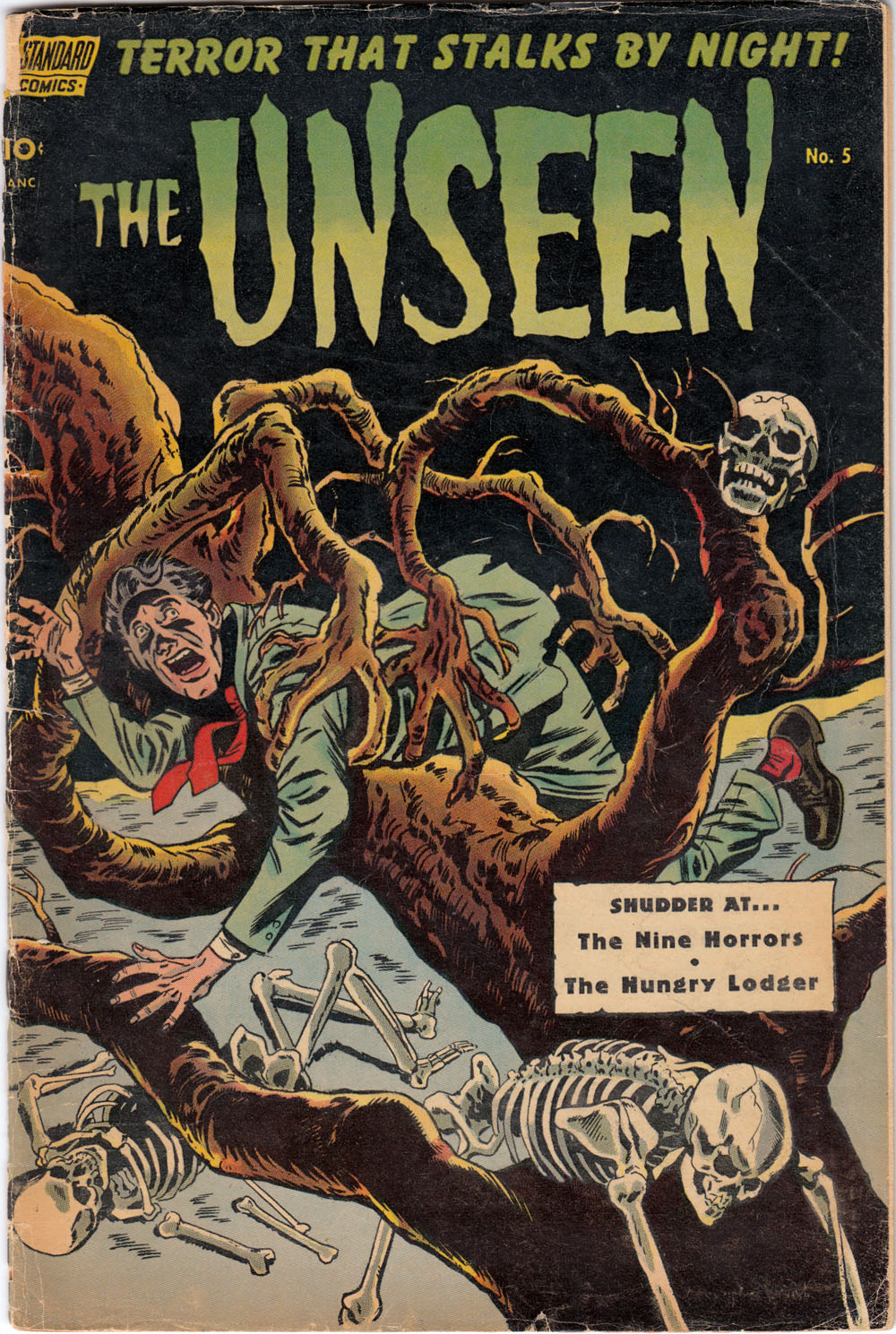
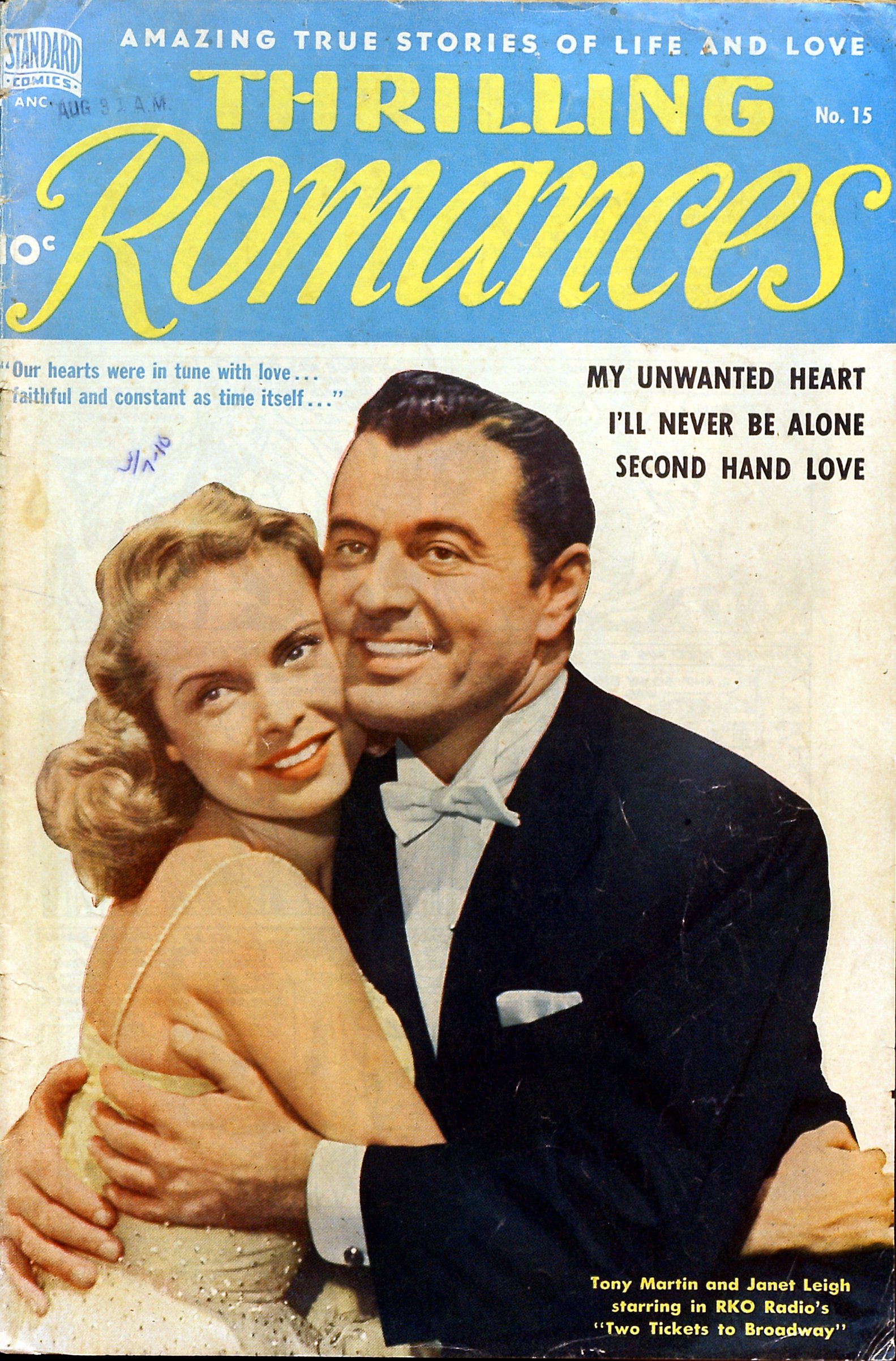
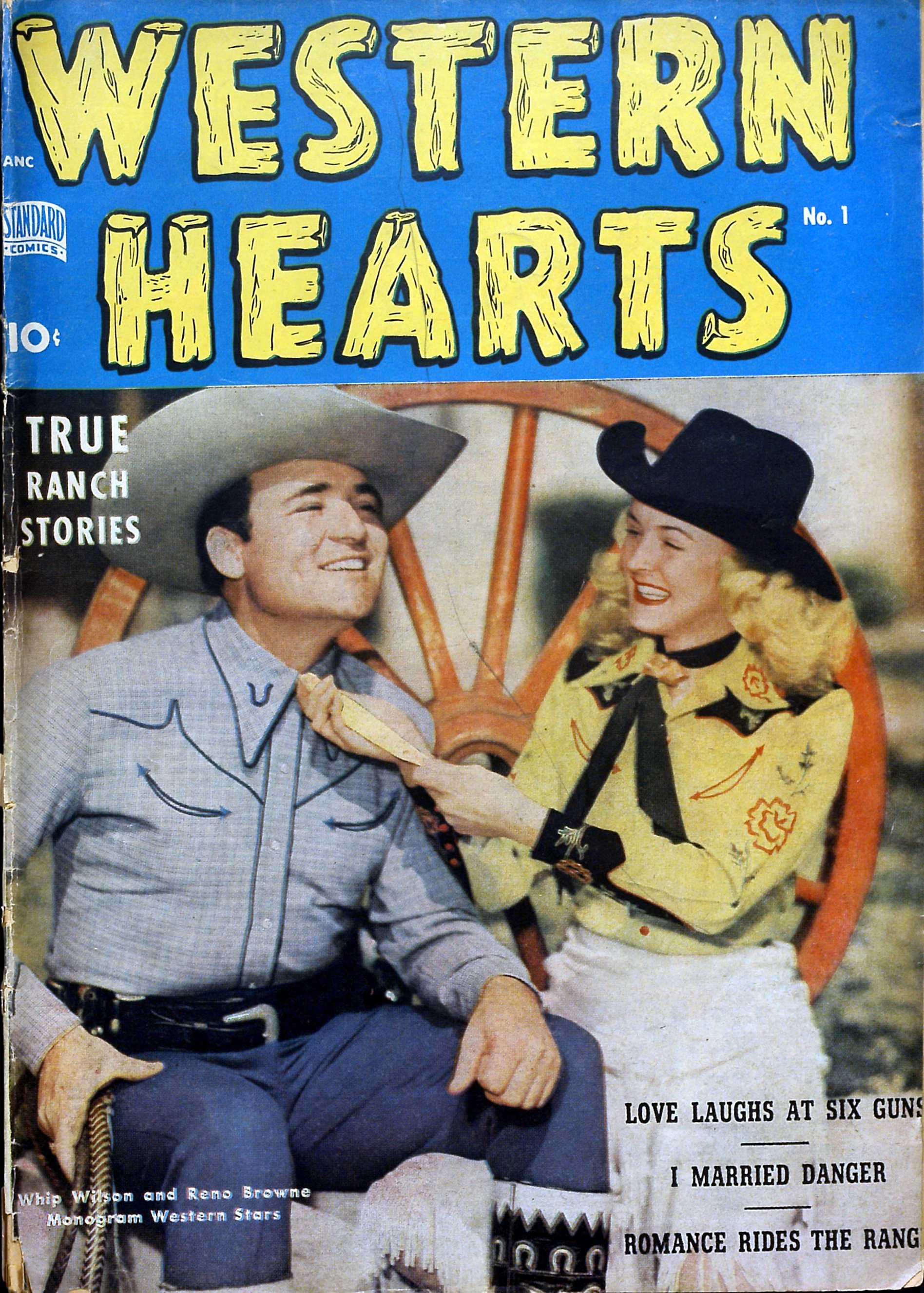
Standard Comics was an American comic book imprint founded by Ned Pines, who was also a publisher of pulp magazines and paperback books. The imprint was a parent company of two comic-book lines, Better and Nedor Publishing, which are often referred to collectively as « Standard/Better/Nedor » by collectors and historians.
During the Golden Age of comic books from 1939 to 1956, Standard was a prolific publisher. One of its best-known characters, published under the Better imprint, was the Black Terror. In June 1949, Better and Nedor were consolidated as the Standard Comics line and given a new « Standard Comics » flag-like cover logo. Previously, the titles had no publisher logo.
Standard Comics continued to publish until 1956 when it ended its operations. Afterward, only two titles continued under the Pines Comics imprint. Pines Comics also incorporated several titles from the defunct St. John Publications. However, by 1959, Pines Comics folded, and most of its titles were acquired by other publishers.
Ned Pines’ impact on the comic book industry is notable. His company’s contribution to the Golden Age of comics was significant, and the Standard Comics line was influential in shaping the comic book landscape during its time. Although the company is no longer in existence, its legacy lives on, and its impact on the comic book industry remains significant. The consolidation of Better and Nedor under Standard Comics is an essential chapter in comic book history, showcasing the evolution of publishers and their ability to adapt to the changing industry.
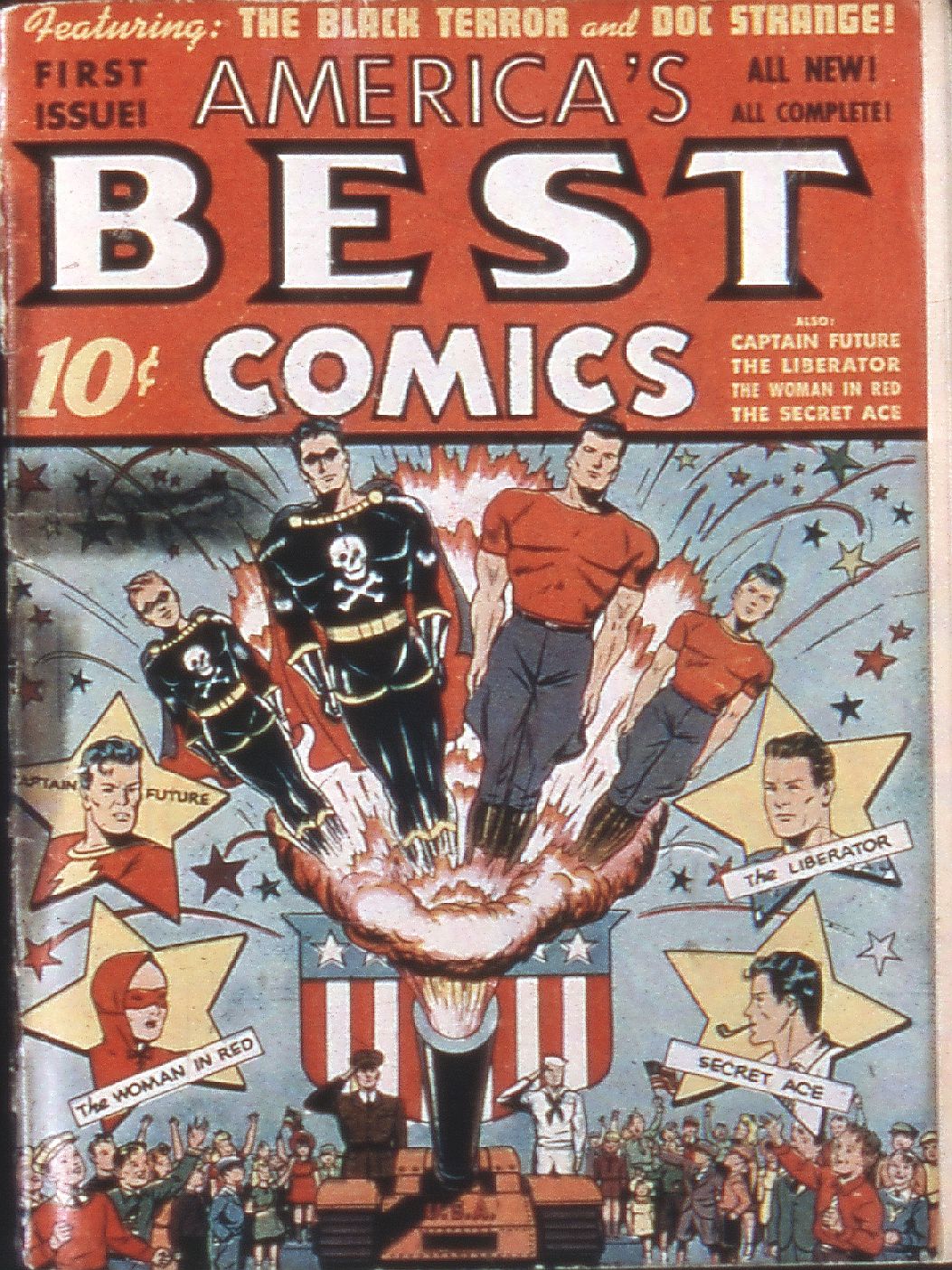
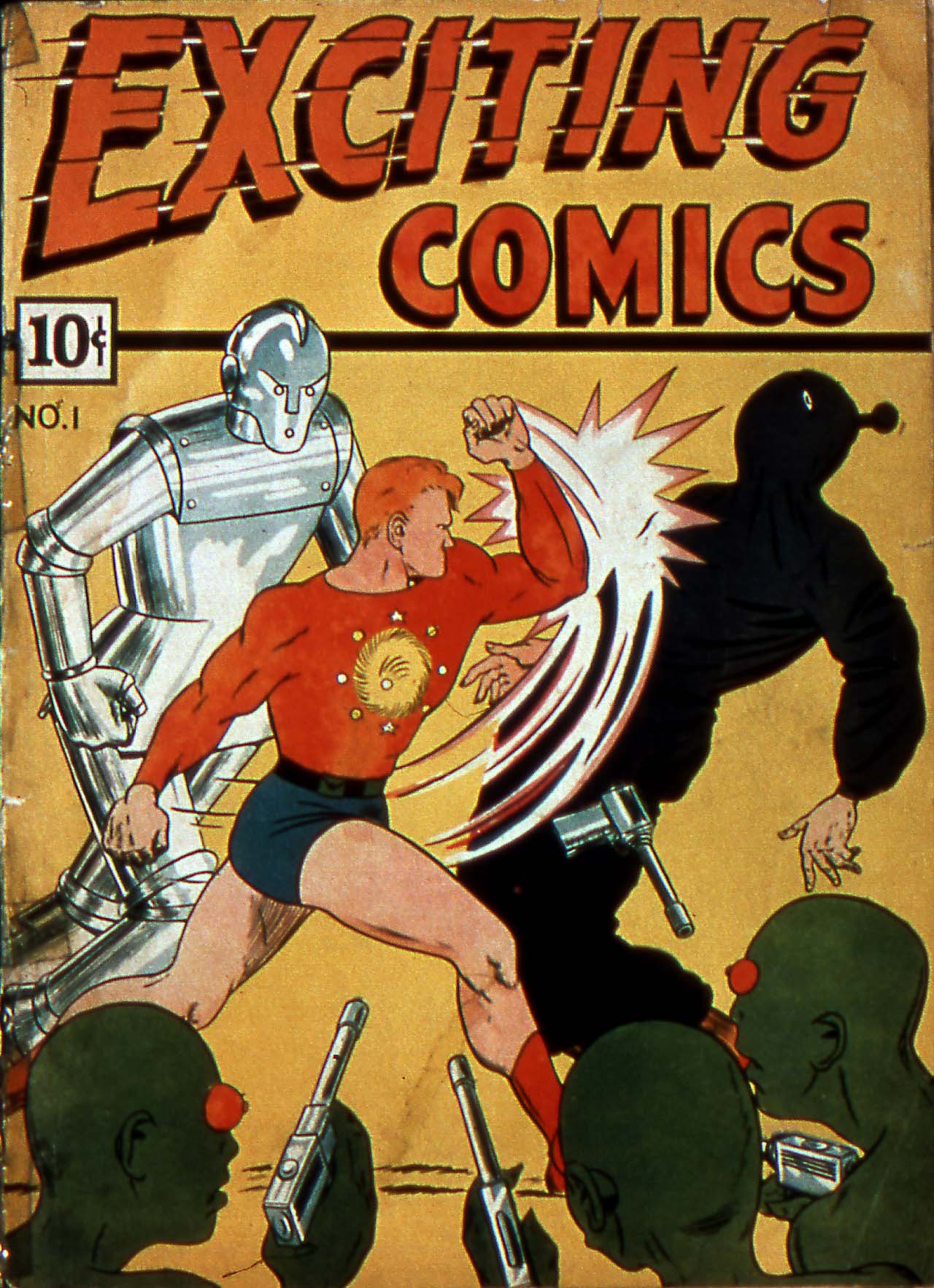
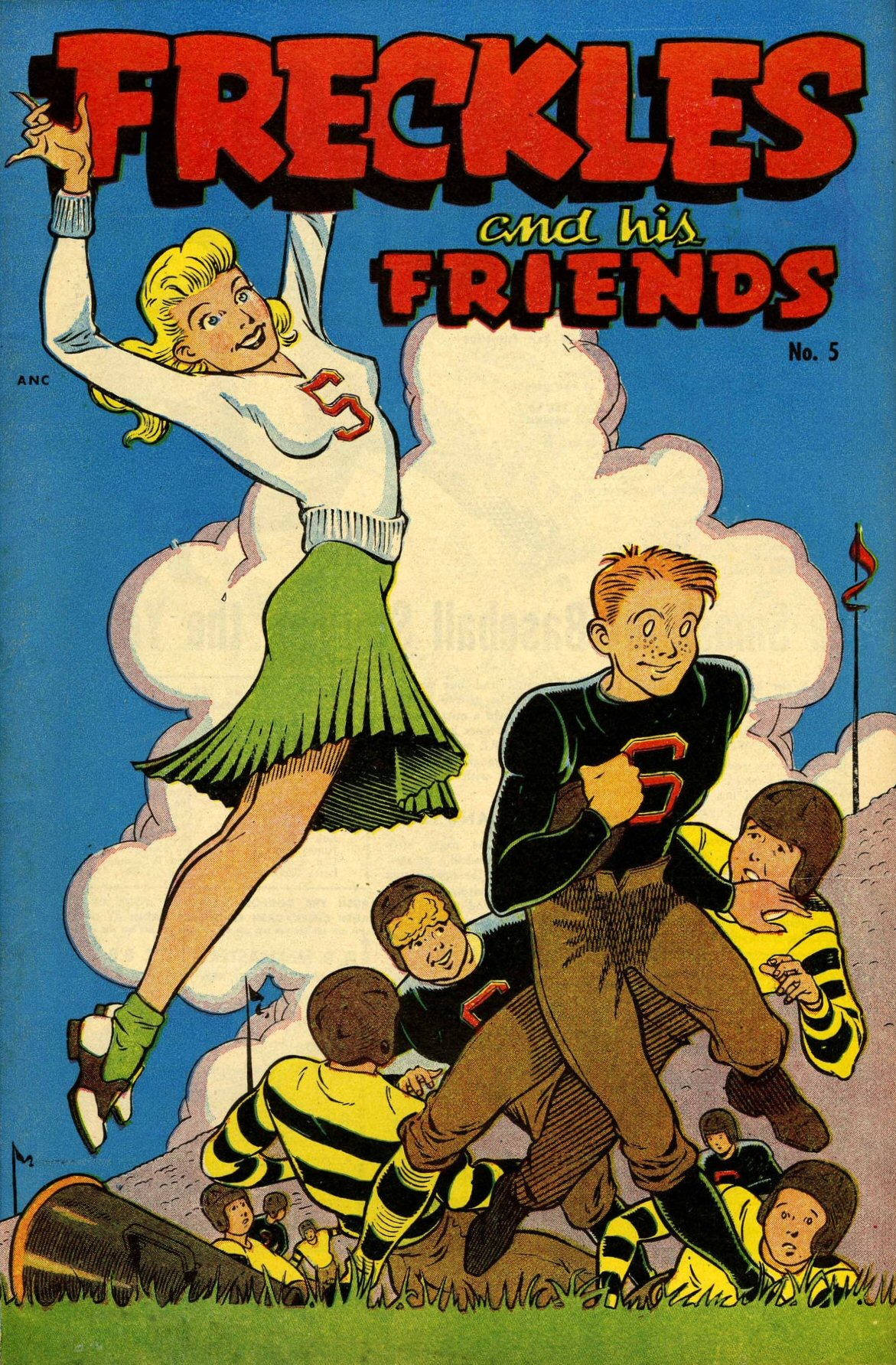
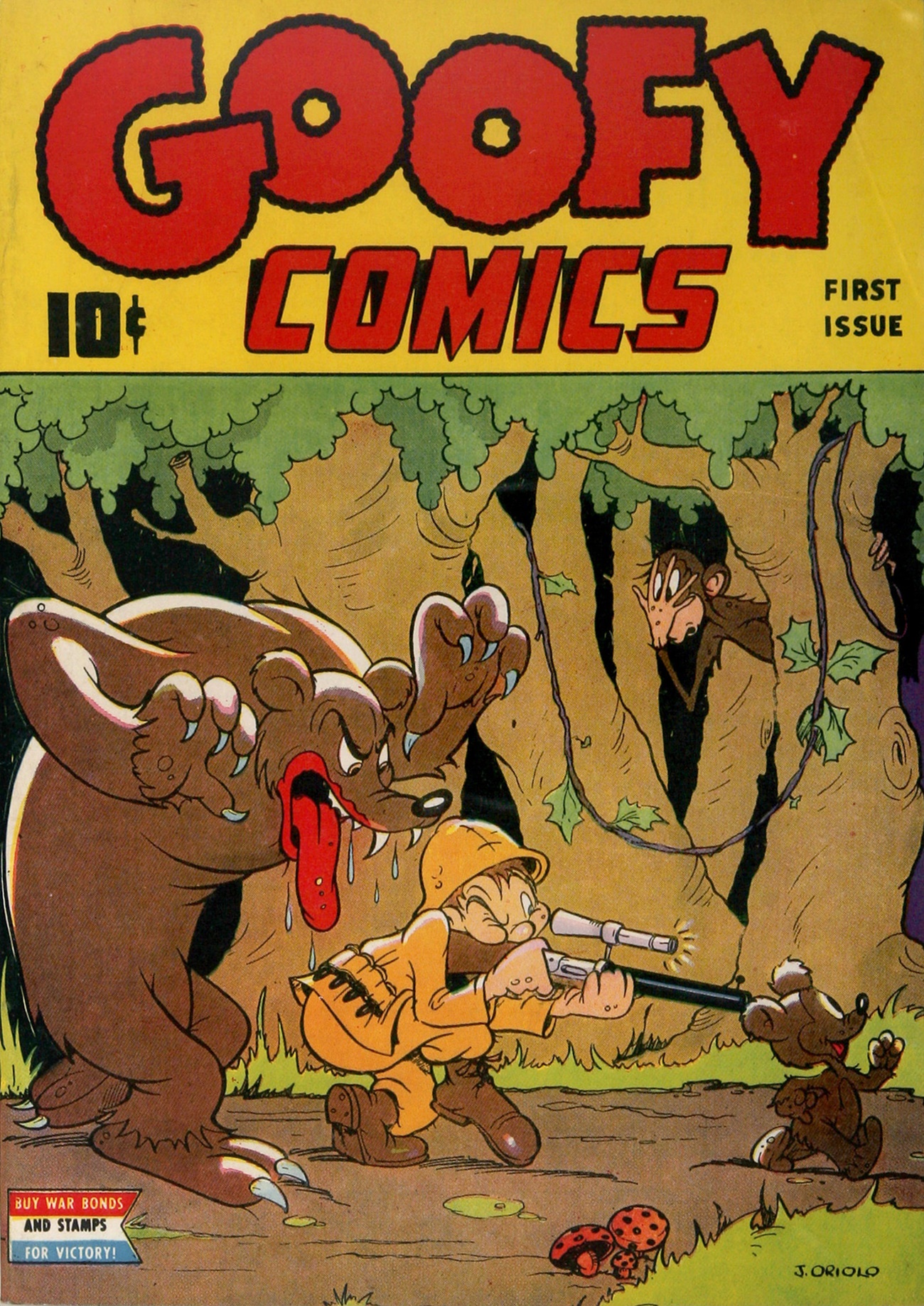




Ned Pine: The Visionary Founder of Pine Publications
Ned Labe Pines, a prominent figure in the publishing industry, was born on March 19, 1905, in Malden, Massachusetts. In 1910, his family relocated to Brooklyn, New York, where his father established himself as a successful businessman. Growing up in a household that valued education and entrepreneurship, Ned Pines developed a passion for literature and a keen eye for business.
In his early years, Ned Pines resided with his family at 29 South Margin Street, later moving to 1430 50th Street. The Pines family experienced significant milestones during this time, with the birth of Ned’s younger brother, Kermit Pines, in 1917. The following year, Ned’s oldest brother, Robert Pines, graduated from Columbia University and served in the U.S. Navy during World War I.
In 1918, the Pines family faced a scandal that garnered national attention. A war profiteering scandal emerged, as it was discovered that 24% of the raincoats supplied by the Pines Rubber Company were defective. This incident brought public scrutiny, but it did not hinder Ned Pines’ future endeavors.
In 1919, The Brooklyn Eagle reported that Troop 161 of Bay Ridge had a monthly newspaper called The Scout Courier. Ned Pines seized the opportunity and established the Scout Courier Printing and Publishing Company in April 1920. This venture allowed him to print scout magazines for various troops, showcasing his entrepreneurial spirit from an early age.
Following his high school graduation in Brooklyn in 1923, Ned Pines enrolled at Columbia University as a freshman. Alongside his studies, he became actively involved in school publications, including College Humor, produced by Collegiate World Publishing Company in Chicago. Pines started a magazine of his own, titled College Life, and founded The Collegian Press, a publishing company. During this time, he partnered with his brother Robert Pines to publish College Life for the Collegian Press.
In 1930, Ned Pines founded the Modern Sports Publishing Company, which produced titles such as « Contract Bridge Made Easy, » « Fifty Games of Cards and How to Play Them, » « Girl Rackets, » and a humor magazine called « Tickles. » The same year, his brother Robert Pines established Metropolitan Magazines, introducing publications like « Thrilling Love » and « Thrilling Detective. »
Ned Pines made a significant addition to his publishing team in 1932 when he hired Leo Margulies as the chief editor. By 1933, Pines’ publishing company was known as Standard Magazines, with offices located at 570 Seventh Avenue. In 1934, Dell Publishing Company acquired College Humor from Collegiate World Publishing Company but later sold it to Ned Pines in 1935. Pines continued to publish the magazine under the name Collegian Press.
During his career, Ned Pines expanded his publishing empire, establishing various magazines under different company names. However, in May 1936, a rival publisher introduced Ace G-Man Stories, leading Pines to file a copyright infringement lawsuit against Henry Steeger.
Despite facing legal challenges, Ned Pines persevered and continued to grow his publishing endeavors. He purchased the entire output of a paper mill at low prices and discovered that selling the paper in the form of pulp magazines yielded the best profit. His efforts resulted in a vast catalog of publications, with approximately thirty titles and a combined circulation of two million copies.
In addition to his publishing ventures, Ned Pines ventured into other industries. In 1923, he organized a resort development scheme in New Jersey, but faced legal troubles that resulted in a conviction, two years of imprisonment, and a fine of $1,000. Despite this setback, Pines remained undeterred and continued to make significant contributions to the publishing world.
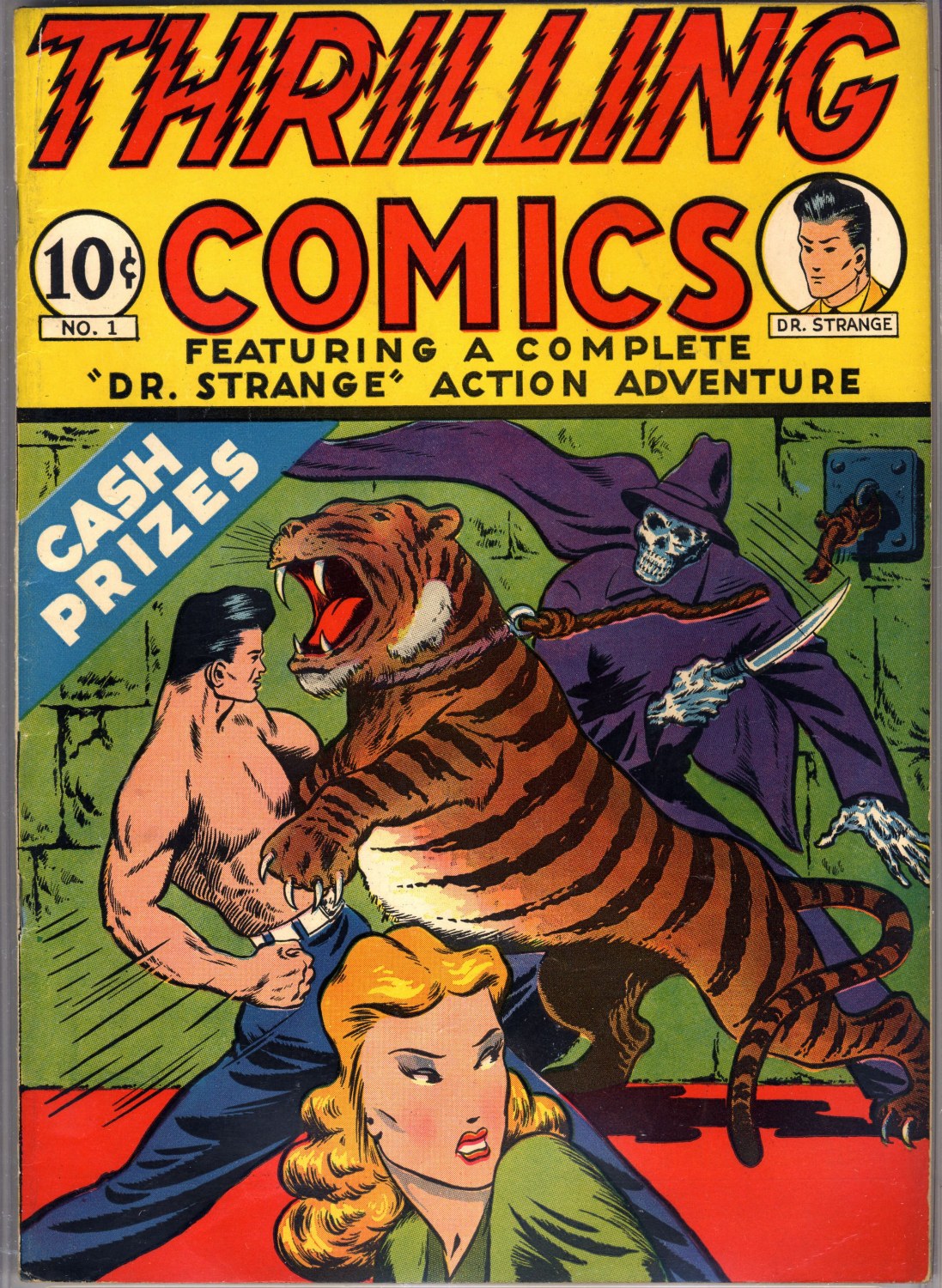
In collaboration with Benjamin Sangor, Ned Pines founded Nedor Publishing, which produced popular titles such as « Thrilling Comics » and « Exciting Comics. » These publications captivated readers with their thrilling stories and captivating artwork.
By the 1940s, Ned Pines had established himself as a successful publisher with a wide range of magazines under his belt. The June 1940 issue of « Exciting Comics » featured a full-page advertisement showcasing numerous periodicals, including Ned Pines’ own publications such as « Black Book Detective, » « Captain Future, » « Detective Novels, » « The Ghost Super-Detective, » « G-Men Detective, » « The Lone Eagle, » « Masked Rider Western, » « Phantom Detective, » « Popular Detective, » « Popular Love, » « Popular Sports, » « Popular Western, » and « Sky Fighters. »
When World War II began, Ned Pines was a 37-year-old married man and the proud father of two infant daughters. In recognition of his capabilities, his father-in-law made him a co-owner of ACG (American Comics Group) located at 45 West 45th Street.
Ned Pines’ business acumen extended beyond comics and magazines. In 1952, he acquired Silver Screen and Screenland Magazines from Public News Company. This move expanded Pines’ publishing portfolio, demonstrating his ability to adapt to changing market demands.
Ned Pines’ achievements did not go unnoticed by his peers in the industry. On June 2, 1960, he was elected chairman of the Eastern Life Insurance Company of New York, reflecting his diverse business interests and leadership capabilities. Additionally, Pines served as a member of the board of the Magazine Publishers Association, further solidifying his influence and involvement within the publishing community.
After a successful and accomplished career, Ned Pines decided to retire from publishing in 1971. He devoted several months of each year to his passion for art collection, particularly focusing on European modern art. Pines’ retirement allowed him to indulge in his personal interests and enjoy the fruits of his labor.
Ned Pines’ contributions to the publishing industry left an enduring legacy. His entrepreneurial spirit, commitment to quality, and ability to identify market opportunities allowed him to build a publishing empire encompassing numerous magazines and comics. His dedication to bringing thrilling stories and entertaining content to readers has influenced generations of avid readers and aspiring writers.
Today, the impact of Ned Pines’ work continues to be felt within the publishing world. His keen business sense, creativity, and unwavering determination serve as an inspiration for aspiring publishers and entrepreneurs seeking to make their mark in the ever-evolving realm of print and digital media.

The Holyoke Publishing Company was an American magazine and comic-book publisher with offices in Holyoke, Springfield, Massachusetts, and New York City. Its best-known comics characters were Blue Beetle and the superhero duo Cat-Man (later rendered as Catman, sans hyphen) and Kitten, all inherited from defunct former clients of Holyoke’s printing business.
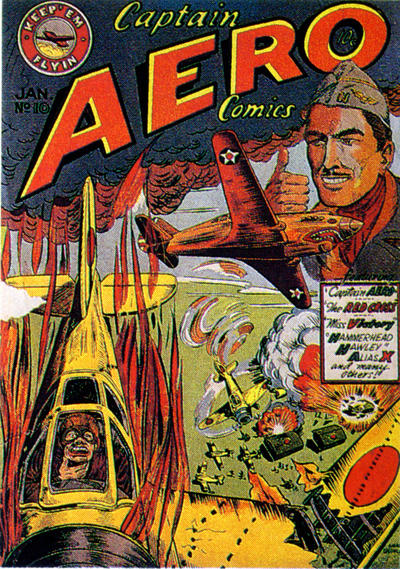
Holyoke Publishing originated with Sherman Bowles, who had taken over his family’s Springfield, Massachusetts newspaper dynasty, consisting of The Republican and other papers. He entered comic-book publishing through his printing division, which took over two existing titles from Frank Z. Temerson’s Helnit Publishing Company: the superhero series Cat-Man Comics and the war comics series Captain Aero Comics.



The Little-Known Story of Sherman Bowles, the Comic Book Pioneer Who Faced Legal Trouble in World War II-Era America
In the world of comic books, names like Stan Lee, Jack Kirby, and Bob Kane are well-known to fans and historians alike. However, there are many lesser-known figures who played important roles in the development of the medium. One of these figures is Sherman Bowles, a comic book publisher who faced legal trouble during World War II for allegedly using paper that wasn’t rightfully his.
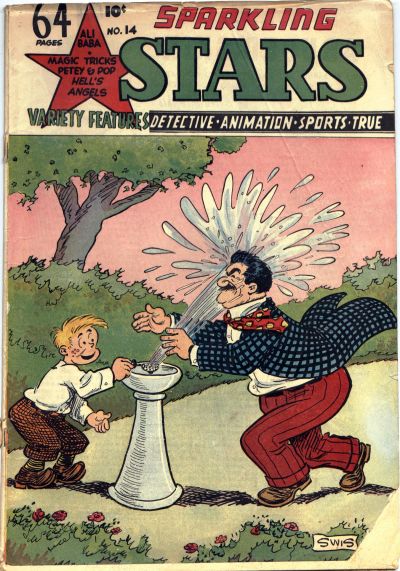
Sherman Bowles was a comic book publisher who got his start in the 1930s when the medium was still in its infancy. He was the founder of Star Publications, which produced a number of popular titles in the 1940s, including “Sparkling Stars.” The comic was notable for its all-female cast of superheroes, which was a rarity at the time. Bowles was also known for his business savvy, which allowed him to navigate the often tumultuous world of comic book publishing.
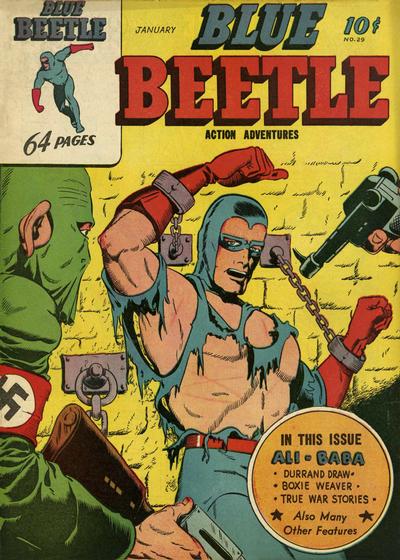
Despite his success, Bowles ran into legal trouble during World War II. In 1945, the Federal Register reported that the War Production Board had ruled that Bowles had illegally used 775,772 pounds of print paper to produce “Sparkling Stars.” According to the ruling, the paper was actually the property of Frank Z. Temerson and Victor Fox, who had temporarily passed proprietorship of their comics Cat-Man, Captain Aero, and Blue Beetle to Bowles in order to repay an outstanding debt.
The ruling was a serious blow to Bowles’ business. He was ordered to pay a fine of $25,000 and was barred from using the paper in question for the next two years. The ruling also put a damper on the production of “Sparkling Stars,” which had to be printed on lower-quality paper. Despite these setbacks, Bowles continued.
The Golden Age of comic books, from the late 1930s to the mid-1950s, saw the emergence of a number of companies that would leave their mark on the industry. Among them were Comic Magazine Company (C.M.C.), Chesler Publications, Ultem Comics, and Centaur Comics.
C.M.C. was founded in 1936 by John Mahon and Bill Cook, both of whom had worked for National Allied Publications. The company’s first title, The Comics Magazine, debuted in May of that year and featured many features from National drawn by the original artists. Some characters made only a single appearance or returned to National, while others continued to work for both companies. Another C.M.C. title, Funny Picture Stories, premiered in November 1936 and introduced The Clock, Comic Book’s first masked hero.
In 1937, Harry « A » Chesler founded Chesler Publications, a comic book packager and publisher. Chesler provided early work to artists and writers like Jack Cole, Jack Binder, Otto Binder, Charles Biro, and Mort Meskin. Chesler’s first titles were Star Comics and Ranger Comics, two oversize comics that debuted in February 1937. Chestler Dynamics would follow.
That same year, I.W. Ullman and Frank Z. Temerson founded Ultem Comics, which acquired Chesler’s and C.M.C. in 1937. Chesler remained on as editor and packager, and Ultem operated out of the same office as Chesler had rather than at Ullman and Temerson’s offices. The company would continue to produce titles until January 1938.
Centaur Comics was founded in 1938 by Joseph Hardie and Raymond J. Kelly. The company was unique in that it had its own distribution network, rather than relying on the system controlled by organized crime through the American News Company. Centaur’s first title was Funny Pages, which debuted in January 1936 and featured such characters as Amazing-Man, The Clock, and The Arrow. Other Centaur titles included Detective Eye, Fantoman, and Masked Marvel.
Centaur’s run would be cut short in 1942, as the U.S. government imposed restrictions on paper and ink during World War II. After the war, many of the creators and characters associated with Centaur would find new homes at other publishers, including DC Comics and Marvel Comics.
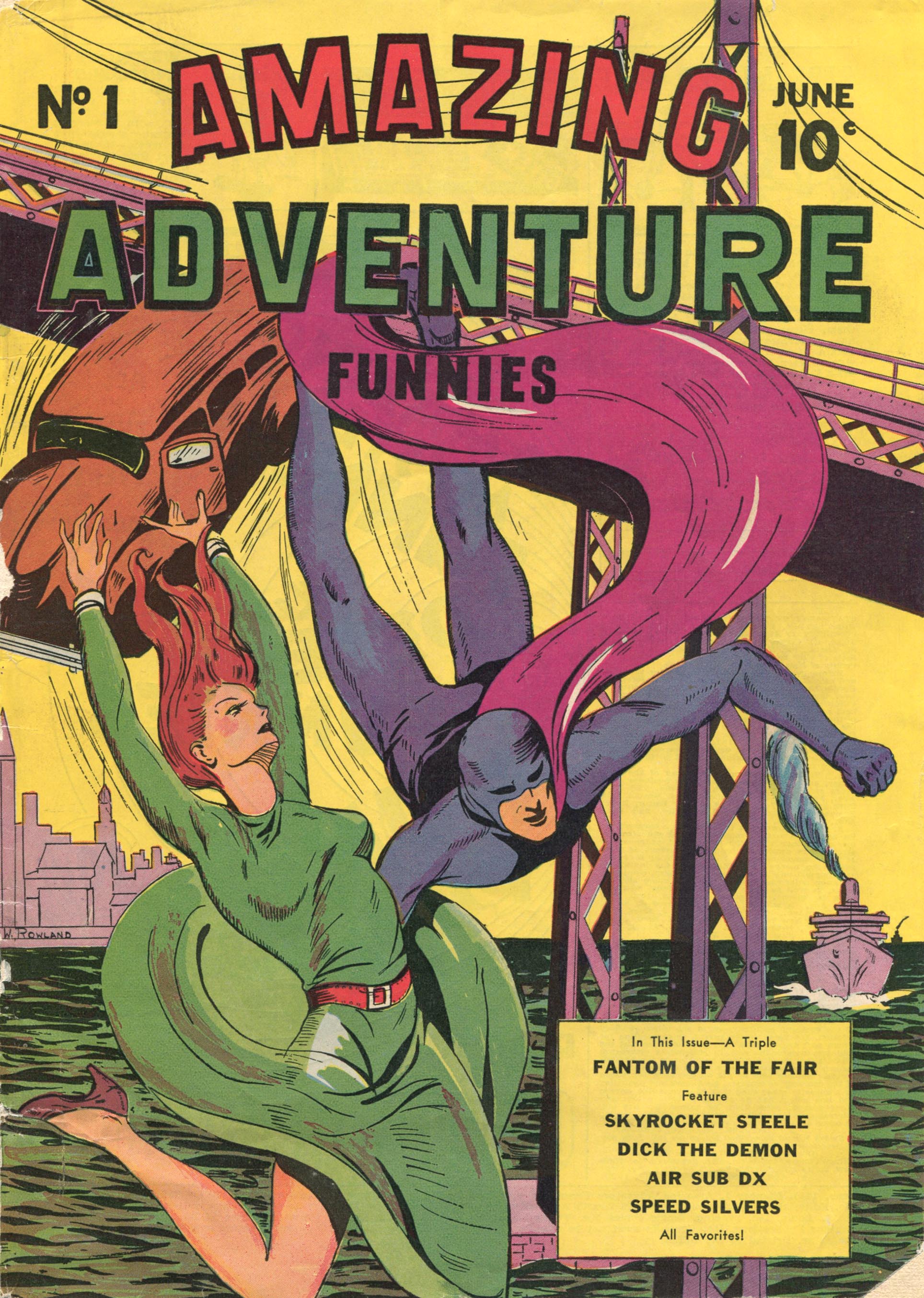
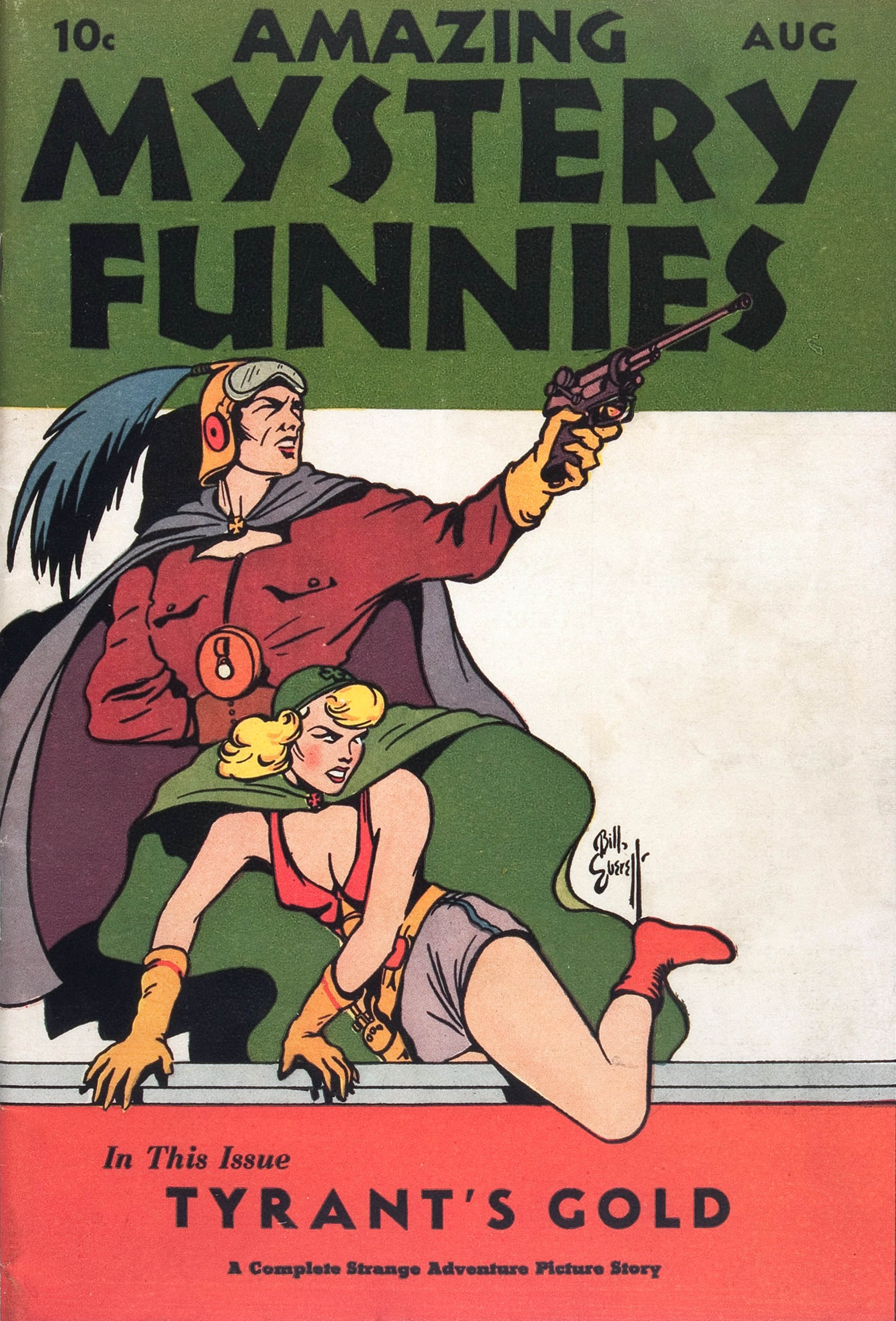
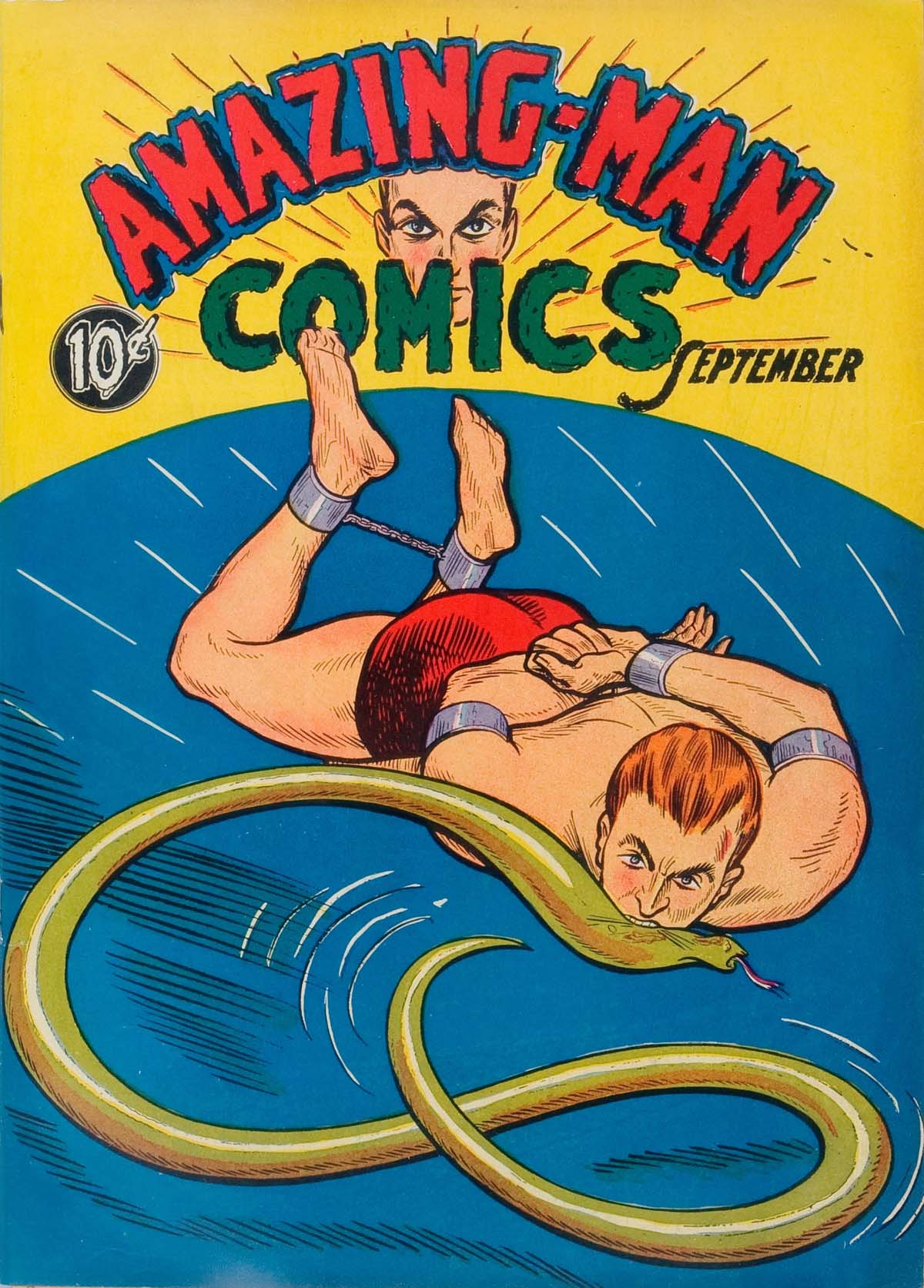
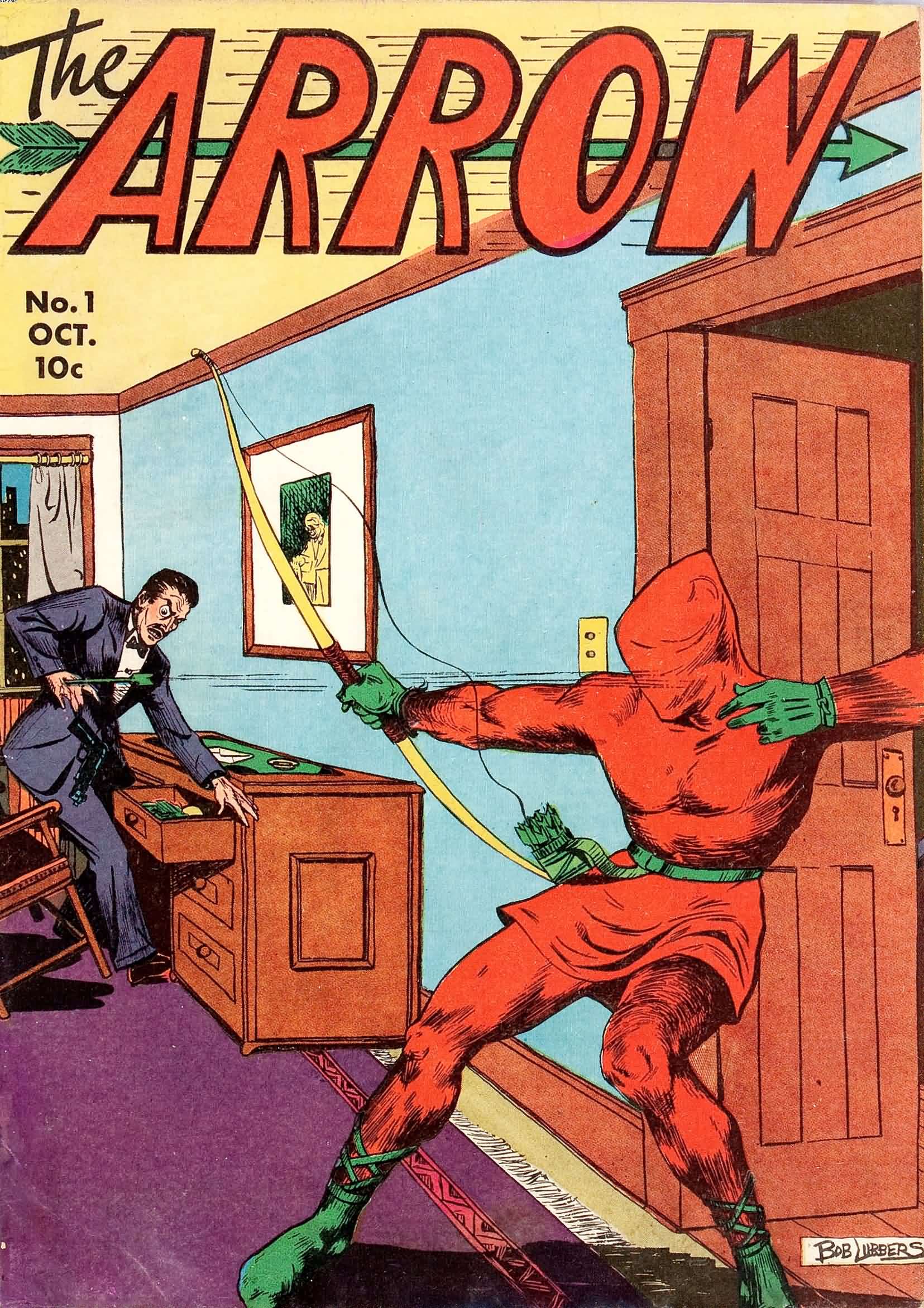
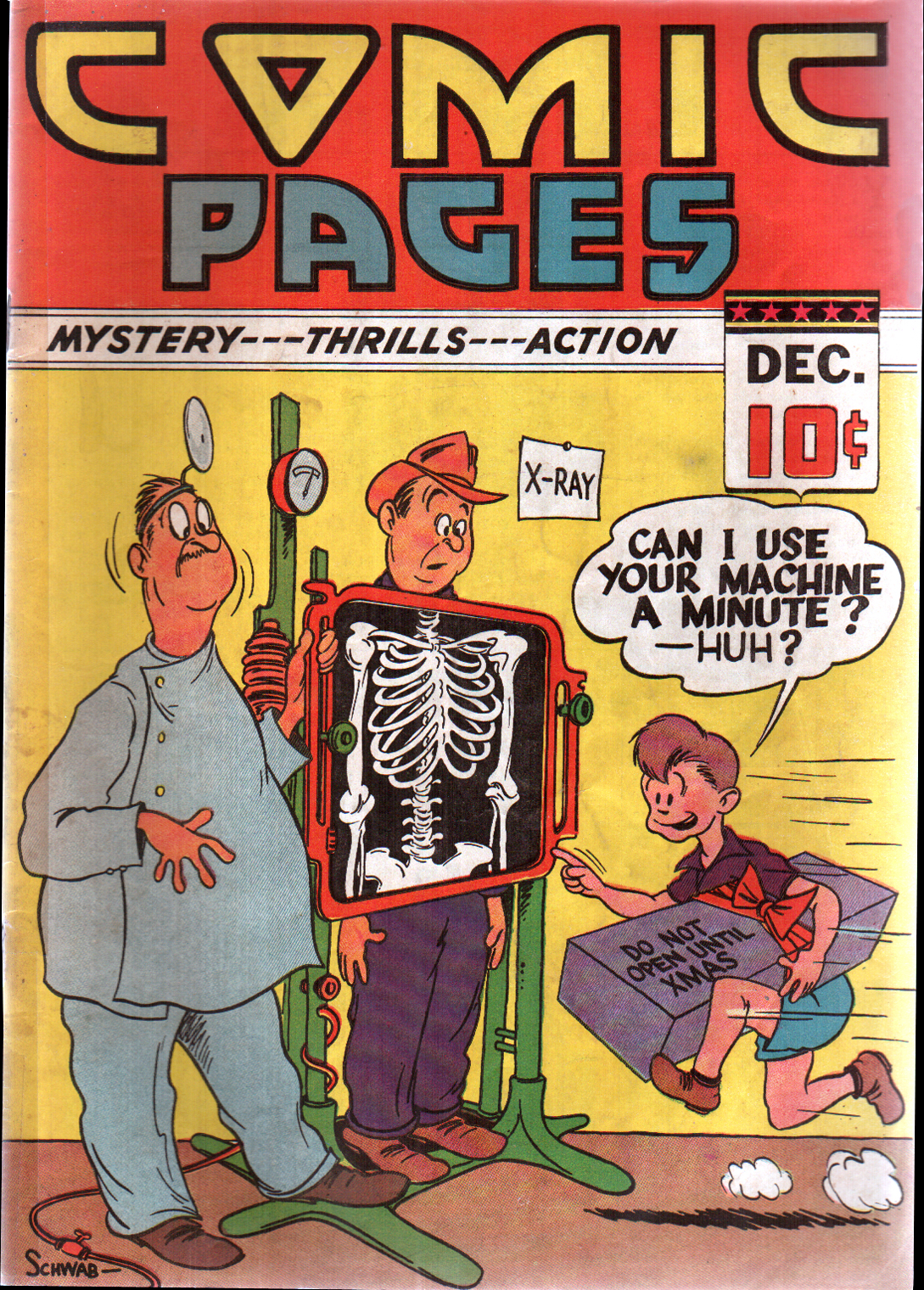
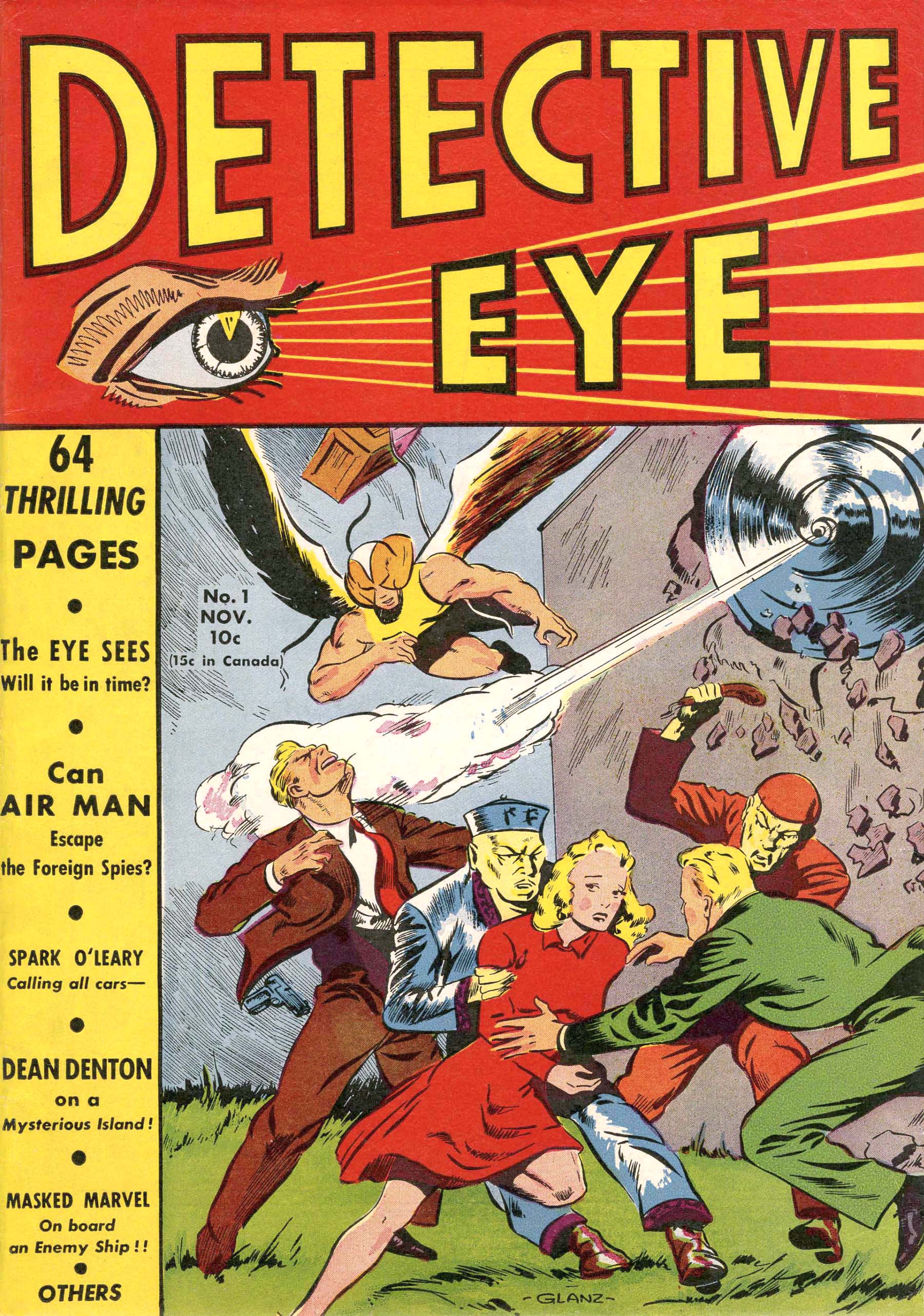
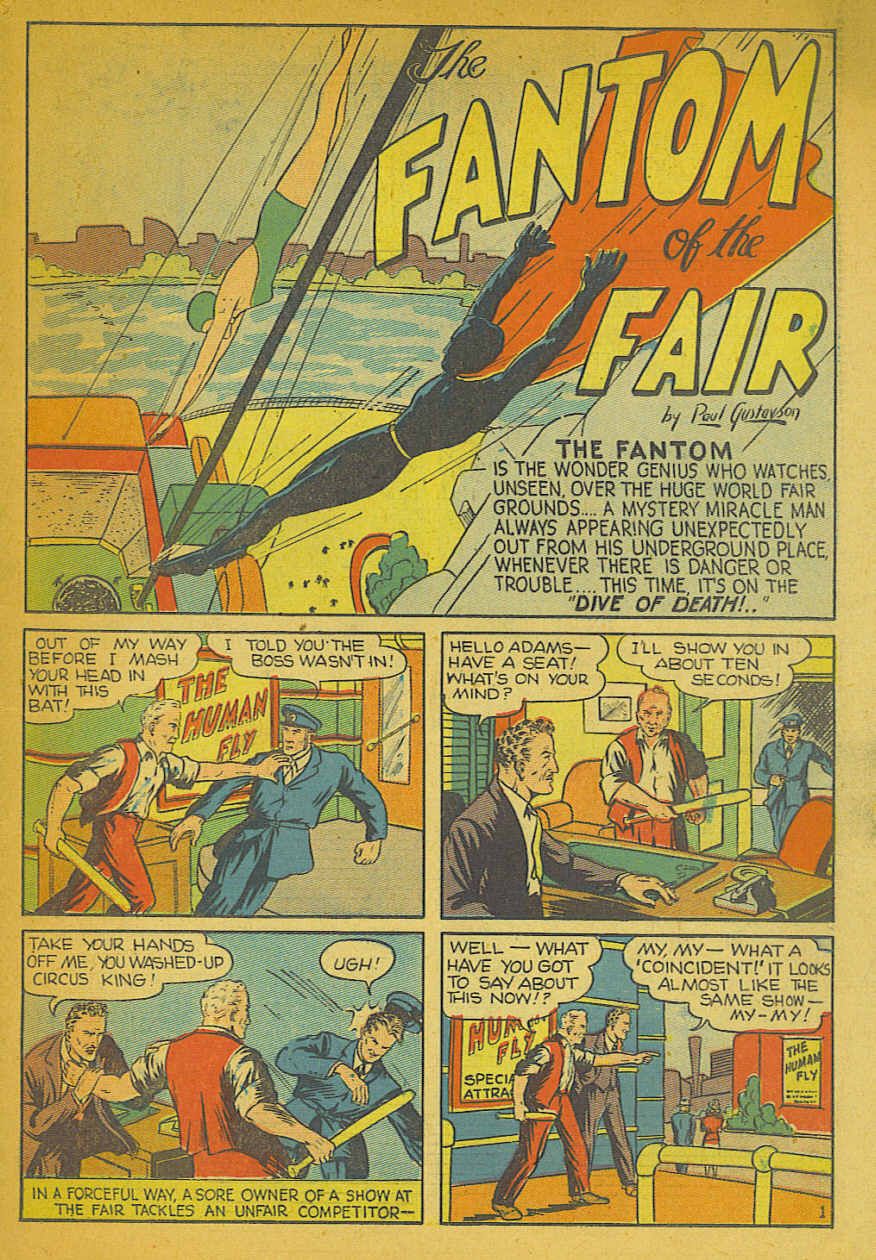
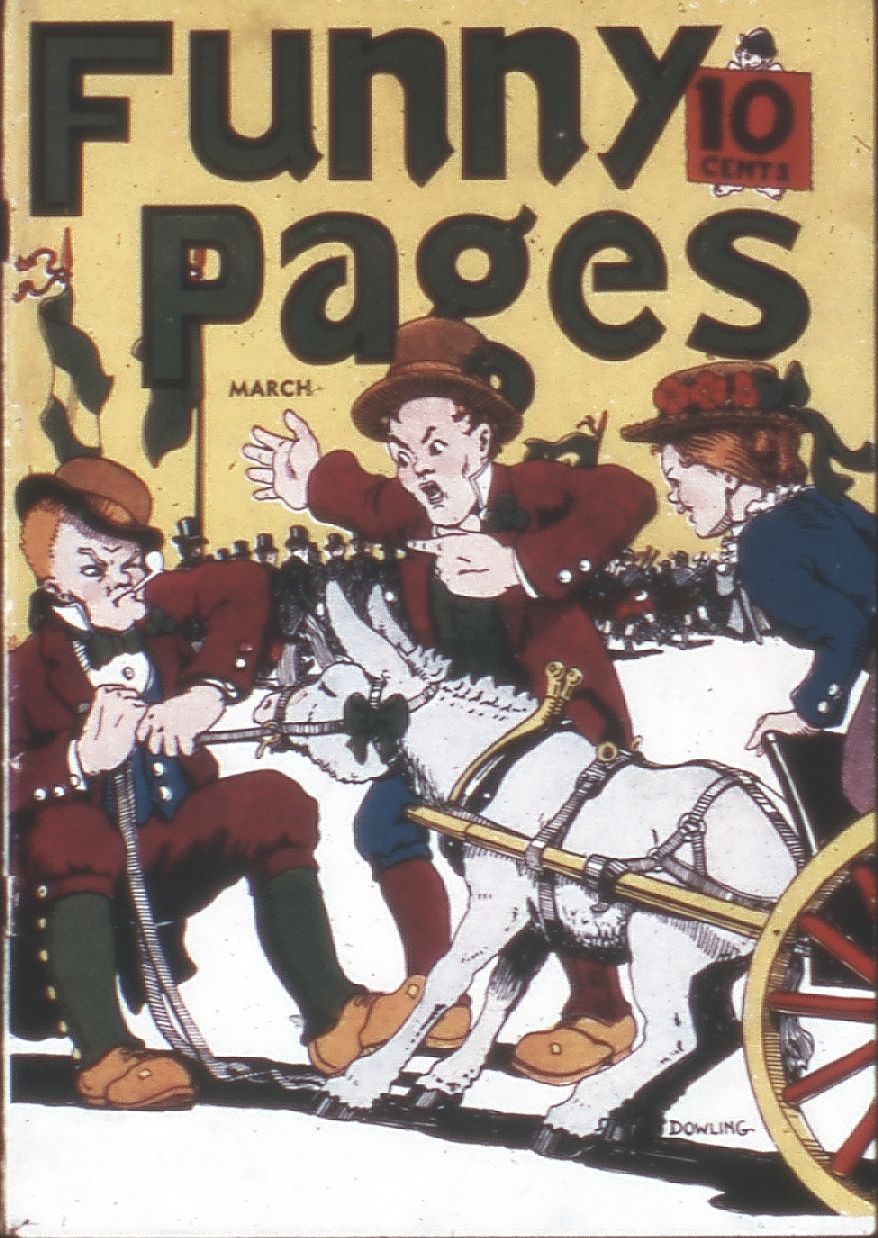
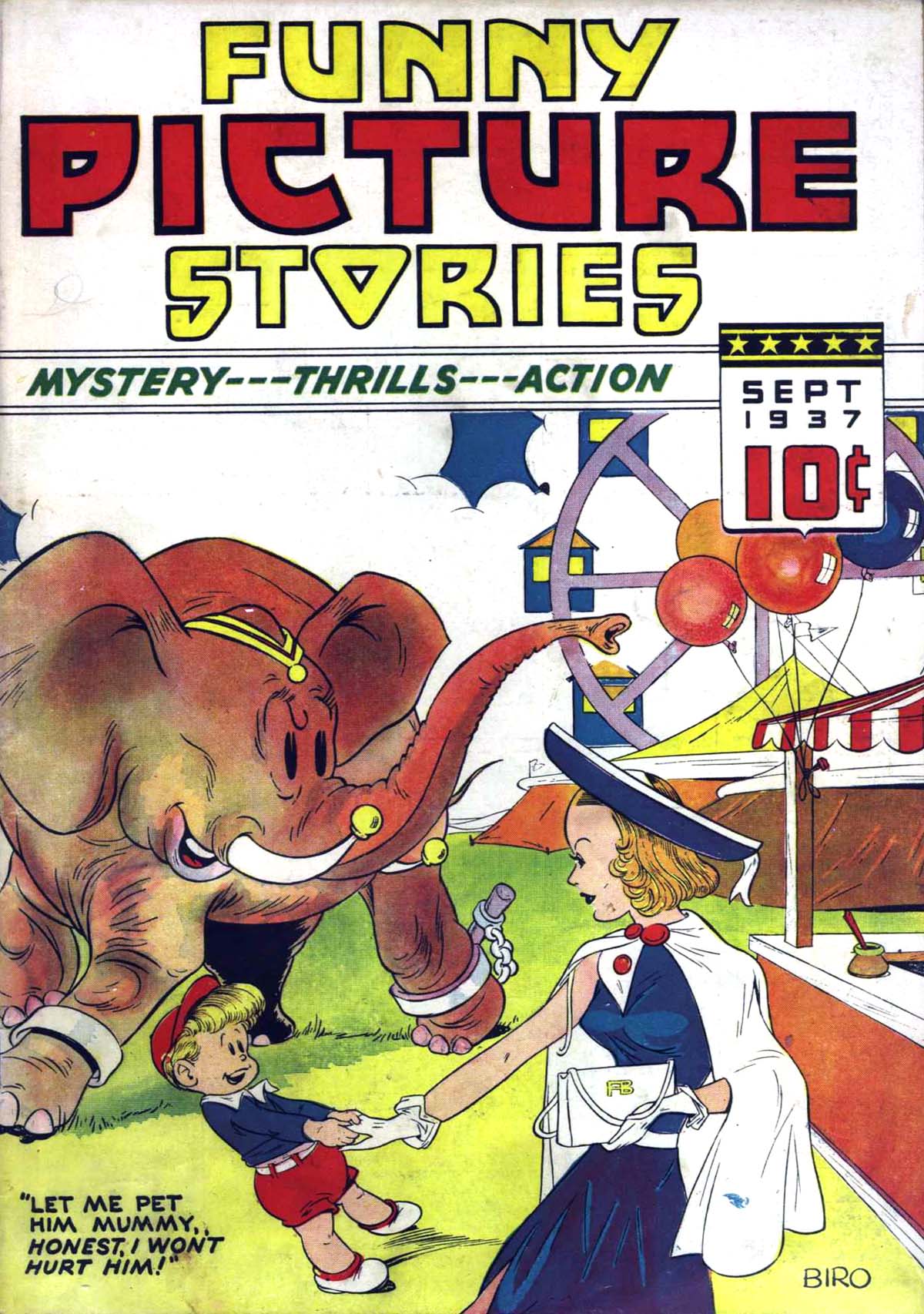
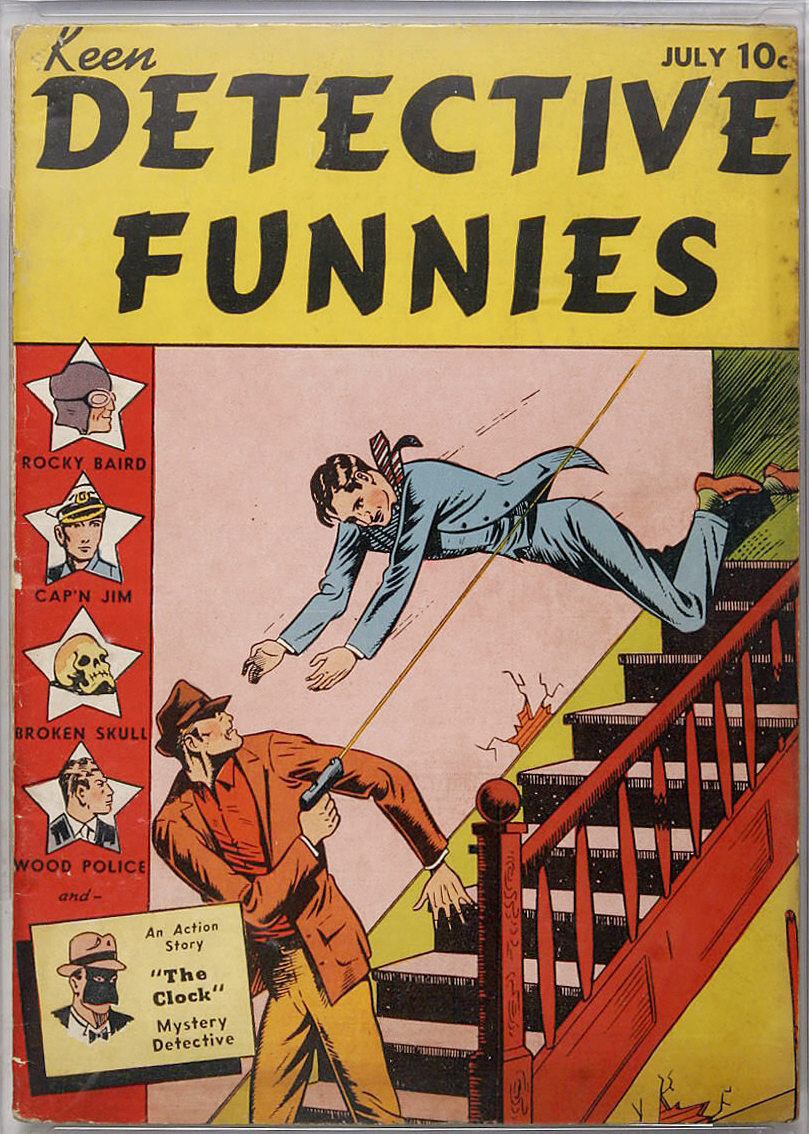
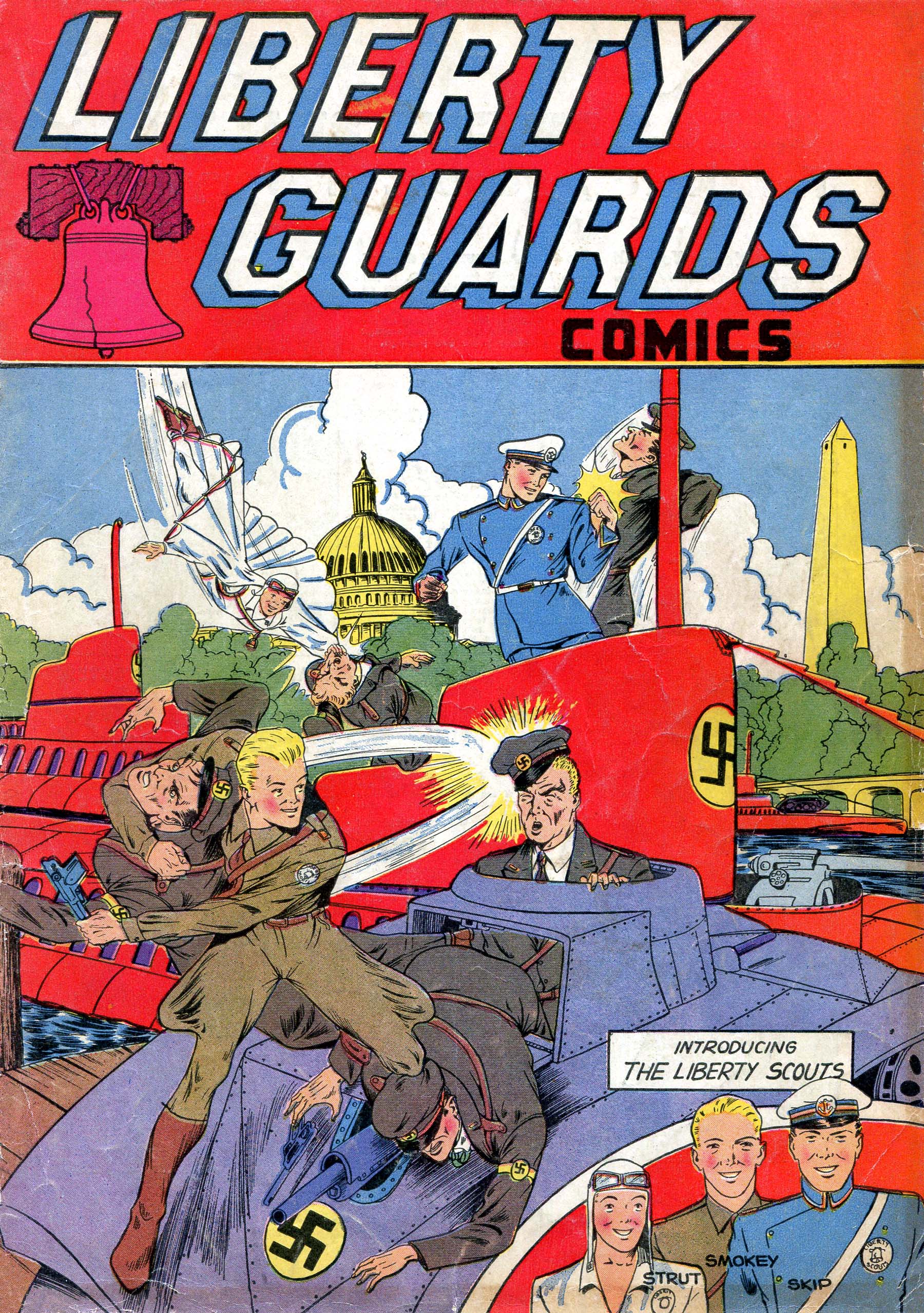

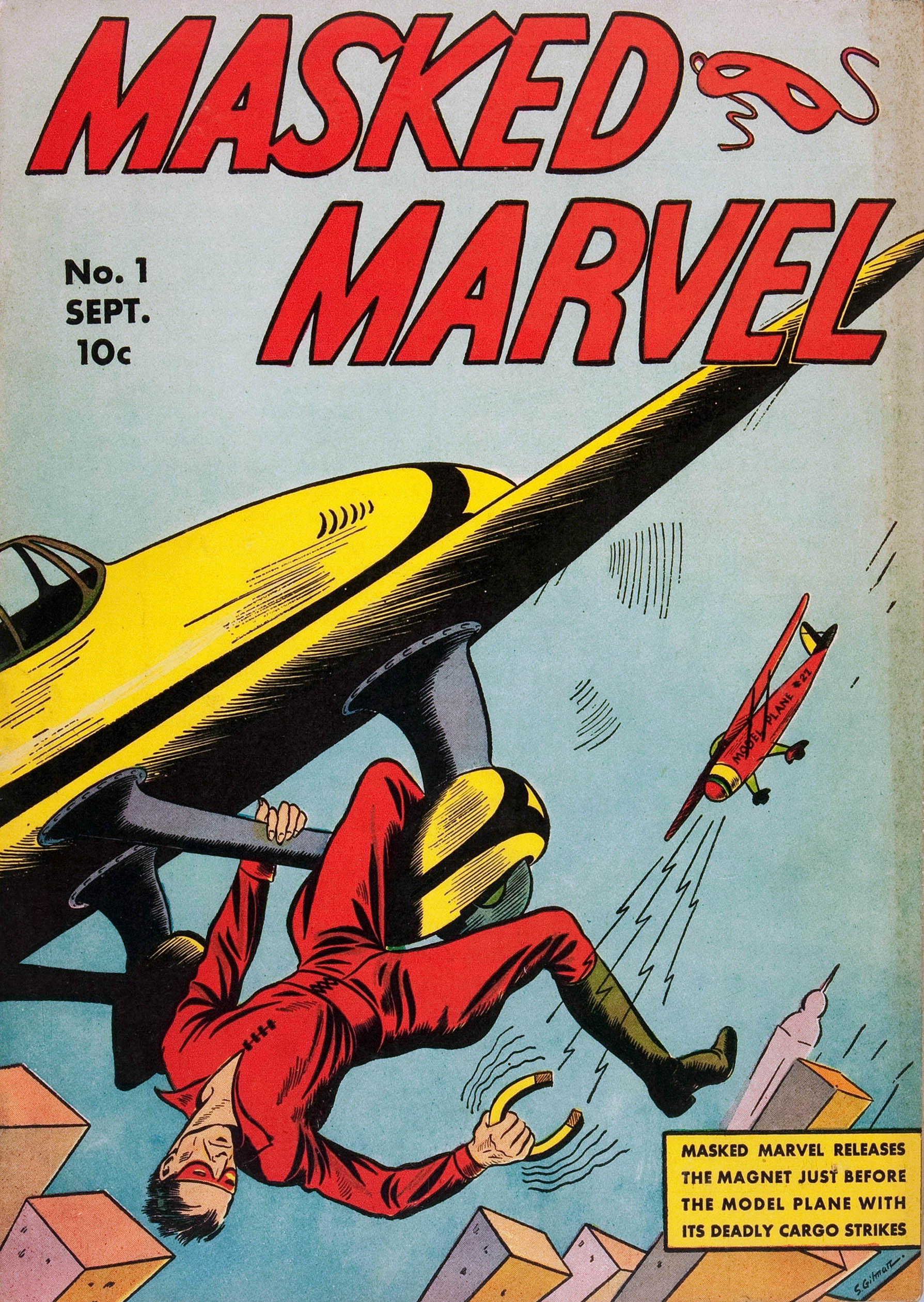
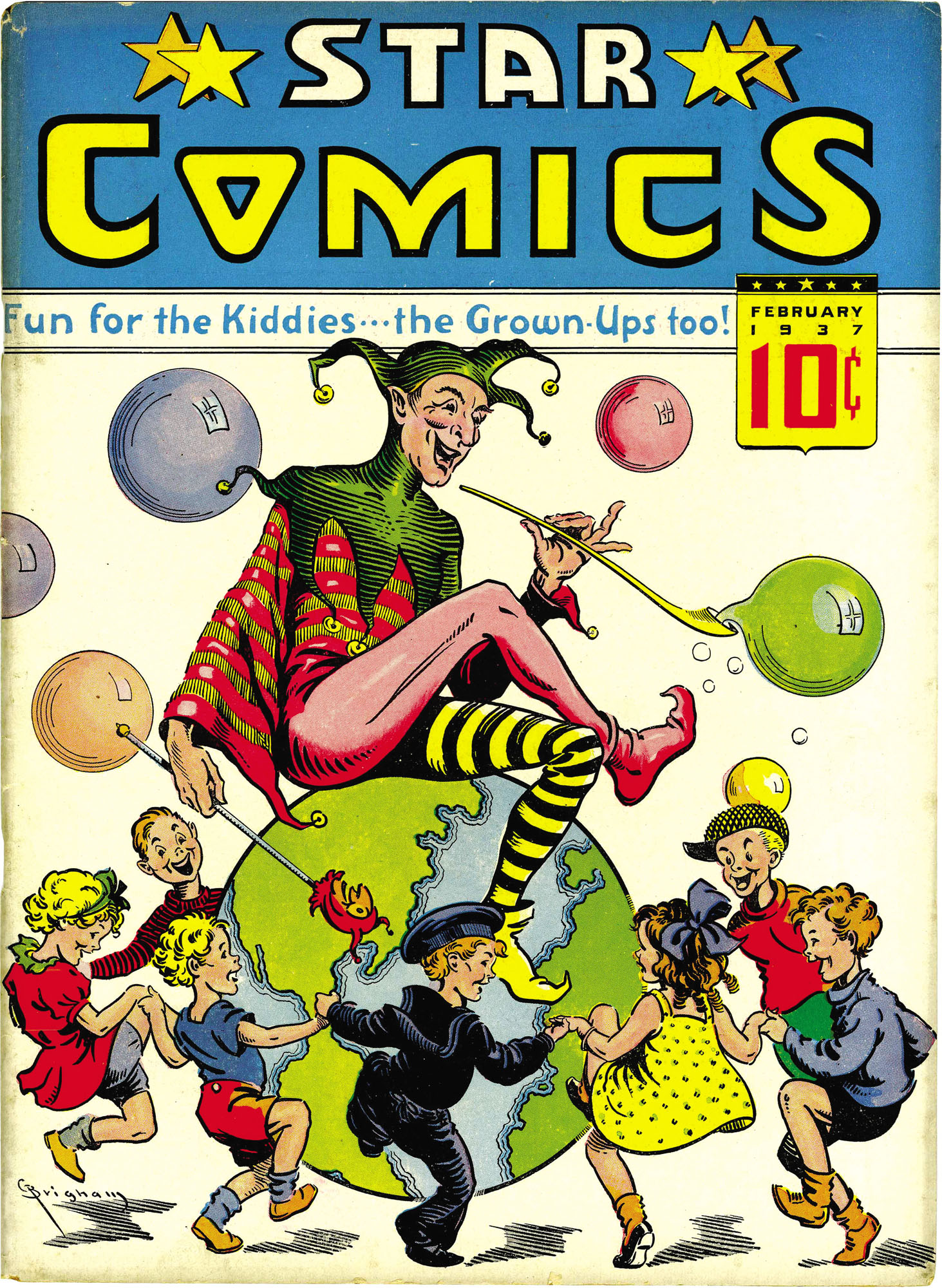
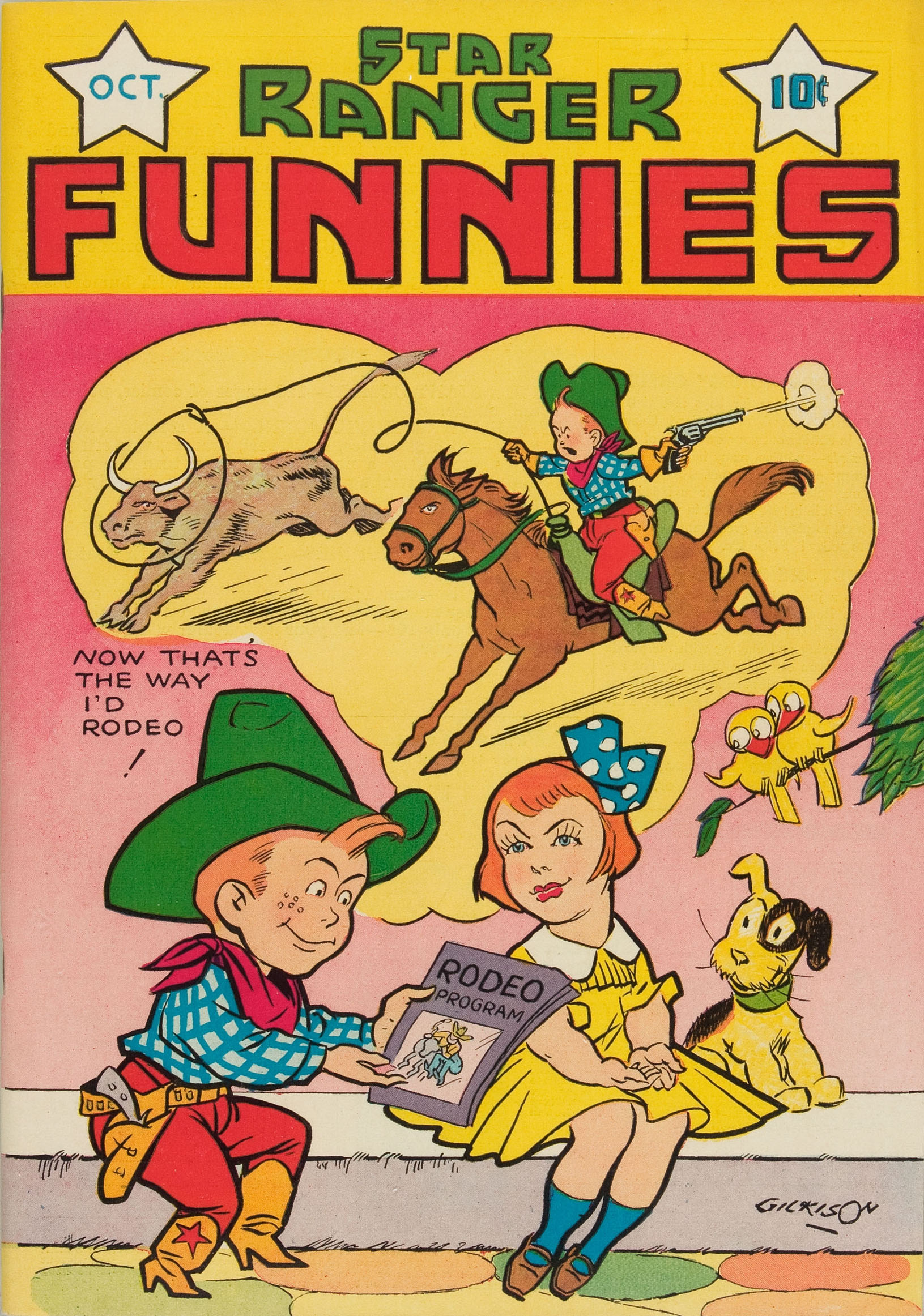
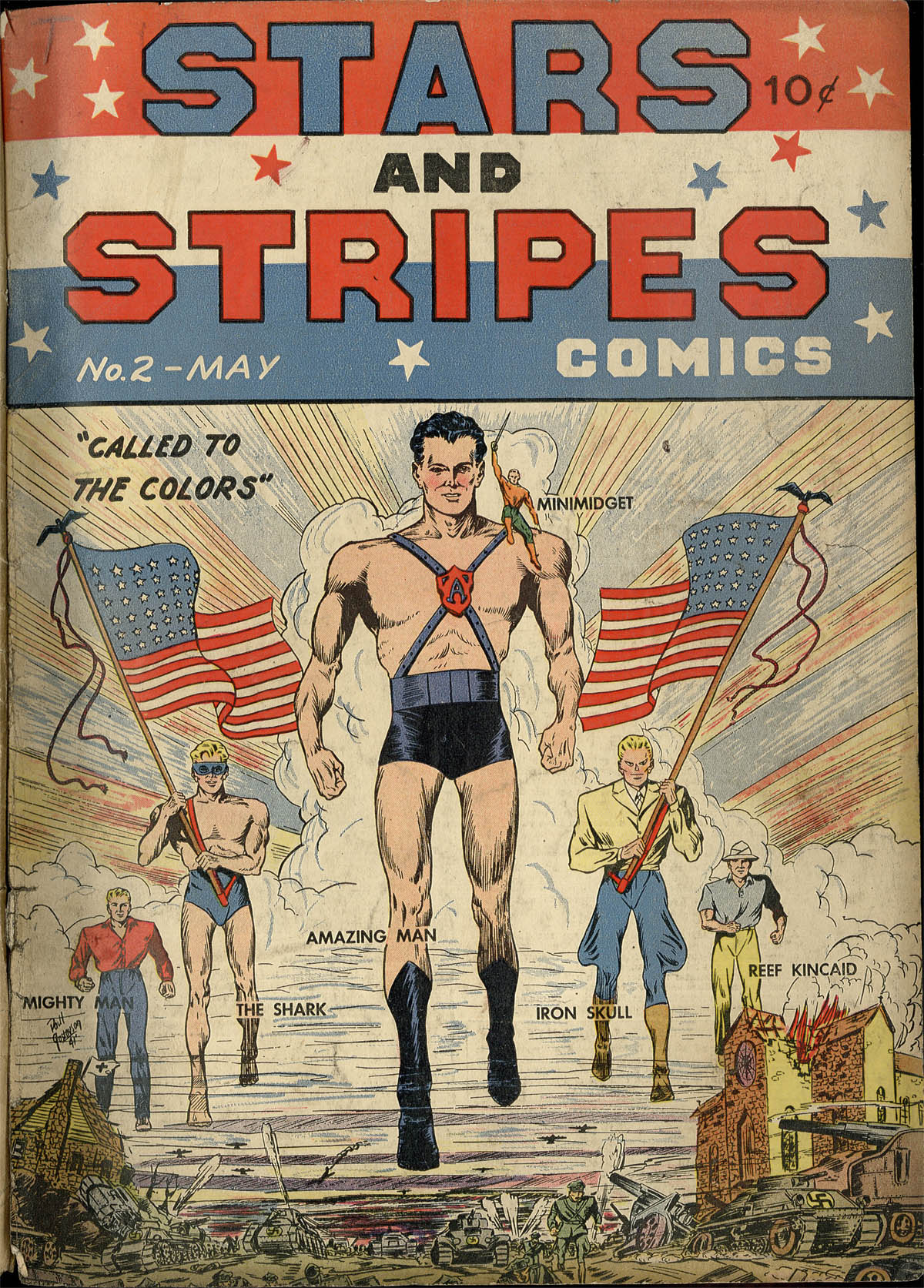
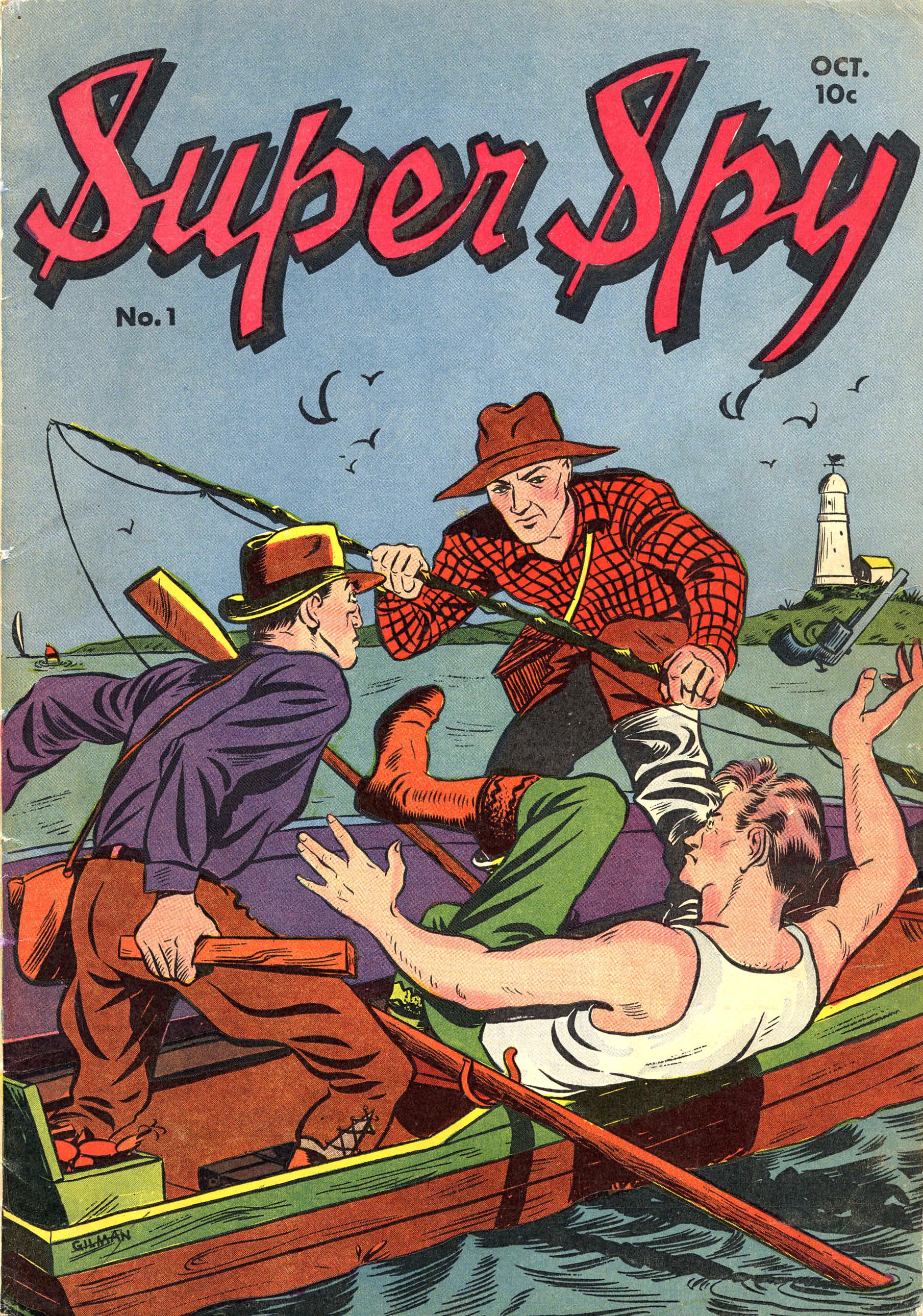

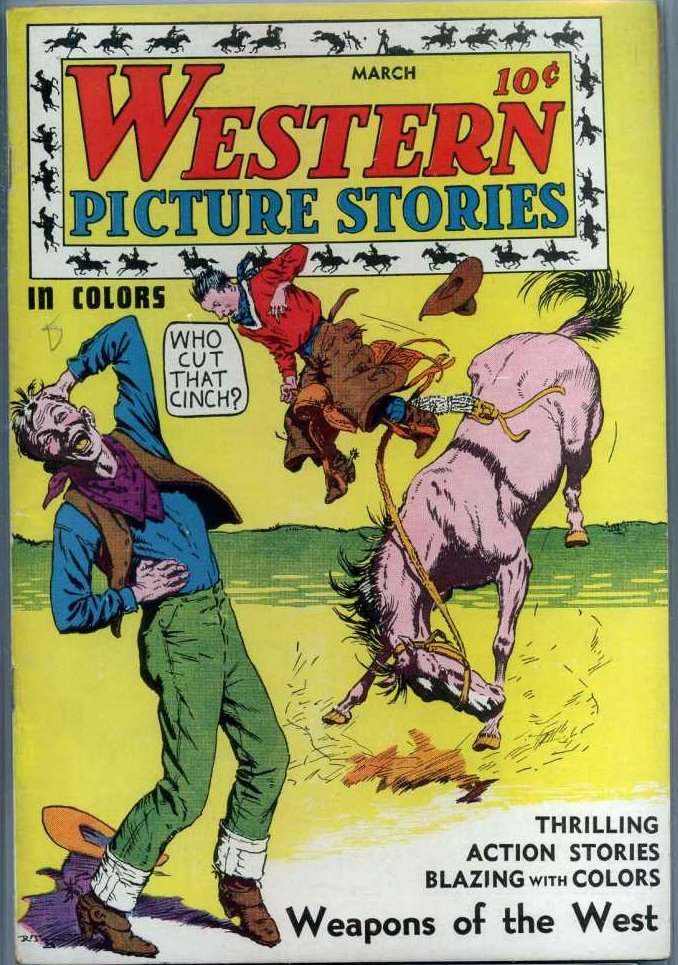
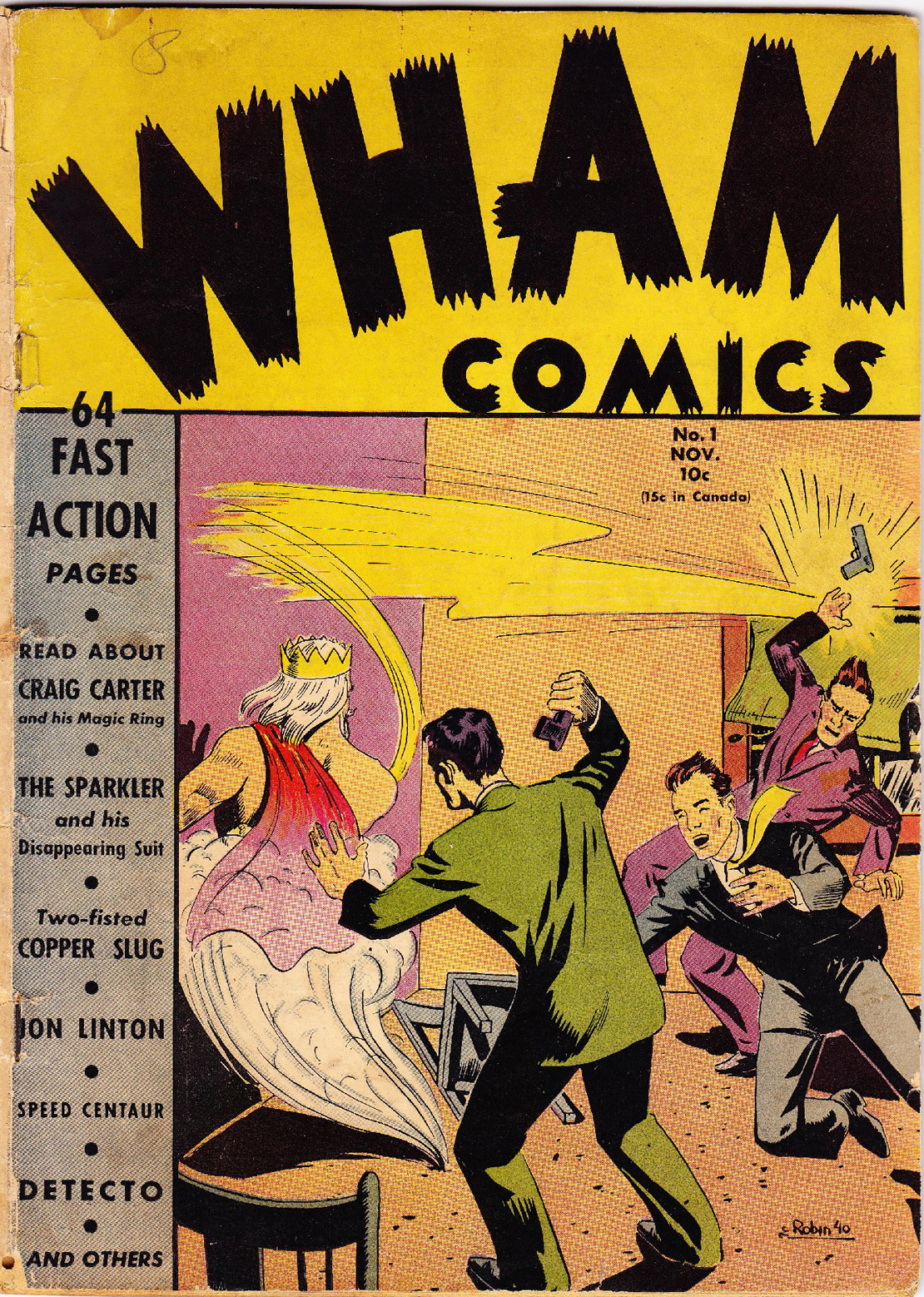
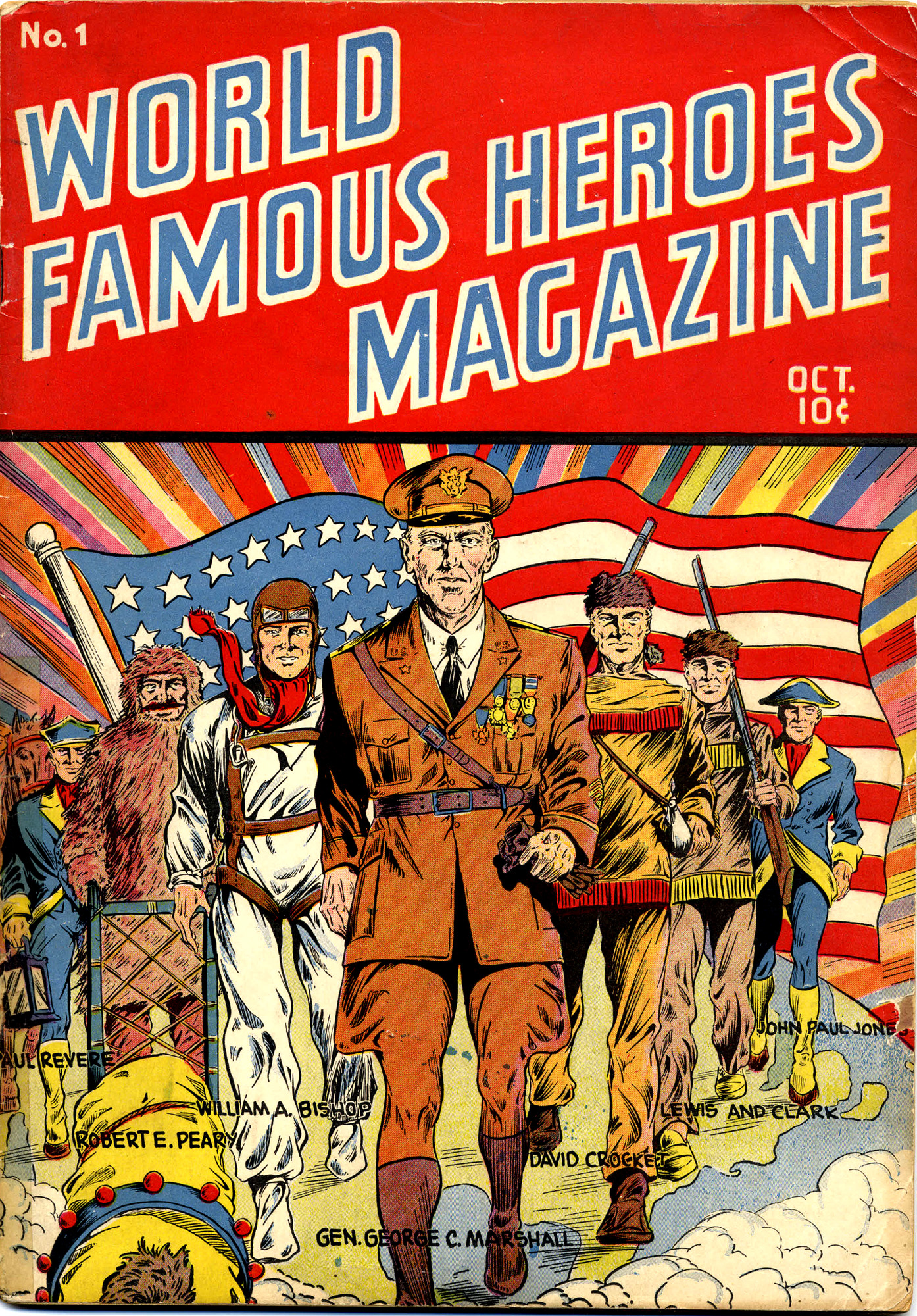
In conclusion, the stories of C.M.C., Chesler Publications, Ultem Comics, and Centaur Comics are just a few examples of the fascinating history of the early comic book industry. These companies may have been short-lived, but their impact on the medium would be felt for decades to come.
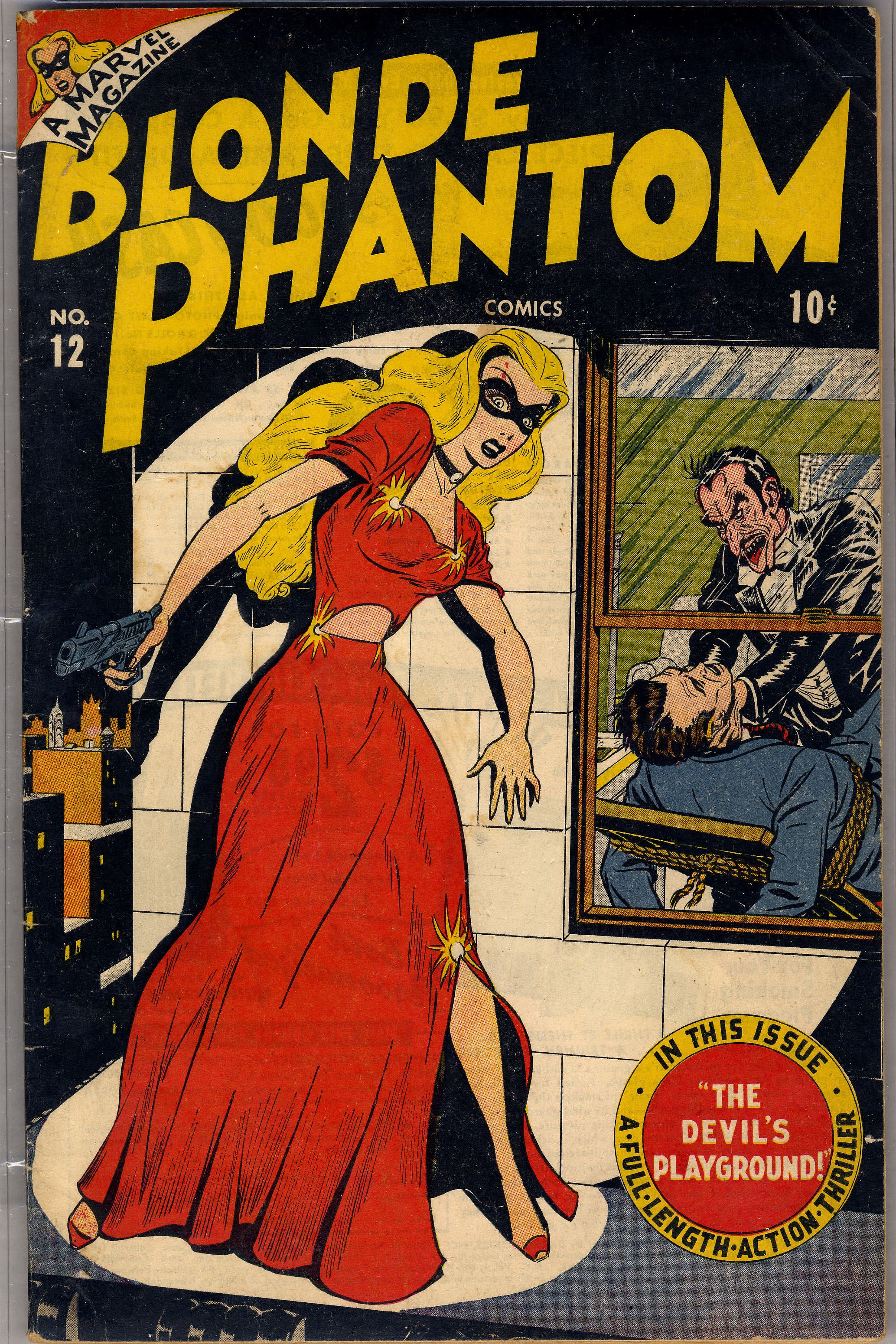
Fox Feature Syndicate was an American comic strip syndication company founded in 1937 by Victor S. Fox. The company produced many popular comic strips in the 1940s, including « The Flame, » « The Blue Beetle, » and « Phantom Lady. » Fox Feature Syndicate was also known for publishing comics with more mature and violent content than its competitors at the time.
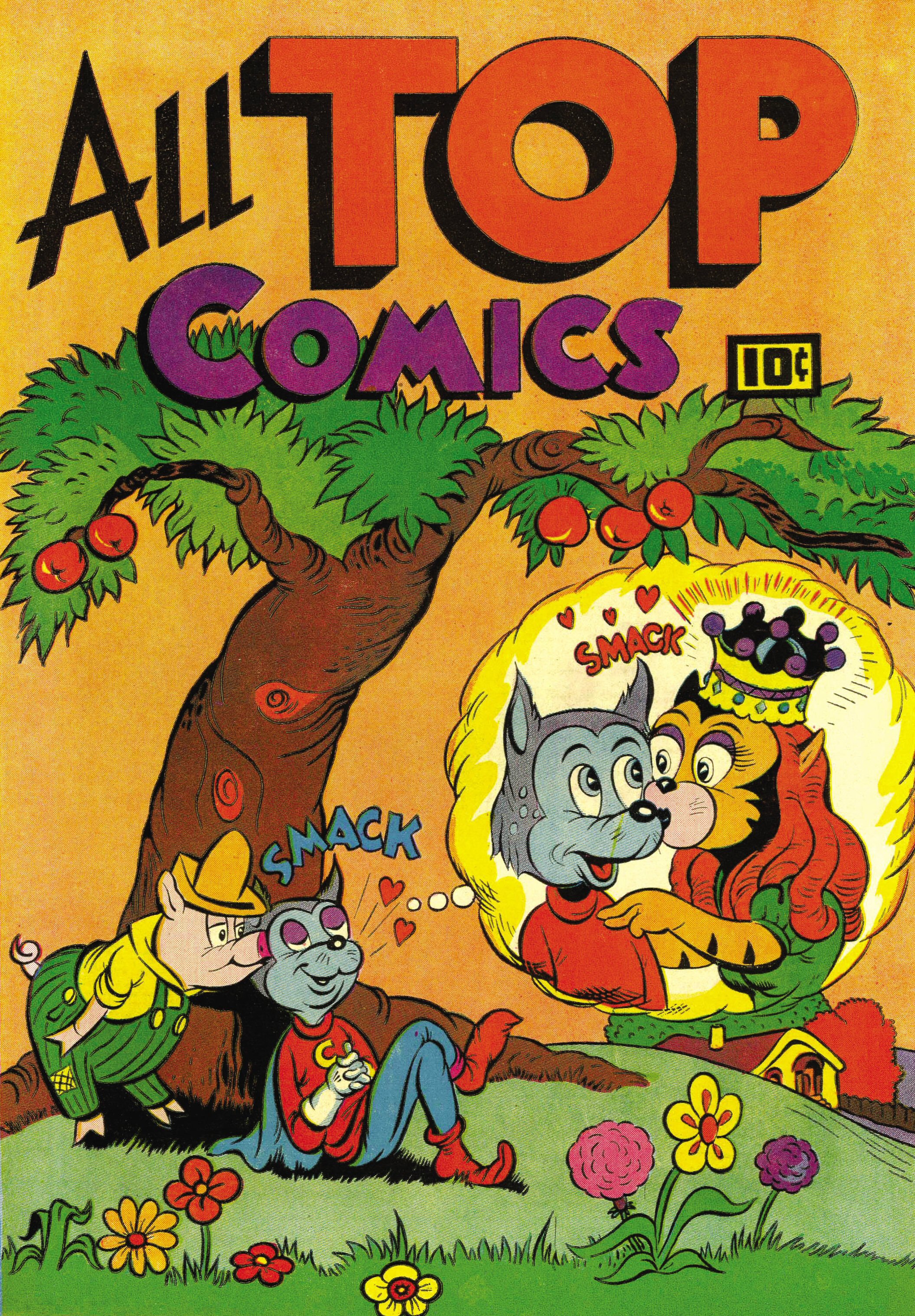
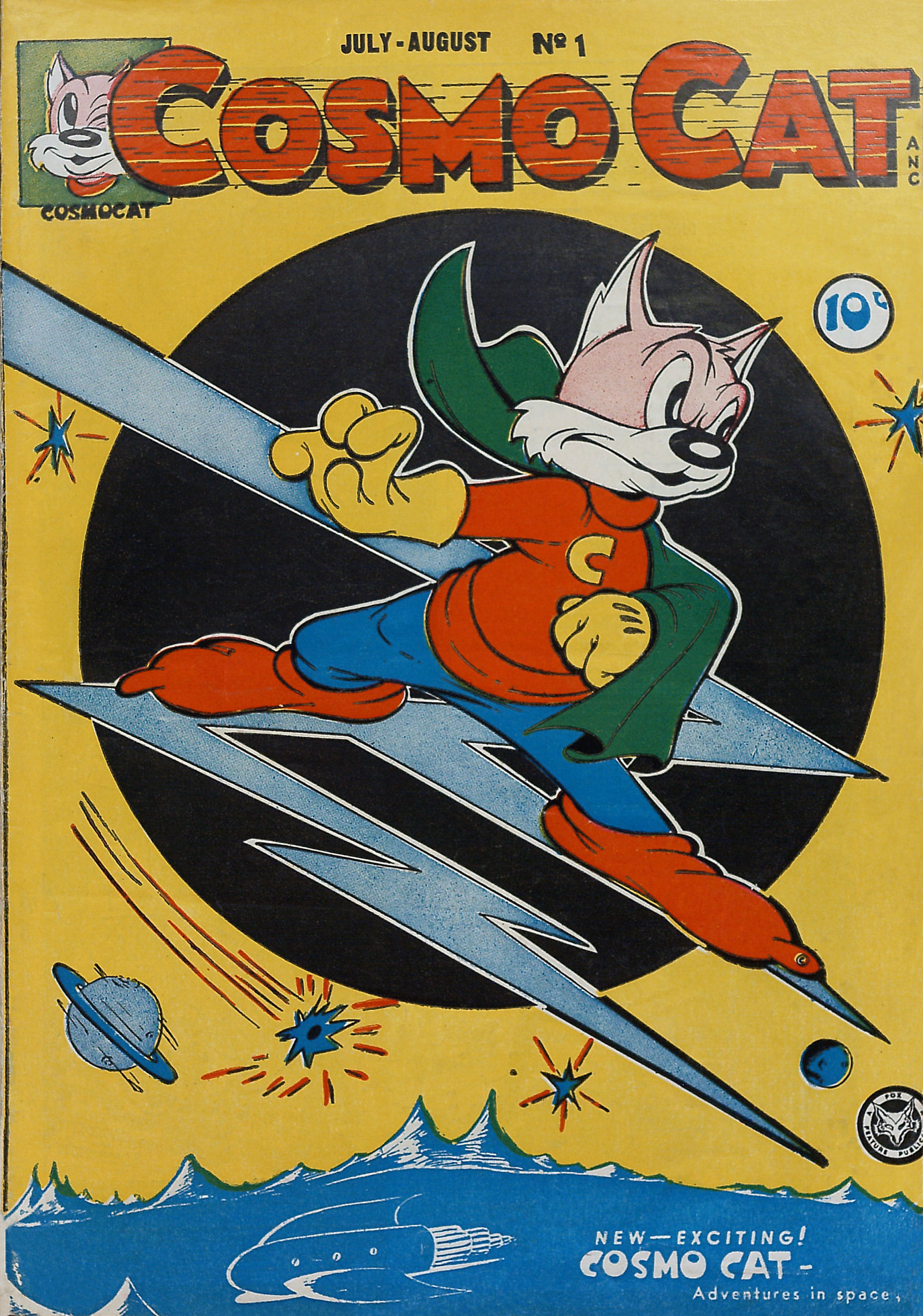
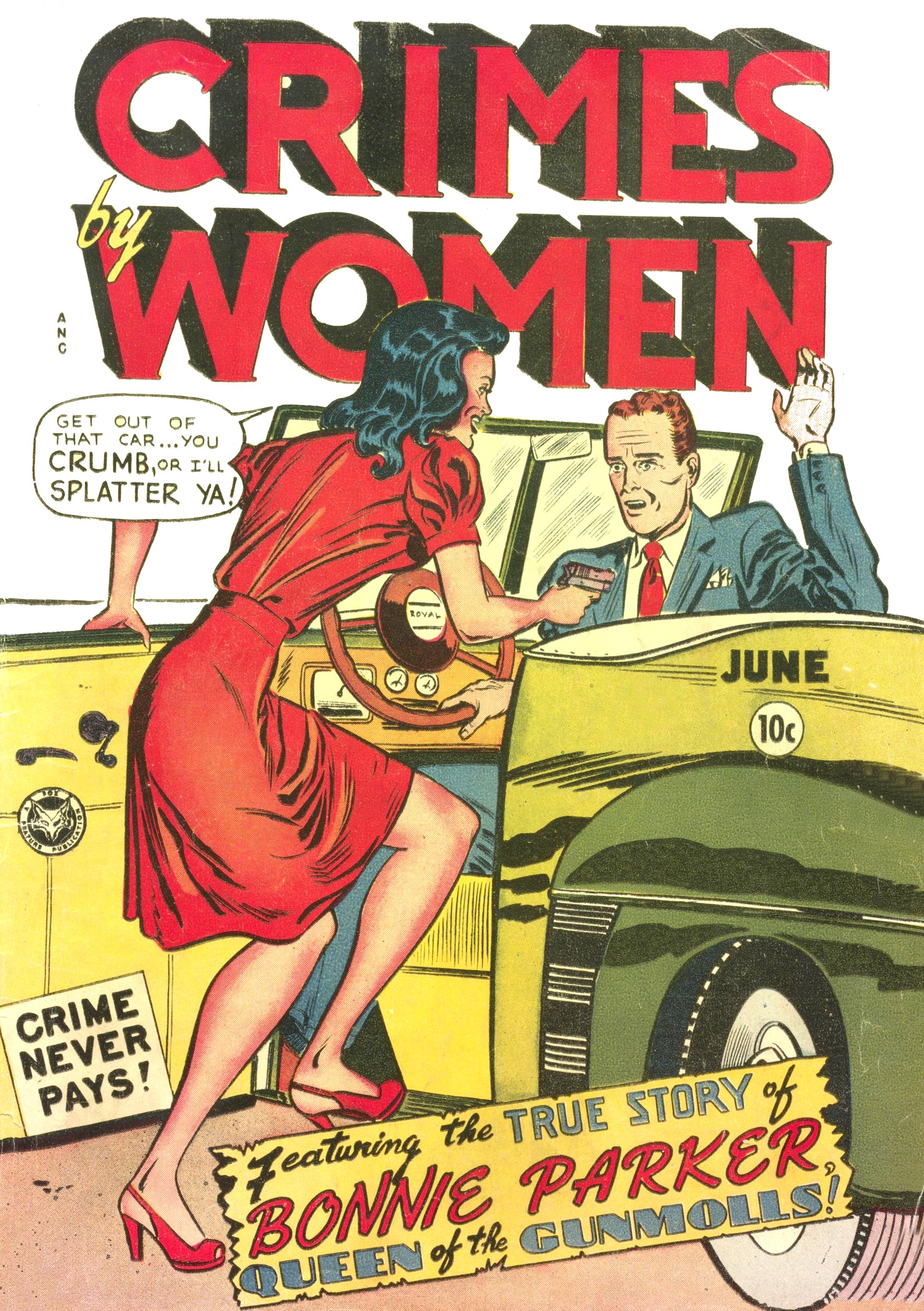
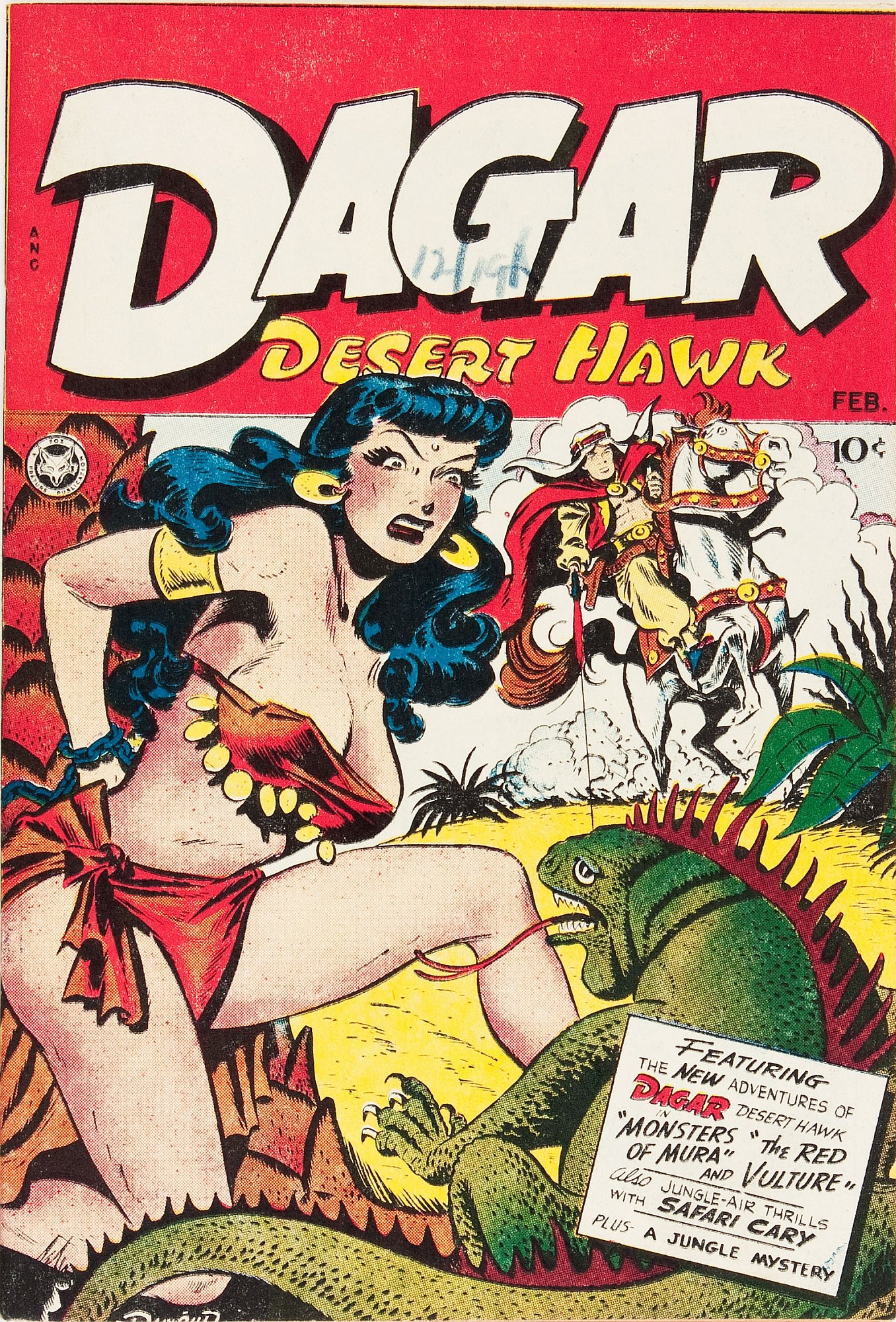
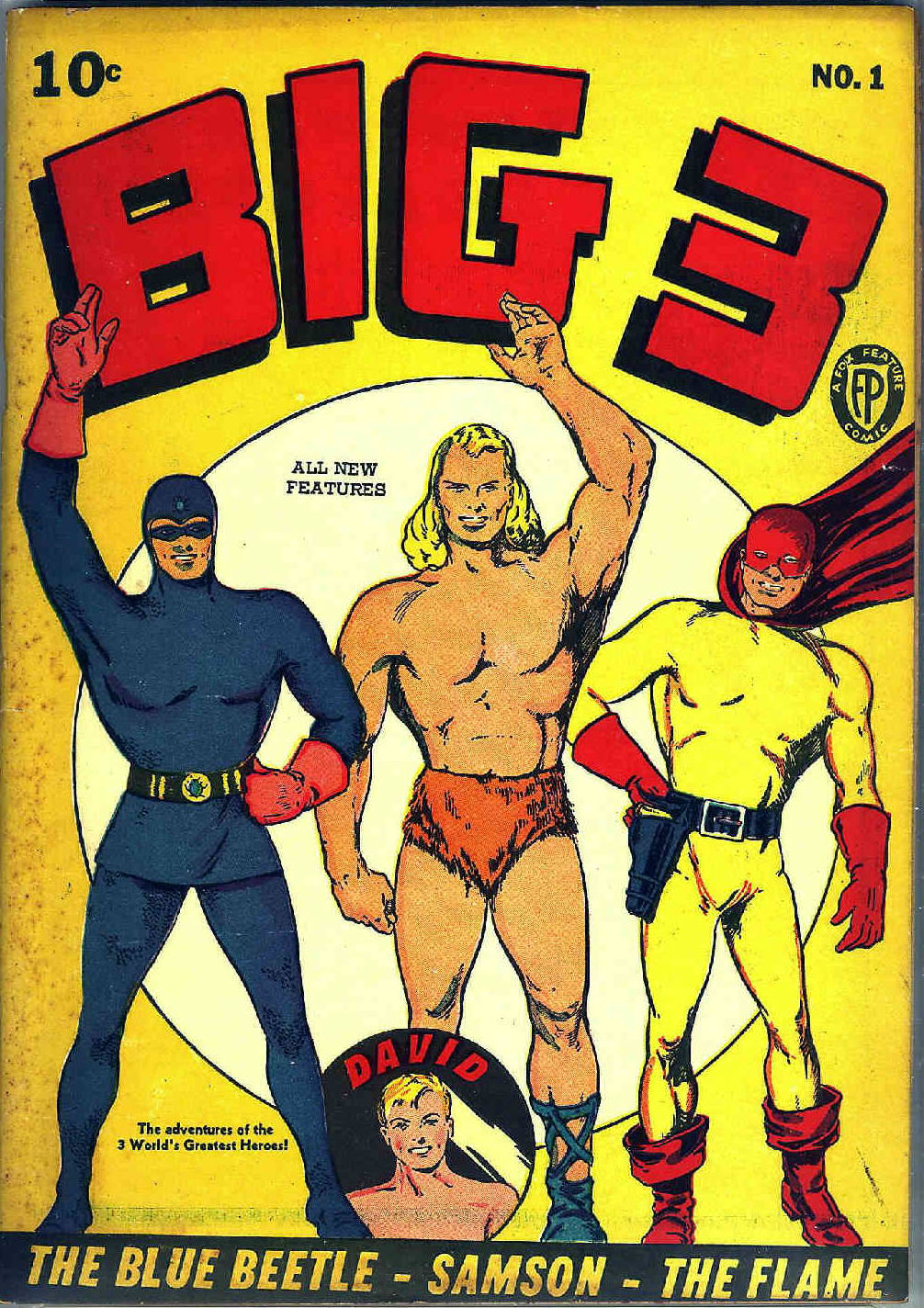
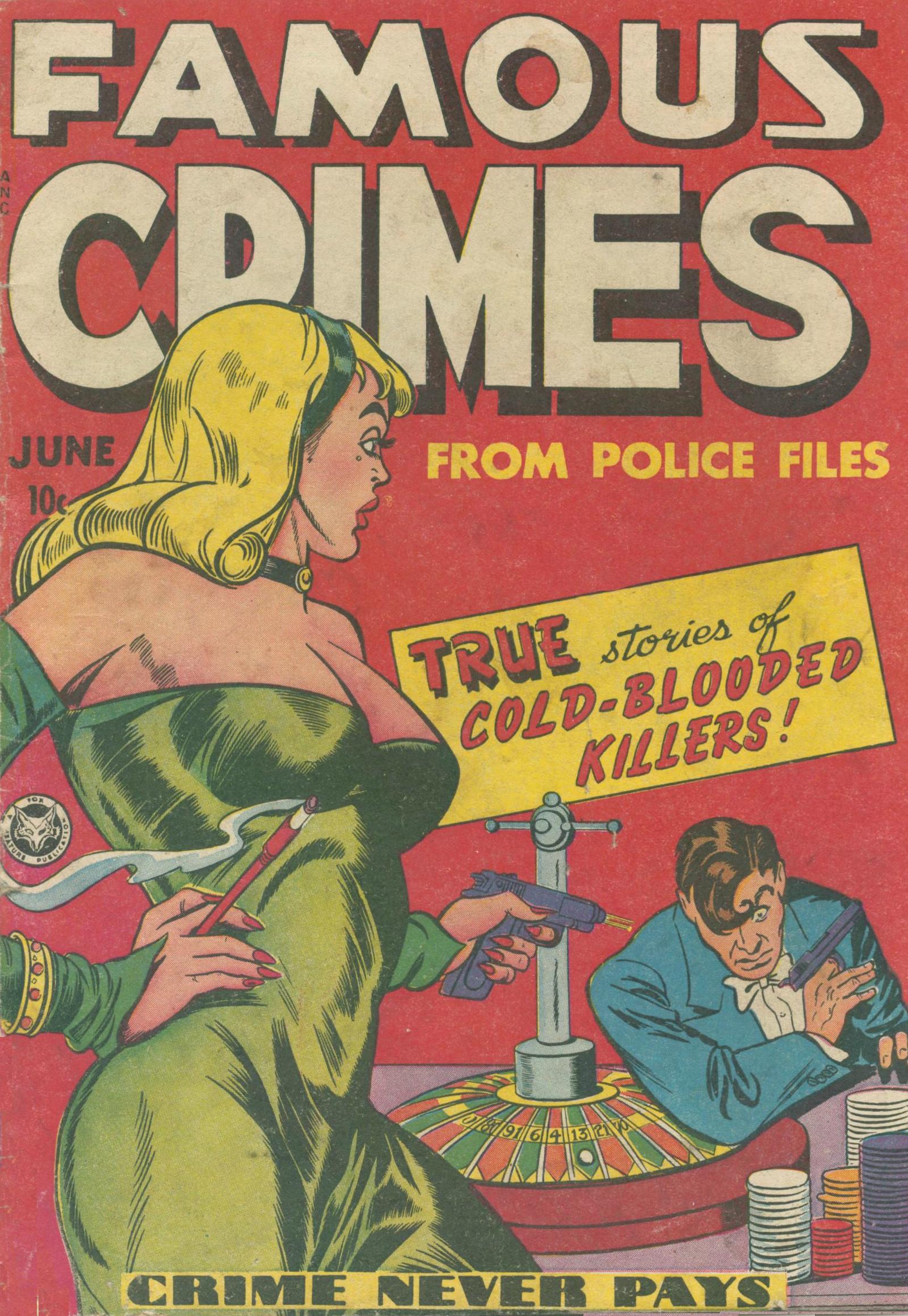
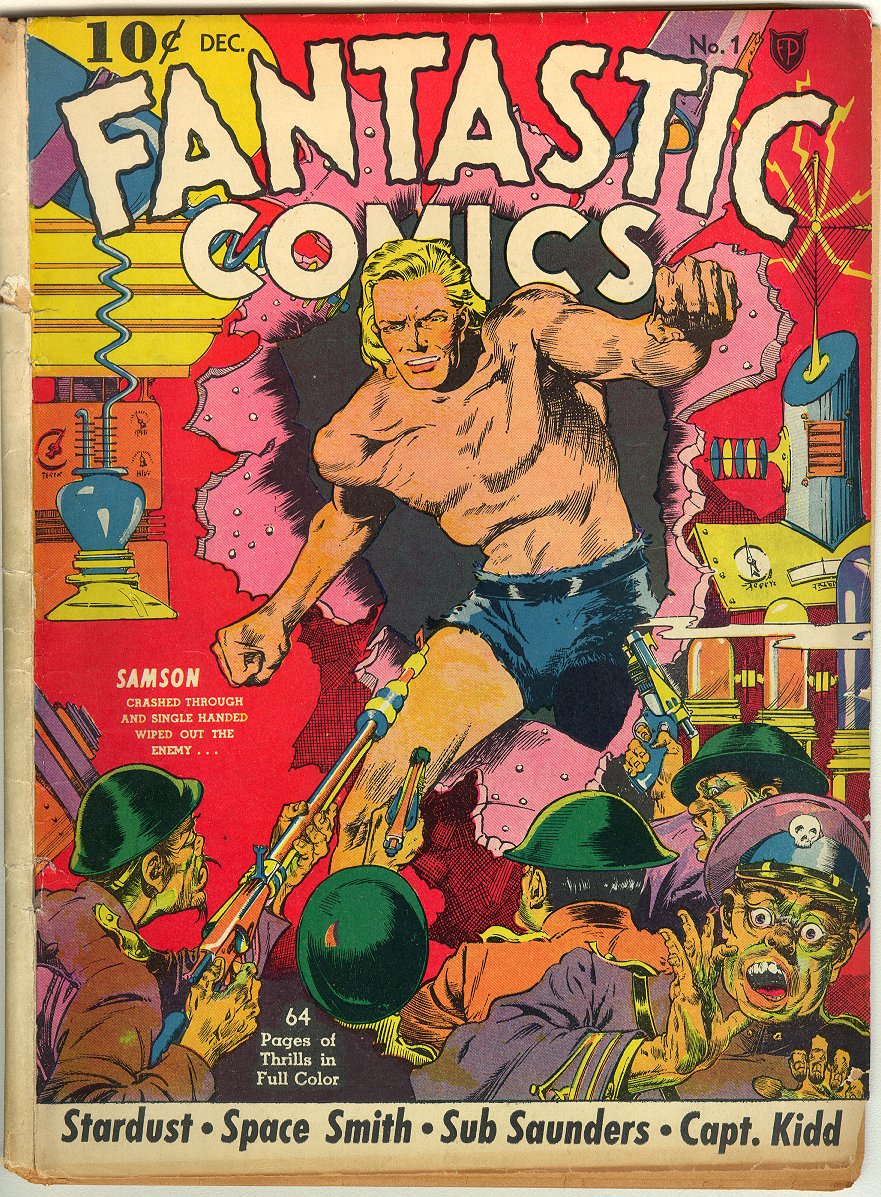
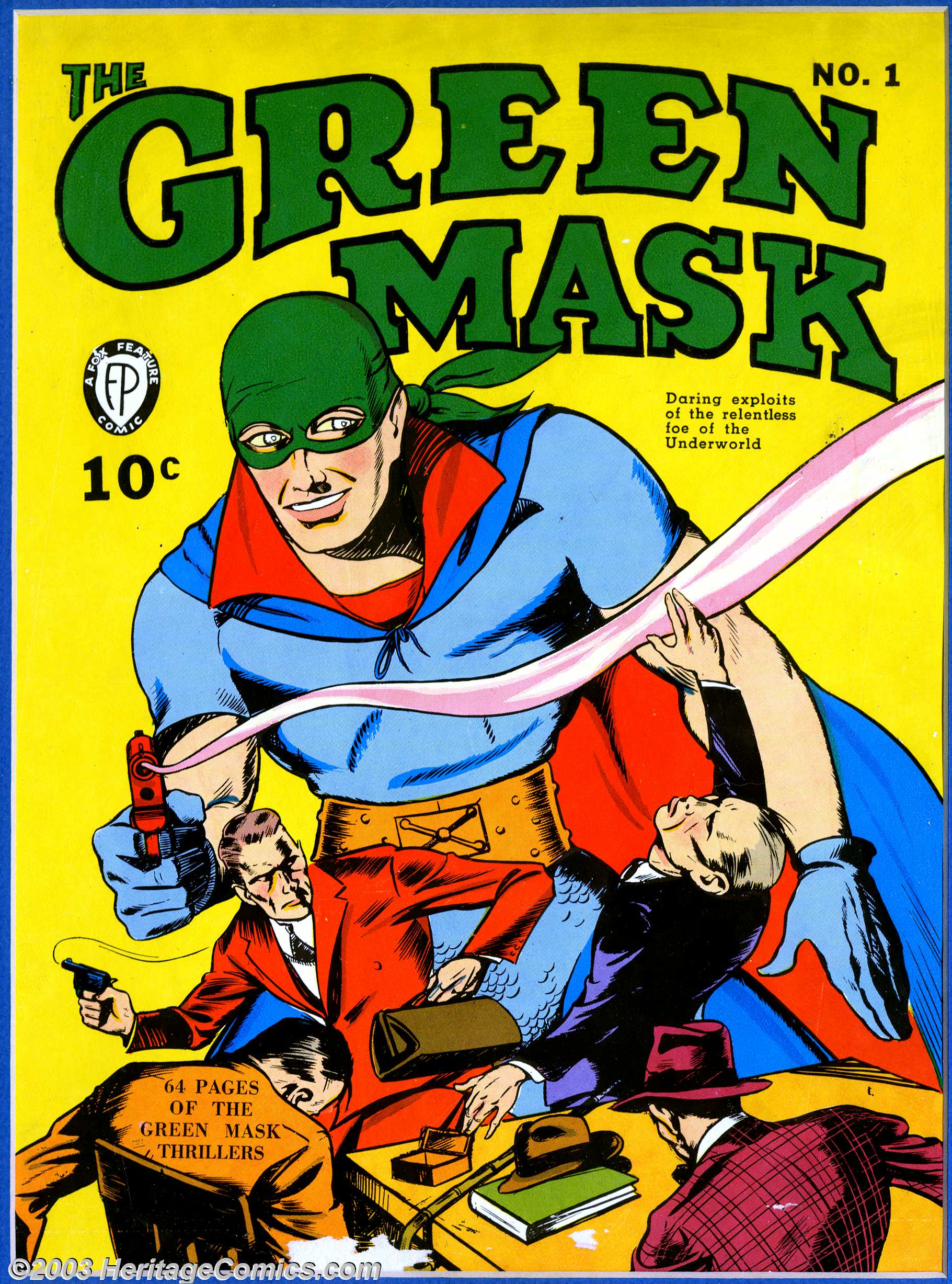
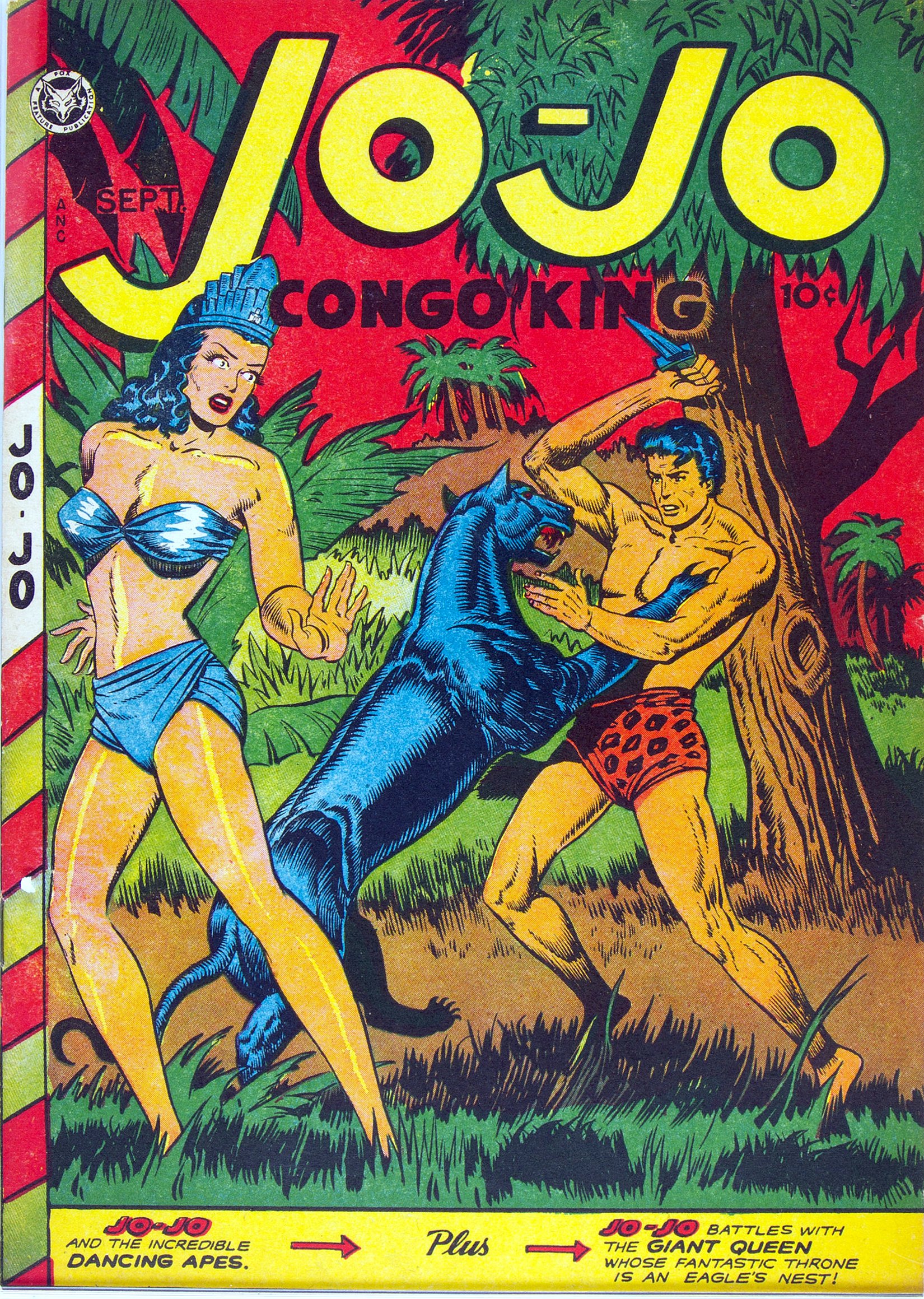
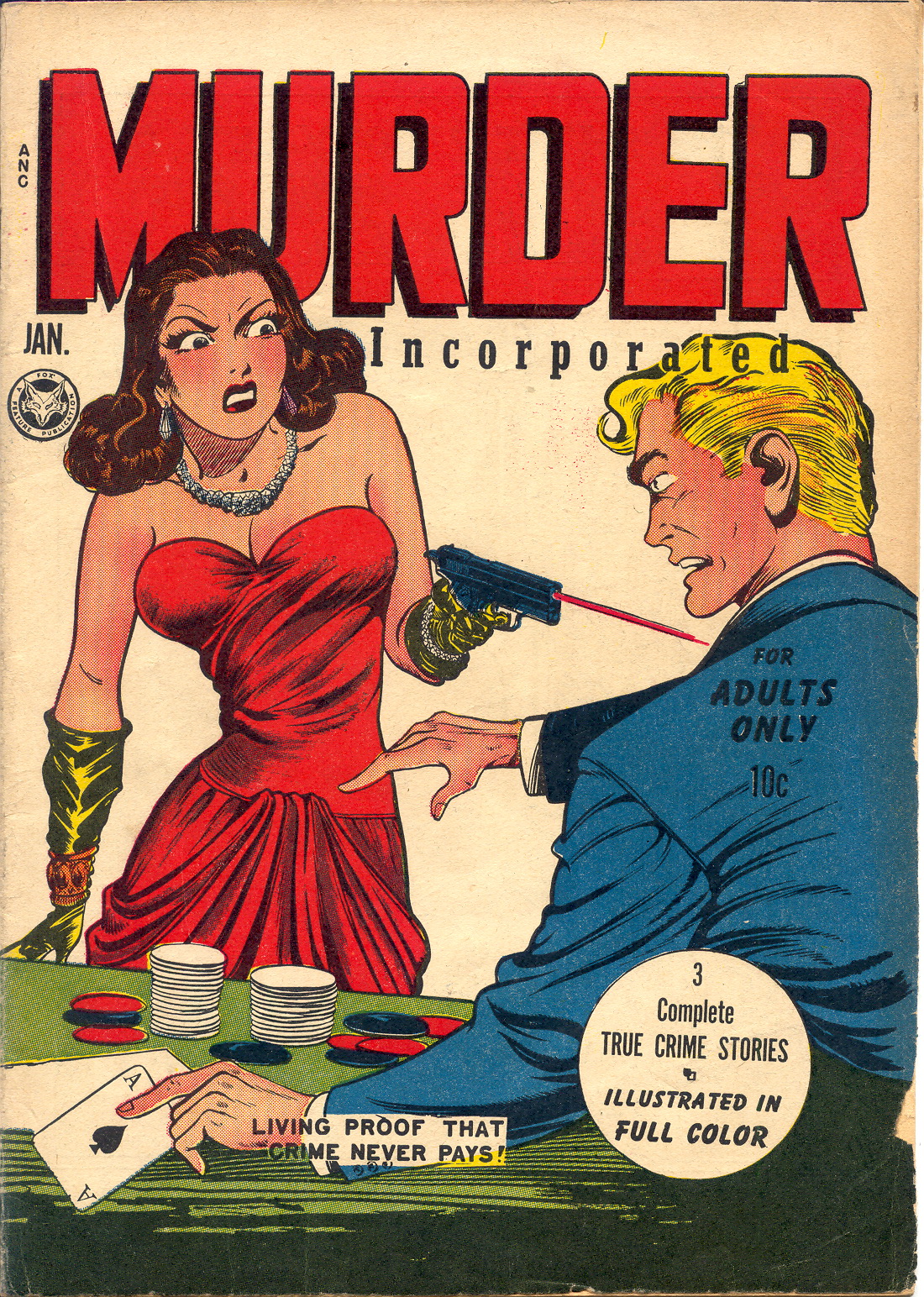
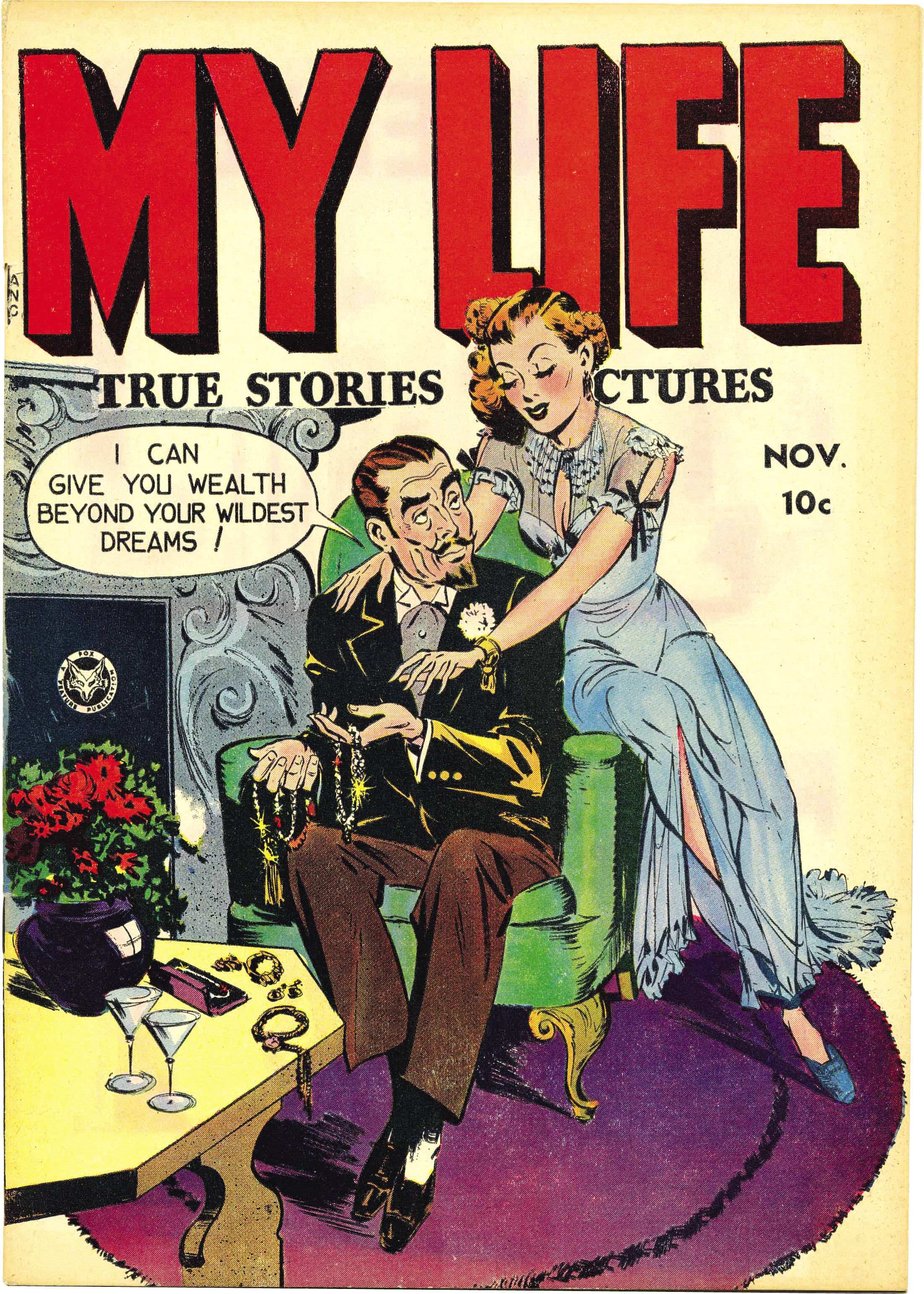
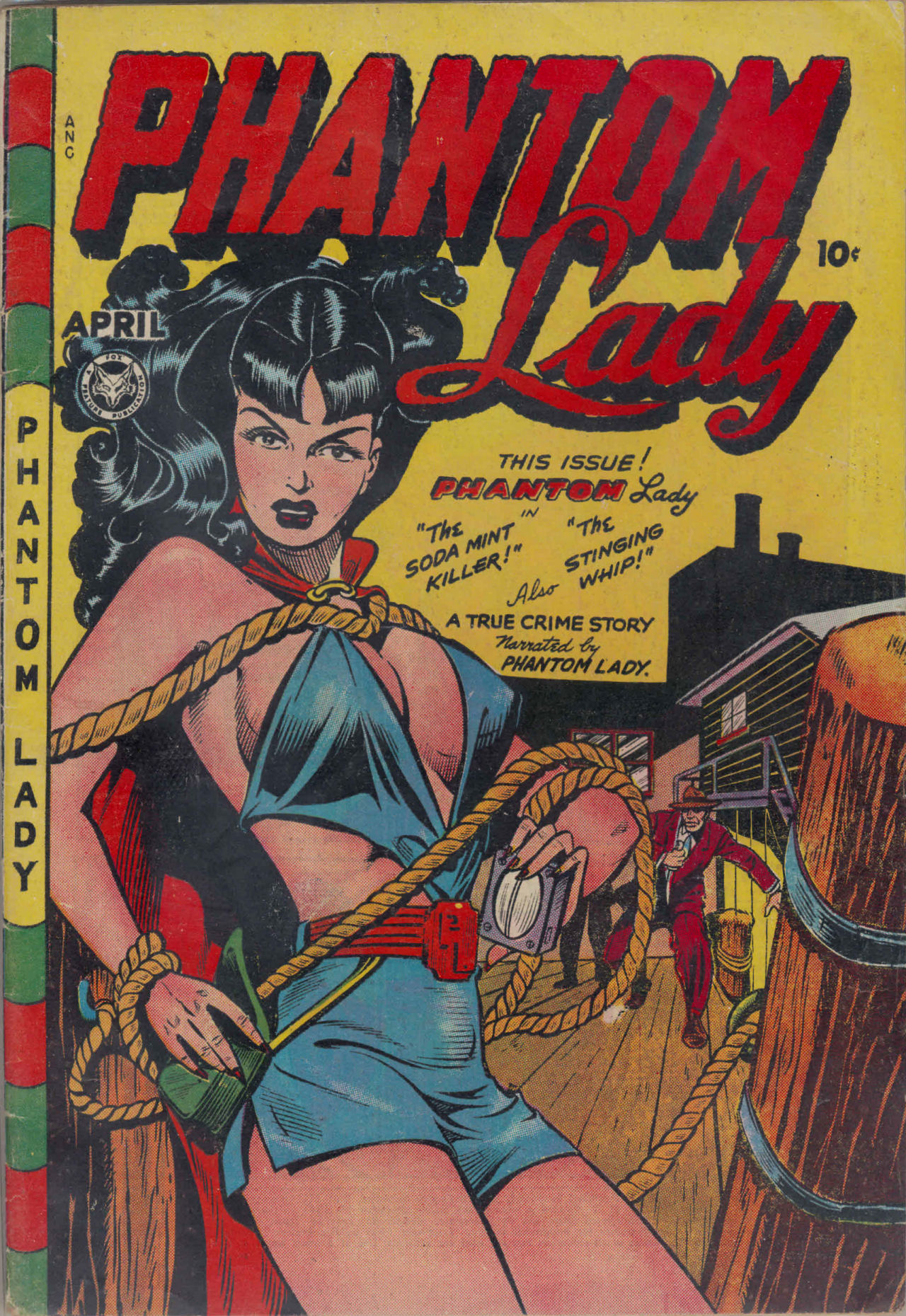
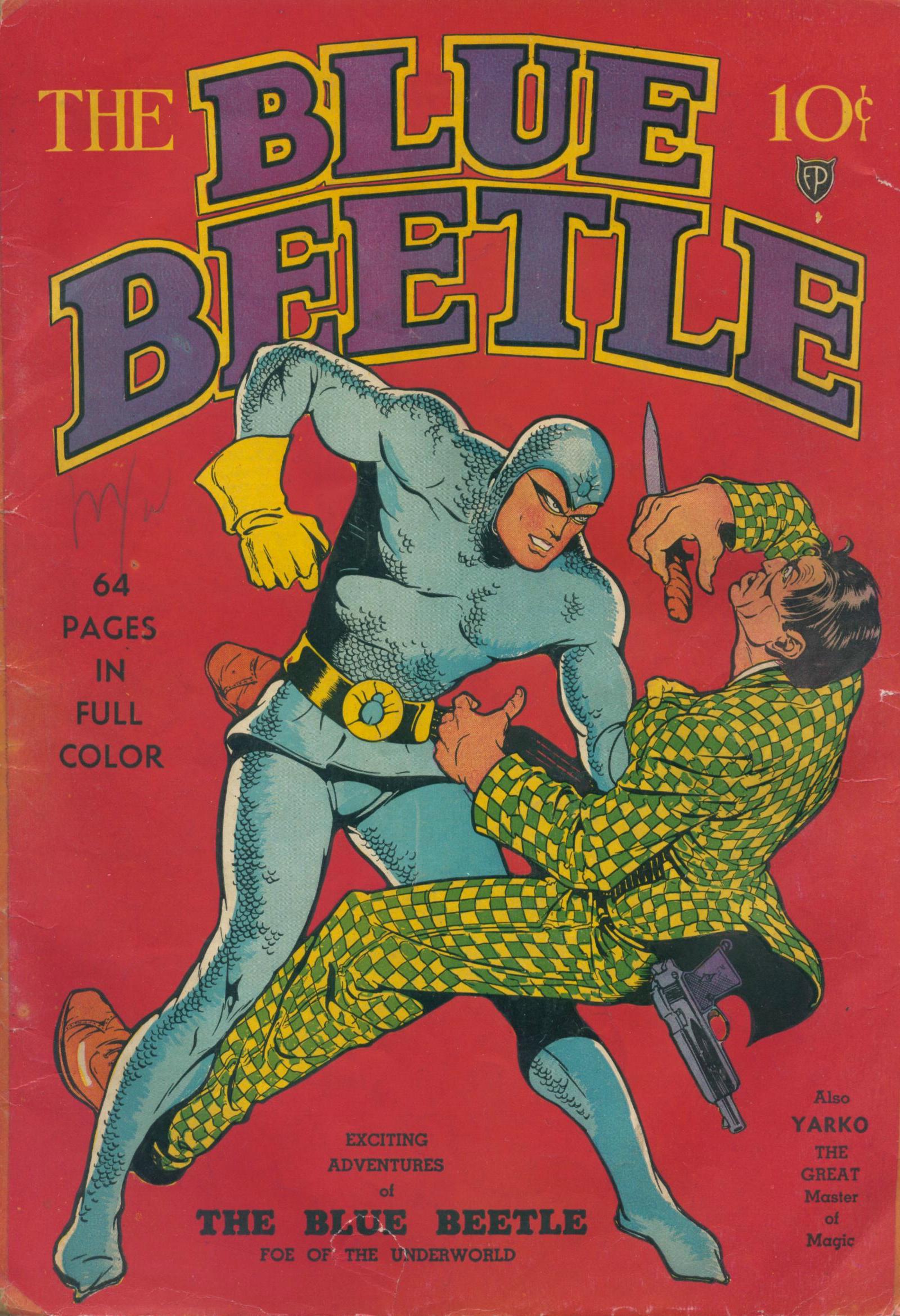
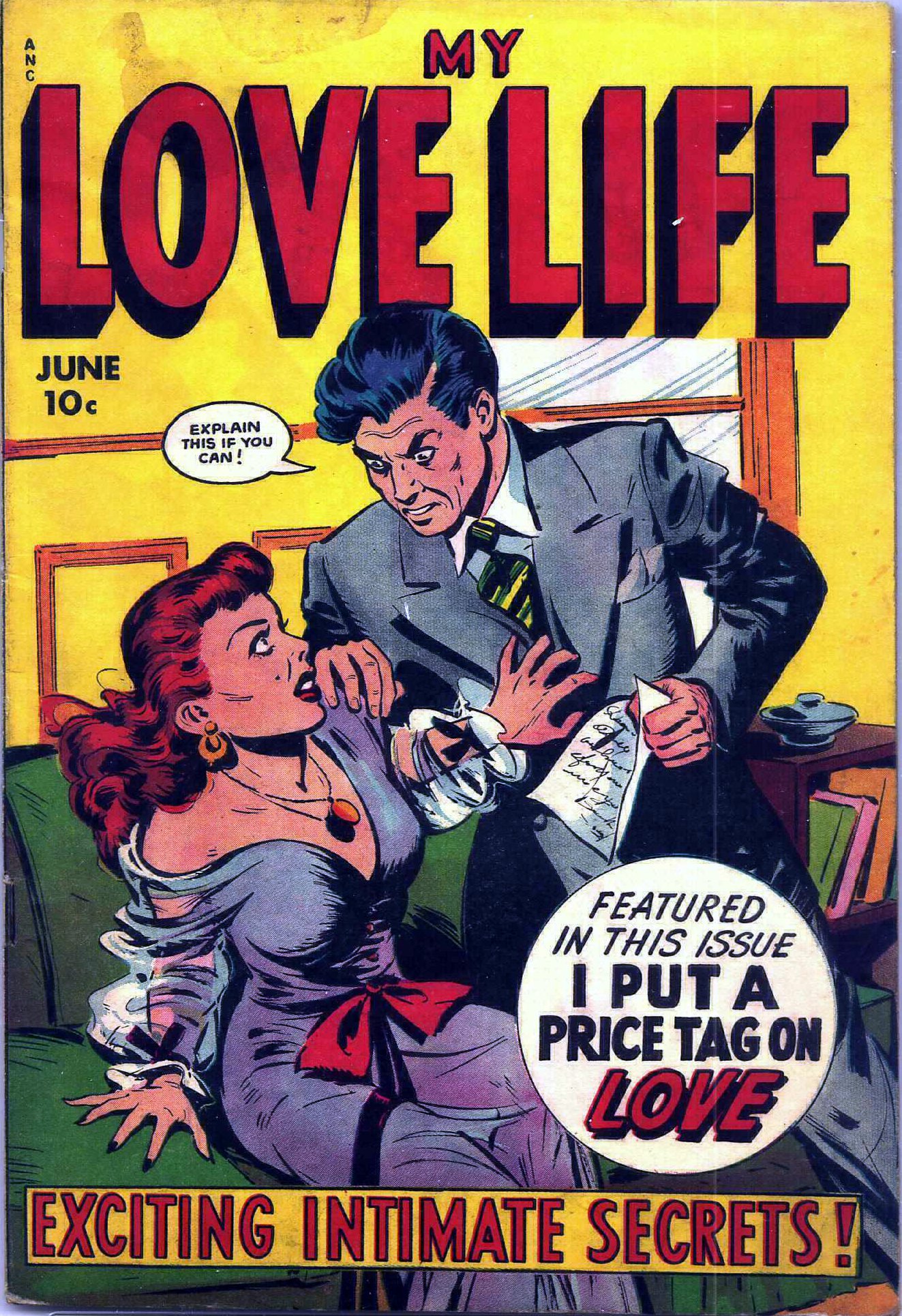
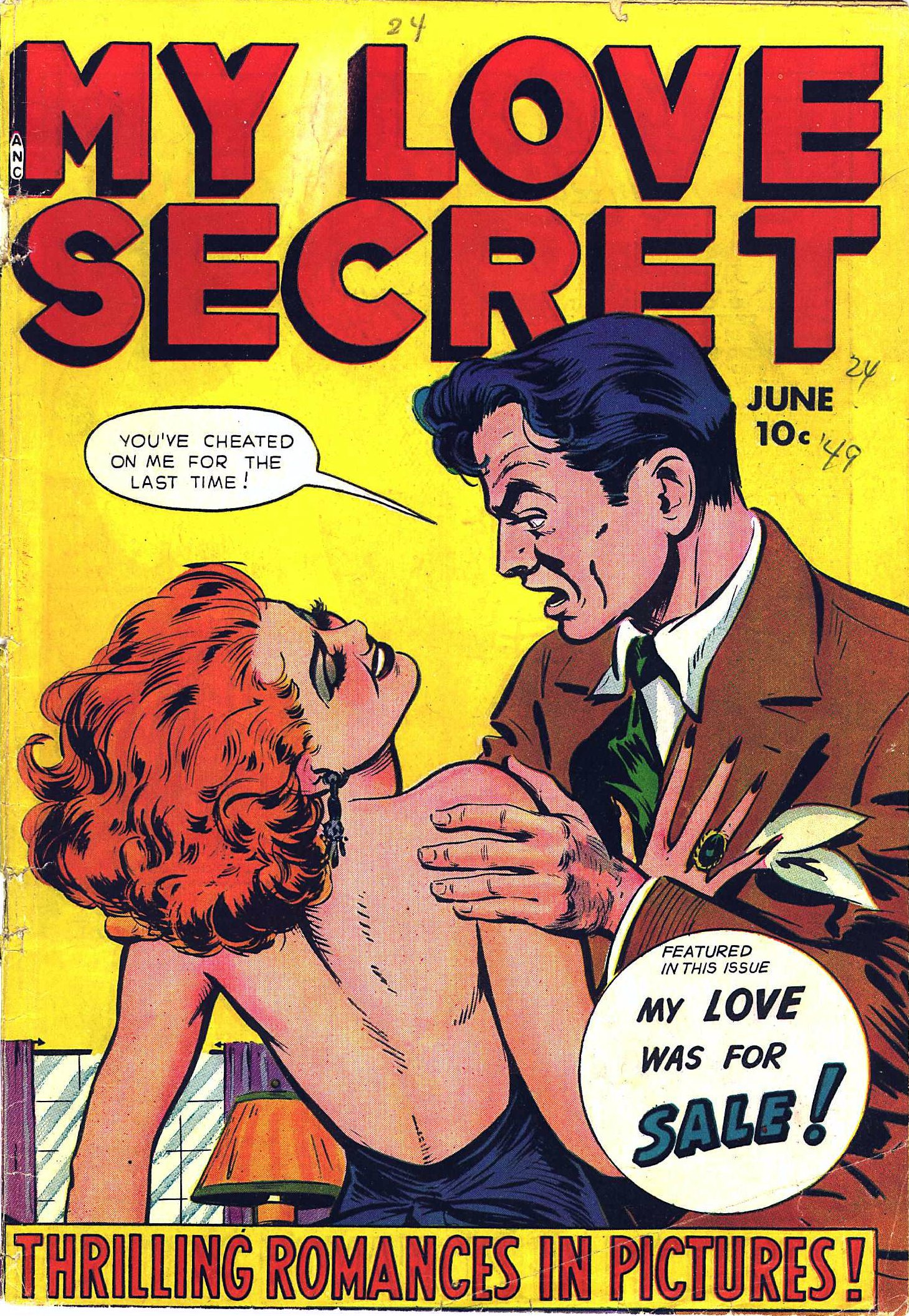
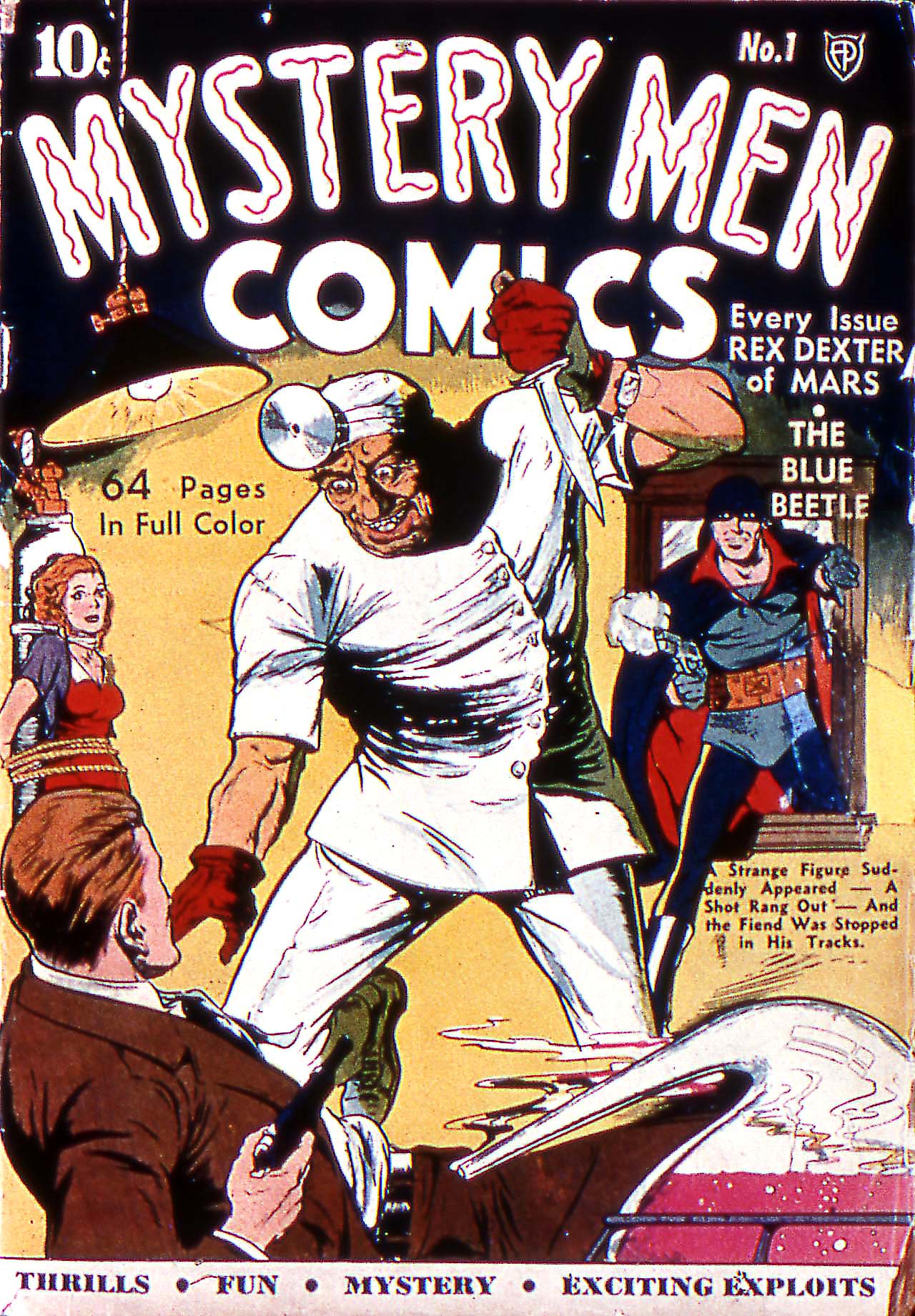

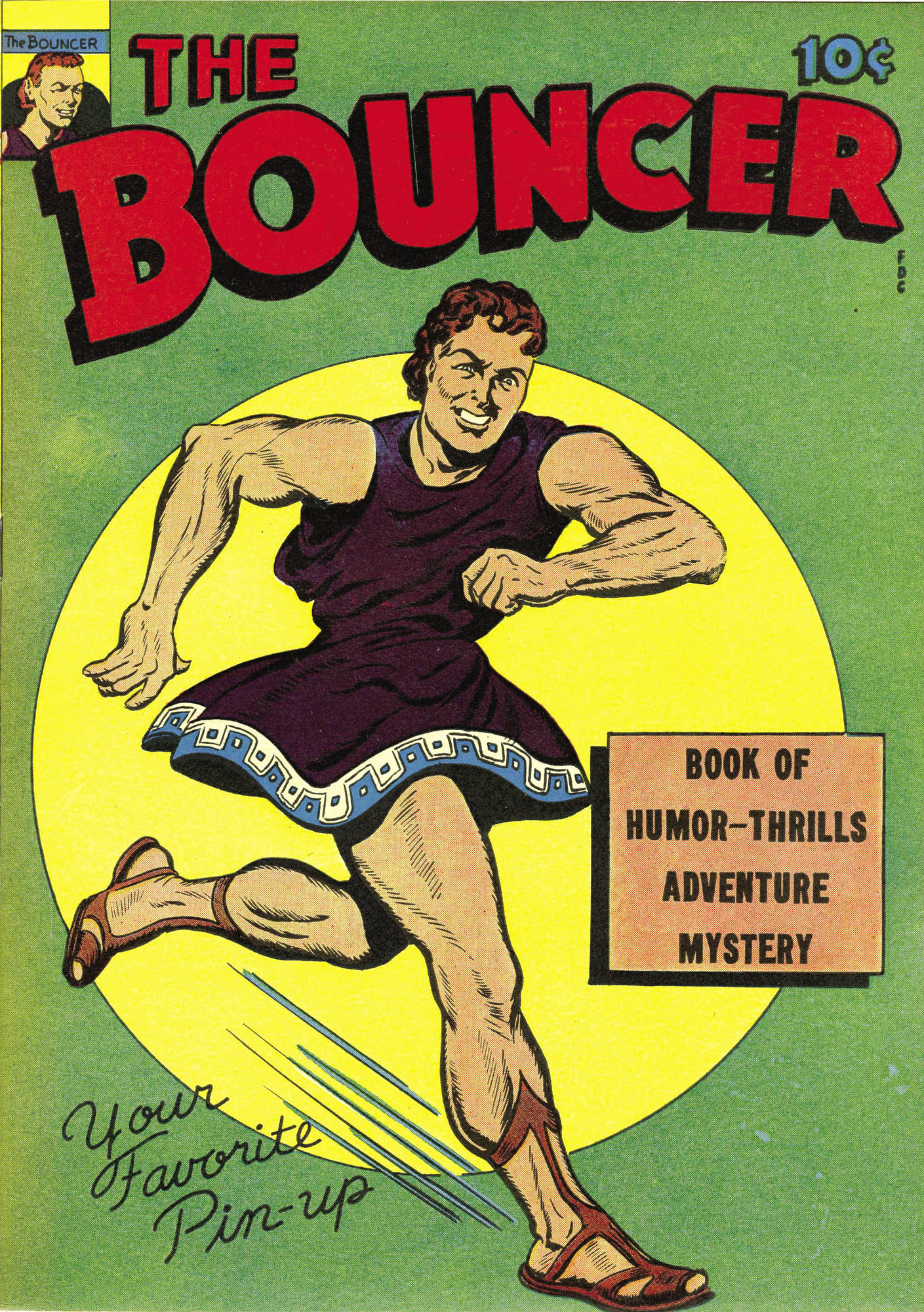
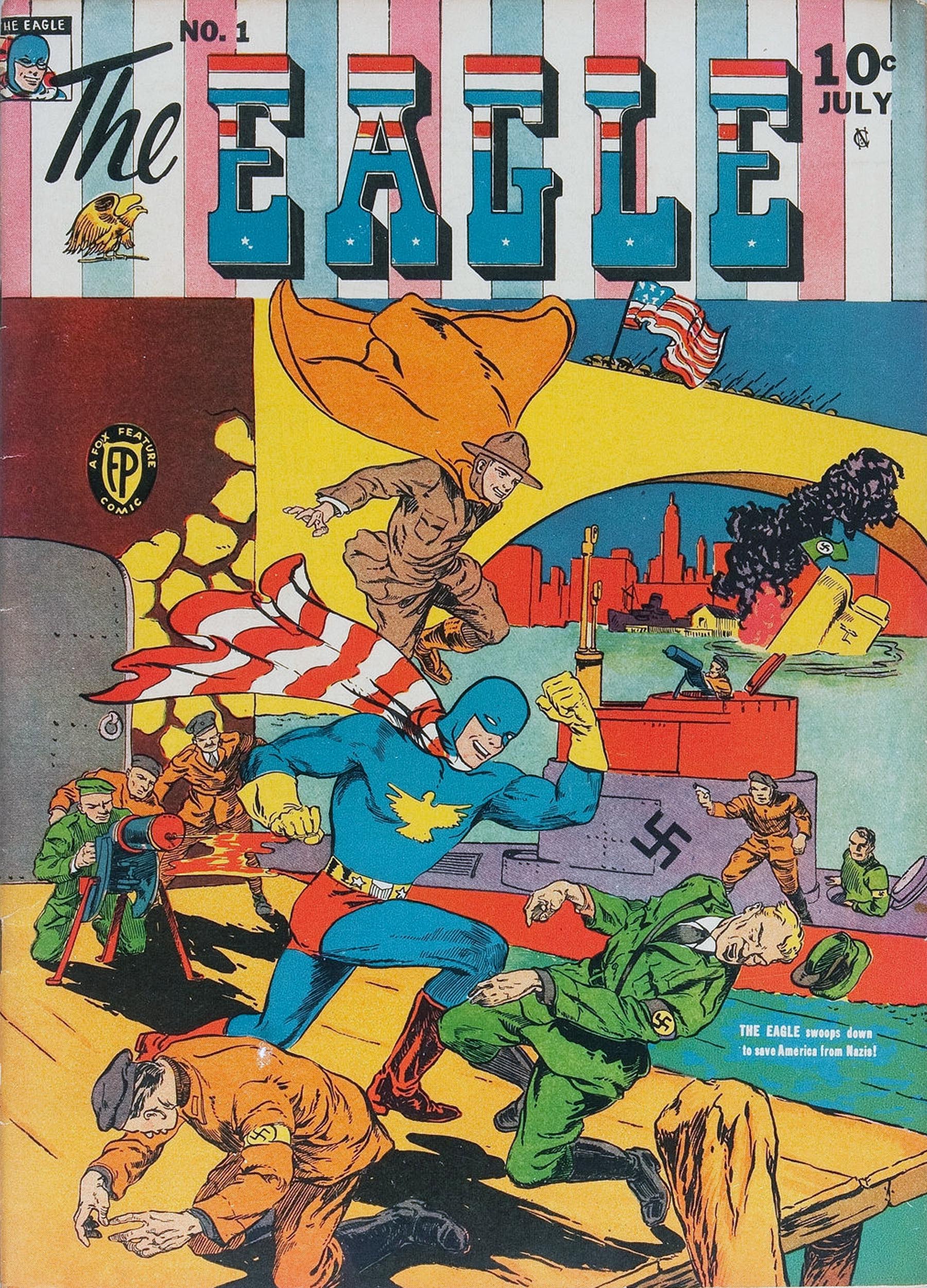


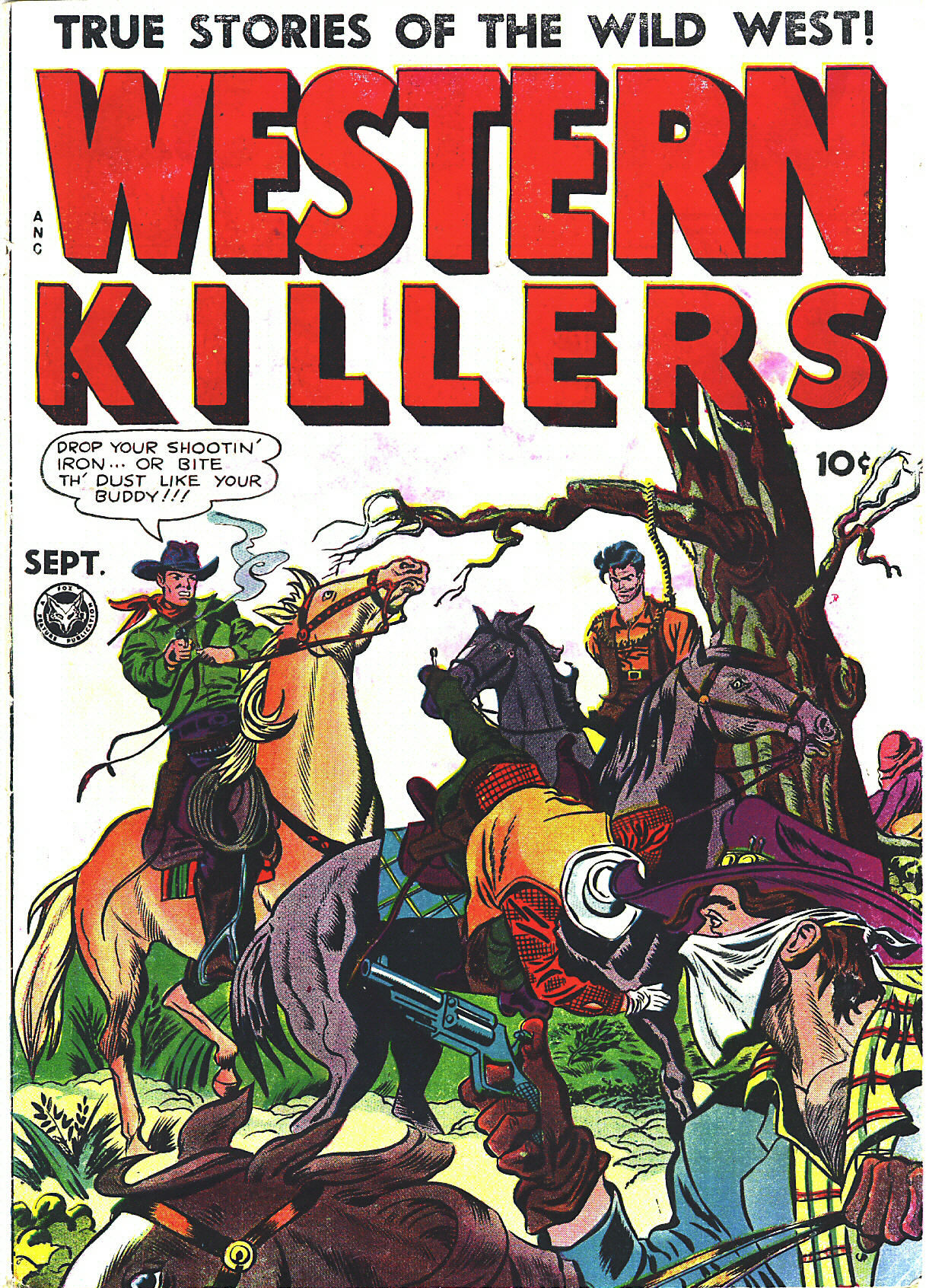
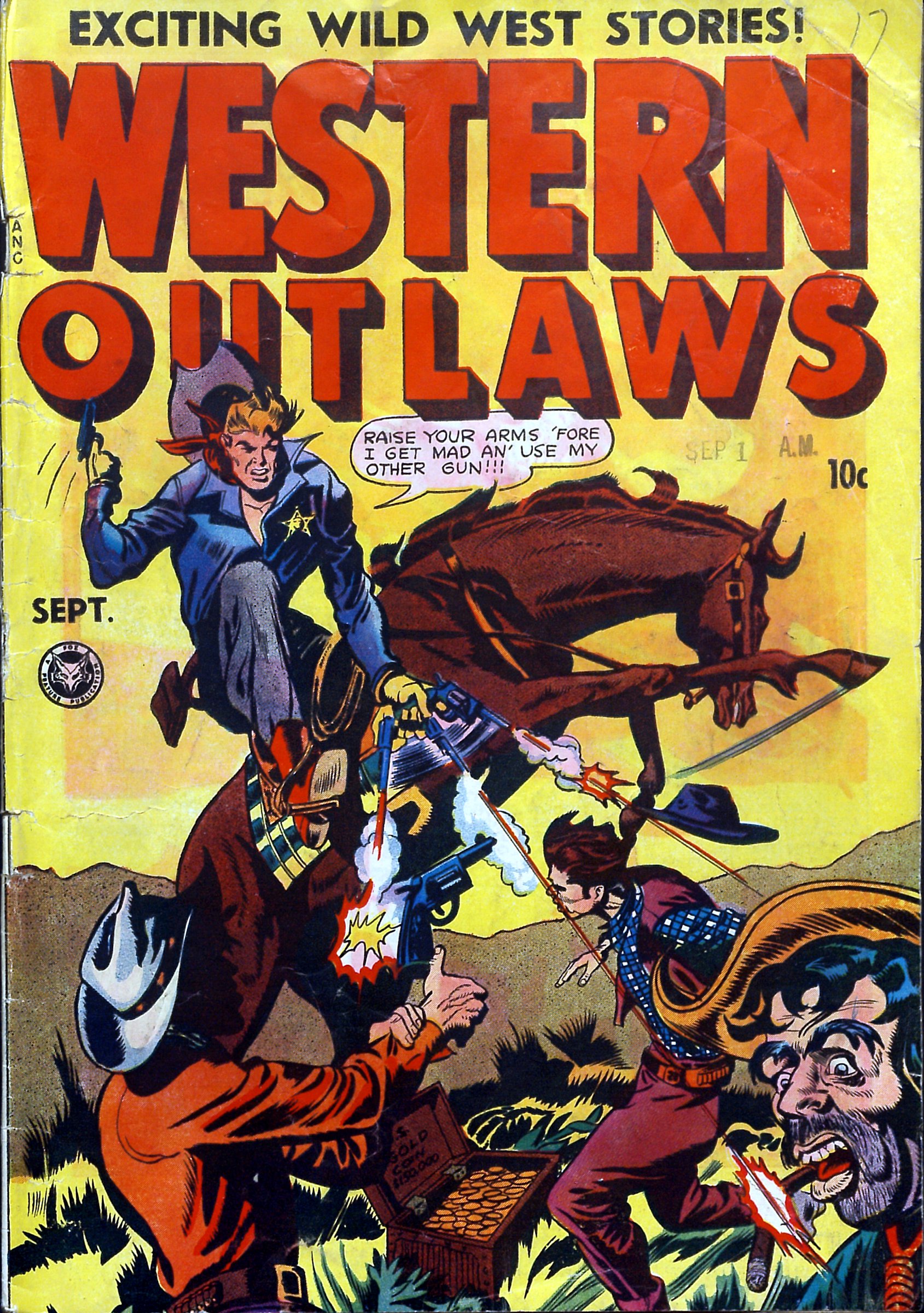
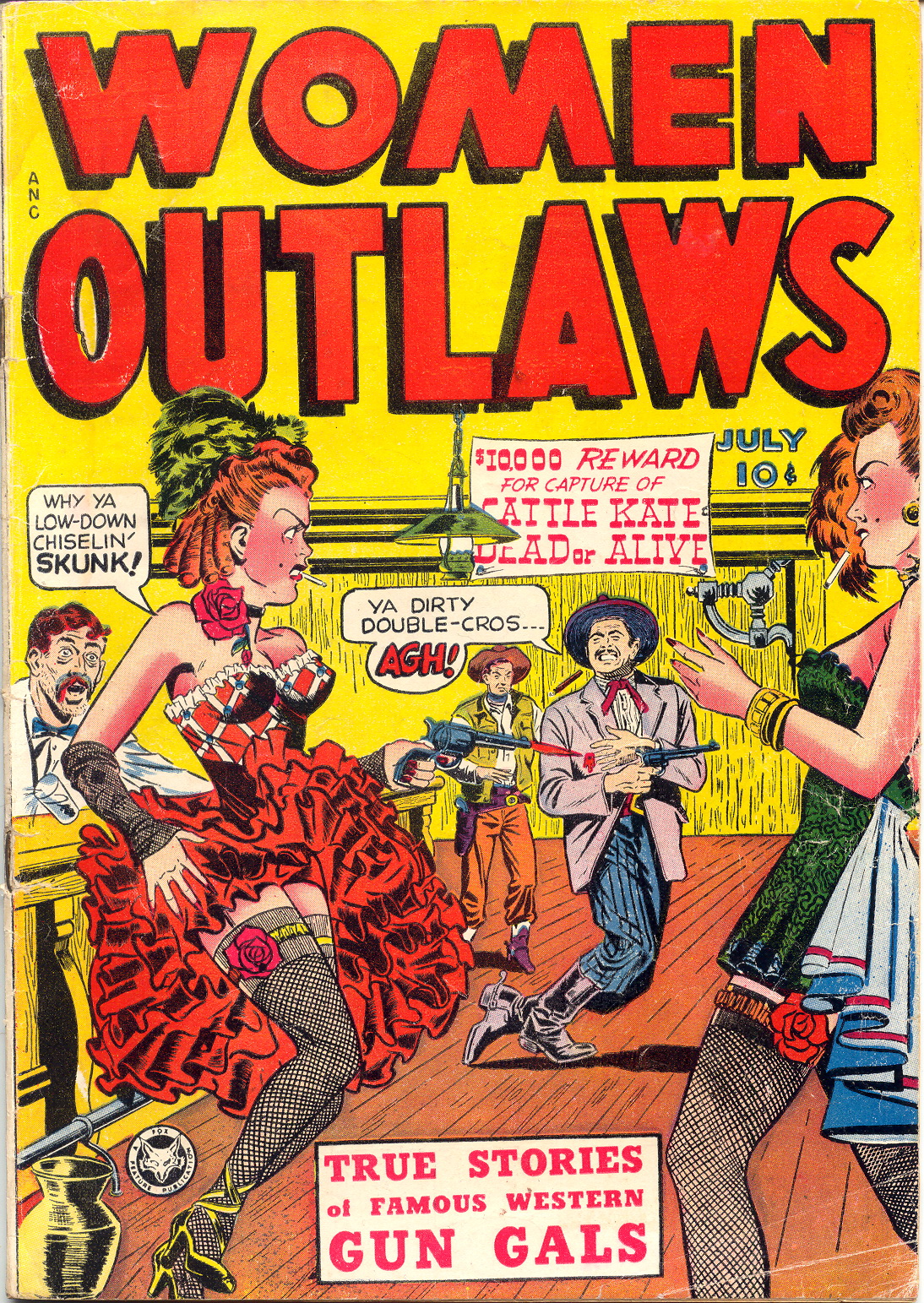
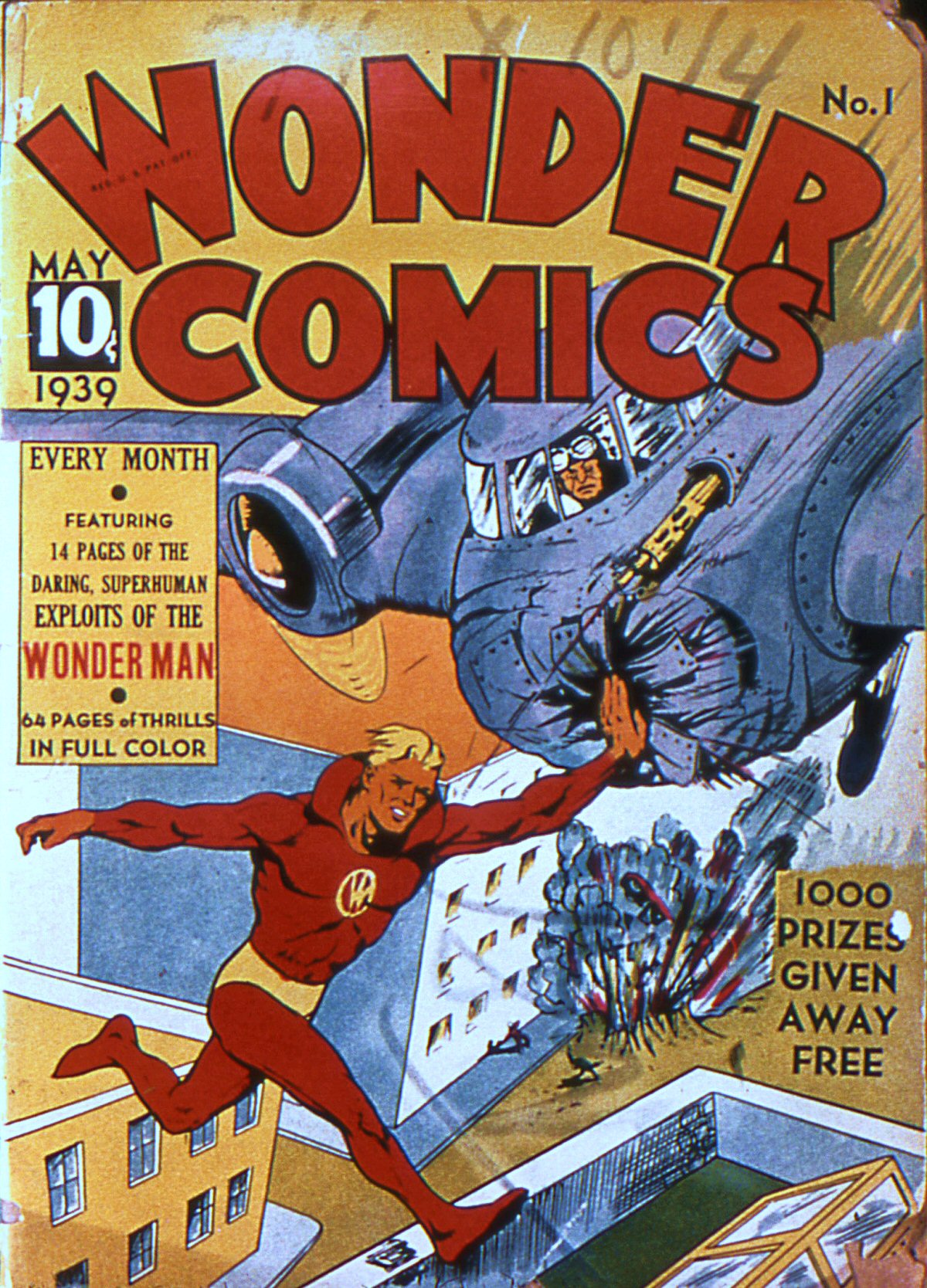
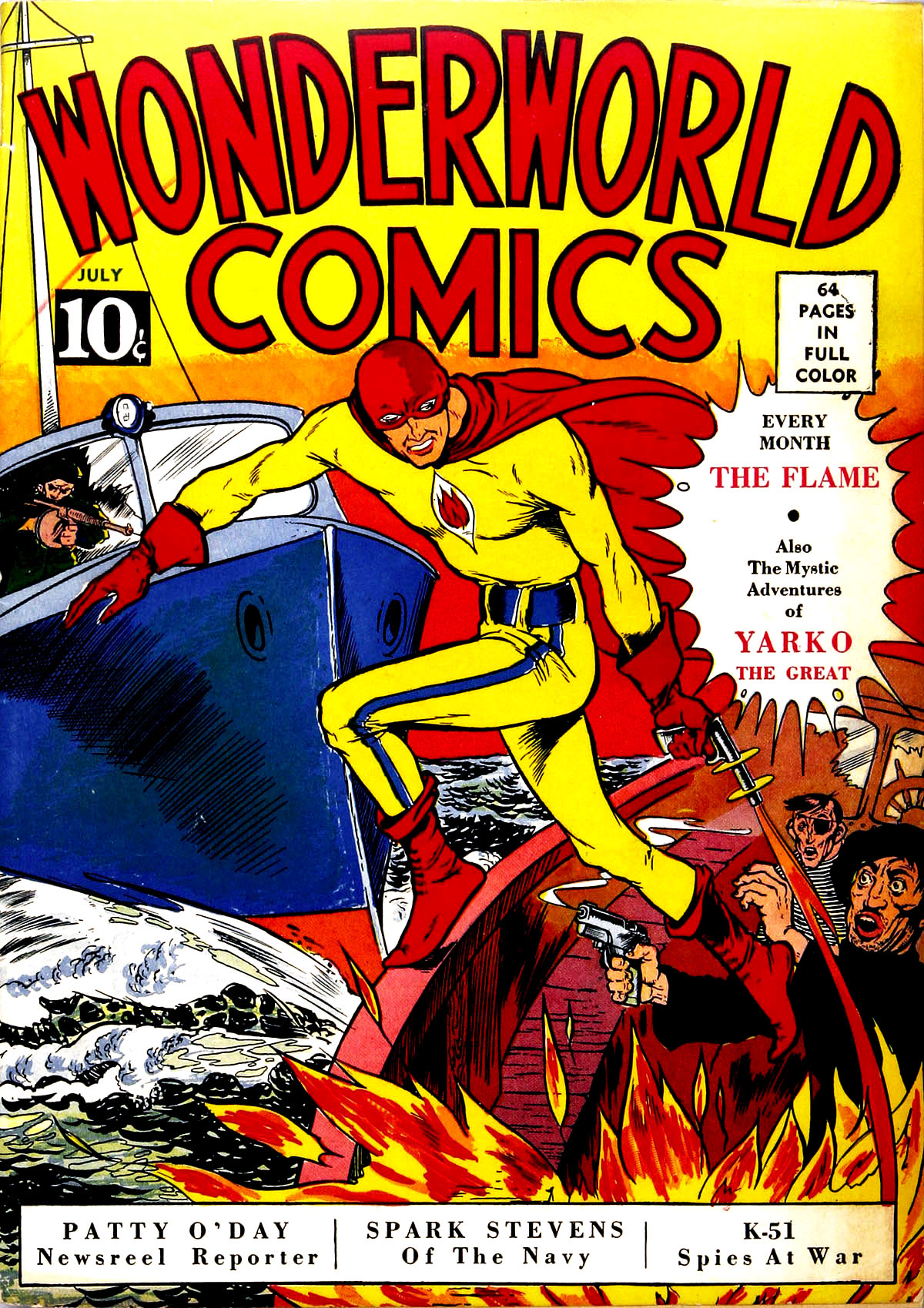
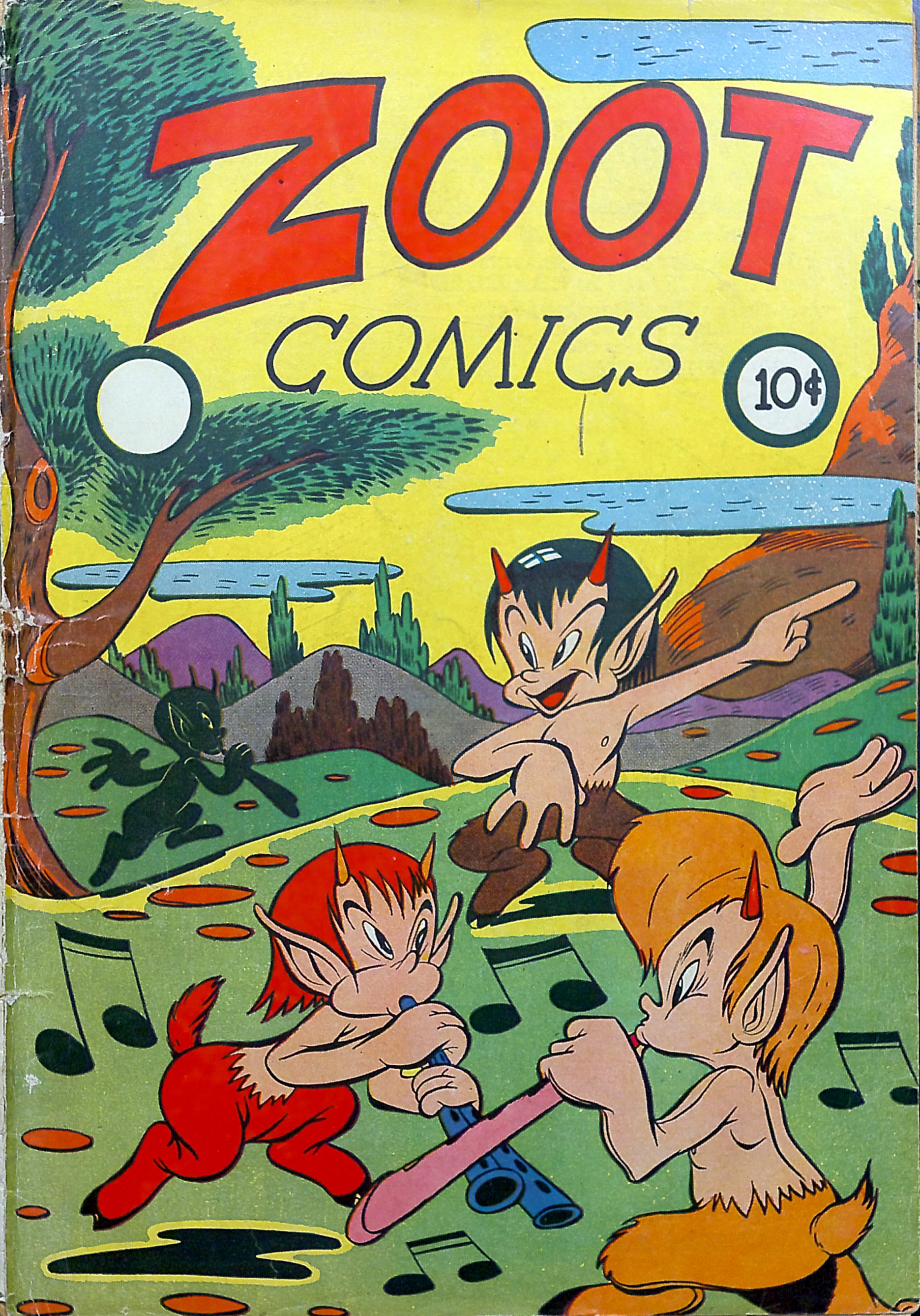
However, due to poor management and financial problems, Fox Feature Syndicate closed its doors in 1950. Over the years, the rights to the characters created by the company were sold to various comic book publishers, and some of these characters are still being published today.
Fox Feature Syndicate remains an important name in the history of American comics, particularly for its influence on the development of the superhero comic book genre, as well as for its impact on the creation of the Comics Code Authority in 1954, which introduced restrictions on the content of comics in the United States.
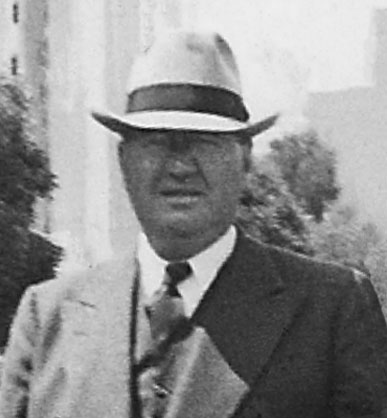
Samuel Jacob Victor Fox, born on either April 13, March 23, or July 3, 1893 in Nottingham, England (the exact date is unclear), is best known for his contributions to the comic book industry. His parents, Joseph and Bessie Fox, were Russian immigrants of Jewish ancestry who moved to America in 1896 and settled in Fall River, Massachusetts. Victor began working at a clothing store at the age of fourteen, but eventually moved to New York City with his family in 1914 to work in the women’s clothing business.
In 1916, Victor S. Fox, along with Harry T. Johnson and E. Goodman, founded a new ladies’ apparel business in New York City. However, his true success came in the comic book industry. In the late 1930s, Fox established his own comic book publishing company, Fox Feature Syndicate. He created and published a number of popular characters, including the superhero the Blue Beetle and the jungle hero Sheena, Queen of the Jungle.
Fox’s Blue Beetle was one of the first comic book superheroes to feature a full-face mask and to be featured in his own solo title. The character was created by writer Charles Nicholas Wojtkoski and artist Charles Clarence « CC » Beck, and made his first appearance in Mystery Men Comics #1 in 1939. Sheena, Queen of the Jungle, co-created by Will Eisner and Jerry Iger, debuted in Wags #1 in 1937, and was later published by Fox Feature Syndicate.
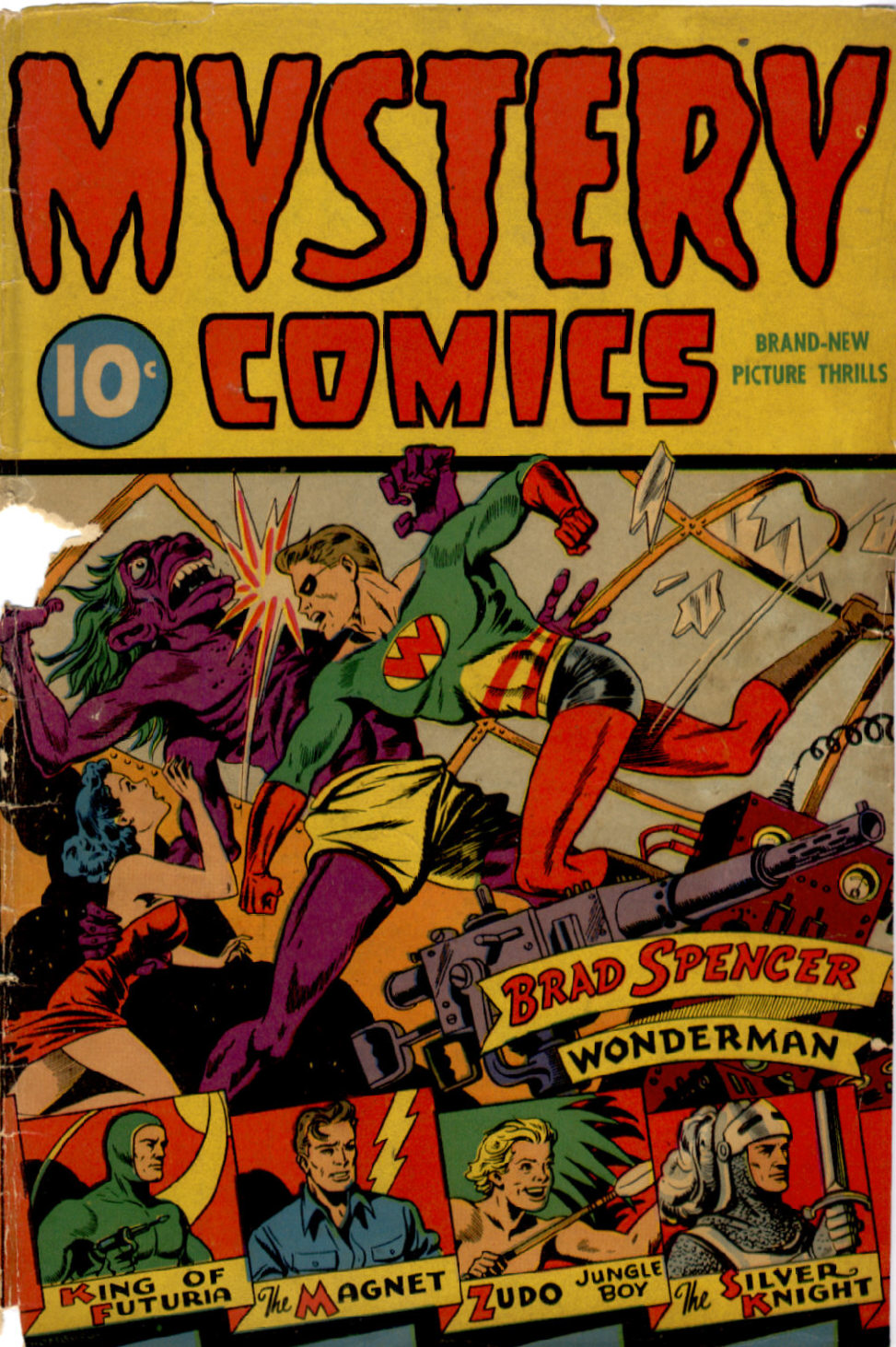
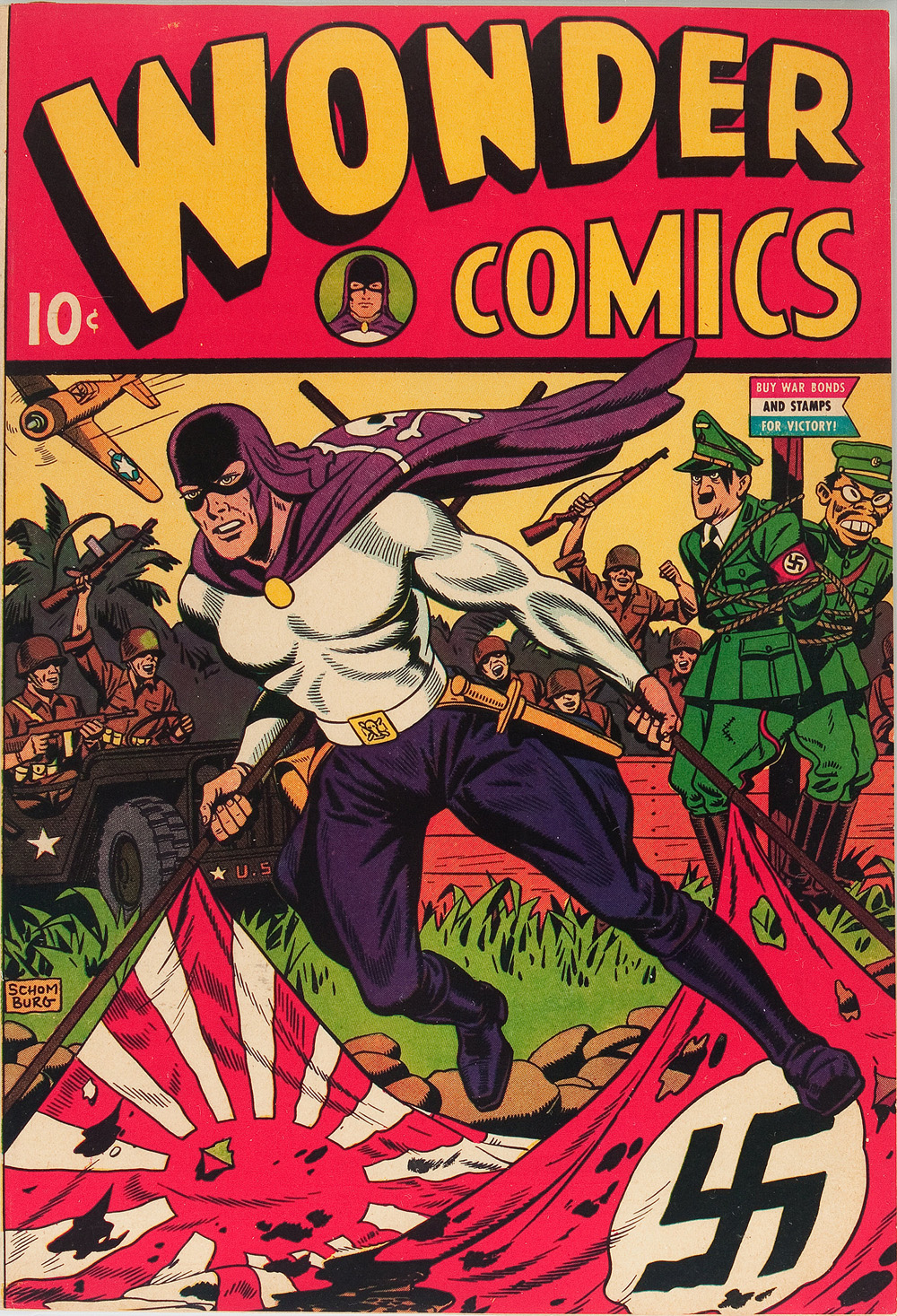
Despite the success of his comic book ventures, Fox experienced financial troubles and legal disputes throughout his career. In 1941, he was sued by Superman creators Jerry Siegel and Joe Shuster for copyright infringement, as Fox had created a character called « Wonder Man » that was similar to Superman. The case was settled out of court. Fox Feature Syndicate also faced legal challenges from National Comics Publications (now DC Comics) over their character, Wonder Man.
Despite these difficulties, Fox Feature Syndicate continued to publish comics into the 1950s. Fox himself passed away on October 20, 1959. While his comic book career may have been overshadowed by legal disputes and financial difficulties, his contributions to the industry, particularly with the creation of the Blue Beetle and Sheena, Queen of the Jungle, helped to shape the superhero and adventure genres in comics.
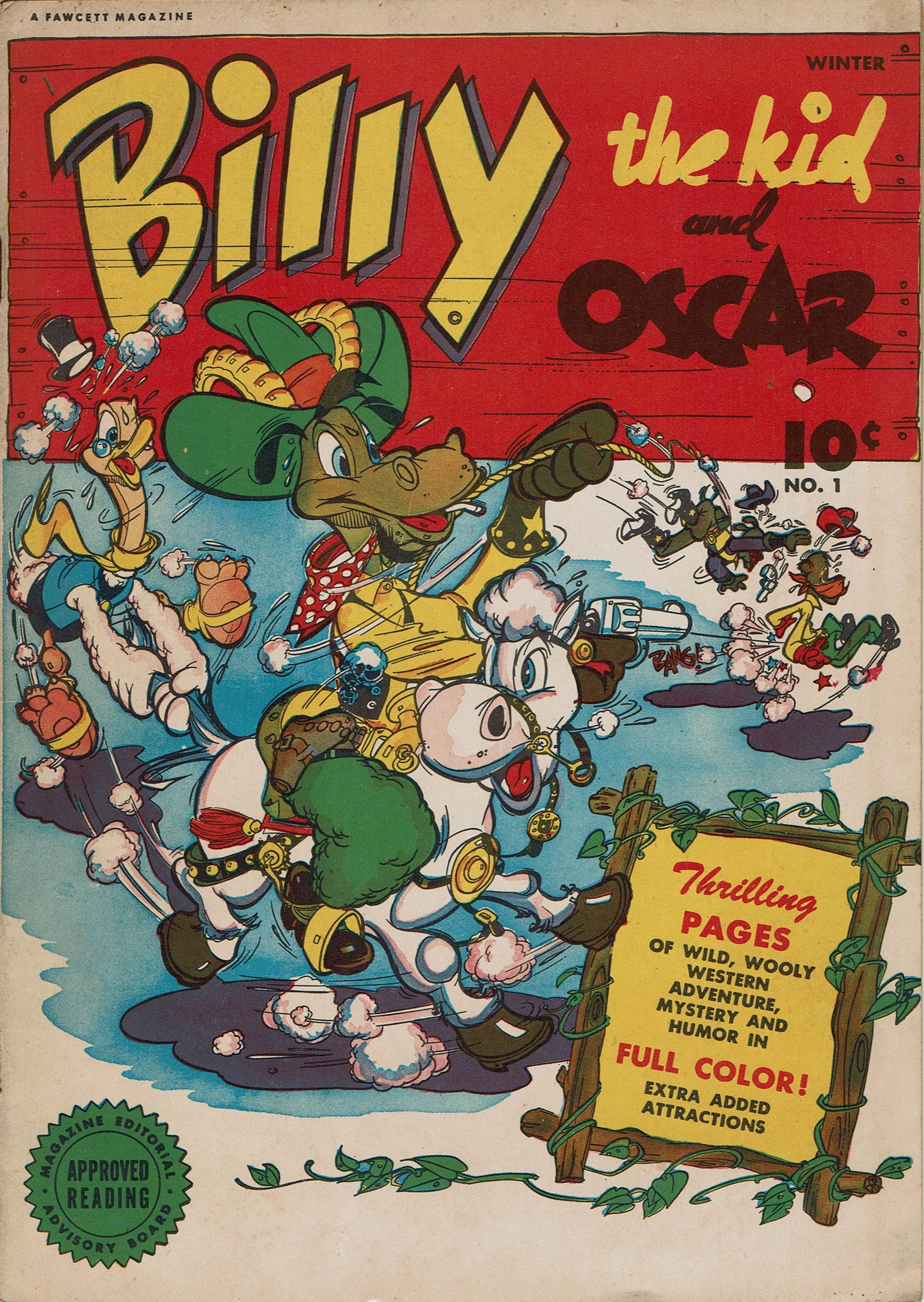
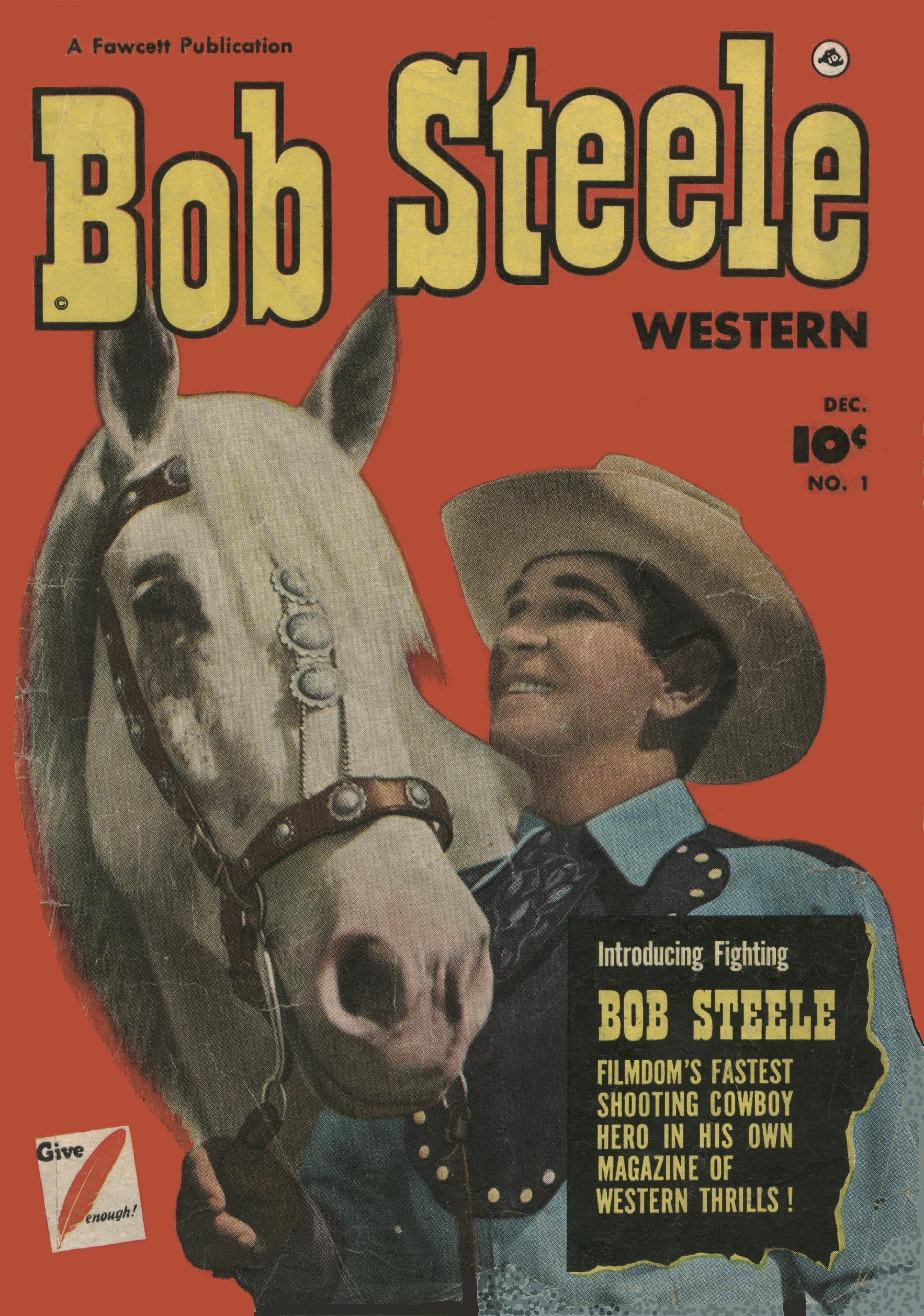
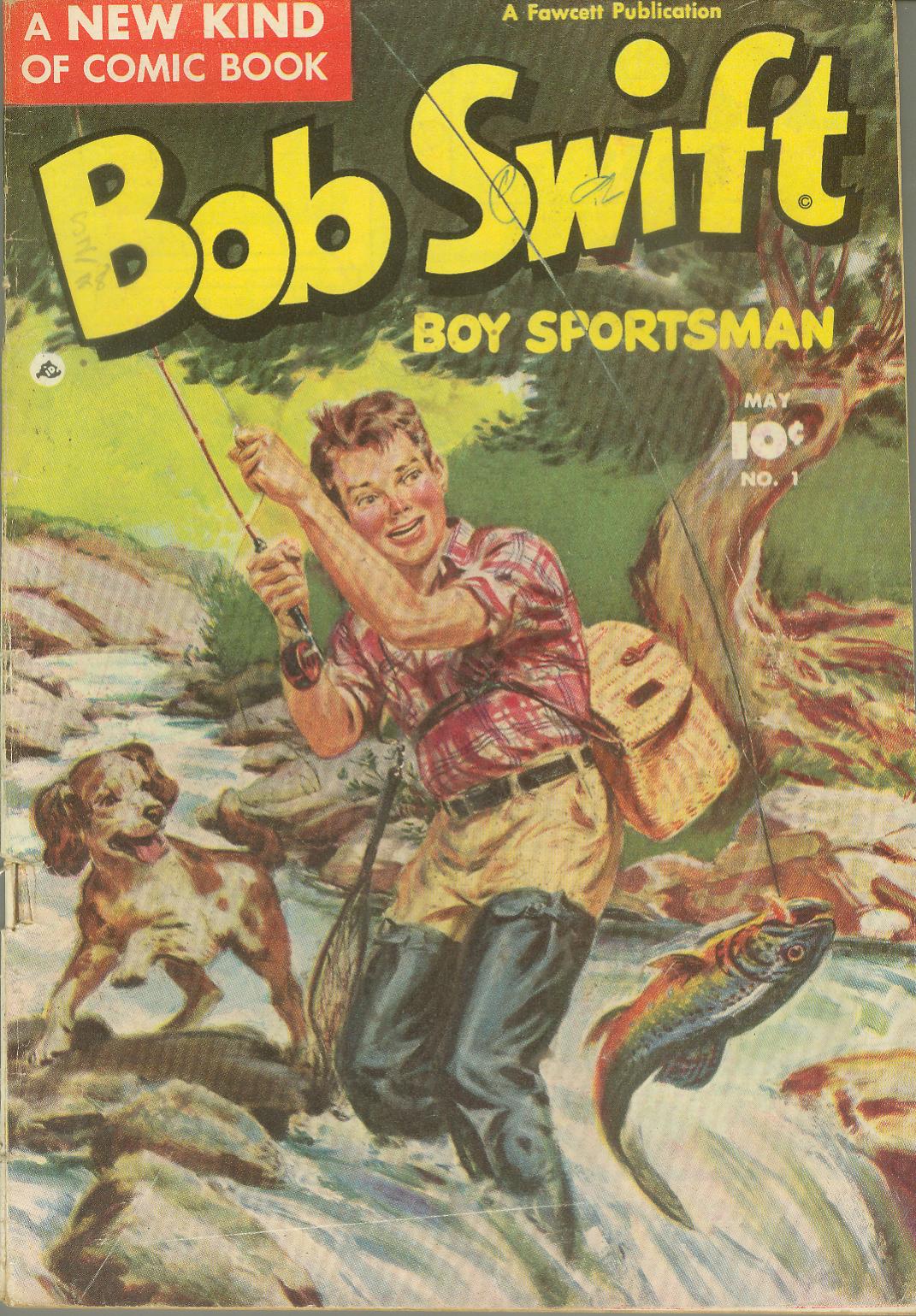
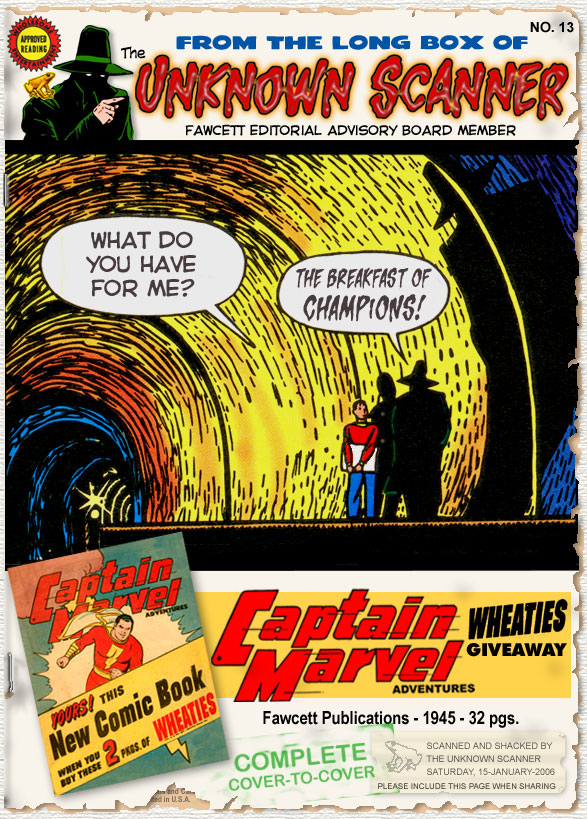
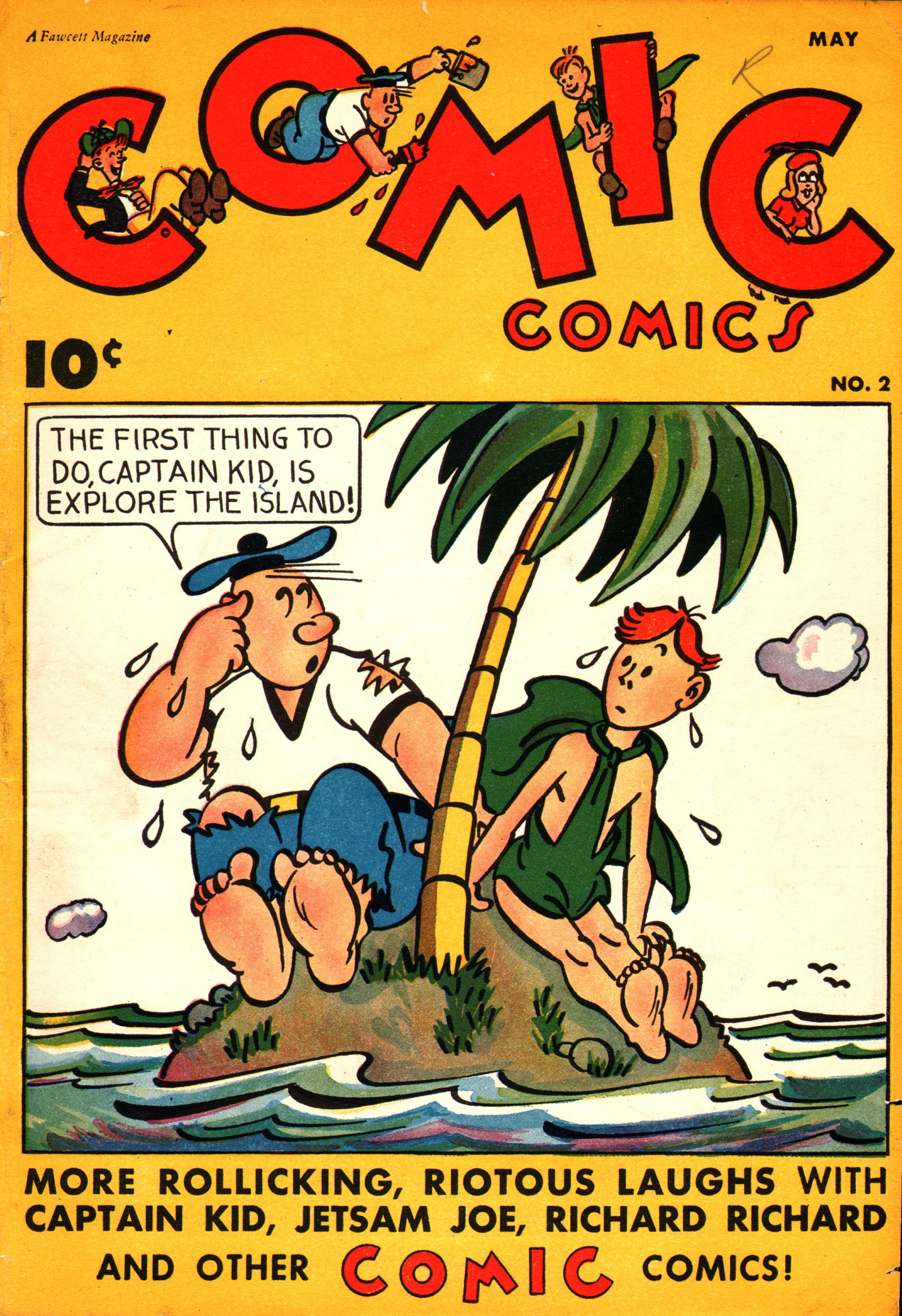
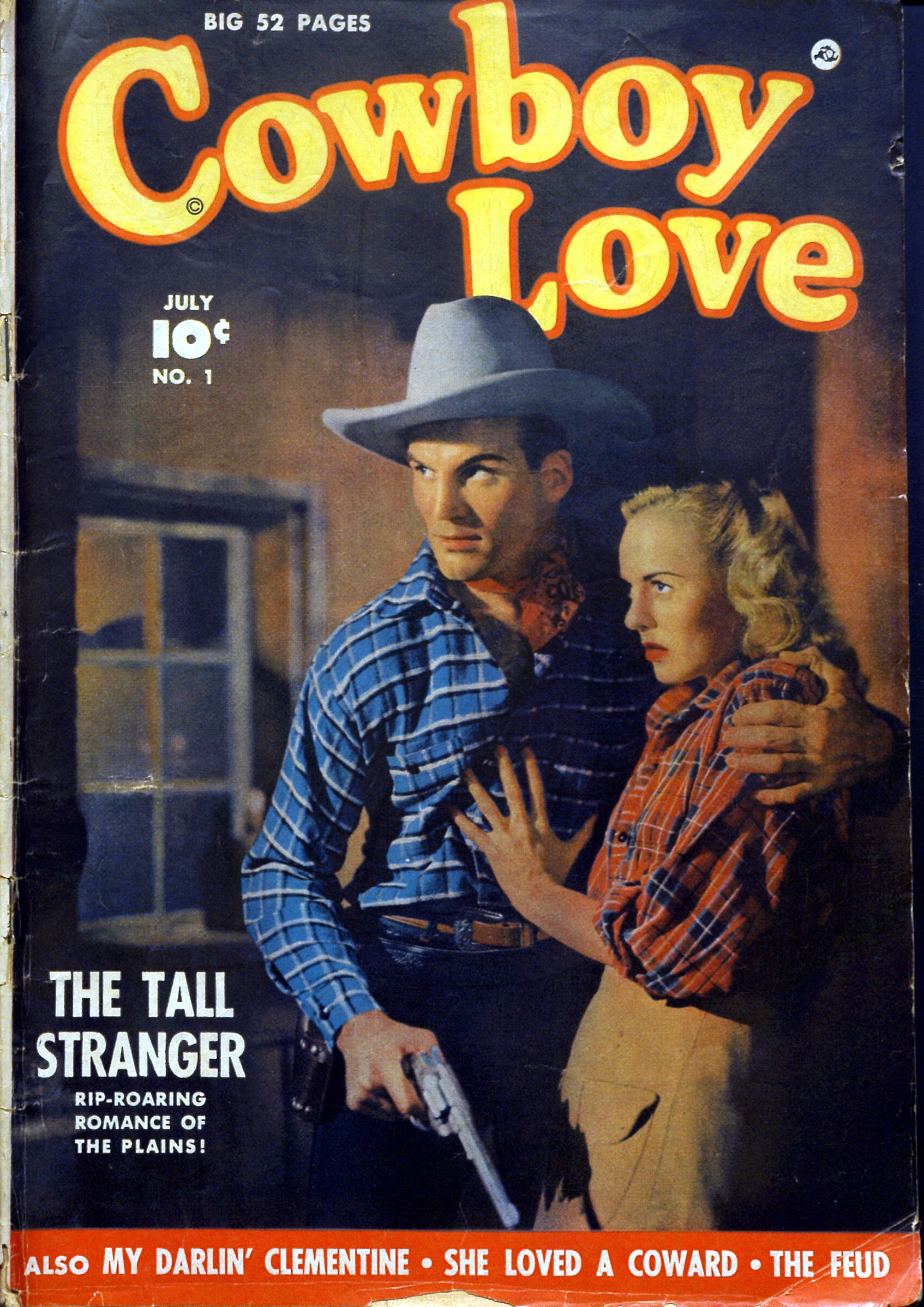
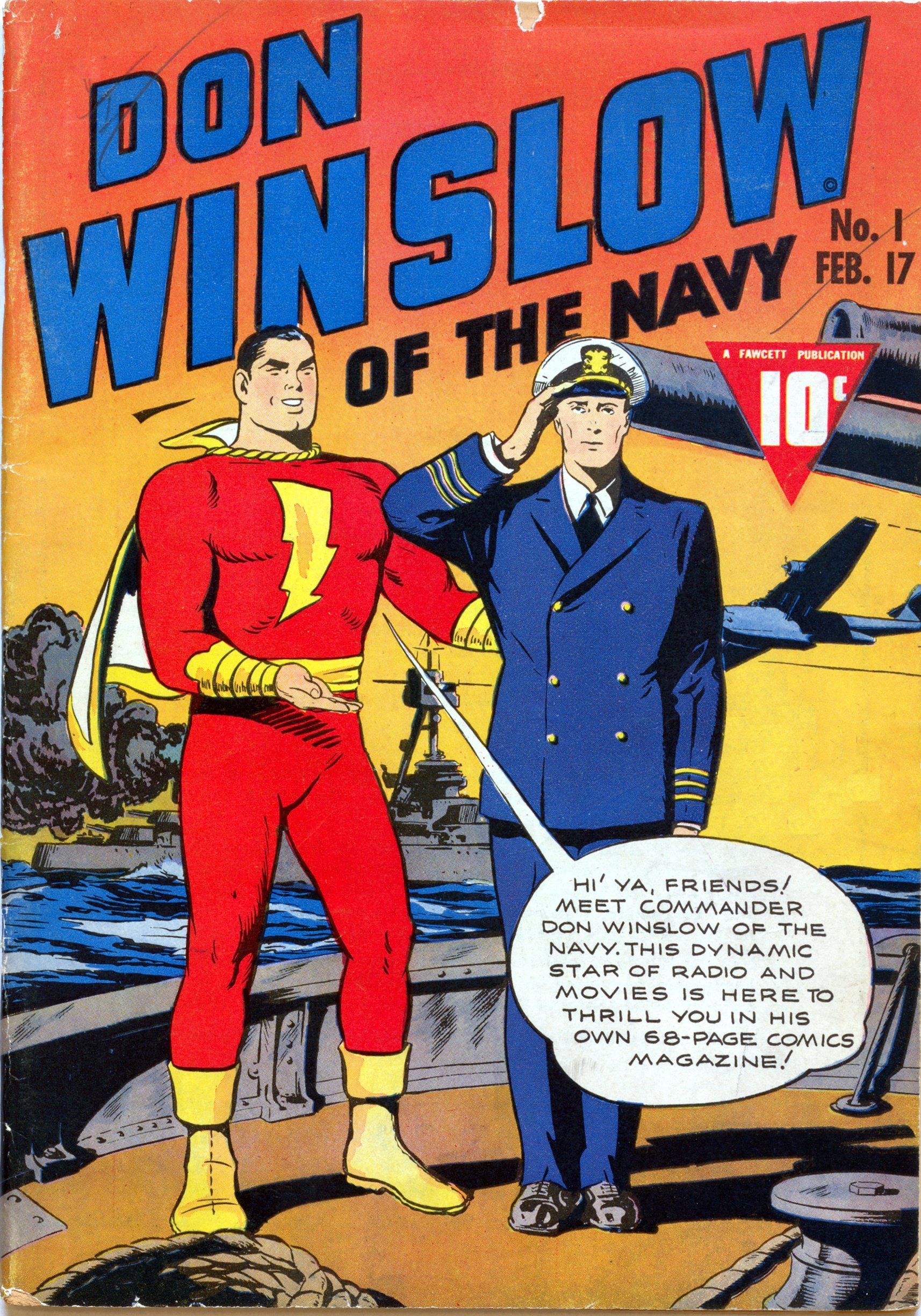
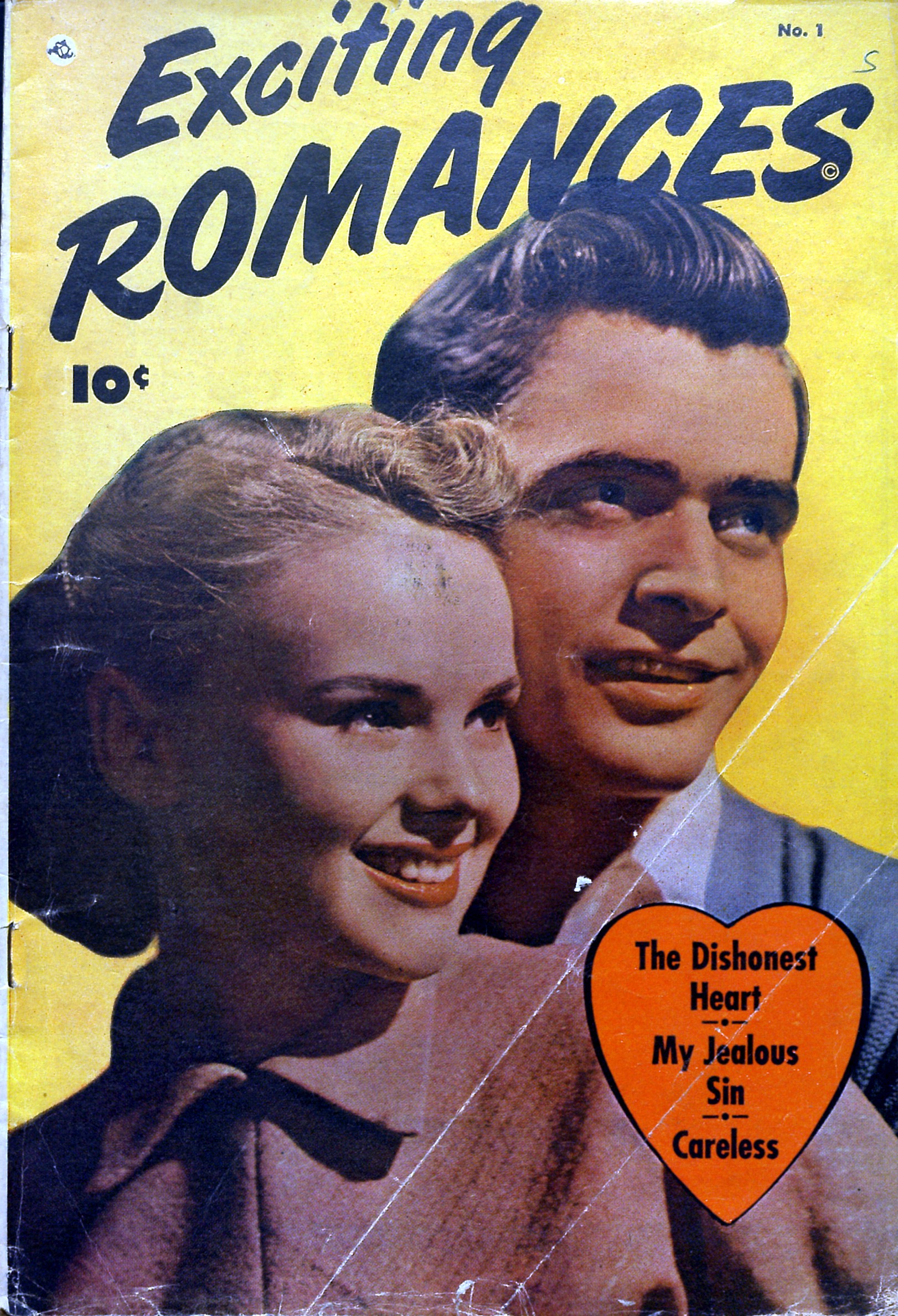
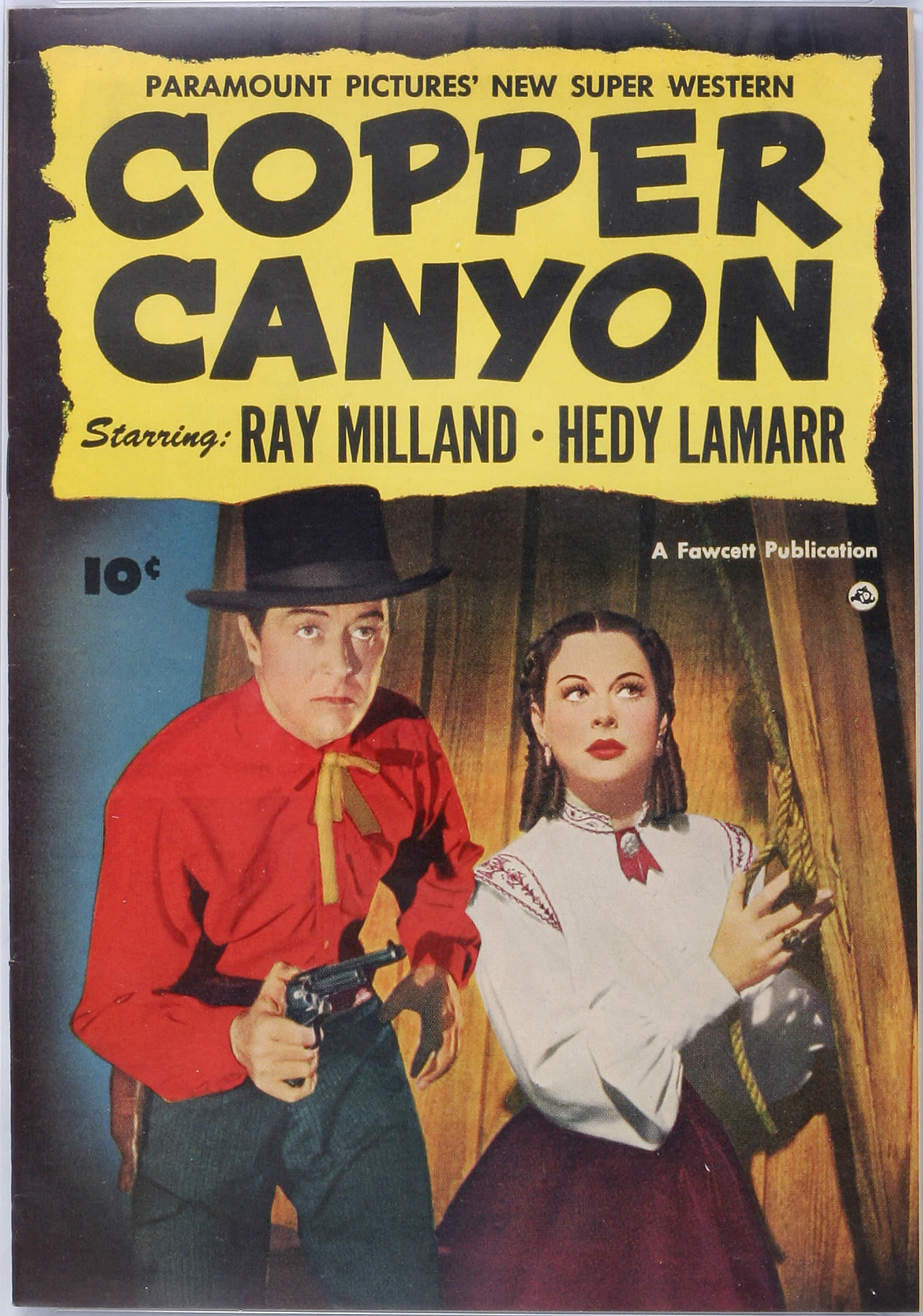
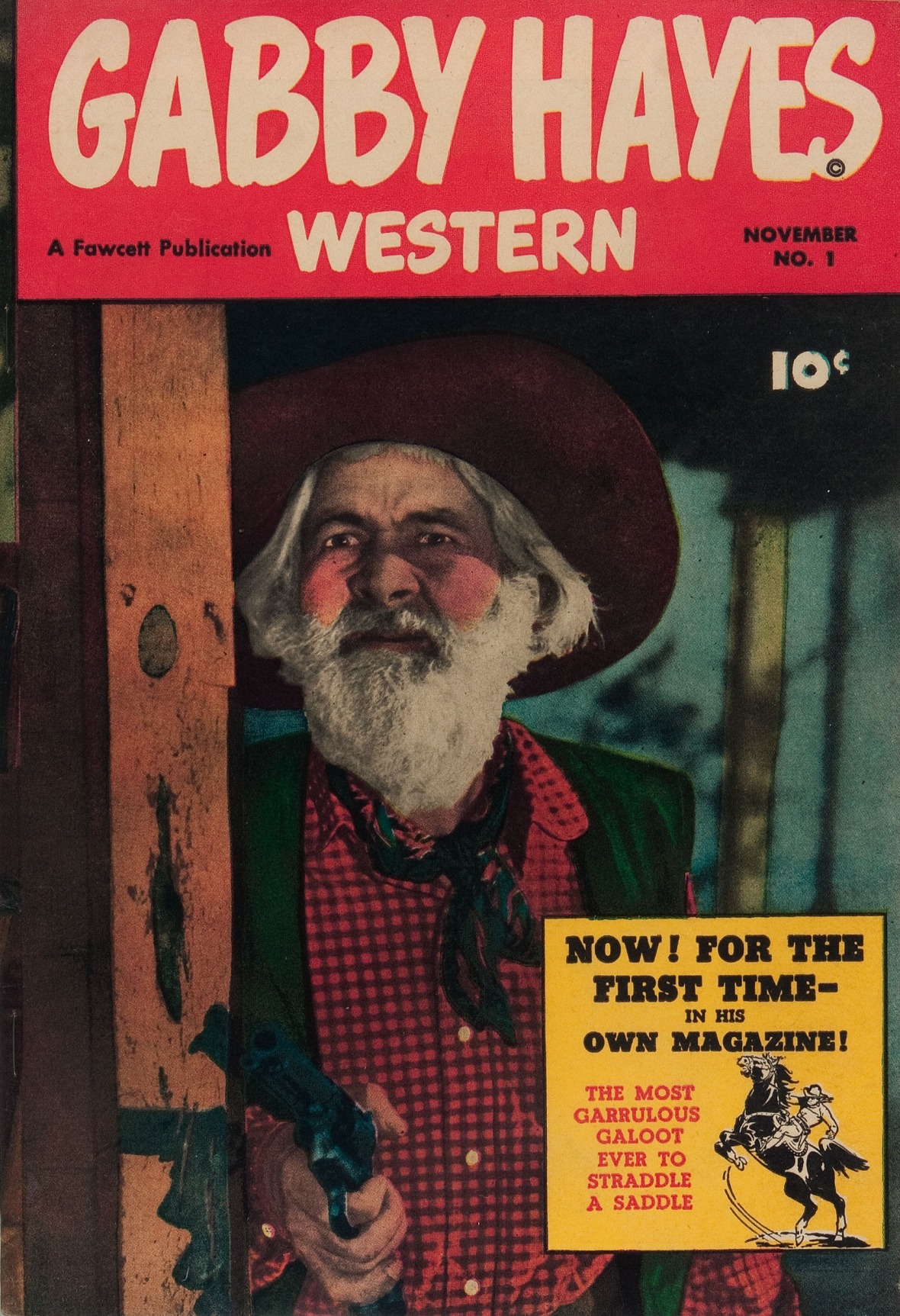
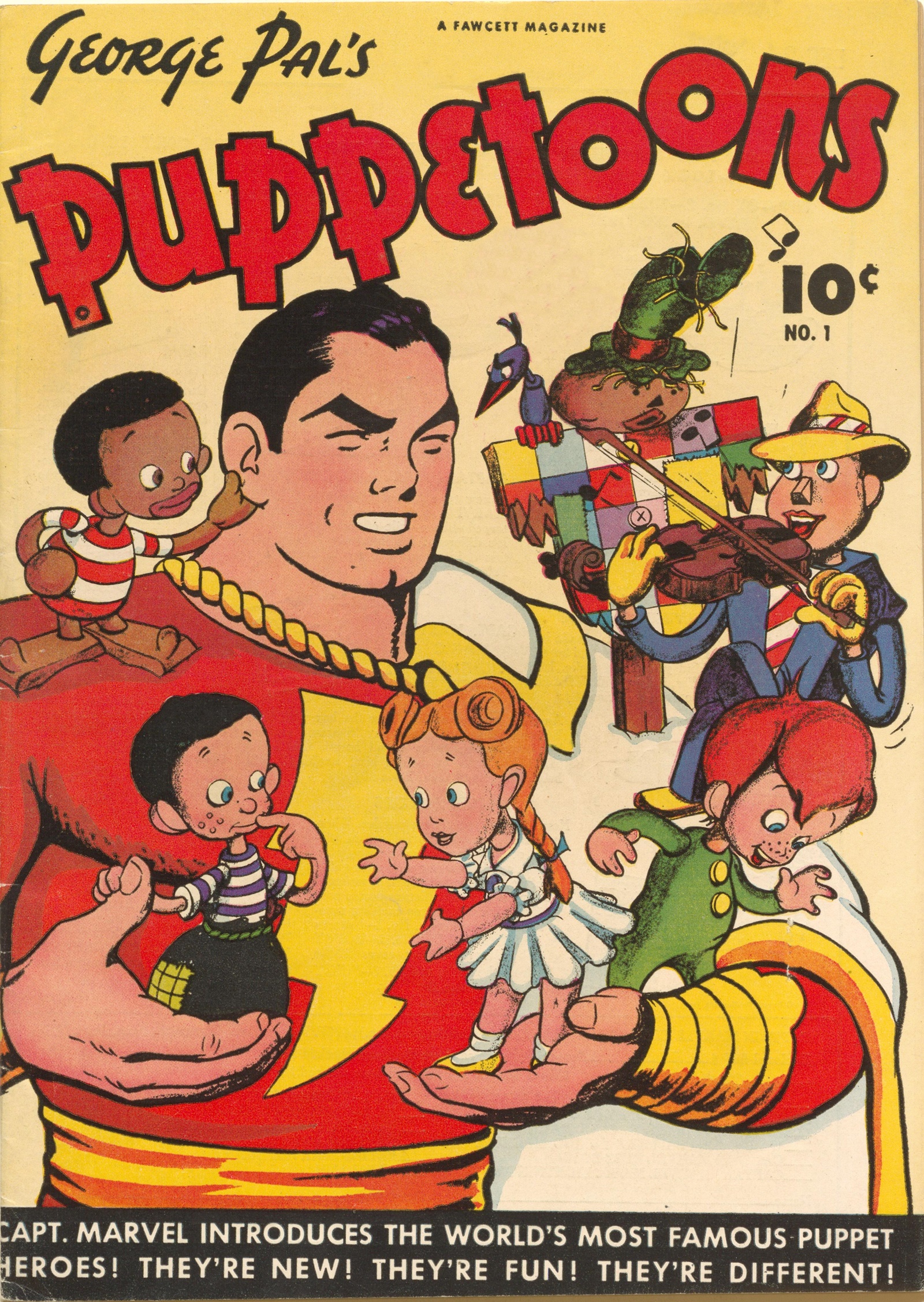
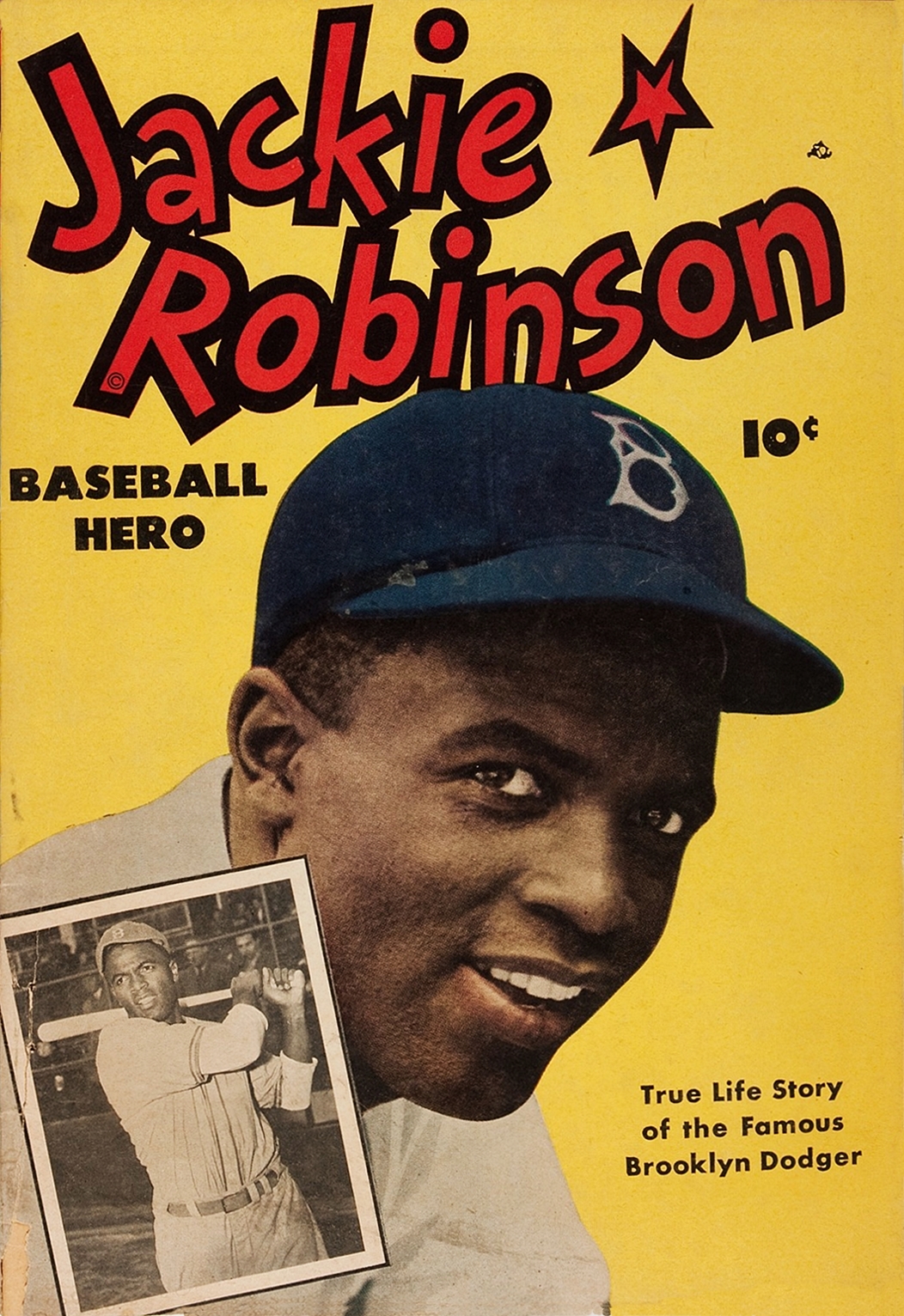
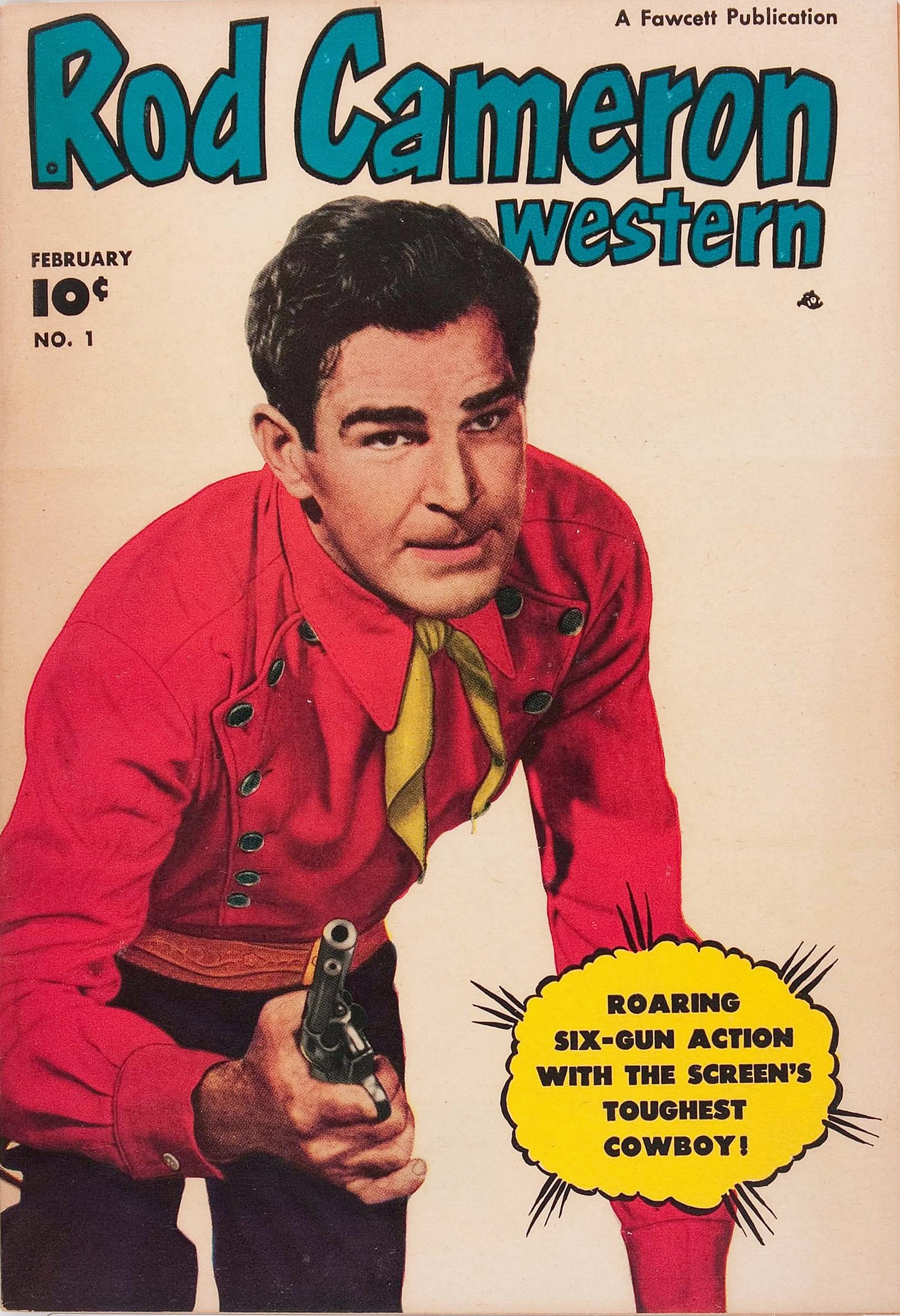
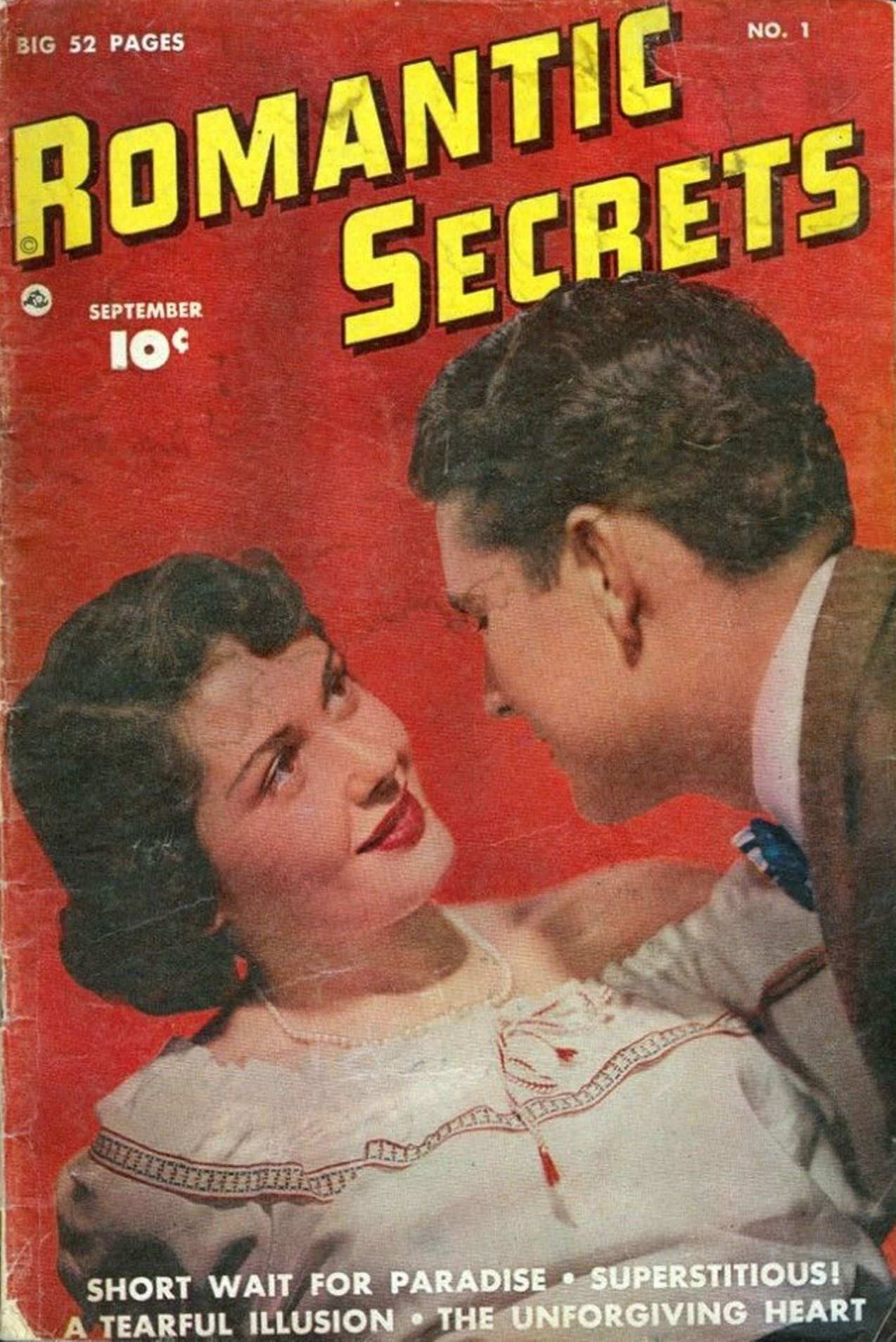
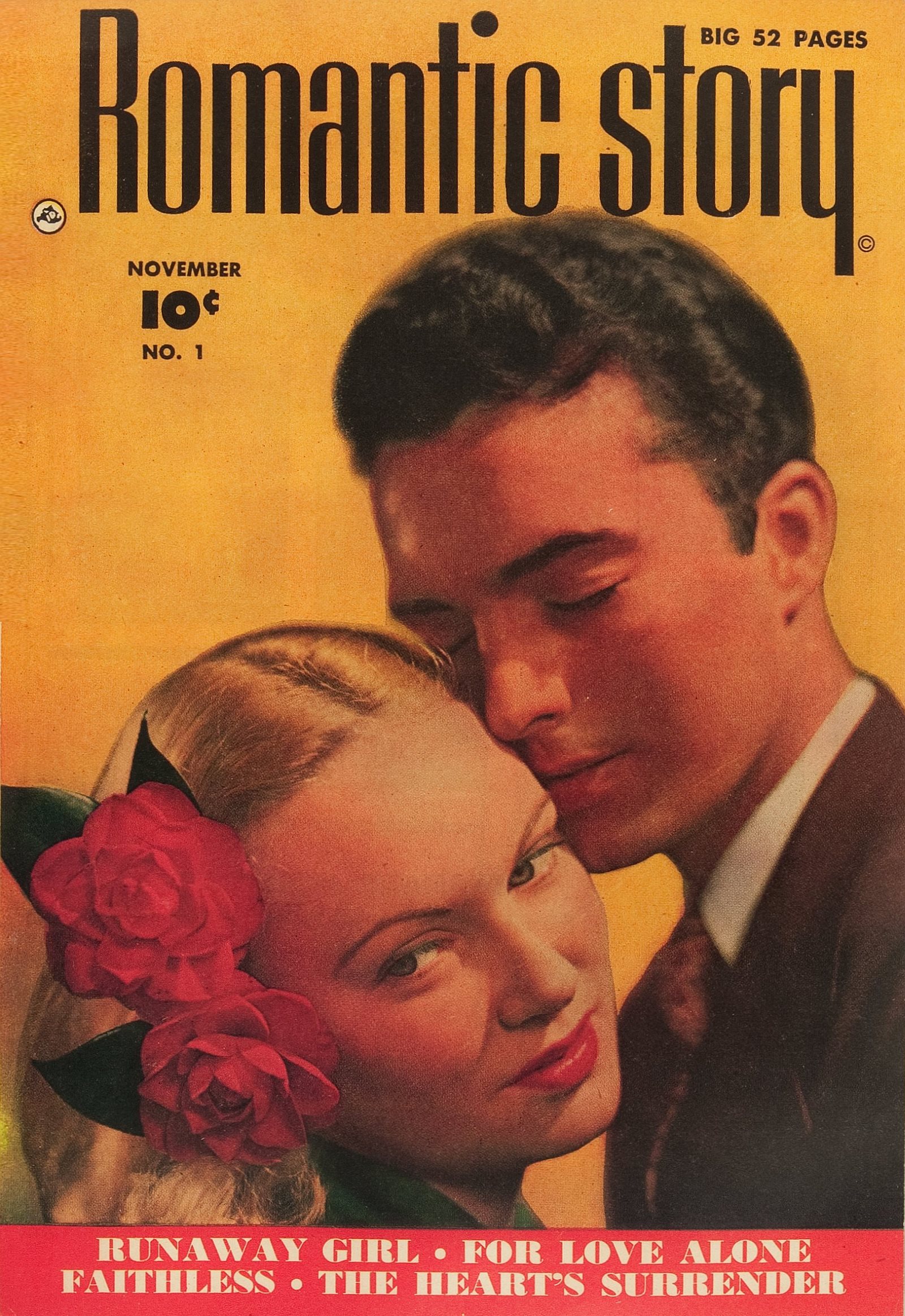
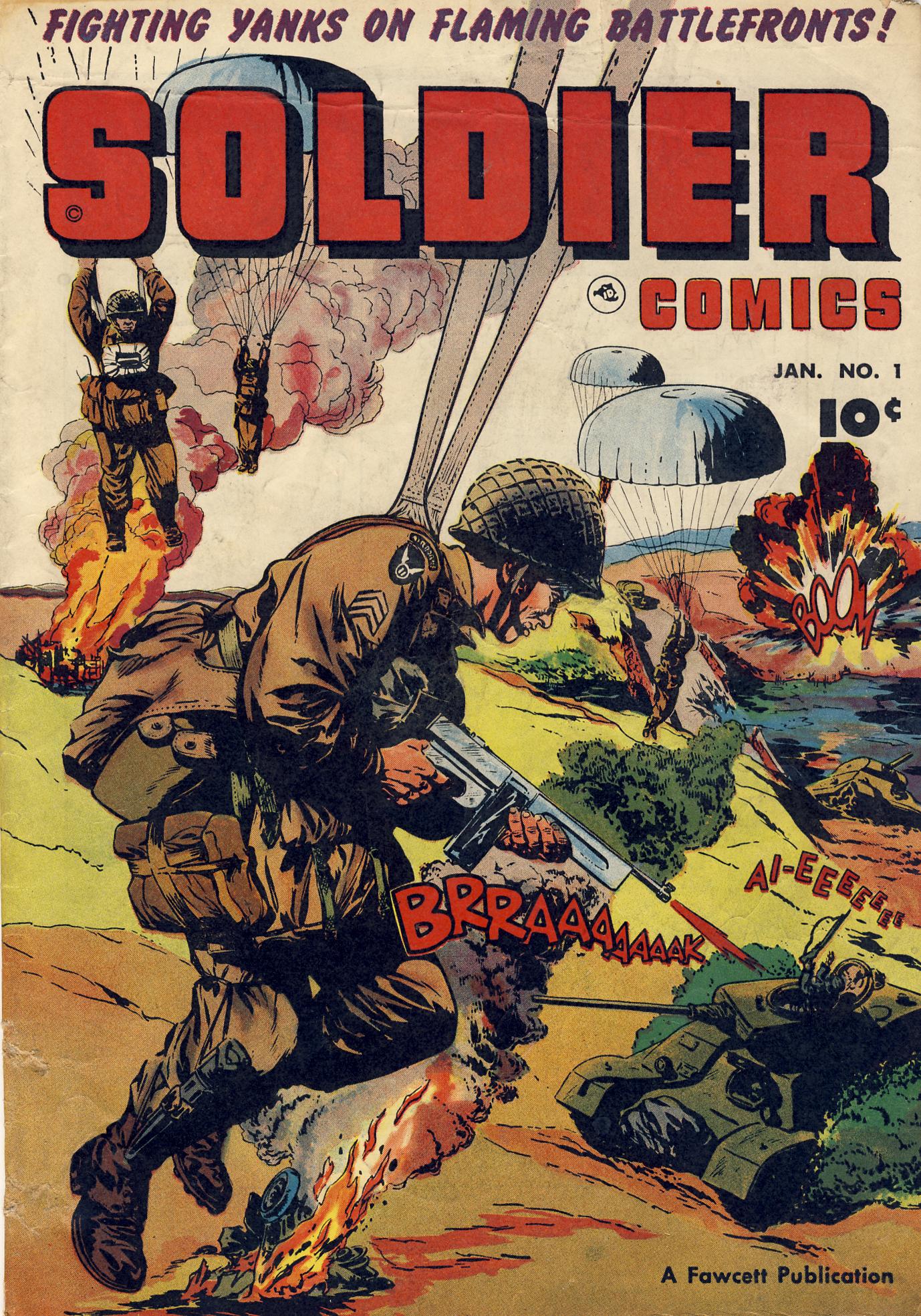
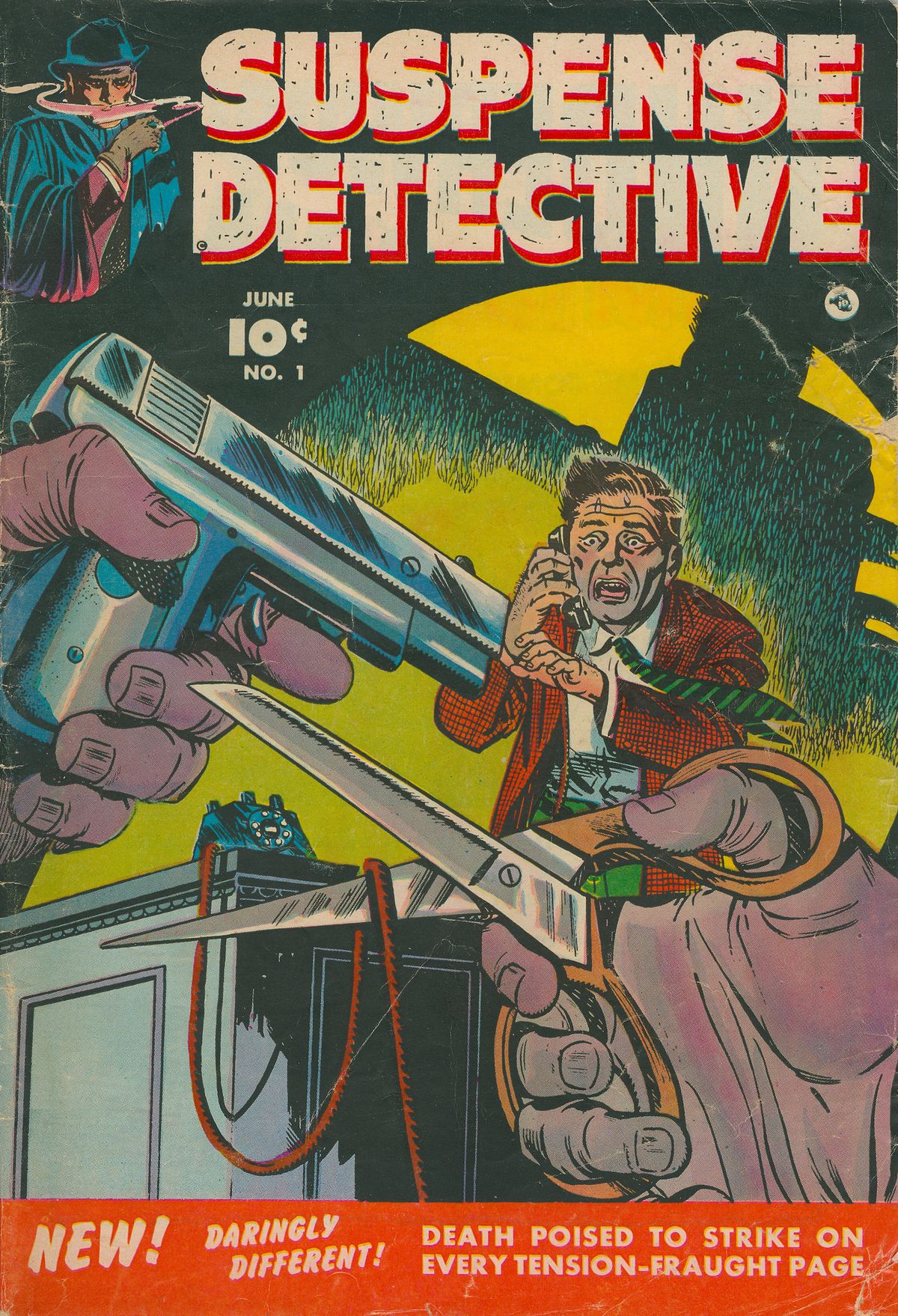
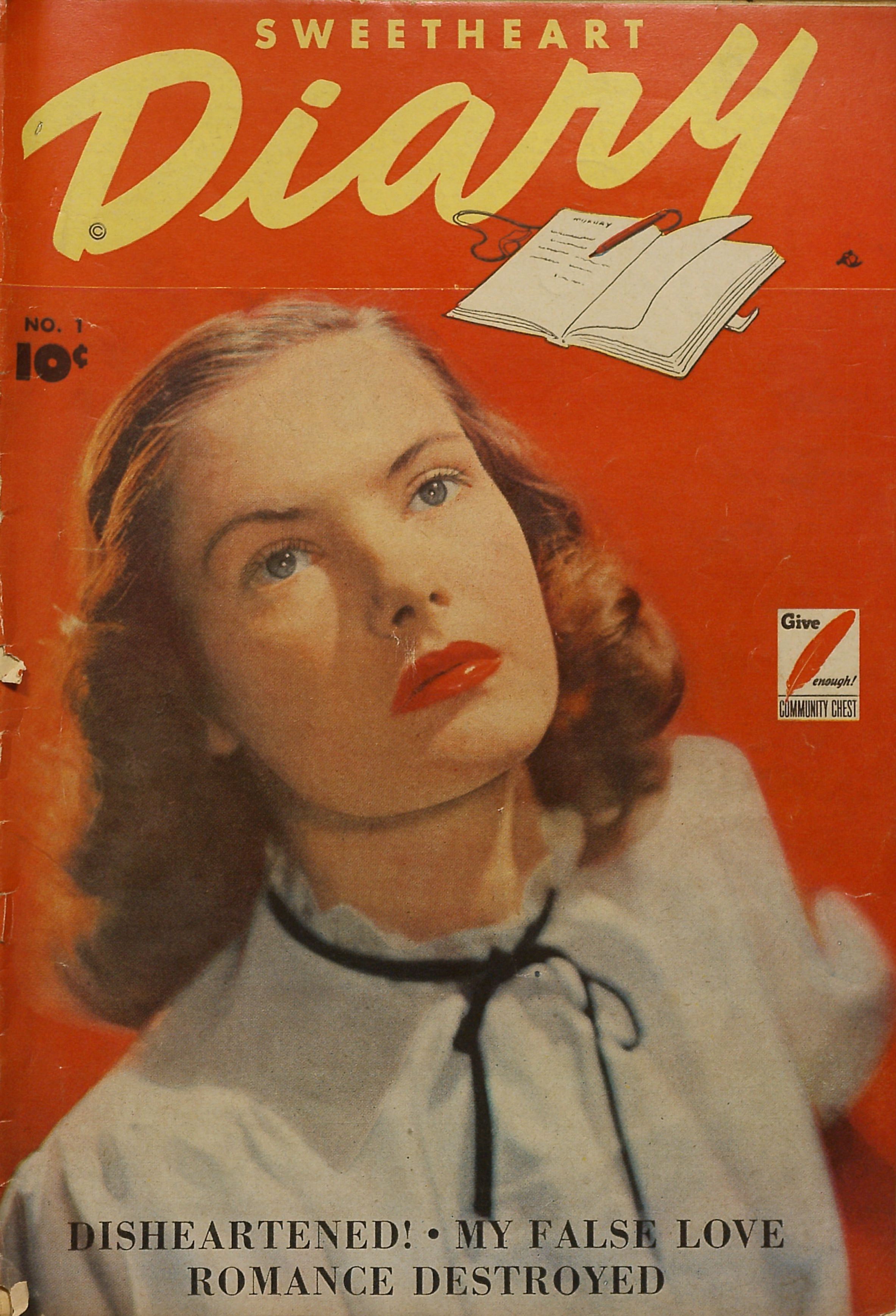
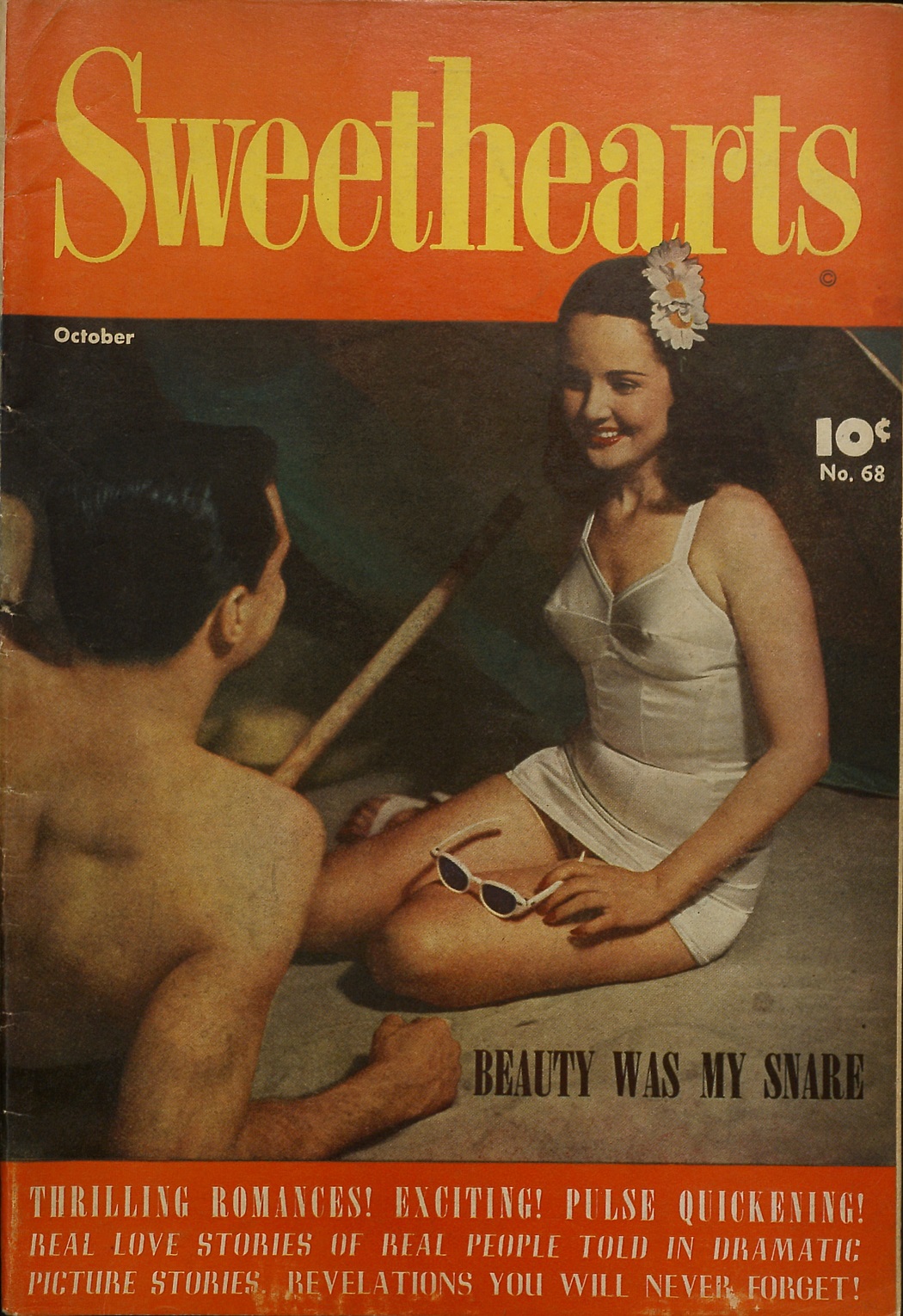
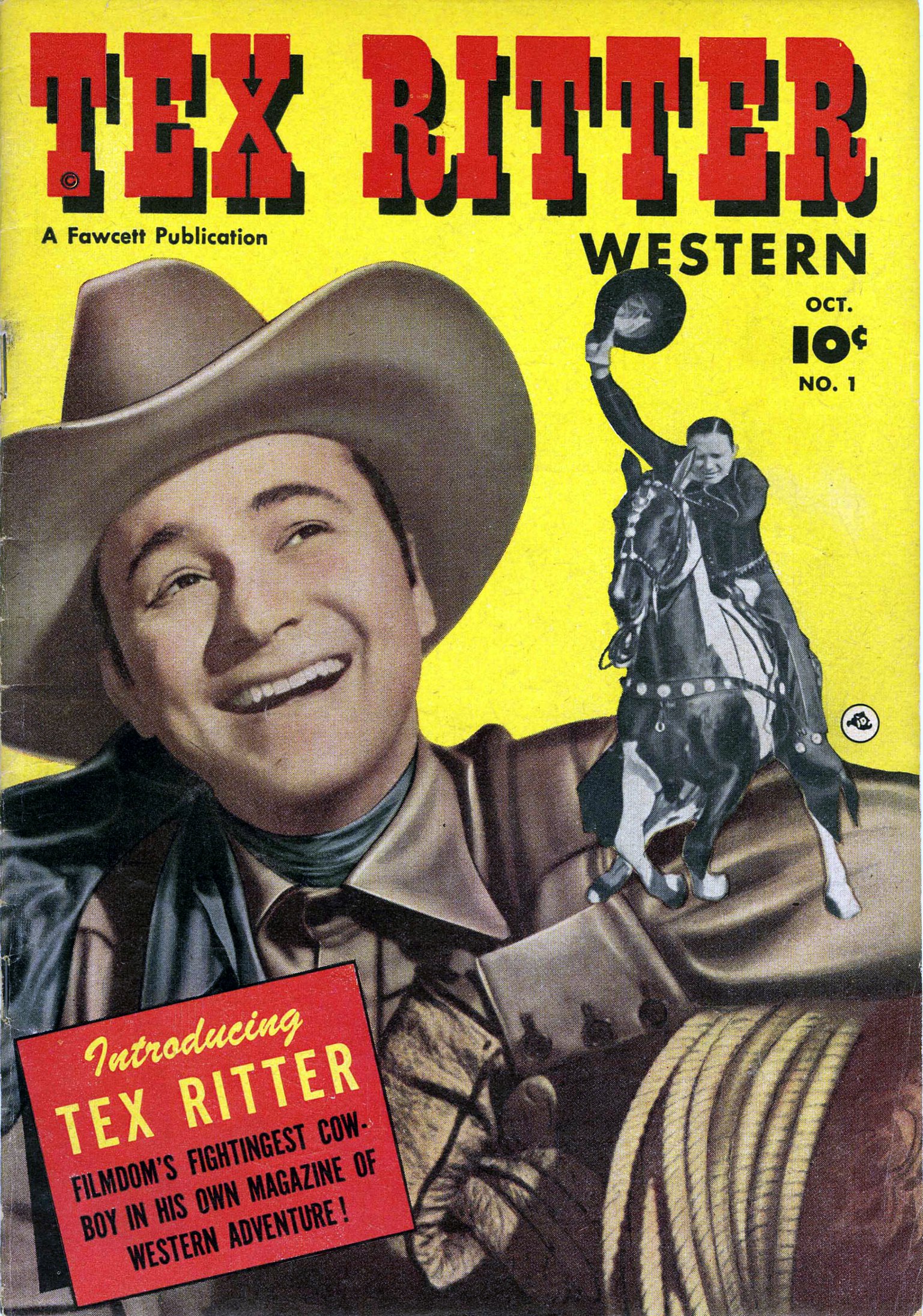
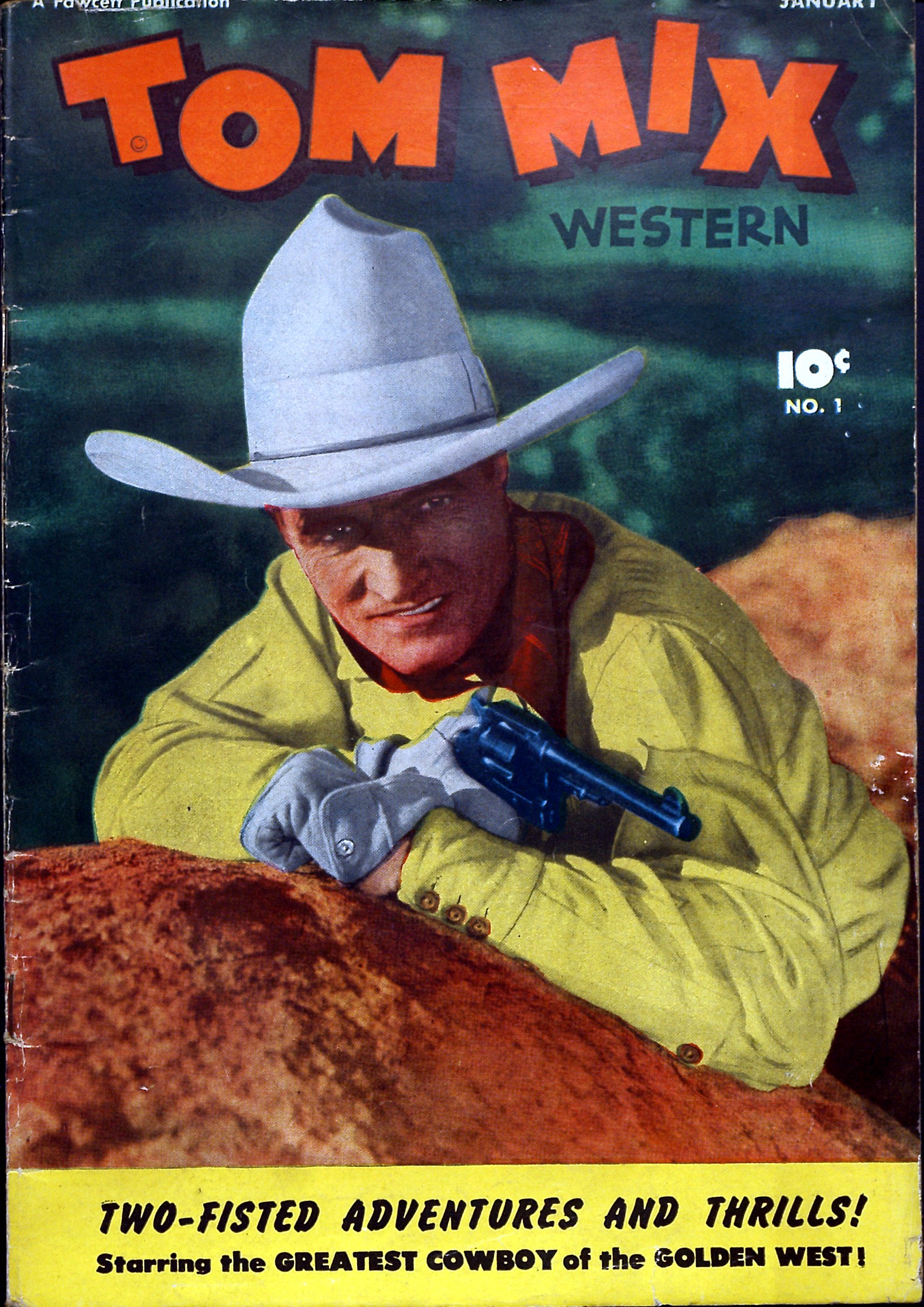
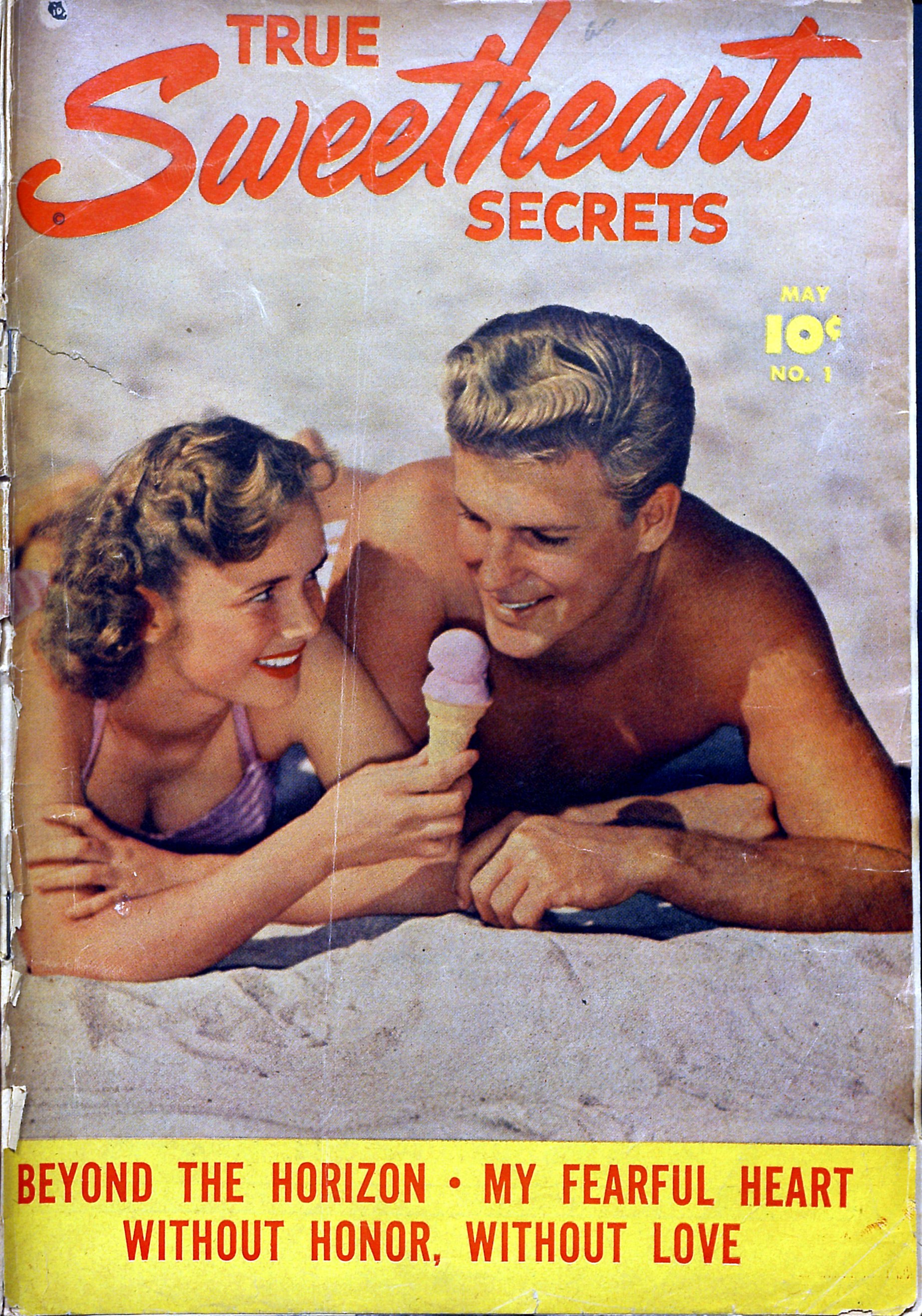
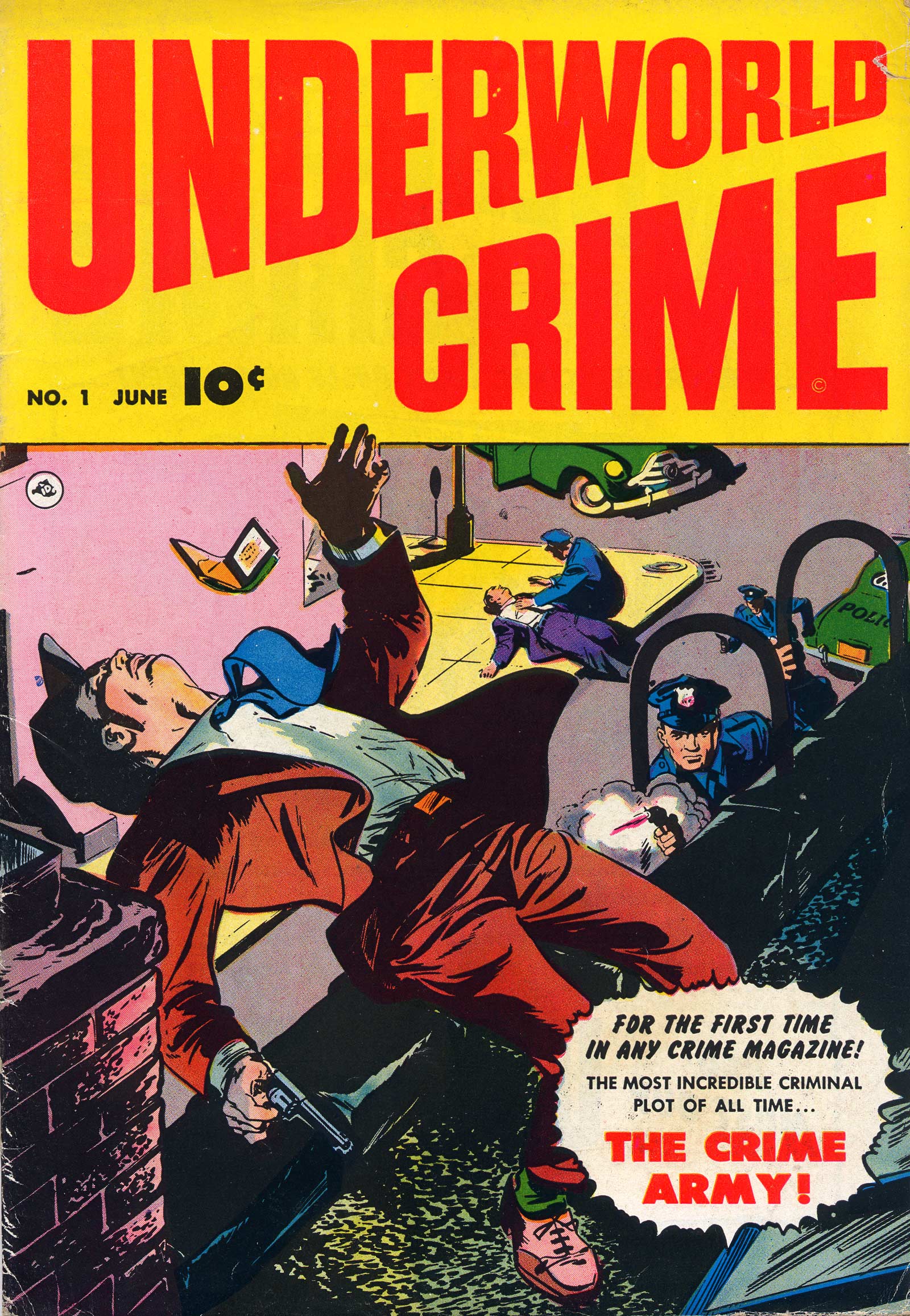
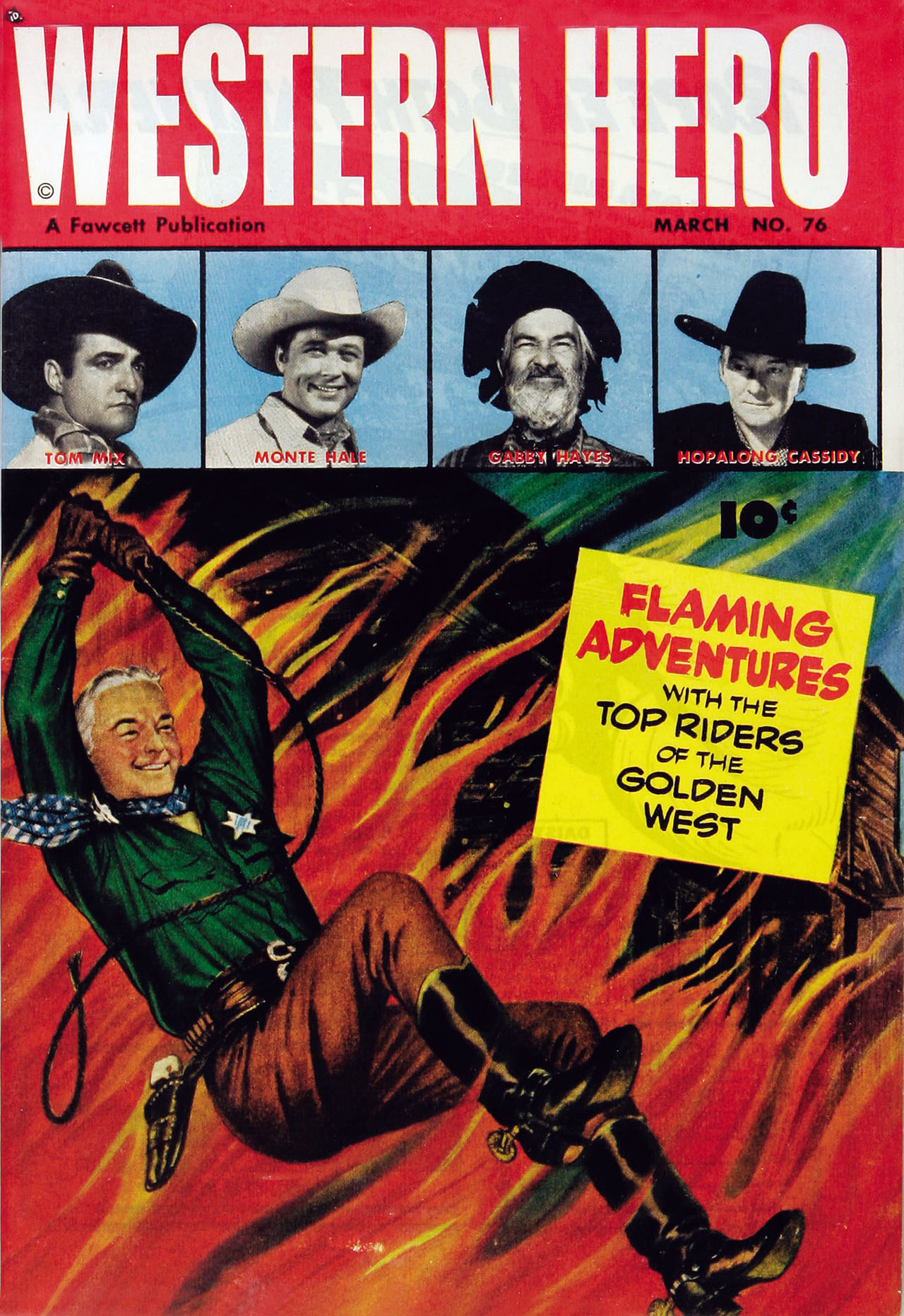
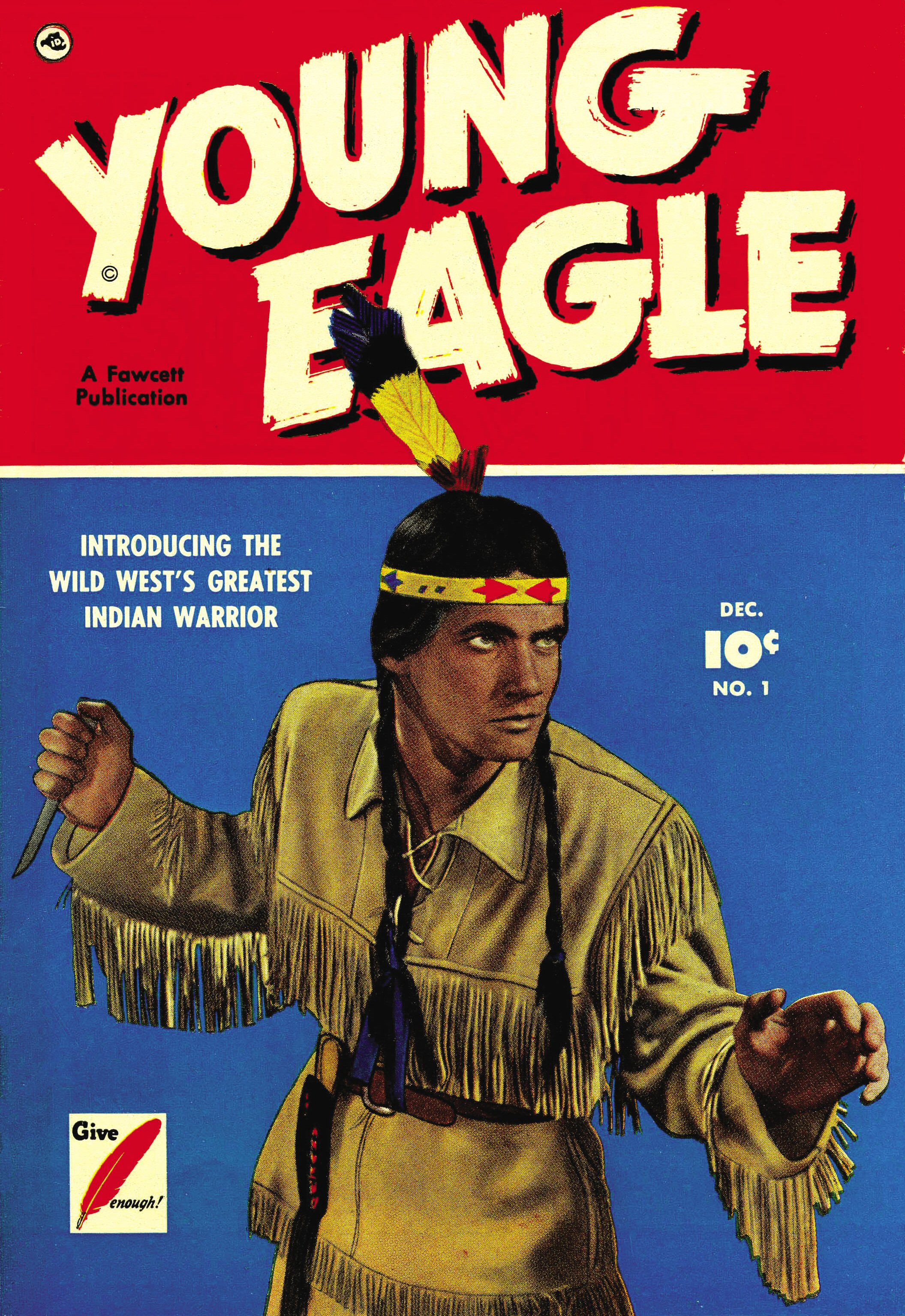
Fawcett Publications was a highly successful publishing company in the early to mid-1900s. Founded in 1919 by Wilford Fawcett, the company expanded from the publication of Captain Billy’s Whiz Bang magazine to include a line of periodicals with a combined circulation of ten million a month. The company entered the world of comic book publishing in the late 1930s and early 1940s, with the development of the iconic superhero character Captain Marvel.

Captain Marvel, created by artist C.C. Beck and writer Bill Parker, was initially published under the name « Captain Thunder » but was later renamed due to a trademark dispute with Marvel Comics. The character quickly became one of the most popular superheroes of the 1940s, even outselling Superman. The character’s popularity was due in part to his unique concept and design, with the young Billy Batson transforming into the adult Captain Marvel by saying the magic word « Shazam, » granting him a variety of superhuman abilities. This concept resonated with readers, particularly children who could relate to Billy Batson’s sense of wonder and empowerment.
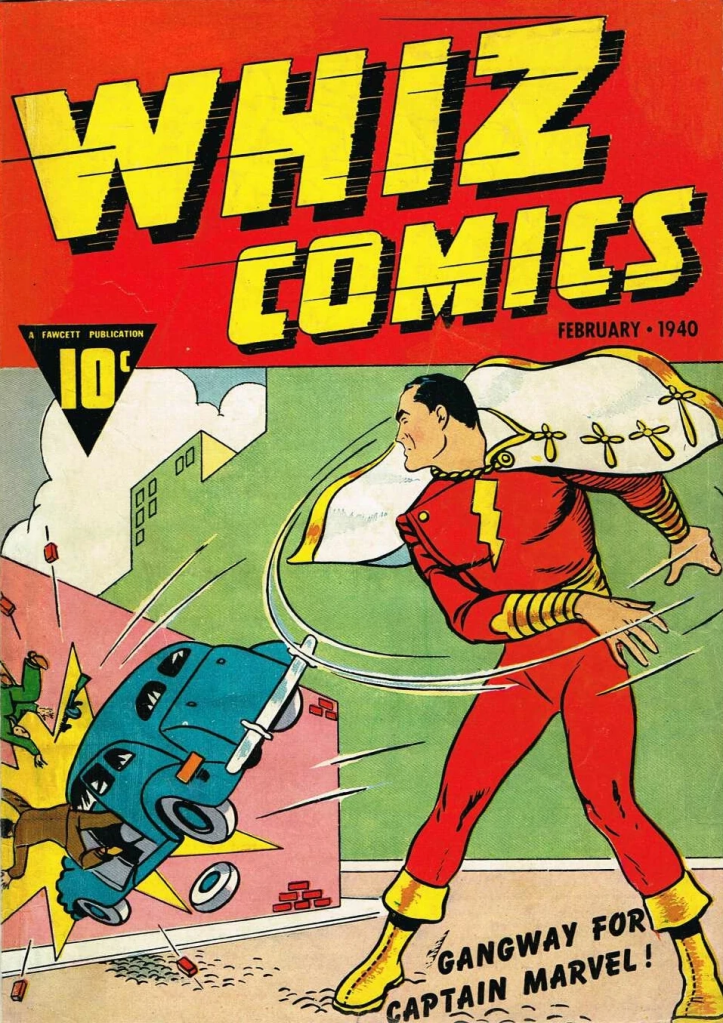
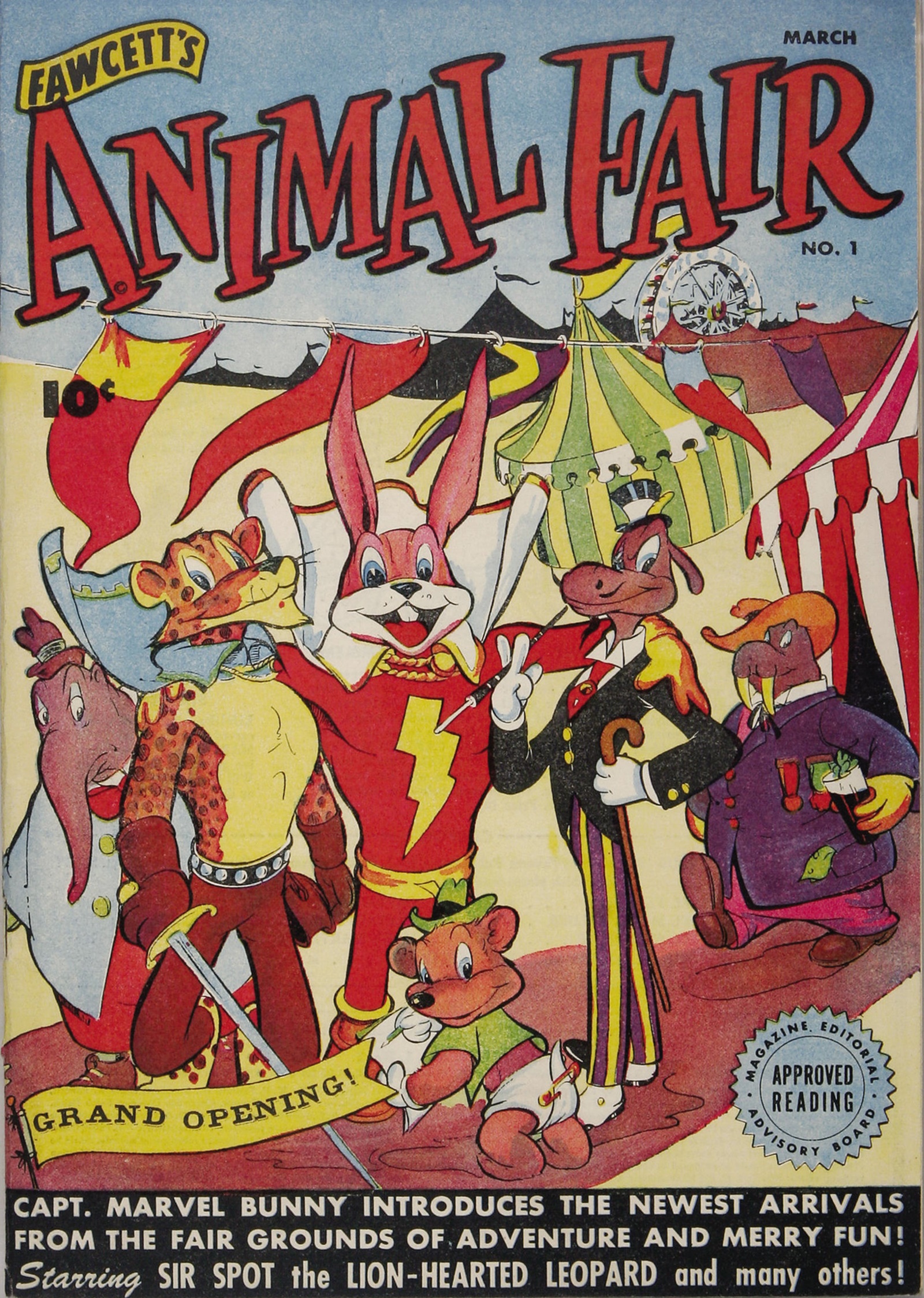
Fawcett Comics also published other notable superhero characters, including Mary Marvel, Captain Marvel Jr., and the Marvel Family. However, the success of Captain Marvel was short-lived, as Fawcett Comics faced legal challenges from DC Comics over similarities between Captain Marvel and Superman. In the early 1950s, Fawcett Comics ceased publication of its superhero comics due to these legal issues and declining sales.

Despite the legal battles and decline of Fawcett Comics, Captain Marvel’s legacy has endured. The rights to the character have changed hands several times, with DC Comics currently owning the rights to the character since 1991. The character has been reinvented and revived several times by various publishers, and has appeared in numerous adaptations including animated TV shows, video games, and live-action movies. The legacy of Captain Marvel continues to inspire new generations of readers and fans, cementing the character’s place in the pantheon of comic book superheroes.
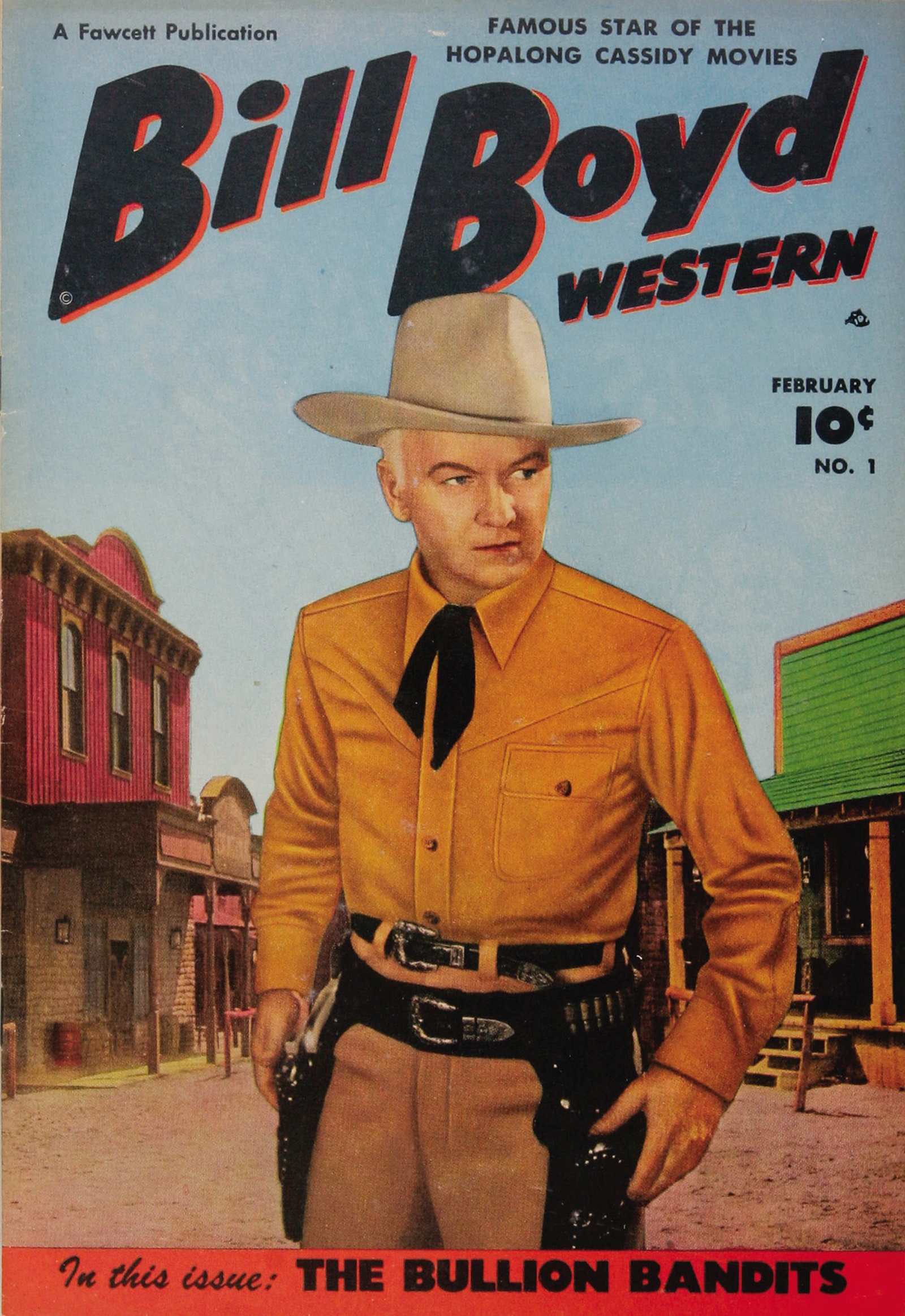
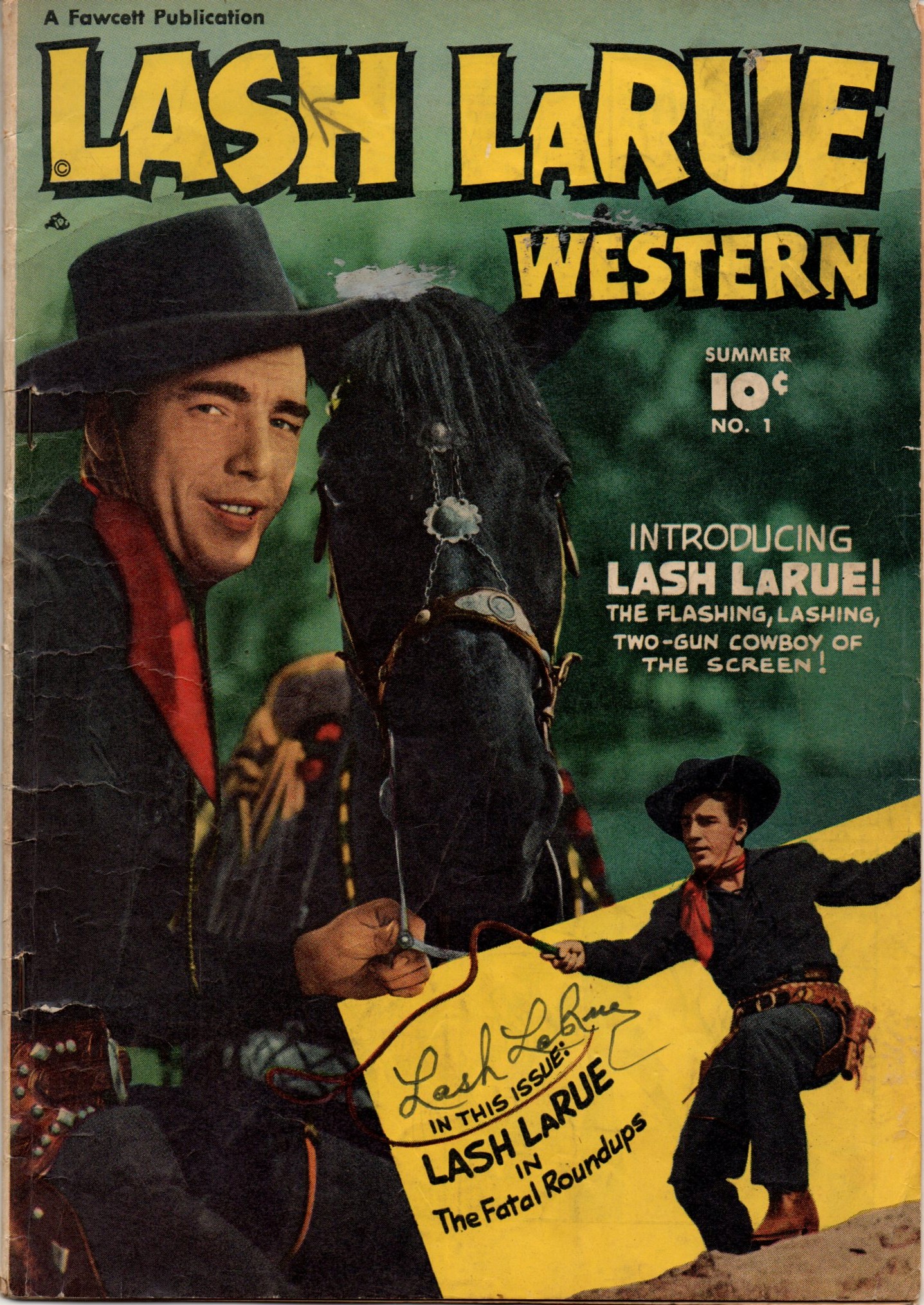
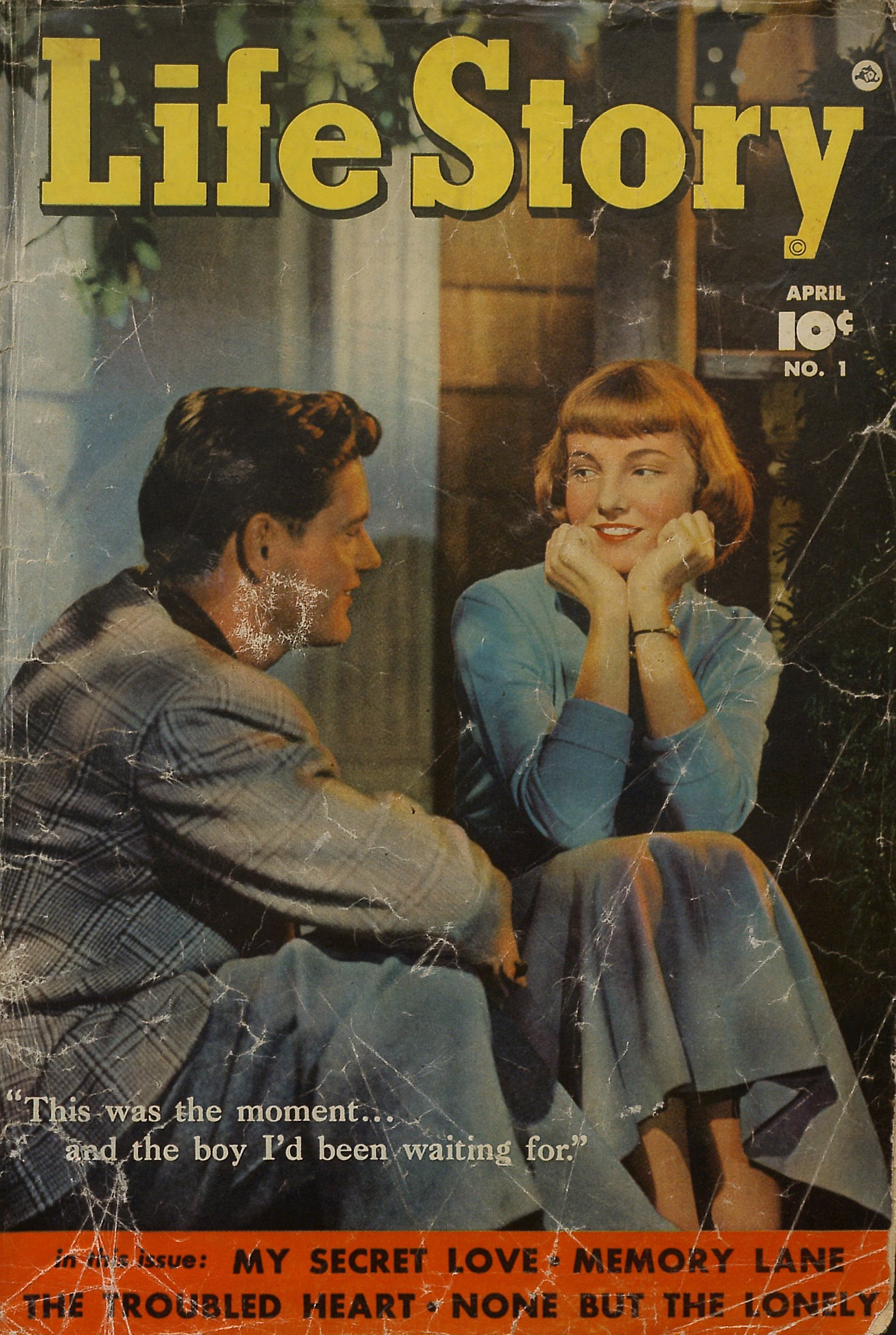
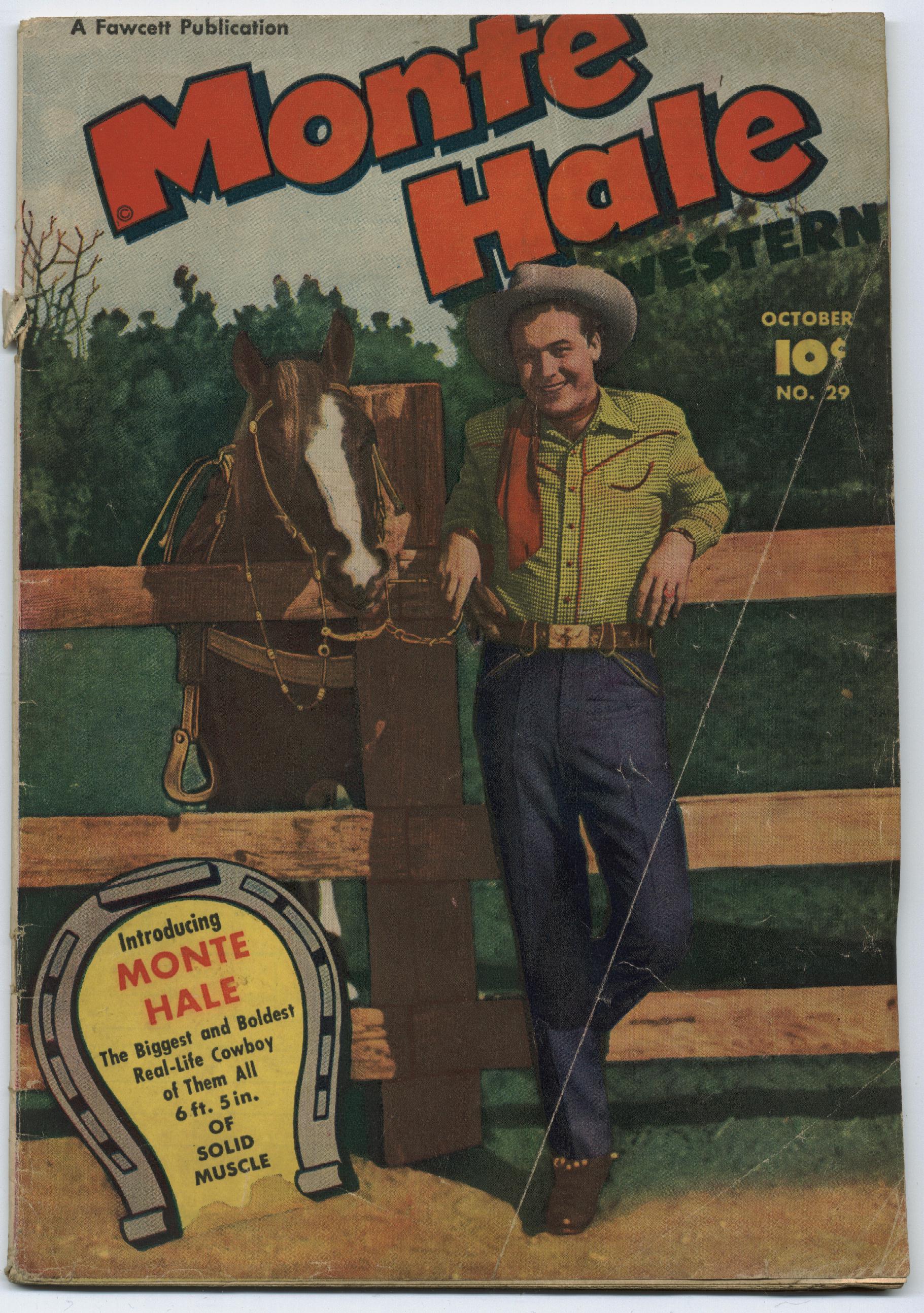
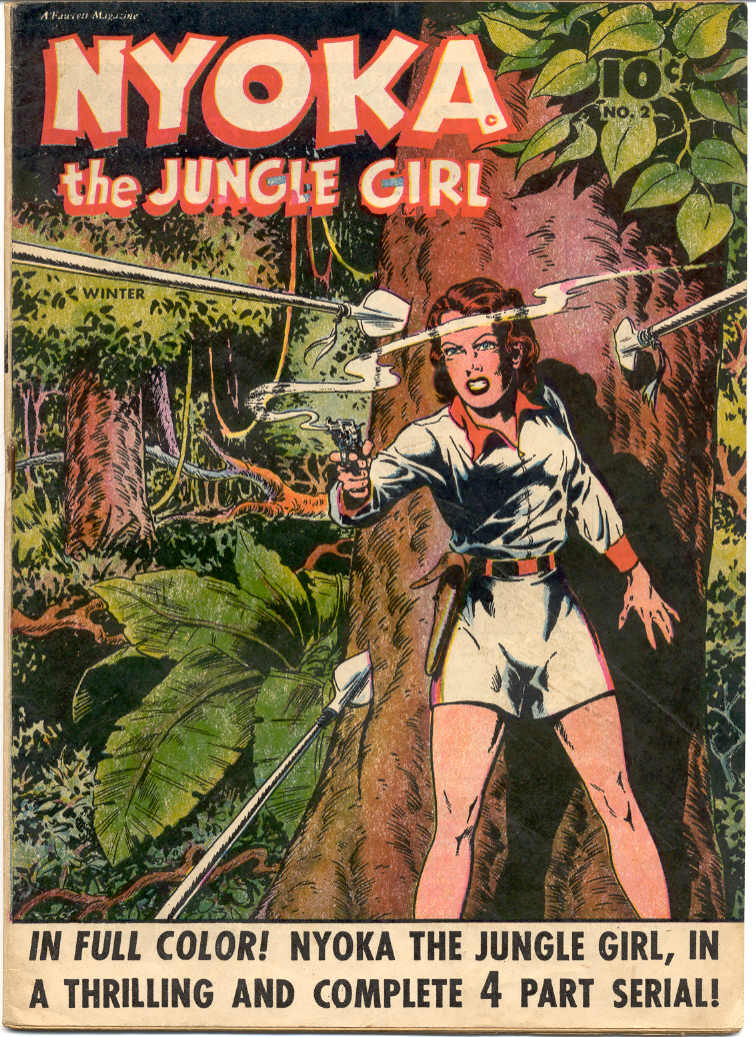
Some of Fawcett’s most famous characters and titles include:
Other notable Fawcett Comics titles and characters include Spy Smasher, Mister Scarlet and Pinky, and Minute-Man. Some of the artists who contributed to Fawcett Comics include C. C. Beck, Mac Raboy, Dan Barry, Kurt Schaffenberger, Pete Costanza, Leonard Frank, Carl Pfeufer, Jack Binder and many others.






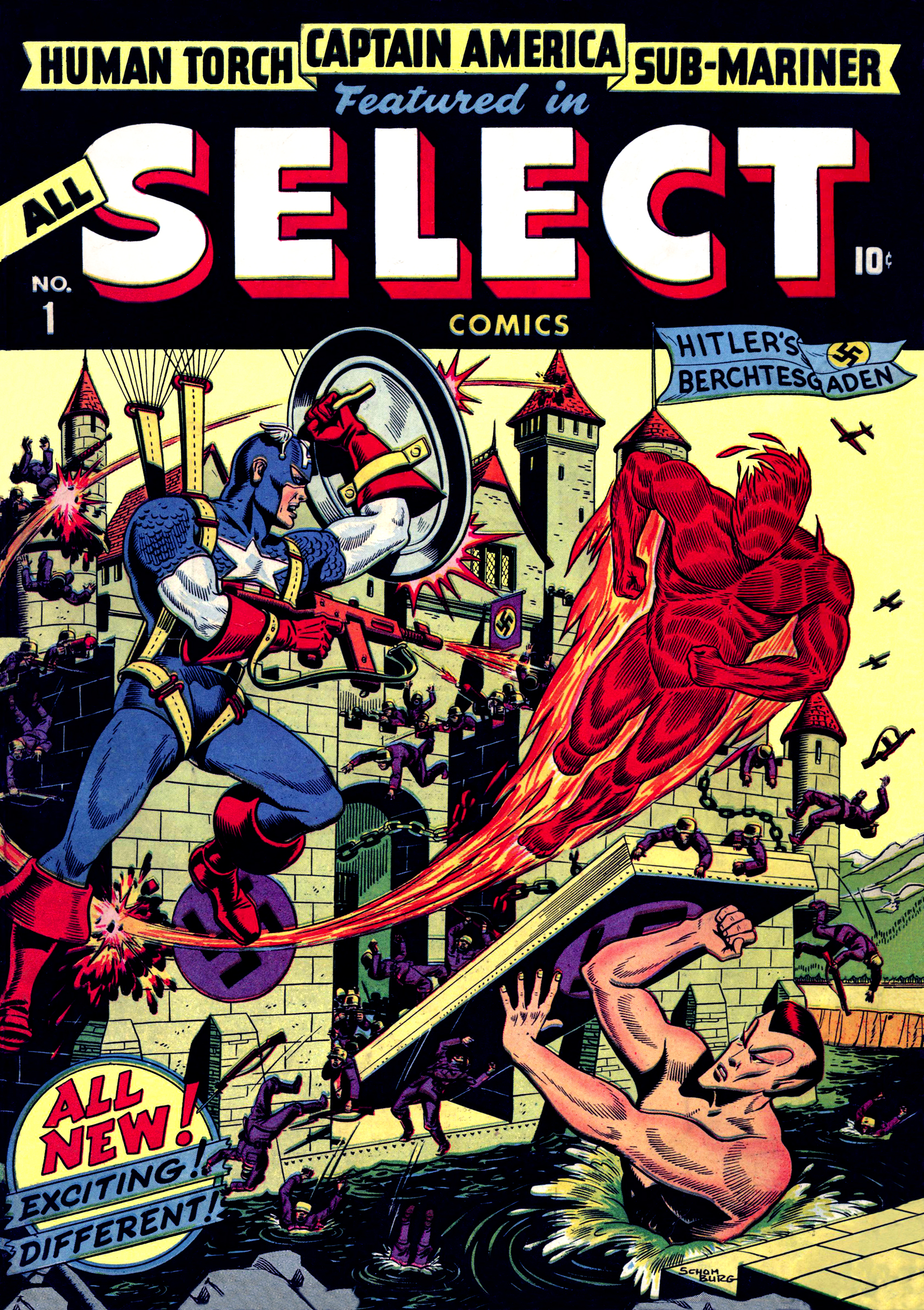
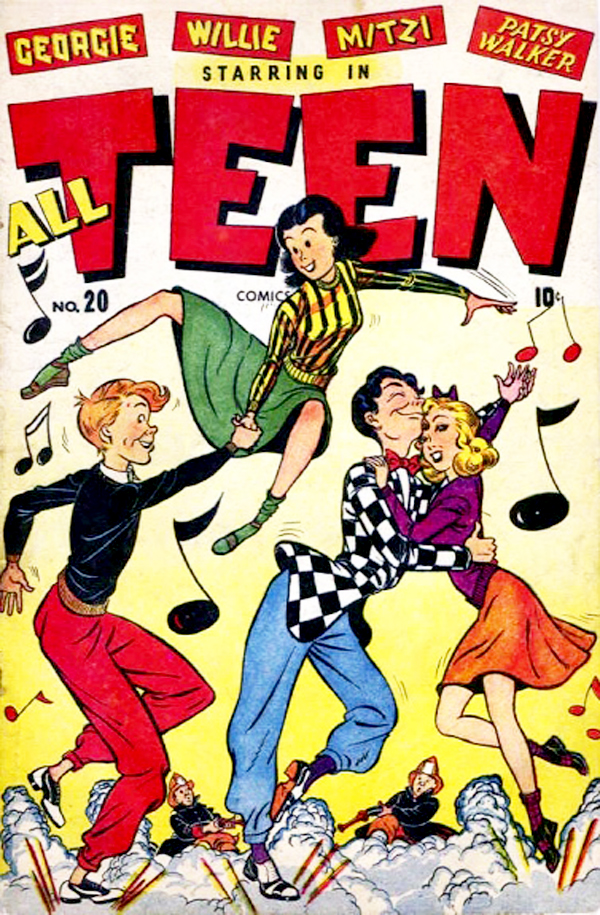
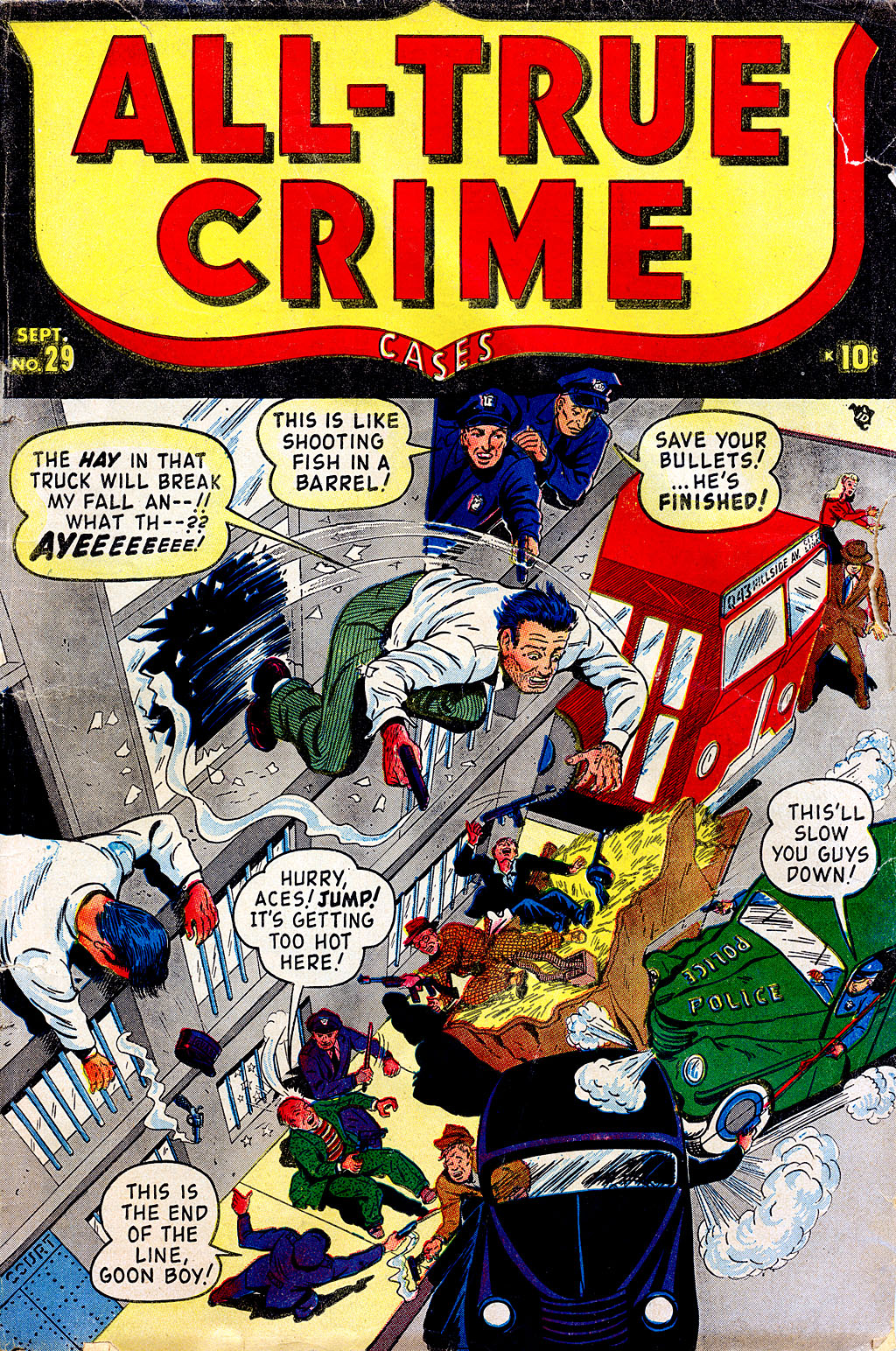
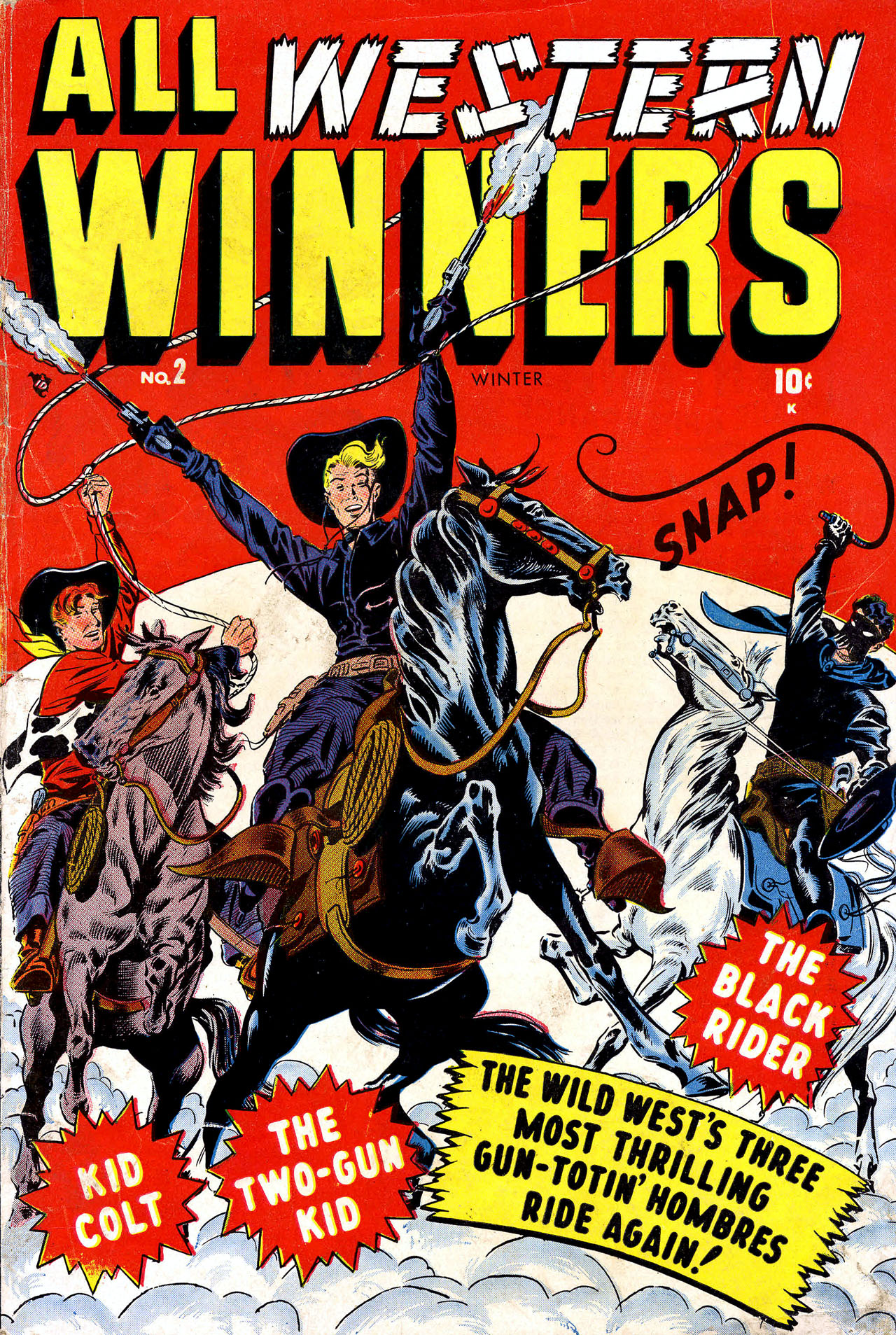
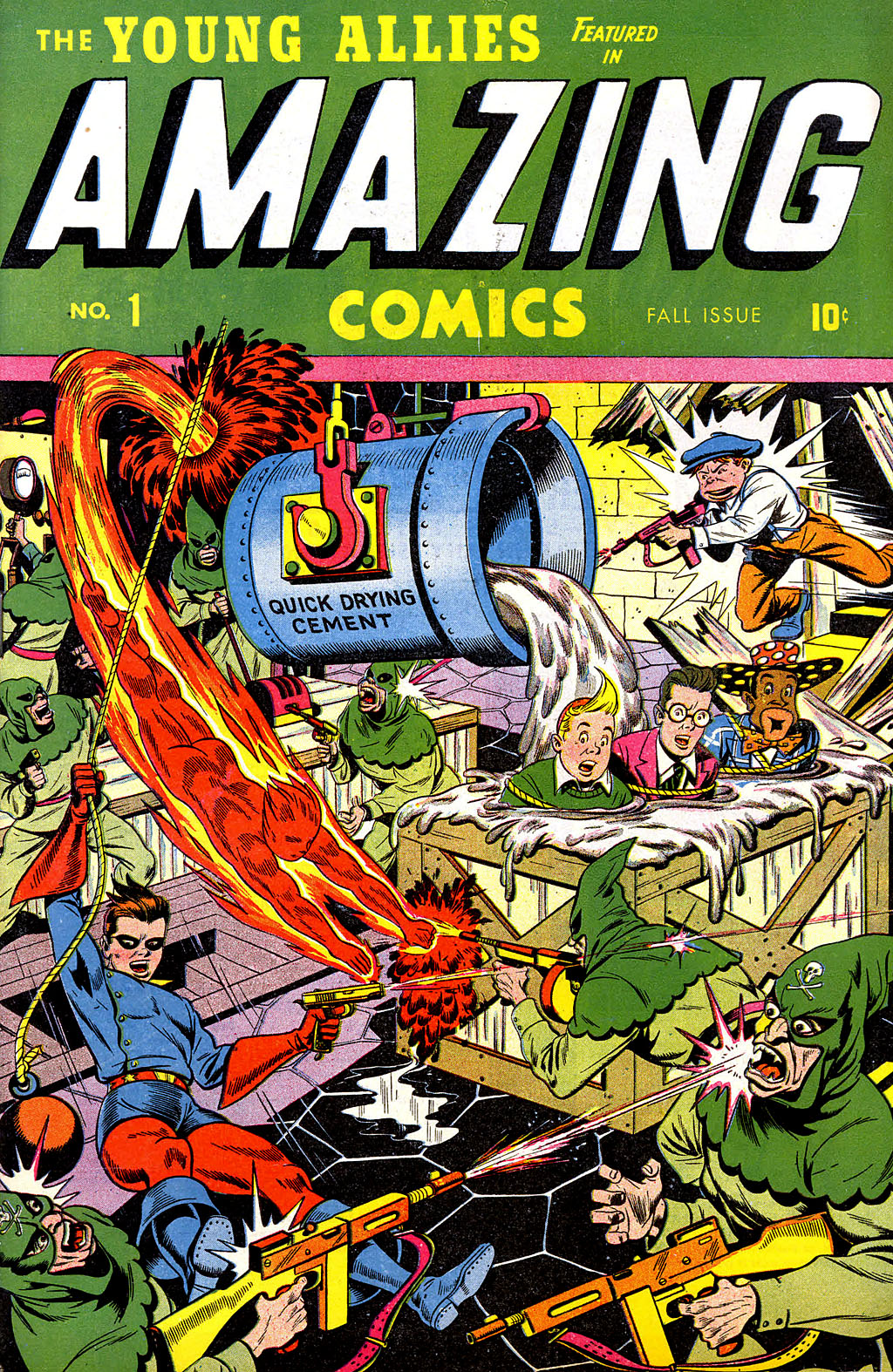
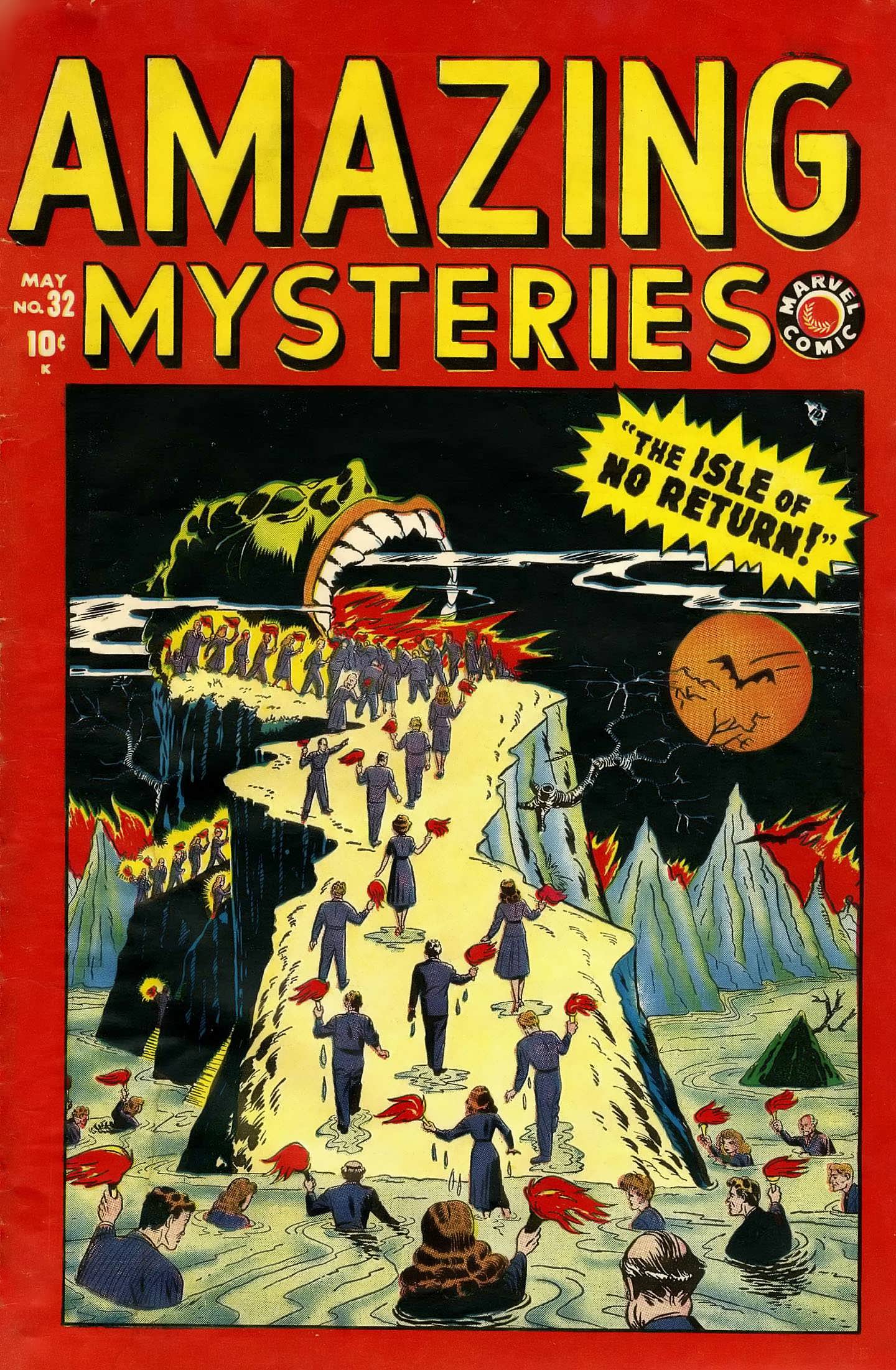
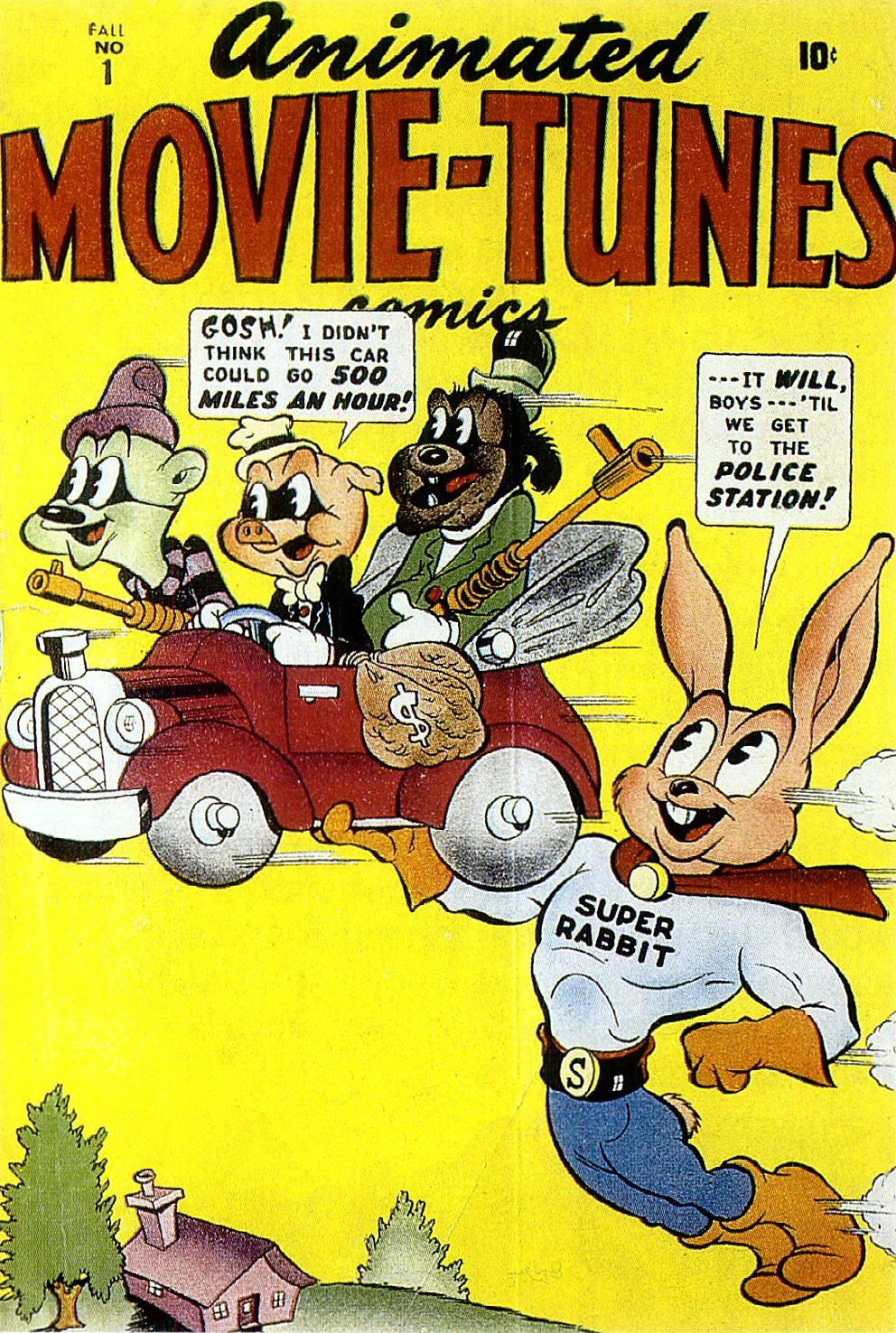
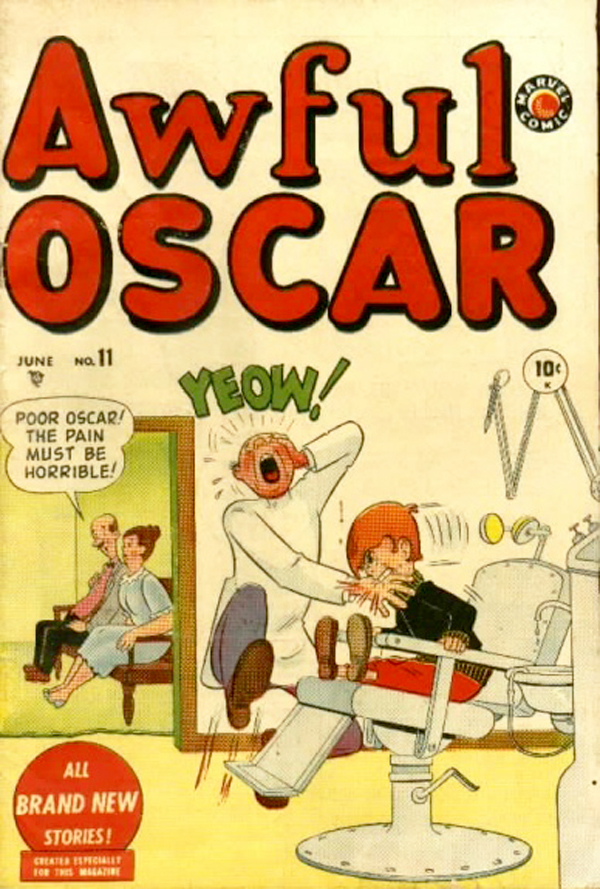
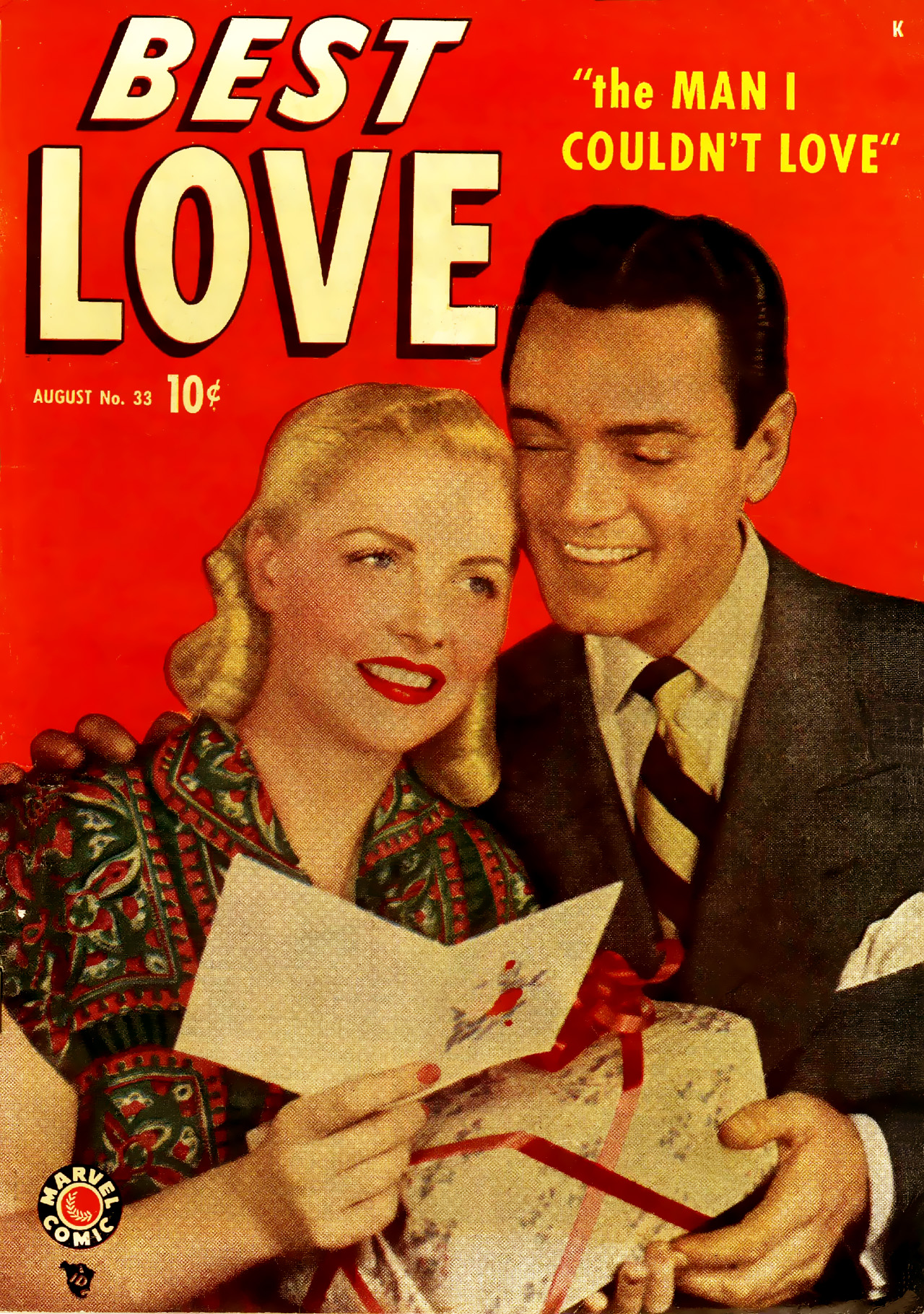
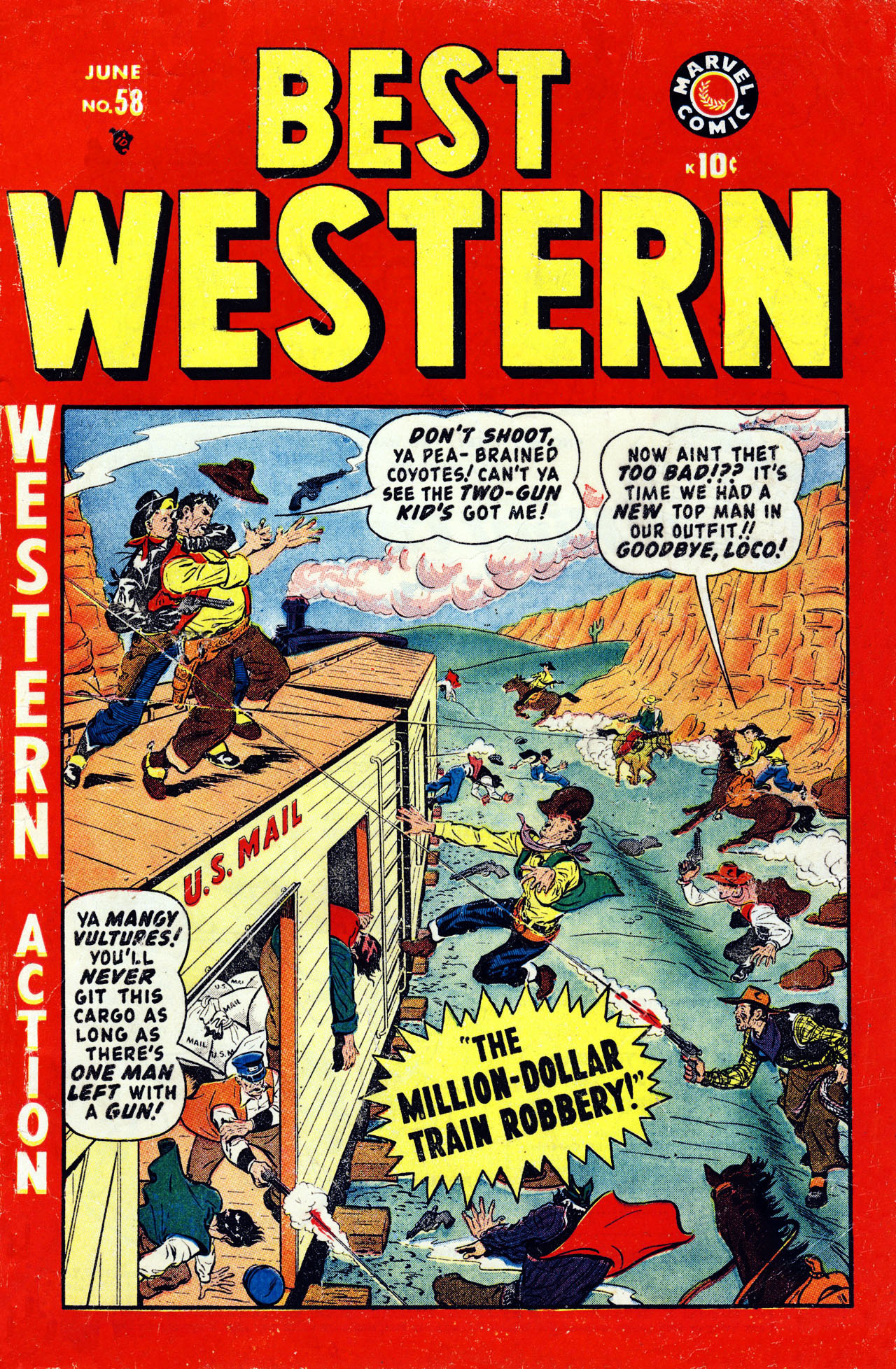
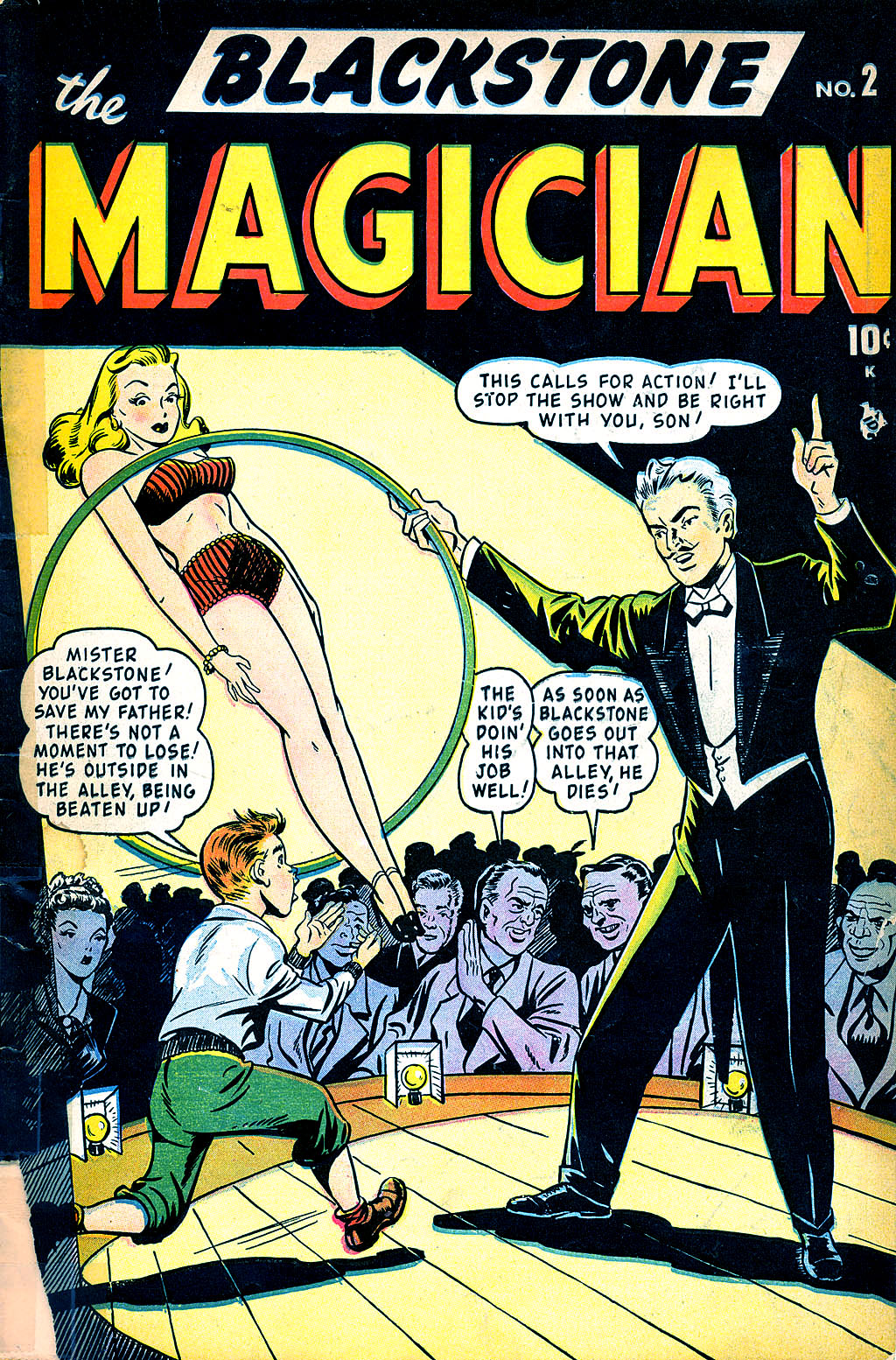
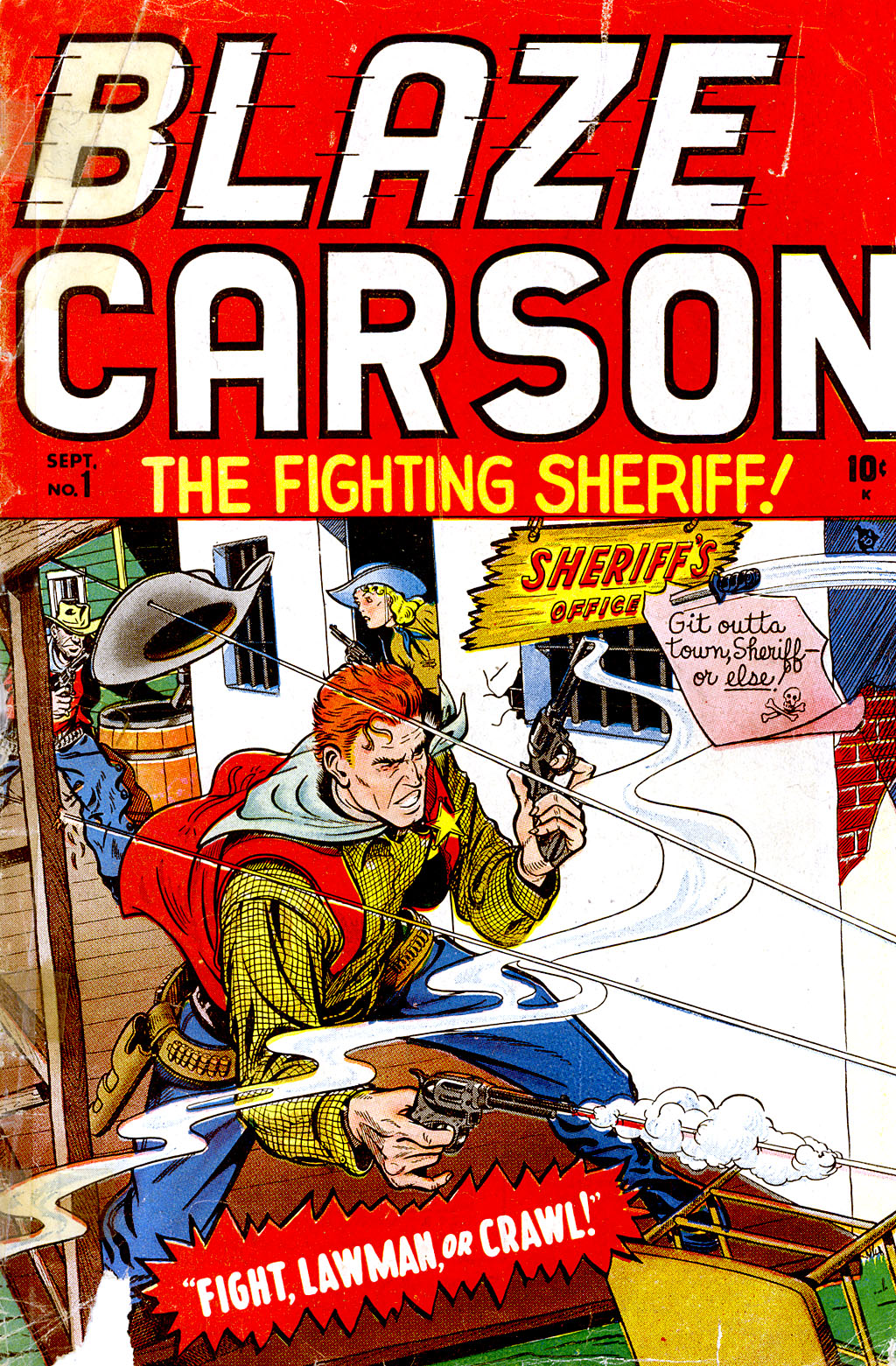
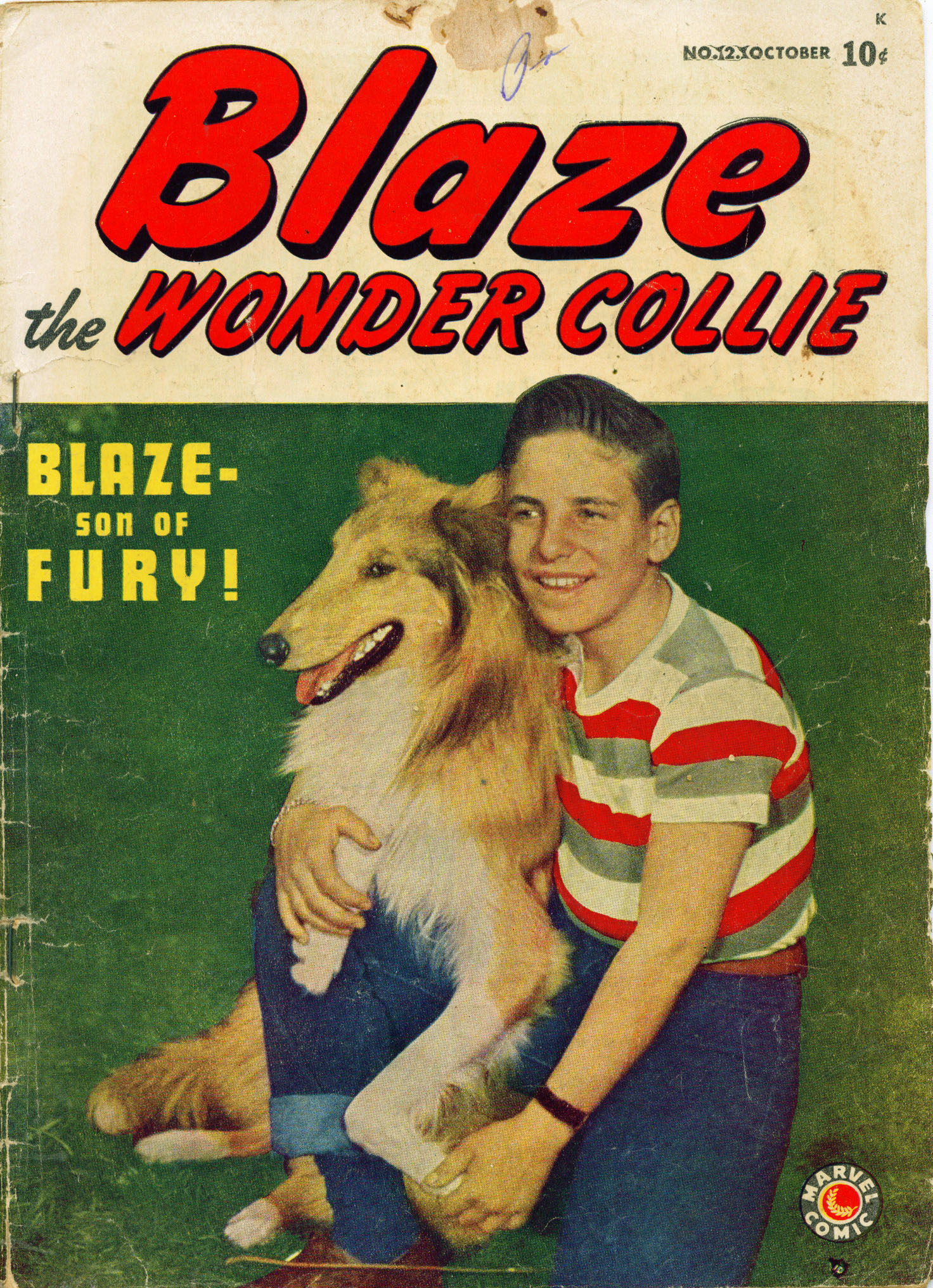
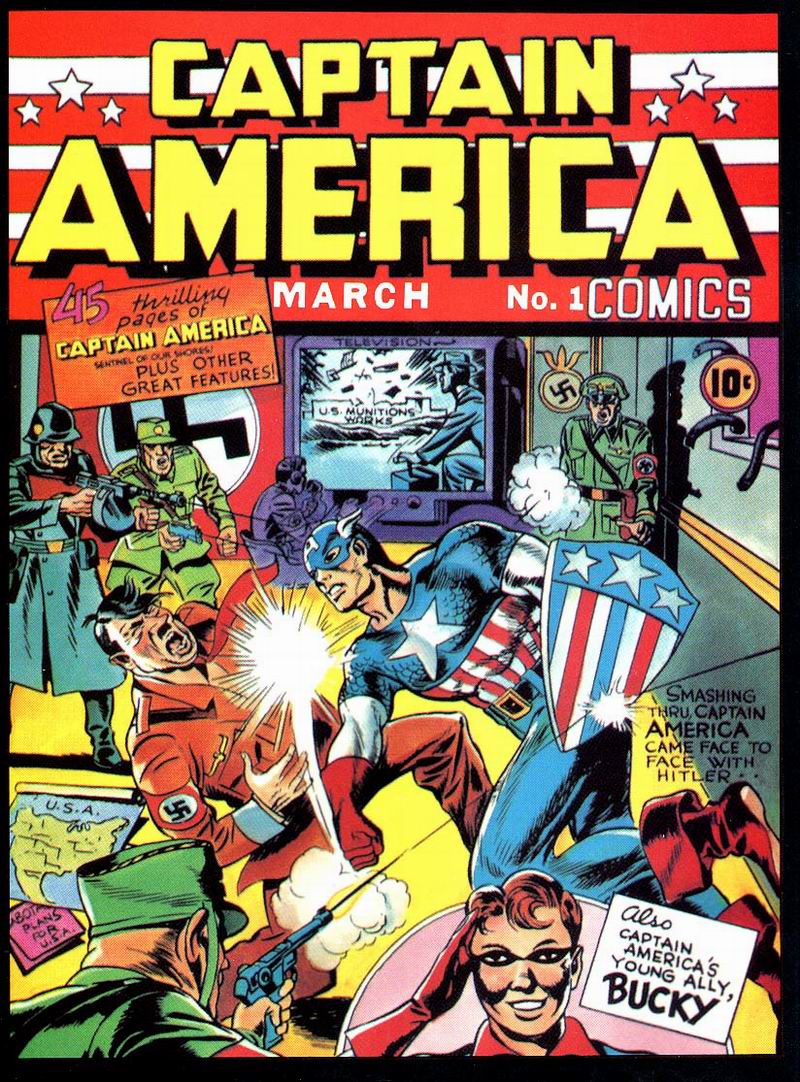
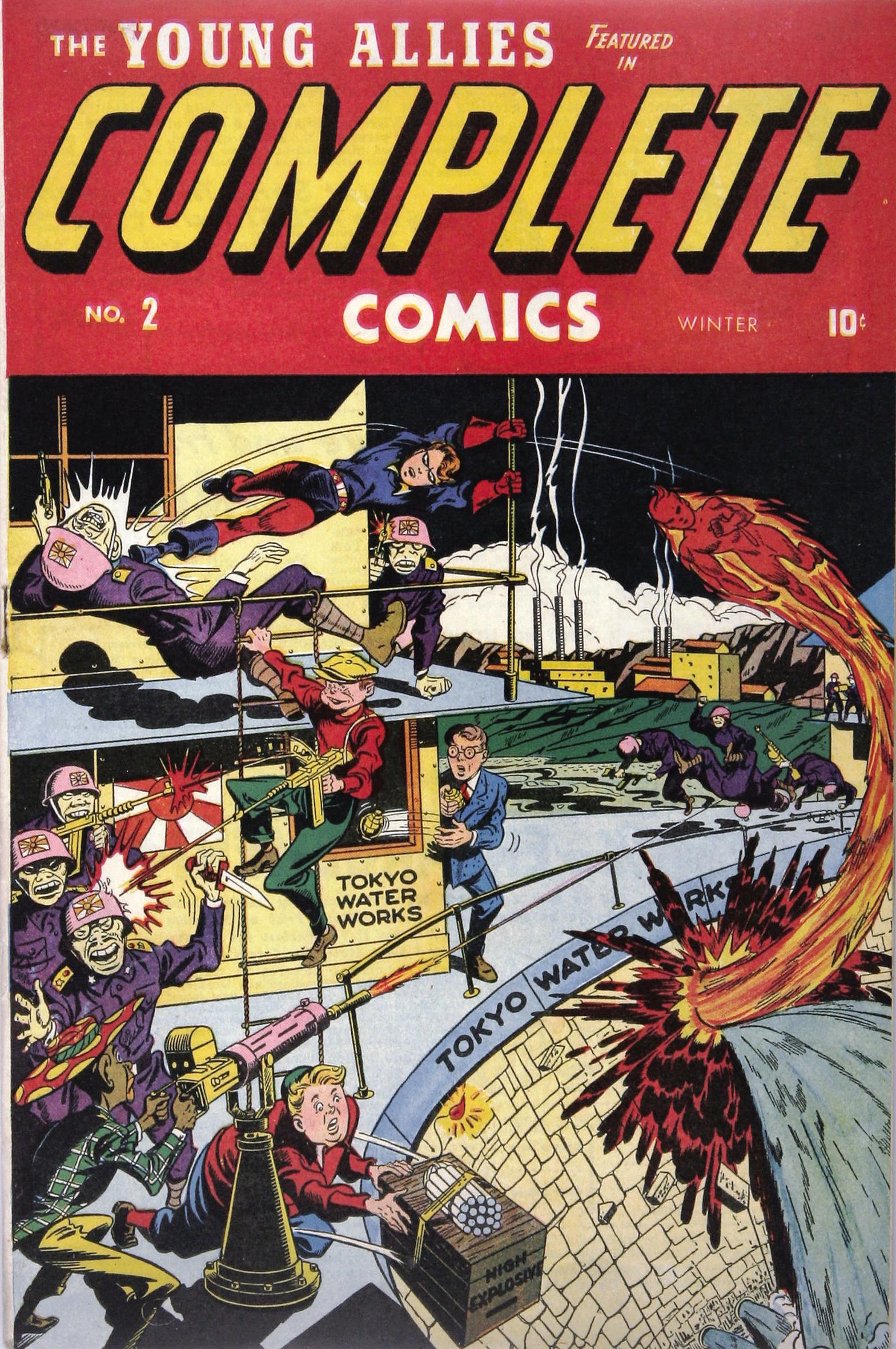
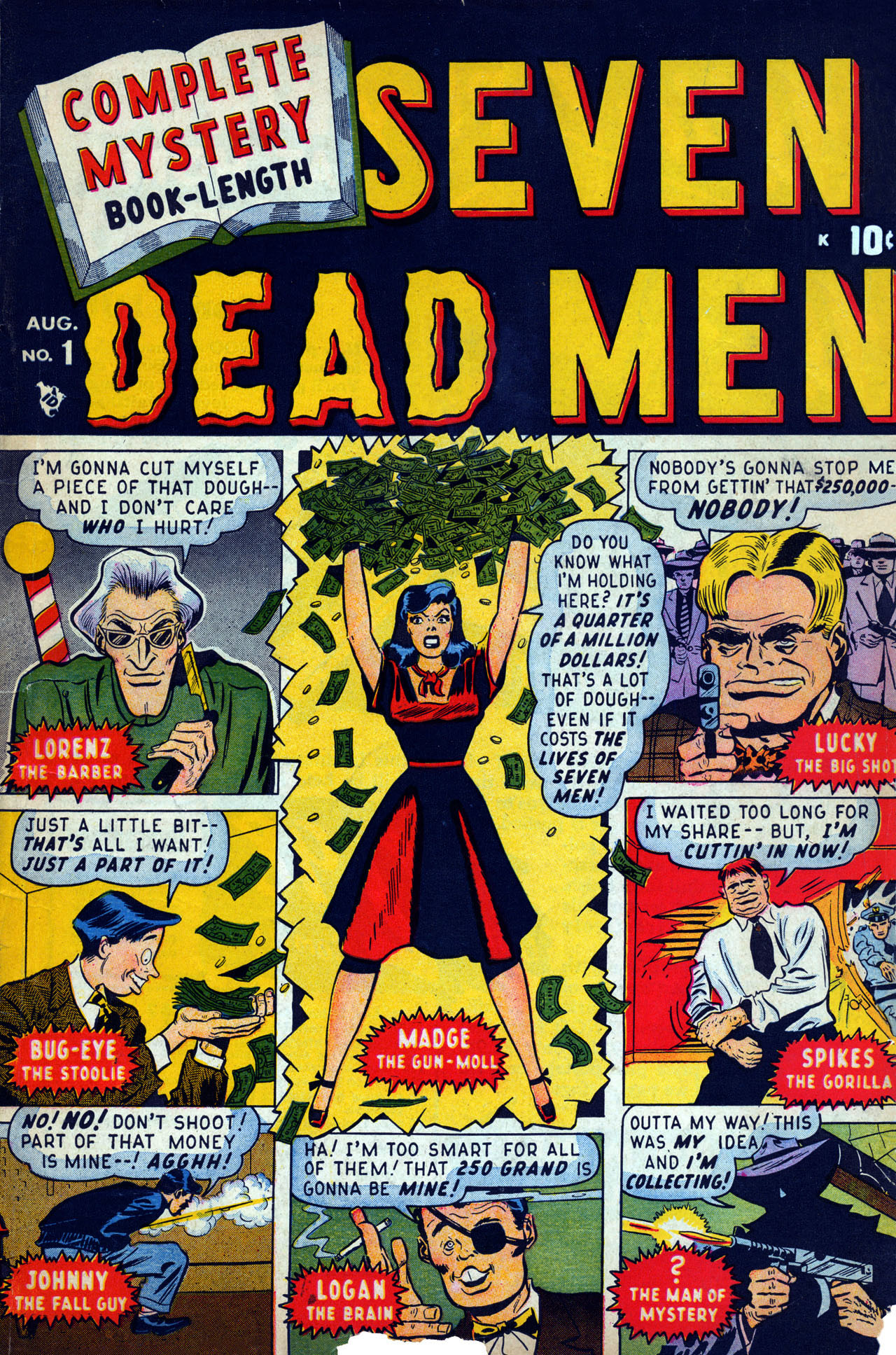
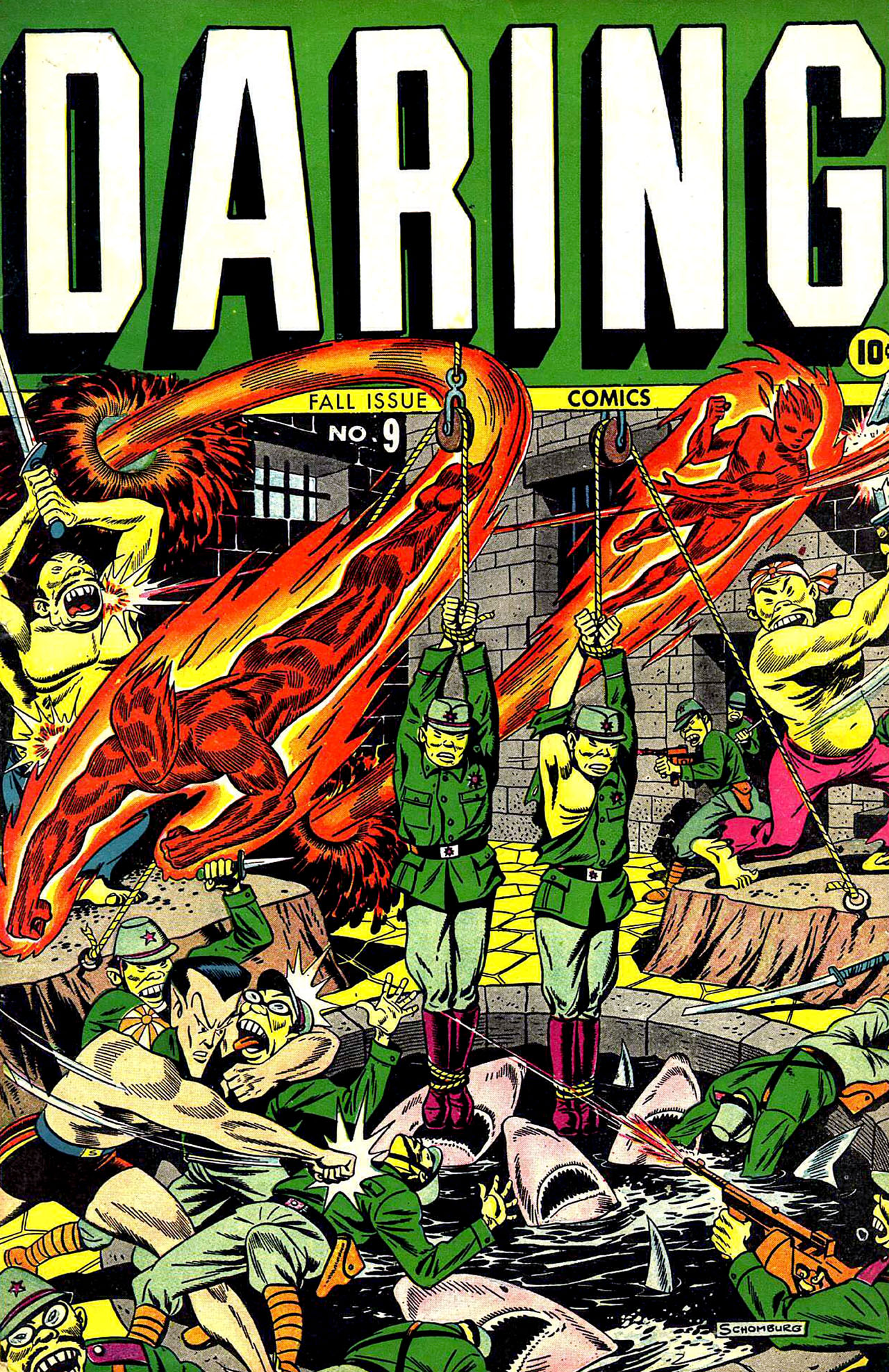
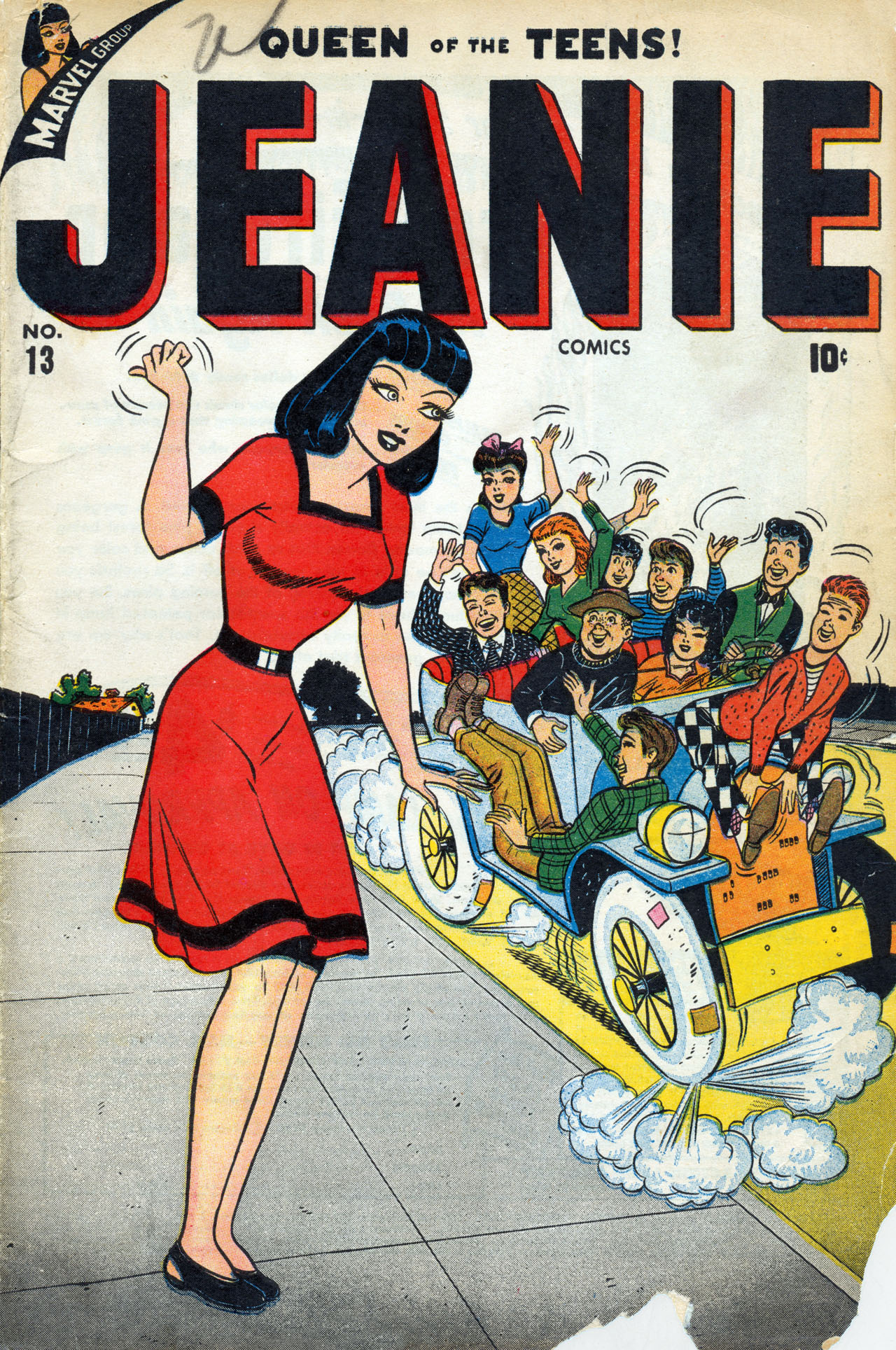
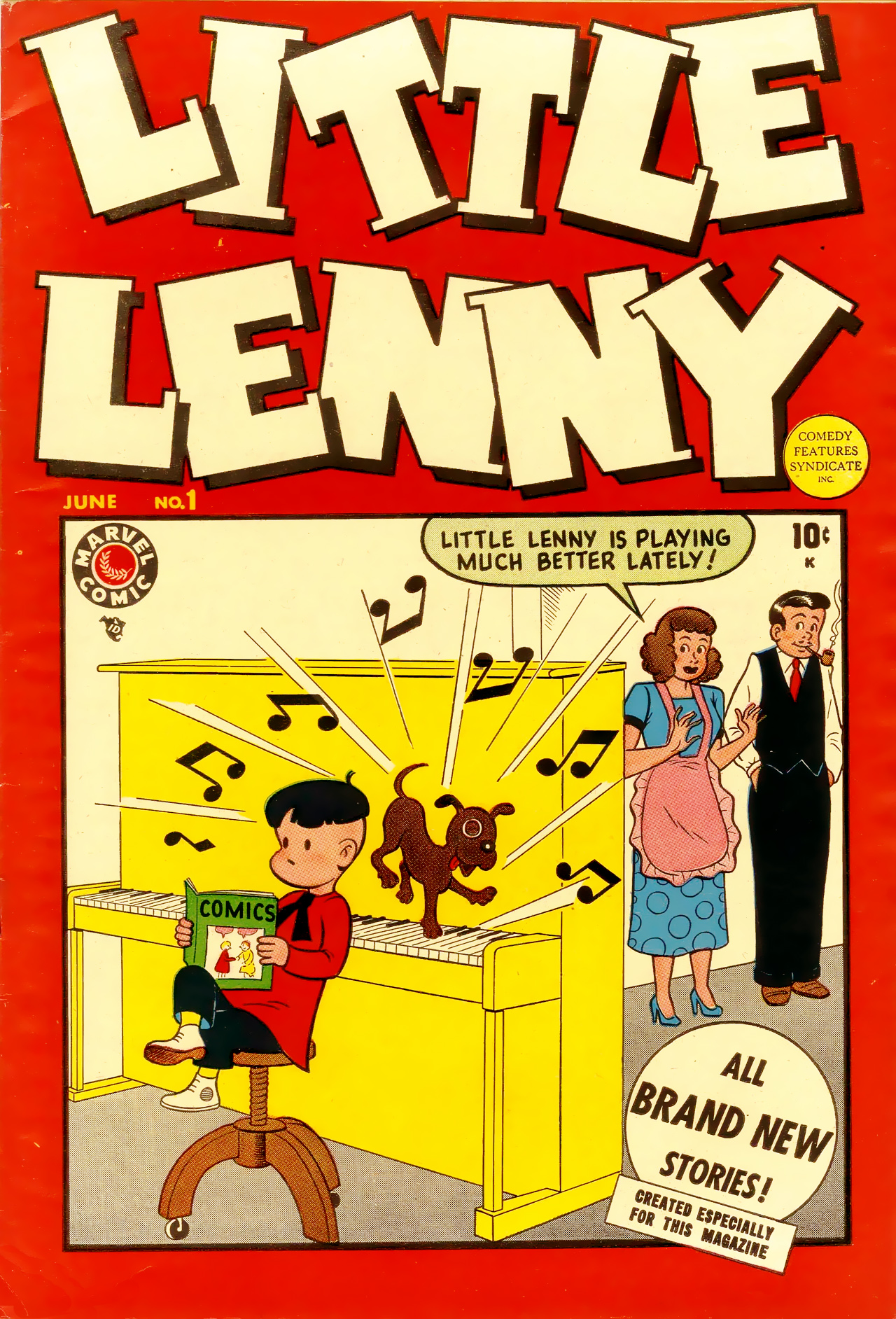
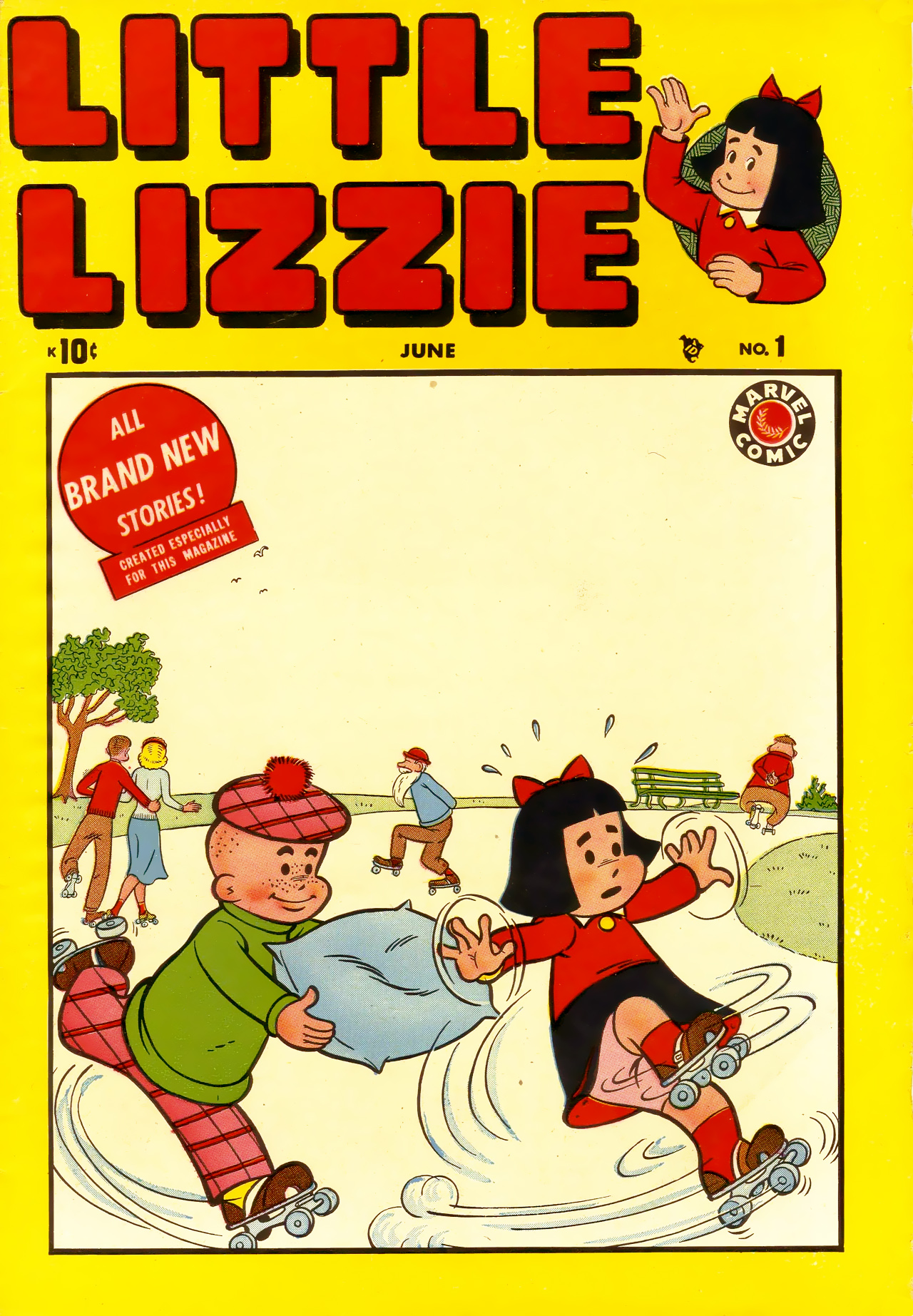
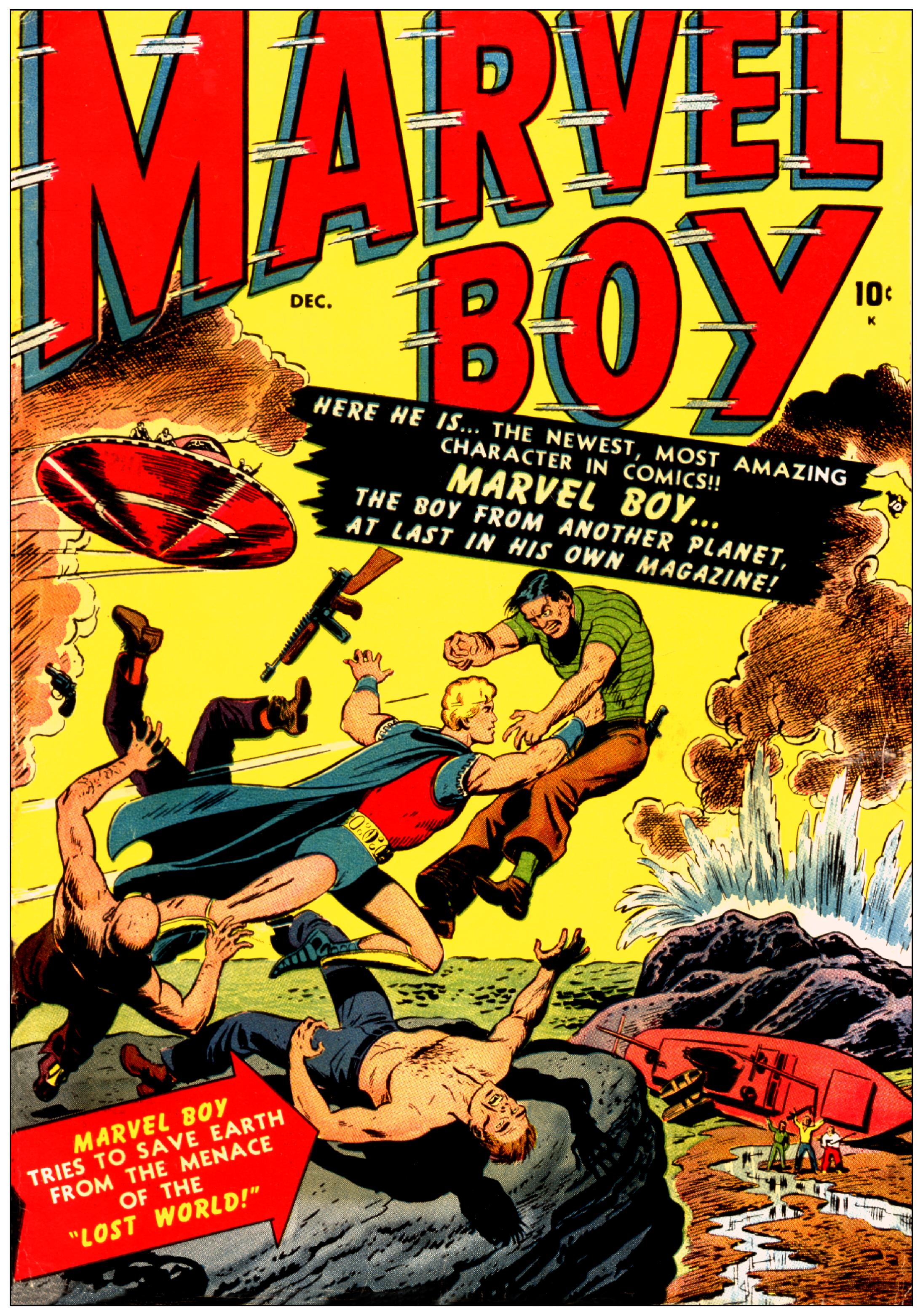
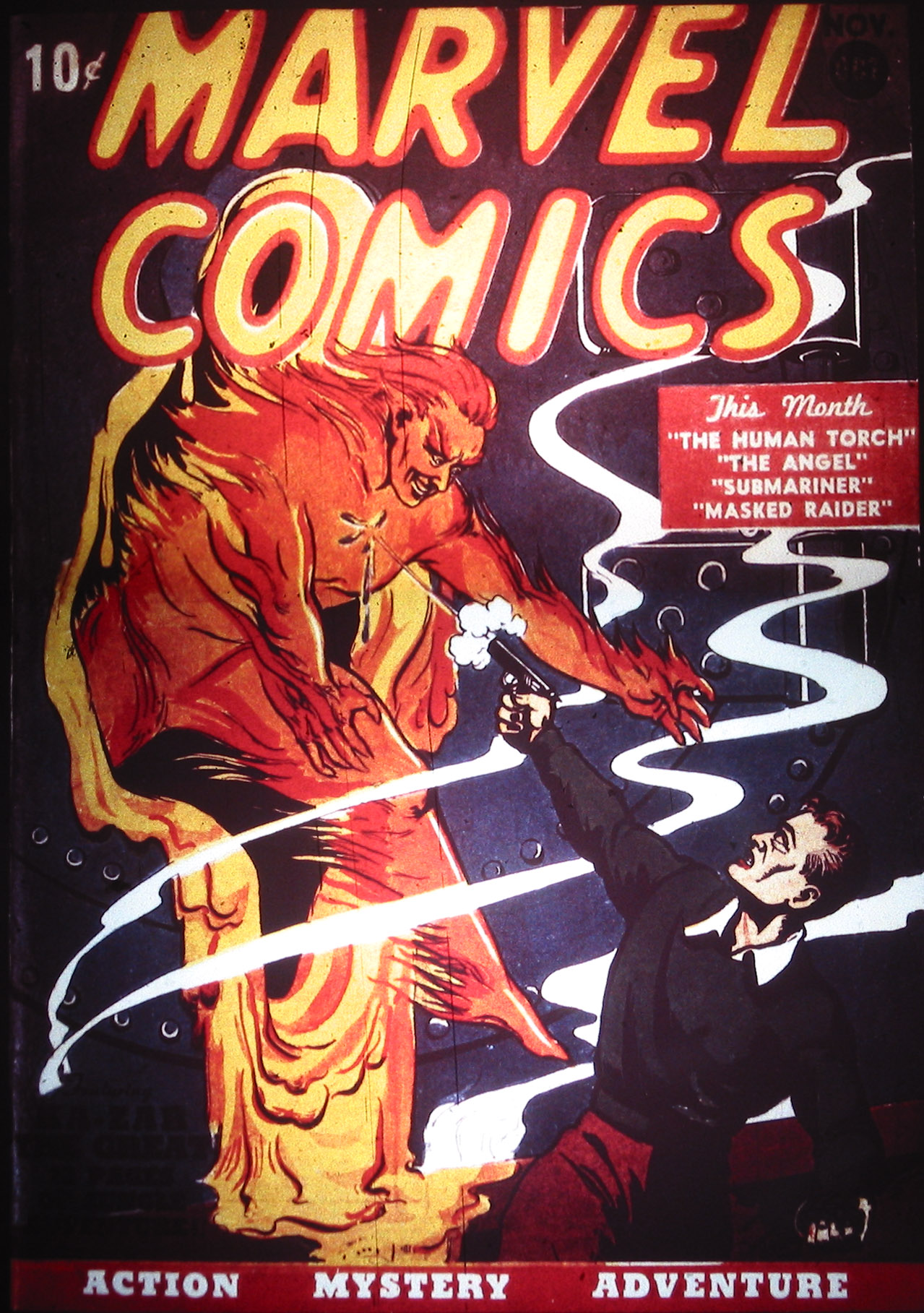
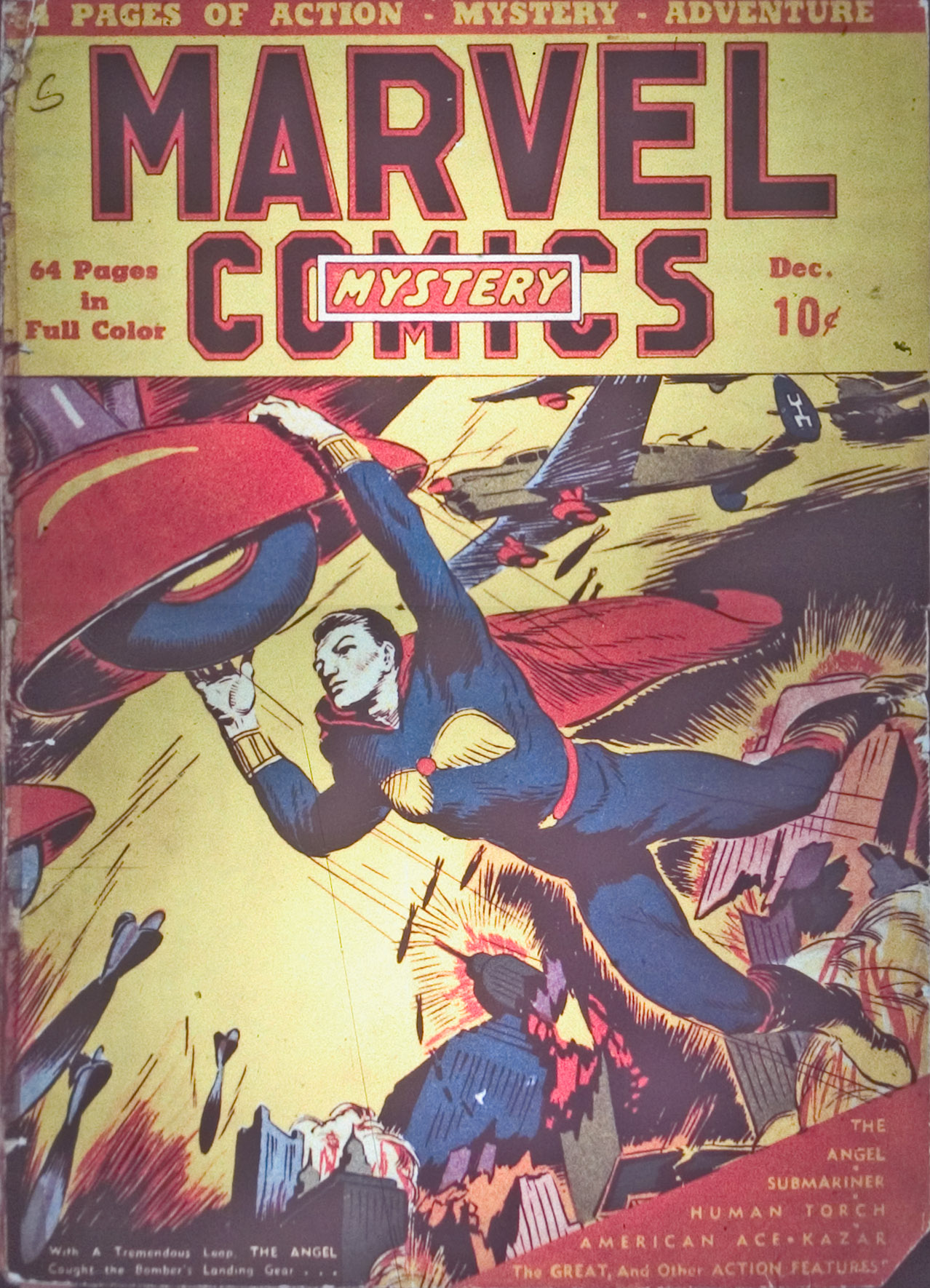
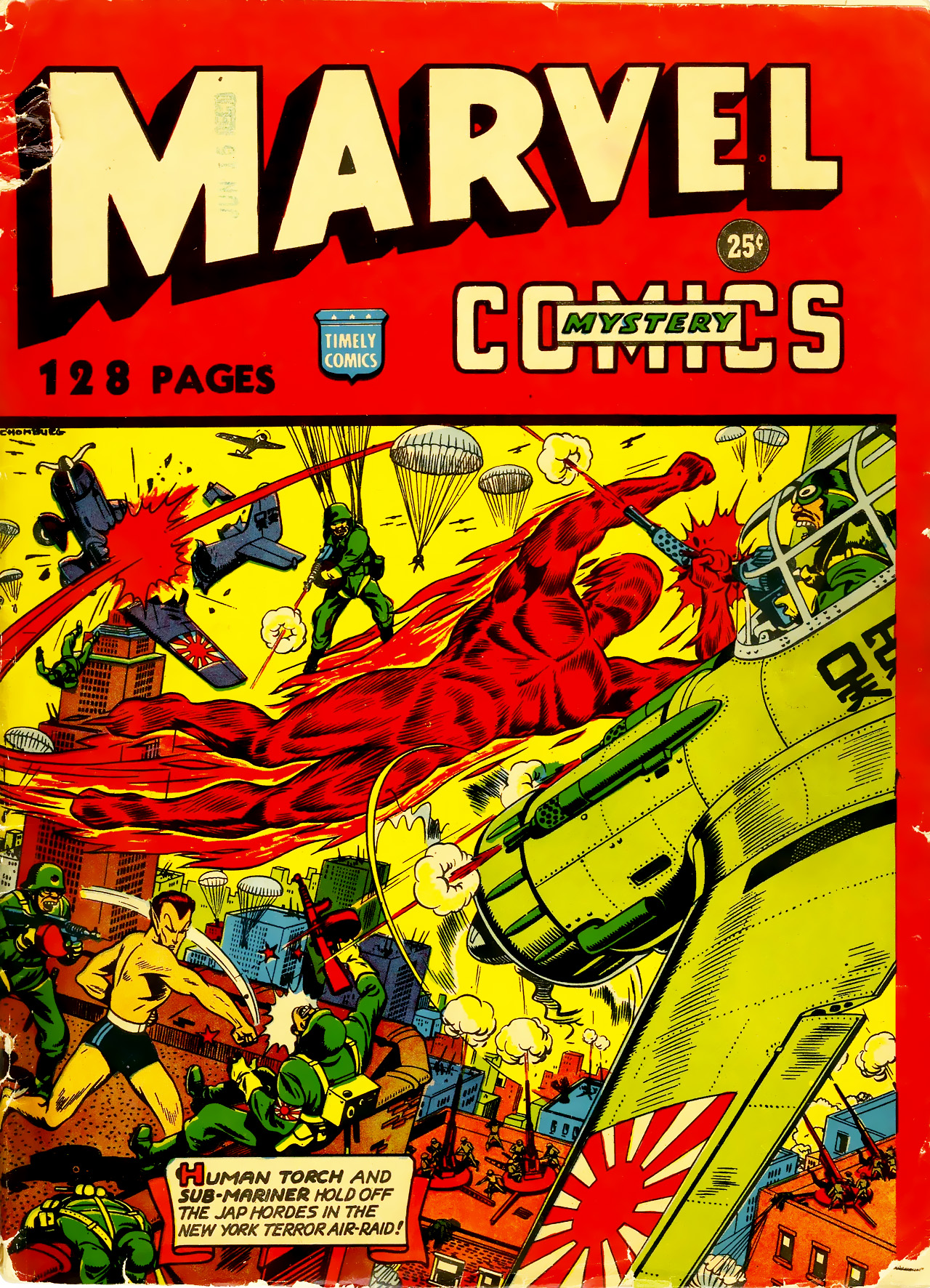
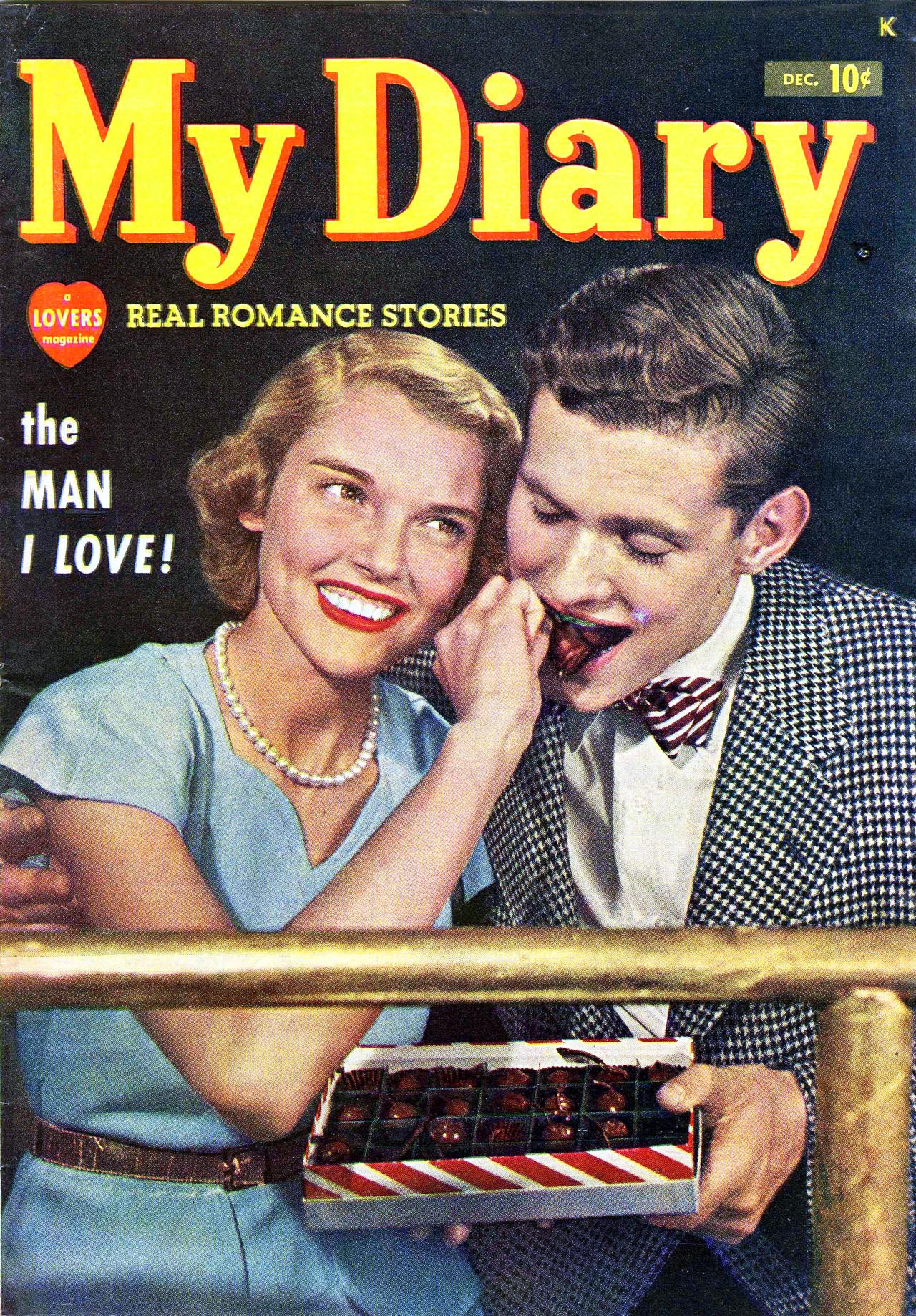
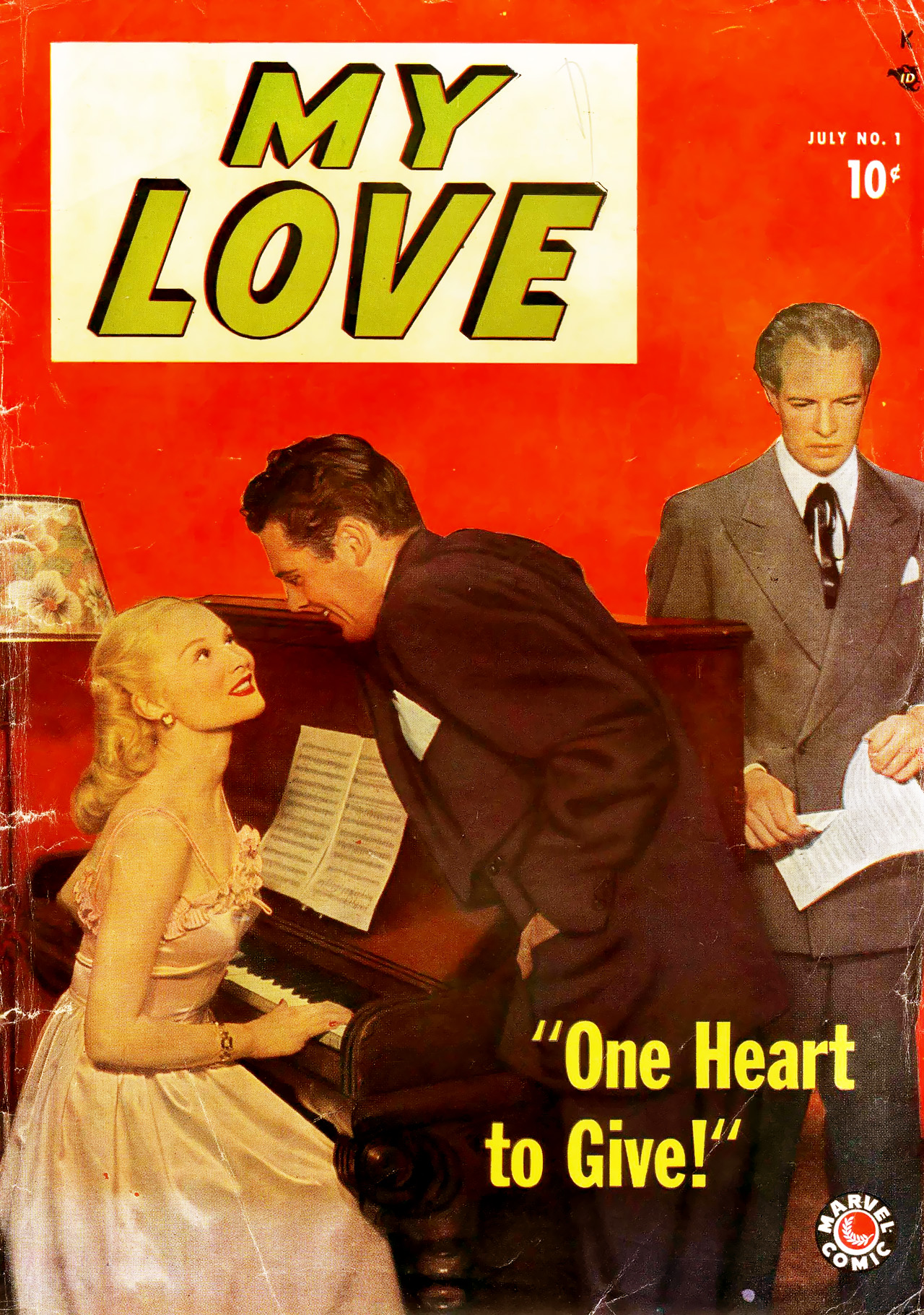
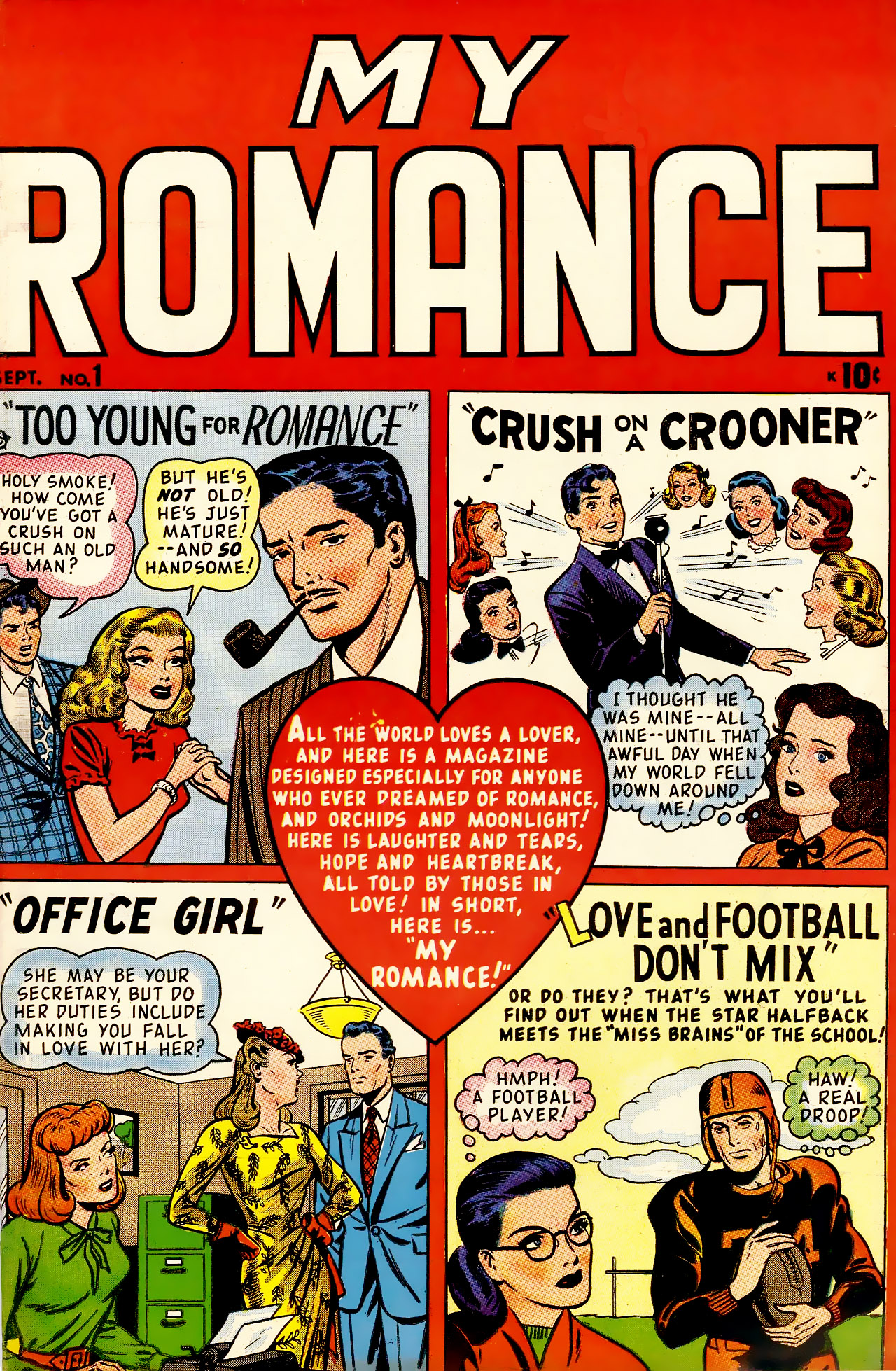
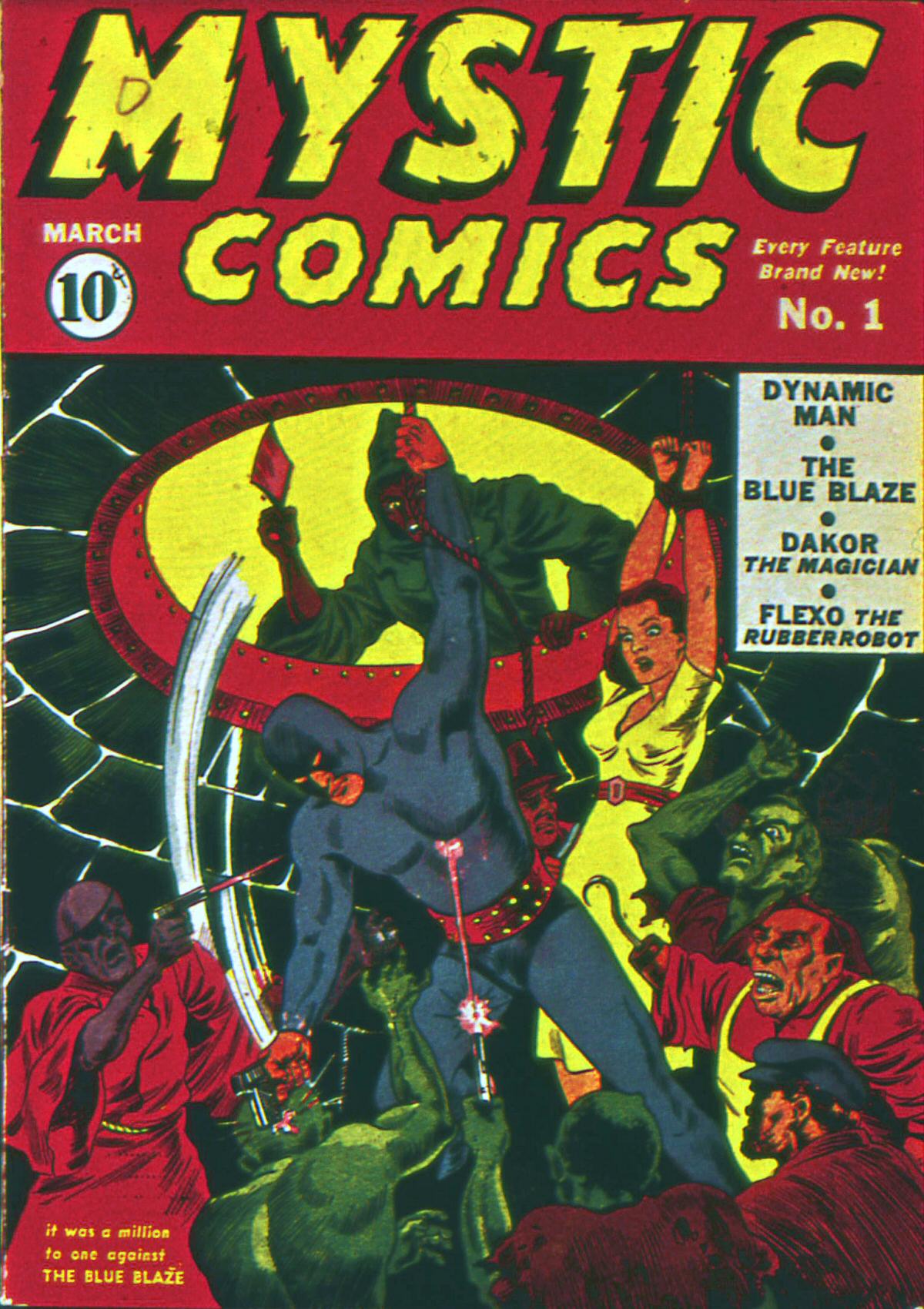
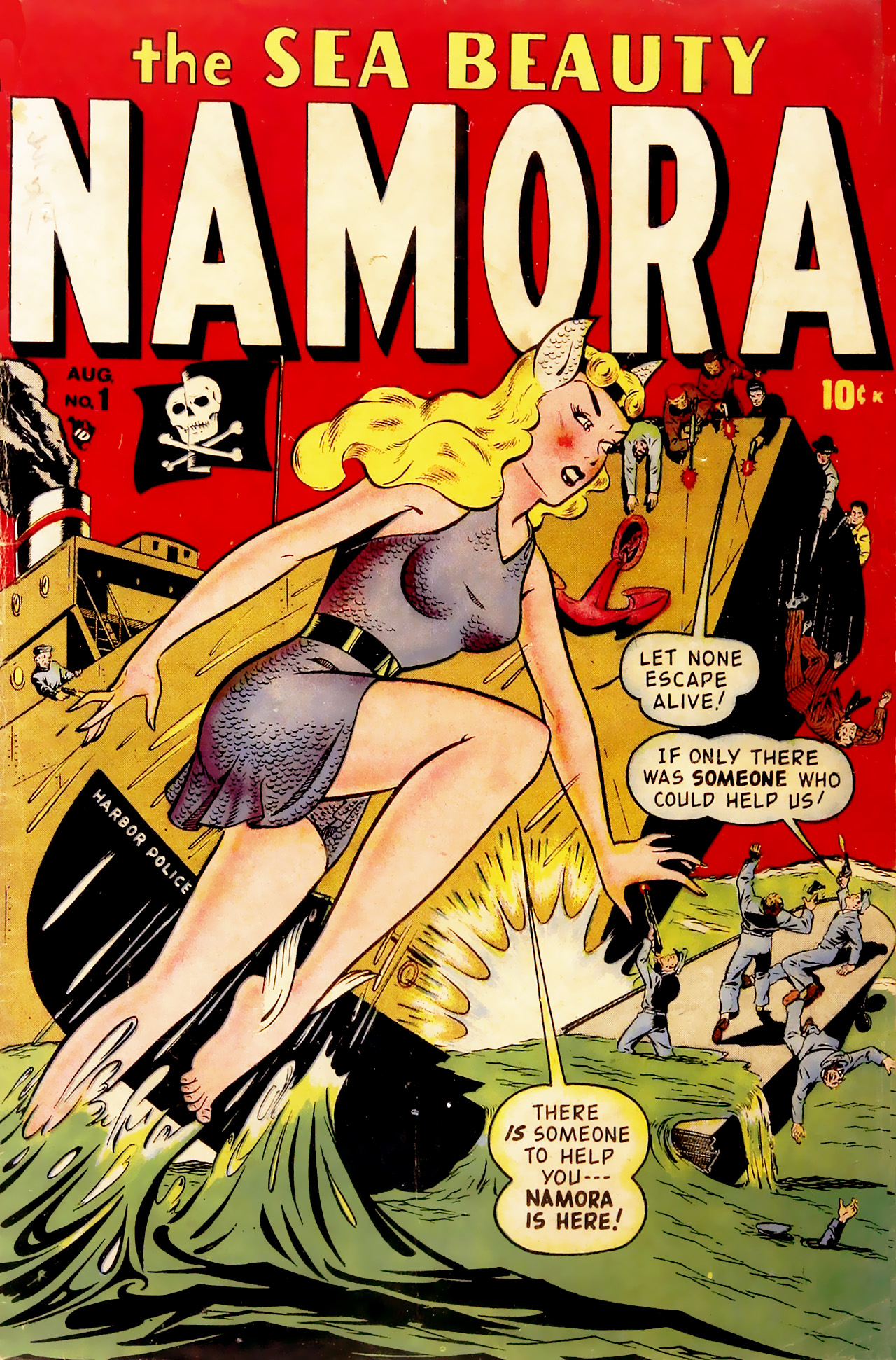
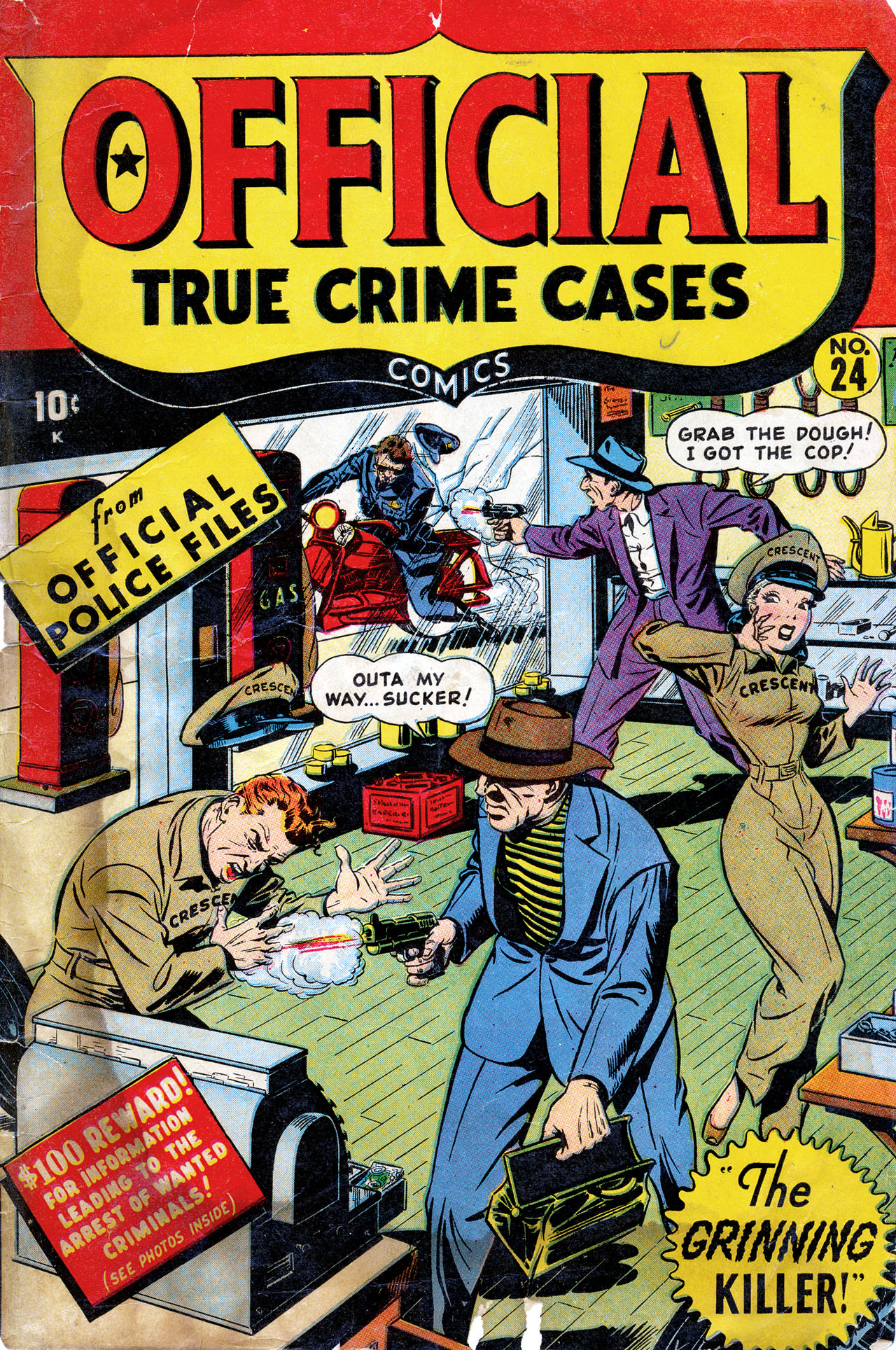
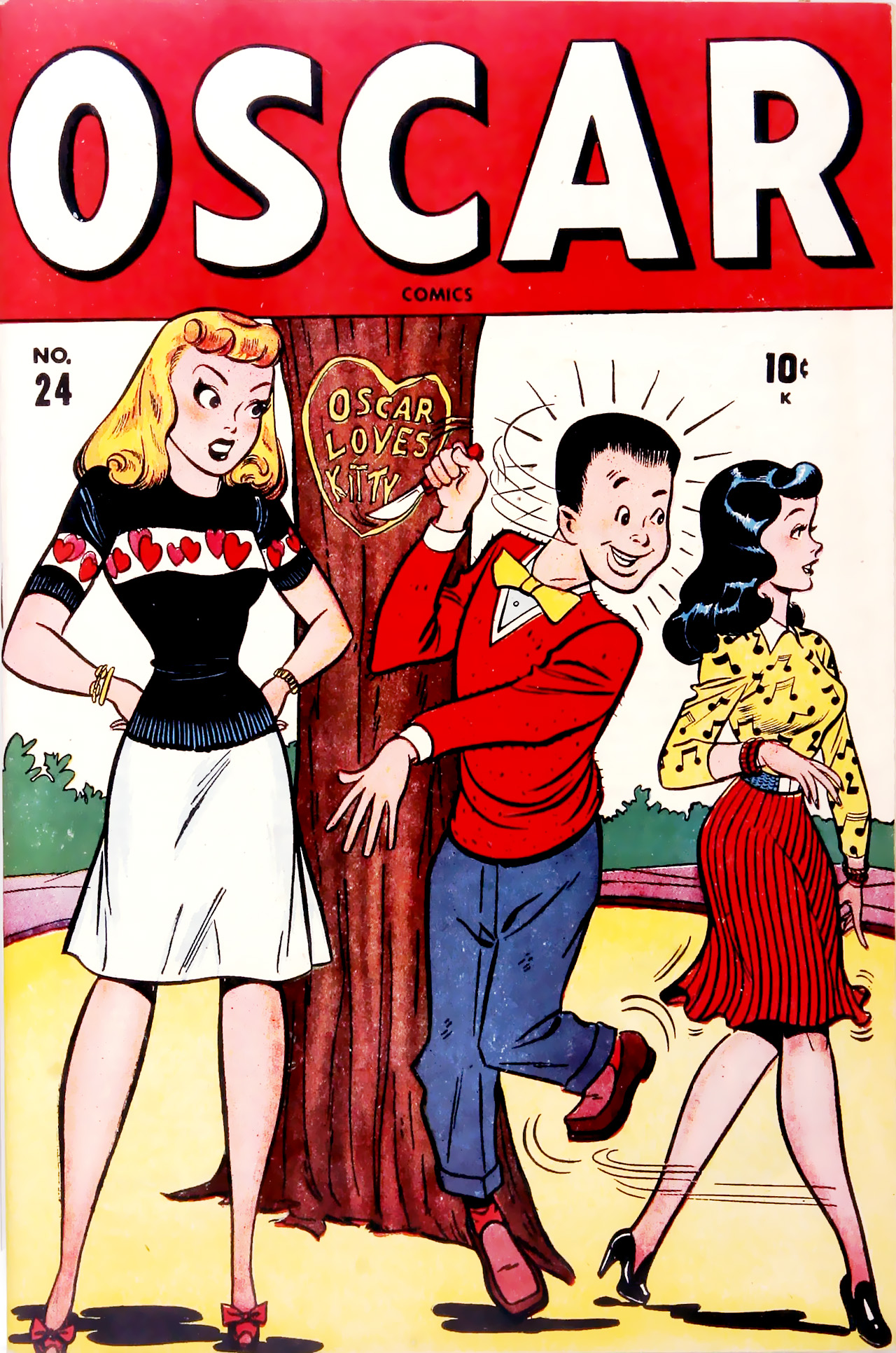
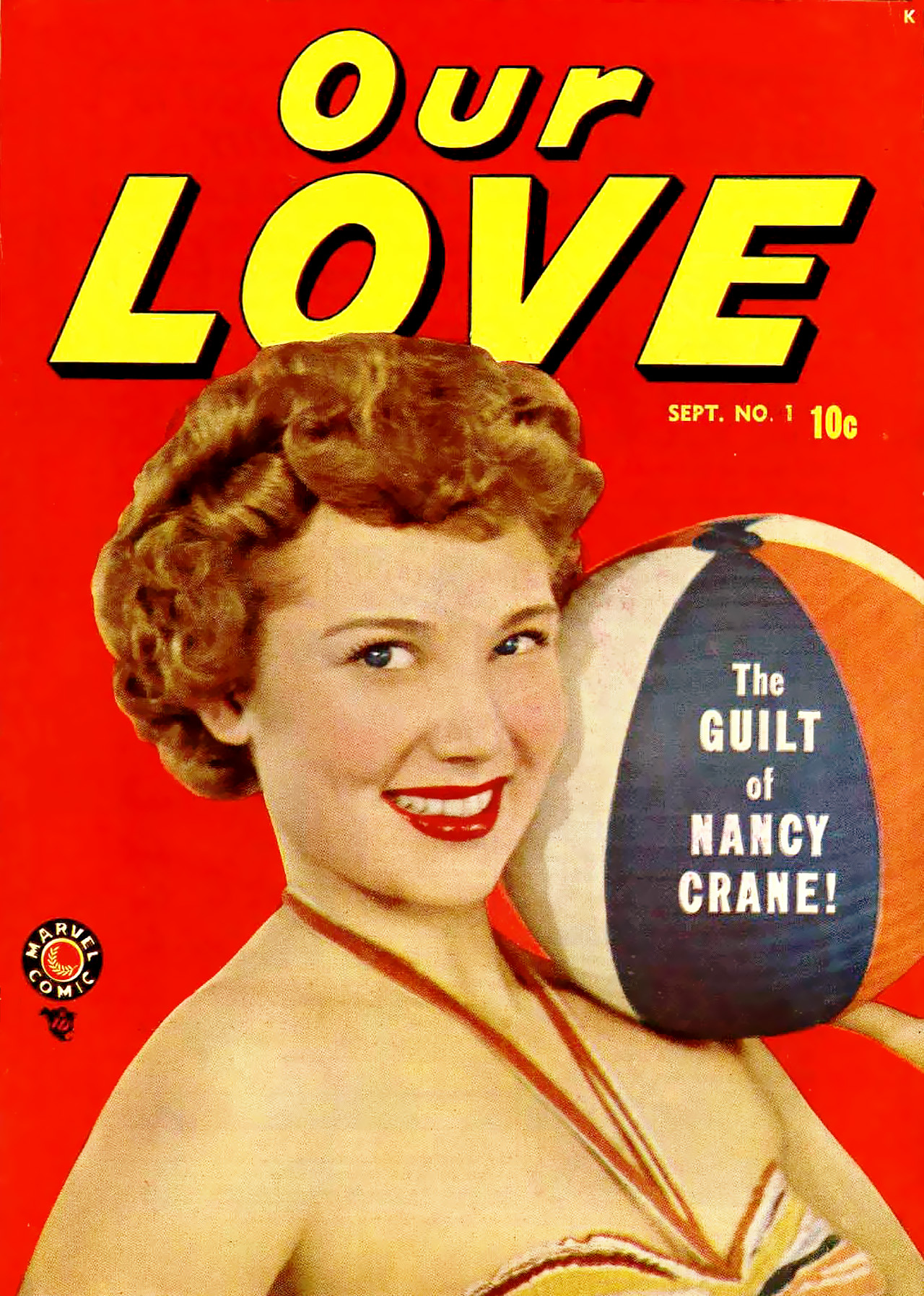
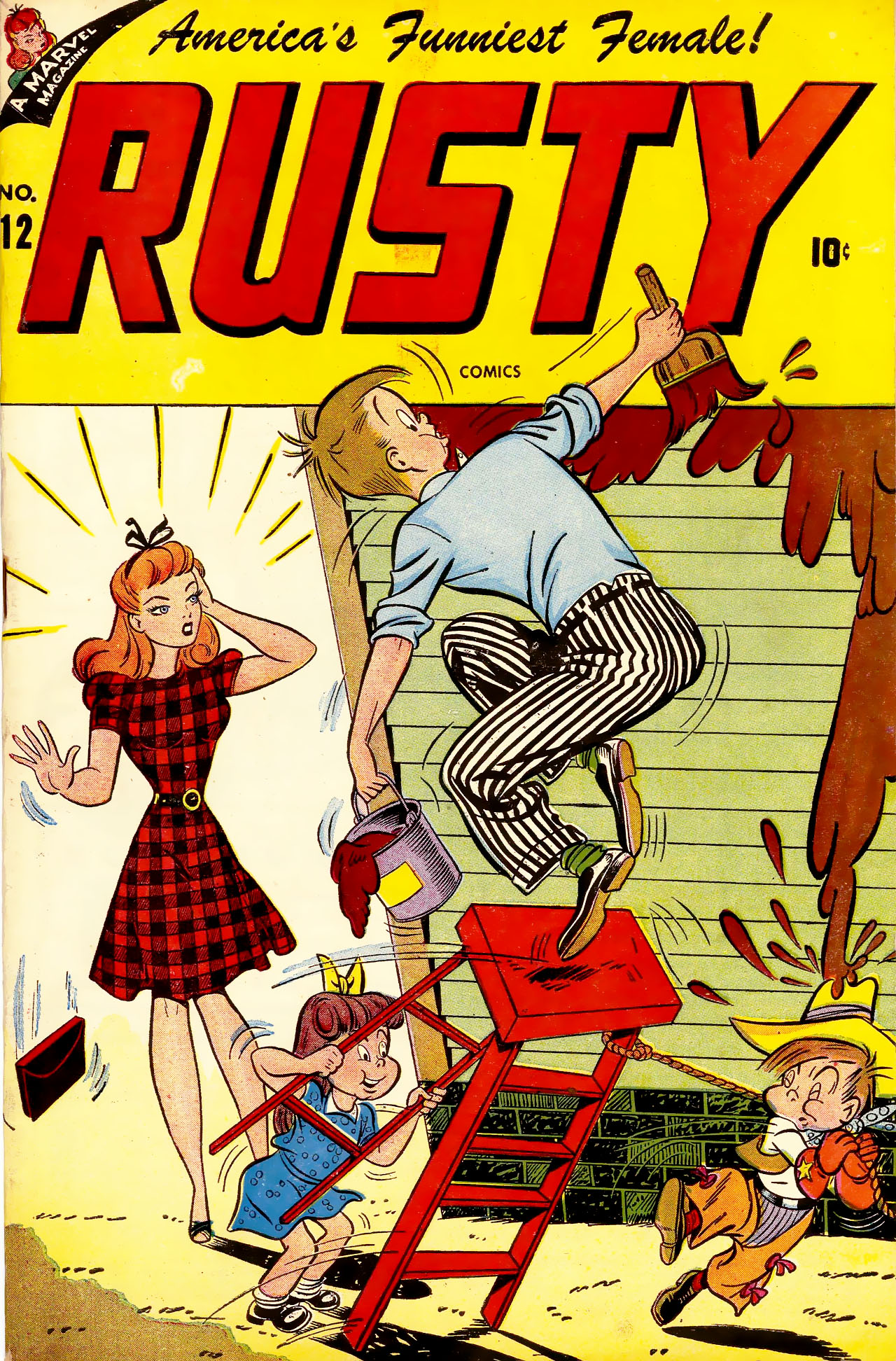
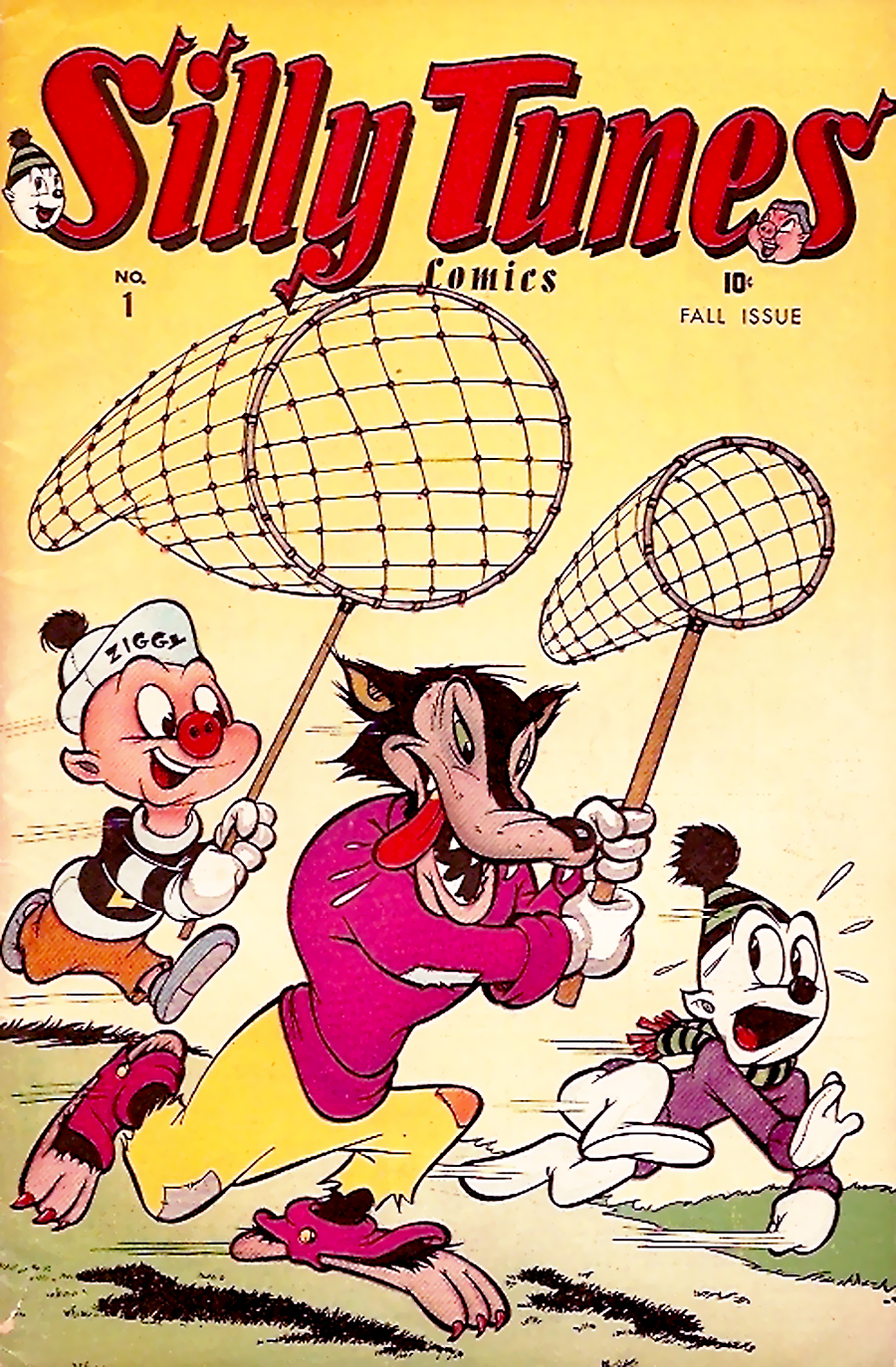
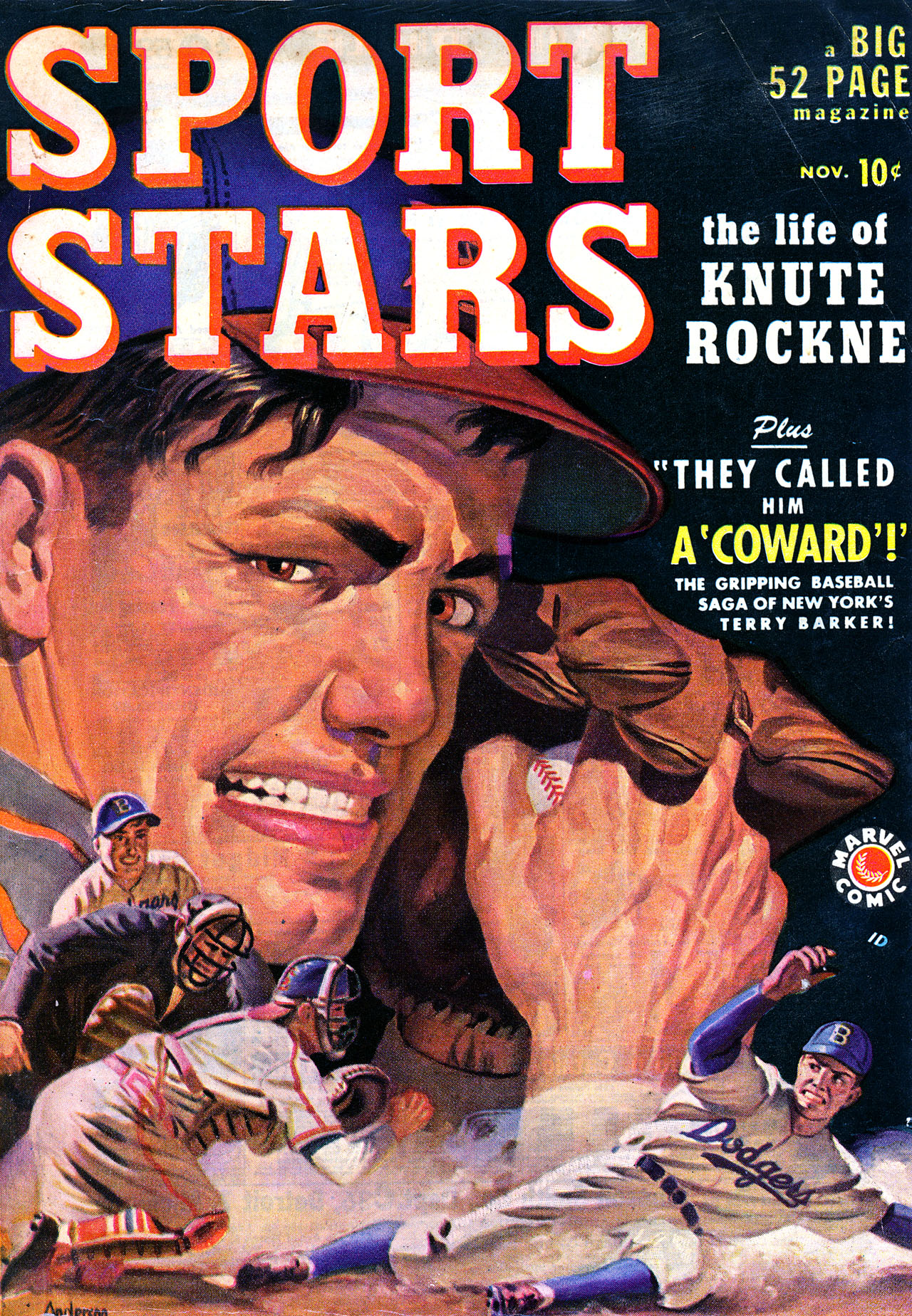
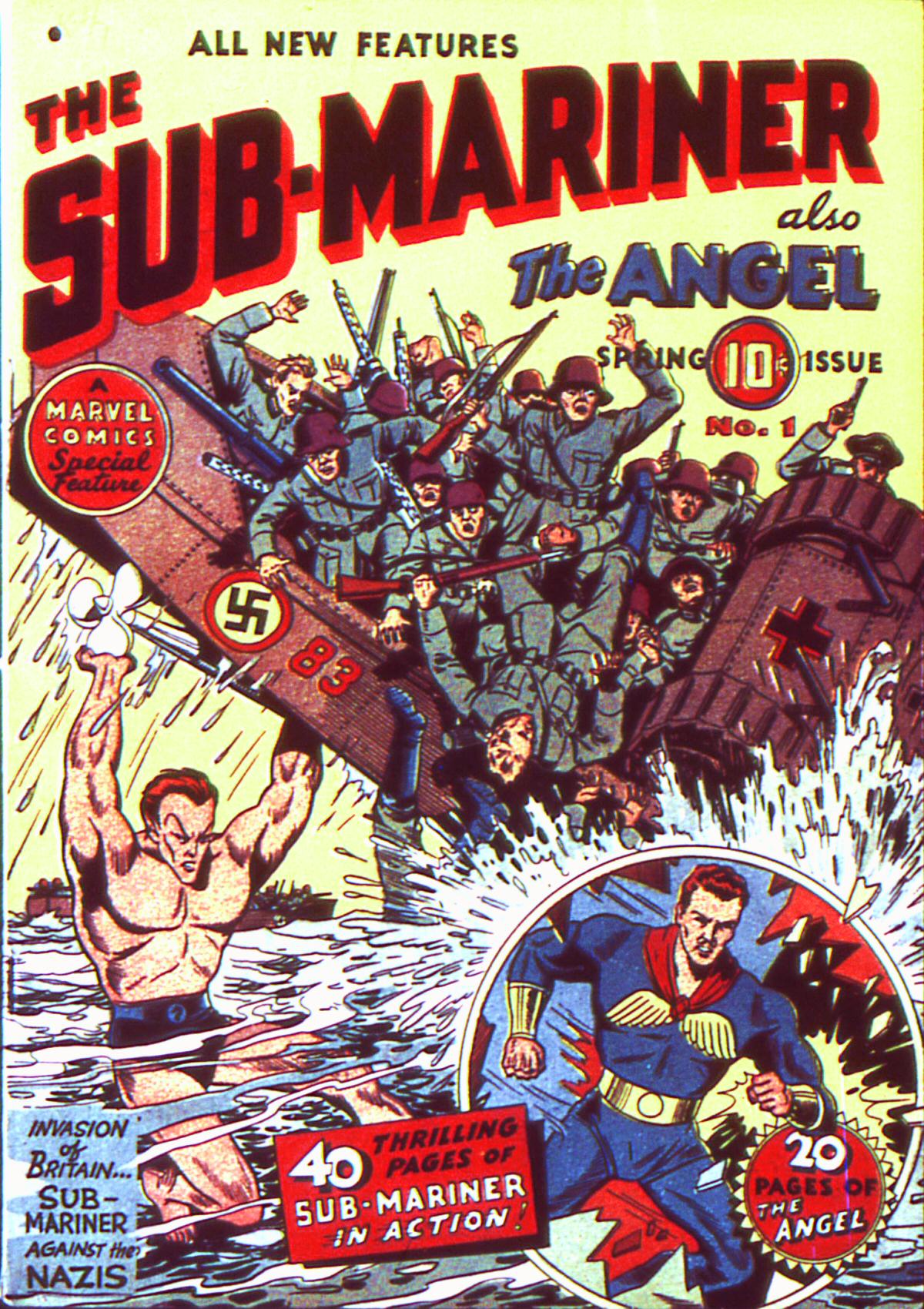
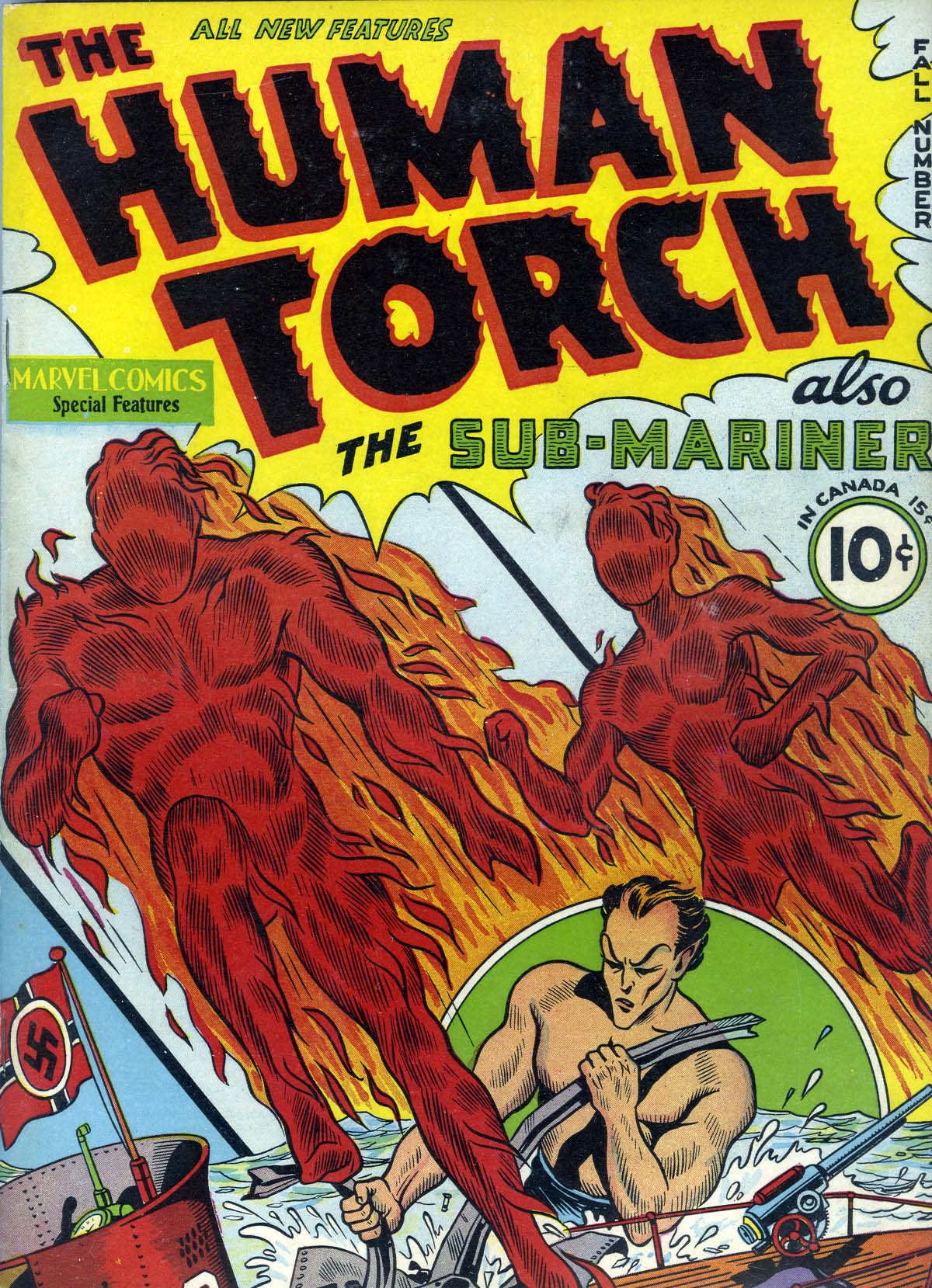
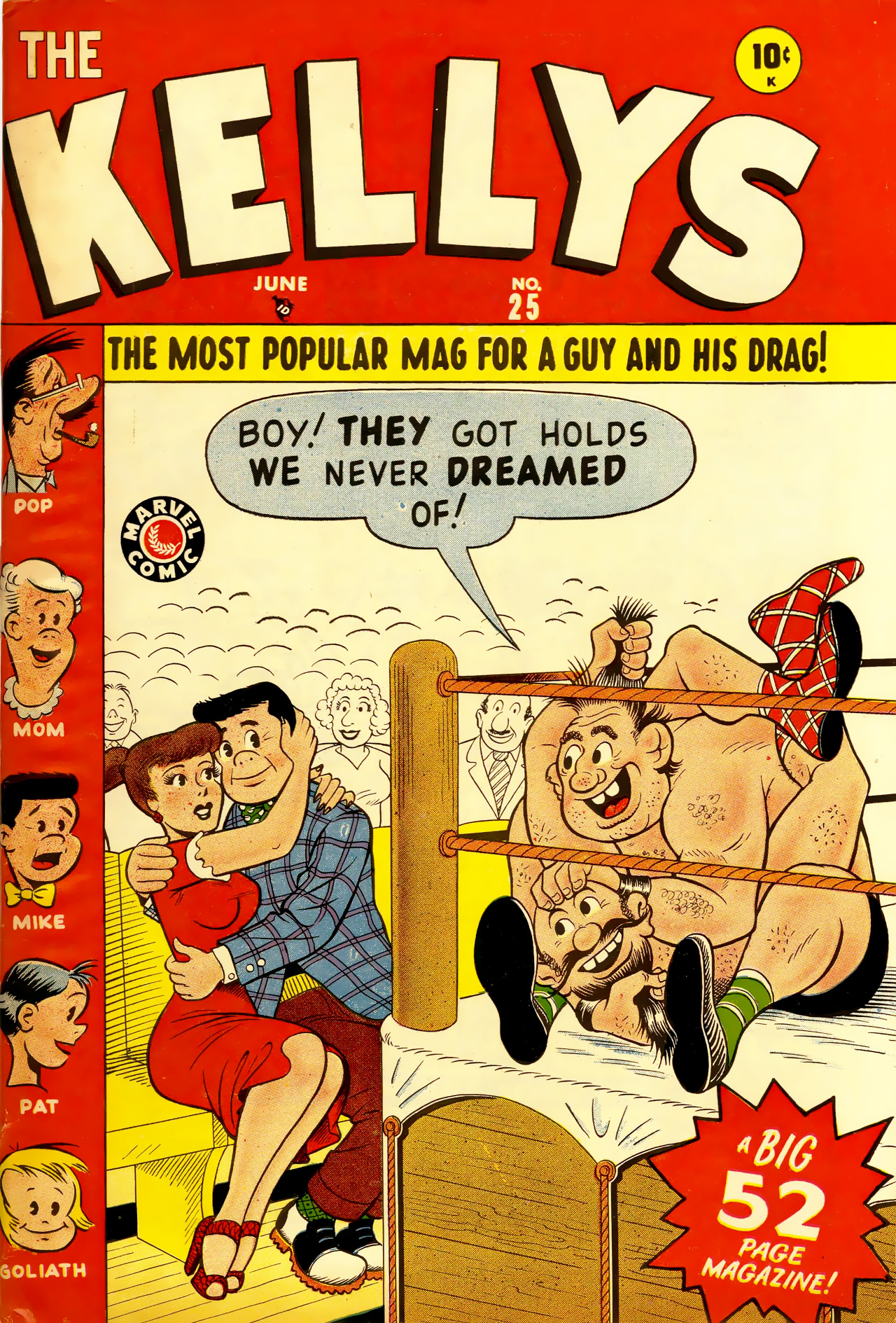
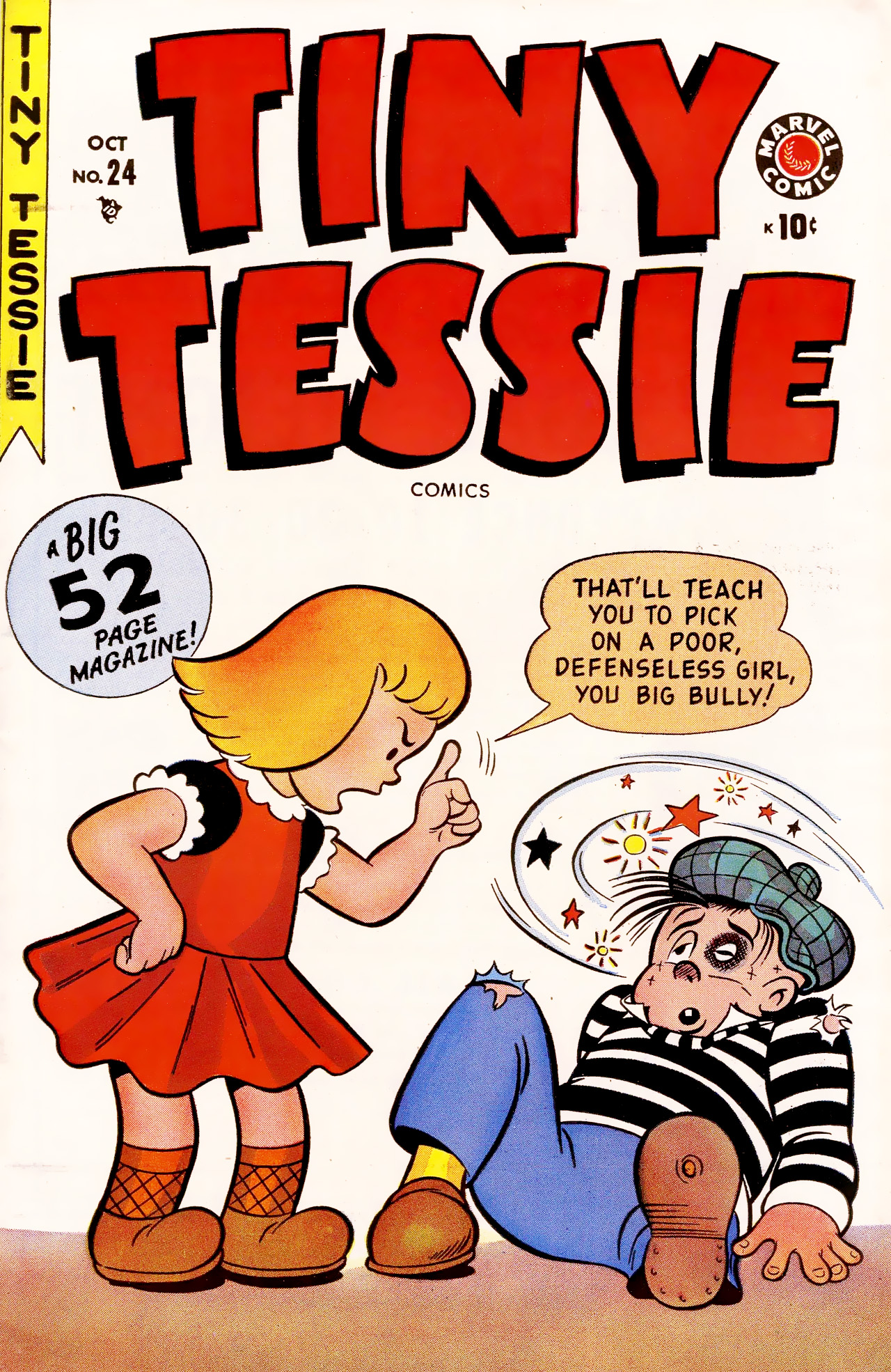
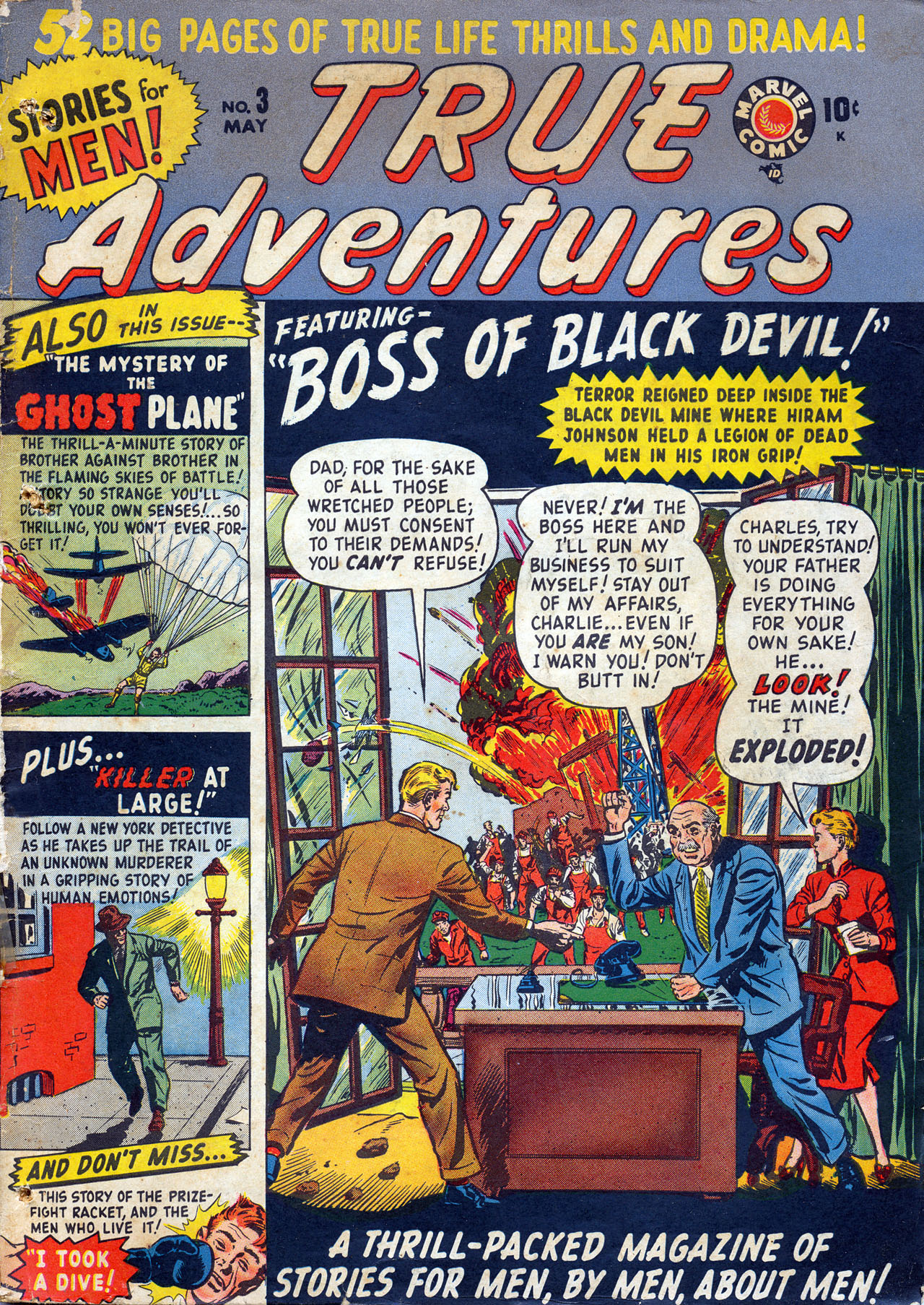
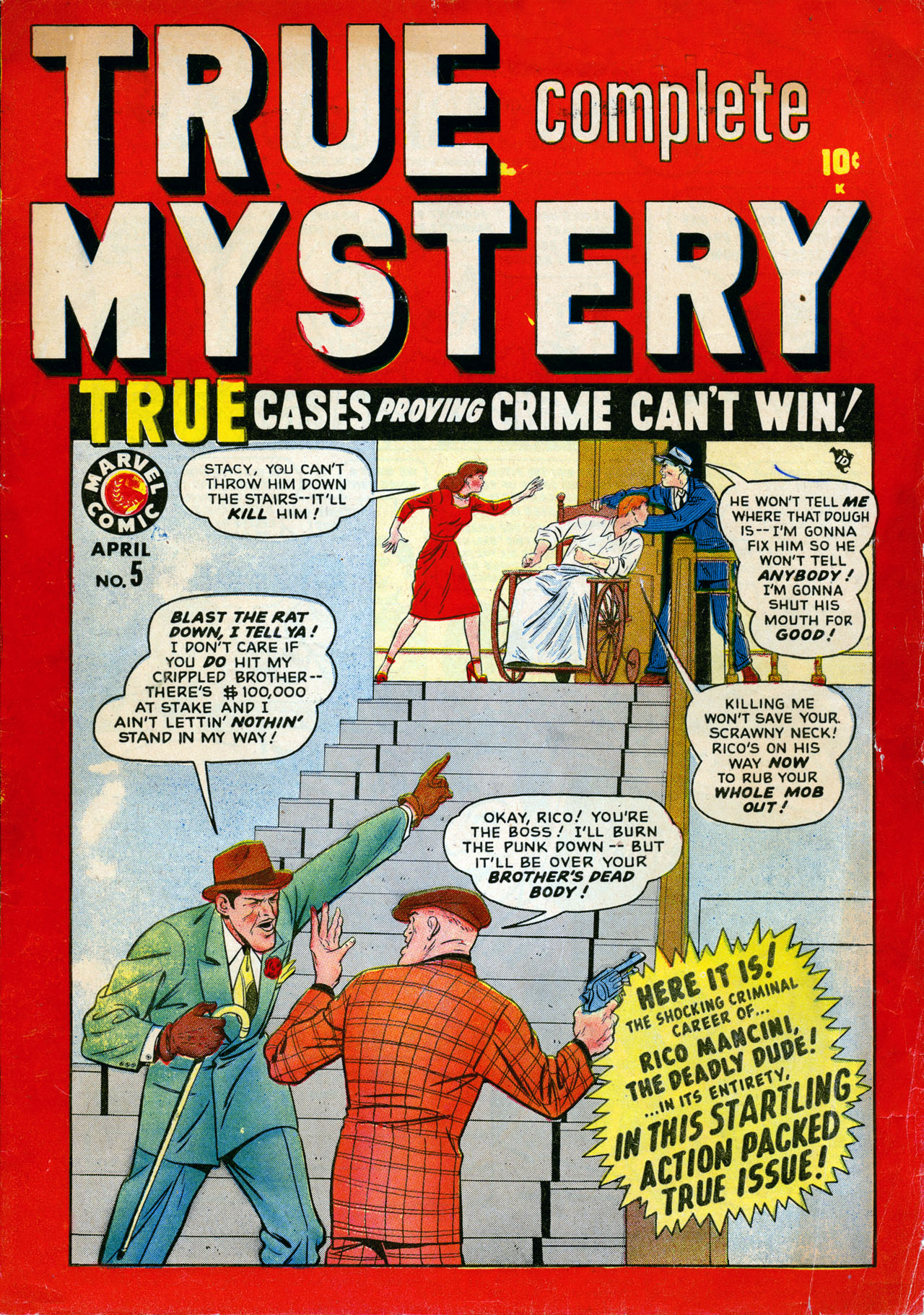
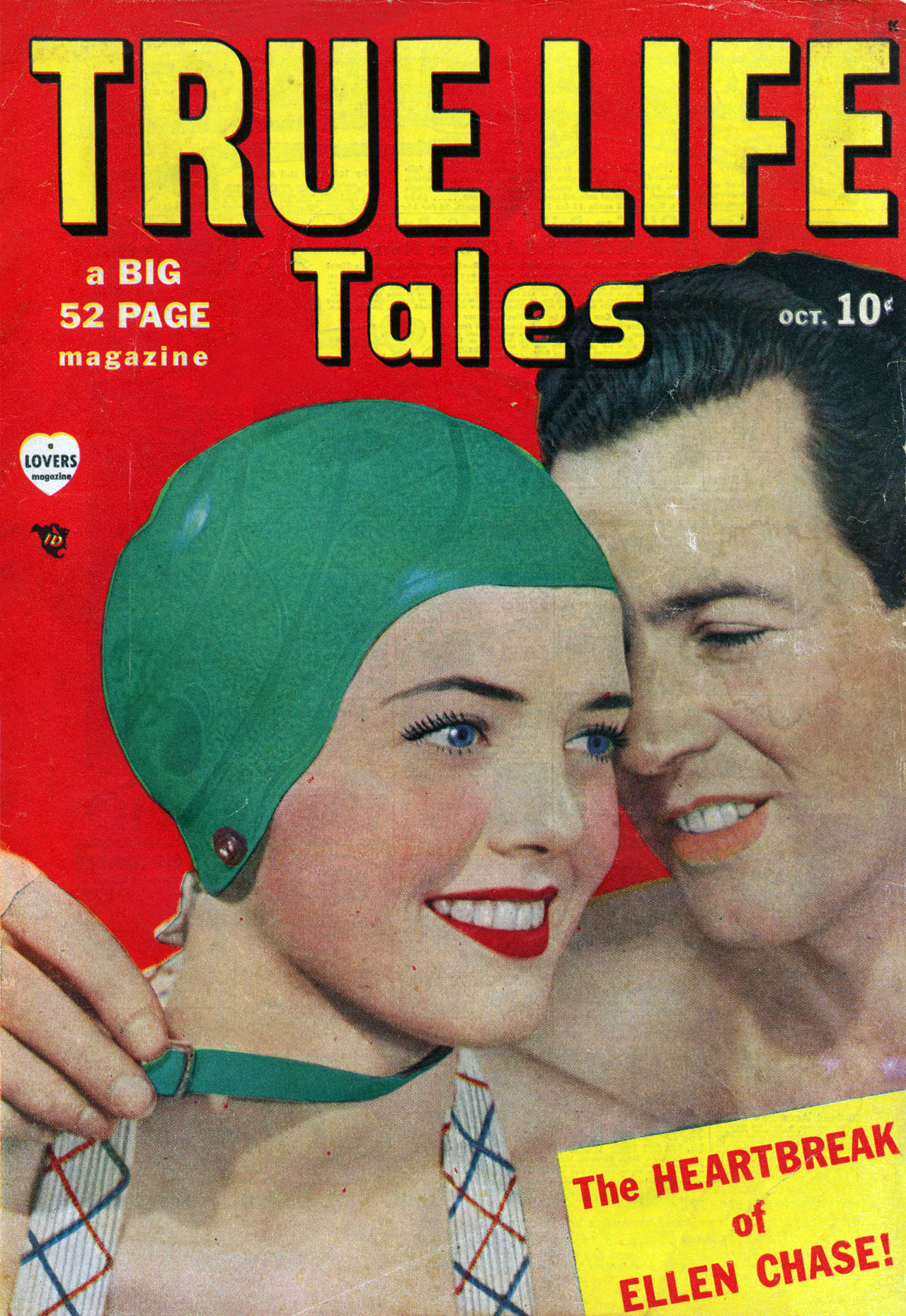
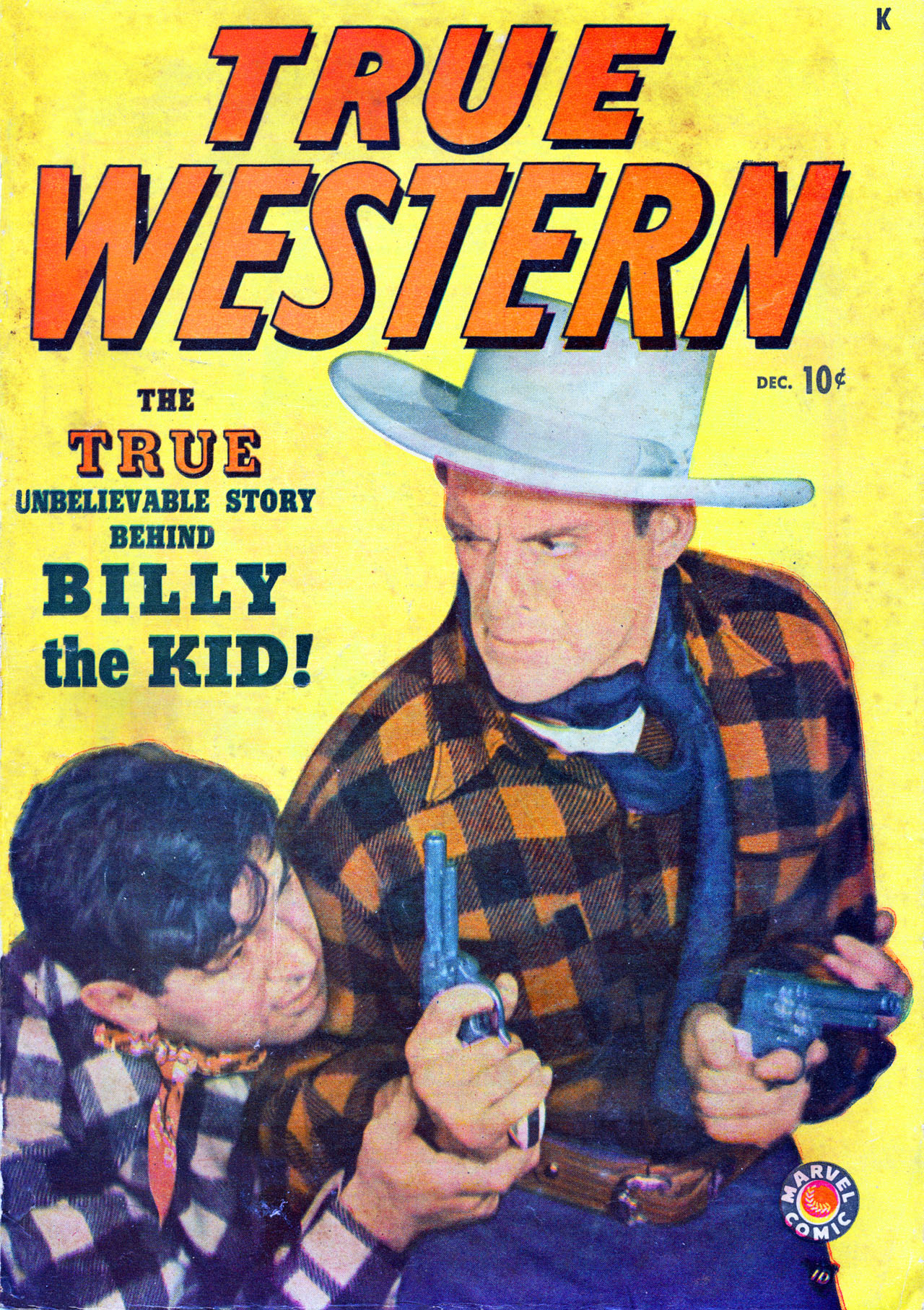
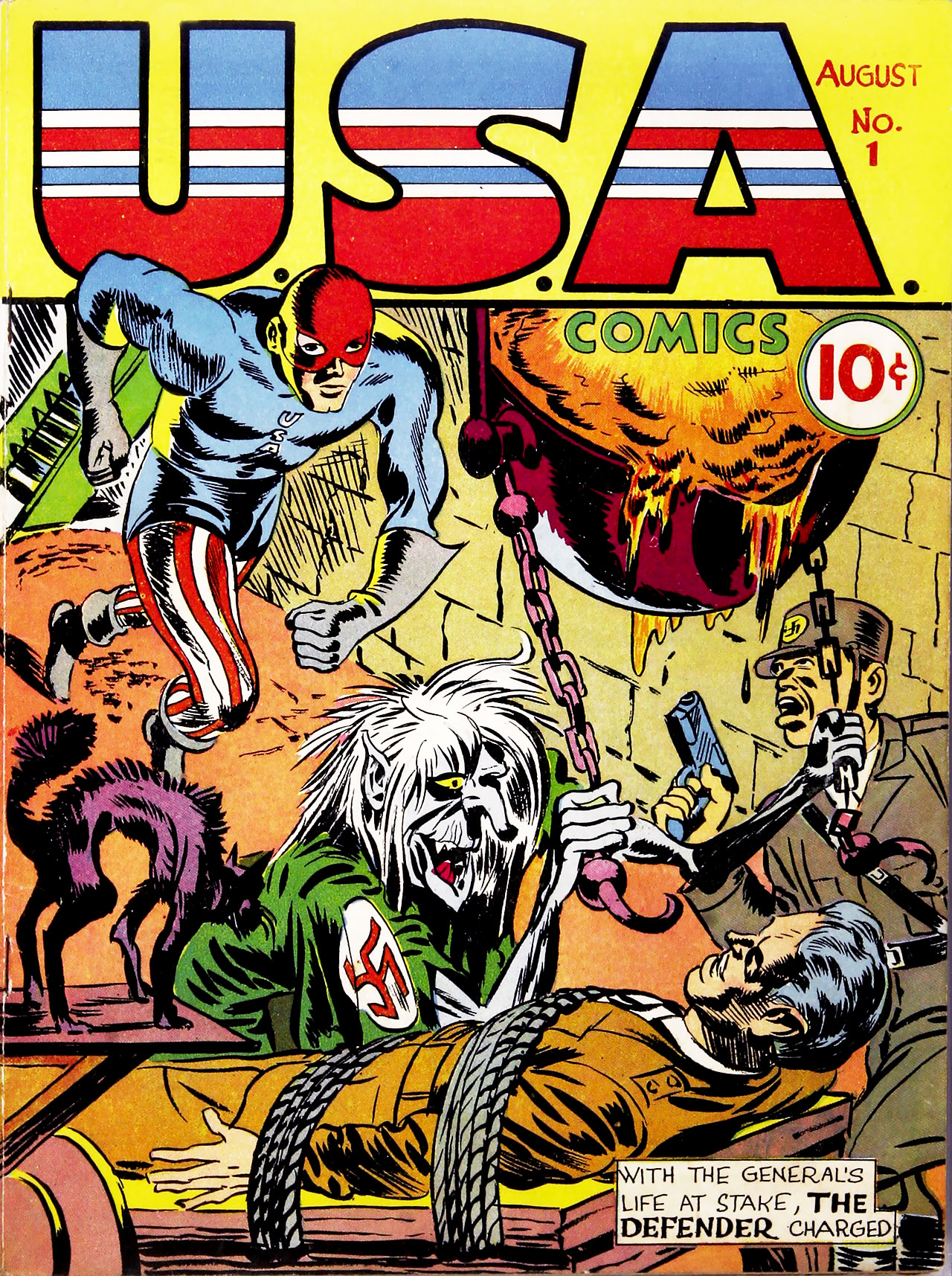
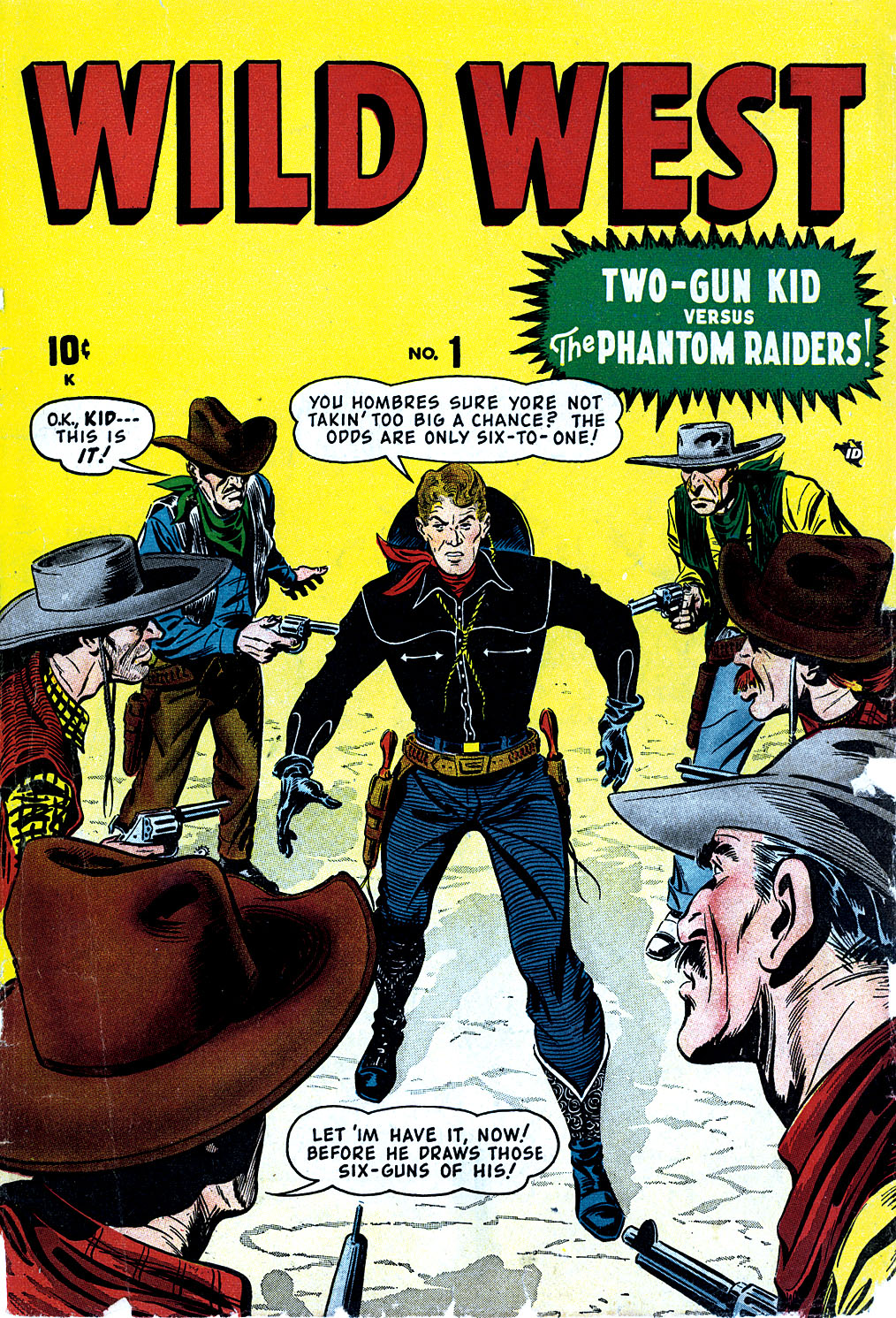
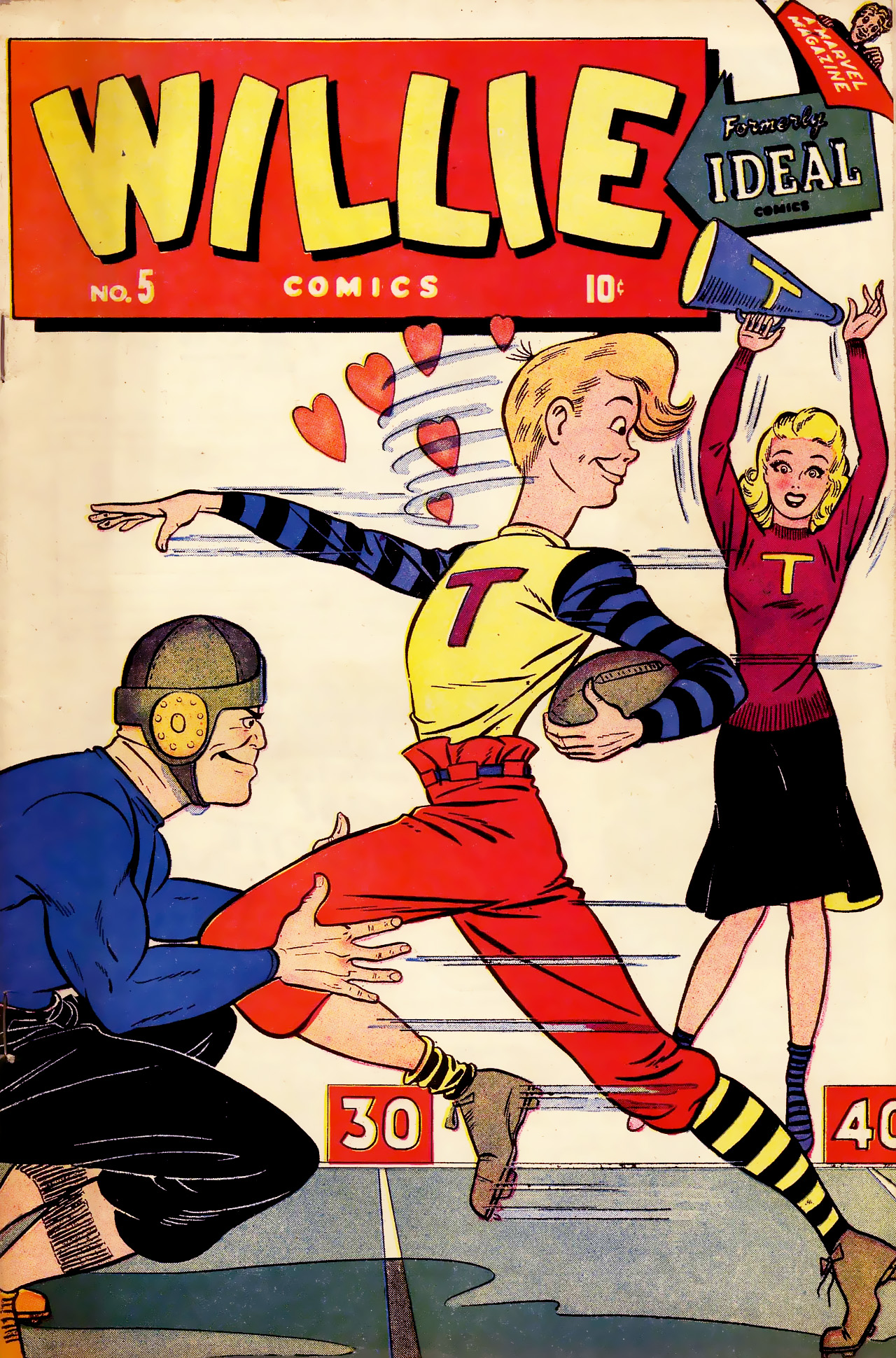
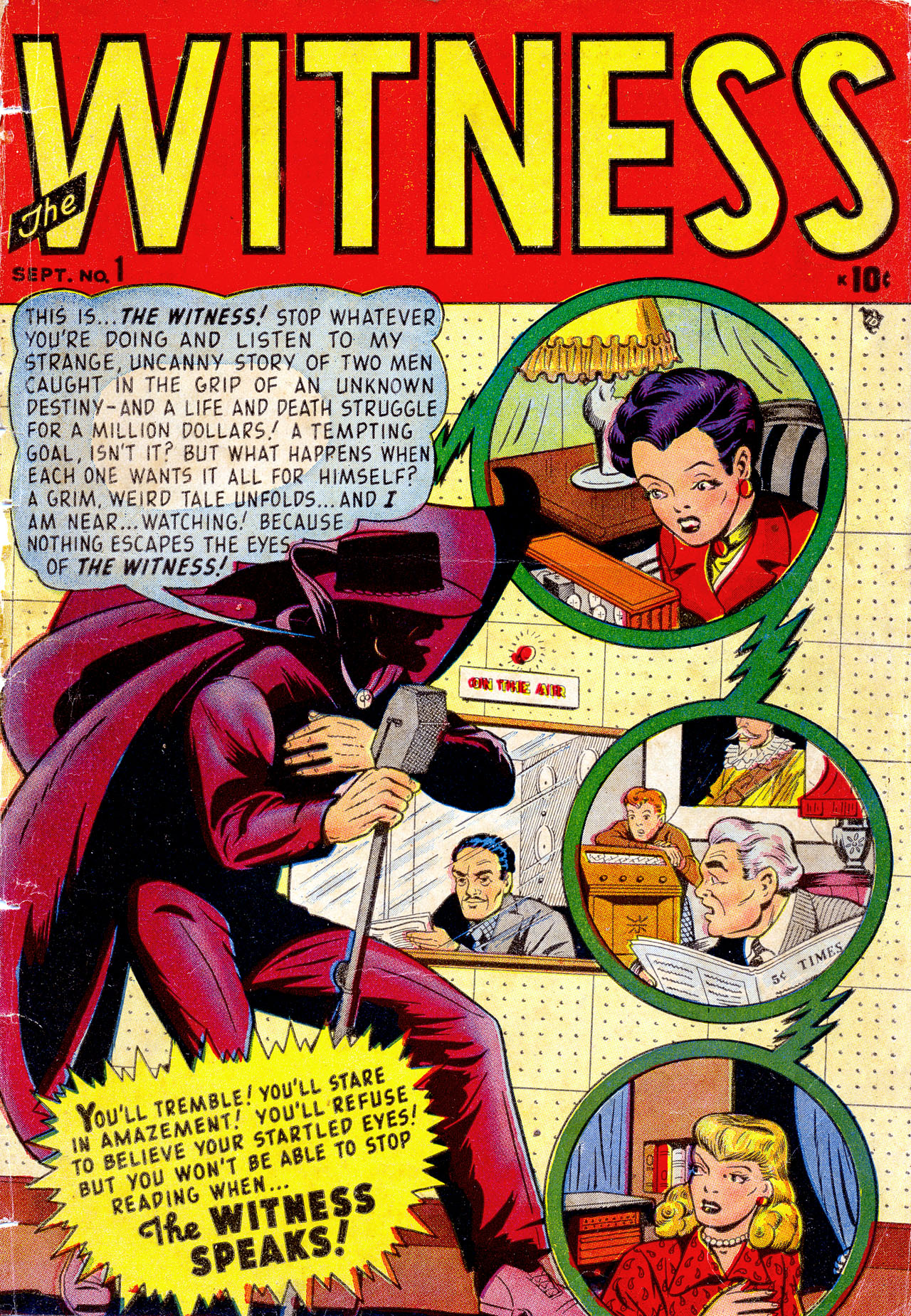
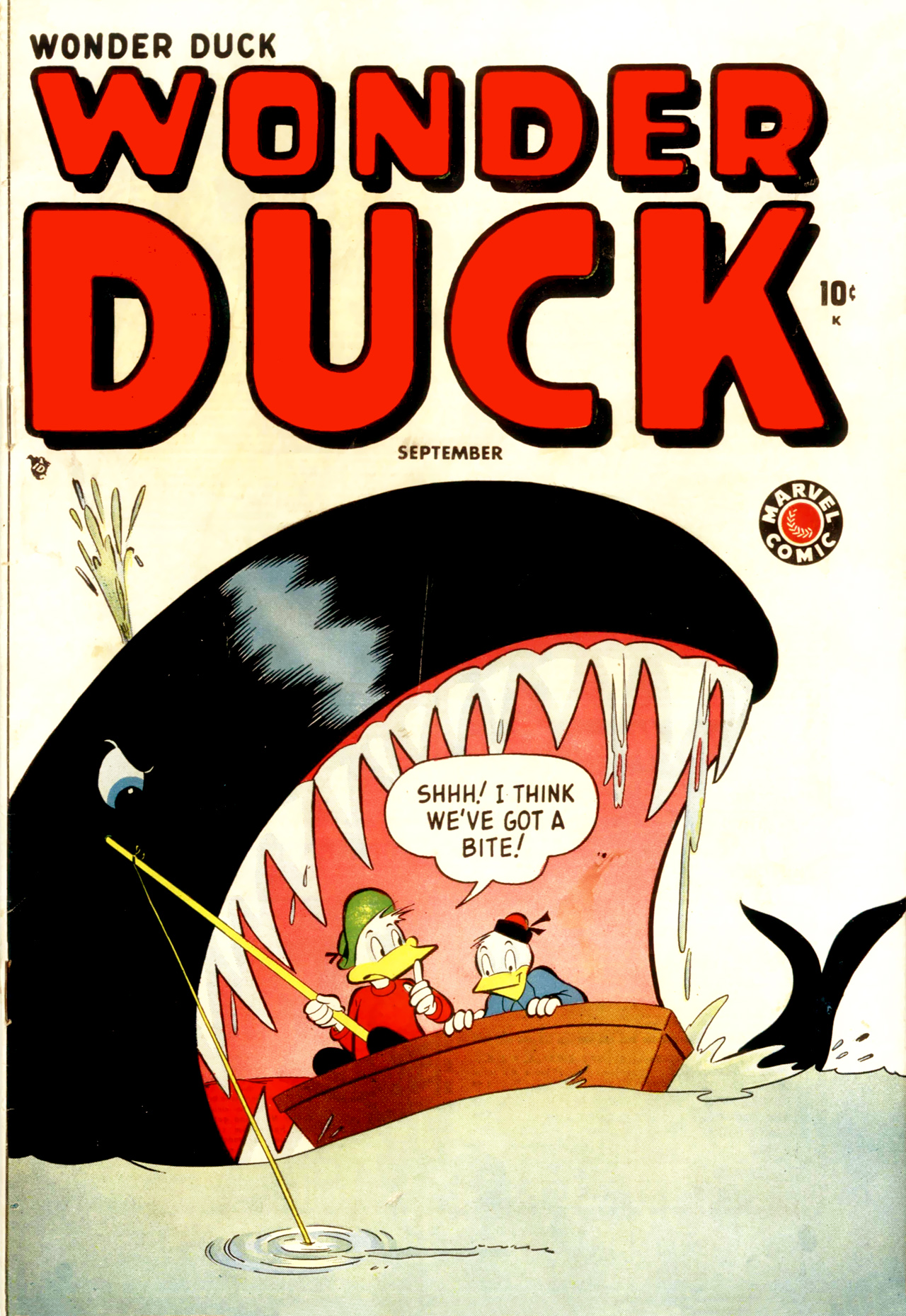
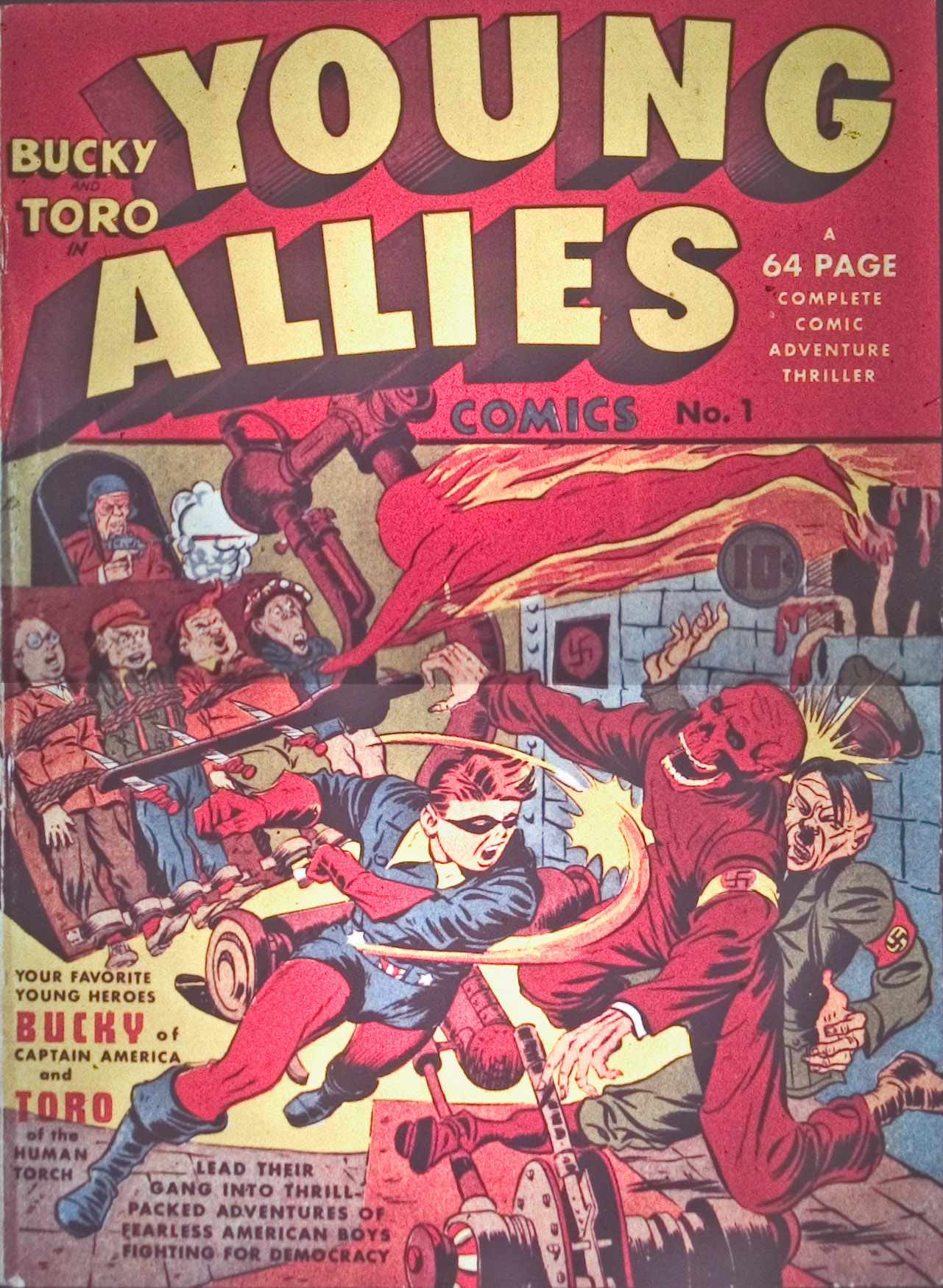
Timely Comics was founded in 1939 by Martin Goodman, who was also the publisher of several pulp magazines. Timely Comics initially published a mix of superhero, horror, humor, and adventure comics. The company quickly gained popularity with characters like the Human Torch, Namor the Sub-Mariner, and Captain America.
Timely’s characters and titles were created by a number of different artists and writers, including Joe Simon, Jack Kirby, Bill Everett, Carl Burgos, and Stan Lee, among others. Many of these creators went on to have long and influential careers in the comic book industry.
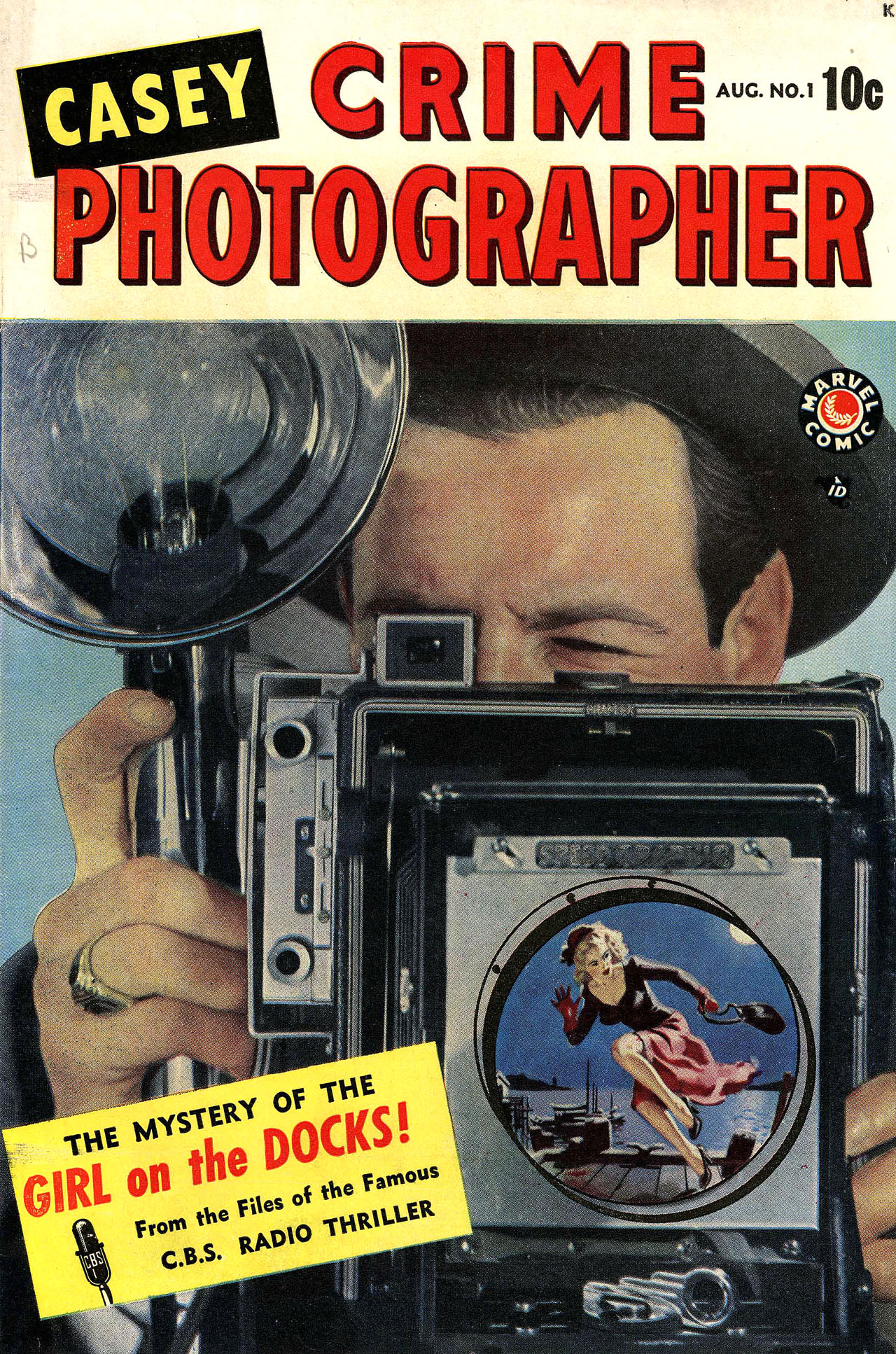
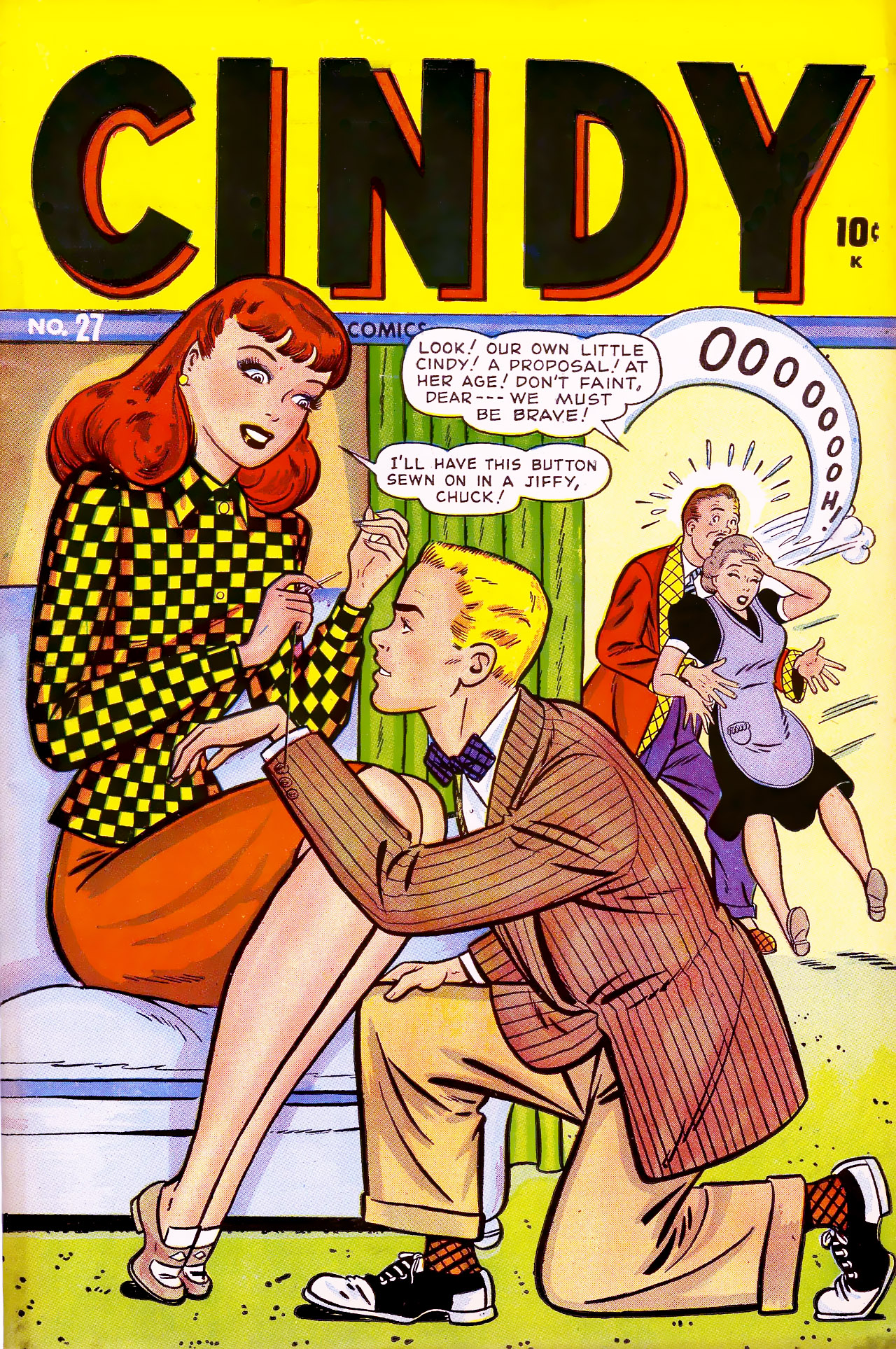
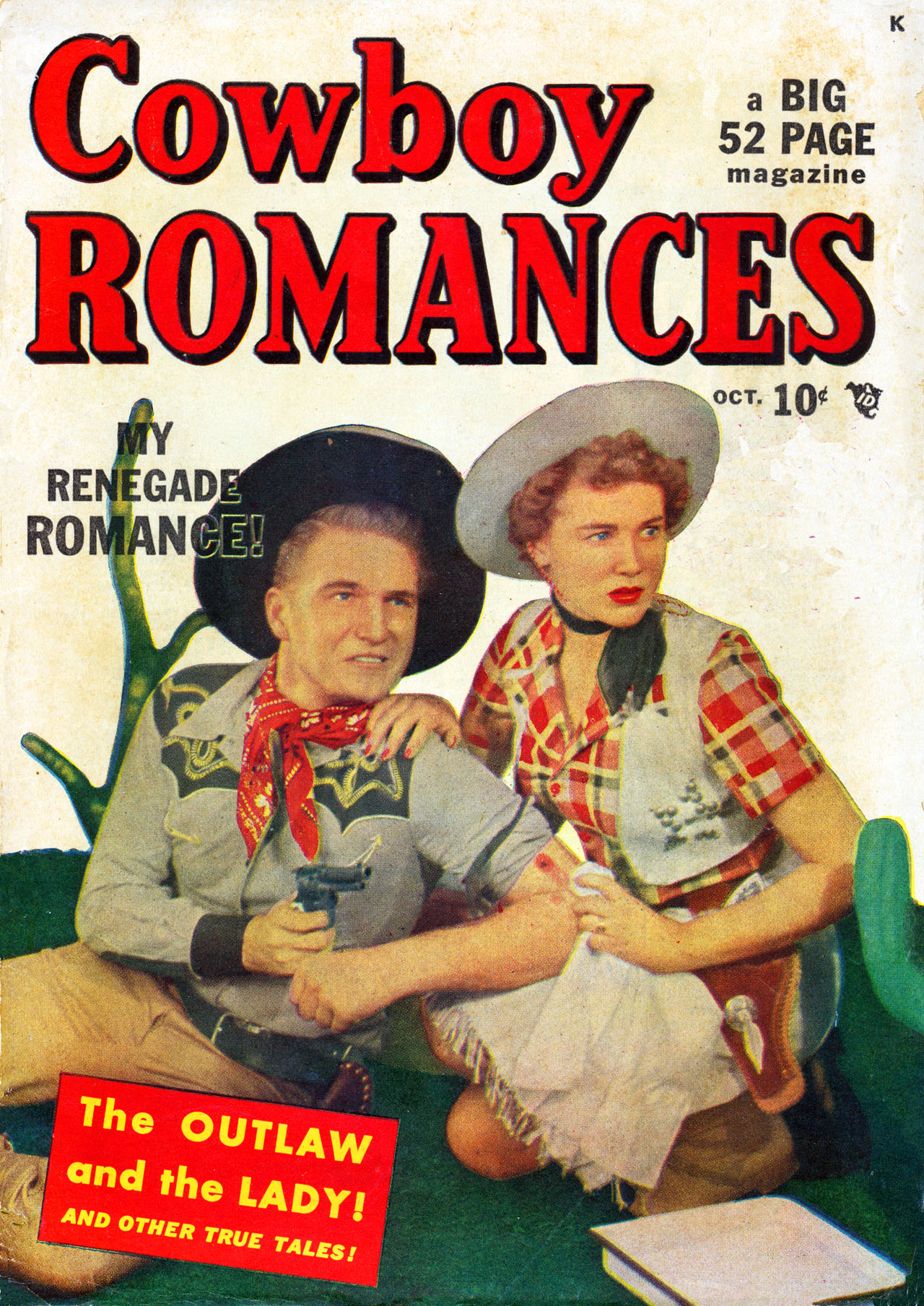
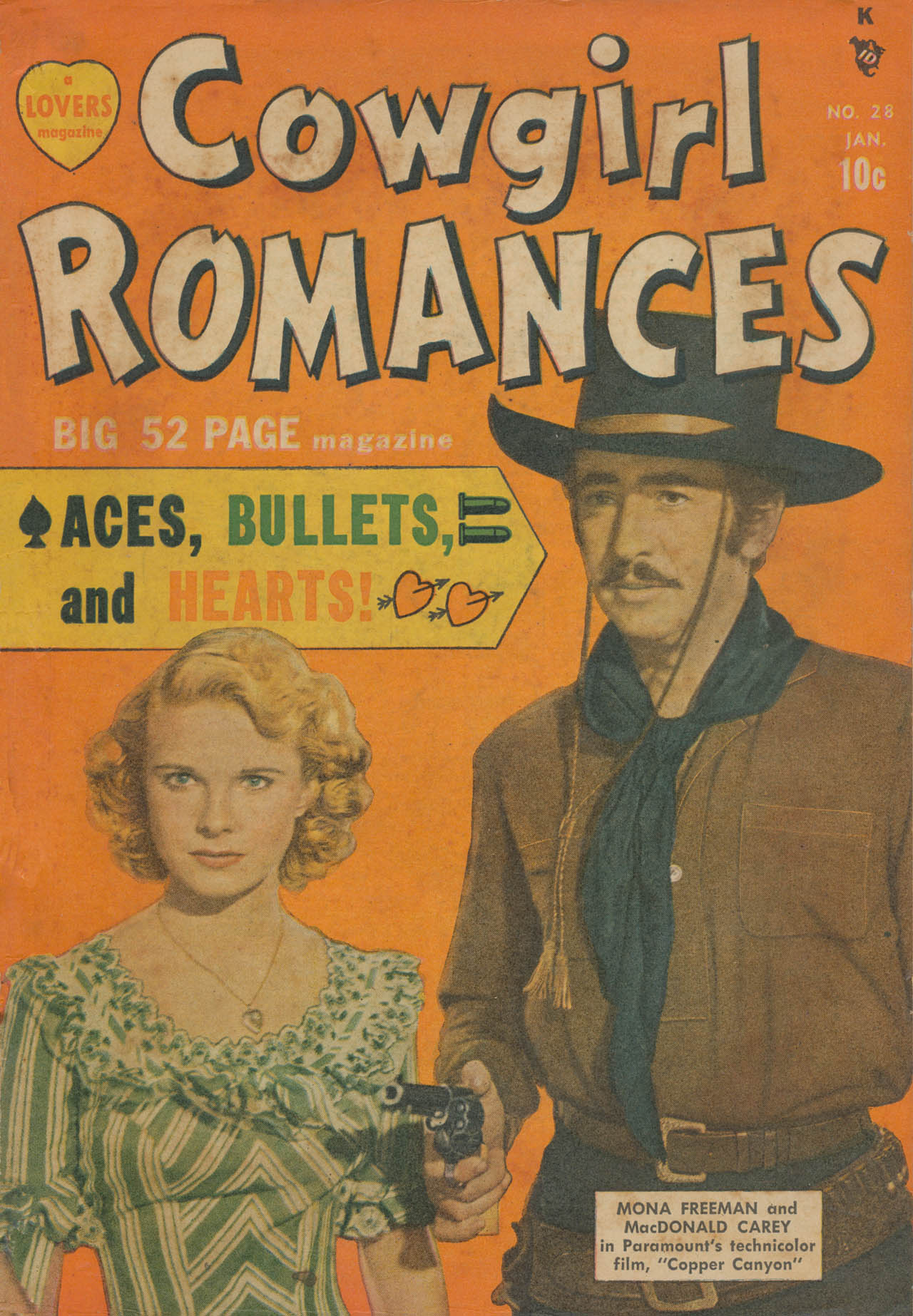
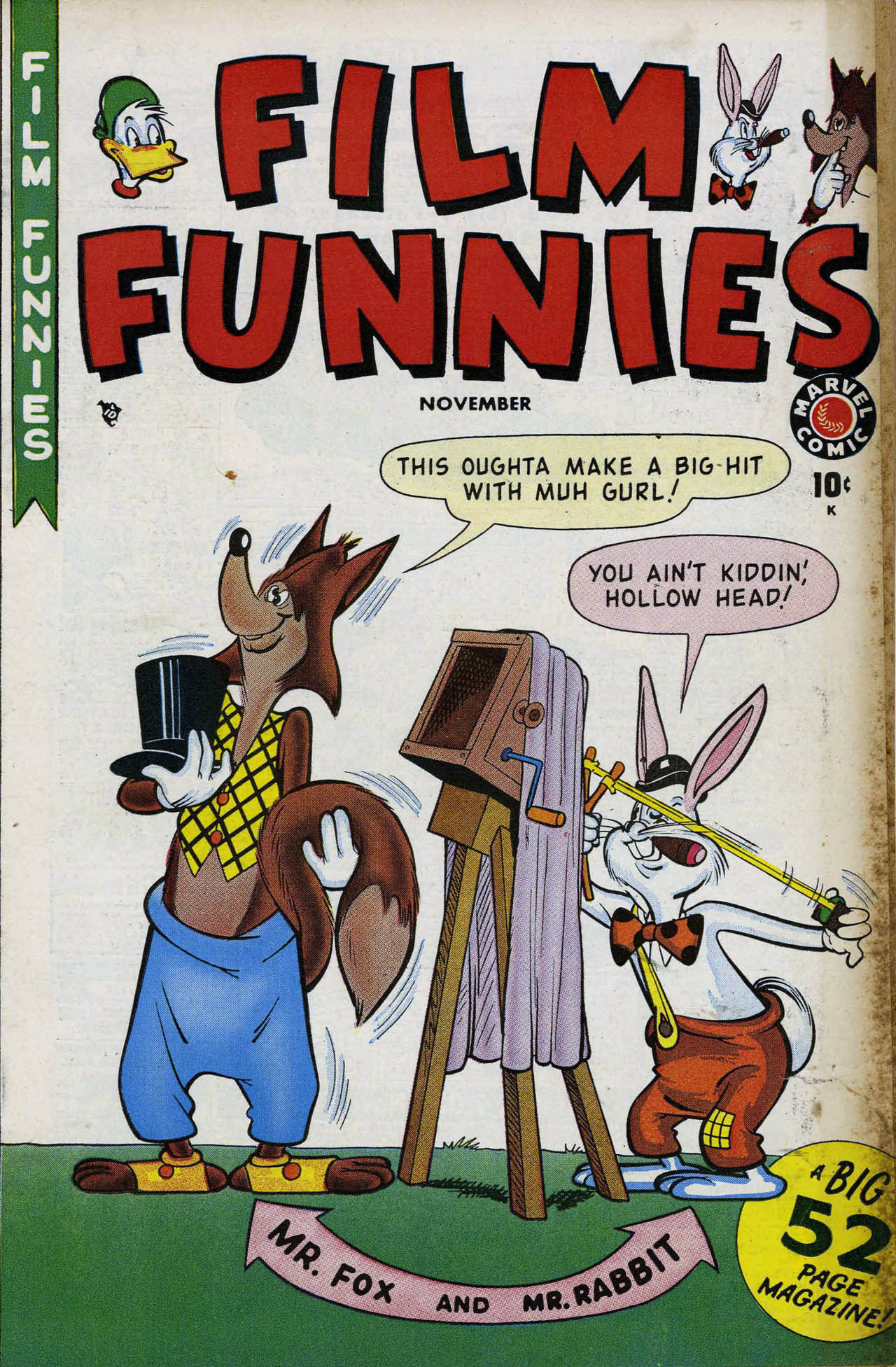
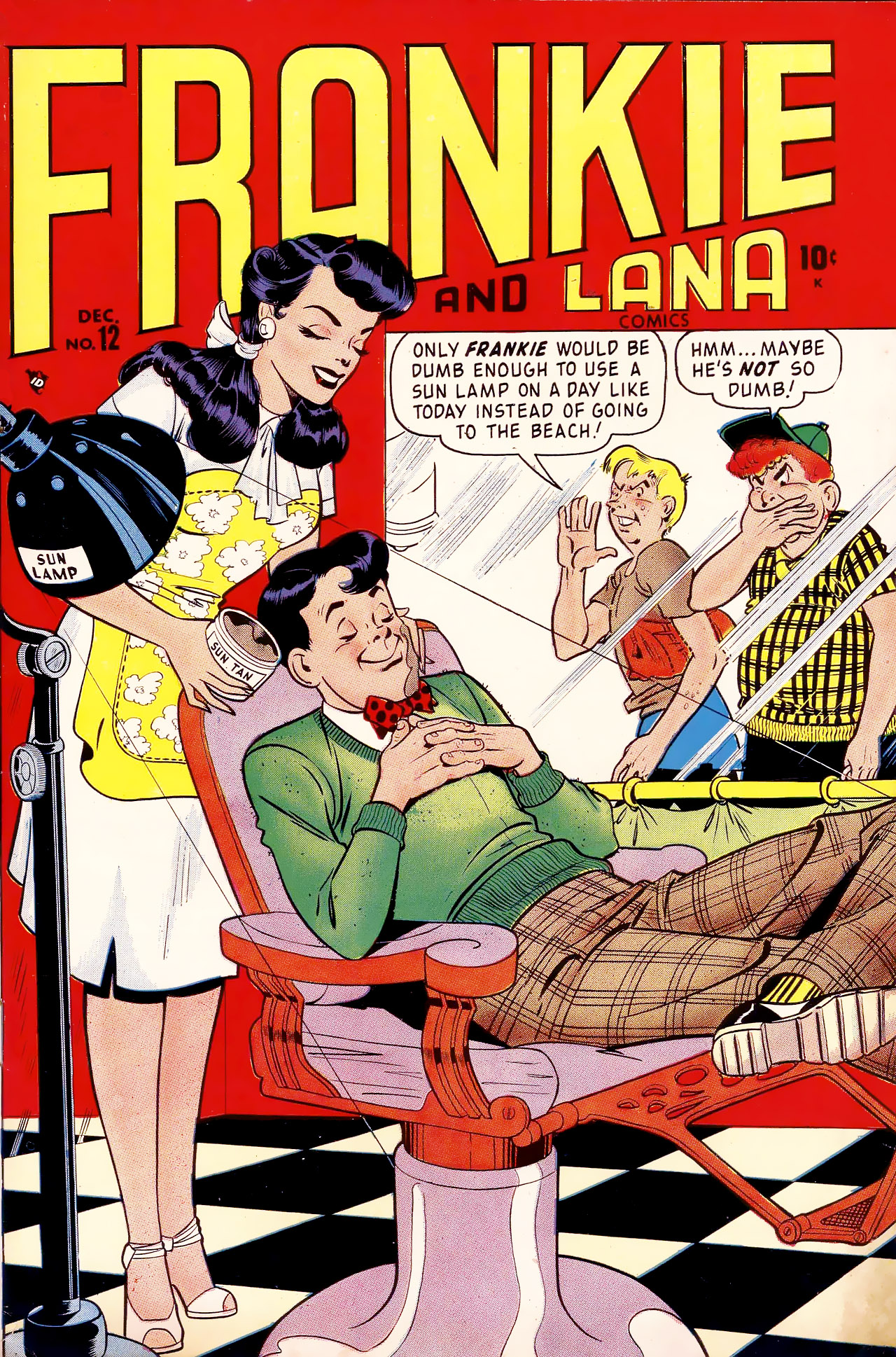
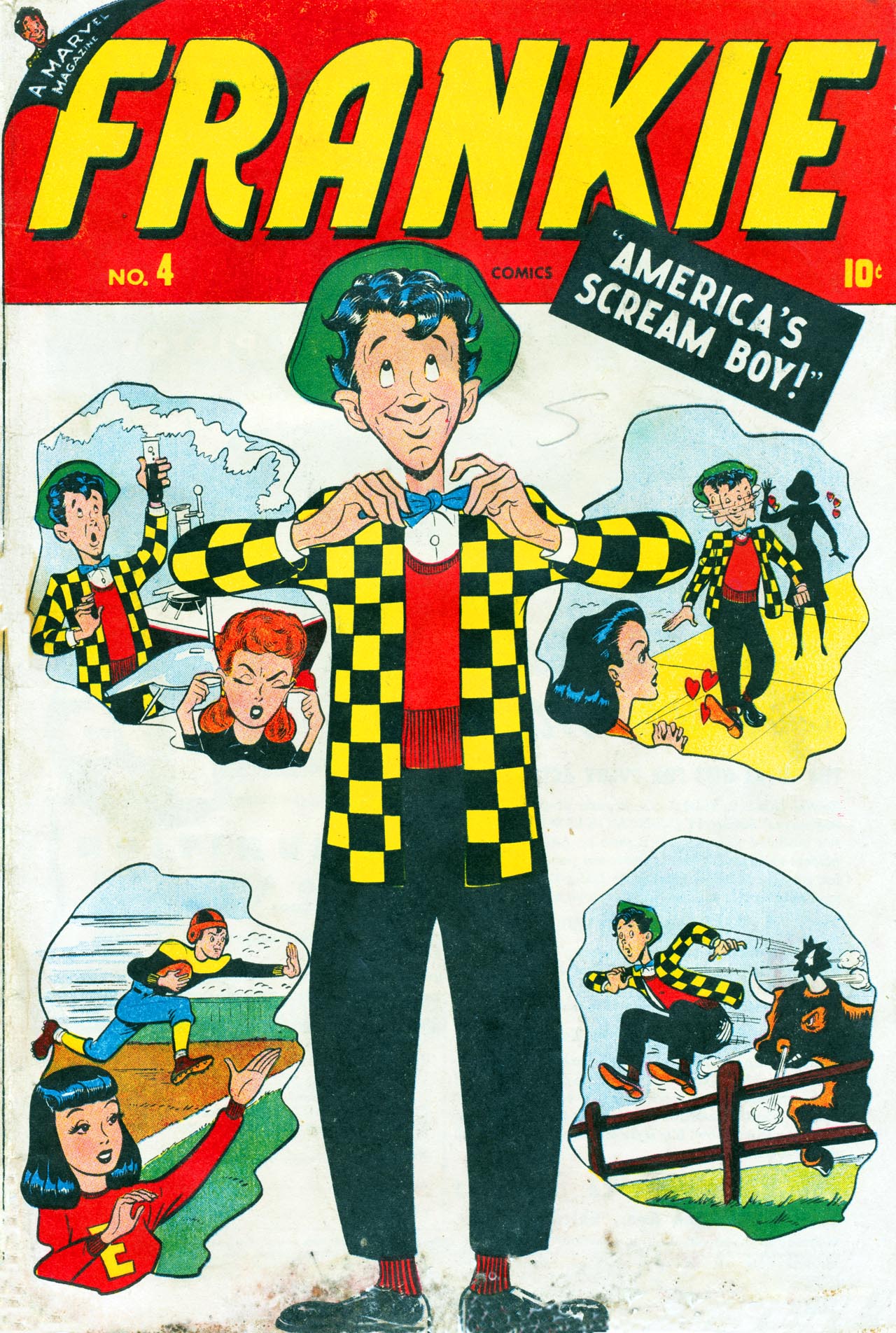
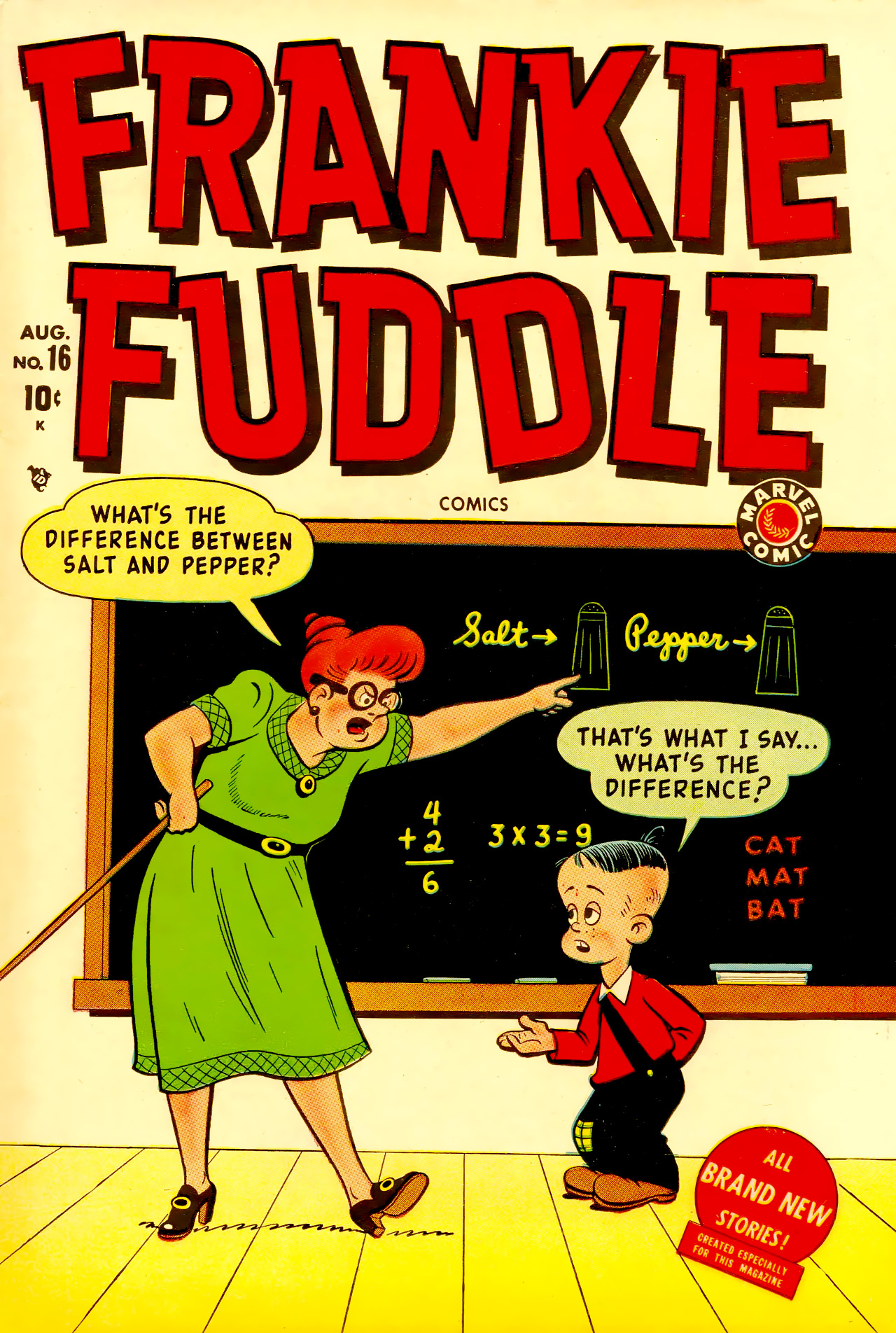
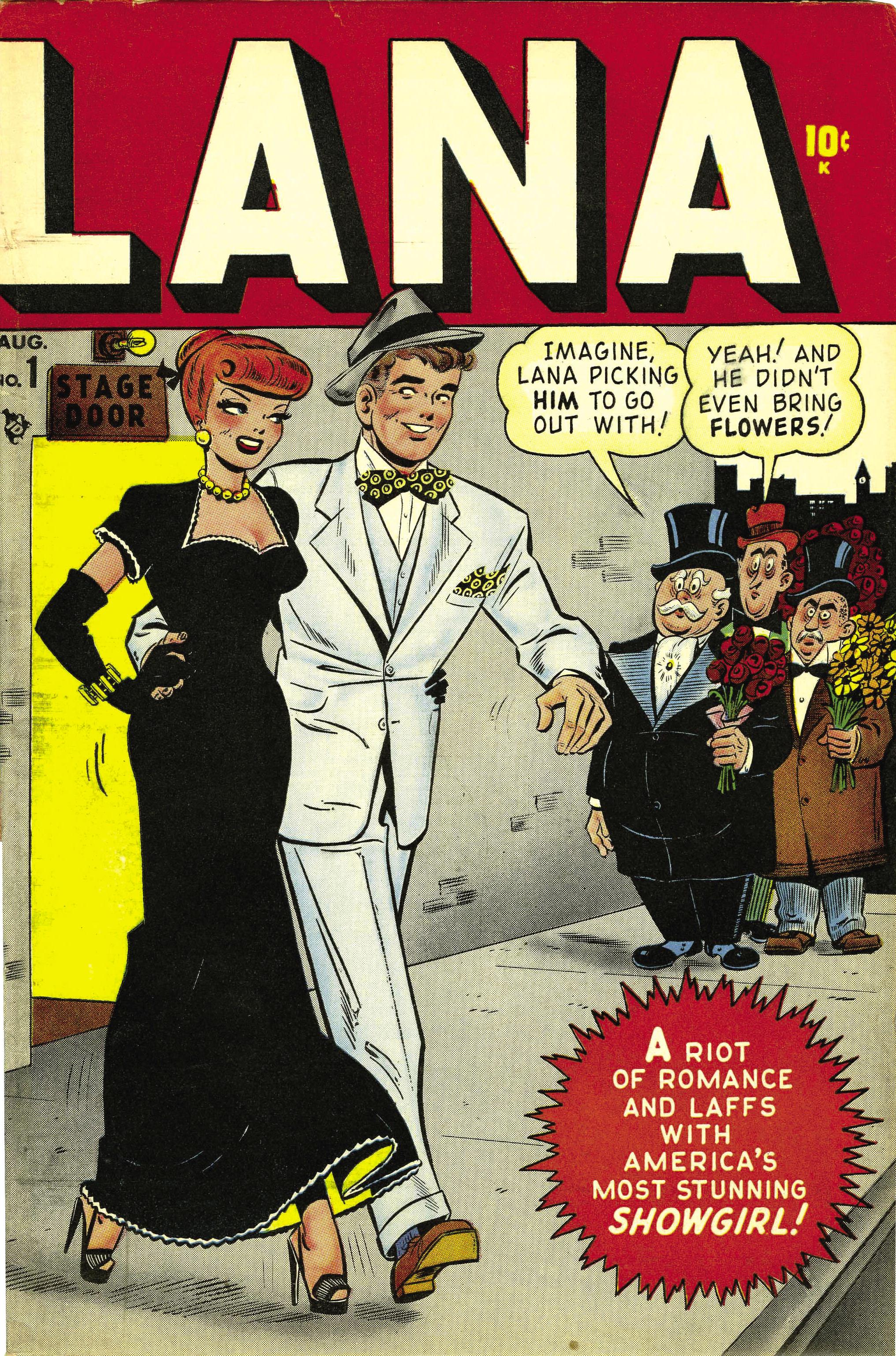
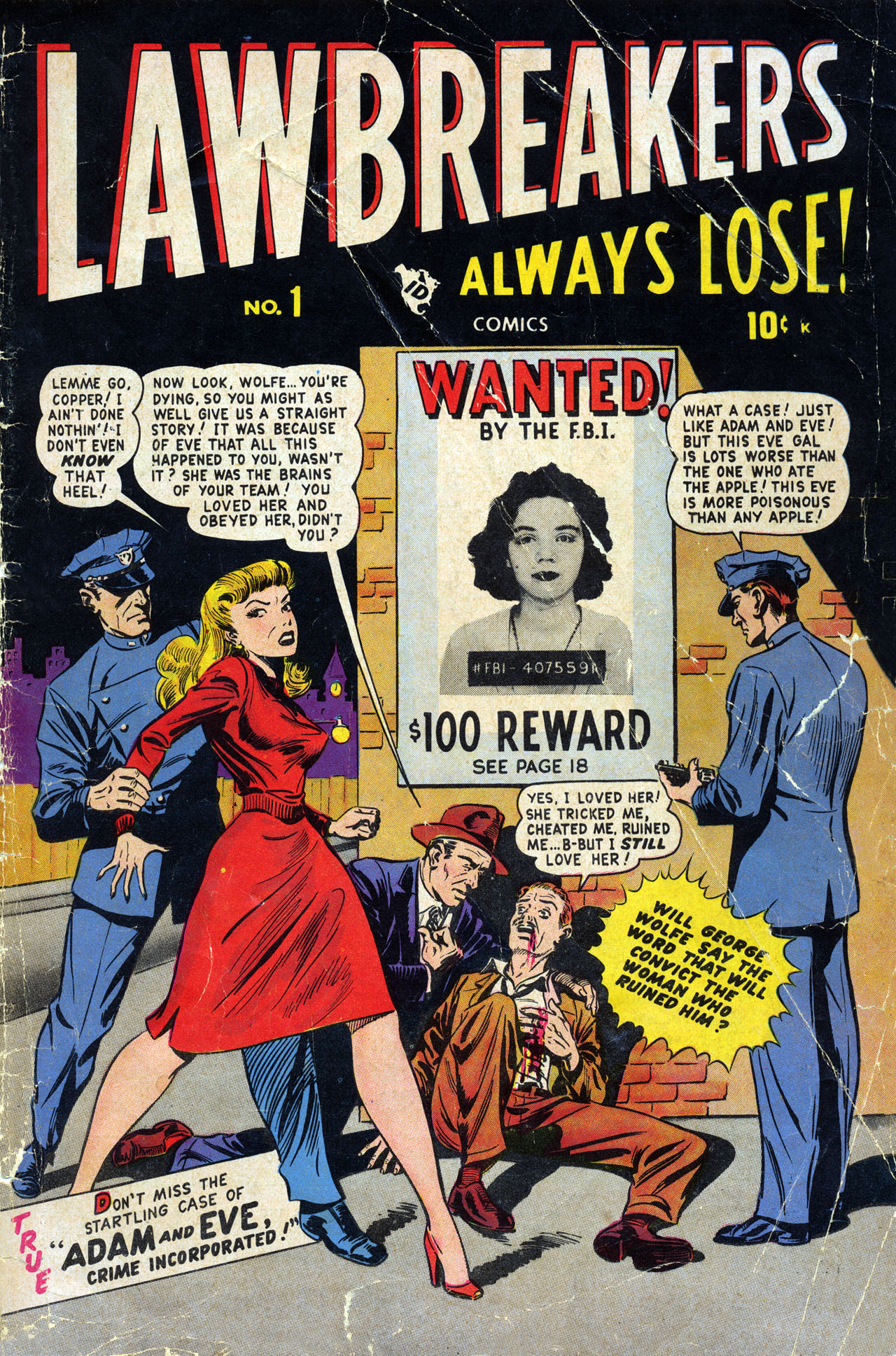
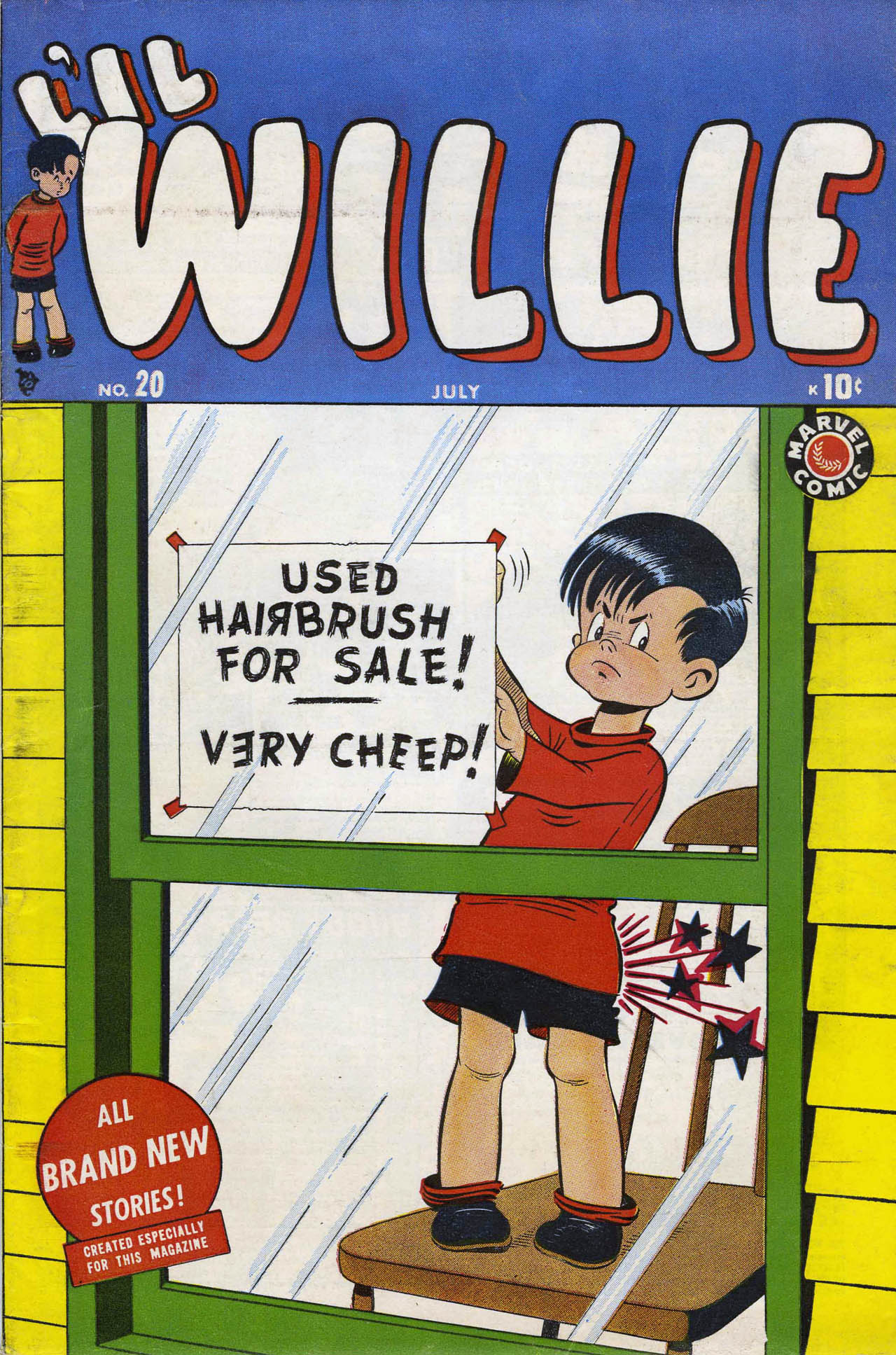
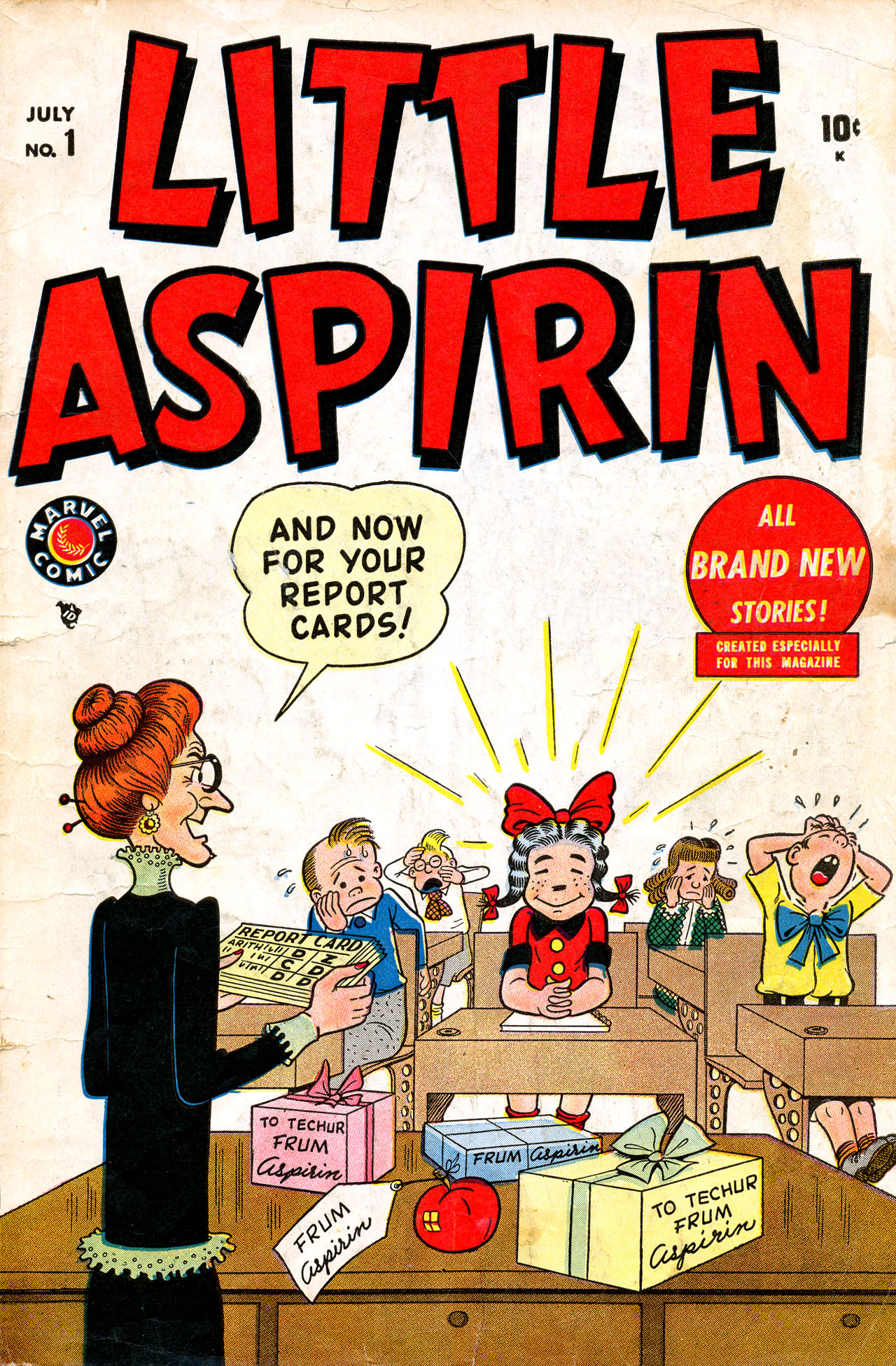
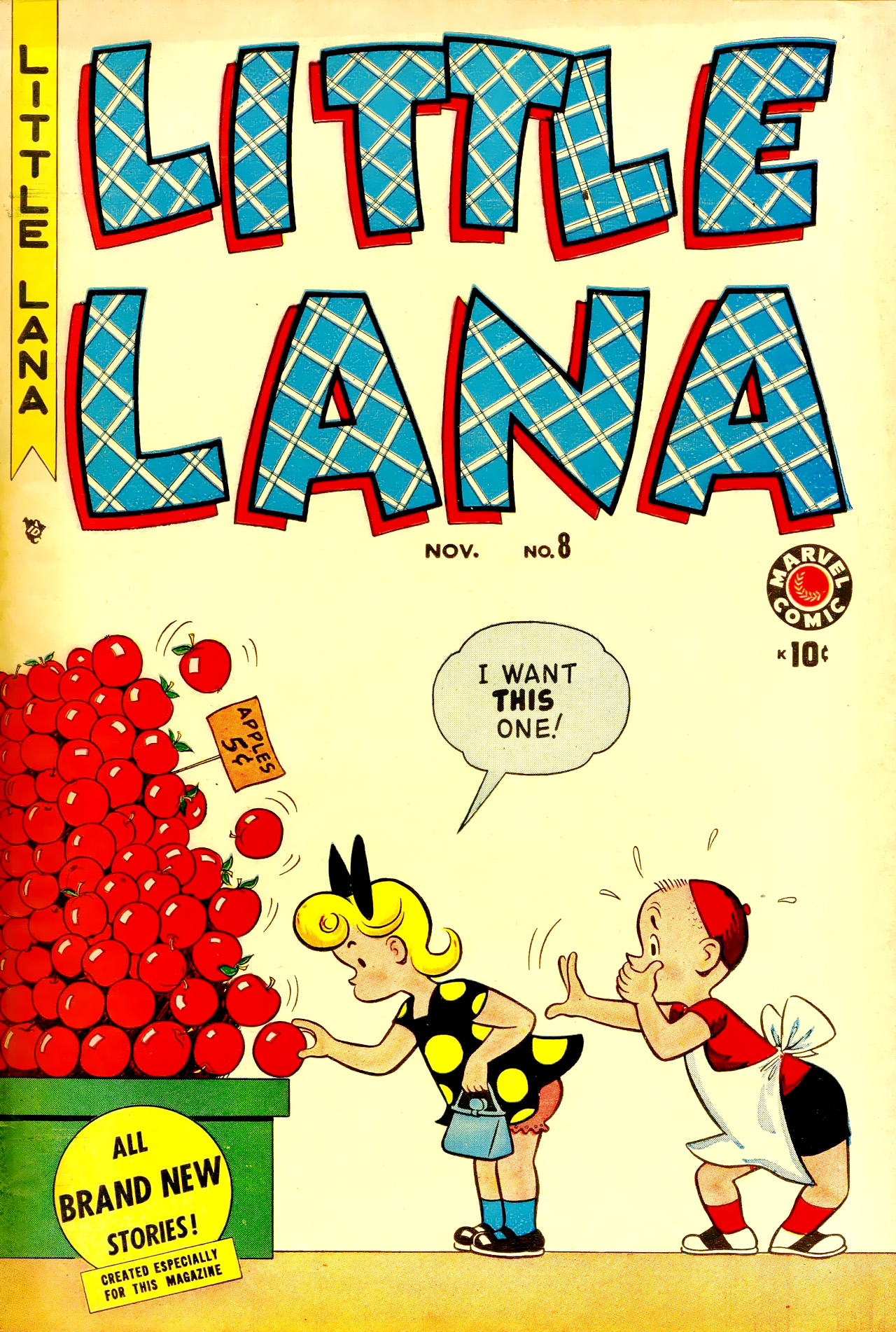
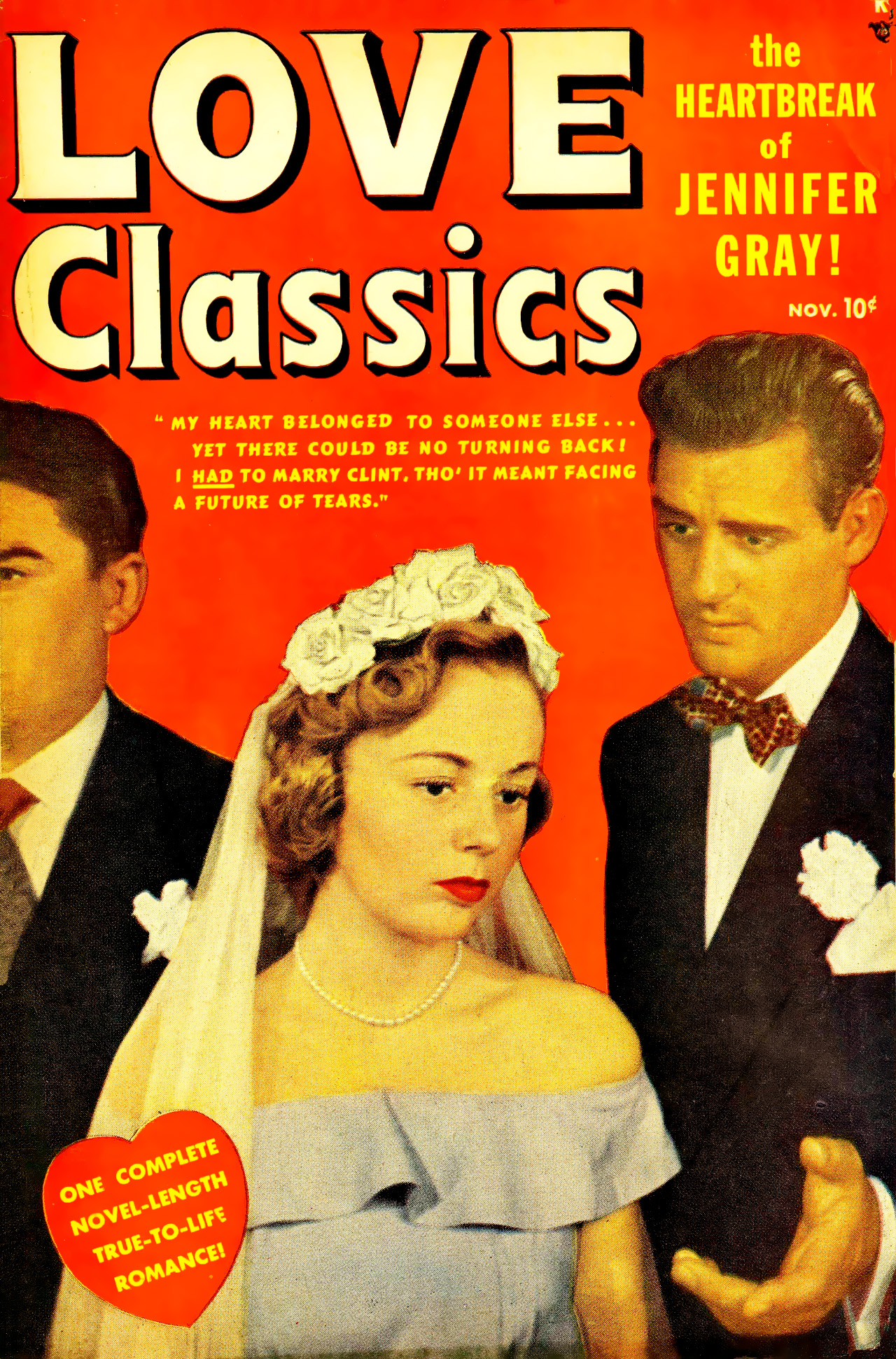
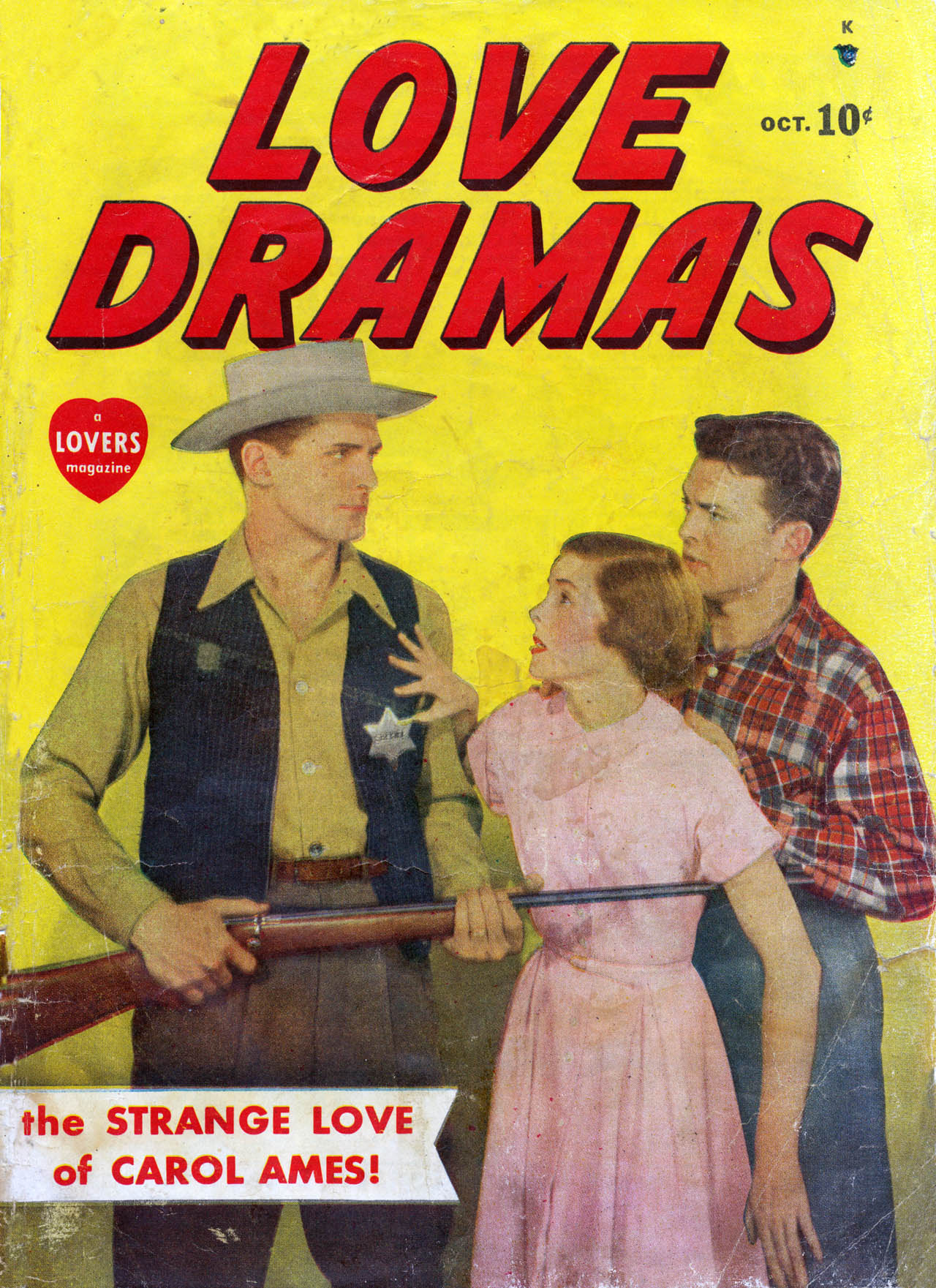
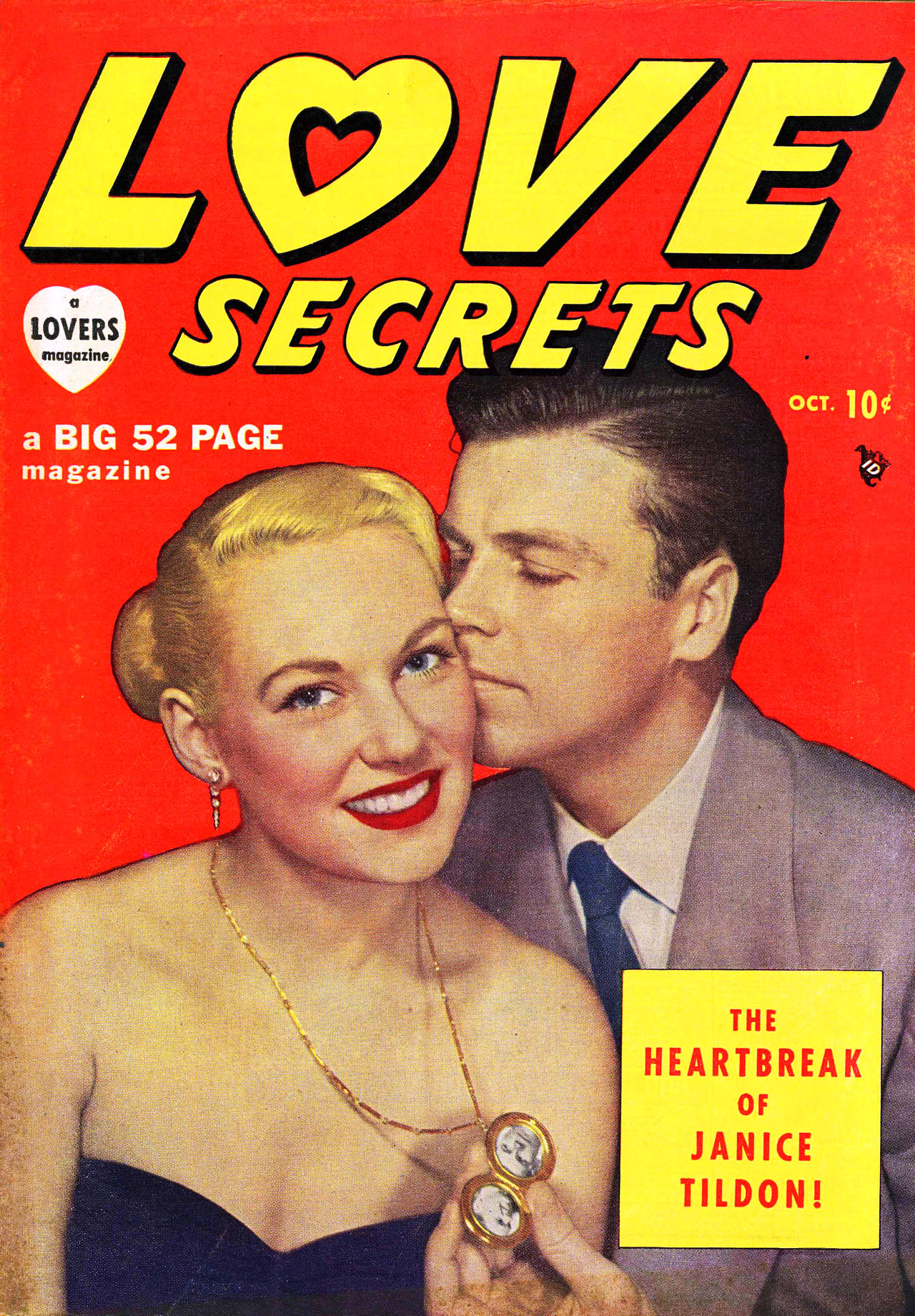
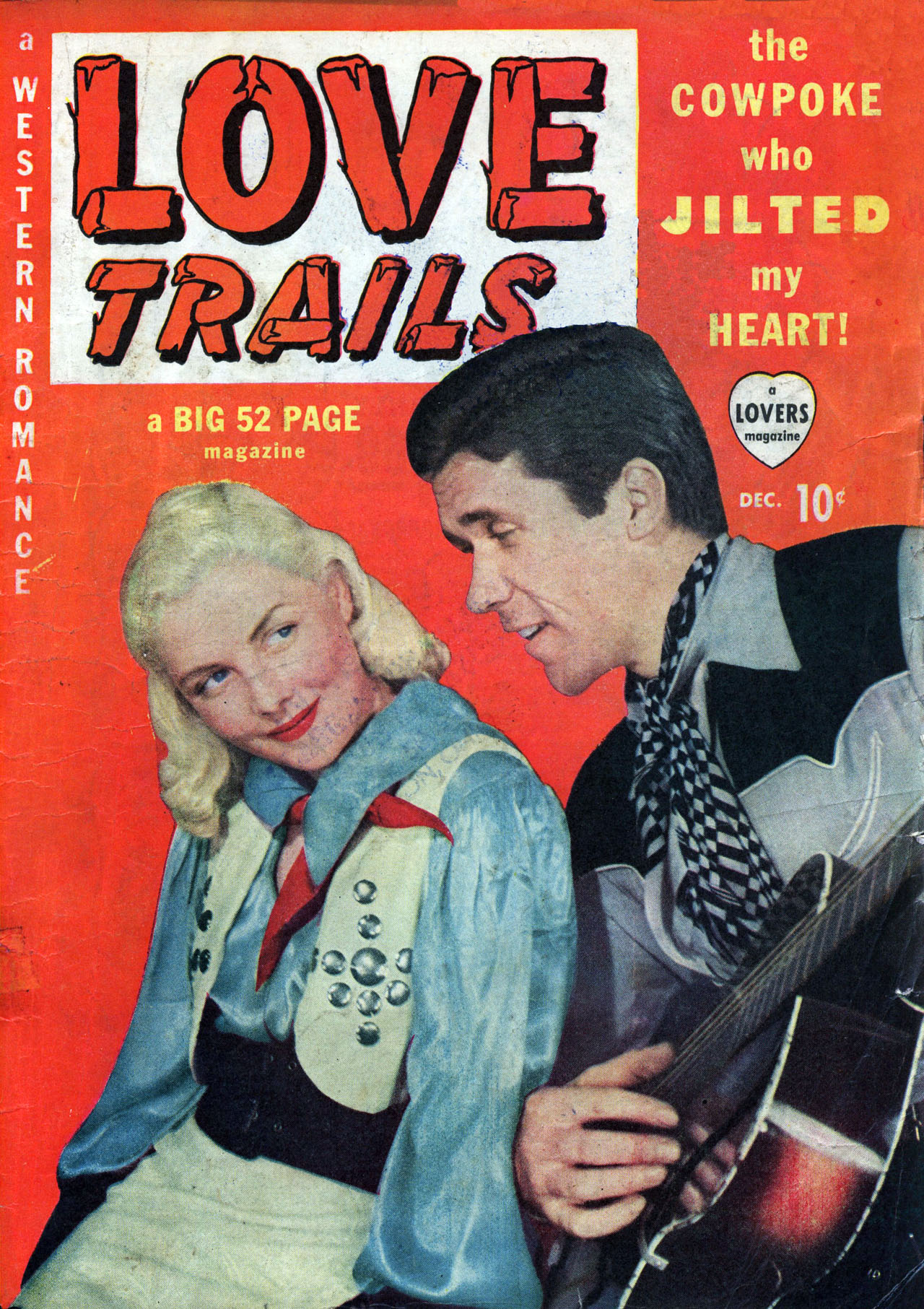
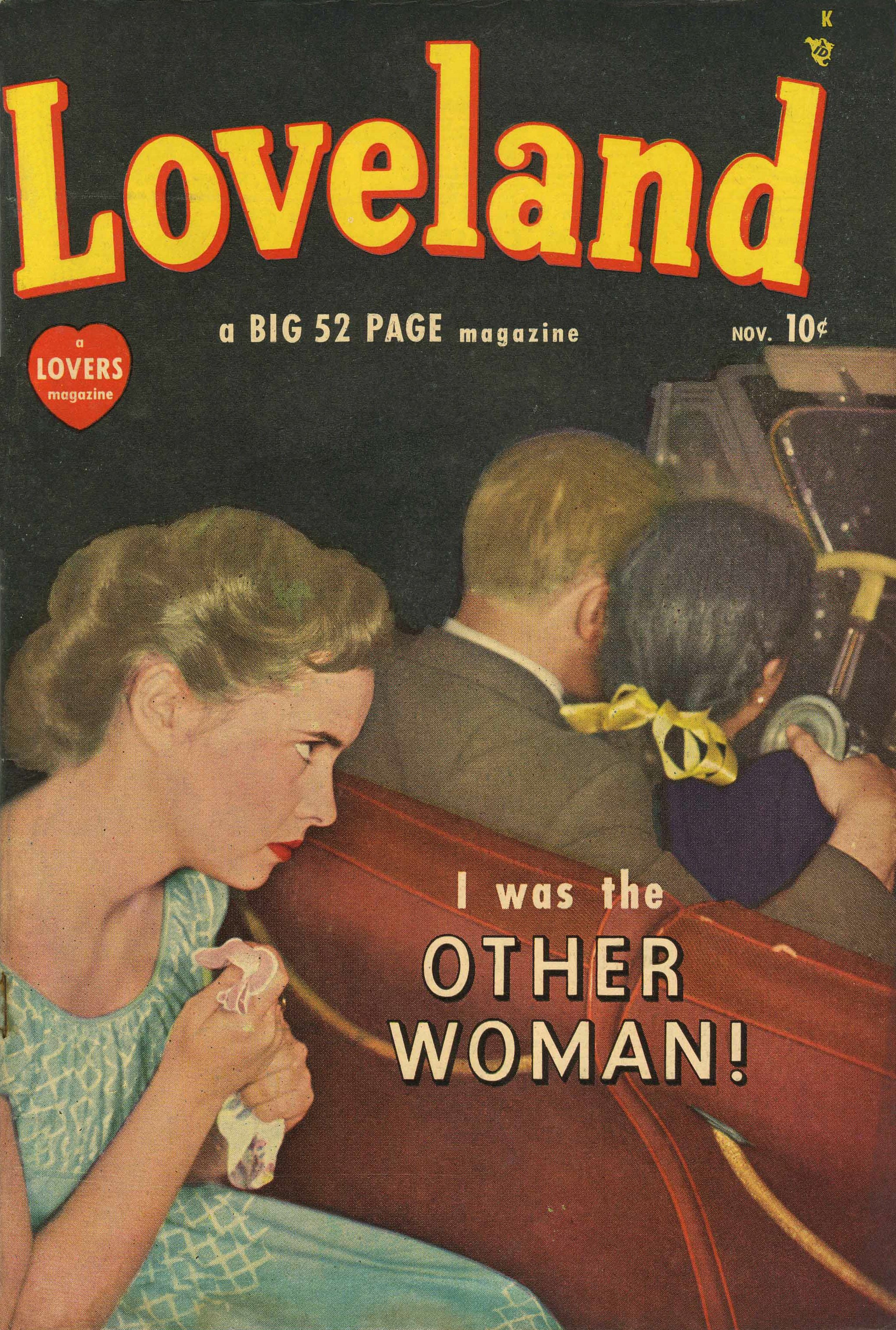
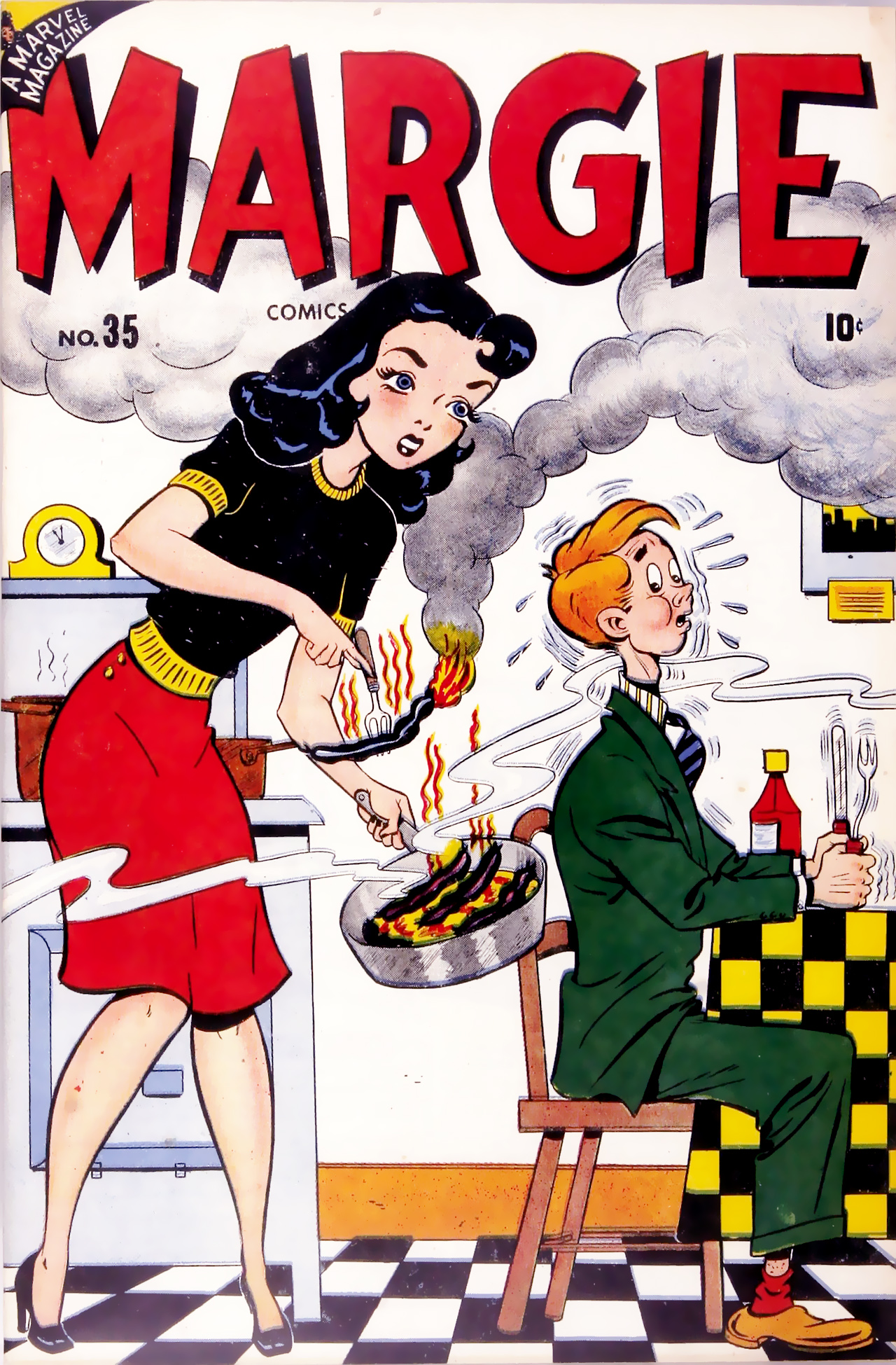
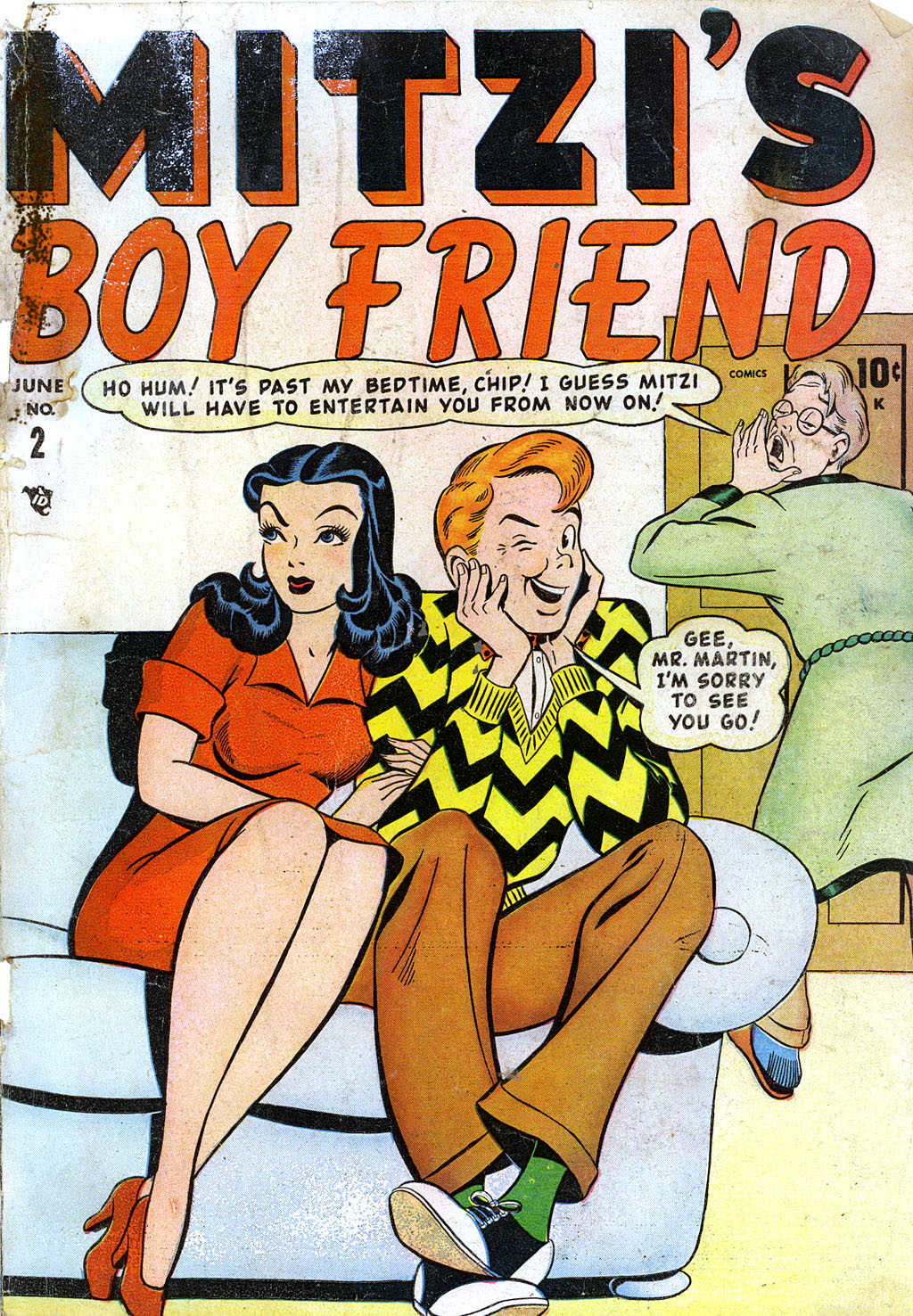
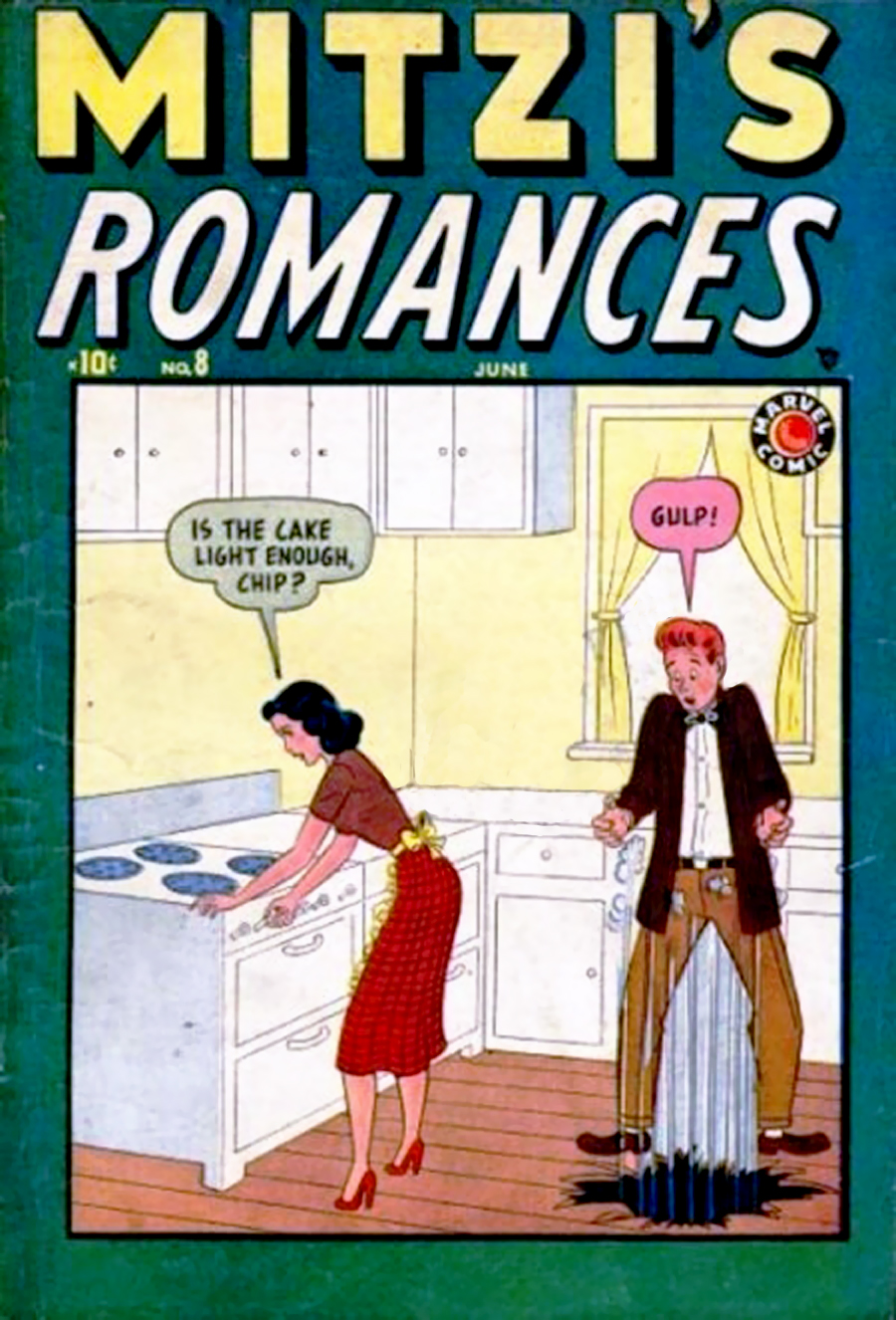
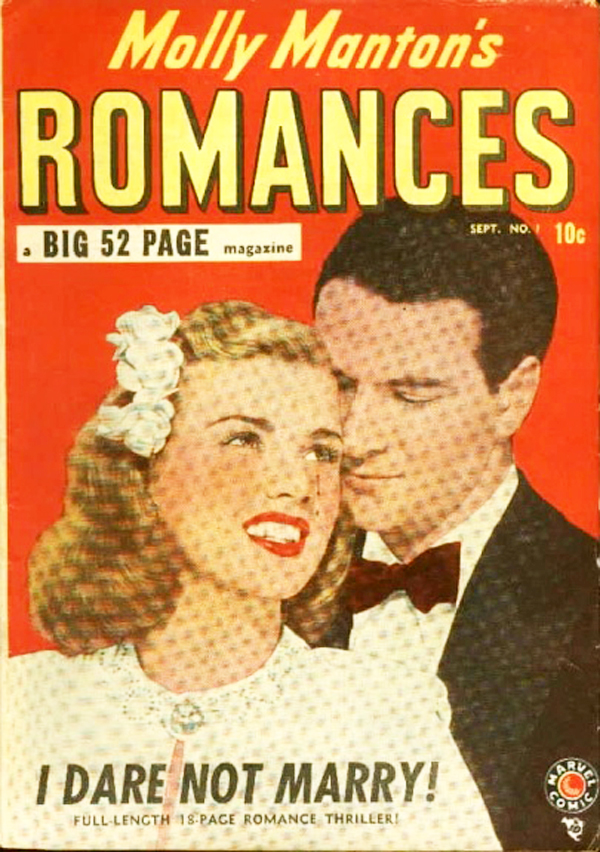
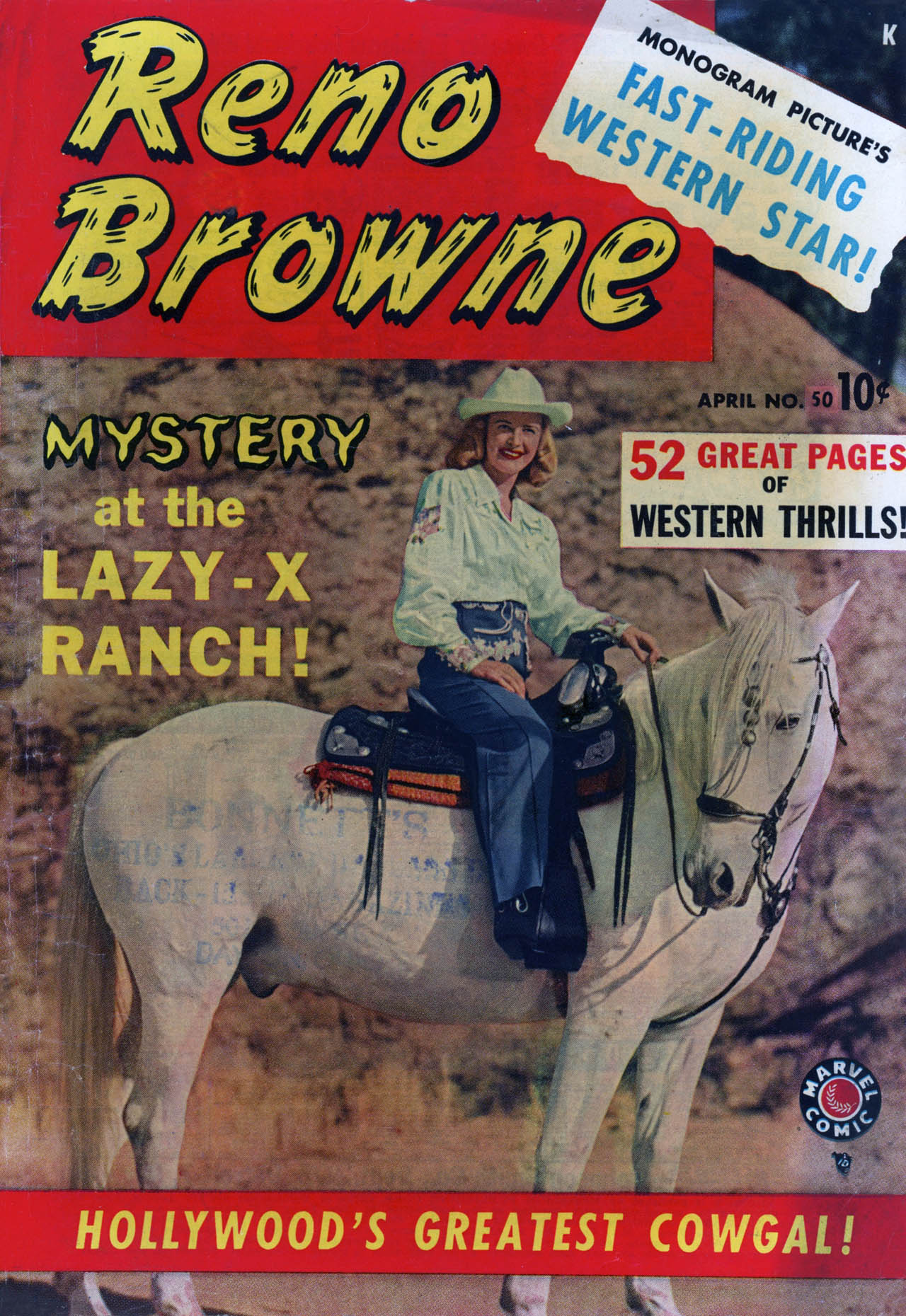
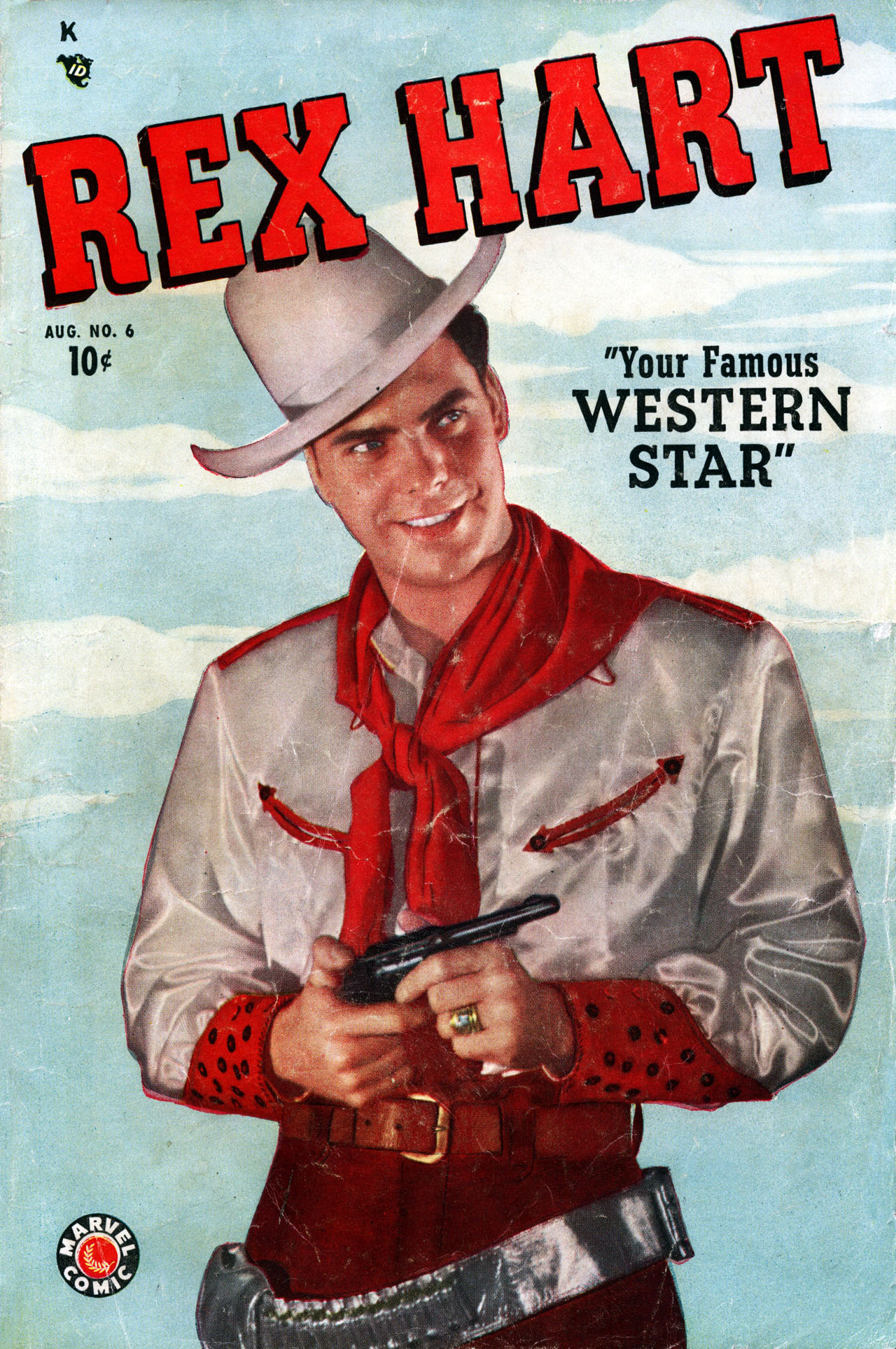
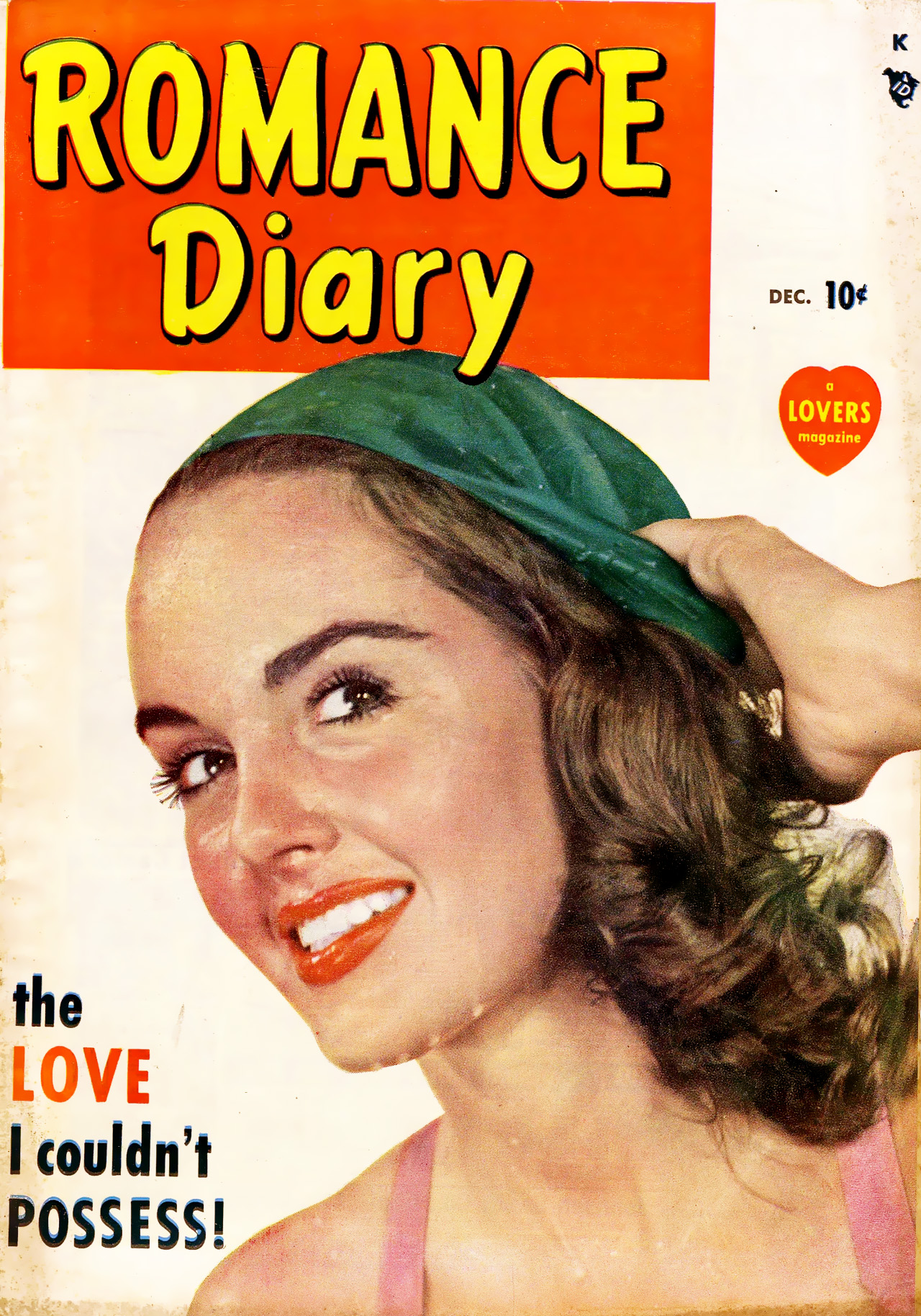
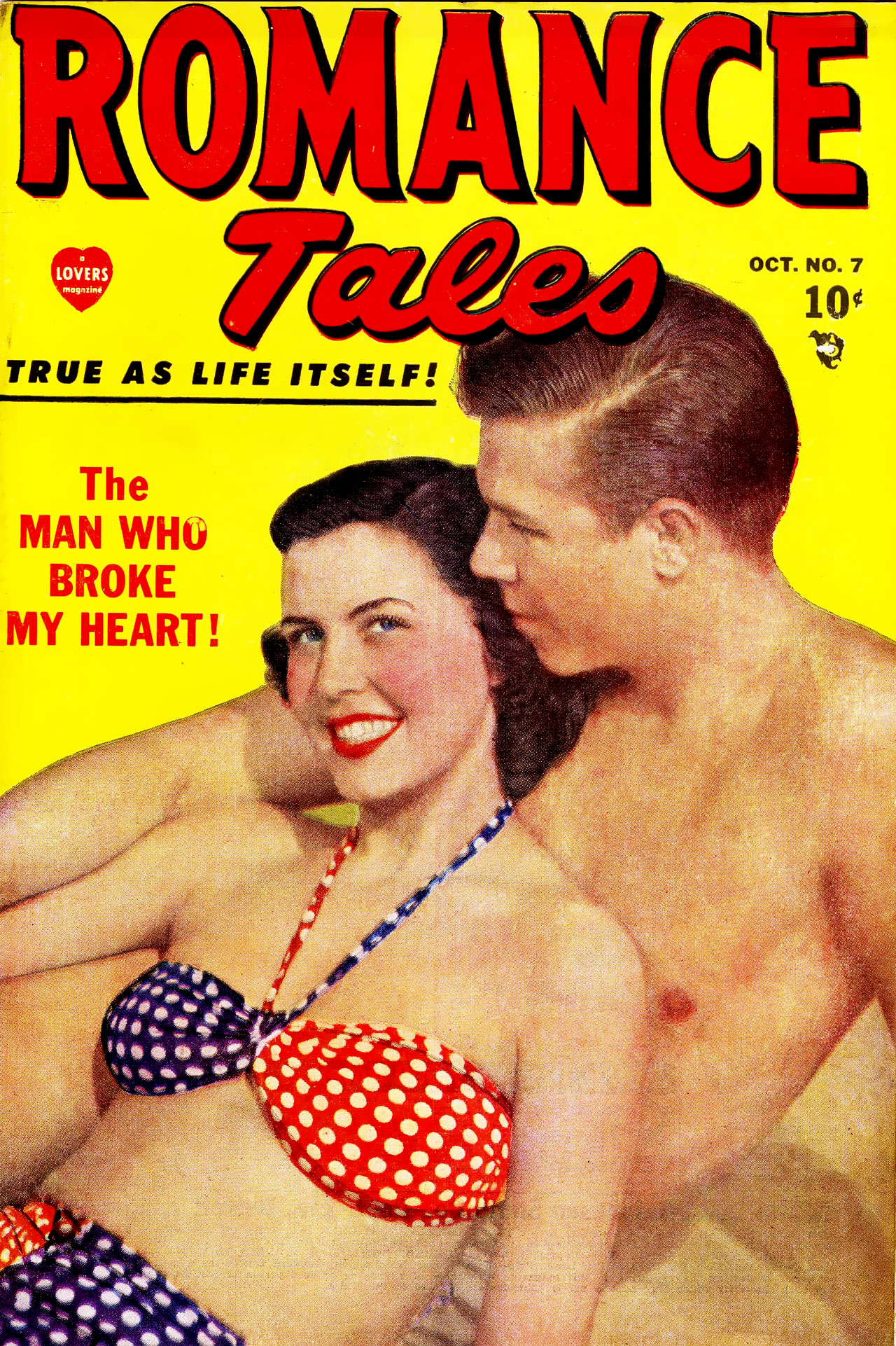
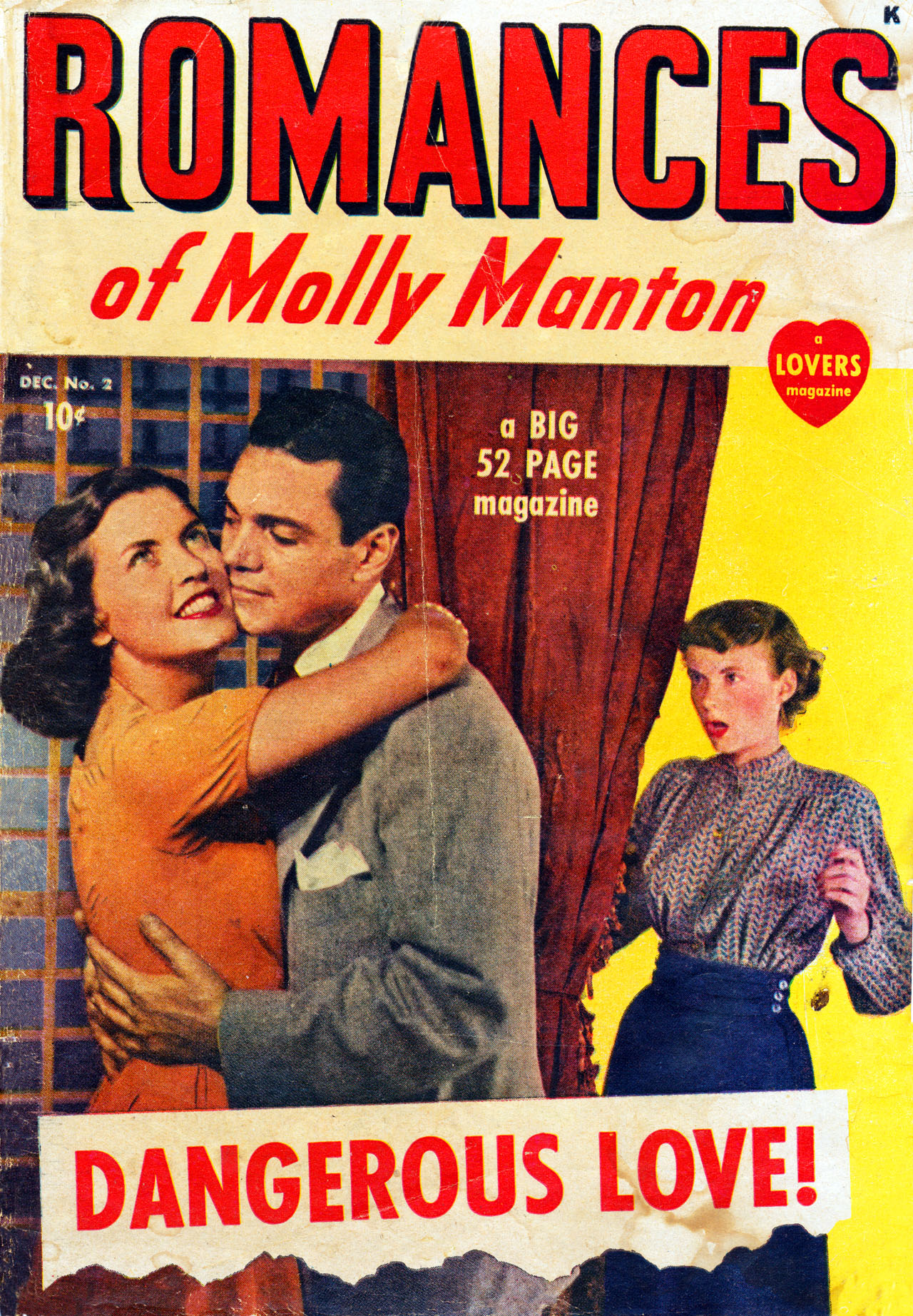
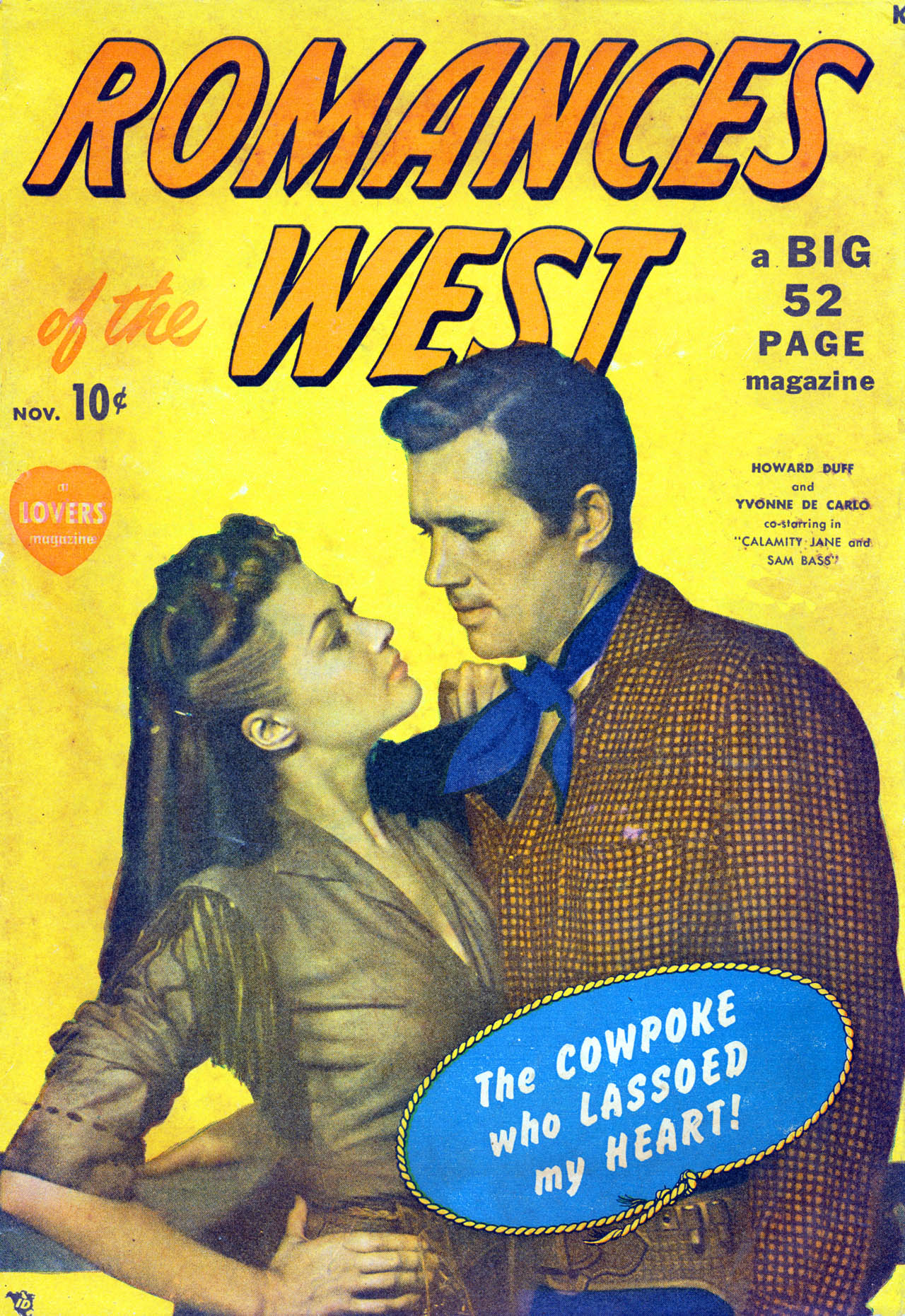
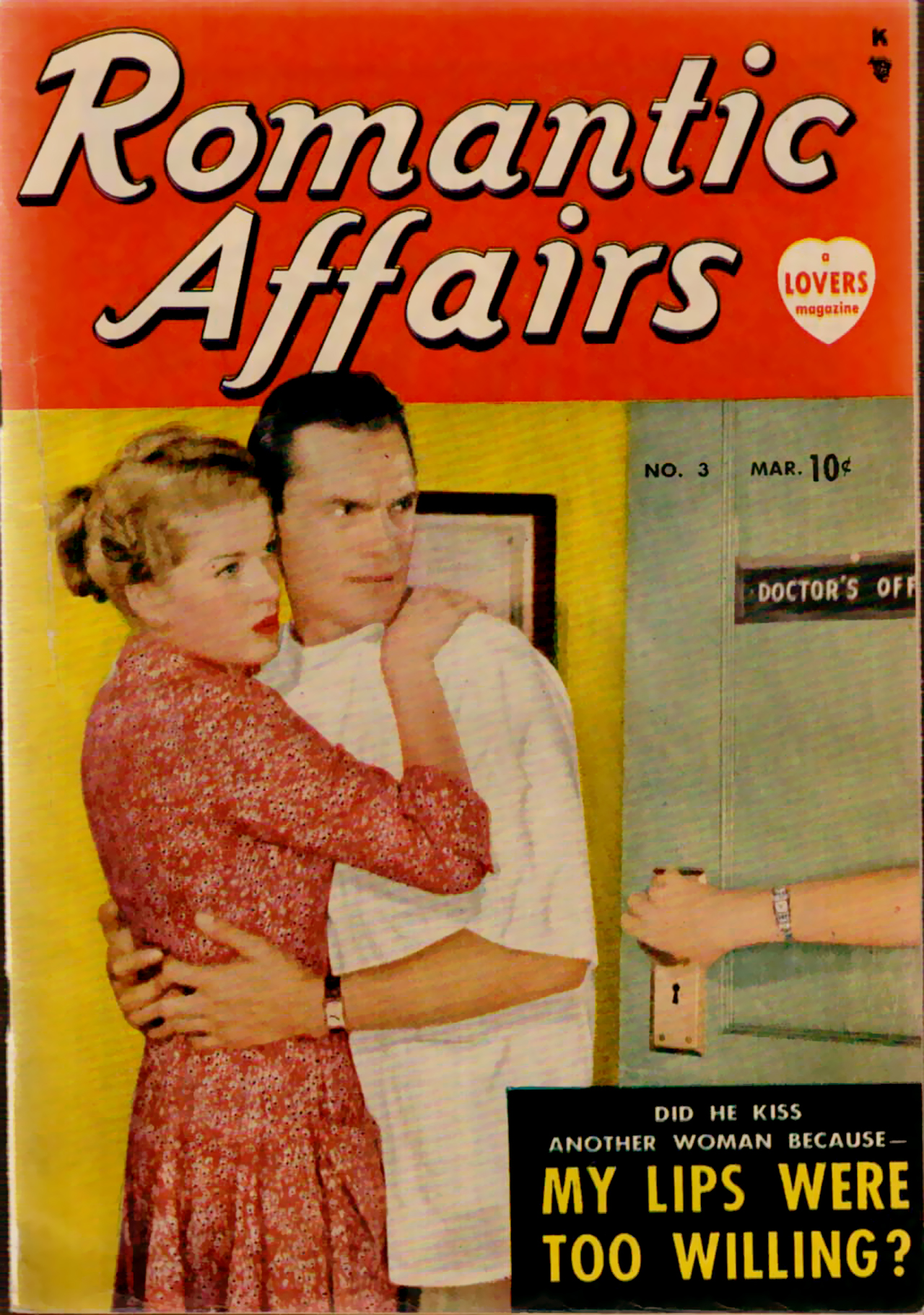
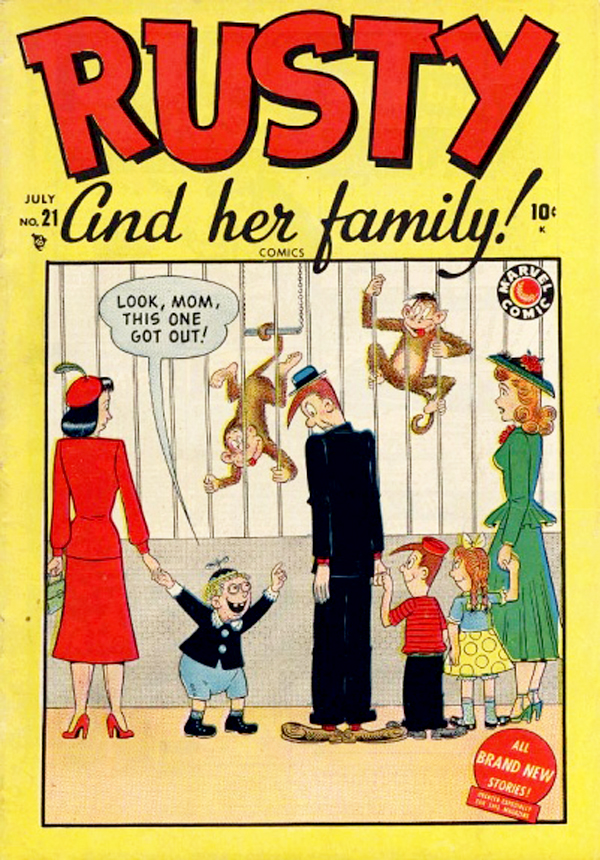
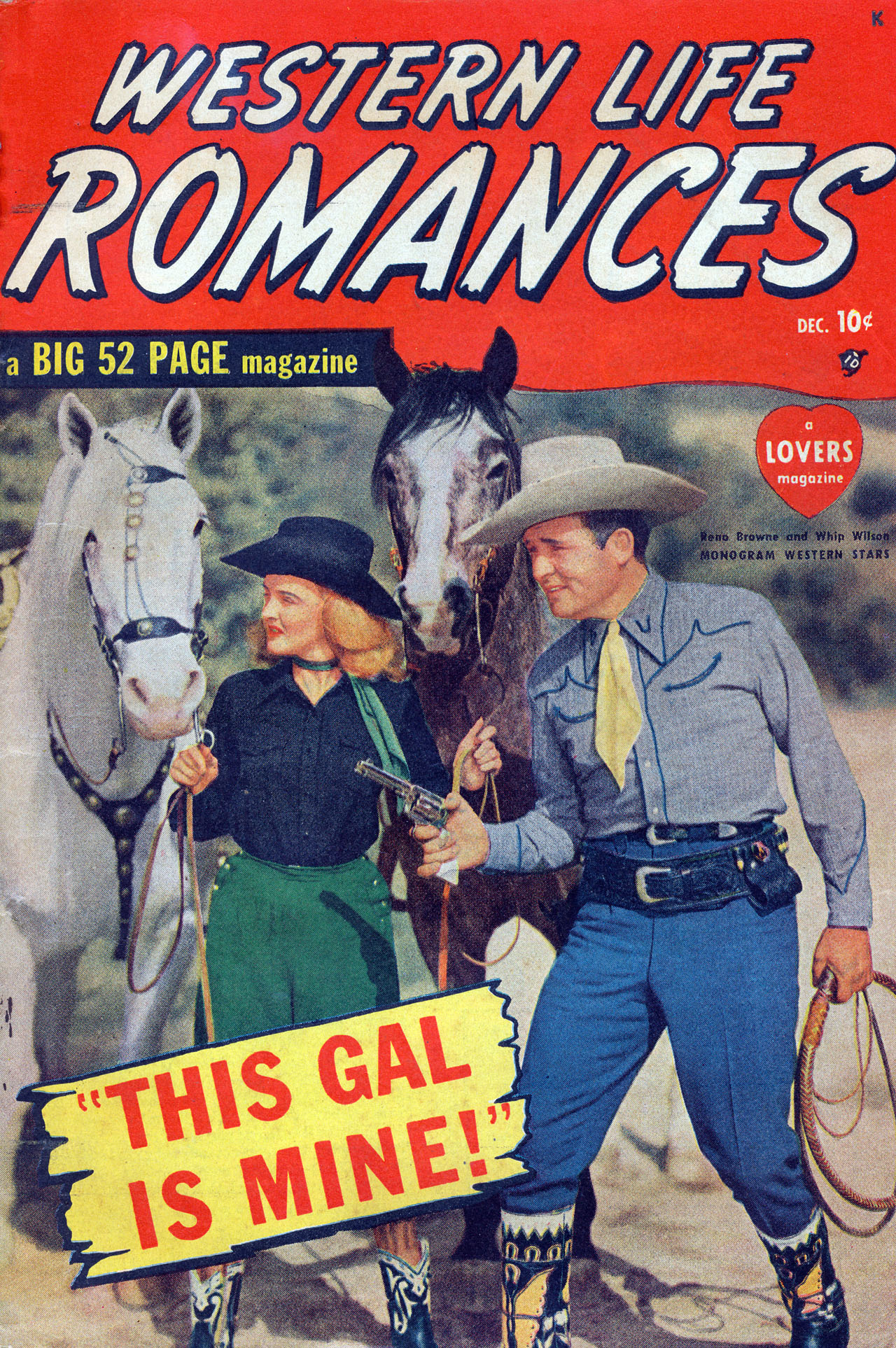
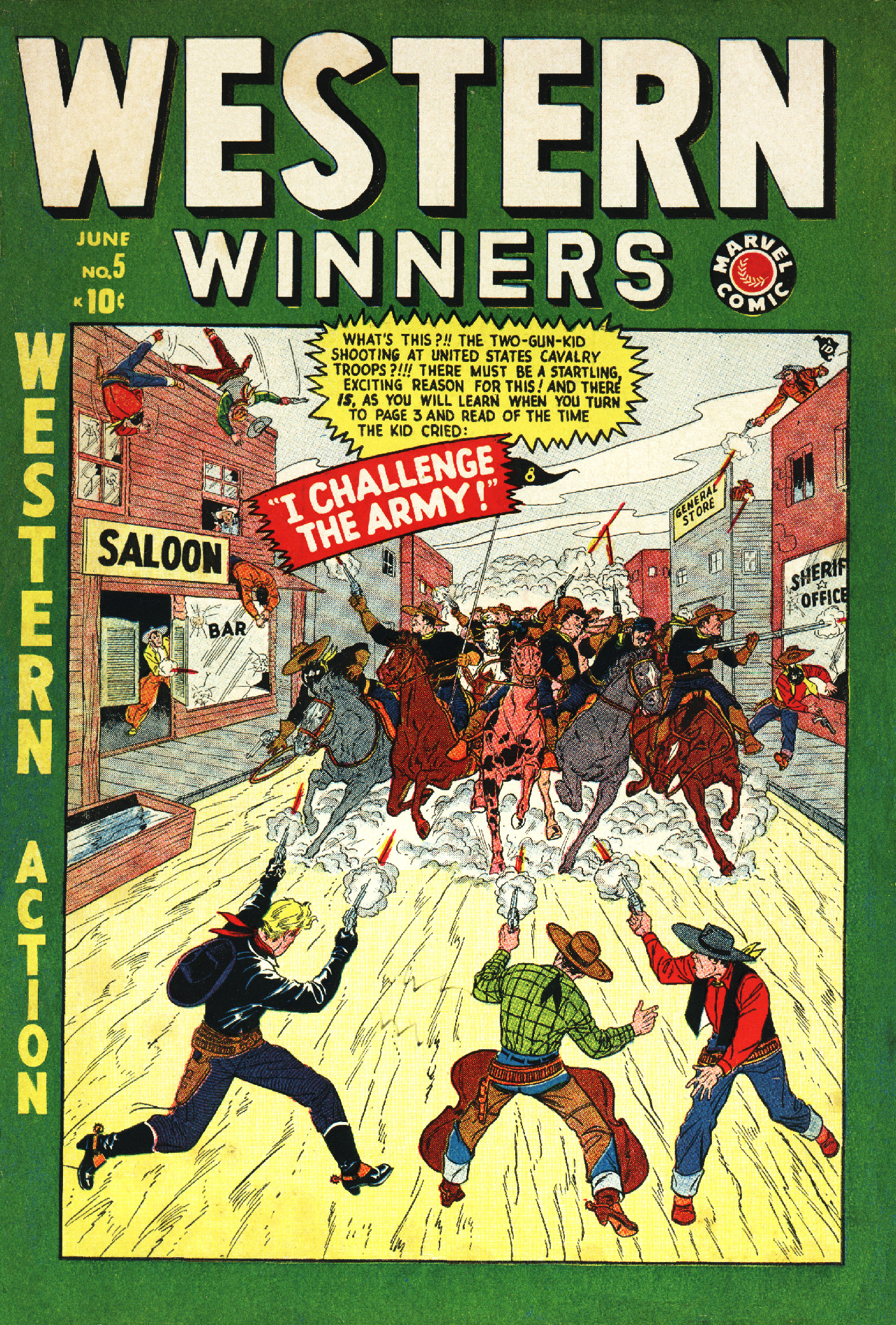
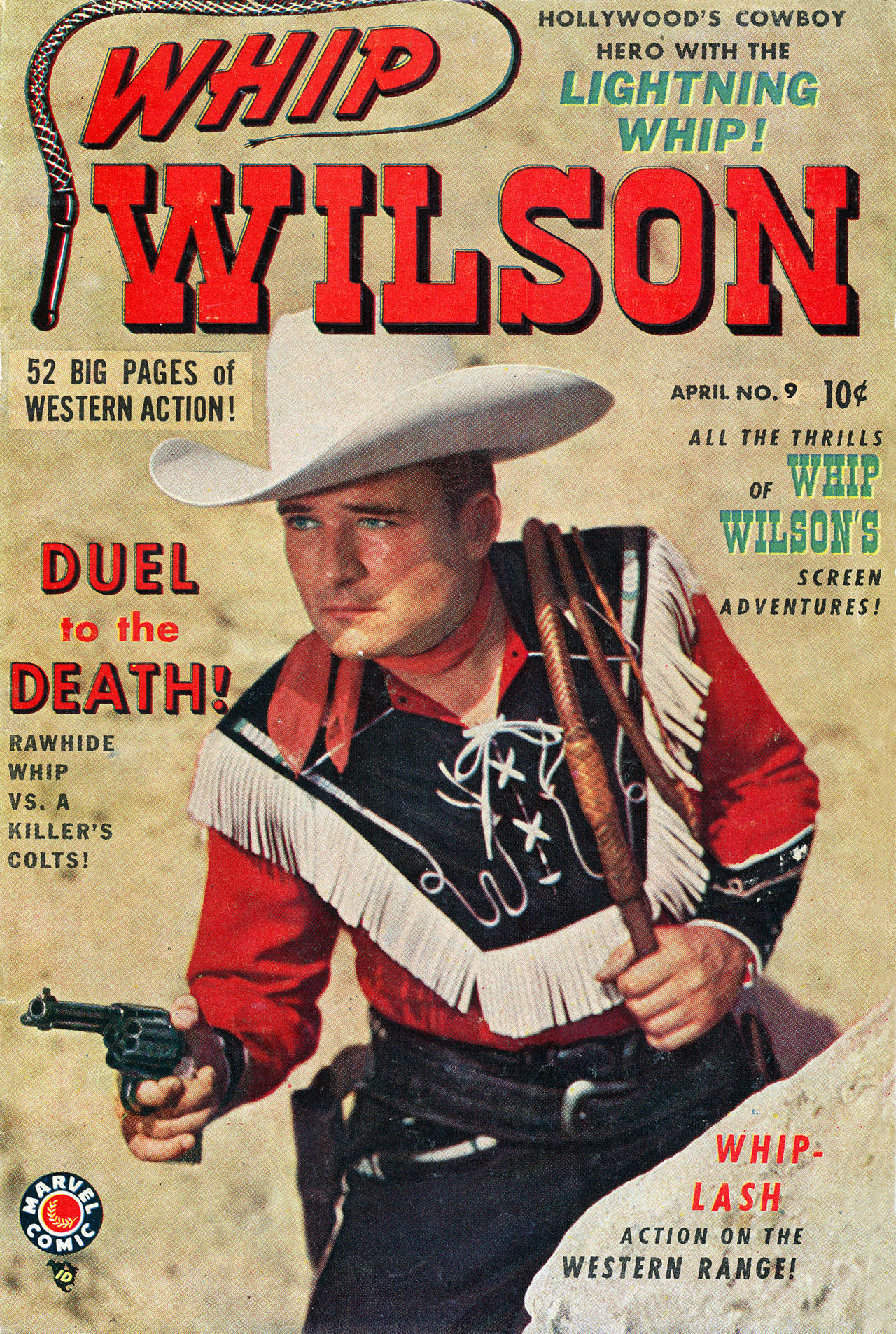
In the early 1950s, as the popularity of superhero comics waned, Timely Comics changed its name to Atlas Comics and shifted its focus to other genres, including westerns, war comics, and romance comics. Atlas Comics was still home to a number of talented creators, including Joe Maneely, Gene Colan, and Steve Ditko.
In the early 1960s, Martin Goodman decided to try his hand at superhero comics again, inspired by the success of rival publisher DC Comics’ Justice League of America. Goodman tasked Stan Lee and Jack Kirby with creating a new superhero team, which resulted in the creation of the Fantastic Four. This marked the beginning of what is now known as the Marvel Age of Comics.
Under Stan Lee’s guidance, Marvel Comics became known for its interconnected universe of characters and storylines, with heroes like Spider-Man, the Hulk, Iron Man, and Thor joining the Fantastic Four and other characters from the Timely/Atlas era. Marvel’s success helped to revitalize the comic book industry and set the stage for the superhero-dominated landscape of comics today.
Many of the talented artists and writers who had worked for Timely and Atlas Comics also contributed to the Marvel Age, including Steve Ditko, Gene Colan, and Bill Everett, among others. Their work helped to shape the look and feel of Marvel’s characters and universe, and their influence can still be felt in the comics of today.
 Initiative Oméga