Le Blue Beetle

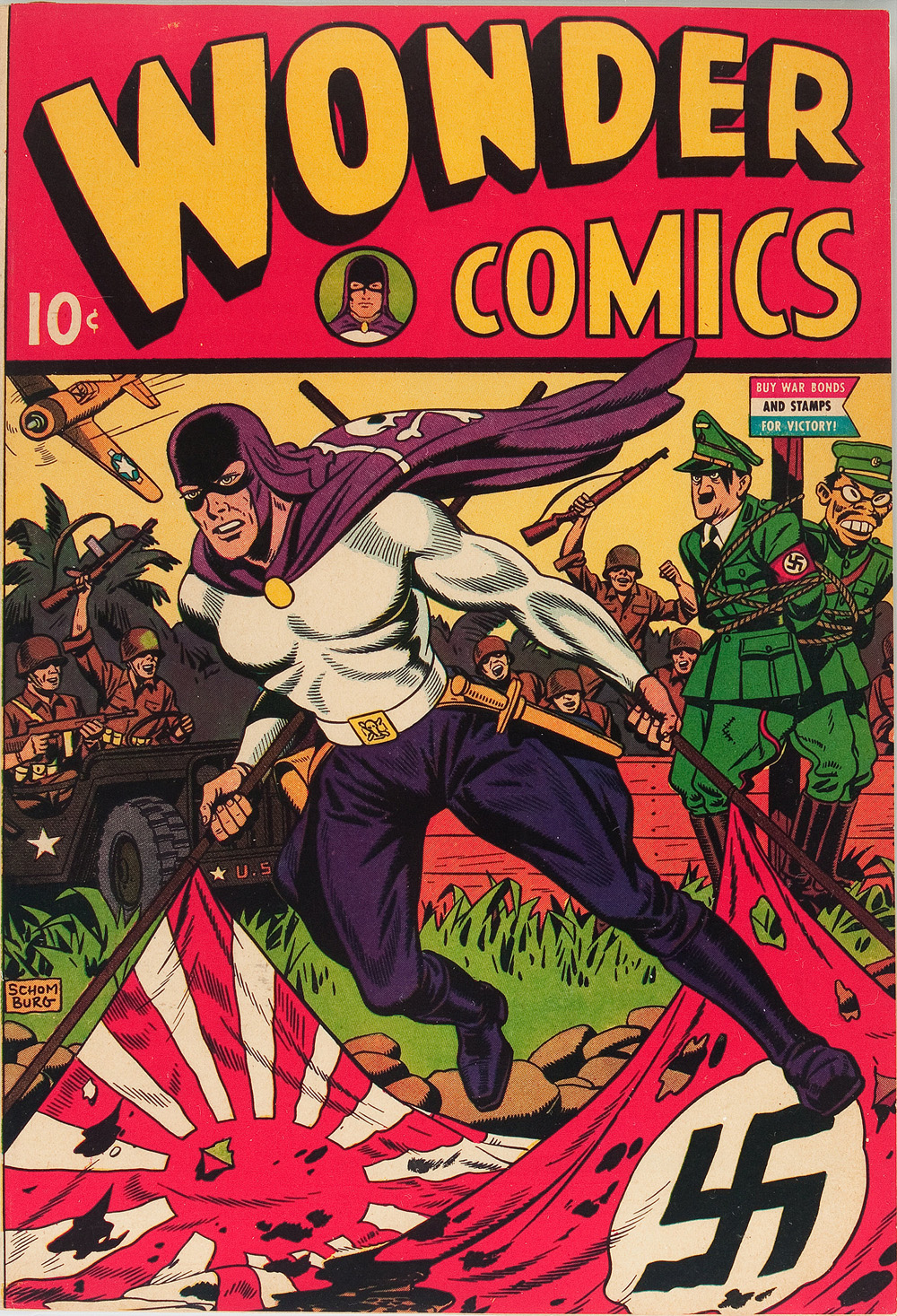
Le Blue Beetle n’est pas votre super-héros ordinaire, mais une lignée de héros qui a traversé les âges. Depuis sa première apparition en 1939, le personnage de Blue Beetle a été incarné par trois individus distincts : Dan Garrett, Ted Kord et Jaime Reyes. Chacun de ces personnages a apporté sa propre saveur unique à l’identité de Blue Beetle, tout en conservant l’essence du personnage : un héros déterminé à combattre le mal avec courage et ingéniosité.

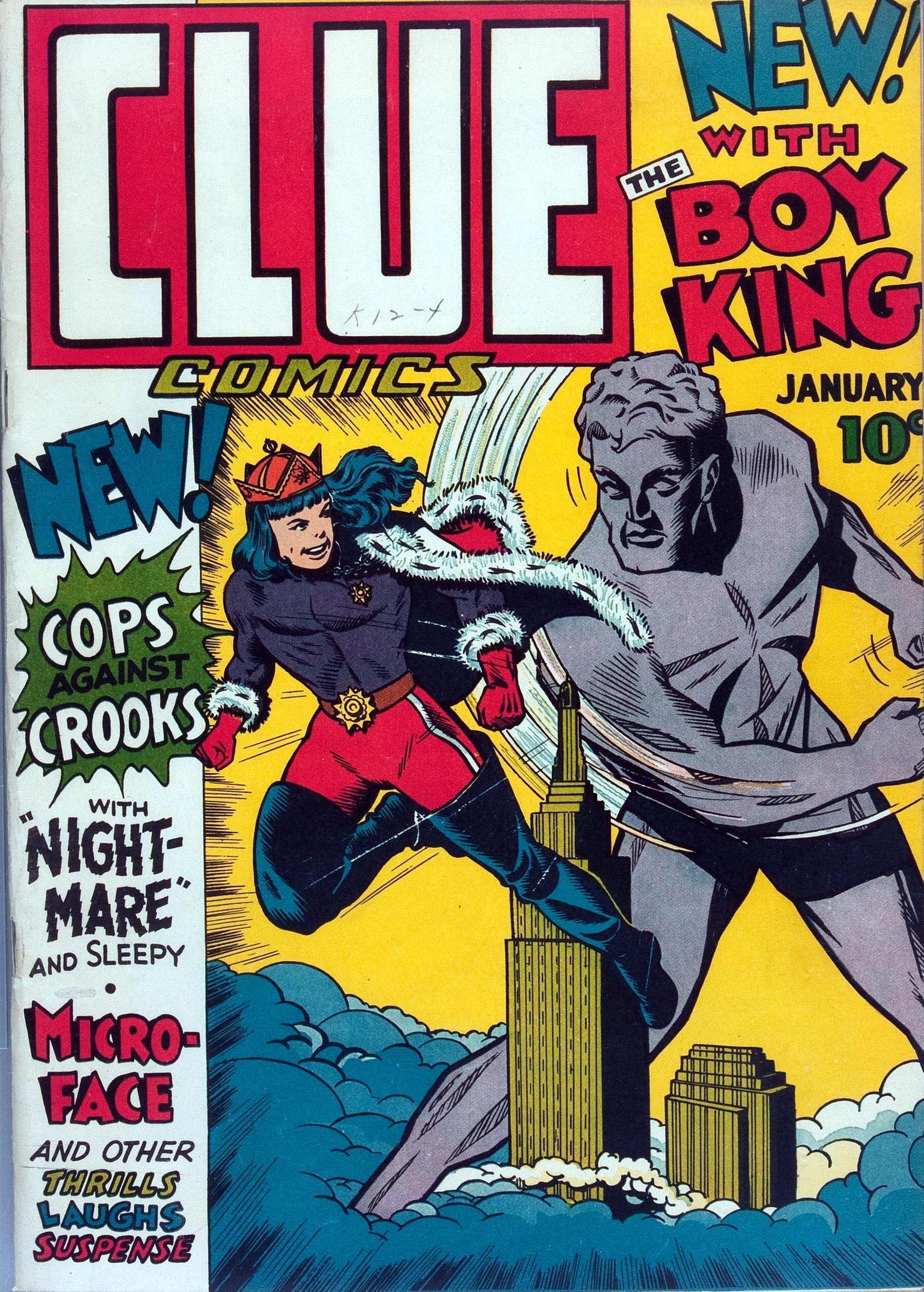
Le personnage de Blue Beetle a été créé par plusieurs éditeurs de bandes dessinées au fil des ans, notamment Fox Comics, Charlton Comics et DC Comics. Cela a permis au personnage d’évoluer et de s’adapter à différentes époques et styles de narration, garantissant ainsi sa pertinence et sa popularité auprès des fans de bandes dessinées.

Le voyage du Blue Beetle à travers les annales de l’histoire de la bande dessinée témoigne de l’attrait durable du personnage et des talents créatifs des écrivains et des artistes qui lui ont donné vie.

Dan Garrett : Le premier Blue Beetle

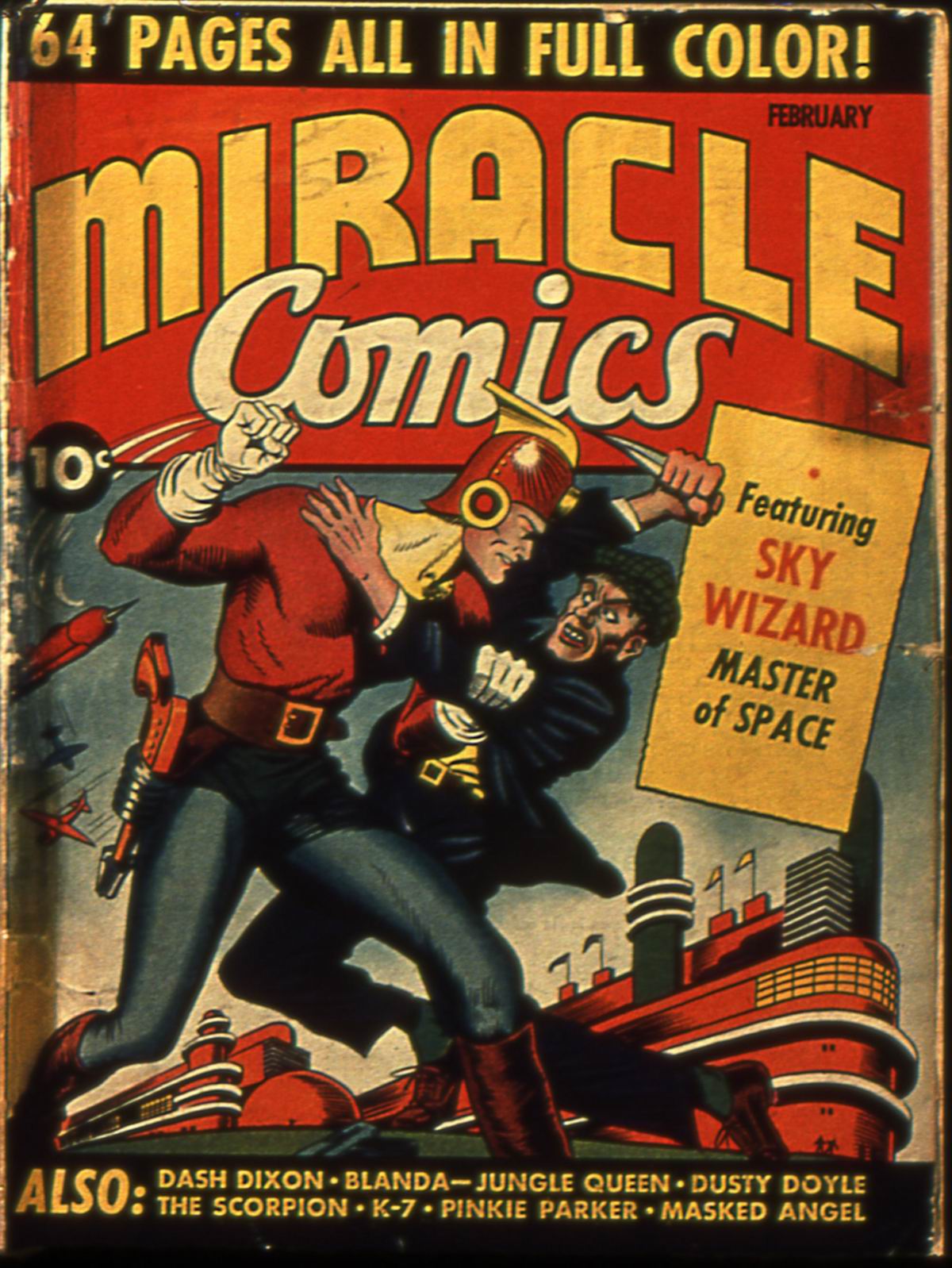
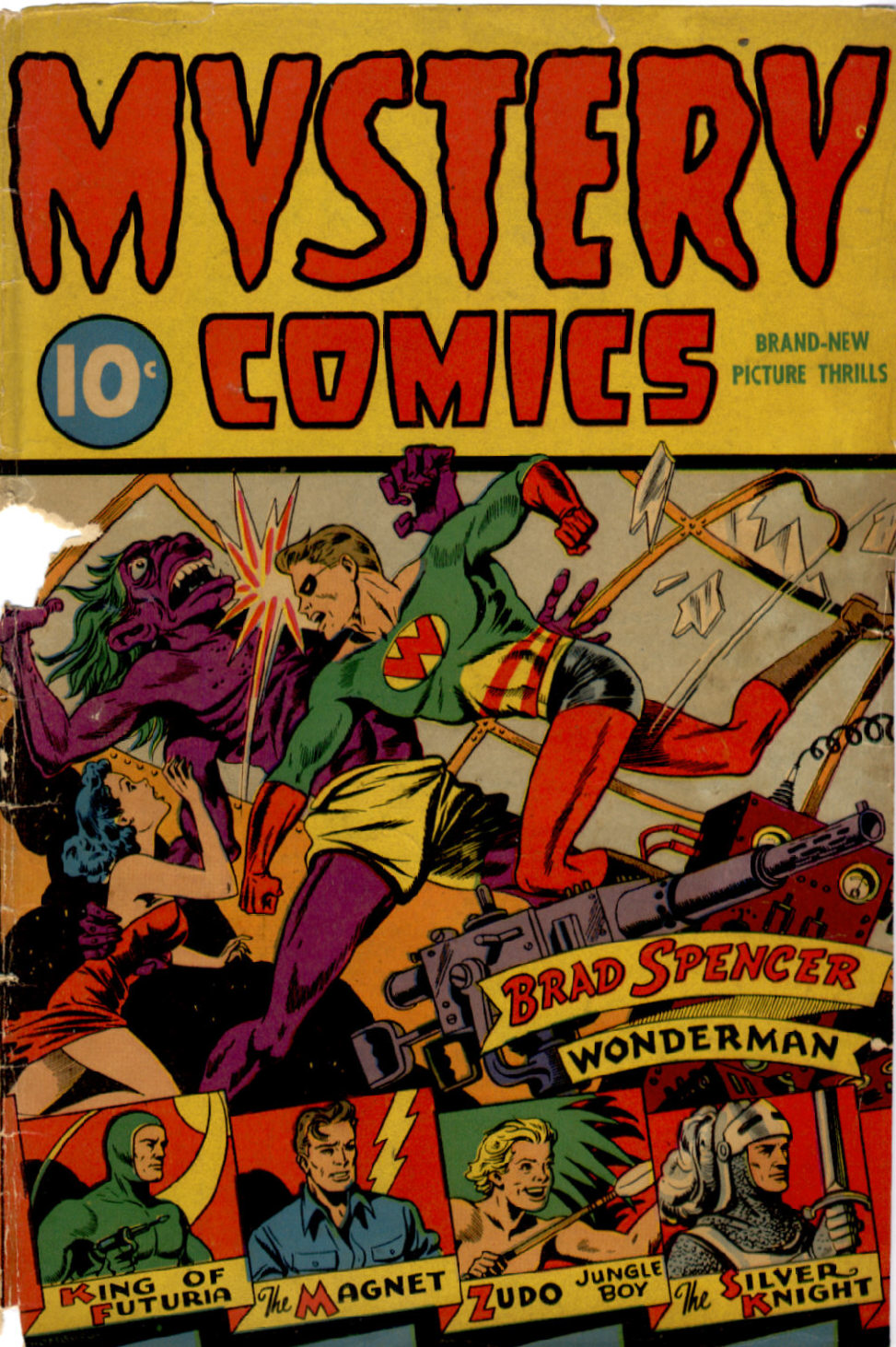
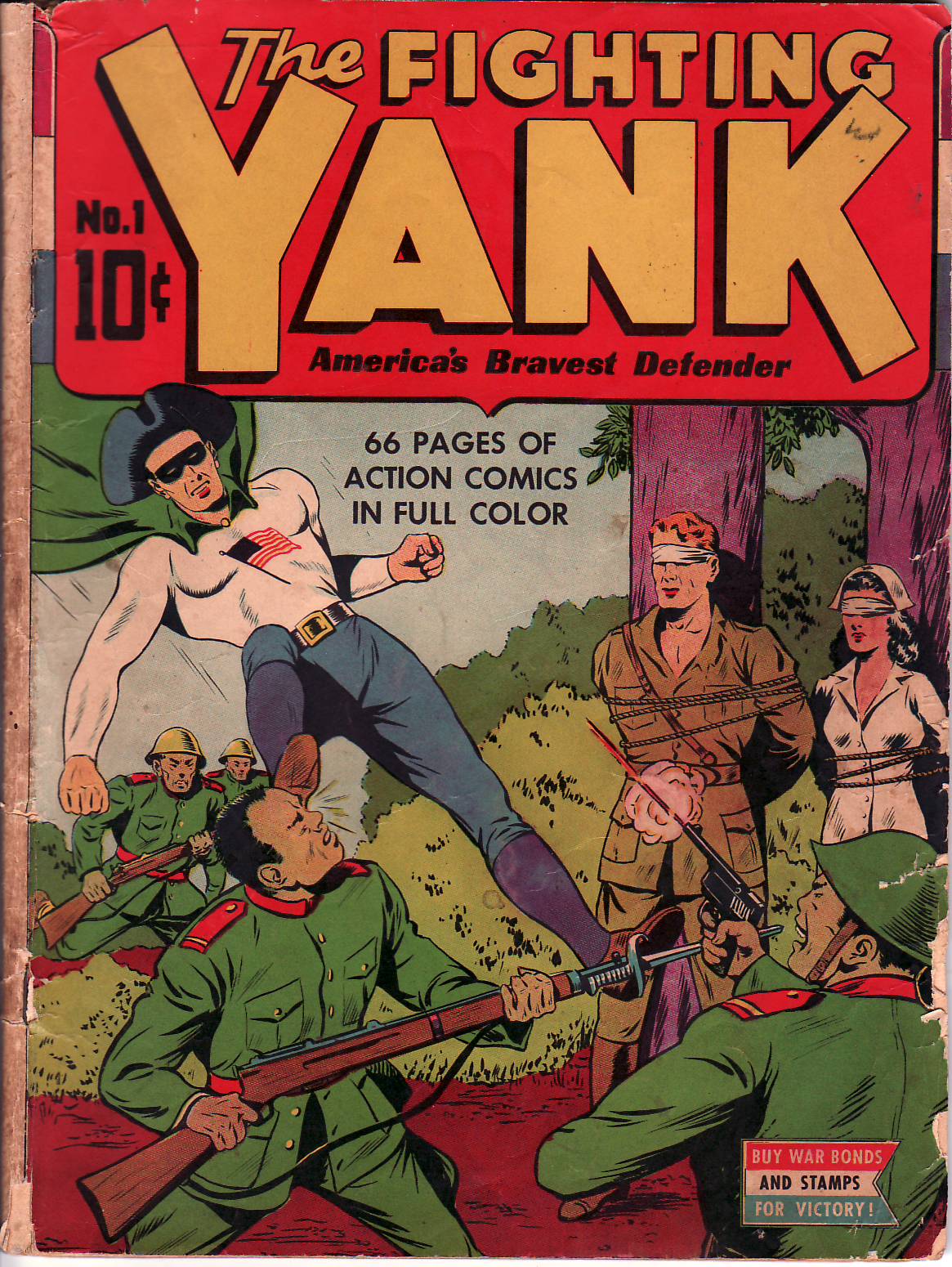
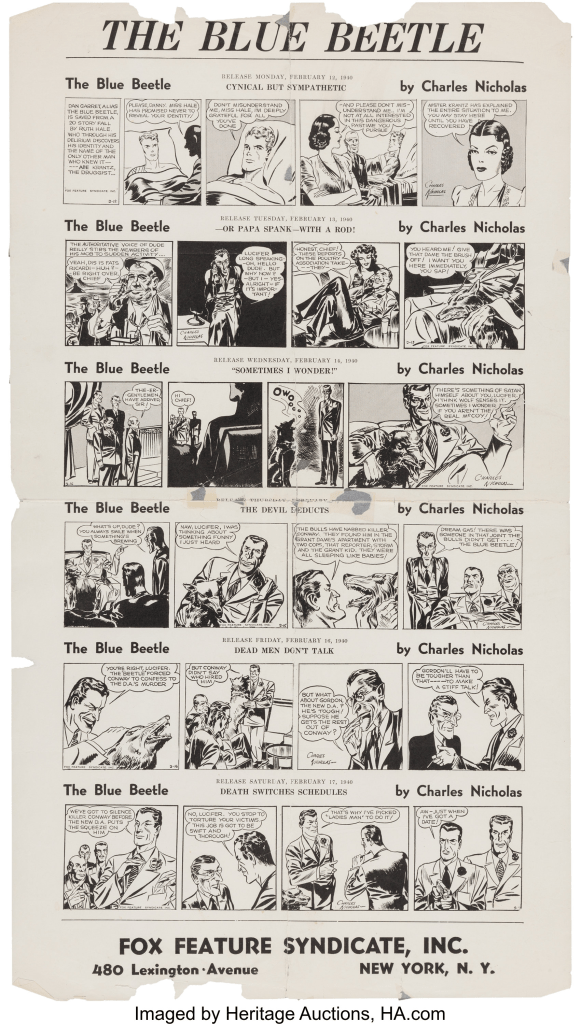
Dan Garrett, l’incarnation originale du super-héros Blue Beetle, était une création de l’âge d’or de la bande dessinée. Né le 6 décembre 1916 d’un officier de police de New York nommé Michael Garrett, Dan a été animé par l’écrivain et artiste Charles Nicholas Wojtkoski. Sa première apparition était dans Mystery Men Comics # 1, publié par Fox en août 1939, faisant de lui l’un des premiers super-héros de l’histoire de la bande dessinée.

Après la mort de sa mère dans une épidémie de grippe, Dan a été élevé par son père. Il aspirait à suivre les traces de son père et à devenir policier, mais son père a insisté pour qu’il fasse d’abord des études collégiales. La tragédie a frappé au cours de la dernière année de Dan à l’Université d’État lorsque son père a été abattu par un criminel nommé Chick Alonzo. Cet événement a incité Dan à rejoindre les forces de police et à adopter le manteau du Blue Beetle pour traduire le meurtrier de son père en justice.
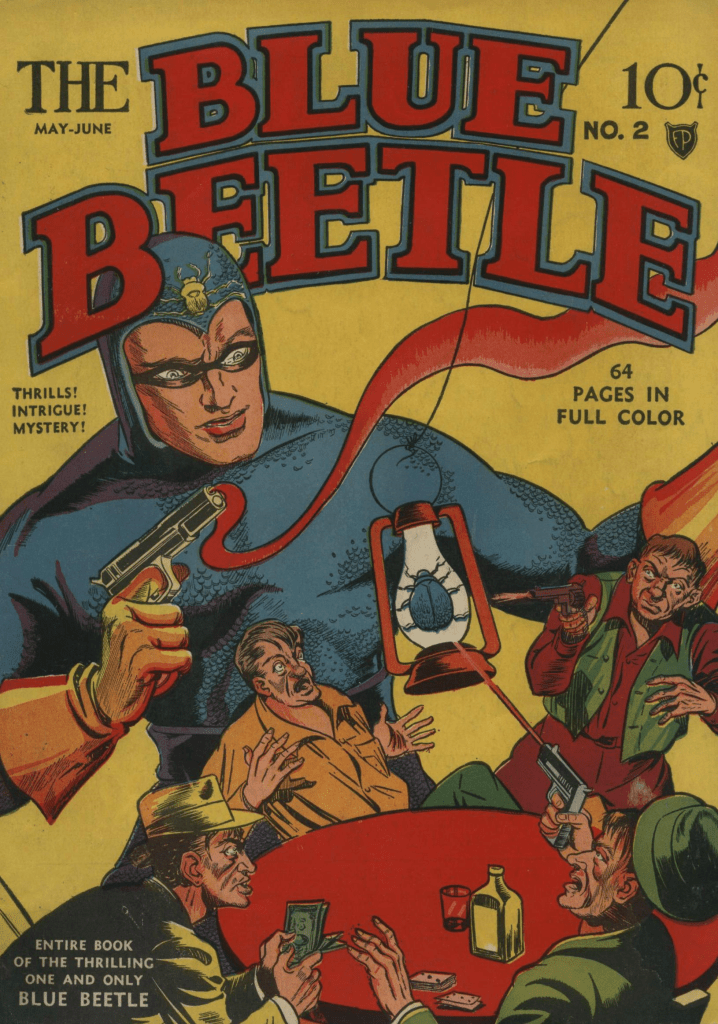
Dans ses premières aventures, Dan Garrett, en tant que Blue Beetle, n’avait pas de super pouvoirs. Il s’est appuyé sur son intelligence, ses prouesses physiques et une armure protectrice en cotte de mailles. Son personnage a subi une transformation importante lorsqu’il a rencontré un scientifique nommé le Dr Franz, qui lui a fourni une substance connue sous le nom de vitamine 2X. Cette vitamine a conféré à Dan des capacités surhumaines, notamment une force, une dextérité, une invulnérabilité et une capacité à rester éveillé pendant de longues périodes.

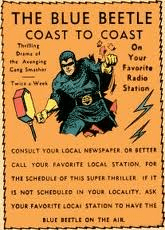
Le personnage de Blue Beetle était populaire à la fin des années 1930 et 1940, gagnant même sa propre émission de radio. Cependant, le voyage du personnage prend une nouvelle tournure en 1955 lorsque Charlton Comics acquiert les droits du Blue Beetle. Sous la direction de Charlton Comics, une nouvelle incarnation du personnage a été introduite : Dan Garrett, un archéologue qui a découvert un scarabée bleu magique dans la tombe du pharaon Kha-ef-Re. Cette version de Dan Garrett a pu se transformer en Blue Beetle en prononçant les mots « Kaji Dha ».
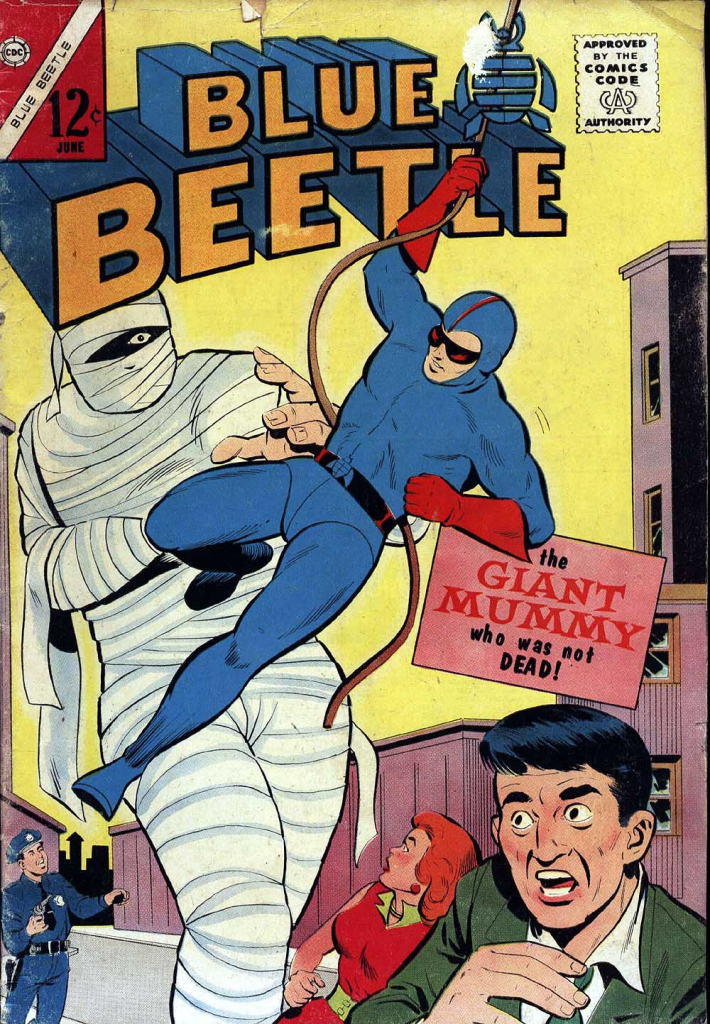
Lorsque DC Comics a acheté les droits du Blue Beetle dans les années 1980, ils ont choisi de poursuivre l’histoire de l’archéologue Dan Garrett. Dans la première série de bandes dessinées Blue Beetle de DC, Dan est tué par l’esprit du pharaon Kha-ef-Re après avoir défié son ordre de détruire Ted Kord, qui avait repris le flambeau du Blue Beetle.

Tout au long de ses diverses incarnations, Dan Garrett a été interprété par un certain nombre d’écrivains, d’éditeurs et d’artistes talentueux. Son personnage a évolué pour refléter l’évolution des valeurs sociétales et des tendances de la narration, mais l’essence du Blue Beetle reste la même : un héros qui utilise ses capacités pour se battre pour la justice. Cet héritage durable continue d’inspirer de nouvelles générations de héros, y compris ses successeurs Ted Kord et Jaime Reyes.

Ted Kord : le deuxième Blue Beetle

Ted Kord, le deuxième Blue Beetle, est un personnage avec une histoire riche qui s’étend sur plusieurs éditeurs de bandes dessinées et des décennies. Son histoire commence dans les pages de Charlton Comics, où il a été créé par Steve Ditko, le co-créateur de Spider-Man. Kord était un étudiant travaillant pour son oncle Jarvis lorsqu’il a découvert le plan de son oncle de créer une armée de super-androïdes. Avec l’aide de son professeur d’université, Dan Garrett, le premier Blue Beetle, Kord a contrecarré les plans de son oncle. Dans le processus, Garrett a été mortellement blessé et a transmis le costume de Blue Beetle à Kord.
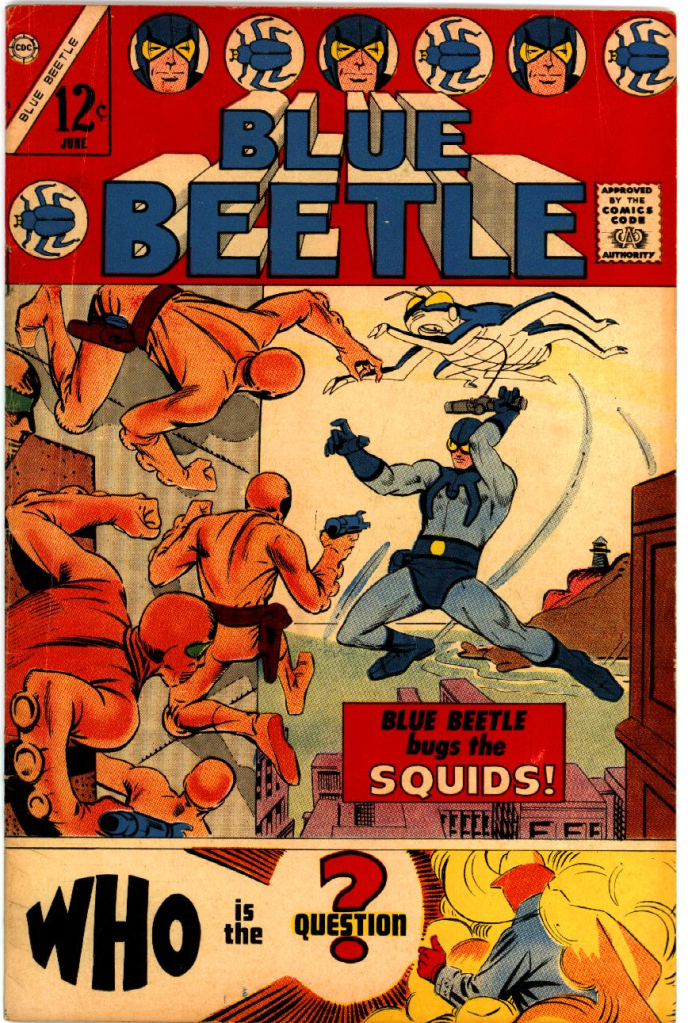
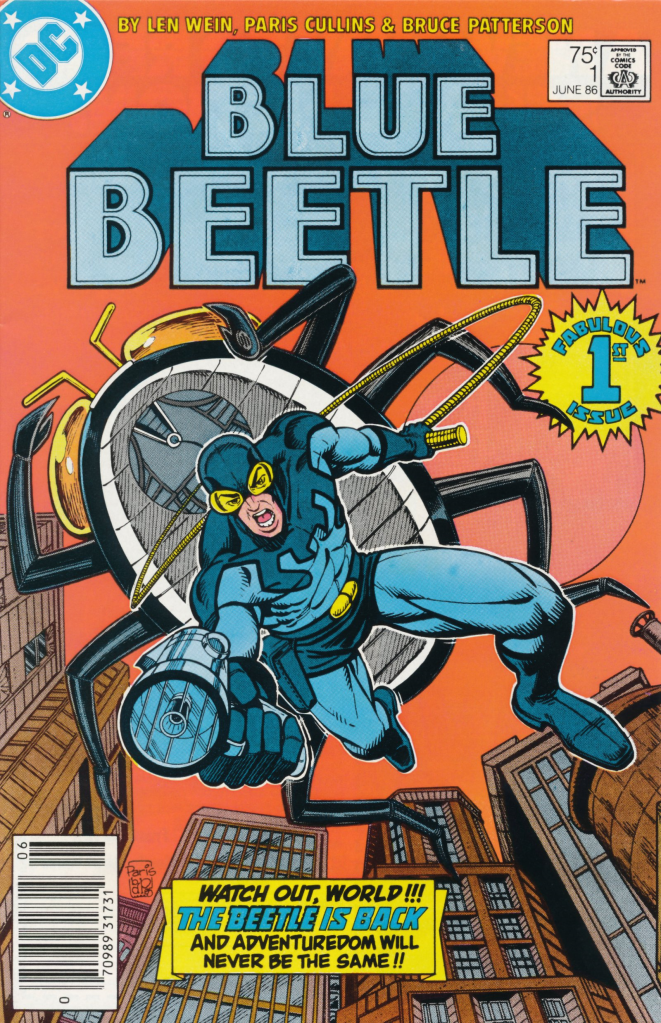
Contrairement à son prédécesseur, Kord n’avait aucune capacité surhumaine. Au lieu de cela, il s’est appuyé sur son intelligence, son athlétisme et ses prouesses technologiques pour lutter contre le crime. Il a créé une variété de gadgets, y compris son avion emblématique, The Bug, et une arme non létale qui pouvait émettre un éclair de lumière aveuglant ou un souffle d’air à haute pression.

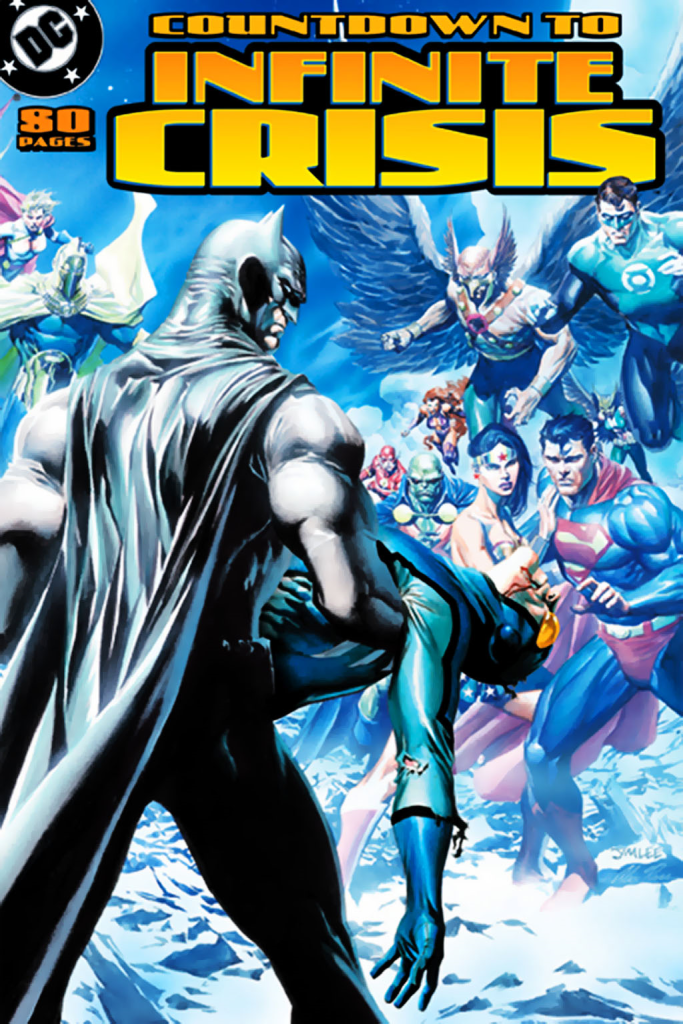
Le mandat de Kord en tant que Blue Beetle l’a vu rejoindre la Justice League of America, l’une des équipes de super-héros les plus prestigieuses de l’univers DC. Cependant, son temps en tant que super-héros a pris fin tragiquement lorsqu’il a été tué par Maxwell Lord lors de la préparation de l’événement Infinite Crisis de DC Comics.
Sa mort a marqué la fin d’une époque, mais elle a également ouvert la voie à l’émergence d’un nouveau Blue Beetle, Jaime Reyes. Malgré sa mort, l’héritage de Kord se perpétue à travers Reyes et l’impact qu’il a eu sur la communauté des super-héros.

Le personnage de Ted Kord a été écrit et illustré par un certain nombre de créateurs de bandes dessinées notables à l’époque où il était Blue Beetle. Steve Ditko a joué un rôle déterminant dans la création du personnage et l’établissement de ses premières aventures. Parmi les autres contributeurs notables figurent Len Wein, Paris Cullins et Bruce Jones.
En termes d’apparitions dans les médias, Blue Beetle de Ted Kord est apparu dans diverses formes de médias en dehors des bandes dessinées. Il a été présenté dans des émissions de télévision animées telles que « Batman: The Brave and the Bold » et « Young Justice ». Dans ces émissions, il est souvent décrit comme un brillant inventeur et un membre apprécié de la communauté des super-héros.

Dans l’ensemble, Blue Beetle de Ted Kord est un personnage qui incarne l’esprit d’héroïsme et d’abnégation. Bien qu’il n’ait aucune capacité surhumaine, il a utilisé son intelligence et sa détermination pour faire la différence, prouvant que n’importe qui peut être un héros.

Jaime Reyes : Le troisième Blue Beetle

Jaime Reyes, le troisième Blue Beetle, est un personnage dont le parcours est aussi fascinant qu’inspirant. Son histoire témoigne du potentiel extraordinaire de l’ordinaire, un récit qui a été savamment conçu par une équipe d’écrivains et d’artistes talentueux.

Jaime Reyes a été introduit dans le monde de la bande dessinée par les créateurs Keith Giffen, John Rogers et Cully Hamner. Son histoire commence à El Paso, au Texas, où il n’était qu’un lycéen régulier. Sa vie a pris une tournure dramatique lorsqu’il a trouvé le Scarabée, un artefact d’une immense puissance, qui avait été perdu par le deuxième Blue Beetle, Ted Kord. Le Scarabée s’est lié à Jaime, lui accordant des capacités extraordinaires et le transformant en troisième Blue Beetle.
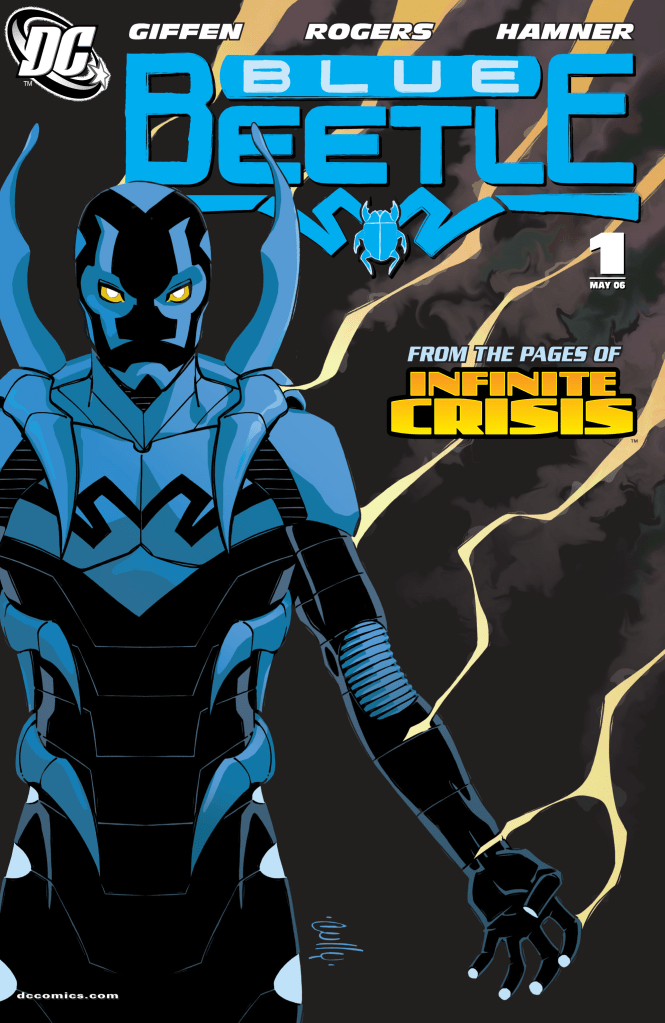
Le parcours de Jaime en tant que Blue Beetle est marqué par sa lutte pour équilibrer sa vie personnelle avec ses responsabilités de super-héros. Son histoire est unique en ce qu’elle met fortement en vedette sa famille et ses amis, fournissant une base émotionnelle solide à ses aventures de super-héros.

L’un des arcs de l’histoire les plus importants implique la bataille de Jaime contre le Reach, une civilisation extraterrestre qui avait l’intention de prendre le contrôle de la Terre. Le Scarab que Jaime a trouvé était en fait un outil du Reach, conçu pour contrôler son hôte. Cependant, en raison des dommages qu’il a subis, le Scarab n’a pas pu prendre le contrôle total de Jaime, lui permettant de conserver son libre arbitre et d’utiliser les pouvoirs du Scarab pour protéger les innocents.
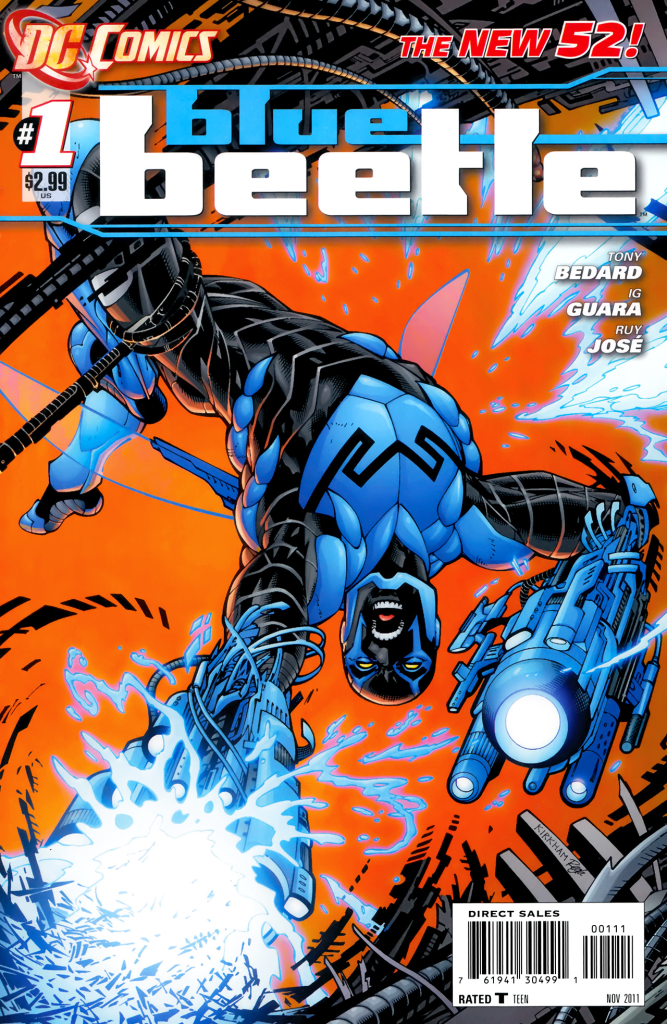
Un autre scénario notable est l’implication de Jaime avec les Teen Titans. Il a d’abord fait équipe avec eux dans un combat contre Lobo, puis a rejoint l’équipe pour arrêter Maxwell Lord, un méchant doté de capacités de contrôle de l’esprit. Cet arc a vu la mort supposée de Jaime aux mains de Lord, mais il a été révélé plus tard que le Scarabée avait mis Jaime dans une stase temporaire pour guérir son corps, lui permettant de reprendre le combat.

Contexte éditorial et contributeurs

L’histoire de Jaime Reyes a été façonnée par un certain nombre de personnes talentueuses. Ses créateurs, Keith Giffen, John Rogers et Cully Hamner, ont joué un rôle crucial dans l’établissement de son personnage et l’ont mis sur son chemin en tant que Blue Beetle. Au fil des ans, divers écrivains et artistes ont contribué à son histoire, chacun ajoutant sa touche personnelle à son personnage et à ses aventures.

Historique de publication

L’histoire de la publication de Blue Beetle est aussi diversifiée et fascinante que les personnages eux-mêmes. Depuis ses origines chez Fox Comics, en passant par Charlton Comics, et enfin jusqu’à son domicile actuel chez DC Comics, le Blue Beetle a subi de nombreux changements de série et de format.

La première série Blue Beetle a été publiée par Fox Comics dans les années 1940, avec Dan Garrett comme héros titulaire. Après la faillite de Fox Comics, le personnage a été acquis par Charlton Comics, qui a présenté le deuxième Blue Beetle, Ted Kord, dans les années 1960. Les aventures de Kord se sont poursuivies jusque dans les années 1980, lorsque Charlton Comics a été racheté par DC Comics.

Sous DC Comics, le personnage de Blue Beetle a été revitalisé avec l’introduction de Jaime Reyes dans les années 2000. Blue Beetle de Reyes a été présenté dans deux séries de bandes dessinées et est également apparu dans de nombreux autres titres de DC Comics, notamment les séries Teen Titans et Justice League.

L’évolution du personnage de Blue Beetle et son historique de publication reflètent les changements plus larges dans l’industrie de la bande dessinée au fil des ans. De l’âge d’or de la bande dessinée à l’âge d’argent et à l’ère moderne, le Blue Beetle est resté un personnage bien-aimé parmi les fans de bandes dessinées.

Apparitions dans d’autres médias

La popularité de Blue Beetle s’étend au-delà des pages de bandes dessinées. Le personnage a fait de nombreuses apparitions, à la radio, dans les comic strips, dans des films, des séries télévisées et des jeux vidéo, renforçant encore son statut de super-héros bien-aimé.
https://archive.org/details/OTRR_Blue_Beetle_Singles

À la télévision, Blue Beetle est apparu dans des émissions comme « Smallville », « Batman: The Brave and the Bold » et « Young Justice ». Ces apparitions présentent souvent l’incarnation Jaime Reyes du personnage, reflétant la popularité du personnage auprès d’un public plus jeune.

Dans le domaine des jeux vidéo, Blue Beetle a été présenté dans des titres tels que « Infinite Crisis », « Lego Batman 3: Beyond Gotham » et « Injustice 2 ». Ces jeux permettent aux joueurs de se mettre à la place de Blue Beetle, en utilisant ses pouvoirs uniques pour combattre les méchants et sauver la situation.

Le voyage de Jaime Reyes en tant que Blue Beetle est une histoire de courage, de résilience et de la puissance de l’esprit humain. Malgré les circonstances extraordinaires dans lesquelles il se trouve, il reste ancré et déterminé à protéger les innocents. Son histoire nous rappelle que n’importe qui, quels que soient ses antécédents ou sa situation, peut devenir un héros.

On le verra sur les écrans de cinéma le 18 Aout, interpreté par Xolo Mariduena.

Que ce soit sur la page, à l’écran ou dans le monde virtuel, Blue Beetle continue de captiver le public avec ses personnages fascinants et ses aventures passionnantes.

L’impact de Blue Beetle sur la culture populaire

L’attrait durable de Blue Beetle réside dans sa capacité à s’adapter et à évoluer. Au fil des ans, le personnage a été repensé et réinventé, reflétant l’évolution des valeurs sociétales et des tendances de la narration. Pourtant, malgré ces changements, l’essence de Blue Beetle reste la même : un héros qui utilise ses capacités pour se battre pour la justice.

L’influence du personnage peut être vue dans d’autres super-héros, à la fois à l’intérieur et à l’extérieur de l’univers DC. Le concept de héros hérité, où le manteau d’un super-héros est transmis d’un individu à un autre, est devenu un trope commun dans les bandes dessinées et autres médias.

De plus, la popularité de Blue Beetle a conduit à son inclusion dans diverses formes de médias, des émissions de télévision aux jeux vidéo. Cette reconnaissance généralisée a solidifié le statut de Blue Beetle en tant que figure importante de la culture populaire.

En conclusion, Blue Beetle est plus qu’un simple personnage de bande dessinée. C’est un symbole d’héroïsme et de persévérance, un témoignage du pouvoir de la créativité et de l’imagination, et une icône bien-aimée qui continue d’inspirer le public du monde entier.
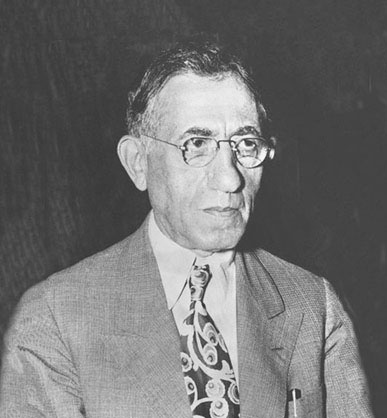
Moe Annenberg

A Life Shrouded in Shadows

Moses « Moe » Louis Annenberg, born in 1877 in Kaliscz, Russia, was a figure of significant influence and controversy in the early 20th century. His life was a blend of entrepreneurial success and criminal associations, making him a fascinating character in the annals of American history.

Early Life and Rise to Power

Annenberg immigrated to the United States with his family in 1885, settling in Chicago. He and his brother Max began their careers working for local hoodlums, eventually establishing themselves in gambling and protection rackets. By 1898, the Annenberg brothers had notorious reputations in Chicago, a city then embroiled in a violent circulation war among newspaper chains.

Annenberg’s rise in the publishing world began when he founded the Chicago Newsstand Distribution Company in 1906 to promote circulation of Hearst newspapers. His company’s dominance was enforced by the infamous North Side Gang, which was eventually headed by Dean O’Banion.

Connections to Organized Crime

Annenberg’s connections to organized crime were numerous and complex. His control over the nationwide gambling industry was facilitated by his monopoly on racetrack wire services and an affiliated network of racing forms. Anti-racketeering prosecutors targeted Annenberg’s national wire service, considering it the lifeblood of the gambling industry that nourished American gangsters.

His control over this nationwide monopoly of racetrack wire services was likely achieved with the complicity of New York City mobsters Lucky Luciano, Frank Costello, and Arnold Rothstein. Furthermore, Annenberg’s association with Harry Donenfeld, a known figure in the underworld of publishing, further solidified his connections to organized crime.

Influence on the Comic Book Industry

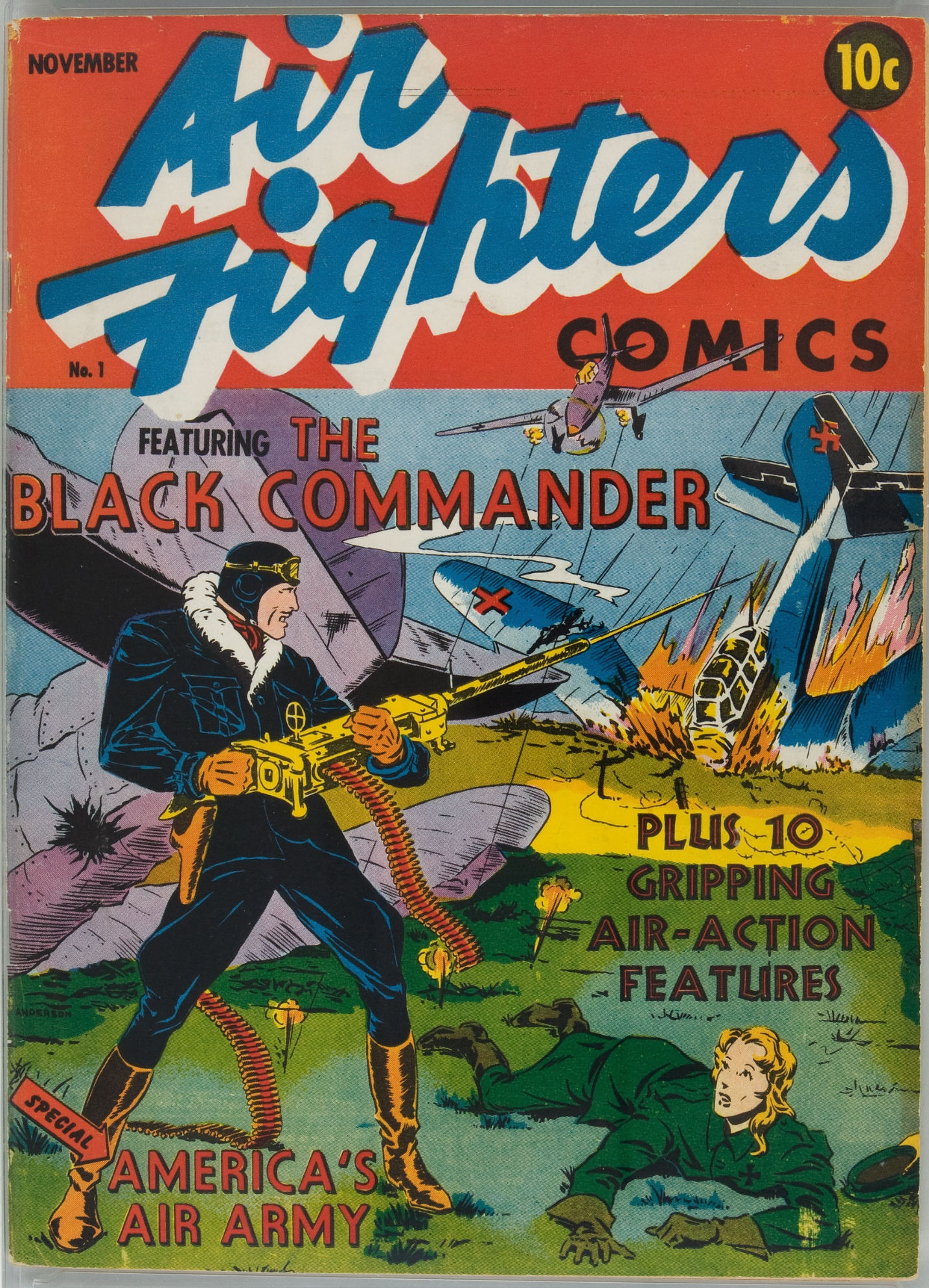
Annenberg’s influence extended to the comic book industry. He was involved in the production of scandal sheets in major cities across the U.S., which were often associated with extortion and blackmail. These publications were printed on the same rotogravure press and featured illustrations by the same artists, indicating a significant influence on the comic book industry.

Known Affiliates

Annenberg’s known affiliates included William Randolph Hearst, Joseph Ottenstein, Emile Gauvreau, Stephen Clow, and Harry Donenfeld. Donenfeld, in particular, was a significant figure in the comic book industry, co-founding the company that would eventually become DC Comics.

Legal Troubles and Later Life

Annenberg’s life was not without legal troubles. In 1939, he was charged with tax evasion, leading to a conviction and a three-year prison sentence. His health declined during his incarceration, and he was released early for medical treatment. He died in 1942 while recuperating from a brain operation.

Legacy

Despite his controversial life, Annenberg’s legacy lived on through his son, Walter Annenberg, who led Triangle Publications to even greater prosperity and became one of America’s most outstanding charitable and political donors.

Moe Annenberg’s life is a testament to the complex interplay of power, crime, and influence in the early 20th century. His story serves as a reminder of the often blurred lines between legitimate business and organized crime in the annals of American history.

Hillman Periodicals

Fondation et premières années (1938-1943)

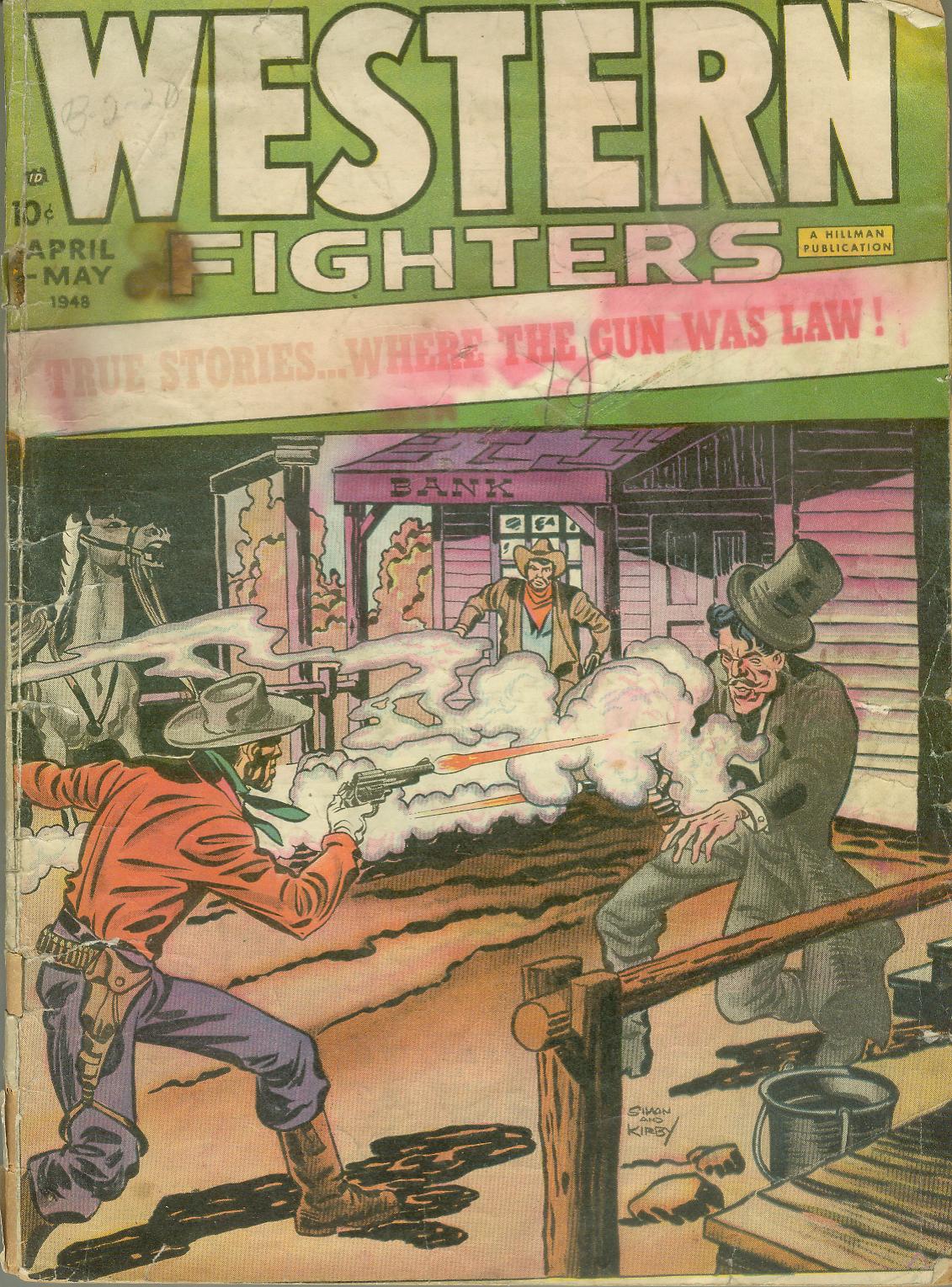
L’histoire de Hillman Periodicals commence en 1938, lorsque Alex L. Hillman, un ancien éditeur de livres de New York, a décidé de se lancer dans l’aventure de l’édition de magazines. Hillman, un homme passionné par l’art et la littérature, a fondé Hillman Periodicals avec l’intention de créer des publications qui captivent l’imagination des lecteurs et reflètent les réalités de la vie quotidienne.

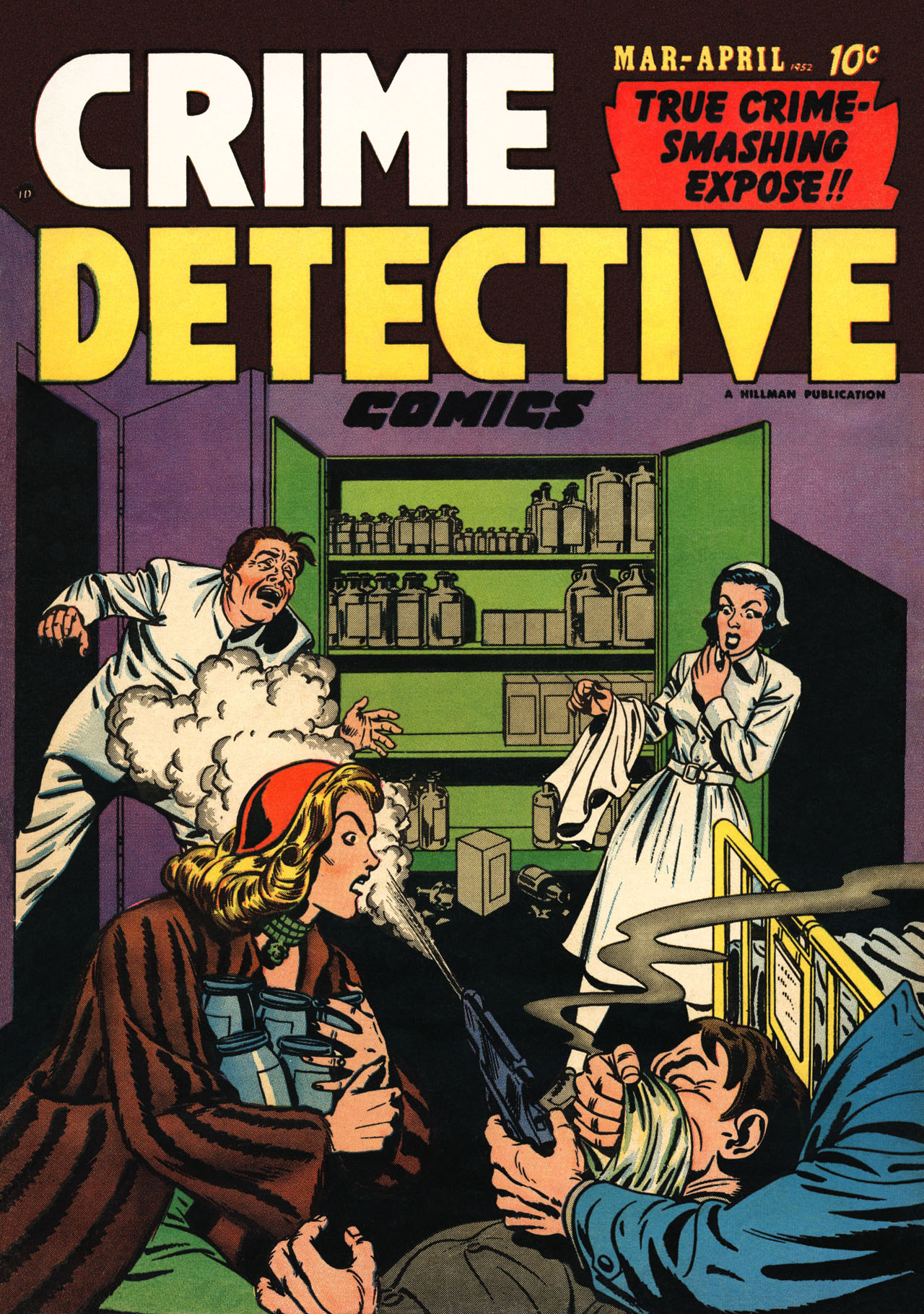
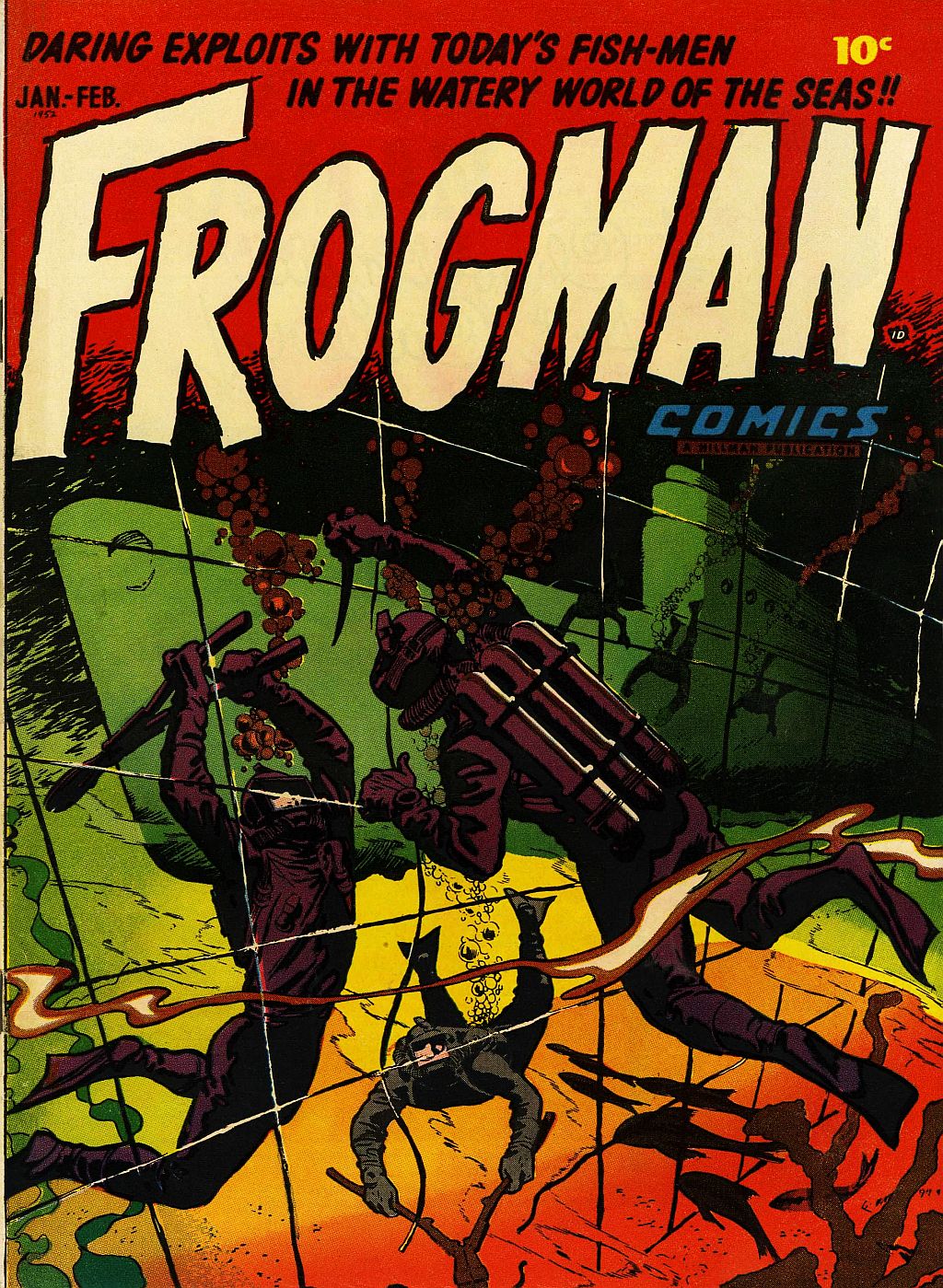
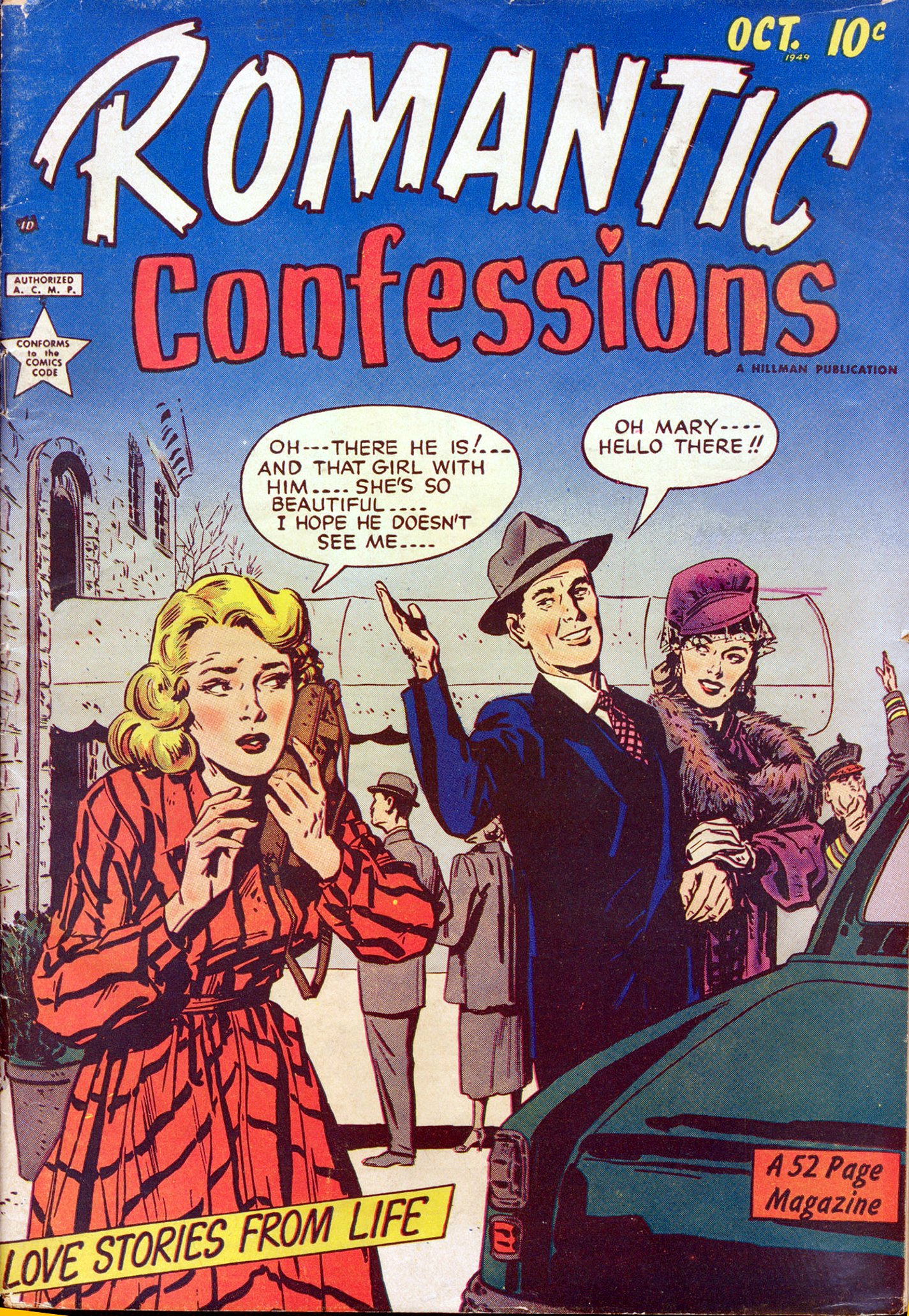
La société a commencé par publier des magazines de confessions vraies et de crimes vrais, des genres qui étaient très populaires à l’époque. Parmi les premiers titres publiés par Hillman Periodicals figurent Real Story, Real Confessions, Real Romances, Crime Detective, Real Detective et Crime Confessions. Ces magazines étaient remplis d’histoires dramatiques et passionnantes qui captivaient les lecteurs et les tenaient en haleine.

En plus de ces magazines, Hillman Periodicals a également commencé à publier des bandes dessinées. À une époque où la bande dessinée commençait à gagner en popularité, Hillman a reconnu le potentiel de ce médium pour raconter des histoires captivantes et a décidé de l’inclure dans son portefeuille de publications.

Ces premières années ont été une période de croissance et d’expansion pour Hillman Periodicals. Malgré les défis posés par le lancement d’une nouvelle entreprise, Hillman a réussi à établir sa société comme un acteur important dans l’industrie de l’édition. Grâce à son sens aigu des affaires et à sa passion pour la création de contenu de qualité, Hillman a jeté les bases de ce qui allait devenir une entreprise d’édition prospère et influente.

Expansion et lancement de nouveaux titres (1944-1953)

La période de 1944 à 1953 a été une période d’expansion et de diversification pour Hillman Periodicals. En 1944, Hillman a lancé Pageant, un magazine d’intérêt général de format digest. Ce magazine a marqué un tournant pour l’entreprise, car il a permis à Hillman de toucher un public plus large et de diversifier son offre de contenu.

Cependant, la Seconde Guerre mondiale a posé des défis uniques à Hillman et à d’autres éditeurs. En raison du rationnement du papier pendant la guerre, Hillman a été contraint de mettre fin à ses magazines de détective et à ses bandes dessinées, qui ensemble rapportaient un profit annuel de 250 000 dollars. Cependant, malgré ces défis, Hillman a continué à innover et à s’adapter.

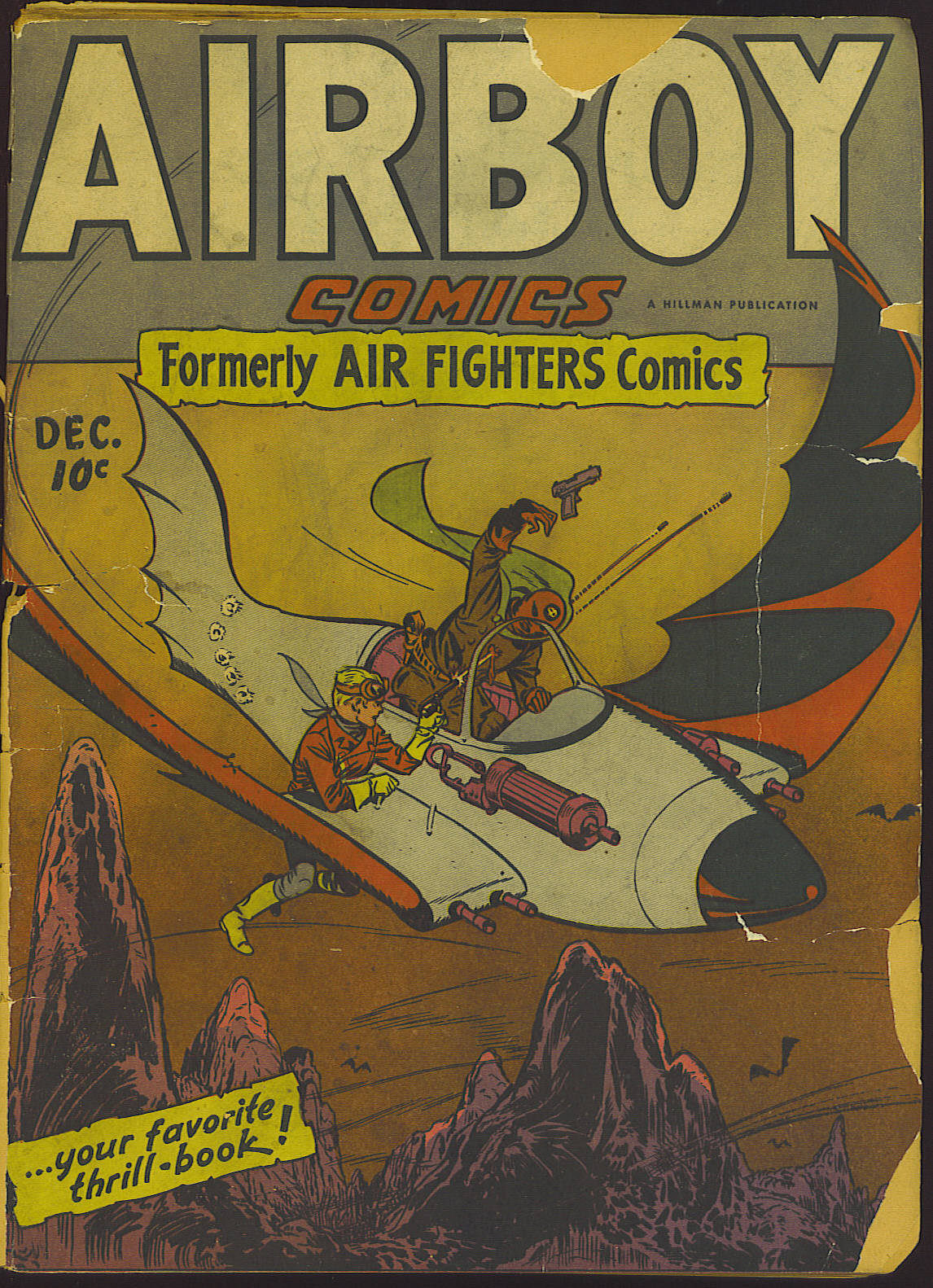
En 1946, Hillman est revenu aux bandes dessinées, reprenant certains titres de la série précédente. Pendant cette période, Hillman a souvent fait appel aux talents des créateurs de Captain America, Joe Simon et Jack Kirby. Le personnage le plus notable de Hillman était cependant Airboy, qui a continué à apparaître dans de nouvelles histoires publiées par un autre éditeur, Eclipse Comics, dans les années 1980.

Cette période d’expansion et de diversification a permis à Hillman Periodicals de renforcer sa position dans l’industrie de l’édition et de la bande dessinée. Grâce à une combinaison de perspicacité commerciale, de créativité et de résilience face aux défis, Hillman a réussi à faire croître son entreprise et à laisser une empreinte durable dans l’industrie de la bande dessinée.

Dernières années et fin de la publication de bandes dessinées (1953-1961)

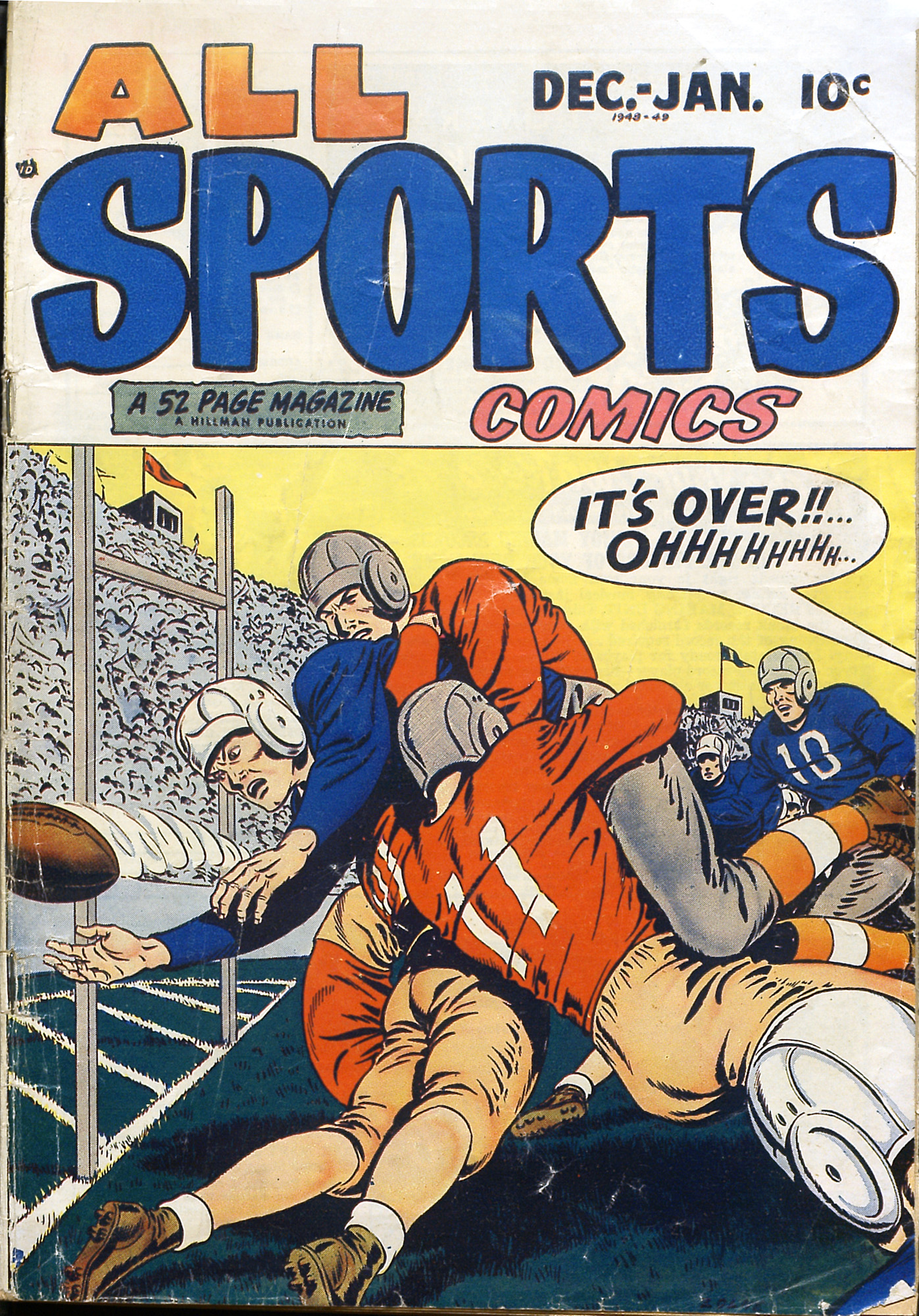
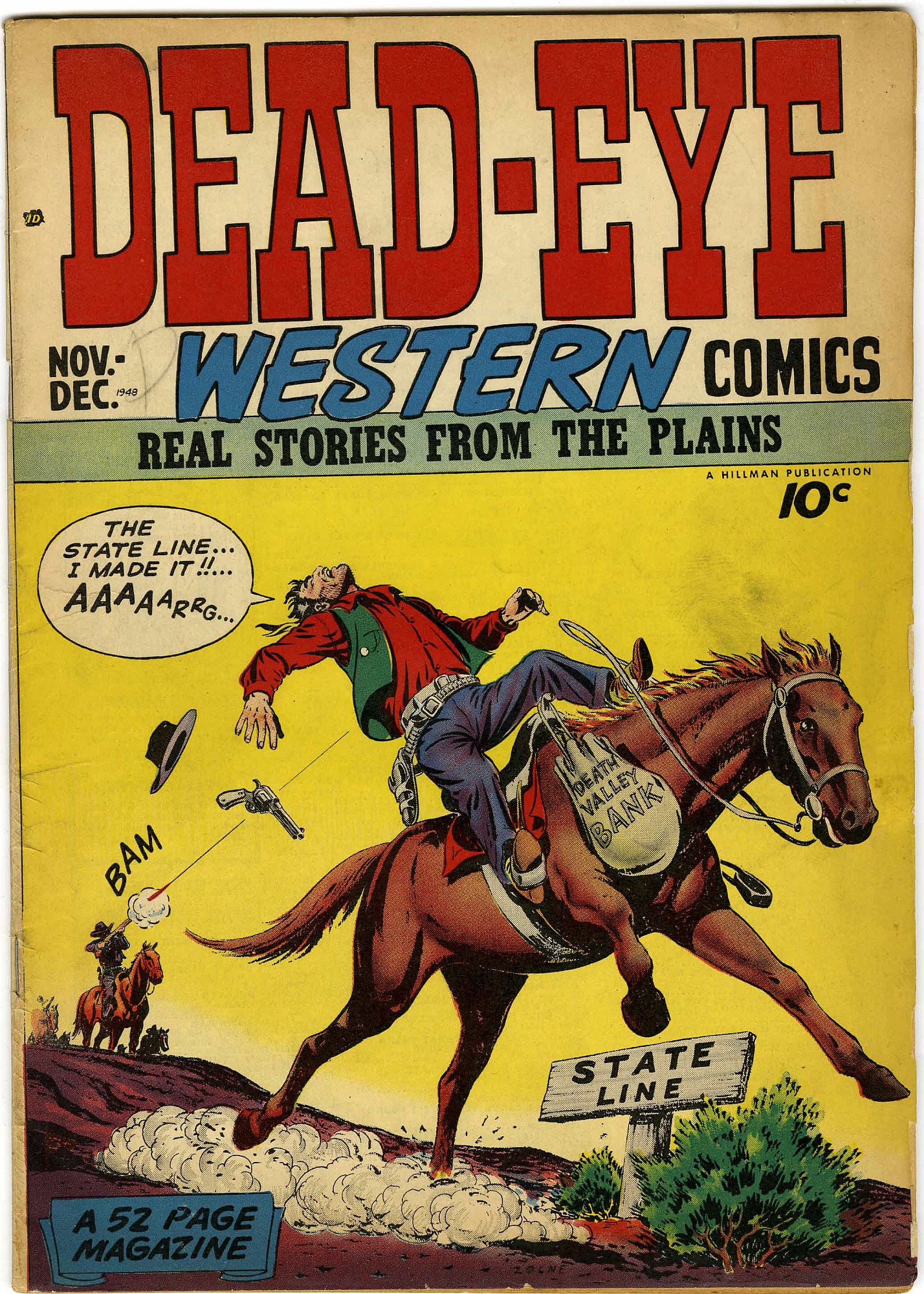
La décennie suivante a marqué une période de changement pour Hillman Periodicals. En 1953, Hillman a pris la décision difficile de cesser de publier des bandes dessinées. 

Cependant, malgré la fin de cette partie de son entreprise, Hillman a continué à innover et à se diversifier, lançant de nouveaux magazines comme Homeland et People Today.

En 1961, Hillman a vendu Pageant à Macfadden Communications Group. Malgré le changement de propriété, le magazine a continué à être publié jusqu’en 1977, témoignant de la qualité et de la popularité du contenu produit par Hillman Periodicals.

Ces dernières années ont été une période de transition pour Hillman Periodicals, mais elles ont également été une période de résilience et d’adaptation. Malgré les défis et les changements dans l’industrie de l’édition, Hillman a réussi à maintenir la pertinence et le succès de son entreprise.

Alex L. Hillman, le fondateur

Alex L. Hillman était bien plus qu’un éditeur de magazines et de bandes dessinées. Il était également un collectionneur d’art passionné qui a commencé à s’intéresser à ce domaine lorsqu’il était éditeur de livres, commissionnant des artistes pour illustrer de nouvelles éditions de la littérature classique.

Hillman a commencé sa collection avec des peintres américains comme Raphael Soyer et Preston Dickinson, et l’a élargie pour inclure des peintres impressionnistes et autres. Sa passion pour l’art l’a finalement conduit à créer la Alex Hillman Family Foundation, une fondation privée à Manhattan, pour superviser sa collection.

Autres activités

Outre Hillman Periodicals, Alex Hillman a également fondé plusieurs autres entreprises d’édition, dont Hillman Press, Hillman-Bird Publishing Company, A. L. Hillman Publishing Company, William Godwin Publications, et Arcadia House Publications. Il a également produit des magazines d’aventure pour hommes dans les années 1950, tels que Action For Men, Epic, Expose For Men, Champ, Escape To Adventure, et Real Adventure Magazine.

Ces autres entreprises ont permis à Hillman de diversifier encore plus son portefeuille de publications et de toucher un public encore plus large. Elles témoignent de son esprit d’entreprise et de son dévouement à l’industrie de l’édition.

Retraite et décès

En 1961, Alex Hillman a vendu Pageant Magazine et s’est retiré de l’édition pour se concentrer sur la Alex Hillman Investment Company. Il est décédé en 1968 à l’âge de soixante-sept ans, laissant derrière lui un héritage durable dans l’industrie de l’édition et de la bande dessinée.

La retraite d’Alex Hillman de l’édition n’a pas marqué la fin de son influence ou de son impact. Au contraire, il a continué à contribuer à l’industrie de l’édition et de l’art à travers la Alex Hillman Investment Company et la Alex Hillman Family Foundation. Même après sa mort, son héritage continue d’influencer et d’inspirer les éditeurs et les créateurs de bandes dessinées.

En conclusion, l’histoire de Hillman Periodicals et de son fondateur, Alex L. Hillman, est une histoire de passion, d’innovation et de résilience. De la fondation de l’entreprise en 1938 à la fin de la publication de bandes dessinées en 1953, en passant par l’expansion et le lancement de nouveaux titres dans les années 1940 et 1950, Hillman Periodicals a laissé une empreinte indélébile dans l’industrie de la bande dessinée. Le parcours de l’entreprise et de son fondateur offre un aperçu fascinant de l’évolution de l’industrie de l’édition et de la bande dessinée au XXe siècle, et continue d’inspirer les éditeurs et les créateurs de bandes dessinées aujourd’hui.

Standard/Better/Nedor/Pines

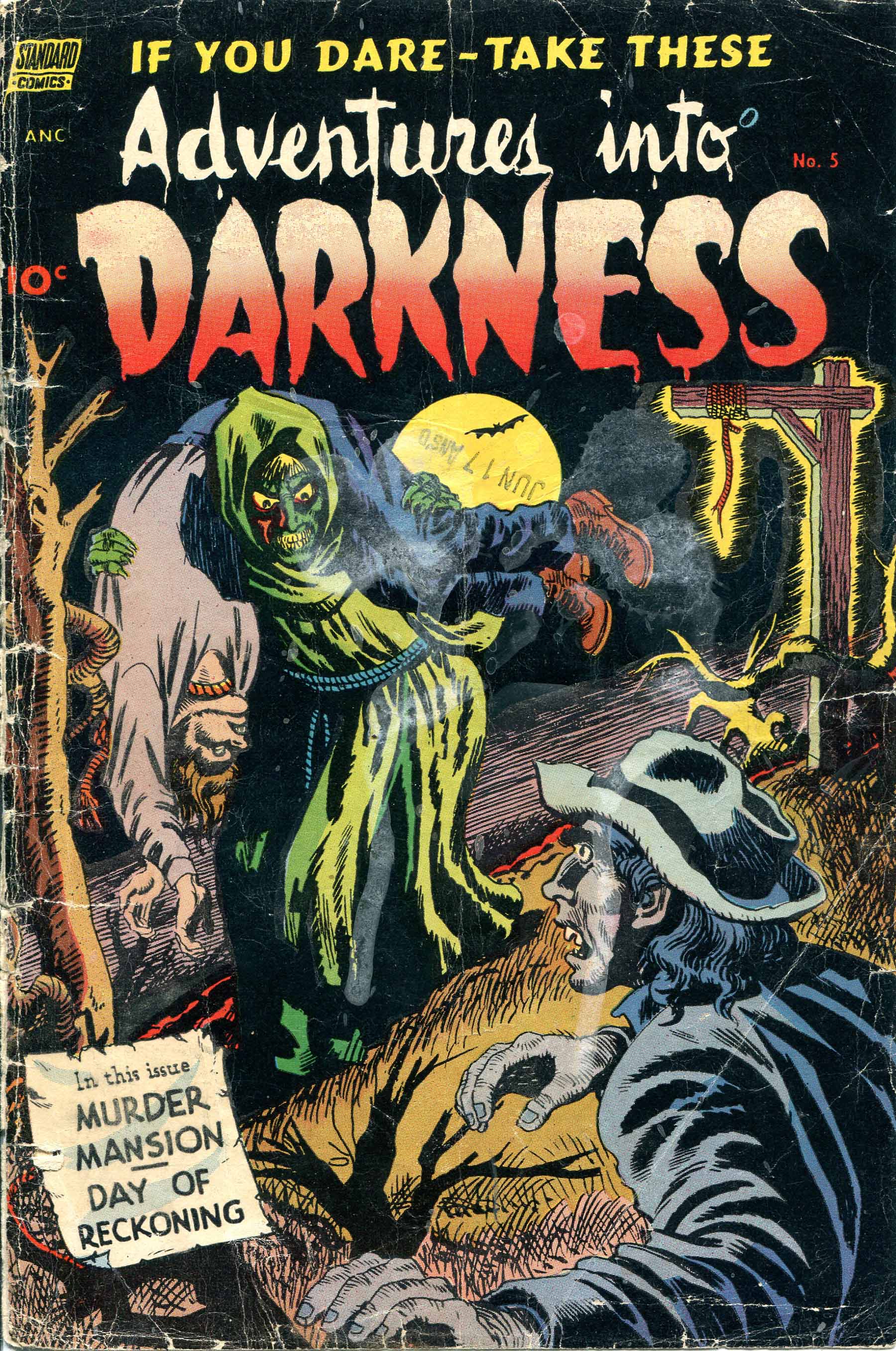
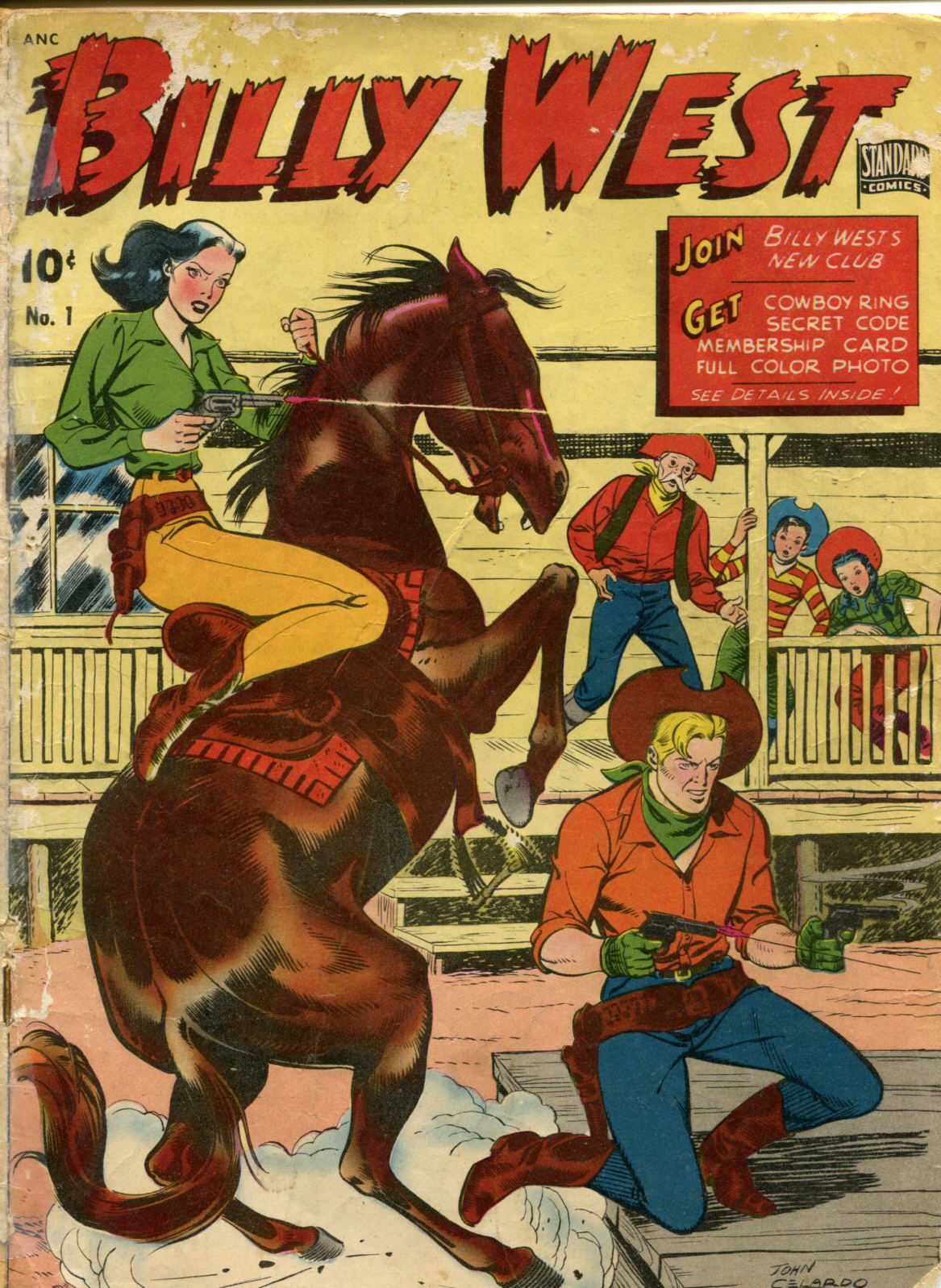
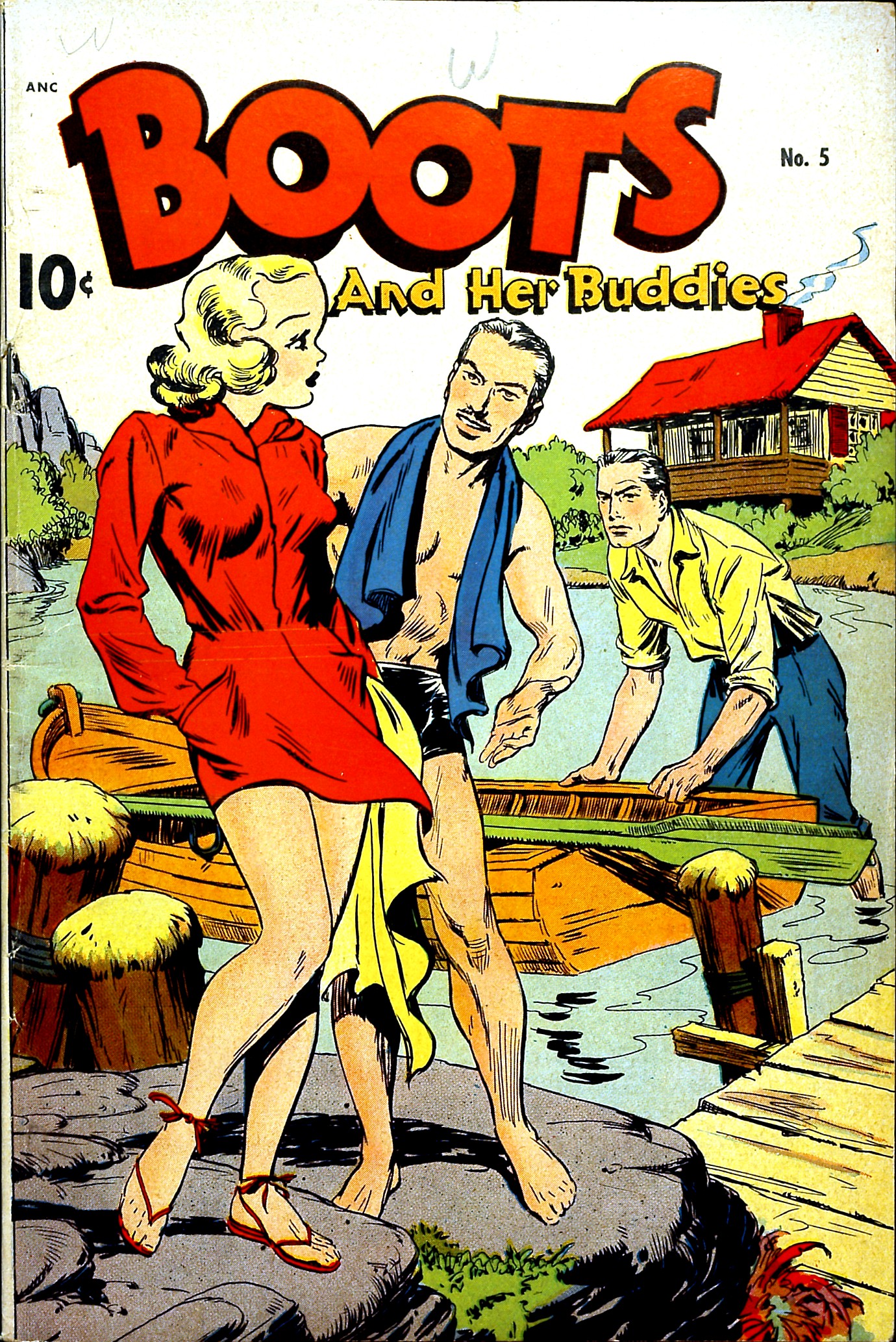
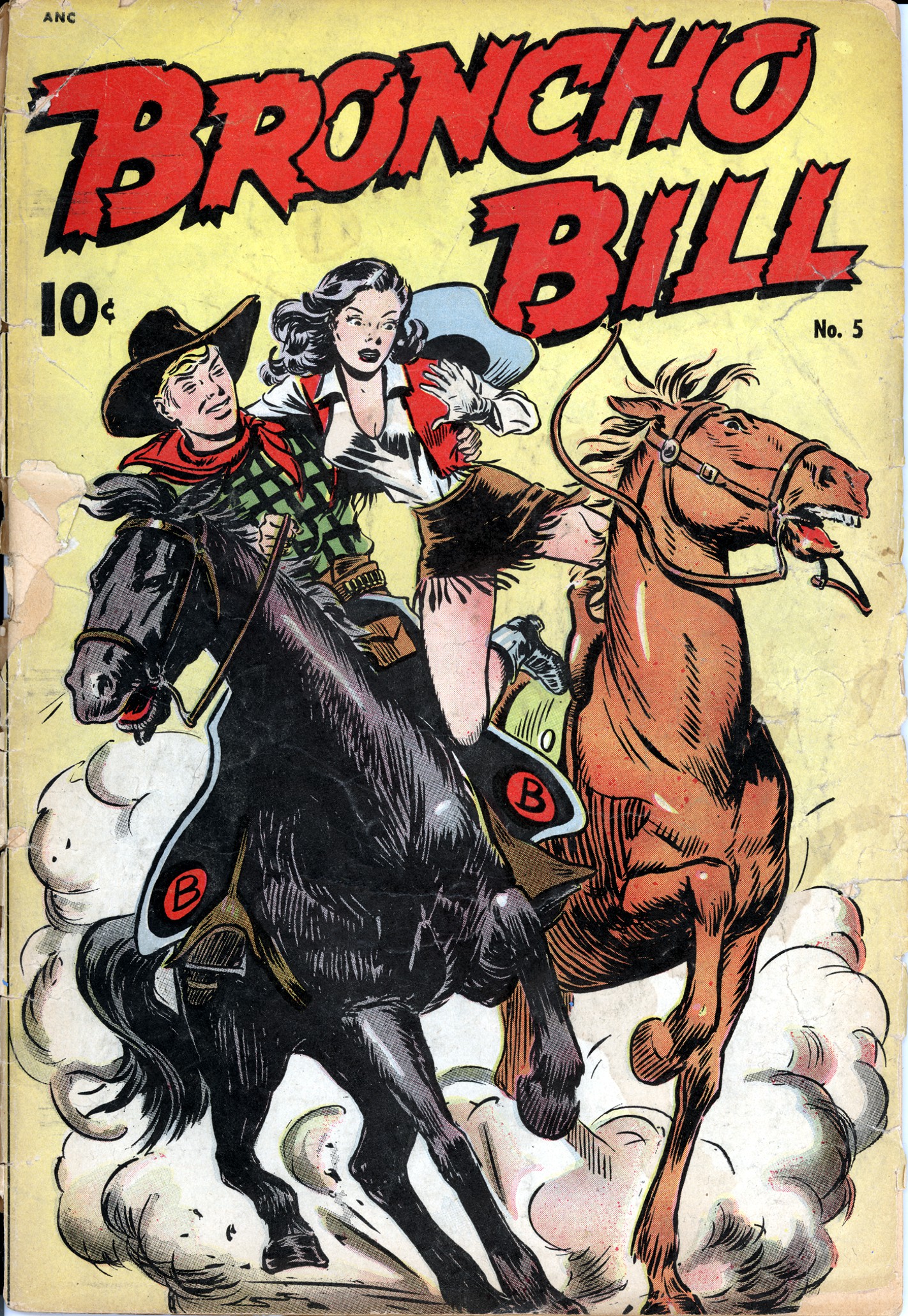
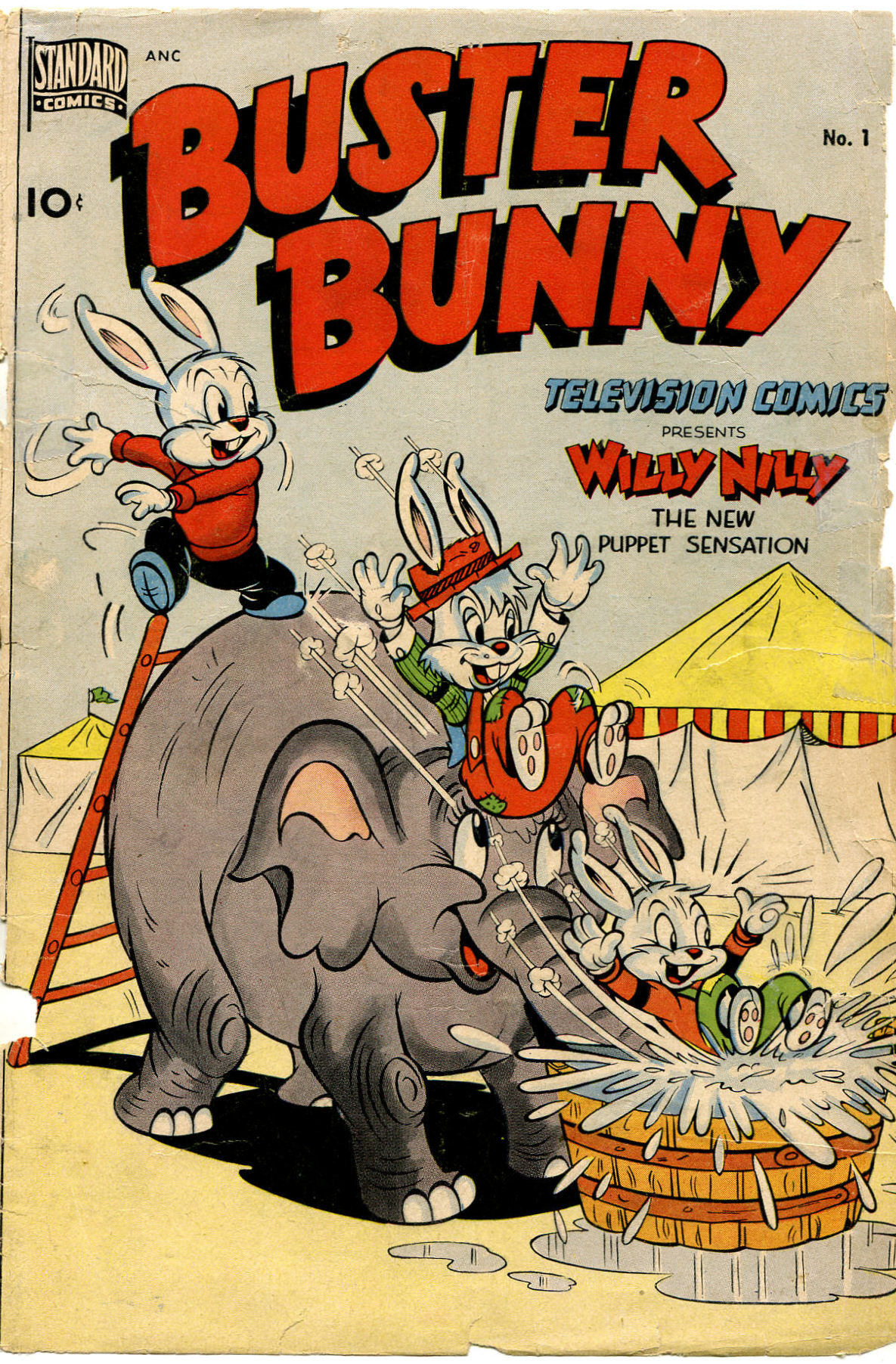
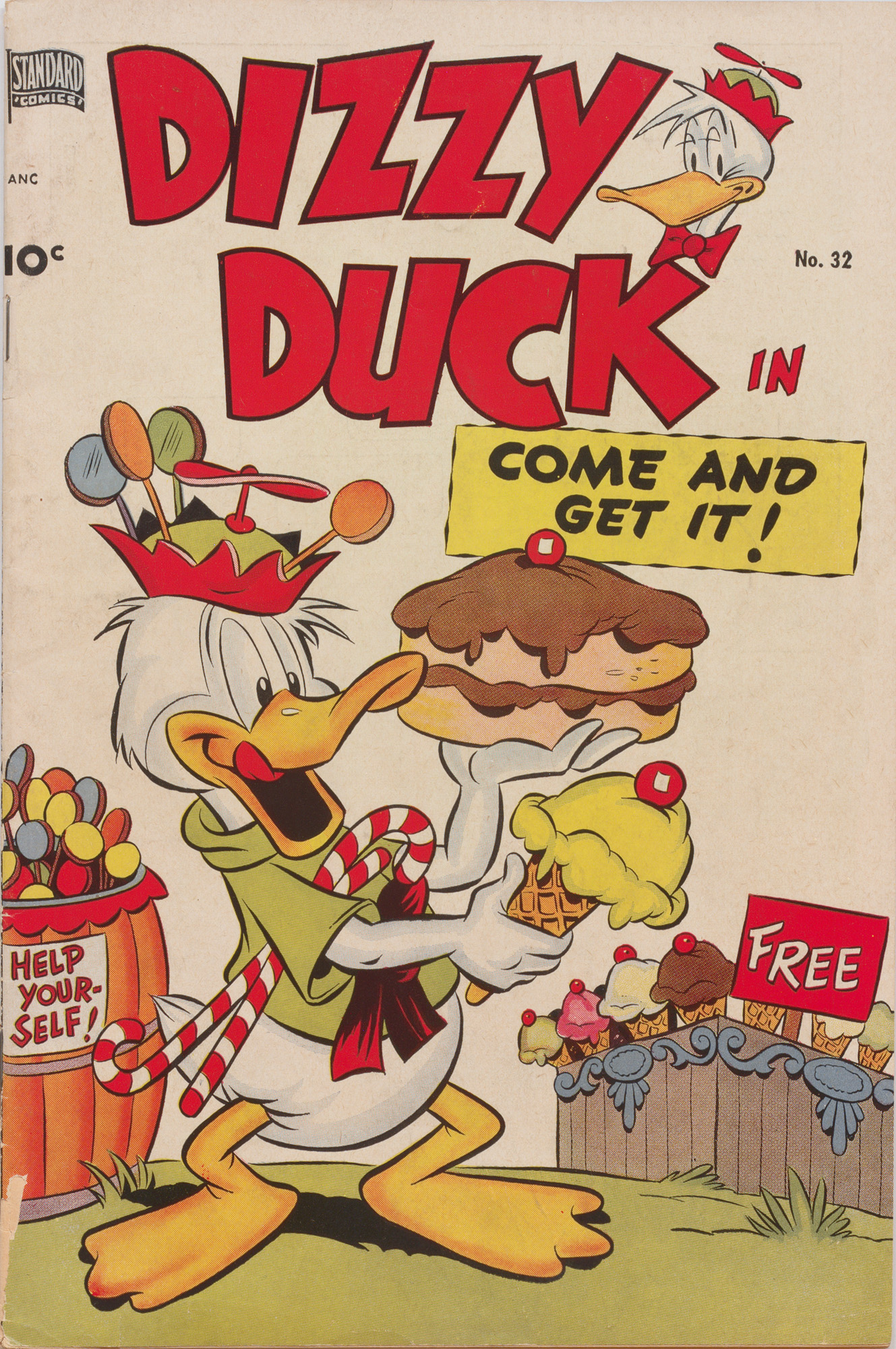
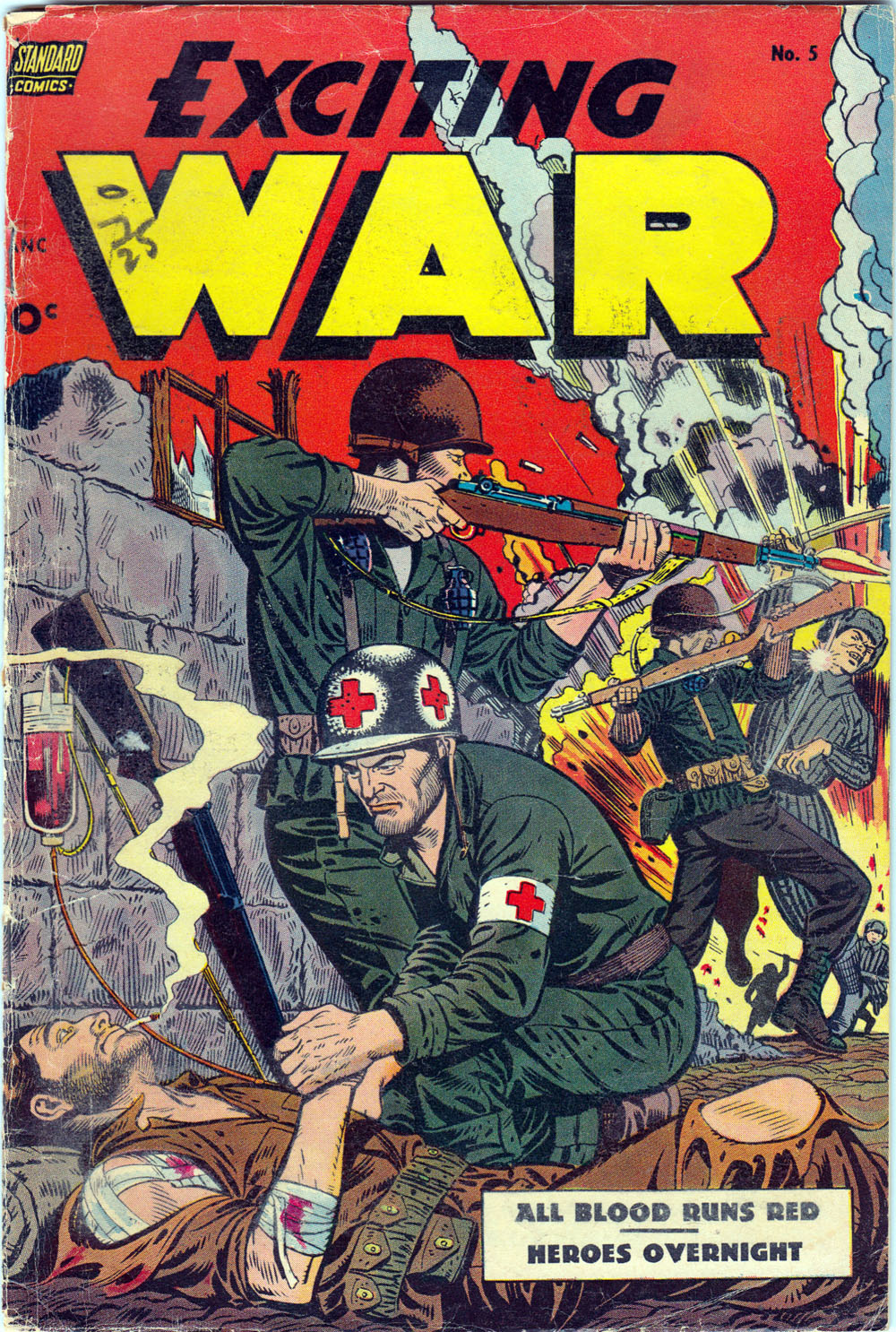
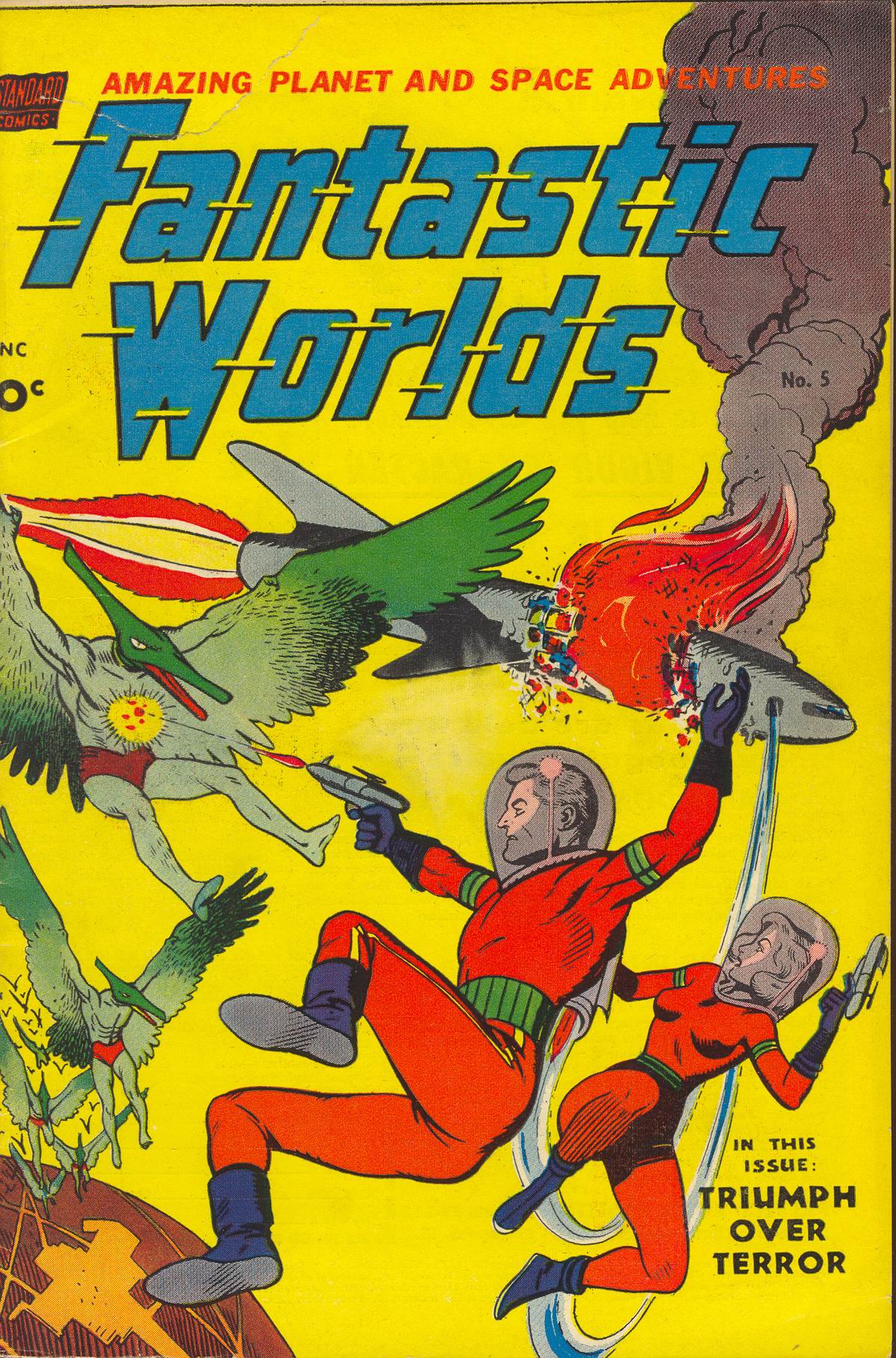
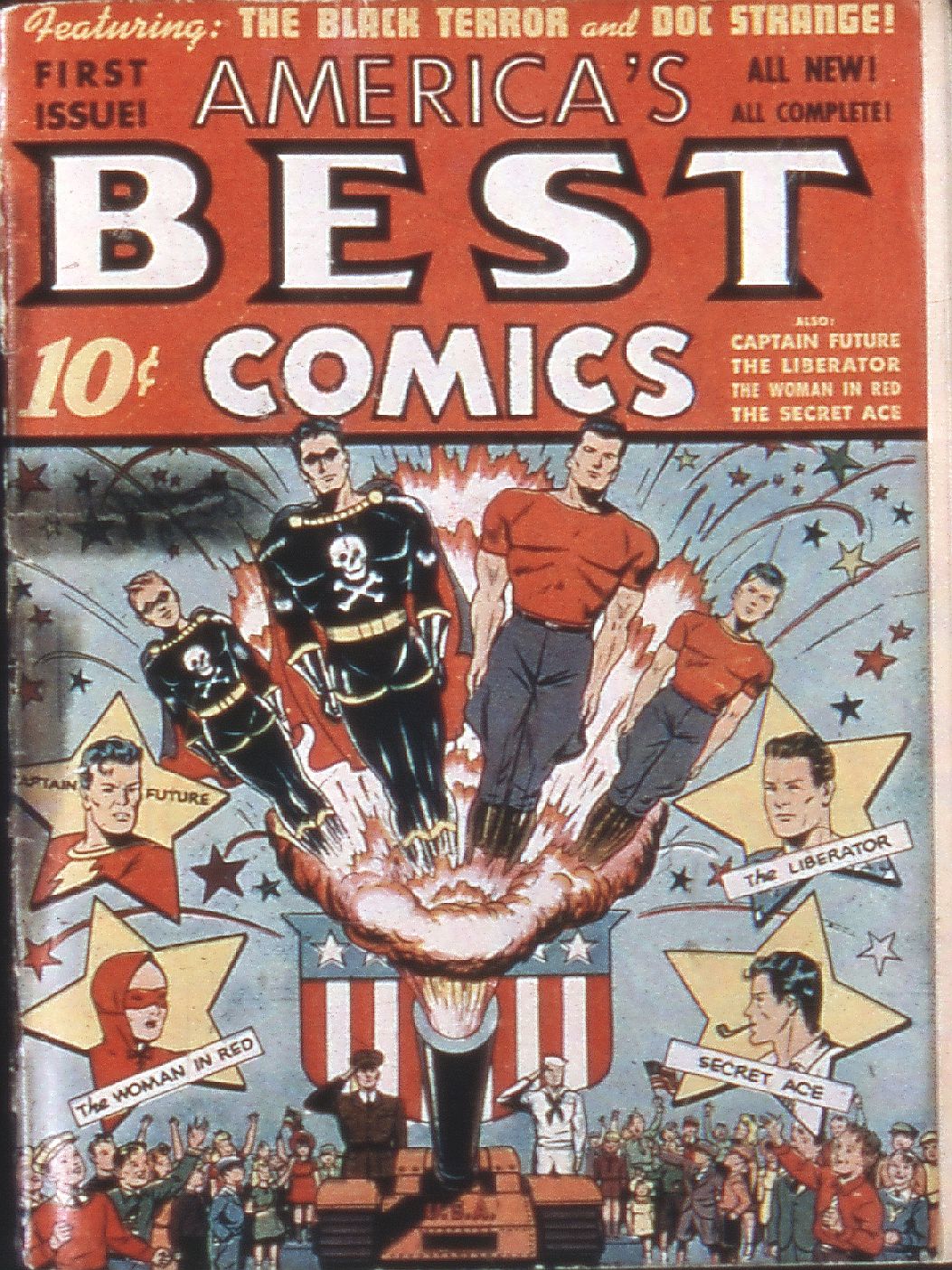
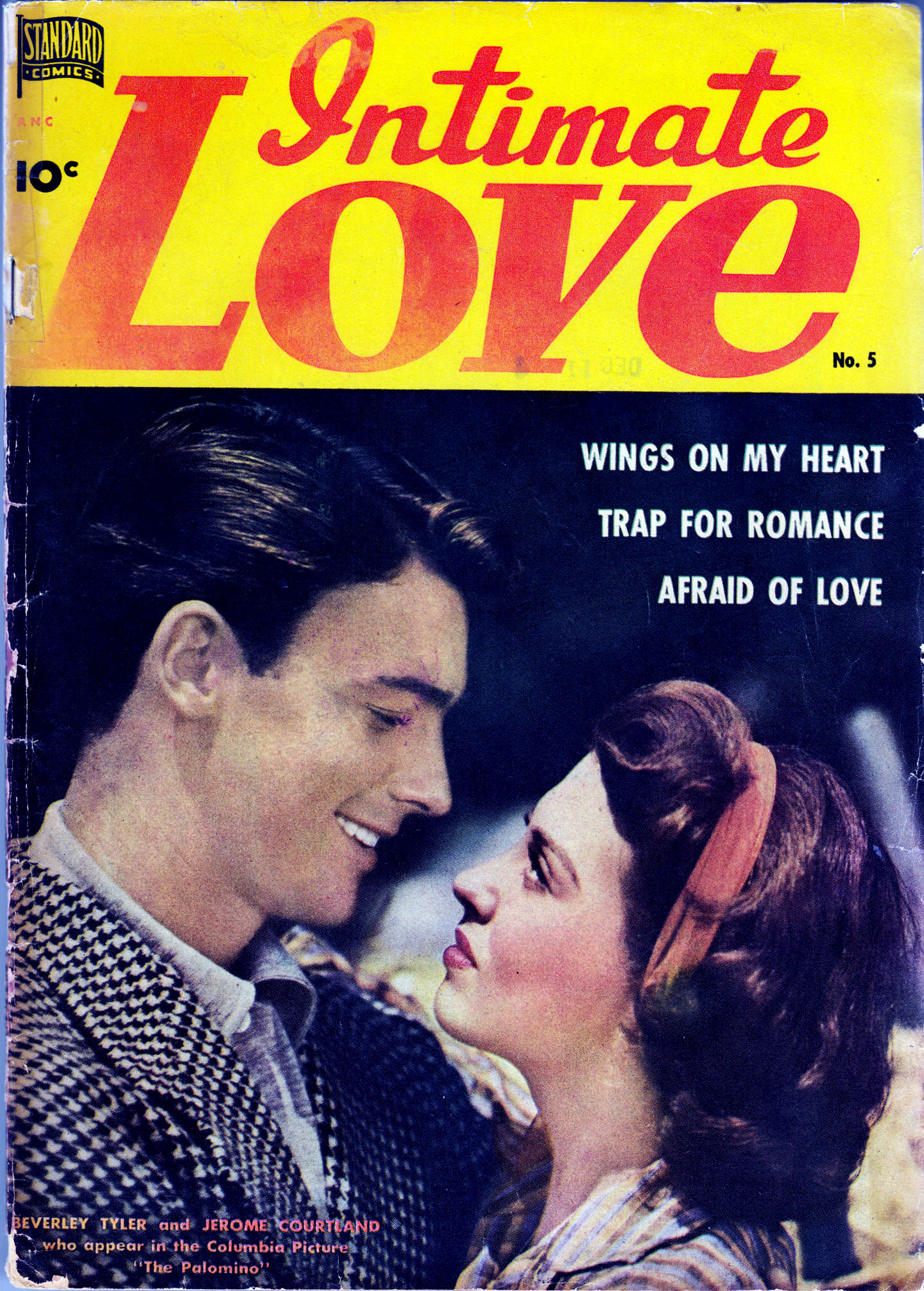
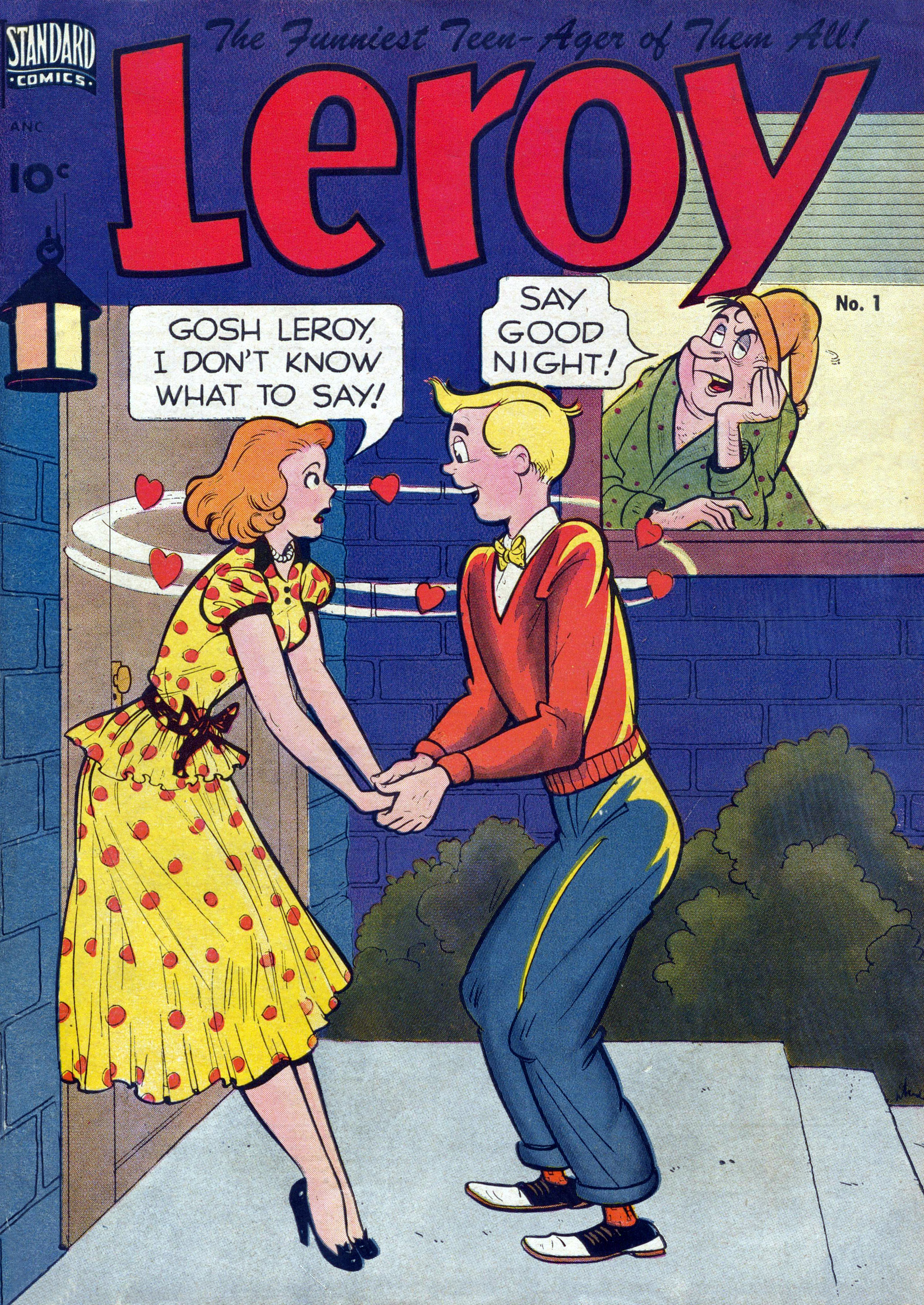
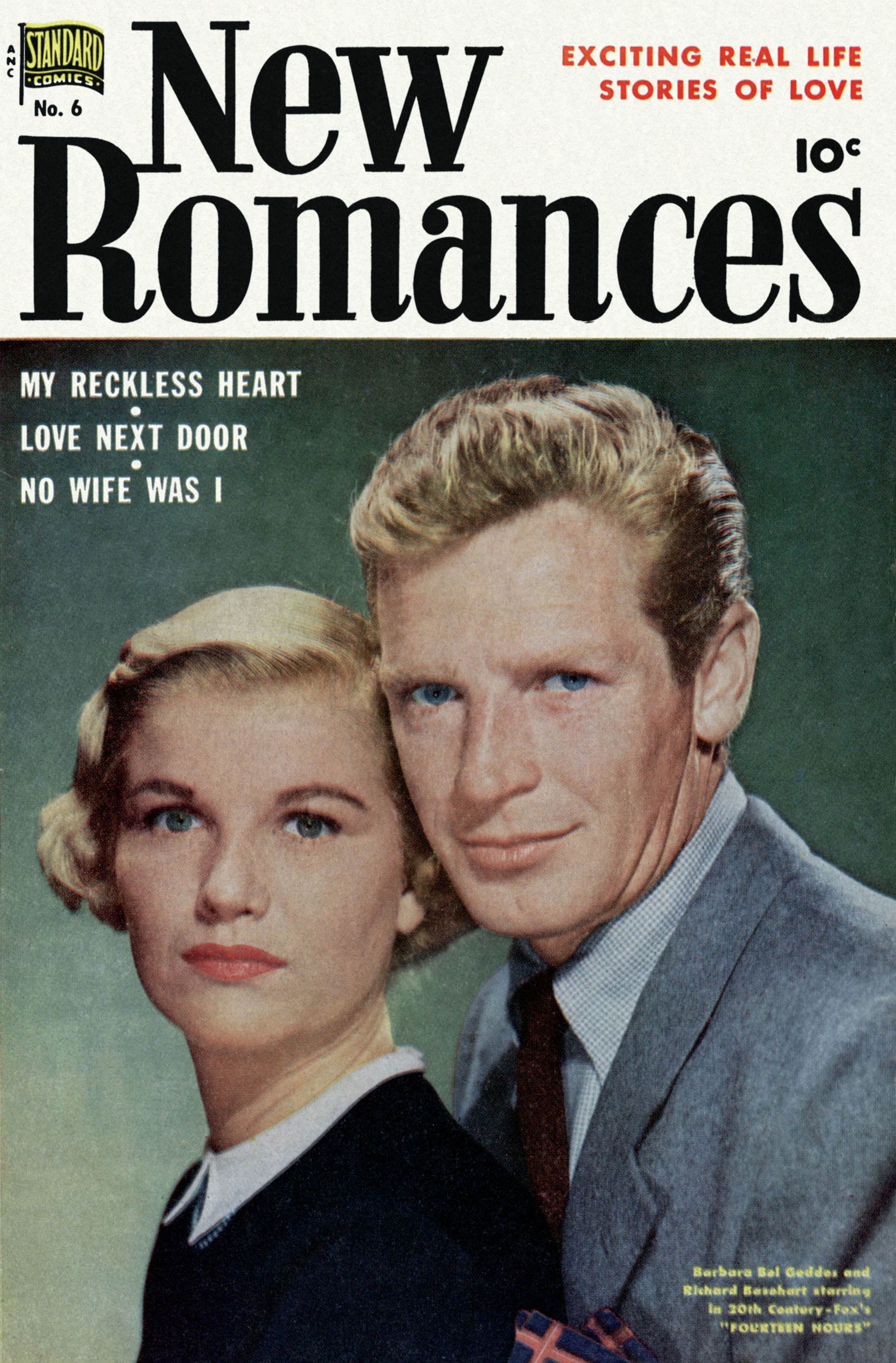
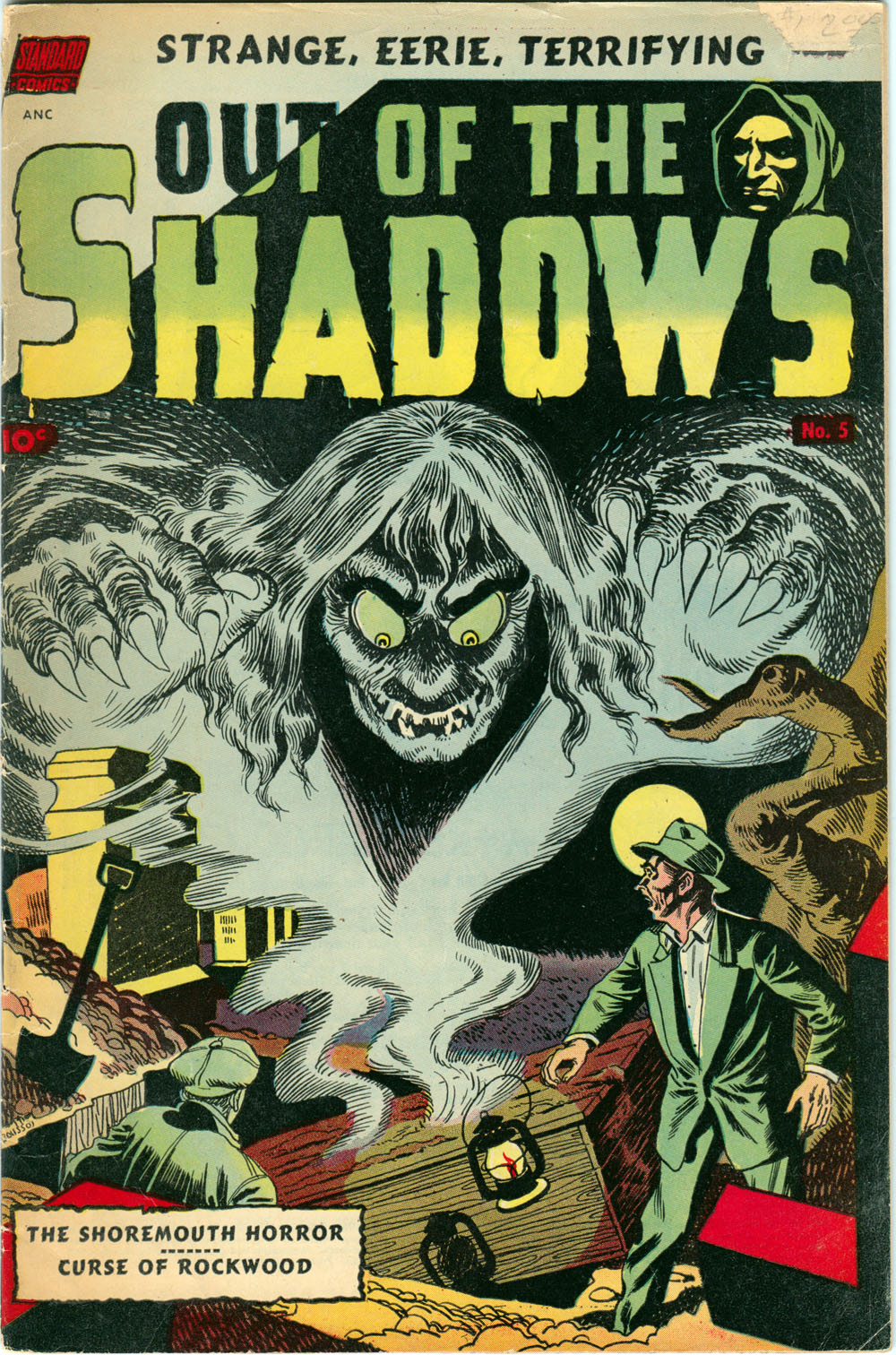
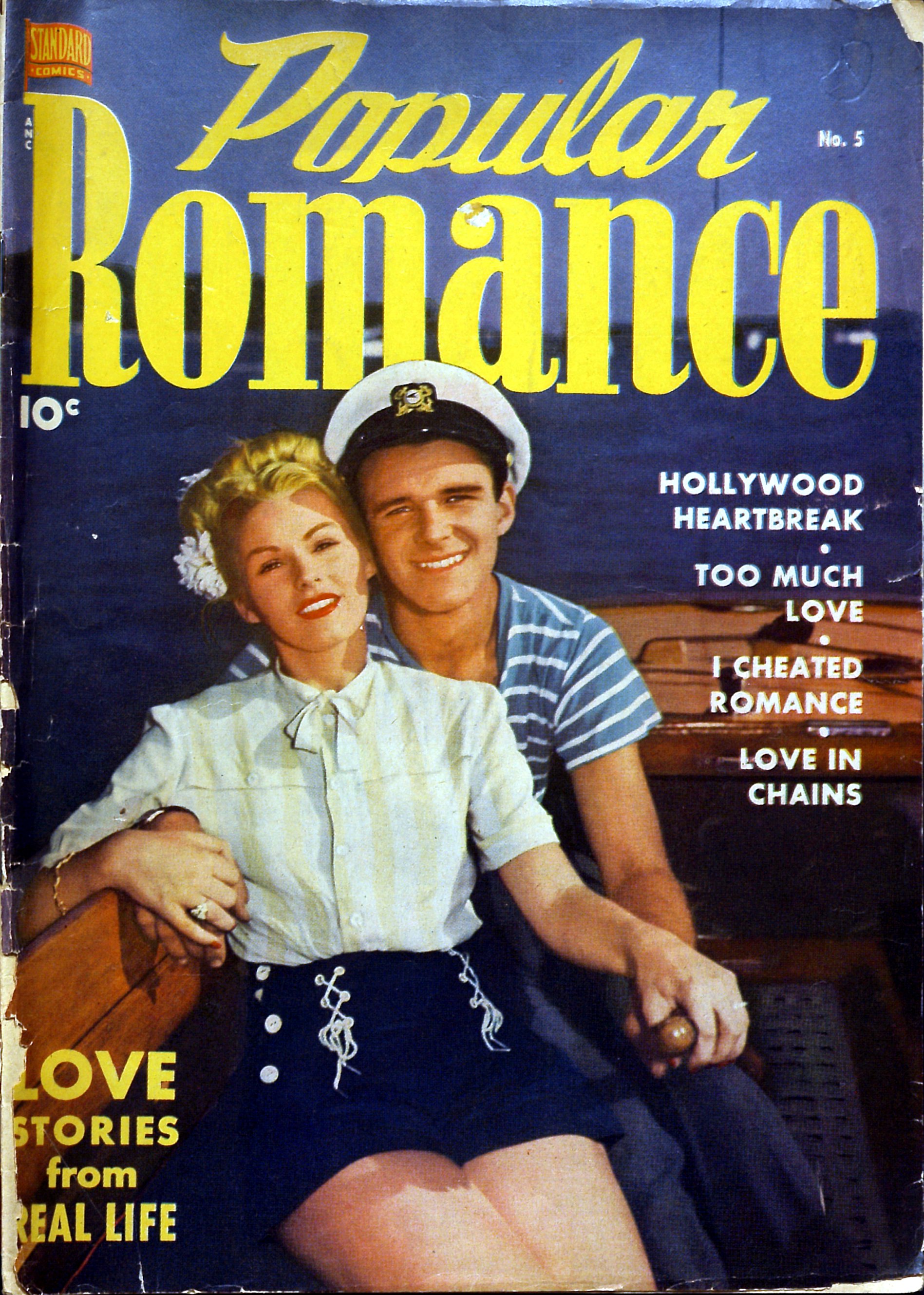
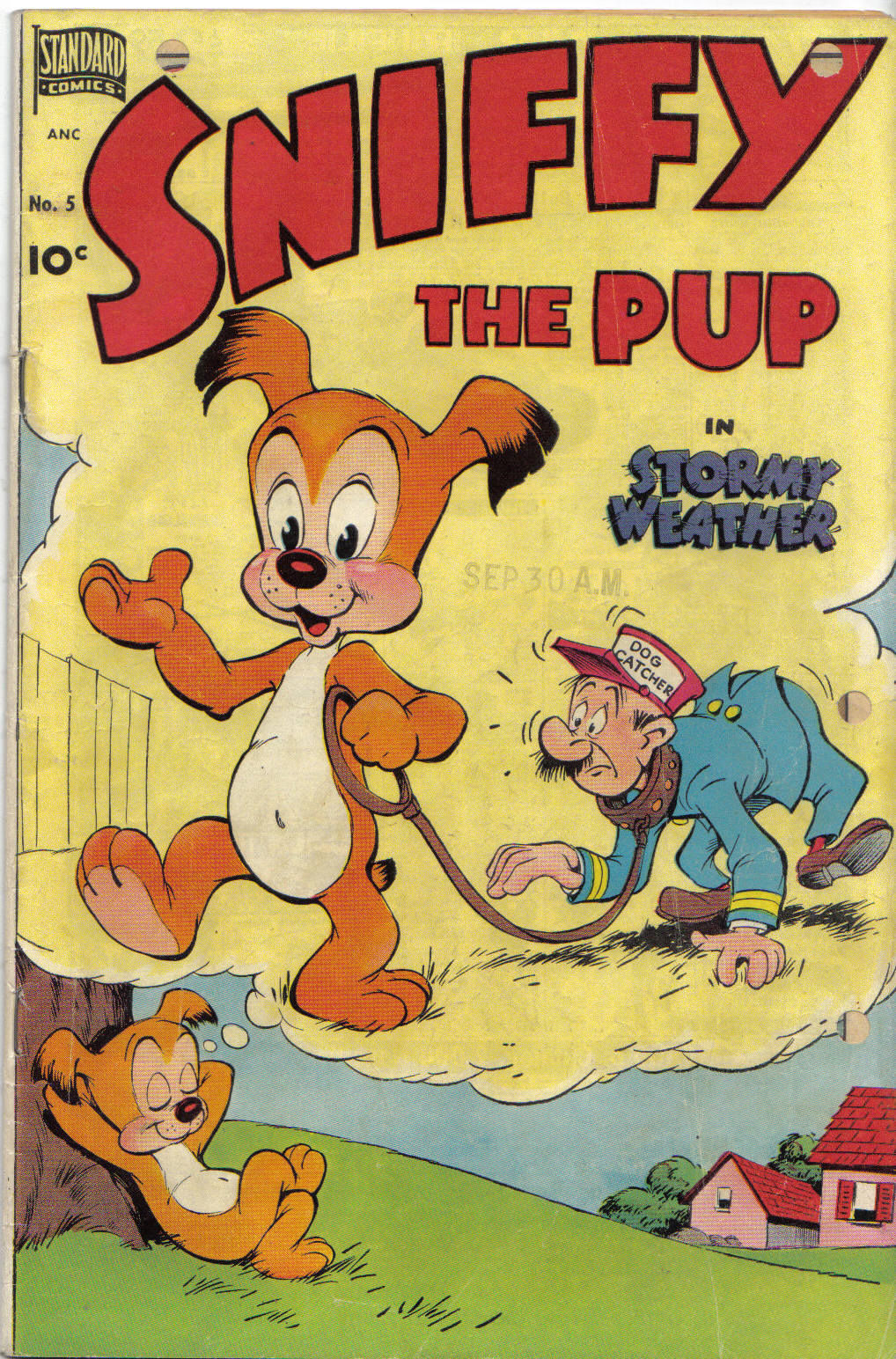
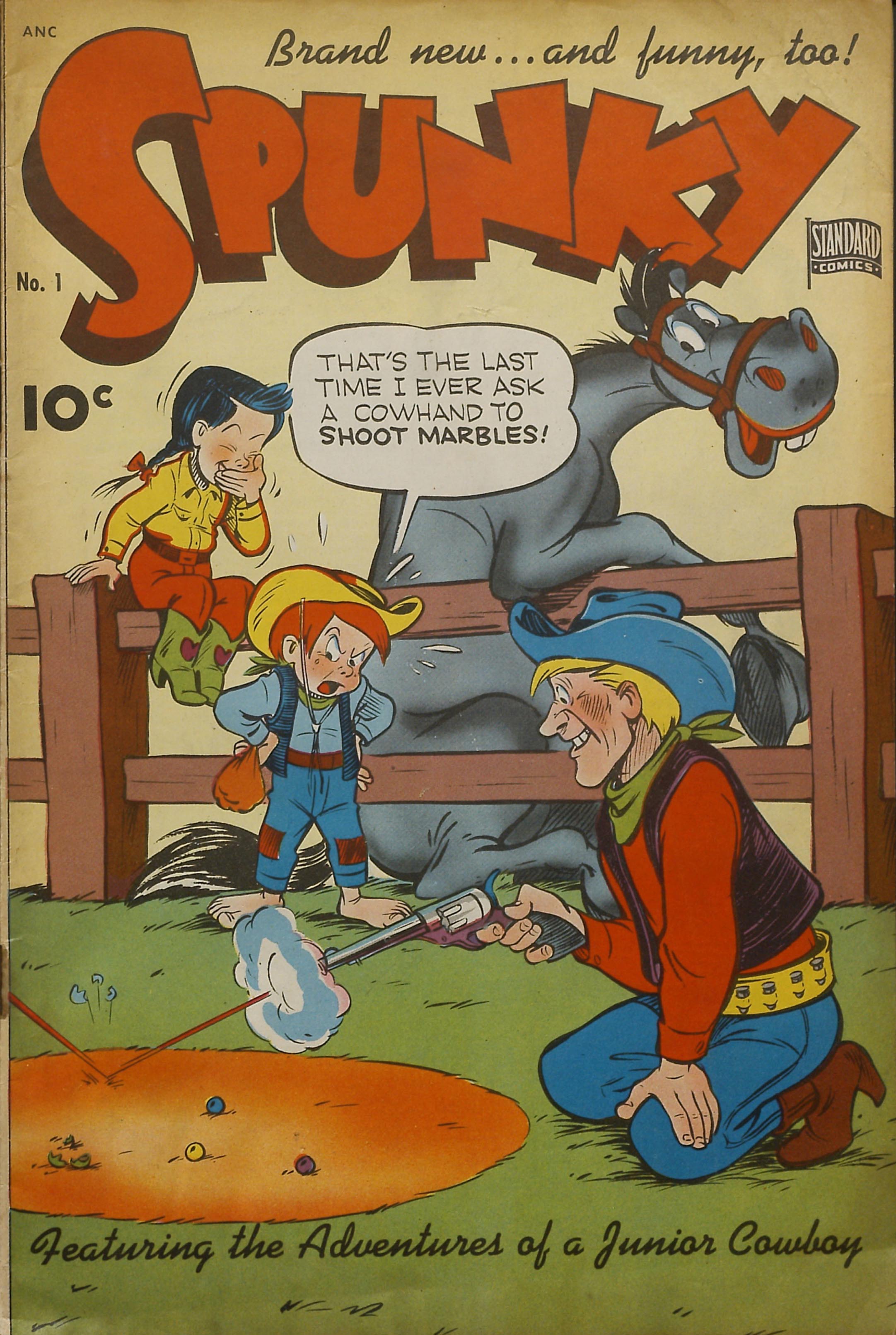
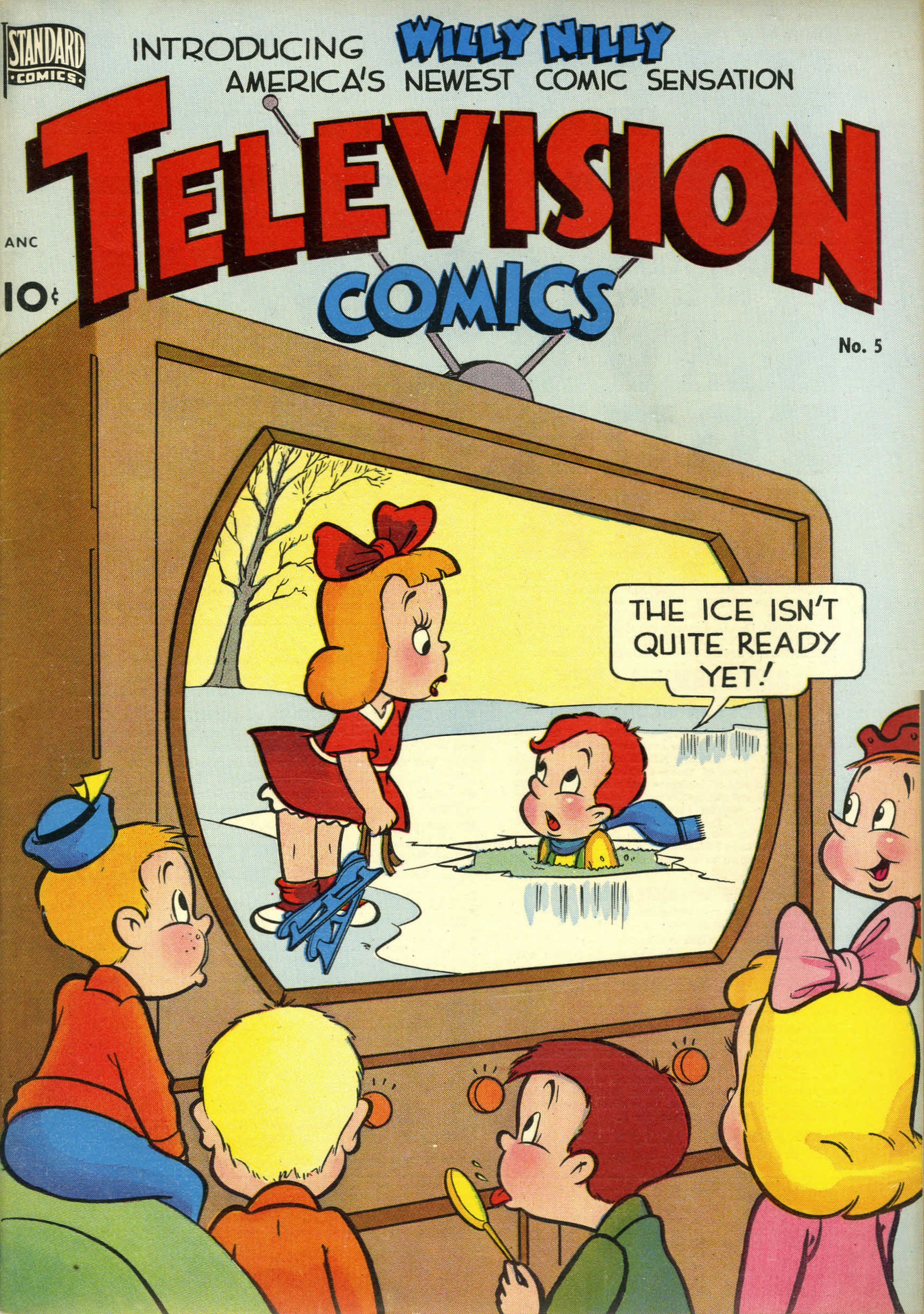
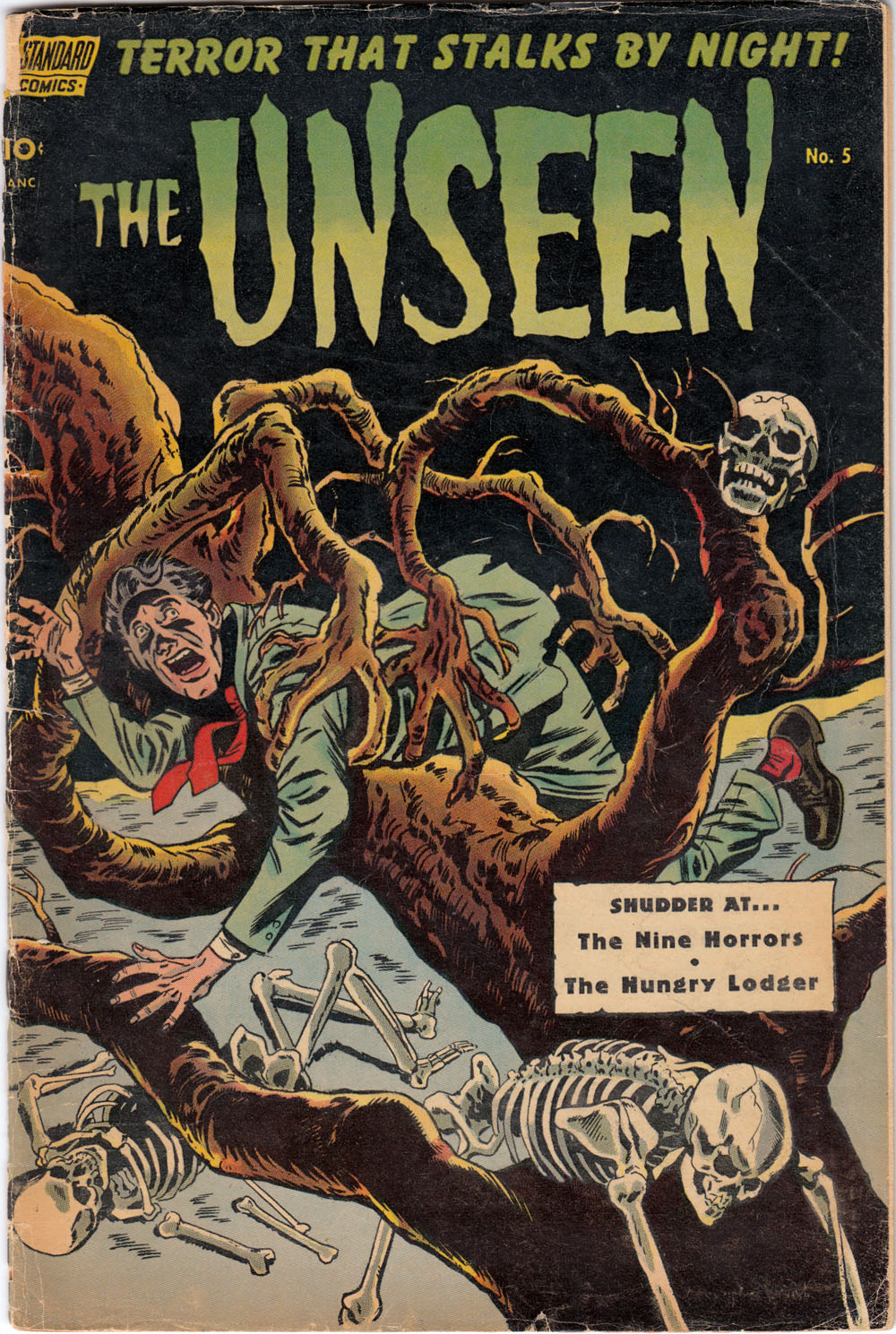
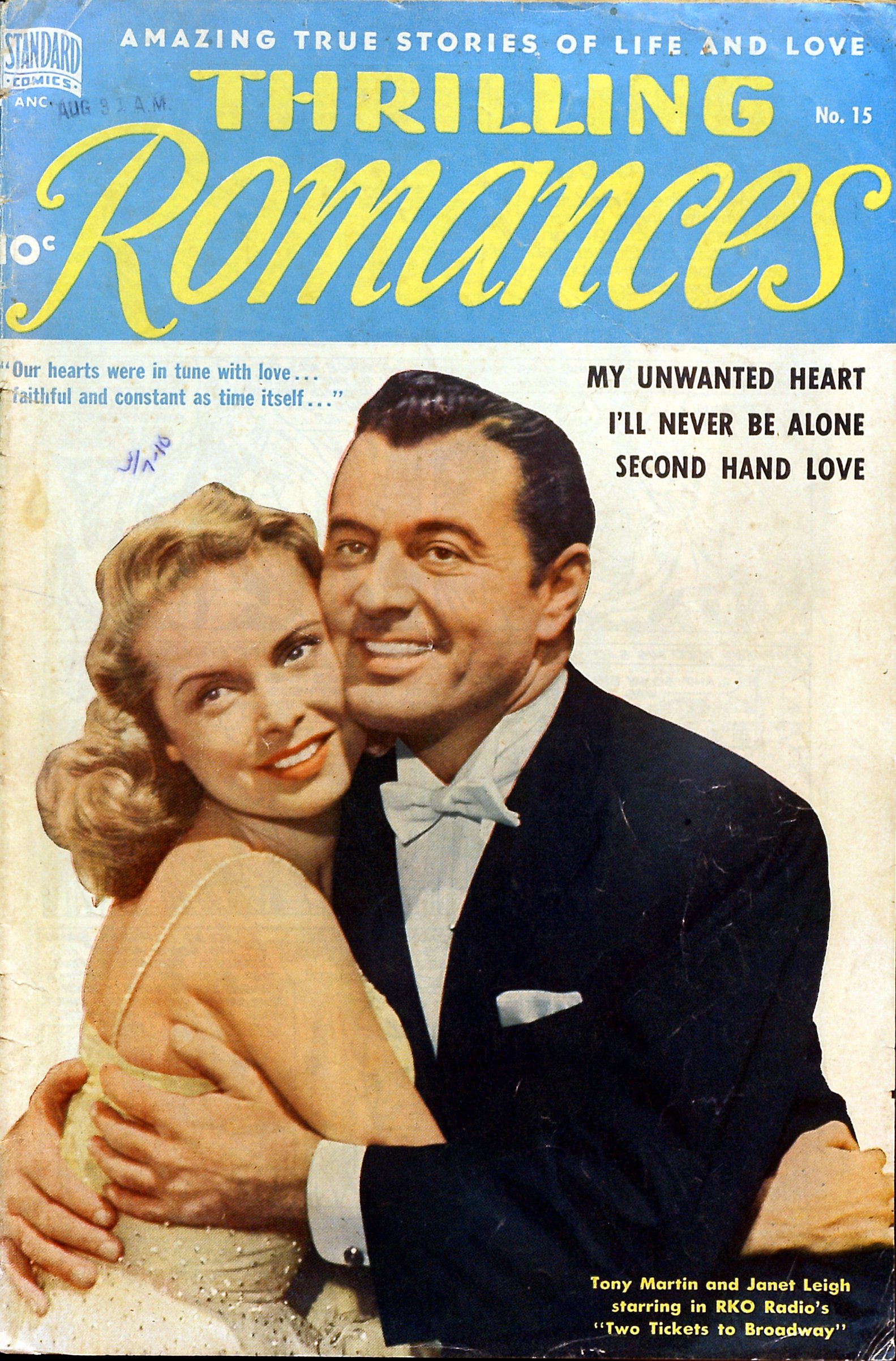
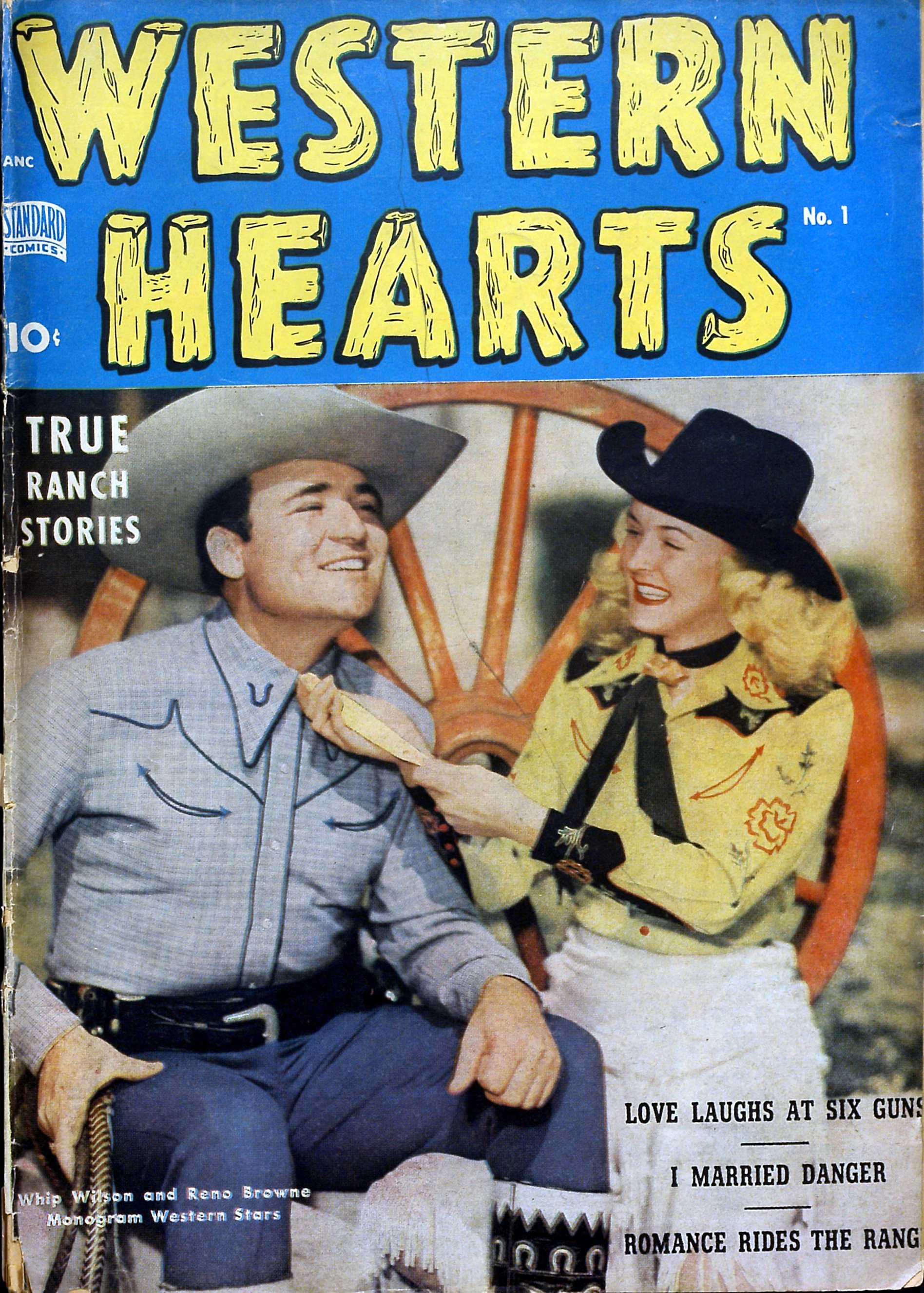
Standard Comics was an American comic book imprint founded by Ned Pines, who was also a publisher of pulp magazines and paperback books. The imprint was a parent company of two comic-book lines, Better and Nedor Publishing, which are often referred to collectively as « Standard/Better/Nedor » by collectors and historians.

During the Golden Age of comic books from 1939 to 1956, Standard was a prolific publisher. One of its best-known characters, published under the Better imprint, was the Black Terror. In June 1949, Better and Nedor were consolidated as the Standard Comics line and given a new « Standard Comics » flag-like cover logo. Previously, the titles had no publisher logo.

Standard Comics continued to publish until 1956 when it ended its operations. Afterward, only two titles continued under the Pines Comics imprint. Pines Comics also incorporated several titles from the defunct St. John Publications. However, by 1959, Pines Comics folded, and most of its titles were acquired by other publishers.

Ned Pines’ impact on the comic book industry is notable. His company’s contribution to the Golden Age of comics was significant, and the Standard Comics line was influential in shaping the comic book landscape during its time. Although the company is no longer in existence, its legacy lives on, and its impact on the comic book industry remains significant. The consolidation of Better and Nedor under Standard Comics is an essential chapter in comic book history, showcasing the evolution of publishers and their ability to adapt to the changing industry.

Ned Pine: The Visionary Founder of Pine Publications

Ned Labe Pines, a prominent figure in the publishing industry, was born on March 19, 1905, in Malden, Massachusetts. In 1910, his family relocated to Brooklyn, New York, where his father established himself as a successful businessman. Growing up in a household that valued education and entrepreneurship, Ned Pines developed a passion for literature and a keen eye for business.

In his early years, Ned Pines resided with his family at 29 South Margin Street, later moving to 1430 50th Street. The Pines family experienced significant milestones during this time, with the birth of Ned’s younger brother, Kermit Pines, in 1917. The following year, Ned’s oldest brother, Robert Pines, graduated from Columbia University and served in the U.S. Navy during World War I.

In 1918, the Pines family faced a scandal that garnered national attention. A war profiteering scandal emerged, as it was discovered that 24% of the raincoats supplied by the Pines Rubber Company were defective. This incident brought public scrutiny, but it did not hinder Ned Pines’ future endeavors.

In 1919, The Brooklyn Eagle reported that Troop 161 of Bay Ridge had a monthly newspaper called The Scout Courier. Ned Pines seized the opportunity and established the Scout Courier Printing and Publishing Company in April 1920. This venture allowed him to print scout magazines for various troops, showcasing his entrepreneurial spirit from an early age.
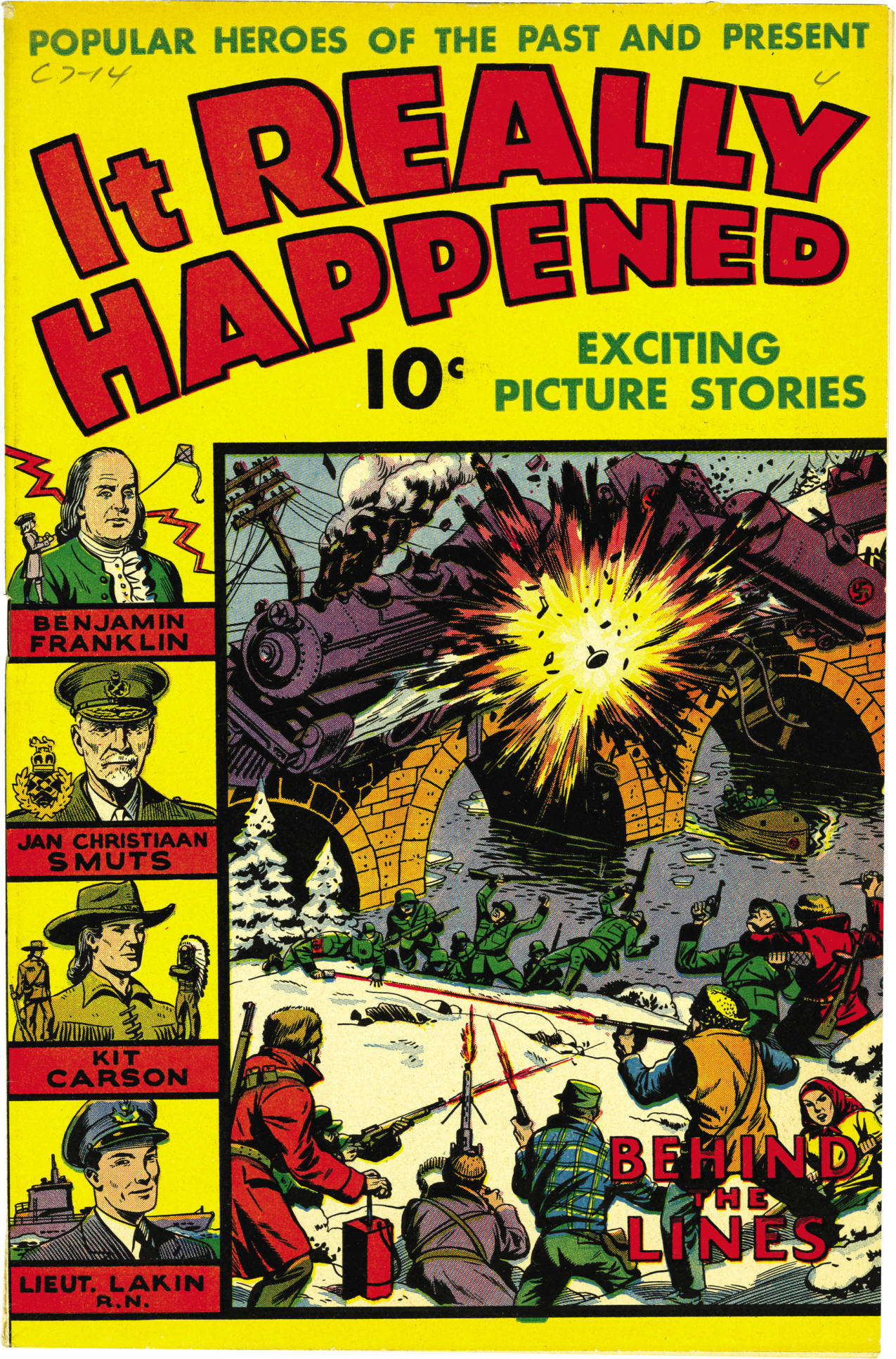
Following his high school graduation in Brooklyn in 1923, Ned Pines enrolled at Columbia University as a freshman. Alongside his studies, he became actively involved in school publications, including College Humor, produced by Collegiate World Publishing Company in Chicago. Pines started a magazine of his own, titled College Life, and founded The Collegian Press, a publishing company. During this time, he partnered with his brother Robert Pines to publish College Life for the Collegian Press.

In 1930, Ned Pines founded the Modern Sports Publishing Company, which produced titles such as « Contract Bridge Made Easy, » « Fifty Games of Cards and How to Play Them, » « Girl Rackets, » and a humor magazine called « Tickles. » The same year, his brother Robert Pines established Metropolitan Magazines, introducing publications like « Thrilling Love » and « Thrilling Detective. »

Ned Pines made a significant addition to his publishing team in 1932 when he hired Leo Margulies as the chief editor. By 1933, Pines’ publishing company was known as Standard Magazines, with offices located at 570 Seventh Avenue. In 1934, Dell Publishing Company acquired College Humor from Collegiate World Publishing Company but later sold it to Ned Pines in 1935. Pines continued to publish the magazine under the name Collegian Press.

During his career, Ned Pines expanded his publishing empire, establishing various magazines under different company names. However, in May 1936, a rival publisher introduced Ace G-Man Stories, leading Pines to file a copyright infringement lawsuit against Henry Steeger.
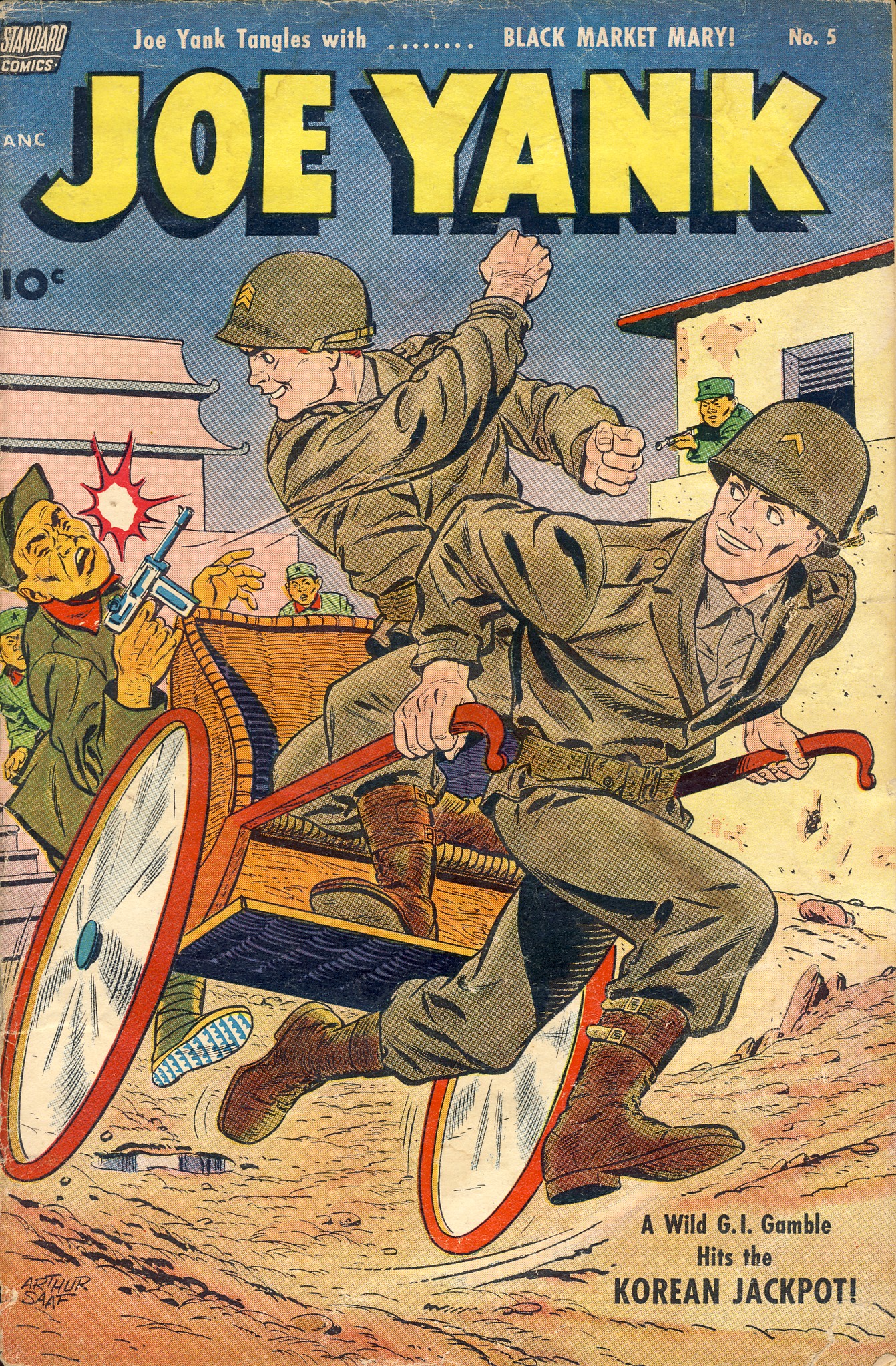
Despite facing legal challenges, Ned Pines persevered and continued to grow his publishing endeavors. He purchased the entire output of a paper mill at low prices and discovered that selling the paper in the form of pulp magazines yielded the best profit. His efforts resulted in a vast catalog of publications, with approximately thirty titles and a combined circulation of two million copies.

In addition to his publishing ventures, Ned Pines ventured into other industries. In 1923, he organized a resort development scheme in New Jersey, but faced legal troubles that resulted in a conviction, two years of imprisonment, and a fine of $1,000. Despite this setback, Pines remained undeterred and continued to make significant contributions to the publishing world.

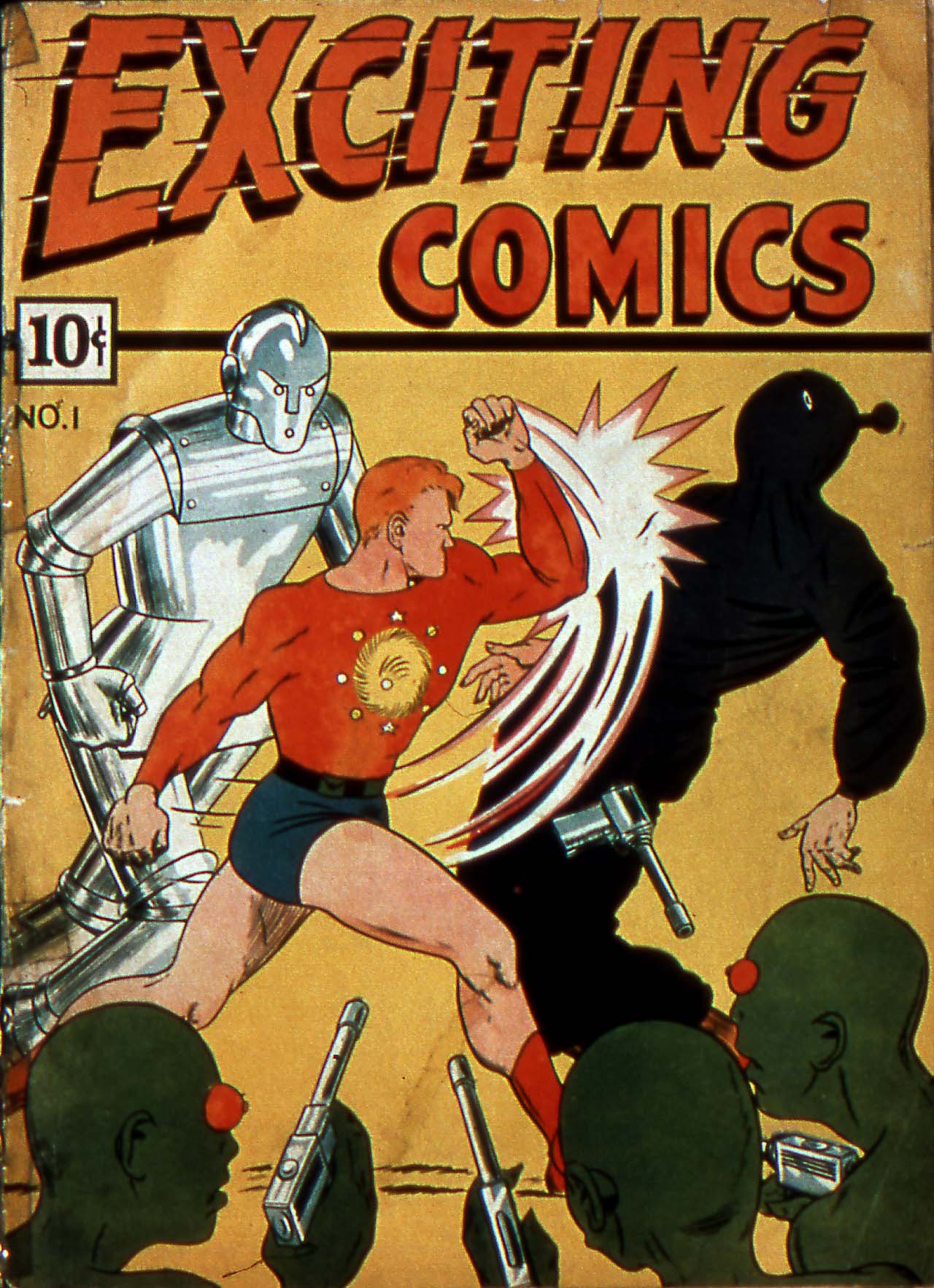
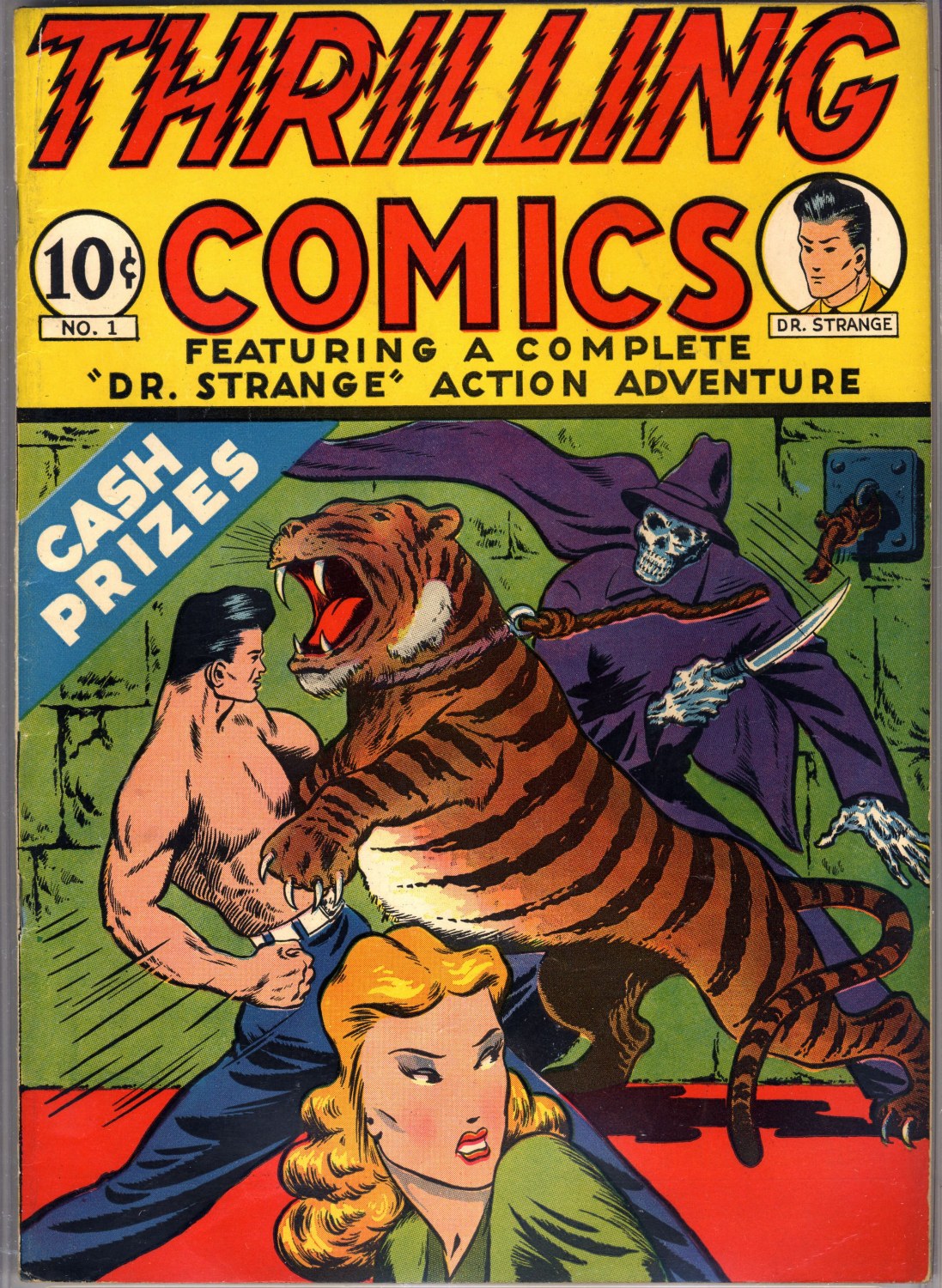
In collaboration with Benjamin Sangor, Ned Pines founded Nedor Publishing, which produced popular titles such as « Thrilling Comics » and « Exciting Comics. » These publications captivated readers with their thrilling stories and captivating artwork.

By the 1940s, Ned Pines had established himself as a successful publisher with a wide range of magazines under his belt. The June 1940 issue of « Exciting Comics » featured a full-page advertisement showcasing numerous periodicals, including Ned Pines’ own publications such as « Black Book Detective, » « Captain Future, » « Detective Novels, » « The Ghost Super-Detective, » « G-Men Detective, » « The Lone Eagle, » « Masked Rider Western, » « Phantom Detective, » « Popular Detective, » « Popular Love, » « Popular Sports, » « Popular Western, » and « Sky Fighters. »

When World War II began, Ned Pines was a 37-year-old married man and the proud father of two infant daughters. In recognition of his capabilities, his father-in-law made him a co-owner of ACG (American Comics Group) located at 45 West 45th Street.

Ned Pines’ business acumen extended beyond comics and magazines. In 1952, he acquired Silver Screen and Screenland Magazines from Public News Company. This move expanded Pines’ publishing portfolio, demonstrating his ability to adapt to changing market demands.

Ned Pines’ achievements did not go unnoticed by his peers in the industry. On June 2, 1960, he was elected chairman of the Eastern Life Insurance Company of New York, reflecting his diverse business interests and leadership capabilities. Additionally, Pines served as a member of the board of the Magazine Publishers Association, further solidifying his influence and involvement within the publishing community.

After a successful and accomplished career, Ned Pines decided to retire from publishing in 1971. He devoted several months of each year to his passion for art collection, particularly focusing on European modern art. Pines’ retirement allowed him to indulge in his personal interests and enjoy the fruits of his labor.

Ned Pines’ contributions to the publishing industry left an enduring legacy. His entrepreneurial spirit, commitment to quality, and ability to identify market opportunities allowed him to build a publishing empire encompassing numerous magazines and comics. His dedication to bringing thrilling stories and entertaining content to readers has influenced generations of avid readers and aspiring writers.
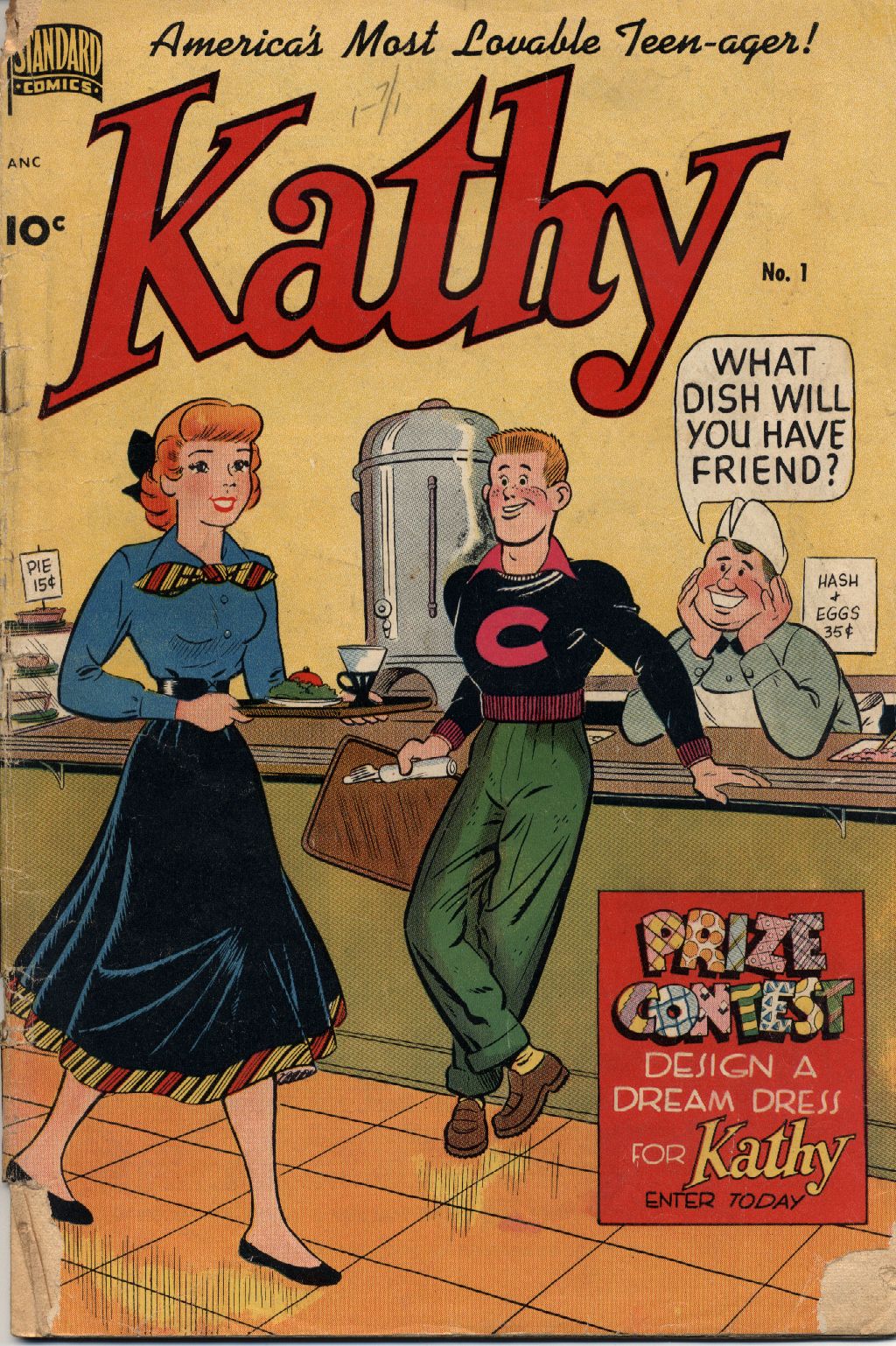
Today, the impact of Ned Pines’ work continues to be felt within the publishing world. His keen business sense, creativity, and unwavering determination serve as an inspiration for aspiring publishers and entrepreneurs seeking to make their mark in the ever-evolving realm of print and digital media.

Ziff-Davis Publications

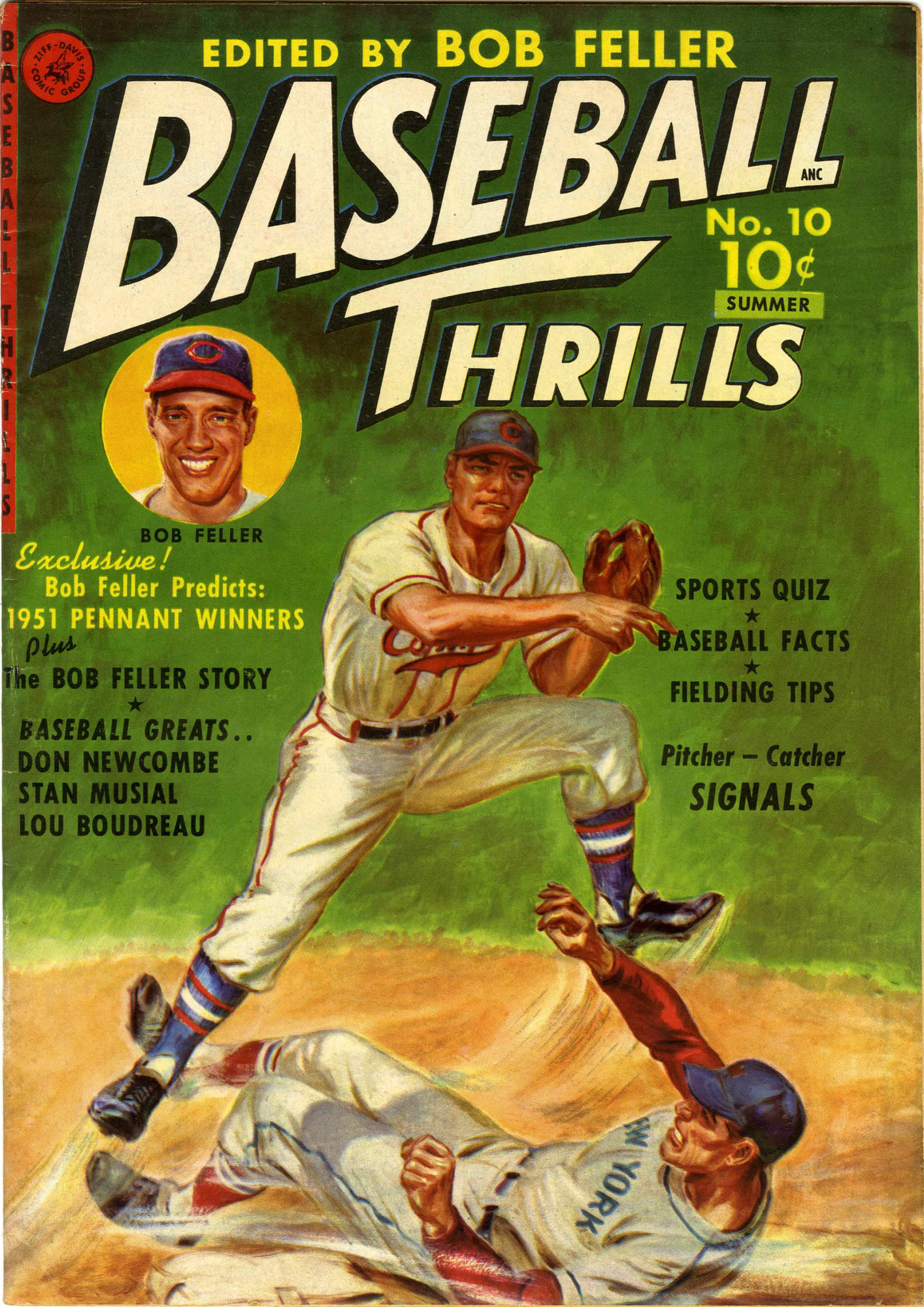
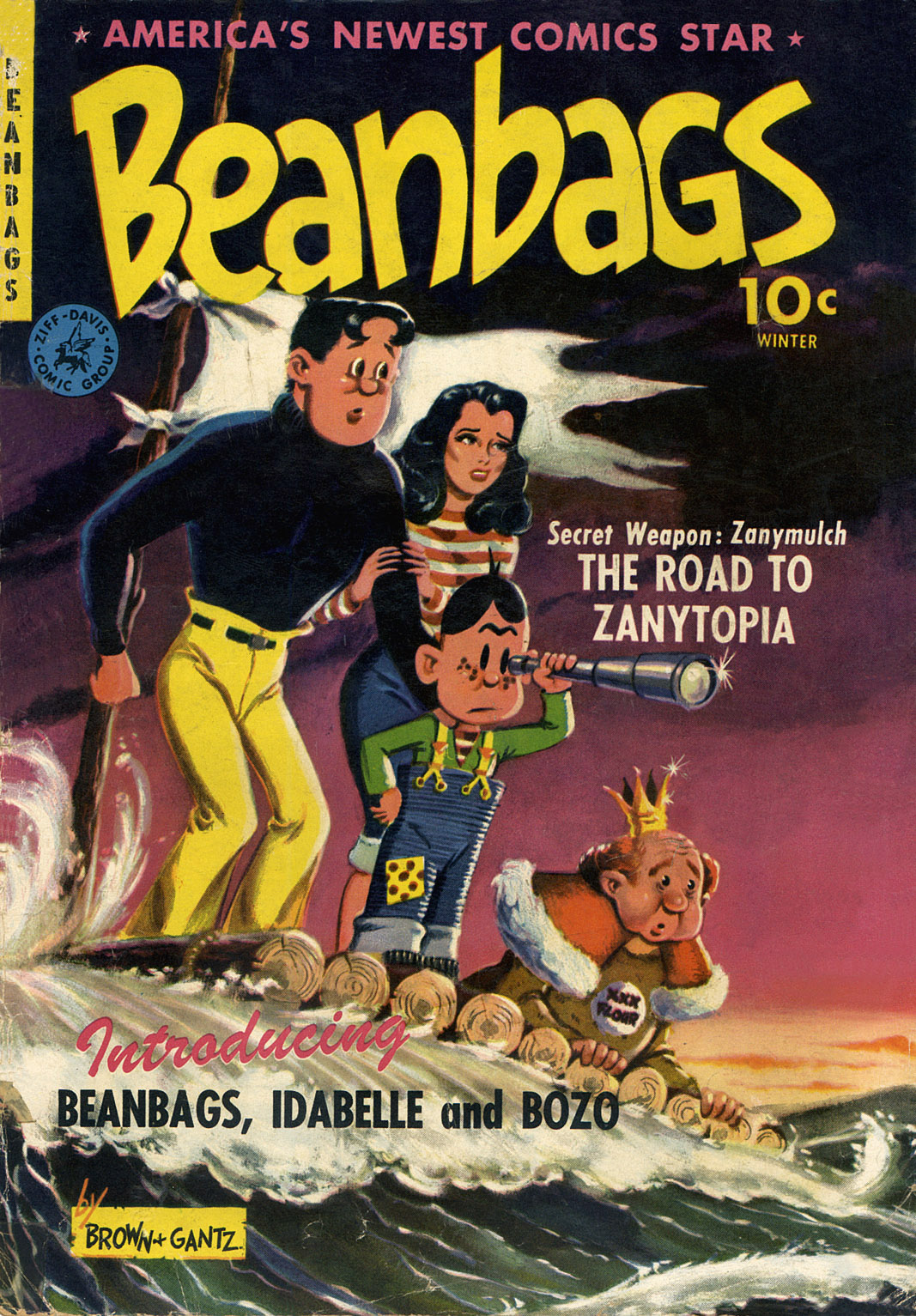
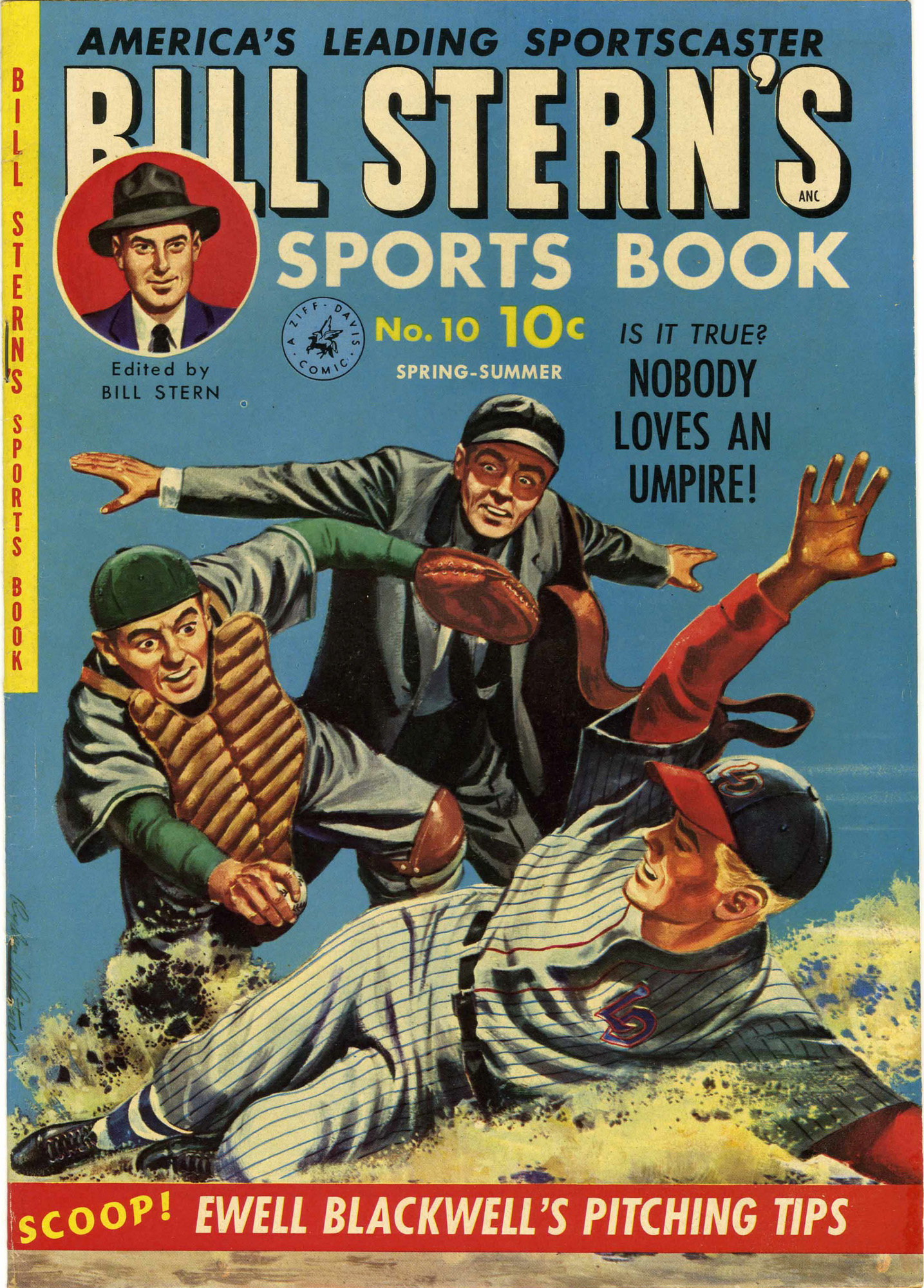
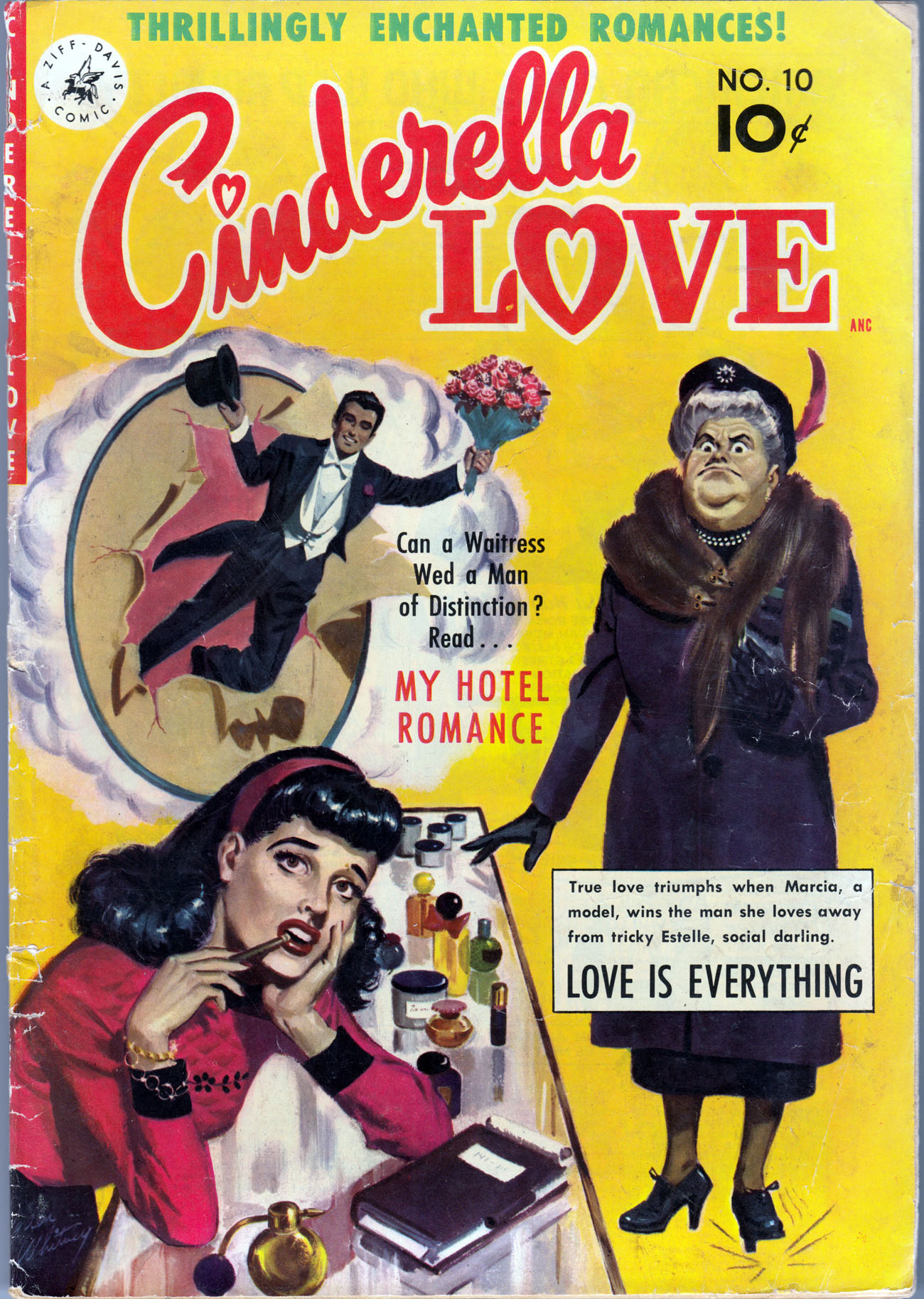
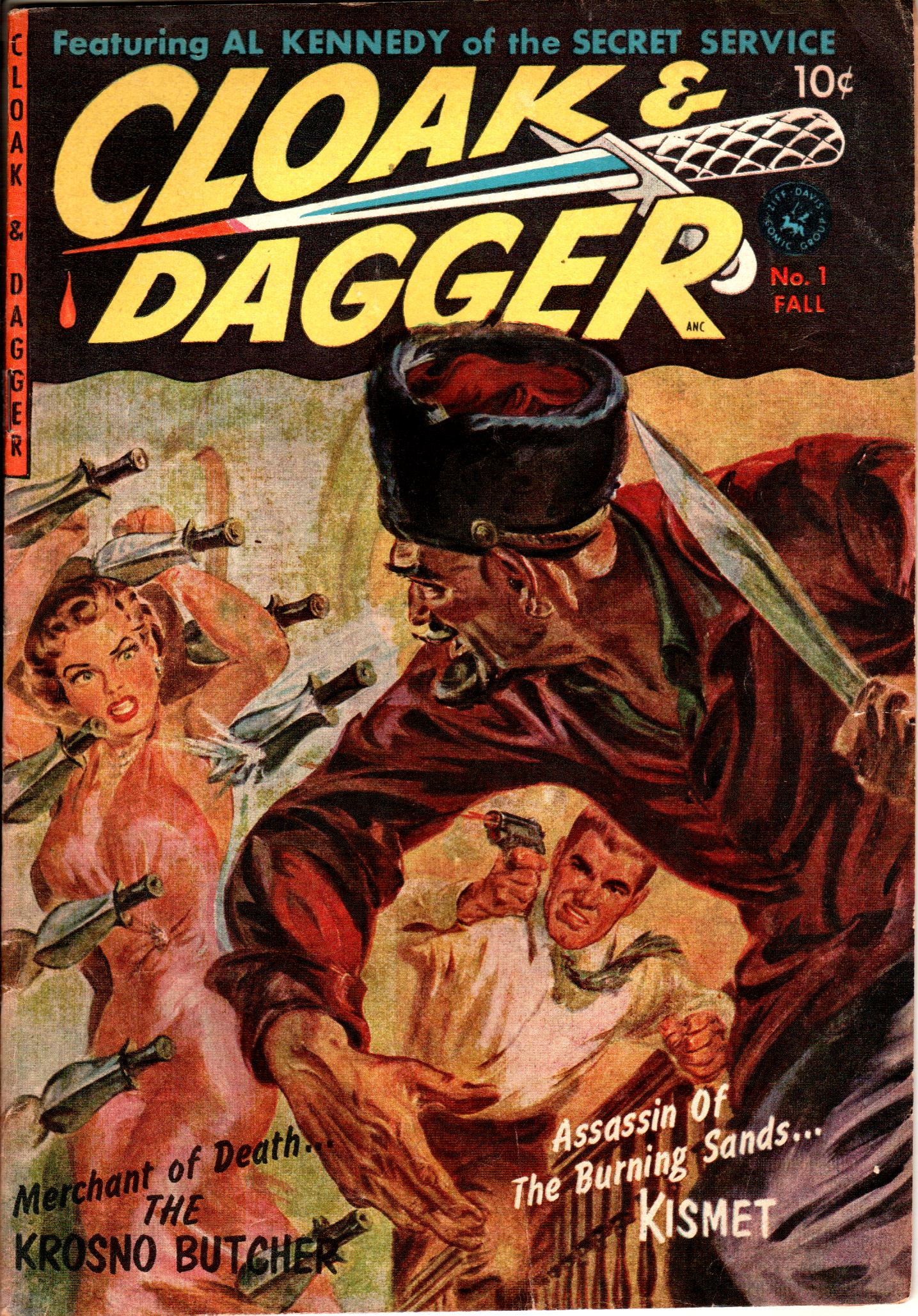
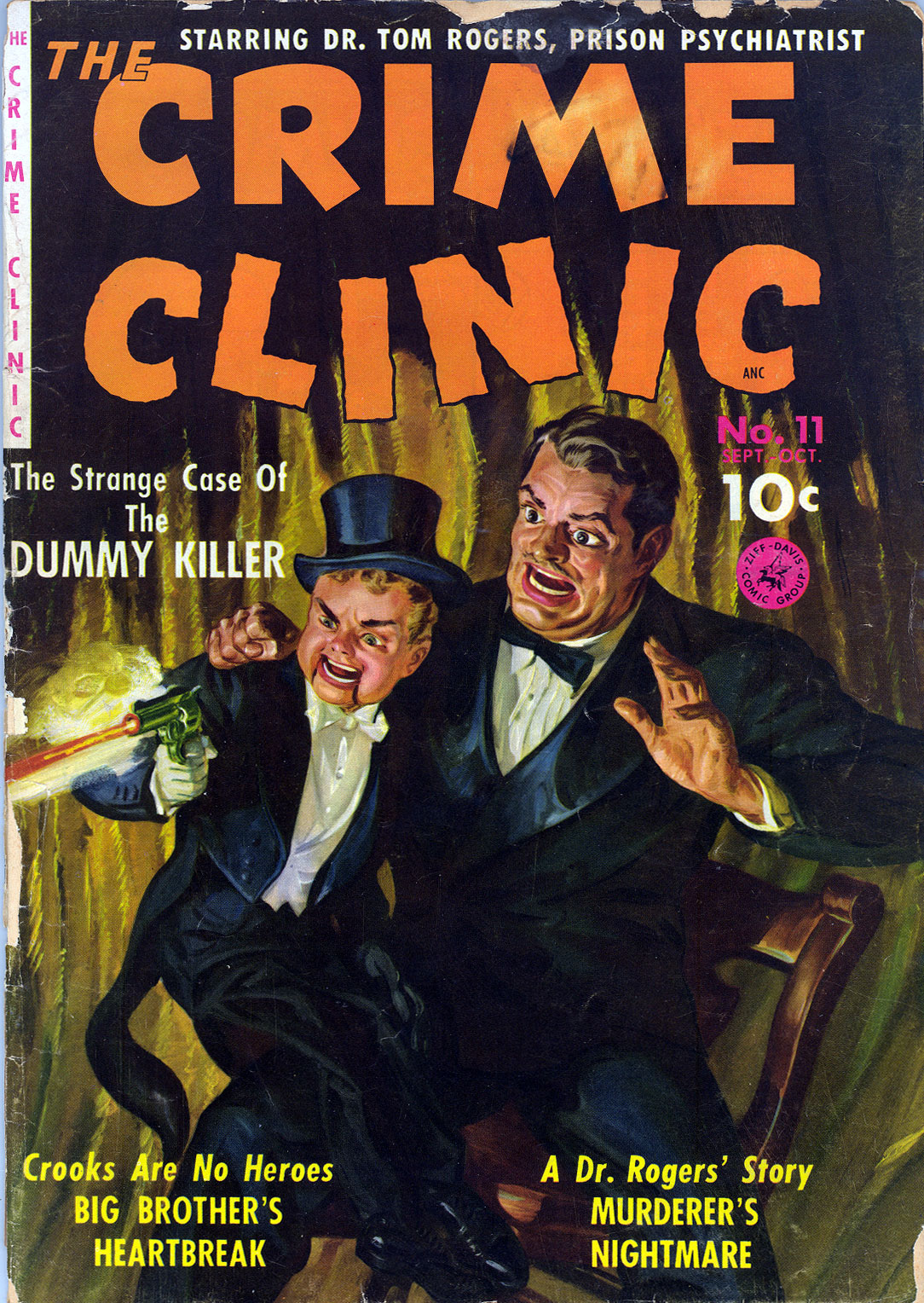
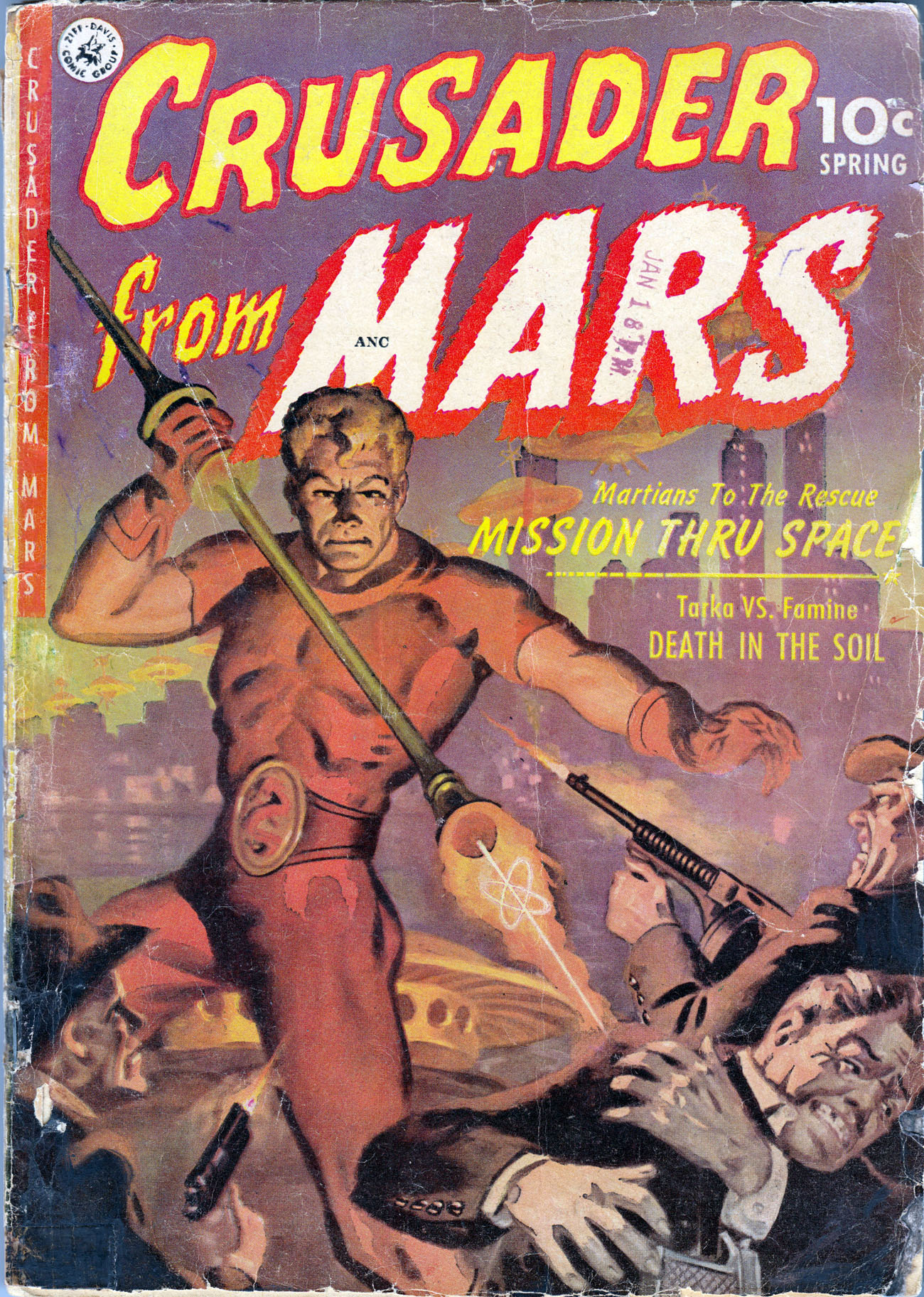
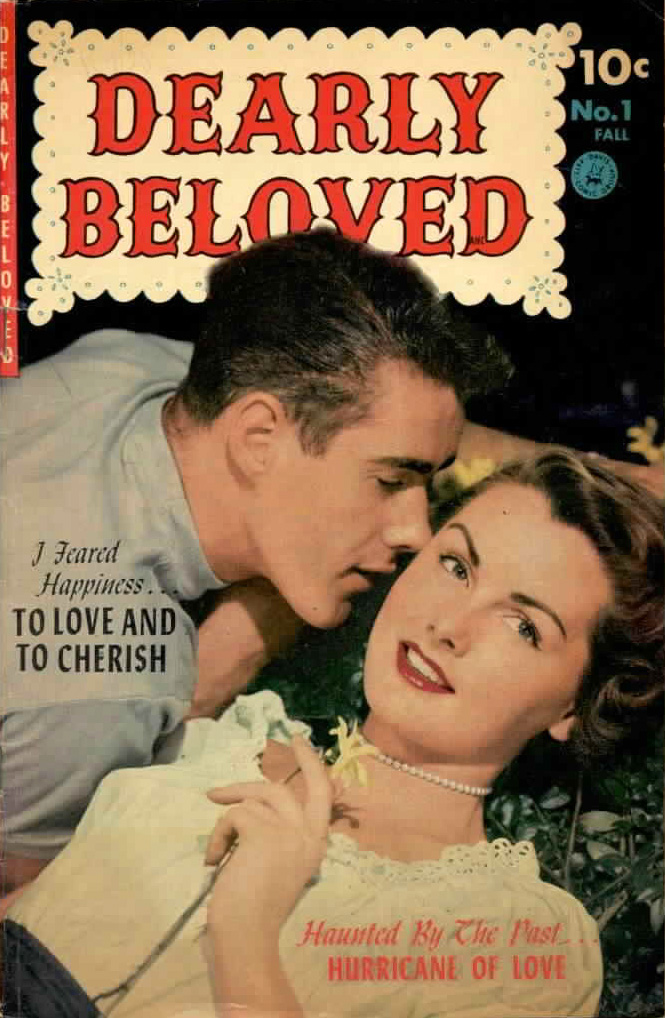
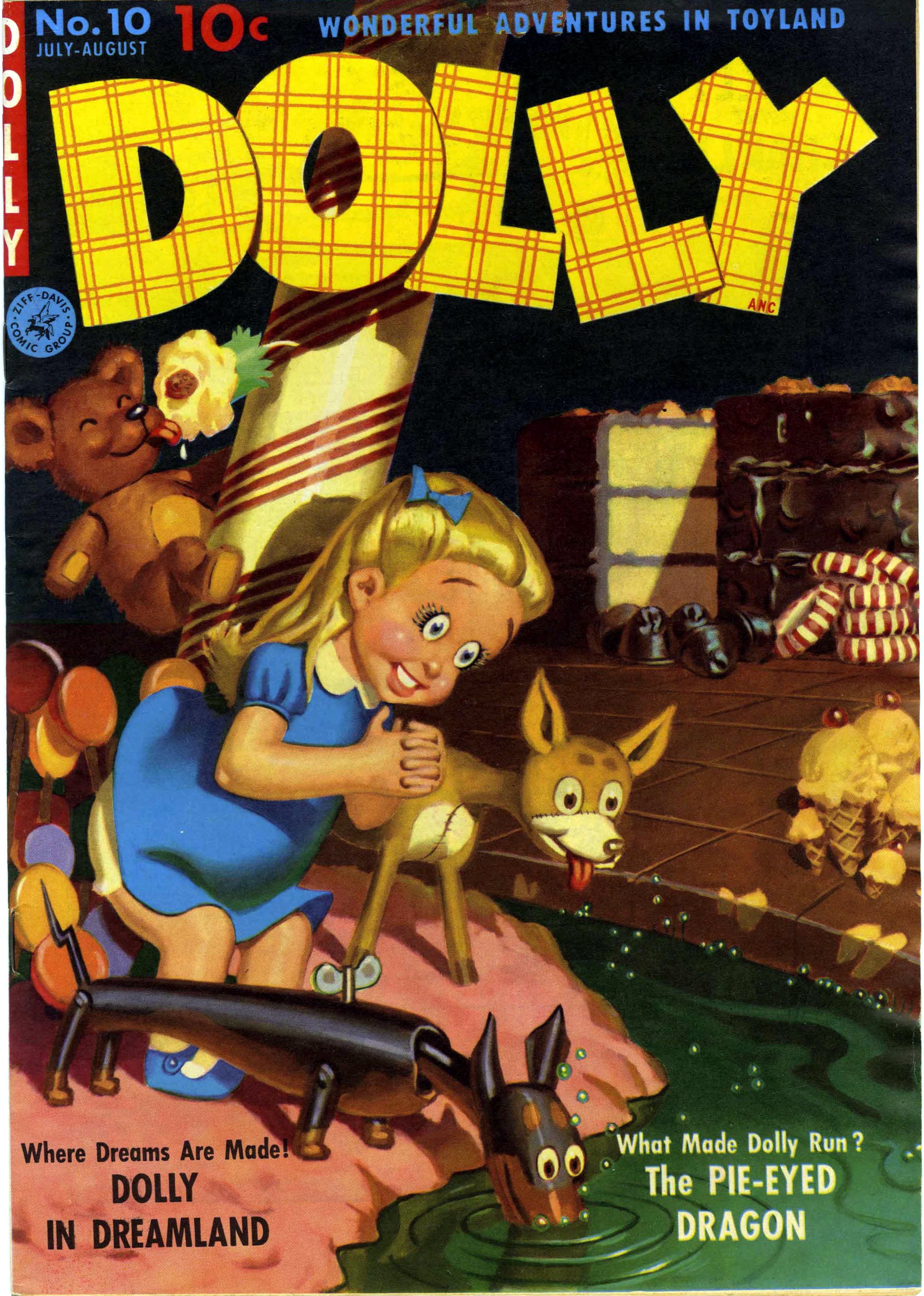
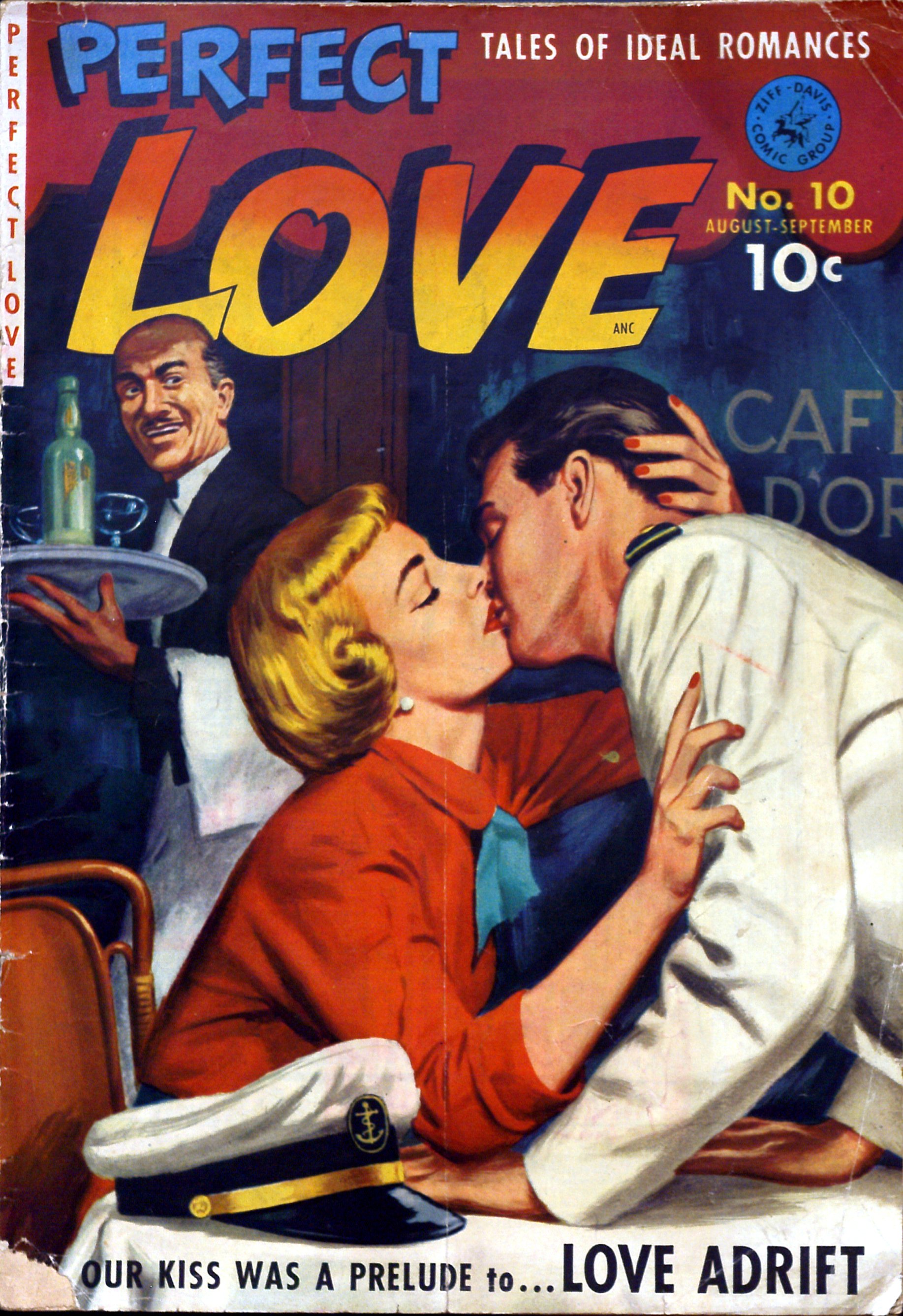
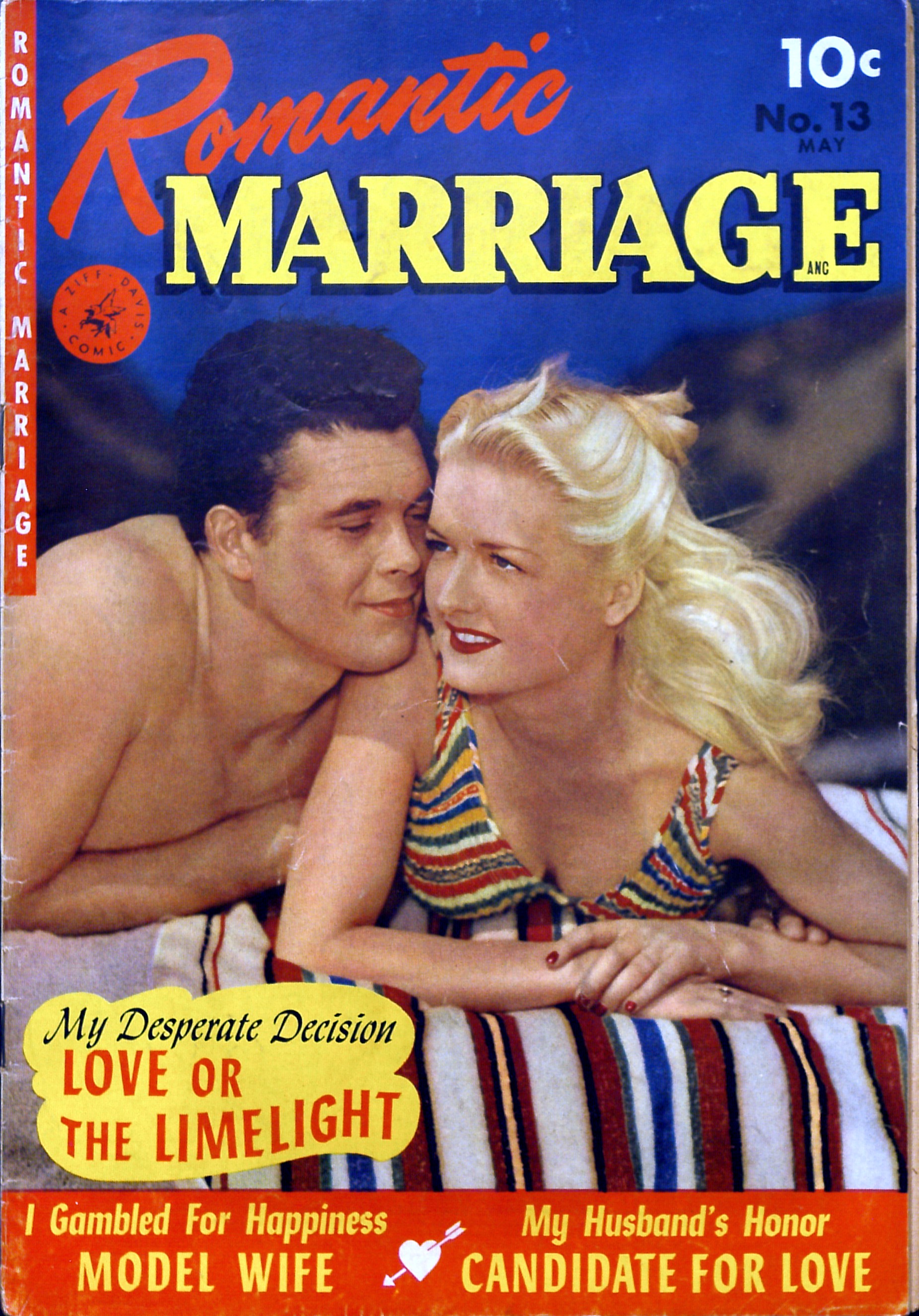
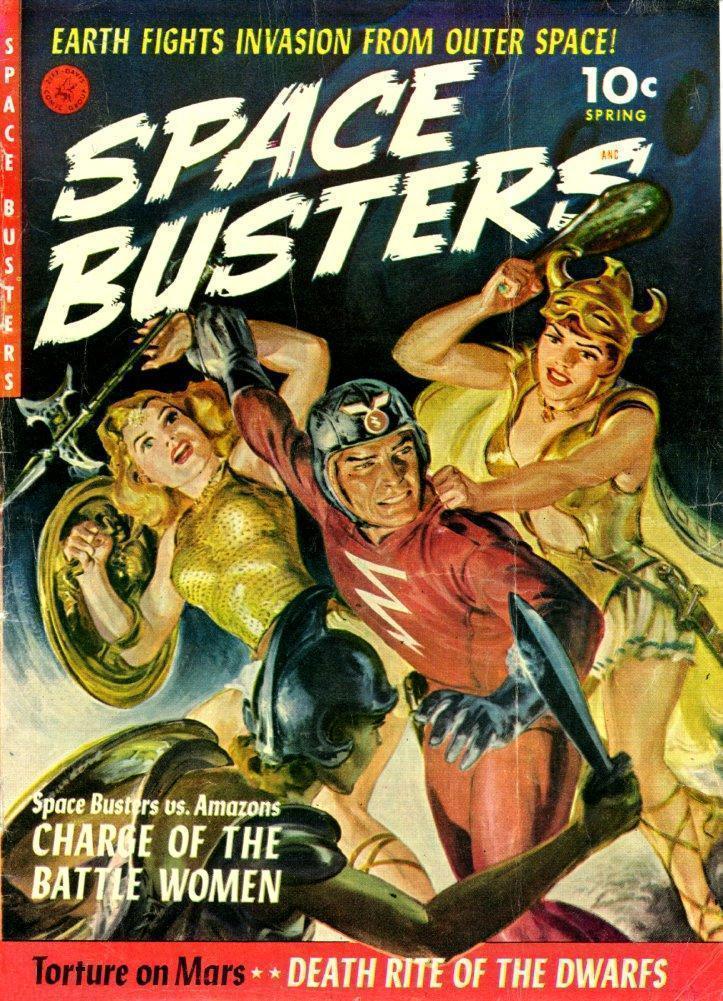
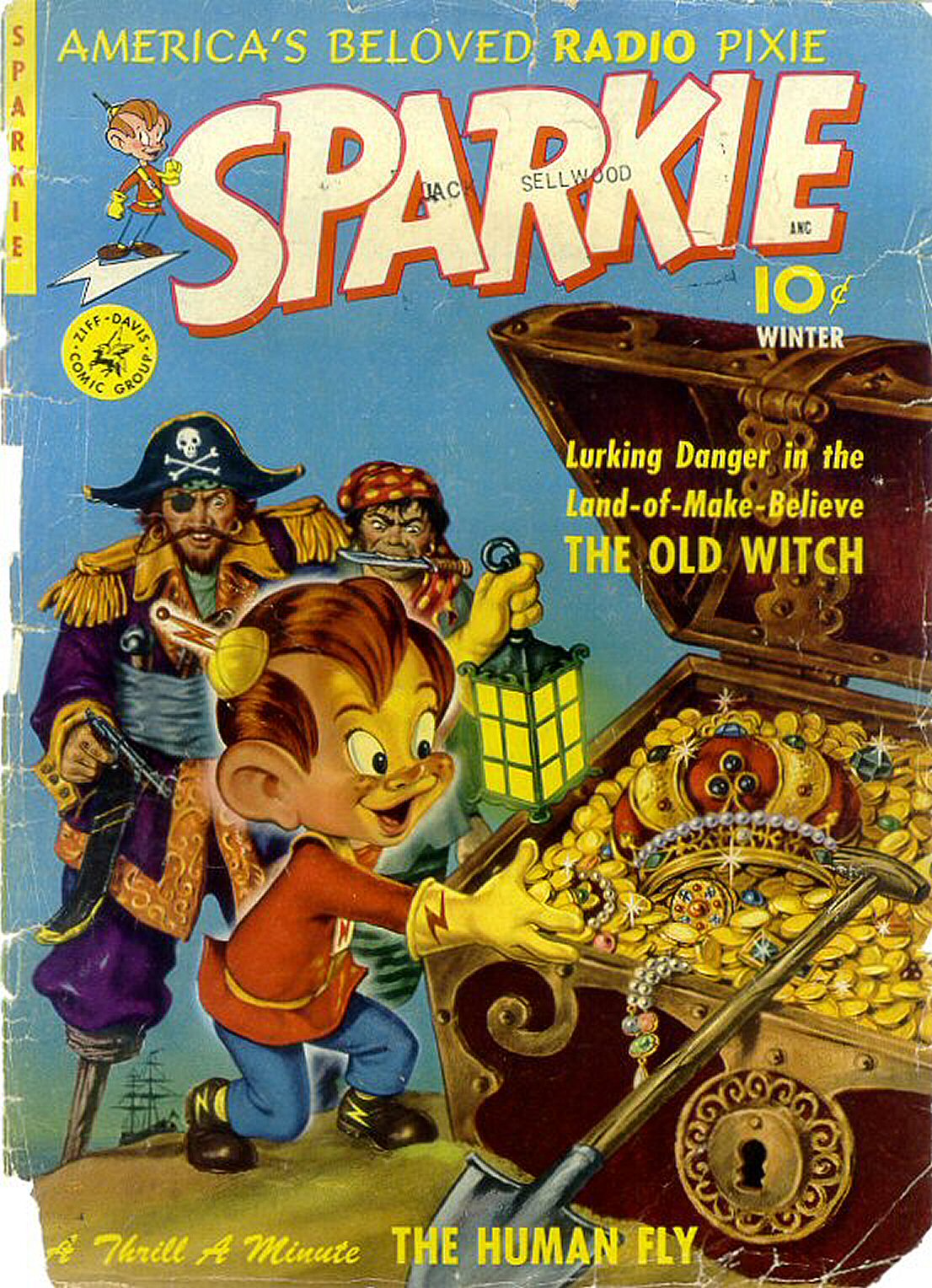
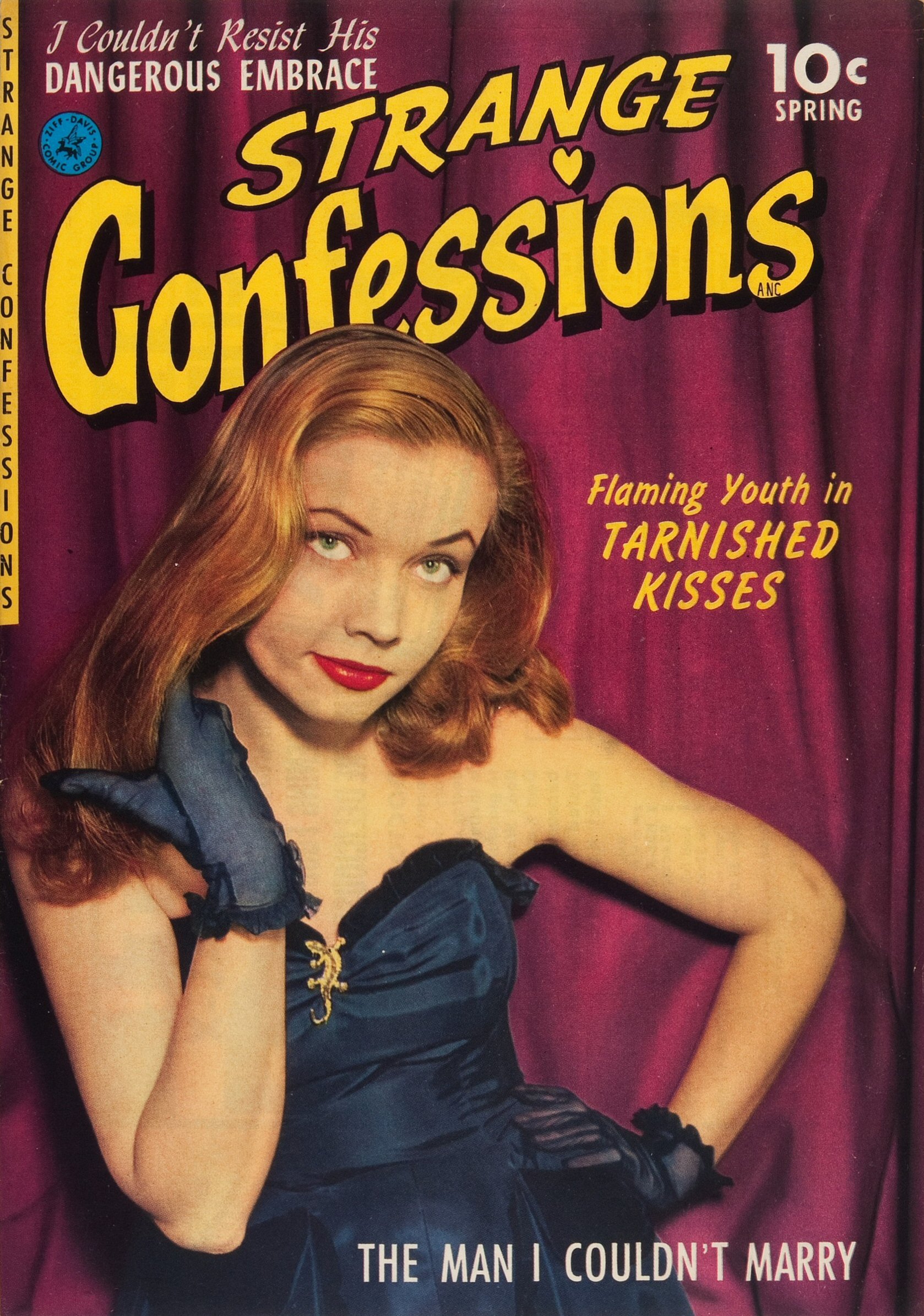
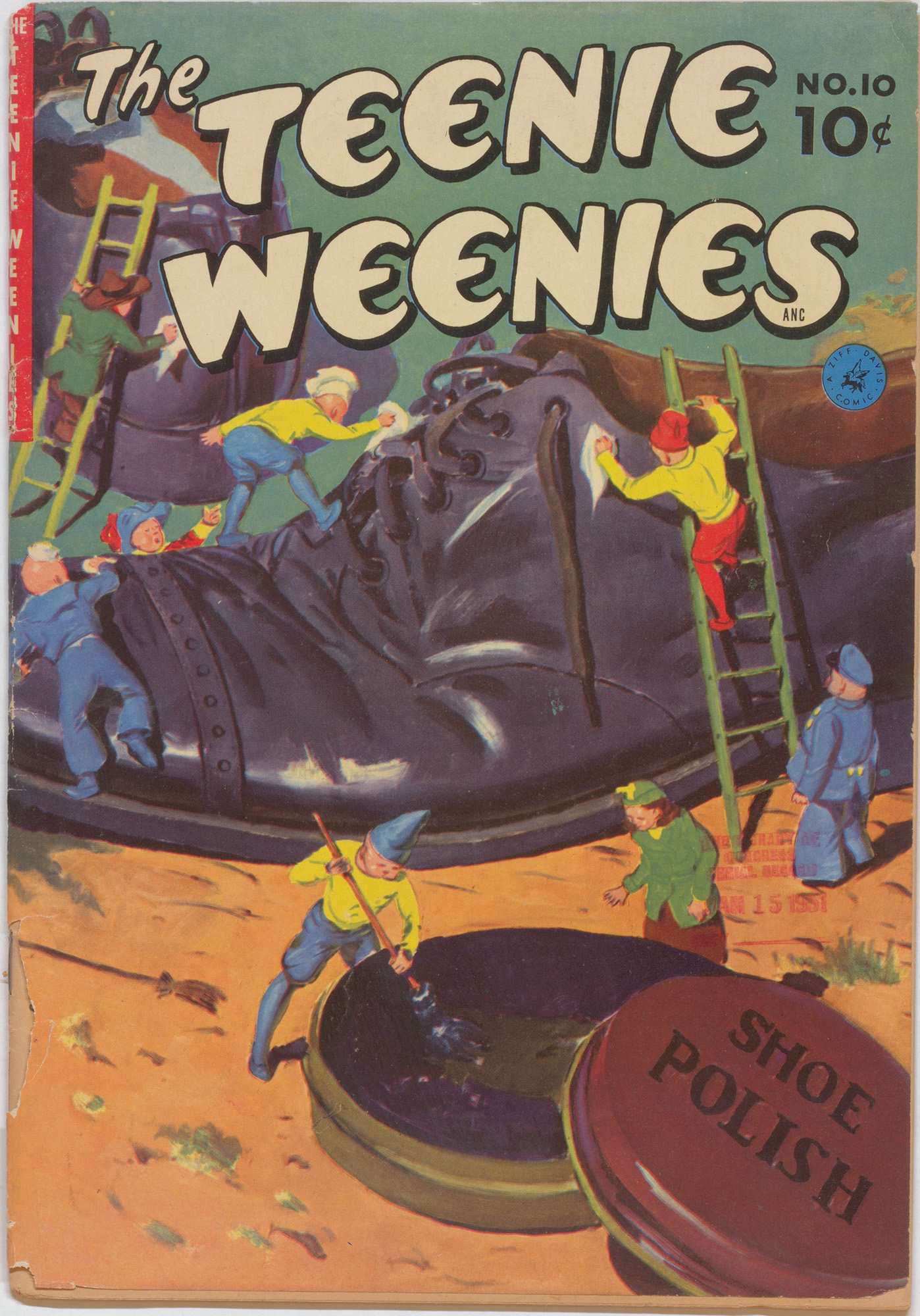
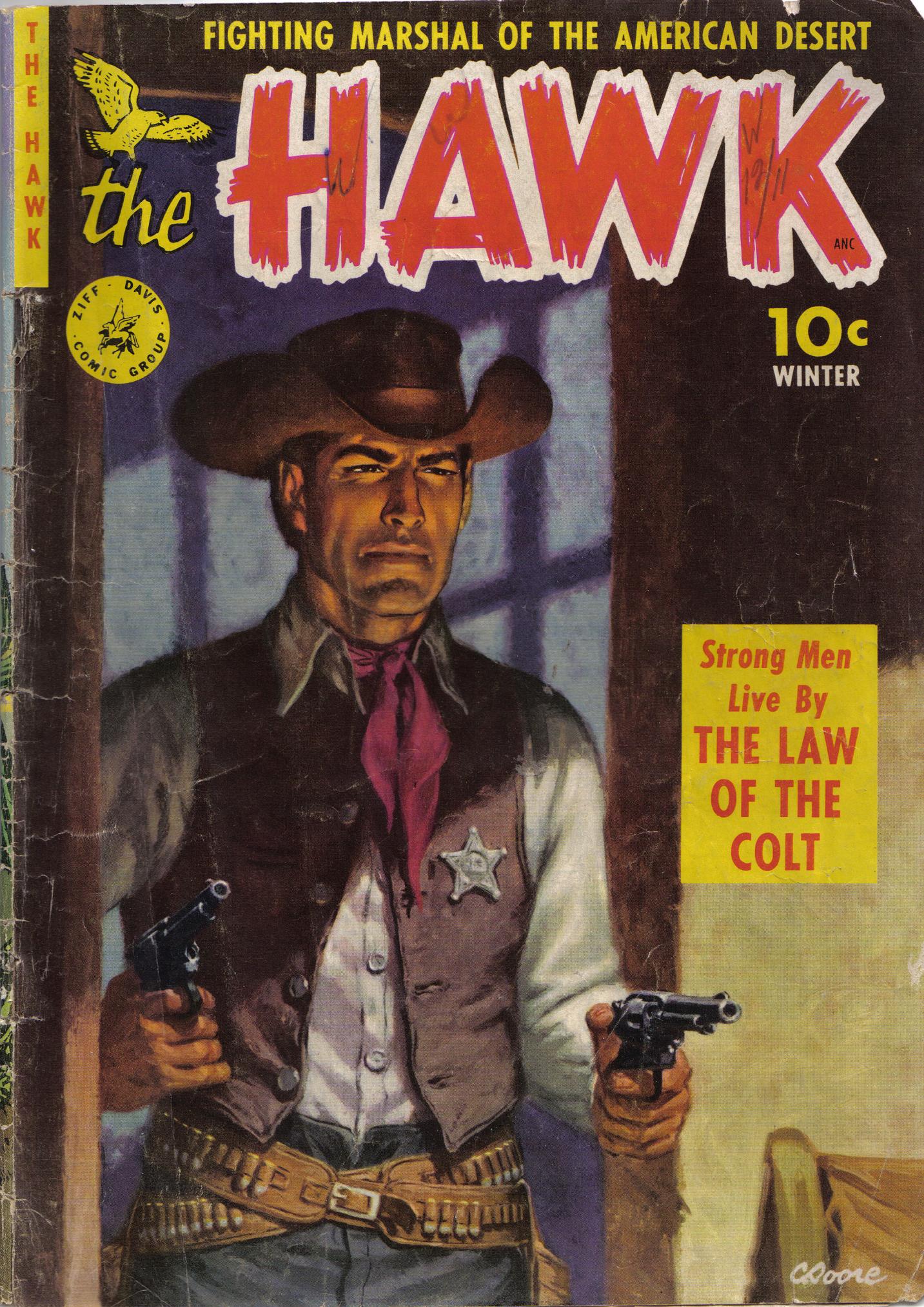
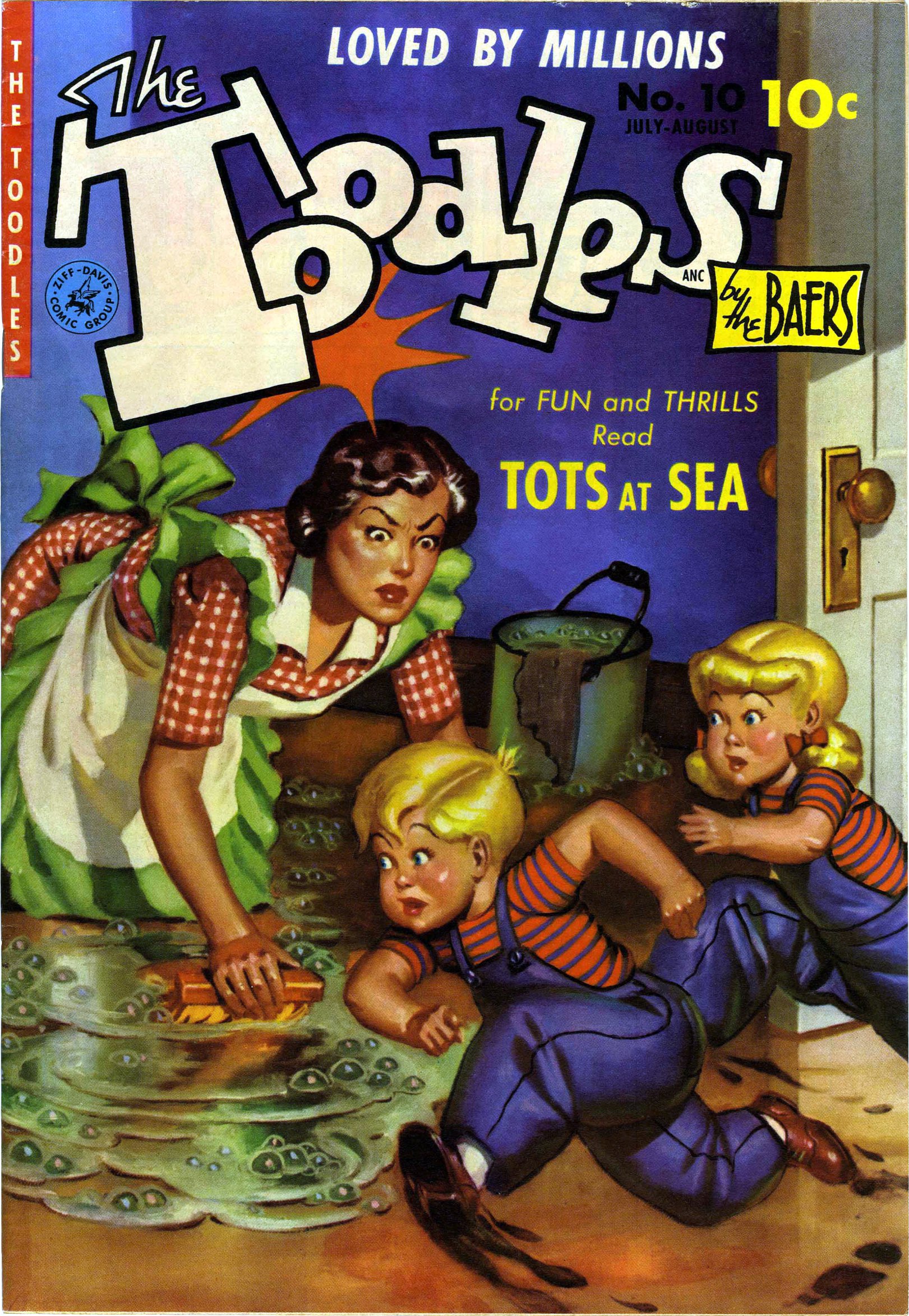
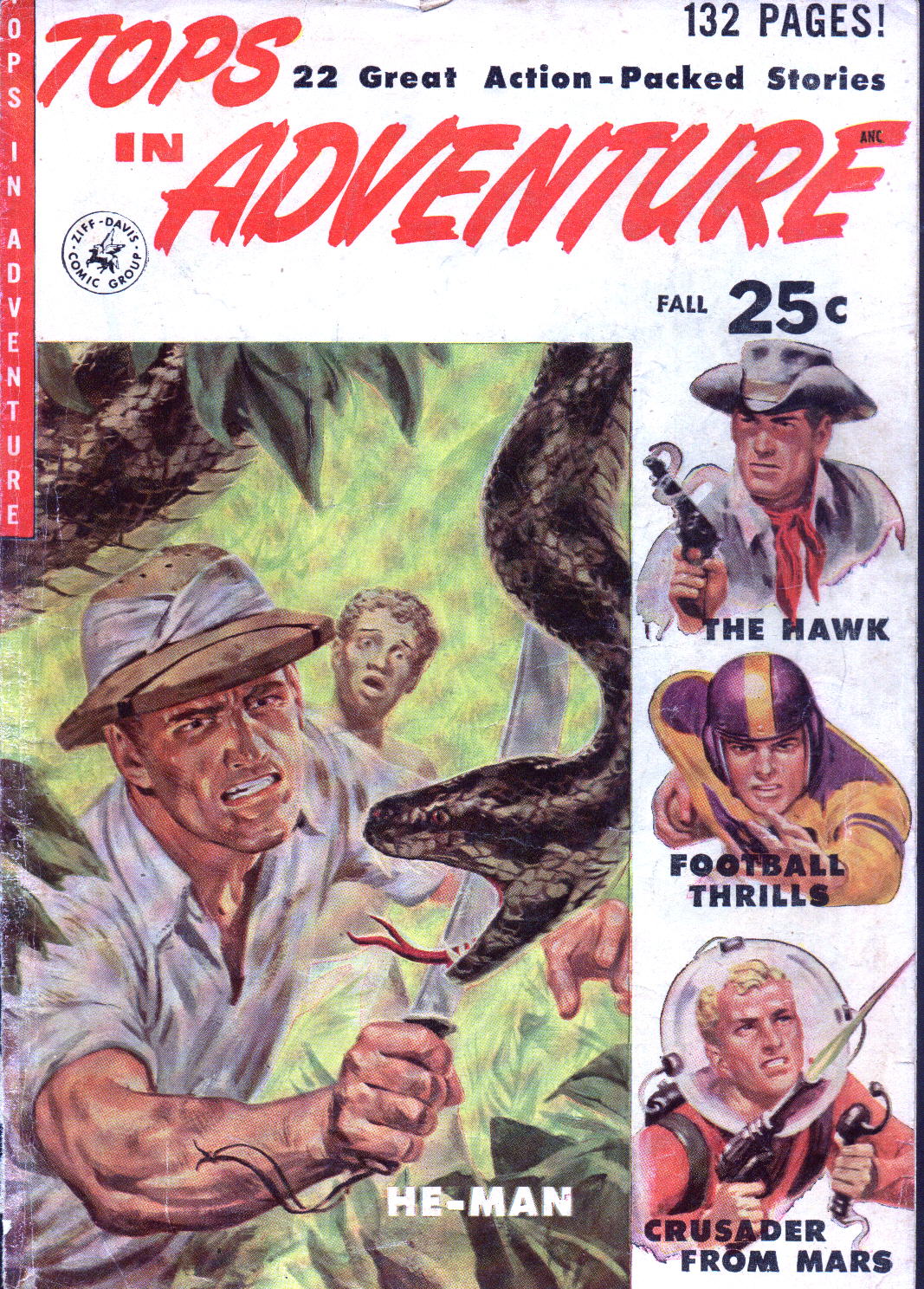
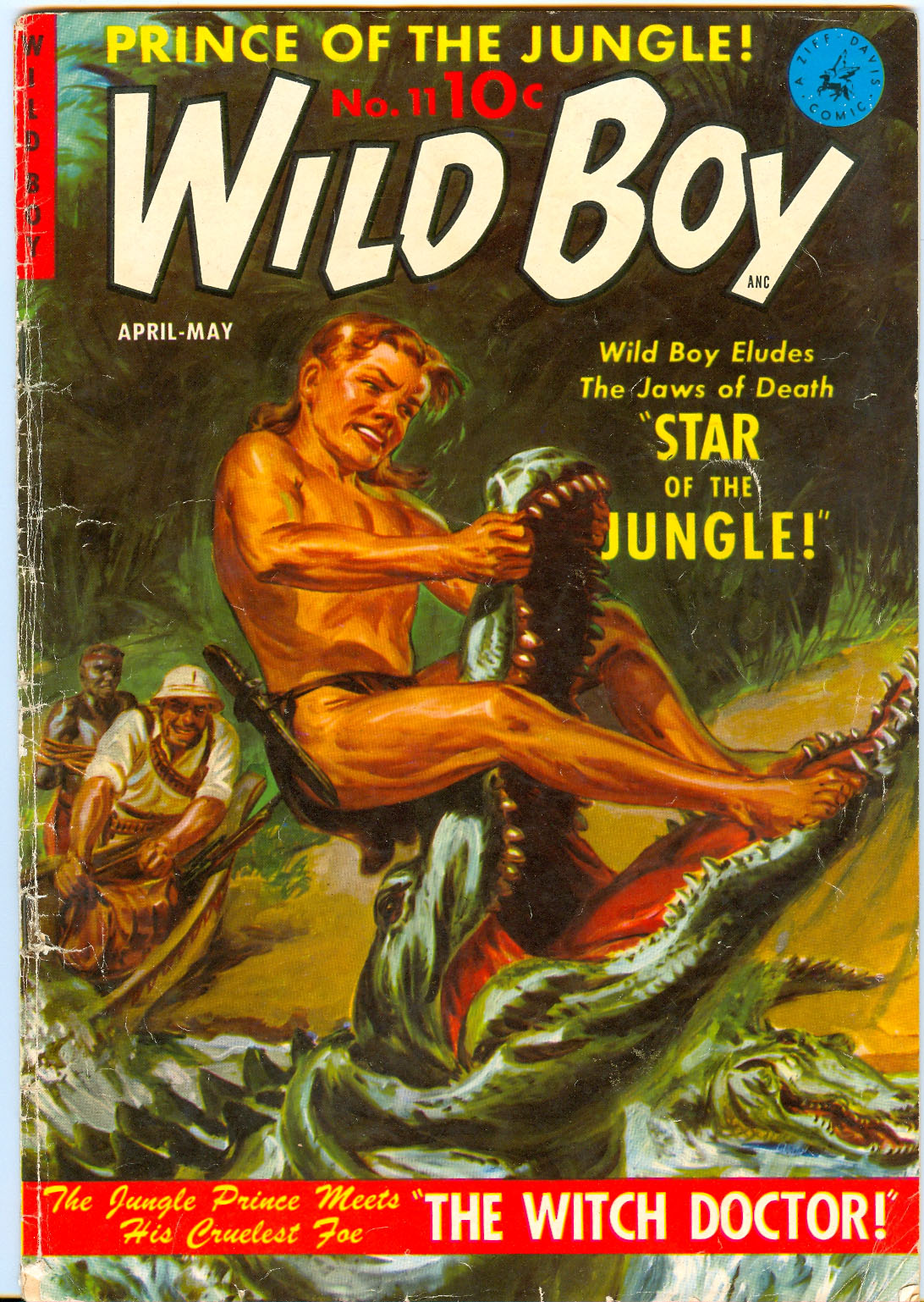
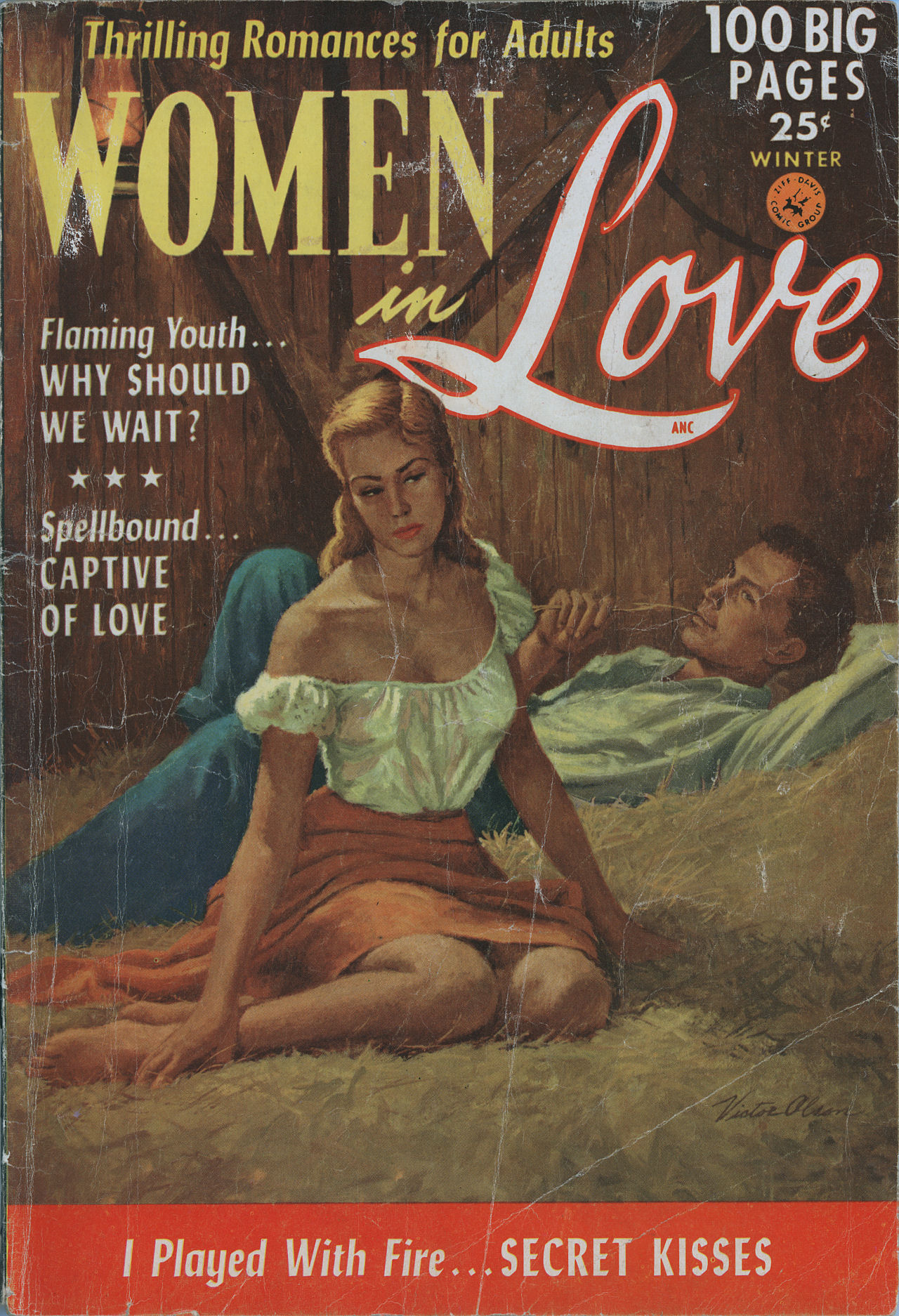
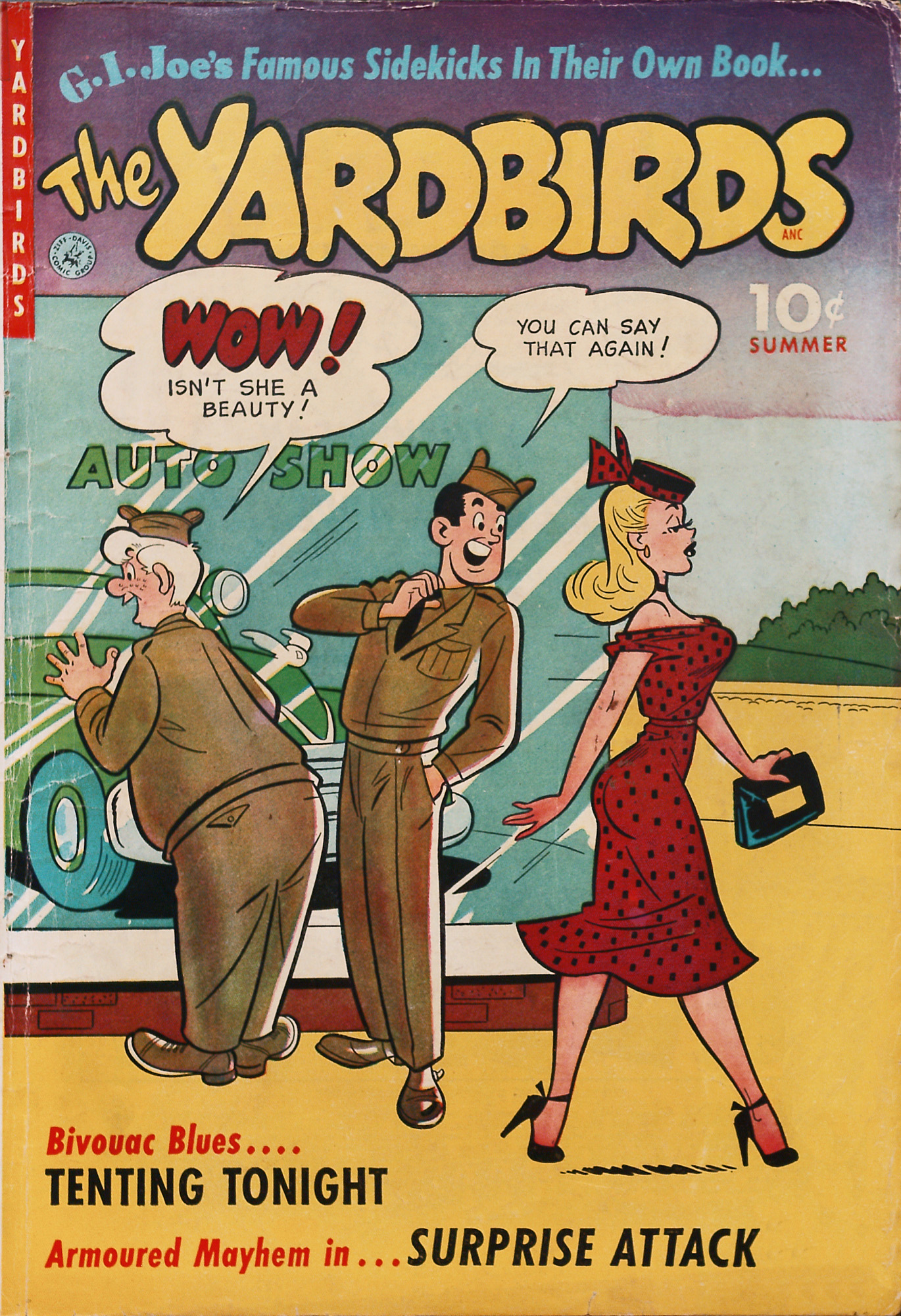
Ziff-Davis Publications, a prominent publisher during the mid-twentieth century, is perhaps best known for its contribution to the comic book industry. While they were latecomers to the field, their impact was significant, producing many memorable titles and introducing talented writers, artists, and editors.

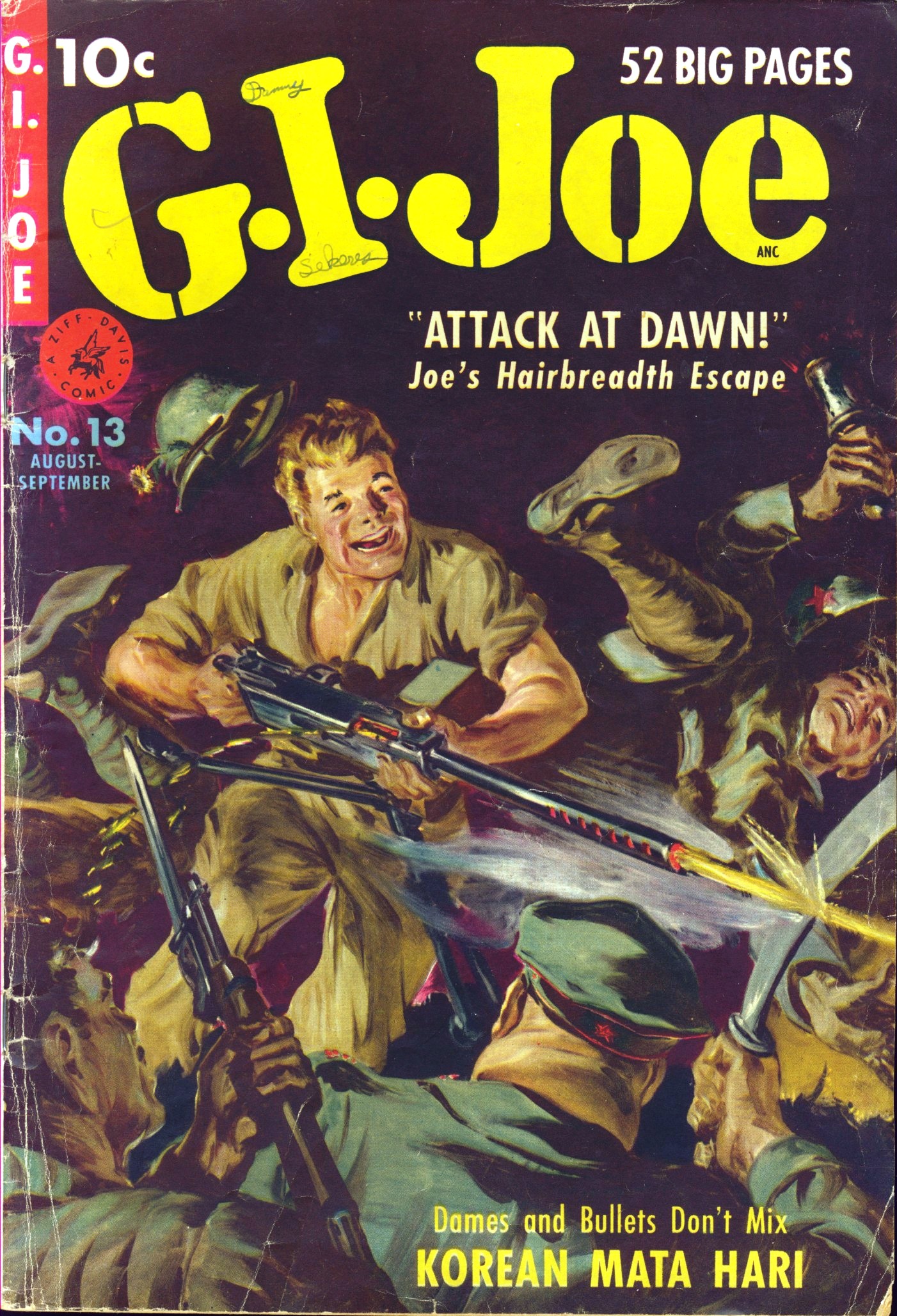
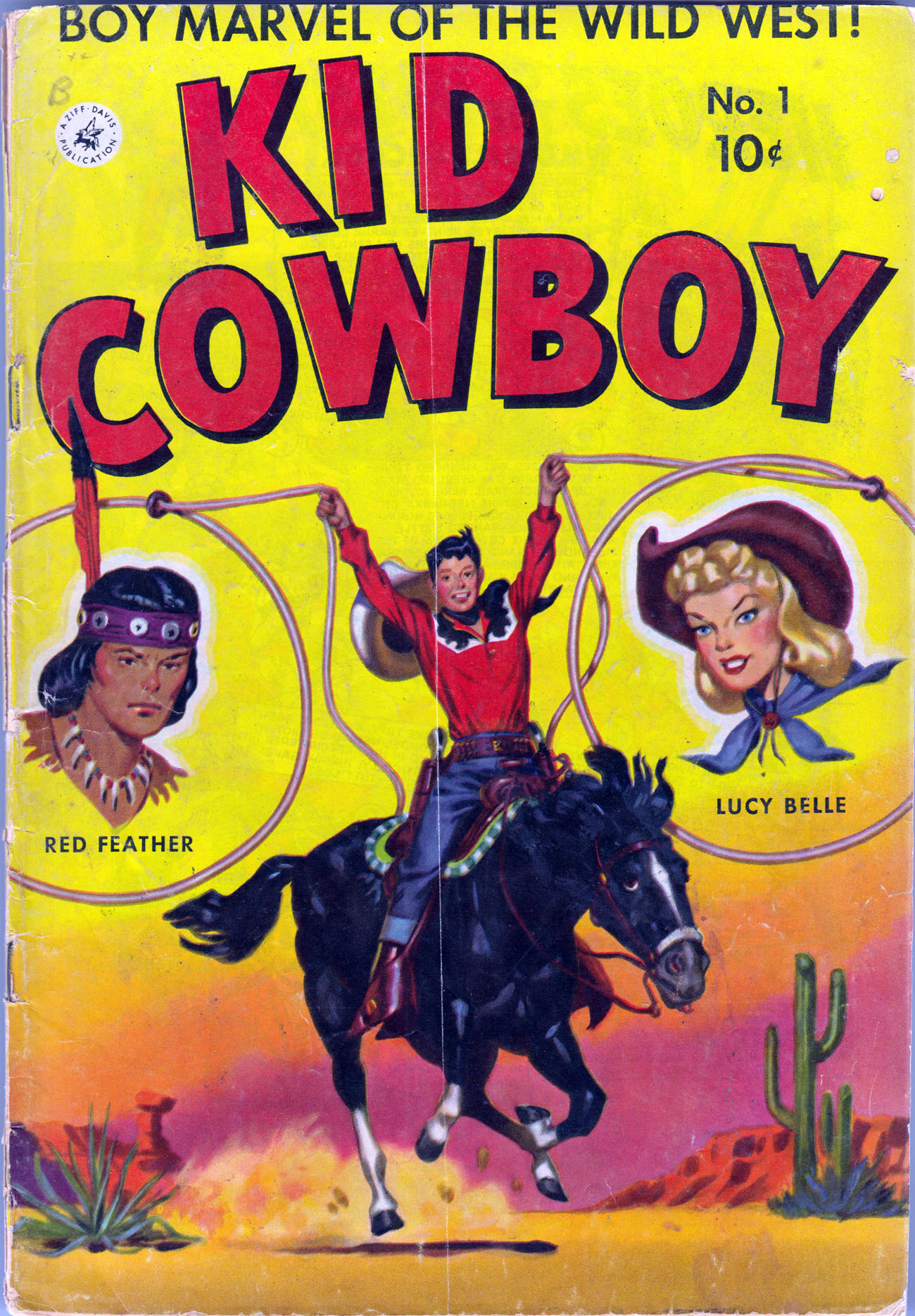
Among their most successful comic book titles were G. I. Joe and Kid Cowboy. G. I. Joe, which ran for 46 issues, followed the adventures of a group of soldiers fighting during World War II, while Kid Cowboy, which ran for 10 issues, focused on the exploits of a young cowboy. While both titles were short-lived, they demonstrated the high quality of work produced by Ziff-Davis Publications.

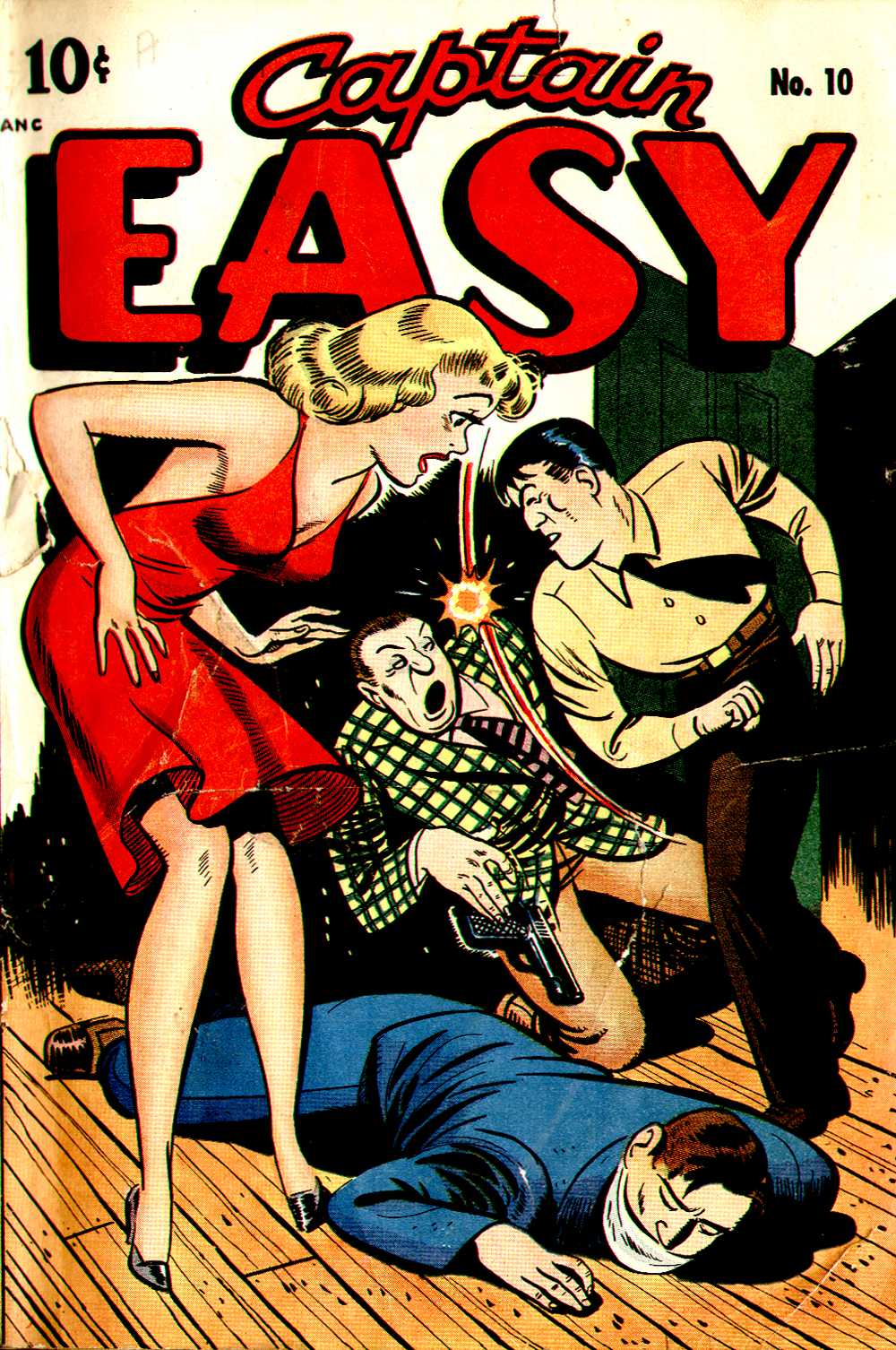
What distinguished Z-D comics from others of the time were their striking painted covers that were reminiscent of earlier pulp magazines. Additionally, many of their covers were known for their use of violence and sexually suggestive imagery, which would not have been acceptable under the Comics Code Authority. Another interesting fact about Z-D comics is that they often started their books with issue #10, and if the series lasted more than half a dozen issues, they would switch to the number that it would have been at if they had started at #1. This led to some confusion among collectors but added to the unique charm of Z-D comics.

Ziff-Davis Publications was also home to many talented comic book creators, such as Jim Steranko, a writer and artist who worked on many of their popular titles. Steranko was known for his innovative storytelling techniques and unique art style, which helped to shape the direction of the medium in the 1960s.

Although Ziff-Davis Publications did not stay in the comic book industry for long, their legacy remains. Their innovative storytelling, striking cover art, and unique approach to numbering their comics have made their titles highly collectible among comic book enthusiasts. Ziff-Davis may have left the comics business, but their impact on the medium will be remembered for years to come.

Fiction House


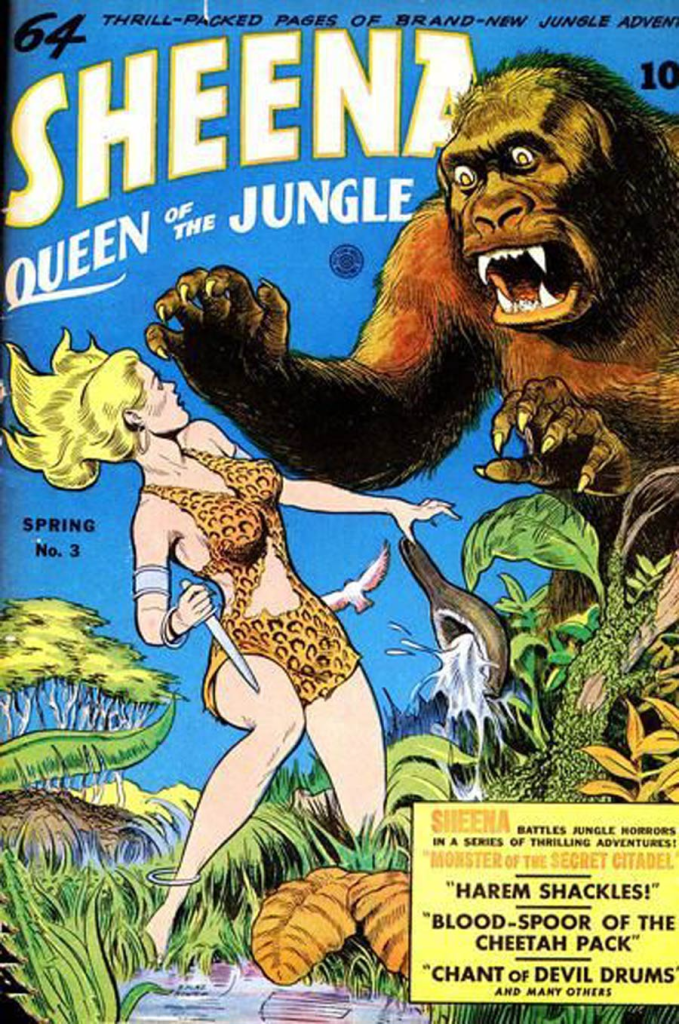
Fiction House was an American publishing company that existed from the 1920s to the 1950s. It was founded by John B. « Jack » Kelly and John W. Glenister, and later led by Thurman T. Scott. Fiction House was known for its pulp magazines and comic books, with its comics division being best known for its pinup-style good girl art, epitomized by the company’s most popular character, Sheena, Queen of the Jungle. The company started as a publisher of primarily aviation, Western, and sports pulps, but by the 1930s, it had expanded into detective mysteries. In late 1932, Fiction House cancelled 12 of its pulp magazines with the stated goal of eventually reviving them. After a hiatus, Action Stories resumed publishing through this period, and Fiction House relaunched its pulp magazines in 1934, finding success with a number of detective and romance pulp titles.

Sheena, Queen of the Jungle

Fiction House’s first title with science fiction interest was Jungle Stories, which was launched in early 1939. It was not primarily a science fiction magazine, but it often featured storylines with marginally science fictional themes, such as survivors from Atlantis. At the end of 1939, Fiction House decided to add an SF magazine to its line-up, and Planet Stories was born. It was published by Love Romances, a subsidiary company that Fiction House created to publish the company’s romance titles.

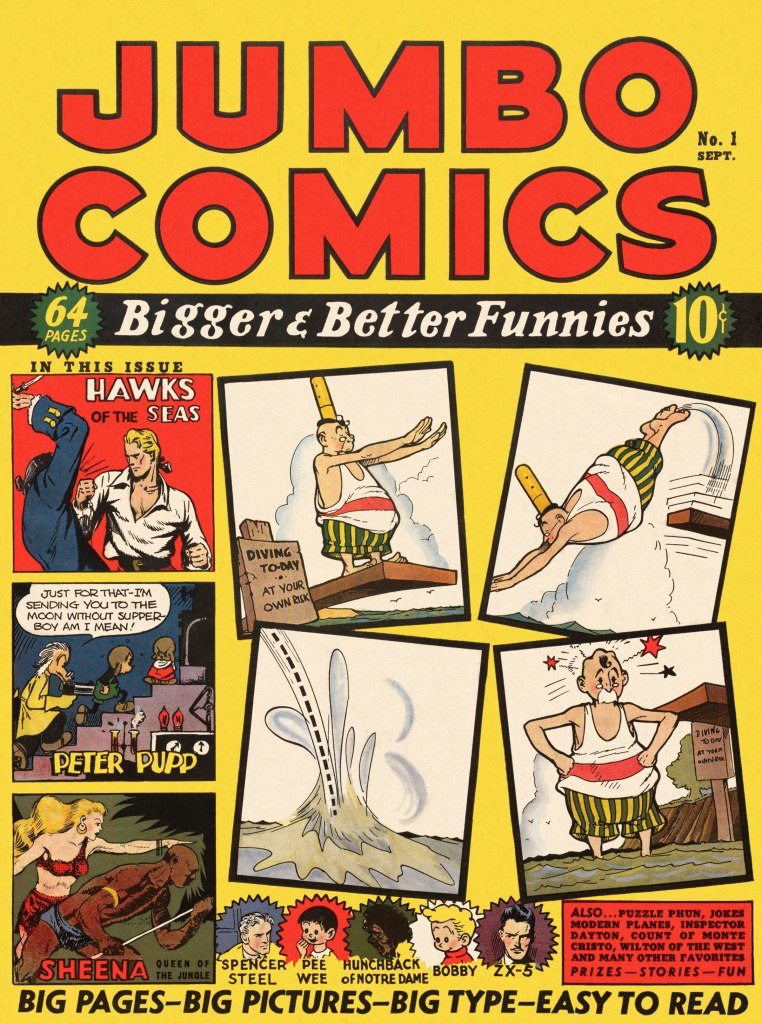
In the late 1930s, Fiction House expanded into comic books, an emerging medium that began to seem a viable adjunct to the fading pulps. The company was receptive to a sales call by Eisner & Iger, one of the prominent « packagers » of that time, which produced complete comic books on demand for publishers looking to enter the field. Publisher Thurman T. Scott published Jumbo Comics #1 (Sept. 1938) under the company’s Real Adventures Publishing Company imprint, with Sheena, Queen of the Jungle appearing in the initial issue. Sheena soon became the company’s star character, appearing in every issue of Jumbo Comics, as well as in her 18-issue spin-off, Sheena, Queen of the Jungle. Other features in Jumbo Comics #1 included three by future industry legend Jack Kirby, representing his first comic-book work following his debut in Wild Boy Magazine.

Jumbo Comics #1 (Sept. 1938)

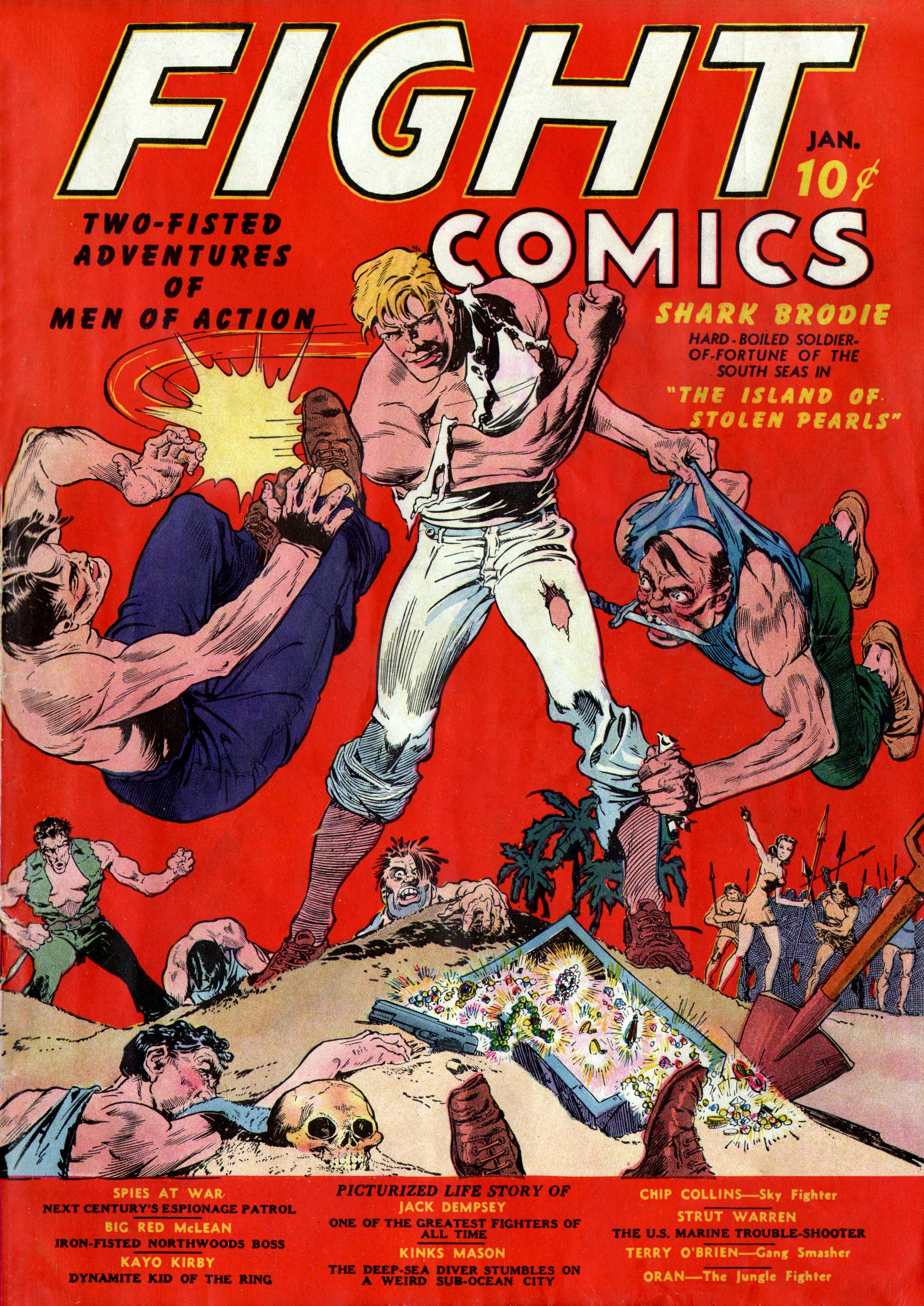
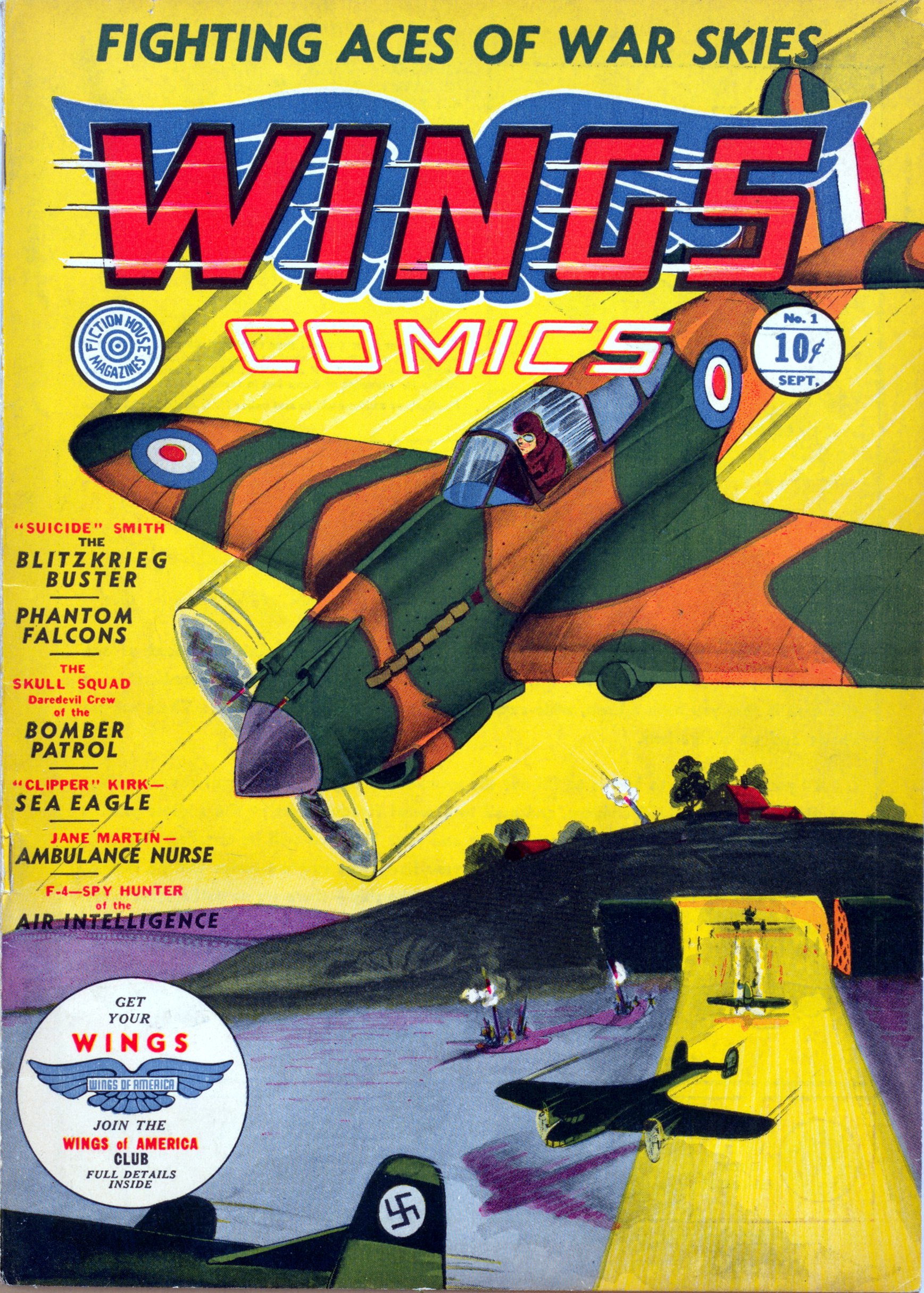
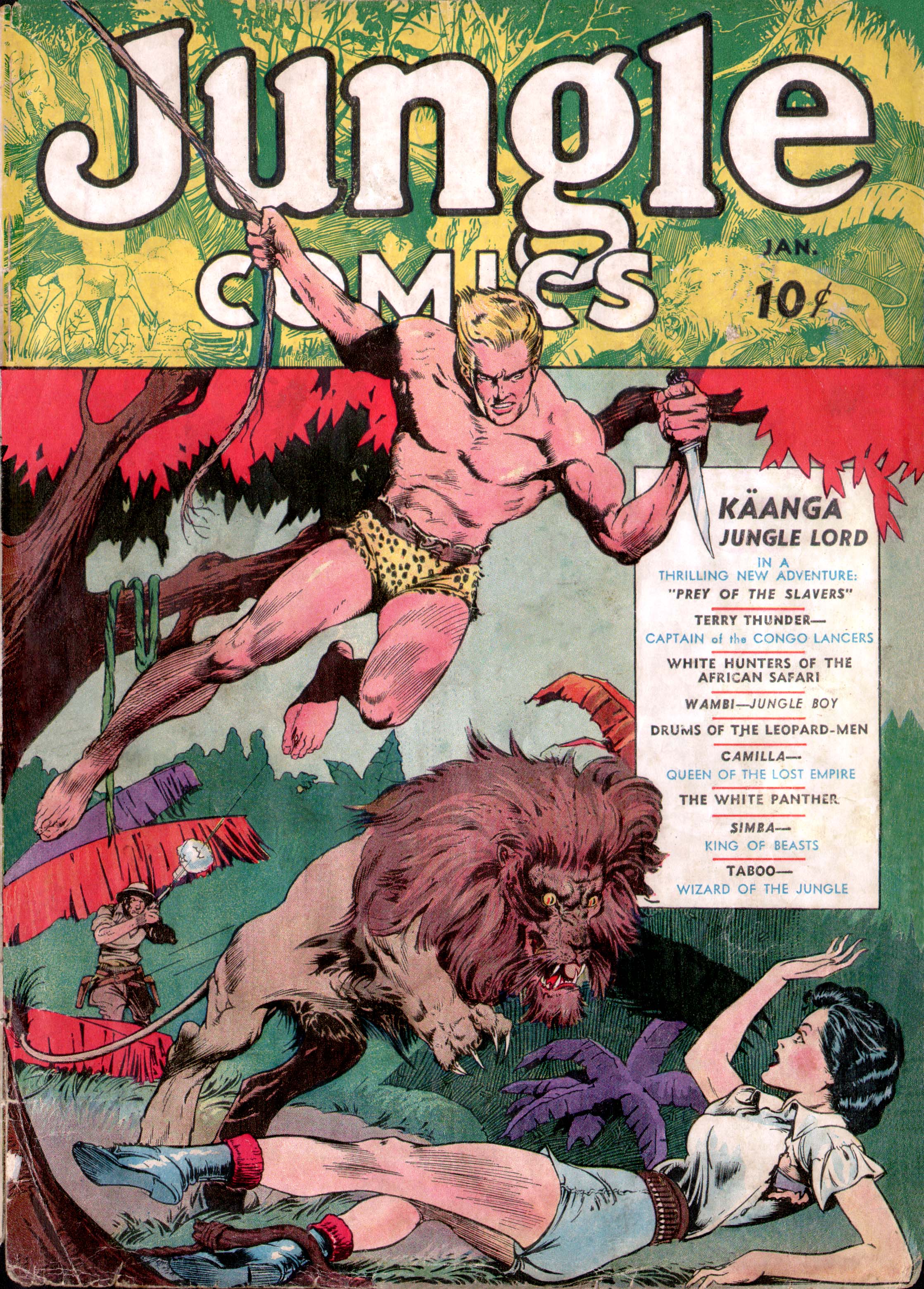
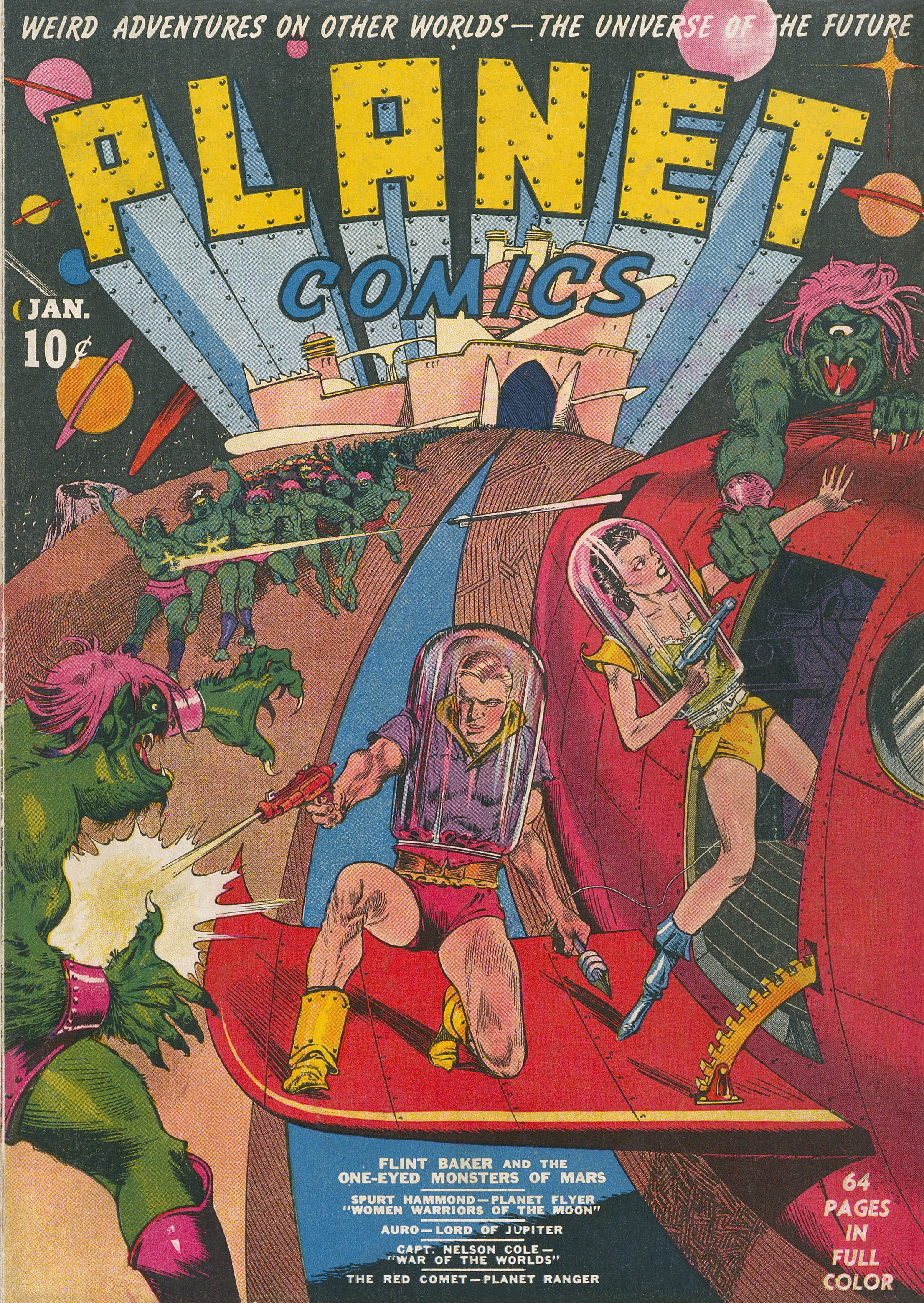
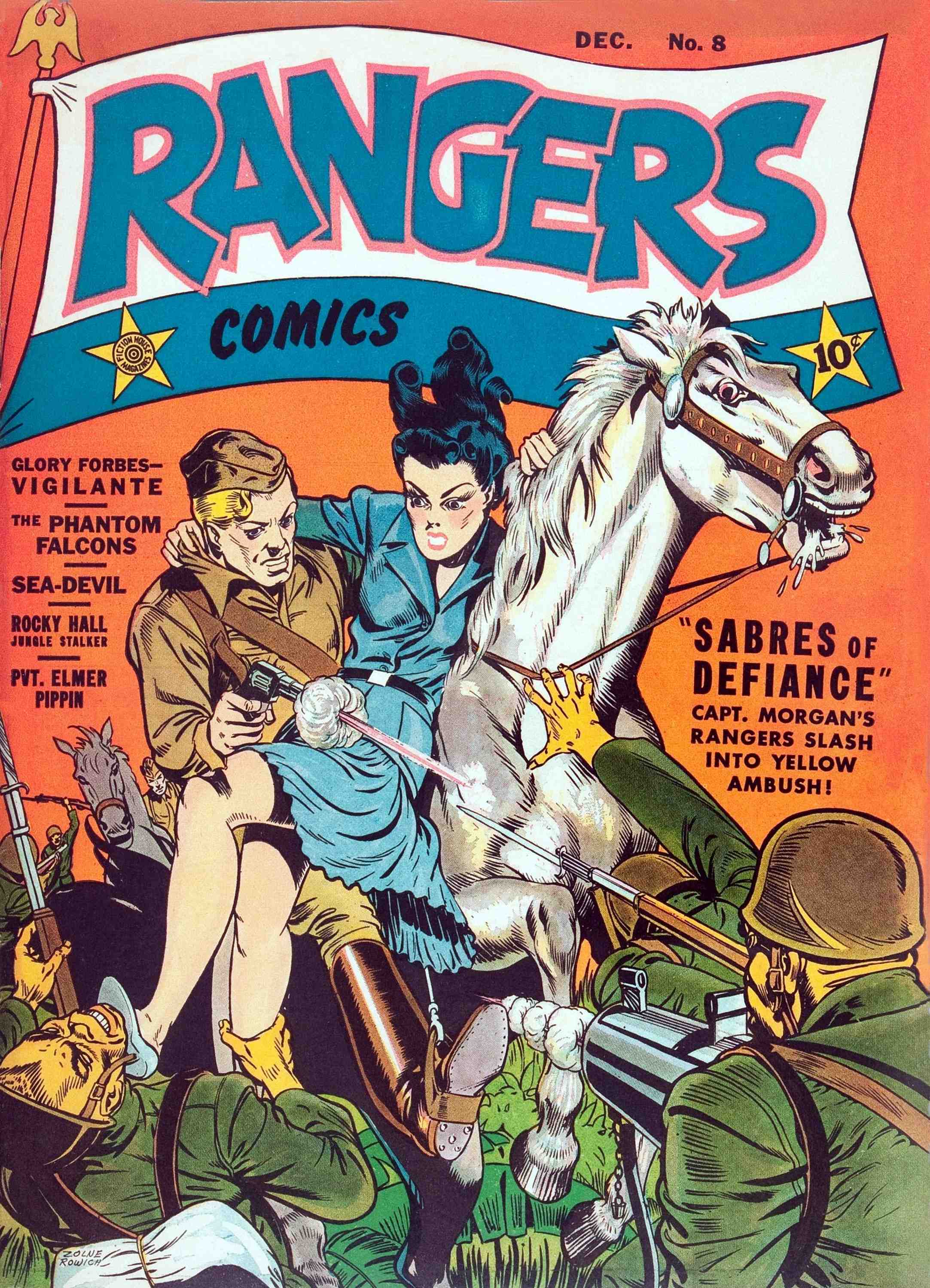
Fiction House went on to publish Jungle Comics, Wings Comics, Planet Comics, Rangers Comics, and Fight Comics during the early 1940s. Most of these series took their titles and themes from the Fiction House pulps. The company also published several other titles, among them the Western-themed Indians and Firehair, jungle titles Sheena, Queen of the Jungle and Wambi, and five issues of Eisner’s The Spirit. Fiction House’s comic books were known for their pinup-style good girl art, with many of the female characters dressed in skimpy outfits and striking provocative poses.

Fiction House was also known for its talented staff of artists, including Mort Meskin, Matt Baker, and Jack Kirby. Baker was the first prominent African-American artist in the comic book industry and is widely regarded as one of the greatest comic book artists of all time. Kirby, who went on to co-create iconic characters such as Captain America, the Fantastic Four, and the X-Men, got his start in the industry working for Fiction House.

In conclusion, Fiction House was a significant publisher in the American pulp magazine and comic book industries from the 1920s to the 1950s. The company began as a publisher of aviation, Western, and sports pulps but expanded into detective mysteries and later science fiction and romance titles. Fiction House’s comic books were known for their pinup-style good girl art, with Sheena, Queen of the Jungle, being the company’s most popular character. The company also employed many talented artists, including Matt Baker and Jack Kirby. Overall, Fiction House played an important role in shaping the early years of the comic book industry and helped to establish some of the key elements of the medium that are still present today.
Comic-book publishers of the Golden Age

  1. Fiction House: Founded in 1921, Fiction House was a pulp magazine publisher that expanded into comics in the early 1940s. They published a variety of genres, including adventure, romance, and science fiction. Notable titles include Jumbo Comics, Jungle Comics, and Wings Comics. Fiction House’s most popular character was Sheena, Queen of the Jungle, created by Will Eisner and Jerry Iger in 1937.
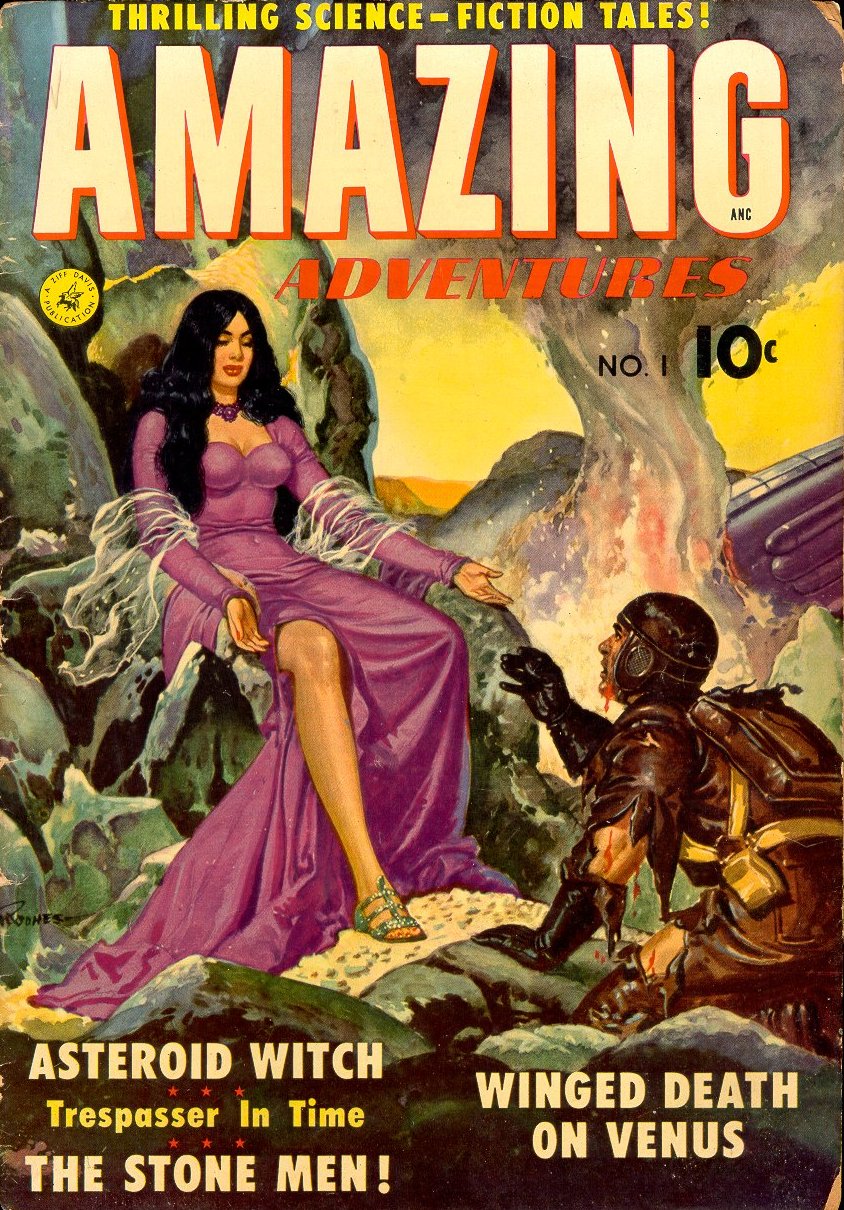
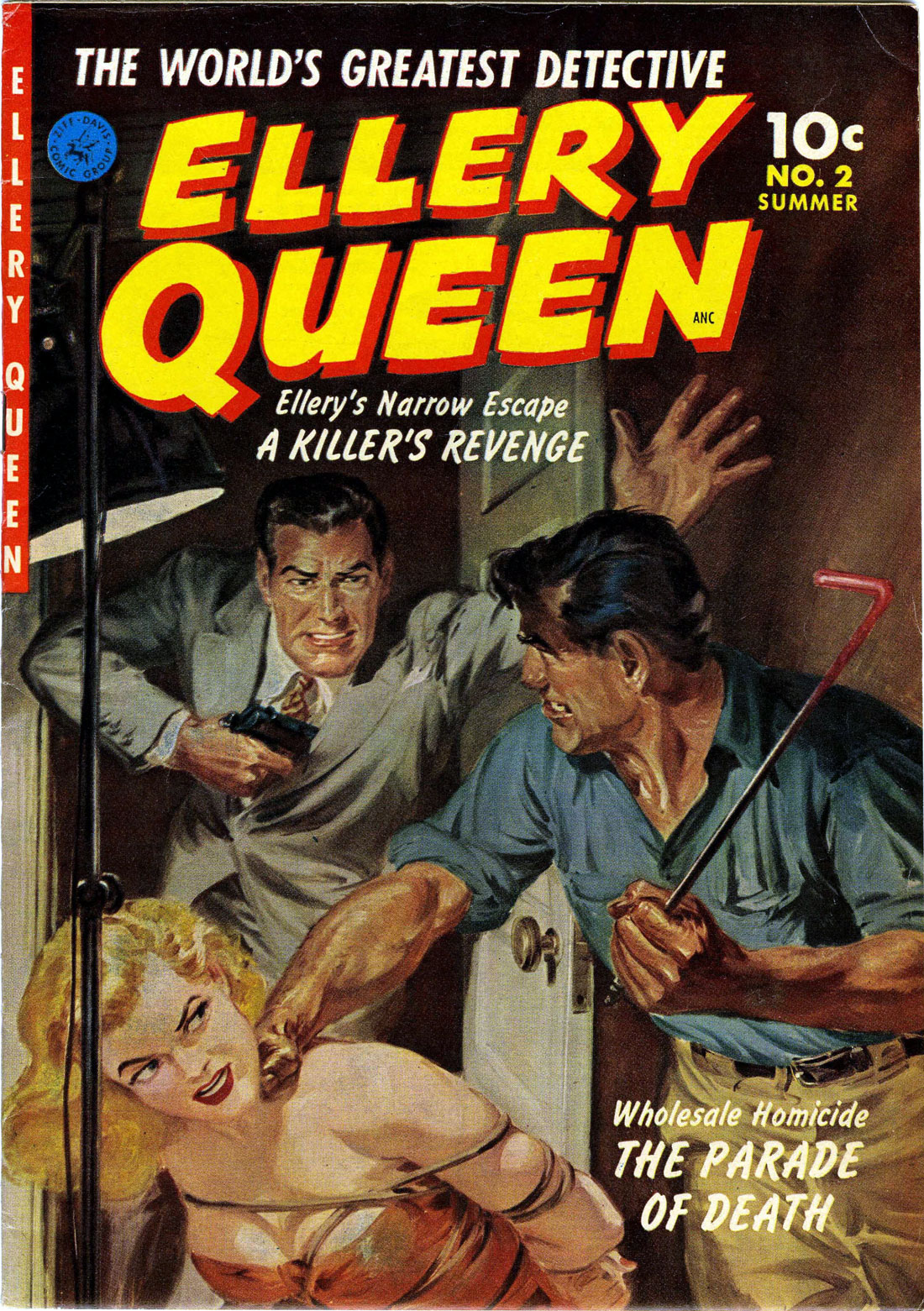
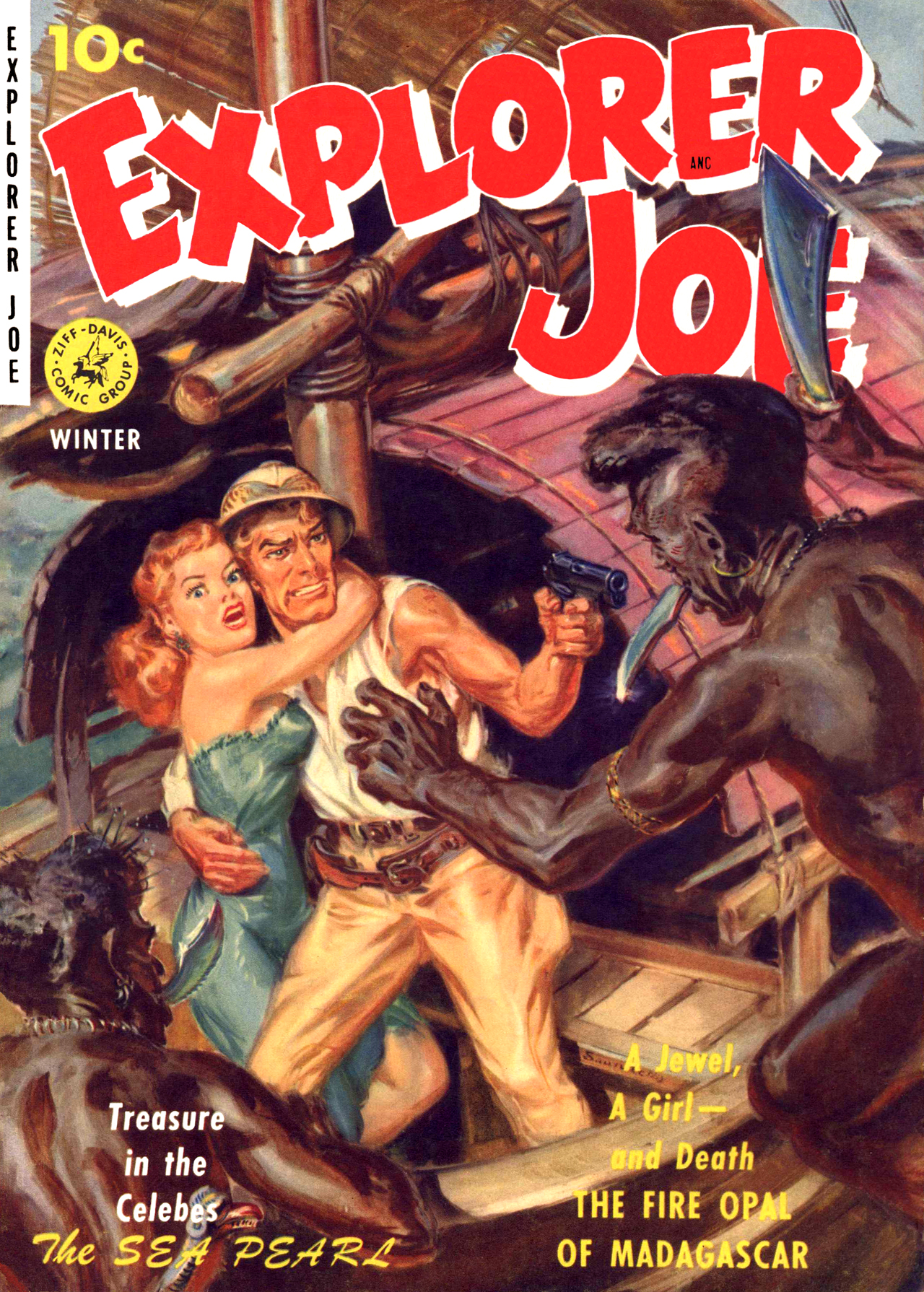
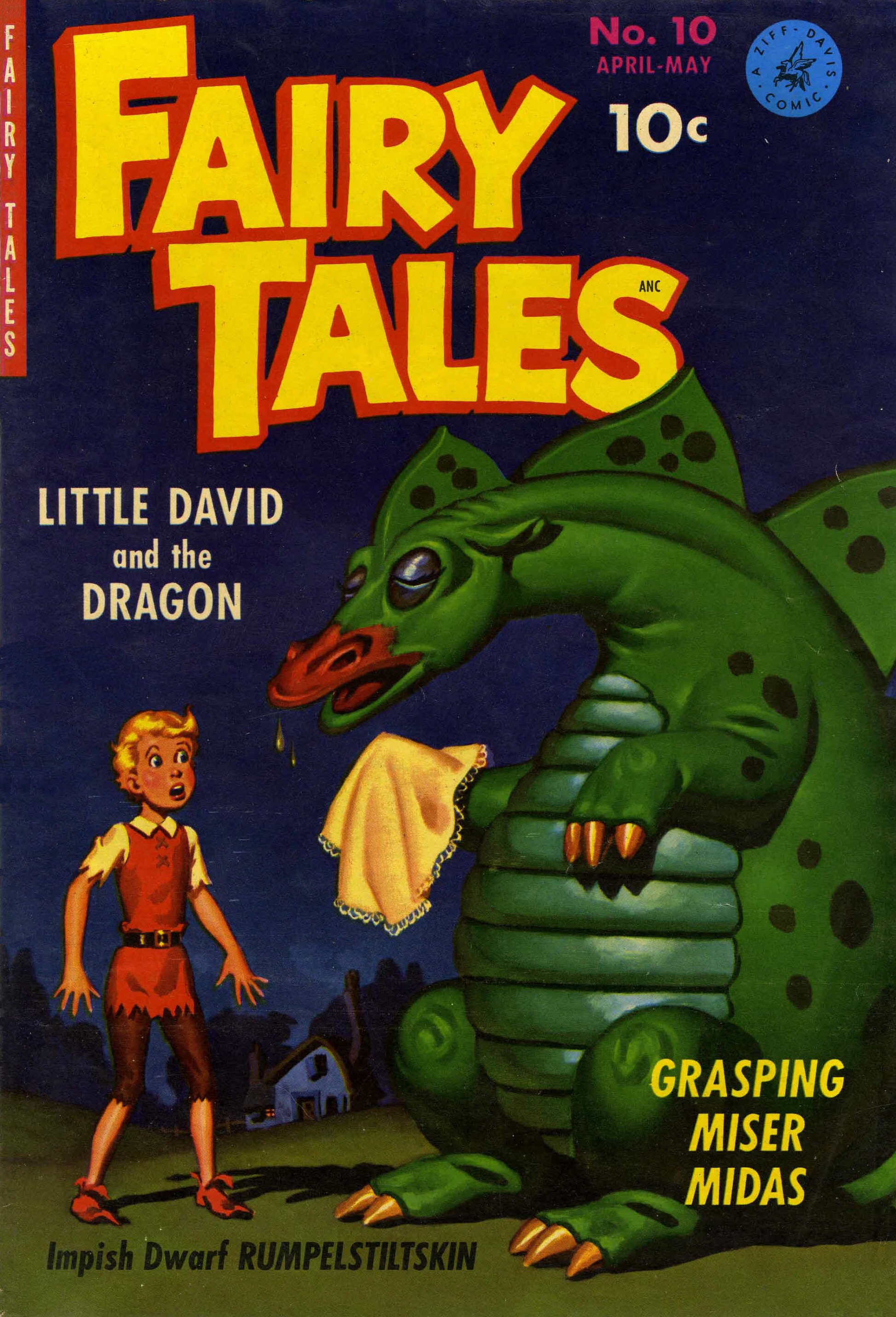
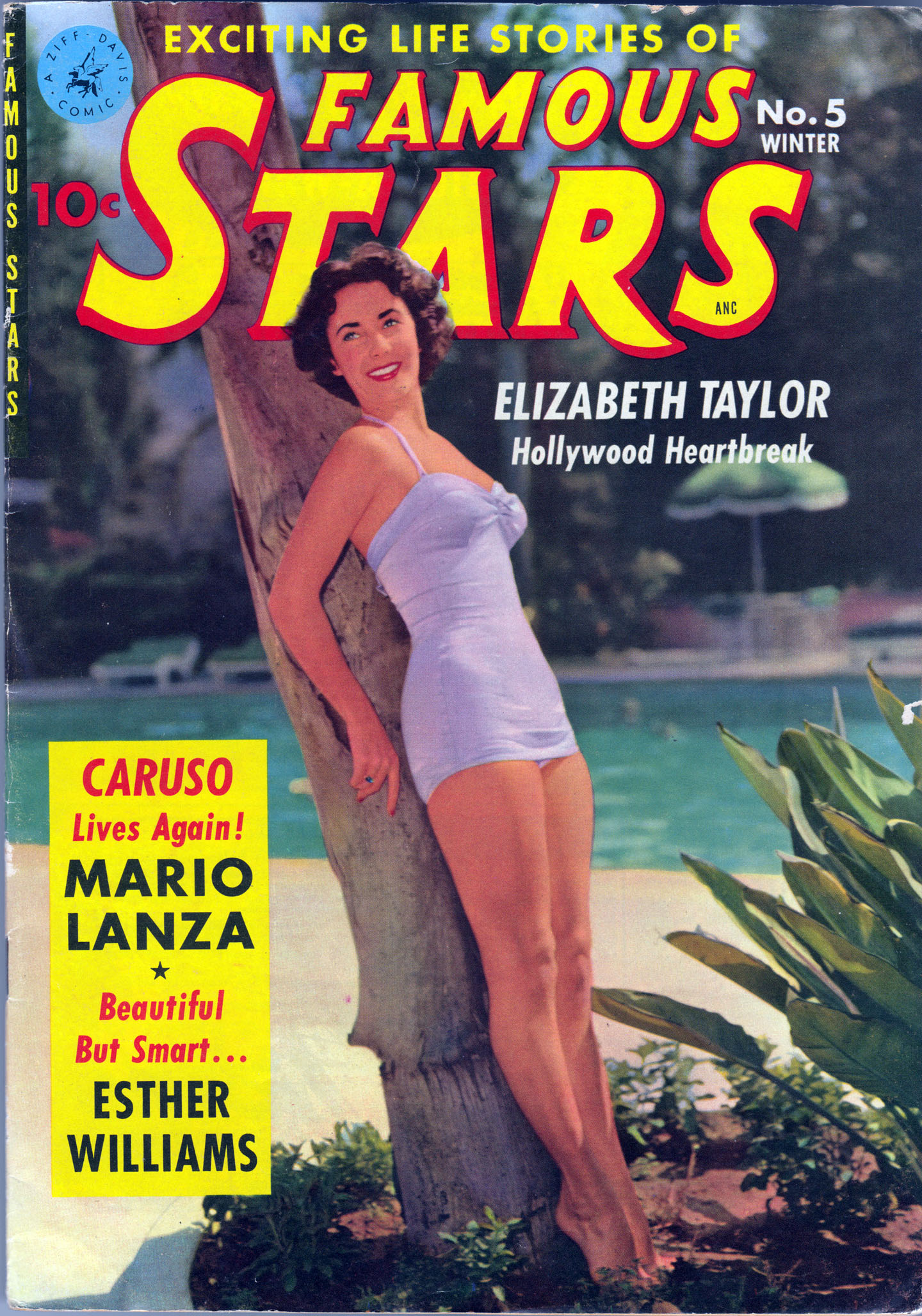
  2. Ziff-Davis Publications: Founded in 1927, Ziff-Davis was primarily a publisher of pulp magazines and later science fiction and fantasy books. They began publishing comics in the early 1950s, with notable titles including « Tales of the Mysterious Traveler, » which was published from 1956 to 1959. The series featured science fiction and horror stories, often with twist endings. Other notable Ziff-Davis titles include « Space Adventures » and « Amazing Adventures. » They also briefly published a superhero title, « Captain Science, » in 1950. However, Ziff-Davis ceased publishing comics in 1957 and focused on their magazine and book publishing business.
  3. Dell Comics was founded in 1929 and was initially known for its pulp magazines. In the early 1940s, they began publishing comic books, including their flagship title « Four Color Comics ». They were a major publisher of licensed comics based on popular movies and TV shows, including titles featuring Disney characters such as Mickey Mouse and Donald Duck, as well as Warner Bros. characters like Bugs Bunny and Daffy Duck.

    In terms of original titles, Dell Comics published a number of genres, including westerns, romance, and war comics. One of their most popular original characters was Captain Midnight, a superhero who first appeared in 1942. They also published a number of science fiction titles, including « Space Man », « Tom Corbett, Space Cadet », and « The Lone Ranger ».
  4. DC Comics (formerly National Allied Publications): Founded in 1934, DC is one of the oldest and most well-known comic book publishers. They published a variety of genres, including superhero comics like Batman and Superman, as well as mystery and horror comics like The Spectre and House of Mystery. Some of DC’s most famous creators from the Golden Age include Bob Kane, Bill Finger, Jerry Siegel, Joe Shuster, and Jack Kirby.
  5. Quality Comics: Founded in 1937, Quality was known for their superhero comics, including Plastic Man, Blackhawk, and The Spirit. They were acquired by DC Comics in 1956, which led to many of their characters becoming integrated into the DC Universe.
  6. MLJ Comics (later Archie Comics): Founded in 1939, MLJ was initially known for their superhero comics, including the patriotic hero The Shield and the teenage superhero team The Mighty Crusaders. However, they later became famous for their teen humor comics, including Archie, Betty, and Veronica. MLJ changed their name to Archie Comics in 1946.
  7. Marvel Comics (formerly Timely Comics): Founded in 1939, Marvel was known for their superhero comics, including Captain America, The Human Torch, and Sub-Mariner. In the 1960s, Marvel revolutionized the comics industry with their « Marvel Age of Comics, » which introduced a new generation of superheroes like Spider-Man, The X-Men, and The Fantastic Four. Some of Marvel’s most famous creators from the Golden Age include Jack Kirby, Joe Simon, and Stan Lee.
  8. Fawcett Comics: Founded in 1939, Fawcett was best known for their superhero Captain Marvel, who was later renamed Shazam due to legal disputes with DC Comics. Fawcett also published titles like Bulletman and Ibis the Invincible.
  9. Fox Feature Syndicate: Founded in 1939, Fox was known for their superhero comics, including the Golden Age version of The Blue Beetle and The Flame. They also published horror and crime comics, such as Jo-Jo Comics and Phantom Lady.
  10. Lev Gleason Publications: Founded in 1939, Lev Gleason was known for their crime and adventure comics, including Daredevil and Crime Does Not Pay. They also published titles like Silver Streak and Boy Comics.
  11. Comics Magazine Company, Nedor Publishing, Centaur Comics.
    During the Golden Age of comic books, from the late 1930s to the mid-1950s, several companies made their mark on the industry, including Comic Magazine Company (C.M.C.), Chesler Publications, Ultem Comics, and Centaur Comics. C.M.C., founded in 1936 by John Mahon and Bill Cook, debuted with The Comics Magazine and Funny Picture Stories. Chesler Publications, founded in 1937 by Harry « A » Chesler, provided early work to artists like Jack Cole and Otto Binder. Ultem Comics, founded in 1937 by I.W. Ullman and Frank Z. Temerson, acquired Chesler’s and C.M.C. and continued to produce titles until January 1938. Finally, Centaur Comics, founded in 1938 by Joseph Hardie and Raymond J. Kelly, had its own distribution network and published titles like Funny Pages, Detective Eye, and Fantoman. Although these companies were short-lived, they left a lasting impact on the comic book industry, with some of their creators and characters finding new homes at publishers like DC Comics and Marvel Comics.
  12. Hillman Periodicals – Hillman Periodicals was a comic book publisher founded in 1939 by Robert W. Farrell. Hillman was known for publishing a variety of genres including superhero, western, and romance comics. Some of their most popular titles included « Airboy, » « Black Diamond Western, » and « My Date. » Hillman was also known for publishing some of the earliest superheroines, such as « Miss Fury » and « The Phantom Lady. » Notable artists who worked for Hillman during the Golden Age include Jack Kirby, Bob Powell, and Matt Baker. Hillman ceased publishing in 1953.
  13. Holyoke Publishing – Holyoke Publishing was a comic book publisher founded in 1940 by Everett M. Arnold. During the Golden Age of Comics, Holyoke was known for publishing a variety of genres including superhero, western, and romance comics. Some of their most popular titles included « Cat-Man Comics, » « Captain Aero Comics, » and « The Green Hornet. » Holyoke was also known for their iconic superhero team-up book « The Holyoke Heroes, » which featured some of the most popular heroes of the time. Notable artists who worked for Holyoke during the Golden Age include Will Eisner, Joe Kubert, and Charles Sultan. Holyoke ceased publishing in 1954.
  14. Standard/Better/Nedor/Pines
    Standard Comics was an American comic book imprint founded by Ned Pines. It was a parent company of two comic-book lines, Better and Nedor Publishing. During the Golden Age of comic books from 1939 to 1956, Standard was a prolific publisher. One of its best-known characters was the Black Terror. After Standard Comics ended its operations in 1956, only two titles continued under the Pines Comics imprint. These four imprints played a significant role in shaping the comic book landscape during their time.
  15. Harvey Comics – Harvey Comics was a comic book publisher founded in 1941 by Alfred Harvey. During the Golden Age of Comics, Harvey was known for publishing a variety of genres including superhero, funny animal, and romance comics. Some of their most popular titles included « Casper the Friendly Ghost, » « Richie Rich, » and « Little Audrey. » Harvey was also known for their iconic superhero team-up book « The Harvey Superheroes, » which featured some of the most popular heroes of the time. Notable artists who worked for Harvey during the Golden Age include Joe Simon, Jack Kirby, and Warren Kremer. Harvey ceased publishing in 1994.
  16. EC Comics – EC Comics was a comic book publisher founded in 1944 by Max Gaines. During the Golden Age of Comics, EC was known for publishing a variety of genres including horror, science fiction, and crime comics. Some of their most popular titles included « Tales from the Crypt, » « The Vault of Horror, » and « Crime SuspenStories. » EC was also known for their iconic horror host « The Crypt-Keeper, » who introduced many of their horror stories. Notable artists who worked for EC
  1. Avon Publications – founded in 1945, ceased publishing comics in 1952.
    Avon Publications was a publishing company that was founded in 1945 by the American News Company. During the Golden Age of comics, Avon primarily published romance comics, westerns, and horror comics. Some of their popular titles included « Eerie, » « Weird Mysteries, » « Out of the Night, » « Love at First Sight, » and « The Lone Ranger. »

    In 1952, Avon Publications stopped publishing comics due to declining sales, but the company continued to publish other types of literature, such as novels and magazines.
  2. Charlton Comics – founded in 1946, ceased publishing in 1986.
    Charlton Comics was founded by John Santangelo Sr. in 1946 and was based in Derby, Connecticut. During the Golden Age of comics, Charlton published a wide variety of genres including superhero, science fiction, western, horror, romance, and crime comics. Some of their popular titles included « Blue Beetle, » « Captain Atom, » « The Question, » « Space Adventures, » and « Teen-Age Love. »

    Charlton was known for its low-budget approach to publishing comics and was often referred to as a « nursery » or « training ground » for new talent. Many well-known creators in the comic book industry started their careers at Charlton, including Steve Ditko, John Byrne, and Denny O’Neil. Despite its reputation for low-budget comics, Charlton also had some popular characters and stories, such as the « Charlton Bullseye » series and « The Peacemaker. »

    However, by the late 1970s, Charlton’s sales had declined significantly and the company ceased publishing comics in 1986. The rights to some of their characters were later acquired by DC Comics.
  3. Trojan Comics – founded in 1949, ceased publishing in 1952
    Trojan Comics was a short-lived comic book publisher that was founded in 1949 by Robert and Katherine Farrell. During its brief existence, Trojan published a variety of genres, including westerns, science fiction, and romance comics. Some of their popular titles included « Funnyman, » « Lash LaRue Western, » and « Roy Rogers Comics. »

    Despite some popular titles, Trojan Comics struggled with distribution issues and ultimately ceased publishing in 1952 after only three years in the industry.
  4. Ajax-Farrell Publications – founded in 1951, ceased publishing in 1958
    Ajax-Farrell Publications was a comic book publisher that was founded in 1951 by Allen Hardy and Jack Farrell. The company primarily published romance and western comics, as well as some science fiction and horror titles. Some of their popular titles included « Young Love, » « True Life Romance, » « The Black Cat, » and « Adventures into the Unknown. » The company ceased publishing in 1958.

    Ajax-Farrell was known for its use of recycled art and stories, with many of their comics featuring content that had been previously published by other publishers. The company ceased publishing in 1958 due to declining sales and distribution issues.
  5. Eastern Colors
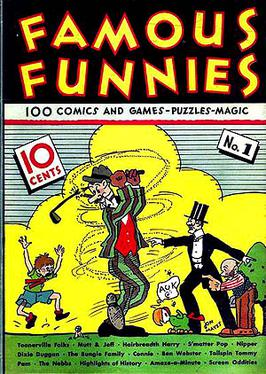
    The Eastern Color Printing Company was instrumental in transforming the American comic book industry. The company was founded in 1928 and initially focused on printing color newspaper sections for various papers in New England and New York. In 1930, Eastern developed an engraving process that allowed color to be added to black-and-white comics, which was a significant breakthrough for the newspaper syndicates. Eastern’s sales manager, Harry I. Wildenberg, came up with the idea of using comics as a medium for advertising in 1933, leading to the creation of Gulf Comic Weekly, the first promotional comic book. The company went on to publish the first modern-format comic book, Funnies on Parade, in 1933, and subsequently produced similar periodicals for other companies, including Canada Dry, Kinney Shoes, and Wheatena cereal. Eastern’s most popular comic book, Famous Funnies, was published in 1933 and became the first true American comic book. Eastern continued to print comic books until the mid-1950s and produced comic books for other publishers until 1973, but eventually closed in 2002 due to changes in printing technologies. Despite this, the company’s legacy as a pioneer in the American comic book industry remains strong.
  6. United Features:
    United Feature Comics was a comic book publishing company that was active from the 1930s to the 1970s. During its heyday, United Feature Comics was responsible for publishing a number of popular comic strips, including some of the most well-known and beloved strips in history.
  7. Colombia Comics
    Columbia Comics Corporation, fondée en 1940, a marqué l’âge d’or de la bande dessinée par son innovation et sa créativité. Née de la collaboration entre Vin Sullivan, le McNaught Syndicate et le Frank Jay Markey Syndicate, Columbia a lancé des titres emblématiques comme Big Shot Comics, introduisant des personnages iconiques tels que Skyman et The Face. La société a également entretenu une relation stratégique avec Eastern Color Printing, consolidant ainsi sa position sur le marché. Malgré la cessation de ses activités en 1949, l’influence de Columbia Comics persiste, son approche innovante de l’édition, ses personnages uniques et son soutien aux talents ayant laissé une empreinte durable sur l’industrie de la bande dessinée.

Dell Comics

Comic books have been an important part of American popular culture for nearly a century, and one of the most influential publishers during the Golden and Silver Ages of comics was Dell Comics. Founded in 1929 by George T. Delacorte Jr., Dell Comics initially focused on publishing pulp magazines and reprints of classic literature. However, the company entered the comic book market in 1938 and quickly became one of the leading publishers in the industry.

Dell Comics was renowned for producing high-quality comics featuring popular licensed characters, including Mickey Mouse, Donald Duck, Tarzan, and Superman. These comics were extremely popular with readers of all ages and helped to establish many of the characters as icons of American popular culture. In fact, Dell Comics was the leading publisher of comic books in the United States during the 1950s, outselling even Marvel and DC Comics.

One of the defining moments in the history of Dell Comics came in the 1950s with the Senate Subcommittee on Juvenile Delinquency. This committee was established to investigate the link between comic books and juvenile delinquency. This led to the creation of the Comics Code Authority, which imposed strict regulations on comic book content. Dell Comics was one of the few publishers that supported the code, which helped to increase the company’s sales and establish its reputation for producing « wholesome » comics.

In addition to its impact on the comic book industry, Dell Comics played an important role in the wider popular culture of its time. In the 1940s and 1950s, comic books were one of the most popular forms of entertainment in America. The company’s licensed comics featuring popular characters from Disney, Warner Bros., and other major entertainment companies were hugely popular with readers and helped to establish many of these characters as beloved icons of American popular culture.

One of the most notable aspects of Dell Comics was the company’s commitment to producing high-quality comics. Dell was known for its innovative formats, such as the « Giant » and « King-Size » comics that featured larger pages and longer stories. The company’s artists and writers were among the best in the industry, and many of them went on to become legends in their own right. Some of the most famous artists who worked for Dell Comics include Carl Barks, who created many of the classic Donald Duck and Uncle Scrooge stories, and John Stanley, who created the popular character Little Lulu.

However, by the 1960s, Dell Comics faced increasing competition from new publishers, such as Marvel and DC Comics, and the rise of television as the dominant entertainment medium. In 1962, the company was acquired by Western Publishing and became part of the Gold Key imprint. While Dell Comics continued to produce licensed comics, including adaptations of popular TV shows like « Star Trek » and « The Twilight Zone, » sales began to decline. By the 1970s, Dell Comics faced significant financial difficulties and the company ceased publication in 1973.

Today, Dell Comics are highly prized by collectors and are seen as important artifacts of the Golden and Silver Ages of comics. The company’s support for the Comics Code Authority helped to establish its reputation for producing « wholesome » comics, and its commitment to producing high-quality comics helped to establish many beloved characters as icons of American popular culture. While Dell Comics may no longer be in business, its impact on the comic book industry and popular culture as a whole will be felt for generations to come.

Writer/artists Walt Kelly and Carl Barks are the most noted talents associated with the company. Other prolific scripters were Gaylord DuBoisPaul S. NewmanDon « Arr » ChristensenJohn StanleyBob Gregory, Robert Schaefer and Eric Freiwald, Lloyd Turner, Leo Dorfman, Don Segall , Edward Kean, Cecil Beard and Carl Fallberg. Artists who worked on comics published by Dell included Fred HarmanAlex Toth, John Carey, Russ ManningJesse MarshAlberto GiolittiPaul MurryTony StroblHarvey EisenbergTom Gill, Ken Hultgren, Dick MooresJack Bradbury, Gil Turner, Nat Edson, Fred FredericksRoger Armstrong, Jack Manning, Kay Wright, Bill Wright, Phil DeLaraPete AlvaradoDan Spiegle, Lynn Karp, Ellis Eringer, Paul NorrisFrank Bolle, Artie Saaf, Dan Noonan, John UshlerSam Glanzman, Bill Ziegler and John Buscema. Famed fantasy writer Charles Beaumont contributed a handful of stories for Dell’s funny animal comics early in his career, all done in collaboration with William F. Nolan

Dell Comics was the comic book publishing arm of Dell Publishing, which was established in 1929.
The company published comics until 1974 and was the most successful comic book publisher in the United States, claiming to sell 26 million copies per month in 1953.
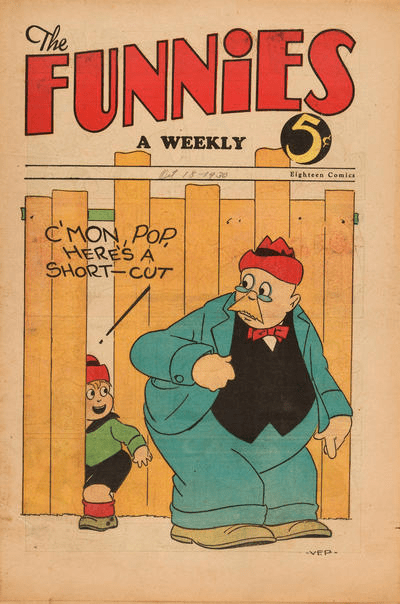
Its first title was The Funnies, which was a newspaper tabloid insert.

The Funnies

Dell, 1929 Series

Publication Dates:January 16, 1929 – October 18 1930
Number of Issues Published:36 (#1 – #36)
Color:Color (some pages)
Dimensions:10.5″ x 15.5″
Paper Stock: Newsprint (no covers)

Dell, 1936 Series

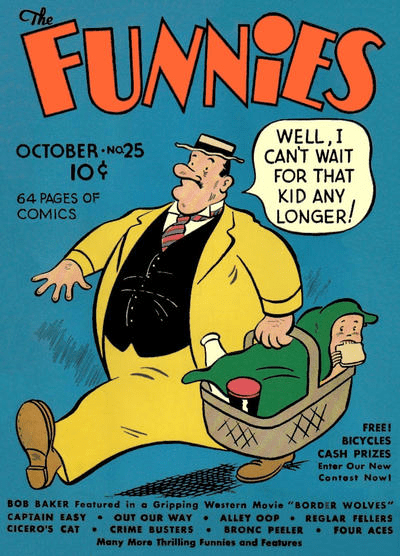
Publication Dates:October 1936 – May 1942
Number of Issues Published:64 (#1 – #64)
Color:full color and some black and white
Dimensions:standard Golden Age U. S.
Paper Stock:glossy cover; newsprint interior
Binding:saddle-stitched
Publishing Format:was ongoing series
numbering continues with New Funnies (Dell, 1942 series) #65

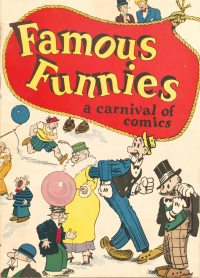
The company collaborated with Eastern Color Printing to publish Famous Funnies: A Carnival of Comics in 1933, which was considered the first true American comic book.


Dell published the single-issue Famous Funnies: Series 1 in 1934. In 1938, Dell formed a partnership with Western Publishing to finance and distribute publications that Western would produce, which was a highly successful enterprise.

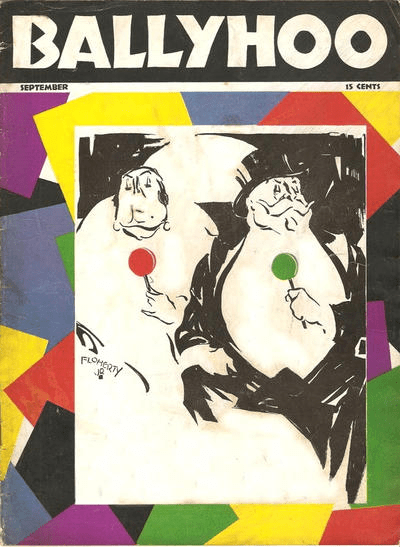
Ballyhoo

Dell, 1931 Series


Publication Dates:August 1931 – February 1939
Number of Issues Published:86 (#v1#1 – #v16#1)
Color:Full Color Cover; Black and White Interior
Dimensions:Magazine SizeBinding:Saddle-stitched
Adult oriented humor magazine. Lots of cartoons about drinking, prohibition, repeal, gambling, girls, the depression, gangsters. Social commentary on the times. Many of the cartoons are risque. Also contains fake advertising (like « wacky packages »).
Large format 8.5″ X 11.5″ on nice stock.

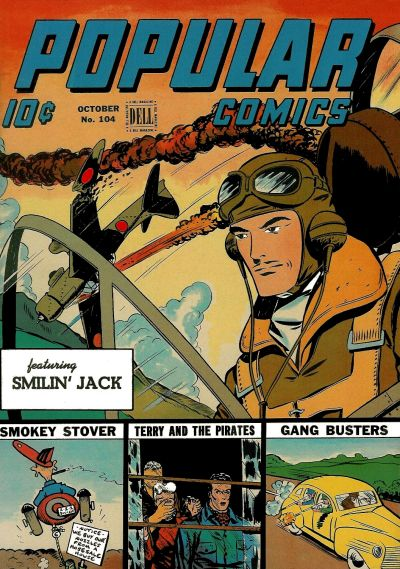
Popular Comics

Dell, 1936 Series

Publication Dates:February 1936 – July-September 1948
Number of Issues Published:145 (#1 – #145)
Color:color
Dimensions:standard
Golden Age U.S.Paper
Stock:glossy cover; newsprint interior
Binding:saddle-stitched
Publishing Format:was ongoing series
Publication Type:magazine

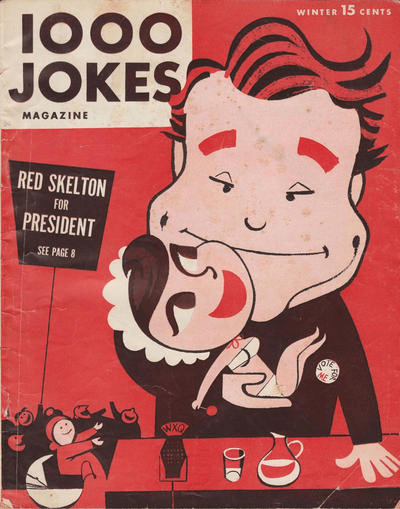
1000 Jokes

Dell, 1939 Series

Publication Dates:1938 – March-May 1969
Number of Issues Published:117 (#14 – #129)
Color:black and white interiors; color cover
Dimensions:magazine sized
Paper Stock:glossy white
Binding:saddle-stitched; squarebound
Publishing Format:was ongoing series
Publication Type:magazine
Numbering continues from 1000 New Jokes (Dell, 1934 series)

Dell Comics was best known for its licensed material, such as characters from Walt Disney Productions, Warner Bros., Metro-Goldwyn-Mayer, and Walter Lantz Studio, along with many movie and television properties.
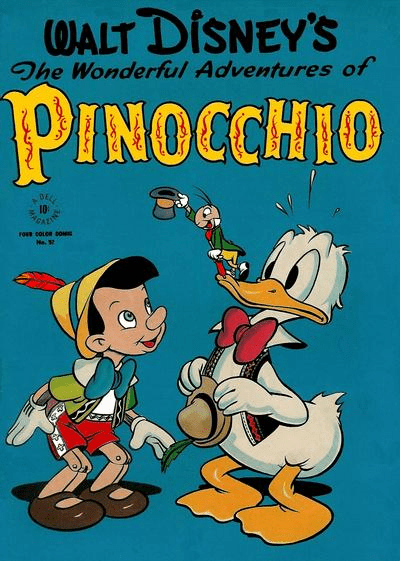
From 1938 to 1962, Dell’s most notable and prolific title was the anthology Four Color.

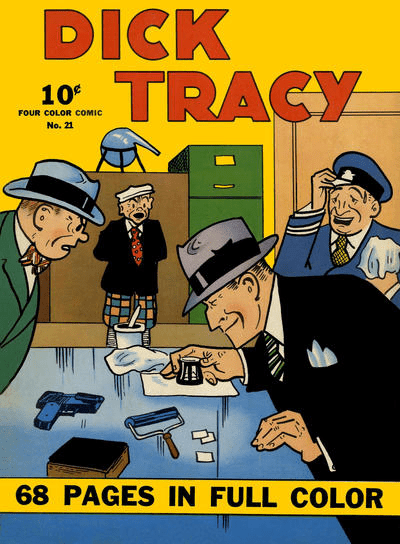
Four Color

Dell, 1939 Series

Publication Dates:[September 1939] – 1942
Number of Issues Published:25 (#1 – Dick Tracy – #25 – Popeye)
Color:color
Dimensions:standard
Golden Age U.S.Paper Stock:glossy cover; newsprint interior
Binding:saddle-stitched
Publishing Format:was ongoing series

Dell, 1942 Series

Publication Dates:1942 – April-June 1962
Number of Issues Published:1331 (#1 – Little Joe – #1354 – Calvin and the Colonel)
Color:color
Dimensions:standard Golden Age U.S.; standard Silver Age U.S.
Paper Stock:glossy cover; newsprint interior
Binding:saddle-stitched
Publishing Format:was ongoing series
Publication Type:magazine

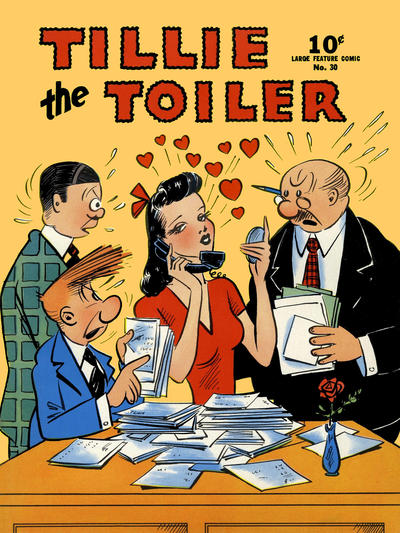
Large Feature Comic

Dell, 1939 Series

Published in English (United States) United States
Publication Dates:[April] 1939 – 1942
Number of Issues Published:30 (#1 – #30)
Color:color covers; black and white interiors
Dimensions:8.5″ X 11.37″
Paper Stock:newsprint- covers 1-9 heavy rough stock, 10-30 slick coated stock but very thin
Binding:saddle-stitched
Publishing Format:was ongoing series
Publication Type:magazine

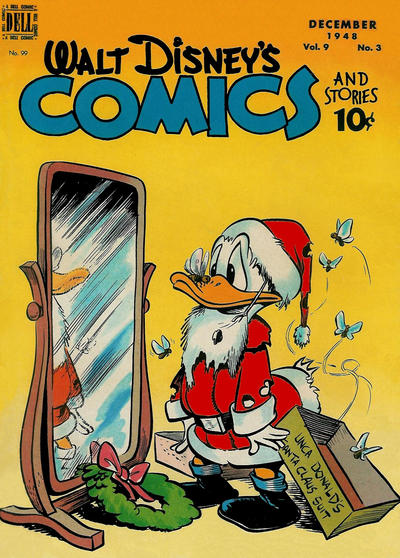
Walt Disney’s Comics and Stories

Dell, 1940 Series

Publication Dates:October 1940 – August 1962
Number of Issues Published:264 (#v1#1 [1] – #v22#11 (263))
Publishing Format:Was ongoing series
Publication Type:magazine

A Look at Some of Their Most Popular Characters

Dell Comics was a prominent comic book publisher during the mid-20th century. They had a long-standing licensing agreement with Walt Disney Productions and Warner Bros., which allowed them to produce comics featuring some of the most beloved characters from these studios. But Dell Comics also had their own original characters that gained popularity in their own right. In this article, we’ll take a closer look at some of the most popular characters that appeared in Dell Comics.

Disney Characters

Dell Comics had a deep relationship with Walt Disney Productions, which allowed them to produce comics featuring many of Disney’s iconic characters. Mickey Mouse, Donald Duck, Goofy, and Pluto were all featured in their own series, as were lesser-known characters like Chip ‘n Dale, Scrooge McDuck, and the Three Little Pigs.

Warner Bros. Characters

In addition to Disney characters, Dell Comics also had a licensing agreement with Warner Bros. This allowed them to produce comics featuring characters from the Looney Tunes and Merrie Melodies cartoons, including Bugs Bunny, Daffy Duck, and Porky Pig.

Little Lulu

Created by Marjorie Henderson Buell in 1935, Little Lulu was a popular comic strip that eventually became a comic book series published by Dell Comics. The character was known for her wit and resourcefulness, and her comics were popular with both children and adults.

Tarzan

Dell Comics published a long-running series of Tarzan comics, which were based on the popular character created by Edgar Rice Burroughs. The comics followed Tarzan’s adventures in the jungle and often featured his wife, Jane, and their son, Boy.

The Lone Ranger

The Lone Ranger was a popular western character who starred in his own series of Dell Comics. The character was known for his silver bullets and his code of honor, which he followed as he fought against injustice in the Old West.

Turok, Son of Stone

Turok was a Native American hero who fought prehistoric creatures in his adventures. Created by Dell Comics, the character was known for his bravery and resourcefulness.

Zorro

Zorro was a masked vigilante who fought against corruption and injustice in Spanish California. The character was popularized by a series of Dell Comics, and he has since been adapted into numerous movies and television shows.

Felix the Cat

Felix the Cat was a classic cartoon character who had a long-running comic book series published by Dell Comics. Known for his mischievousness and his trademark grin, Felix was a popular character with readers of all ages.

Nancy and Sluggo

Nancy and Sluggo were characters from the popular comic strip created by Ernie Bushmiller. Dell Comics adapted the strip into a comic book series that was beloved by readers for its wit and humor.

Looney Tunes Characters

In addition to Bugs Bunny, Daffy Duck, and Porky Pig, Dell Comics also published comics featuring other Looney Tunes characters like Tweety Bird, Sylvester, and Yosemite Sam. These comics were popular with children and adults alike.

Uncle Scrooge McDuck

Created by Carl Barks, Uncle Scrooge was a popular character in the Disney comics published by Dell Comics. The character was known for his wealth and his adventurous spirit, and his comics often featured him on treasure-hunting expeditions around the world.

Other Characters

Dell Comics also published comics featuring original characters like Little Audrey, Little Dot, Richie Rich, and Casper the Friendly Ghost. They also published comics featuring characters from other media like Flash Gordon, Mandrake the Magician, and Dick Tracy.

GEORGE DELACORTE, Jr.

(1893-1991)

George Thomas Delacorte Jr. was born on June 20, 1893 in Brooklyn, New York. He attended Brooklyn Boys’ High School and then went on to study at Harvard University and Columbia College, where he studied the Business of Advertising.

In 1912, he married Margarita Von Doenhoff and they had a son named Albert. Margarita was a certified German Language High School Teacher, and George worked in advertising.

In 1923, George founded his own publishing company, Dell Publishing Co., which became one of the largest publishers of paperback books in the world. He also founded the Delacorte Press, which published many successful novels, including Truman Capote’s « In Cold Blood » and William Goldman’s « The Princess Bride ».

In addition to his publishing ventures, George was also a philanthropist, donating money to various causes, including the Central Park Zoo and the Shakespeare Garden in Central Park. He also founded the Delacorte Theater in Central Park, which has hosted free performances of Shakespearean plays since 1962.

George Thomas Delacorte Jr. passed away on May 8, 1991, leaving behind a legacy as a successful publisher, philanthropist, and lover of the arts.