


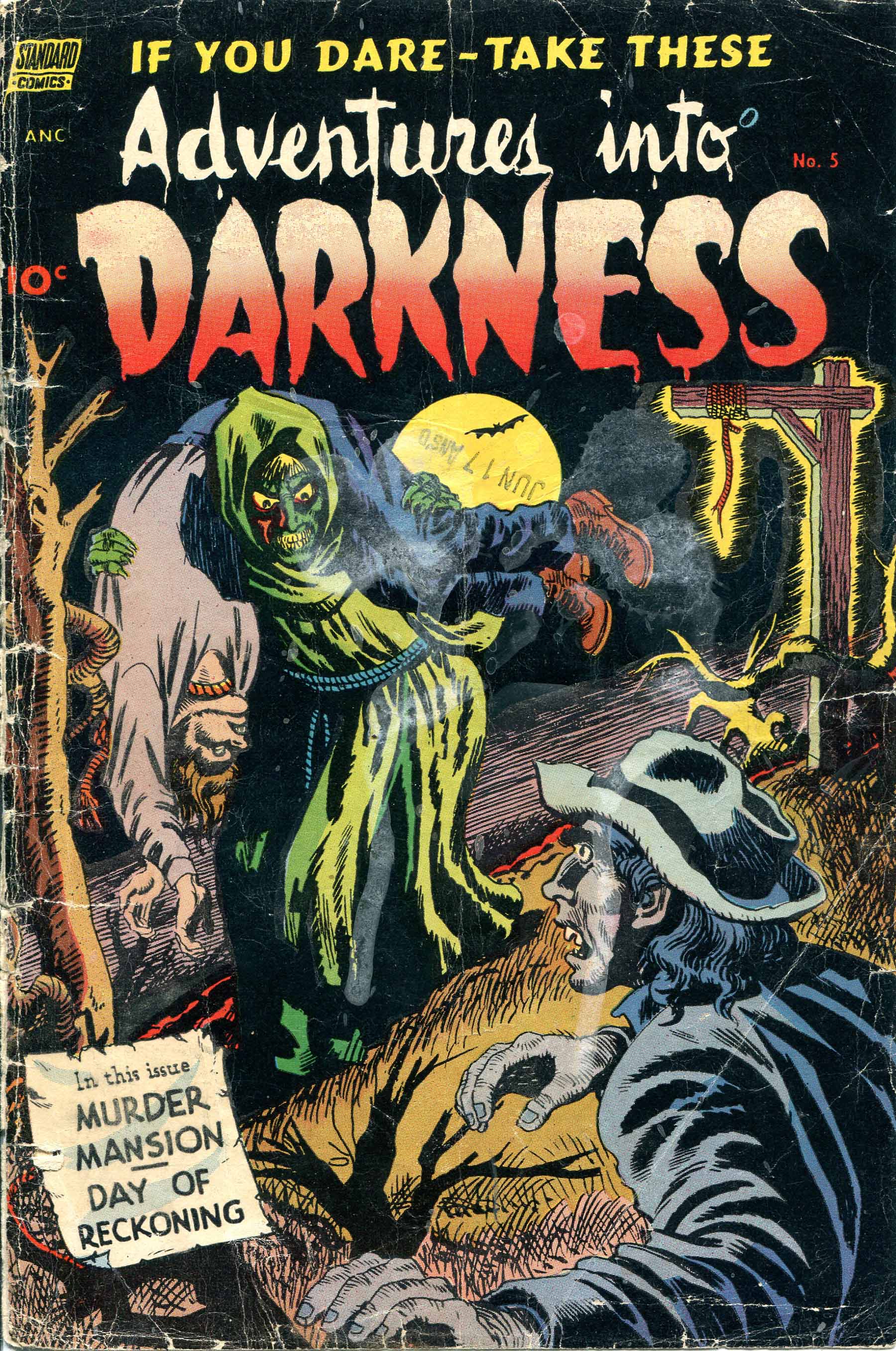
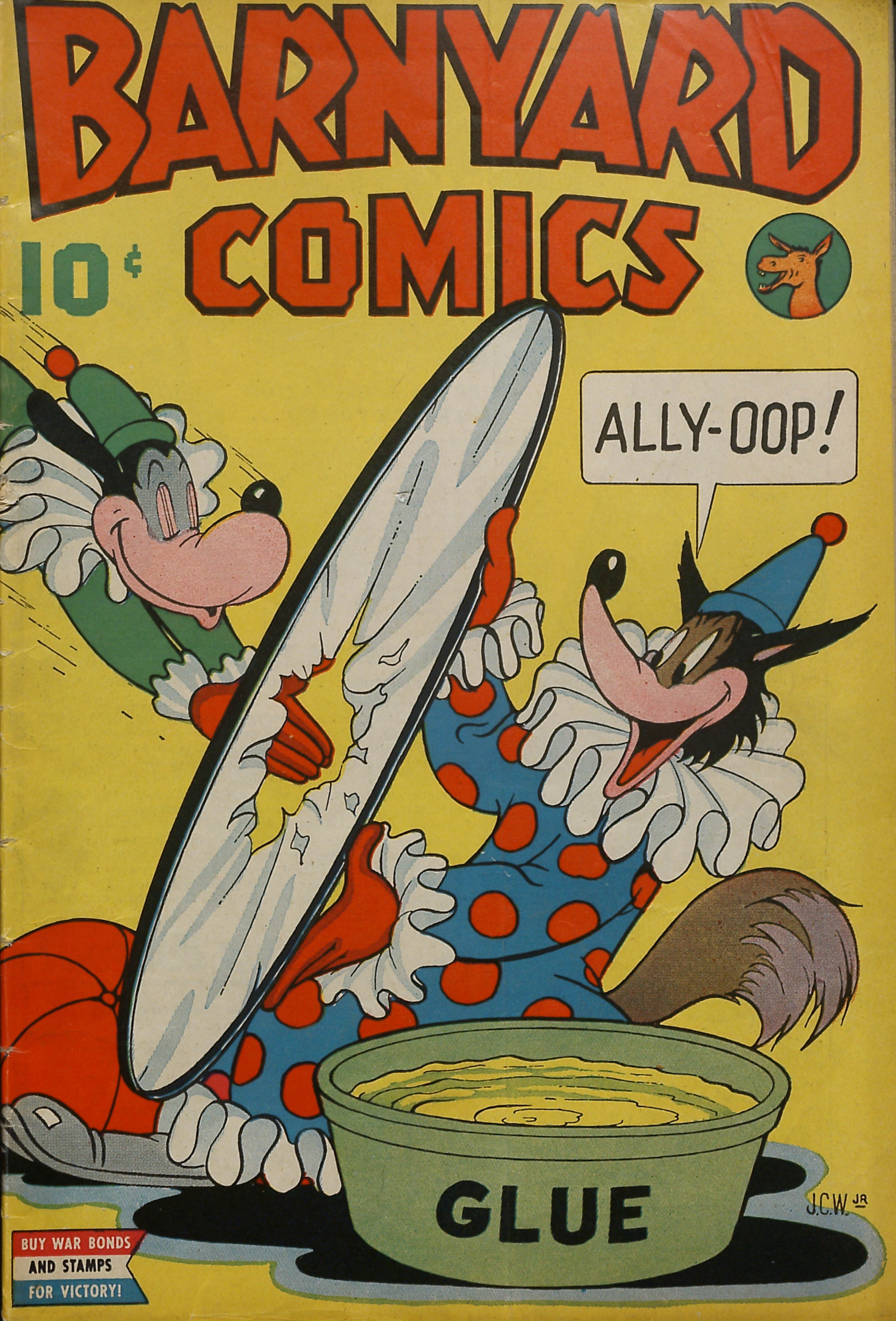
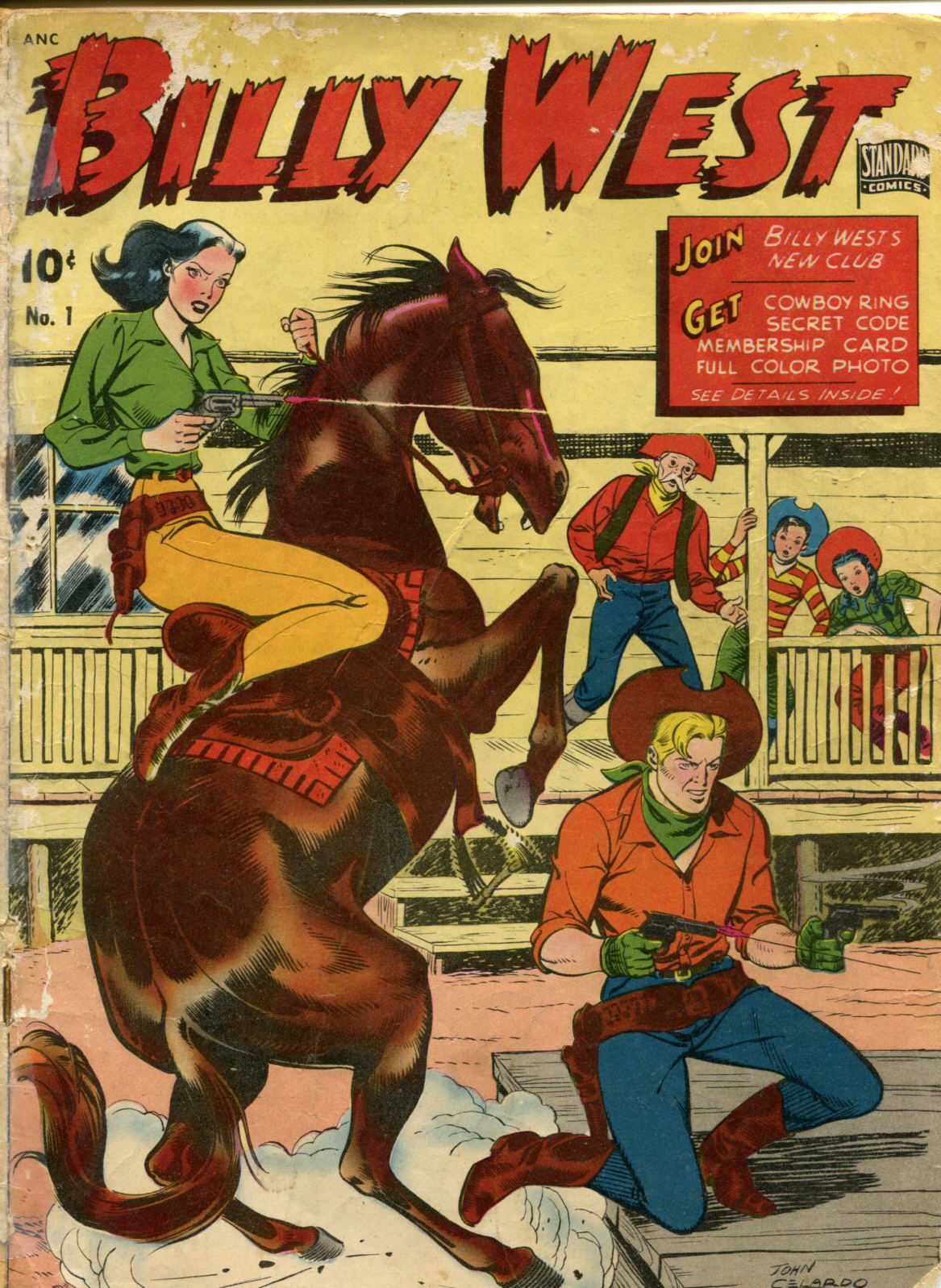
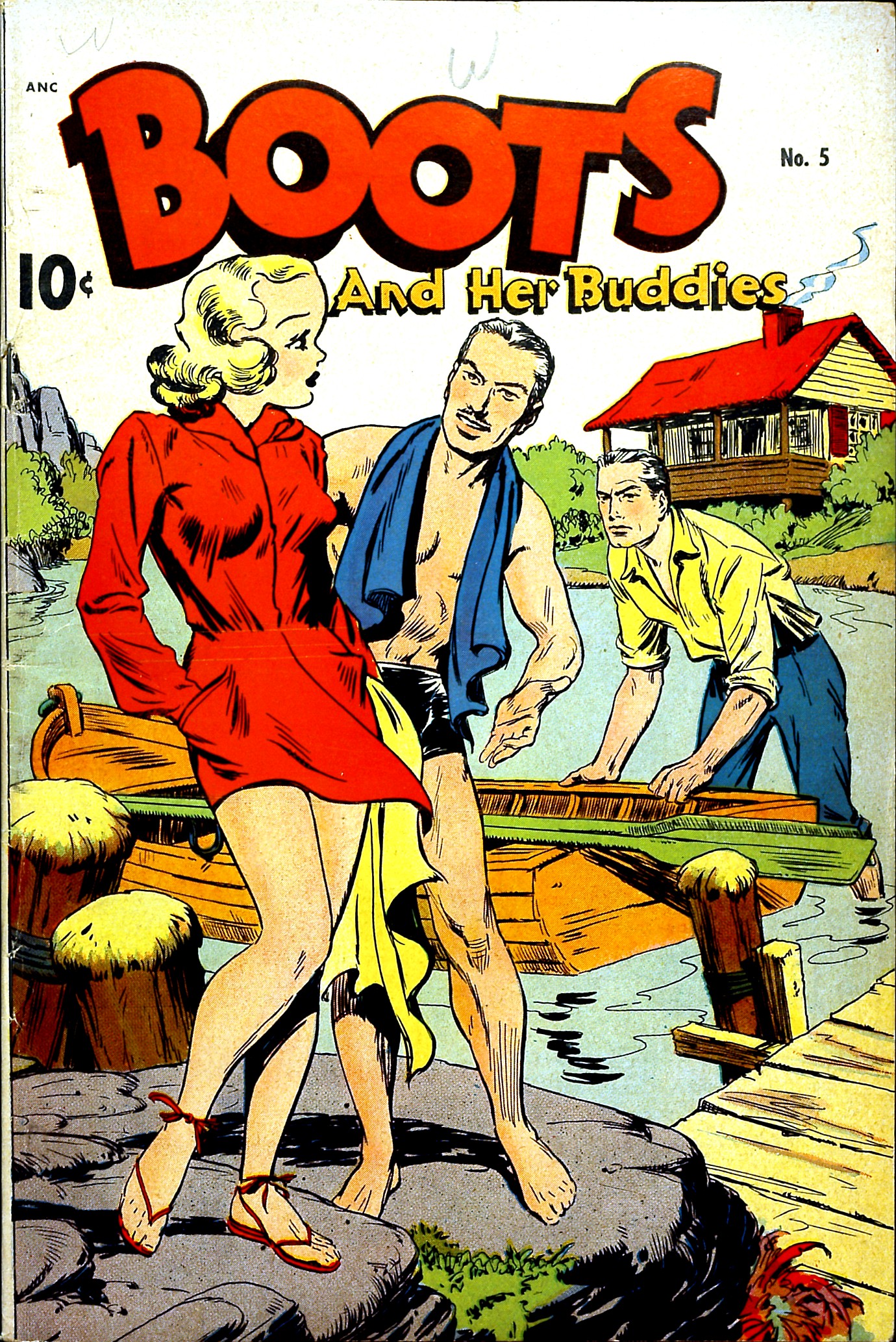
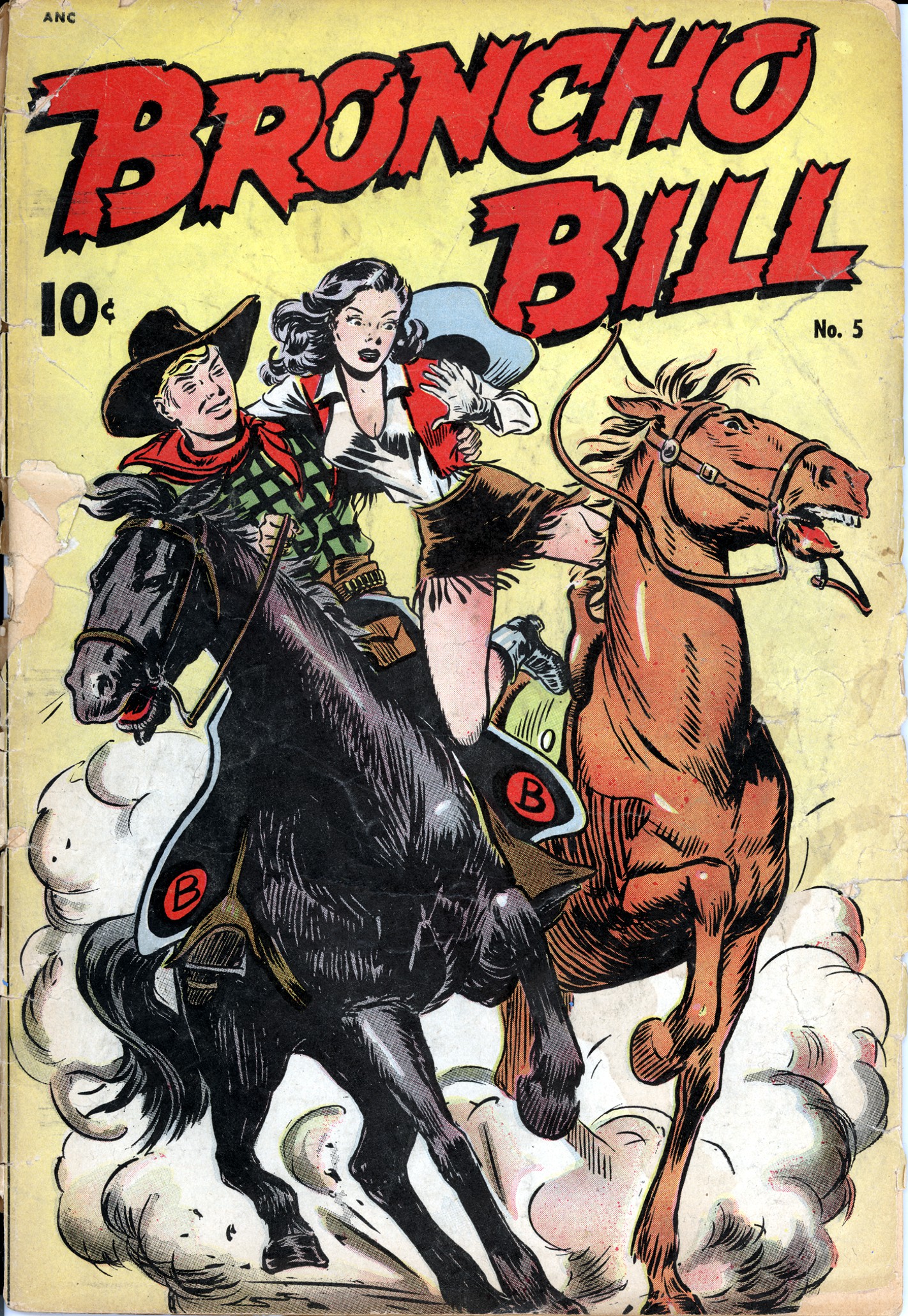
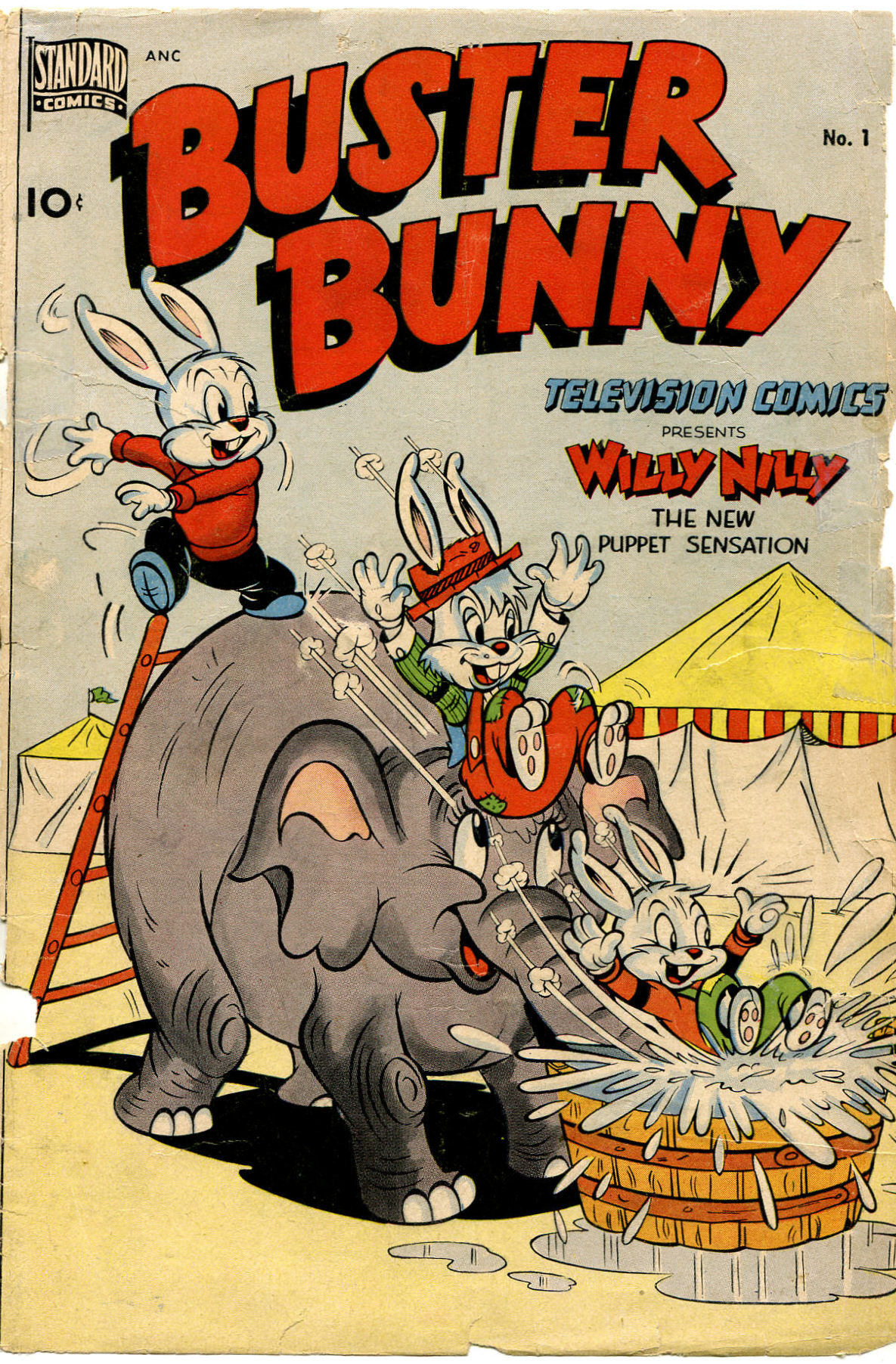
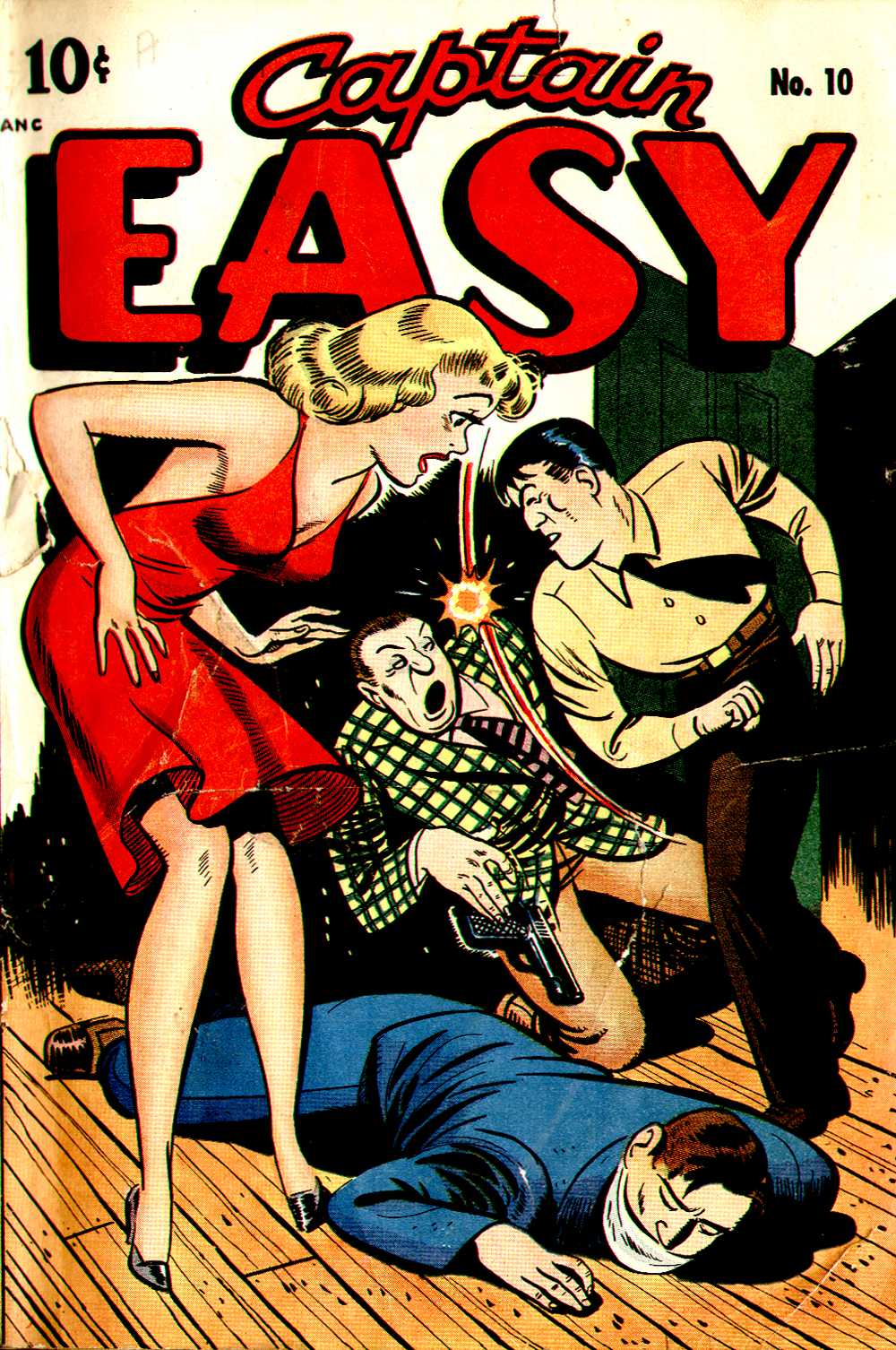
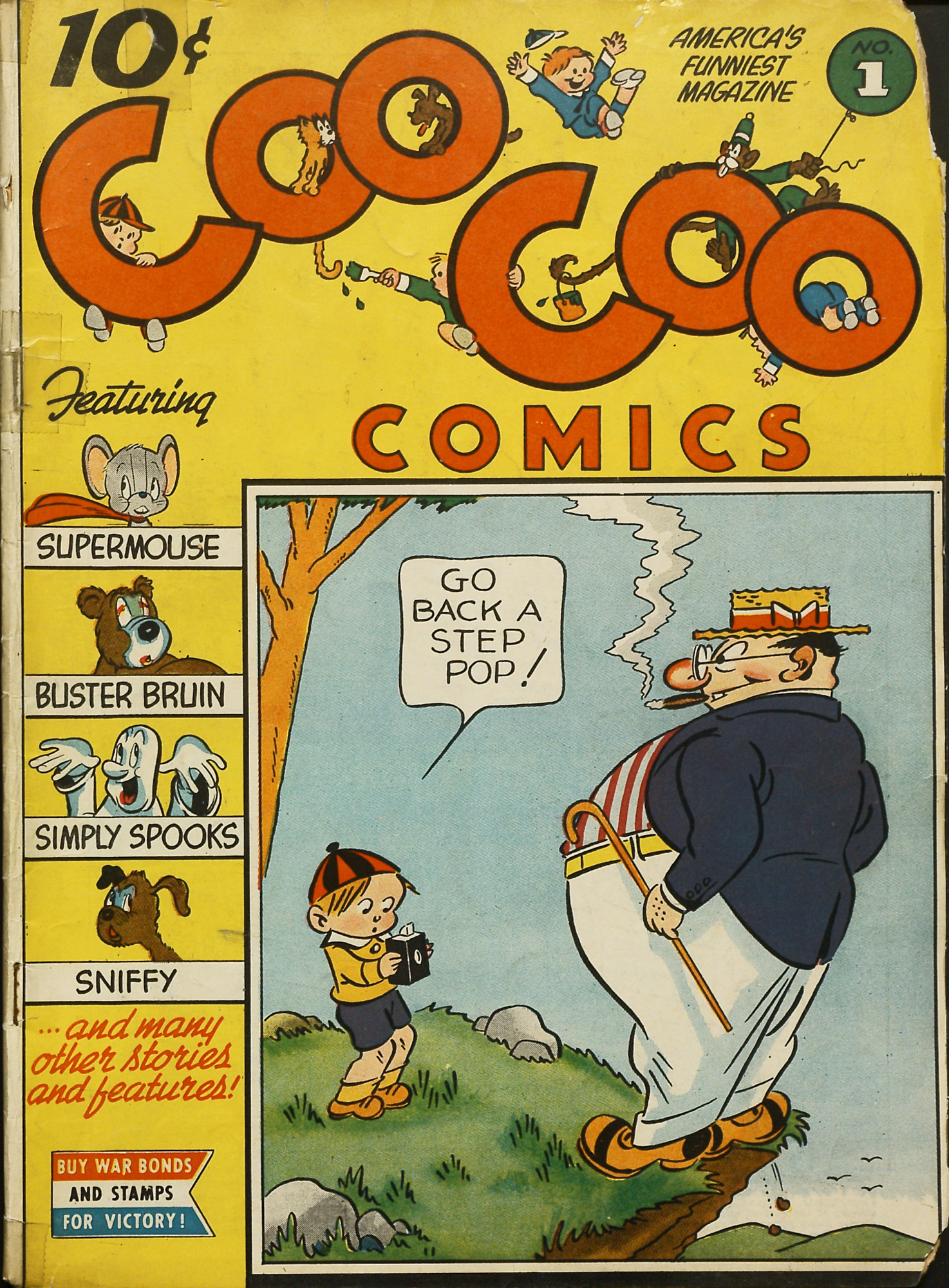
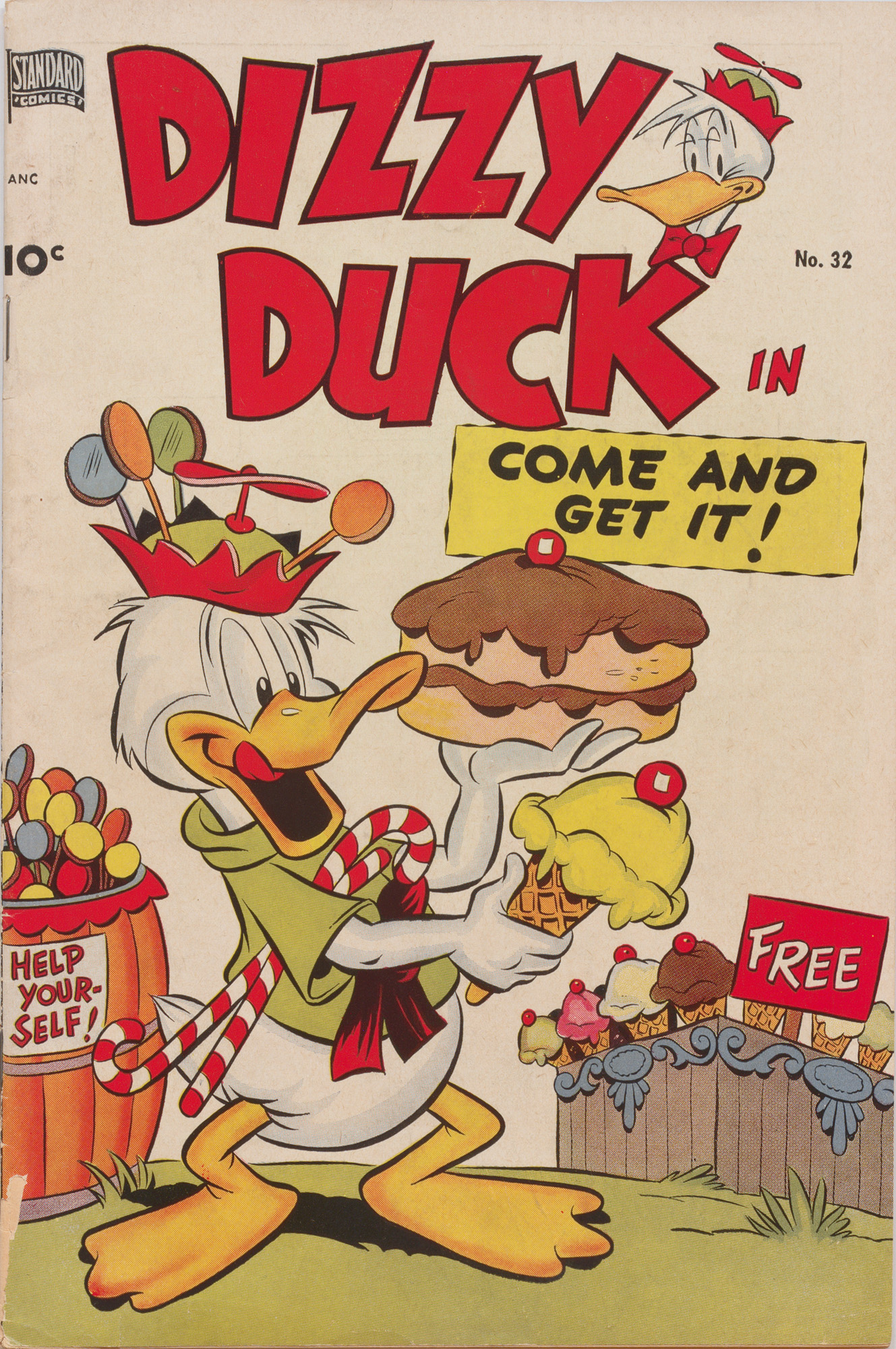
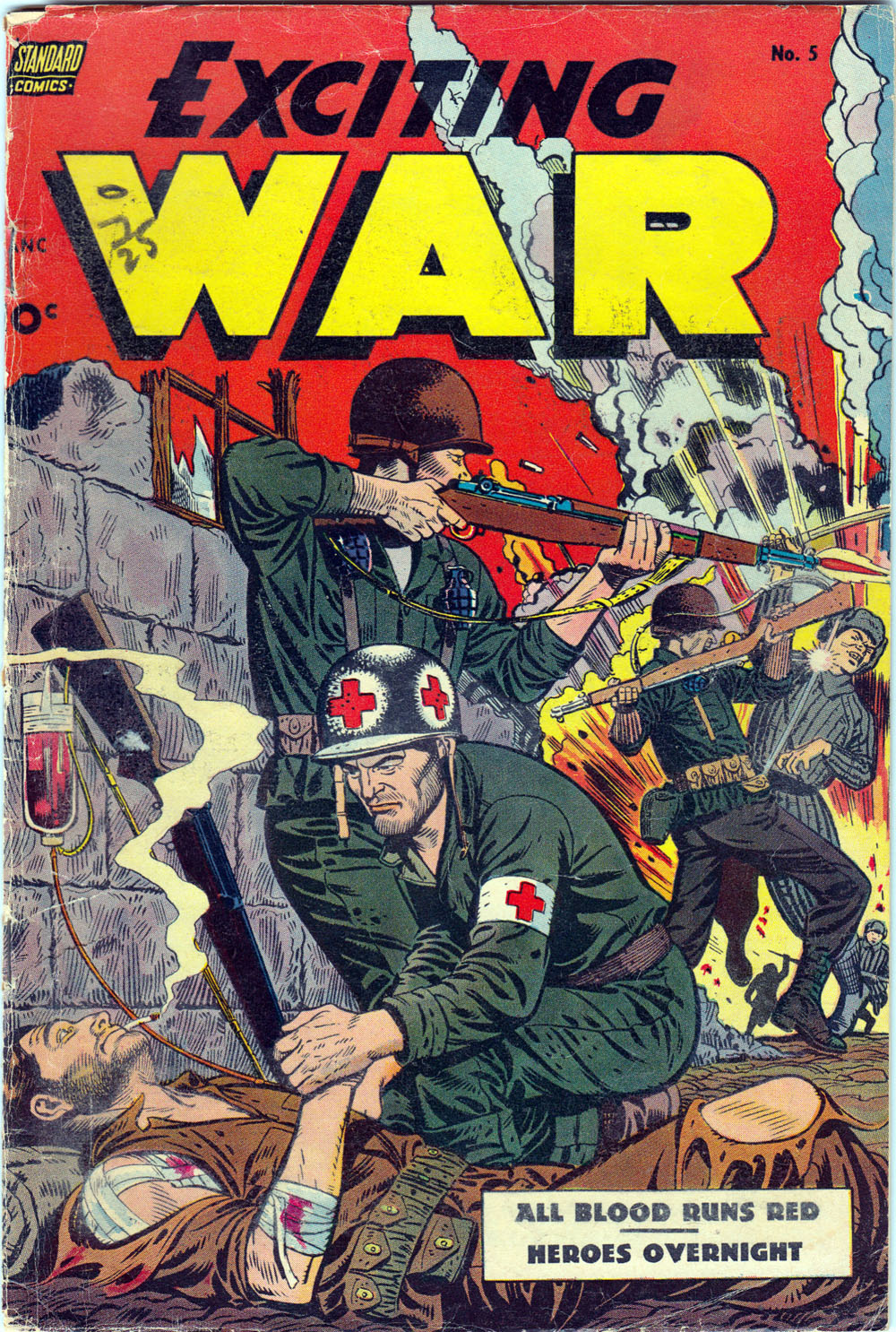
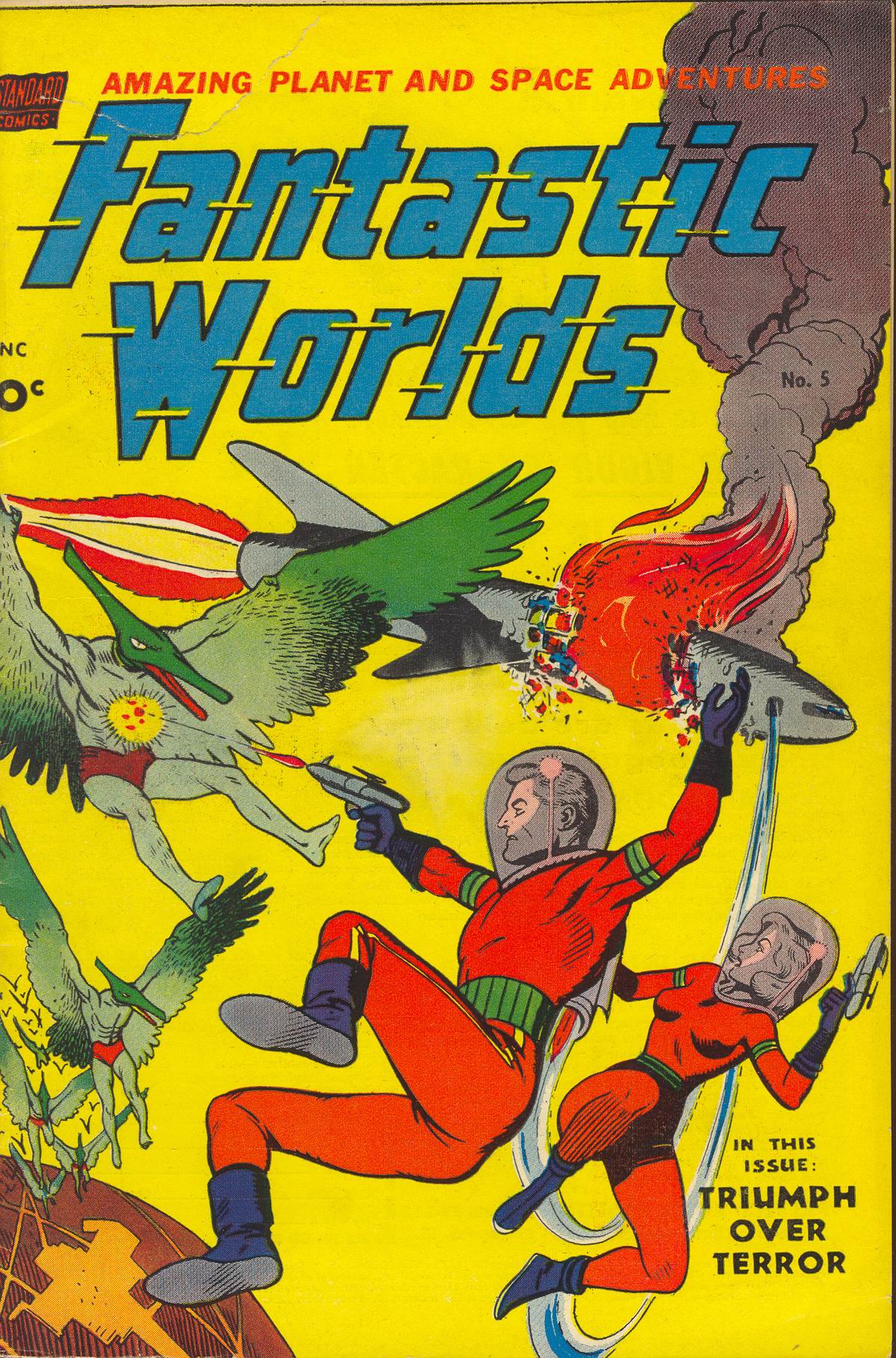
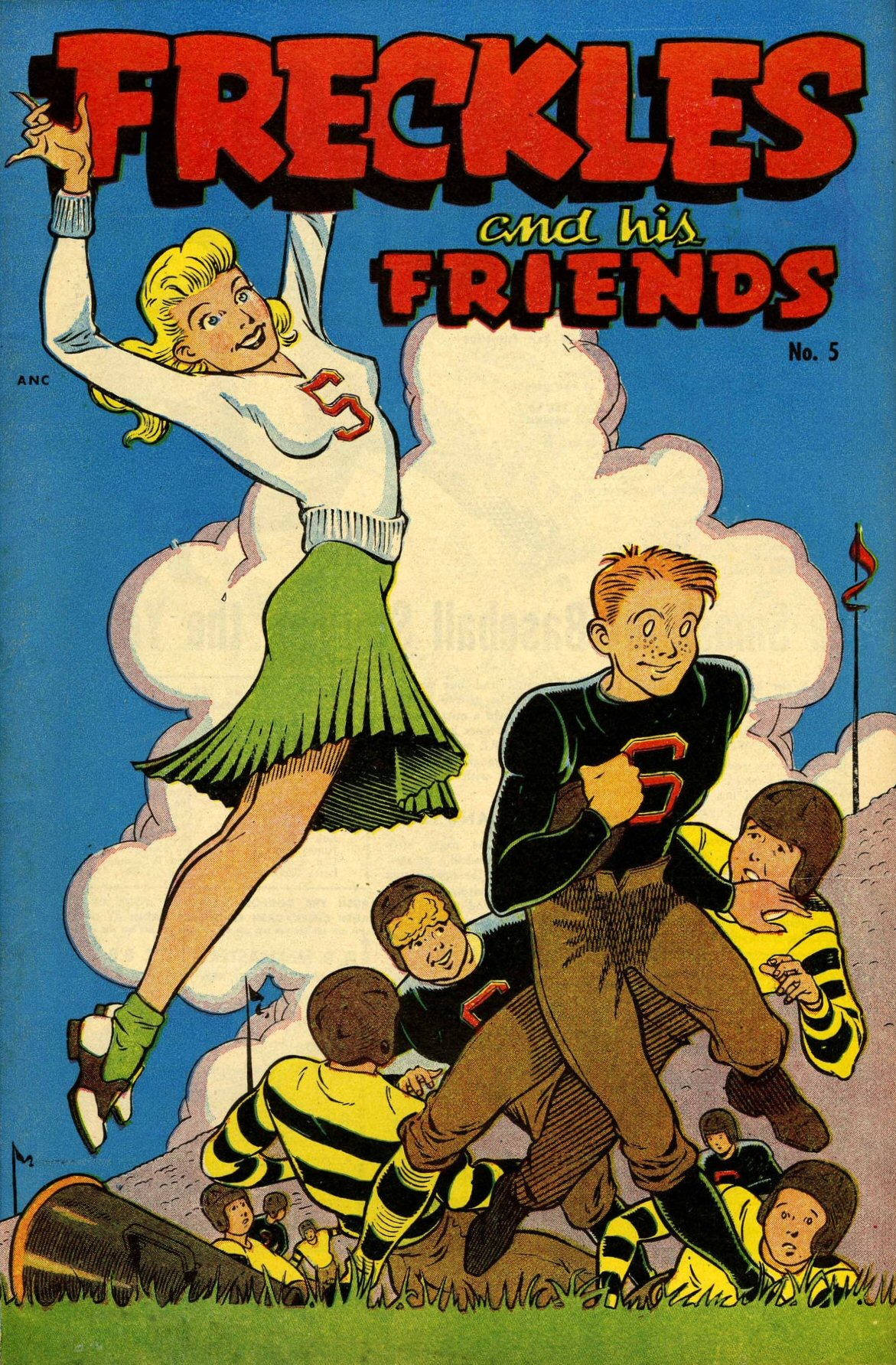
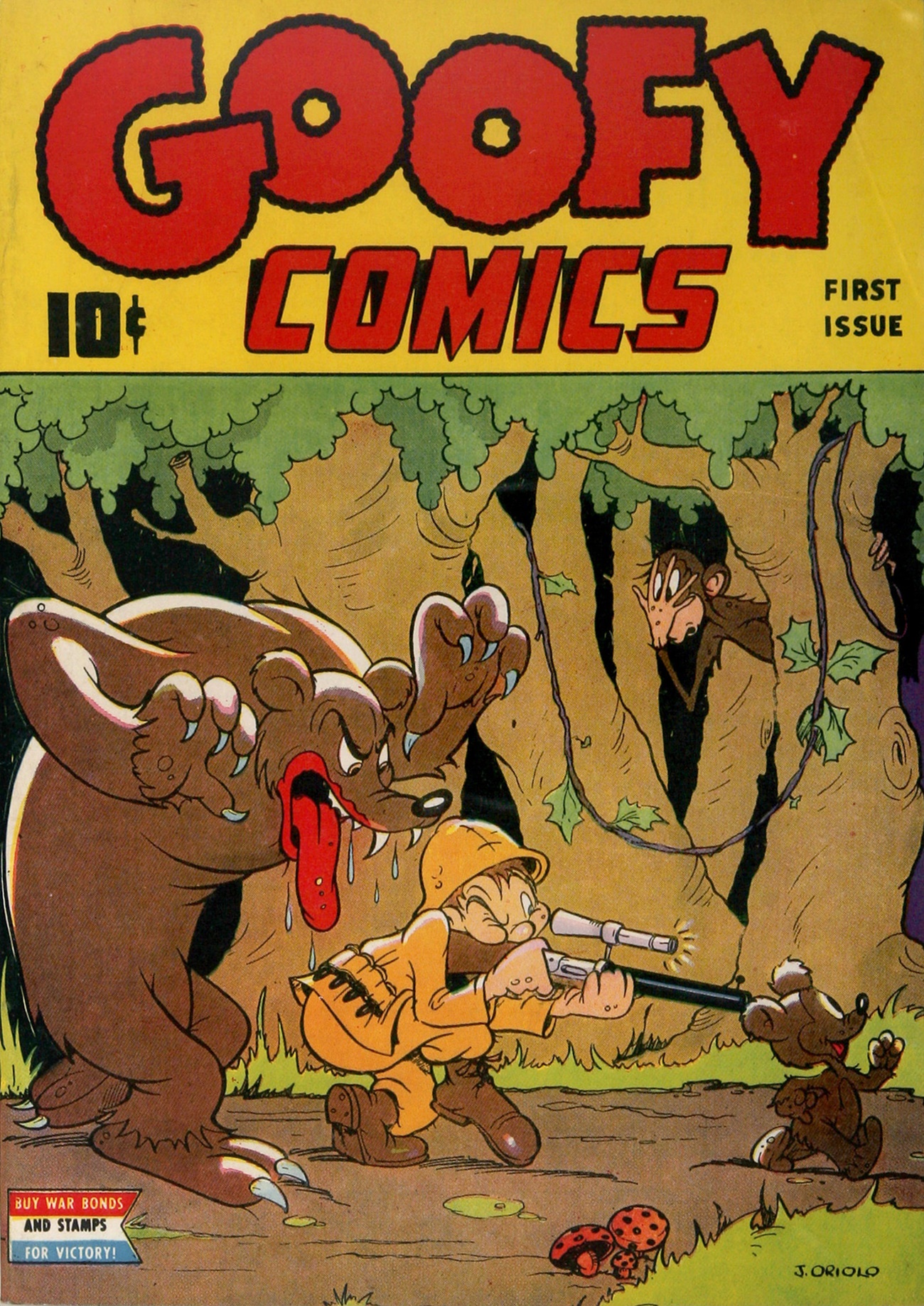
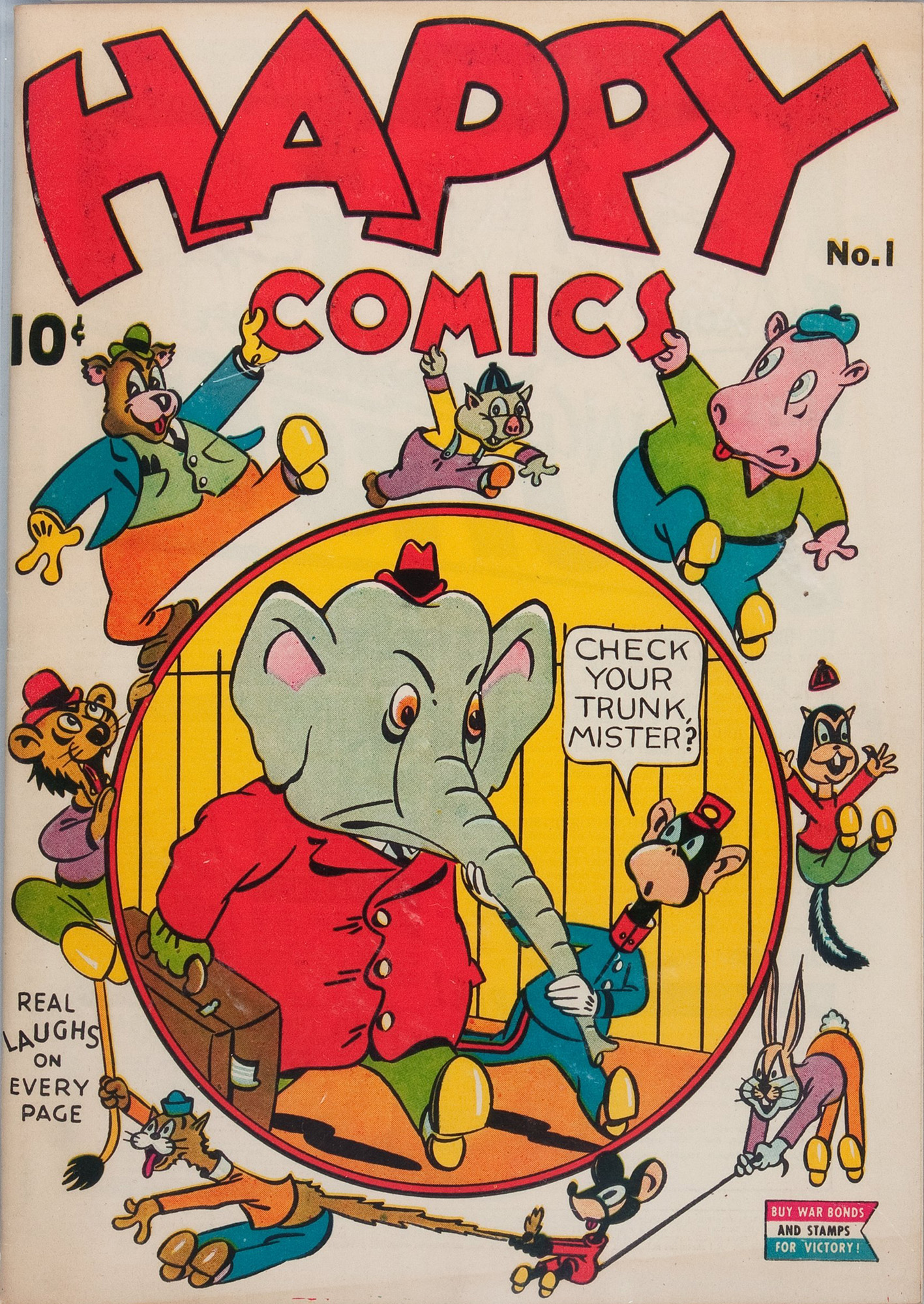
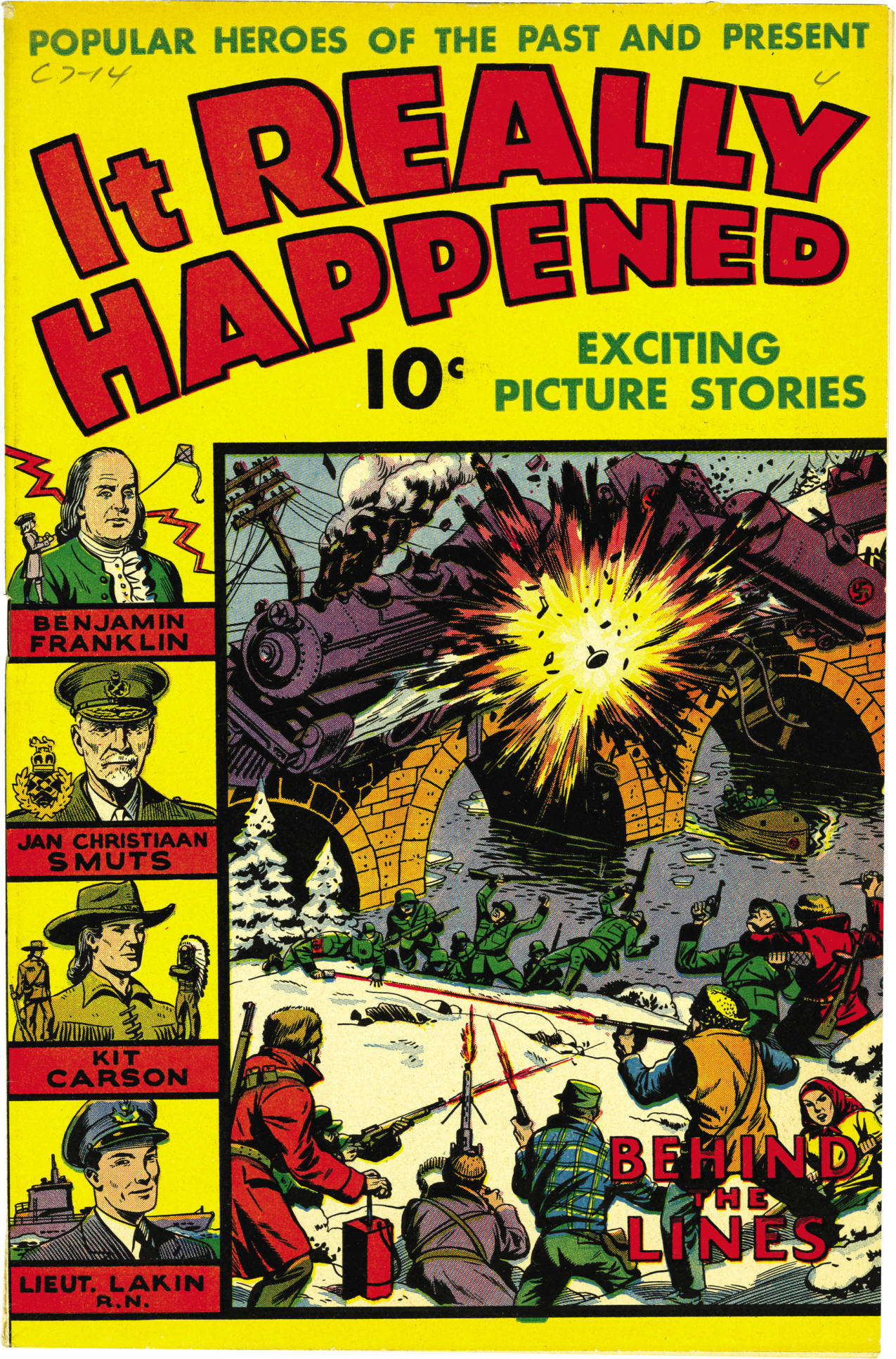
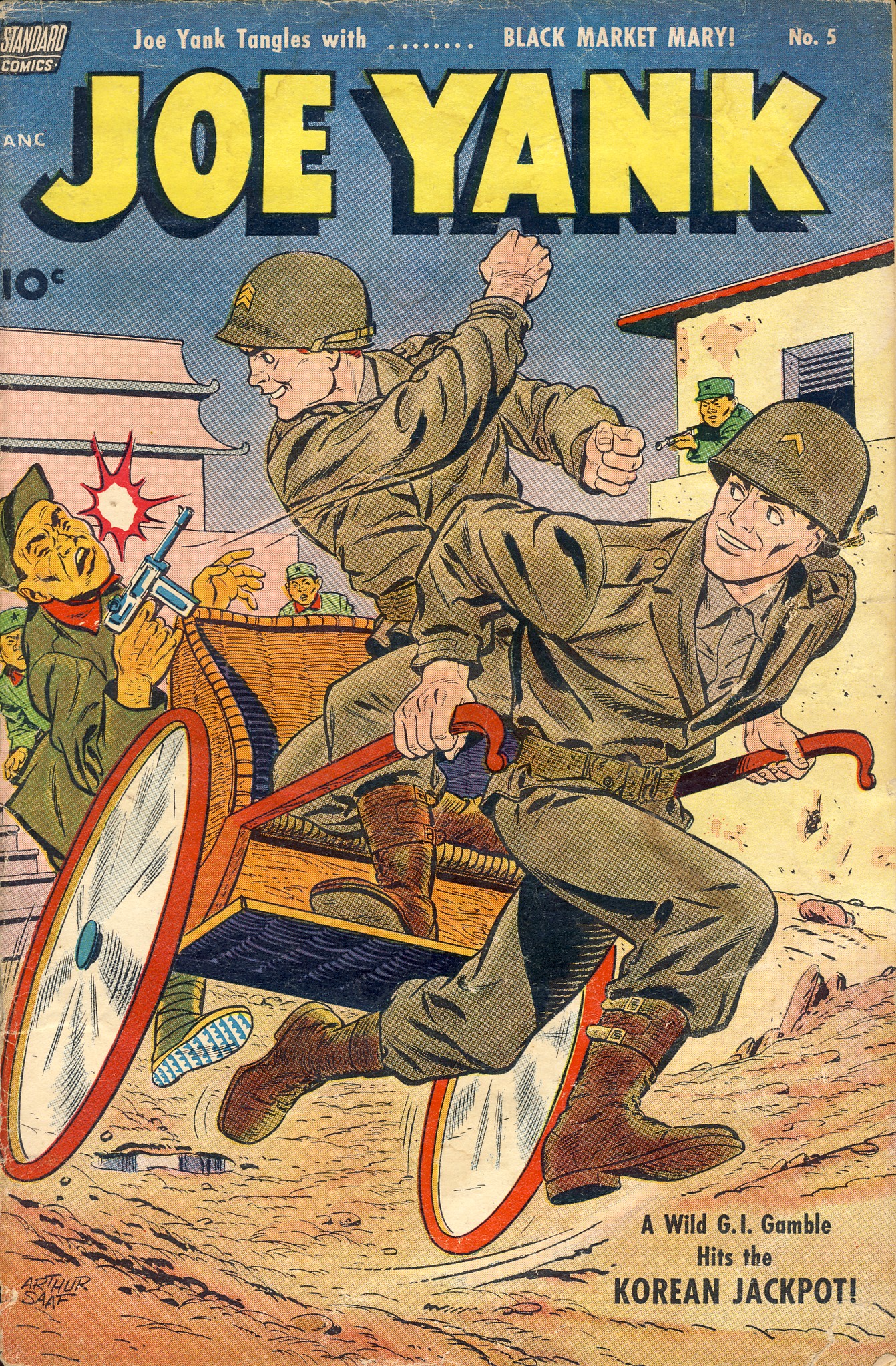
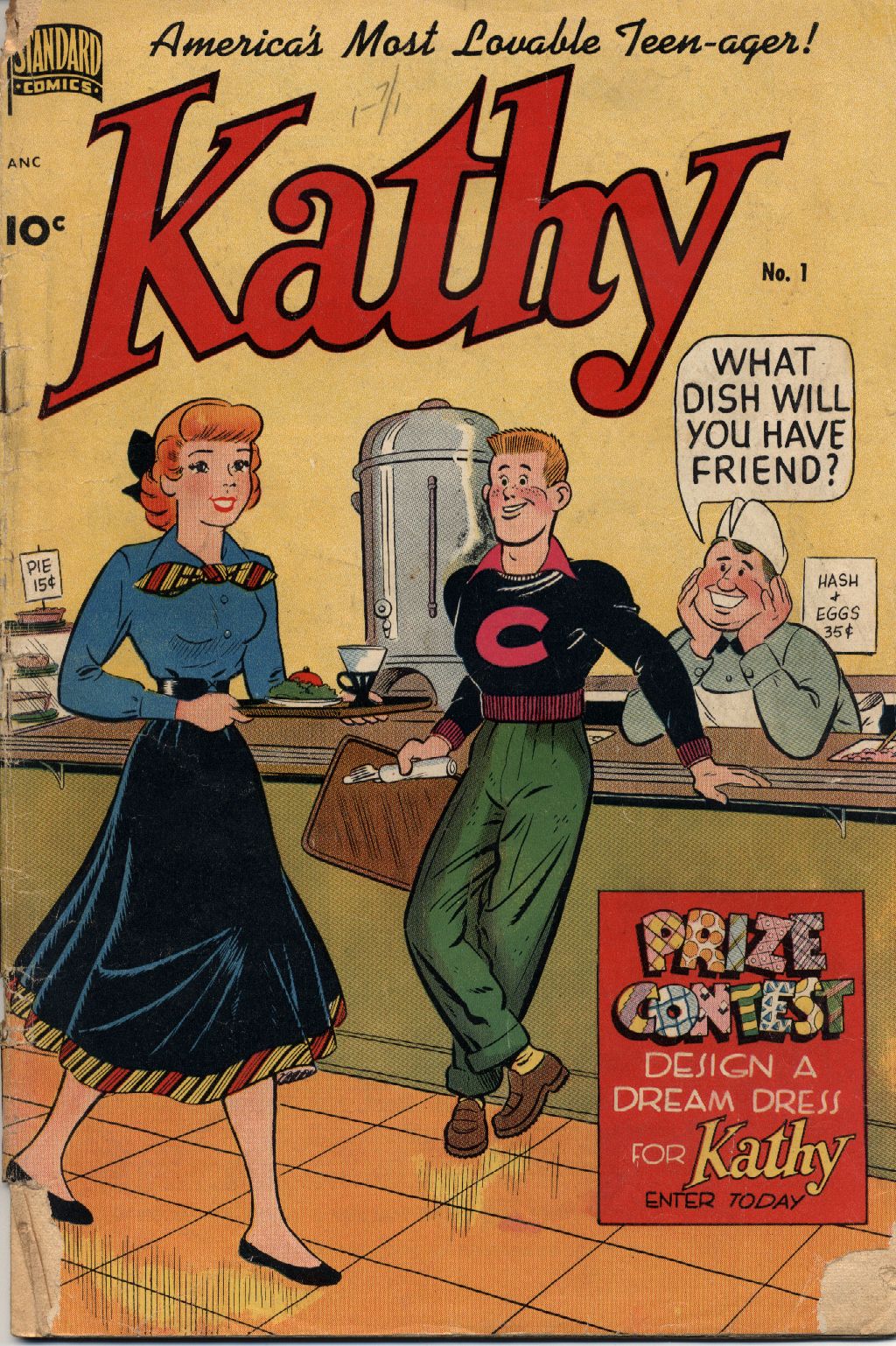
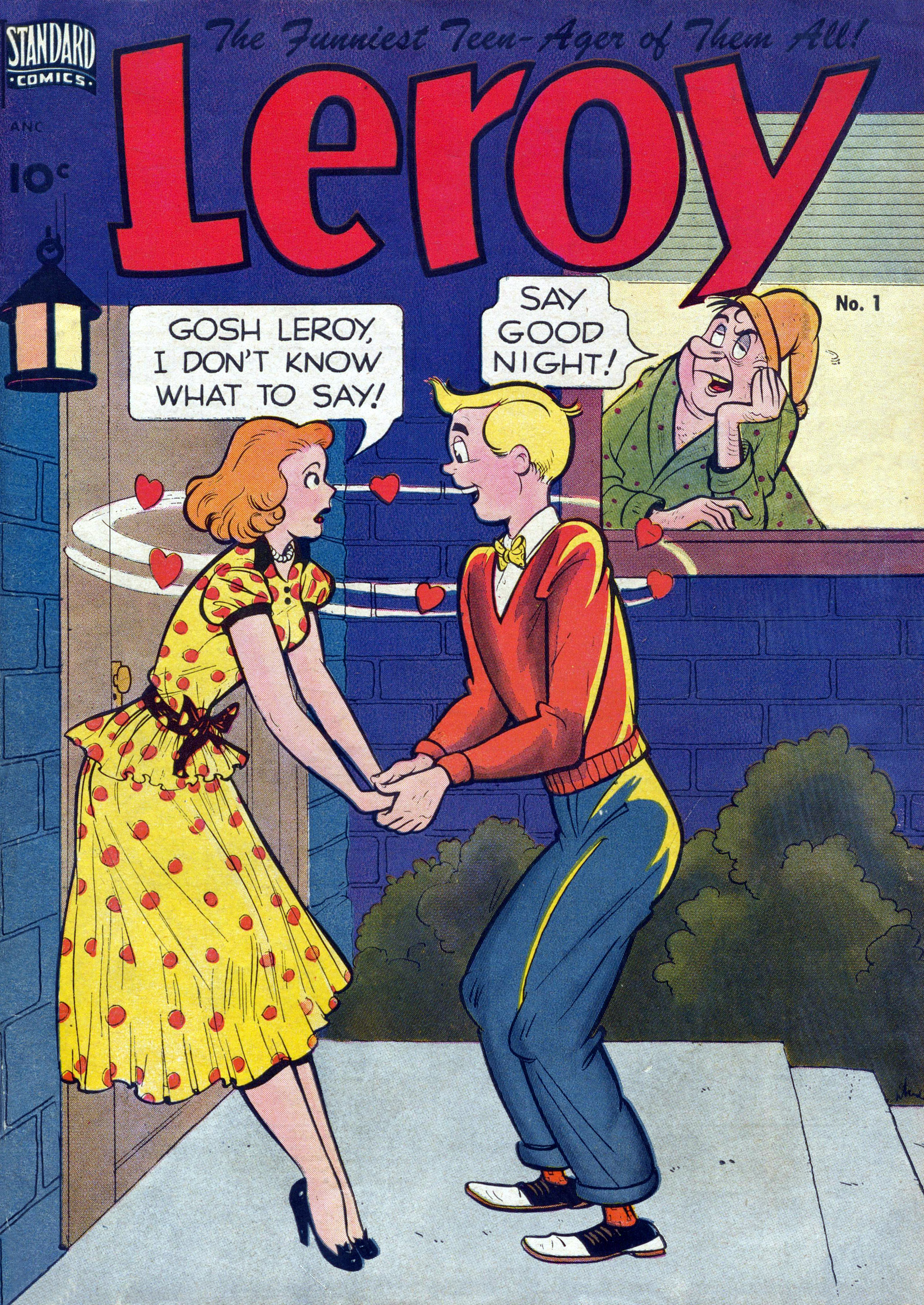
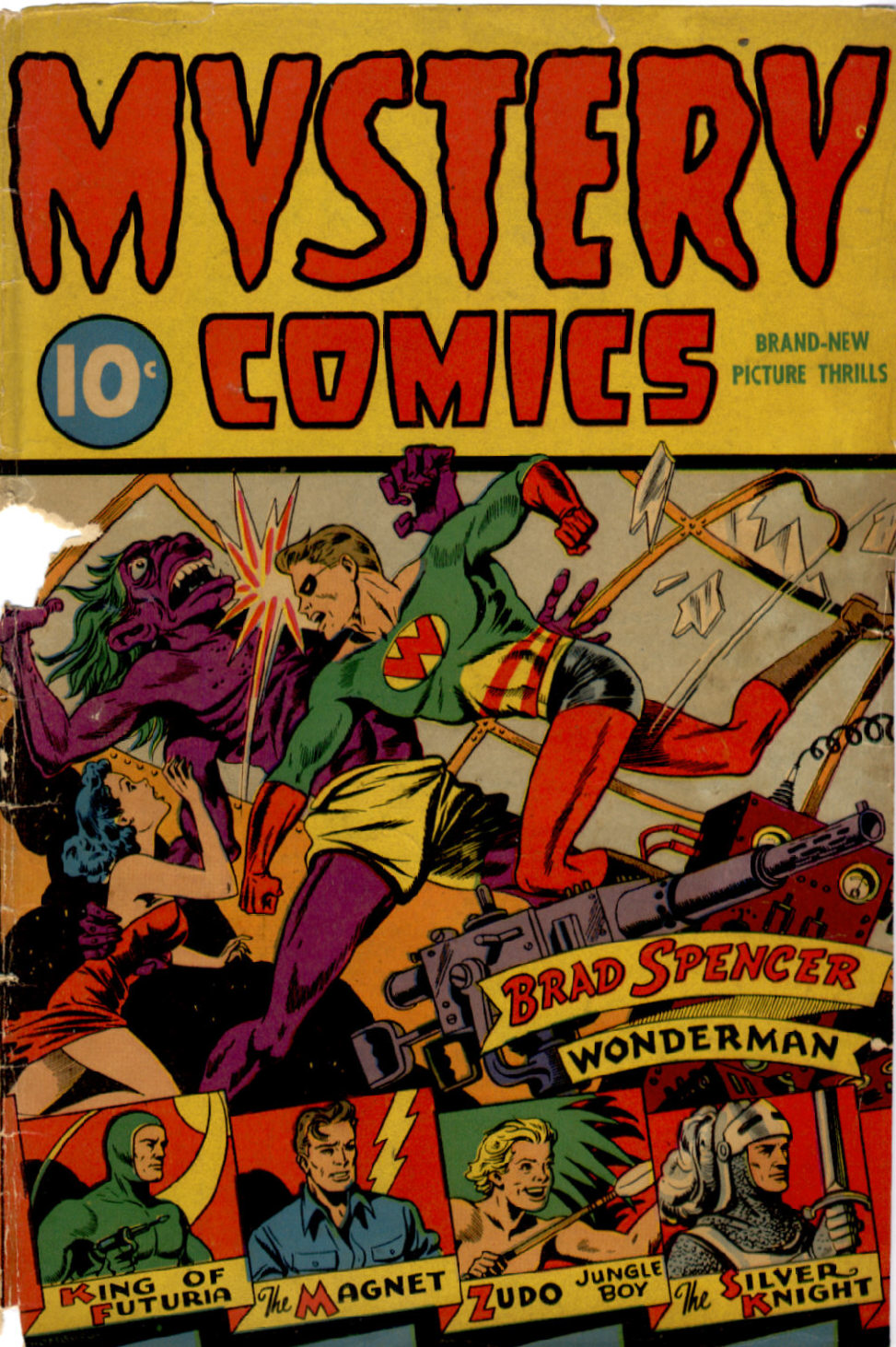
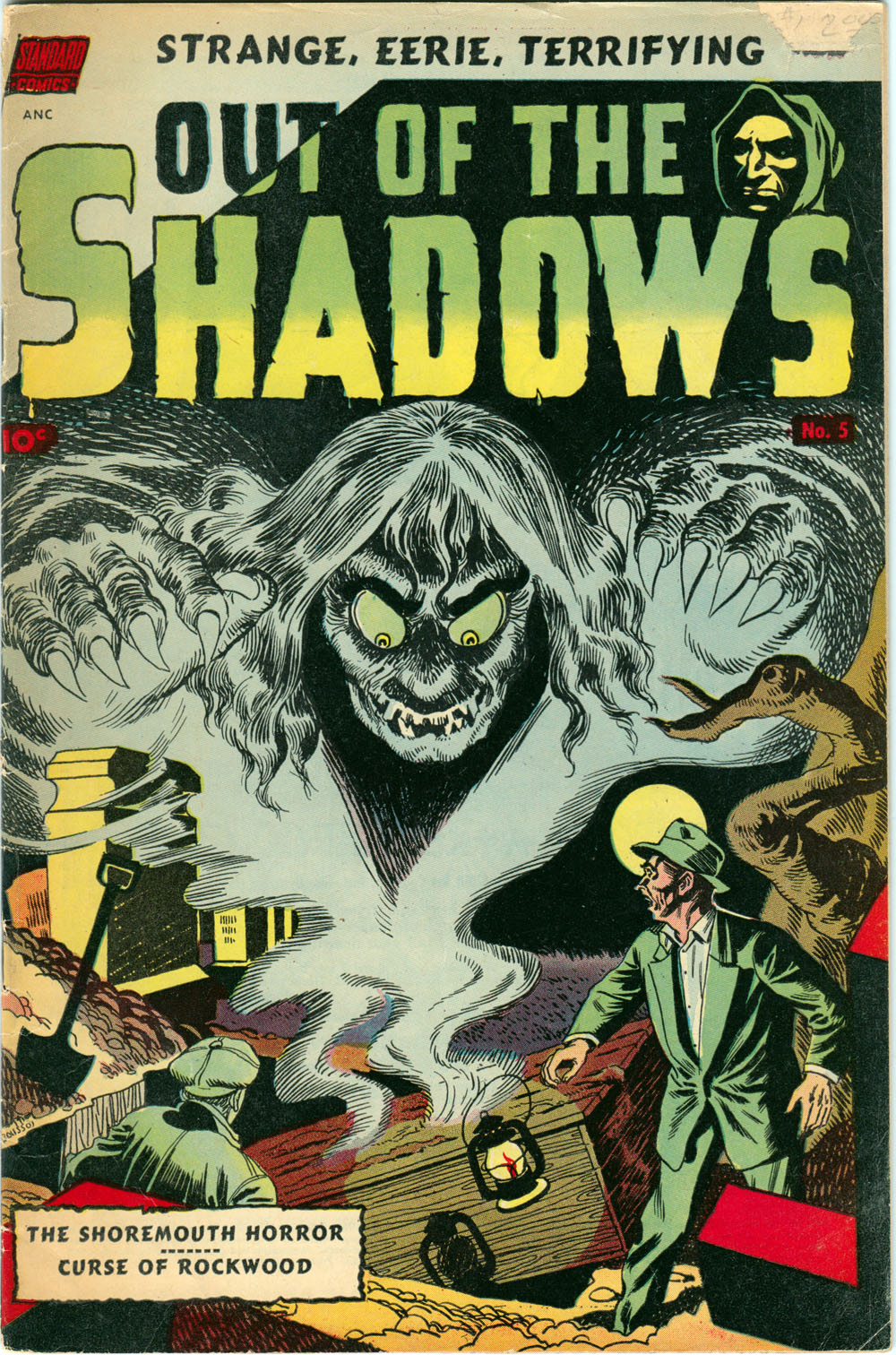
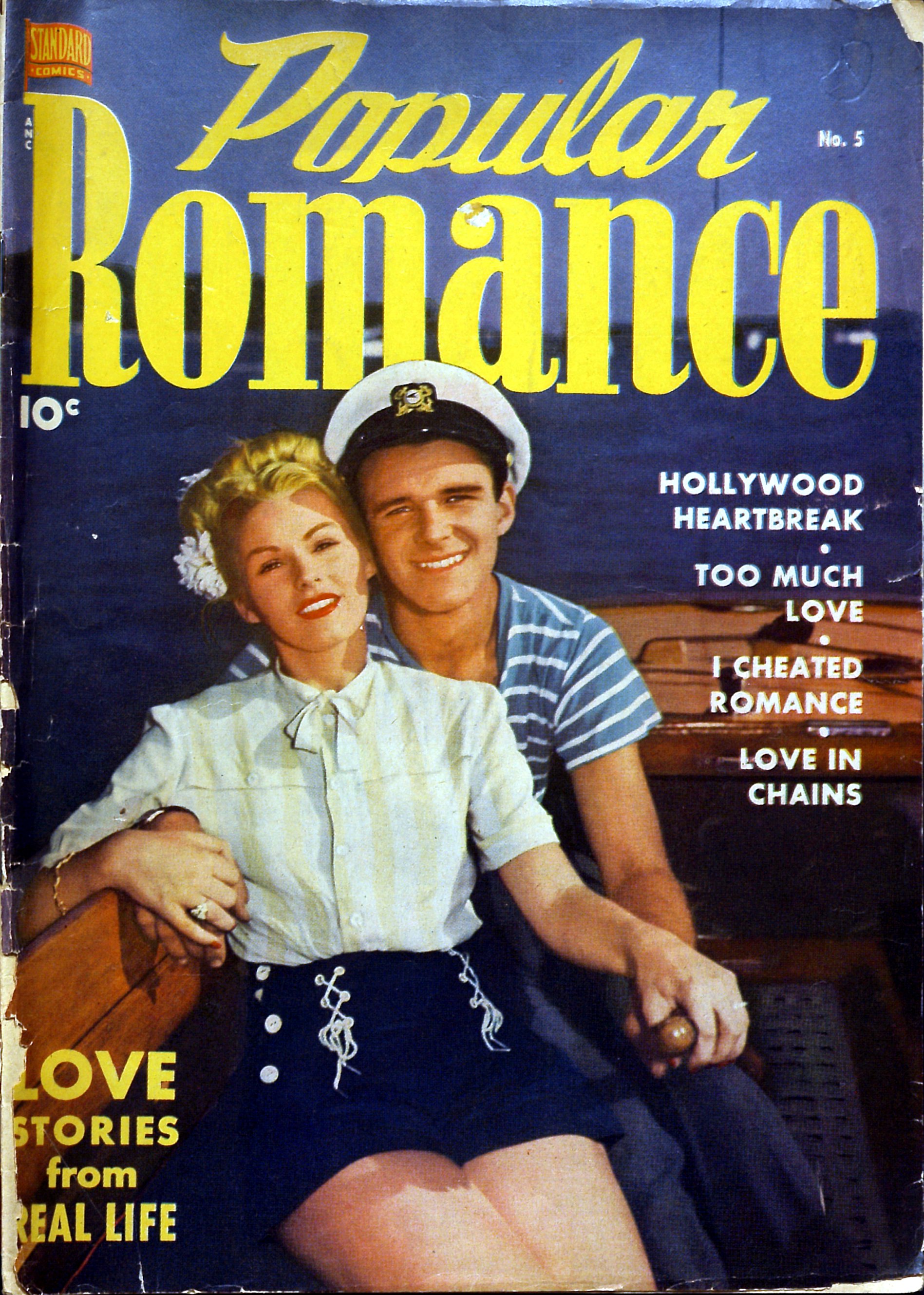
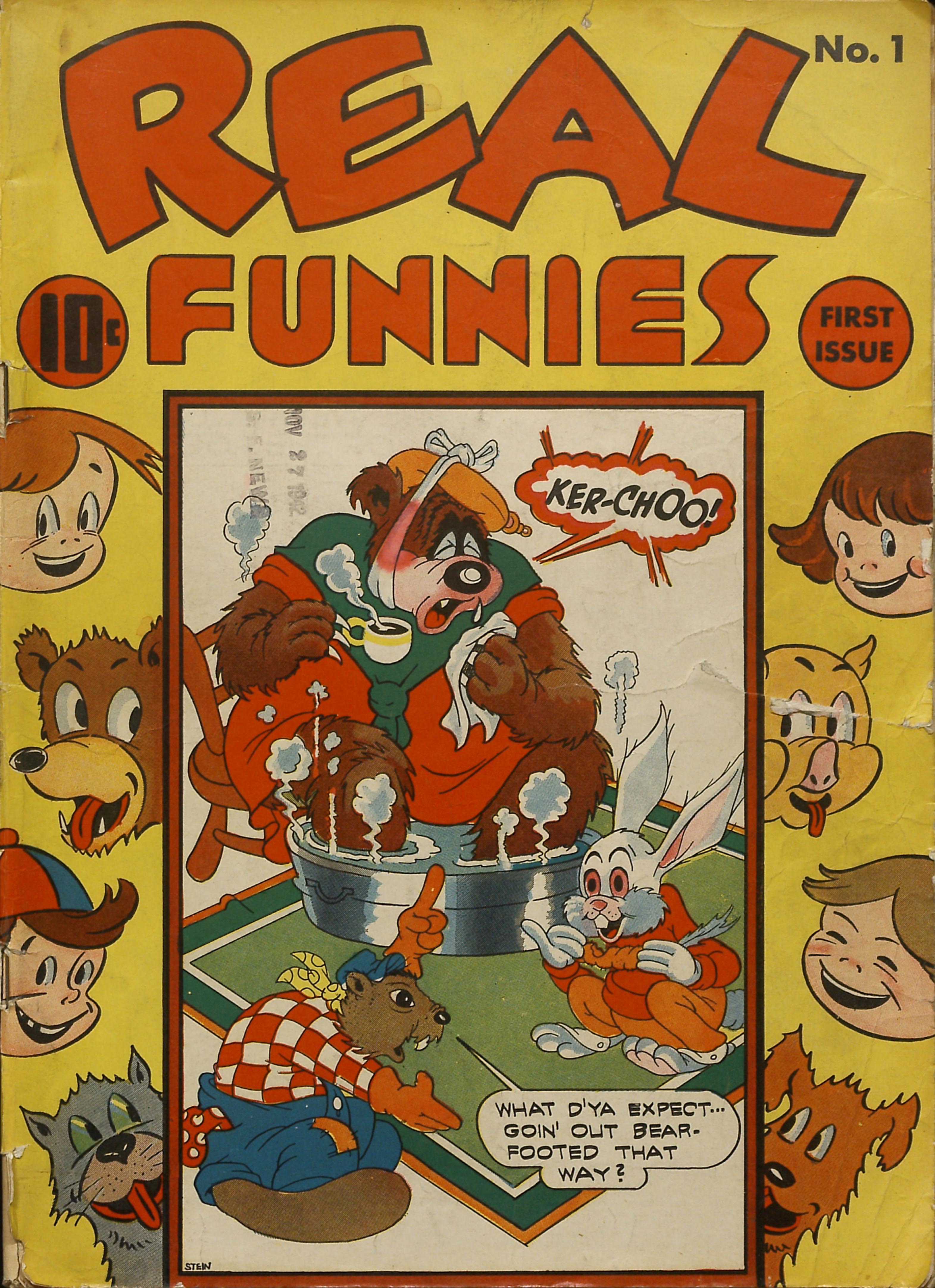
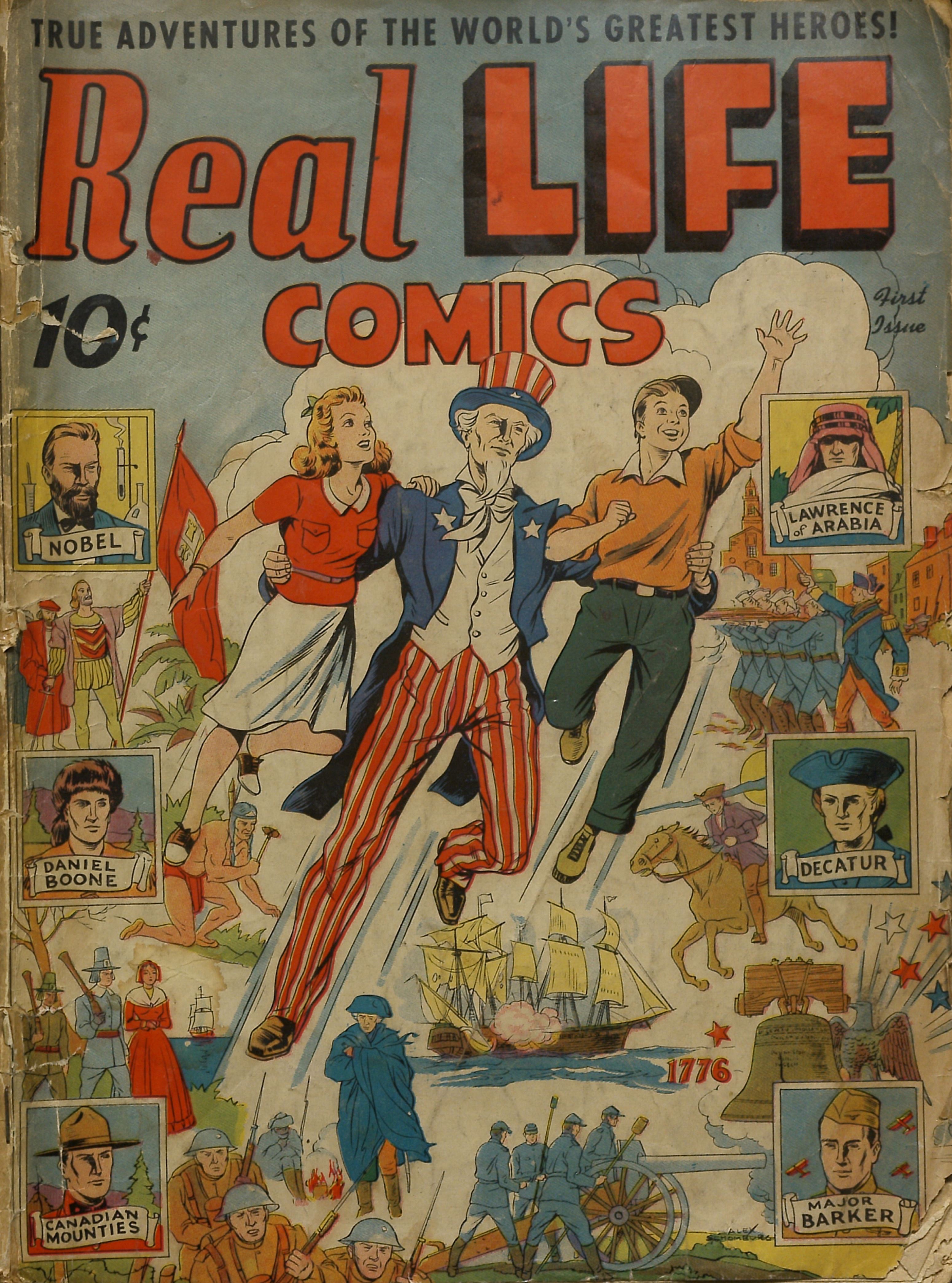
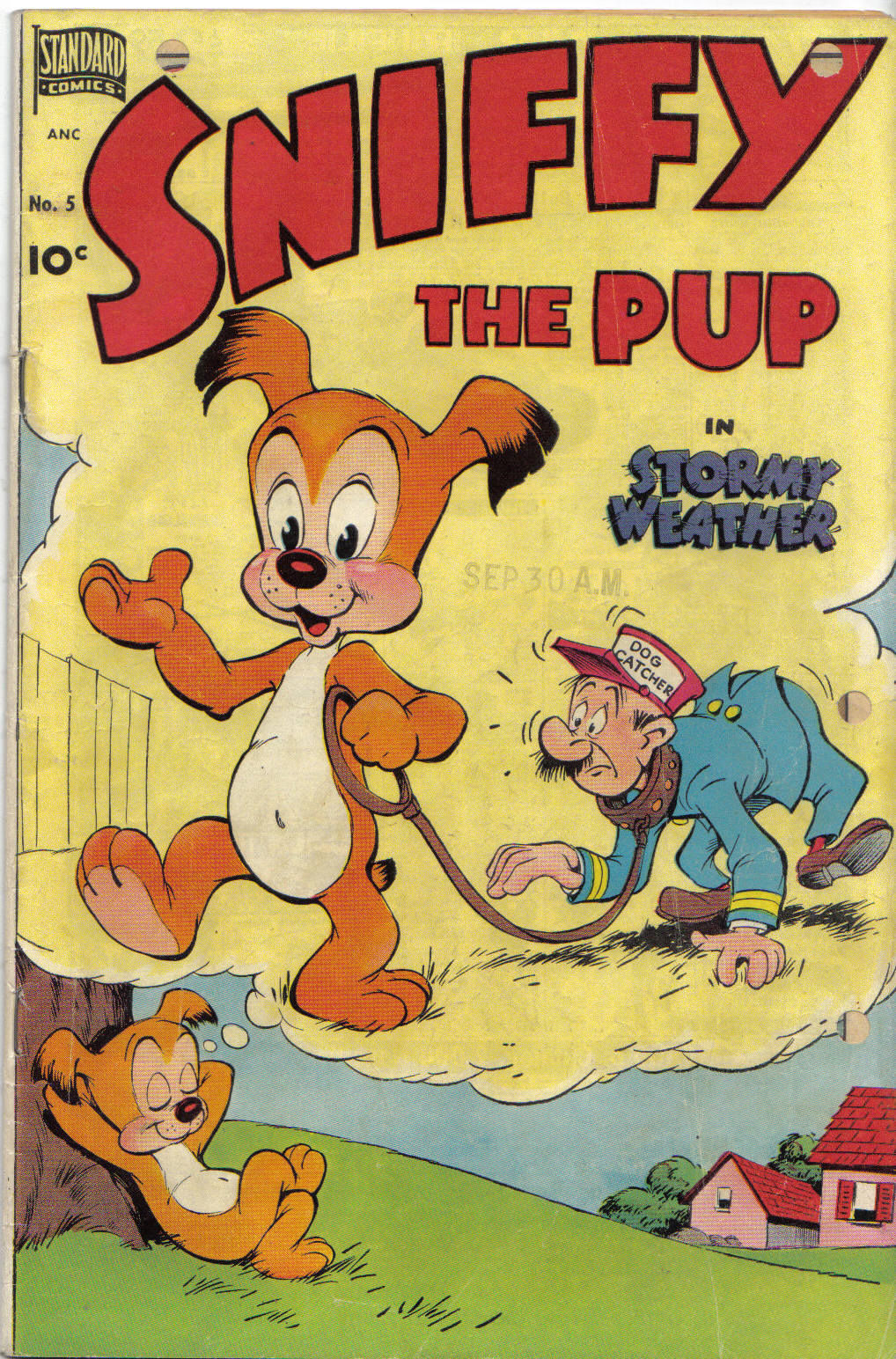
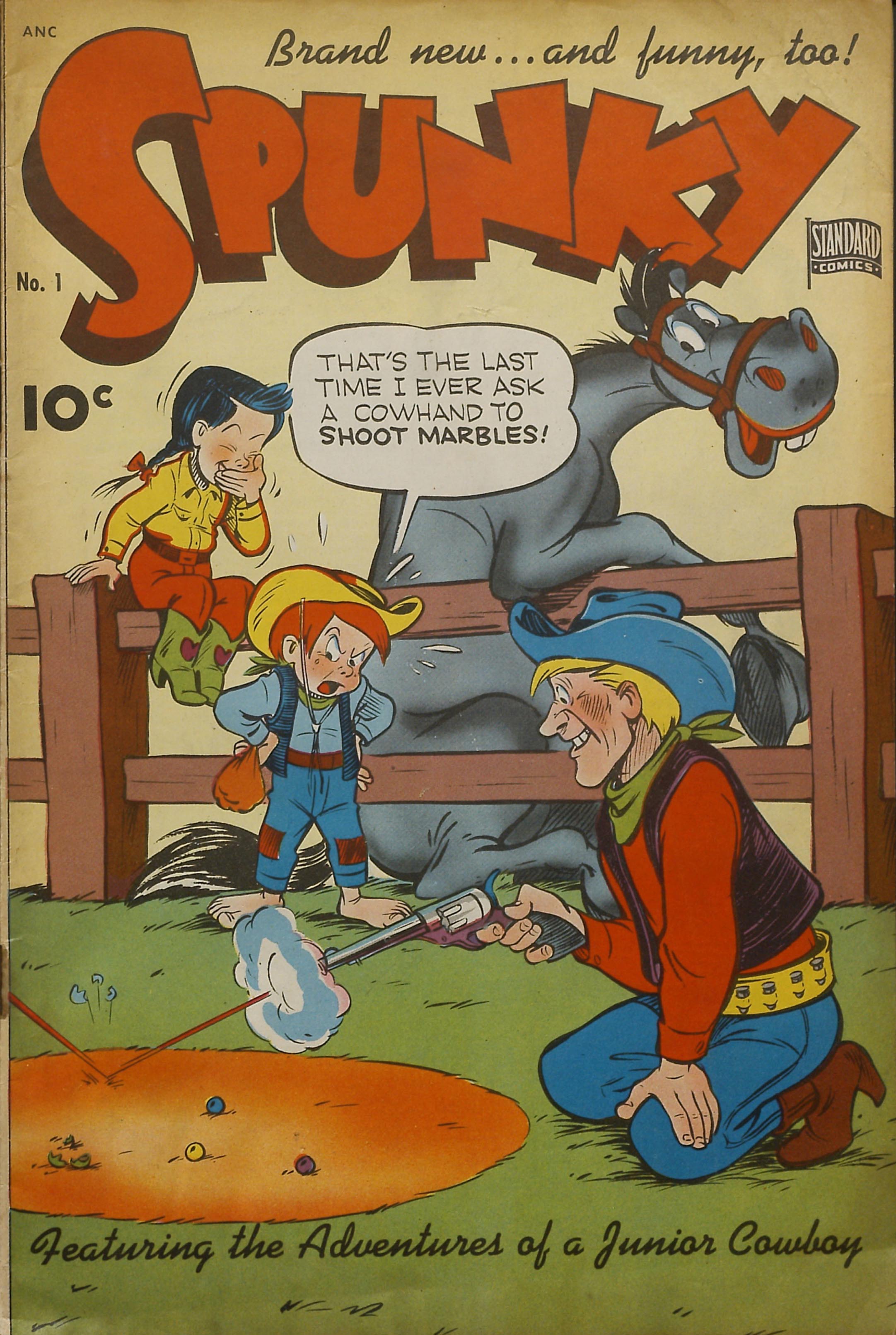
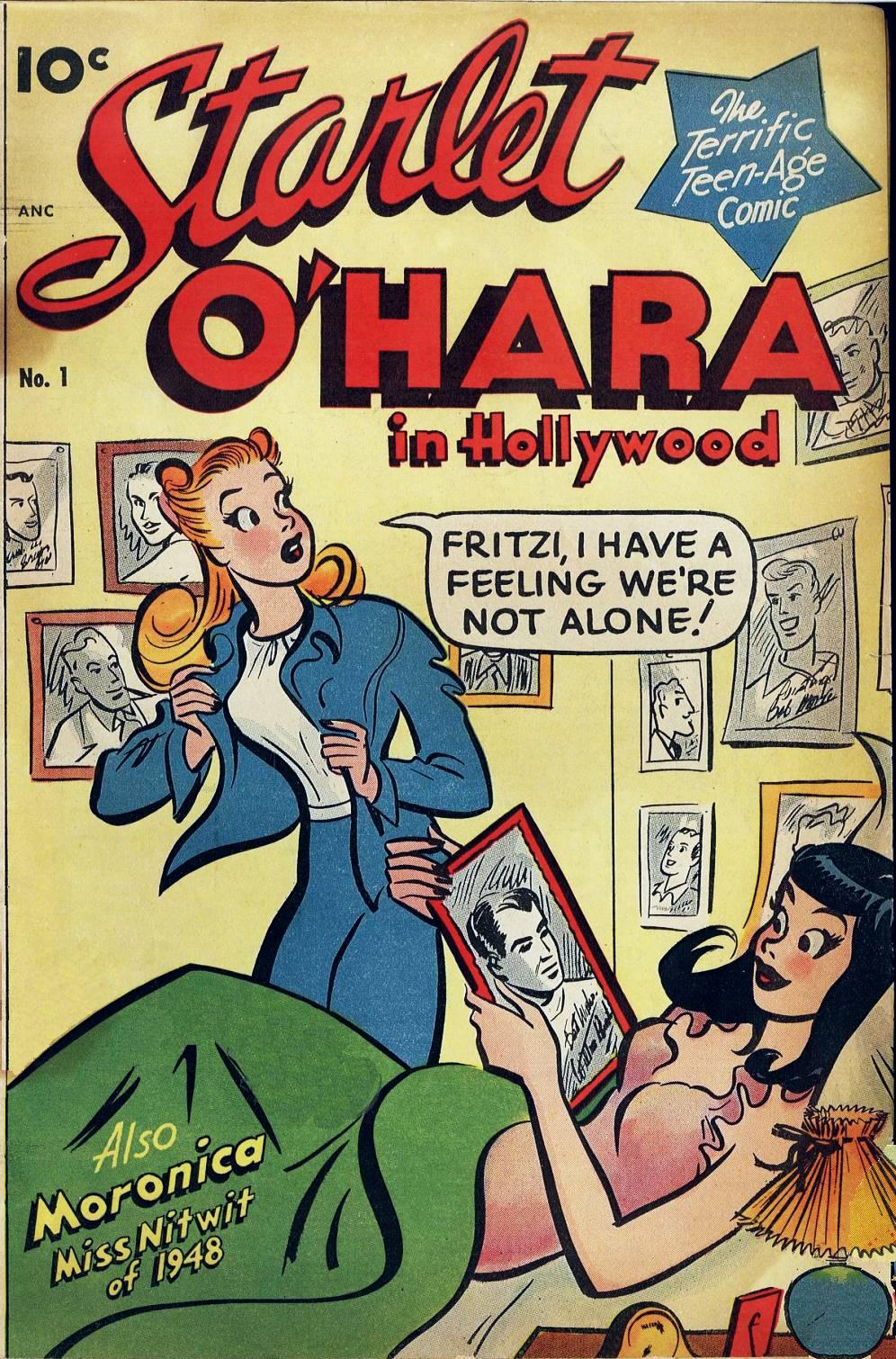
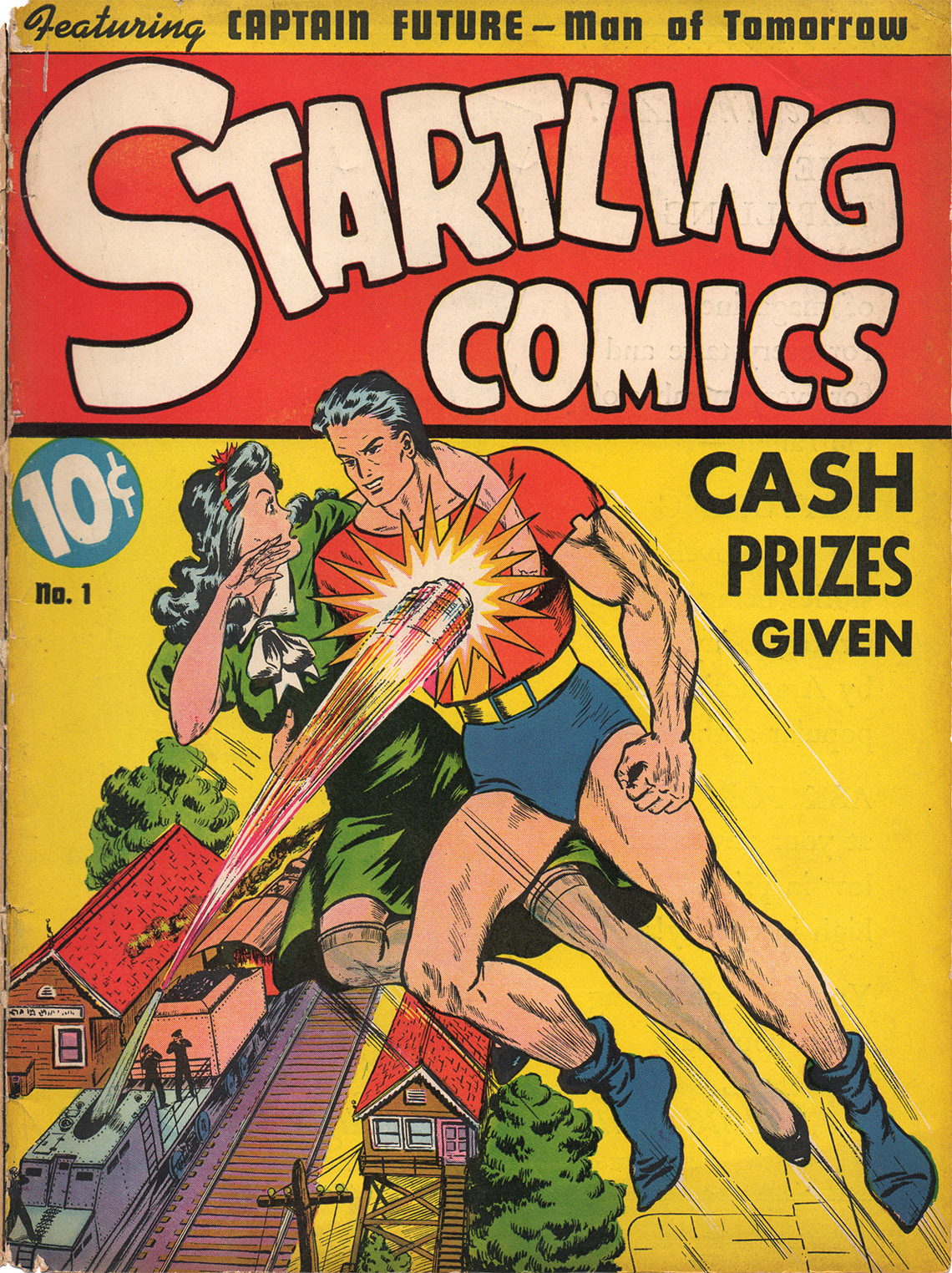
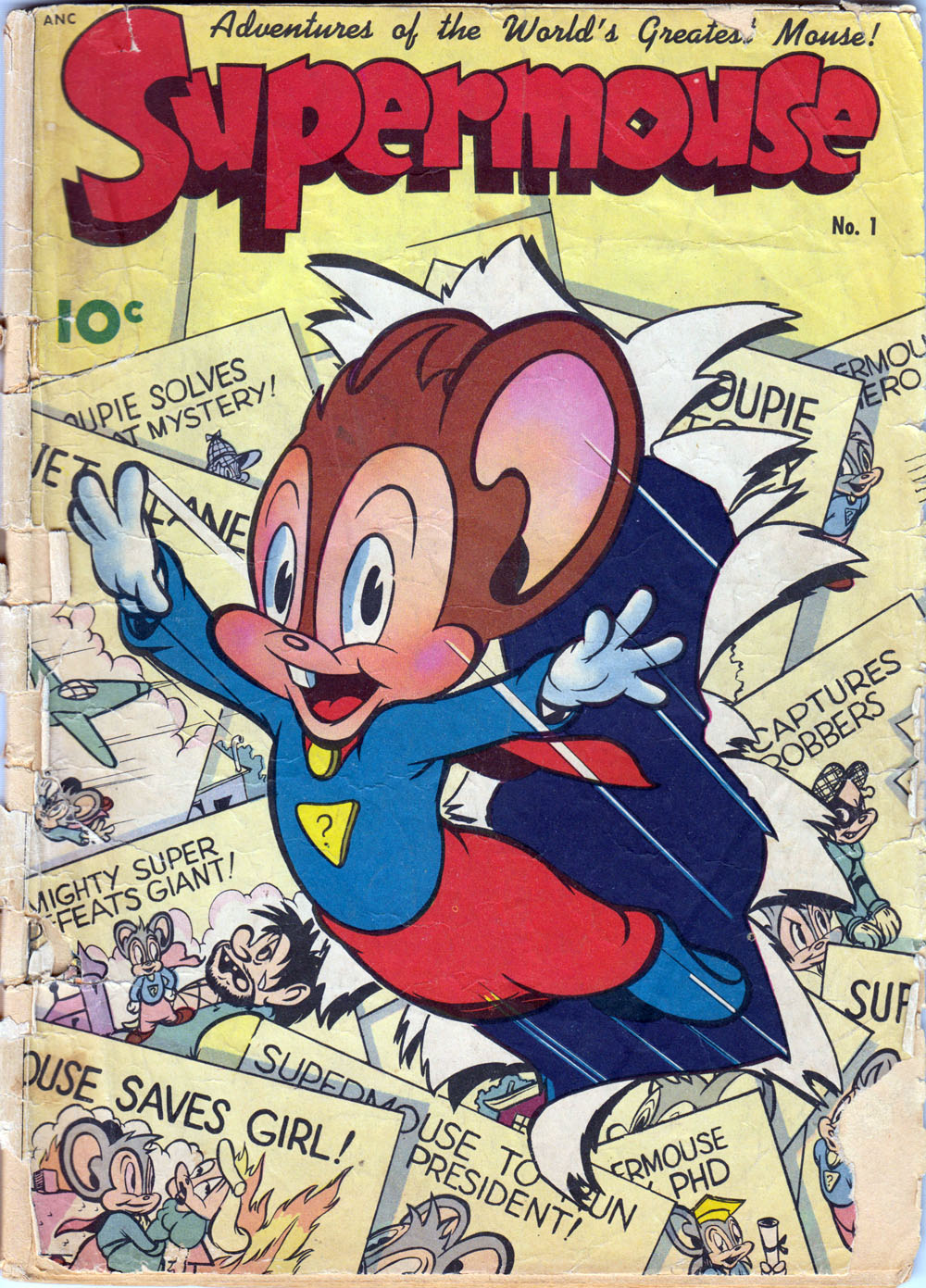
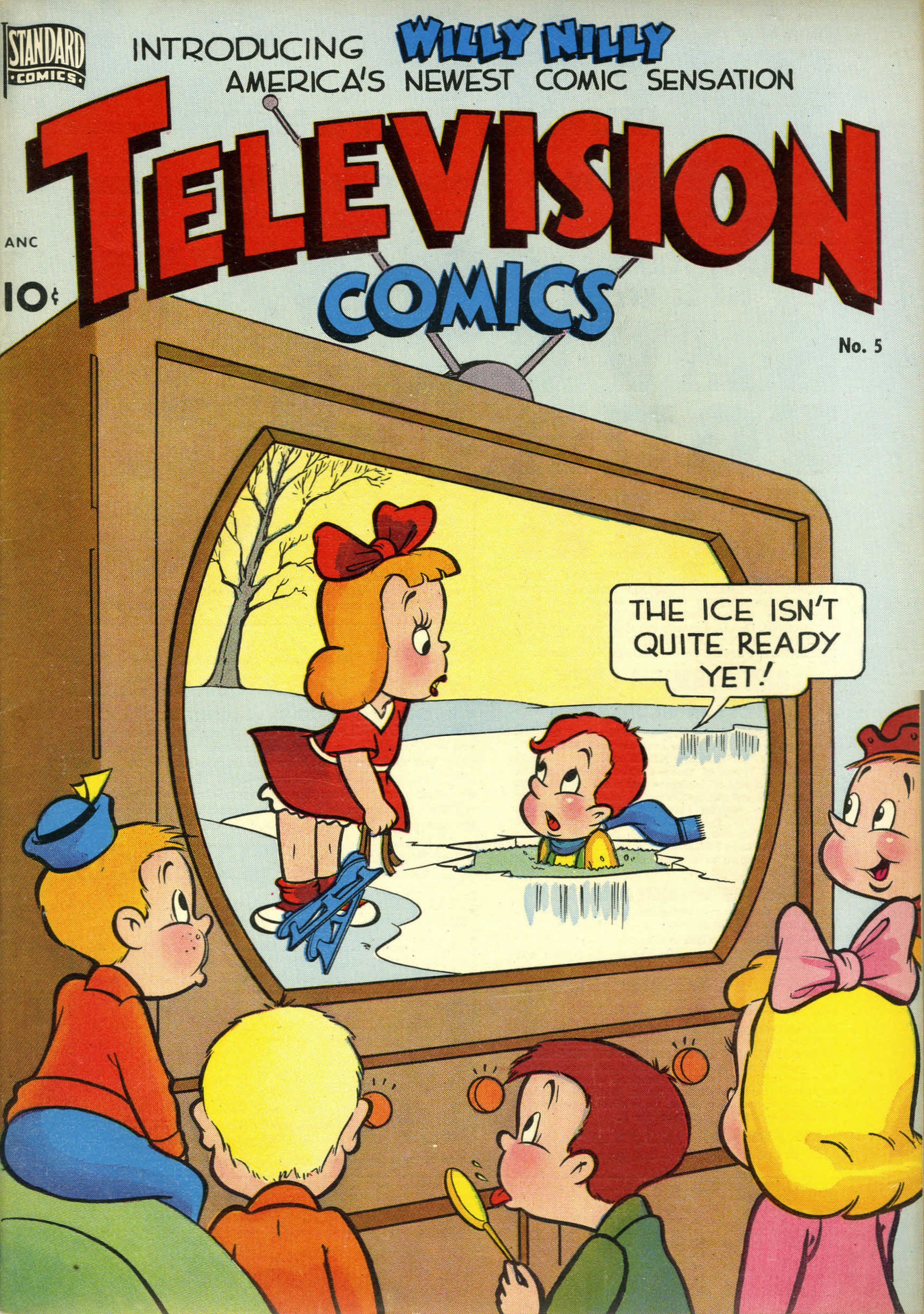
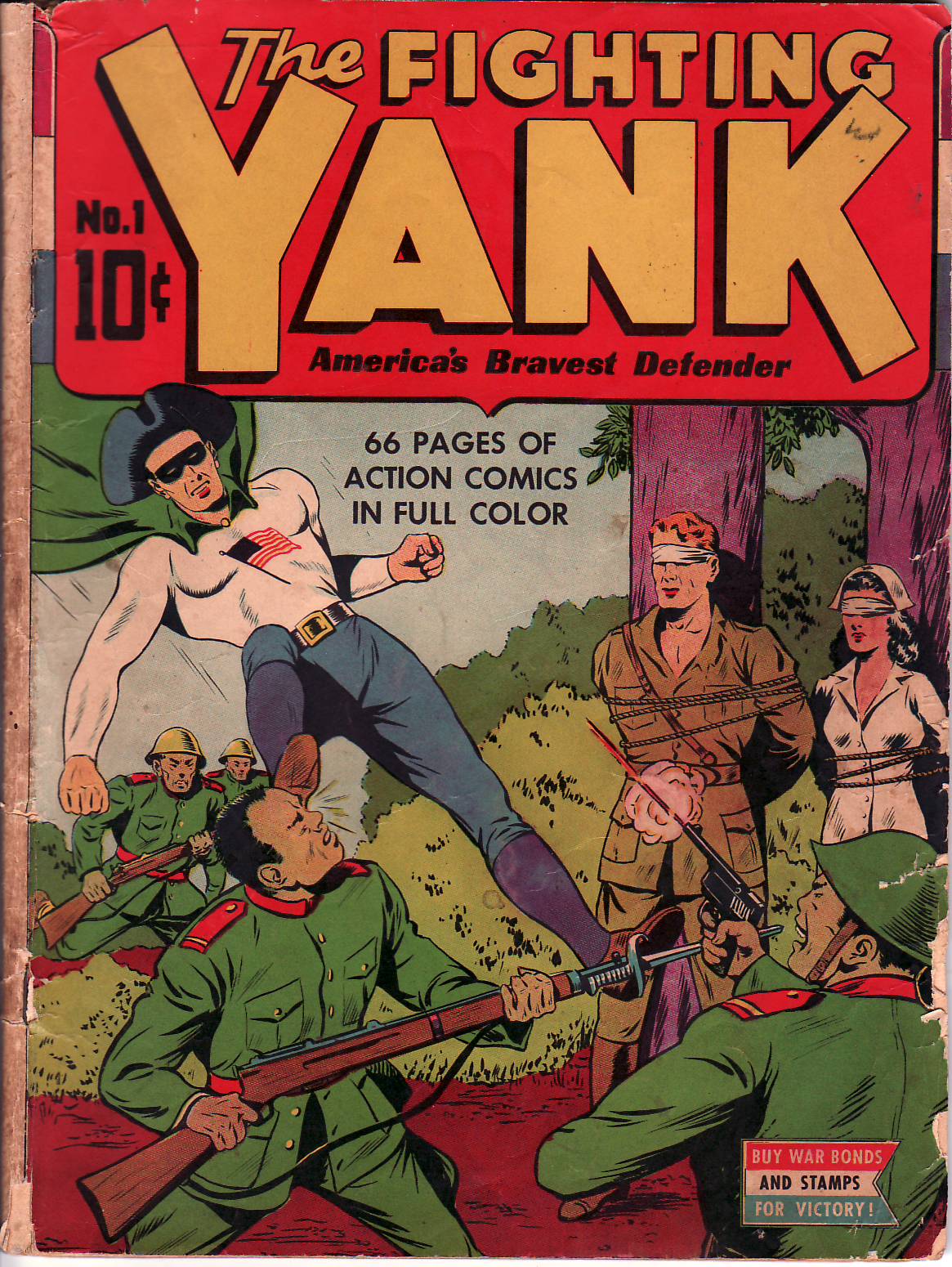
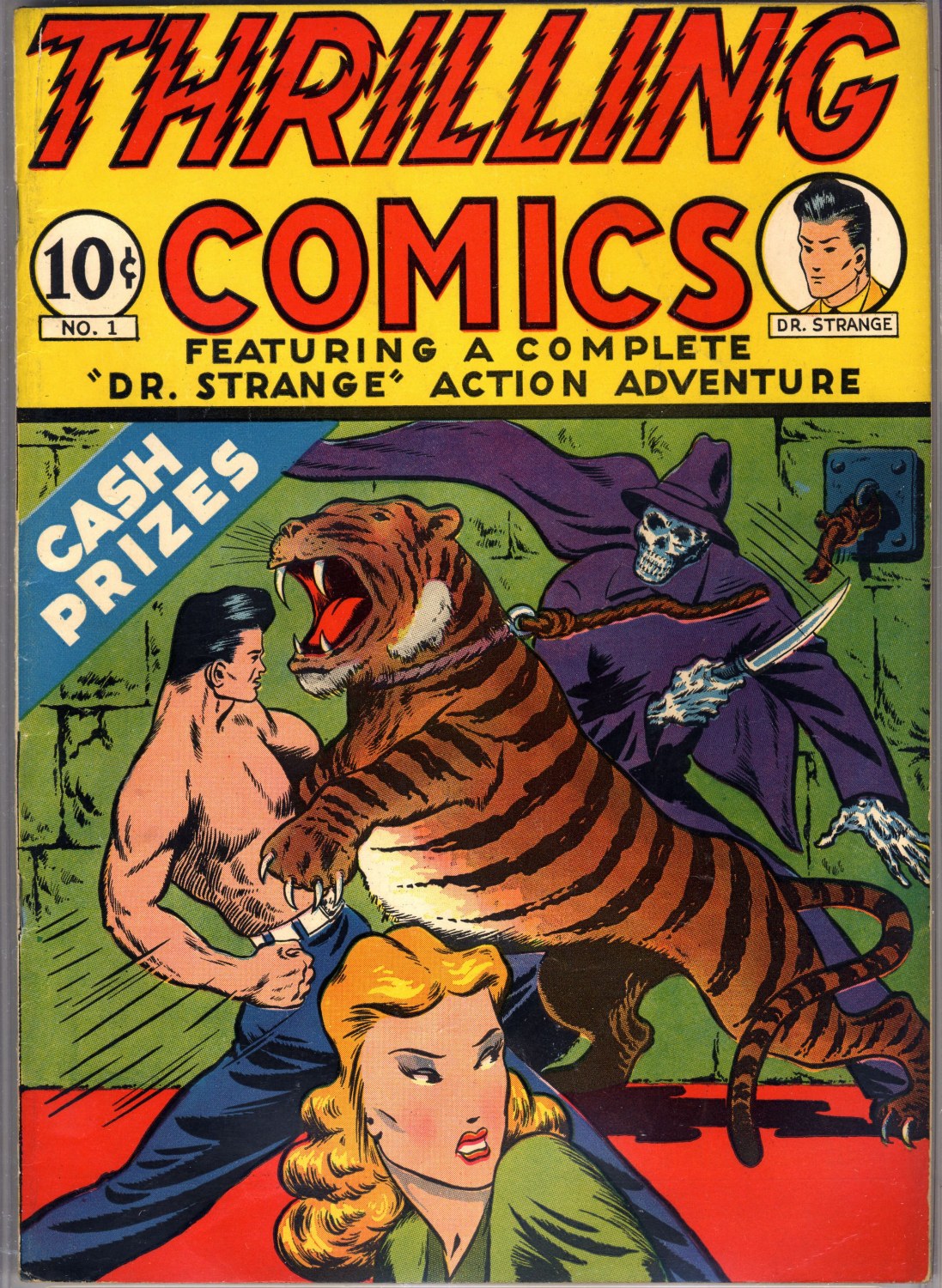
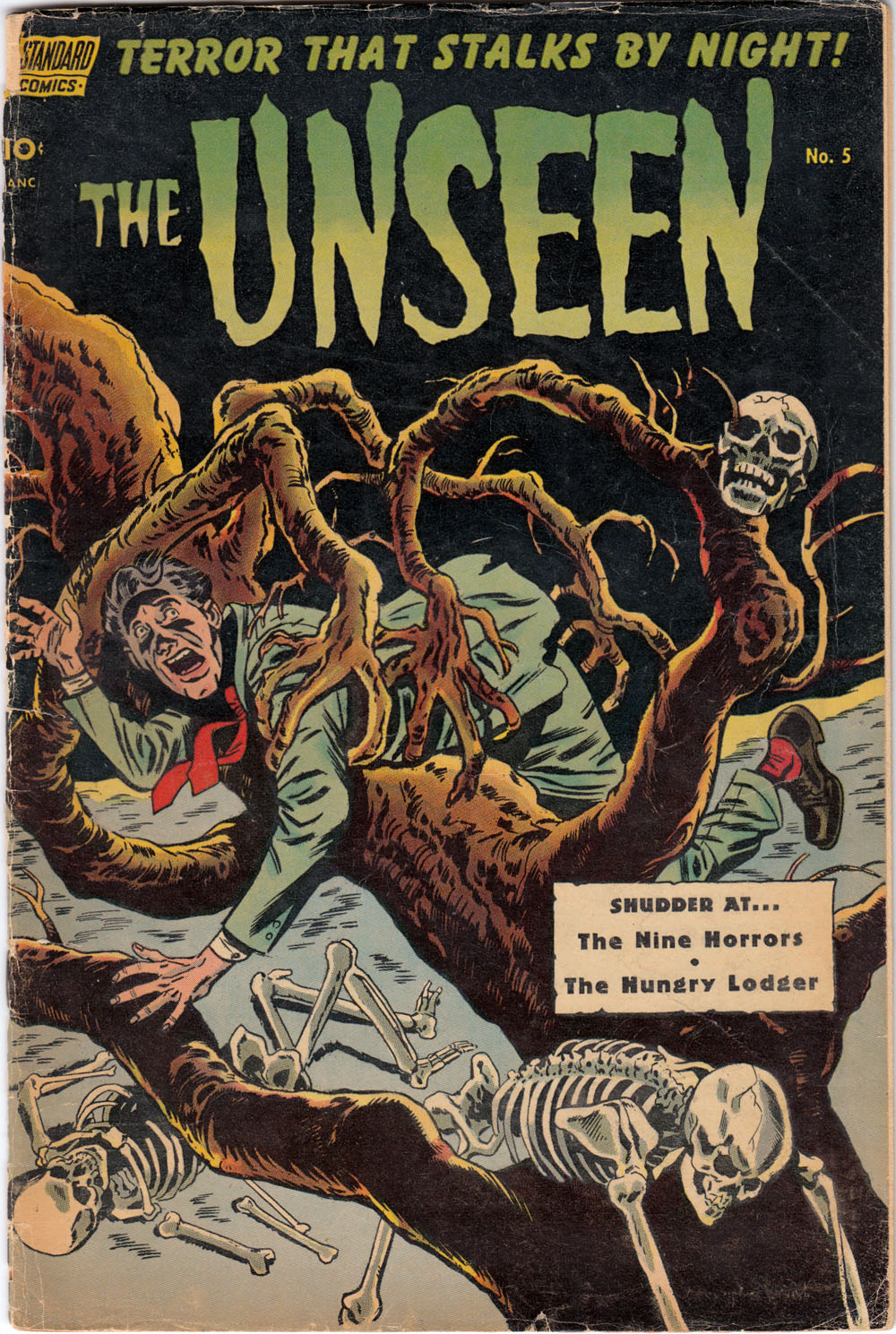
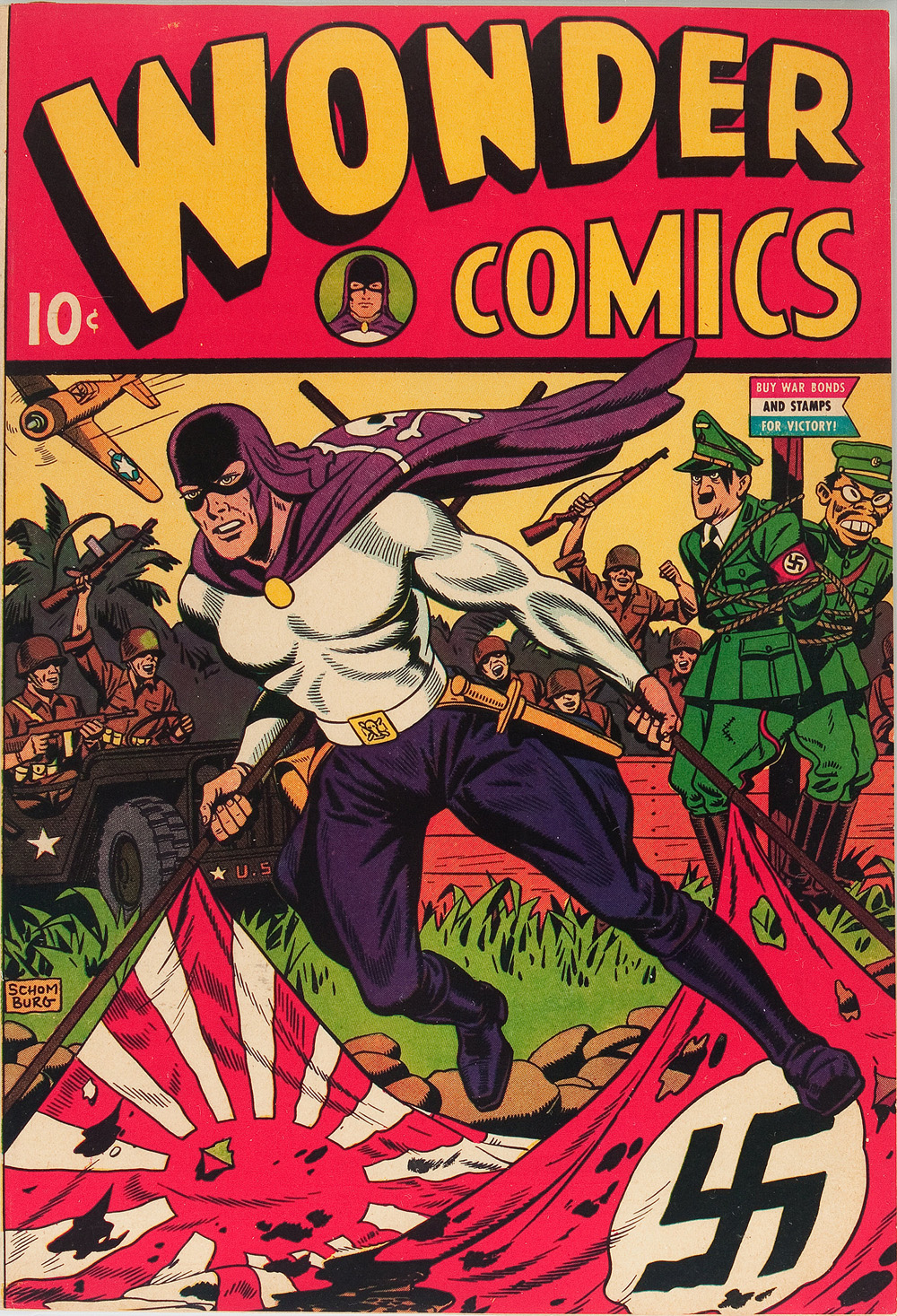
Standard Comics was an American comic book imprint founded by Ned Pines, who was also a publisher of pulp magazines and paperback books. The imprint was a parent company of two comic-book lines, Better and Nedor Publishing, which are often referred to collectively as « Standard/Better/Nedor » by collectors and historians.
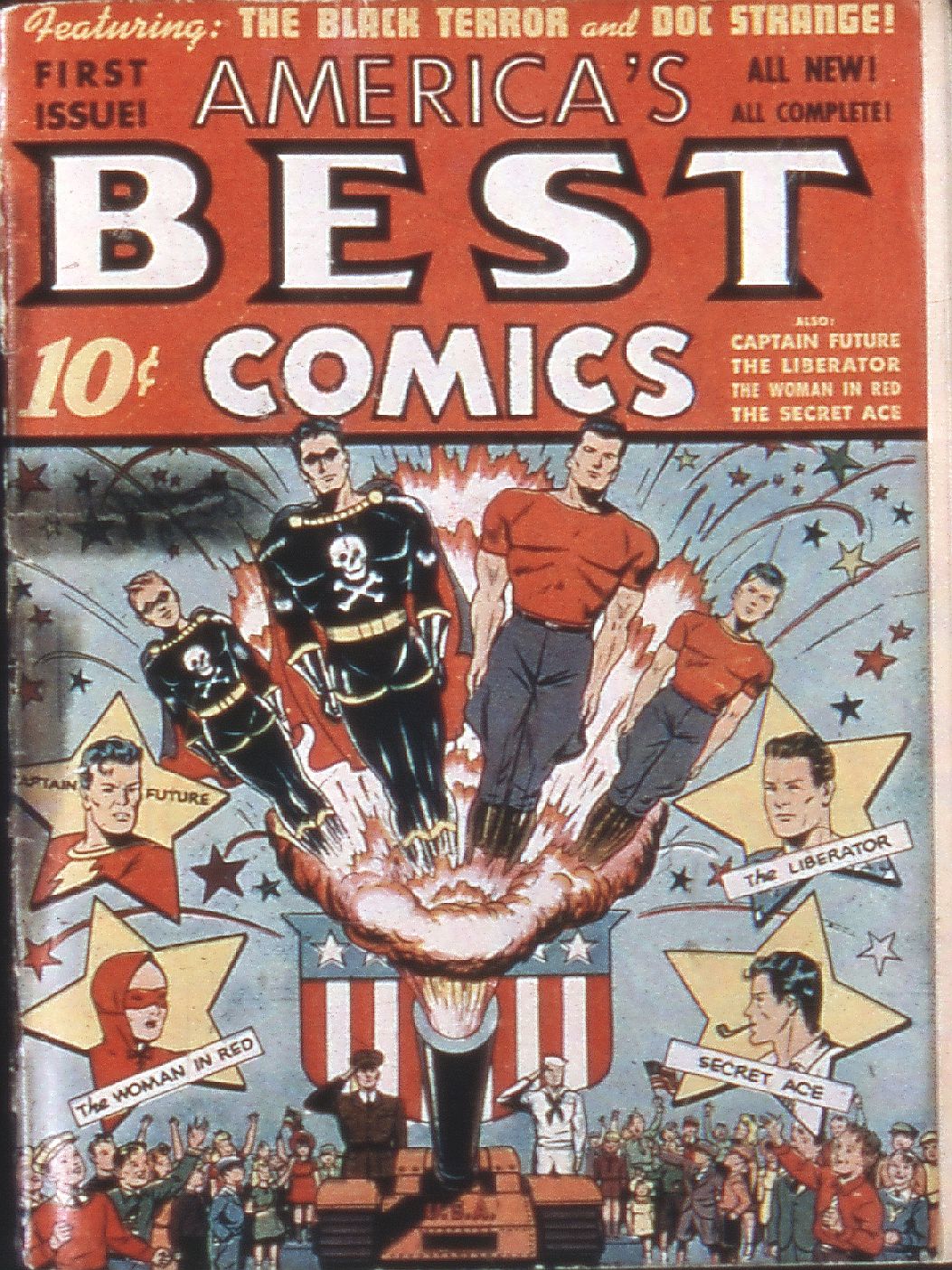
During the Golden Age of comic books from 1939 to 1956, Standard was a prolific publisher. One of its best-known characters, published under the Better imprint, was the Black Terror. In June 1949, Better and Nedor were consolidated as the Standard Comics line and given a new « Standard Comics » flag-like cover logo. Previously, the titles had no publisher logo.
Standard Comics continued to publish until 1956 when it ended its operations. Afterward, only two titles continued under the Pines Comics imprint. Pines Comics also incorporated several titles from the defunct St. John Publications. However, by 1959, Pines Comics folded, and most of its titles were acquired by other publishers.
Ned Pines’ impact on the comic book industry is notable. His company’s contribution to the Golden Age of comics was significant, and the Standard Comics line was influential in shaping the comic book landscape during its time. Although the company is no longer in existence, its legacy lives on, and its impact on the comic book industry remains significant. The consolidation of Better and Nedor under Standard Comics is an essential chapter in comic book history, showcasing the evolution of publishers and their ability to adapt to the changing industry.








Ned Pine: The Visionary Founder of Pine Publications
Ned Labe Pines, a prominent figure in the publishing industry, was born on March 19, 1905, in Malden, Massachusetts. In 1910, his family relocated to Brooklyn, New York, where his father established himself as a successful businessman. Growing up in a household that valued education and entrepreneurship, Ned Pines developed a passion for literature and a keen eye for business.
In his early years, Ned Pines resided with his family at 29 South Margin Street, later moving to 1430 50th Street. The Pines family experienced significant milestones during this time, with the birth of Ned’s younger brother, Kermit Pines, in 1917. The following year, Ned’s oldest brother, Robert Pines, graduated from Columbia University and served in the U.S. Navy during World War I.
In 1918, the Pines family faced a scandal that garnered national attention. A war profiteering scandal emerged, as it was discovered that 24% of the raincoats supplied by the Pines Rubber Company were defective. This incident brought public scrutiny, but it did not hinder Ned Pines’ future endeavors.
In 1919, The Brooklyn Eagle reported that Troop 161 of Bay Ridge had a monthly newspaper called The Scout Courier. Ned Pines seized the opportunity and established the Scout Courier Printing and Publishing Company in April 1920. This venture allowed him to print scout magazines for various troops, showcasing his entrepreneurial spirit from an early age.
Following his high school graduation in Brooklyn in 1923, Ned Pines enrolled at Columbia University as a freshman. Alongside his studies, he became actively involved in school publications, including College Humor, produced by Collegiate World Publishing Company in Chicago. Pines started a magazine of his own, titled College Life, and founded The Collegian Press, a publishing company. During this time, he partnered with his brother Robert Pines to publish College Life for the Collegian Press.
In 1930, Ned Pines founded the Modern Sports Publishing Company, which produced titles such as « Contract Bridge Made Easy, » « Fifty Games of Cards and How to Play Them, » « Girl Rackets, » and a humor magazine called « Tickles. » The same year, his brother Robert Pines established Metropolitan Magazines, introducing publications like « Thrilling Love » and « Thrilling Detective. »
Ned Pines made a significant addition to his publishing team in 1932 when he hired Leo Margulies as the chief editor. By 1933, Pines’ publishing company was known as Standard Magazines, with offices located at 570 Seventh Avenue. In 1934, Dell Publishing Company acquired College Humor from Collegiate World Publishing Company but later sold it to Ned Pines in 1935. Pines continued to publish the magazine under the name Collegian Press.
During his career, Ned Pines expanded his publishing empire, establishing various magazines under different company names. However, in May 1936, a rival publisher introduced Ace G-Man Stories, leading Pines to file a copyright infringement lawsuit against Henry Steeger.
Despite facing legal challenges, Ned Pines persevered and continued to grow his publishing endeavors. He purchased the entire output of a paper mill at low prices and discovered that selling the paper in the form of pulp magazines yielded the best profit. His efforts resulted in a vast catalog of publications, with approximately thirty titles and a combined circulation of two million copies.
In addition to his publishing ventures, Ned Pines ventured into other industries. In 1923, he organized a resort development scheme in New Jersey, but faced legal troubles that resulted in a conviction, two years of imprisonment, and a fine of $1,000. Despite this setback, Pines remained undeterred and continued to make significant contributions to the publishing world.
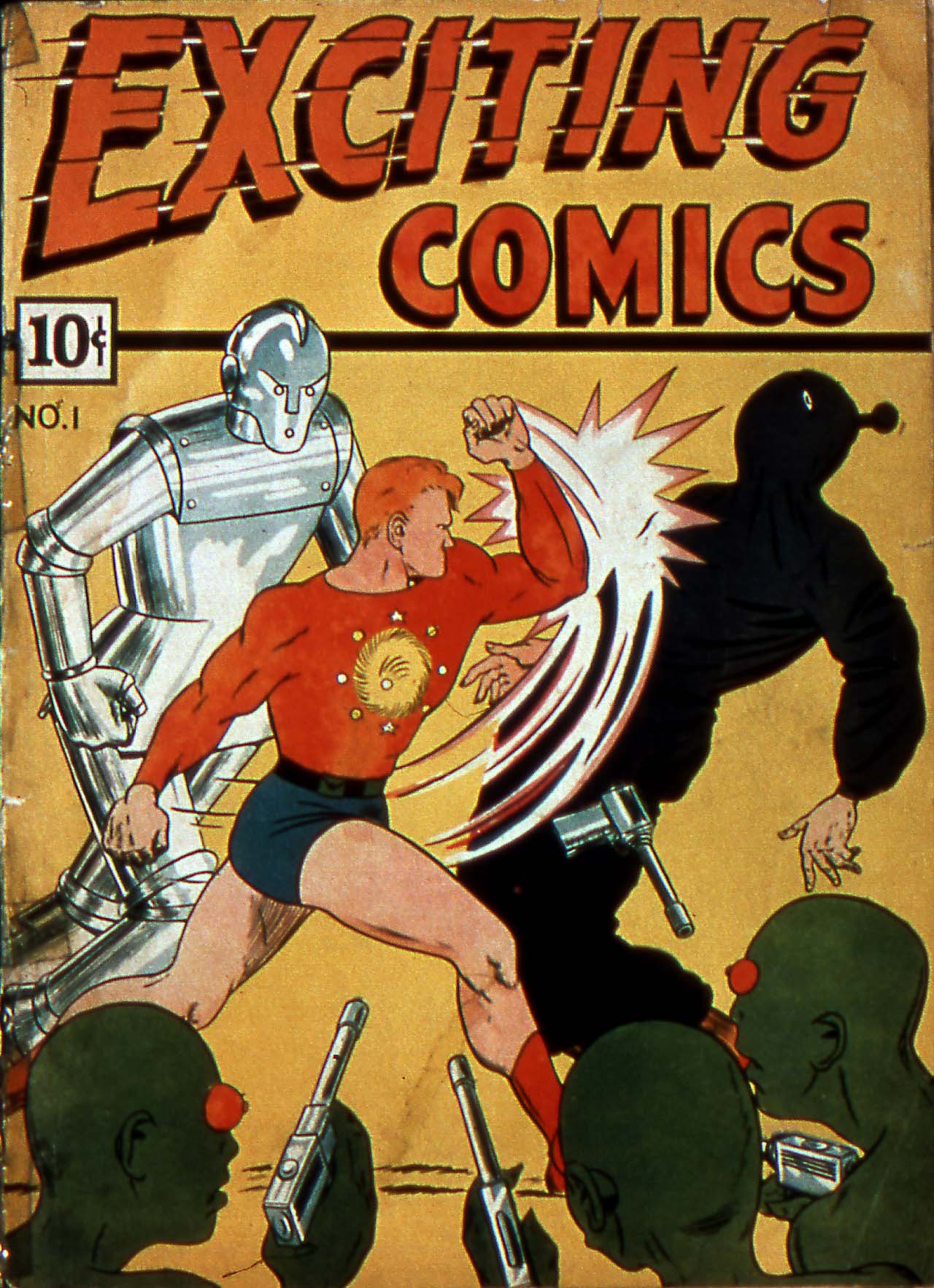
In collaboration with Benjamin Sangor, Ned Pines founded Nedor Publishing, which produced popular titles such as « Thrilling Comics » and « Exciting Comics. » These publications captivated readers with their thrilling stories and captivating artwork.
By the 1940s, Ned Pines had established himself as a successful publisher with a wide range of magazines under his belt. The June 1940 issue of « Exciting Comics » featured a full-page advertisement showcasing numerous periodicals, including Ned Pines’ own publications such as « Black Book Detective, » « Captain Future, » « Detective Novels, » « The Ghost Super-Detective, » « G-Men Detective, » « The Lone Eagle, » « Masked Rider Western, » « Phantom Detective, » « Popular Detective, » « Popular Love, » « Popular Sports, » « Popular Western, » and « Sky Fighters. »
When World War II began, Ned Pines was a 37-year-old married man and the proud father of two infant daughters. In recognition of his capabilities, his father-in-law made him a co-owner of ACG (American Comics Group) located at 45 West 45th Street.
Ned Pines’ business acumen extended beyond comics and magazines. In 1952, he acquired Silver Screen and Screenland Magazines from Public News Company. This move expanded Pines’ publishing portfolio, demonstrating his ability to adapt to changing market demands.
Ned Pines’ achievements did not go unnoticed by his peers in the industry. On June 2, 1960, he was elected chairman of the Eastern Life Insurance Company of New York, reflecting his diverse business interests and leadership capabilities. Additionally, Pines served as a member of the board of the Magazine Publishers Association, further solidifying his influence and involvement within the publishing community.
After a successful and accomplished career, Ned Pines decided to retire from publishing in 1971. He devoted several months of each year to his passion for art collection, particularly focusing on European modern art. Pines’ retirement allowed him to indulge in his personal interests and enjoy the fruits of his labor.
Ned Pines’ contributions to the publishing industry left an enduring legacy. His entrepreneurial spirit, commitment to quality, and ability to identify market opportunities allowed him to build a publishing empire encompassing numerous magazines and comics. His dedication to bringing thrilling stories and entertaining content to readers has influenced generations of avid readers and aspiring writers.
Today, the impact of Ned Pines’ work continues to be felt within the publishing world. His keen business sense, creativity, and unwavering determination serve as an inspiration for aspiring publishers and entrepreneurs seeking to make their mark in the ever-evolving realm of print and digital media.

 Initiative Oméga