

Étiquette : zorusson
-

« L’Héroïsme Redéfini
Le Mouvement RLSH et son Rôle dans la Société Moderne »

Superhero AKA Dale Pople R.I.P. Introduction
Le mouvement RLSH, ou « Real Life Superhero », est un phénomène social qui transcende les frontières de la fiction et de la réalité. Inspirés par les super-héros de bandes dessinées, des individus du monde entier ont adopté des alter ego costumés pour s’engager dans des actes de bienfaisance et d’intervention civique. Ce mouvement, bien que non conventionnel, a pris de l’ampleur et a trouvé une résonance particulière à une époque marquée par l’incertitude socio-économique.
Les super-héros incarnent des valeurs universelles telles que la justice, le courage et l’altruisme. Ils représentent l’idéal humain, luttant contre les forces du mal et défendant les opprimés. Le mouvement RLSH s’efforce de traduire ces idéaux en actions concrètes, permettant aux individus de devenir des héros dans leur propre vie et dans leur communauté.
L’importance du mouvement RLSH ne se limite pas à la simple imitation de personnages fictifs. Il s’agit d’une expression profonde du désir humain de faire une différence, de prendre en main les problèmes de la société et de contribuer positivement à la communauté. À une époque où de nombreuses personnes se sentent impuissantes face aux défis mondiaux, le mouvement RLSH offre un modèle d’engagement et d’empowerment.
Ce mouvement soulève également des questions importantes sur l’identité, la responsabilité et la moralité dans le monde moderne. Il défie les conventions sociales et offre une perspective unique sur ce que signifie être un citoyen actif et responsable. Dans cet essai, nous explorerons les origines, l’évolution, les profils notables, la pertinence, les critiques et les controverses du mouvement RLSH.
Origines et évolution du mouvement RLSH
Influence de la culture populaire
Le mouvement Real Life Super Heroes (RLSH) est un phénomène culturel unique qui a émergé à la fin du XXe siècle. Il s’agit d’individus qui, inspirés par les super-héros de la bande dessinée et du cinéma, adoptent des alter ego et des costumes pour s’engager dans des activités altruistes et de justice sociale. Le mouvement transcende les frontières géographiques et culturelles, avec des RLSH actifs dans divers pays et contextes sociaux.
L’idée de devenir un super-héros dans la vie réelle peut sembler fantastique, mais elle est enracinée dans un désir profond de faire une différence positive dans le monde. Les RLSH cherchent à combler le fossé entre la fiction et la réalité, en traduisant les valeurs et les idéaux des super-héros en actions concrètes. Ils s’engagent dans des activités telles que la distribution de nourriture aux sans-abri, la patrouille de quartier, et l’organisation de campagnes de sensibilisation.
Le mouvement RLSH est influencé par une variété de facteurs culturels et sociaux. Les œuvres de fiction telles que « Watchmen » et « Kick-Ass » ont contribué à façonner l’image et la perception des RLSH, tout comme les représentations médiatiques et les documentaires, comme celui produit par HBO sur le mouvement.
Cependant, le mouvement n’est pas sans controverse. Les questions de légalité, de sécurité, et d’éthique sont souvent soulevées. La ligne entre l’héroïsme et le vigilantisme peut être floue, et les actions des RLSH peuvent parfois être en conflit avec la loi.
En dépit de ces défis, le mouvement RLSH continue de croître et d’évoluer. Il offre une perspective fascinante sur la manière dont les idéaux de la fiction peuvent être traduits en actions réelles, et comment les individus peuvent s’engager de manière créative et empathique pour répondre aux besoins de leur communauté.
Cette section sert d’introduction au mouvement RLSH, en explorant ses origines, ses motivations, et son impact. Elle jette les bases pour une compréhension plus profonde du mouvement, qui sera explorée dans les sections suivantes.
Les premiers RLSH
Les premiers Real Life Super Heroes (RLSH) ont fait leur apparition dans les années 1980 et 1990, une période marquée par des changements socio-économiques et une montée de la criminalité dans de nombreuses villes. Ces individus, souvent motivés par une expérience personnelle ou un désir profond de voir un changement positif dans leur communauté, ont pris l’initiative de patrouiller dans leurs quartiers, d’aider les sans-abri, et d’intervenir dans des situations potentiellement dangereuses.
Le contexte culturel et social de cette époque a été un terreau fertile pour l’émergence des RLSH. La méfiance envers les institutions, la montée de la criminalité et la sensibilisation aux problèmes sociaux ont créé un besoin de justice et d’altruisme. Les RLSH ont répondu à ce besoin en agissant comme des gardiens vigilants de leurs communautés.
La fiction a également joué un rôle majeur dans la formation de l’identité des RLSH. Des œuvres comme « The Dark Knight Returns » ont inspiré ces individus à adopter des alter ego et des costumes, traduisant les idéaux des super-héros en actions concrètes.
Parmi les pionniers notables, on trouve Captain Sticky, connu pour ses patrouilles nocturnes aux États-Unis, Superbarrio Gómez, organisateur de manifestations au Mexique, et Thanatos, aidant les sans-abri à Vancouver. Leurs efforts ont souvent été axés sur l’aide directe aux personnes dans le besoin, et leurs actions ont eu un impact tangible sur leurs communautés.
Cependant, les RLSH ont également fait face à des critiques. Les questions de légalité et d’éthique ont été soulevées, et certains ont remis en question l’efficacité de leurs actions. La ligne fine entre l’héroïsme et le vigilantisme a été un sujet de débat constant.
En conclusion, les premiers RLSH ont jeté les bases d’un mouvement qui continue d’inspirer. Ils incarnent une forme unique d’engagement civique, reflétant une aspiration à l’héroïsme et à la justice dans le monde réel. Leur histoire est un rappel que l’héroïsme n’est pas confiné aux pages des bandes dessinées, mais peut être une force tangible dans la vie de tous les jours. Leur héritage persiste comme un témoignage de la capacité de l’individu à influencer positivement son environnement, même face à des défis apparemment insurmontables. Leur travail continue de susciter un débat et une réflexion sur la nature de l’héroïsme et la responsabilité individuelle dans notre monde complexe et en constante évolution.

Sept RLSH représentés dans le documentaire HBO 2011 : Superheroes. Ce documentaire a eu un effet catalyseur sur le mouvement. Évolution du mouvement
Au fil des années, le mouvement RLSH s’est étendu à différentes régions et a pris diverses formes. Certains RLSH se concentrent sur l’aide humanitaire, tandis que d’autres s’engagent dans des actions de justice sociale. Le mouvement a également évolué en réponse aux besoins changeants de la société, reflétant les préoccupations et les défis de l’époque.
Expansion Géographique
Le mouvement RLSH a commencé principalement dans les grandes villes des États-Unis, mais il s’est rapidement étendu à d’autres pays et continents. Des héros ont émergé en Europe, en Amérique du Sud, en Asie, et même en Australie, chacun adaptant le concept à son contexte culturel et social unique.
Diversité des Missions
La diversité des missions entreprises par les RLSH est un autre aspect de son évolution. Certains se concentrent sur la patrouille de quartier et la prévention du crime, tandis que d’autres se consacrent à l’aide aux sans-abri, à l’éducation, ou à la défense des droits de l’homme. Cette diversité reflète une compréhension profonde que l’héroïsme peut prendre de nombreuses formes.
Réponse aux Défis Sociaux
Le mouvement RLSH a également évolué en réponse aux besoins changeants de la société. Par exemple, pendant la crise économique, de nombreux RLSH ont intensifié leurs efforts pour aider les personnes touchées par la pauvreté et l’itinérance. Plus récemment, certains ont même participé à des manifestations pour la justice sociale et l’égalité.
Influence des Médias
L’évolution du mouvement a également été influencée par la manière dont il a été représenté dans les médias. Des films comme « Kick-Ass » et des documentaires ont contribué à façonner la perception publique du mouvement, et à inspirer davantage de personnes à s’engager dans l’héroïsme de la vie réelle.
Critiques et Controverses
Comme le mouvement a grandi, il a également fait face à des critiques accrues. Les questions de légalité, d’éthique, et de sécurité ont souvent été soulevées, et le débat sur la ligne entre l’héroïsme et le vigilantisme continue.
L’évolution du mouvement RLSH est un témoignage de la flexibilité et de la résilience de l’idéal du super-héros. Il montre que ces idéaux peuvent être adaptés et appliqués dans divers contextes, offrant une réponse créative et empathique aux problèmes sociaux. Le mouvement continue de croître et de s’adapter, reflétant les valeurs et les aspirations de ceux qui cherchent à faire une différence dans le monde. Il sert de rappel puissant que l’héroïsme n’est pas une notion figée, mais un concept vivant et respirant qui peut être incarné par n’importe qui, n’importe où.
Profils de quelques RLSH notables et leurs légendes
Phoenix Jones
Phoenix Jones, de son vrai nom Benjamin John Francis Fodor, est devenu le visage du mouvement RLSH. Sa présence médiatique, plus importante que celle de tous les autres héros du mouvement combinés, a fait de lui une figure emblématique. Cependant, sa chute, marquée par des arrestations pour agression et trafic de drogues, a porté un coup sévère à la réputation du mouvement, montrant la fine ligne entre l’héroïsme et la transgression.

Thanatos

À Vancouver, Thanatos, inspiré par la mort, a choisi une voie de compassion. Distribuant de la nourriture et des fournitures essentielles aux sans-abri, il est devenu un symbole de soutien pour les plus démunis, illustrant que l’héroïsme peut prendre de nombreuses formes.
Superbarrio

Superbarrio, un luchador masqué de Mexico, est une icône de la justice sociale. Défendant les droits des travailleurs et des locataires, il utilise son image colorée pour attirer l’attention sur des questions importantes, montrant que l’héroïsme peut aussi être un acte politique.
Knight Warrior

Knight Warrior, basé au Royaume-Uni, est connu pour ses actes de gentillesse aléatoires et sa promotion de la paix. Sa légende est celle d’un héros pacifique, rappelant que l’héroïsme ne se limite pas à la force physique, mais peut résider dans la gentillesse et la compassion.
Le mouvement RLSH est riche et diversifié, avec des héros incarnant une variété de causes et de méthodes. De la célébrité controversée de Phoenix Jones à l’engagement communautaire de Thanatos, ces profils offrent un aperçu de la complexité et de la profondeur du mouvement. Ils illustrent que l’héroïsme peut prendre de nombreuses formes et que chaque RLSH apporte sa propre légende et son propre héritage à cette tapestry unique.
La pertinence du mouvement à l’ère de l’incertitude
Réponse aux inégalités
Le mouvement RLSH, dans sa nature intrinsèque, est une réponse aux inégalités qui persistent dans la société. Les inégalités socio-économiques, raciales, et de genre sont des problèmes complexes et enracinés qui affectent de nombreuses communautés à travers le monde. Le mouvement RLSH s’est positionné comme un acteur actif dans la lutte contre ces inégalités, en adoptant des approches variées et innovantes.
Lutte contre les Inégalités Socio-économiques
De nombreux RLSH se sont concentrés sur l’aide aux populations marginalisées et vulnérables. Que ce soit en distribuant de la nourriture aux sans-abri, en fournissant des vêtements aux nécessiteux, ou en offrant un soutien éducatif aux enfants défavorisés, ces héros de la vie réelle ont cherché à réduire les disparités socio-économiques dans leurs communautés.
Promotion de l’Égalité Raciale
Certains RLSH ont également pris position contre le racisme et la discrimination raciale. En participant à des manifestations pour la justice raciale, en éduquant les autres sur les problèmes de race, et en soutenant les communautés de couleur, ils ont contribué à sensibiliser et à promouvoir l’égalité raciale.
Soutien à l’Égalité des Genres
L’égalité des genres est un autre domaine où les RLSH ont fait une différence. En soutenant les droits des femmes et en luttant contre la discrimination de genre, ils ont aidé à promouvoir une société plus équitable et inclusive.
Collaboration avec les Organisations
La collaboration avec des organisations à but non lucratifs et des groupes communautaires a permis aux RLSH d’étendre leur impact. En travaillant avec des organisations qui se concentrent sur les inégalités, ils ont pu atteindre un public plus large et fournir un soutien plus ciblé.
Bien que les efforts des RLSH soient louables, ils ne sont pas sans défis. La complexité des inégalités nécessites une compréhension profonde et une approche multidimensionnelle. Certains ont critiqué le mouvement pour son manque de structure et de stratégie à long terme dans la lutte contre les inégalités.
La réponse du mouvement RLSH aux inégalités est un reflet de son engagement envers la justice sociale et l’équité. En s’attaquant aux inégalités sous diverses formes, les RLSH démontrent que l’héroïsme va au-delà de la bravoure physique; il s’agit aussi d’empathie, de compassion, et d’un désir de voir un monde plus juste et équitable. Leur travail continue d’inspirer et de défier, offrant une perspective unique sur la manière dont les individus peuvent s’engager activement dans la transformation de leur société. Leur approche, bien que parfois critiquée, offre une voie prometteuse pour ceux qui cherchent à faire une différence dans la lutte contre les inégalités persistantes.
Promotion de la solidarité
Les RLSH promeuvent la solidarité communautaire en montrant que chaque personne peut faire une différence. Leur engagement inspire d’autres à agir et à s’impliquer dans leur communauté. Cette solidarité est particulièrement pertinente dans un monde où l’individualisme et l’isolement peuvent souvent prévaloir.
Encouragement de l’Engagement Citoyen
Les RLSH incarnent l’idée que chaque individu a le pouvoir d’agir et de contribuer au bien-être de sa communauté. Ils encouragent les gens à ne pas rester passifs face aux problèmes sociaux, mais à prendre des mesures concrètes pour aider les autres.
Création de Liens Communautaires
En patrouillant dans les rues, en aidant les sans-abri, et en soutenant diverses causes, les RLSH créent des liens au sein de la communauté. Ils facilitent la communication et la collaboration entre différents groupes et individus, renforçant ainsi le tissu social.
Inspiration pour les Jeunes
Les RLSH ont un impact particulier sur les jeunes, qui voient en eux des modèles à suivre. Ils montrent que l’héroïsme n’est pas réservé aux personnages de fiction, mais peut être vécu dans la vie quotidienne. Cette inspiration peut conduire les jeunes à s’engager dans le bénévolat et l’activisme.
Réponse à l’Individualisme
Dans une société où l’individualisme peut souvent dominer, les RLSH rappellent l’importance de la solidarité et de la responsabilité collective. Ils défient la notion que l’individu doit seulement se préoccuper de ses propres intérêts, et promeuvent une vision plus connectée et empathique de la communauté.
Collaboration et Partenariats
La promotion de la solidarité ne se fait pas en solo. De nombreux RLSH collaborent avec des organisations locales, des écoles, et d’autres groupes communautaires pour maximiser leur impact. Ces partenariats enrichissent leurs efforts et créent une dynamique de soutien mutuel.
Défis et Limitations
Promouvoir la solidarité n’est pas sans défis. Les RLSH peuvent rencontrer des obstacles dans leur engagement avec la communauté, tels que la méfiance, le scepticisme, ou même l’hostilité. Naviguer dans ces défis nécessite de la sensibilité et de la persévérance.
La promotion de la solidarité par les RLSH est un aspect vital de leur mission. Ils incarnent une forme d’héroïsme accessible et tangible qui va au-delà des exploits spectaculaires pour toucher le cœur de ce que signifie être un membre responsable et bienveillant de la communauté. Leur travail continue de résonner avec ceux qui cherchent à transcender l’individualisme et à embrasser une vision plus unifiée et solidaire de la société. Dans un monde souvent fragmenté, les RLSH offrent un rappel puissant que la solidarité et la compassion sont non seulement possibles, mais essentielles.
Impact psychologique et social
Revêtir un « costume » et adopter un alter ego peut avoir un impact psychologique profond, permettant aux individus de se sentir habilités à agir. Cela renforce la confiance en soi et le sens de l’identité, des qualités essentielles dans une époque d’incertitude. L’impact psychologique et social du mouvement RLSH est complexe et multifacette, et il mérite une exploration approfondie.
Empowerment et Confiance en Soi
Le simple acte de revêtir un costume peut transformer la perception qu’une personne a d’elle-même. Cela peut élever son sentiment de compétence et de confiance, l’habilitant à agir de manière plus audacieuse et déterminée. Pour les RLSH, le costume n’est pas simplement un déguisement; il est une manifestation de leur engagement envers une cause.
Construction de l’Identité
L’adoption d’un alter ego permet aux RLSH de définir et d’explorer une partie d’eux-mêmes qui est peut-être restée cachée ou inexprimée. Cela peut conduire à une compréhension plus profonde de soi et à une affirmation de l’identité, à la fois en tant que super-héros et en tant qu’individu.
Impact sur la Communauté
L’impact psychologique des RLSH ne se limite pas à l’individu. Leur présence dans la communauté peut inspirer d’autres à croire en la possibilité du changement et à prendre des mesures pour améliorer leur environnement. Ils deviennent des symboles d’espoir et de résilience.
Thérapie et Guérison
Pour certains RLSH, le rôle de super-héros peut être thérapeutique. Il peut aider à surmonter des traumatismes ou des défis personnels, offrant un moyen d’expression et de guérison. Le processus de devenir un RLSH peut être une forme de transformation personnelle.
Défis et Critiques
L’impact psychologique de devenir un RLSH n’est pas toujours positif. Il peut y avoirs des risques et des défis, tels que la confusion de l’identité, la dépendance au rôle, ou même des conflits avec la loi. La navigation dans ces complexités nécessite une réflexion et une conscience de soi.
L’impact psychologique et social du mouvement RLSH est un domaine riche et nuancé. Il offre un aperçu fascinant de la manière dont l’identité, l’empowerment, et la transformation peuvent être vécus à travers le prisme du super-héros. Les RLSH ne sont pas simplement des personnages colorés dans les rues; ils sont des individus qui utilisent l’archétype du super-héros pour explorer, défier, et affirmer leur humanité. Leur travail résonne non seulement avec ceux qu’ils aident directement, mais aussi avec ceux qui cherchent à comprendre la nature de l’héroïsme, de l’identité, et de la transformation dans notre monde complexe et en constante évolution. Leur impact va au-delà du symbolisme et touche le cœur de ce que signifie être humain dans une époque d’incertitude et de changement.
Réflexion sur la responsabilité civique
Le mouvement RLSH offre une réflexion profonde sur la notion de responsabilité civique. En choisissant de prendre une part active dans leurs communautés, les RLSH incarnent une forme d’engagement civique qui va au-delà de la simple conformité aux lois et aux règles. Ils posent des questions essentielles sur ce que signifie être un citoyen responsable et engagé, et comment chaque individu peut contribuer à la construction d’une société plus juste et équitable.
Redéfinition de la Citoyenneté
Les RLSH redéfinissent la citoyenneté non pas comme une appartenance passive à une nation ou à une communauté, mais comme un engagement actif et conscient. Ils montrent que la citoyenneté implique une responsabilité envers les autres et une volonté de contribuer positivement à la société.
Engagement au-delà de la Politique
Alors que l’engagement civique est souvent associé à la participation politique, les RLSH montrent qu’il peut prendre de nombreuses autres formes. Que ce soit en aidant les sans-abri, en patrouillant dans les rues, ou en soutenant les droits de l’homme, ils démontrent que la responsabilité civique peut être vécue de manière directe et personnelle.
Éthique de la Responsabilité
Les RLSH incarnent une éthique de la responsabilité qui met l’accent sur l’empathie, la compassion, et l’action. Ils ne se contentent pas de reconnaître les problèmes; ils prennent des mesures pour les résoudre. Cette éthique est un rappel puissant que la responsabilité civique n’est pas une abstraction, mais une pratique quotidienne.
Éducation et Sensibilisation
En plus de leurs actions directes, les RLSH jouent un rôle important dans l’éducation et la sensibilisation. Ils encouragent les autres à réfléchir à leur propre rôle dans la société et à reconnaître qu’ils ont le pouvoir d’agir. Cette sensibilisation peut conduire à une participation accrue et à une citoyenneté plus active.
Défis et Complexités
La notion de responsabilité civique telle qu’incarnée par les RLSH n’est pas sans complexités. Les questions de légalité, d’éthique, et de méthodologie peuvent surgir. La navigation dans ces défis nécessite une réflexion nuancée et une compréhension des limites et des responsabilités.
La réflexion sur la responsabilité civique offerte par le mouvement RLSH est à la fois inspirante et provocante. Elle défie les conceptions traditionnelles de la citoyenneté et offre une vision enrichie de ce que signifie être un membre actif et responsable de la communauté. En incarnant une forme d’engagement qui est à la fois personnelle et universelle, les RLSH nous rappellent que la responsabilité civique est une question vivante et dynamique, intimement liée à notre humanité partagée. Leur travail continue de résonner avec ceux qui cherchent à comprendre et à vivre la responsabilité civique d’une manière authentique et significative, offrant une perspective unique sur l’un des aspects les plus fondamentaux de notre vie en société.
La pertinence du mouvement RLSH à l’ère de l’incertitude socio-économique ne peut être sous-estimée. Il offre un modèle d’engagement et de responsabilité qui transcende les divisions traditionnelles et encourage une approche plus empathique et communautaire de la résolution de problèmes. Dans un monde en constante évolution, le mouvement RLSH sert de rappel inspirant que l’héroïsme est accessible à tous et que chacun peut contribuer à façonner un avenir meilleur.
Critiques et controverses
Sécurité et légalité
Le mouvement RLSH a soulevé des préoccupations concernant la sécurité et la légalité. Les actions des RLSH, bien que bien intentionnées, peuvent parfois enfreindre la loi ou mettre en danger eux-mêmes ou d’autres personnes. L’arrestation de Phoenix Jones pour agression en est un exemple notoire. Ce chapitre explore les complexités et les défis liés à la sécurité et à la légalité dans le contexte du mouvement RLSH.
Enfreindre la Loi
Certains RLSH ont été critiqués pour avoir franchi la ligne entre l’héroïsme et le vigilantisme. En intervenant dans des situations criminelles sans l’autorité légale, ils peuvent potentiellement enfreindre la loi. L’arrestation de Phoenix Jones, l’un des RLSH les plus médiatisés, a mis en lumière cette question délicate.
Risques pour la Sécurité
Les RLSH s’exposent souvent à des risques en patrouillant dans les rues et en intervenant dans des situations potentiellement dangereuses. Sans la formation et l’équipement appropriés, ils peuvent mettre en danger non seulement leur propre sécurité, mais aussi celle des autres.
Relations avec les Forces de l’Ordre
La relation entre les RLSH et les forces de l’ordre est complexe. Alors que certains policiers peuvent apprécier l’aide des RLSH, d’autres peuvent les voir comme une entrave à leur travail. La collaboration et la communication avec les autorités locales sont essentielles pour naviguer dans cette dynamique délicate.
Questions Éthiques
Au-delà de la légalité, les actions des RLSH soulèvent également des questions éthiques. Quelle est la responsabilité des RLSH envers ceux qu’ils cherchent à aider? Comment équilibrer le désir d’agir avec la nécessité de respecter les lois et les droits des autres? Ces questions nécessitent une réflexion et une compréhension profondes.
Formation et Éducation
La formation et l’éducation peuvent jouer un rôle clé dans la navigation dans les défis de la sécurité et de la légalité. Certains RLSH ont suivi des formations en premiers soins, en médiation de conflits, et en droit, afin de mieux comprendre leurs responsabilités et leurs limites.
La sécurité et la légalité sont des aspects cruciaux du mouvement RLSH qui ne peuvent être ignorés. Ils soulignent la complexité de traduire les idéaux des super-héros en actions réelles dans un monde régi par des lois et des normes sociales. Les RLSH doivent naviguer dans un terrain délicat, équilibrant leur désir d’aider avec la nécessité de respecter la loi et de protéger la sécurité de tous. L’exploration de ces questions offre une perspective plus nuancée sur le mouvement, mettant en évidence les défis et les responsabilités inhérents à l’adoption de ce rôle unique et inspirant. Le cas de Phoenix Jones, en particulier, sert de rappel poignant que l’héroïsme dans la vie réelle n’est pas sans conséquences et nécessite une réflexion et une prudence constantes.
Théâtralité
La théâtralité joue un rôle important dans le mouvement RLSH. Les costumes colorés, les noms de scène, et les alter egos sont plus que de simples ornements; ils sont des éléments essentiels de l’identité et de la mission des RLSH. Cette théâtralité a des implications profondes, à la fois positives et négatives, dans la manière dont les RLSH sont perçus et dans la façon dont ils opèrent.
Expression de l’Identité
Pour beaucoup de RLSH, la théâtralité est un moyen d’exprimer leur identité et leur engagement envers une cause. Le costume devient une extension de soi, symbolisant les valeurs et les idéaux qu’ils cherchent à incarner. Cela peut renforcer leur sentiment de mission et de but.
Attraction de l’Attention
La théâtralité attire inévitablement l’attention. Les costumes distinctifs et les comportements théâtraux peuvent attirer les médias et le public, ce qui peut être utilisé pour sensibiliser à des questions importantes. Cela peut également aider à créer un sentiment de mystique et de fascination autour des RLSH.
Critiques et Controverses
La théâtralité n’est pas sans critiques. Certains voient les costumes et les alter egos comme une forme de spectacle qui détourne l’attention des problèmes réels. Cela peut également conduire à des accusations de narcissisme ou d’attention-seeking, surtout si les actions des RLSH sont perçues comme superficielles ou sensationnelles.
Interaction avec la Communauté
La manière dont les RLSH interagissent avec la communauté est également influencée par leur théâtralité. Pour certains, le costume peut créer une barrière, rendant difficile l’établissement de relations authentiques. Pour d’autres, il peut servir de point d’entrée, attirant l’intérêt et facilitant l’engagement.
Impact sur la Sécurité
La théâtralité peut également avoir un impact sur la sécurité des RLSH. Un costume distinctif peut rendre un RLSH plus reconnaissable et donc plus vulnérable. D’autre part, il peut aussi agir comme un élément dissuasif, signalant une présence forte et déterminée.
La théâtralité dans le mouvement RLSH est un aspect complexe et multifacette qui offre des opportunités et des défis. Elle permet une expression unique de l’identité et une sensibilisation accrue, mais elle peut également susciter des critiques et des malentendus. Comprendre la théâtralité et son rôle dans le mouvement RLSH nécessite une appréciation de la symbolique, de la psychologie, et de la dynamique sociale qui l’entourent. C’est un élément qui, bien que souvent négligé, offre une perspective riche et nuancée sur ce mouvement unique et inspirant. Le costume, l’alter ego, et la mise en scène ne sont pas de simples accessoires; ils sont au cœur de ce que signifie être un RLSH, reflétant la complexité et la créativité de ceux qui choisissent cette voie.
Perception publique
La perception publique du mouvement RLSH est variée et souvent ambivalente. Pour certains, les RLSH sont des figures inspirantes qui incarnent un idéalisme pur et un désir de faire le bien. Pour d’autres, ils peuvent sembler excentriques, voire irresponsables. Cette perception publique influence non seulement la manière dont les RLSH sont reçus dans leurs communautés, mais aussi la manière dont ils opèrent et l’impact qu’ils peuvent avoir.
Admirateurs et Supporters
De nombreux RLSH ont des admirateurs et des supporters qui voient en eux des héros modernes. Ils sont loués pour leur courage, leur altruisme, et leur engagement envers la justice sociale. Cette perception positive peut renforcer le mouvement et aider à attirer de nouveaux membres.
Scepticisme et Critique
Il y a aussi ceux qui sont sceptiques ou critiques à l’égard des RLSH. Ils peuvent les voir comme des vigilantes, des attention-seekers, ou même des individus déconnectés de la réalité. Cette perception peut entraver les efforts des RLSH et créer des obstacles dans leurs interactions avec la communauté.
Médias et Couverture Médiatique
La manière dont les RLSH sont représentés dans les médias joue un rôle crucial dans la formation de la perception publique. Une couverture médiatique positive peut améliorer la réputation et la légitimité des RLSH, tandis qu’une couverture négative ou sensationnelle peut les dépeindre comme des figures marginales ou controversées.
Impact sur l’Engagement Communautaire
La perception publique influence également la manière dont les RLSH peuvent s’engager avec leur communauté. Une perception positive peut faciliter la collaboration et le soutien, tandis qu’une perception négative peut créer de la méfiance et de la résistance.
Évolution au fil du Temps
La perception publique des RLSH a évolué au fil du temps. Alors que certains des premiers RLSH ont été accueillis avec curiosité et fascination, les incidents et les controverses ultérieurs ont conduit à une perception plus nuancée et parfois plus critique.
La perception publique du mouvement RLSH est un aspect vital qui façonne son impact et son efficacité. Elle est façonnée par une multitude de facteurs, y compris les actions et le comportement des RLSH eux-mêmes, la couverture médiatique, et les attitudes culturelles envers l’héroïsme et la justice. Comprendre et naviguer dans cette perception complexe est un défi constant pour les RLSH, nécessitant une sensibilité aux dynamiques sociales et une volonté d’engager et d’éduquer le public. La perception publique, bien qu’elle puisse être ambivalente, offre également des opportunités pour le mouvement de se connecter, d’inspirer, et de catalyser le changement dans les communautés qu’ils cherchent à servir. Leur travail continue de susciter la réflexion et le débat, reflétant la complexité de la condition humaine et la quête sans fin de la justice et de l’empathie dans notre monde moderne.
Conclusion
Le mouvement RLSH, bien qu’atypique, offre une perspective rafraîchissante sur la philanthropie et l’engagement civique. Il illustre la capacité humaine à incarner des idéaux et à agir pour le bien commun. Cependant, l’histoire de Phoenix Jones et d’autres montre également les défis et les dangers inhérents à cette voie.
À une époque marquée par l’incertitude socio-économique, le mouvement RLSH rappelle que chaque individu a le pouvoir d’apporter un changement positif. Les légendes des RLSH, qu’elles soient inspirantes ou tragiques, continueront à résonner et à défier notre compréhension de ce que signifie être un héros dans le monde d’aujourd’hui.
L’avenir du mouvement RLSH est incertain, mais son héritage perdurera. Il sert de miroir à notre société, reflétant nos espoirs, nos peurs, nos idéaux et nos contradictions. En fin de compte, le mouvement RLSH nous rappelle que l’héroïsme n’est pas réservé aux pages des bandes dessinées, mais est une quête humaine, complexe et profondément personnelle.

Initiative-Omega.Org – Fait ton possible pour l’impossible. -
« L’Ascension d’un Empire »
Harry Donenfeld et l’Âge d’Or des Comics »
Introduction
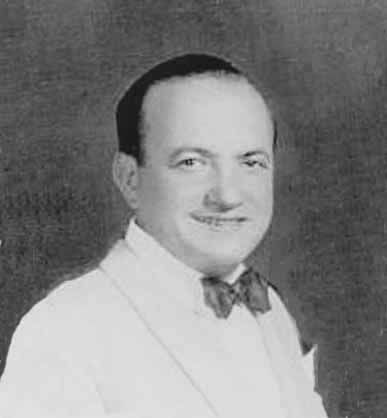
Harry Donenfeld, un nom qui résonne avec une certaine puissance dans l’industrie de la bande dessinée. Né dans une humble famille d’immigrants, il a gravi les échelons pour devenir l’un des éditeurs les plus influents de son époque, introduisant des personnages emblématiques tels que Superman et Batman au monde. Son parcours, cependant, n’a pas été sans controverses, avec des allégations de liens avec le crime organisé et des accusations d’obscénité. Malgré ces défis, Donenfeld a laissé une empreinte indélébile dans l’histoire de la bande dessinée. Cette biographie explore la vie et l’héritage de cet homme complexe et fascinant.

Chapitre 1 : Les Premières Années
Harry Donenfeld est né le 17 octobre 1893 à Iași, en Roumanie, une ville connue pour sa riche culture juive. À l’âge de cinq ans, il a quitté sa ville natale avec ses parents et son frère Irving pour traverser l’océan Atlantique et s’installer aux États-Unis. Ils ont posé leurs valises dans le Lower East Side de New York, un quartier vibrant de communautés d’immigrants.
La jeunesse de Harry a été marquée par une instabilité constante. Il a alterné entre l’école et la rue, naviguant entre les défis de l’éducation et les tentations des gangs de rue. Ces expériences ont forgé en lui une résilience et une ténacité qui allaient devenir des traits caractéristiques de sa personnalité. Malgré les difficultés, Harry a réussi à tirer des leçons précieuses de ces expériences, des leçons qui allaient s’avérer cruciales dans sa future carrière.
Chapitre 2 : Le Début d’une Carrière
En tant que jeune adulte, Harry Donenfeld aspirait à plus que la vie ordinaire d’un travailleur. Il se voyait comme un homme d’affaires, un entrepreneur. Il a commencé sa carrière en tant que vendeur de vêtements à New York, un emploi qui lui a permis d’interagir avec une clientèle diversifiée et d’affiner ses compétences en persuasion. Son charisme et son talent pour la vente étaient déjà évidents à ce stade de sa carrière.
En 1918, un tournant significatif a eu lieu dans sa vie. Donenfeld a épousé Gussie Weinstein et, avec l’aide financière de ses beaux-parents, il a ouvert un magasin de vêtements à Newark, dans le New Jersey. Cette entreprise a marqué son premier pas dans le monde des affaires, lui offrant une expérience précieuse dans la gestion d’une entreprise commerciale. Cependant, cette première aventure commerciale n’a pas été sans défis. Le climat économique aux États-Unis à la fin des années 1920 était volatile, et les dépenses de consommation étaient en baisse. Malgré leurs meilleurs efforts, Harry et Gussie ont connu des difficultés financières, et en 1921, ils se sont retrouvés endettés. Cette période de lutte financière a été une expérience d’apprentissage cruciale pour Donenfeld, lui enseignant les réalités difficiles de la gestion d’une entreprise.
Chapitre 3 : Entrée dans l’Industrie de l’Imprimerie
Face à la dépression économique et à l’échec de son magasin de vêtements, Harry Donenfeld a été contraint de trouver une source de revenus stable. Cela l’a amené à rejoindre l’entreprise d’imprimerie de ses frères, Martin Press, en tant que vendeur et quatrième partenaire. Ce fut un changement significatif dans sa trajectoire de carrière, passant du secteur de la vente au détail à l’industrie de l’édition.
Au cours des années 1920, Martin Press a connu une expansion substantielle de son capital. On suppose que Harry, en utilisant ses relations avec le gangster Frank Costello, a facilité le transport d’alcool, illégal pendant l’ère de la prohibition, en même temps que du papier de pulpe canadien légitime à travers la frontière. Cette entreprise a non seulement augmenté les profits de l’entreprise, mais a également élargi le réseau de Harry dans le monde souterrain.
En 1923, Harry a réussi à conclure une importante affaire de vente, en acquérant les droits pour Martin Press d’imprimer six millions de prospectus d’abonnement pour les magazines Hearst, tels que Cosmopolitan et Good Housekeeping. On attribue en partie le succès de cette affaire à ses contacts dans le monde souterrain, qui avaient des liens étroits avec le vendeur de journaux Hearst, Moe Annenberg.
Le succès de cette affaire a permis à l’entreprise de déménager de son ancien emplacement du centre-ville à un immeuble de douze étages dans le quartier de Chelsea. La même année a également vu l’émergence de l’acuité commerciale compétitive de Donenfeld. Il a pris le contrôle de Martin Press, forçant ses deux frères aînés à quitter l’entreprise et laissant Irving en tant que partenaire minoritaire et imprimeur en chef. Dans un geste symbolique, il a changé le nom de l’entreprise de Martin Press à Donny Press, marquant sa domination dans l’entreprise.

Chapitre 4 : L’Ère des Pulp Magazines
Vers 1925, Harry Donenfeld a commencé une nouvelle aventure dans l’industrie de l’édition. Il a commencé à collaborer avec Frank Armer pour produire des lignes de « pulps de filles », un genre de magazines pulp qui présentaient du contenu risqué et sensationnel. Ces publications étaient diffusées sous différents noms de sociétés, ajoutant une couche de complexité et d’intrigue aux opérations commerciales de Donenfeld.
Donenfeld a acquis plusieurs pulps de filles, dont « Ginger Stories », « Pep Stories » et « Snappy Stories » de William Clayton. Ces magazines étaient publiés sous le nom de DM. Il a élargi son portefeuille en lançant d’autres magazines sur le même modèle, tels que « Hot Stories », « Joy Stories » et « Juicy Tales », sous les noms de Merwil et plus tard Irwin Publishing.
En novembre 1933, Donenfeld et Armer ont formé une société appelée Super Magazines. Cette société se spécialisait dans les pulps mixtes de filles/genres, produisant des titres comme « Spicy Adventure », « Spicy Detective », « Spicy Mystery » et « Spicy Western ».
Cependant, cette entreprise n’a pas été sans controverse. Après avoir été accusé d’obscénité, Donenfeld a échappé de justesse à la prison et a décidé de changer le nom de Super Magazines en Culture Publications. Ce mouvement était une tentative de rebranding et de nettoyage de l’image de l’entreprise. Malgré les défis, l’implication de Donenfeld dans l’industrie des magazines pulp a marqué une phase significative de sa carrière, démontrant sa volonté de prendre des risques et de repousser les limites dans le monde de l’édition.
Chapitre 5 : La Naissance des Super-héros
En 1929, Harry Donenfeld a tendu la main à un ancien client, Julius Liebowitz, en offrant du travail à son fils, Jack. Malgré leurs différences, Jack et Harry ont formé un partenariat redoutable, l’acuité financière de Jack complétant le talent de vendeur de Harry. Avec le soutien financier de Paul Sampliner, Irving Donenfeld en tant qu’imprimeur en chef, Harry en tant que vendeur, et Jack Liebowitz en charge des finances, ils ont lancé la Independent News Company en 1932. Ce fut une étape importante dans la carrière de Donenfeld, car il est devenu distributeur ainsi qu’éditeur.
En 1935, le Major Malcolm Wheeler-Nicholson a approché Independent News avec une proposition de relancer sa bande dessinée, New Fun. Malgré les faibles ventes précédentes de la bande dessinée et ses dettes, Donenfeld a accepté de la distribuer, mais avec une perte significative de droits pour Wheeler-Nicholson. Cela a conduit à la production de deux autres titres, New Comics et Detective Comics, sous la bannière de Detective Comics Inc. En 1938, à la suite d’un procès contre Wheeler-Nicholson pour non-paiement, Donenfeld a acquis Detective Comics Inc. et National Allied Publications de Wheeler-Nicholson dans leur intégralité.
La quatrième publication sous National Allied Publications était Action Comics (1938), qui a présenté au monde le super-héros, Superman. Malgré des réserves initiales sur le personnage, Donenfeld a été convaincu par sa popularité et sa rentabilité. Ce fut un tournant dans sa carrière, car il a non seulement bénéficié de ventes saines de bandes dessinées, mais a également profité de la commercialisation de produits dérivés tels que des jouets, des costumes et même une émission de radio mettant en vedette le personnage.
Chapitre 6 : Élargir l’Influence
En plus de ses réussites avec National Allied Publications, Harry Donenfeld a également eu une participation dans un éditeur de bandes dessinées concurrent, American Comics Group (ACG). Cet investissement témoigne de l’acuité commerciale de Donenfeld et de sa compréhension du potentiel de l’industrie de la bande dessinée.
L’implication de Donenfeld avec ACG a commencé en 1943 lorsqu’il a aidé Benjamin W. Sangor, un partenaire de gin rummy et de voyage, à démarrer l’entreprise. Malgré le fait qu’ils étaient concurrents dans la même industrie, le soutien de Donenfeld à l’entreprise de Sangor souligne sa volonté d’explorer diverses opportunités commerciales. ACG a continué à publier jusqu’en 1967, avec sa distribution gérée par Independent News de Donenfeld.
Cette phase de la carrière de Donenfeld démontre son approche stratégique des affaires. En possédant des participations dans plusieurs entreprises au sein de la même industrie, il a pu diversifier ses investissements et atténuer les risques. Son implication avec ACG lui a également permis d’acquérir une perspective plus large de l’industrie de la bande dessinée, ce qui aurait été inestimable pour façonner ses stratégies commerciales.
Chapitre 7 : Vie Personnelle
Au milieu de sa carrière florissante, la vie personnelle de Harry Donenfeld évoluait également. En 1918, il a épousé Gussie Weinstein. Cette union n’était pas seulement un engagement personnel, mais aussi un partenariat commercial, car les parents de Gussie ont fourni le prêt qui a permis à Harry d’ouvrir son premier magasin de vêtements. Cela a marqué le début du parcours entrepreneurial de Donenfeld.
Le couple a eu deux enfants : un fils, Irwin, né en 1926, et une fille, Sonia, affectueusement appelée « Peachy », née en 1928. Irwin a plus tard rejoint l’entreprise familiale, travaillant pour la firme de 1948 à environ 1968 et occupant les postes de directeur éditorial et de vice-président exécutif. Sonia, quant à elle, a épousé Fred Iger en 1947 et a eu deux enfants. Son mariage a pris fin par un divorce après 15 ans.
La vie personnelle de Donenfeld était étroitement liée à ses efforts professionnels. Sa famille a joué un rôle significatif dans ses opérations commerciales, et ses expériences personnelles ont influencé ses décisions commerciales. Malgré les exigences de sa carrière, Donenfeld a réussi à maintenir un équilibre entre sa vie personnelle et professionnelle, témoignant de sa résilience et de son adaptabilité.
Chapitre 8 : Blessure et Mort
En 1962, un tragique accident a radicalement changé le cours de la vie de Harry Donenfeld. Une semaine seulement avant qu’il ne soit prévu de se marier avec sa deuxième femme, Donenfeld a fait une chute qui a entraîné une grave blessure à la tête. Cet accident a eu un impact profond sur sa santé, entraînant une perte de mémoire et des troubles de la parole dont il ne s’est jamais complètement remis.
Après sa blessure, la santé de Donenfeld a progressivement décliné. Il a passé ses dernières années dans une maison de soins, un contraste frappant avec la vie dynamique et trépidante qu’il avait menée en tant qu’éditeur prospère. Le 1er février 1965, Harry Donenfeld est décédé, laissant derrière lui un héritage qui continuerait à influencer l’industrie de l’édition pendant des années à venir.
La mort de Donenfeld a marqué la fin d’une époque dans l’industrie de la bande dessinée et du pulp magazine. Ses contributions à ce domaine, en particulier son rôle dans la popularisation de personnages de super-héros comme Superman et Batman, ont eu un impact durable. Malgré ses luttes personnelles et les défis qu’il a rencontrés dans sa carrière, l’histoire de la vie de Donenfeld reste un témoignage de sa résilience, de sa ténacité et de son esprit d’entreprise.

Chapitre 9 : Héritage
Malgré sa disparition, l’influence de Harry Donenfeld dans l’industrie de l’édition ne s’est pas terminée avec sa mort. Ses contributions à l’industrie de la bande dessinée et du pulp magazine ont été reconnues à titre posthume lorsqu’il a été nommé parmi les lauréats par DC Comics dans la publication du 50e anniversaire de la société, « Fifty Who Made DC Great », en 1985. Cet honneur souligne l’impact significatif qu’a eu Donenfeld sur le développement et la popularisation des bandes dessinées, en particulier son rôle dans l’introduction de personnages de super-héros emblématiques comme Superman et Batman.
L’héritage de Donenfeld va au-delà de ses réalisations personnelles. Son fils, Irwin, a poursuivi le travail de son père dans l’industrie de l’édition, en tant que directeur éditorial et vice-président exécutif de l’entreprise familiale. Cette continuation du nom de Donenfeld dans l’industrie est un témoignage de l’influence de Harry et de l’impact durable de son travail.
De plus, les personnages et les histoires que Donenfeld a aidé à créer continuent de captiver les publics du monde entier. Superman et Batman, deux personnages qui ont été introduits sous la direction de Donenfeld de National Allied Publications, restent des figures emblématiques de la culture populaire. Leurs histoires ont été adaptées dans de nombreux formats, des films et des séries télévisées aux jeux vidéo et aux produits dérivés, consolidant davantage l’héritage de Donenfeld dans les annales de l’histoire de la bande dessinée.
Chapitre 10 : Ombres et Allégations
Malgré son succès dans l’industrie de l’édition, la carrière de Harry Donenfeld a été entachée d’allégations de liens avec le crime organisé. Ces allégations ont commencé à émerger pendant l’ère de la prohibition, lorsque la vente d’alcool était illégale, ce qui a entraîné une montée du crime organisé. Donenfeld a été accusé d’avoir des connexions avec ce monde souterrain, bien que ces allégations n’aient jamais été prouvées.
L’une des allégations les plus notables concernait la publication de The Daily Racing Tab, un quotidien de courses hippiques. Il a été spéculé que cette publication a été réalisée avec la complicité des gangsters Lucky Luciano, Frank Costello et Arnold Rothstein. Cependant, ces allégations n’ont jamais été confirmées et restent à ce jour des spéculations.
De plus, la société d’impression de Donenfeld, Elmo Press, a reçu un contrat lucratif de Moe L. Annenberg, qui avait des liens avec des gangsters notoires de Chicago. Encore une fois, ces allégations n’ont jamais été prouvées, mais elles ont contribué à l’image controversée de Donenfeld.
Enfin, Donenfeld a formé Independent News Distribution (IND) avec Paul Sampliner, qui s’occupait de la distribution de diverses publications, dont certaines étaient considérées comme indécentes et ont conduit à des accusations d’obscénité. Ces accusations ont été un autre coup dur pour la réputation de Donenfeld, bien qu’il ait réussi à éviter une condamnation.
Ces allégations et controverses ont ajouté une couche de mystère et d’intrigue à la vie de Donenfeld. Bien qu’elles aient jeté une ombre sur sa carrière, elles ont également souligné la complexité de son personnage et la nature tumultueuse de l’industrie de l’édition à cette époque.
Harry Donenfeld, born in Iași, Romania in 1893, was a figure who straddled the worlds of publishing and organized crime. His journey from the Lower East Side of New York to the heights of the comic book industry was marked by a series of alliances with underworld figures, making him a controversial figure in the annals of American publishing.
-
Moe Annenberg
A Life Shrouded in Shadows
Moses « Moe » Louis Annenberg, born in 1877 in Kaliscz, Russia, was a figure of significant influence and controversy in the early 20th century. His life was a blend of entrepreneurial success and criminal associations, making him a fascinating character in the annals of American history.
Early Life and Rise to Power
Annenberg immigrated to the United States with his family in 1885, settling in Chicago. He and his brother Max began their careers working for local hoodlums, eventually establishing themselves in gambling and protection rackets. By 1898, the Annenberg brothers had notorious reputations in Chicago, a city then embroiled in a violent circulation war among newspaper chains.
Annenberg’s rise in the publishing world began when he founded the Chicago Newsstand Distribution Company in 1906 to promote circulation of Hearst newspapers. His company’s dominance was enforced by the infamous North Side Gang, which was eventually headed by Dean O’Banion.
Connections to Organized Crime
Annenberg’s connections to organized crime were numerous and complex. His control over the nationwide gambling industry was facilitated by his monopoly on racetrack wire services and an affiliated network of racing forms. Anti-racketeering prosecutors targeted Annenberg’s national wire service, considering it the lifeblood of the gambling industry that nourished American gangsters.
His control over this nationwide monopoly of racetrack wire services was likely achieved with the complicity of New York City mobsters Lucky Luciano, Frank Costello, and Arnold Rothstein. Furthermore, Annenberg’s association with Harry Donenfeld, a known figure in the underworld of publishing, further solidified his connections to organized crime.
Influence on the Comic Book Industry
Annenberg’s influence extended to the comic book industry. He was involved in the production of scandal sheets in major cities across the U.S., which were often associated with extortion and blackmail. These publications were printed on the same rotogravure press and featured illustrations by the same artists, indicating a significant influence on the comic book industry.
Known Affiliates
Annenberg’s known affiliates included William Randolph Hearst, Joseph Ottenstein, Emile Gauvreau, Stephen Clow, and Harry Donenfeld. Donenfeld, in particular, was a significant figure in the comic book industry, co-founding the company that would eventually become DC Comics.
Legal Troubles and Later Life
Annenberg’s life was not without legal troubles. In 1939, he was charged with tax evasion, leading to a conviction and a three-year prison sentence. His health declined during his incarceration, and he was released early for medical treatment. He died in 1942 while recuperating from a brain operation.
Legacy
Despite his controversial life, Annenberg’s legacy lived on through his son, Walter Annenberg, who led Triangle Publications to even greater prosperity and became one of America’s most outstanding charitable and political donors.
Moe Annenberg’s life is a testament to the complex interplay of power, crime, and influence in the early 20th century. His story serves as a reminder of the often blurred lines between legitimate business and organized crime in the annals of American history.

-
Hillman Periodicals
Fondation et premières années (1938-1943)
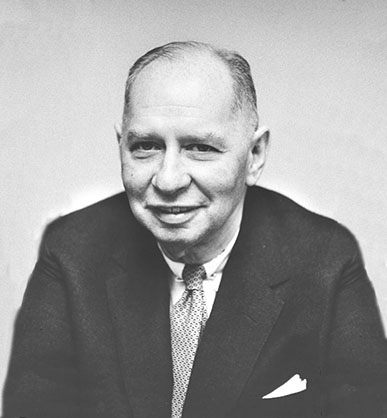
L’histoire de Hillman Periodicals commence en 1938, lorsque Alex L. Hillman, un ancien éditeur de livres de New York, a décidé de se lancer dans l’aventure de l’édition de magazines. Hillman, un homme passionné par l’art et la littérature, a fondé Hillman Periodicals avec l’intention de créer des publications qui captivent l’imagination des lecteurs et reflètent les réalités de la vie quotidienne.
La société a commencé par publier des magazines de confessions vraies et de crimes vrais, des genres qui étaient très populaires à l’époque. Parmi les premiers titres publiés par Hillman Periodicals figurent Real Story, Real Confessions, Real Romances, Crime Detective, Real Detective et Crime Confessions. Ces magazines étaient remplis d’histoires dramatiques et passionnantes qui captivaient les lecteurs et les tenaient en haleine.
En plus de ces magazines, Hillman Periodicals a également commencé à publier des bandes dessinées. À une époque où la bande dessinée commençait à gagner en popularité, Hillman a reconnu le potentiel de ce médium pour raconter des histoires captivantes et a décidé de l’inclure dans son portefeuille de publications.
Ces premières années ont été une période de croissance et d’expansion pour Hillman Periodicals. Malgré les défis posés par le lancement d’une nouvelle entreprise, Hillman a réussi à établir sa société comme un acteur important dans l’industrie de l’édition. Grâce à son sens aigu des affaires et à sa passion pour la création de contenu de qualité, Hillman a jeté les bases de ce qui allait devenir une entreprise d’édition prospère et influente.
Expansion et lancement de nouveaux titres (1944-1953)
La période de 1944 à 1953 a été une période d’expansion et de diversification pour Hillman Periodicals. En 1944, Hillman a lancé Pageant, un magazine d’intérêt général de format digest. Ce magazine a marqué un tournant pour l’entreprise, car il a permis à Hillman de toucher un public plus large et de diversifier son offre de contenu.
Cependant, la Seconde Guerre mondiale a posé des défis uniques à Hillman et à d’autres éditeurs. En raison du rationnement du papier pendant la guerre, Hillman a été contraint de mettre fin à ses magazines de détective et à ses bandes dessinées, qui ensemble rapportaient un profit annuel de 250 000 dollars. Cependant, malgré ces défis, Hillman a continué à innover et à s’adapter.
En 1946, Hillman est revenu aux bandes dessinées, reprenant certains titres de la série précédente. Pendant cette période, Hillman a souvent fait appel aux talents des créateurs de Captain America, Joe Simon et Jack Kirby. Le personnage le plus notable de Hillman était cependant Airboy, qui a continué à apparaître dans de nouvelles histoires publiées par un autre éditeur, Eclipse Comics, dans les années 1980.
Cette période d’expansion et de diversification a permis à Hillman Periodicals de renforcer sa position dans l’industrie de l’édition et de la bande dessinée. Grâce à une combinaison de perspicacité commerciale, de créativité et de résilience face aux défis, Hillman a réussi à faire croître son entreprise et à laisser une empreinte durable dans l’industrie de la bande dessinée.


Dernières années et fin de la publication de bandes dessinées (1953-1961)
La décennie suivante a marqué une période de changement pour Hillman Periodicals. En 1953, Hillman a pris la décision difficile de cesser de publier des bandes dessinées.
Cependant, malgré la fin de cette partie de son entreprise, Hillman a continué à innover et à se diversifier, lançant de nouveaux magazines comme Homeland et People Today.
En 1961, Hillman a vendu Pageant à Macfadden Communications Group. Malgré le changement de propriété, le magazine a continué à être publié jusqu’en 1977, témoignant de la qualité et de la popularité du contenu produit par Hillman Periodicals.
Ces dernières années ont été une période de transition pour Hillman Periodicals, mais elles ont également été une période de résilience et d’adaptation. Malgré les défis et les changements dans l’industrie de l’édition, Hillman a réussi à maintenir la pertinence et le succès de son entreprise.
Alex L. Hillman, le fondateur
Alex L. Hillman était bien plus qu’un éditeur de magazines et de bandes dessinées. Il était également un collectionneur d’art passionné qui a commencé à s’intéresser à ce domaine lorsqu’il était éditeur de livres, commissionnant des artistes pour illustrer de nouvelles éditions de la littérature classique.
Hillman a commencé sa collection avec des peintres américains comme Raphael Soyer et Preston Dickinson, et l’a élargie pour inclure des peintres impressionnistes et autres. Sa passion pour l’art l’a finalement conduit à créer la Alex Hillman Family Foundation, une fondation privée à Manhattan, pour superviser sa collection.
Autres activités
Outre Hillman Periodicals, Alex Hillman a également fondé plusieurs autres entreprises d’édition, dont Hillman Press, Hillman-Bird Publishing Company, A. L. Hillman Publishing Company, William Godwin Publications, et Arcadia House Publications. Il a également produit des magazines d’aventure pour hommes dans les années 1950, tels que Action For Men, Epic, Expose For Men, Champ, Escape To Adventure, et Real Adventure Magazine.
Ces autres entreprises ont permis à Hillman de diversifier encore plus son portefeuille de publications et de toucher un public encore plus large. Elles témoignent de son esprit d’entreprise et de son dévouement à l’industrie de l’édition.

Retraite et décès
En 1961, Alex Hillman a vendu Pageant Magazine et s’est retiré de l’édition pour se concentrer sur la Alex Hillman Investment Company. Il est décédé en 1968 à l’âge de soixante-sept ans, laissant derrière lui un héritage durable dans l’industrie de l’édition et de la bande dessinée.
La retraite d’Alex Hillman de l’édition n’a pas marqué la fin de son influence ou de son impact. Au contraire, il a continué à contribuer à l’industrie de l’édition et de l’art à travers la Alex Hillman Investment Company et la Alex Hillman Family Foundation. Même après sa mort, son héritage continue d’influencer et d’inspirer les éditeurs et les créateurs de bandes dessinées.
En conclusion, l’histoire de Hillman Periodicals et de son fondateur, Alex L. Hillman, est une histoire de passion, d’innovation et de résilience. De la fondation de l’entreprise en 1938 à la fin de la publication de bandes dessinées en 1953, en passant par l’expansion et le lancement de nouveaux titres dans les années 1940 et 1950, Hillman Periodicals a laissé une empreinte indélébile dans l’industrie de la bande dessinée. Le parcours de l’entreprise et de son fondateur offre un aperçu fascinant de l’évolution de l’industrie de l’édition et de la bande dessinée au XXe siècle, et continue d’inspirer les éditeurs et les créateurs de bandes dessinées aujourd’hui.
-
Standard/Better/Nedor/Pines


Standard Comics was an American comic book imprint founded by Ned Pines, who was also a publisher of pulp magazines and paperback books. The imprint was a parent company of two comic-book lines, Better and Nedor Publishing, which are often referred to collectively as « Standard/Better/Nedor » by collectors and historians.
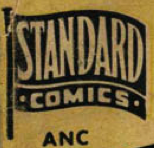
During the Golden Age of comic books from 1939 to 1956, Standard was a prolific publisher. One of its best-known characters, published under the Better imprint, was the Black Terror. In June 1949, Better and Nedor were consolidated as the Standard Comics line and given a new « Standard Comics » flag-like cover logo. Previously, the titles had no publisher logo.
Standard Comics continued to publish until 1956 when it ended its operations. Afterward, only two titles continued under the Pines Comics imprint. Pines Comics also incorporated several titles from the defunct St. John Publications. However, by 1959, Pines Comics folded, and most of its titles were acquired by other publishers.
Ned Pines’ impact on the comic book industry is notable. His company’s contribution to the Golden Age of comics was significant, and the Standard Comics line was influential in shaping the comic book landscape during its time. Although the company is no longer in existence, its legacy lives on, and its impact on the comic book industry remains significant. The consolidation of Better and Nedor under Standard Comics is an essential chapter in comic book history, showcasing the evolution of publishers and their ability to adapt to the changing industry.


Ned Pine: The Visionary Founder of Pine Publications
Ned Labe Pines, a prominent figure in the publishing industry, was born on March 19, 1905, in Malden, Massachusetts. In 1910, his family relocated to Brooklyn, New York, where his father established himself as a successful businessman. Growing up in a household that valued education and entrepreneurship, Ned Pines developed a passion for literature and a keen eye for business.
In his early years, Ned Pines resided with his family at 29 South Margin Street, later moving to 1430 50th Street. The Pines family experienced significant milestones during this time, with the birth of Ned’s younger brother, Kermit Pines, in 1917. The following year, Ned’s oldest brother, Robert Pines, graduated from Columbia University and served in the U.S. Navy during World War I.
In 1918, the Pines family faced a scandal that garnered national attention. A war profiteering scandal emerged, as it was discovered that 24% of the raincoats supplied by the Pines Rubber Company were defective. This incident brought public scrutiny, but it did not hinder Ned Pines’ future endeavors.
In 1919, The Brooklyn Eagle reported that Troop 161 of Bay Ridge had a monthly newspaper called The Scout Courier. Ned Pines seized the opportunity and established the Scout Courier Printing and Publishing Company in April 1920. This venture allowed him to print scout magazines for various troops, showcasing his entrepreneurial spirit from an early age.
Following his high school graduation in Brooklyn in 1923, Ned Pines enrolled at Columbia University as a freshman. Alongside his studies, he became actively involved in school publications, including College Humor, produced by Collegiate World Publishing Company in Chicago. Pines started a magazine of his own, titled College Life, and founded The Collegian Press, a publishing company. During this time, he partnered with his brother Robert Pines to publish College Life for the Collegian Press.
In 1930, Ned Pines founded the Modern Sports Publishing Company, which produced titles such as « Contract Bridge Made Easy, » « Fifty Games of Cards and How to Play Them, » « Girl Rackets, » and a humor magazine called « Tickles. » The same year, his brother Robert Pines established Metropolitan Magazines, introducing publications like « Thrilling Love » and « Thrilling Detective. »
Ned Pines made a significant addition to his publishing team in 1932 when he hired Leo Margulies as the chief editor. By 1933, Pines’ publishing company was known as Standard Magazines, with offices located at 570 Seventh Avenue. In 1934, Dell Publishing Company acquired College Humor from Collegiate World Publishing Company but later sold it to Ned Pines in 1935. Pines continued to publish the magazine under the name Collegian Press.
During his career, Ned Pines expanded his publishing empire, establishing various magazines under different company names. However, in May 1936, a rival publisher introduced Ace G-Man Stories, leading Pines to file a copyright infringement lawsuit against Henry Steeger.
Despite facing legal challenges, Ned Pines persevered and continued to grow his publishing endeavors. He purchased the entire output of a paper mill at low prices and discovered that selling the paper in the form of pulp magazines yielded the best profit. His efforts resulted in a vast catalog of publications, with approximately thirty titles and a combined circulation of two million copies.
In addition to his publishing ventures, Ned Pines ventured into other industries. In 1923, he organized a resort development scheme in New Jersey, but faced legal troubles that resulted in a conviction, two years of imprisonment, and a fine of $1,000. Despite this setback, Pines remained undeterred and continued to make significant contributions to the publishing world.
In collaboration with Benjamin Sangor, Ned Pines founded Nedor Publishing, which produced popular titles such as « Thrilling Comics » and « Exciting Comics. » These publications captivated readers with their thrilling stories and captivating artwork.
By the 1940s, Ned Pines had established himself as a successful publisher with a wide range of magazines under his belt. The June 1940 issue of « Exciting Comics » featured a full-page advertisement showcasing numerous periodicals, including Ned Pines’ own publications such as « Black Book Detective, » « Captain Future, » « Detective Novels, » « The Ghost Super-Detective, » « G-Men Detective, » « The Lone Eagle, » « Masked Rider Western, » « Phantom Detective, » « Popular Detective, » « Popular Love, » « Popular Sports, » « Popular Western, » and « Sky Fighters. »
When World War II began, Ned Pines was a 37-year-old married man and the proud father of two infant daughters. In recognition of his capabilities, his father-in-law made him a co-owner of ACG (American Comics Group) located at 45 West 45th Street.
Ned Pines’ business acumen extended beyond comics and magazines. In 1952, he acquired Silver Screen and Screenland Magazines from Public News Company. This move expanded Pines’ publishing portfolio, demonstrating his ability to adapt to changing market demands.
Ned Pines’ achievements did not go unnoticed by his peers in the industry. On June 2, 1960, he was elected chairman of the Eastern Life Insurance Company of New York, reflecting his diverse business interests and leadership capabilities. Additionally, Pines served as a member of the board of the Magazine Publishers Association, further solidifying his influence and involvement within the publishing community.
After a successful and accomplished career, Ned Pines decided to retire from publishing in 1971. He devoted several months of each year to his passion for art collection, particularly focusing on European modern art. Pines’ retirement allowed him to indulge in his personal interests and enjoy the fruits of his labor.
Ned Pines’ contributions to the publishing industry left an enduring legacy. His entrepreneurial spirit, commitment to quality, and ability to identify market opportunities allowed him to build a publishing empire encompassing numerous magazines and comics. His dedication to bringing thrilling stories and entertaining content to readers has influenced generations of avid readers and aspiring writers.
Today, the impact of Ned Pines’ work continues to be felt within the publishing world. His keen business sense, creativity, and unwavering determination serve as an inspiration for aspiring publishers and entrepreneurs seeking to make their mark in the ever-evolving realm of print and digital media.

-

Fox Feature Syndicate

Fox Feature Syndicate was an American comic strip syndication company founded in 1937 by Victor S. Fox. The company produced many popular comic strips in the 1940s, including « The Flame, » « The Blue Beetle, » and « Phantom Lady. » Fox Feature Syndicate was also known for publishing comics with more mature and violent content than its competitors at the time.


However, due to poor management and financial problems, Fox Feature Syndicate closed its doors in 1950. Over the years, the rights to the characters created by the company were sold to various comic book publishers, and some of these characters are still being published today.
Fox Feature Syndicate remains an important name in the history of American comics, particularly for its influence on the development of the superhero comic book genre, as well as for its impact on the creation of the Comics Code Authority in 1954, which introduced restrictions on the content of comics in the United States.

Samuel Jacob Victor Fox Samuel Jacob Victor Fox, born on either April 13, March 23, or July 3, 1893 in Nottingham, England (the exact date is unclear), is best known for his contributions to the comic book industry. His parents, Joseph and Bessie Fox, were Russian immigrants of Jewish ancestry who moved to America in 1896 and settled in Fall River, Massachusetts. Victor began working at a clothing store at the age of fourteen, but eventually moved to New York City with his family in 1914 to work in the women’s clothing business.
In 1916, Victor S. Fox, along with Harry T. Johnson and E. Goodman, founded a new ladies’ apparel business in New York City. However, his true success came in the comic book industry. In the late 1930s, Fox established his own comic book publishing company, Fox Feature Syndicate. He created and published a number of popular characters, including the superhero the Blue Beetle and the jungle hero Sheena, Queen of the Jungle.
Fox’s Blue Beetle was one of the first comic book superheroes to feature a full-face mask and to be featured in his own solo title. The character was created by writer Charles Nicholas Wojtkoski and artist Charles Clarence « CC » Beck, and made his first appearance in Mystery Men Comics #1 in 1939. Sheena, Queen of the Jungle, co-created by Will Eisner and Jerry Iger, debuted in Wags #1 in 1937, and was later published by Fox Feature Syndicate.
Despite the success of his comic book ventures, Fox experienced financial troubles and legal disputes throughout his career. In 1941, he was sued by Superman creators Jerry Siegel and Joe Shuster for copyright infringement, as Fox had created a character called « Wonder Man » that was similar to Superman. The case was settled out of court. Fox Feature Syndicate also faced legal challenges from National Comics Publications (now DC Comics) over their character, Wonder Man.
Despite these difficulties, Fox Feature Syndicate continued to publish comics into the 1950s. Fox himself passed away on October 20, 1959. While his comic book career may have been overshadowed by legal disputes and financial difficulties, his contributions to the industry, particularly with the creation of the Blue Beetle and Sheena, Queen of the Jungle, helped to shape the superhero and adventure genres in comics.
-

Quality Comics

Quality Comics was a major force in the Golden Age of Comic Books, operating from 1937 to 1956. The company produced many titles and characters that are still recognized and appreciated today. Quality Comics was founded by Everett M. « Busy » Arnold, a printer who saw the potential of the comic book medium. In 1937, Arnold formed Comic Favorites, Inc. with three newspaper syndicates, which published Feature Funnies. This publication was the start of a series of comics that would become an important part of American pop culture.Quality Comics was responsible for some of the most iconic characters of the Golden Age. These characters include Blackhawk, G.I. Combat, Heart Throbs, Military Comics/Modern Comics, Plastic Man, Police Comics, Smash Comics, and The Spirit. Quality Comics published many titles, and the quality of the comics they produced was apparent in the popularity of their characters.
Quality Comics had some of the most notable creators of the Golden Age of Comics. Jack Cole, Reed Crandall, Will Eisner, Lou Fine, Gill Fox, Paul Gustavson, Bob Powell, and Wally Wood were all associated with the company. These creators helped shape the style and storytelling of comics, influencing generations of artists and writers.
Quality Comics was known for its dedication to producing quality comics. The company would buy features from Eisner & Iger, a prominent « packager » that produced comics on demand for publishers. Quality introduced such superheroes as Plastic Man and Kid Eternity, as well as non-superhero characters like Blackhawk.
The name Quality Comics first appeared on the cover of Crack Comics #5 (Sept. 1940). The Quality Comics Group was a trademarked name, encompassing Comic Favorites Inc., E.M. Arnold Publications, Smash Comics, and any other imprints owned by Arnold. By the mid-1950s, however, interest in Quality’s characters had declined considerably, and the company ceased operations with comics cover-dated December 1956.
Many of Quality’s character and title trademarks were sold to National Comics Publications, now DC Comics. DC Comics kept only four series running: Blackhawk, G.I. Combat, Heart Throbs, and Robin Hood Tales. The original copyrights for Quality’s publications have never been renewed by either Arnold or DC, leaving those original stories in the public domain. The trademarks to the characters, and to the titles of the various comic book series, however, were sold to DC in late 1956.
In conclusion, Quality Comics was a major publisher of the Golden Age of Comics. The company produced some of the most iconic characters of the era, and its dedication to quality comics set a standard for the industry. The influence of Quality Comics can still be seen today in the comic book industry.


-
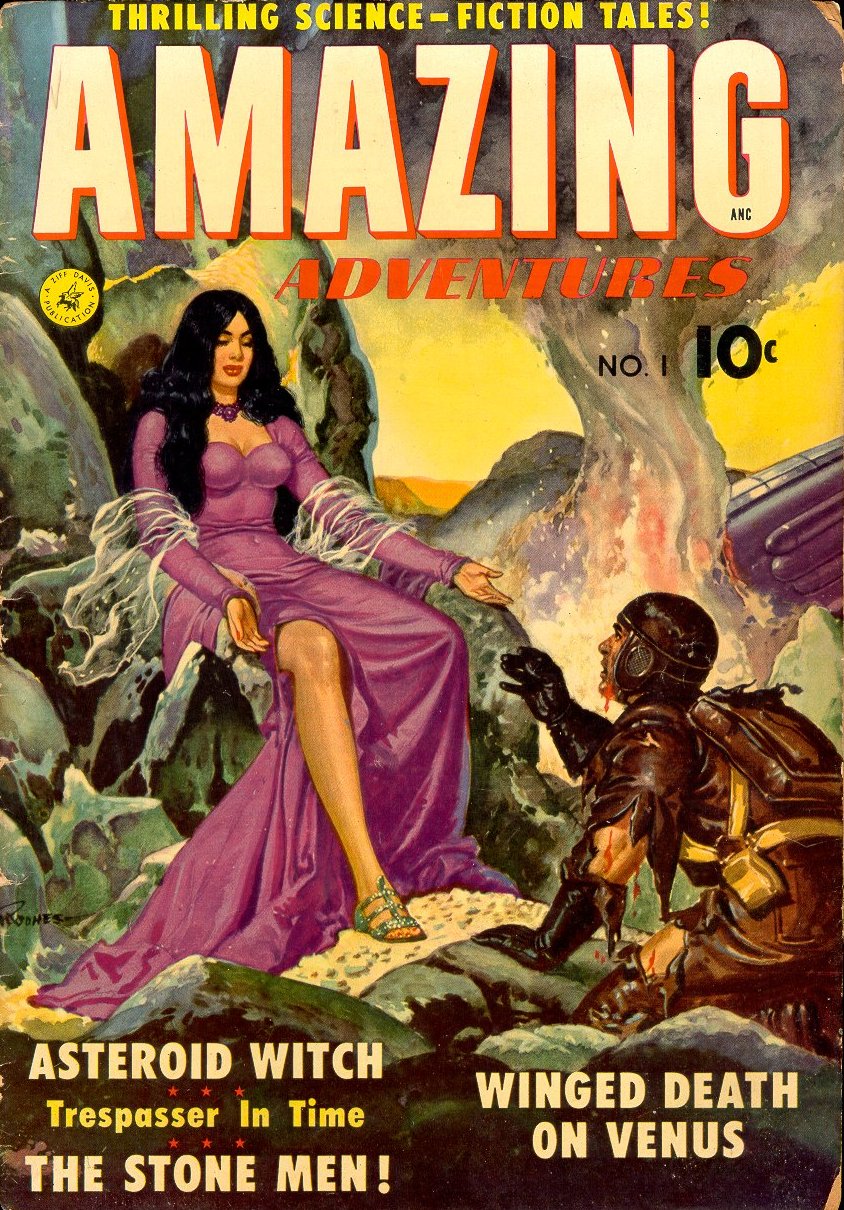
Ziff-Davis Publications
Ziff-Davis Publications, a prominent publisher during the mid-twentieth century, is perhaps best known for its contribution to the comic book industry. While they were latecomers to the field, their impact was significant, producing many memorable titles and introducing talented writers, artists, and editors.
Among their most successful comic book titles were G. I. Joe and Kid Cowboy. G. I. Joe, which ran for 46 issues, followed the adventures of a group of soldiers fighting during World War II, while Kid Cowboy, which ran for 10 issues, focused on the exploits of a young cowboy. While both titles were short-lived, they demonstrated the high quality of work produced by Ziff-Davis Publications.


What distinguished Z-D comics from others of the time were their striking painted covers that were reminiscent of earlier pulp magazines. Additionally, many of their covers were known for their use of violence and sexually suggestive imagery, which would not have been acceptable under the Comics Code Authority. Another interesting fact about Z-D comics is that they often started their books with issue #10, and if the series lasted more than half a dozen issues, they would switch to the number that it would have been at if they had started at #1. This led to some confusion among collectors but added to the unique charm of Z-D comics.
Ziff-Davis Publications was also home to many talented comic book creators, such as Jim Steranko, a writer and artist who worked on many of their popular titles. Steranko was known for his innovative storytelling techniques and unique art style, which helped to shape the direction of the medium in the 1960s.
Although Ziff-Davis Publications did not stay in the comic book industry for long, their legacy remains. Their innovative storytelling, striking cover art, and unique approach to numbering their comics have made their titles highly collectible among comic book enthusiasts. Ziff-Davis may have left the comics business, but their impact on the medium will be remembered for years to come.
-

Fiction House

Fiction House was an American publishing company that existed from the 1920s to the 1950s. It was founded by John B. « Jack » Kelly and John W. Glenister, and later led by Thurman T. Scott. Fiction House was known for its pulp magazines and comic books, with its comics division being best known for its pinup-style good girl art, epitomized by the company’s most popular character, Sheena, Queen of the Jungle. The company started as a publisher of primarily aviation, Western, and sports pulps, but by the 1930s, it had expanded into detective mysteries. In late 1932, Fiction House cancelled 12 of its pulp magazines with the stated goal of eventually reviving them. After a hiatus, Action Stories resumed publishing through this period, and Fiction House relaunched its pulp magazines in 1934, finding success with a number of detective and romance pulp titles.
Sheena, Queen of the Jungle Fiction House’s first title with science fiction interest was Jungle Stories, which was launched in early 1939. It was not primarily a science fiction magazine, but it often featured storylines with marginally science fictional themes, such as survivors from Atlantis. At the end of 1939, Fiction House decided to add an SF magazine to its line-up, and Planet Stories was born. It was published by Love Romances, a subsidiary company that Fiction House created to publish the company’s romance titles.
In the late 1930s, Fiction House expanded into comic books, an emerging medium that began to seem a viable adjunct to the fading pulps. The company was receptive to a sales call by Eisner & Iger, one of the prominent « packagers » of that time, which produced complete comic books on demand for publishers looking to enter the field. Publisher Thurman T. Scott published Jumbo Comics #1 (Sept. 1938) under the company’s Real Adventures Publishing Company imprint, with Sheena, Queen of the Jungle appearing in the initial issue. Sheena soon became the company’s star character, appearing in every issue of Jumbo Comics, as well as in her 18-issue spin-off, Sheena, Queen of the Jungle. Other features in Jumbo Comics #1 included three by future industry legend Jack Kirby, representing his first comic-book work following his debut in Wild Boy Magazine.

Jumbo Comics #1 (Sept. 1938) Fiction House went on to publish Jungle Comics, Wings Comics, Planet Comics, Rangers Comics, and Fight Comics during the early 1940s. Most of these series took their titles and themes from the Fiction House pulps. The company also published several other titles, among them the Western-themed Indians and Firehair, jungle titles Sheena, Queen of the Jungle and Wambi, and five issues of Eisner’s The Spirit. Fiction House’s comic books were known for their pinup-style good girl art, with many of the female characters dressed in skimpy outfits and striking provocative poses.


Fiction House was also known for its talented staff of artists, including Mort Meskin, Matt Baker, and Jack Kirby. Baker was the first prominent African-American artist in the comic book industry and is widely regarded as one of the greatest comic book artists of all time. Kirby, who went on to co-create iconic characters such as Captain America, the Fantastic Four, and the X-Men, got his start in the industry working for Fiction House.
In conclusion, Fiction House was a significant publisher in the American pulp magazine and comic book industries from the 1920s to the 1950s. The company began as a publisher of aviation, Western, and sports pulps but expanded into detective mysteries and later science fiction and romance titles. Fiction House’s comic books were known for their pinup-style good girl art, with Sheena, Queen of the Jungle, being the company’s most popular character. The company also employed many talented artists, including Matt Baker and Jack Kirby. Overall, Fiction House played an important role in shaping the early years of the comic book industry and helped to establish some of the key elements of the medium that are still present today.