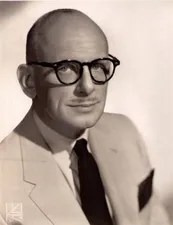
Lev Gleason (February 25, 1891 – June 24, 1971) was an American publisher and political activist who made significant contributions to the comic book industry. His publishing company, Lev Gleason Publications, was a major player in the industry during the Golden Age of Comic Books in the 1930s and 1940s. Gleason was also known for his progressive political views and activism, particularly during the McCarthy era.
Early Life and Career
Lev Gleason was born on February 5, 1891, in Brooklyn, New York. He was the youngest of seven children born to Abraham and Tillie Gleason, who were Jewish immigrants from Russia. Gleason grew up in a working-class family and attended school until the eighth grade when he dropped out to help support his family. He worked a variety of odd jobs, including selling newspapers, driving a horse-drawn wagon, and working in a shirt factory, before landing a position as a proofreader at the New York Evening Mail.
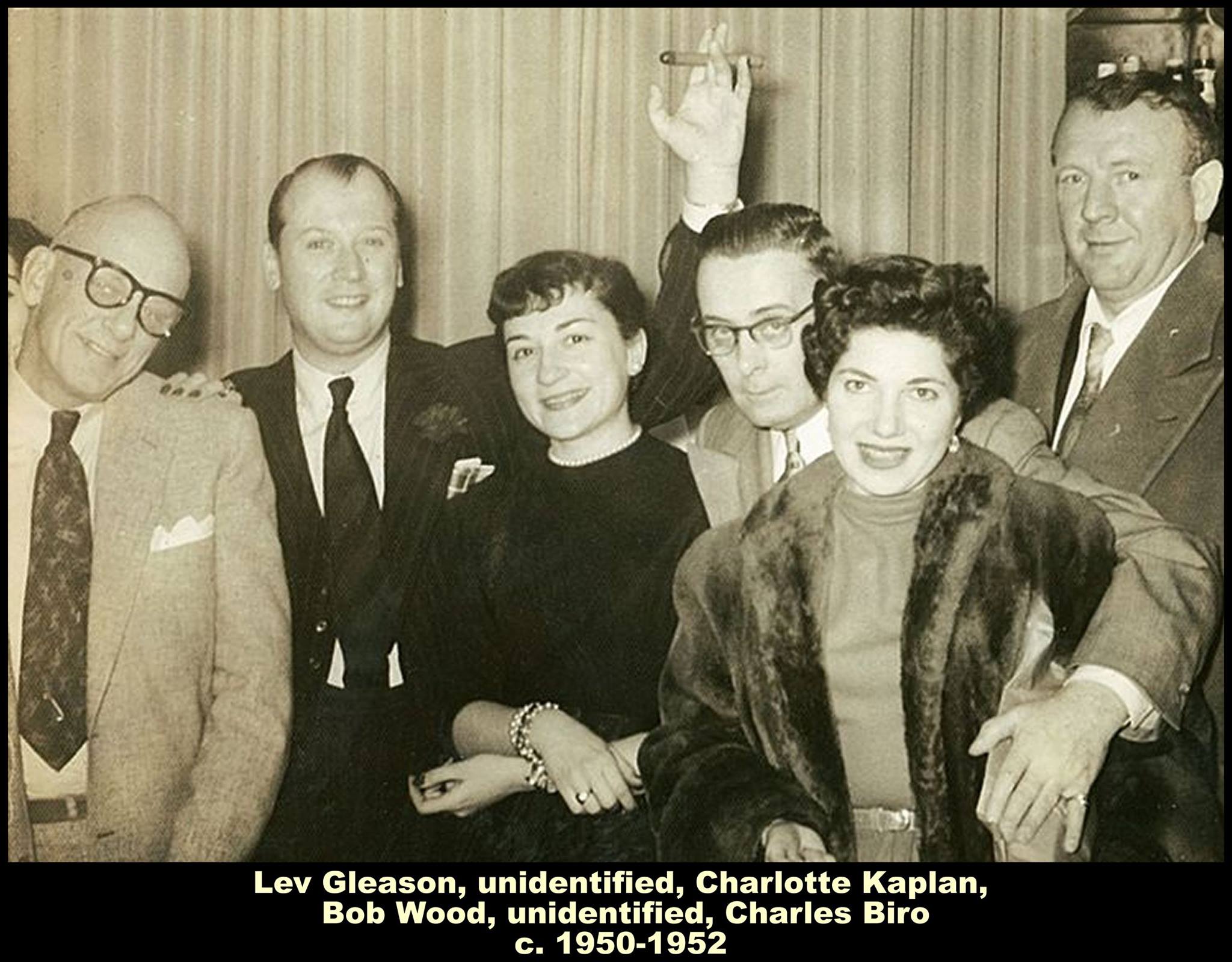
In 1915, Gleason started his own publishing company, Gleason Publications, which produced a variety of magazines and newspapers, including trade publications for the movie industry. Gleason was always on the lookout for new ventures, and in the 1930s, he became interested in the emerging comic book industry.
Publishing Career
In 1939, Gleason entered the comic book market with the launch of his flagship title, Silver Streak Comics, which introduced the character of the same name, the first comic book superhero with a female sidekick. The series was an instant success and led to the creation of a number of other popular titles, including Daredevil Comics, Boy Comics, and Crime Does Not Pay, which became one of the top-selling comic books of the era. Gleason also introduced a number of innovations in comic book storytelling, including the use of the full-page splash panel and the integration of sound effects into the artwork.
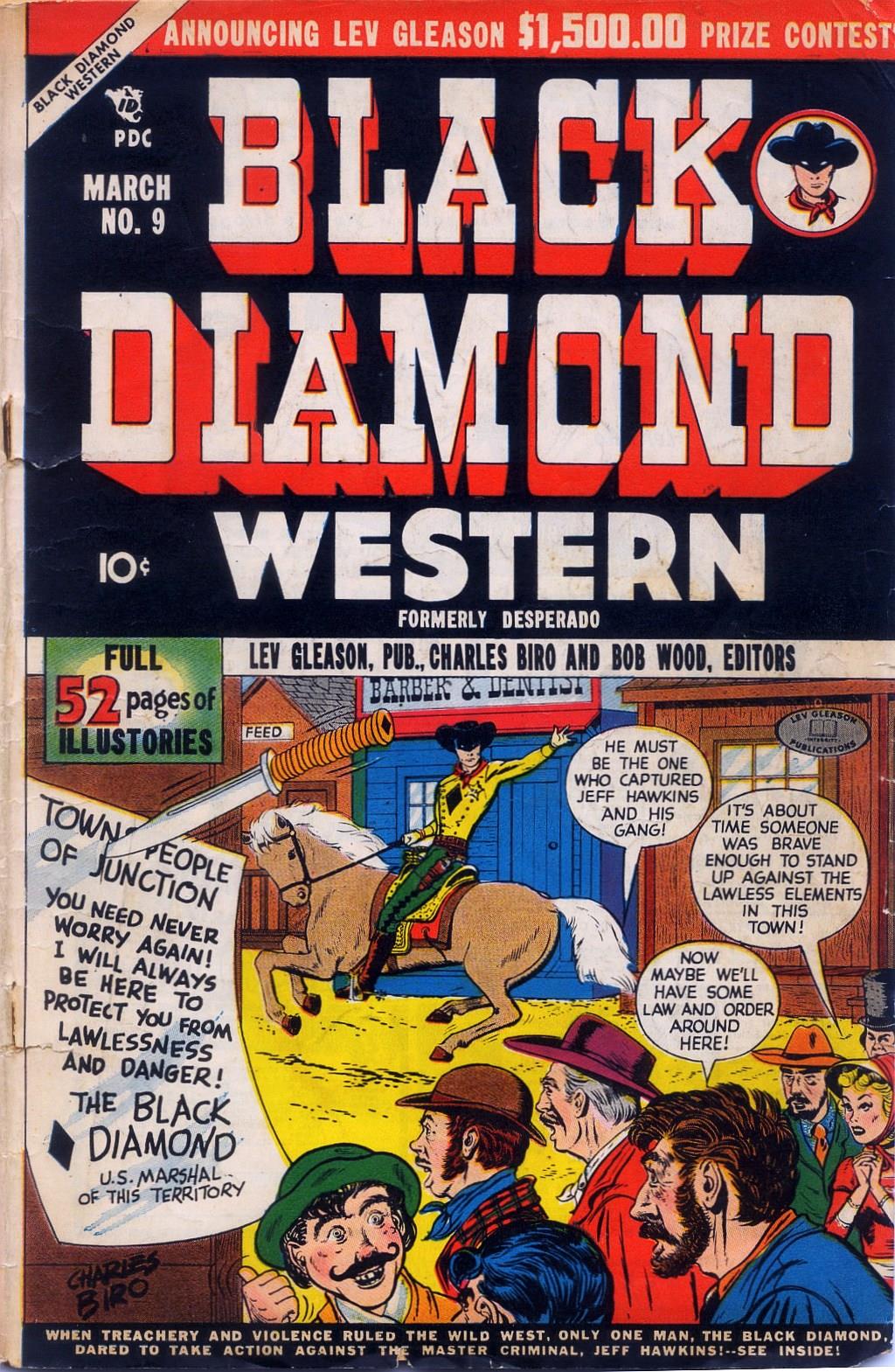
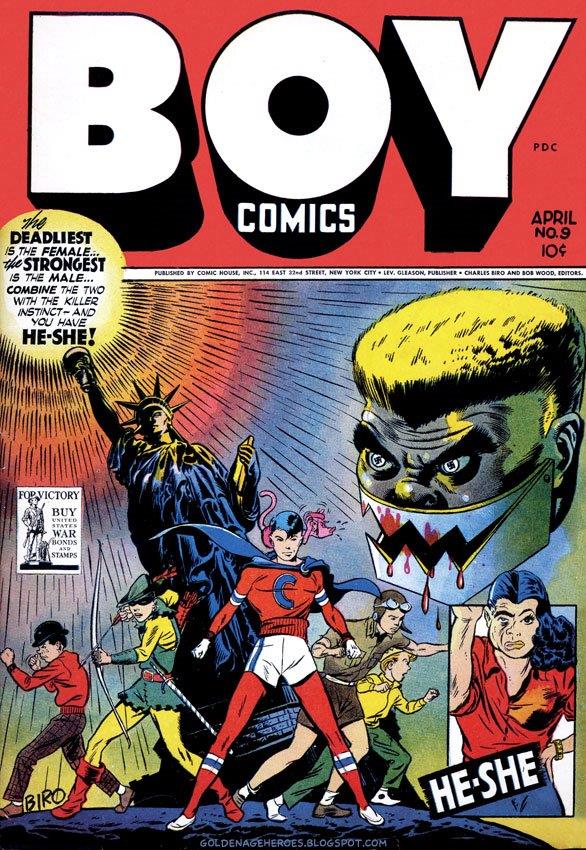
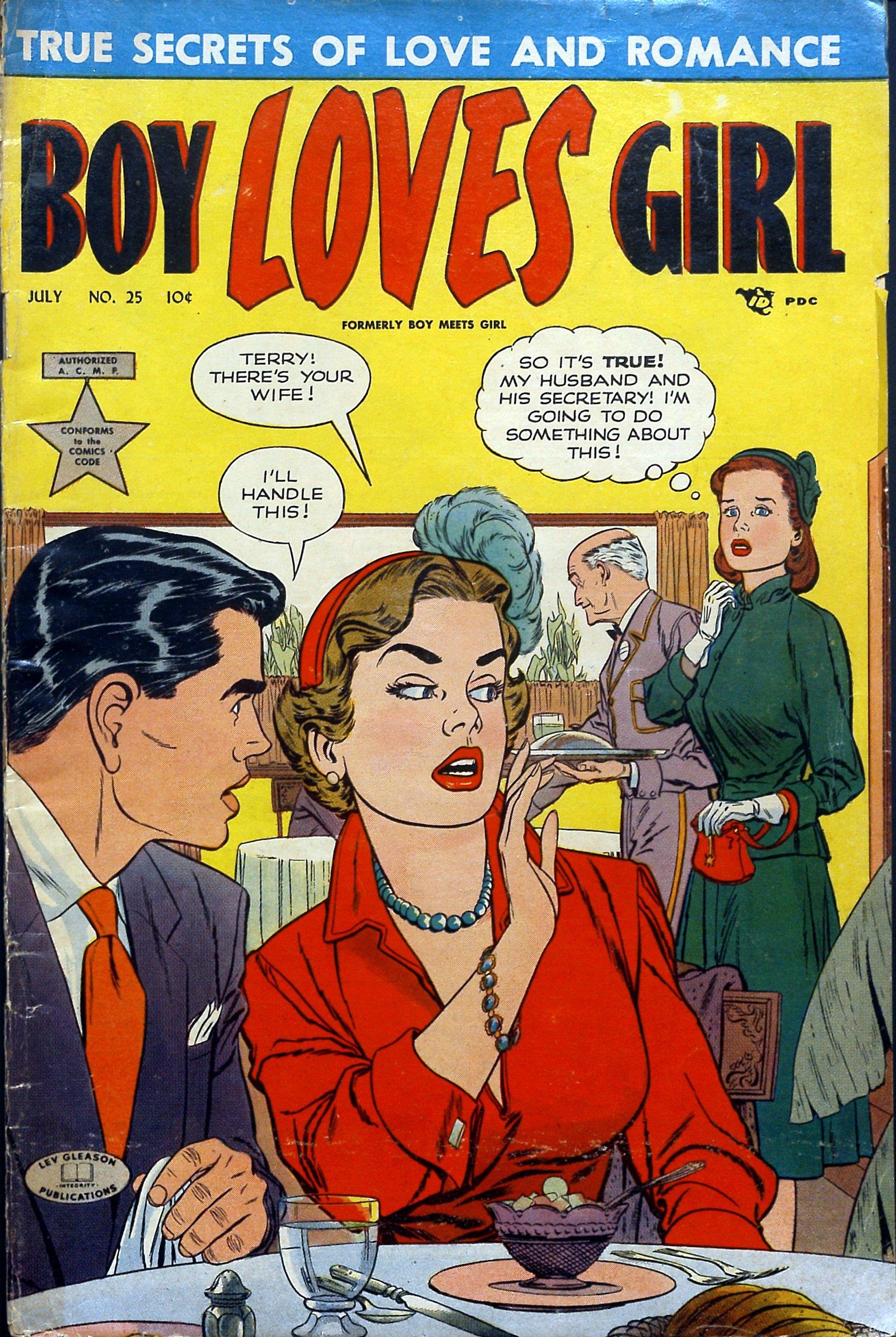
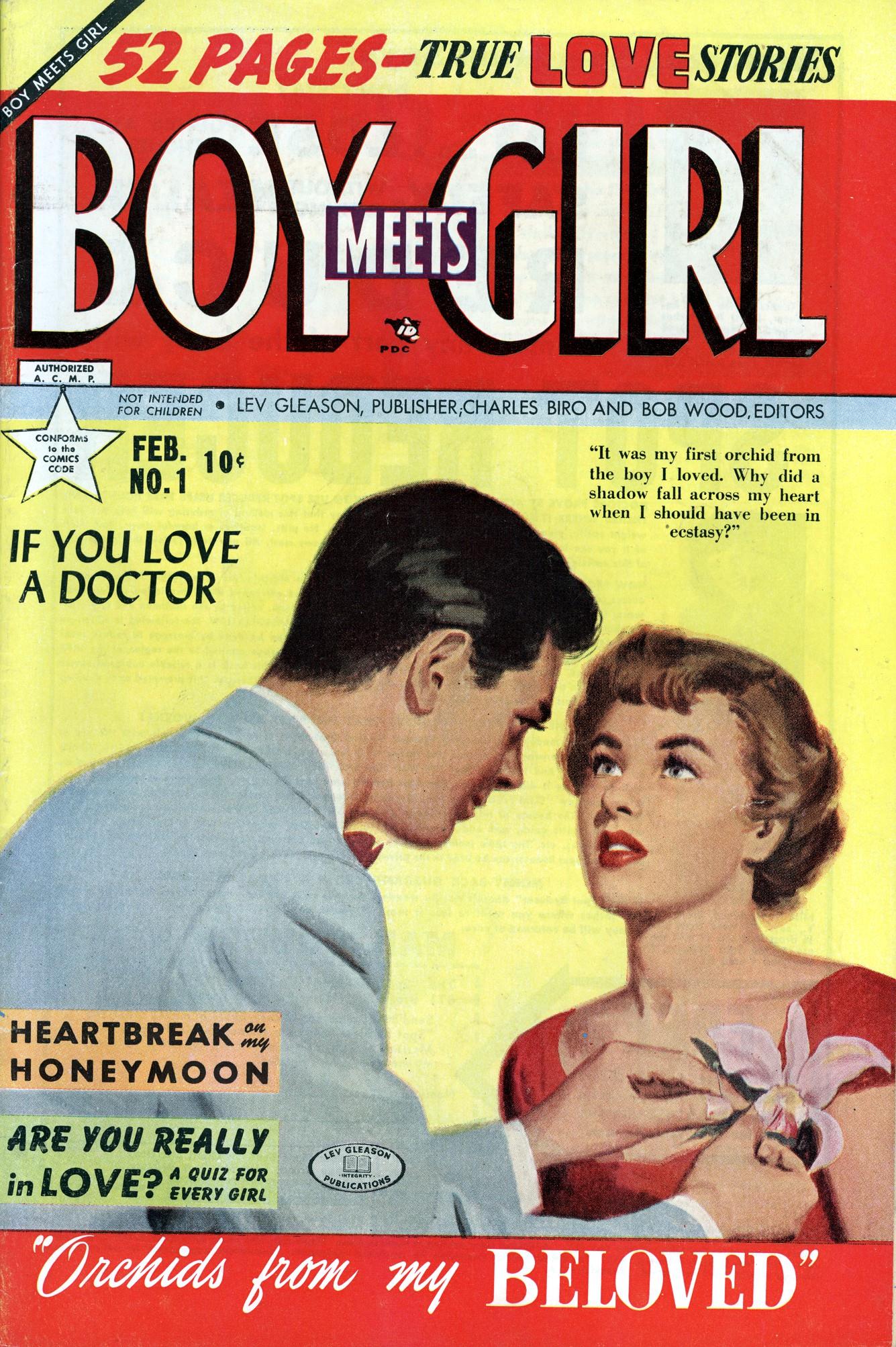
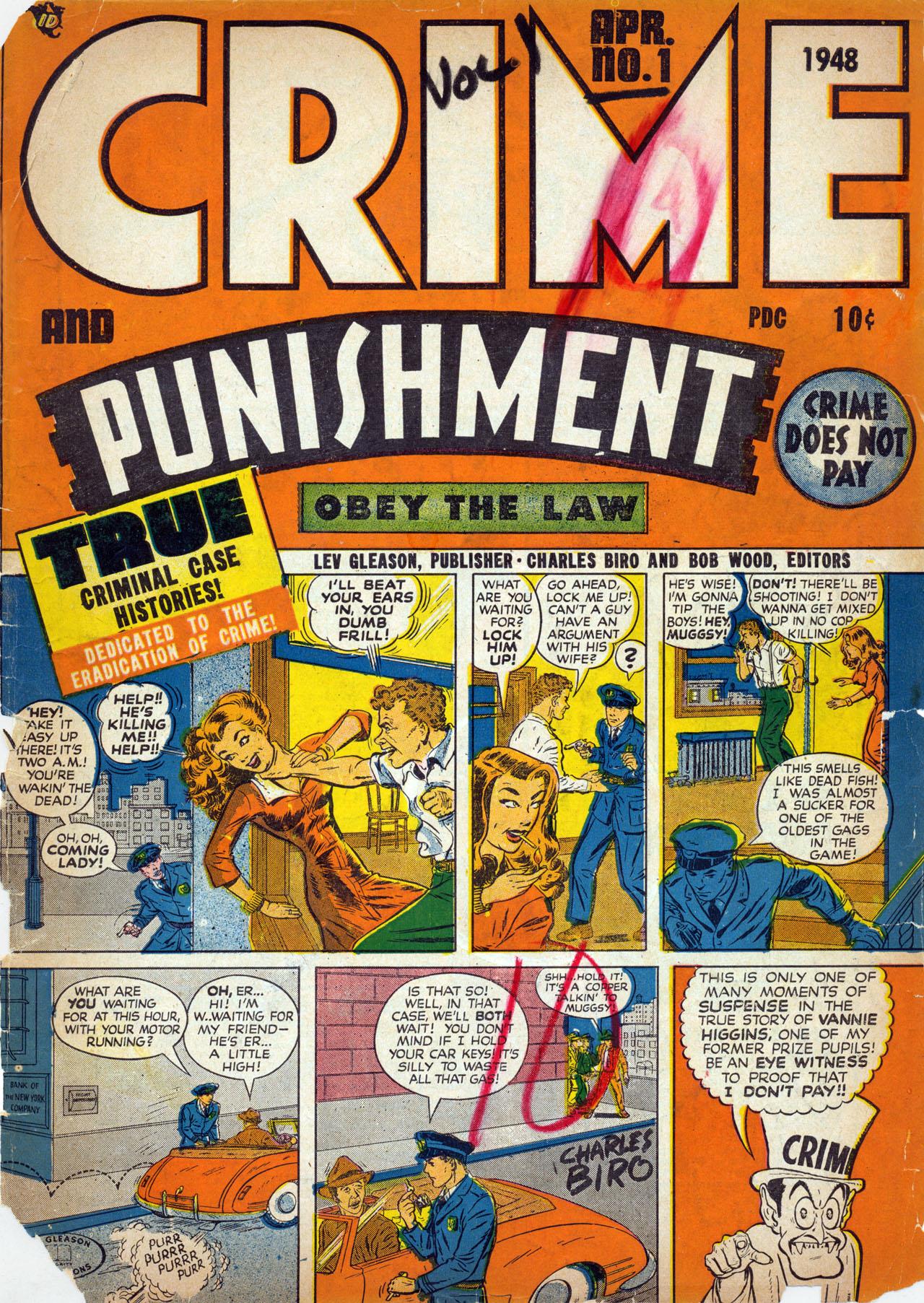
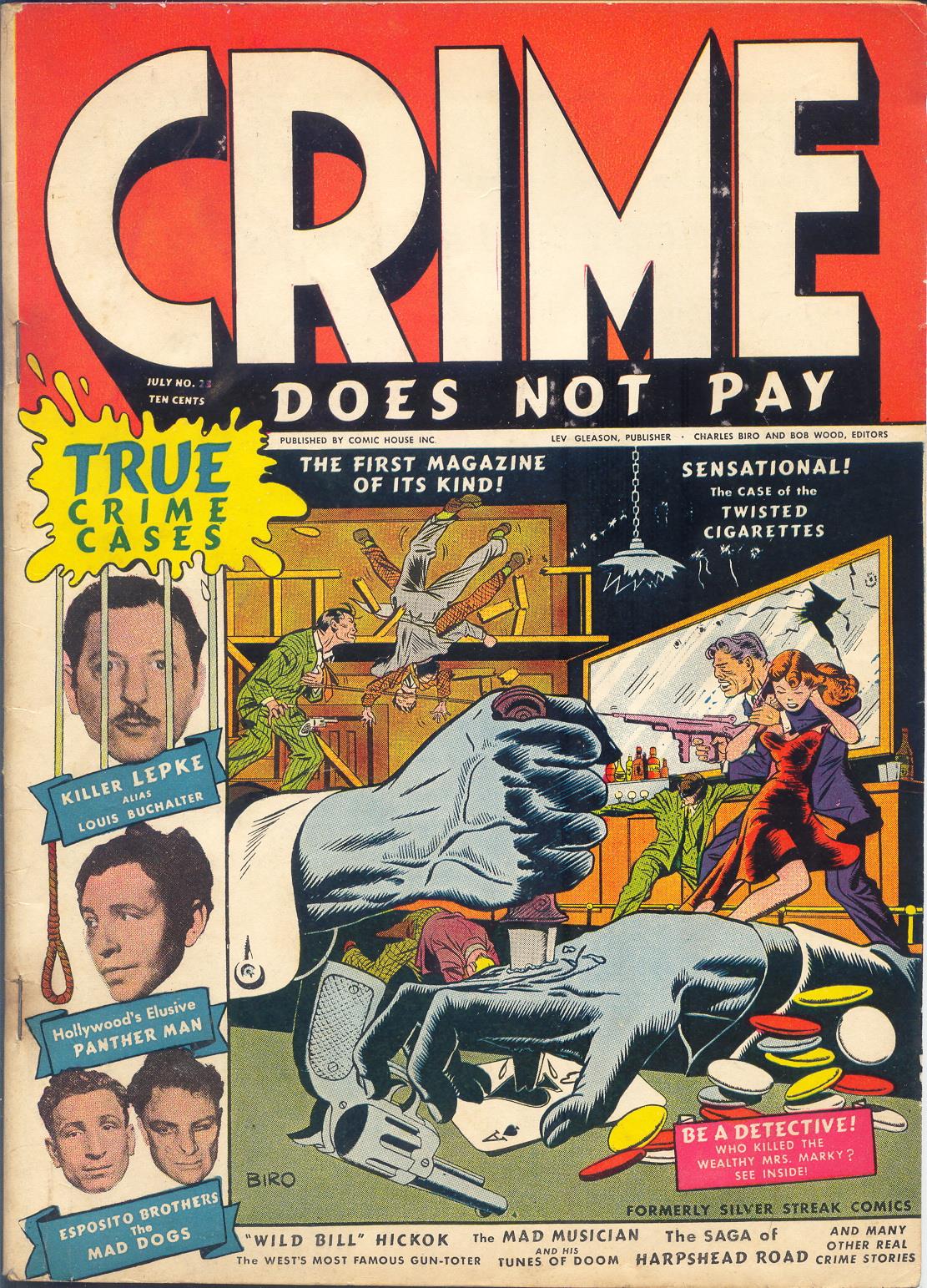
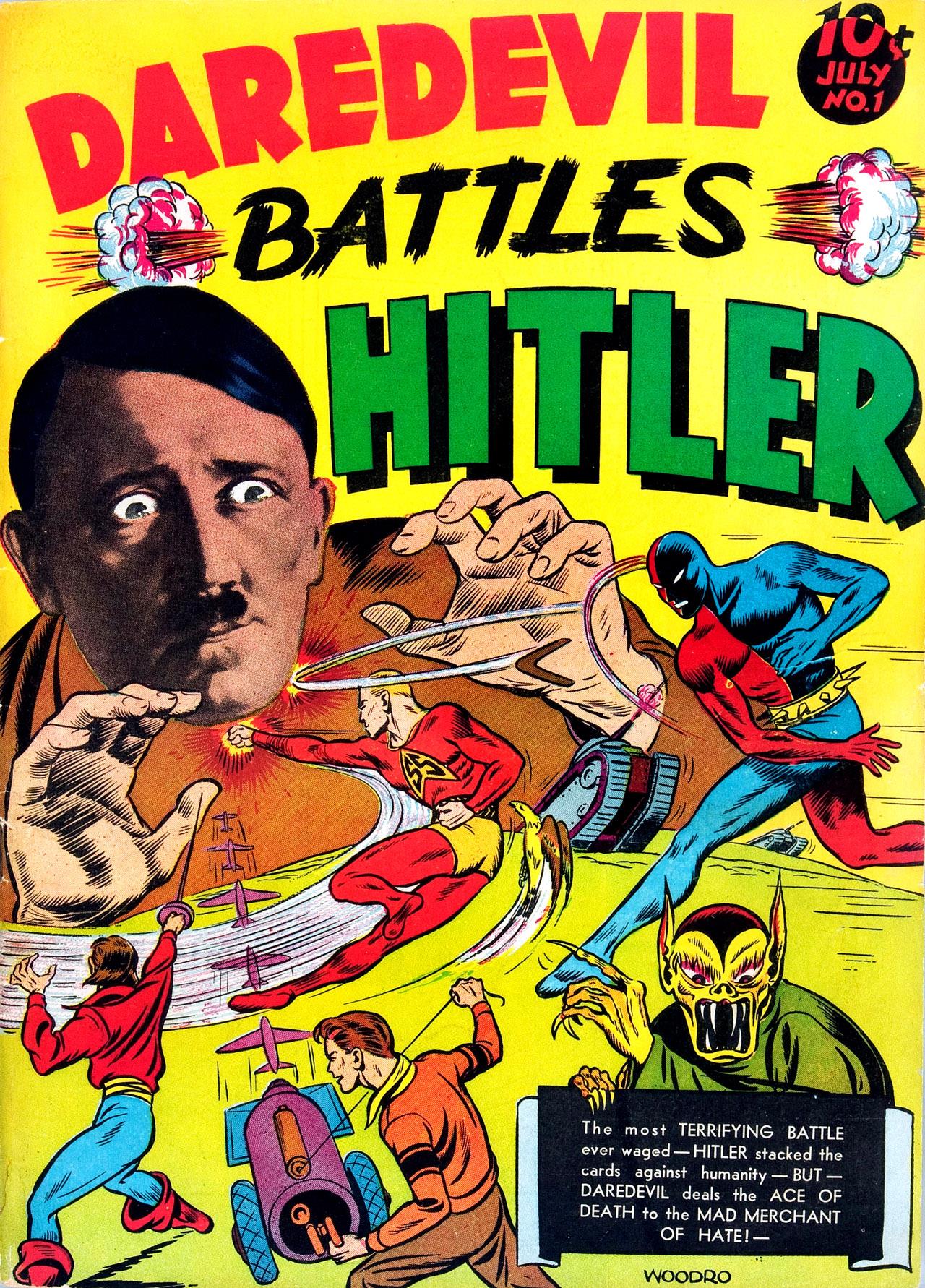
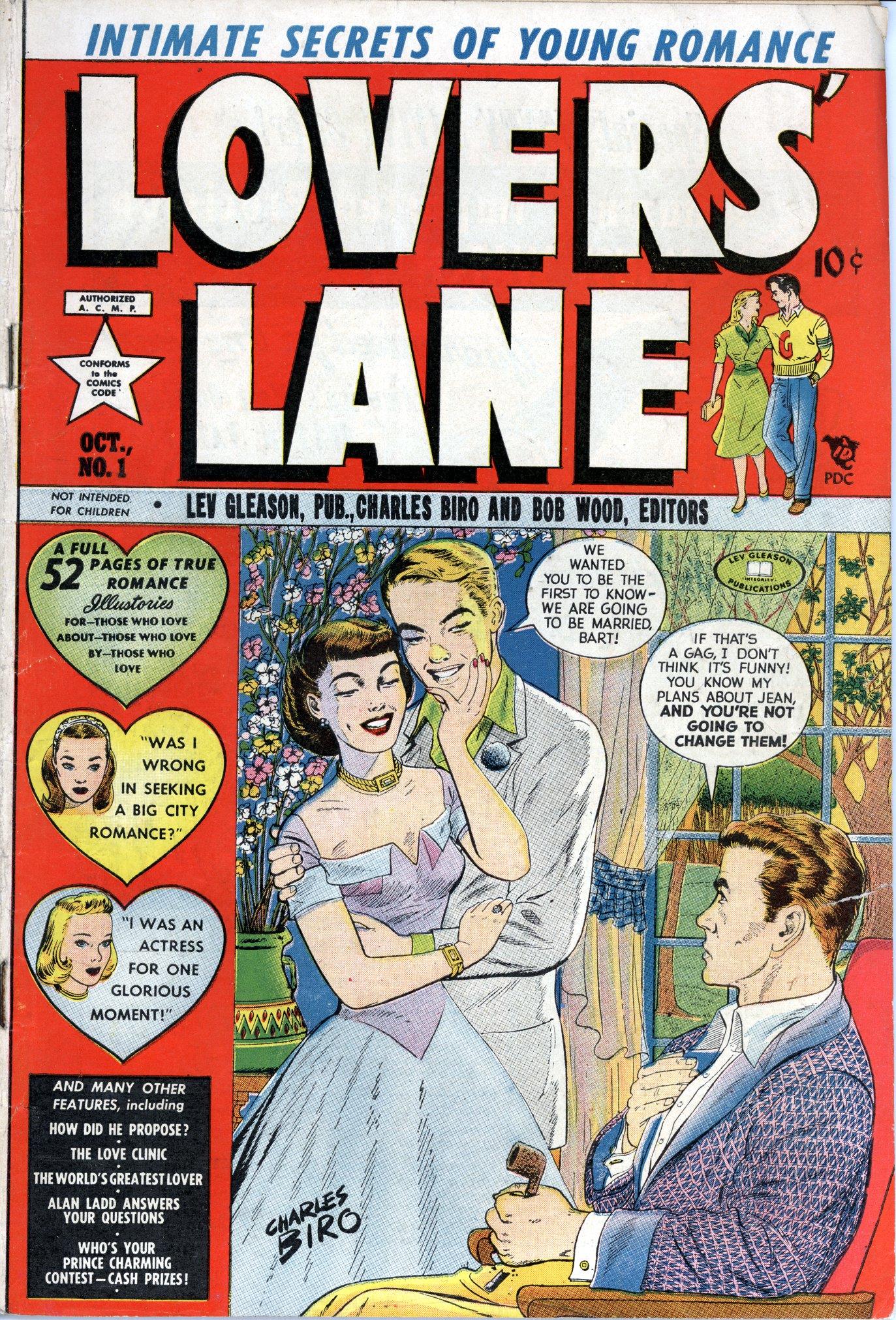
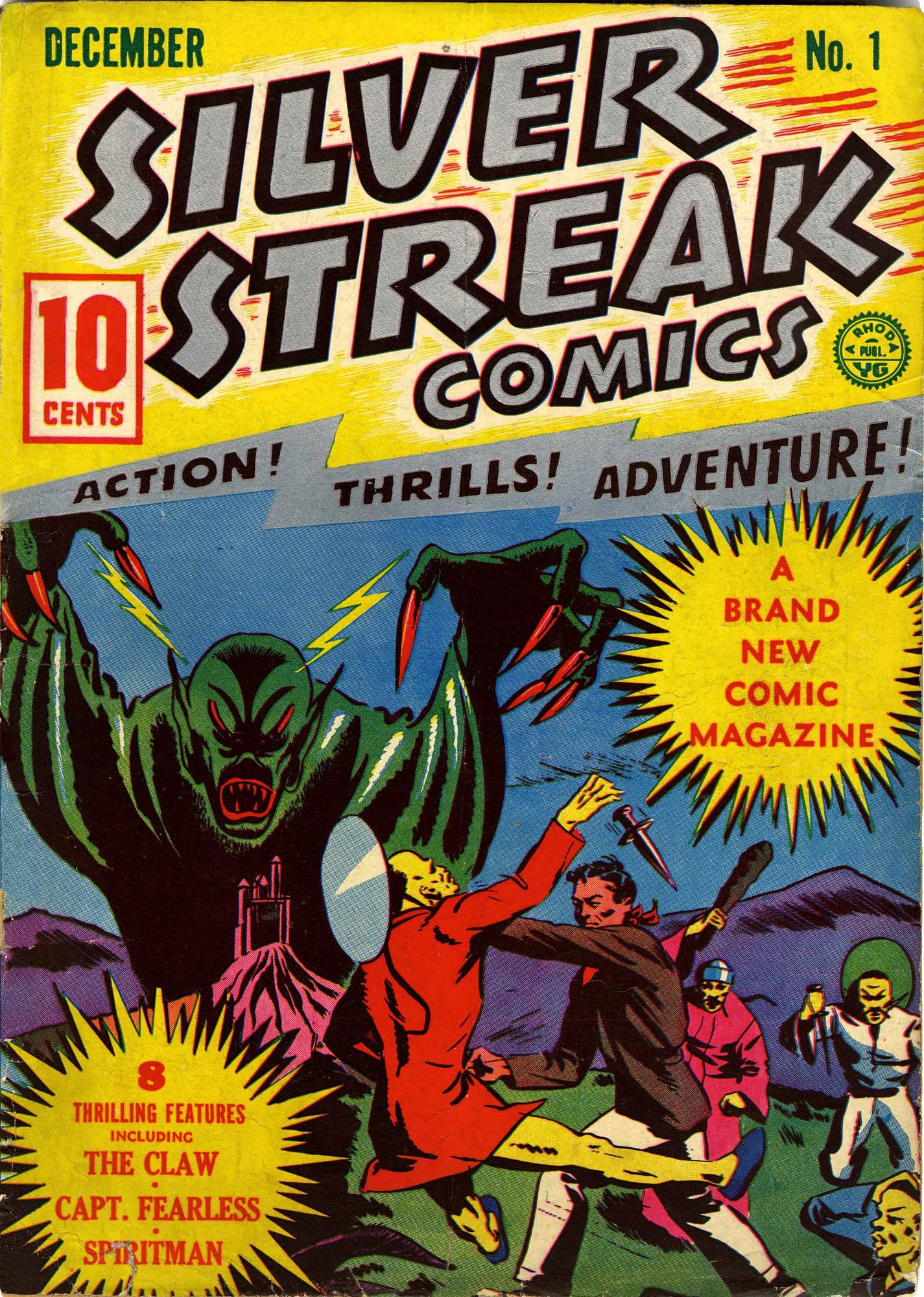
Gleason was a hands-on publisher who was involved in every aspect of his comics. He hired talented writers and artists and gave them creative freedom to tell the stories they wanted to tell. He was also known for his attention to detail and his insistence on accuracy in his comics, particularly in his crime titles, which were based on real-life criminal cases.
Lev Gleason’s publishing company was home to some of the most talented writers and artists of the Golden Age of Comics. Among the creators who worked for Gleason were Charles Biro, Bob Montana, Bob Wood, and Jerry Robinson, who went on to create some of the most iconic characters in comics history. Biro was the creator of Daredevil, the Boy Without Fear, and Crimebuster, while Montana is best known for creating Archie Andrews and the gang at Riverdale High School. Bob Wood worked on numerous titles for Gleason, including Silver Streak Comics and Crime Does Not Pay, and was known for his dynamic artwork and attention to detail. Jerry Robinson, who is credited with creating the Joker and Robin the Boy Wonder, worked on some of Gleason’s earliest titles. Other notable artists who worked for Gleason include Jack Cole, Mort Meskin, and George Tuska. Together, these artists helped to shape the comic book industry and created some of the most enduring characters and stories of the era.
Political Activism
Despite facing setbacks during the McCarthy era, Lev Gleason remained a committed political activist and continued to use his influence in the comic book industry to promote social justice and progressive causes. His activism extended beyond the realm of comics, as he was also involved in various leftist organizations, including the Communist Party USA. Gleason was a strong advocate for civil rights and supported labor unions and workers’ rights. He was also a vocal opponent of the internment of Japanese Americans during World War II and used his comics to criticize the government’s actions. In addition, Gleason was a supporter of the fight against fascism and was a strong supporter of the Soviet Union.
Gleason’s political activism and willingness to tackle controversial subjects made him a controversial figure in his time. He was known for pushing the boundaries of what was acceptable in comics, often exposing the dark underbelly of American society and shedding light on issues that were often ignored or overlooked by mainstream media. Despite facing backlash and being blacklisted in the comics industry, Gleason’s legacy as a trailblazer in the medium of comics and a champion of social justice remains strong.
In addition to his activism during the McCarthy era, Gleason was also involved in political activism outside of the United States. During the Spanish Civil War in the 1930s, he was part of a group that helped to smuggle Republican fighters out of Spain and bring them to safety in other countries. Gleason was a strong supporter of the Republican cause in Spain and used his publishing connections to help spread awareness of the conflict and rally support for the Republicans. His activism during the Spanish Civil War brought him into contact with other leftist activists and intellectuals, including writers Ernest Hemingway and John Dos Passos. Gleason was part of a group that organized a fundraising campaign to support the Republican cause and help provide aid to civilians affected by the conflict.
Throughout his life, Lev Gleason remained dedicated to his political beliefs and used his platform in the comic book industry to advocate for social change. He was a vocal supporter of the civil rights movement in the 1950s and 1960s and used his comics to advocate for desegregation and equal rights for all Americans. He also supported the anti-war movement during the Vietnam War and used his platform to criticize the government’s policies and actions. Gleason’s legacy continues to be celebrated by fans and scholars alike, and his influence can be seen in the work of many contemporary creators who are carrying on his legacy of using comics as a tool for social change.
Legacy
Despite the setbacks he faced later in his career, Gleason’s contributions to the comic book industry were significant. He was a pioneer in the field, introducing many innovations in comic book storytelling and publishing some of the most popular titles of his era. He also used his comics to promote his political views and was a committed advocate for civil rights and workers’ rights. Gleason’s legacy lives on in the countless comic book creators who have been inspired by his work.
 Initiative Oméga
Une réflexion au sujet de « Lev Gleason »