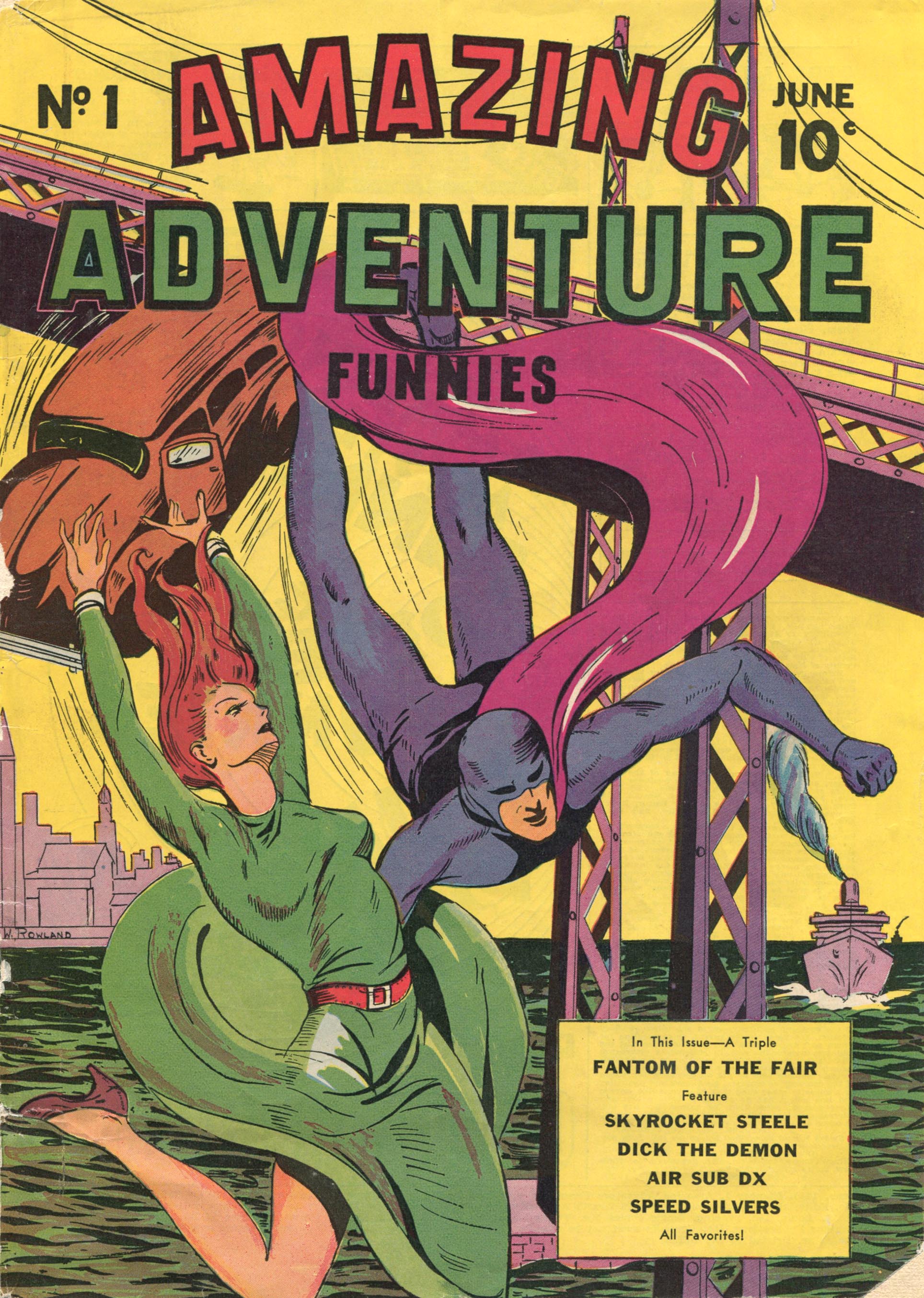
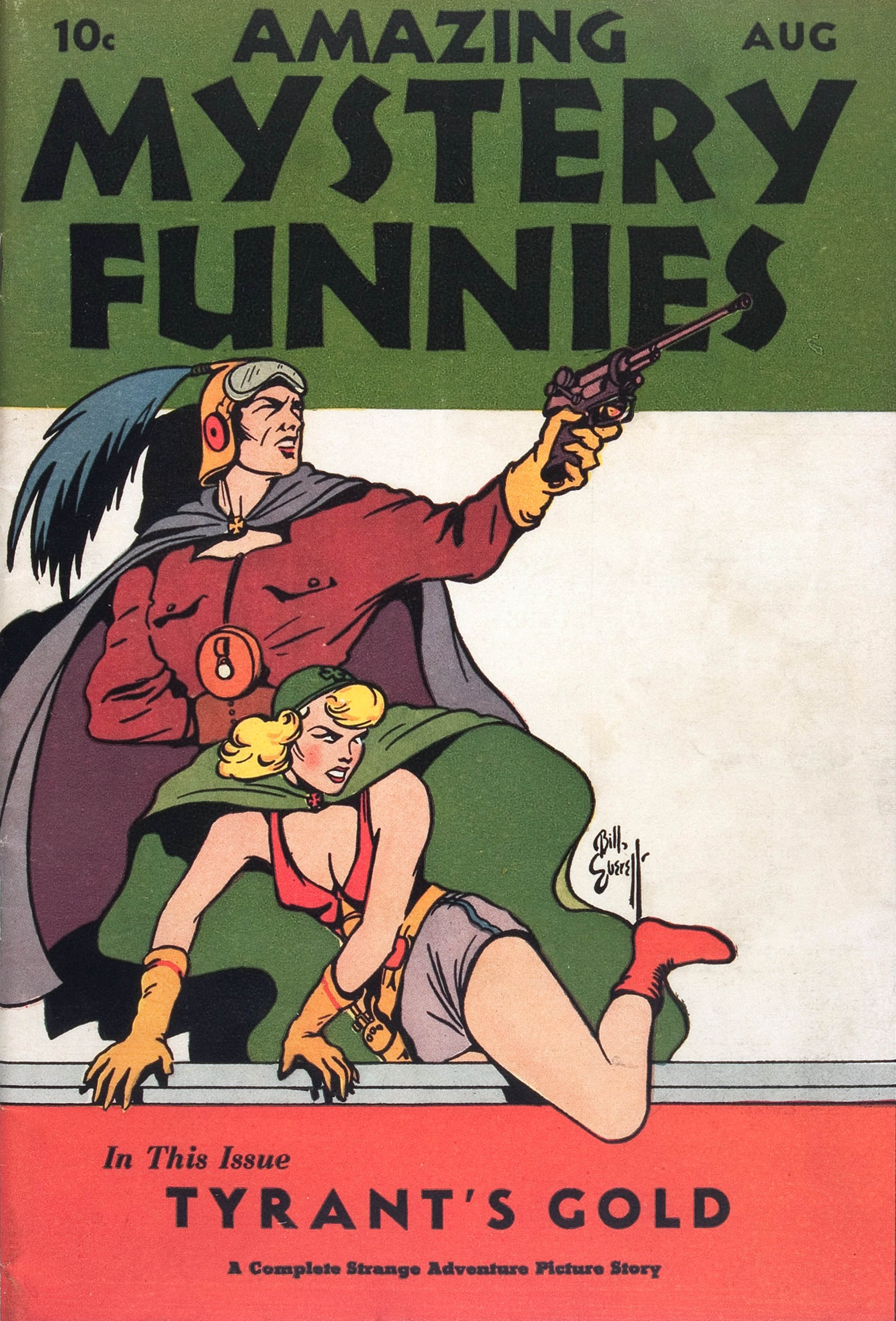
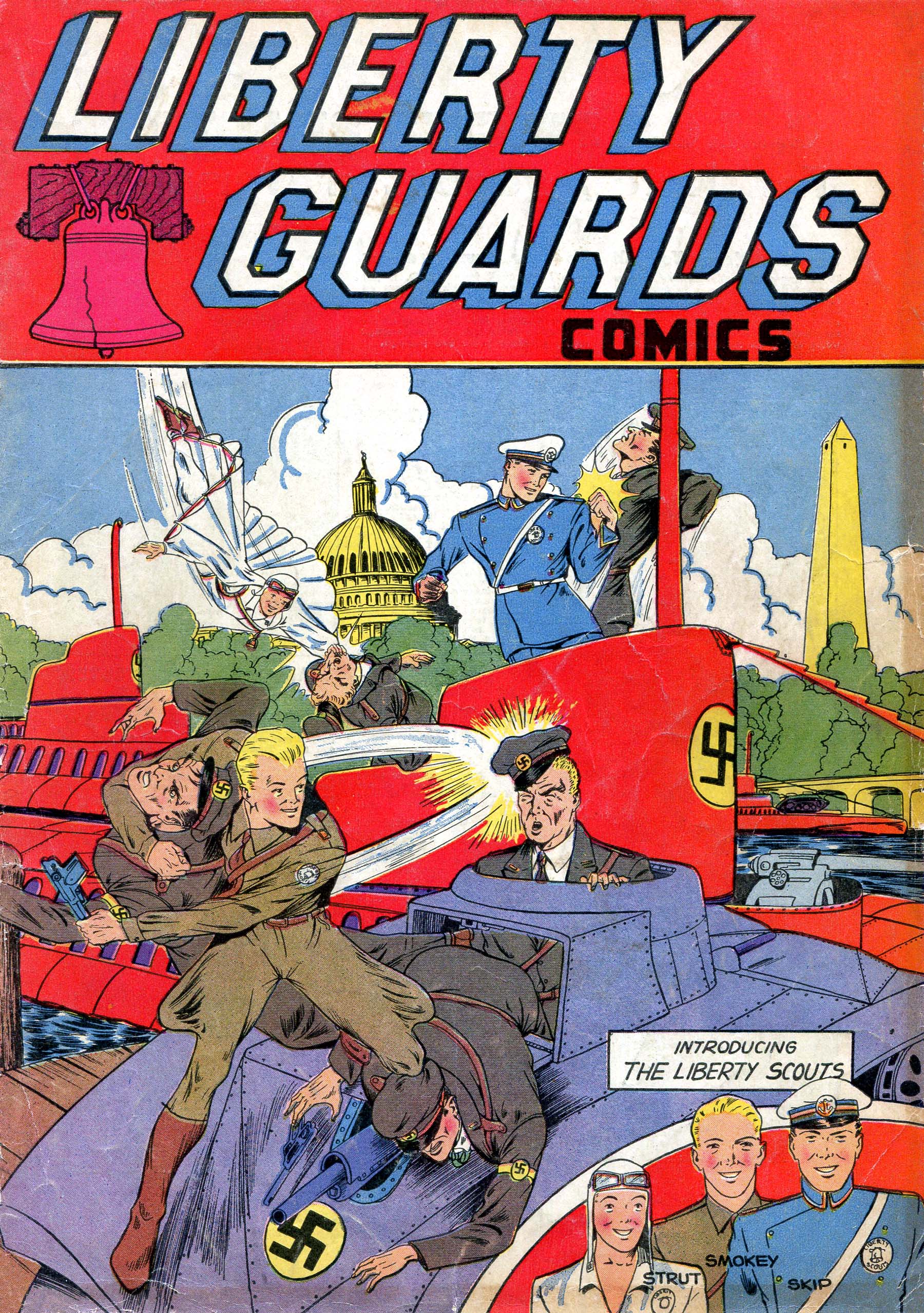
The Golden Age of comic books, from the late 1930s to the mid-1950s, saw the emergence of a number of companies that would leave their mark on the industry. Among them were Comic Magazine Company (C.M.C.), Chesler Publications, Ultem Comics, and Centaur Comics.
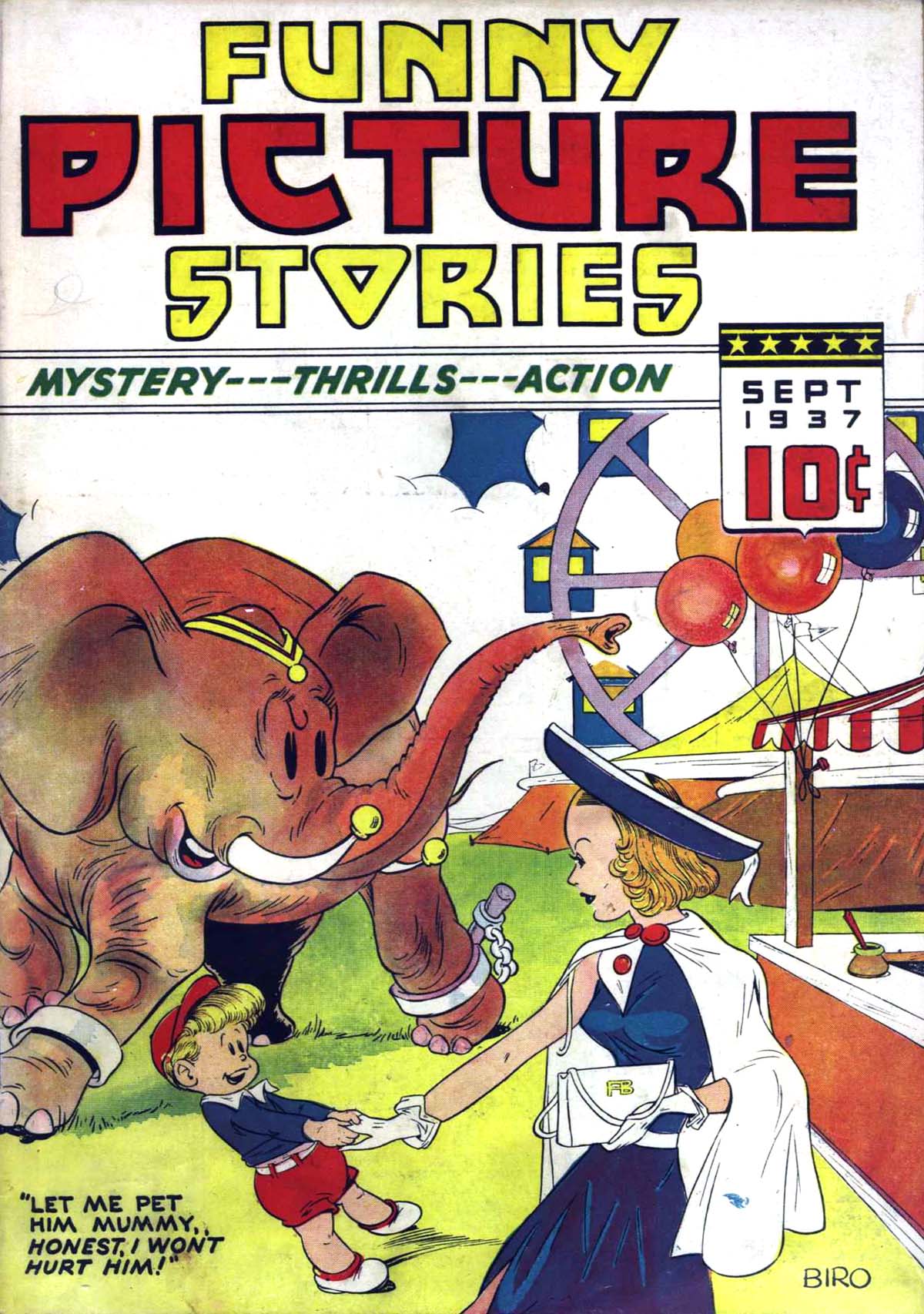
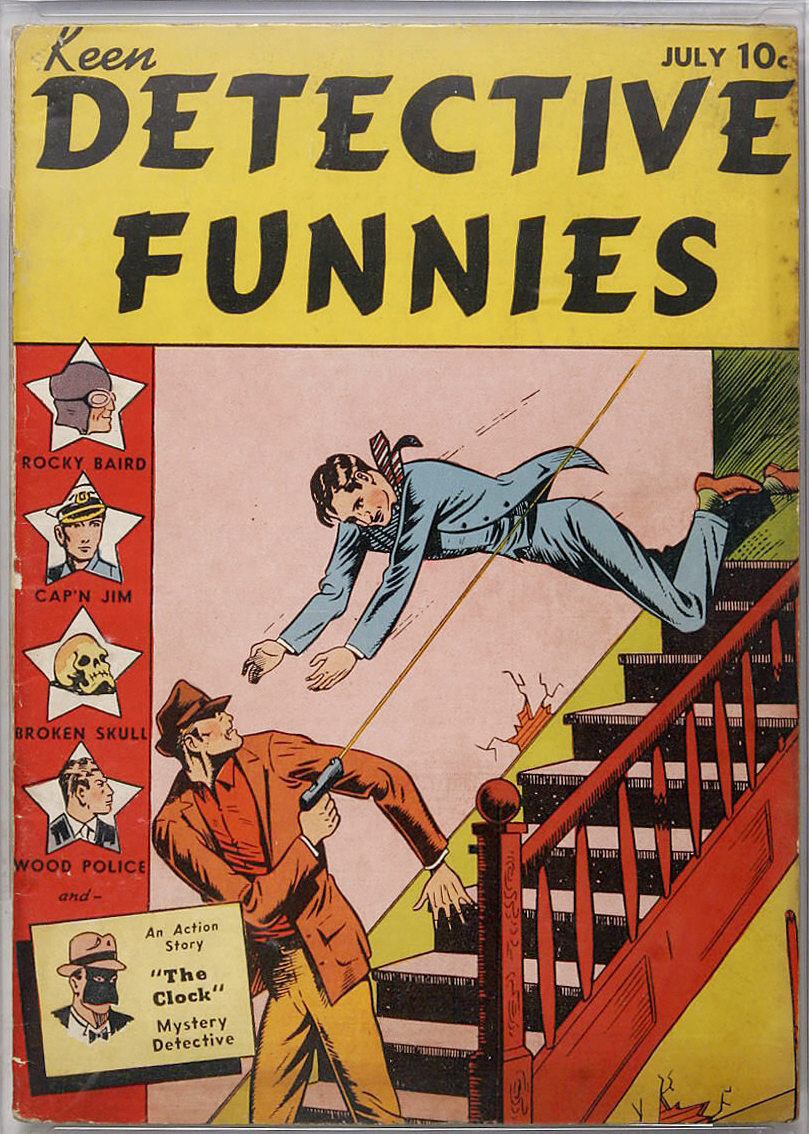
C.M.C. was founded in 1936 by John Mahon and Bill Cook, both of whom had worked for National Allied Publications. The company’s first title, The Comics Magazine, debuted in May of that year and featured many features from National drawn by the original artists. Some characters made only a single appearance or returned to National, while others continued to work for both companies. Another C.M.C. title, Funny Picture Stories, premiered in November 1936 and introduced The Clock, Comic Book’s first masked hero.
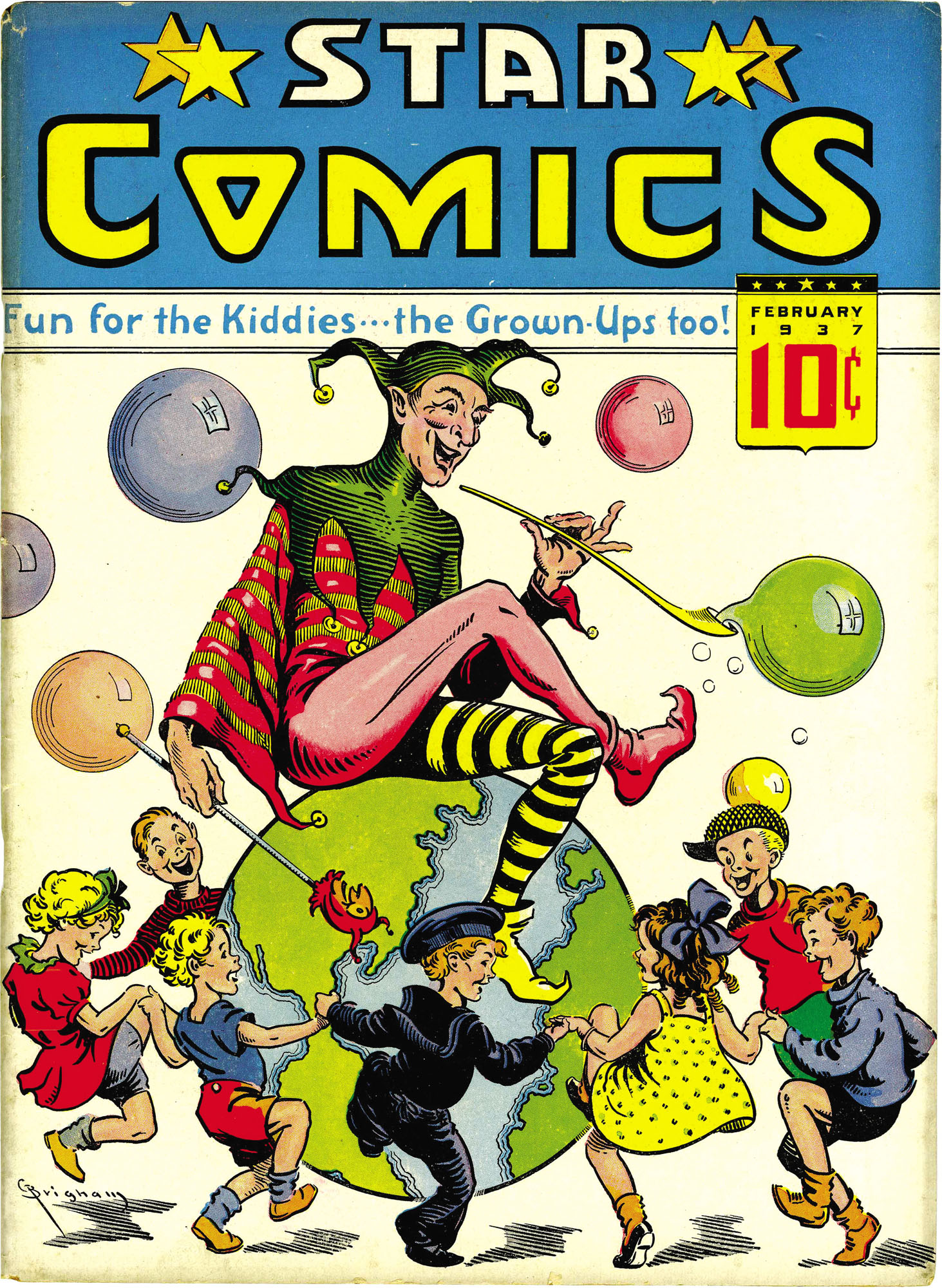
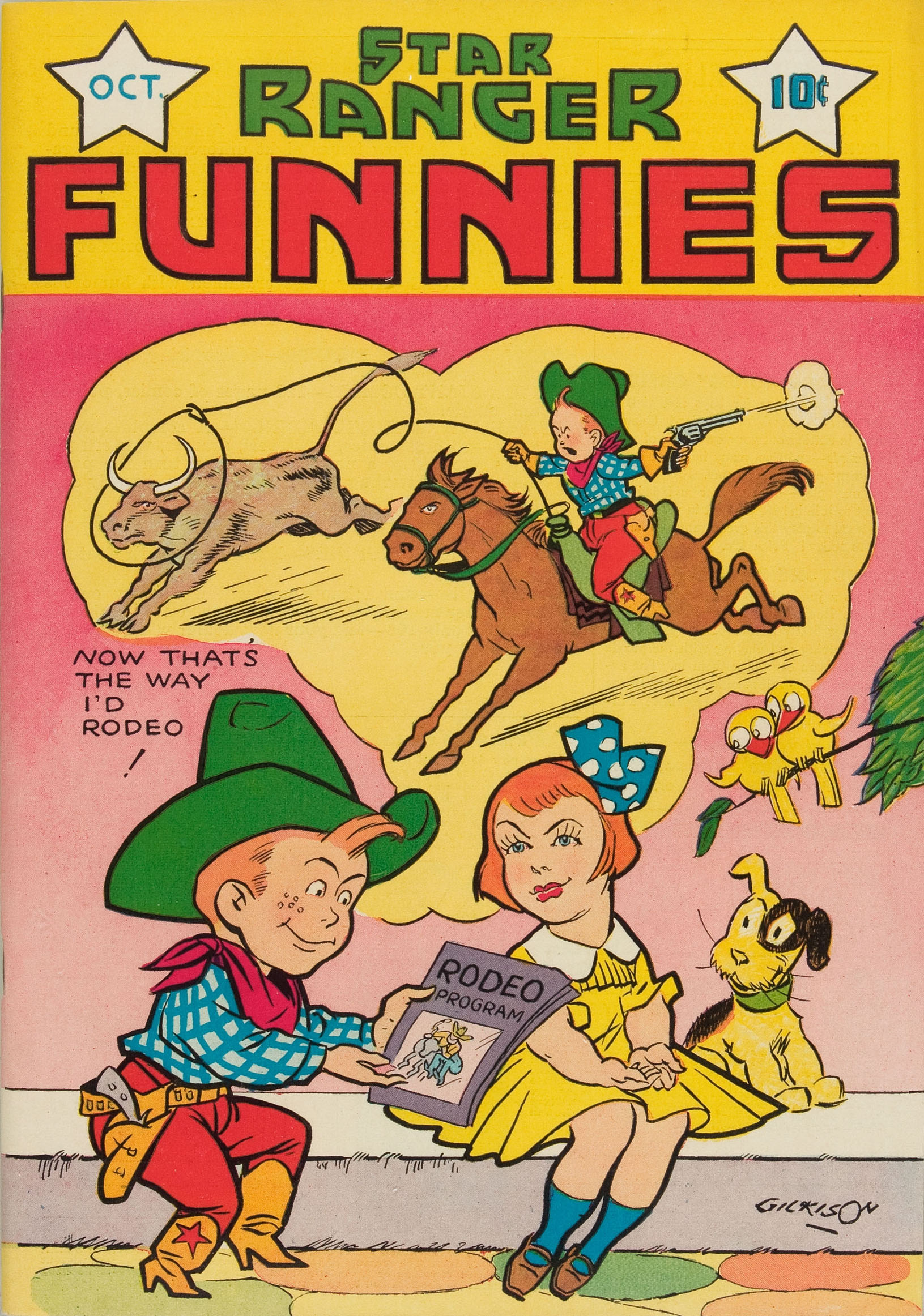
In 1937, Harry « A » Chesler founded Chesler Publications, a comic book packager and publisher. Chesler provided early work to artists and writers like Jack Cole, Jack Binder, Otto Binder, Charles Biro, and Mort Meskin. Chesler’s first titles were Star Comics and Ranger Comics, two oversize comics that debuted in February 1937. Chestler Dynamics would follow.
That same year, I.W. Ullman and Frank Z. Temerson founded Ultem Comics, which acquired Chesler’s and C.M.C. in 1937. Chesler remained on as editor and packager, and Ultem operated out of the same office as Chesler had rather than at Ullman and Temerson’s offices. The company would continue to produce titles until January 1938.
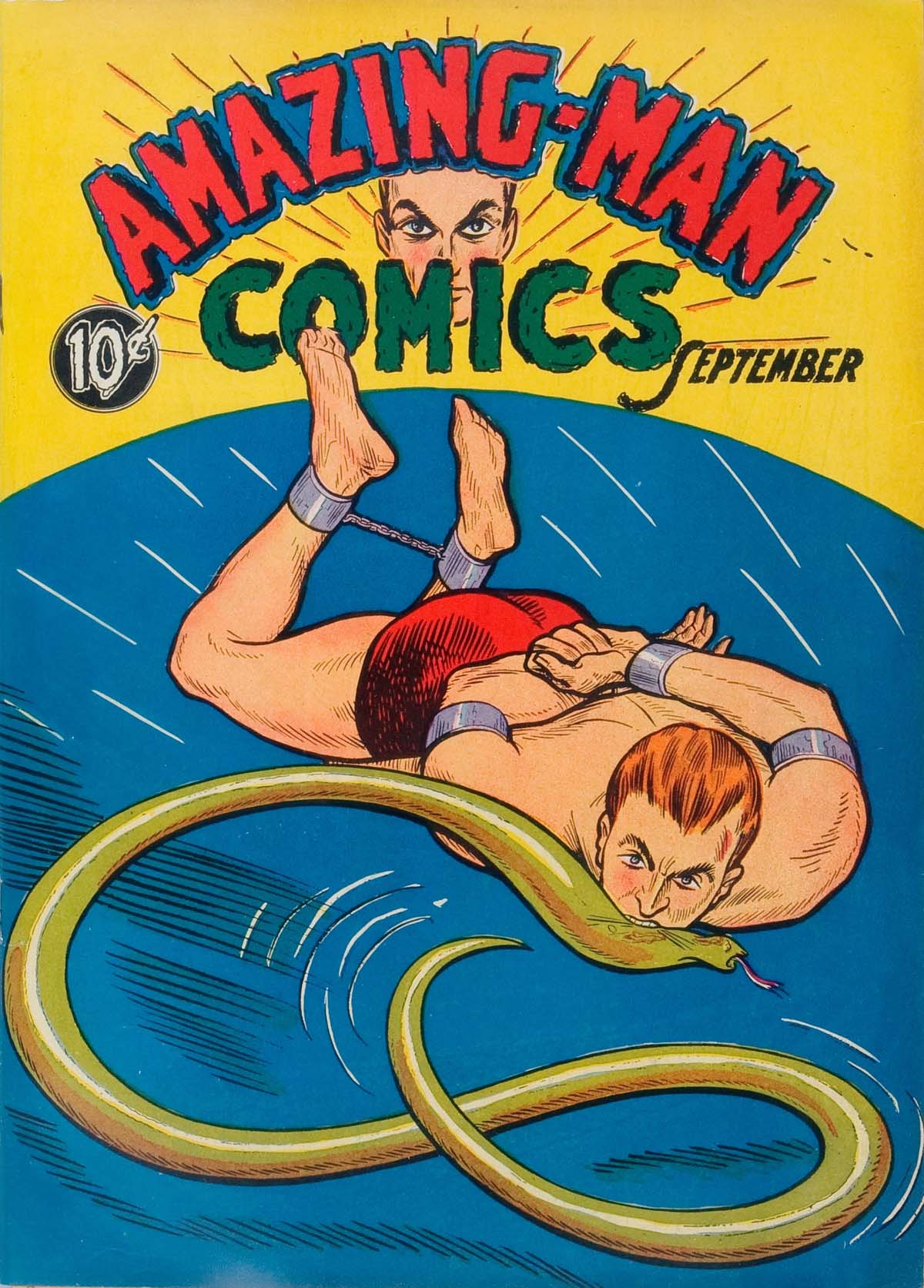
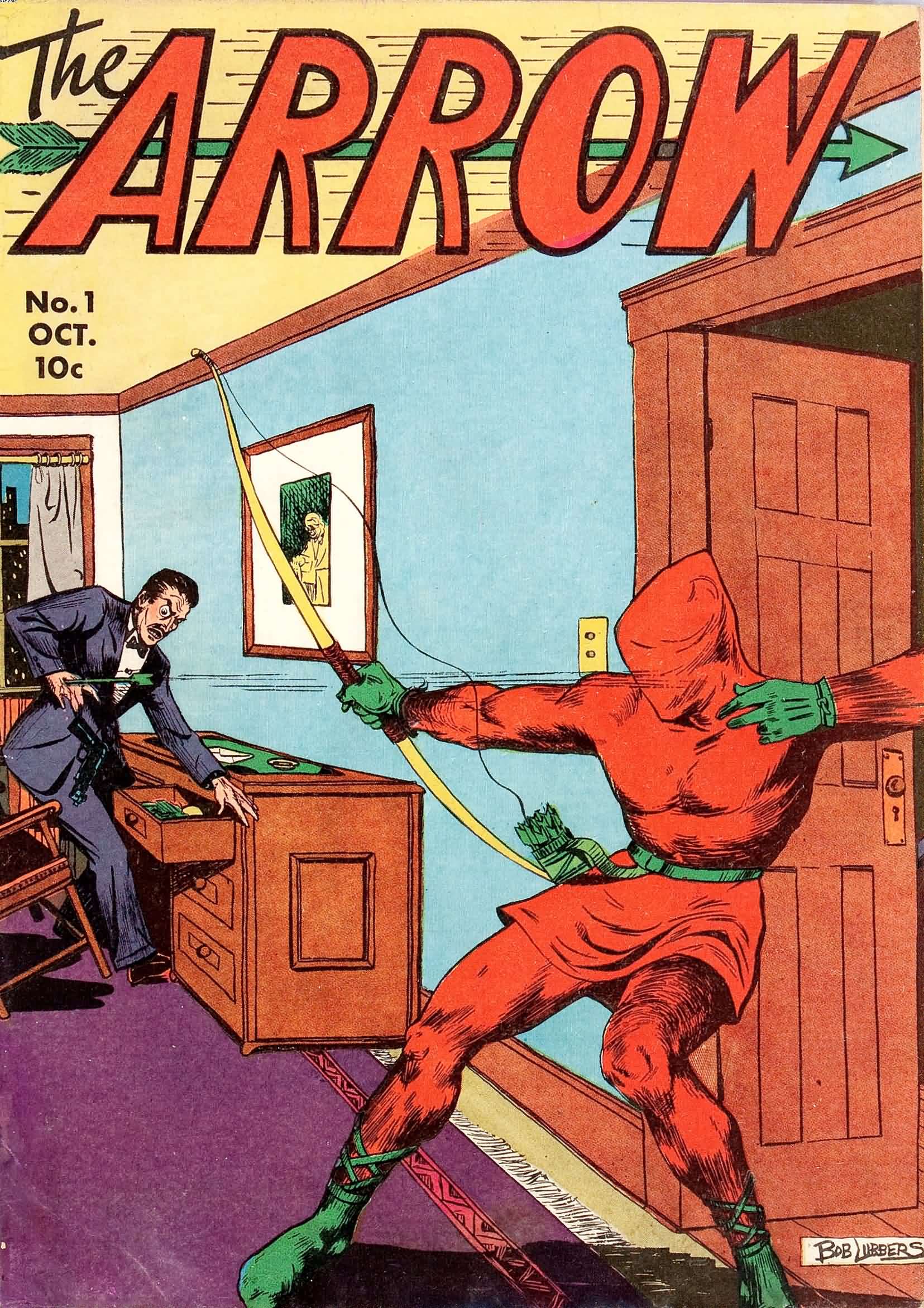
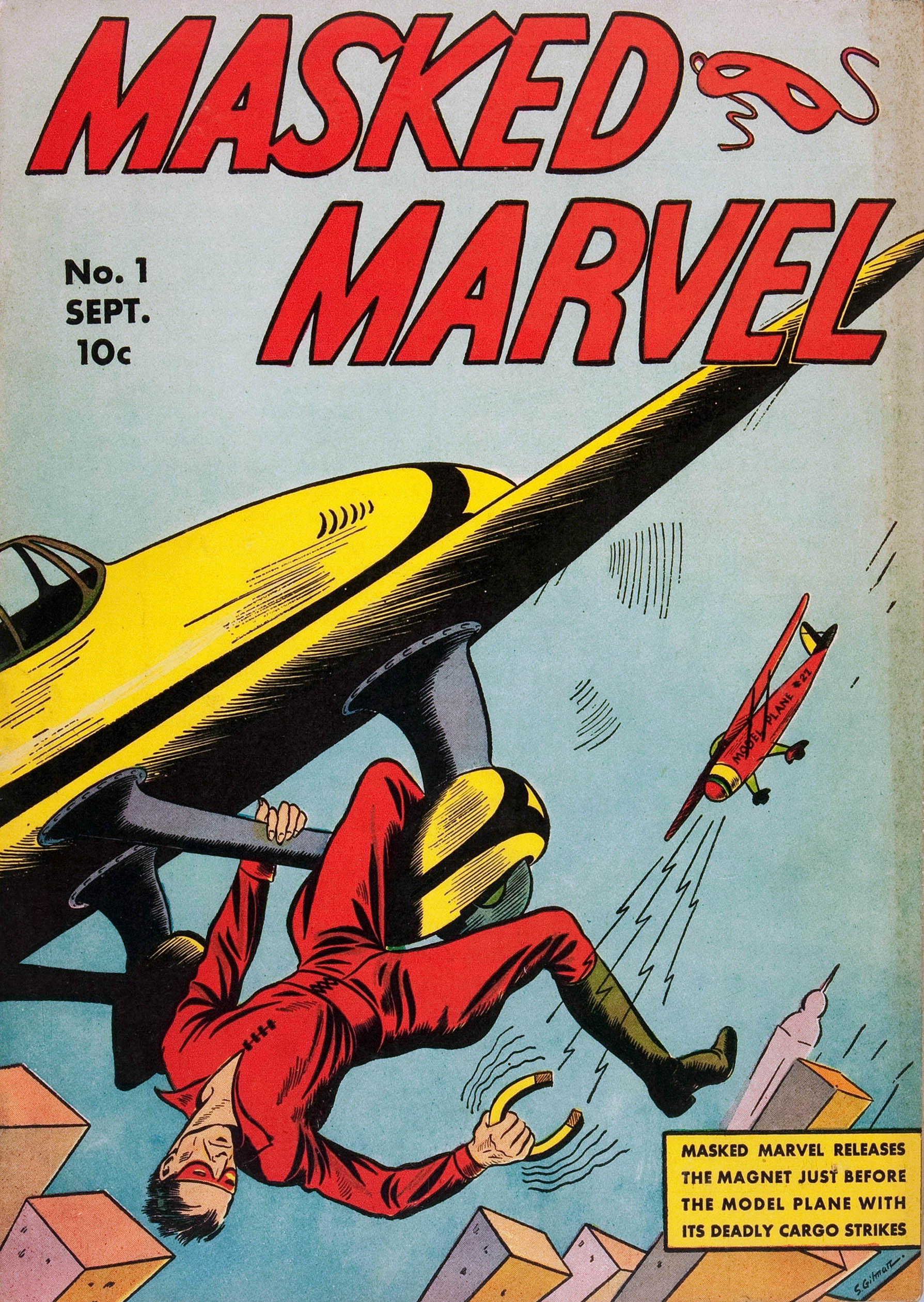
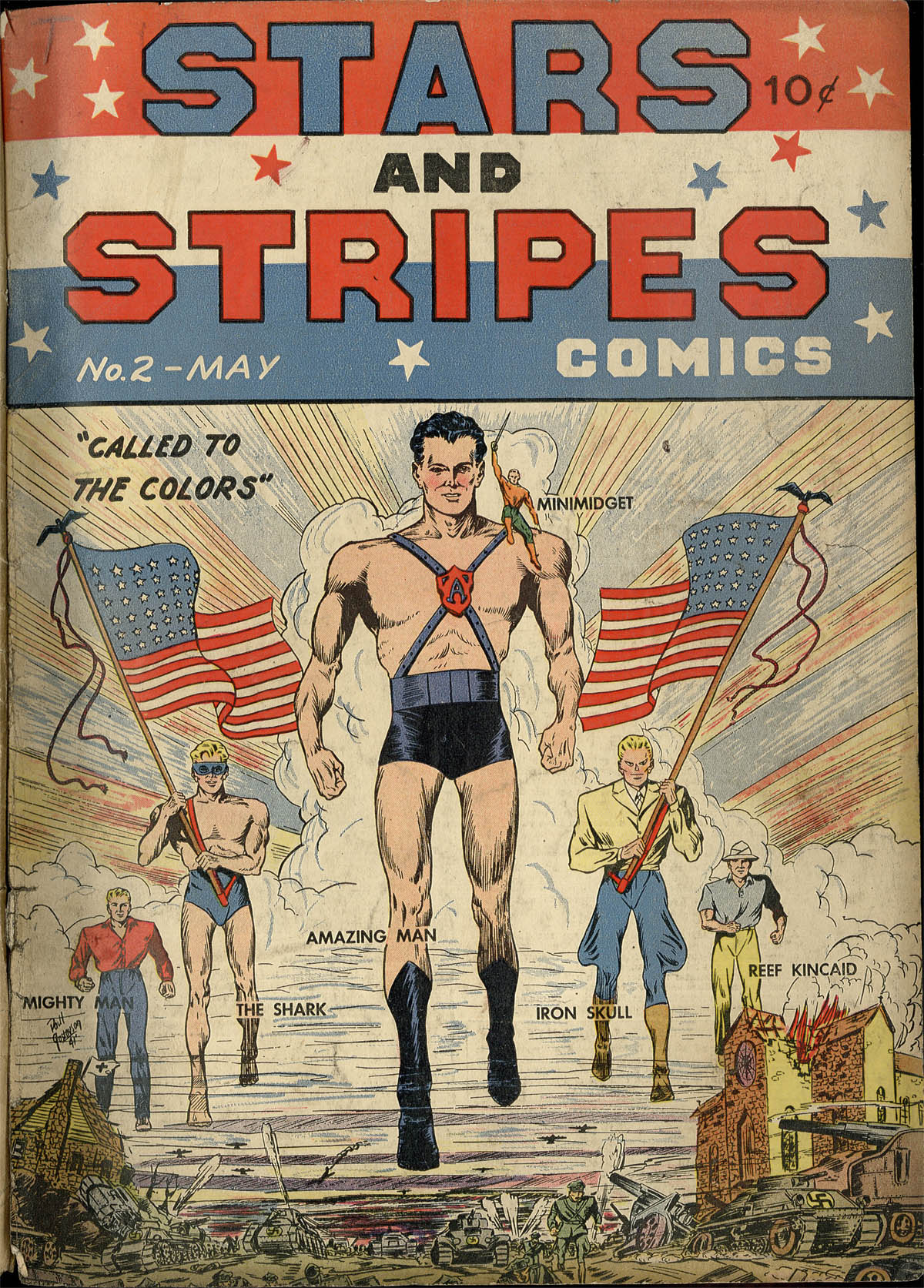
Centaur Comics was founded in 1938 by Joseph Hardie and Raymond J. Kelly. The company was unique in that it had its own distribution network, rather than relying on the system controlled by organized crime through the American News Company. Centaur’s first title was Funny Pages, which debuted in January 1936 and featured such characters as Amazing-Man, The Clock, and The Arrow. Other Centaur titles included Detective Eye, Fantoman, and Masked Marvel.
Centaur’s run would be cut short in 1942, as the U.S. government imposed restrictions on paper and ink during World War II. After the war, many of the creators and characters associated with Centaur would find new homes at other publishers, including DC Comics and Marvel Comics.
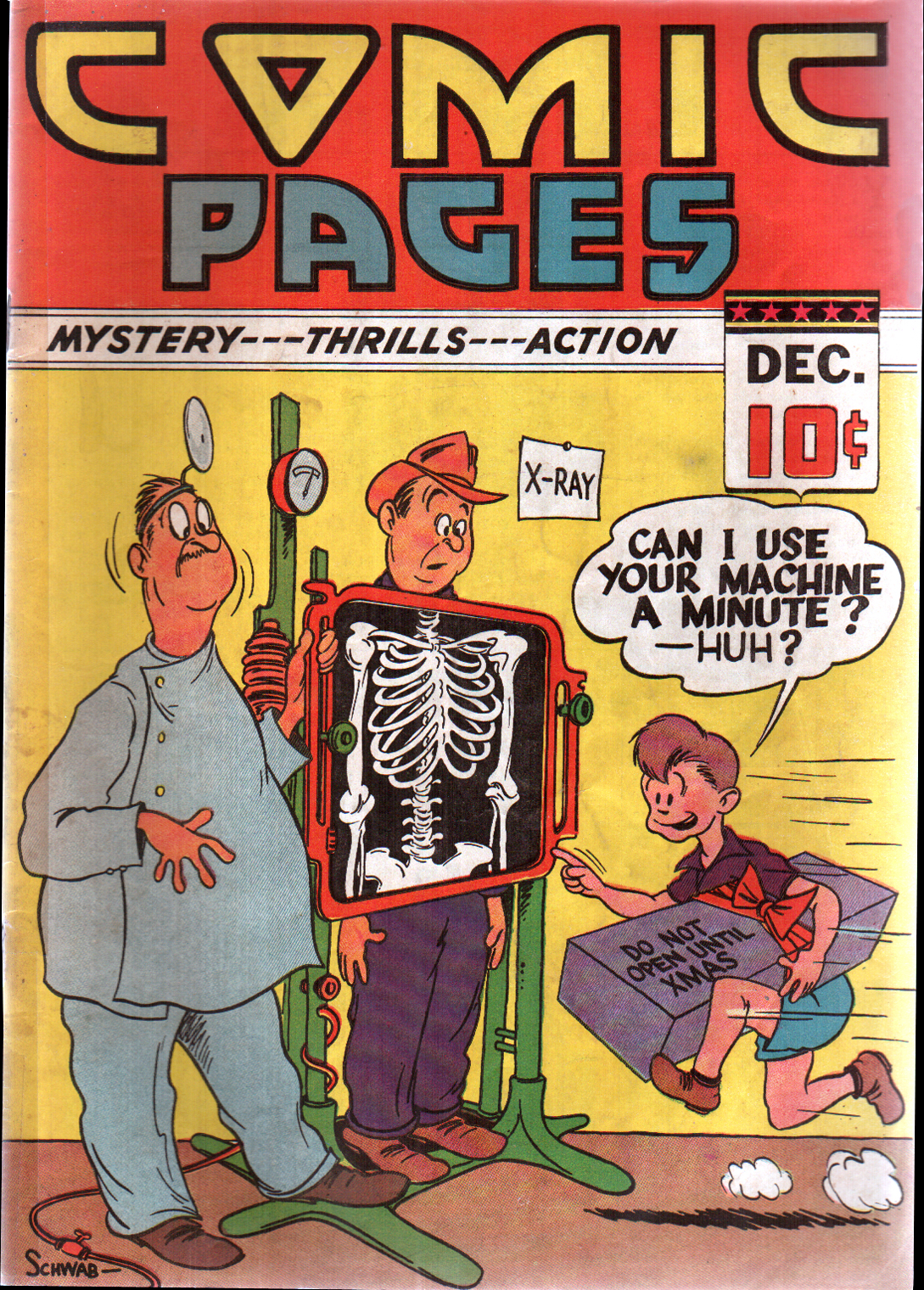
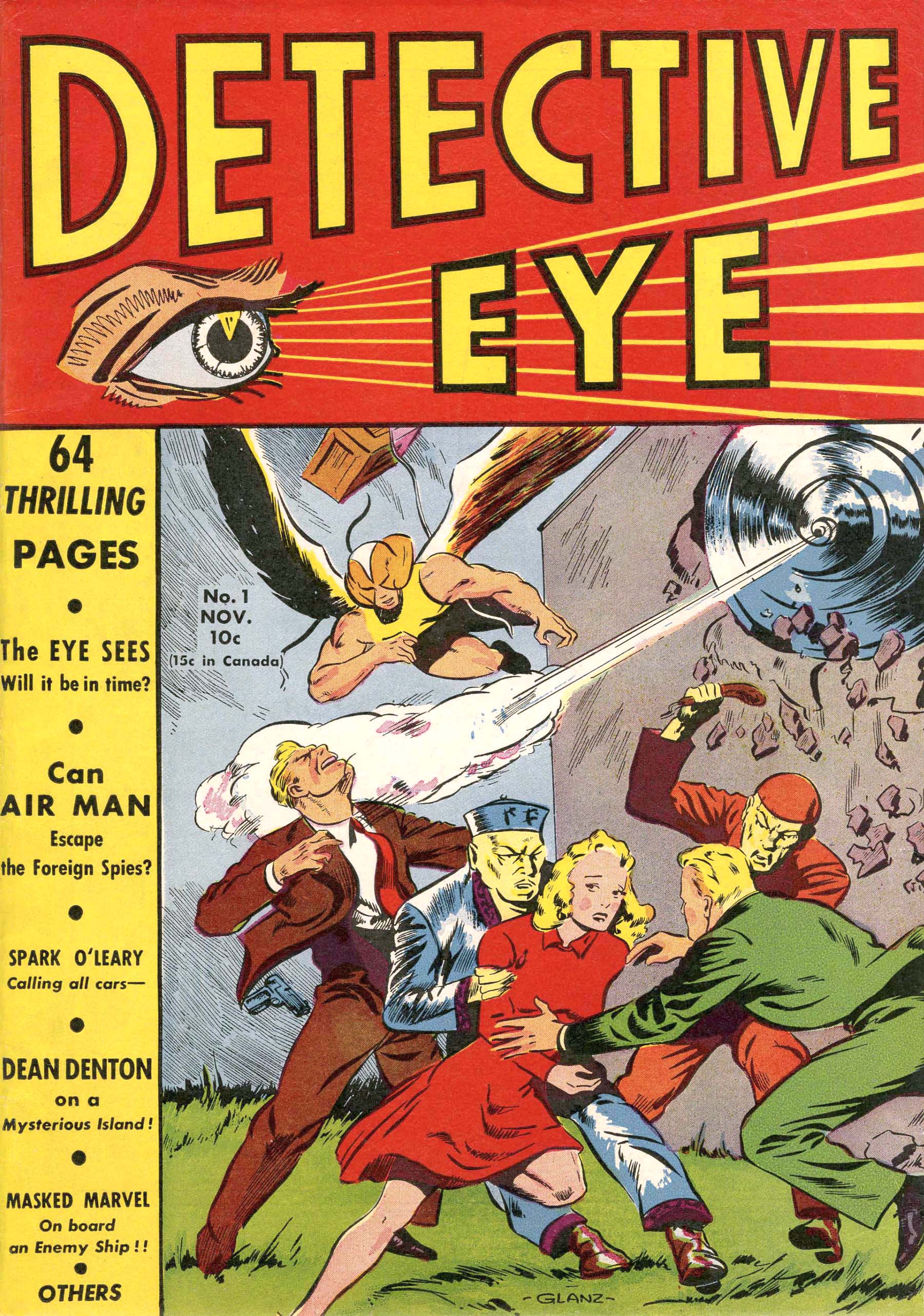
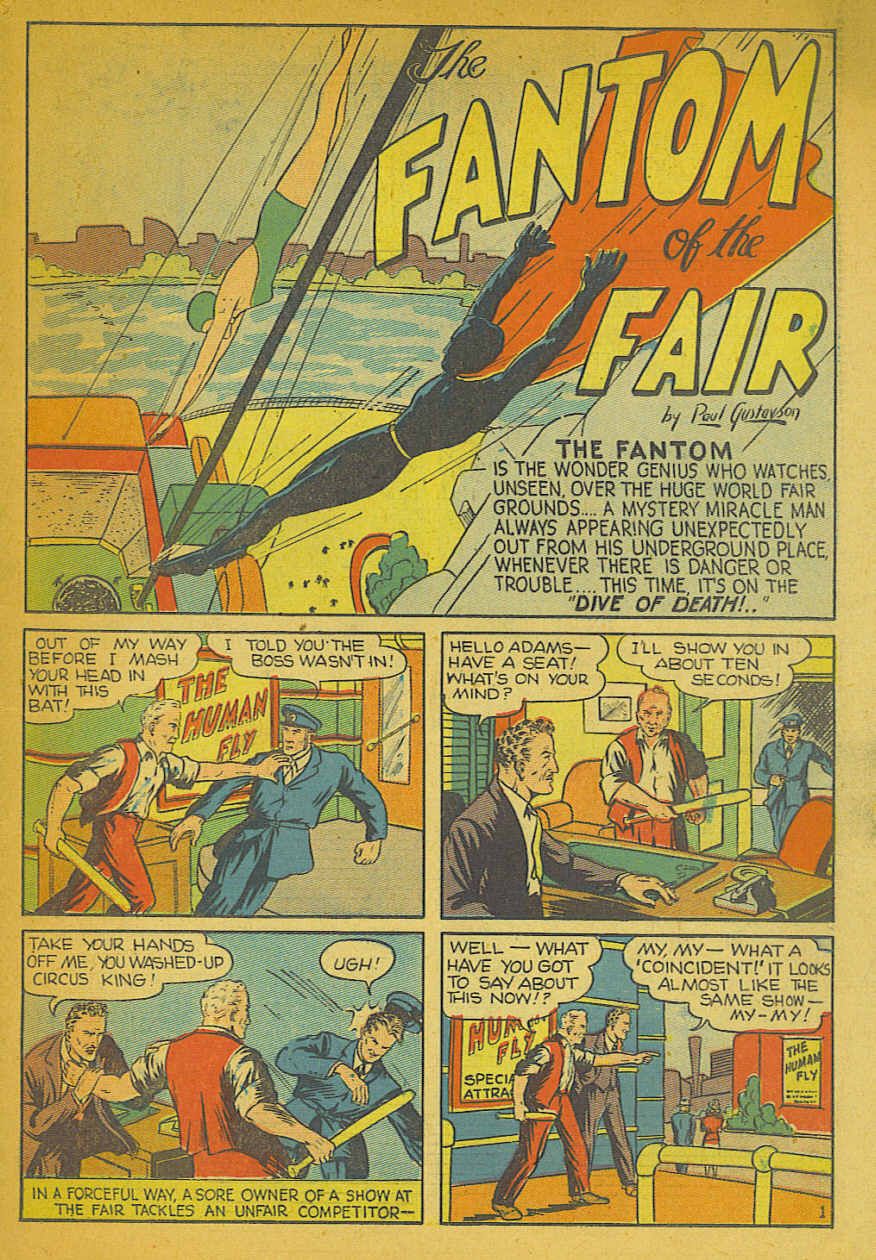
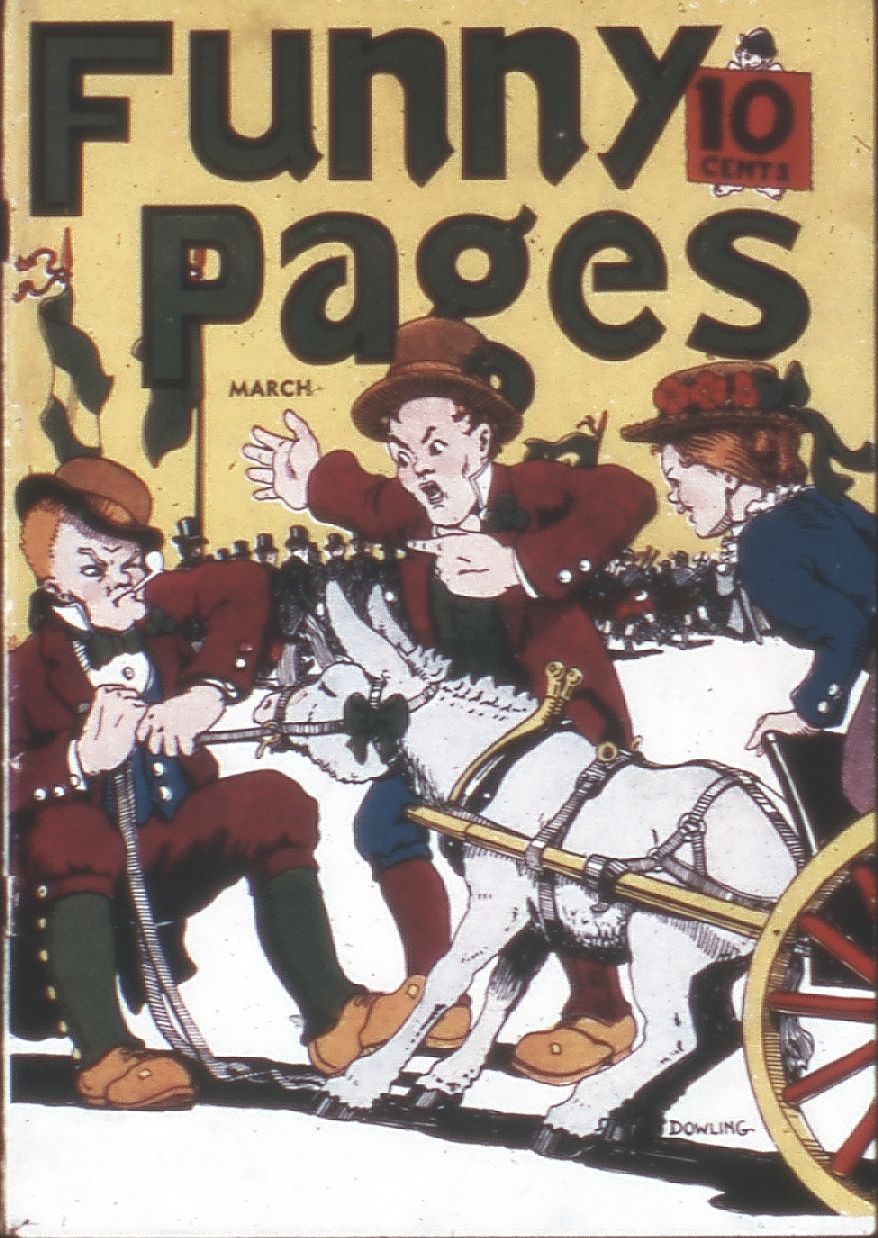


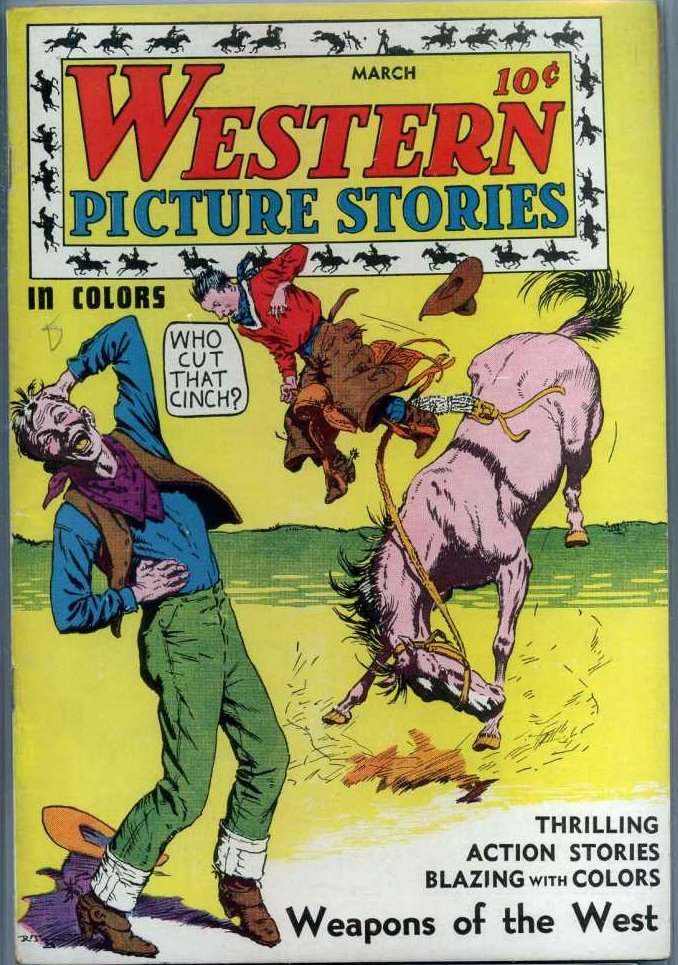
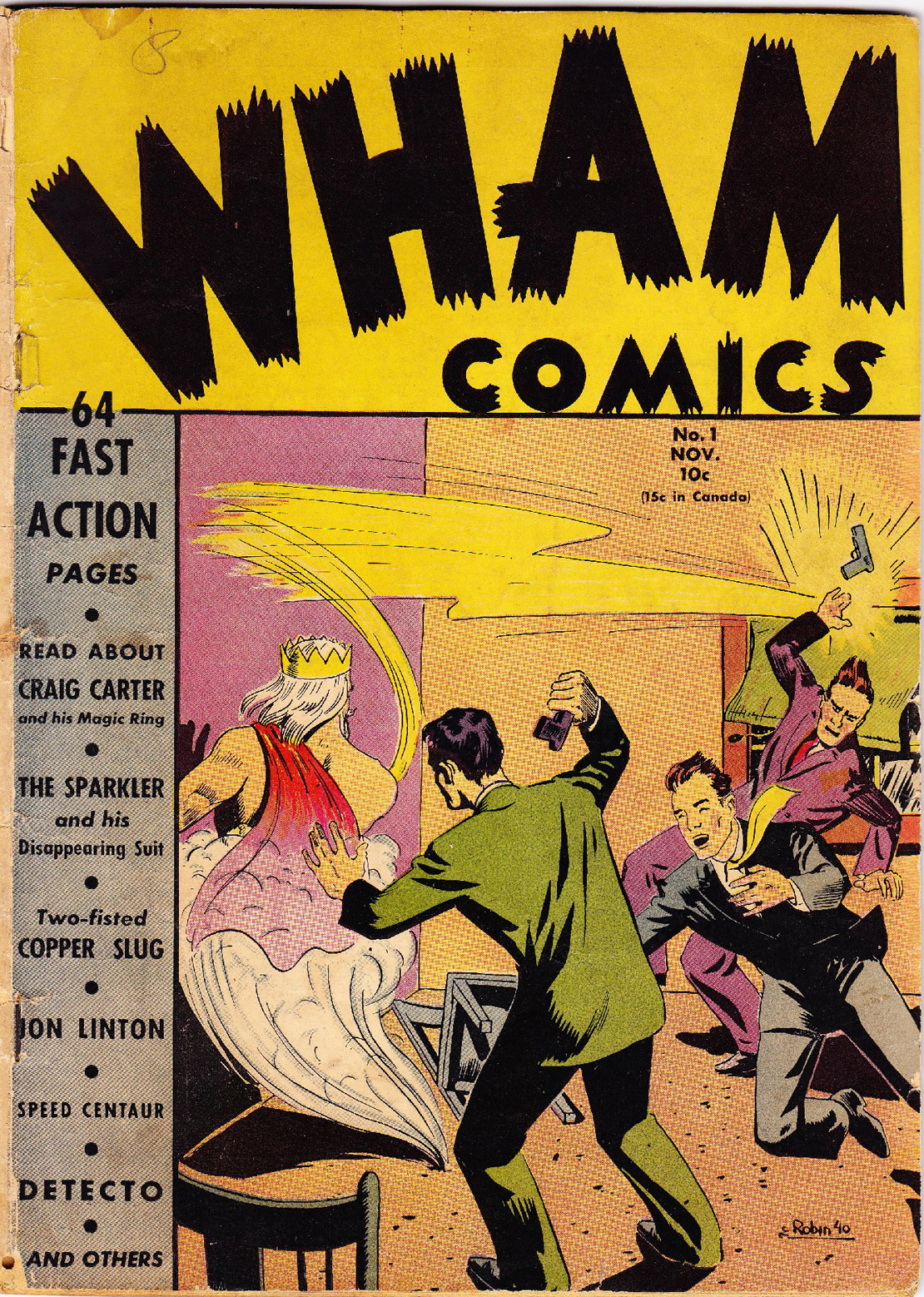
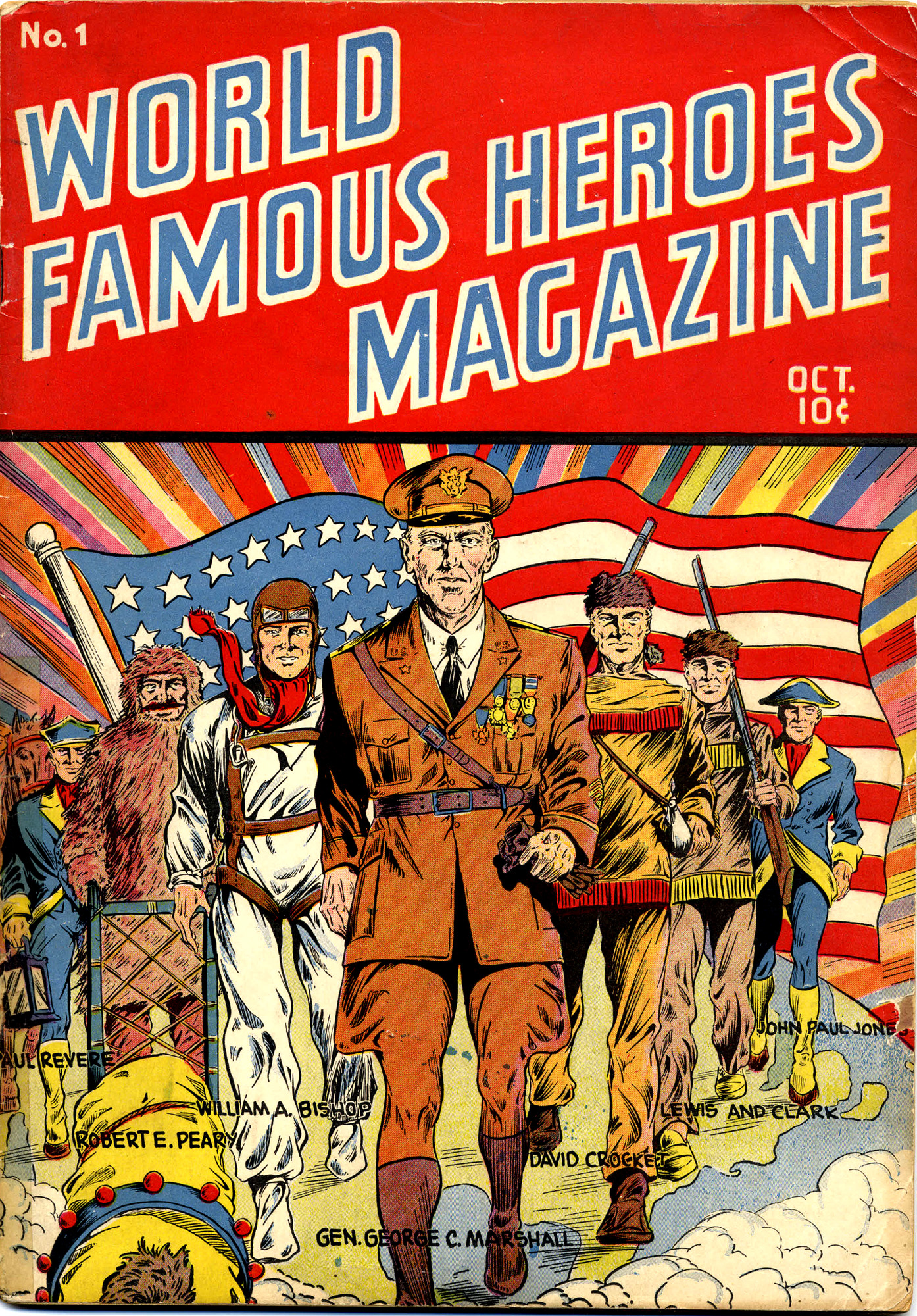
In conclusion, the stories of C.M.C., Chesler Publications, Ultem Comics, and Centaur Comics are just a few examples of the fascinating history of the early comic book industry. These companies may have been short-lived, but their impact on the medium would be felt for decades to come.
 Initiative Oméga
Une réflexion au sujet de « Comic Magazine Company/Chesler/Ultem/Centaur »