Le Blue Beetle n’est pas votre super-héros ordinaire, mais une lignée de héros qui a traversé les âges. Depuis sa première apparition en 1939, le personnage de Blue Beetle a été incarné par trois individus distincts : Dan Garrett, Ted Kord et Jaime Reyes. Chacun de ces personnages a apporté sa propre saveur unique à l’identité de Blue Beetle, tout en conservant l’essence du personnage : un héros déterminé à combattre le mal avec courage et ingéniosité.
Le personnage de Blue Beetle a été créé par plusieurs éditeurs de bandes dessinées au fil des ans, notamment Fox Comics, Charlton Comics et DC Comics. Cela a permis au personnage d’évoluer et de s’adapter à différentes époques et styles de narration, garantissant ainsi sa pertinence et sa popularité auprès des fans de bandes dessinées.
Le voyage du Blue Beetle à travers les annales de l’histoire de la bande dessinée témoigne de l’attrait durable du personnage et des talents créatifs des écrivains et des artistes qui lui ont donné vie.
Dan Garrett : Le premier Blue Beetle
Dan Garrett, l’incarnation originale du super-héros Blue Beetle, était une création de l’âge d’or de la bande dessinée. Né le 6 décembre 1916 d’un officier de police de New York nommé Michael Garrett, Dan a été animé par l’écrivain et artiste Charles Nicholas Wojtkoski. Sa première apparition était dans Mystery Men Comics # 1, publié par Fox en août 1939, faisant de lui l’un des premiers super-héros de l’histoire de la bande dessinée.
Après la mort de sa mère dans une épidémie de grippe, Dan a été élevé par son père. Il aspirait à suivre les traces de son père et à devenir policier, mais son père a insisté pour qu’il fasse d’abord des études collégiales. La tragédie a frappé au cours de la dernière année de Dan à l’Université d’État lorsque son père a été abattu par un criminel nommé Chick Alonzo. Cet événement a incité Dan à rejoindre les forces de police et à adopter le manteau du Blue Beetle pour traduire le meurtrier de son père en justice.
Dans ses premières aventures, Dan Garrett, en tant que Blue Beetle, n’avait pas de super pouvoirs. Il s’est appuyé sur son intelligence, ses prouesses physiques et une armure protectrice en cotte de mailles. Son personnage a subi une transformation importante lorsqu’il a rencontré un scientifique nommé le Dr Franz, qui lui a fourni une substance connue sous le nom de vitamine 2X. Cette vitamine a conféré à Dan des capacités surhumaines, notamment une force, une dextérité, une invulnérabilité et une capacité à rester éveillé pendant de longues périodes.
Le personnage de Blue Beetle était populaire à la fin des années 1930 et 1940, gagnant même sa propre émission de radio. Cependant, le voyage du personnage prend une nouvelle tournure en 1955 lorsque Charlton Comics acquiert les droits du Blue Beetle. Sous la direction de Charlton Comics, une nouvelle incarnation du personnage a été introduite : Dan Garrett, un archéologue qui a découvert un scarabée bleu magique dans la tombe du pharaon Kha-ef-Re. Cette version de Dan Garrett a pu se transformer en Blue Beetle en prononçant les mots « Kaji Dha ».
Lorsque DC Comics a acheté les droits du Blue Beetle dans les années 1980, ils ont choisi de poursuivre l’histoire de l’archéologue Dan Garrett. Dans la première série de bandes dessinées Blue Beetle de DC, Dan est tué par l’esprit du pharaon Kha-ef-Re après avoir défié son ordre de détruire Ted Kord, qui avait repris le flambeau du Blue Beetle.
Tout au long de ses diverses incarnations, Dan Garrett a été interprété par un certain nombre d’écrivains, d’éditeurs et d’artistes talentueux. Son personnage a évolué pour refléter l’évolution des valeurs sociétales et des tendances de la narration, mais l’essence du Blue Beetle reste la même : un héros qui utilise ses capacités pour se battre pour la justice. Cet héritage durable continue d’inspirer de nouvelles générations de héros, y compris ses successeurs Ted Kord et Jaime Reyes.
Ted Kord : le deuxième Blue Beetle
Ted Kord, le deuxième Blue Beetle, est un personnage avec une histoire riche qui s’étend sur plusieurs éditeurs de bandes dessinées et des décennies. Son histoire commence dans les pages de Charlton Comics, où il a été créé par Steve Ditko, le co-créateur de Spider-Man. Kord était un étudiant travaillant pour son oncle Jarvis lorsqu’il a découvert le plan de son oncle de créer une armée de super-androïdes. Avec l’aide de son professeur d’université, Dan Garrett, le premier Blue Beetle, Kord a contrecarré les plans de son oncle. Dans le processus, Garrett a été mortellement blessé et a transmis le costume de Blue Beetle à Kord.
Contrairement à son prédécesseur, Kord n’avait aucune capacité surhumaine. Au lieu de cela, il s’est appuyé sur son intelligence, son athlétisme et ses prouesses technologiques pour lutter contre le crime. Il a créé une variété de gadgets, y compris son avion emblématique, The Bug, et une arme non létale qui pouvait émettre un éclair de lumière aveuglant ou un souffle d’air à haute pression.
Le mandat de Kord en tant que Blue Beetle l’a vu rejoindre la Justice League of America, l’une des équipes de super-héros les plus prestigieuses de l’univers DC. Cependant, son temps en tant que super-héros a pris fin tragiquement lorsqu’il a été tué par Maxwell Lord lors de la préparation de l’événement Infinite Crisis de DC Comics.
Sa mort a marqué la fin d’une époque, mais elle a également ouvert la voie à l’émergence d’un nouveau Blue Beetle, Jaime Reyes. Malgré sa mort, l’héritage de Kord se perpétue à travers Reyes et l’impact qu’il a eu sur la communauté des super-héros.
Le personnage de Ted Kord a été écrit et illustré par un certain nombre de créateurs de bandes dessinées notables à l’époque où il était Blue Beetle. Steve Ditko a joué un rôle déterminant dans la création du personnage et l’établissement de ses premières aventures. Parmi les autres contributeurs notables figurent Len Wein, Paris Cullins et Bruce Jones.
En termes d’apparitions dans les médias, Blue Beetle de Ted Kord est apparu dans diverses formes de médias en dehors des bandes dessinées. Il a été présenté dans des émissions de télévision animées telles que « Batman: The Brave and the Bold » et « Young Justice ». Dans ces émissions, il est souvent décrit comme un brillant inventeur et un membre apprécié de la communauté des super-héros.
Dans l’ensemble, Blue Beetle de Ted Kord est un personnage qui incarne l’esprit d’héroïsme et d’abnégation. Bien qu’il n’ait aucune capacité surhumaine, il a utilisé son intelligence et sa détermination pour faire la différence, prouvant que n’importe qui peut être un héros.
Jaime Reyes : Le troisième Blue Beetle
Jaime Reyes, le troisième Blue Beetle, est un personnage dont le parcours est aussi fascinant qu’inspirant. Son histoire témoigne du potentiel extraordinaire de l’ordinaire, un récit qui a été savamment conçu par une équipe d’écrivains et d’artistes talentueux.
Jaime Reyes a été introduit dans le monde de la bande dessinée par les créateurs Keith Giffen, John Rogers et Cully Hamner. Son histoire commence à El Paso, au Texas, où il n’était qu’un lycéen régulier. Sa vie a pris une tournure dramatique lorsqu’il a trouvé le Scarabée, un artefact d’une immense puissance, qui avait été perdu par le deuxième Blue Beetle, Ted Kord. Le Scarabée s’est lié à Jaime, lui accordant des capacités extraordinaires et le transformant en troisième Blue Beetle.
Le parcours de Jaime en tant que Blue Beetle est marqué par sa lutte pour équilibrer sa vie personnelle avec ses responsabilités de super-héros. Son histoire est unique en ce qu’elle met fortement en vedette sa famille et ses amis, fournissant une base émotionnelle solide à ses aventures de super-héros.
L’un des arcs de l’histoire les plus importants implique la bataille de Jaime contre le Reach, une civilisation extraterrestre qui avait l’intention de prendre le contrôle de la Terre. Le Scarab que Jaime a trouvé était en fait un outil du Reach, conçu pour contrôler son hôte. Cependant, en raison des dommages qu’il a subis, le Scarab n’a pas pu prendre le contrôle total de Jaime, lui permettant de conserver son libre arbitre et d’utiliser les pouvoirs du Scarab pour protéger les innocents.
Un autre scénario notable est l’implication de Jaime avec les Teen Titans. Il a d’abord fait équipe avec eux dans un combat contre Lobo, puis a rejoint l’équipe pour arrêter Maxwell Lord, un méchant doté de capacités de contrôle de l’esprit. Cet arc a vu la mort supposée de Jaime aux mains de Lord, mais il a été révélé plus tard que le Scarabée avait mis Jaime dans une stase temporaire pour guérir son corps, lui permettant de reprendre le combat.
Contexte éditorial et contributeurs
L’histoire de Jaime Reyes a été façonnée par un certain nombre de personnes talentueuses. Ses créateurs, Keith Giffen, John Rogers et Cully Hamner, ont joué un rôle crucial dans l’établissement de son personnage et l’ont mis sur son chemin en tant que Blue Beetle. Au fil des ans, divers écrivains et artistes ont contribué à son histoire, chacun ajoutant sa touche personnelle à son personnage et à ses aventures.
Historique de publication
L’histoire de la publication de Blue Beetle est aussi diversifiée et fascinante que les personnages eux-mêmes. Depuis ses origines chez Fox Comics, en passant par Charlton Comics, et enfin jusqu’à son domicile actuel chez DC Comics, le Blue Beetle a subi de nombreux changements de série et de format.
La première série Blue Beetle a été publiée par Fox Comics dans les années 1940, avec Dan Garrett comme héros titulaire. Après la faillite de Fox Comics, le personnage a été acquis par Charlton Comics, qui a présenté le deuxième Blue Beetle, Ted Kord, dans les années 1960. Les aventures de Kord se sont poursuivies jusque dans les années 1980, lorsque Charlton Comics a été racheté par DC Comics.
Sous DC Comics, le personnage de Blue Beetle a été revitalisé avec l’introduction de Jaime Reyes dans les années 2000. Blue Beetle de Reyes a été présenté dans deux séries de bandes dessinées et est également apparu dans de nombreux autres titres de DC Comics, notamment les séries Teen Titans et Justice League.
L’évolution du personnage de Blue Beetle et son historique de publication reflètent les changements plus larges dans l’industrie de la bande dessinée au fil des ans. De l’âge d’or de la bande dessinée à l’âge d’argent et à l’ère moderne, le Blue Beetle est resté un personnage bien-aimé parmi les fans de bandes dessinées.
Apparitions dans d’autres médias
La popularité de Blue Beetle s’étend au-delà des pages de bandes dessinées. Le personnage a fait de nombreuses apparitions, à la radio, dans les comic strips, dans des films, des séries télévisées et des jeux vidéo, renforçant encore son statut de super-héros bien-aimé.
À la télévision, Blue Beetle est apparu dans des émissions comme « Smallville », « Batman: The Brave and the Bold » et « Young Justice ». Ces apparitions présentent souvent l’incarnation Jaime Reyes du personnage, reflétant la popularité du personnage auprès d’un public plus jeune.
Dans le domaine des jeux vidéo, Blue Beetle a été présenté dans des titres tels que « Infinite Crisis », « Lego Batman 3: Beyond Gotham » et « Injustice 2 ». Ces jeux permettent aux joueurs de se mettre à la place de Blue Beetle, en utilisant ses pouvoirs uniques pour combattre les méchants et sauver la situation.
Le voyage de Jaime Reyes en tant que Blue Beetle est une histoire de courage, de résilience et de la puissance de l’esprit humain. Malgré les circonstances extraordinaires dans lesquelles il se trouve, il reste ancré et déterminé à protéger les innocents. Son histoire nous rappelle que n’importe qui, quels que soient ses antécédents ou sa situation, peut devenir un héros.
On le verra sur les écrans de cinéma le 18 Aout, interpreté par Xolo Mariduena.
Que ce soit sur la page, à l’écran ou dans le monde virtuel, Blue Beetle continue de captiver le public avec ses personnages fascinants et ses aventures passionnantes.
L’impact de Blue Beetle sur la culture populaire
L’attrait durable de Blue Beetle réside dans sa capacité à s’adapter et à évoluer. Au fil des ans, le personnage a été repensé et réinventé, reflétant l’évolution des valeurs sociétales et des tendances de la narration. Pourtant, malgré ces changements, l’essence de Blue Beetle reste la même : un héros qui utilise ses capacités pour se battre pour la justice.
L’influence du personnage peut être vue dans d’autres super-héros, à la fois à l’intérieur et à l’extérieur de l’univers DC. Le concept de héros hérité, où le manteau d’un super-héros est transmis d’un individu à un autre, est devenu un trope commun dans les bandes dessinées et autres médias.
De plus, la popularité de Blue Beetle a conduit à son inclusion dans diverses formes de médias, des émissions de télévision aux jeux vidéo. Cette reconnaissance généralisée a solidifié le statut de Blue Beetle en tant que figure importante de la culture populaire.
En conclusion, Blue Beetle est plus qu’un simple personnage de bande dessinée. C’est un symbole d’héroïsme et de persévérance, un témoignage du pouvoir de la créativité et de l’imagination, et une icône bien-aimée qui continue d’inspirer le public du monde entier.
Since the dawn of recorded history, human beings have been captivated by the idea of the apocalypse, the dramatic and final end of the world as we know it. This fascination, as old as civilization itself, is captured in countless prophecies, predictions, and proclamations that span cultures, continents, and millennia.
One of the earliest known examples can be found in the ancient Mesopotamian culture. The Code of Hammurabi, one of the oldest deciphered writings of significant length in the world, set the tone for this enduring human fascination. This ancient Babylonian text, inscribed on a towering stone stele, is not just a set of laws but also a moral guide, serving as a divine mandate from the Babylonian god Shamash to King Hammurabi.
The stele of Hammurabi cautions that disobedience to its laws would invite the wrath of the gods, leading to disasters, famine, and the ultimate destruction of society. While not a specific prophecy of the end of the world, it captures an essential element of many apocalyptic visions to come: the idea that moral decay or disobedience to divine law can lead to societal collapse or even the end of the world.
From this early seed in Hammurabi’s code, apocalyptic predictions have grown in complexity and diversity, branching out into a multitude of directions, yet remaining rooted in the same fertile soil of human fear, hope, and curiosity. These prophecies have been crafted by a wide range of individuals and groups: from ancient prophets to medieval scholars, from mystic seers to modern-day mathematicians and scientists.
In the chapters that follow, we will delve into a selection of these predictions, examining the historical context, the individuals or groups behind them, and the outcomes of each prophecy. While their specifics may vary, they all share a common thread: a vision of an end, sometimes terrifying, sometimes transformative, but always fascinating in its reflection of human nature and our ongoing quest to understand our place in the universe.
Montanus, 156 AD
In the 2nd century AD, a significant prediction about the end of the world was made by Montanus, a preacher in the region of Phrygia in Asia Minor, present-day Turkey. Montanus, a recent convert to Christianity, began to propagate a new, rigorous form of the faith. This became known as Montanism and was characterized by its emphasis on prophecy, spiritual gifts, and asceticism.
Montanus’ most famous prediction was that the New Jerusalem, a heavenly city mentioned in the Christian Bible’s Book of Revelation, would descend to Earth and signal the end of the world. This prophecy was based on his interpretation of certain biblical passages and his belief that he and his two female followers, Priscilla and Maximilla, were the embodiments of the Holy Spirit.
This prediction, while causing a considerable stir within the early Christian community, did not come to pass. The world did not end, and the New Jerusalem did not descend from the heavens. However, Montanus’ teachings had a lasting impact, leading to a significant schism within early Christianity and influencing several later Christian movements.
Despite the dramatic nature of his predictions, Montanus serves as an early example of the human tendency to predict the end of the world, a phenomenon that would reoccur many times throughout history. The reasons behind these predictions, as well as their impacts and outcomes, offer a captivating study of human belief systems and our collective understanding of our place in the world.
Chapter 2: Pope Sylvester II, 1000 AD
As the first millennium approached its close, an apocalyptic mood permeated much of Europe. This widespread fear of the end times was not tied to a particular person’s prophecy, but rather to the symbolic power of the year 1000 AD. It was a time when Christian eschatological expectations were high, and many believed that the end of the world was imminent.
One of the central figures of this period was Pope Sylvester II. Born Gerbert of Aurillac, he was a scholar, teacher, and eventually the leader of the Catholic Church. He is often associated with these apocalyptic expectations, although there’s little historical evidence to suggest that he personally predicted the end of the world in 1000 AD. However, his intellectual and spiritual influence during this period was substantial.
As the year 1000 AD came and went, it became apparent that the world was not coming to an end. Life continued, and the eschatological fears gradually subsided. This event marked an important moment in the history of apocalyptic predictions, demonstrating the powerful role of symbolic dates and collective belief in shaping expectations about the end of the world.
The turn of the first millennium provides a compelling study of how societal fears and religious beliefs can intertwine, creating a pervasive atmosphere of anticipation and apprehension. As we’ll see in subsequent chapters, this phenomenon is not confined to the distant past but has recurred at various times throughout history.
Chapter 3: Martin Luther, 1600
Martin Luther, a German professor of theology and a seminal figure in the Protestant Reformation, is best known for his Ninety-Five Theses and his confrontations with the Catholic Church. However, Luther also held eschatological views and, like many in his era, was concerned with the end of the world.
Based on his interpretation of biblical prophecies, Luther believed that the world would not last past 1600. This apocalyptic perspective was entwined with his broader theological beliefs and his critique of the Catholic Church, which he saw as corrupted and straying from the true path of Christianity.
Luther’s beliefs about the imminent end of the world were not uncommon for his time. The 16th and 17th centuries were a period of considerable religious upheaval and conflict in Europe, and apocalyptic expectations often surged during such times of crisis.
However, just like previous predictions, the year 1600 came and went without any apocalyptic event. Luther’s prediction failed to come to fruition, but his impact on religious thought and the course of history was profound. His views on the apocalypse provide a window into the mindset of the Reformation era and the ways in which religious beliefs can shape perceptions of the future.
Chapter 4: Christopher Columbus, 1658
Christopher Columbus, the Italian explorer credited with opening the New World for conquest and settlement by Europeans, is a figure of monumental historical significance. What is lesser-known, however, is that Columbus was deeply religious and harbored apocalyptic beliefs.
In a book titled « Libro de las Profecías » (Book of Prophecies), compiled in 1501, Columbus claimed that his voyages were part of God’s plan for the end times. He believed he was chosen to spread Christianity across the world, setting the stage for the ultimate return of Jesus Christ.
Furthermore, Columbus predicted that the world would end in 1658. He arrived at this date through a convoluted process involving biblical texts, medieval chronologies, and his own experiences and observations. His prediction reflects his particular blend of maritime exploration and eschatological expectation.
However, as with previous end-of-the-world predictions, the year 1658 came and went without an apocalypse. Despite his failed prediction, Columbus’s beliefs offer a unique perspective on the intersection of exploration, religion, and apocalyptic thought in the late 15th and early 16th centuries.
Chapter 5: The Shakers, 1792 and 1794
The Shakers, officially known as the United Society of Believers in Christ’s Second Appearing, were a religious sect that originated in the 18th century. Known for their commitment to communal living, celibacy, and their distinctively animated style of worship, the Shakers were also characterized by their millennial beliefs.
The group’s founder, Ann Lee, emphasized the imminent second coming of Christ. She and her followers believed that the end of the world was near. As such, the Shakers predicted that the world would end in the years 1792 and later in 1794.
These prophecies were tied to their broader theological views, which emphasized the importance of preparing for Christ’s return. However, like the predictions that preceded them, the years 1792 and 1794 passed without the anticipated apocalypse. Despite this, the Shakers remained an influential religious group, with their beliefs and practices leaving a lasting impact on American religious history.
The Shakers’ predictions, while ultimately unfulfilled, underscore the significant role of millennial and apocalyptic thought in religious movements. Their story provides insights into the ways in which beliefs about the end of the world can shape religious practices and communities.
Chapter 6: The Millerites, 1843-44
The mid-19th century brought another significant prediction for the end of the world, this time from the Millerites, a religious movement born out of the Second Great Awakening in the United States. The group was named after its founder, William Miller, a farmer from New York who turned to preaching after a deep religious conversion.
Miller, using a detailed and complex interpretation of biblical prophecy, came to the conclusion that the Second Coming of Jesus Christ would occur sometime between March 21, 1843, and March 21, 1844. This prediction gained a substantial following and led to the widespread expectation of Christ’s imminent return.
However, as the end of this one-year period approached without the Second Coming, Miller adjusted his prediction to October 22, 1844. This day, later known as the « Great Disappointment, » came and went without the prophesied event, causing a significant crisis among the Millerites.
Despite the failure of Miller’s prediction, his teachings had a profound impact. The Millerites were a precursor to the Seventh-day Adventist Church, which continues to this day. The « Great Disappointment » serves as a vivid example of the impact and fallout that can occur when apocalyptic predictions fail to materialize. It demonstrates the deep-seated human fascination with end-of-the-world prophecies and the powerful role they can play in shaping religious movements.
The Jehovah’s Witnesses, a Christian denomination known for their door-to-door evangelism and distinctive interpretations of the Bible, have made several predictions about the end of the world. Their prophecies are rooted in their unique interpretation of biblical texts, especially those found in the books of Daniel and Revelation.
One of the earliest predictions was set for 1914 by Charles Taze Russell, the founder of the Bible Student movement, which later evolved into the Jehovah’s Witnesses. Russell believed that 1914 would mark the end of a 2,520-year period known as the « Gentile Times, » culminating in the Battle of Armageddon and the establishment of God’s kingdom on Earth.
When 1914 passed without the predicted apocalypse, the interpretation was adjusted. The date was then understood to mark the beginning of an « invisible » Second Coming of Christ, with the end of the world to follow later. Subsequent predictions were made for the years 1918, 1925, and 1975, each failing to bring about the foretold end of days.
Despite these unfulfilled predictions, the Jehovah’s Witnesses continue to believe in the imminent end of the world. Their story highlights the significant role of interpretation in understanding religious texts and the enduring human fascination with apocalyptic prophecies. It also demonstrates how failed predictions can be reinterpreted within a faith tradition to accommodate continued belief.
Chapter 8: Pat Robertson, 1982
Pat Robertson, a prominent televangelist and media mogul in the United States, is a notable figure who has made predictions about the end of the world. Known for his conservative Christian views, Robertson has often used his platform to discuss his beliefs about the end times.
In his 1976 book, « The Late, Great Planet Earth, » Robertson predicted that the world would end in the fall of 1982. He based this prediction on his interpretations of biblical prophecy, specifically the Book of Revelation. As a prominent figure in the Christian Broadcasting Network, his prediction reached a wide audience.
However, like the many end-of-the-world predictions before it, the fall of 1982 came and went without the anticipated apocalypse. Despite the failure of his prediction, Robertson continues to be a significant figure in American religious broadcasting.
Robertson’s prediction, and the attention it garnered, underscores the powerful role of media in disseminating and amplifying such prophecies. It also offers a look into the continued prevalence of apocalyptic thought in contemporary religious discourse.
Chapter 9: Harold Camping, 1994 and 2011
Harold Camping, a Christian radio broadcaster and president of Family Radio, a California-based religious broadcasting network, gained significant attention for his predictions about the end of the world. Known for his deep study of the Bible, Camping made use of numerology and biblical chronology to predict the date of the apocalypse.
Camping’s first prediction for the end of the world was in September 1994. When the world continued beyond this date, he revised his calculations and made a new prediction for May 21, 2011, a date he asserted with considerable certainty would mark the beginning of the end times, with the final end coming five months later.
Camping’s predictions were widely publicized, leading to a significant amount of media attention and causing concern among some of his followers. However, both the 1994 and 2011 predictions failed to materialize, leading to disappointment among his followers and widespread criticism.
Despite the failure of his predictions, Camping’s prophecies provide a fascinating case study in the role of personal interpretation in understanding religious texts. His story underscores the power of media in disseminating such predictions, and the impact they can have on those who believe in them.
Chapter 10: Y2K, 2000
The turn of the millennium brought with it a unique form of apocalyptic anxiety, rooted not in religious prophecy, but in technology. The Y2K bug, also known as the « Millennium Bug, » was a computer flaw that was predicted to cause widespread chaos when the dates within computer systems rolled over from ’99 to ’00.
The problem lay in the formatting of the date within computer systems, many of which used two digits to represent the year instead of four. This led to concerns that when the year rolled over from 1999 to 2000, computers would interpret ’00 as 1900, leading to failures in everything from banking systems to power grids.
As a result, there was widespread fear that the dawn of the new millennium would bring with it a global technological apocalypse. Governments and companies around the world spent billions of dollars to upgrade their systems and prepare for potential disruptions.
However, when the year 2000 arrived, the catastrophic failures that many had feared did not materialize. While there were some minor glitches, the widespread technological meltdown did not occur.
The Y2K phenomenon serves as a reminder that apocalyptic fears are not limited to religious prophecy. In our increasingly technological world, the potential for global disruption can come from unexpected quarters. This event underscores the powerful role of uncertainty and fear in driving apocalyptic expectations, even in a modern, secular context.
Chapter 11: Mayan Calendar, 2012
The year 2012 brought with it a new source of end-of-the-world predictions, this time rooted in the ancient Mayan calendar. The Mesoamerican Long Count calendar, used by the Maya civilization, marked time in cycles called baktuns. The end of the 13th baktun fell on December 21, 2012, a date that sparked significant speculation and concern.
Many people interpreted this date as a prediction for the end of the world, spurred on by a range of books, websites, and films that propagated this idea. Theories about what would happen on this date varied widely, ranging from cataclysmic natural disasters to a transformative spiritual event.
However, most scholars of Mesoamerican culture argue that these fears were a misinterpretation of the Mayan calendar. They contend that while the end of a cycle was significant in Mayan cosmology, there is no evidence to suggest that the Maya believed it would result in an apocalypse.
As with the Y2K bug, the predicted apocalypse of 2012 failed to materialize. The widespread fear and speculation about this date, however, highlights the global fascination with end-of-the-world predictions. It also underscores the ways in which ancient traditions can be reinterpreted and misunderstood in a modern context.
Chapter 12: Isaac Newton, 2060
Isaac Newton, renowned for his contributions to physics and mathematics, also had a lesser-known interest in biblical chronology and prophecy. His studies led him to make a prediction about the end of the world, which he suggested would not occur before the year 2060.
Newton’s prediction was based on his interpretations of the Book of Daniel, specifically Daniel 9:24-27, which discusses the « end of days. » Newton took a distinctly nonliteral approach to these prophecies, viewing them not as fixed predictions of future events, but as indications of a timeline that was contingent on the fulfillment of certain conditions.
Despite the specificity of the year 2060, Newton himself cautioned against using his prediction to indulge in date-setting, writing in a letter that « This I mention not to assert when the time of the end shall be, but to put a stop to the rash conjectures of fanciful men who are frequently predicting the time of the end, and by doing so bring the sacred prophecies into discredit as often as their predictions fail. »
Newton’s prediction stands as a unique entry in the history of end-of-the-world predictions, not only because of its origin from a figure known primarily for his scientific contributions, but also for its conditional nature. It serves as a reminder of the diverse sources and methods through which such predictions can arise, as well as the potential pitfalls of date-setting.
In the early 21st century, another end-of-the-world prediction emerged from the Christian community, notably from preachers John Hagee and Mark Biltz. This prediction, known as the Blood Moon prophecy, was associated with a series of four full moons in 2014 and 2015, a phenomenon also known as a tetrad1.
The prophecies stated that this tetrad, which began with the April 2014 lunar eclipse, marked the beginning of the end times as described in the Bible in the Book of Joel, Acts 2:20, and Revelation 6:12. In these passages, it is written that « the sun will turn into darkness, and the moon into blood, before the great and terrible day of the Lord comes »2.
Each of the four full moons in the tetrad appeared red during their respective lunar eclipses. This red appearance, often referred to as a « blood moon, » is caused by Rayleigh scattering of sunlight through the Earth’s atmosphere, the same effect that gives sunsets their red hue3.
Hagee and Biltz’s claims attracted significant attention, both in religious circles and in the mainstream media. Hagee even wrote a book, « Four Blood Moons, » which became a best-seller, spending more than 150 days in Amazon.com’s top 150 by April 2014. In this book, Hagee did not assert that any specific « end times » event would occur, but he did claim that every prior tetrad of the last 500 years coincided with events in Jewish and Israeli history that were initially tragic, yet ultimately resulted in triumph4.
However, skepticism surrounded the Blood Moon prophecy due to various factors. For instance, the Jewish calendar is lunar-based, meaning one-sixth of all eclipses will naturally occur during Passover or Sukkot, the two feasts that the tetrads in the prophecy coincided with5. Furthermore, of the 62 tetrads that have occurred since the 1st century AD, only eight have coincided with both feasts. Moreover, three of the four eclipses in the 2014-2015 tetrad were not visible in the biblical homeland of Israel, casting further doubt on Hagee and Biltz’s interpretation6.
Despite the skepticism, the Blood Moon prophecy stands as an interesting example of modern eschatological interpretations. It demonstrates the power of religious texts to inspire various interpretations and the enduring human fascination with deciphering signs of the end times. Even in our technologically advanced age, age-old fears and curiosities about the apocalypse persist, weaving themselves into new narratives and predictions.
Chapter 13: F. Kenton Beshore (2021 – 2028)
F. Kenton Beshore, an American pastor who served as the senior pastor of Mariners Church in Irvine, California, is another religious figure who proposed an end-of-the-world prediction. Beshore predicted that the Rapture could occur as early as 2021, with the final destruction of the earth following seven years later, in 2028.
Beshore’s prediction was based on his interpretation of the Bible and the signs he believed were indicating the imminent arrival of the end times. He was a proponent of dispensationalist theology, a framework for understanding biblical history that is divided into distinct periods, or dispensations, during which God relates to humans in specific ways.
In this framework, the current era is considered the « Church Age, » which will be followed by the « Tribulation, » a seven-year period of turmoil and suffering. The Rapture, according to this view, is an event that will happen at or near the beginning of the Tribulation, when believers will be « caught up » to meet Christ in the air.
Despite the specificity of his prediction, Beshore, like many others who have predicted the end times, cautioned against dogmatism. He emphasized that while he believed the signs were pointing towards these dates, the exact timing was ultimately known only to God. As such, his prediction serves as yet another reminder of the enduring human fascination with the end of the world, as well as the complexities of interpreting religious texts and the caution required when dealing with such weighty matters.
Note: The search function is currently experiencing difficulties, and I was unable to retrieve more detailed information about F. Kenton Beshore’s end-of-the-world prediction at this time. Please consider this summary as an overview based on available knowledge up until September 2021.
Chapter 14: Jeane Dixon (2020)
Jeane Dixon was an American self-proclaimed psychic and astrologer, widely known for her predictions about world events. Among her numerous predictions was a claim that the world would end in the year 2020.
Dixon gained public recognition after allegedly predicting the assassination of President John F. Kennedy. Her predictions, often published in American tabloids, garnered her a substantial following, and she became a household name in the United States during the mid-20th century.
Regarding the end of the world, Dixon was quoted as saying, « 2020 will mark the end of the world as we know it. » Like many of her predictions, this one was vague, leaving much room for interpretation. When 2020 came and went without an apocalyptic event, critics pointed out that Dixon’s prediction could have been a metaphorical statement about significant global change rather than a literal end of the world.
Despite her popularity, Dixon’s track record was highly controversial. Critics argue that her successful predictions were largely due to chance, and that she made so many predictions that some were bound to come true. Skeptics also point out the vague and ambiguous nature of Dixon’s predictions, which could be interpreted in various ways depending on the events of the time.
Chapter 15: “Teilhard de Chardin Omega Point”
Pierre Teilhard de Chardin was a French philosopher and Jesuit priest who also trained as a paleontologist and geologist. He is known for his theory that humanity is evolving, mentally and socially, toward a final spiritual unity. The endpoint of this evolution is referred to as the « Omega Point ».
The Omega Point is a spiritual belief and a scientific speculation that everything in the universe is fated to spiral towards a final point of divine unification. The term was coined by the French Jesuit Catholic priest Pierre Teilhard de Chardin (1881–1955). Teilhard argued that the Omega Point resembles the Christian Logos, namely Christ, who draws all things into himself, who in the words of the Nicene Creed, is « God from God », « Light from Light », « True God from true God, » and « through him all things were made. » In this view, the universe is evolving towards an Omega Point, and its ultimate destiny is a convergence with the divine.
Teilhard’s work, including his Omega Point theory, has been a topic of controversy within the Catholic Church and continues to be a subject of discussion in the fields of theology and philosophy. His ideas were ahead of their time and often clashed with the theological perspectives of his contemporaries. It’s also important to note that while Teilhard de Chardin proposed the Omega Point theory, it does not represent a prediction or prophecy for a specific date marking the end of the world. Rather, it represents a philosophical and theological interpretation of the direction and purpose of evolution and human development.
Conclusion
As we conclude this journey through time, navigating the predictions and prophecies of the end of the world, we are left with a fascinating picture of human imagination, belief, and fear. From early Christian prophets to modern scientific and religious thinkers, the idea of an apocalypse or a significant transformation of the world has captured the collective human mind in profound ways.
It is interesting to note that despite the variety in the specifics of each prediction, many share common themes. The majority draw on religious or spiritual texts, interpreting or extrapolating them to fit their contemporary contexts. Others have used mathematical or astronomical calculations, seeking to find patterns or signs that might point to an impending end. Yet others have used their spiritual intuition or insights, claiming to have received divine messages or visions of what is to come.
The cultural and historical contexts of these prophecies are equally significant. Many of these predictions emerged during times of significant social, political, or religious change or uncertainty. The apocalypse, it seems, is not just a theological or philosophical concept but also a reflection of the human response to upheaval and the unknown.
Yet, despite the many prophesied dates that have come and gone, the world continues. Each failed prediction has, in turn, led to reinterpretations, recalculations, or even strengthening of beliefs in some cases. The persistence of apocalyptic predictions, even in the face of repeated failures, speaks to the enduring allure of these ideas.
Perhaps the intrigue of end times prophecies is not just about the end of the world itself, but also about what it represents. The end of the world as we know it often implies the birth of a new world, a transformation, or a rebirth. Whether it’s the Second Coming, the New Jerusalem, or Teilhard de Chardin’s Omega Point, the end is often just a new beginning.
In the grand scheme of things, these predictions remind us of our fascination with the unknown and the unknowable. They underscore our desire to make sense of the world and our place in it. The end of the world, in many ways, is a mirror reflecting our deepest hopes, fears, and questions about existence, purpose, and destiny.
As we move forward, who knows what new predictions will emerge and what they will tell us about our changing world? Only time will tell. But one thing is certain: the human fascination with the end of the world is likely to endure as long as the world itself. As we face the future and its uncertainties, these prophesies, in their failures and persistence, serve as a testament to the resilience of human hope and the unending quest for understanding.
Harry Donenfeld, un nom qui résonne avec une certaine puissance dans l’industrie de la bande dessinée. Né dans une humble famille d’immigrants, il a gravi les échelons pour devenir l’un des éditeurs les plus influents de son époque, introduisant des personnages emblématiques tels que Superman et Batman au monde. Son parcours, cependant, n’a pas été sans controverses, avec des allégations de liens avec le crime organisé et des accusations d’obscénité. Malgré ces défis, Donenfeld a laissé une empreinte indélébile dans l’histoire de la bande dessinée. Cette biographie explore la vie et l’héritage de cet homme complexe et fascinant.
Chapitre 1 : Les Premières Années
Harry Donenfeld est né le 17 octobre 1893 à Iași, en Roumanie, une ville connue pour sa riche culture juive. À l’âge de cinq ans, il a quitté sa ville natale avec ses parents et son frère Irving pour traverser l’océan Atlantique et s’installer aux États-Unis. Ils ont posé leurs valises dans le Lower East Side de New York, un quartier vibrant de communautés d’immigrants.
La jeunesse de Harry a été marquée par une instabilité constante. Il a alterné entre l’école et la rue, naviguant entre les défis de l’éducation et les tentations des gangs de rue. Ces expériences ont forgé en lui une résilience et une ténacité qui allaient devenir des traits caractéristiques de sa personnalité. Malgré les difficultés, Harry a réussi à tirer des leçons précieuses de ces expériences, des leçons qui allaient s’avérer cruciales dans sa future carrière.
Chapitre 2 : Le Début d’une Carrière
En tant que jeune adulte, Harry Donenfeld aspirait à plus que la vie ordinaire d’un travailleur. Il se voyait comme un homme d’affaires, un entrepreneur. Il a commencé sa carrière en tant que vendeur de vêtements à New York, un emploi qui lui a permis d’interagir avec une clientèle diversifiée et d’affiner ses compétences en persuasion. Son charisme et son talent pour la vente étaient déjà évidents à ce stade de sa carrière.
En 1918, un tournant significatif a eu lieu dans sa vie. Donenfeld a épousé Gussie Weinstein et, avec l’aide financière de ses beaux-parents, il a ouvert un magasin de vêtements à Newark, dans le New Jersey. Cette entreprise a marqué son premier pas dans le monde des affaires, lui offrant une expérience précieuse dans la gestion d’une entreprise commerciale. Cependant, cette première aventure commerciale n’a pas été sans défis. Le climat économique aux États-Unis à la fin des années 1920 était volatile, et les dépenses de consommation étaient en baisse. Malgré leurs meilleurs efforts, Harry et Gussie ont connu des difficultés financières, et en 1921, ils se sont retrouvés endettés. Cette période de lutte financière a été une expérience d’apprentissage cruciale pour Donenfeld, lui enseignant les réalités difficiles de la gestion d’une entreprise.
Chapitre 3 : Entrée dans l’Industrie de l’Imprimerie
Face à la dépression économique et à l’échec de son magasin de vêtements, Harry Donenfeld a été contraint de trouver une source de revenus stable. Cela l’a amené à rejoindre l’entreprise d’imprimerie de ses frères, Martin Press, en tant que vendeur et quatrième partenaire. Ce fut un changement significatif dans sa trajectoire de carrière, passant du secteur de la vente au détail à l’industrie de l’édition.
Au cours des années 1920, Martin Press a connu une expansion substantielle de son capital. On suppose que Harry, en utilisant ses relations avec le gangster Frank Costello, a facilité le transport d’alcool, illégal pendant l’ère de la prohibition, en même temps que du papier de pulpe canadien légitime à travers la frontière. Cette entreprise a non seulement augmenté les profits de l’entreprise, mais a également élargi le réseau de Harry dans le monde souterrain.
En 1923, Harry a réussi à conclure une importante affaire de vente, en acquérant les droits pour Martin Press d’imprimer six millions de prospectus d’abonnement pour les magazines Hearst, tels que Cosmopolitan et Good Housekeeping. On attribue en partie le succès de cette affaire à ses contacts dans le monde souterrain, qui avaient des liens étroits avec le vendeur de journaux Hearst, Moe Annenberg.
Le succès de cette affaire a permis à l’entreprise de déménager de son ancien emplacement du centre-ville à un immeuble de douze étages dans le quartier de Chelsea. La même année a également vu l’émergence de l’acuité commerciale compétitive de Donenfeld. Il a pris le contrôle de Martin Press, forçant ses deux frères aînés à quitter l’entreprise et laissant Irving en tant que partenaire minoritaire et imprimeur en chef. Dans un geste symbolique, il a changé le nom de l’entreprise de Martin Press à Donny Press, marquant sa domination dans l’entreprise.
Chapitre 4 : L’Ère des Pulp Magazines
Vers 1925, Harry Donenfeld a commencé une nouvelle aventure dans l’industrie de l’édition. Il a commencé à collaborer avec Frank Armer pour produire des lignes de « pulps de filles », un genre de magazines pulp qui présentaient du contenu risqué et sensationnel. Ces publications étaient diffusées sous différents noms de sociétés, ajoutant une couche de complexité et d’intrigue aux opérations commerciales de Donenfeld.
Donenfeld a acquis plusieurs pulps de filles, dont « Ginger Stories », « Pep Stories » et « Snappy Stories » de William Clayton. Ces magazines étaient publiés sous le nom de DM. Il a élargi son portefeuille en lançant d’autres magazines sur le même modèle, tels que « Hot Stories », « Joy Stories » et « Juicy Tales », sous les noms de Merwil et plus tard Irwin Publishing.
En novembre 1933, Donenfeld et Armer ont formé une société appelée Super Magazines. Cette société se spécialisait dans les pulps mixtes de filles/genres, produisant des titres comme « Spicy Adventure », « Spicy Detective », « Spicy Mystery » et « Spicy Western ».
Cependant, cette entreprise n’a pas été sans controverse. Après avoir été accusé d’obscénité, Donenfeld a échappé de justesse à la prison et a décidé de changer le nom de Super Magazines en Culture Publications. Ce mouvement était une tentative de rebranding et de nettoyage de l’image de l’entreprise. Malgré les défis, l’implication de Donenfeld dans l’industrie des magazines pulp a marqué une phase significative de sa carrière, démontrant sa volonté de prendre des risques et de repousser les limites dans le monde de l’édition.
Chapitre 5 : La Naissance des Super-héros
En 1929, Harry Donenfeld a tendu la main à un ancien client, Julius Liebowitz, en offrant du travail à son fils, Jack. Malgré leurs différences, Jack et Harry ont formé un partenariat redoutable, l’acuité financière de Jack complétant le talent de vendeur de Harry. Avec le soutien financier de Paul Sampliner, Irving Donenfeld en tant qu’imprimeur en chef, Harry en tant que vendeur, et Jack Liebowitz en charge des finances, ils ont lancé la Independent News Company en 1932. Ce fut une étape importante dans la carrière de Donenfeld, car il est devenu distributeur ainsi qu’éditeur.
En 1935, le Major Malcolm Wheeler-Nicholson a approché Independent News avec une proposition de relancer sa bande dessinée, New Fun. Malgré les faibles ventes précédentes de la bande dessinée et ses dettes, Donenfeld a accepté de la distribuer, mais avec une perte significative de droits pour Wheeler-Nicholson. Cela a conduit à la production de deux autres titres, New Comics et Detective Comics, sous la bannière de Detective Comics Inc. En 1938, à la suite d’un procès contre Wheeler-Nicholson pour non-paiement, Donenfeld a acquis Detective Comics Inc. et National Allied Publications de Wheeler-Nicholson dans leur intégralité.
La quatrième publication sous National Allied Publications était Action Comics (1938), qui a présenté au monde le super-héros, Superman. Malgré des réserves initiales sur le personnage, Donenfeld a été convaincu par sa popularité et sa rentabilité. Ce fut un tournant dans sa carrière, car il a non seulement bénéficié de ventes saines de bandes dessinées, mais a également profité de la commercialisation de produits dérivés tels que des jouets, des costumes et même une émission de radio mettant en vedette le personnage.
Chapitre 6 : Élargir l’Influence
En plus de ses réussites avec National Allied Publications, Harry Donenfeld a également eu une participation dans un éditeur de bandes dessinées concurrent, American Comics Group (ACG). Cet investissement témoigne de l’acuité commerciale de Donenfeld et de sa compréhension du potentiel de l’industrie de la bande dessinée.
L’implication de Donenfeld avec ACG a commencé en 1943 lorsqu’il a aidé Benjamin W. Sangor, un partenaire de gin rummy et de voyage, à démarrer l’entreprise. Malgré le fait qu’ils étaient concurrents dans la même industrie, le soutien de Donenfeld à l’entreprise de Sangor souligne sa volonté d’explorer diverses opportunités commerciales. ACG a continué à publier jusqu’en 1967, avec sa distribution gérée par Independent News de Donenfeld.
Cette phase de la carrière de Donenfeld démontre son approche stratégique des affaires. En possédant des participations dans plusieurs entreprises au sein de la même industrie, il a pu diversifier ses investissements et atténuer les risques. Son implication avec ACG lui a également permis d’acquérir une perspective plus large de l’industrie de la bande dessinée, ce qui aurait été inestimable pour façonner ses stratégies commerciales.
Chapitre 7 : Vie Personnelle
Au milieu de sa carrière florissante, la vie personnelle de Harry Donenfeld évoluait également. En 1918, il a épousé Gussie Weinstein. Cette union n’était pas seulement un engagement personnel, mais aussi un partenariat commercial, car les parents de Gussie ont fourni le prêt qui a permis à Harry d’ouvrir son premier magasin de vêtements. Cela a marqué le début du parcours entrepreneurial de Donenfeld.
Le couple a eu deux enfants : un fils, Irwin, né en 1926, et une fille, Sonia, affectueusement appelée « Peachy », née en 1928. Irwin a plus tard rejoint l’entreprise familiale, travaillant pour la firme de 1948 à environ 1968 et occupant les postes de directeur éditorial et de vice-président exécutif. Sonia, quant à elle, a épousé Fred Iger en 1947 et a eu deux enfants. Son mariage a pris fin par un divorce après 15 ans.
La vie personnelle de Donenfeld était étroitement liée à ses efforts professionnels. Sa famille a joué un rôle significatif dans ses opérations commerciales, et ses expériences personnelles ont influencé ses décisions commerciales. Malgré les exigences de sa carrière, Donenfeld a réussi à maintenir un équilibre entre sa vie personnelle et professionnelle, témoignant de sa résilience et de son adaptabilité.
Chapitre 8 : Blessure et Mort
En 1962, un tragique accident a radicalement changé le cours de la vie de Harry Donenfeld. Une semaine seulement avant qu’il ne soit prévu de se marier avec sa deuxième femme, Donenfeld a fait une chute qui a entraîné une grave blessure à la tête. Cet accident a eu un impact profond sur sa santé, entraînant une perte de mémoire et des troubles de la parole dont il ne s’est jamais complètement remis.
Après sa blessure, la santé de Donenfeld a progressivement décliné. Il a passé ses dernières années dans une maison de soins, un contraste frappant avec la vie dynamique et trépidante qu’il avait menée en tant qu’éditeur prospère. Le 1er février 1965, Harry Donenfeld est décédé, laissant derrière lui un héritage qui continuerait à influencer l’industrie de l’édition pendant des années à venir.
La mort de Donenfeld a marqué la fin d’une époque dans l’industrie de la bande dessinée et du pulp magazine. Ses contributions à ce domaine, en particulier son rôle dans la popularisation de personnages de super-héros comme Superman et Batman, ont eu un impact durable. Malgré ses luttes personnelles et les défis qu’il a rencontrés dans sa carrière, l’histoire de la vie de Donenfeld reste un témoignage de sa résilience, de sa ténacité et de son esprit d’entreprise.
Chapitre 9 : Héritage
Malgré sa disparition, l’influence de Harry Donenfeld dans l’industrie de l’édition ne s’est pas terminée avec sa mort. Ses contributions à l’industrie de la bande dessinée et du pulp magazine ont été reconnues à titre posthume lorsqu’il a été nommé parmi les lauréats par DC Comics dans la publication du 50e anniversaire de la société, « Fifty Who Made DC Great », en 1985. Cet honneur souligne l’impact significatif qu’a eu Donenfeld sur le développement et la popularisation des bandes dessinées, en particulier son rôle dans l’introduction de personnages de super-héros emblématiques comme Superman et Batman.
L’héritage de Donenfeld va au-delà de ses réalisations personnelles. Son fils, Irwin, a poursuivi le travail de son père dans l’industrie de l’édition, en tant que directeur éditorial et vice-président exécutif de l’entreprise familiale. Cette continuation du nom de Donenfeld dans l’industrie est un témoignage de l’influence de Harry et de l’impact durable de son travail.
De plus, les personnages et les histoires que Donenfeld a aidé à créer continuent de captiver les publics du monde entier. Superman et Batman, deux personnages qui ont été introduits sous la direction de Donenfeld de National Allied Publications, restent des figures emblématiques de la culture populaire. Leurs histoires ont été adaptées dans de nombreux formats, des films et des séries télévisées aux jeux vidéo et aux produits dérivés, consolidant davantage l’héritage de Donenfeld dans les annales de l’histoire de la bande dessinée.
Chapitre 10 : Ombres et Allégations
Malgré son succès dans l’industrie de l’édition, la carrière de Harry Donenfeld a été entachée d’allégations de liens avec le crime organisé. Ces allégations ont commencé à émerger pendant l’ère de la prohibition, lorsque la vente d’alcool était illégale, ce qui a entraîné une montée du crime organisé. Donenfeld a été accusé d’avoir des connexions avec ce monde souterrain, bien que ces allégations n’aient jamais été prouvées.
L’une des allégations les plus notables concernait la publication de The Daily Racing Tab, un quotidien de courses hippiques. Il a été spéculé que cette publication a été réalisée avec la complicité des gangsters Lucky Luciano, Frank Costello et Arnold Rothstein. Cependant, ces allégations n’ont jamais été confirmées et restent à ce jour des spéculations.
De plus, la société d’impression de Donenfeld, Elmo Press, a reçu un contrat lucratif de Moe L. Annenberg, qui avait des liens avec des gangsters notoires de Chicago. Encore une fois, ces allégations n’ont jamais été prouvées, mais elles ont contribué à l’image controversée de Donenfeld.
Enfin, Donenfeld a formé Independent News Distribution (IND) avec Paul Sampliner, qui s’occupait de la distribution de diverses publications, dont certaines étaient considérées comme indécentes et ont conduit à des accusations d’obscénité. Ces accusations ont été un autre coup dur pour la réputation de Donenfeld, bien qu’il ait réussi à éviter une condamnation.
Ces allégations et controverses ont ajouté une couche de mystère et d’intrigue à la vie de Donenfeld. Bien qu’elles aient jeté une ombre sur sa carrière, elles ont également souligné la complexité de son personnage et la nature tumultueuse de l’industrie de l’édition à cette époque.
Harry Donenfeld, born in Iași, Romania in 1893, was a figure who straddled the worlds of publishing and organized crime. His journey from the Lower East Side of New York to the heights of the comic book industry was marked by a series of alliances with underworld figures, making him a controversial figure in the annals of American publishing.
Moses « Moe » Louis Annenberg, born in 1877 in Kaliscz, Russia, was a figure of significant influence and controversy in the early 20th century. His life was a blend of entrepreneurial success and criminal associations, making him a fascinating character in the annals of American history.
Early Life and Rise to Power
Annenberg immigrated to the United States with his family in 1885, settling in Chicago. He and his brother Max began their careers working for local hoodlums, eventually establishing themselves in gambling and protection rackets. By 1898, the Annenberg brothers had notorious reputations in Chicago, a city then embroiled in a violent circulation war among newspaper chains.
Annenberg’s rise in the publishing world began when he founded the Chicago Newsstand Distribution Company in 1906 to promote circulation of Hearst newspapers. His company’s dominance was enforced by the infamous North Side Gang, which was eventually headed by Dean O’Banion.
Connections to Organized Crime
Annenberg’s connections to organized crime were numerous and complex. His control over the nationwide gambling industry was facilitated by his monopoly on racetrack wire services and an affiliated network of racing forms. Anti-racketeering prosecutors targeted Annenberg’s national wire service, considering it the lifeblood of the gambling industry that nourished American gangsters.
His control over this nationwide monopoly of racetrack wire services was likely achieved with the complicity of New York City mobsters Lucky Luciano, Frank Costello, and Arnold Rothstein. Furthermore, Annenberg’s association with Harry Donenfeld, a known figure in the underworld of publishing, further solidified his connections to organized crime.
Influence on the Comic Book Industry
Annenberg’s influence extended to the comic book industry. He was involved in the production of scandal sheets in major cities across the U.S., which were often associated with extortion and blackmail. These publications were printed on the same rotogravure press and featured illustrations by the same artists, indicating a significant influence on the comic book industry.
Known Affiliates
Annenberg’s known affiliates included William Randolph Hearst, Joseph Ottenstein, Emile Gauvreau, Stephen Clow, and Harry Donenfeld. Donenfeld, in particular, was a significant figure in the comic book industry, co-founding the company that would eventually become DC Comics.
Legal Troubles and Later Life
Annenberg’s life was not without legal troubles. In 1939, he was charged with tax evasion, leading to a conviction and a three-year prison sentence. His health declined during his incarceration, and he was released early for medical treatment. He died in 1942 while recuperating from a brain operation.
Legacy
Despite his controversial life, Annenberg’s legacy lived on through his son, Walter Annenberg, who led Triangle Publications to even greater prosperity and became one of America’s most outstanding charitable and political donors.
Moe Annenberg’s life is a testament to the complex interplay of power, crime, and influence in the early 20th century. His story serves as a reminder of the often blurred lines between legitimate business and organized crime in the annals of American history.
L’histoire de Hillman Periodicals commence en 1938, lorsque Alex L. Hillman, un ancien éditeur de livres de New York, a décidé de se lancer dans l’aventure de l’édition de magazines. Hillman, un homme passionné par l’art et la littérature, a fondé Hillman Periodicals avec l’intention de créer des publications qui captivent l’imagination des lecteurs et reflètent les réalités de la vie quotidienne.
La société a commencé par publier des magazines de confessions vraies et de crimes vrais, des genres qui étaient très populaires à l’époque. Parmi les premiers titres publiés par Hillman Periodicals figurent Real Story, Real Confessions, Real Romances, Crime Detective, Real Detective et Crime Confessions. Ces magazines étaient remplis d’histoires dramatiques et passionnantes qui captivaient les lecteurs et les tenaient en haleine.
En plus de ces magazines, Hillman Periodicals a également commencé à publier des bandes dessinées. À une époque où la bande dessinée commençait à gagner en popularité, Hillman a reconnu le potentiel de ce médium pour raconter des histoires captivantes et a décidé de l’inclure dans son portefeuille de publications.
Ces premières années ont été une période de croissance et d’expansion pour Hillman Periodicals. Malgré les défis posés par le lancement d’une nouvelle entreprise, Hillman a réussi à établir sa société comme un acteur important dans l’industrie de l’édition. Grâce à son sens aigu des affaires et à sa passion pour la création de contenu de qualité, Hillman a jeté les bases de ce qui allait devenir une entreprise d’édition prospère et influente.
Expansion et lancement de nouveaux titres (1944-1953)
La période de 1944 à 1953 a été une période d’expansion et de diversification pour Hillman Periodicals. En 1944, Hillman a lancé Pageant, un magazine d’intérêt général de format digest. Ce magazine a marqué un tournant pour l’entreprise, car il a permis à Hillman de toucher un public plus large et de diversifier son offre de contenu.
Cependant, la Seconde Guerre mondiale a posé des défis uniques à Hillman et à d’autres éditeurs. En raison du rationnement du papier pendant la guerre, Hillman a été contraint de mettre fin à ses magazines de détective et à ses bandes dessinées, qui ensemble rapportaient un profit annuel de 250 000 dollars. Cependant, malgré ces défis, Hillman a continué à innover et à s’adapter.
En 1946, Hillman est revenu aux bandes dessinées, reprenant certains titres de la série précédente. Pendant cette période, Hillman a souvent fait appel aux talents des créateurs de Captain America, Joe Simon et Jack Kirby. Le personnage le plus notable de Hillman était cependant Airboy, qui a continué à apparaître dans de nouvelles histoires publiées par un autre éditeur, Eclipse Comics, dans les années 1980.
Cette période d’expansion et de diversification a permis à Hillman Periodicals de renforcer sa position dans l’industrie de l’édition et de la bande dessinée. Grâce à une combinaison de perspicacité commerciale, de créativité et de résilience face aux défis, Hillman a réussi à faire croître son entreprise et à laisser une empreinte durable dans l’industrie de la bande dessinée.
Dernières années et fin de la publication de bandes dessinées (1953-1961)
La décennie suivante a marqué une période de changement pour Hillman Periodicals. En 1953, Hillman a pris la décision difficile de cesser de publier des bandes dessinées.
Cependant, malgré la fin de cette partie de son entreprise, Hillman a continué à innover et à se diversifier, lançant de nouveaux magazines comme Homeland et People Today.
En 1961, Hillman a vendu Pageant à Macfadden Communications Group. Malgré le changement de propriété, le magazine a continué à être publié jusqu’en 1977, témoignant de la qualité et de la popularité du contenu produit par Hillman Periodicals.
Ces dernières années ont été une période de transition pour Hillman Periodicals, mais elles ont également été une période de résilience et d’adaptation. Malgré les défis et les changements dans l’industrie de l’édition, Hillman a réussi à maintenir la pertinence et le succès de son entreprise.
Alex L. Hillman, le fondateur
Alex L. Hillman était bien plus qu’un éditeur de magazines et de bandes dessinées. Il était également un collectionneur d’art passionné qui a commencé à s’intéresser à ce domaine lorsqu’il était éditeur de livres, commissionnant des artistes pour illustrer de nouvelles éditions de la littérature classique.
Hillman a commencé sa collection avec des peintres américains comme Raphael Soyer et Preston Dickinson, et l’a élargie pour inclure des peintres impressionnistes et autres. Sa passion pour l’art l’a finalement conduit à créer la Alex Hillman Family Foundation, une fondation privée à Manhattan, pour superviser sa collection.
Autres activités
Outre Hillman Periodicals, Alex Hillman a également fondé plusieurs autres entreprises d’édition, dont Hillman Press, Hillman-Bird Publishing Company, A. L. Hillman Publishing Company, William Godwin Publications, et Arcadia House Publications. Il a également produit des magazines d’aventure pour hommes dans les années 1950, tels que Action For Men, Epic, Expose For Men, Champ, Escape To Adventure, et Real Adventure Magazine.
Ces autres entreprises ont permis à Hillman de diversifier encore plus son portefeuille de publications et de toucher un public encore plus large. Elles témoignent de son esprit d’entreprise et de son dévouement à l’industrie de l’édition.
Retraite et décès
En 1961, Alex Hillman a vendu Pageant Magazine et s’est retiré de l’édition pour se concentrer sur la Alex Hillman Investment Company. Il est décédé en 1968 à l’âge de soixante-sept ans, laissant derrière lui un héritage durable dans l’industrie de l’édition et de la bande dessinée.
La retraite d’Alex Hillman de l’édition n’a pas marqué la fin de son influence ou de son impact. Au contraire, il a continué à contribuer à l’industrie de l’édition et de l’art à travers la Alex Hillman Investment Company et la Alex Hillman Family Foundation. Même après sa mort, son héritage continue d’influencer et d’inspirer les éditeurs et les créateurs de bandes dessinées.
En conclusion, l’histoire de Hillman Periodicals et de son fondateur, Alex L. Hillman, est une histoire de passion, d’innovation et de résilience. De la fondation de l’entreprise en 1938 à la fin de la publication de bandes dessinées en 1953, en passant par l’expansion et le lancement de nouveaux titres dans les années 1940 et 1950, Hillman Periodicals a laissé une empreinte indélébile dans l’industrie de la bande dessinée. Le parcours de l’entreprise et de son fondateur offre un aperçu fascinant de l’évolution de l’industrie de l’édition et de la bande dessinée au XXe siècle, et continue d’inspirer les éditeurs et les créateurs de bandes dessinées aujourd’hui.
Standard Comics was an American comic book imprint founded by Ned Pines, who was also a publisher of pulp magazines and paperback books. The imprint was a parent company of two comic-book lines, Better and Nedor Publishing, which are often referred to collectively as « Standard/Better/Nedor » by collectors and historians.
During the Golden Age of comic books from 1939 to 1956, Standard was a prolific publisher. One of its best-known characters, published under the Better imprint, was the Black Terror. In June 1949, Better and Nedor were consolidated as the Standard Comics line and given a new « Standard Comics » flag-like cover logo. Previously, the titles had no publisher logo.
Standard Comics continued to publish until 1956 when it ended its operations. Afterward, only two titles continued under the Pines Comics imprint. Pines Comics also incorporated several titles from the defunct St. John Publications. However, by 1959, Pines Comics folded, and most of its titles were acquired by other publishers.
Ned Pines’ impact on the comic book industry is notable. His company’s contribution to the Golden Age of comics was significant, and the Standard Comics line was influential in shaping the comic book landscape during its time. Although the company is no longer in existence, its legacy lives on, and its impact on the comic book industry remains significant. The consolidation of Better and Nedor under Standard Comics is an essential chapter in comic book history, showcasing the evolution of publishers and their ability to adapt to the changing industry.
Ned Pine: The Visionary Founder of Pine Publications
Ned Labe Pines, a prominent figure in the publishing industry, was born on March 19, 1905, in Malden, Massachusetts. In 1910, his family relocated to Brooklyn, New York, where his father established himself as a successful businessman. Growing up in a household that valued education and entrepreneurship, Ned Pines developed a passion for literature and a keen eye for business.
In his early years, Ned Pines resided with his family at 29 South Margin Street, later moving to 1430 50th Street. The Pines family experienced significant milestones during this time, with the birth of Ned’s younger brother, Kermit Pines, in 1917. The following year, Ned’s oldest brother, Robert Pines, graduated from Columbia University and served in the U.S. Navy during World War I.
In 1918, the Pines family faced a scandal that garnered national attention. A war profiteering scandal emerged, as it was discovered that 24% of the raincoats supplied by the Pines Rubber Company were defective. This incident brought public scrutiny, but it did not hinder Ned Pines’ future endeavors.
In 1919, The Brooklyn Eagle reported that Troop 161 of Bay Ridge had a monthly newspaper called The Scout Courier. Ned Pines seized the opportunity and established the Scout Courier Printing and Publishing Company in April 1920. This venture allowed him to print scout magazines for various troops, showcasing his entrepreneurial spirit from an early age.
Following his high school graduation in Brooklyn in 1923, Ned Pines enrolled at Columbia University as a freshman. Alongside his studies, he became actively involved in school publications, including College Humor, produced by Collegiate World Publishing Company in Chicago. Pines started a magazine of his own, titled College Life, and founded The Collegian Press, a publishing company. During this time, he partnered with his brother Robert Pines to publish College Life for the Collegian Press.
In 1930, Ned Pines founded the Modern Sports Publishing Company, which produced titles such as « Contract Bridge Made Easy, » « Fifty Games of Cards and How to Play Them, » « Girl Rackets, » and a humor magazine called « Tickles. » The same year, his brother Robert Pines established Metropolitan Magazines, introducing publications like « Thrilling Love » and « Thrilling Detective. »
Ned Pines made a significant addition to his publishing team in 1932 when he hired Leo Margulies as the chief editor. By 1933, Pines’ publishing company was known as Standard Magazines, with offices located at 570 Seventh Avenue. In 1934, Dell Publishing Company acquired College Humor from Collegiate World Publishing Company but later sold it to Ned Pines in 1935. Pines continued to publish the magazine under the name Collegian Press.
During his career, Ned Pines expanded his publishing empire, establishing various magazines under different company names. However, in May 1936, a rival publisher introduced Ace G-Man Stories, leading Pines to file a copyright infringement lawsuit against Henry Steeger.
Despite facing legal challenges, Ned Pines persevered and continued to grow his publishing endeavors. He purchased the entire output of a paper mill at low prices and discovered that selling the paper in the form of pulp magazines yielded the best profit. His efforts resulted in a vast catalog of publications, with approximately thirty titles and a combined circulation of two million copies.
In addition to his publishing ventures, Ned Pines ventured into other industries. In 1923, he organized a resort development scheme in New Jersey, but faced legal troubles that resulted in a conviction, two years of imprisonment, and a fine of $1,000. Despite this setback, Pines remained undeterred and continued to make significant contributions to the publishing world.
In collaboration with Benjamin Sangor, Ned Pines founded Nedor Publishing, which produced popular titles such as « Thrilling Comics » and « Exciting Comics. » These publications captivated readers with their thrilling stories and captivating artwork.
By the 1940s, Ned Pines had established himself as a successful publisher with a wide range of magazines under his belt. The June 1940 issue of « Exciting Comics » featured a full-page advertisement showcasing numerous periodicals, including Ned Pines’ own publications such as « Black Book Detective, » « Captain Future, » « Detective Novels, » « The Ghost Super-Detective, » « G-Men Detective, » « The Lone Eagle, » « Masked Rider Western, » « Phantom Detective, » « Popular Detective, » « Popular Love, » « Popular Sports, » « Popular Western, » and « Sky Fighters. »
When World War II began, Ned Pines was a 37-year-old married man and the proud father of two infant daughters. In recognition of his capabilities, his father-in-law made him a co-owner of ACG (American Comics Group) located at 45 West 45th Street.
Ned Pines’ business acumen extended beyond comics and magazines. In 1952, he acquired Silver Screen and Screenland Magazines from Public News Company. This move expanded Pines’ publishing portfolio, demonstrating his ability to adapt to changing market demands.
Ned Pines’ achievements did not go unnoticed by his peers in the industry. On June 2, 1960, he was elected chairman of the Eastern Life Insurance Company of New York, reflecting his diverse business interests and leadership capabilities. Additionally, Pines served as a member of the board of the Magazine Publishers Association, further solidifying his influence and involvement within the publishing community.
After a successful and accomplished career, Ned Pines decided to retire from publishing in 1971. He devoted several months of each year to his passion for art collection, particularly focusing on European modern art. Pines’ retirement allowed him to indulge in his personal interests and enjoy the fruits of his labor.
Ned Pines’ contributions to the publishing industry left an enduring legacy. His entrepreneurial spirit, commitment to quality, and ability to identify market opportunities allowed him to build a publishing empire encompassing numerous magazines and comics. His dedication to bringing thrilling stories and entertaining content to readers has influenced generations of avid readers and aspiring writers.
Today, the impact of Ned Pines’ work continues to be felt within the publishing world. His keen business sense, creativity, and unwavering determination serve as an inspiration for aspiring publishers and entrepreneurs seeking to make their mark in the ever-evolving realm of print and digital media.
The Holyoke Publishing Company was an American magazine and comic-book publisher with offices in Holyoke, Springfield, Massachusetts, and New York City. Its best-known comics characters were Blue Beetle and the superhero duo Cat-Man (later rendered as Catman, sans hyphen) and Kitten, all inherited from defunct former clients of Holyoke’s printing business.
Holyoke Publishing originated with Sherman Bowles, who had taken over his family’s Springfield, Massachusetts newspaper dynasty, consisting of The Republican and other papers. He entered comic-book publishing through his printing division, which took over two existing titles from Frank Z. Temerson’s Helnit Publishing Company: the superhero series Cat-Man Comics and the war comics series Captain Aero Comics.
The Little-Known Story of Sherman Bowles, the Comic Book Pioneer Who Faced Legal Trouble in World War II-Era America
In the world of comic books, names like Stan Lee, Jack Kirby, and Bob Kane are well-known to fans and historians alike. However, there are many lesser-known figures who played important roles in the development of the medium. One of these figures is Sherman Bowles, a comic book publisher who faced legal trouble during World War II for allegedly using paper that wasn’t rightfully his.
Sherman Bowles was a comic book publisher who got his start in the 1930s when the medium was still in its infancy. He was the founder of Star Publications, which produced a number of popular titles in the 1940s, including “Sparkling Stars.” The comic was notable for its all-female cast of superheroes, which was a rarity at the time. Bowles was also known for his business savvy, which allowed him to navigate the often tumultuous world of comic book publishing.
Despite his success, Bowles ran into legal trouble during World War II. In 1945, the Federal Register reported that the War Production Board had ruled that Bowles had illegally used 775,772 pounds of print paper to produce “Sparkling Stars.” According to the ruling, the paper was actually the property of Frank Z. Temerson and Victor Fox, who had temporarily passed proprietorship of their comics Cat-Man, Captain Aero, and Blue Beetle to Bowles in order to repay an outstanding debt.
The ruling was a serious blow to Bowles’ business. He was ordered to pay a fine of $25,000 and was barred from using the paper in question for the next two years. The ruling also put a damper on the production of “Sparkling Stars,” which had to be printed on lower-quality paper. Despite these setbacks, Bowles continued.
The Golden Age of comic books, from the late 1930s to the mid-1950s, saw the emergence of a number of companies that would leave their mark on the industry. Among them were Comic Magazine Company (C.M.C.), Chesler Publications, Ultem Comics, and Centaur Comics.
C.M.C. was founded in 1936 by John Mahon and Bill Cook, both of whom had worked for National Allied Publications. The company’s first title, The Comics Magazine, debuted in May of that year and featured many features from National drawn by the original artists. Some characters made only a single appearance or returned to National, while others continued to work for both companies. Another C.M.C. title, Funny Picture Stories, premiered in November 1936 and introduced The Clock, Comic Book’s first masked hero.
In 1937, Harry « A » Chesler founded Chesler Publications, a comic book packager and publisher. Chesler provided early work to artists and writers like Jack Cole, Jack Binder, Otto Binder, Charles Biro, and Mort Meskin. Chesler’s first titles were Star Comics and Ranger Comics, two oversize comics that debuted in February 1937. Chestler Dynamics would follow.
That same year, I.W. Ullman and Frank Z. Temerson founded Ultem Comics, which acquired Chesler’s and C.M.C. in 1937. Chesler remained on as editor and packager, and Ultem operated out of the same office as Chesler had rather than at Ullman and Temerson’s offices. The company would continue to produce titles until January 1938.
Centaur Comics was founded in 1938 by Joseph Hardie and Raymond J. Kelly. The company was unique in that it had its own distribution network, rather than relying on the system controlled by organized crime through the American News Company. Centaur’s first title was Funny Pages, which debuted in January 1936 and featured such characters as Amazing-Man, The Clock, and The Arrow. Other Centaur titles included Detective Eye, Fantoman, and Masked Marvel.
Centaur’s run would be cut short in 1942, as the U.S. government imposed restrictions on paper and ink during World War II. After the war, many of the creators and characters associated with Centaur would find new homes at other publishers, including DC Comics and Marvel Comics.
In conclusion, the stories of C.M.C., Chesler Publications, Ultem Comics, and Centaur Comics are just a few examples of the fascinating history of the early comic book industry. These companies may have been short-lived, but their impact on the medium would be felt for decades to come.
Fox Feature Syndicate was an American comic strip syndication company founded in 1937 by Victor S. Fox. The company produced many popular comic strips in the 1940s, including « The Flame, » « The Blue Beetle, » and « Phantom Lady. » Fox Feature Syndicate was also known for publishing comics with more mature and violent content than its competitors at the time.
However, due to poor management and financial problems, Fox Feature Syndicate closed its doors in 1950. Over the years, the rights to the characters created by the company were sold to various comic book publishers, and some of these characters are still being published today.
Fox Feature Syndicate remains an important name in the history of American comics, particularly for its influence on the development of the superhero comic book genre, as well as for its impact on the creation of the Comics Code Authority in 1954, which introduced restrictions on the content of comics in the United States.
Samuel Jacob Victor Fox
Samuel Jacob Victor Fox, born on either April 13, March 23, or July 3, 1893 in Nottingham, England (the exact date is unclear), is best known for his contributions to the comic book industry. His parents, Joseph and Bessie Fox, were Russian immigrants of Jewish ancestry who moved to America in 1896 and settled in Fall River, Massachusetts. Victor began working at a clothing store at the age of fourteen, but eventually moved to New York City with his family in 1914 to work in the women’s clothing business.
In 1916, Victor S. Fox, along with Harry T. Johnson and E. Goodman, founded a new ladies’ apparel business in New York City. However, his true success came in the comic book industry. In the late 1930s, Fox established his own comic book publishing company, Fox Feature Syndicate. He created and published a number of popular characters, including the superhero the Blue Beetle and the jungle hero Sheena, Queen of the Jungle.
Fox’s Blue Beetle was one of the first comic book superheroes to feature a full-face mask and to be featured in his own solo title. The character was created by writer Charles Nicholas Wojtkoski and artist Charles Clarence « CC » Beck, and made his first appearance in Mystery Men Comics #1 in 1939. Sheena, Queen of the Jungle, co-created by Will Eisner and Jerry Iger, debuted in Wags #1 in 1937, and was later published by Fox Feature Syndicate.
Despite the success of his comic book ventures, Fox experienced financial troubles and legal disputes throughout his career. In 1941, he was sued by Superman creators Jerry Siegel and Joe Shuster for copyright infringement, as Fox had created a character called « Wonder Man » that was similar to Superman. The case was settled out of court. Fox Feature Syndicate also faced legal challenges from National Comics Publications (now DC Comics) over their character, Wonder Man.
Despite these difficulties, Fox Feature Syndicate continued to publish comics into the 1950s. Fox himself passed away on October 20, 1959. While his comic book career may have been overshadowed by legal disputes and financial difficulties, his contributions to the industry, particularly with the creation of the Blue Beetle and Sheena, Queen of the Jungle, helped to shape the superhero and adventure genres in comics.
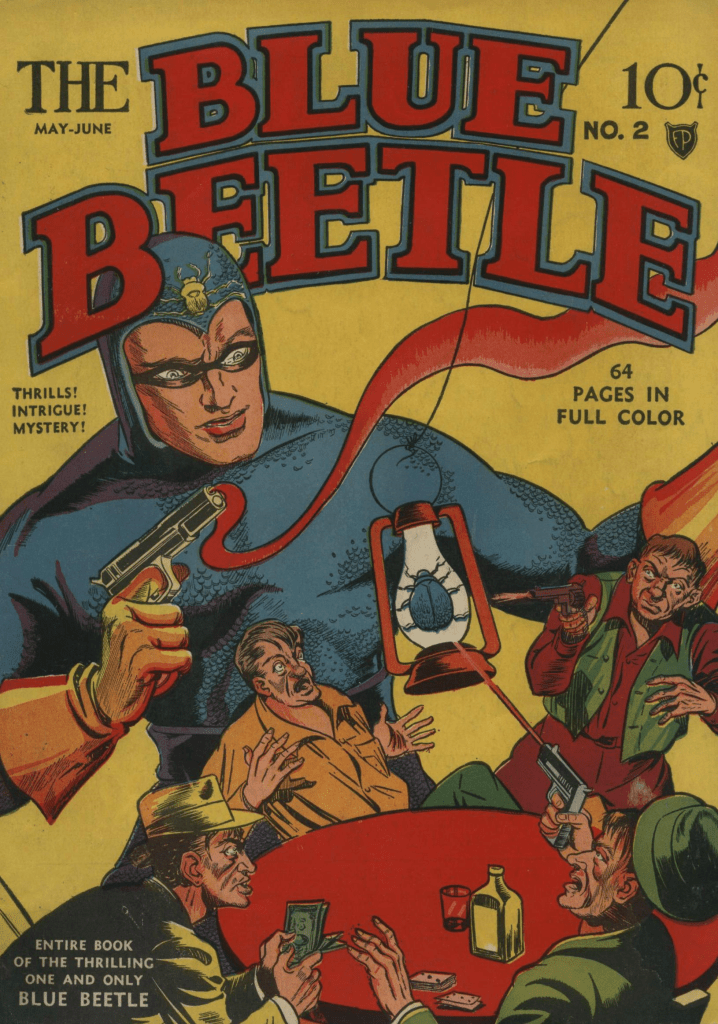
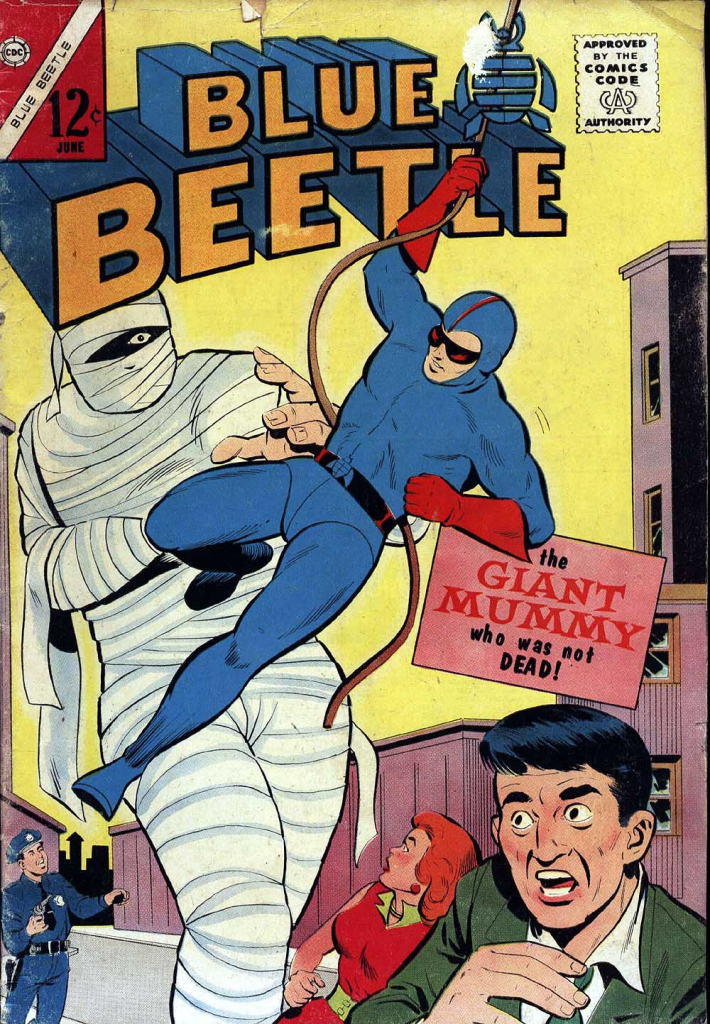
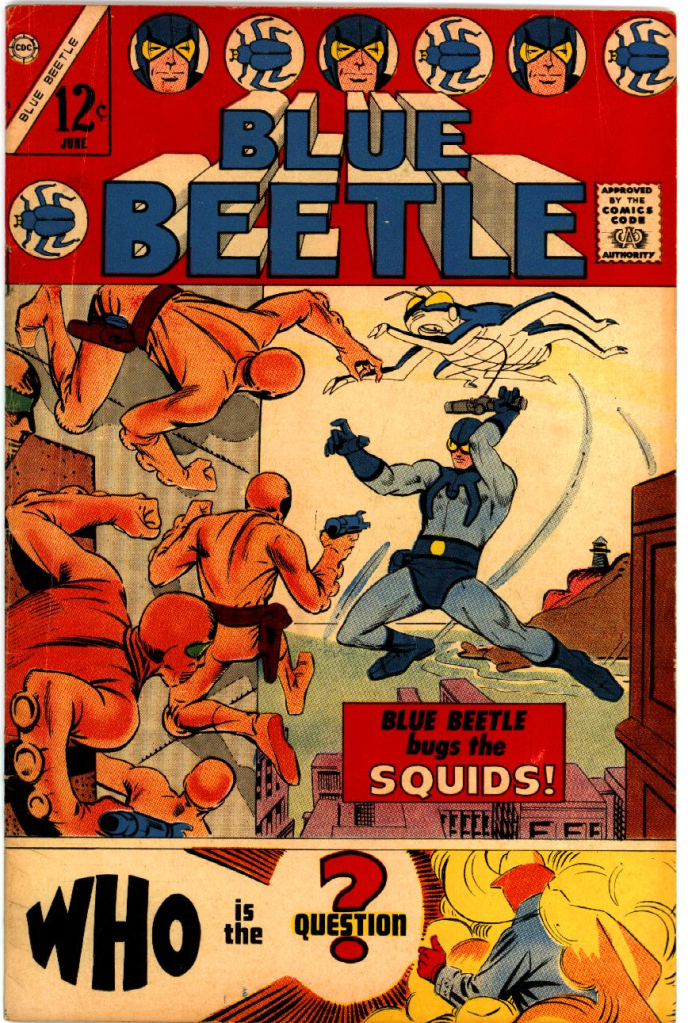
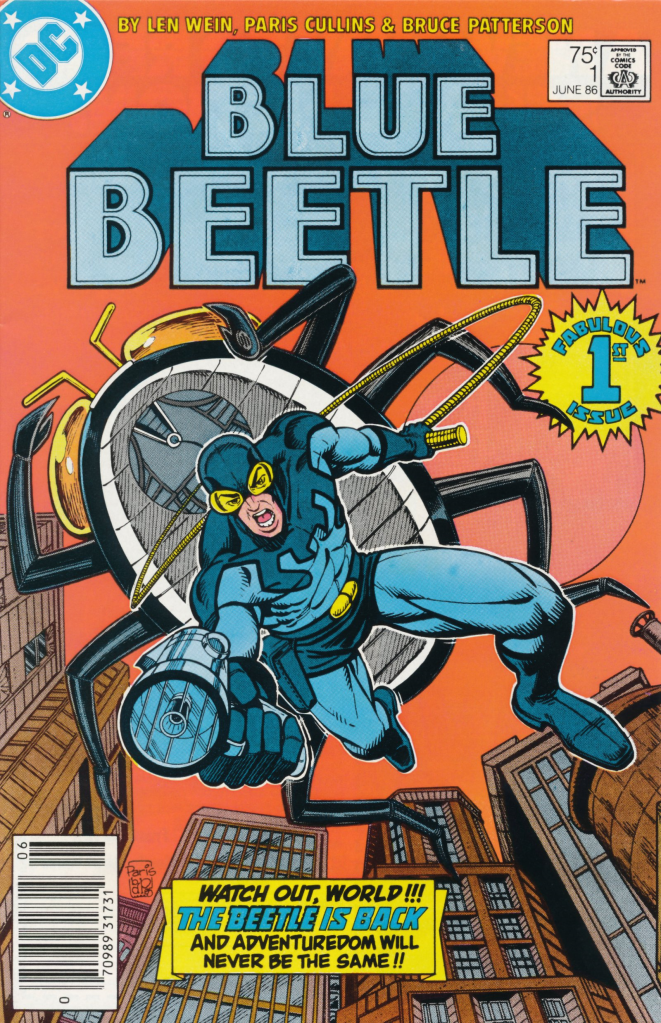
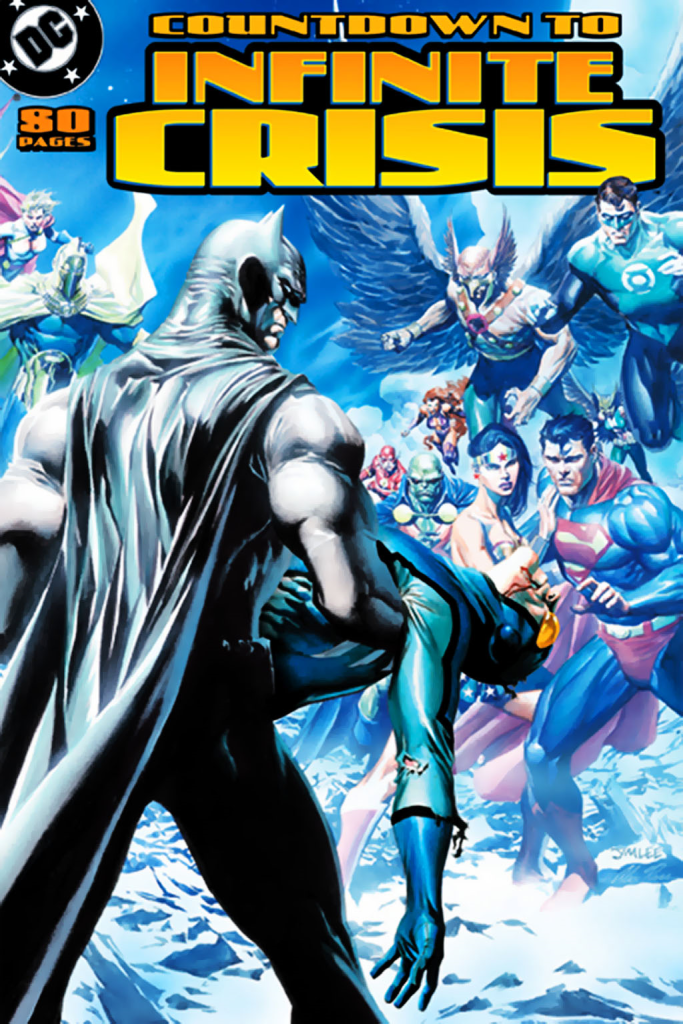
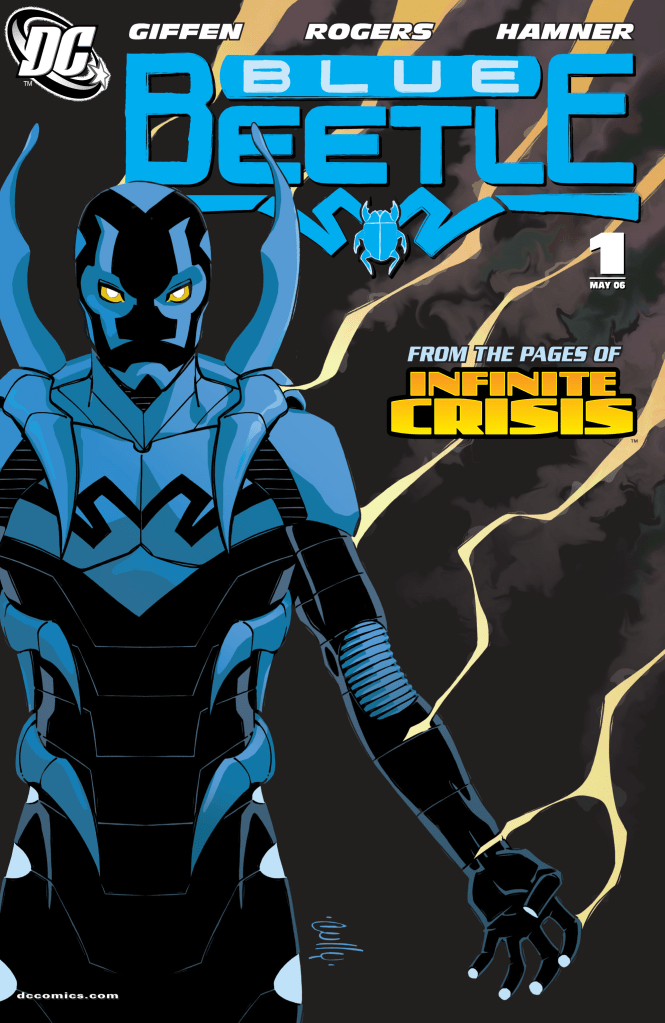

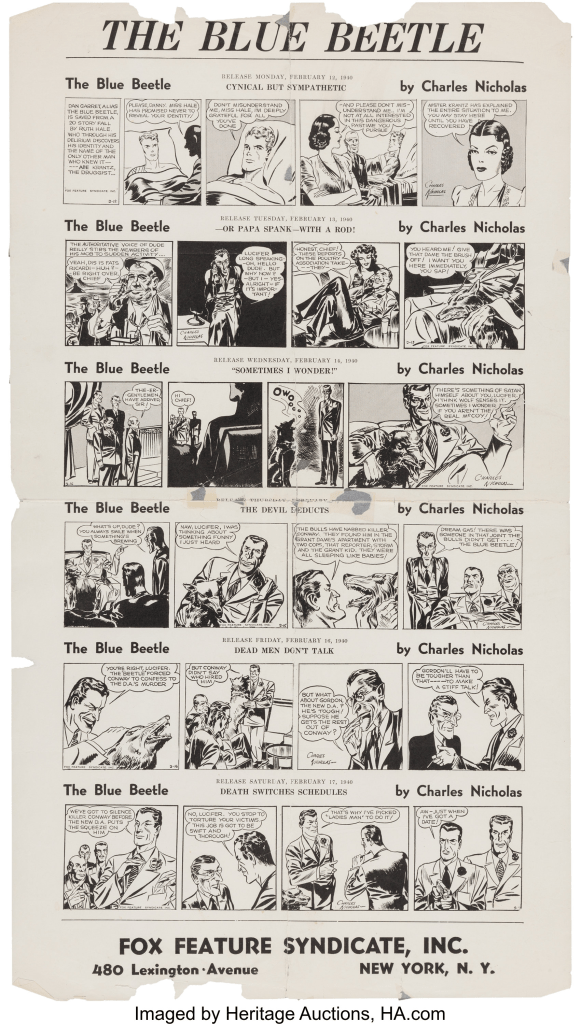


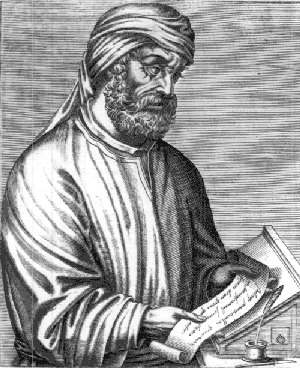


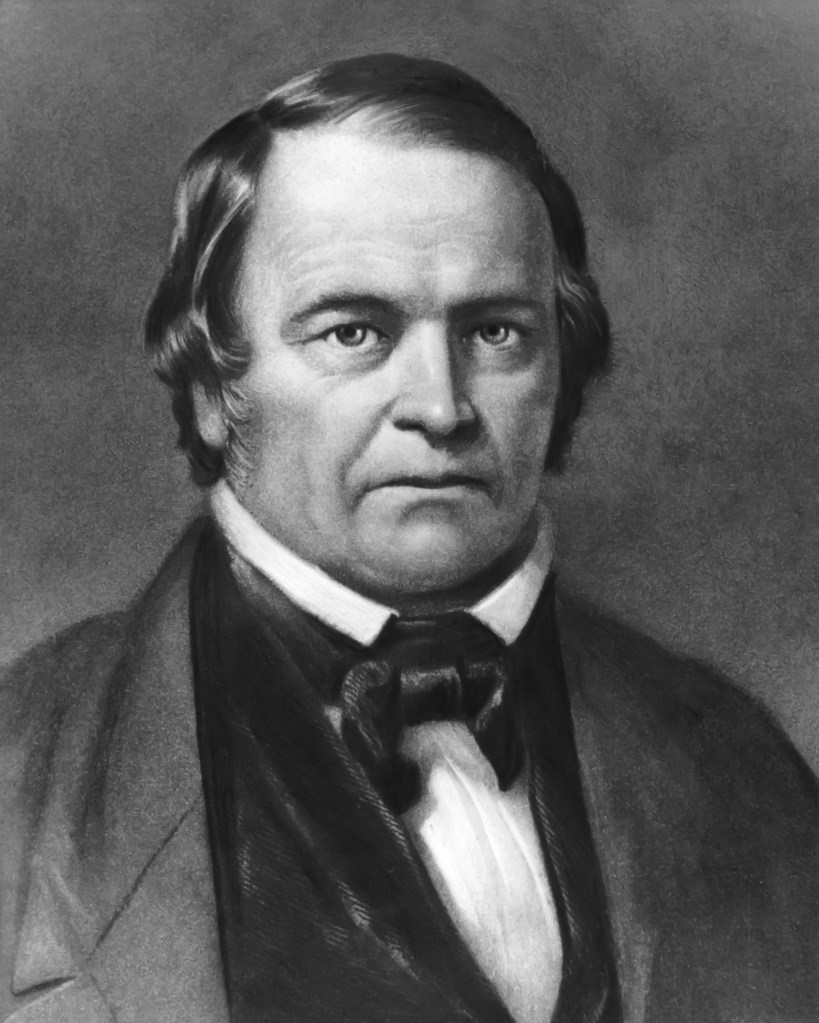

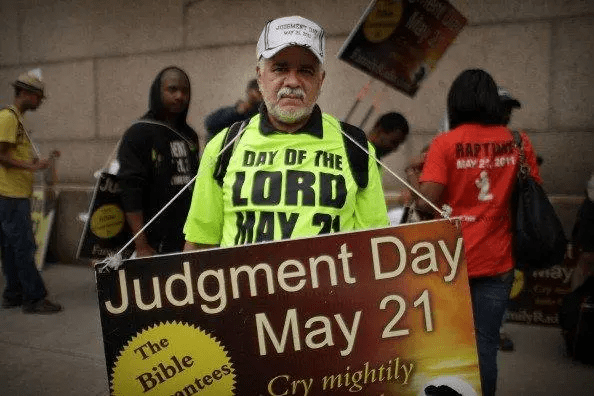





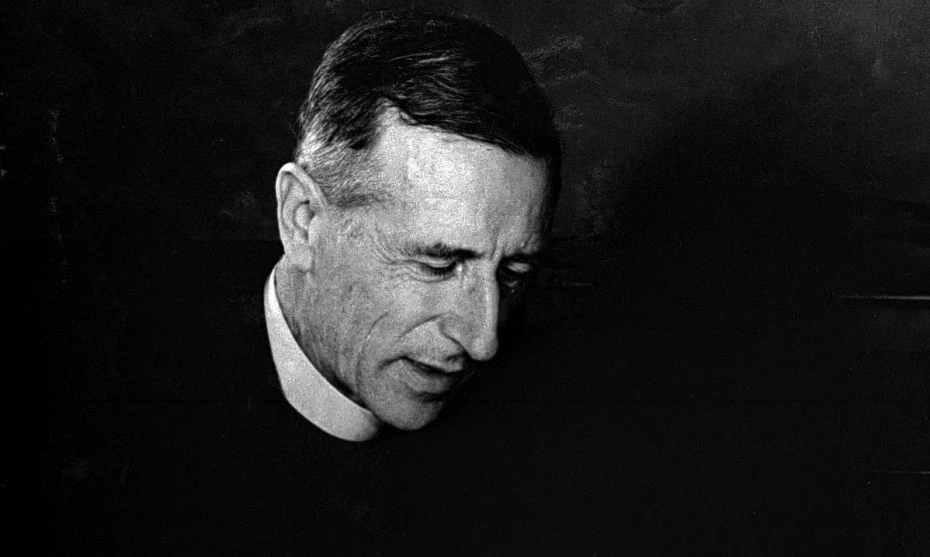





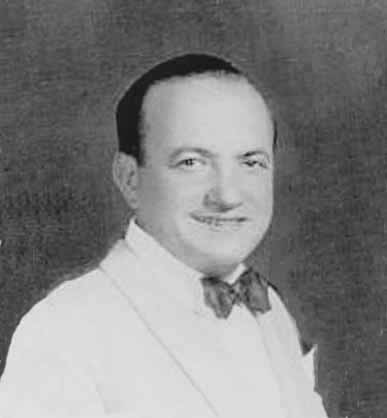
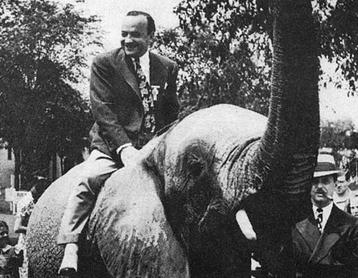

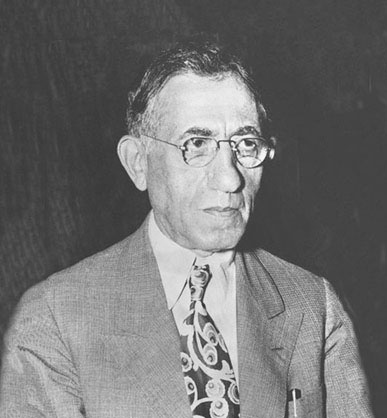
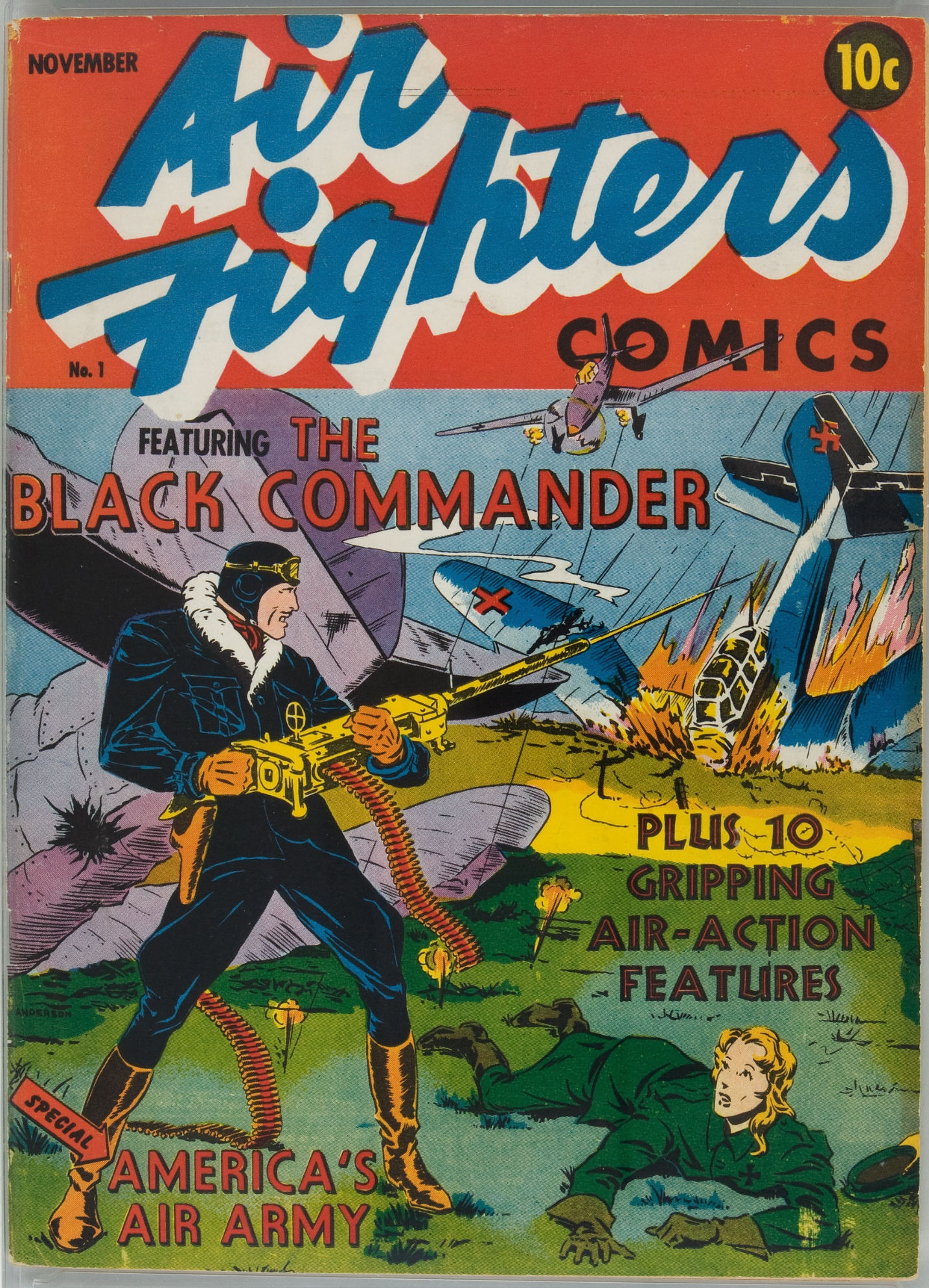
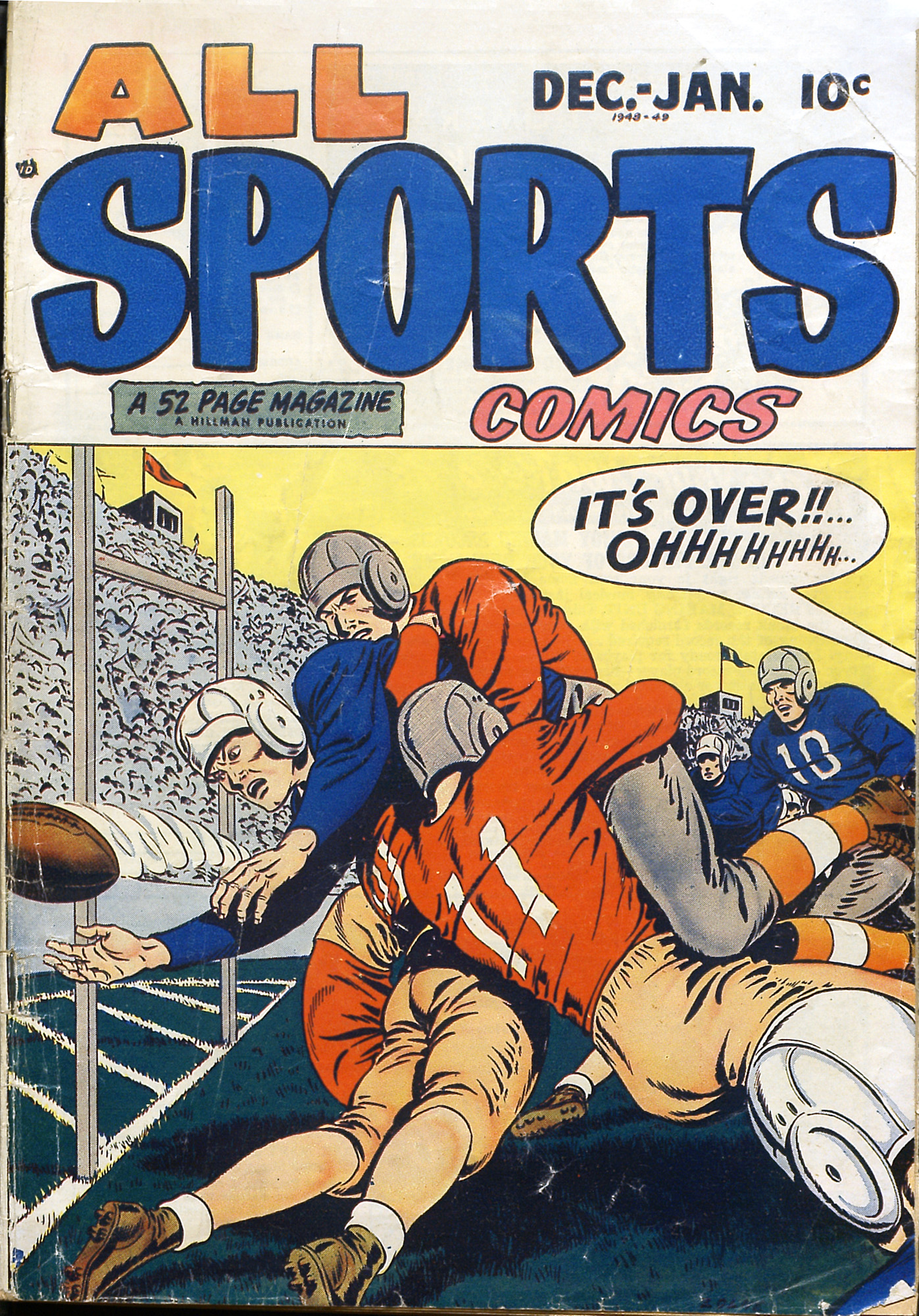
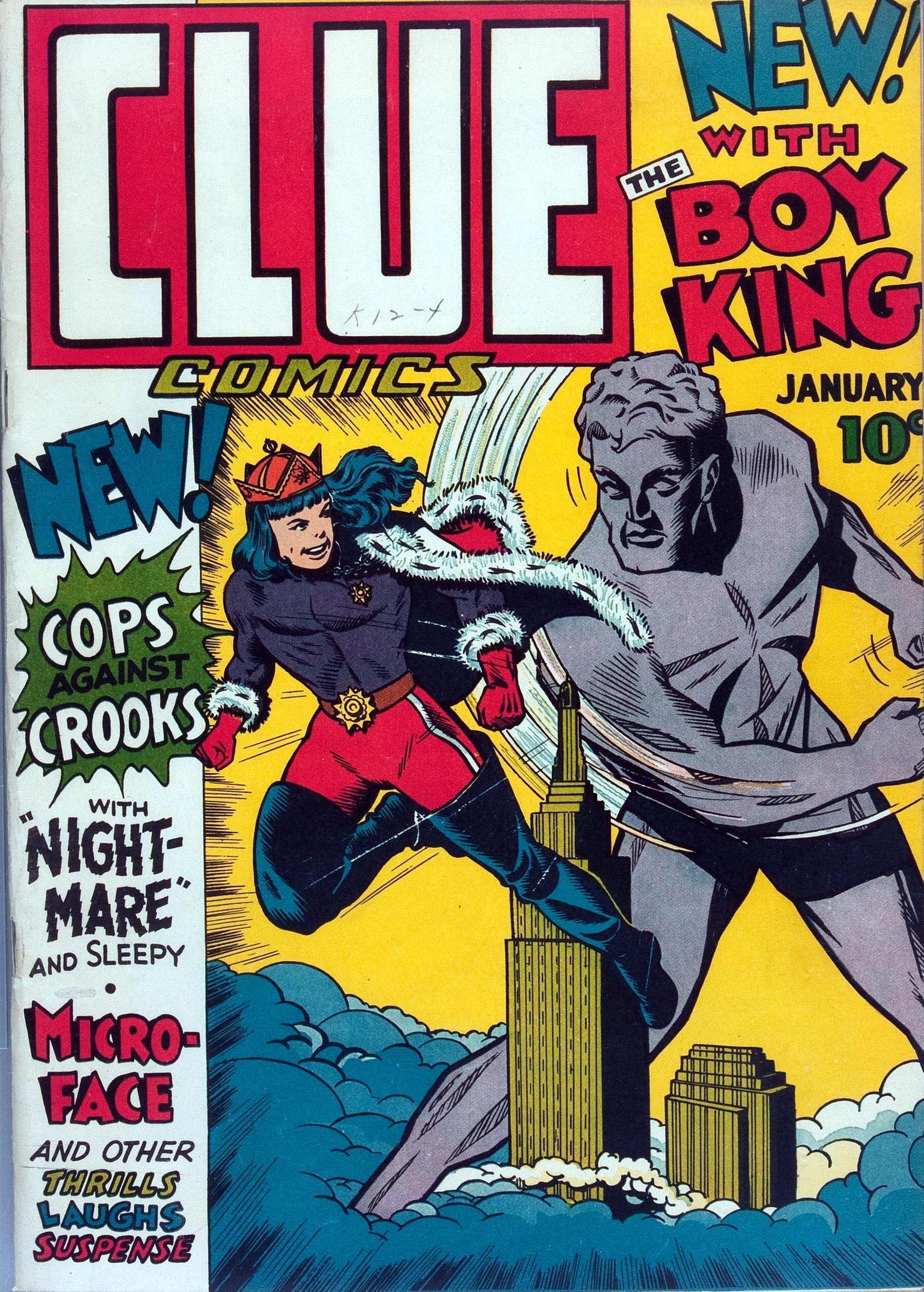
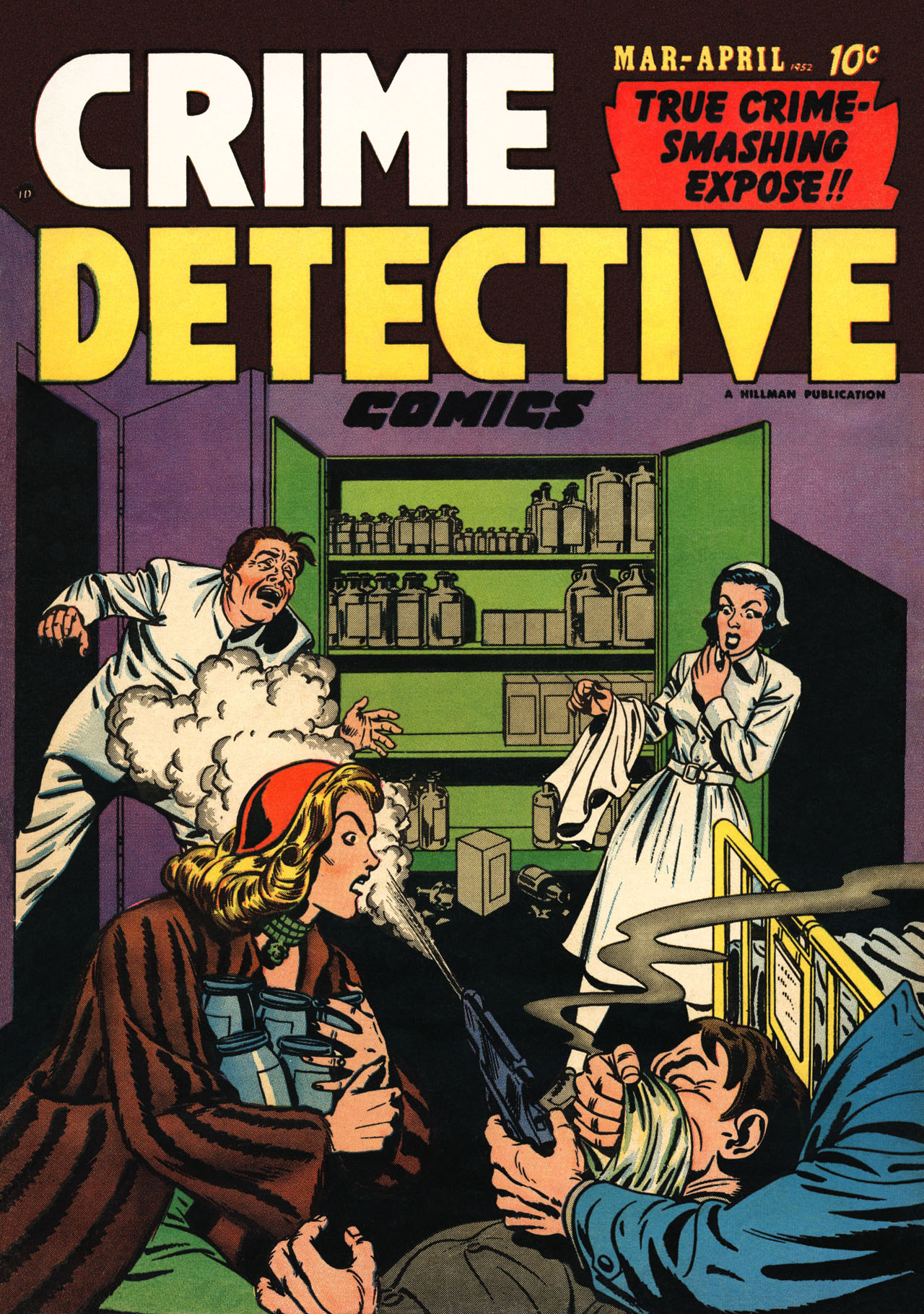
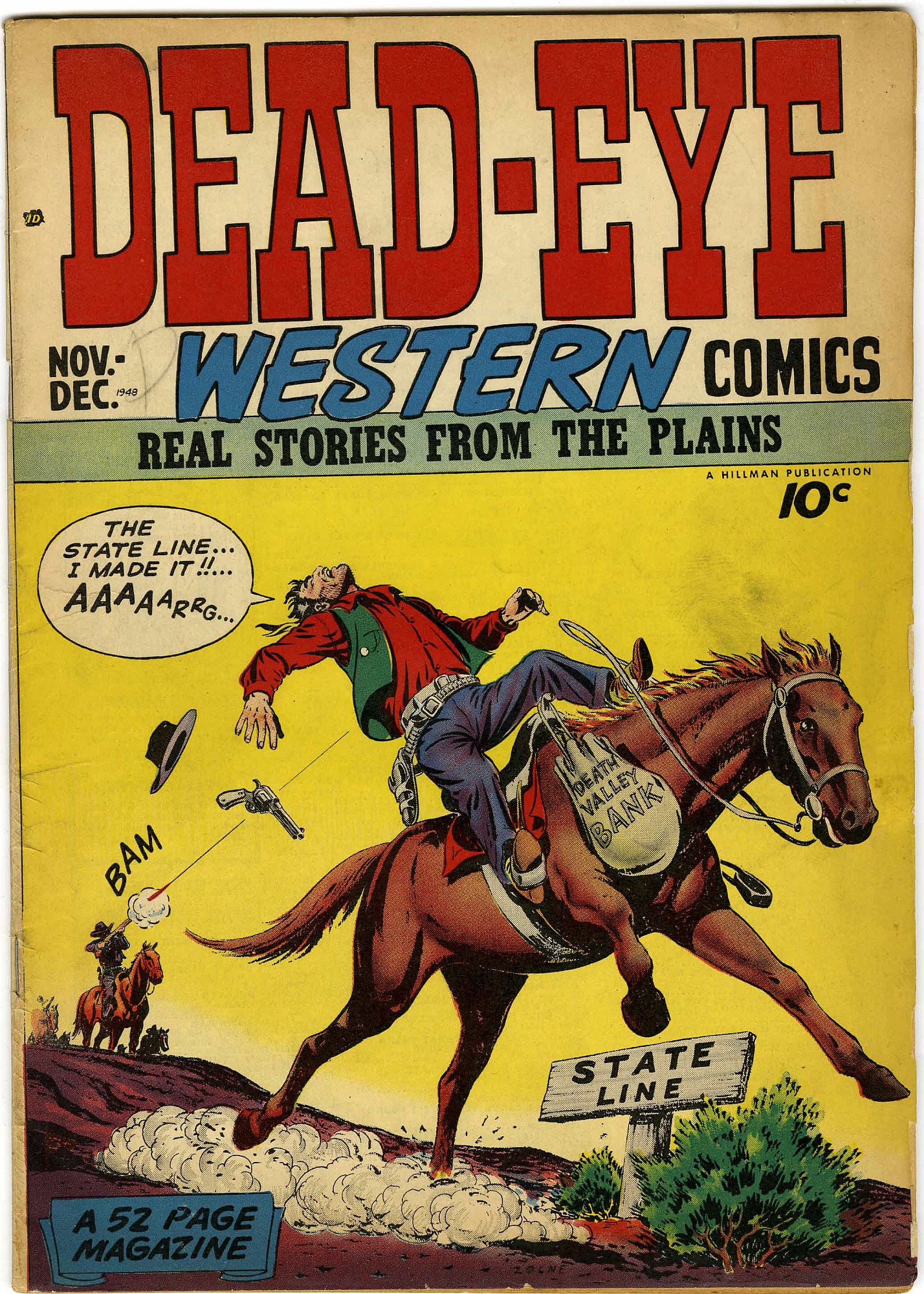
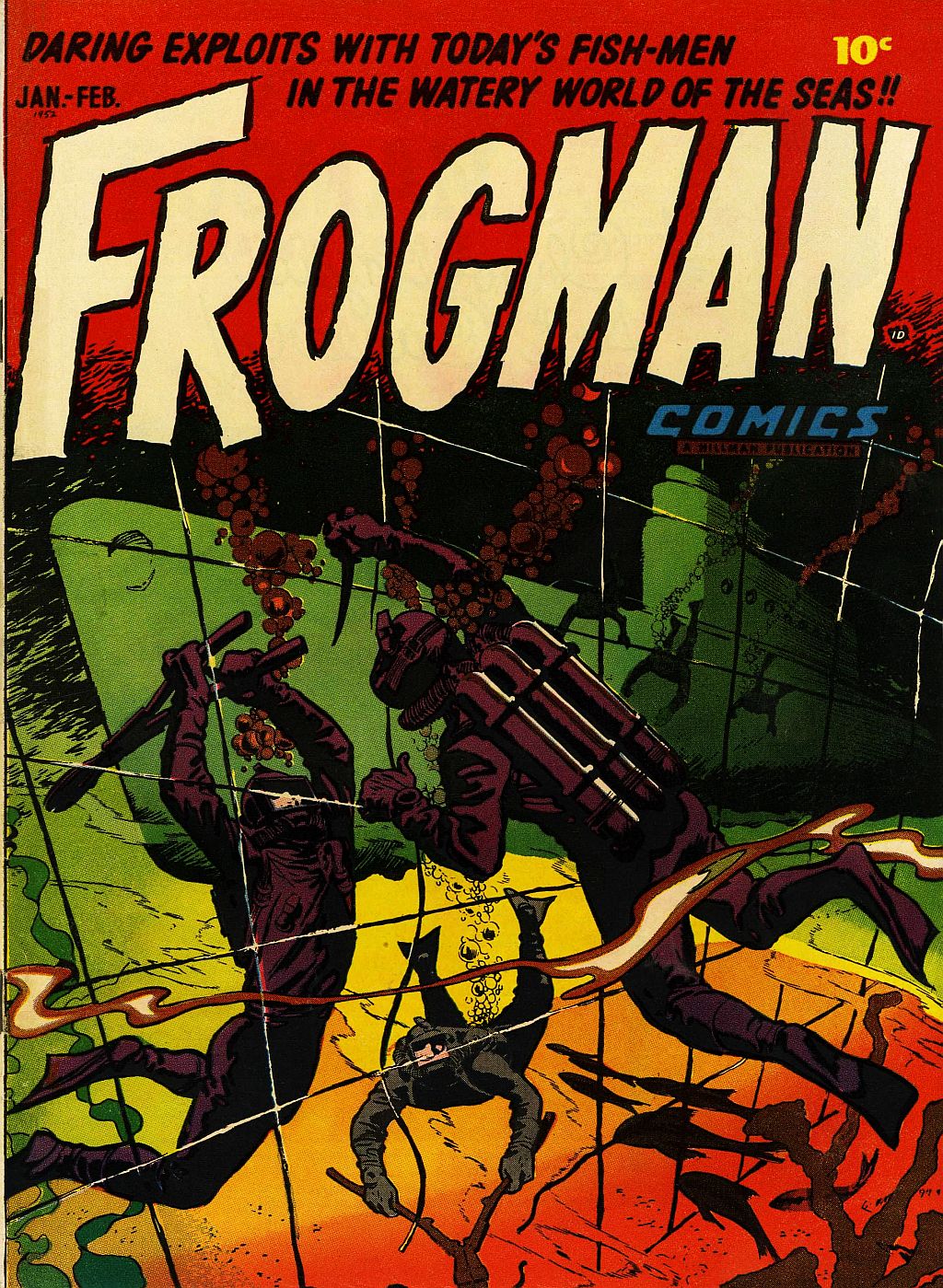
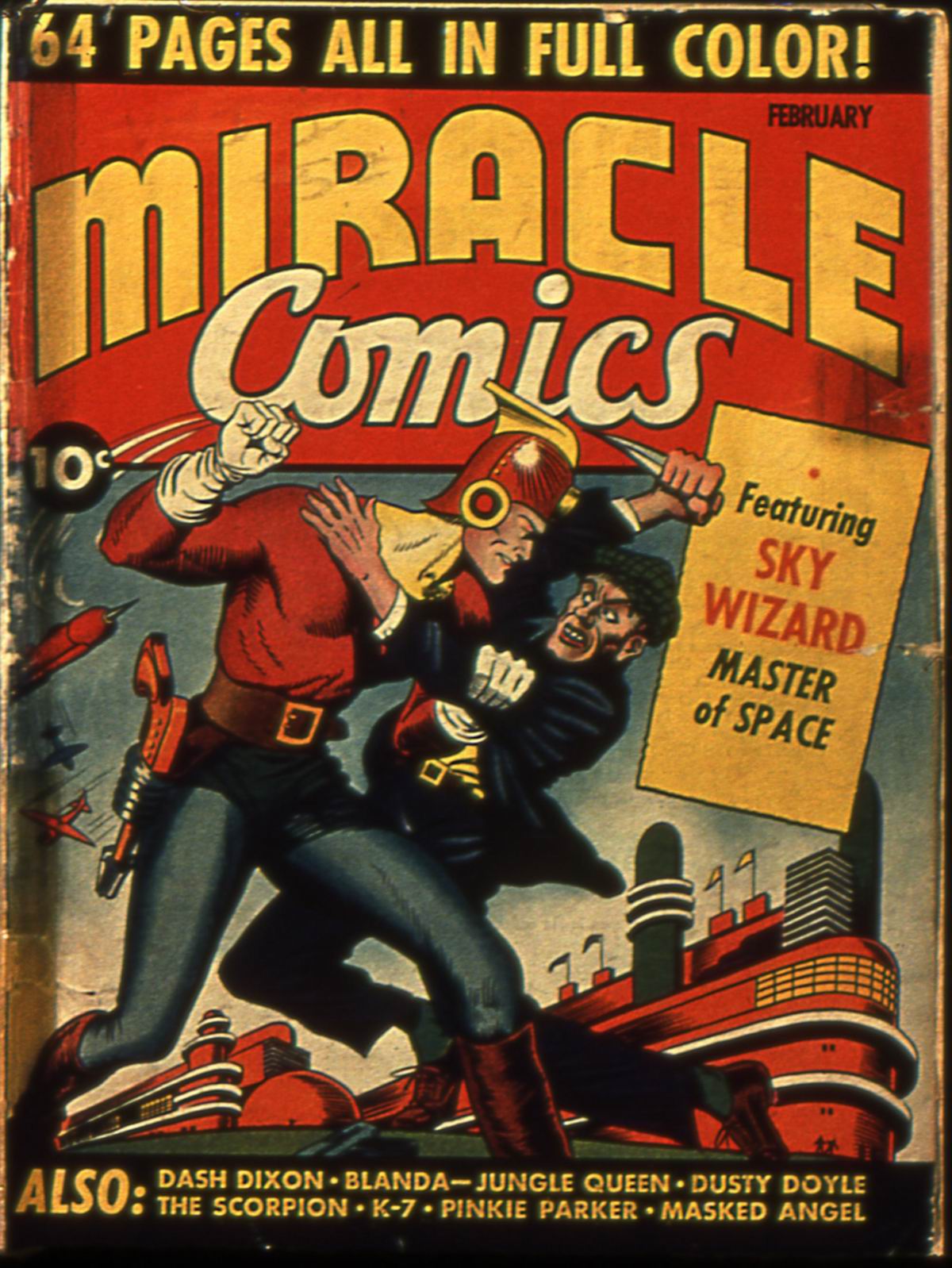

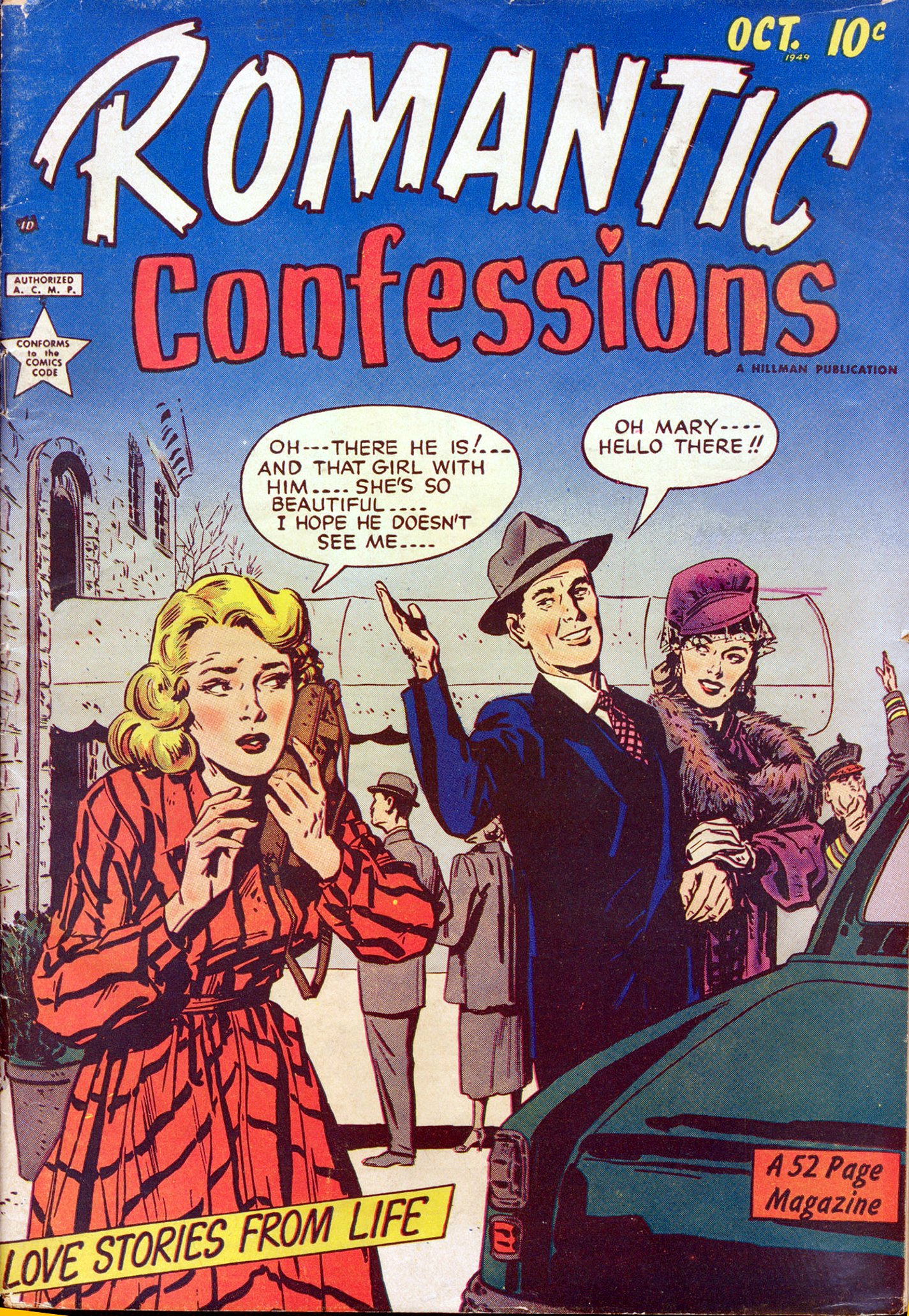
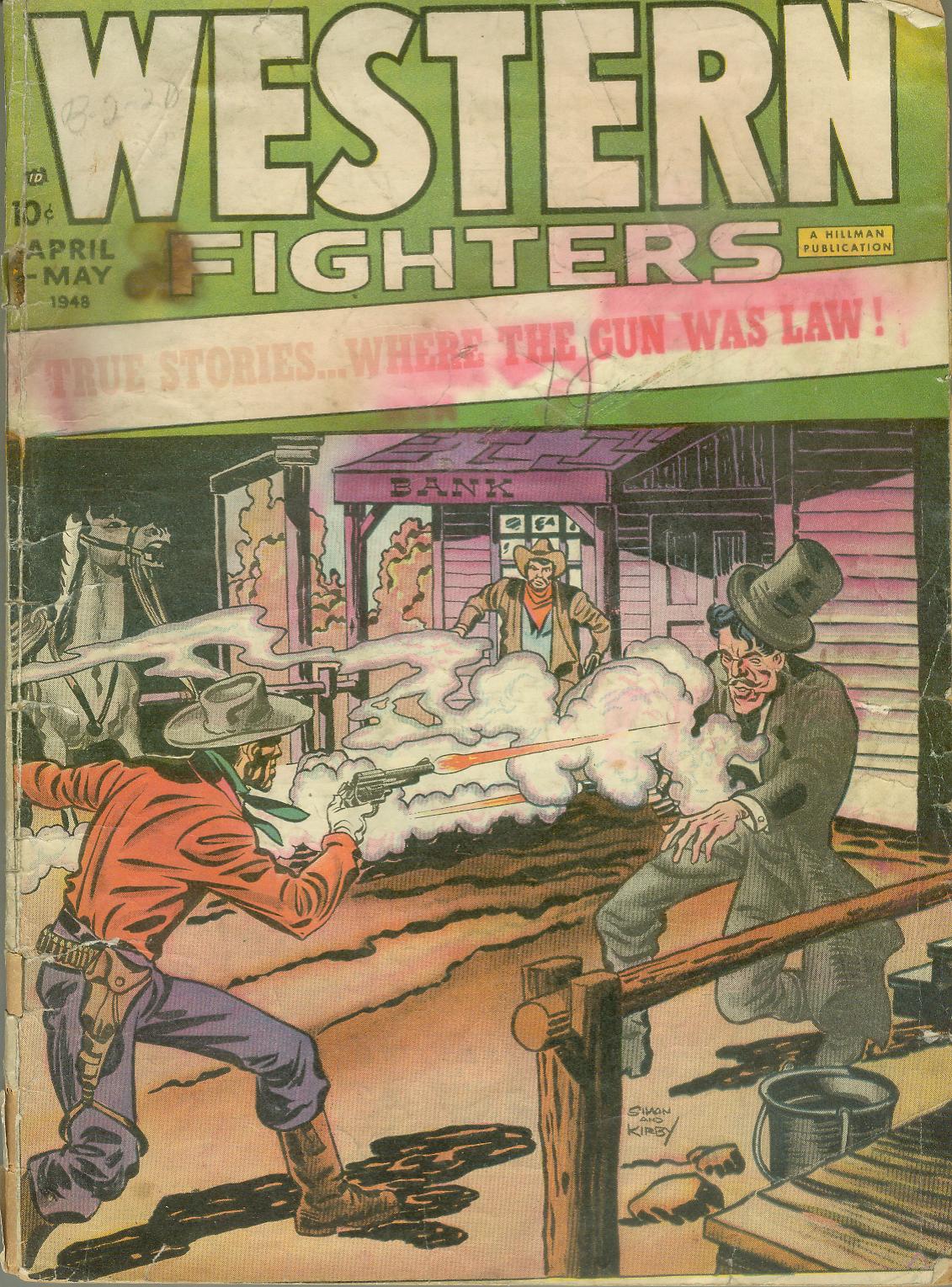
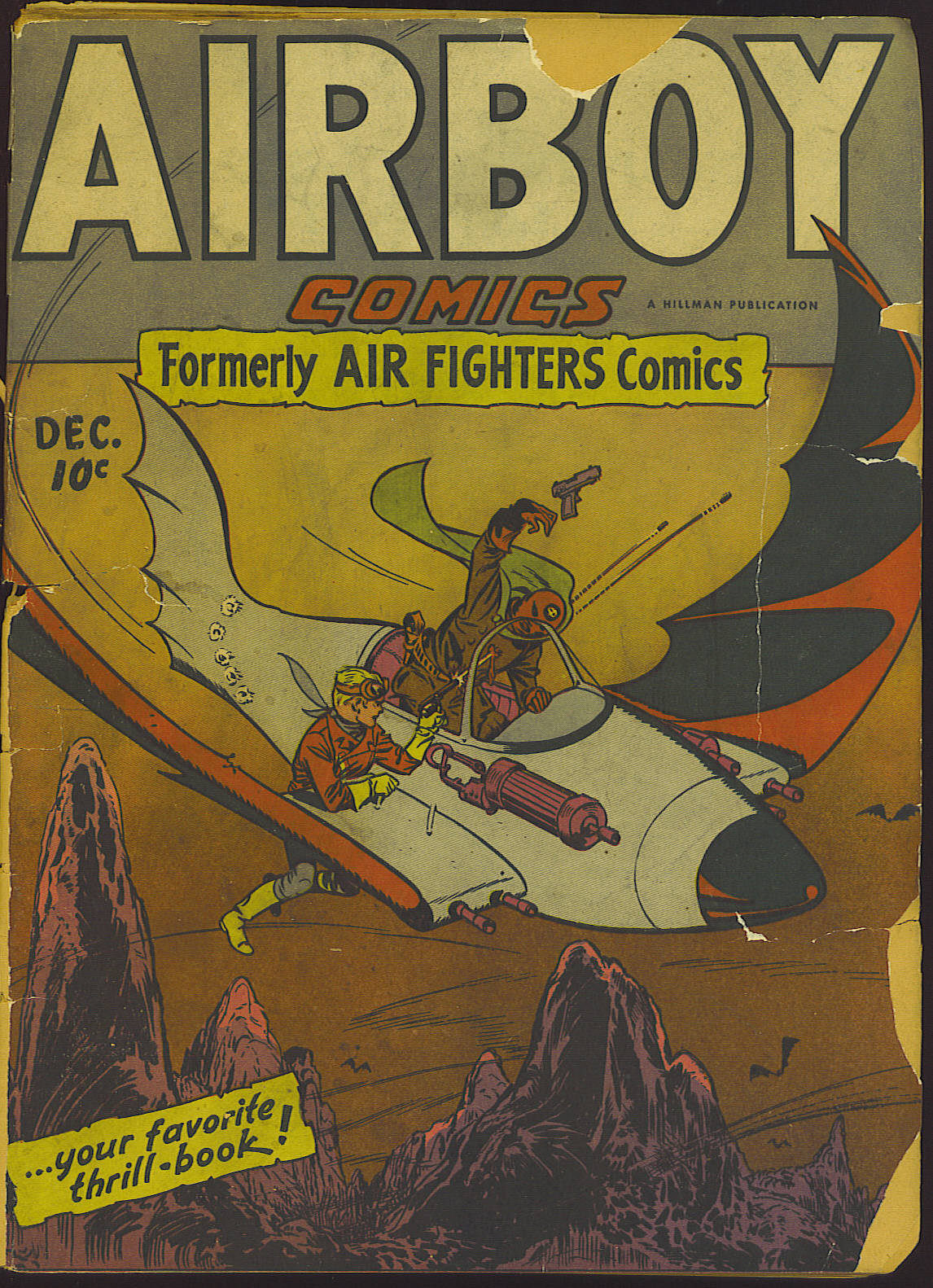




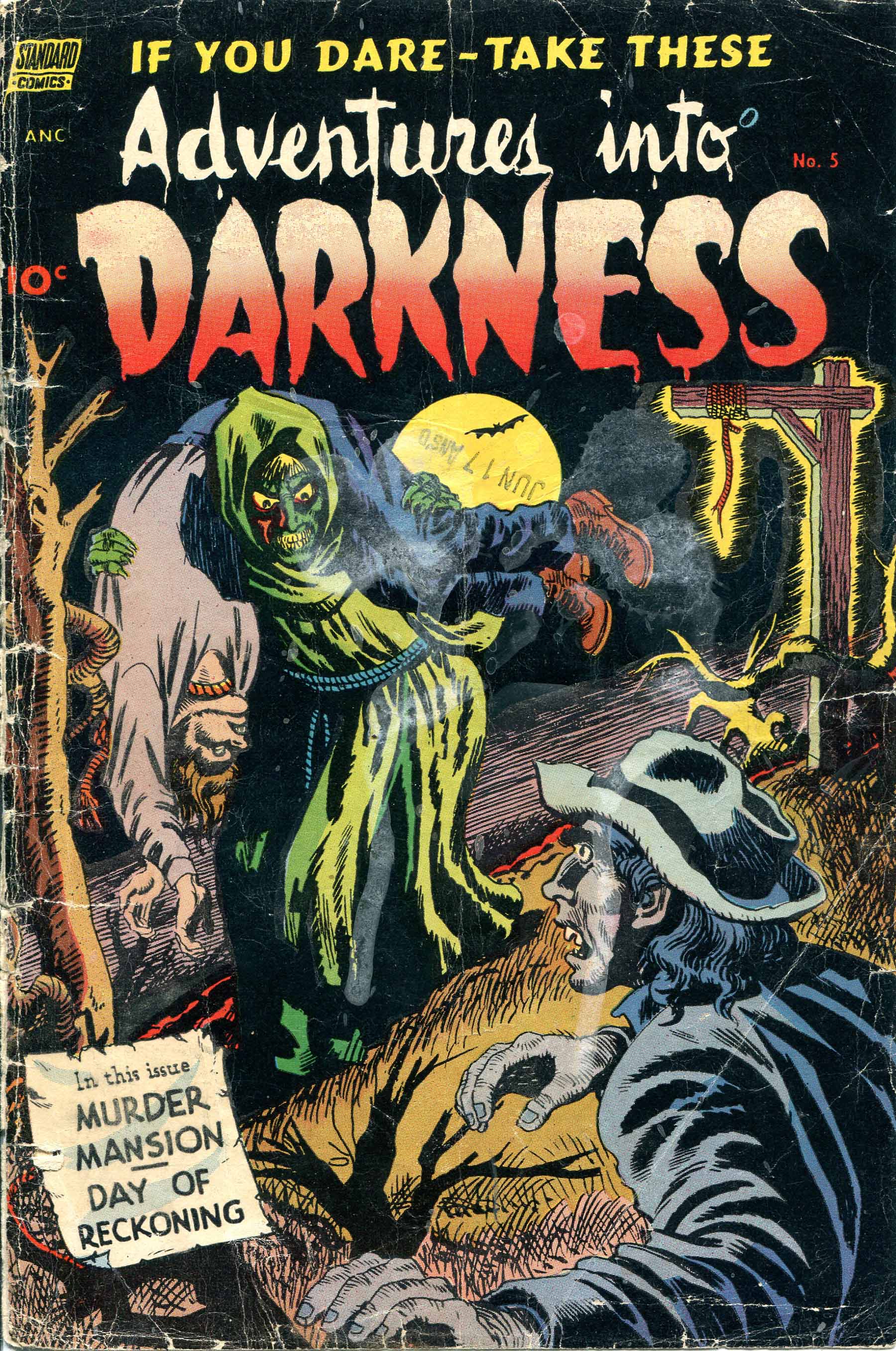
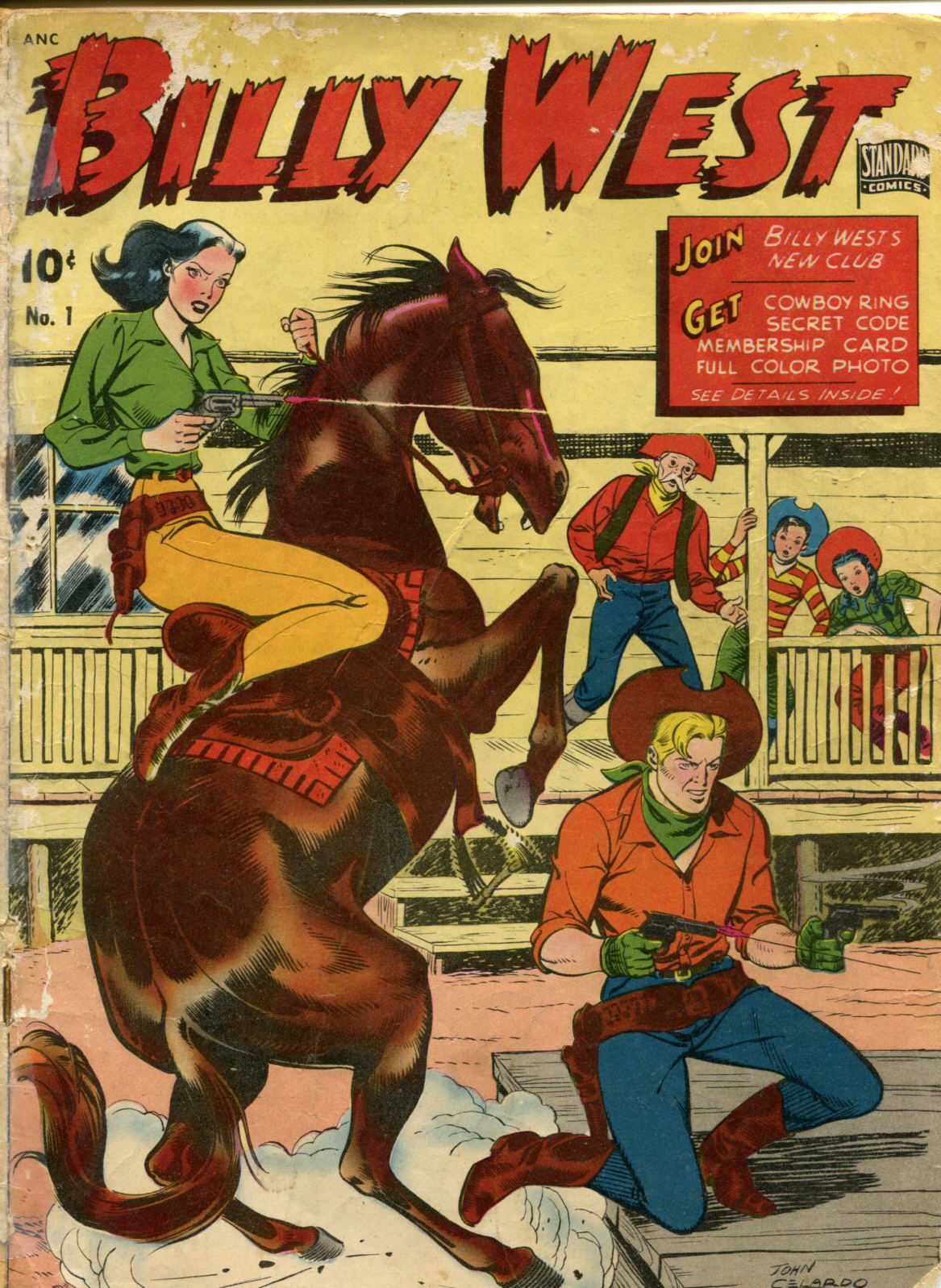
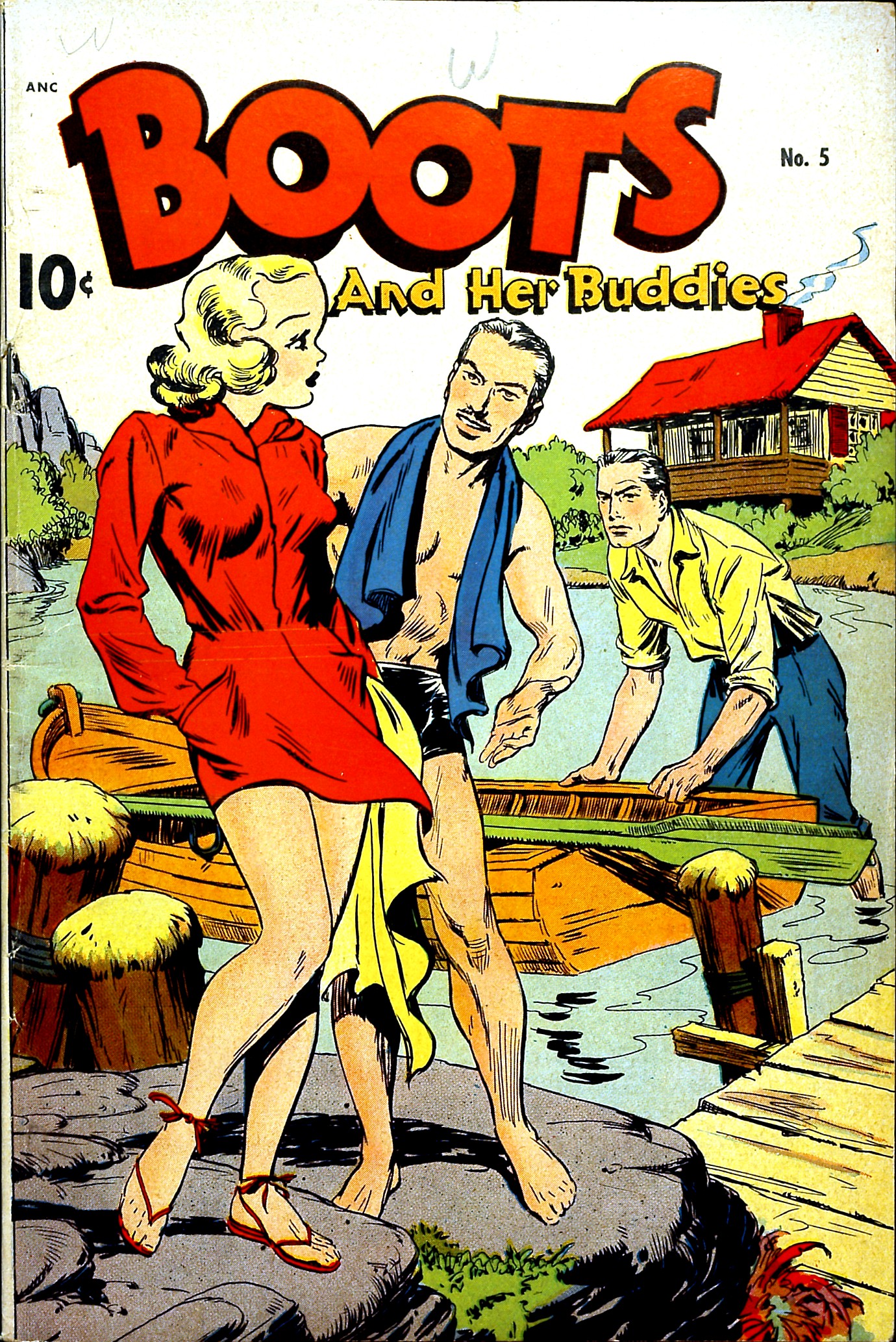
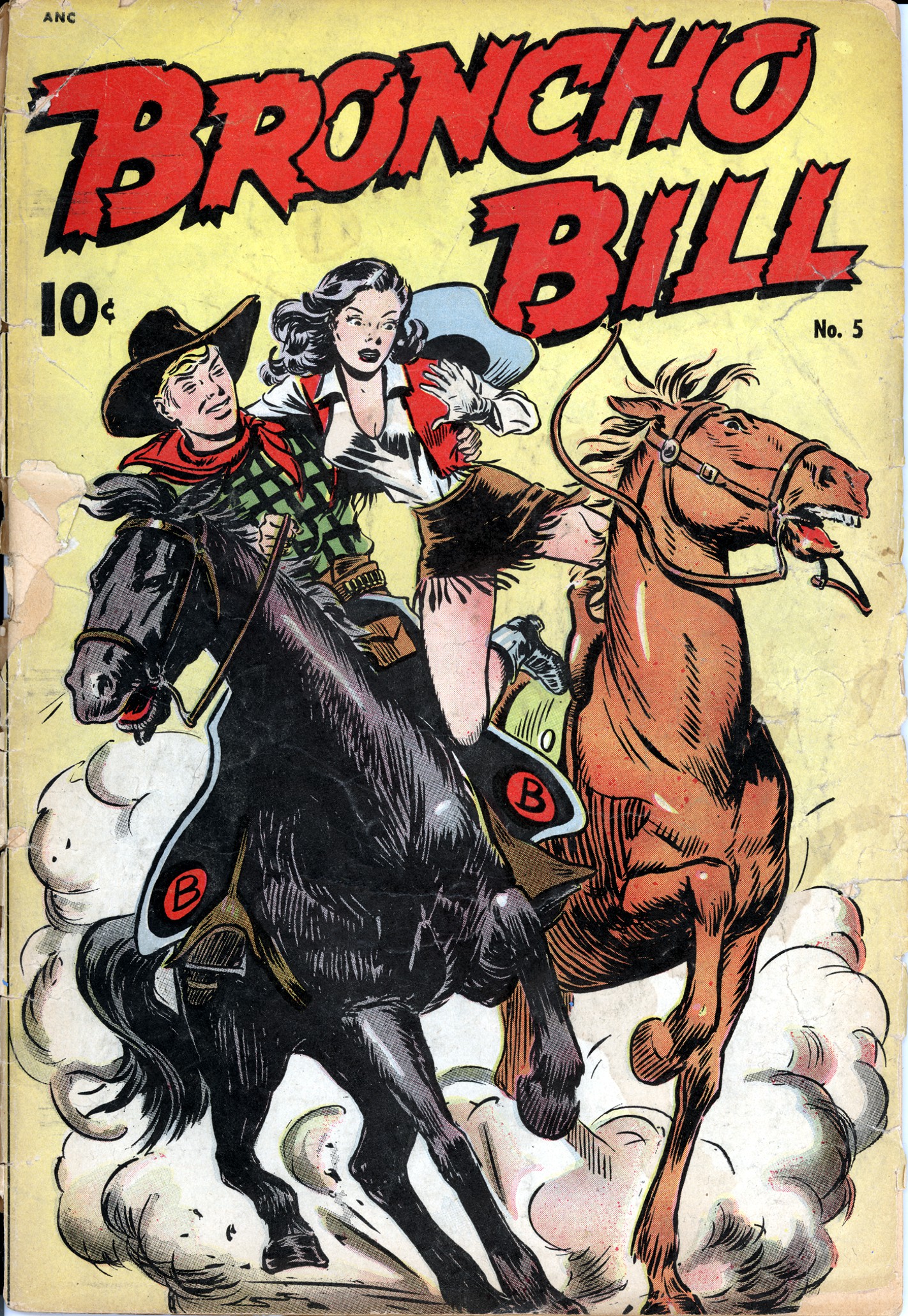
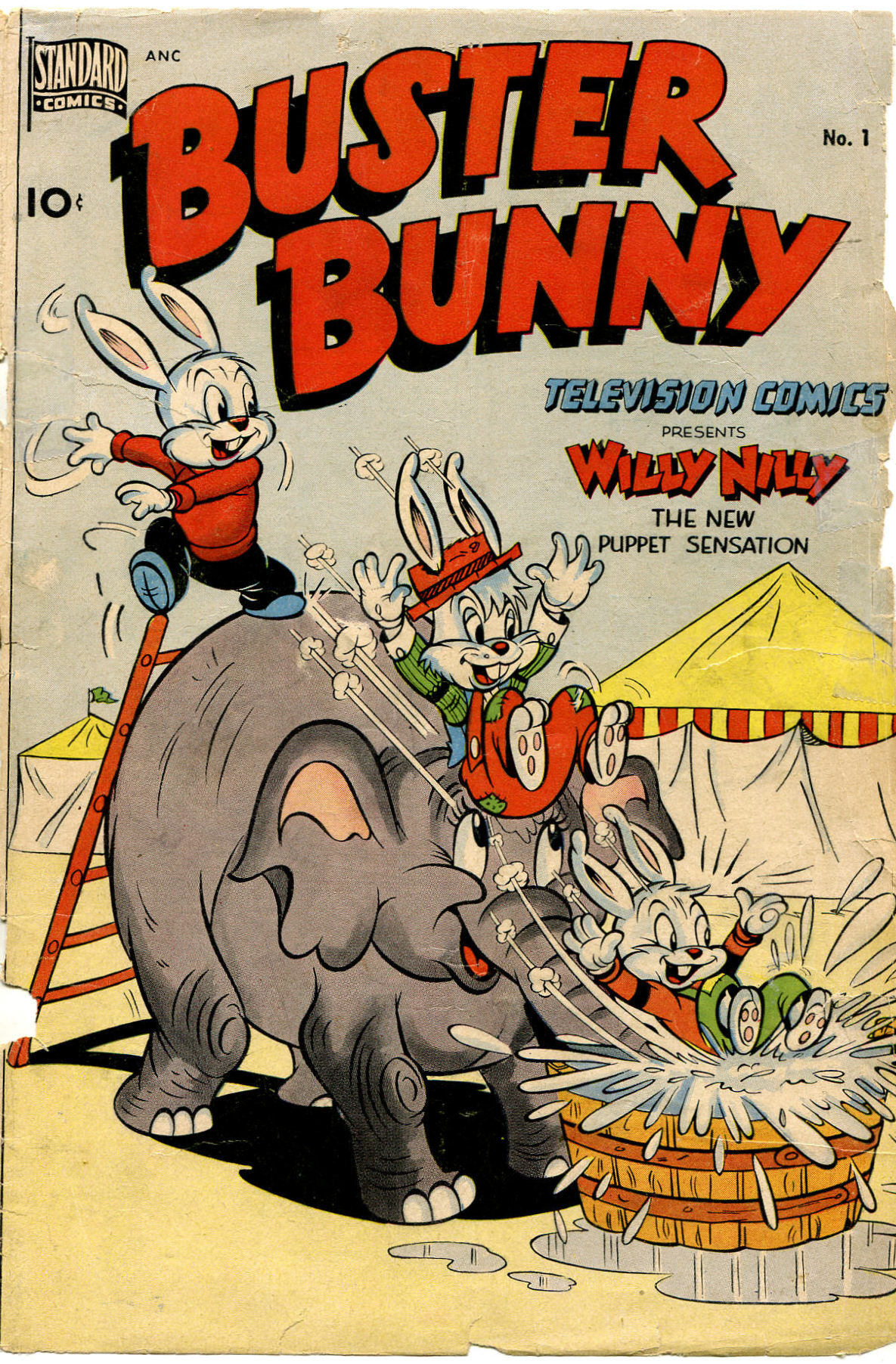
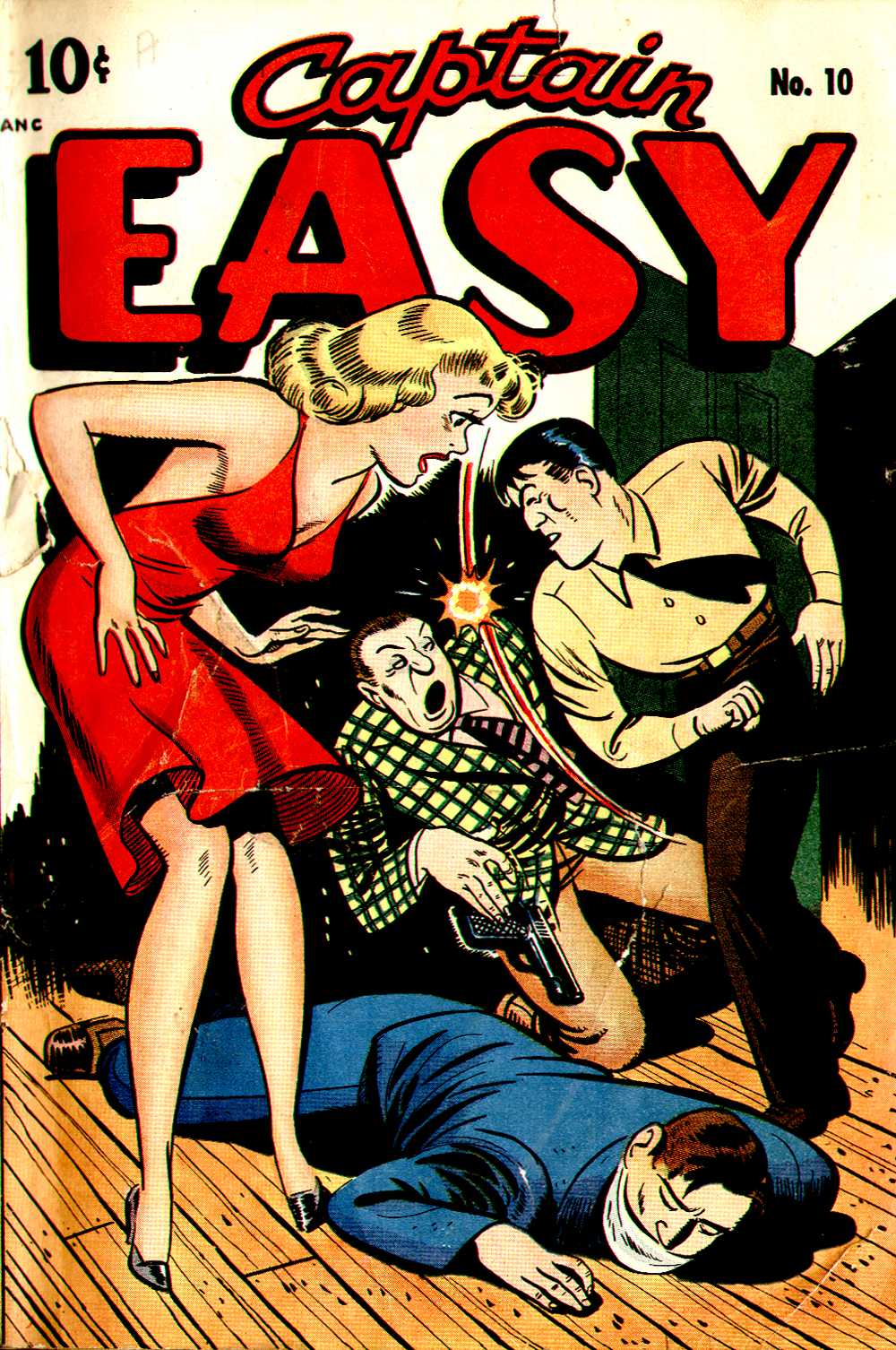
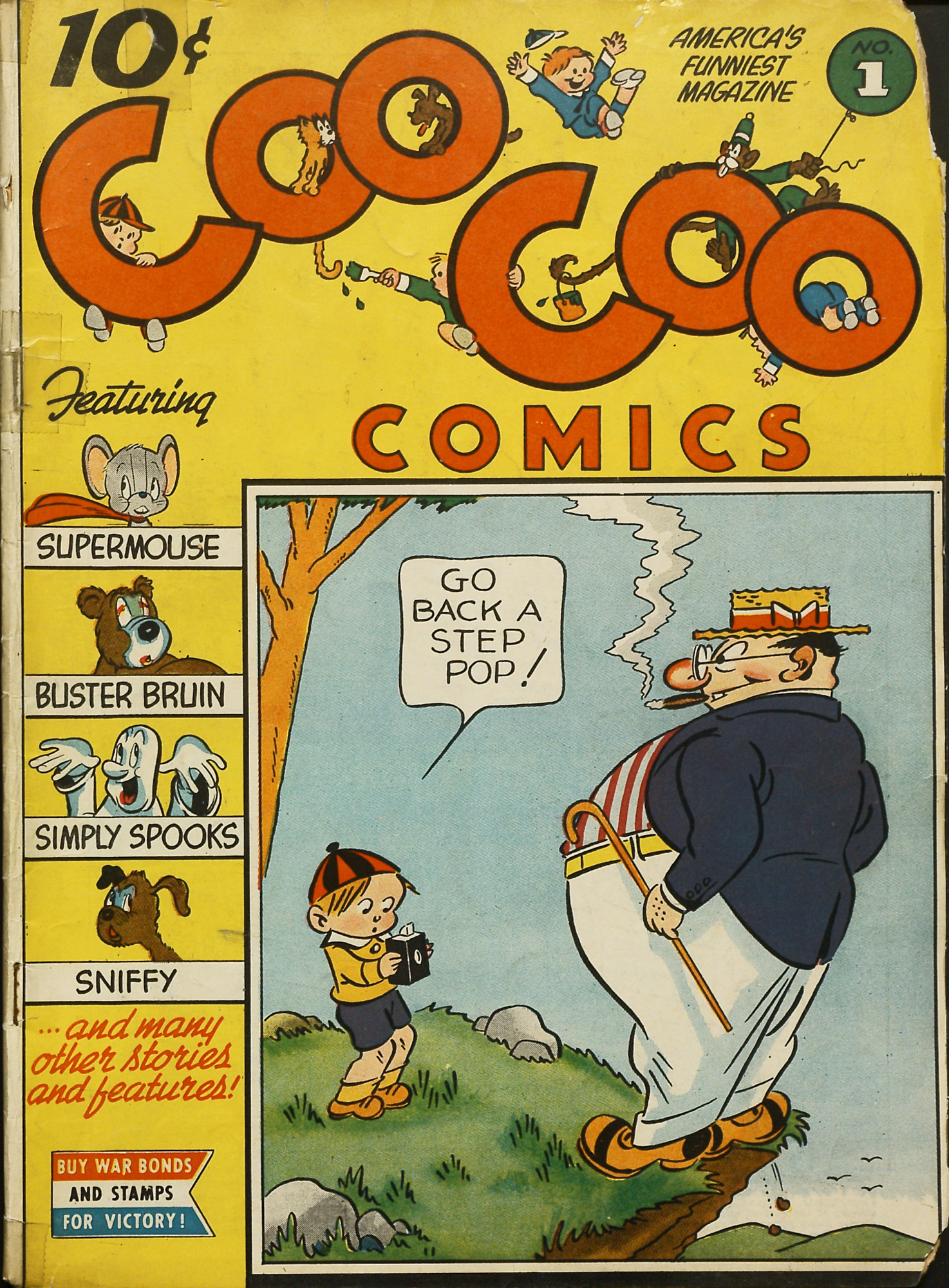
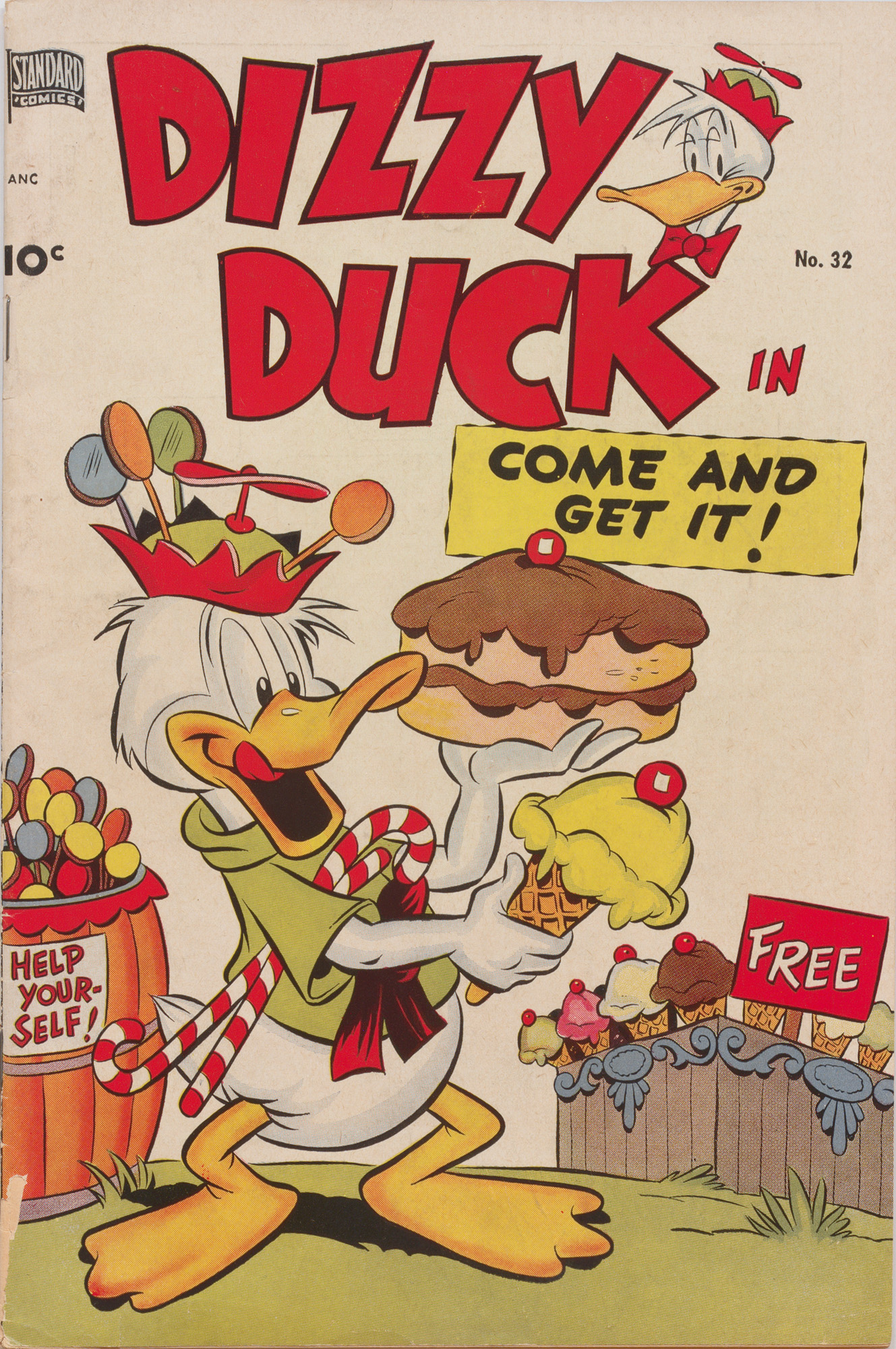
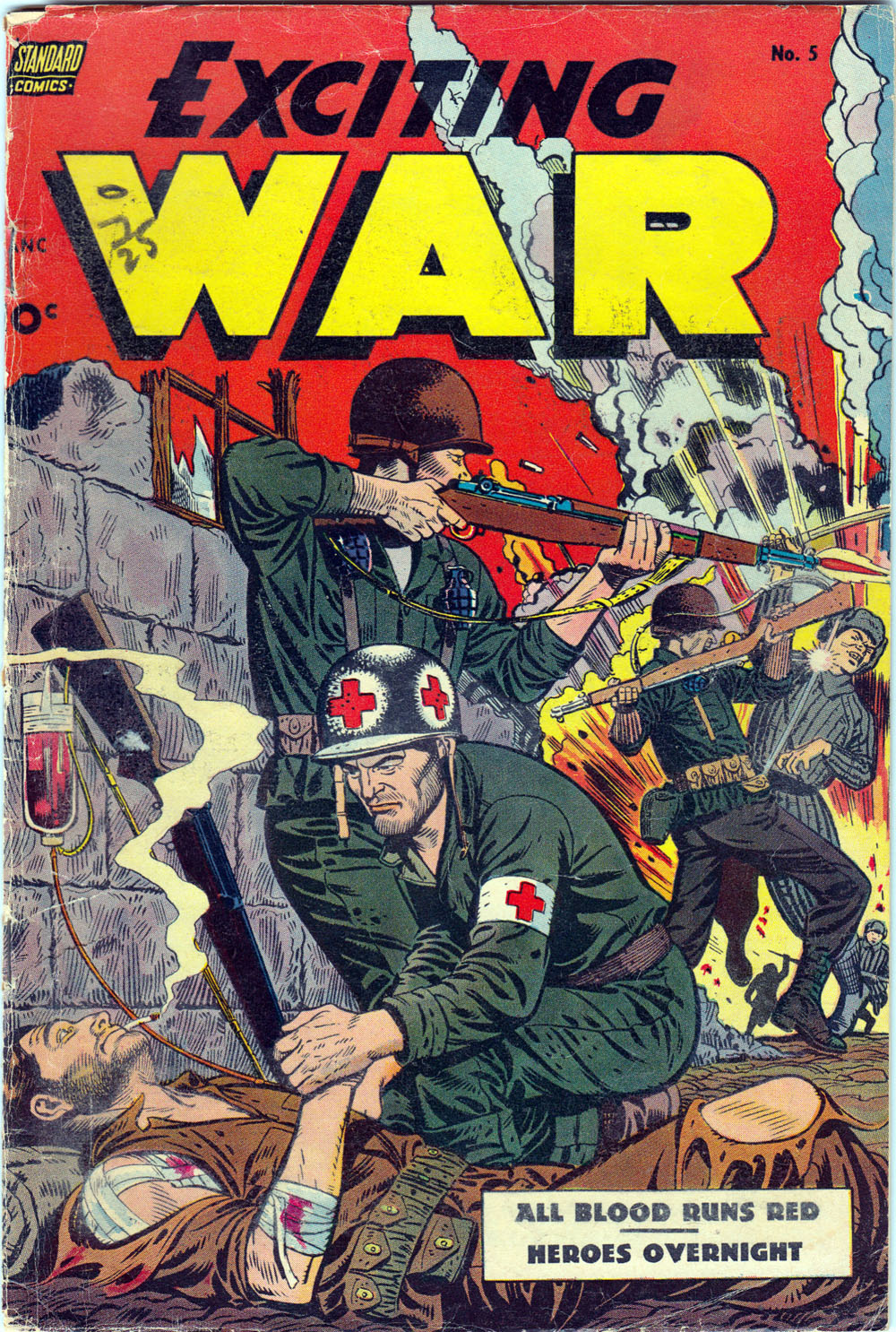
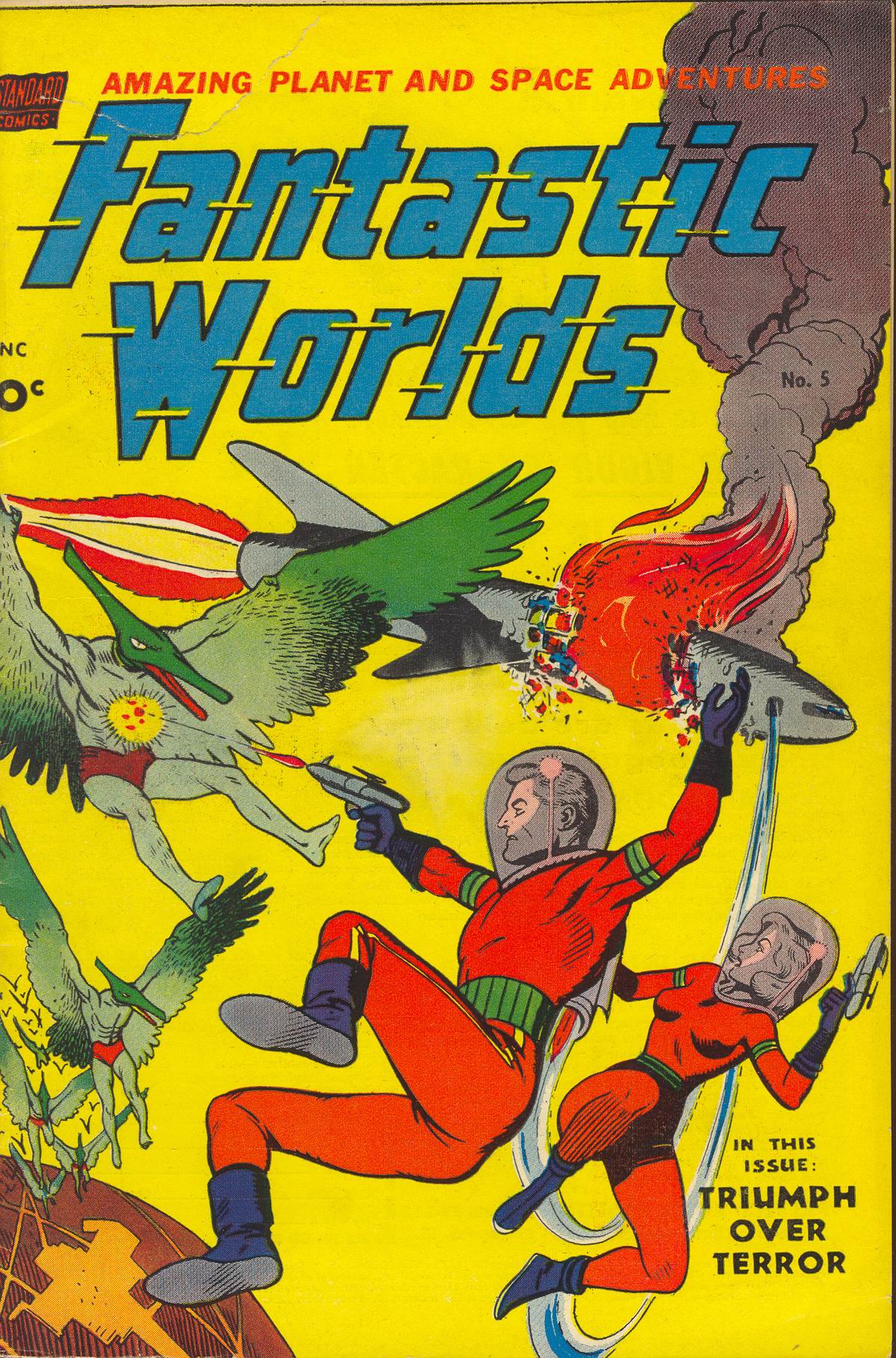
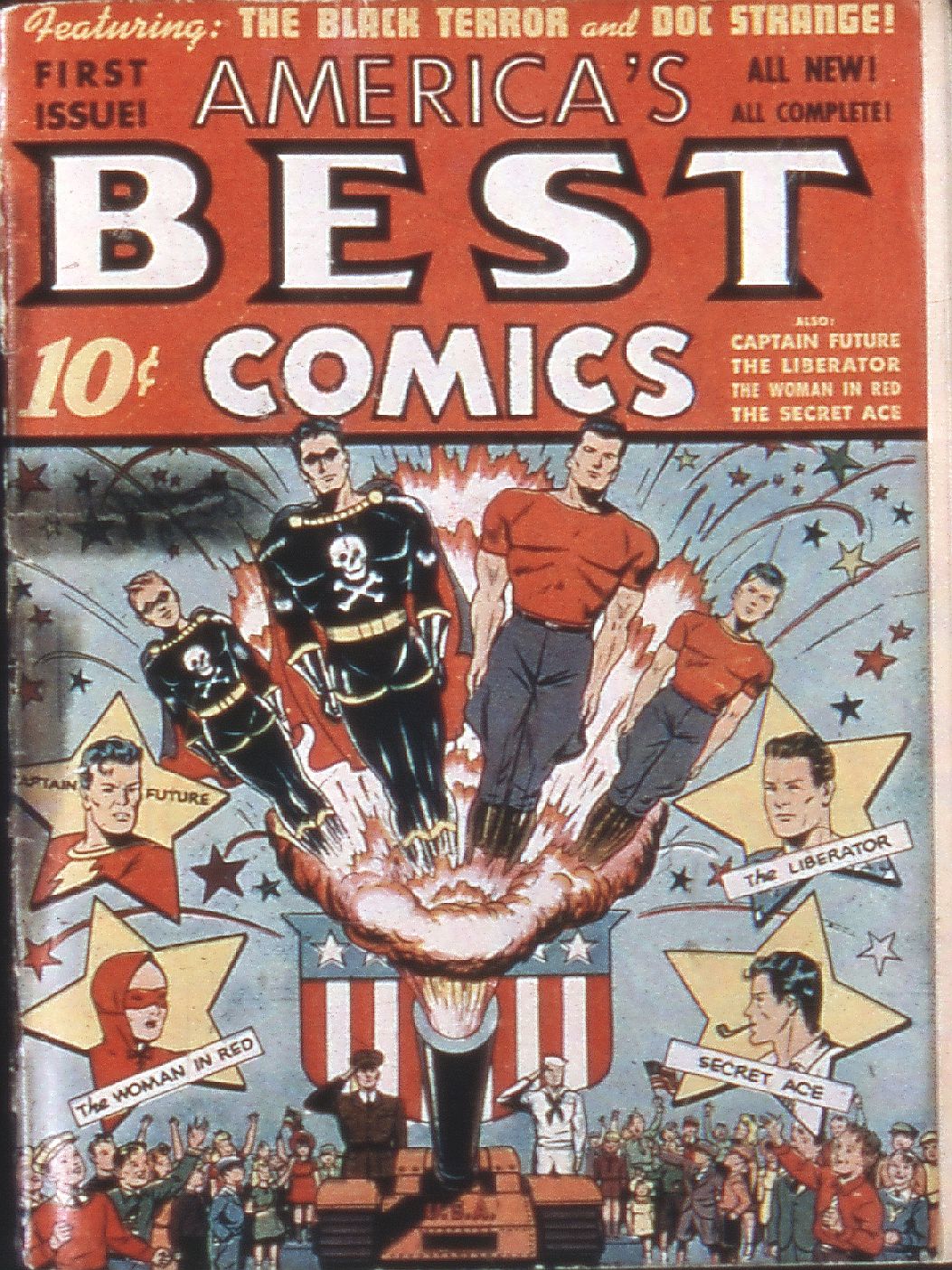
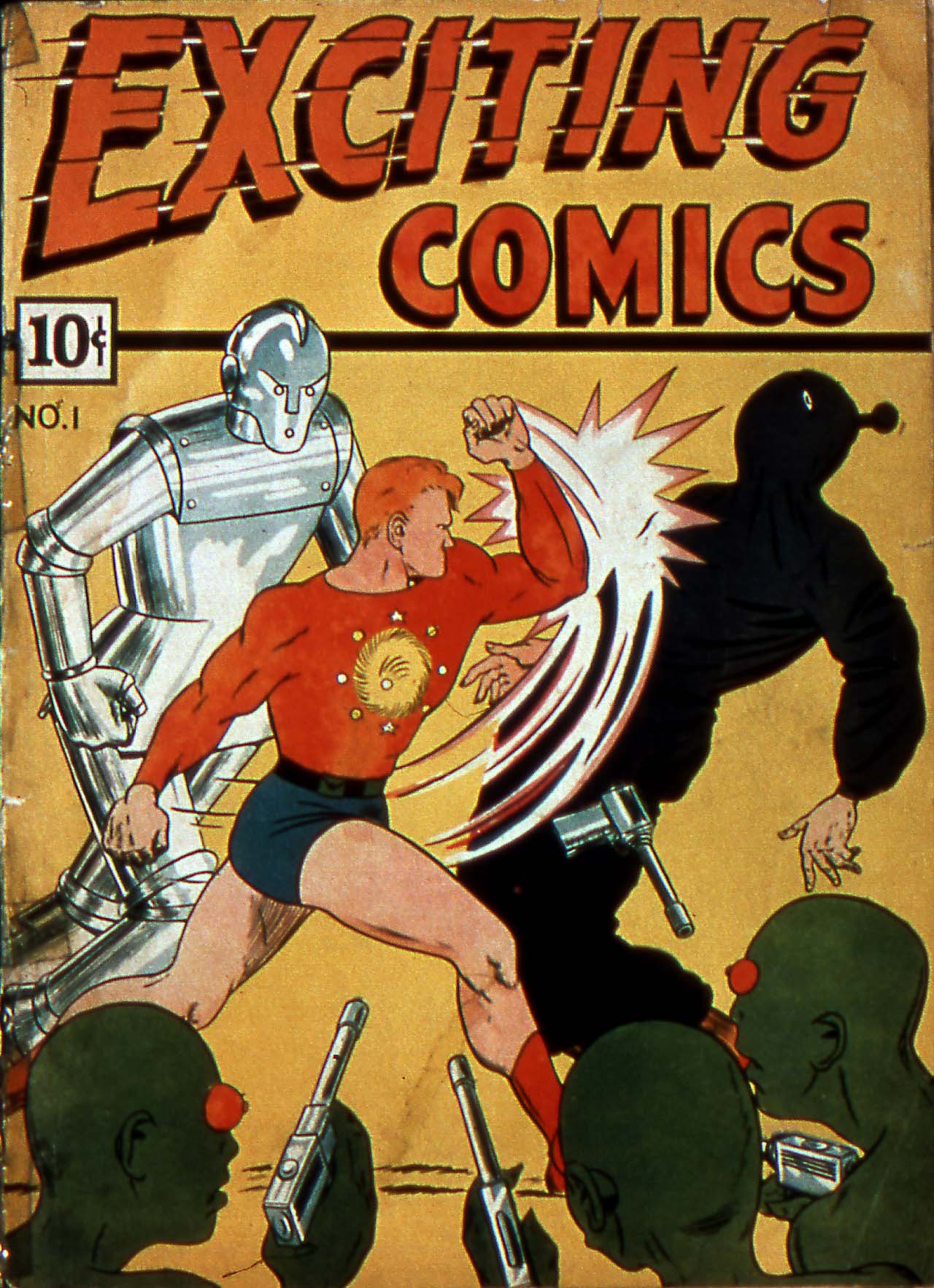
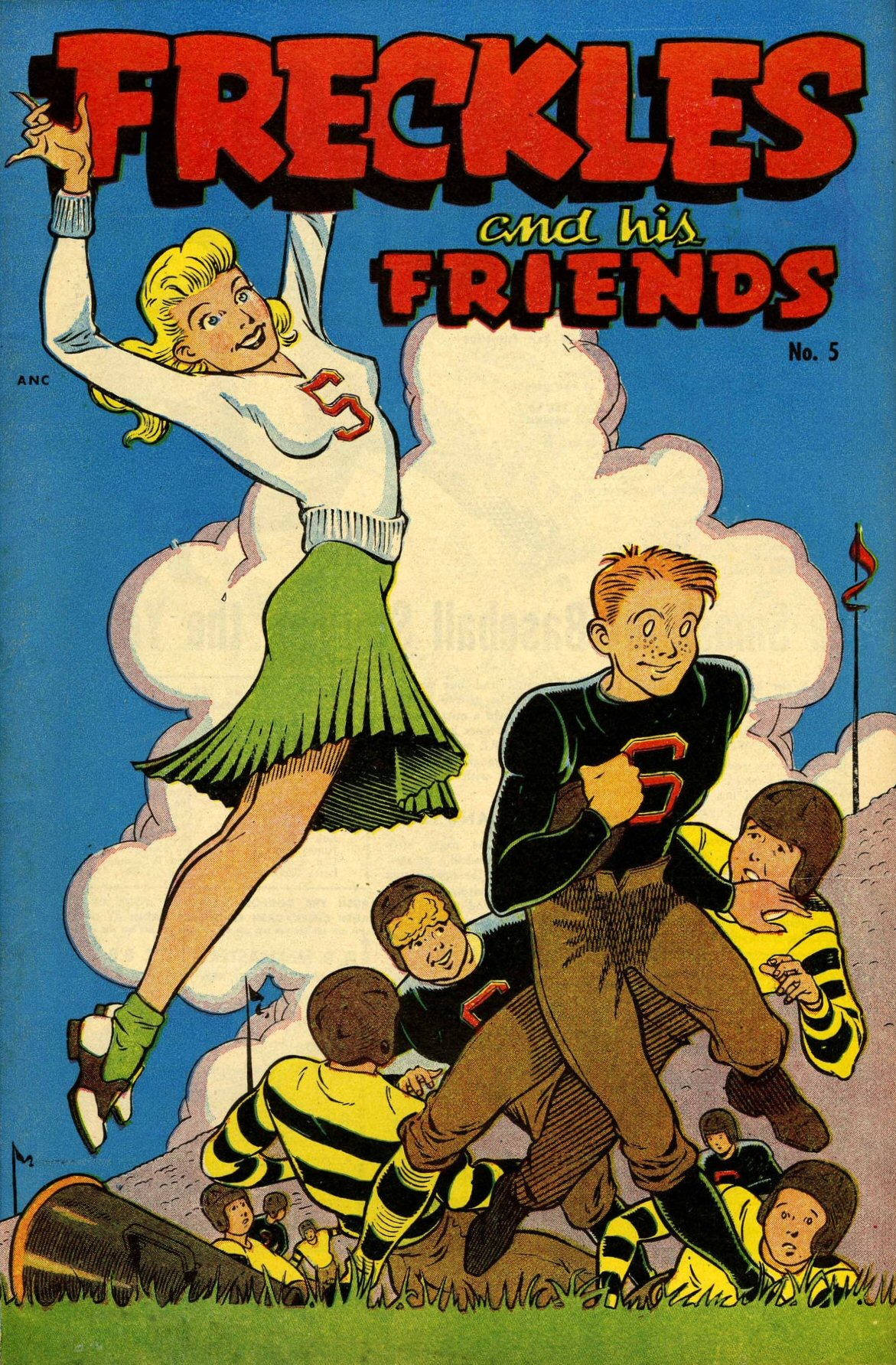
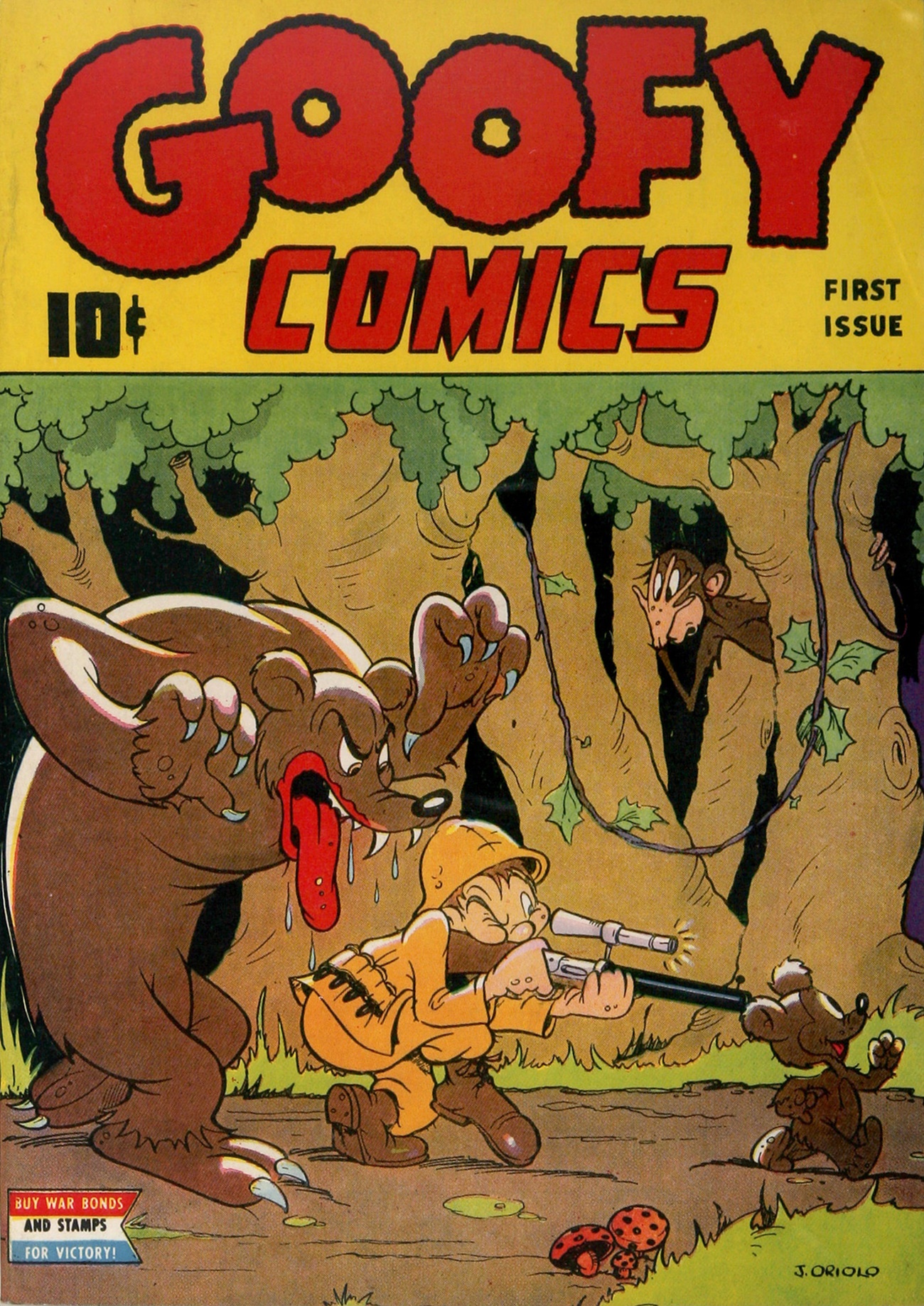
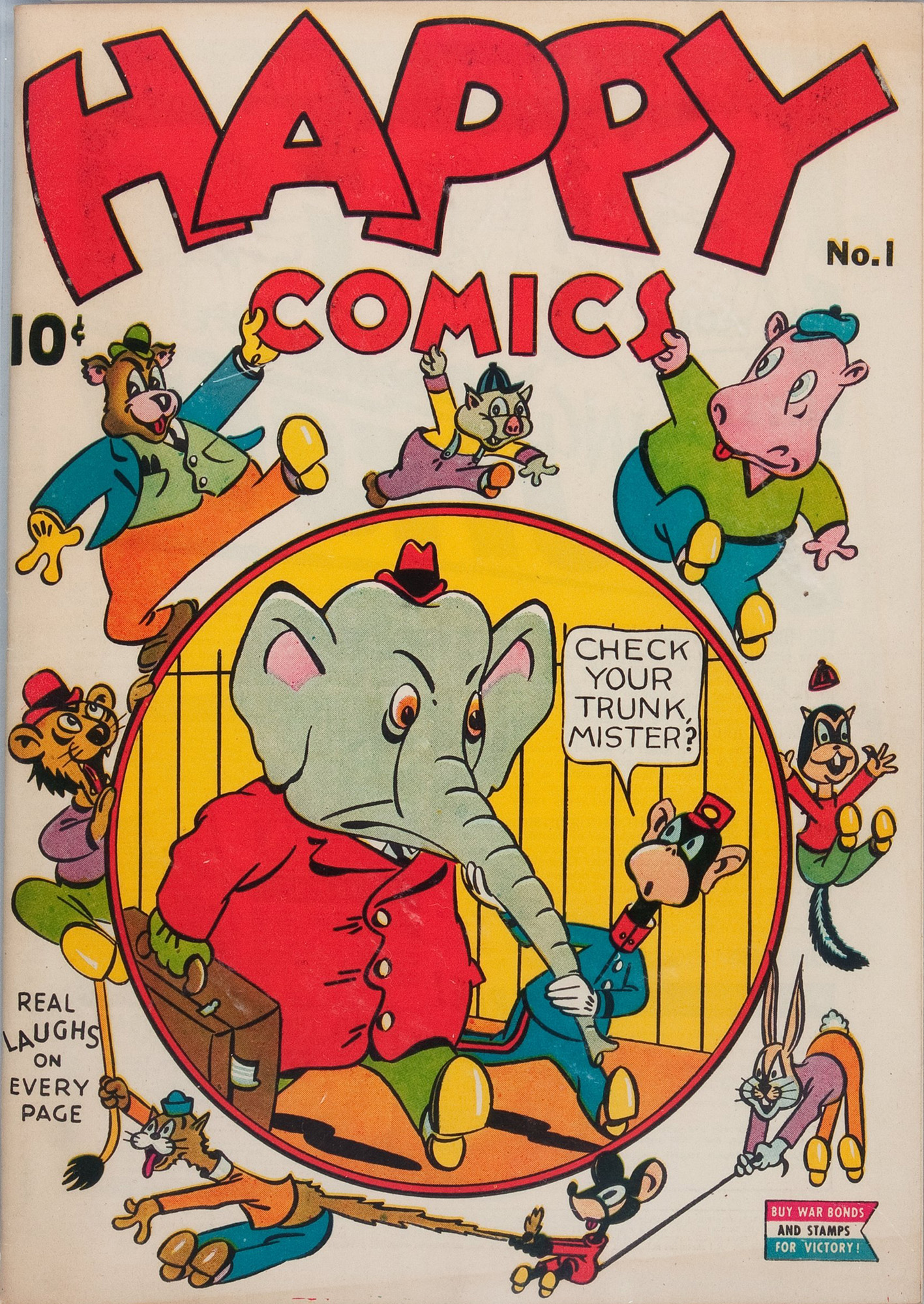


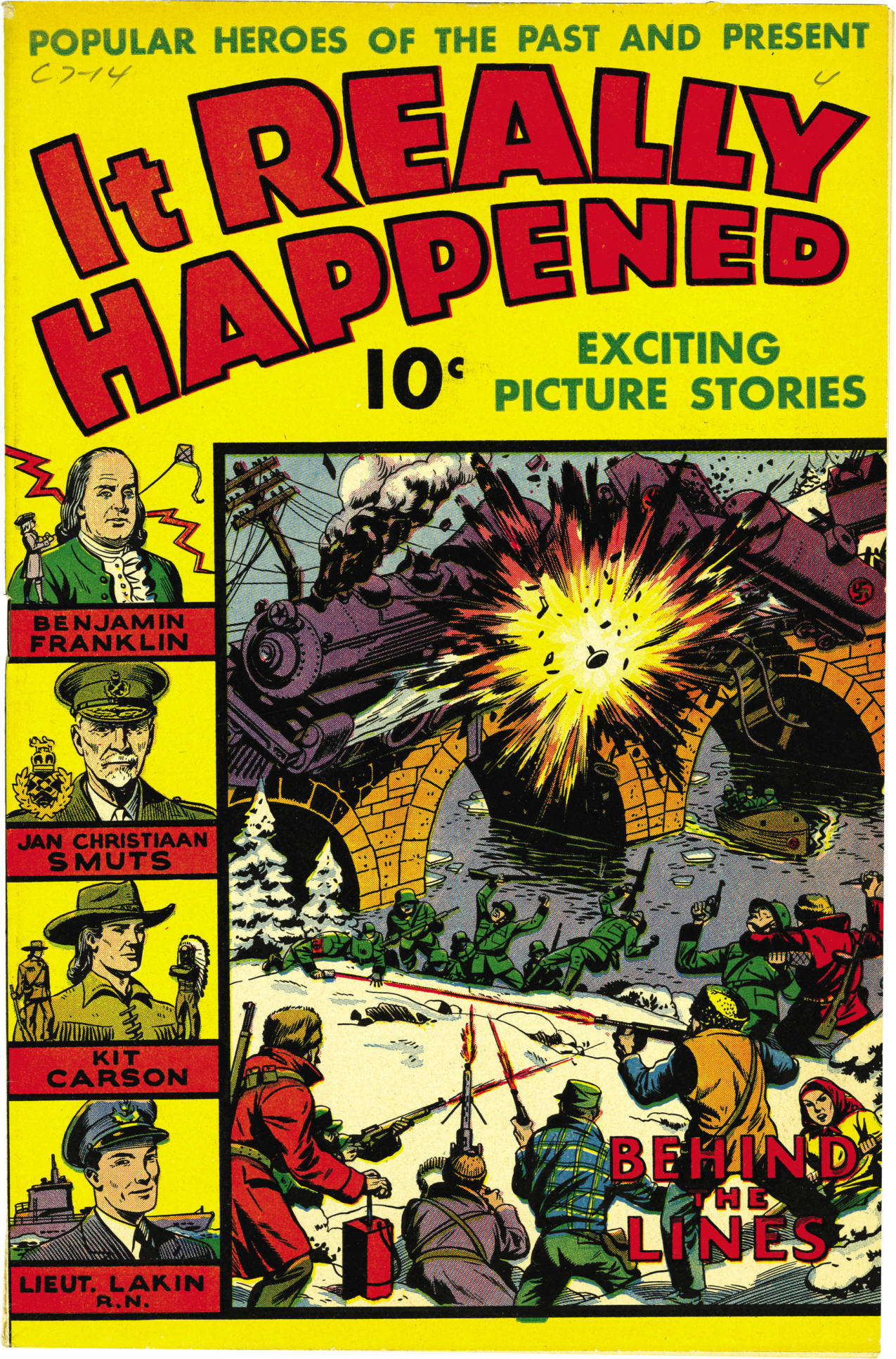
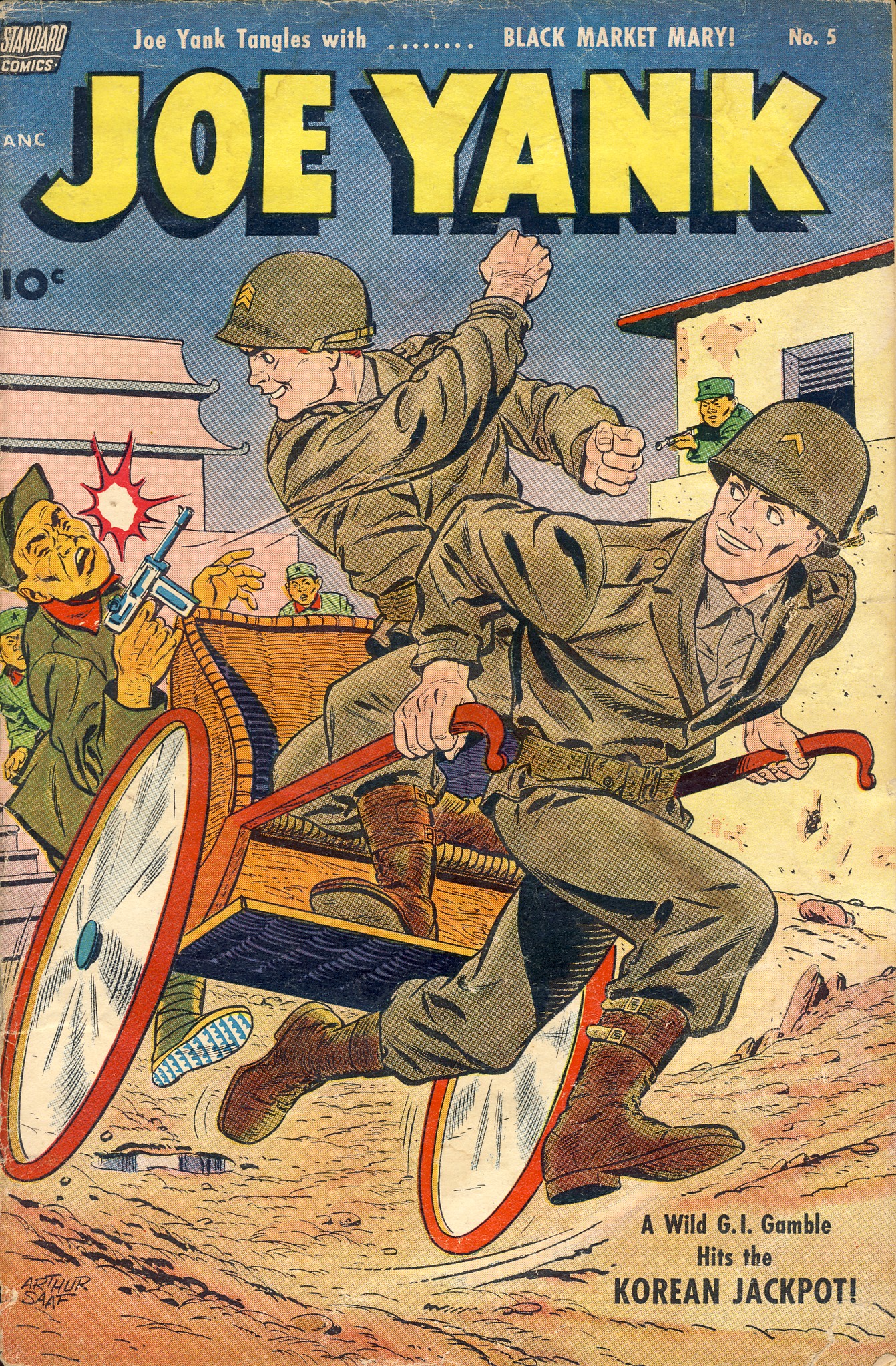

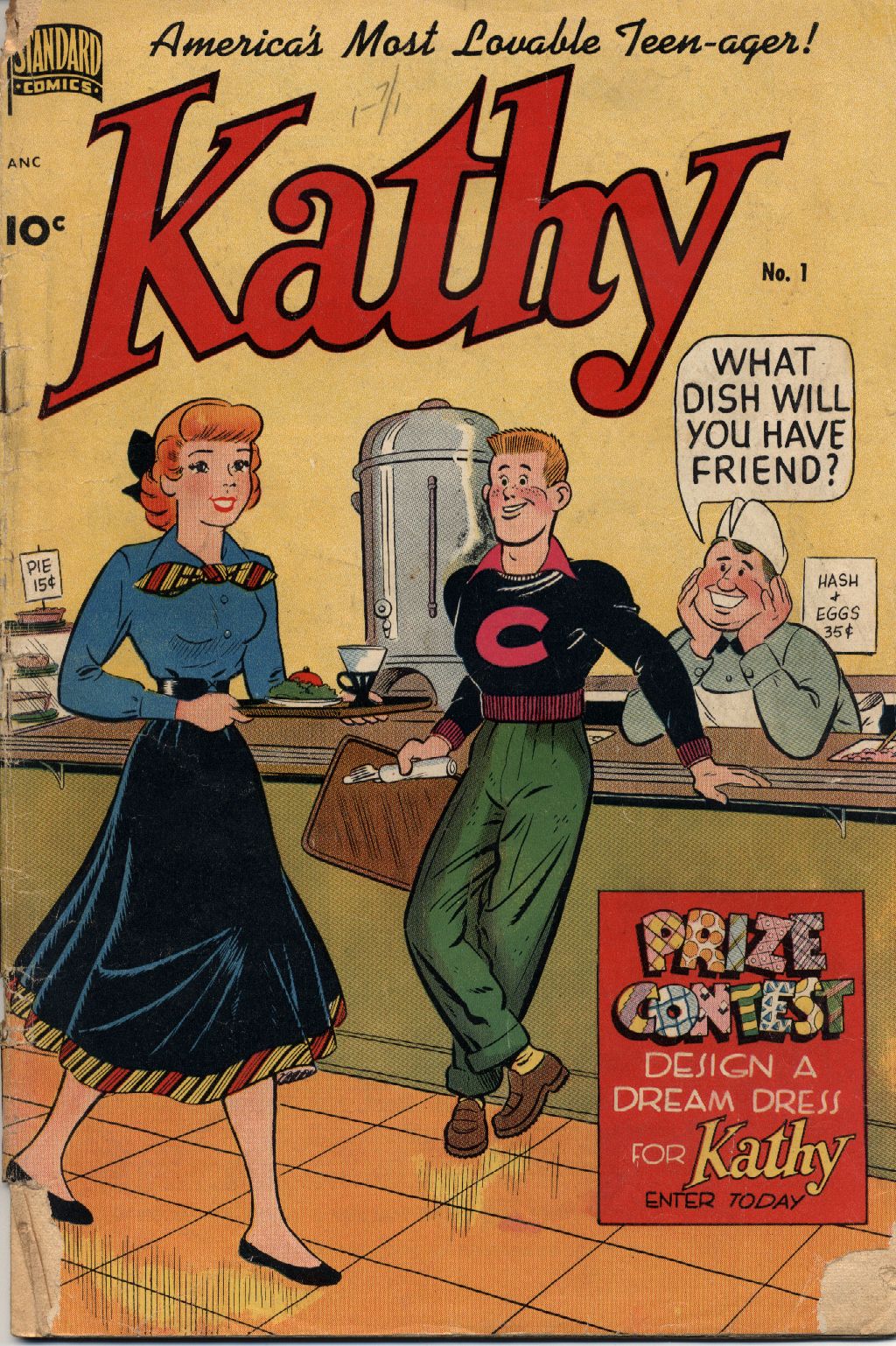
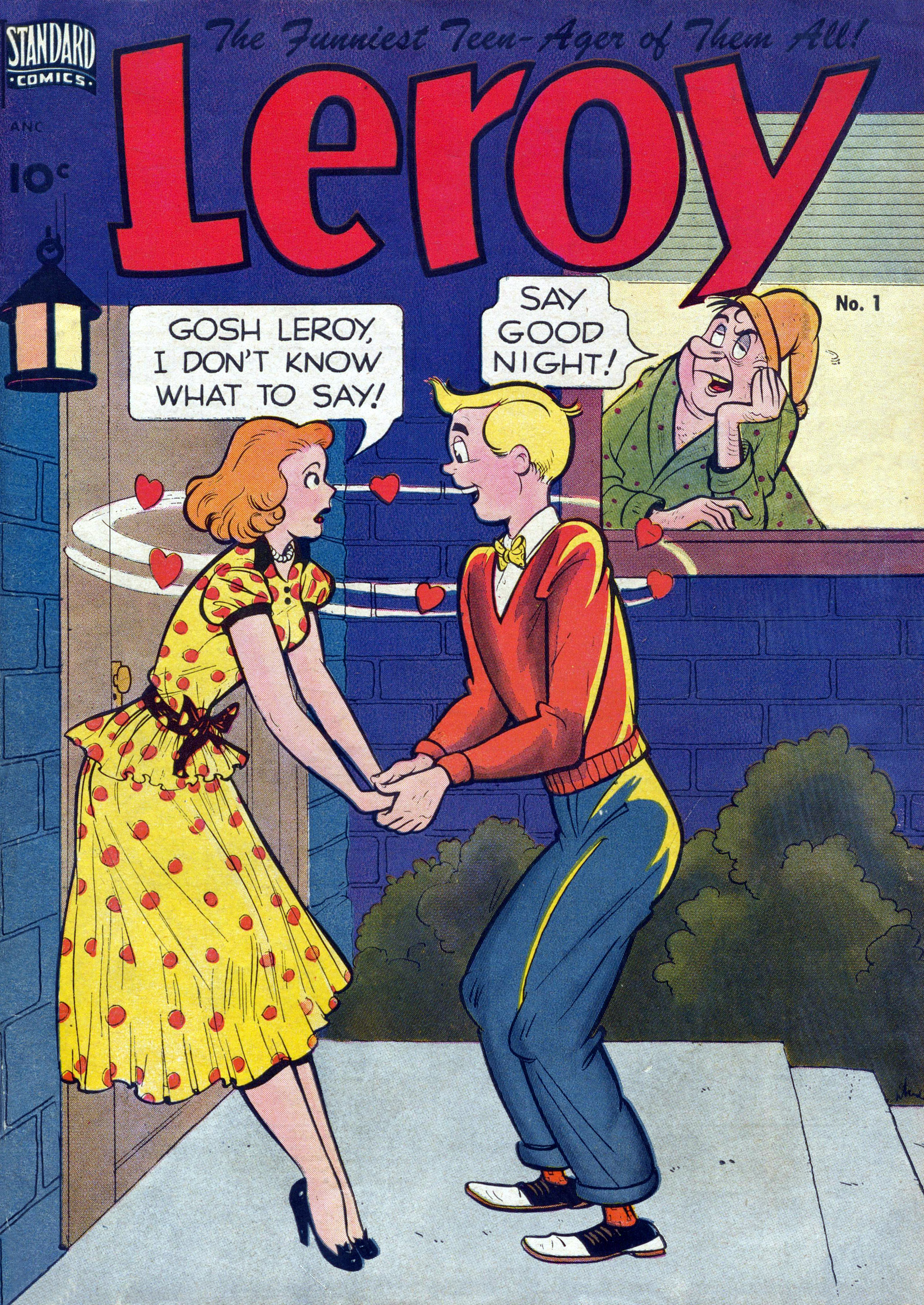

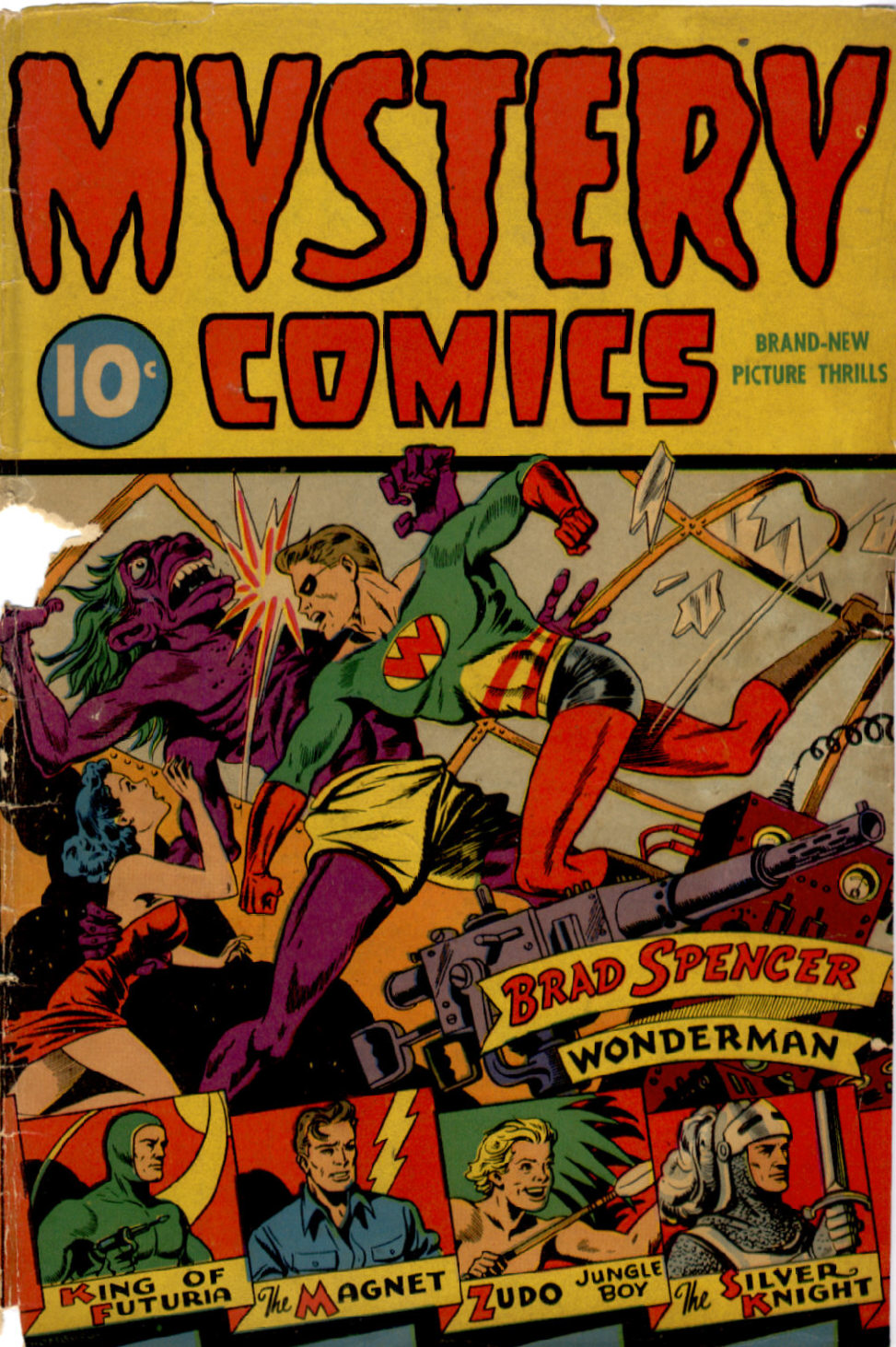
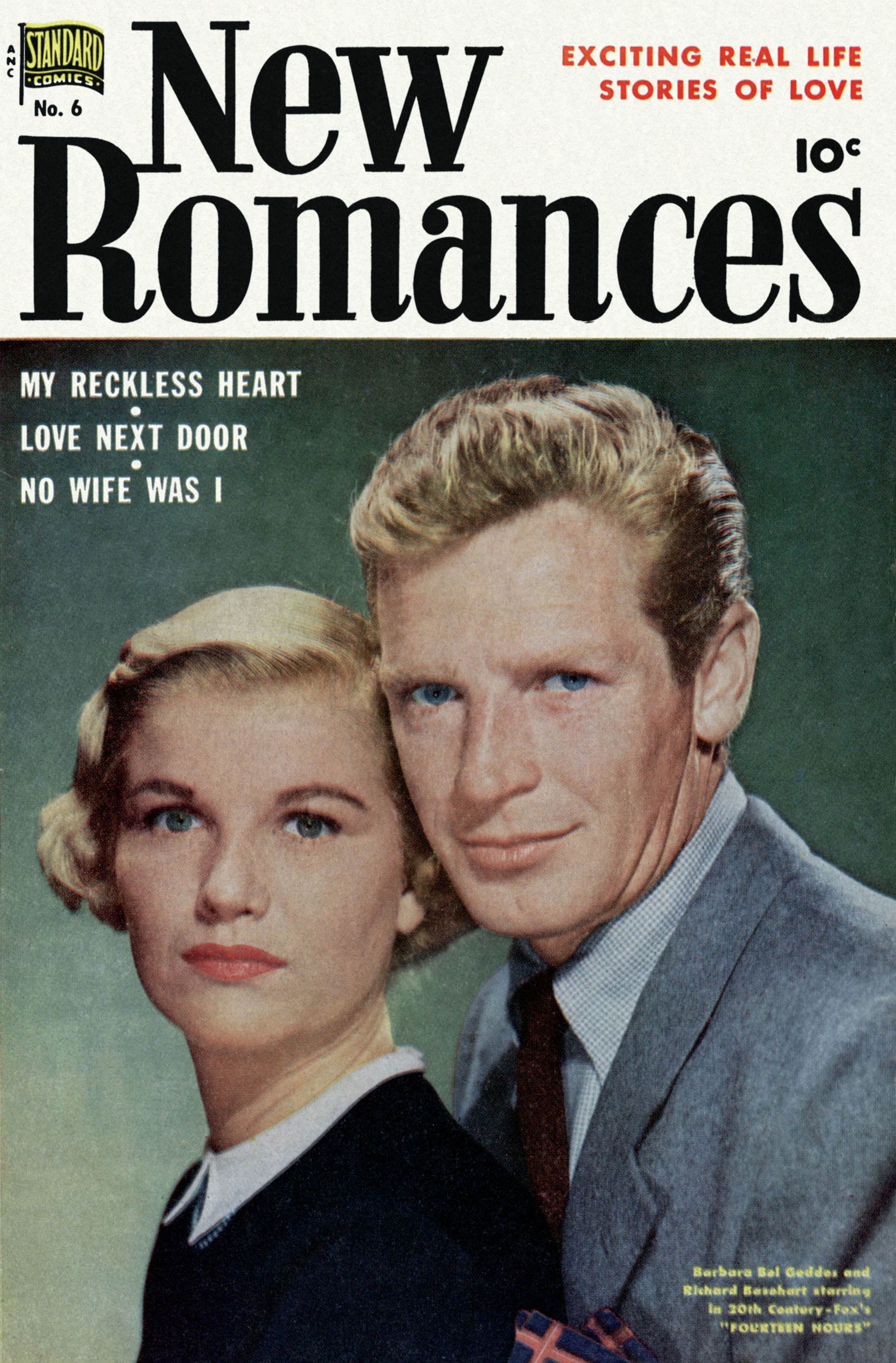
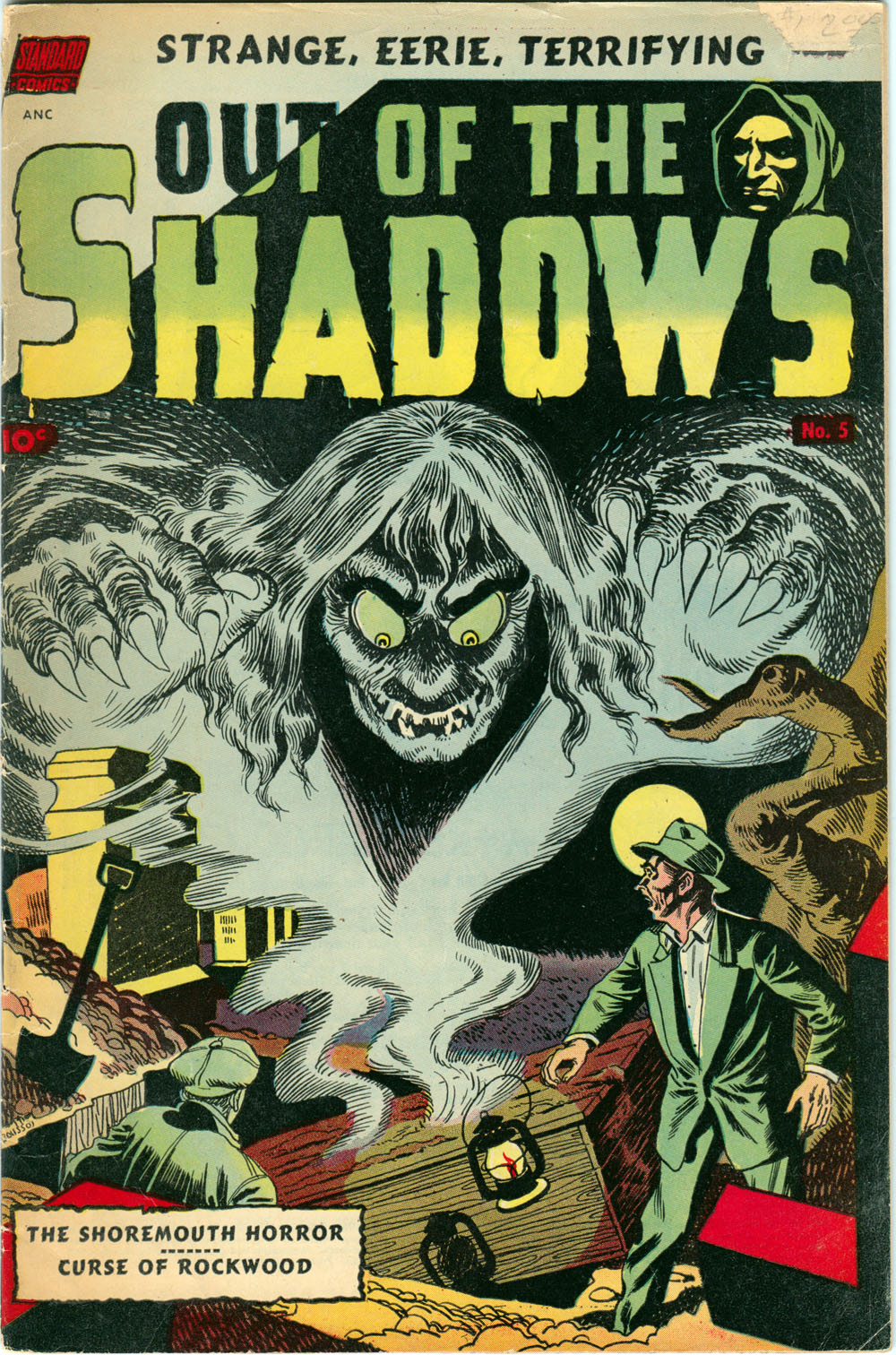
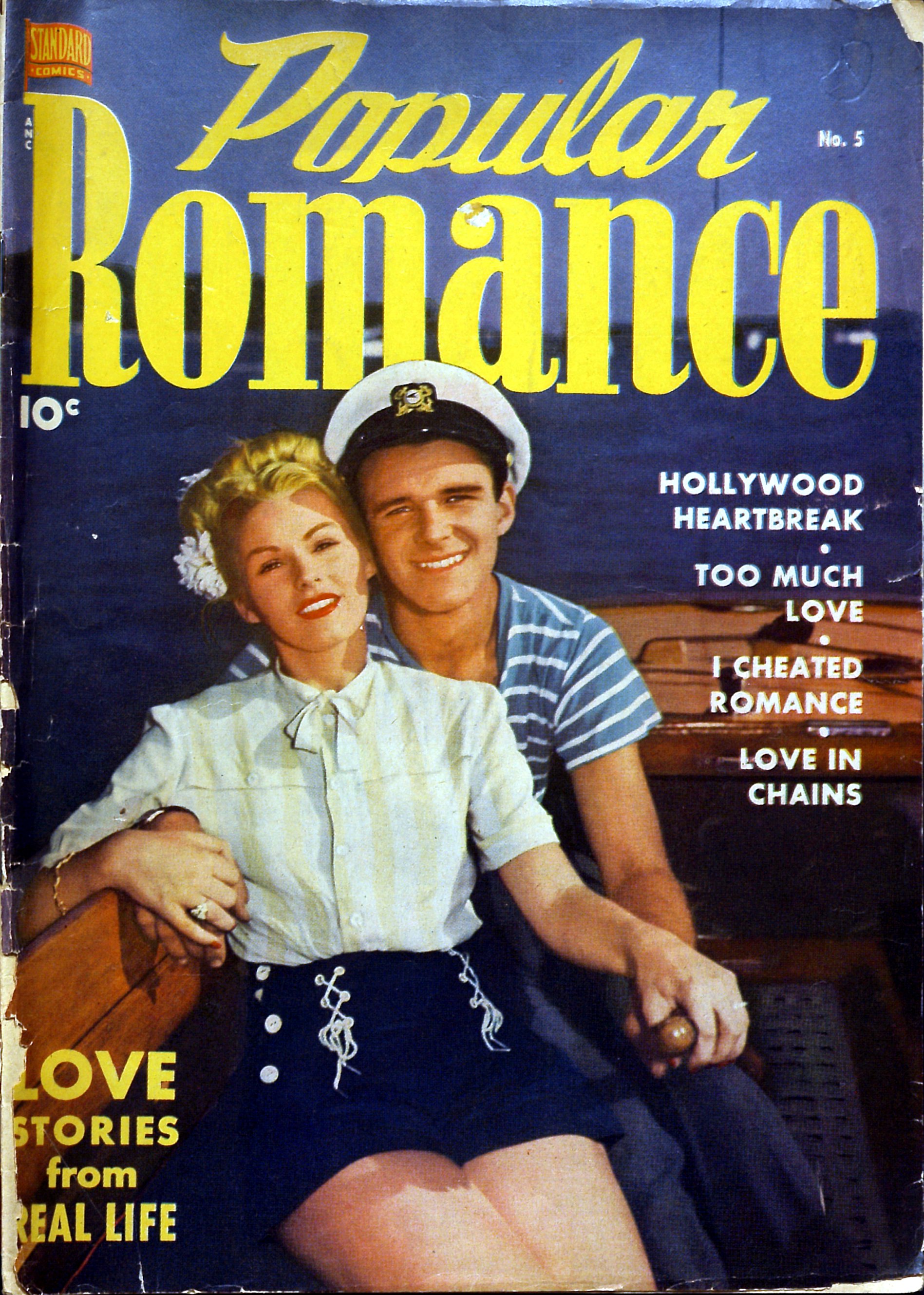
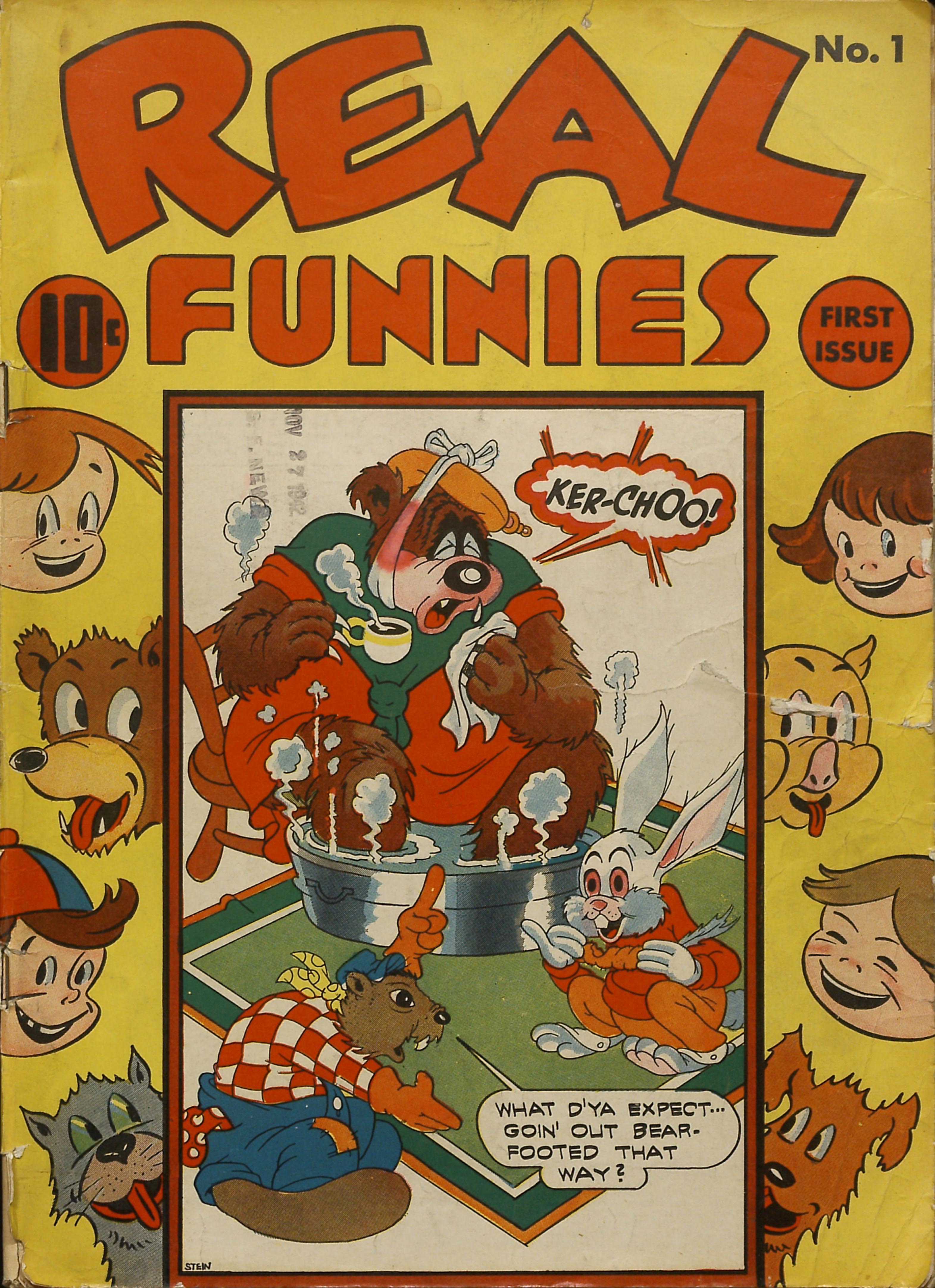
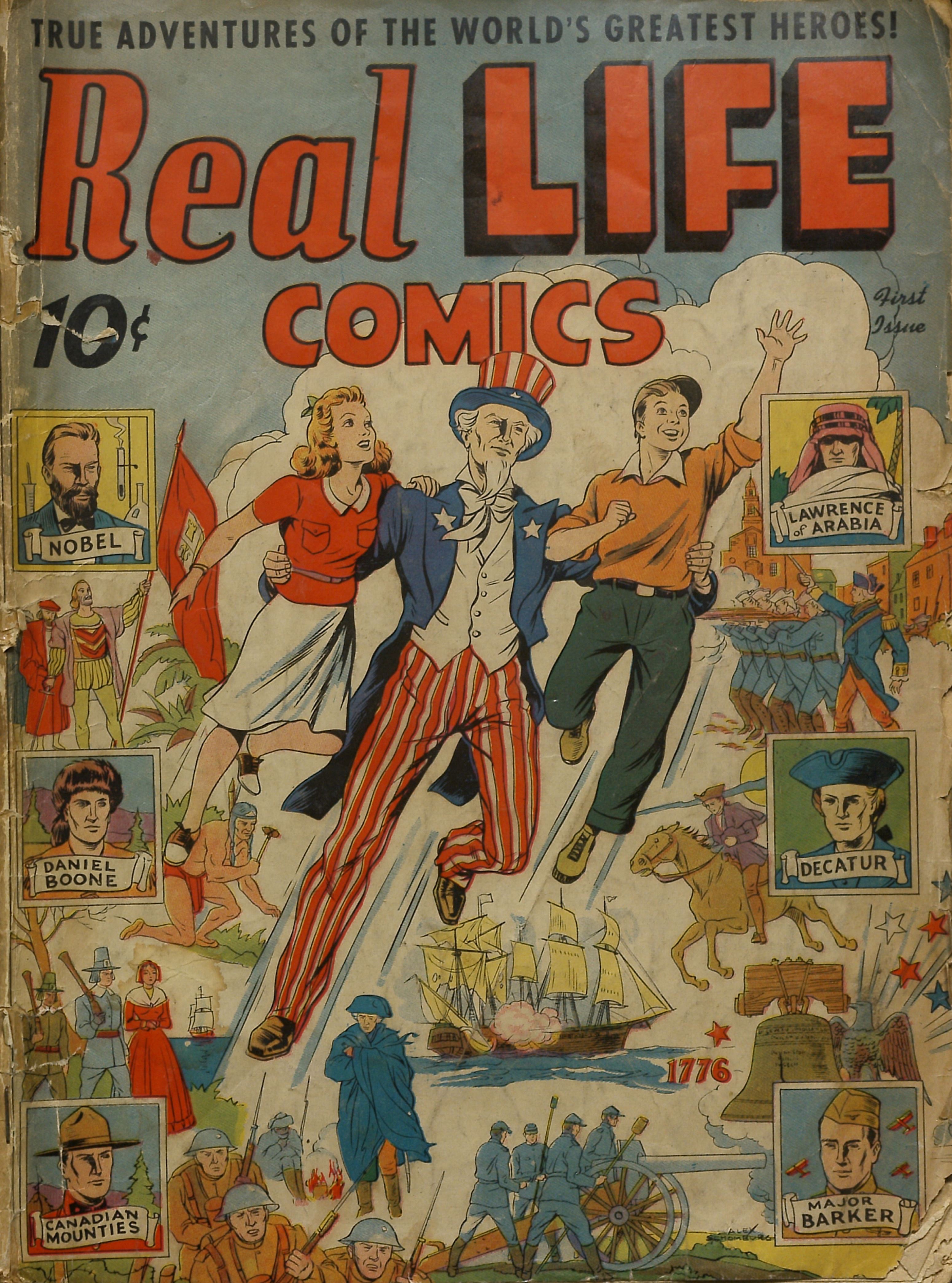
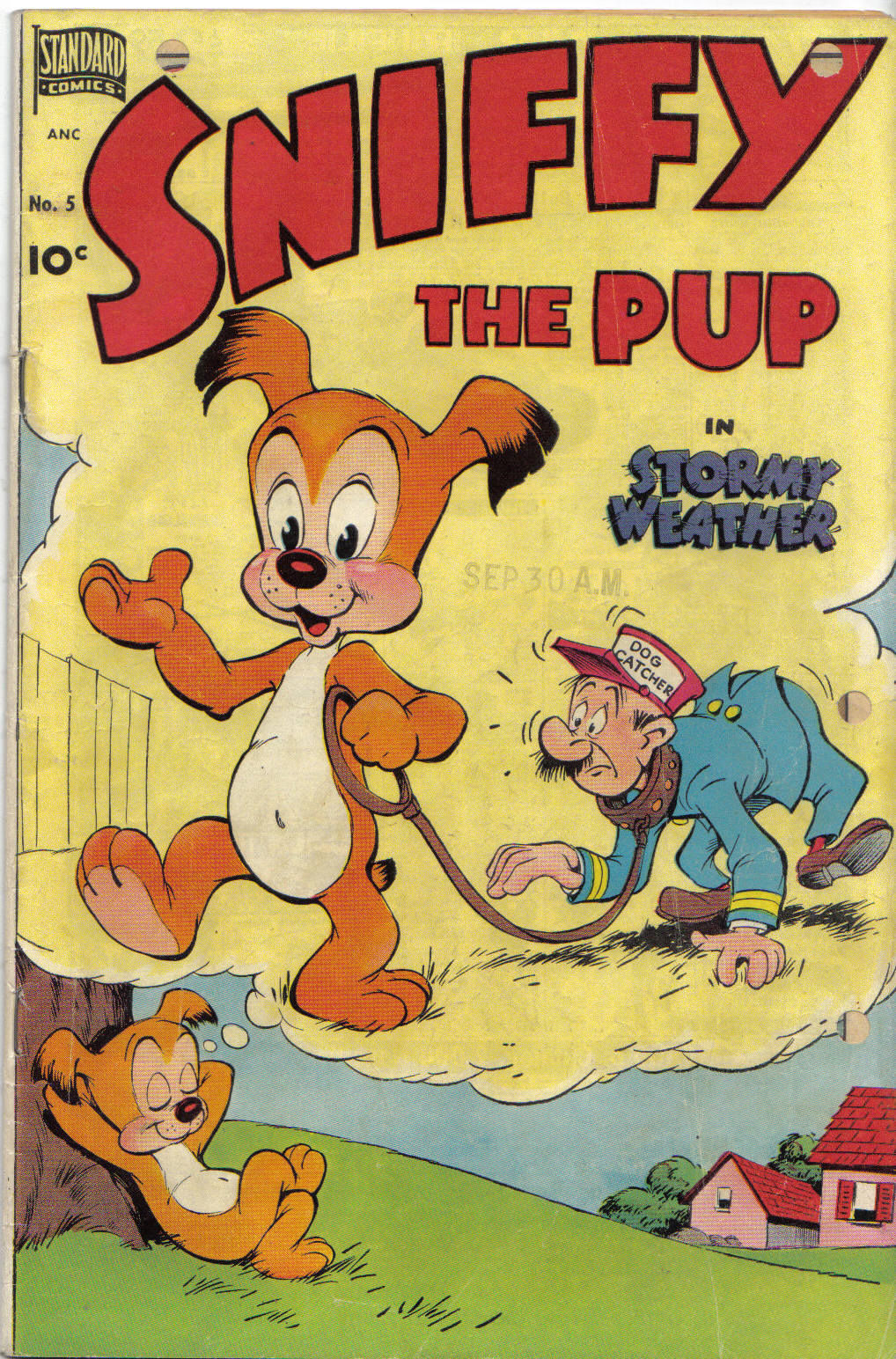
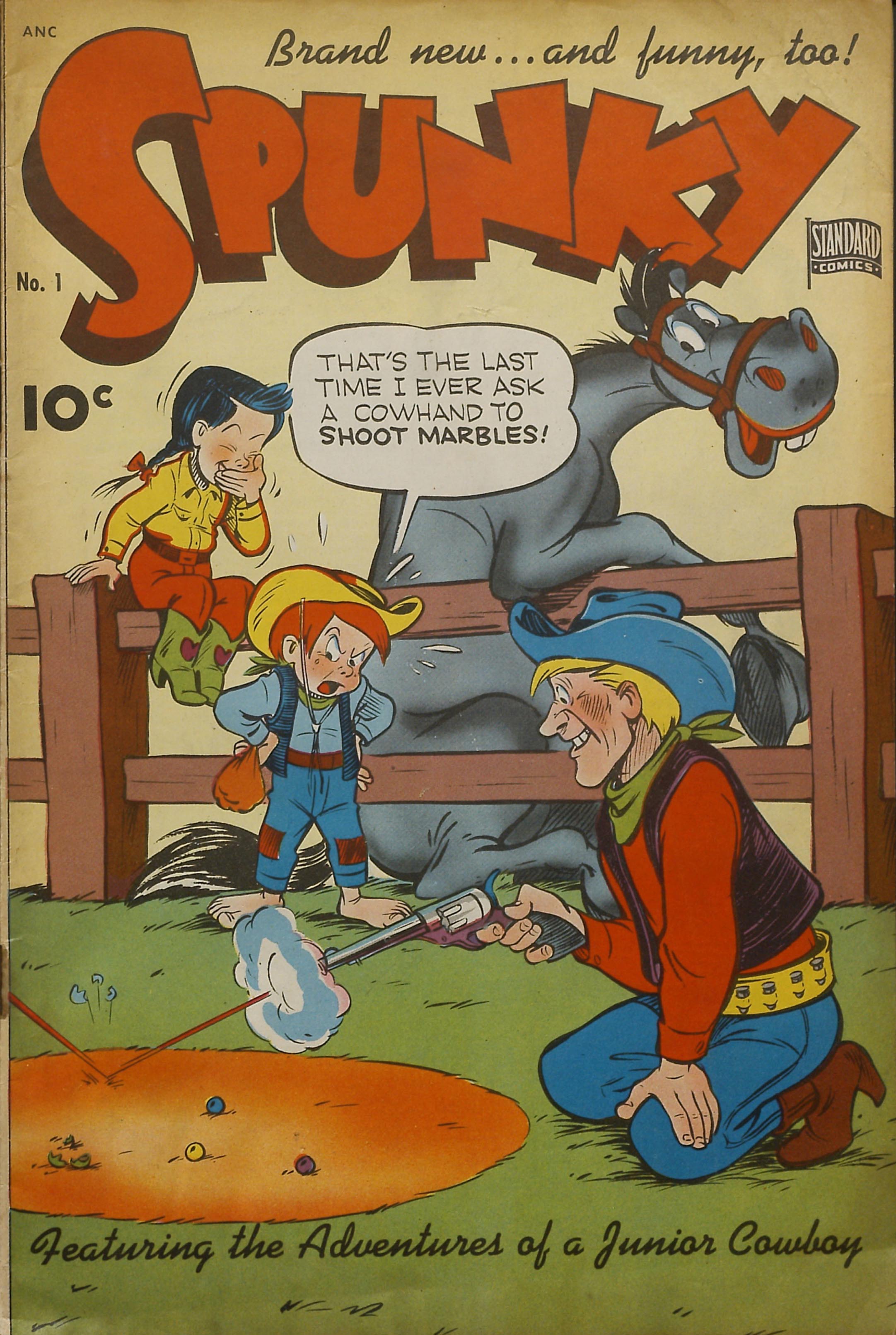
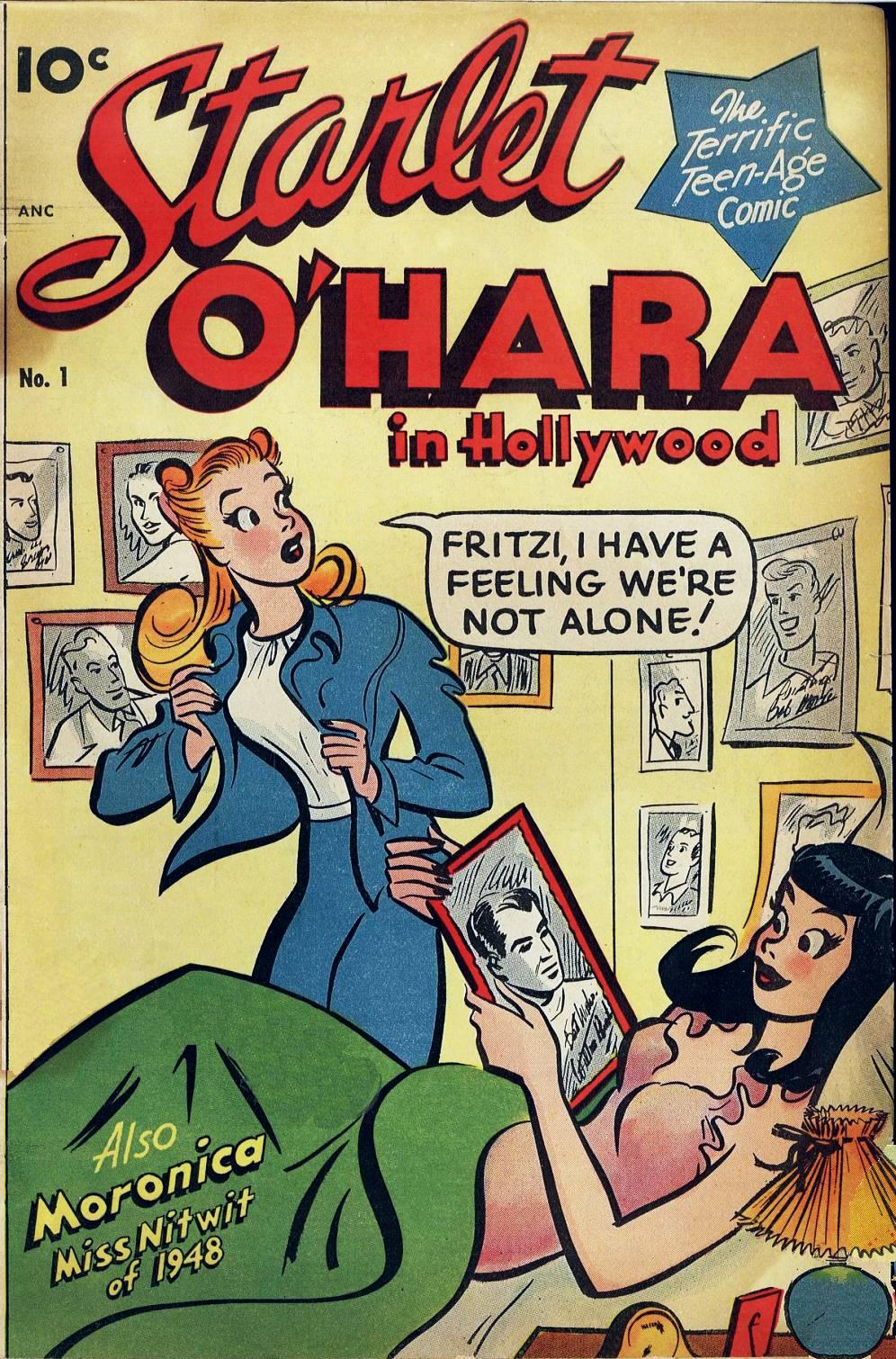
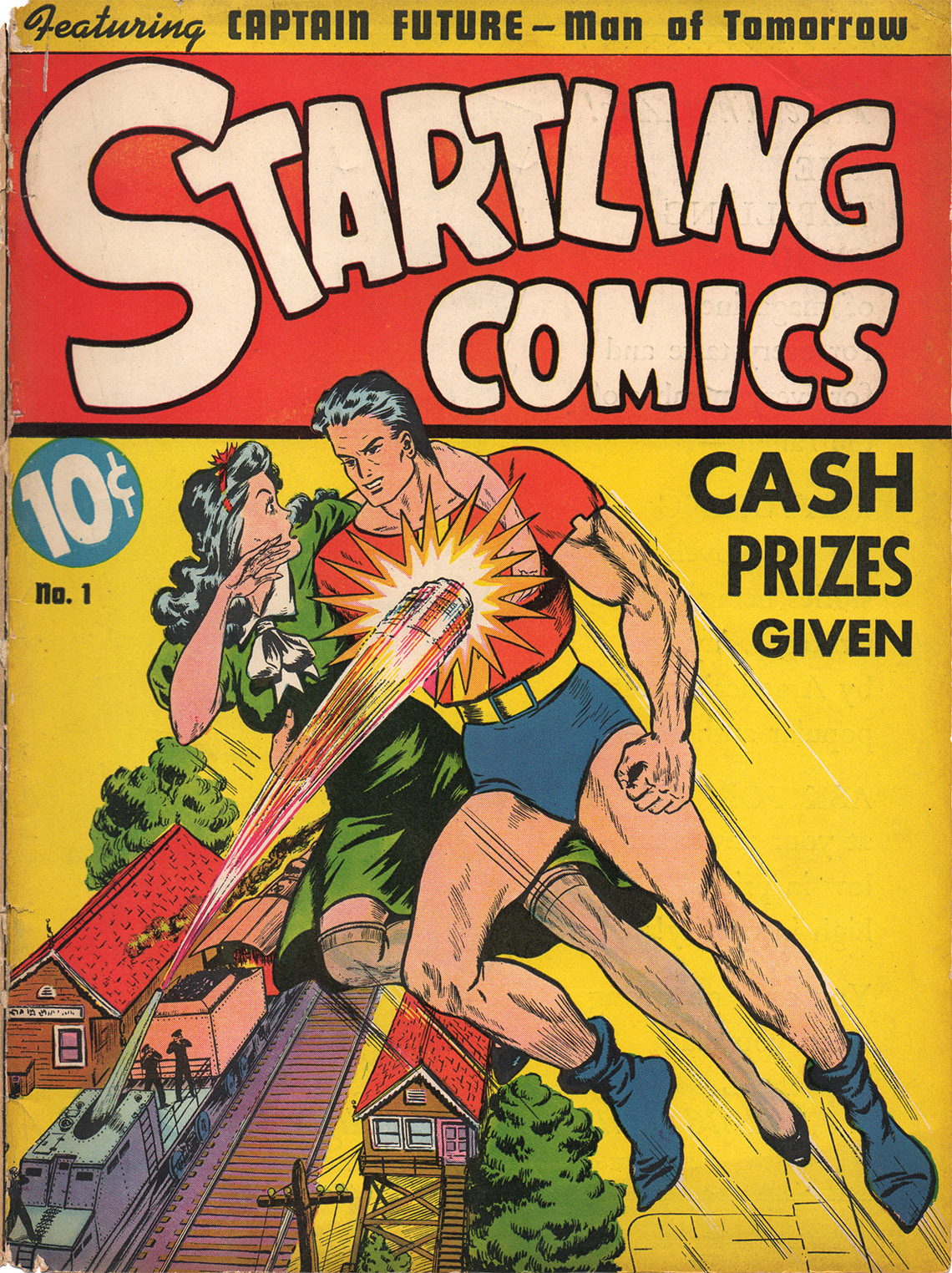
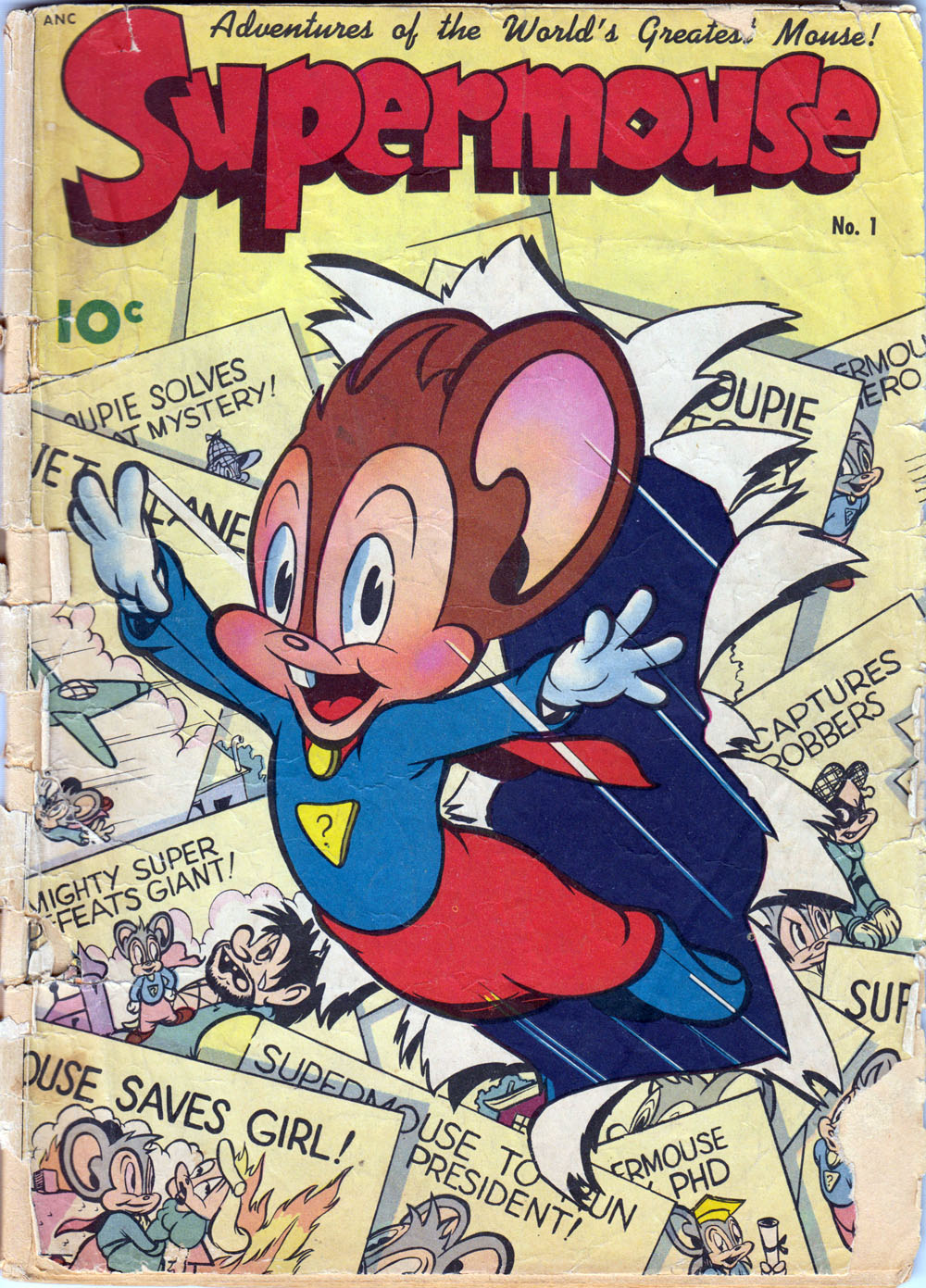
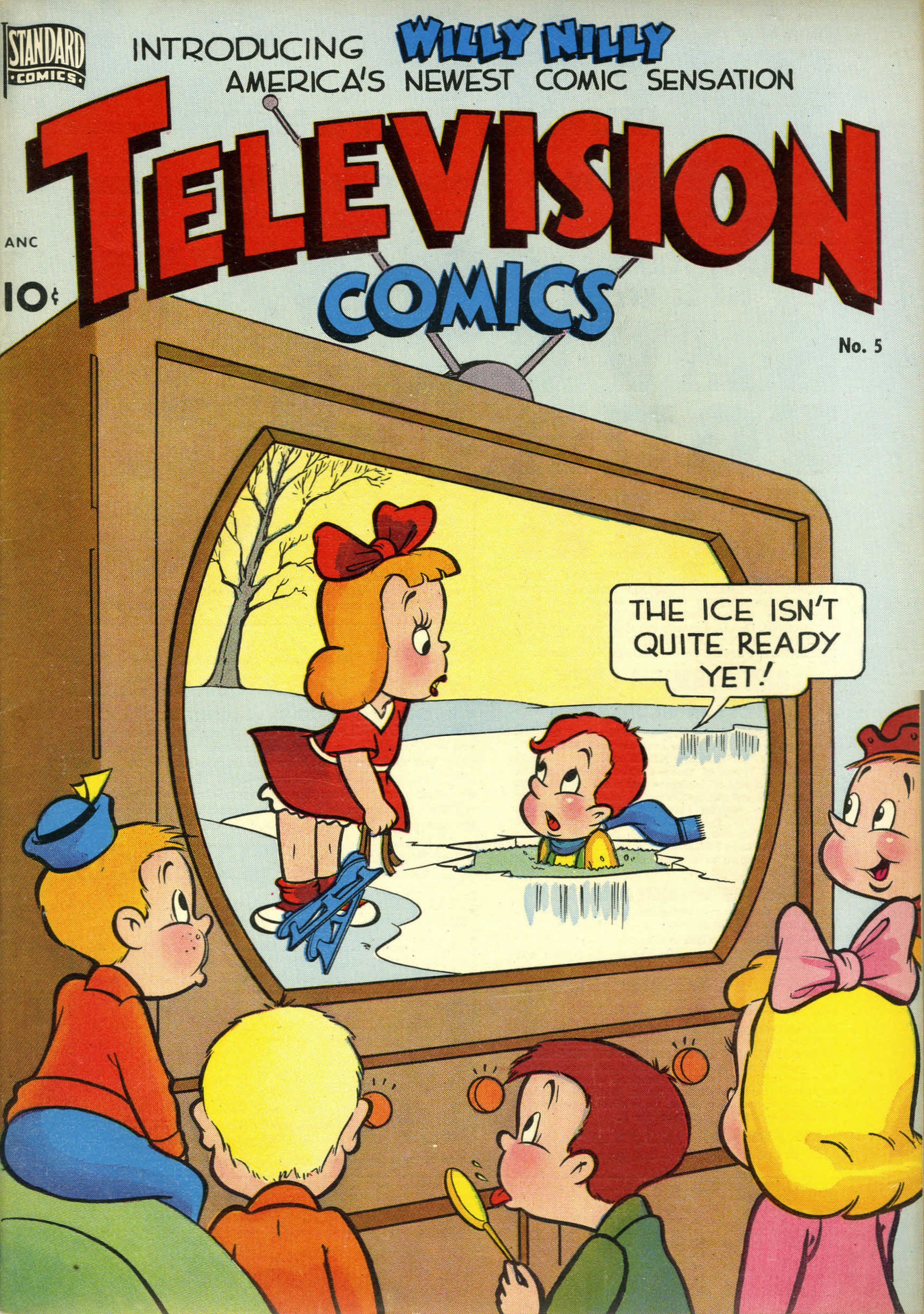
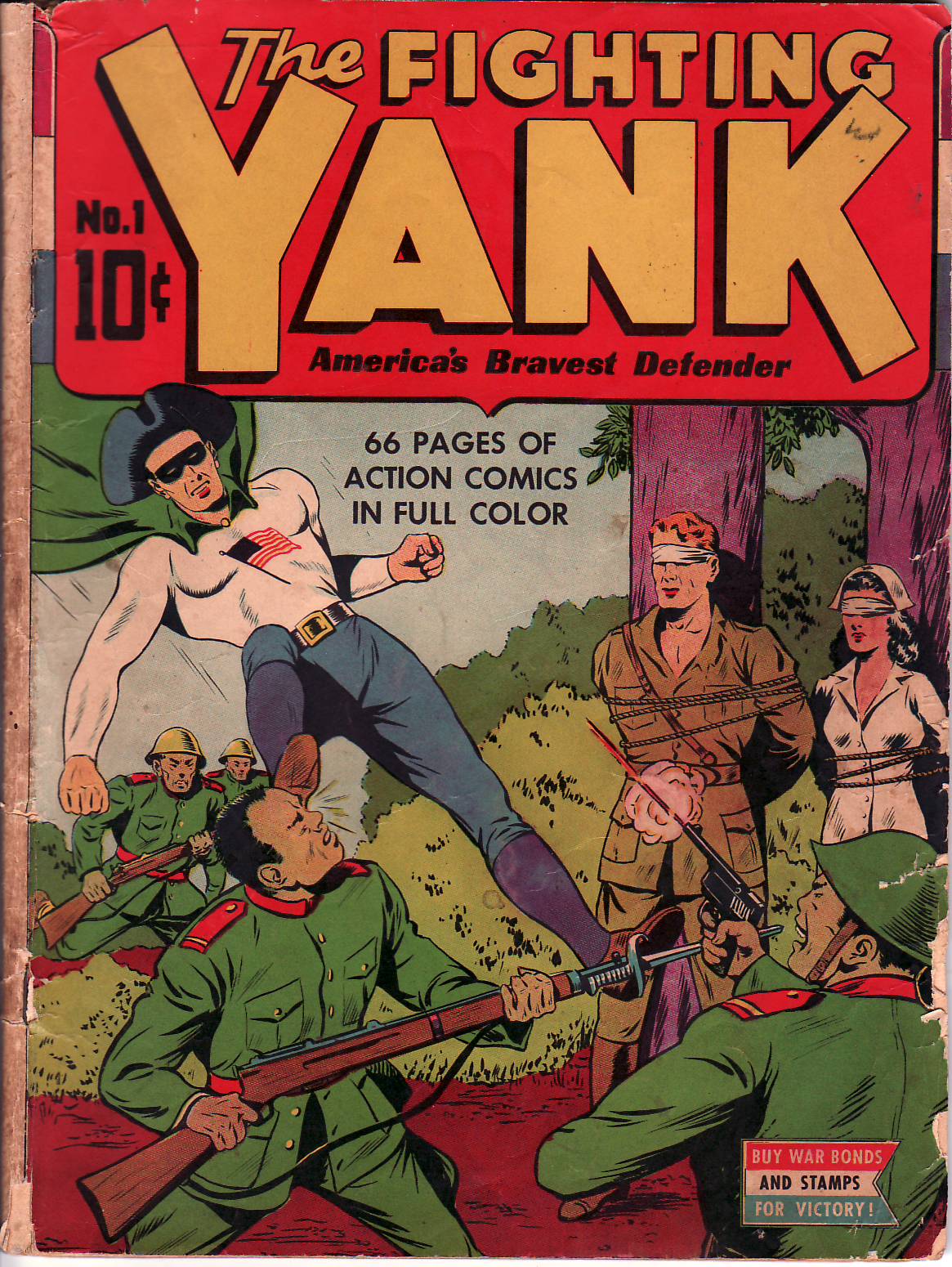

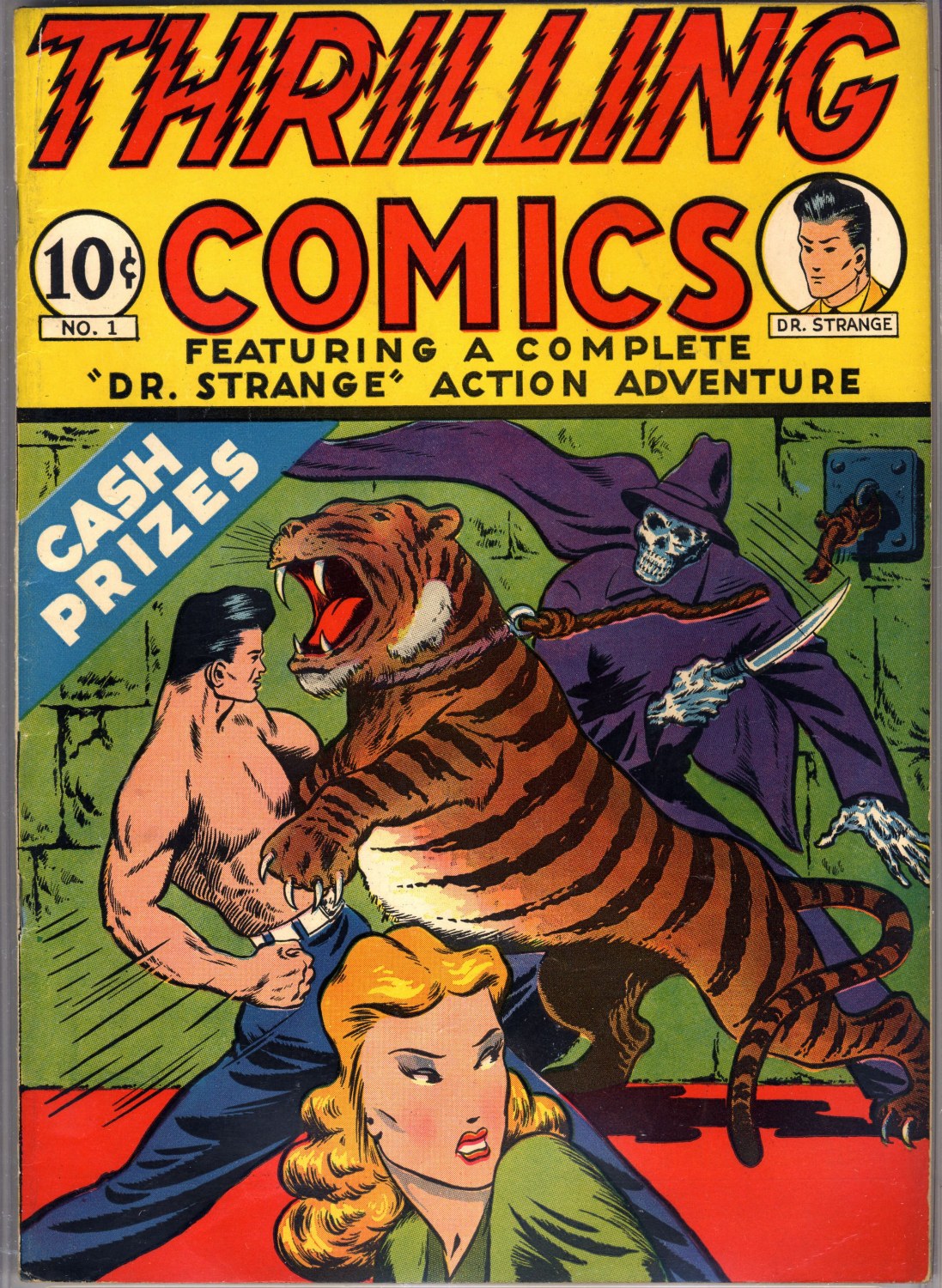
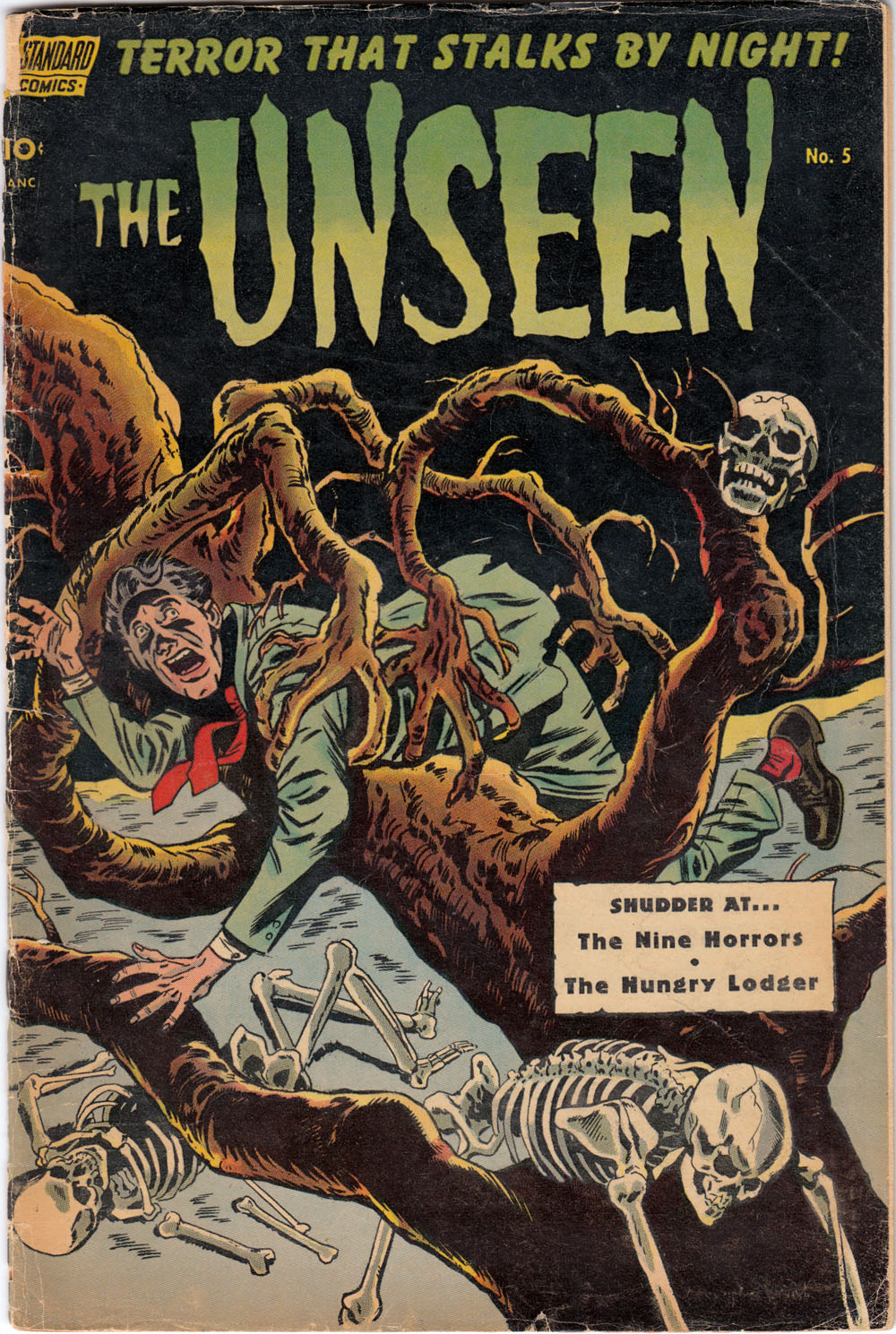
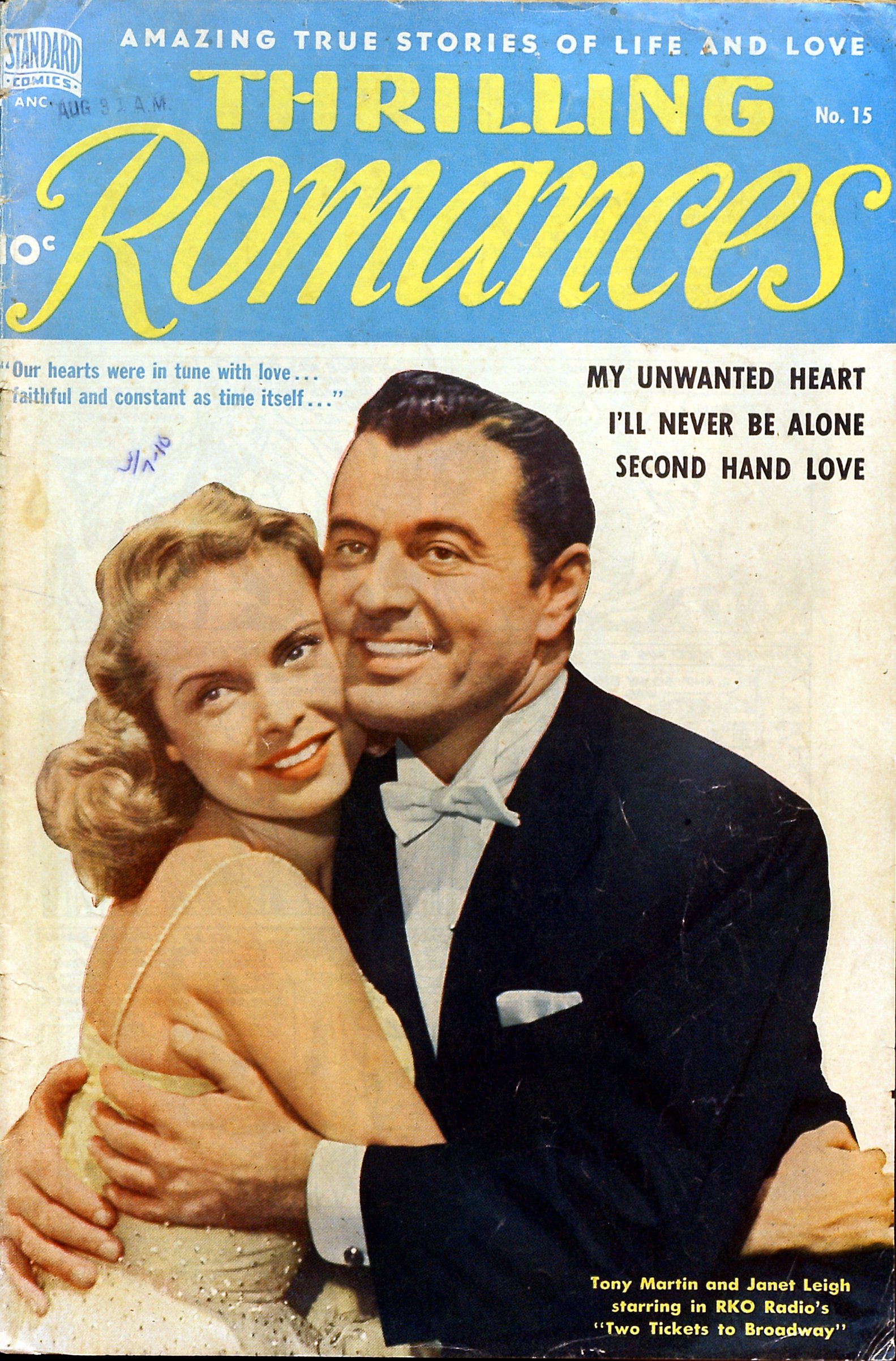
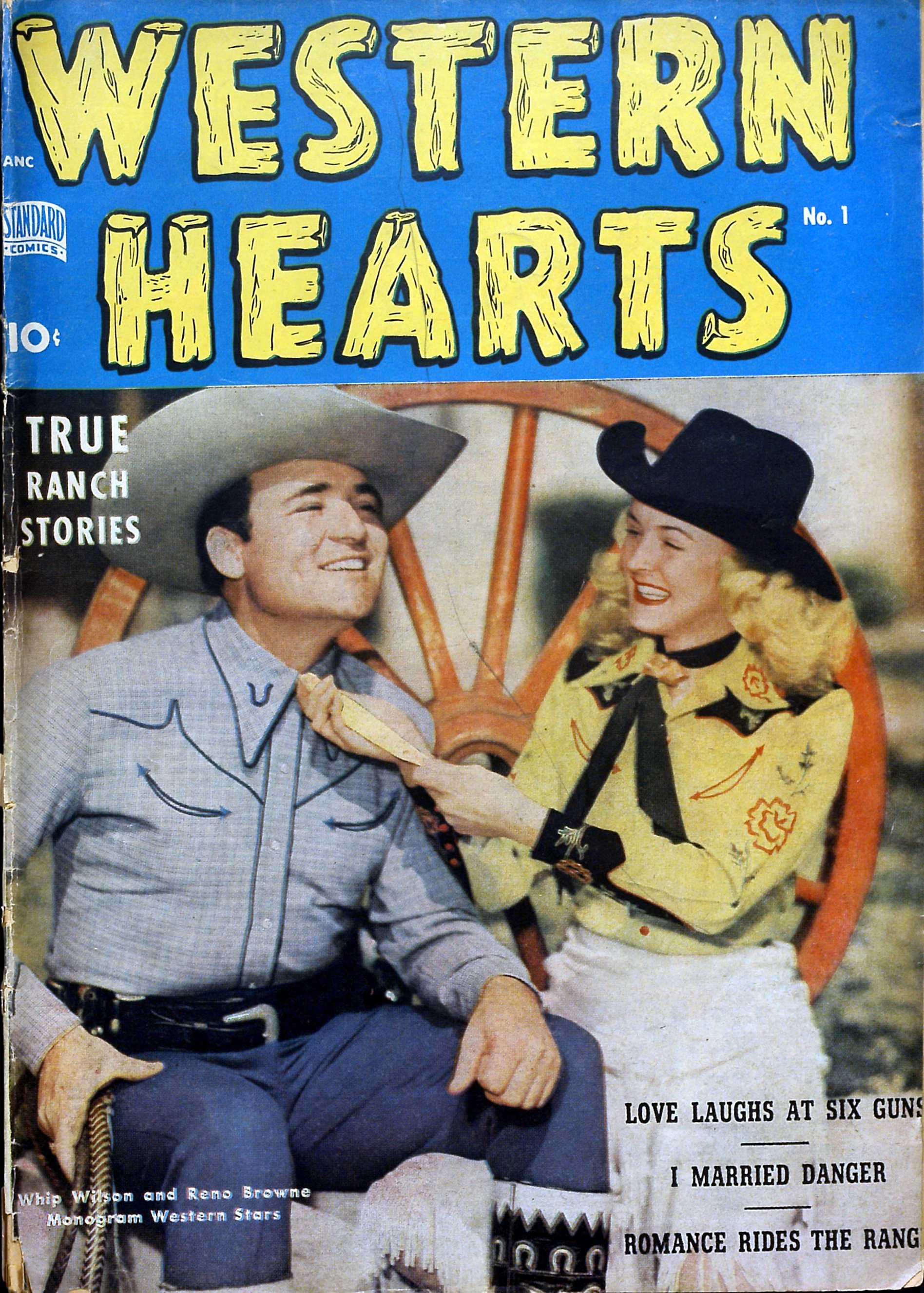
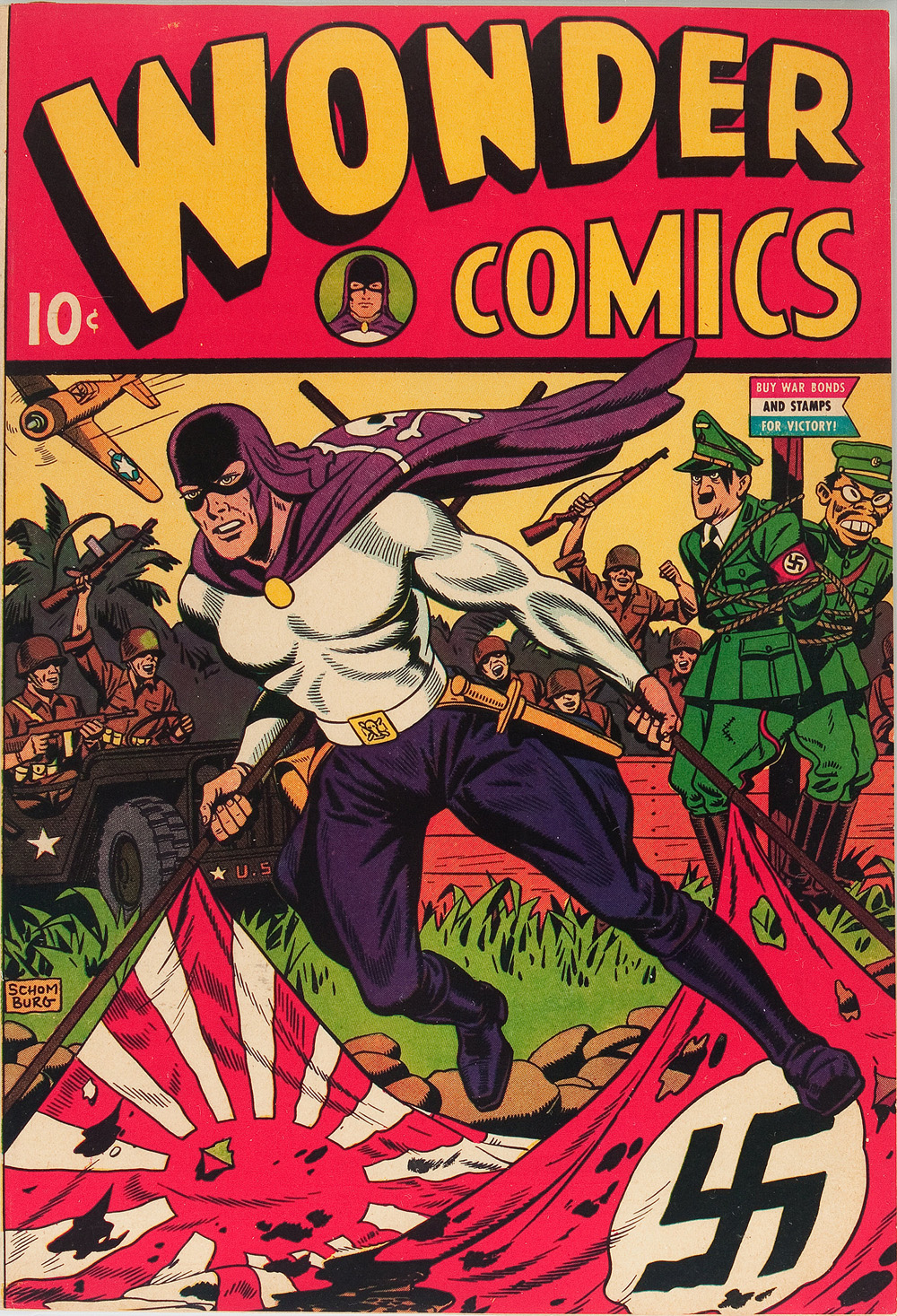


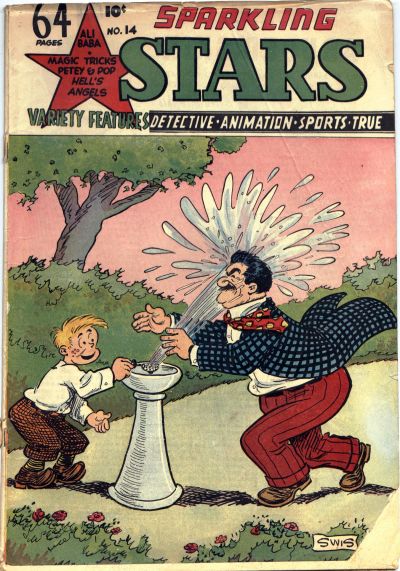

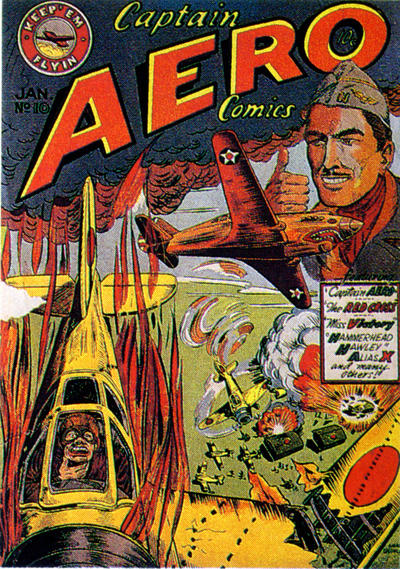
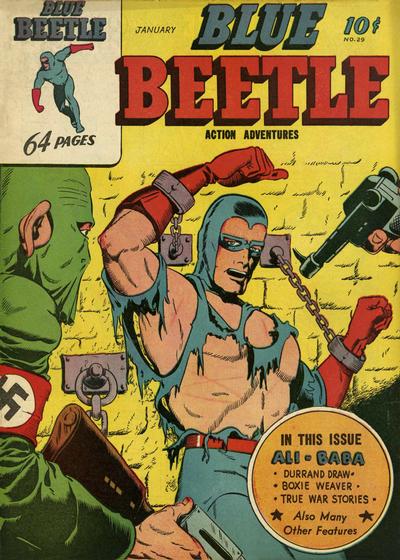

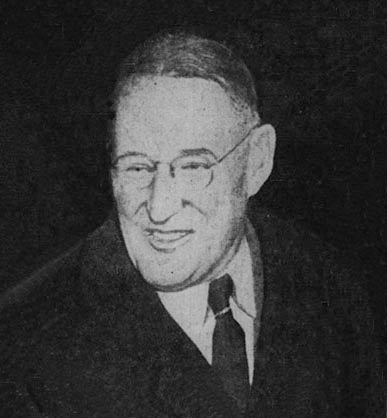
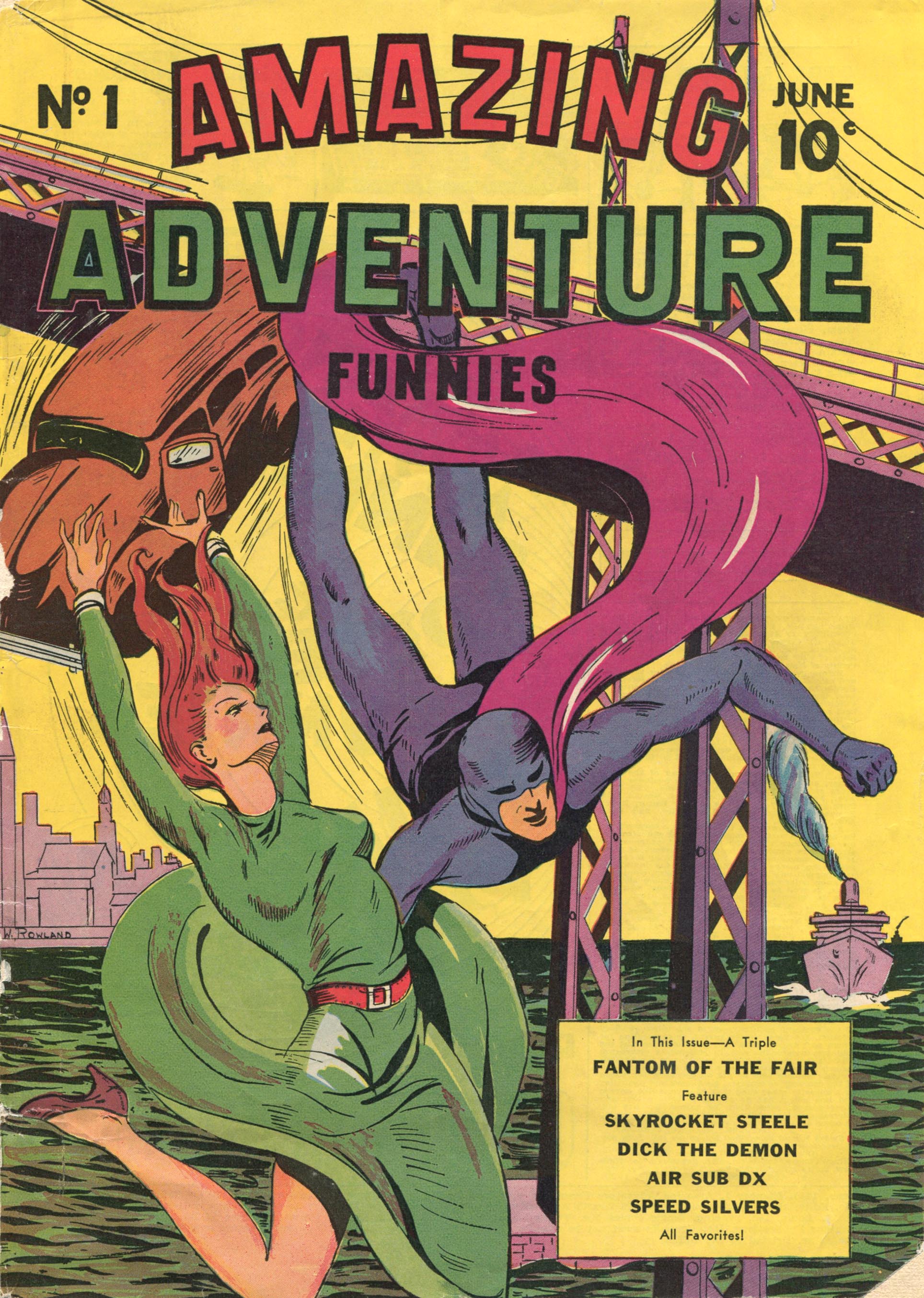
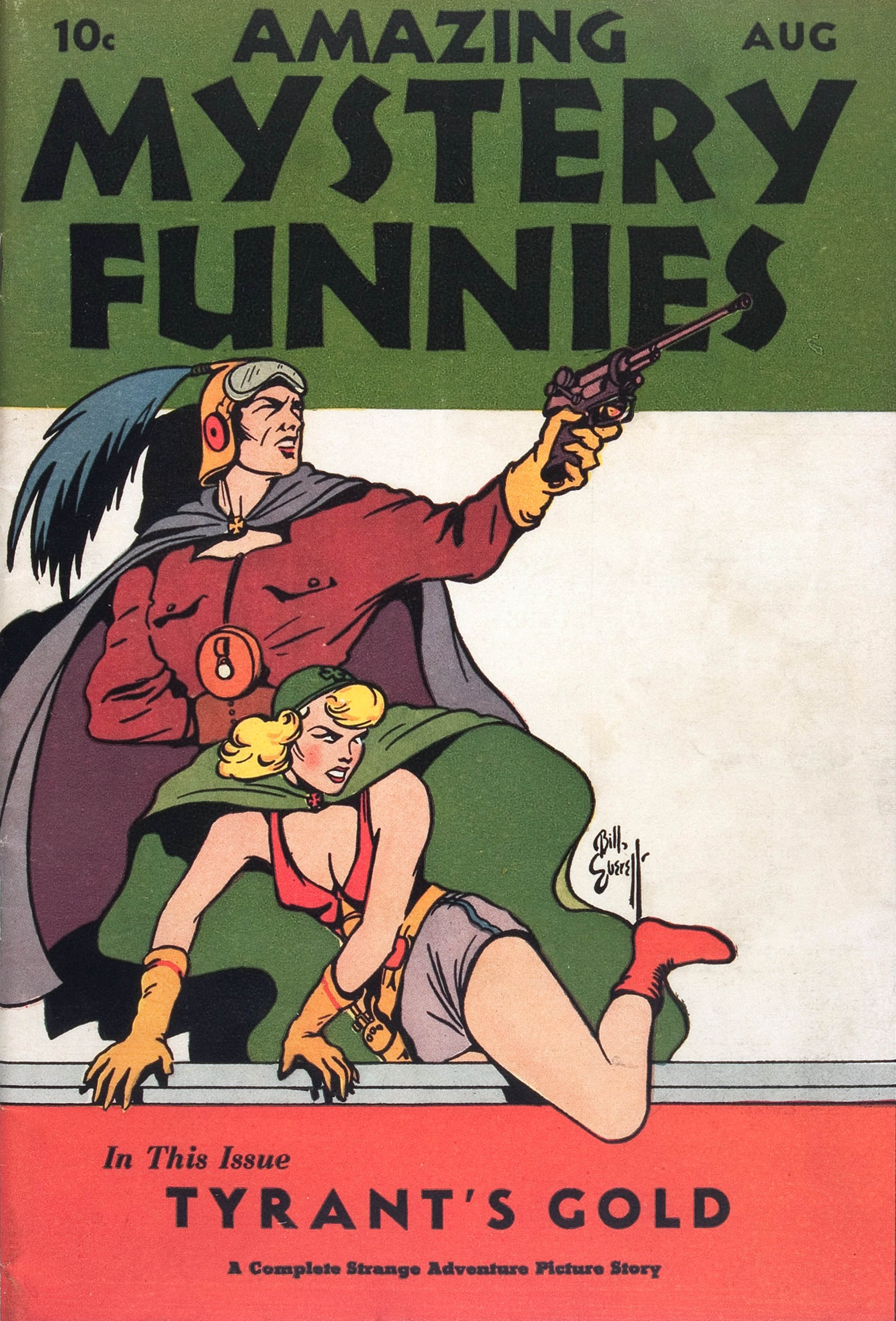
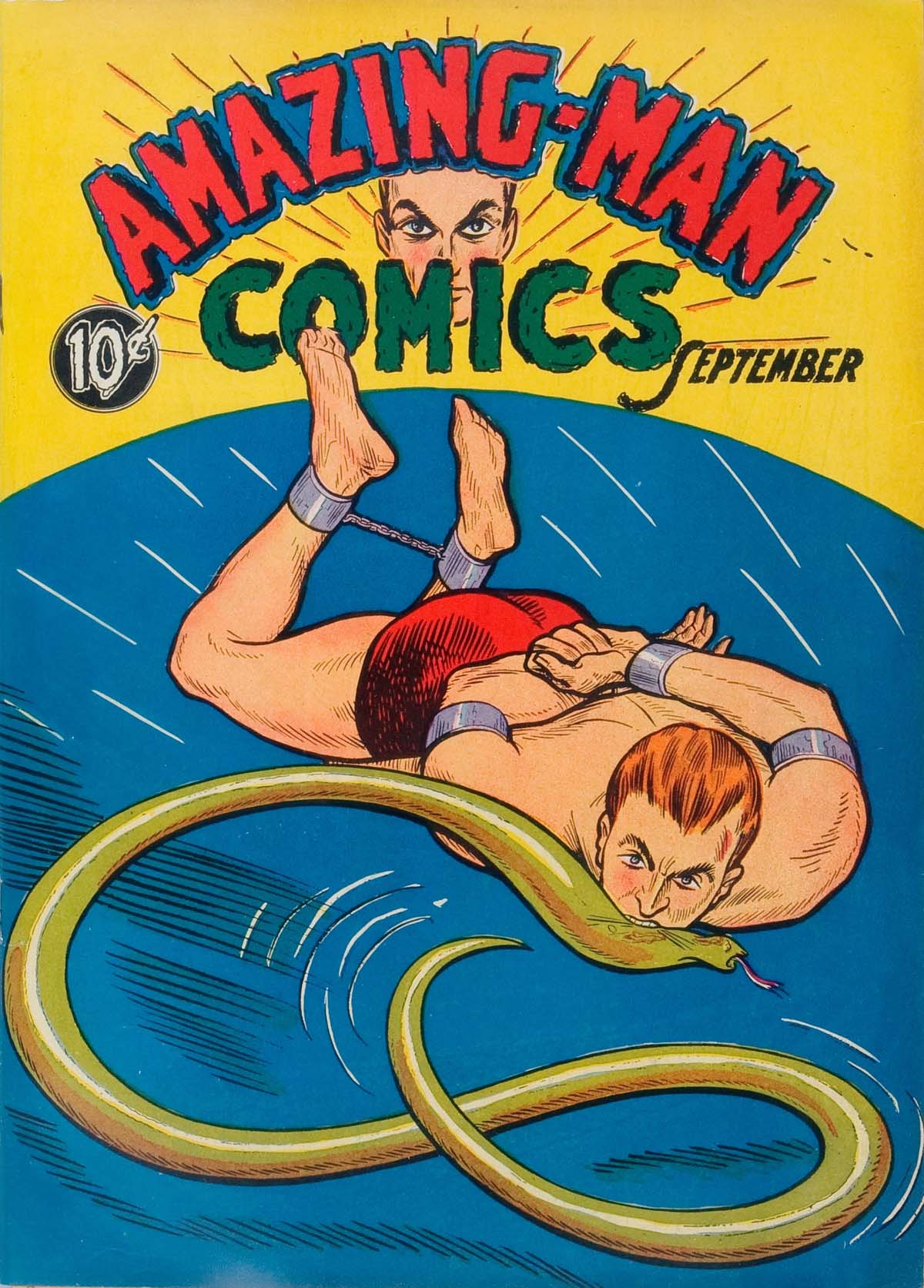
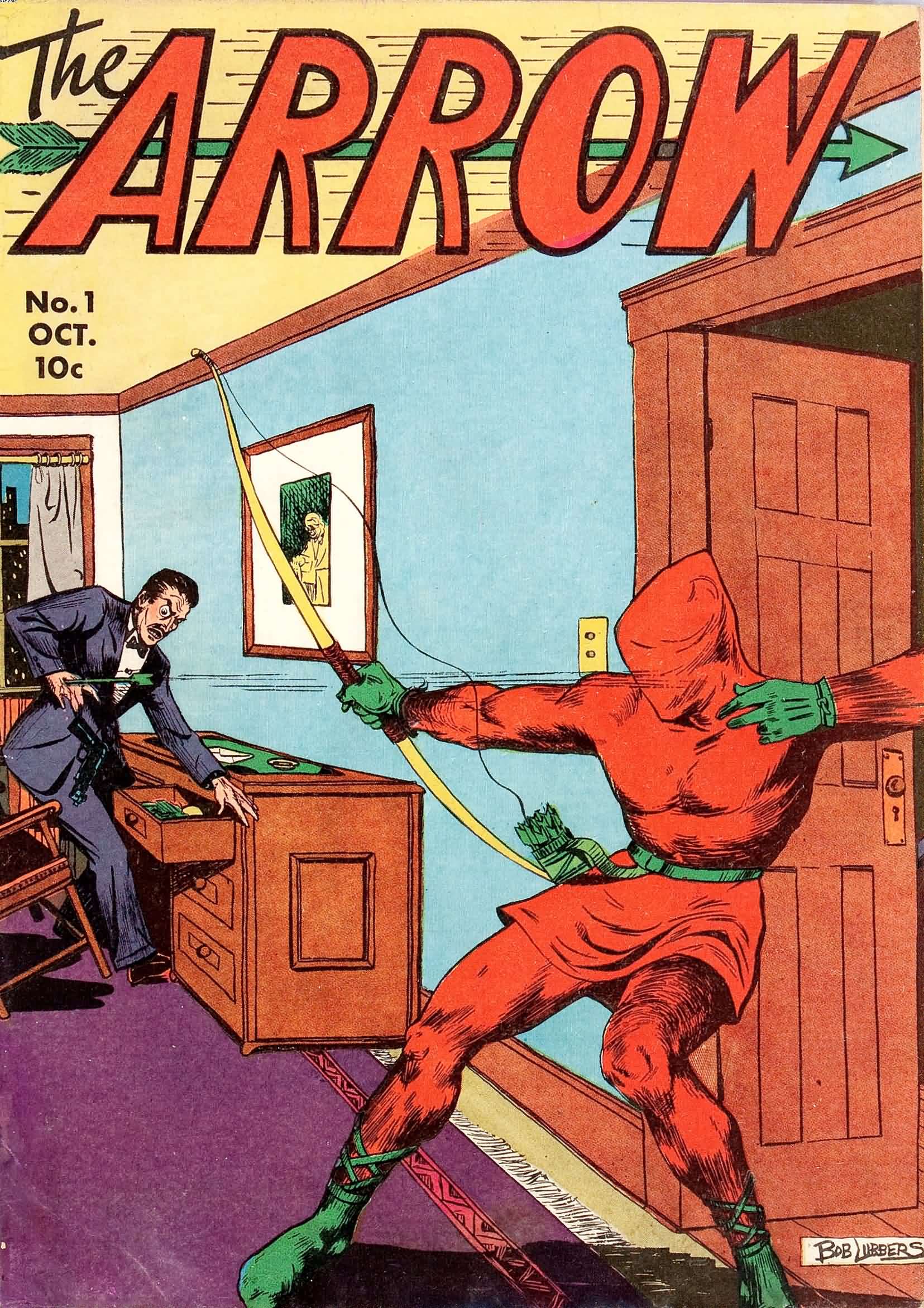
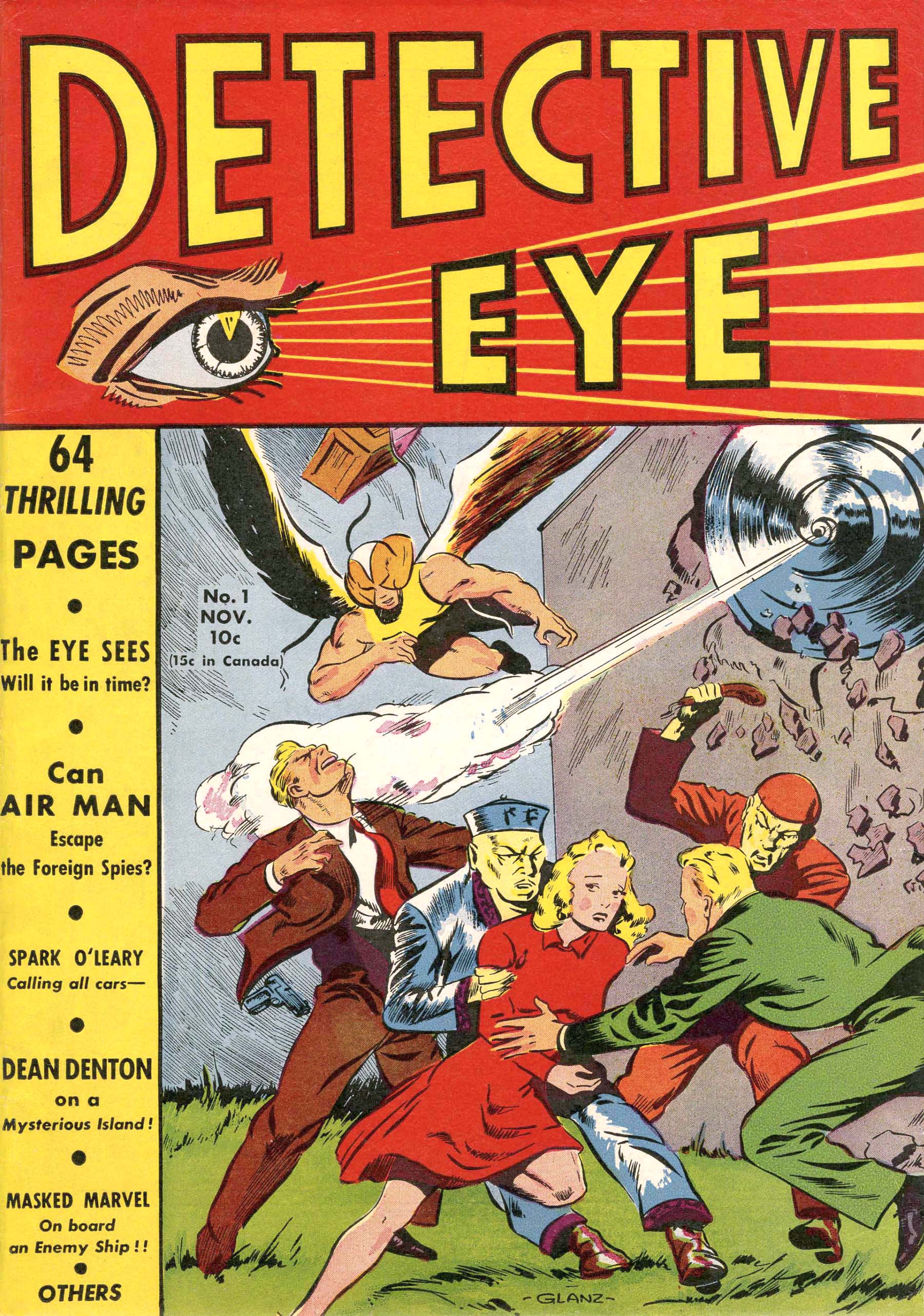
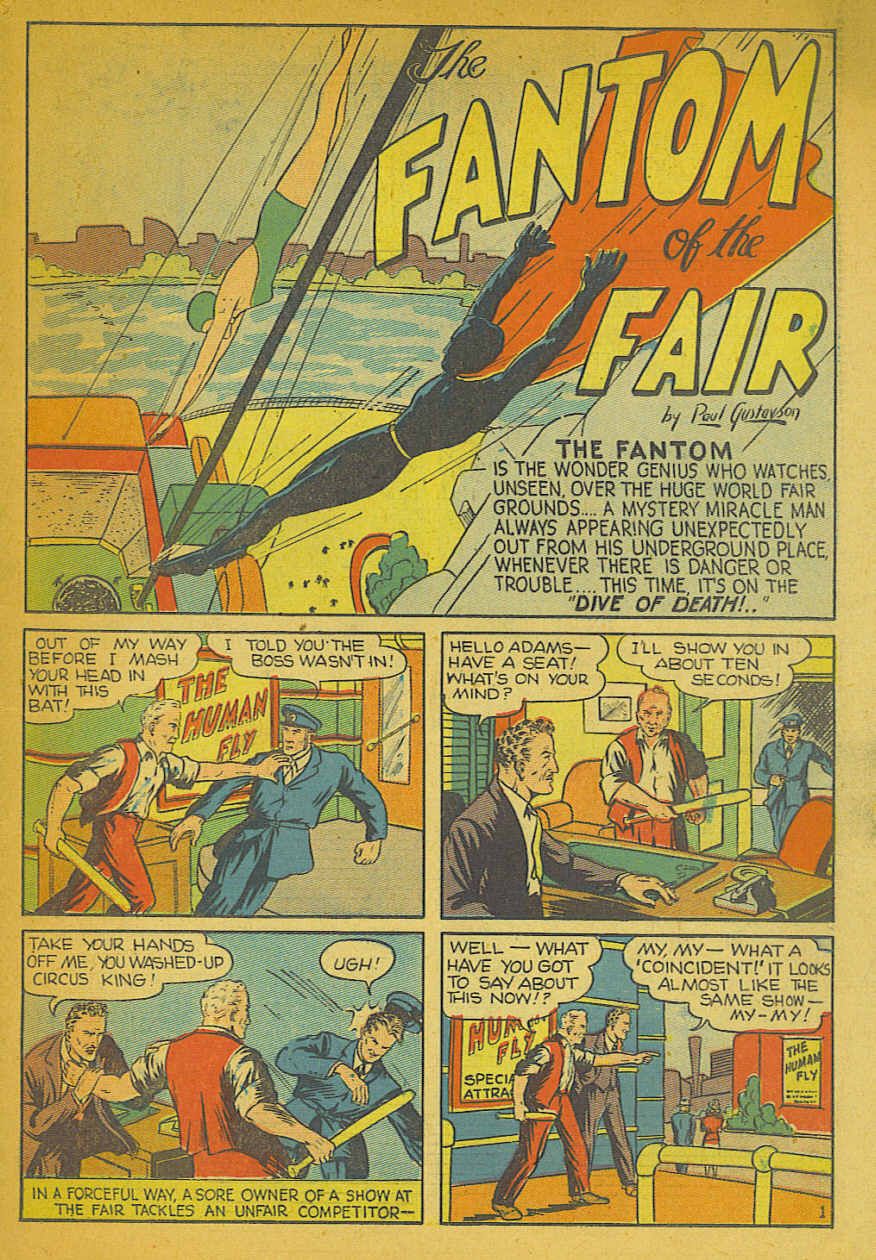
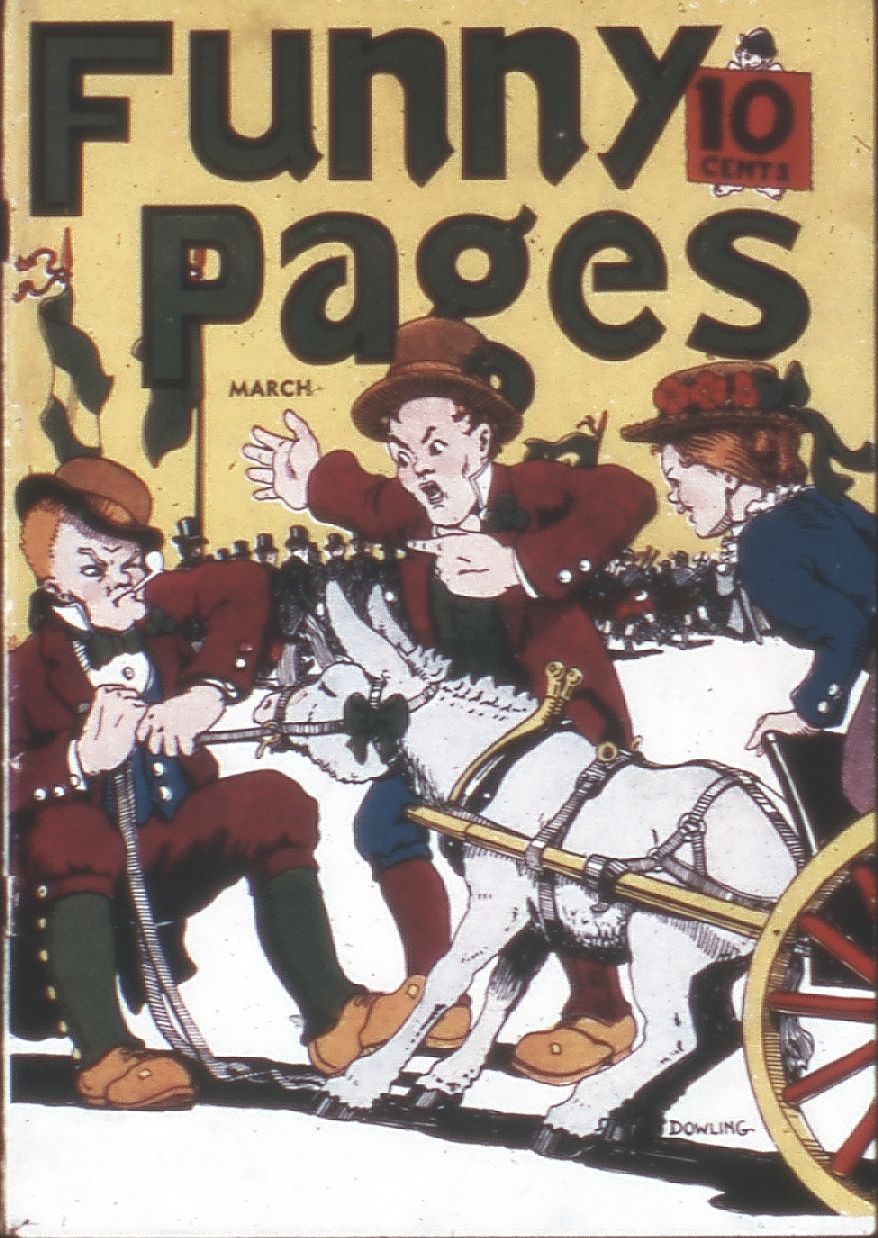
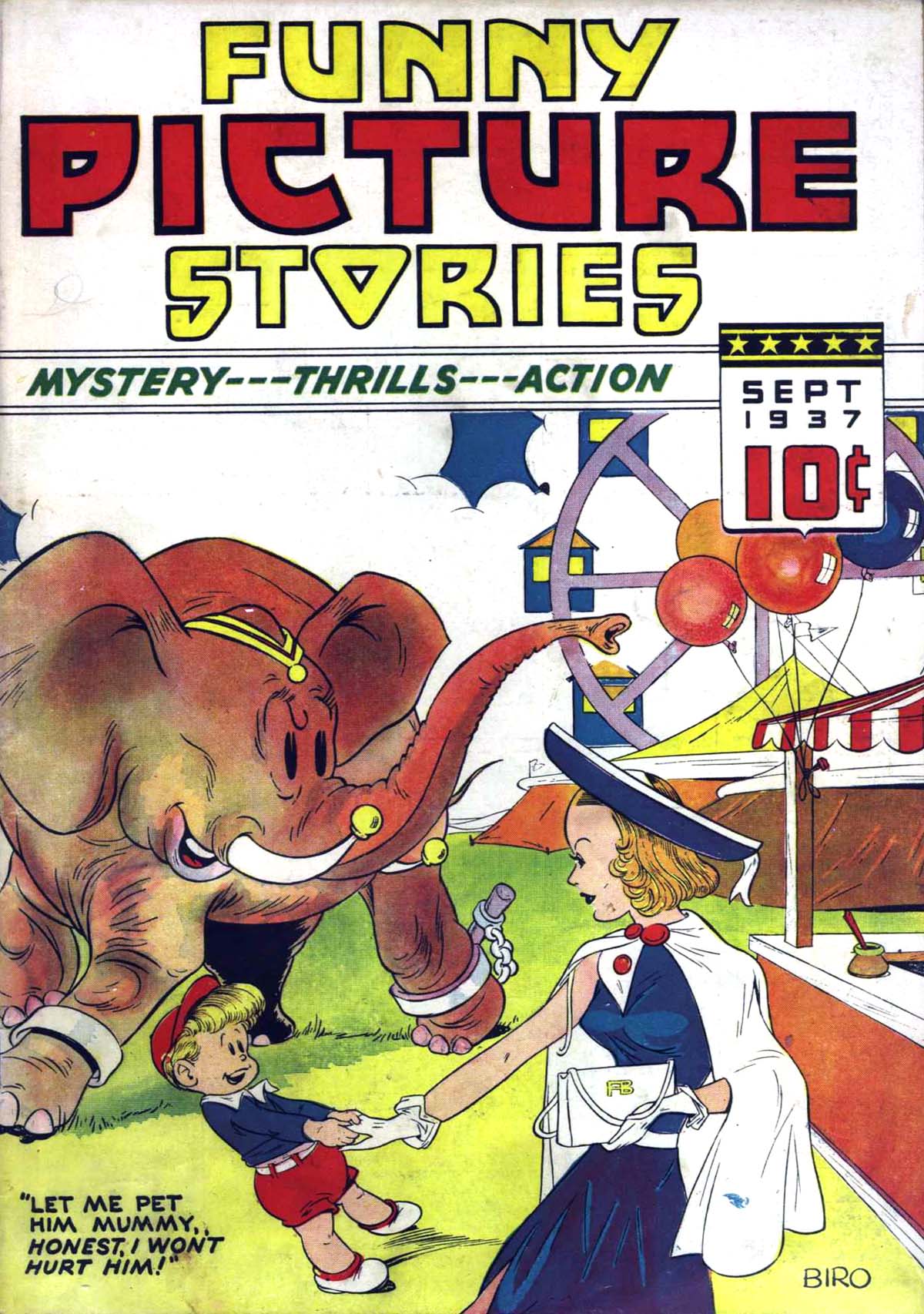
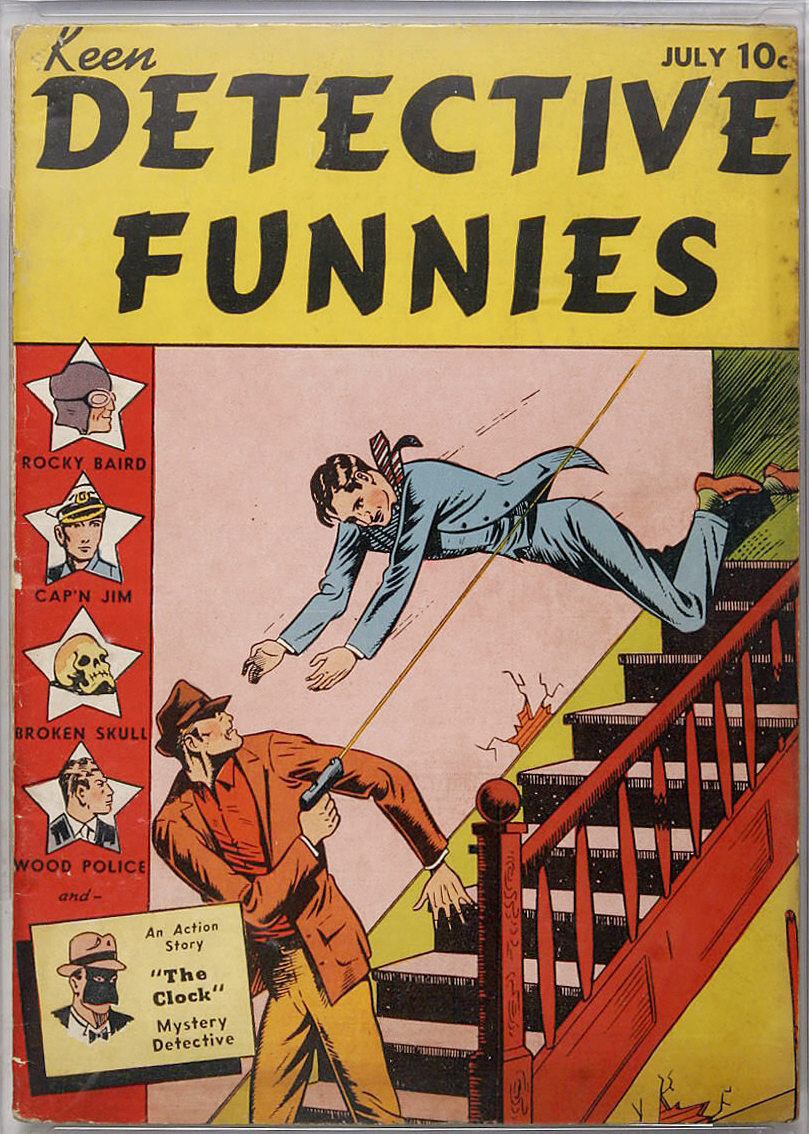
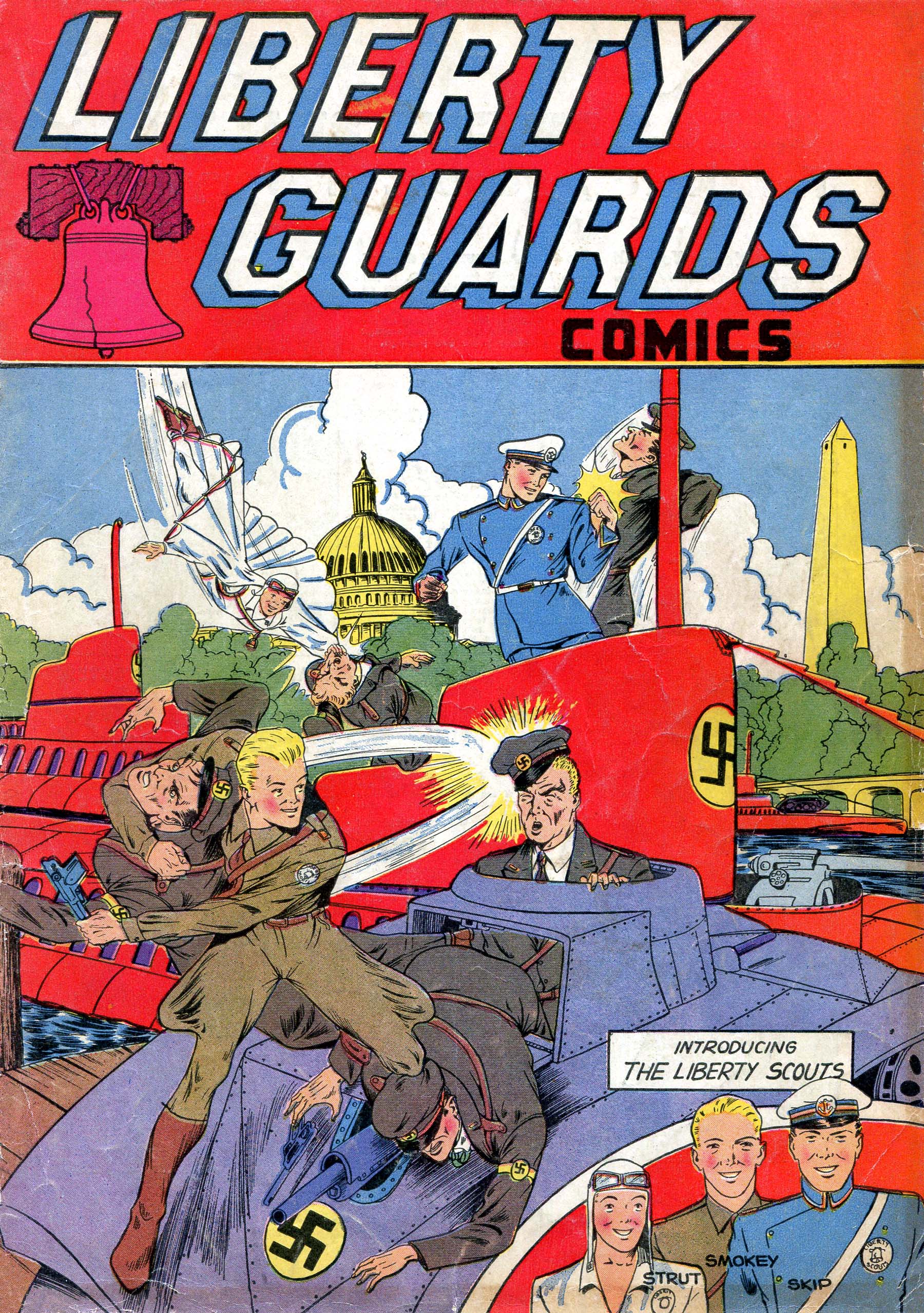

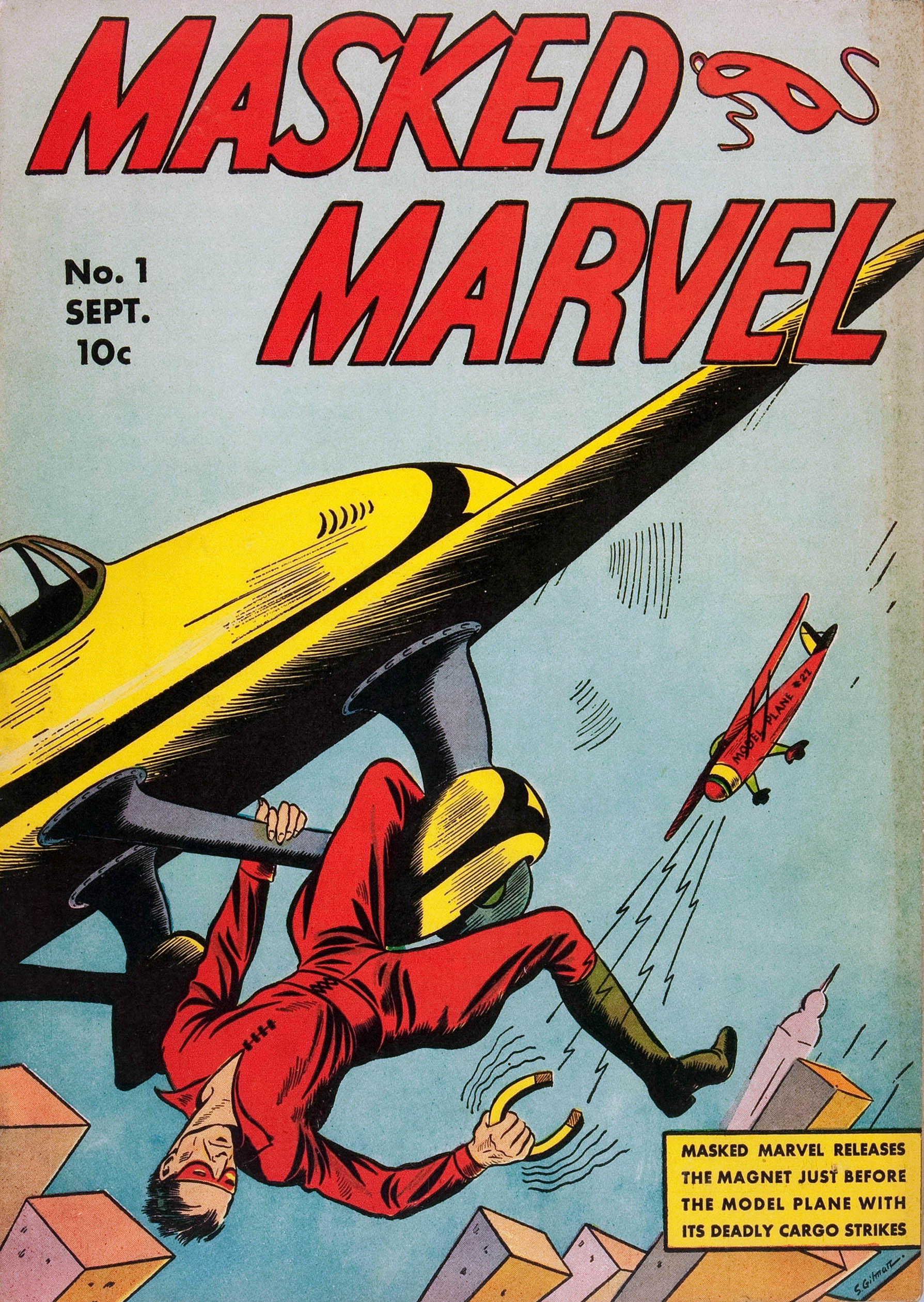
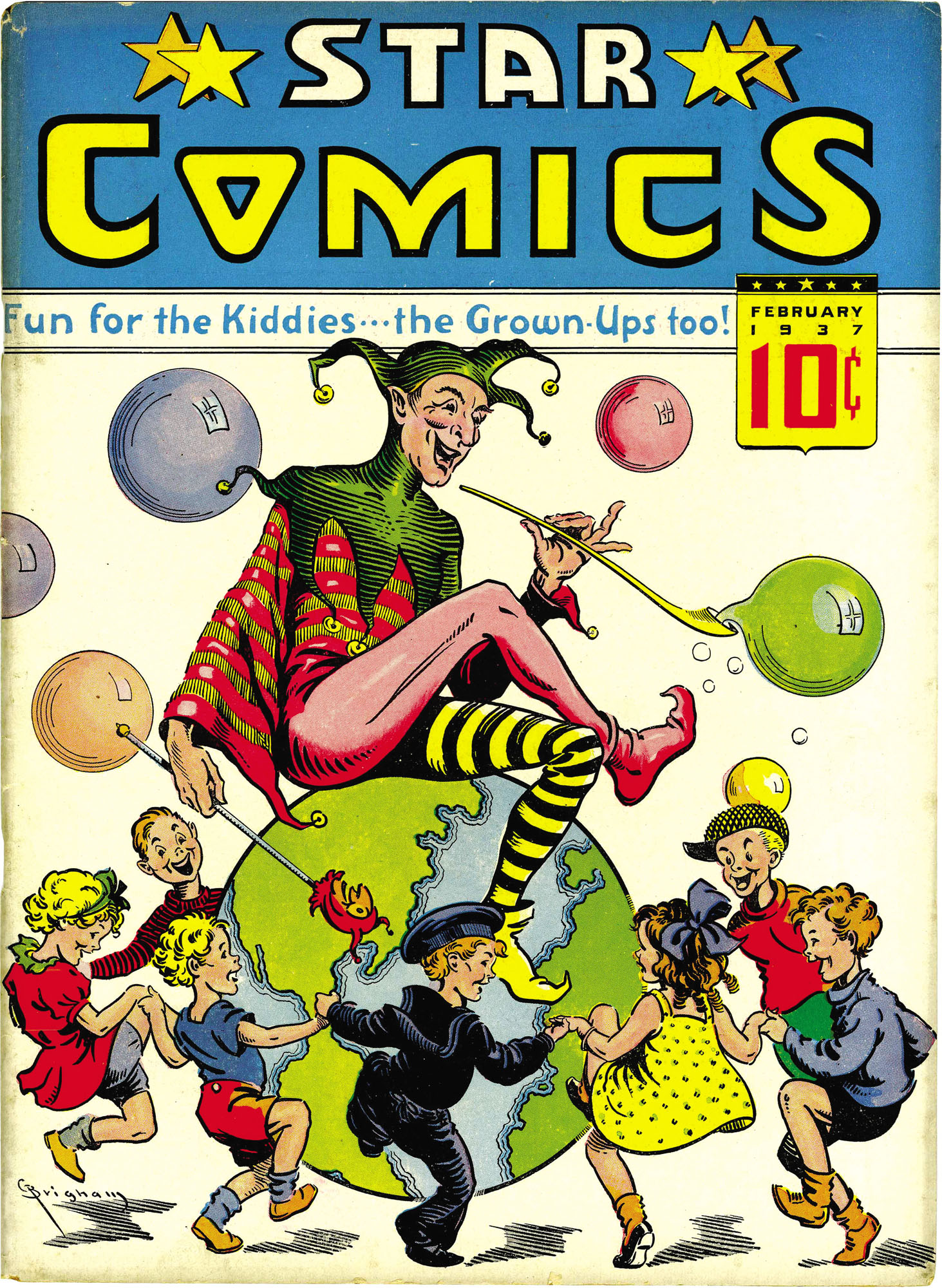
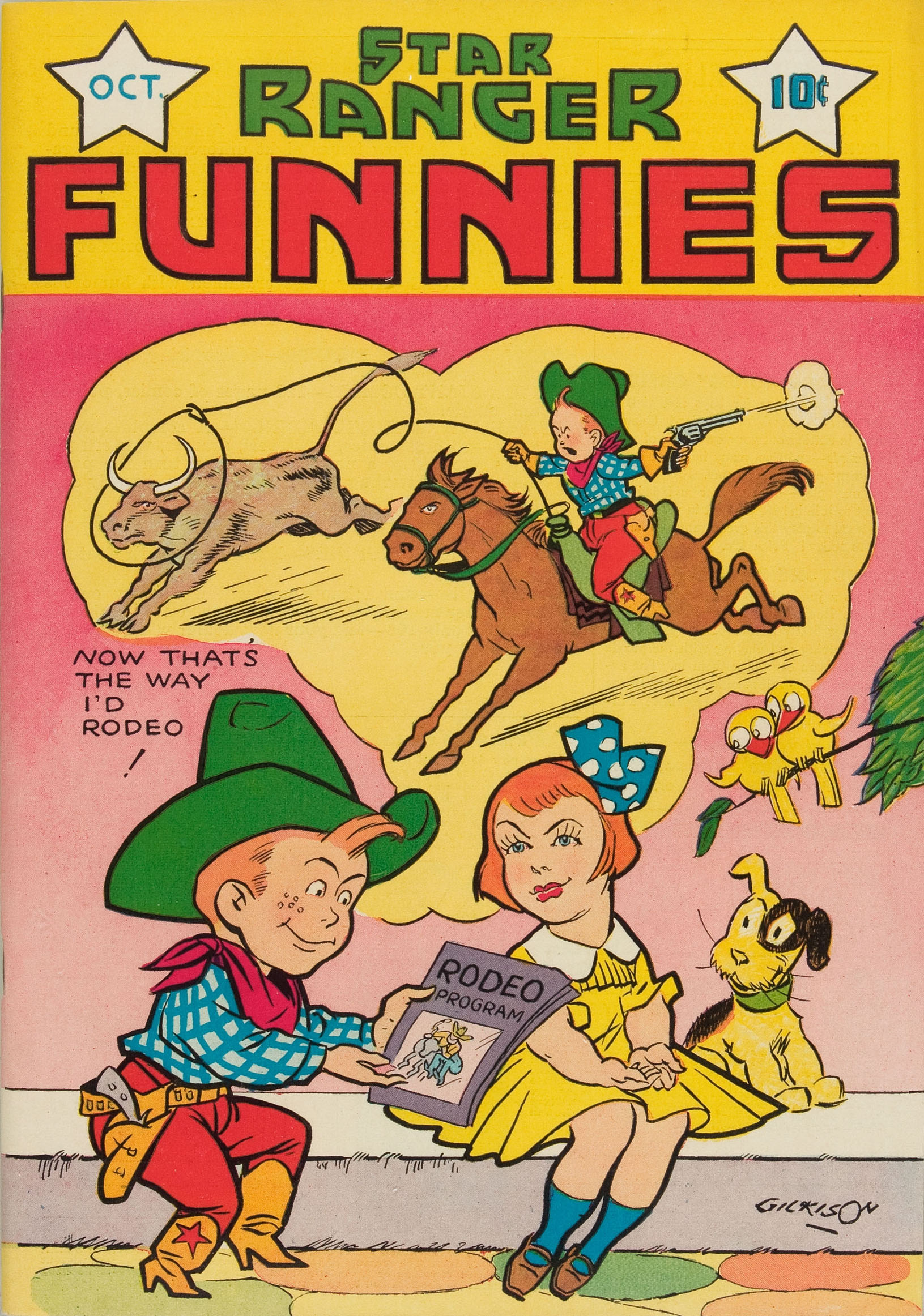
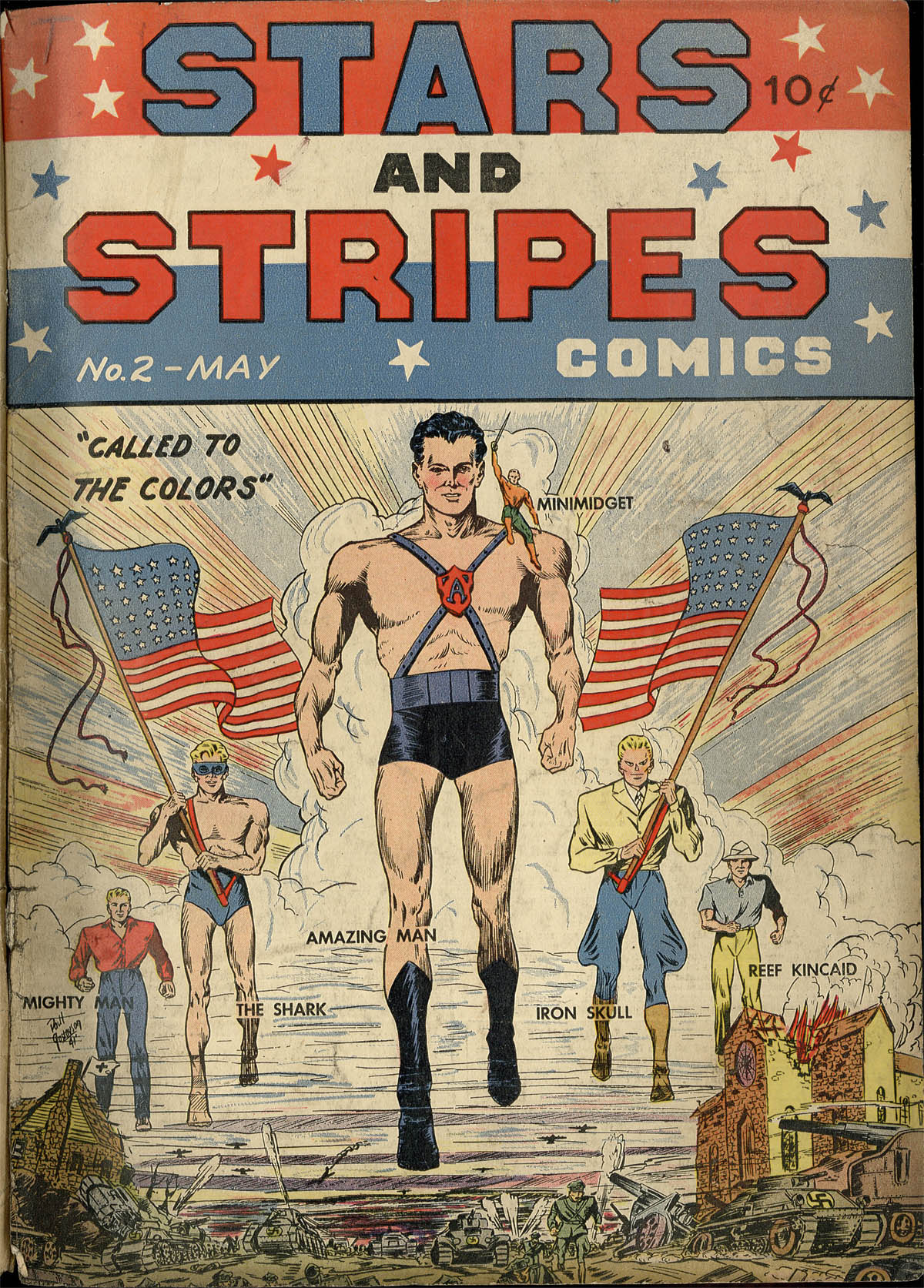
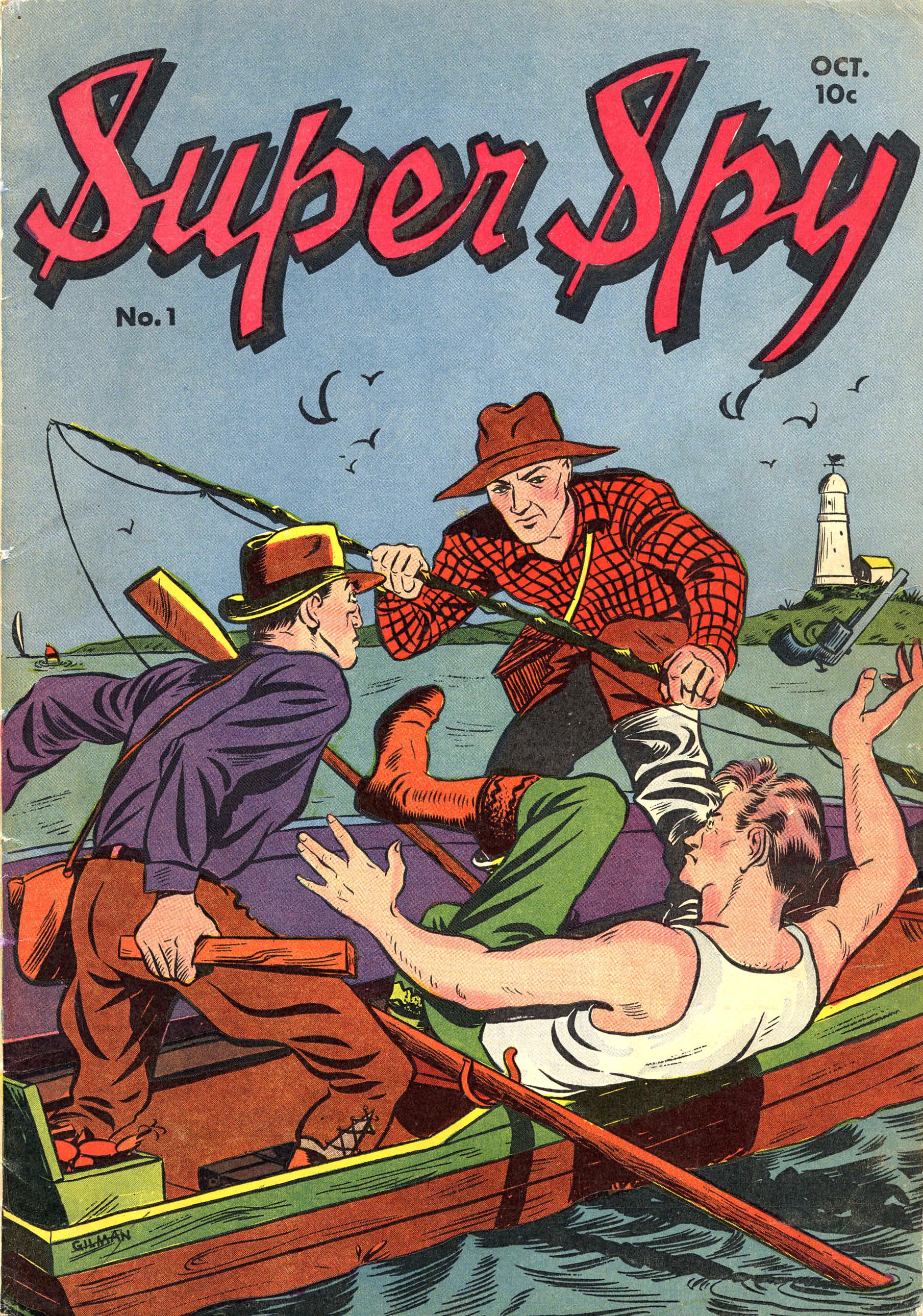

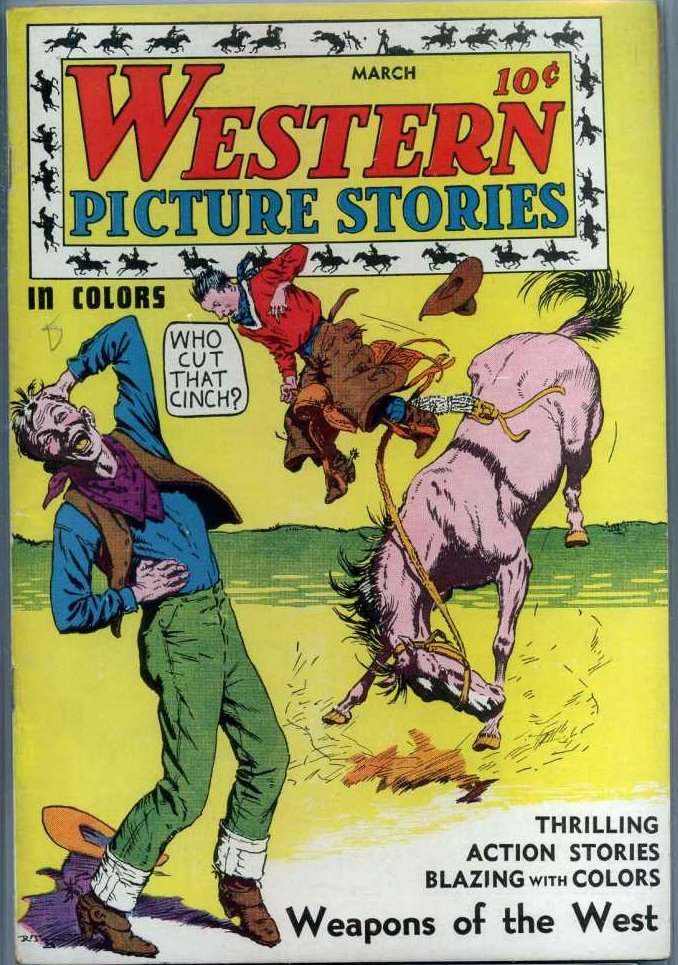
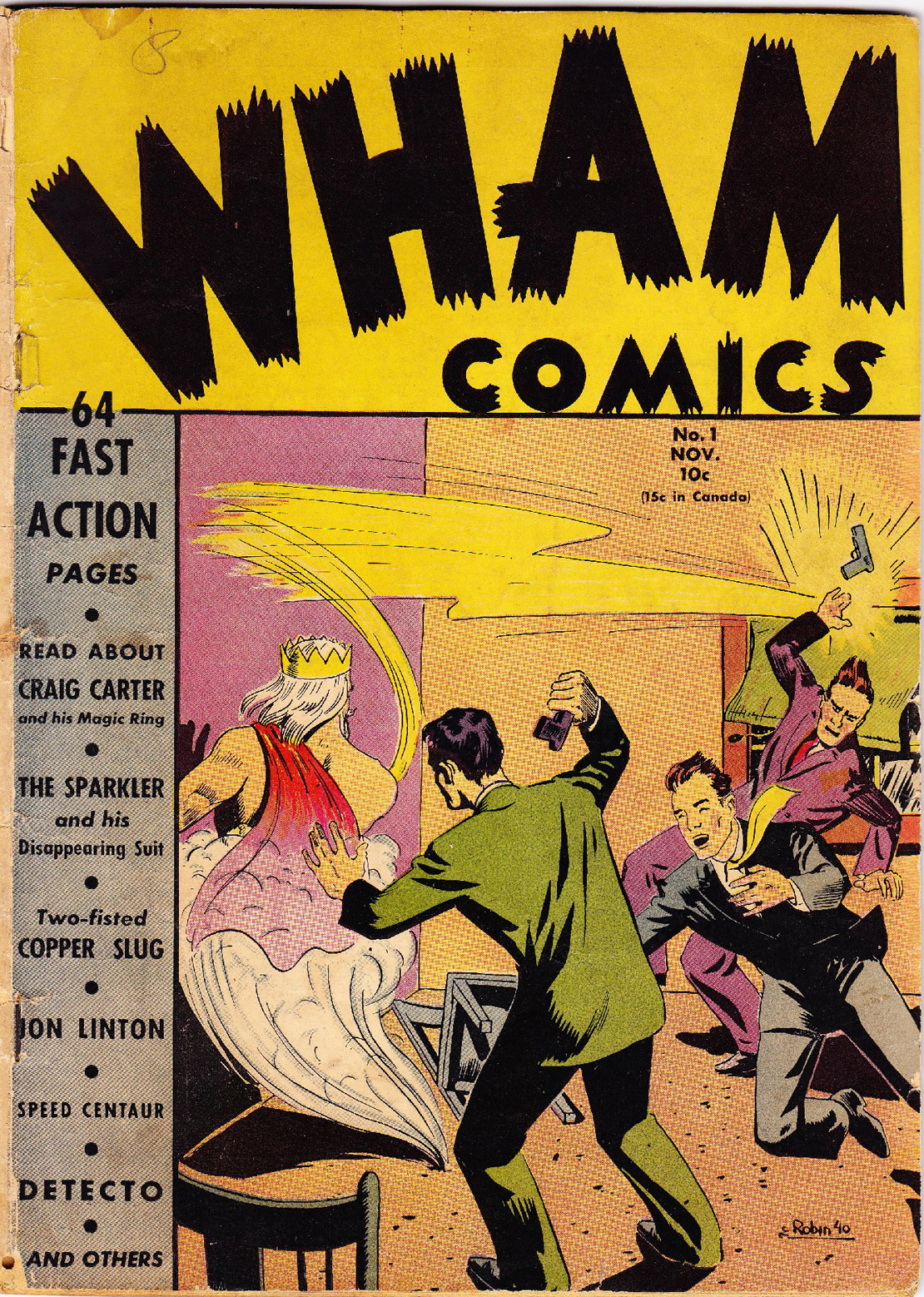
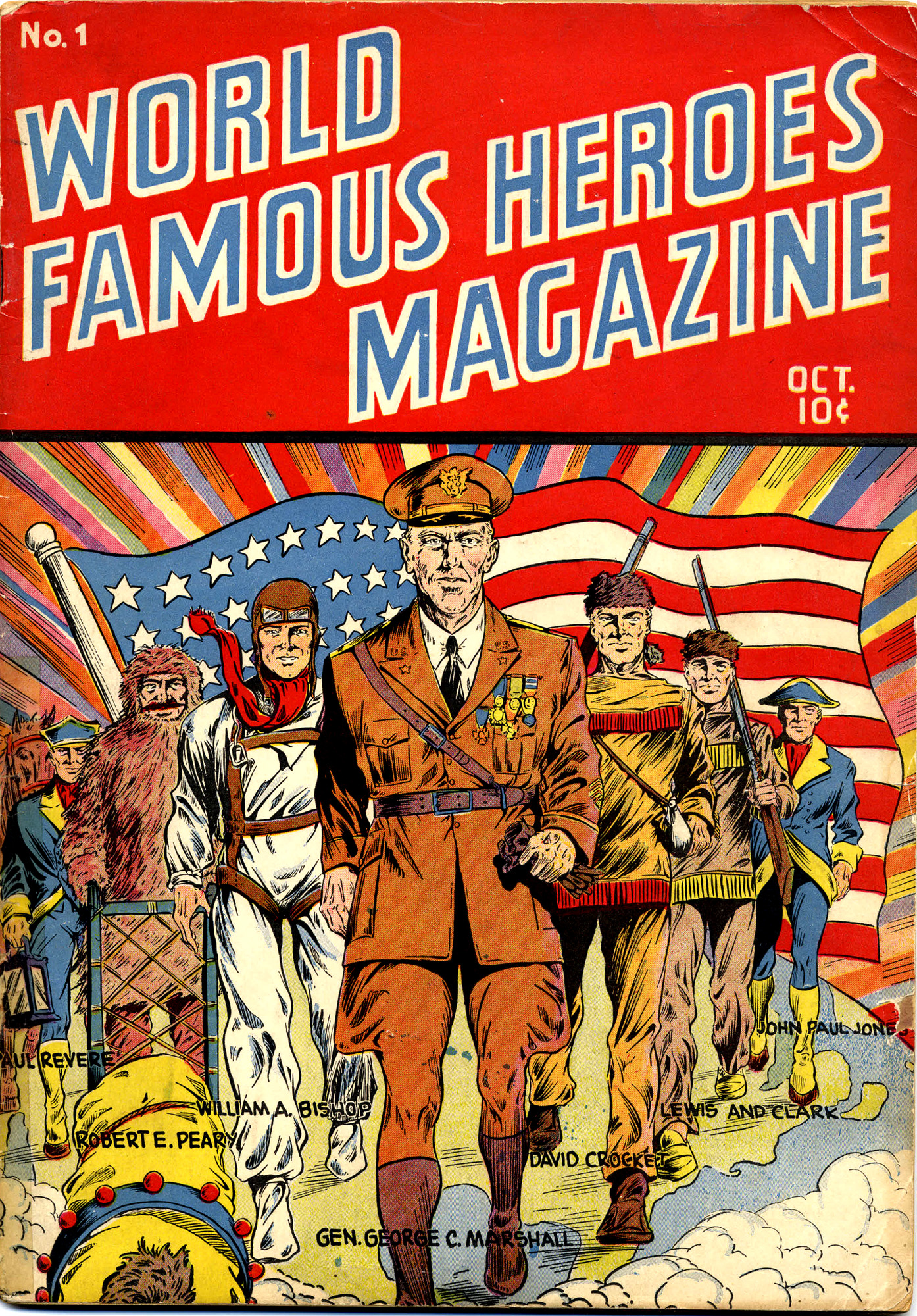

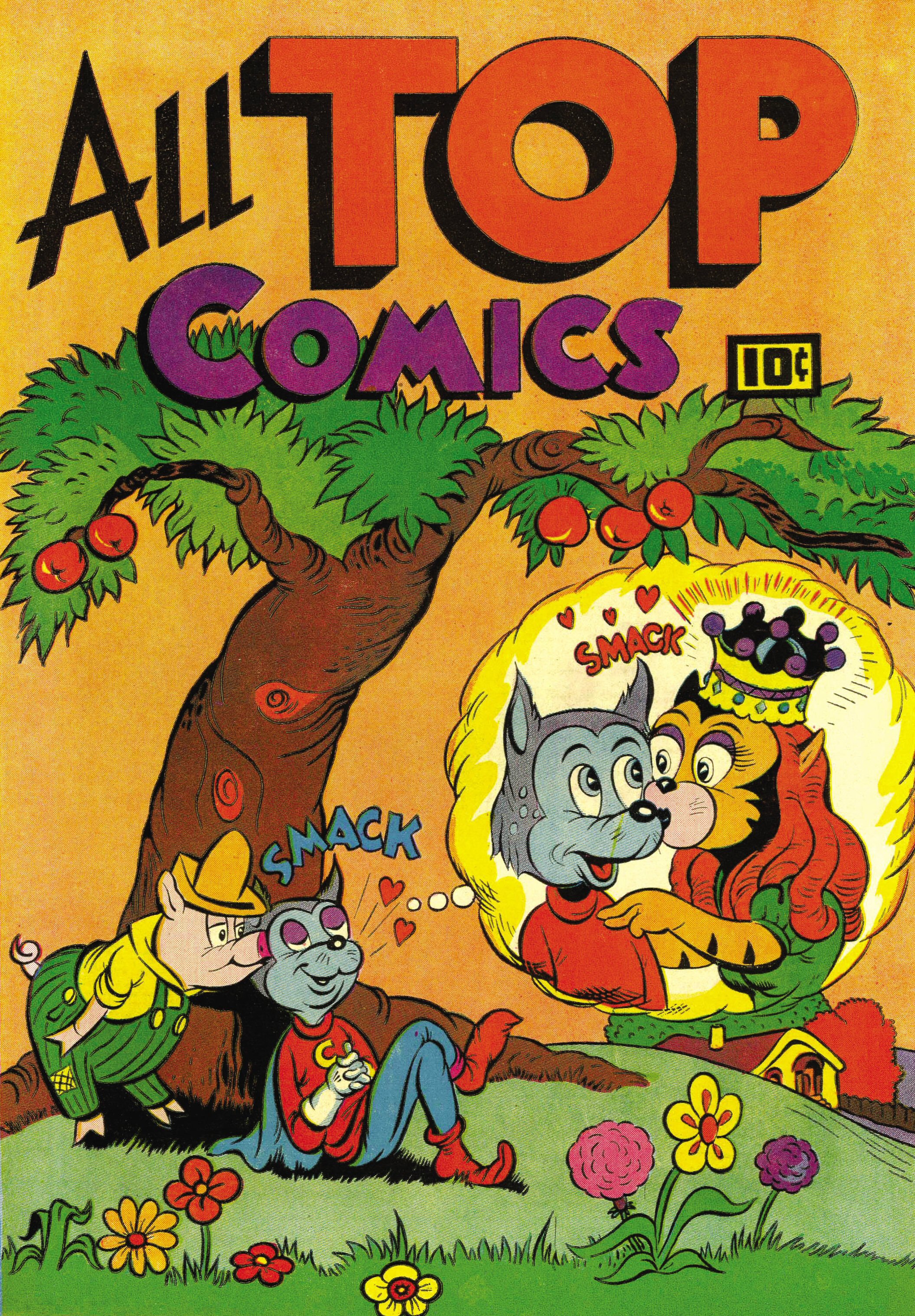
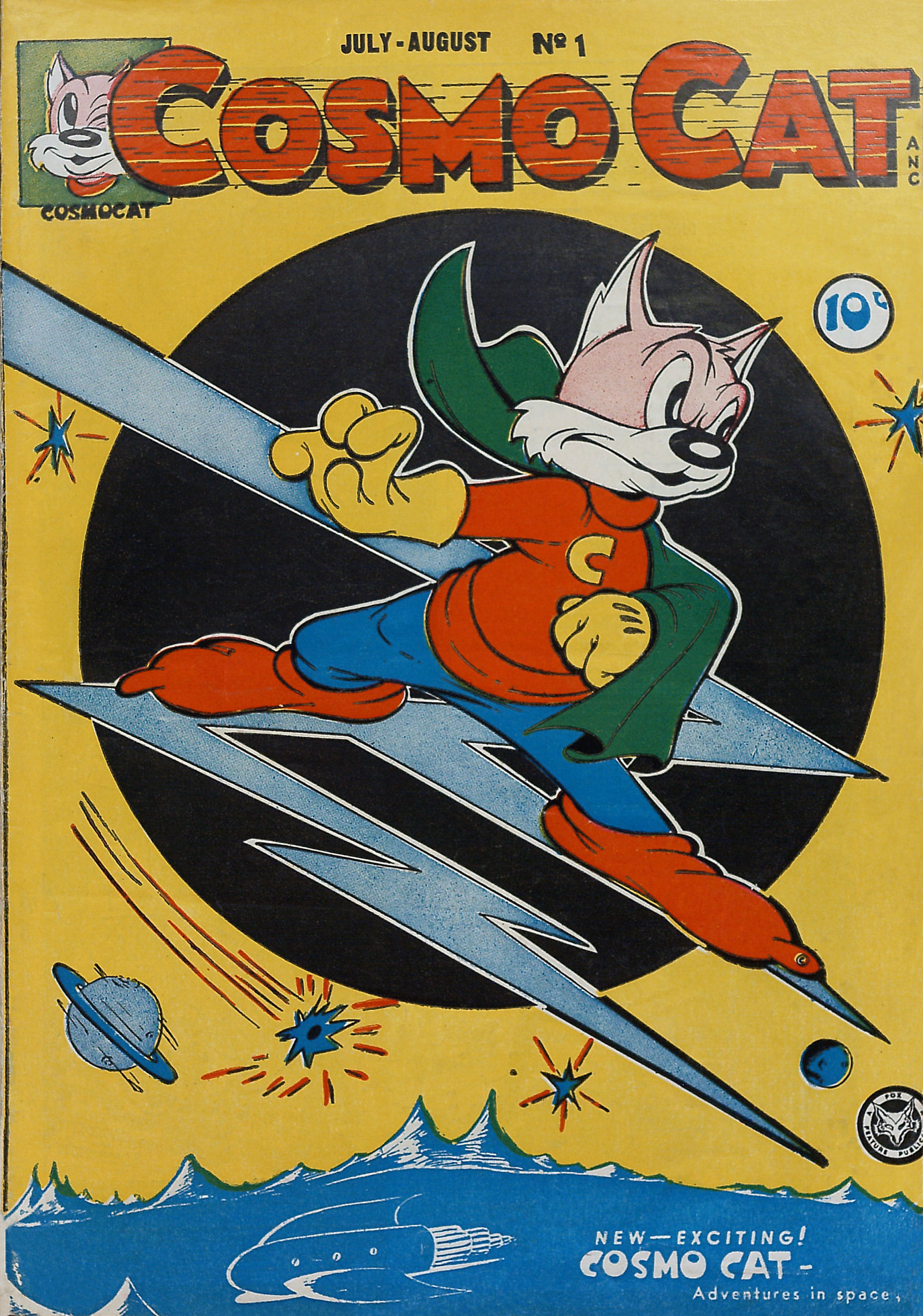
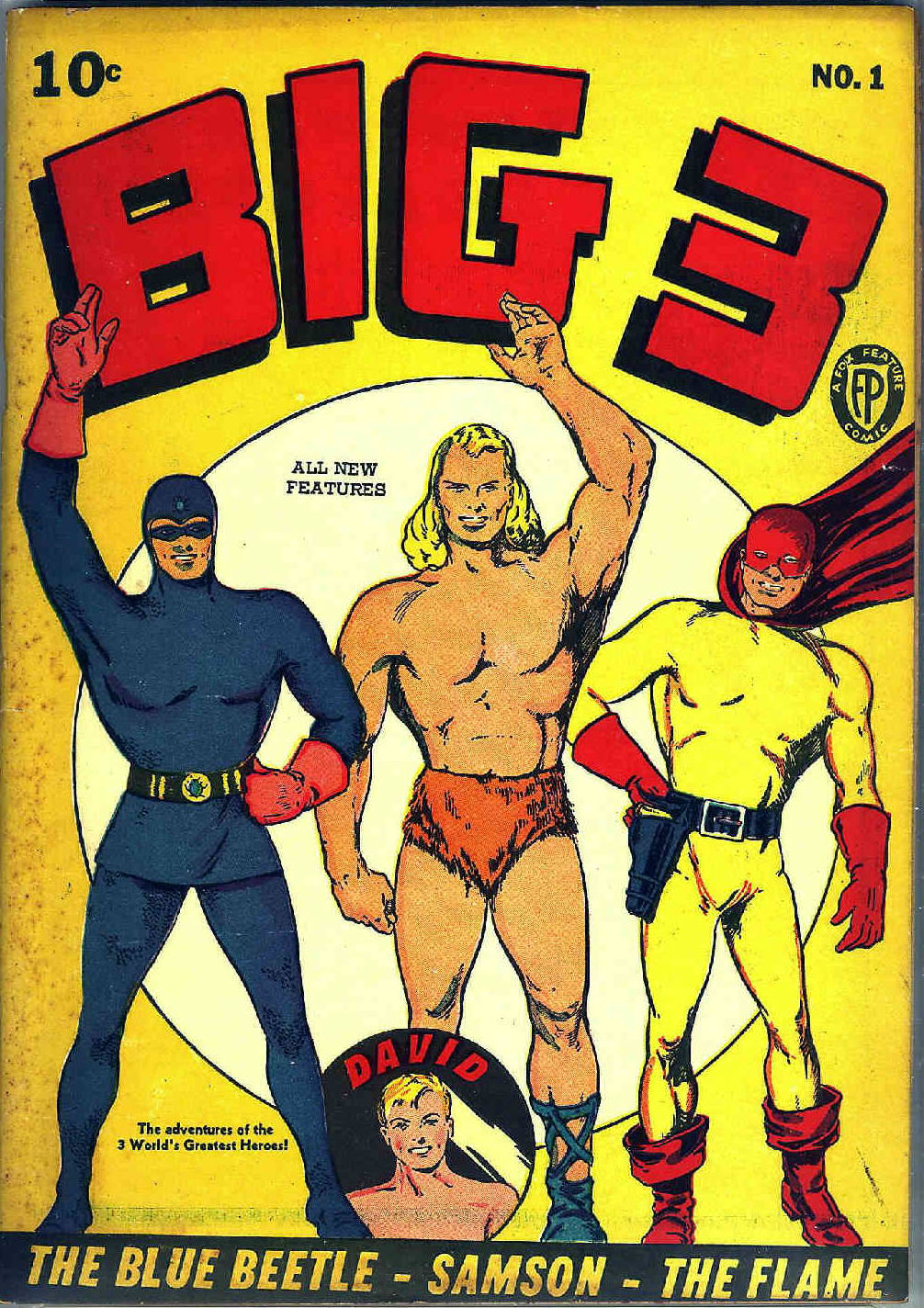
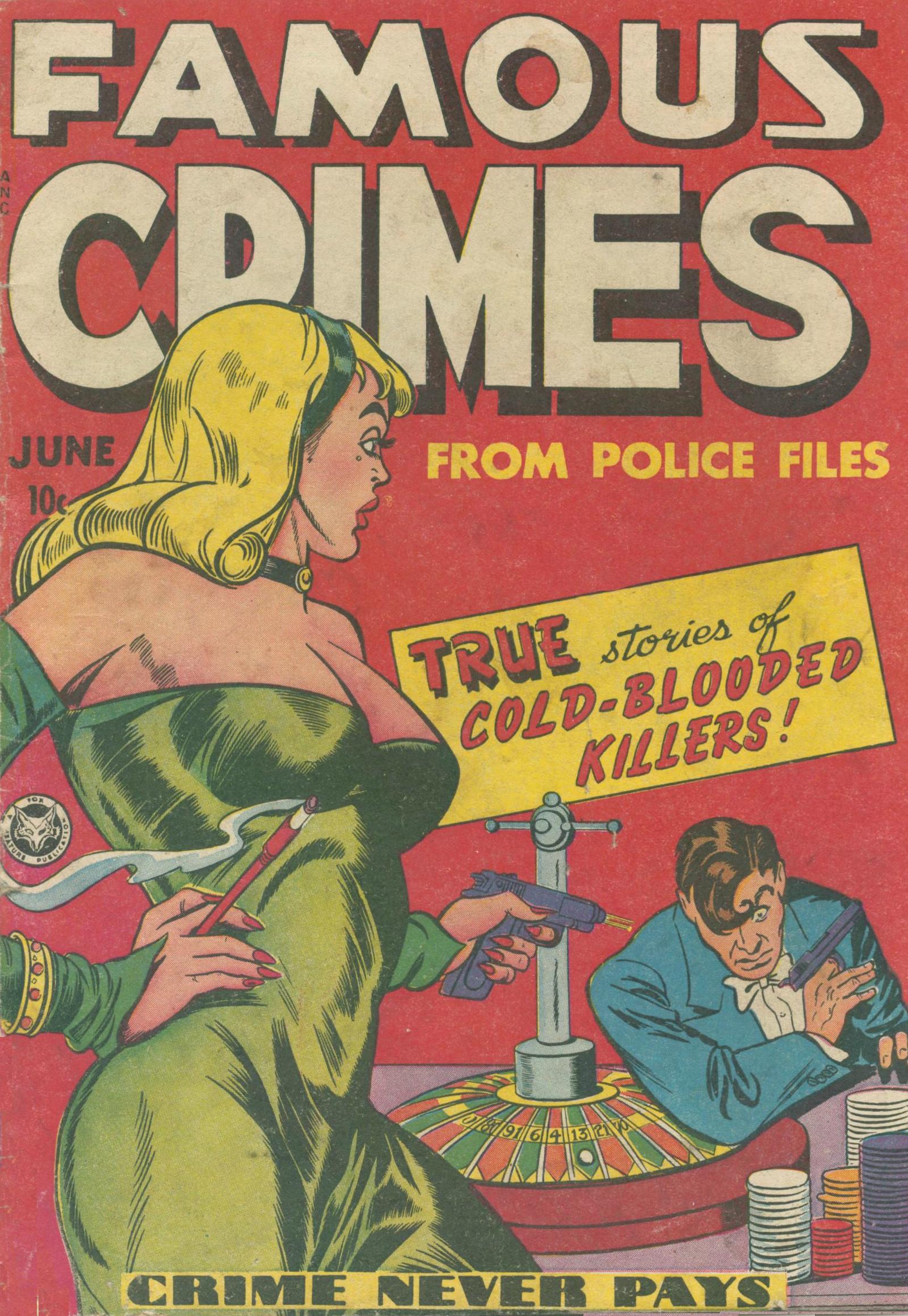
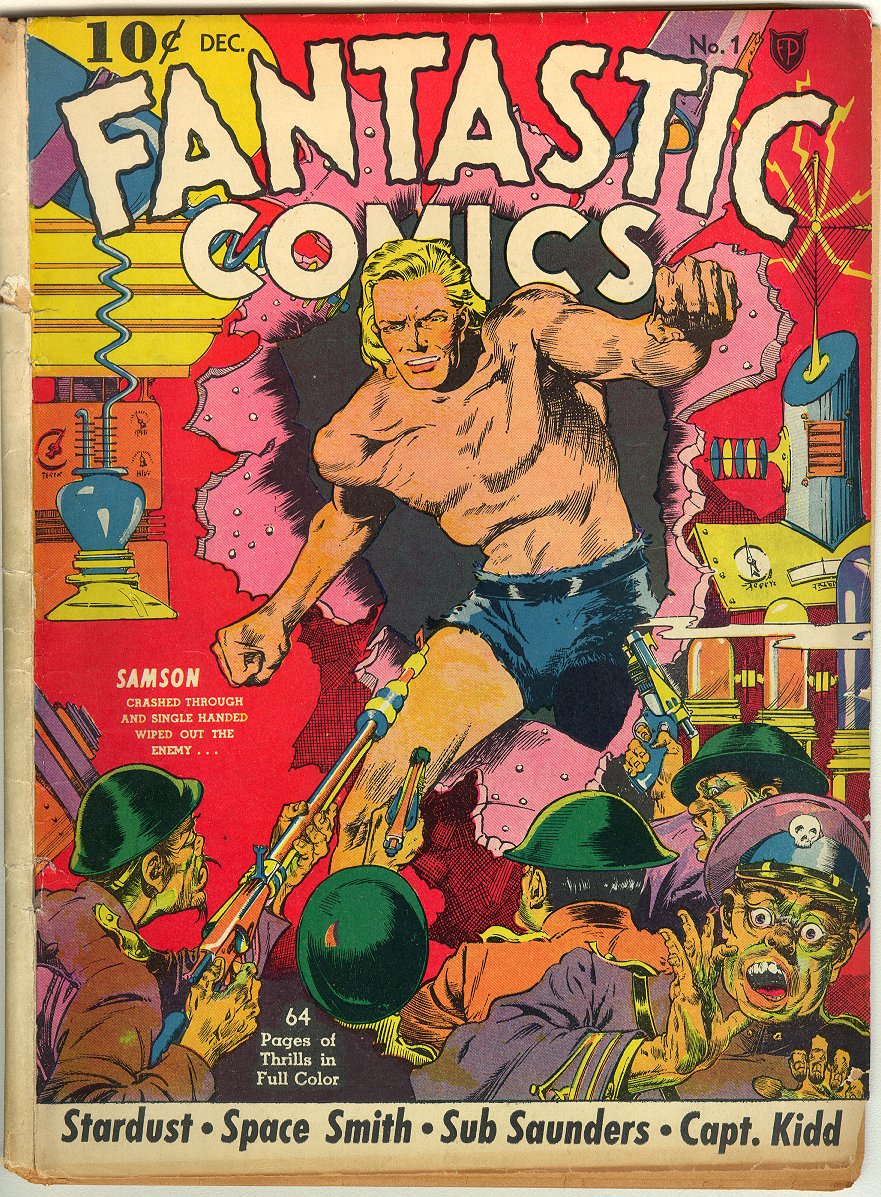
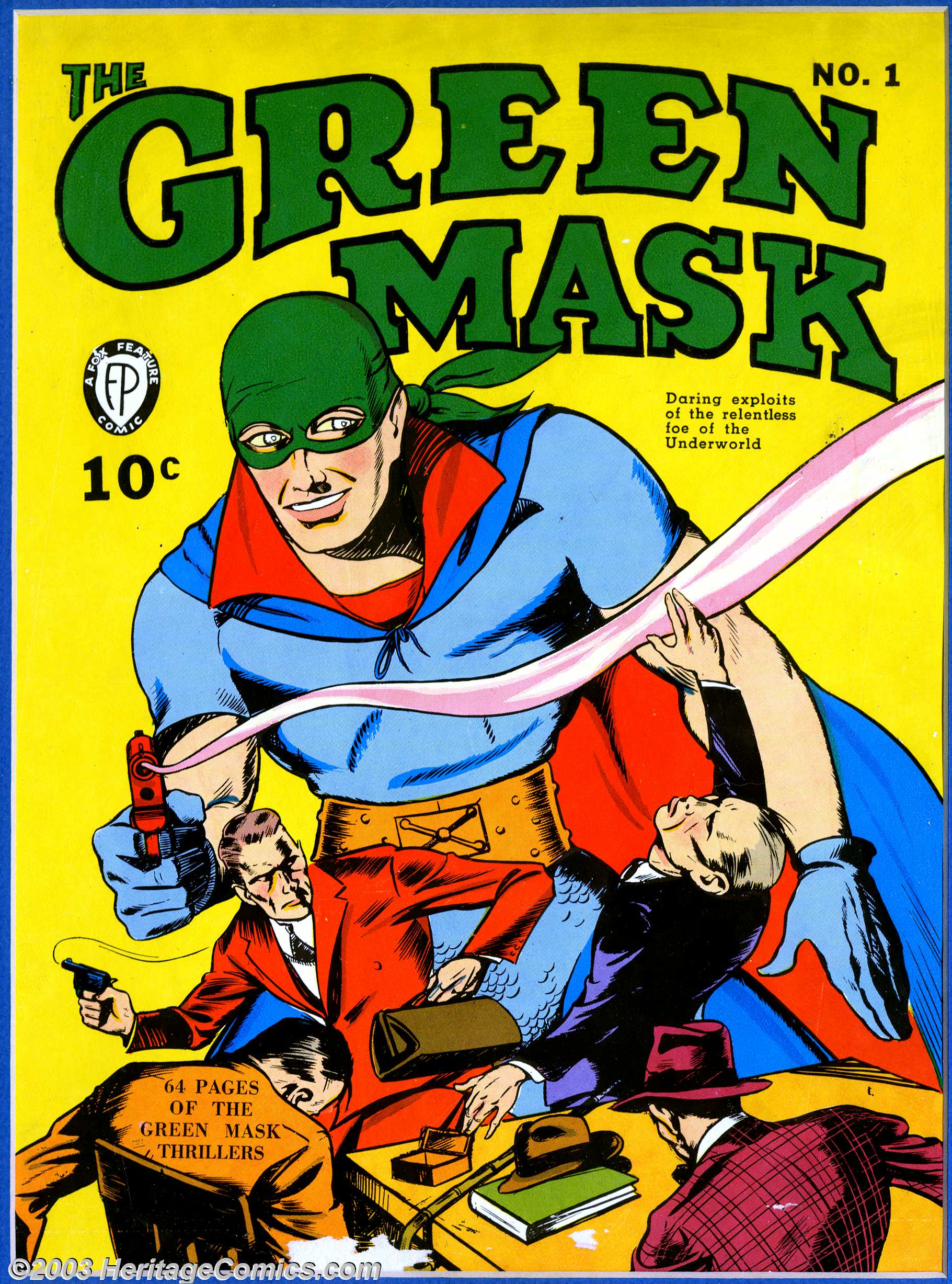
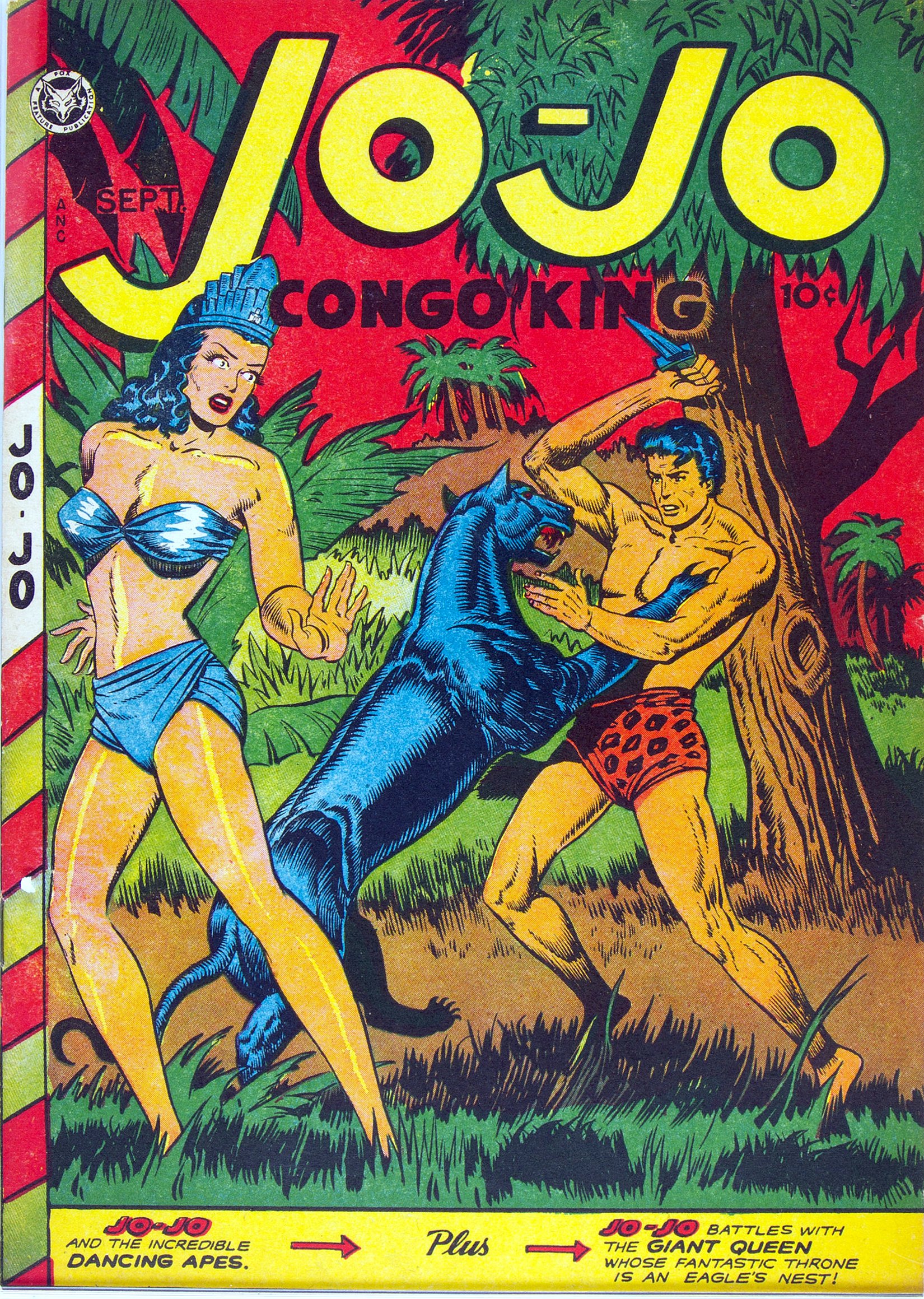
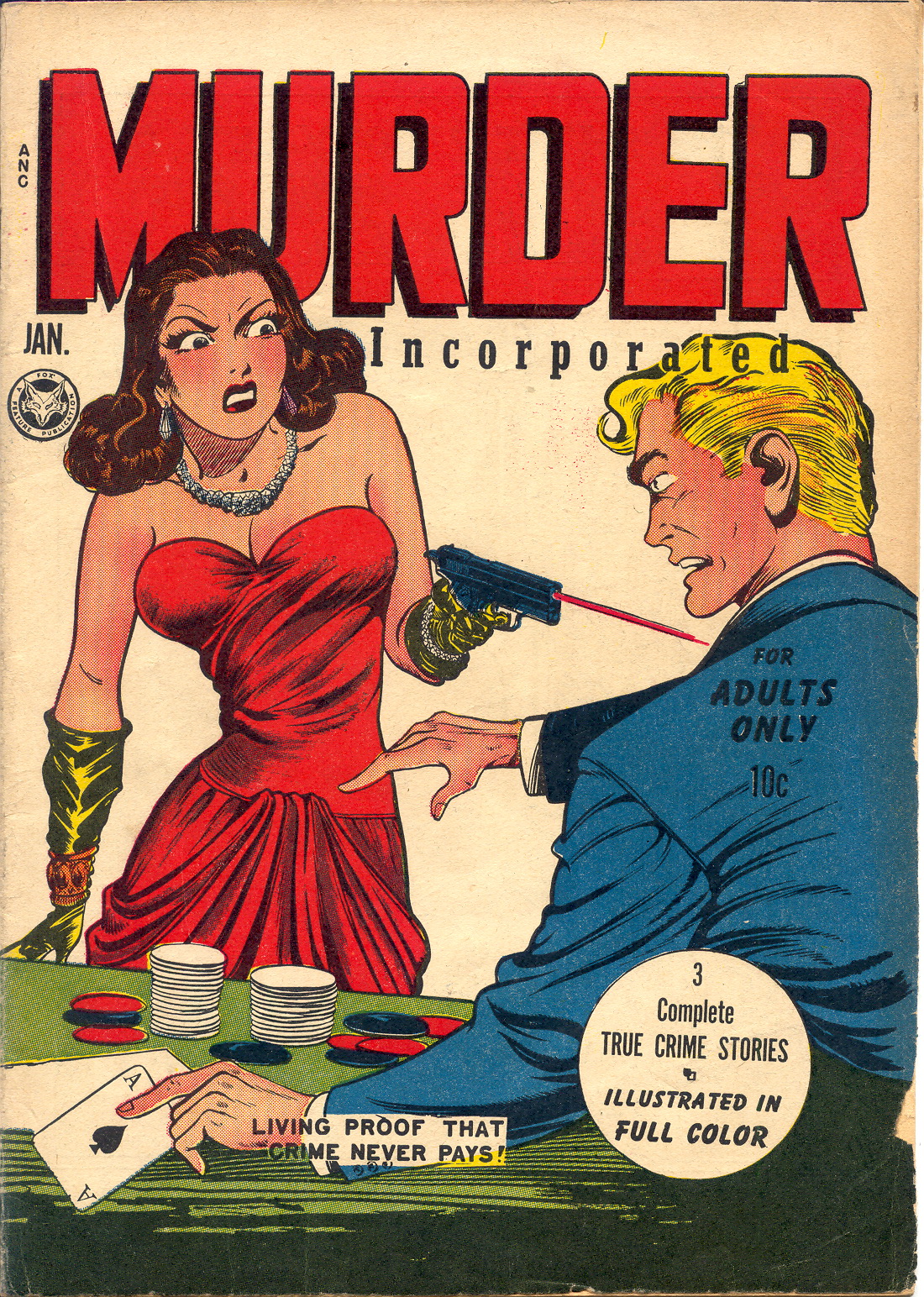
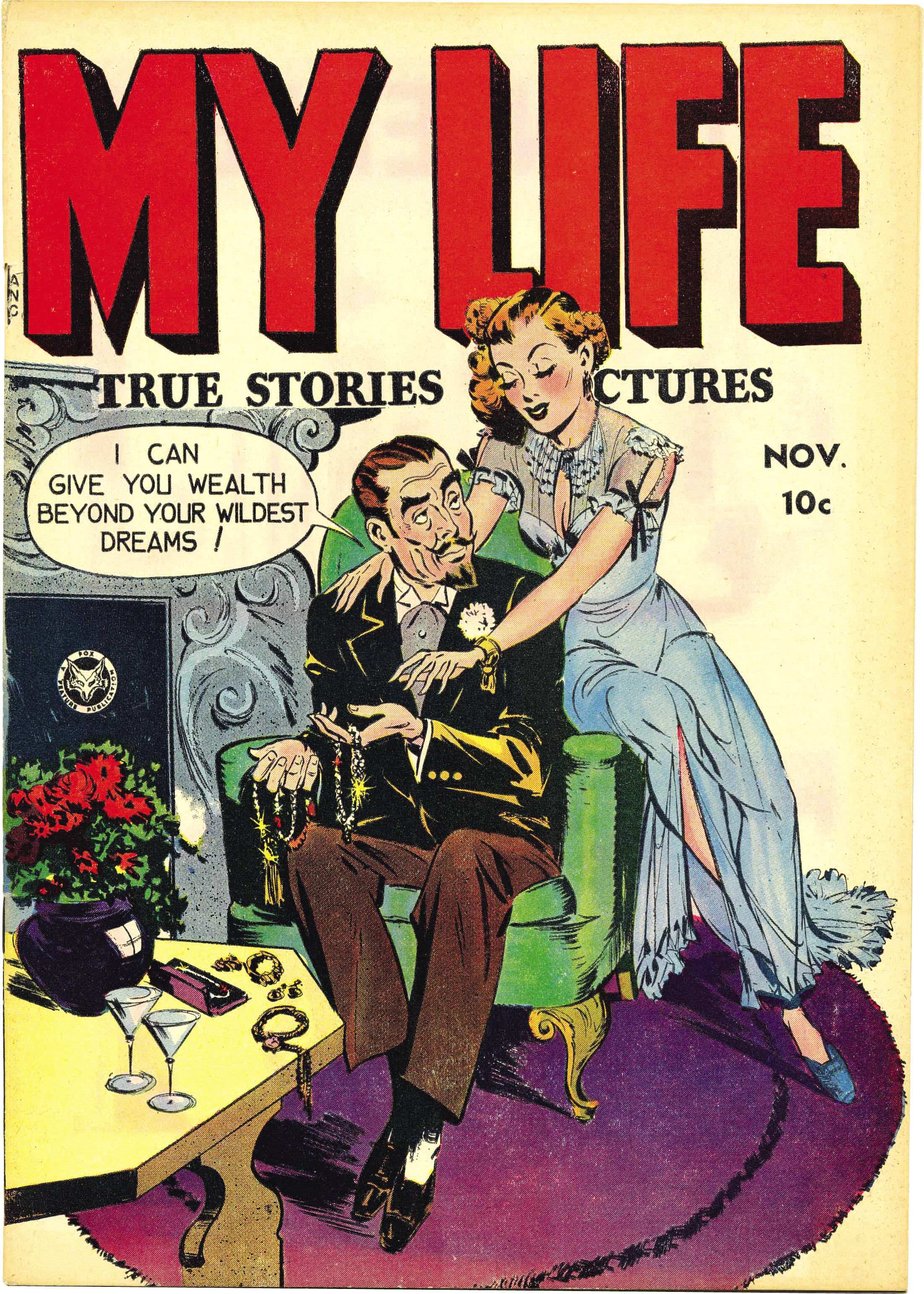
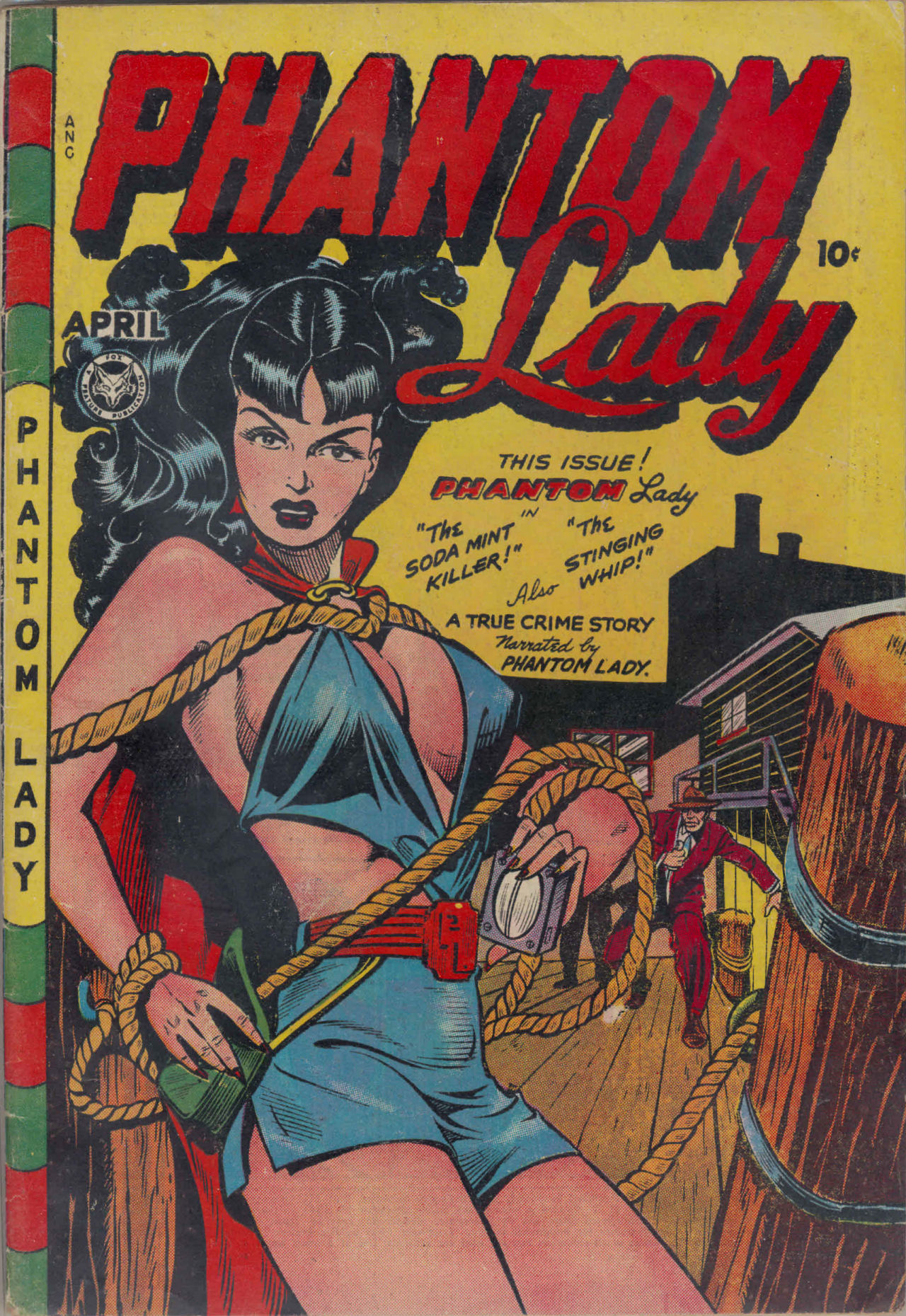
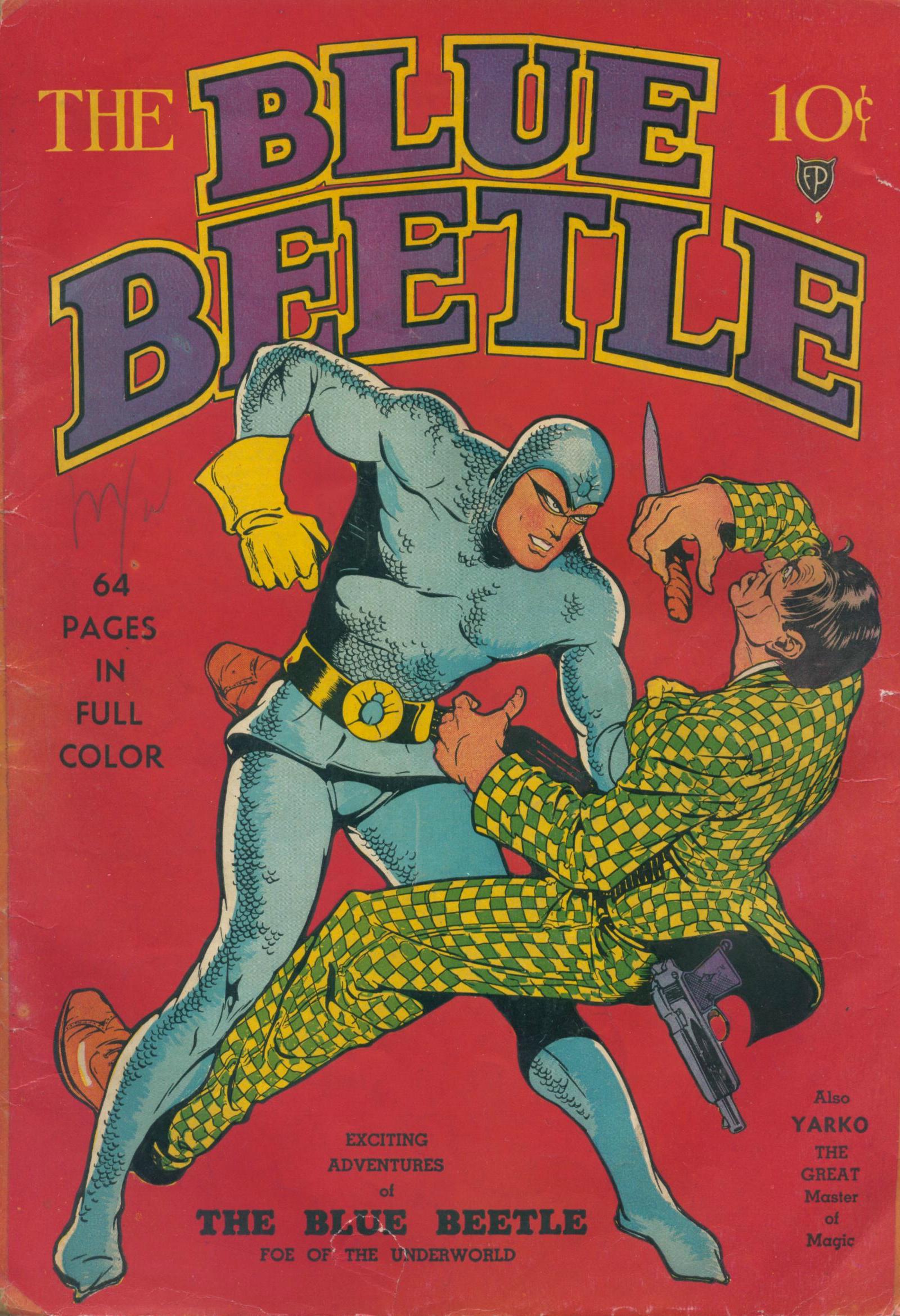
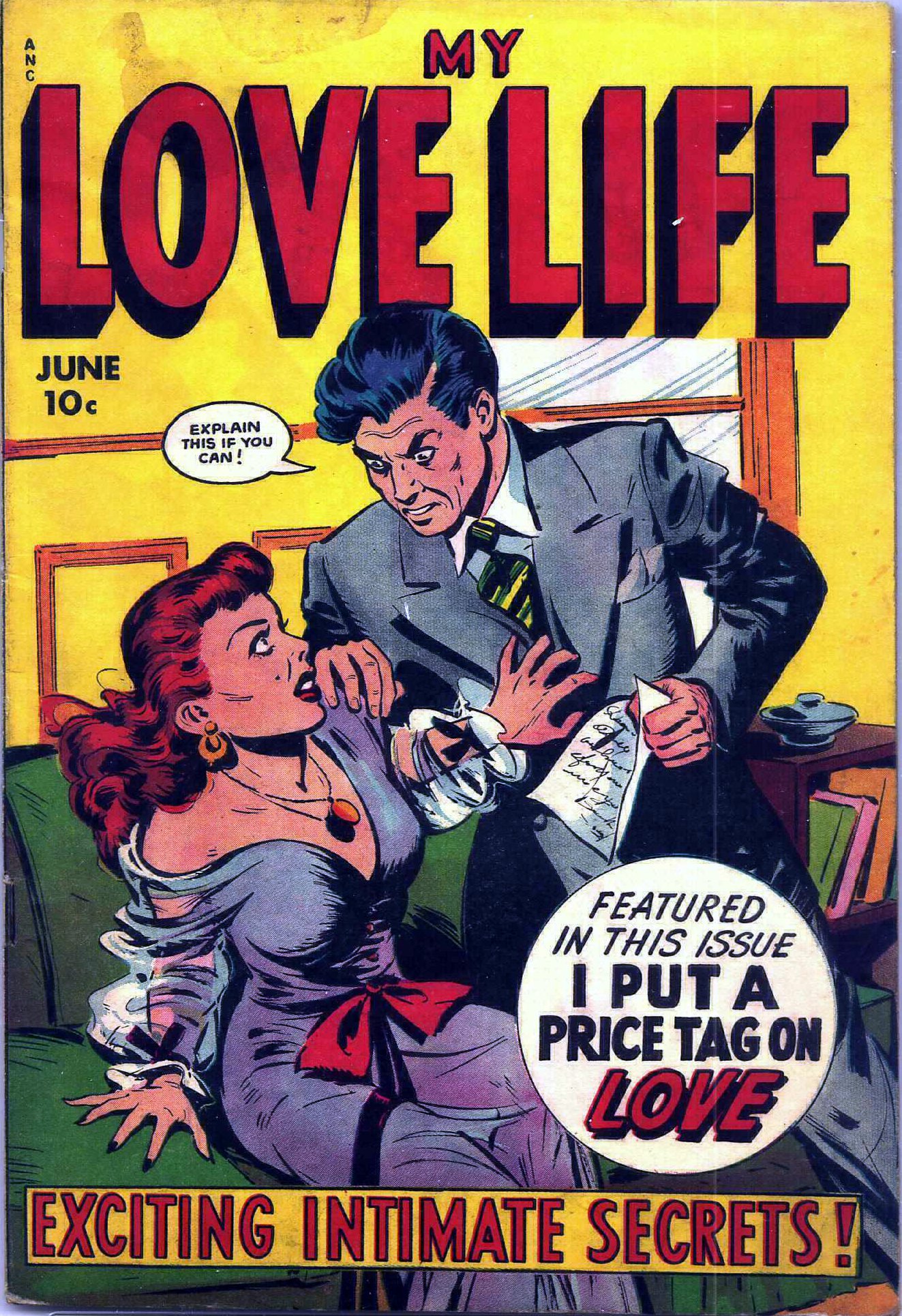
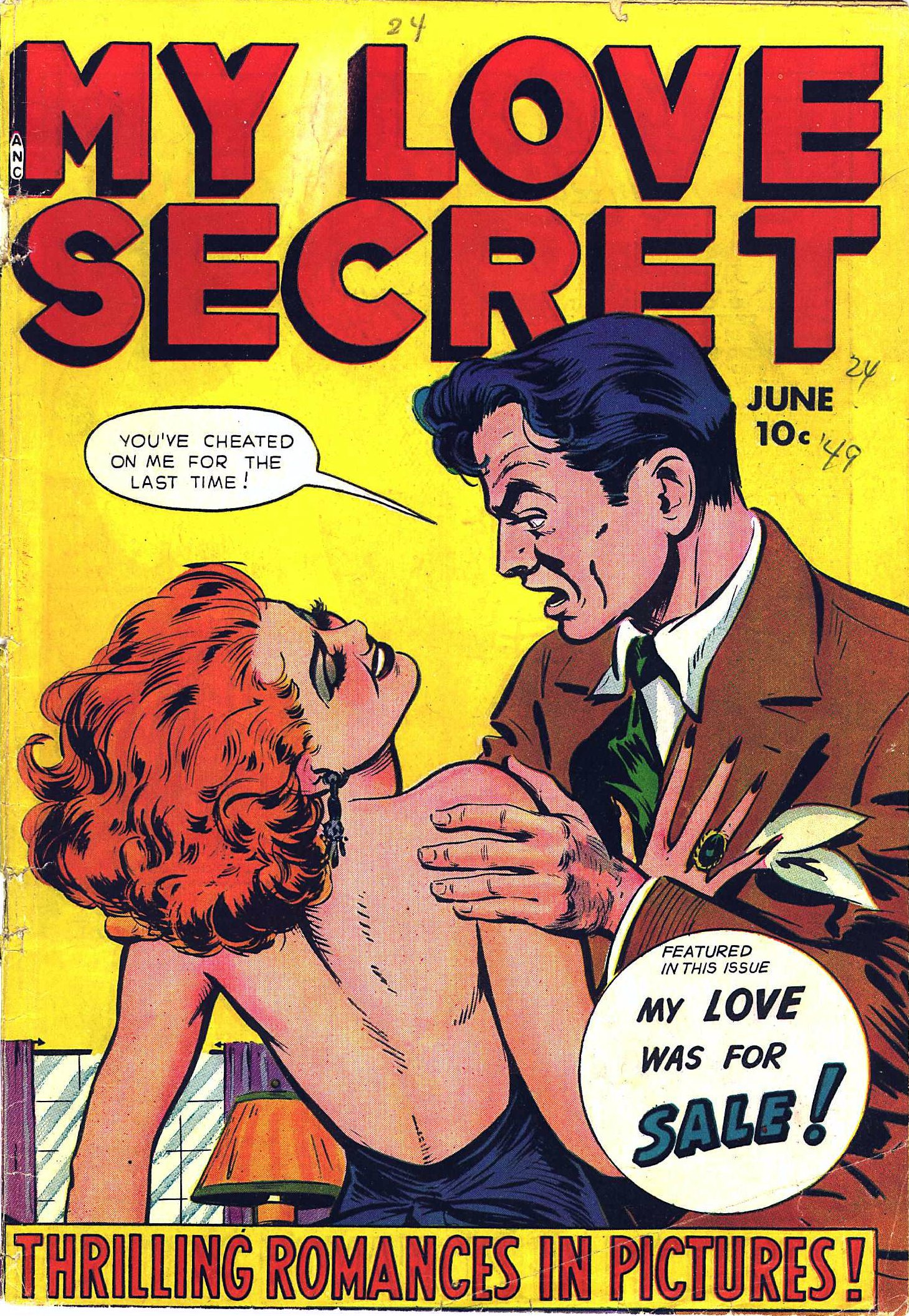
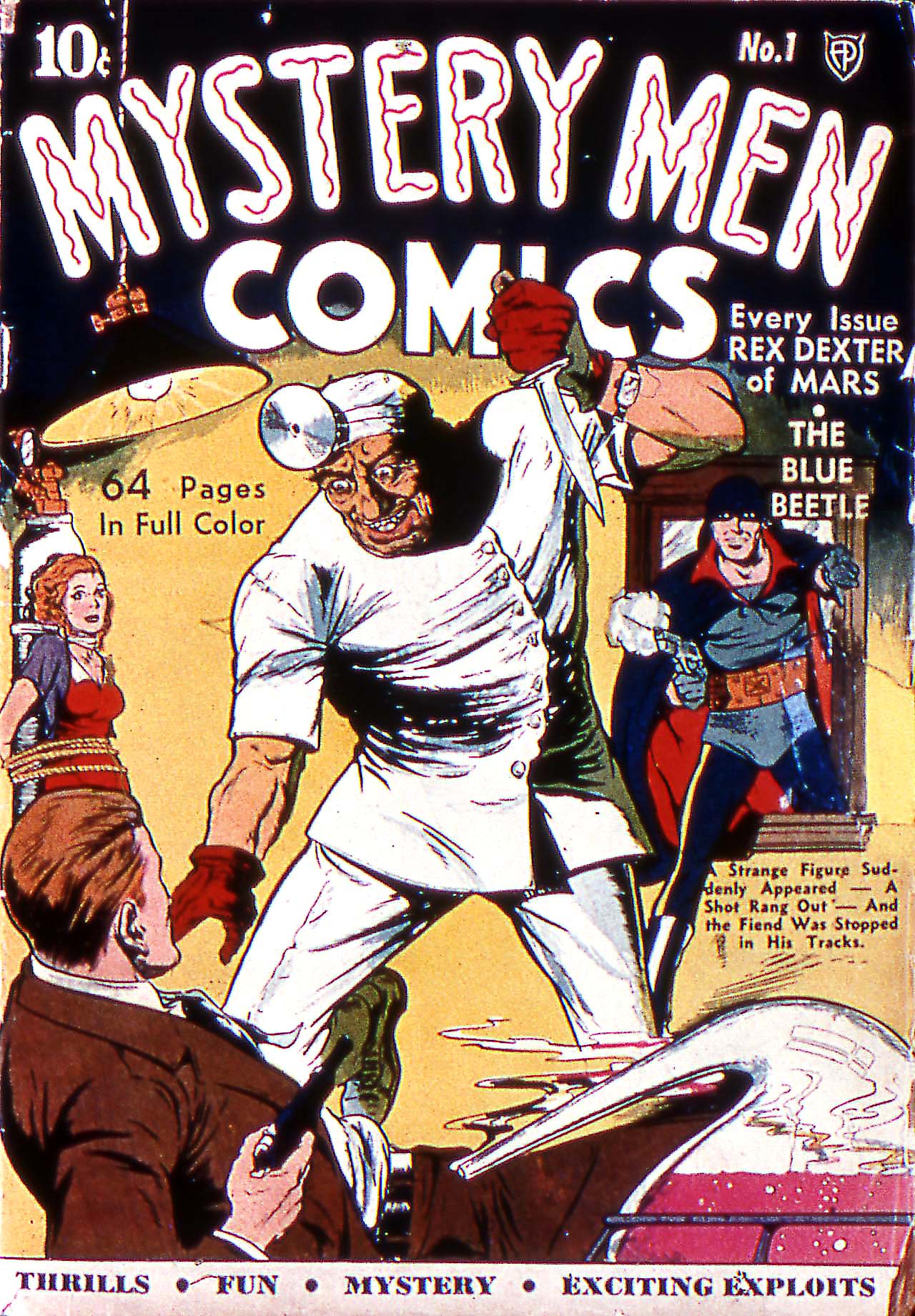

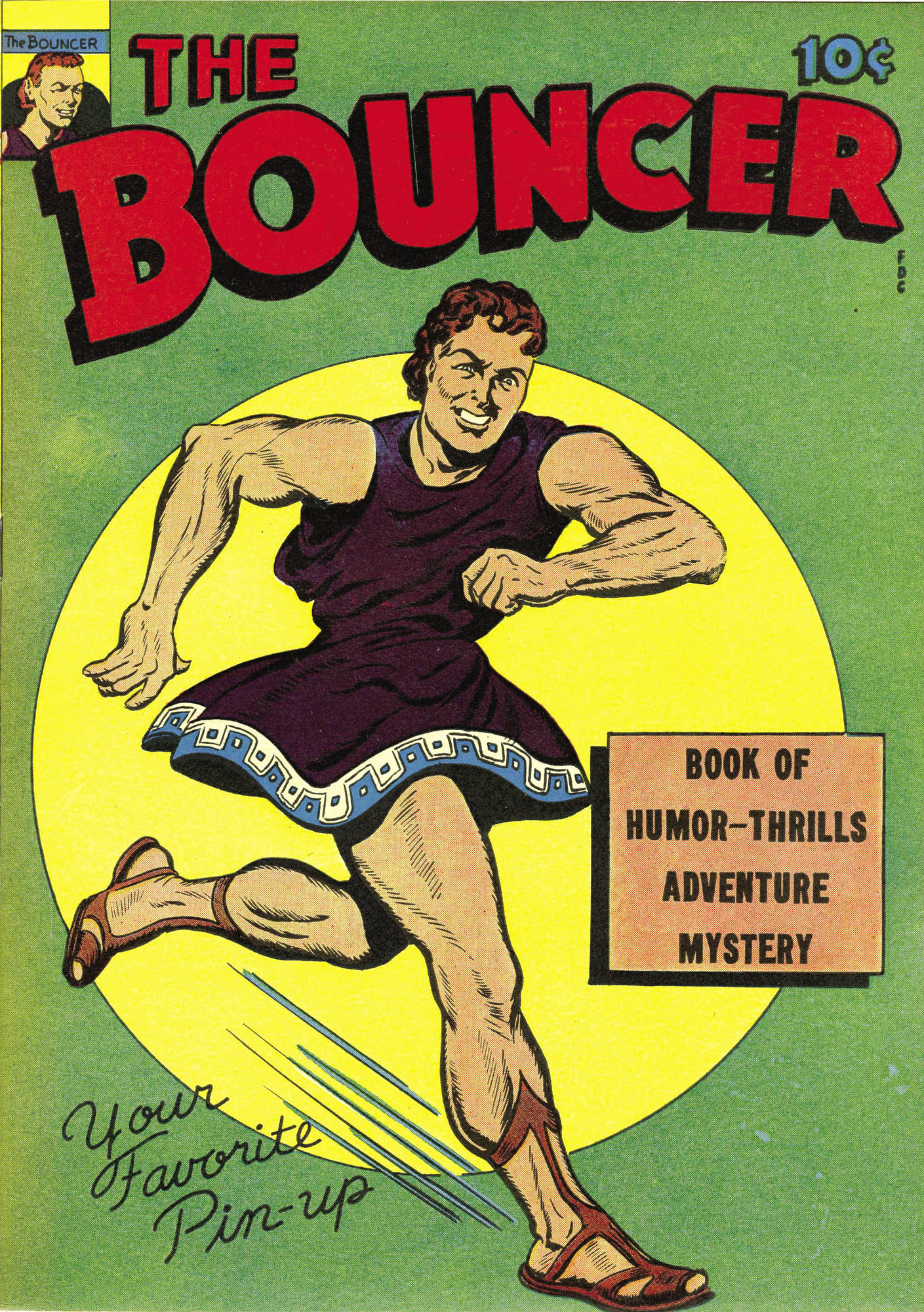
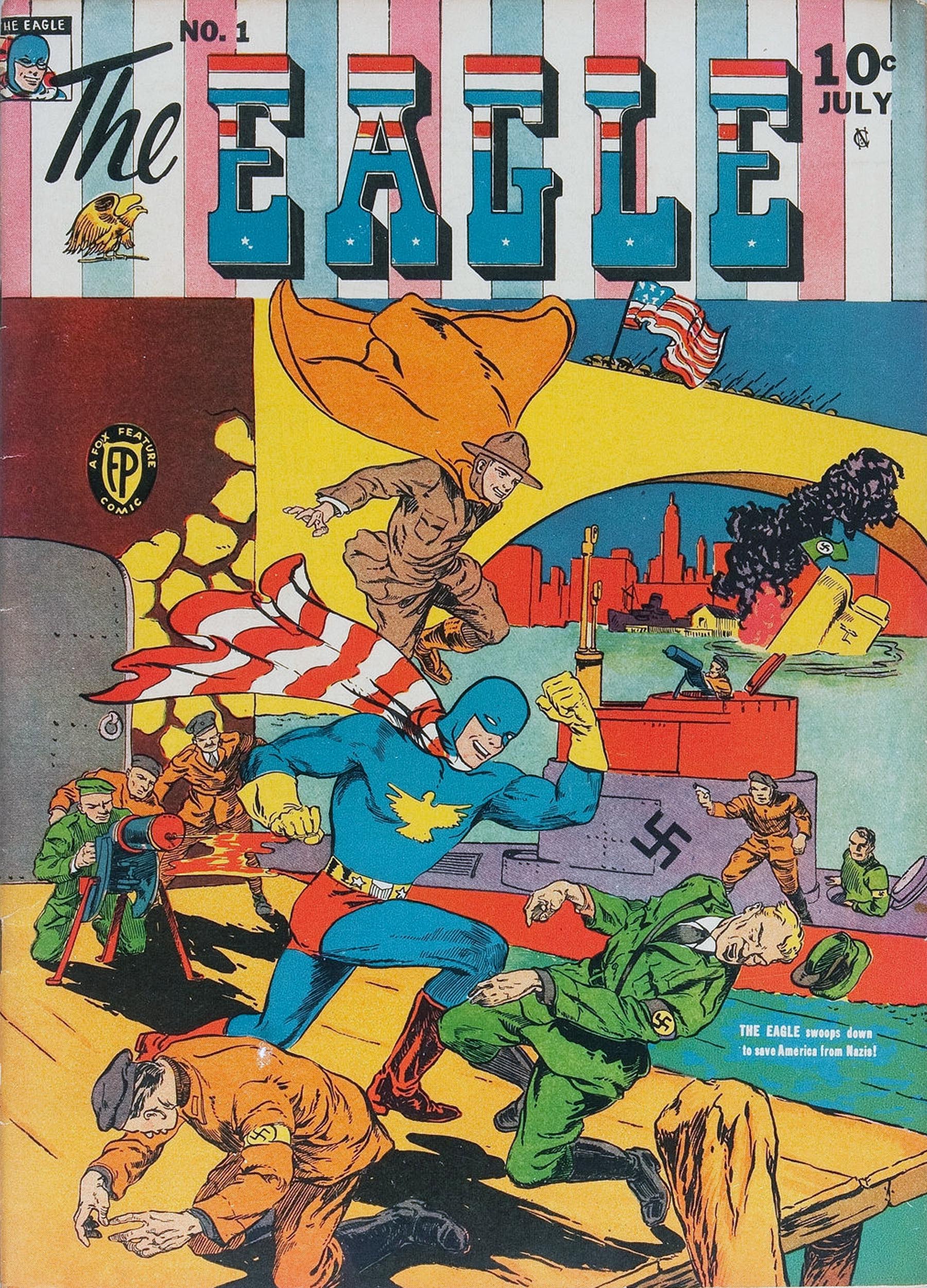


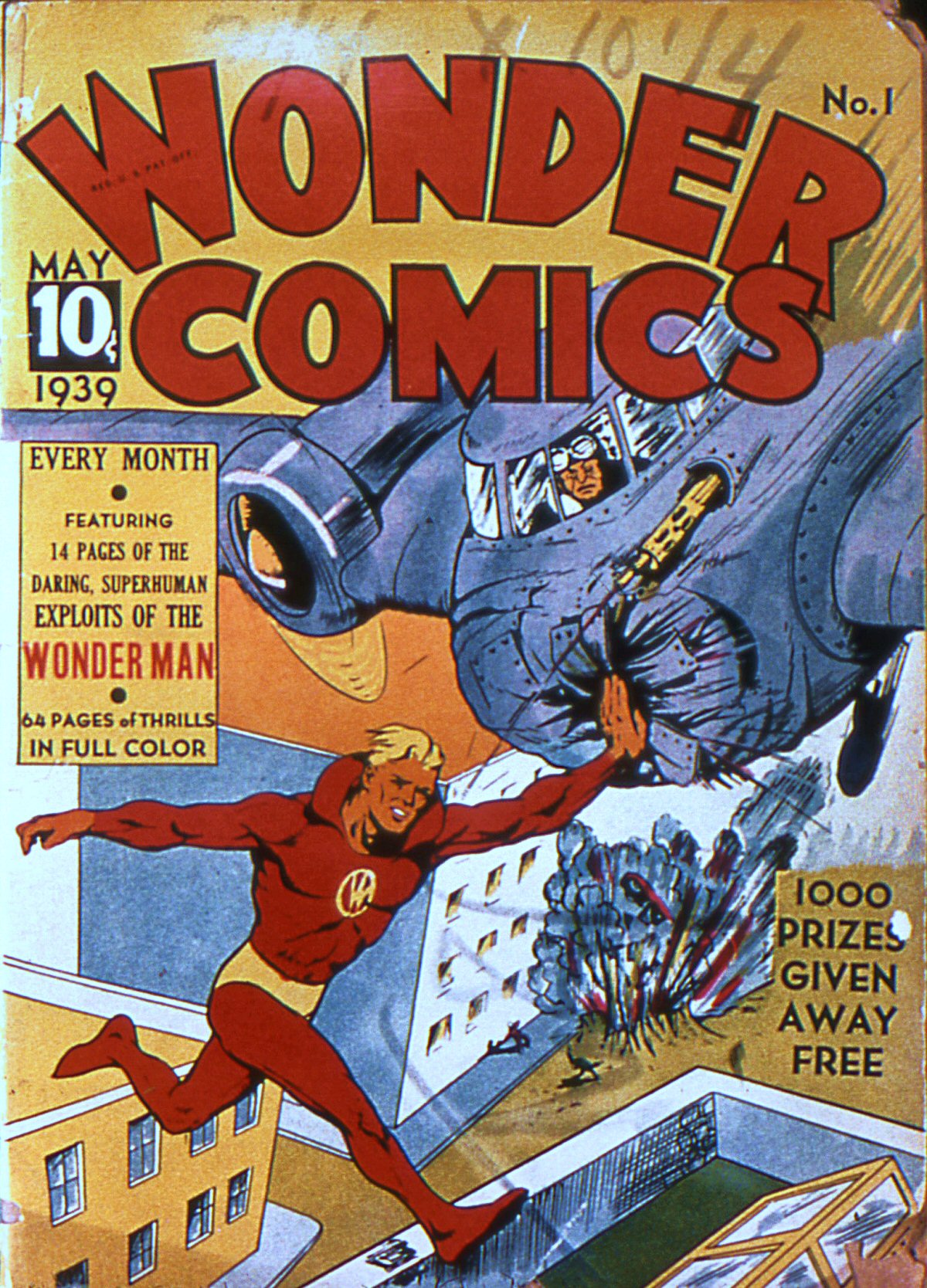
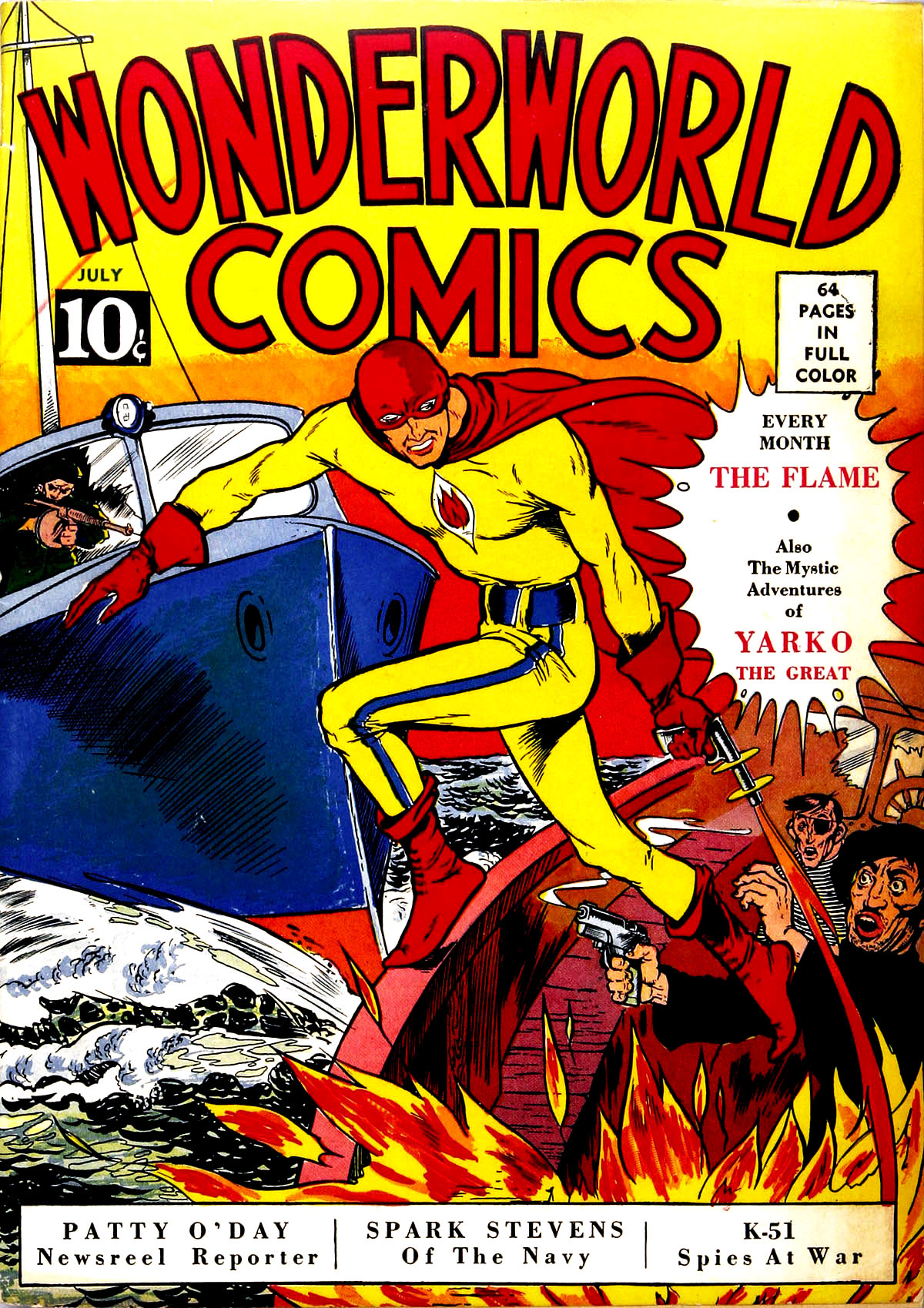
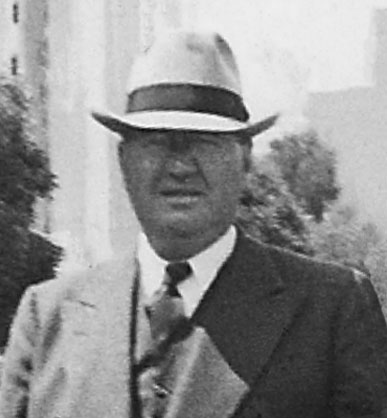
 Initiative Oméga