Fiction House: Founded in 1921, Fiction House was a pulp magazine publisher that expanded into comics in the early 1940s. They published a variety of genres, including adventure, romance, and science fiction. Notable titles include Jumbo Comics, Jungle Comics, and Wings Comics. Fiction House’s most popular character was Sheena, Queen of the Jungle, created by Will Eisner and Jerry Iger in 1937.
Ziff-Davis Publications: Founded in 1927, Ziff-Davis was primarily a publisher of pulp magazines and later science fiction and fantasy books. They began publishing comics in the early 1950s, with notable titles including « Tales of the Mysterious Traveler, » which was published from 1956 to 1959. The series featured science fiction and horror stories, often with twist endings. Other notable Ziff-Davis titles include « Space Adventures » and « Amazing Adventures. » They also briefly published a superhero title, « Captain Science, » in 1950. However, Ziff-Davis ceased publishing comics in 1957 and focused on their magazine and book publishing business.
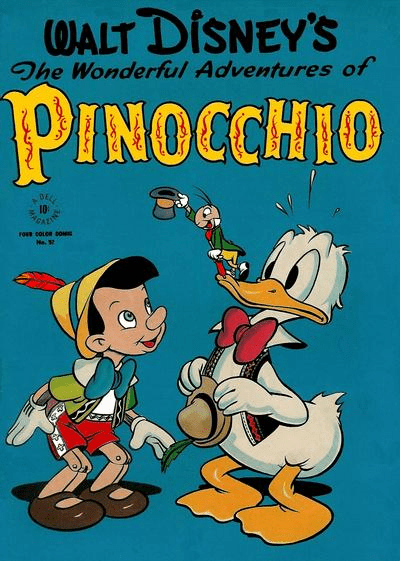
Dell Comics was founded in 1929 and was initially known for its pulp magazines. In the early 1940s, they began publishing comic books, including their flagship title « Four Color Comics ». They were a major publisher of licensed comics based on popular movies and TV shows, including titles featuring Disney characters such as Mickey Mouse and Donald Duck, as well as Warner Bros. characters like Bugs Bunny and Daffy Duck.
In terms of original titles, Dell Comics published a number of genres, including westerns, romance, and war comics. One of their most popular original characters was Captain Midnight, a superhero who first appeared in 1942. They also published a number of science fiction titles, including « Space Man », « Tom Corbett, Space Cadet », and « The Lone Ranger ».
DC Comics (formerly National Allied Publications): Founded in 1934, DC is one of the oldest and most well-known comic book publishers. They published a variety of genres, including superhero comics like Batman and Superman, as well as mystery and horror comics like The Spectre and House of Mystery. Some of DC’s most famous creators from the Golden Age include Bob Kane, Bill Finger, Jerry Siegel, Joe Shuster, and Jack Kirby.
Quality Comics: Founded in 1937, Quality was known for their superhero comics, including Plastic Man, Blackhawk, and The Spirit. They were acquired by DC Comics in 1956, which led to many of their characters becoming integrated into the DC Universe.
MLJ Comics (later Archie Comics): Founded in 1939, MLJ was initially known for their superhero comics, including the patriotic hero The Shield and the teenage superhero team The Mighty Crusaders. However, they later became famous for their teen humor comics, including Archie, Betty, and Veronica. MLJ changed their name to Archie Comics in 1946.
Marvel Comics (formerly Timely Comics): Founded in 1939, Marvel was known for their superhero comics, including Captain America, The Human Torch, and Sub-Mariner. In the 1960s, Marvel revolutionized the comics industry with their « Marvel Age of Comics, » which introduced a new generation of superheroes like Spider-Man, The X-Men, and The Fantastic Four. Some of Marvel’s most famous creators from the Golden Age include Jack Kirby, Joe Simon, and Stan Lee.
Fawcett Comics: Founded in 1939, Fawcett was best known for their superhero Captain Marvel, who was later renamed Shazam due to legal disputes with DC Comics. Fawcett also published titles like Bulletman and Ibis the Invincible.
Fox Feature Syndicate: Founded in 1939, Fox was known for their superhero comics, including the Golden Age version of The Blue Beetle and The Flame. They also published horror and crime comics, such as Jo-Jo Comics and Phantom Lady.
Lev Gleason Publications: Founded in 1939, Lev Gleason was known for their crime and adventure comics, including Daredevil and Crime Does Not Pay. They also published titles like Silver Streak and Boy Comics.
Comics Magazine Company, Nedor Publishing, Centaur Comics. During the Golden Age of comic books, from the late 1930s to the mid-1950s, several companies made their mark on the industry, including Comic Magazine Company (C.M.C.), Chesler Publications, Ultem Comics, and Centaur Comics. C.M.C., founded in 1936 by John Mahon and Bill Cook, debuted with The Comics Magazine and Funny Picture Stories. Chesler Publications, founded in 1937 by Harry « A » Chesler, provided early work to artists like Jack Cole and Otto Binder. Ultem Comics, founded in 1937 by I.W. Ullman and Frank Z. Temerson, acquired Chesler’s and C.M.C. and continued to produce titles until January 1938. Finally, Centaur Comics, founded in 1938 by Joseph Hardie and Raymond J. Kelly, had its own distribution network and published titles like Funny Pages, Detective Eye, and Fantoman. Although these companies were short-lived, they left a lasting impact on the comic book industry, with some of their creators and characters finding new homes at publishers like DC Comics and Marvel Comics.
Hillman Periodicals – Hillman Periodicals was a comic book publisher founded in 1939 by Robert W. Farrell. Hillman was known for publishing a variety of genres including superhero, western, and romance comics. Some of their most popular titles included « Airboy, » « Black Diamond Western, » and « My Date. » Hillman was also known for publishing some of the earliest superheroines, such as « Miss Fury » and « The Phantom Lady. » Notable artists who worked for Hillman during the Golden Age include Jack Kirby, Bob Powell, and Matt Baker. Hillman ceased publishing in 1953.
Holyoke Publishing – Holyoke Publishing was a comic book publisher founded in 1940 by Everett M. Arnold. During the Golden Age of Comics, Holyoke was known for publishing a variety of genres including superhero, western, and romance comics. Some of their most popular titles included « Cat-Man Comics, » « Captain Aero Comics, » and « The Green Hornet. » Holyoke was also known for their iconic superhero team-up book « The Holyoke Heroes, » which featured some of the most popular heroes of the time. Notable artists who worked for Holyoke during the Golden Age include Will Eisner, Joe Kubert, and Charles Sultan. Holyoke ceased publishing in 1954.
Standard/Better/Nedor/Pines Standard Comics was an American comic book imprint founded by Ned Pines. It was a parent company of two comic-book lines, Better and Nedor Publishing. During the Golden Age of comic books from 1939 to 1956, Standard was a prolific publisher. One of its best-known characters was the Black Terror. After Standard Comics ended its operations in 1956, only two titles continued under the Pines Comics imprint. These four imprints played a significant role in shaping the comic book landscape during their time.
Harvey Comics – Harvey Comics was a comic book publisher founded in 1941 by Alfred Harvey. During the Golden Age of Comics, Harvey was known for publishing a variety of genres including superhero, funny animal, and romance comics. Some of their most popular titles included « Casper the Friendly Ghost, » « Richie Rich, » and « Little Audrey. » Harvey was also known for their iconic superhero team-up book « The Harvey Superheroes, » which featured some of the most popular heroes of the time. Notable artists who worked for Harvey during the Golden Age include Joe Simon, Jack Kirby, and Warren Kremer. Harvey ceased publishing in 1994.
EC Comics – EC Comics was a comic book publisher founded in 1944 by Max Gaines. During the Golden Age of Comics, EC was known for publishing a variety of genres including horror, science fiction, and crime comics. Some of their most popular titles included « Tales from the Crypt, » « The Vault of Horror, » and « Crime SuspenStories. » EC was also known for their iconic horror host « The Crypt-Keeper, » who introduced many of their horror stories. Notable artists who worked for EC
Avon Publications – founded in 1945, ceased publishing comics in 1952. Avon Publications was a publishing company that was founded in 1945 by the American News Company. During the Golden Age of comics, Avon primarily published romance comics, westerns, and horror comics. Some of their popular titles included « Eerie, » « Weird Mysteries, » « Out of the Night, » « Love at First Sight, » and « The Lone Ranger. »
In 1952, Avon Publications stopped publishing comics due to declining sales, but the company continued to publish other types of literature, such as novels and magazines.
Charlton Comics – founded in 1946, ceased publishing in 1986. Charlton Comics was founded by John Santangelo Sr. in 1946 and was based in Derby, Connecticut. During the Golden Age of comics, Charlton published a wide variety of genres including superhero, science fiction, western, horror, romance, and crime comics. Some of their popular titles included « Blue Beetle, » « Captain Atom, » « The Question, » « Space Adventures, » and « Teen-Age Love. »
Charlton was known for its low-budget approach to publishing comics and was often referred to as a « nursery » or « training ground » for new talent. Many well-known creators in the comic book industry started their careers at Charlton, including Steve Ditko, John Byrne, and Denny O’Neil. Despite its reputation for low-budget comics, Charlton also had some popular characters and stories, such as the « Charlton Bullseye » series and « The Peacemaker. »
However, by the late 1970s, Charlton’s sales had declined significantly and the company ceased publishing comics in 1986. The rights to some of their characters were later acquired by DC Comics.
Trojan Comics – founded in 1949, ceased publishing in 1952 Trojan Comics was a short-lived comic book publisher that was founded in 1949 by Robert and Katherine Farrell. During its brief existence, Trojan published a variety of genres, including westerns, science fiction, and romance comics. Some of their popular titles included « Funnyman, » « Lash LaRue Western, » and « Roy Rogers Comics. »
Despite some popular titles, Trojan Comics struggled with distribution issues and ultimately ceased publishing in 1952 after only three years in the industry.
Ajax-Farrell Publications – founded in 1951, ceased publishing in 1958 Ajax-Farrell Publications was a comic book publisher that was founded in 1951 by Allen Hardy and Jack Farrell. The company primarily published romance and western comics, as well as some science fiction and horror titles. Some of their popular titles included « Young Love, » « True Life Romance, » « The Black Cat, » and « Adventures into the Unknown. » The company ceased publishing in 1958.
Ajax-Farrell was known for its use of recycled art and stories, with many of their comics featuring content that had been previously published by other publishers. The company ceased publishing in 1958 due to declining sales and distribution issues.
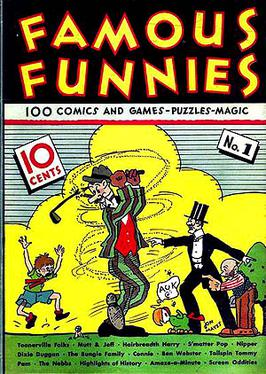
Eastern Colors The Eastern Color Printing Company was instrumental in transforming the American comic book industry. The company was founded in 1928 and initially focused on printing color newspaper sections for various papers in New England and New York. In 1930, Eastern developed an engraving process that allowed color to be added to black-and-white comics, which was a significant breakthrough for the newspaper syndicates. Eastern’s sales manager, Harry I. Wildenberg, came up with the idea of using comics as a medium for advertising in 1933, leading to the creation of Gulf Comic Weekly, the first promotional comic book. The company went on to publish the first modern-format comic book, Funnies on Parade, in 1933, and subsequently produced similar periodicals for other companies, including Canada Dry, Kinney Shoes, and Wheatena cereal. Eastern’s most popular comic book, Famous Funnies, was published in 1933 and became the first true American comic book. Eastern continued to print comic books until the mid-1950s and produced comic books for other publishers until 1973, but eventually closed in 2002 due to changes in printing technologies. Despite this, the company’s legacy as a pioneer in the American comic book industry remains strong.
United Features: United Feature Comics was a comic book publishing company that was active from the 1930s to the 1970s. During its heyday, United Feature Comics was responsible for publishing a number of popular comic strips, including some of the most well-known and beloved strips in history.
Colombia Comics Columbia Comics Corporation, fondée en 1940, a marqué l’âge d’or de la bande dessinée par son innovation et sa créativité. Née de la collaboration entre Vin Sullivan, le McNaught Syndicate et le Frank Jay Markey Syndicate, Columbia a lancé des titres emblématiques comme Big Shot Comics, introduisant des personnages iconiques tels que Skyman et The Face. La société a également entretenu une relation stratégique avec Eastern Color Printing, consolidant ainsi sa position sur le marché. Malgré la cessation de ses activités en 1949, l’influence de Columbia Comics persiste, son approche innovante de l’édition, ses personnages uniques et son soutien aux talents ayant laissé une empreinte durable sur l’industrie de la bande dessinée.
Comic books have been an important part of American popular culture for nearly a century, and one of the most influential publishers during the Golden and Silver Ages of comics was Dell Comics. Founded in 1929 by George T. Delacorte Jr., Dell Comics initially focused on publishing pulp magazines and reprints of classic literature. However, the company entered the comic book market in 1938 and quickly became one of the leading publishers in the industry.
Dell Comics was renowned for producing high-quality comics featuring popular licensed characters, including Mickey Mouse, Donald Duck, Tarzan, and Superman. These comics were extremely popular with readers of all ages and helped to establish many of the characters as icons of American popular culture. In fact, Dell Comics was the leading publisher of comic books in the United States during the 1950s, outselling even Marvel and DC Comics.
One of the defining moments in the history of Dell Comics came in the 1950s with the Senate Subcommittee on Juvenile Delinquency. This committee was established to investigate the link between comic books and juvenile delinquency. This led to the creation of the Comics Code Authority, which imposed strict regulations on comic book content. Dell Comics was one of the few publishers that supported the code, which helped to increase the company’s sales and establish its reputation for producing « wholesome » comics.
In addition to its impact on the comic book industry, Dell Comics played an important role in the wider popular culture of its time. In the 1940s and 1950s, comic books were one of the most popular forms of entertainment in America. The company’s licensed comics featuring popular characters from Disney, Warner Bros., and other major entertainment companies were hugely popular with readers and helped to establish many of these characters as beloved icons of American popular culture.
One of the most notable aspects of Dell Comics was the company’s commitment to producing high-quality comics. Dell was known for its innovative formats, such as the « Giant » and « King-Size » comics that featured larger pages and longer stories. The company’s artists and writers were among the best in the industry, and many of them went on to become legends in their own right. Some of the most famous artists who worked for Dell Comics include Carl Barks, who created many of the classic Donald Duck and Uncle Scrooge stories, and John Stanley, who created the popular character Little Lulu.
However, by the 1960s, Dell Comics faced increasing competition from new publishers, such as Marvel and DC Comics, and the rise of television as the dominant entertainment medium. In 1962, the company was acquired by Western Publishing and became part of the Gold Key imprint. While Dell Comics continued to produce licensed comics, including adaptations of popular TV shows like « Star Trek » and « The Twilight Zone, » sales began to decline. By the 1970s, Dell Comics faced significant financial difficulties and the company ceased publication in 1973.
Today, Dell Comics are highly prized by collectors and are seen as important artifacts of the Golden and Silver Ages of comics. The company’s support for the Comics Code Authority helped to establish its reputation for producing « wholesome » comics, and its commitment to producing high-quality comics helped to establish many beloved characters as icons of American popular culture. While Dell Comics may no longer be in business, its impact on the comic book industry and popular culture as a whole will be felt for generations to come.
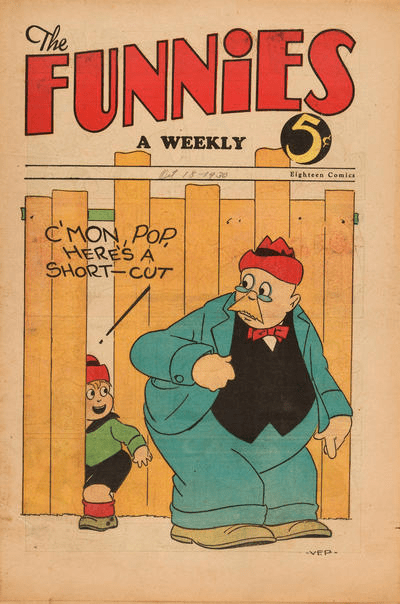
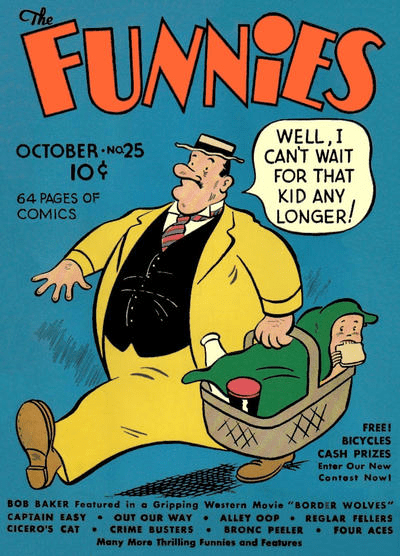
Dell Comics was the comic book publishing arm of Dell Publishing, which was established in 1929. The company published comics until 1974 and was the most successful comic book publisher in the United States, claiming to sell 26 million copies per month in 1953. Its first title was The Funnies, which was a newspaper tabloid insert.
Publication Dates:January 16, 1929 – October 18 1930 Number of Issues Published:36 (#1 – #36) Color:Color (some pages) Dimensions:10.5″ x 15.5″ Paper Stock: Newsprint (no covers)
Publication Dates:October 1936 – May 1942 Number of Issues Published:64 (#1 – #64) Color:full color and some black and white Dimensions:standard Golden Age U. S. Paper Stock:glossy cover; newsprint interior Binding:saddle-stitched Publishing Format:was ongoing series numbering continues with New Funnies (Dell, 1942 series)#65
The company collaborated with Eastern Color Printing to publish Famous Funnies: A Carnival of Comics in 1933, which was considered the first true American comic book.
Dell published the single-issue Famous Funnies: Series 1 in 1934. In 1938, Dell formed a partnership with Western Publishing to finance and distribute publications that Western would produce, which was a highly successful enterprise.
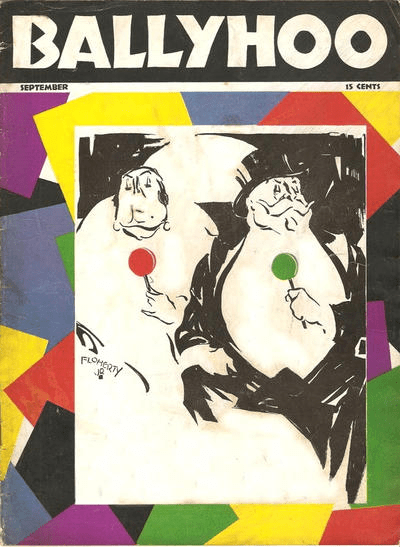
Publication Dates:August 1931 – February 1939 Number of Issues Published:86 (#v1#1 – #v16#1) Color:Full Color Cover; Black and White Interior Dimensions:Magazine SizeBinding:Saddle-stitched Adult oriented humor magazine. Lots of cartoons about drinking, prohibition, repeal, gambling, girls, the depression, gangsters. Social commentary on the times. Many of the cartoons are risque. Also contains fake advertising (like « wacky packages »). Large format 8.5″ X 11.5″ on nice stock.
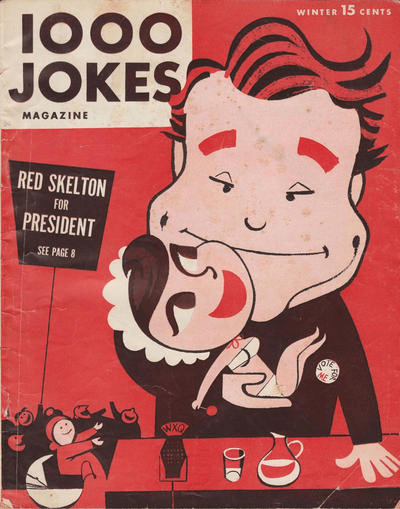
Publication Dates:1938 – March-May 1969 Number of Issues Published:117 (#14 – #129) Color:black and white interiors; color cover Dimensions:magazine sized Paper Stock:glossy white Binding:saddle-stitched; squarebound Publishing Format:was ongoing series Publication Type:magazine Numbering continues from 1000 New Jokes (Dell, 1934 series)
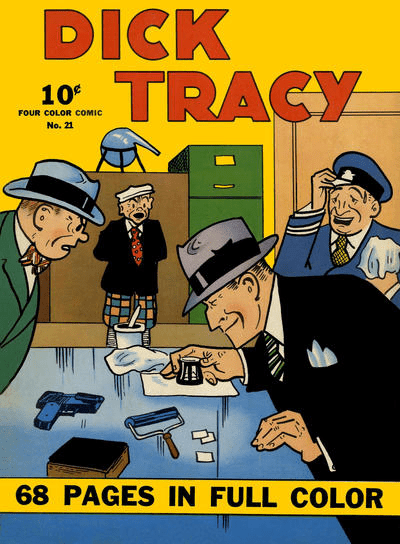
Dell Comics was best known for its licensed material, such as characters from Walt Disney Productions, Warner Bros., Metro-Goldwyn-Mayer, and Walter Lantz Studio, along with many movie and television properties. From 1938 to 1962, Dell’s most notable and prolific title was the anthology Four Color.
Publication Dates:1942 – April-June 1962 Number of Issues Published:1331 (#1 – Little Joe – #1354 – Calvin and the Colonel) Color:color Dimensions:standard Golden Age U.S.; standard Silver Age U.S. Paper Stock:glossy cover; newsprint interior Binding:saddle-stitched Publishing Format:was ongoing series Publication Type:magazine
Published in English (United States) Publication Dates:[April] 1939 – 1942 Number of Issues Published:30 (#1 – #30) Color:color covers; black and white interiors Dimensions:8.5″ X 11.37″ Paper Stock:newsprint- covers 1-9 heavy rough stock, 10-30 slick coated stock but very thin Binding:saddle-stitched Publishing Format:was ongoing series Publication Type:magazine
Publication Dates:October 1940 – August 1962 Number of Issues Published:264 (#v1#1 [1] – #v22#11 (263)) Publishing Format:Was ongoing series Publication Type:magazine
A Look at Some of Their Most Popular Characters
Dell Comics was a prominent comic book publisher during the mid-20th century. They had a long-standing licensing agreement with Walt Disney Productions and Warner Bros., which allowed them to produce comics featuring some of the most beloved characters from these studios. But Dell Comics also had their own original characters that gained popularity in their own right. In this article, we’ll take a closer look at some of the most popular characters that appeared in Dell Comics.
Disney Characters
Dell Comics had a deep relationship with Walt Disney Productions, which allowed them to produce comics featuring many of Disney’s iconic characters. Mickey Mouse, Donald Duck, Goofy, and Pluto were all featured in their own series, as were lesser-known characters like Chip ‘n Dale, Scrooge McDuck, and the Three Little Pigs.
Warner Bros. Characters
In addition to Disney characters, Dell Comics also had a licensing agreement with Warner Bros. This allowed them to produce comics featuring characters from the Looney Tunes and Merrie Melodies cartoons, including Bugs Bunny, Daffy Duck, and Porky Pig.
Little Lulu
Created by Marjorie Henderson Buell in 1935, Little Lulu was a popular comic strip that eventually became a comic book series published by Dell Comics. The character was known for her wit and resourcefulness, and her comics were popular with both children and adults.
Tarzan
Dell Comics published a long-running series of Tarzan comics, which were based on the popular character created by Edgar Rice Burroughs. The comics followed Tarzan’s adventures in the jungle and often featured his wife, Jane, and their son, Boy.
The Lone Ranger
The Lone Ranger was a popular western character who starred in his own series of Dell Comics. The character was known for his silver bullets and his code of honor, which he followed as he fought against injustice in the Old West.
Turok, Son of Stone
Turok was a Native American hero who fought prehistoric creatures in his adventures. Created by Dell Comics, the character was known for his bravery and resourcefulness.
Zorro
Zorro was a masked vigilante who fought against corruption and injustice in Spanish California. The character was popularized by a series of Dell Comics, and he has since been adapted into numerous movies and television shows.
Felix the Cat
Felix the Cat was a classic cartoon character who had a long-running comic book series published by Dell Comics. Known for his mischievousness and his trademark grin, Felix was a popular character with readers of all ages.
Nancy and Sluggo
Nancy and Sluggo were characters from the popular comic strip created by Ernie Bushmiller. Dell Comics adapted the strip into a comic book series that was beloved by readers for its wit and humor.
Looney Tunes Characters
In addition to Bugs Bunny, Daffy Duck, and Porky Pig, Dell Comics also published comics featuring other Looney Tunes characters like Tweety Bird, Sylvester, and Yosemite Sam. These comics were popular with children and adults alike.
Uncle Scrooge McDuck
Created by Carl Barks, Uncle Scrooge was a popular character in the Disney comics published by Dell Comics. The character was known for his wealth and his adventurous spirit, and his comics often featured him on treasure-hunting expeditions around the world.
Other Characters
Dell Comics also published comics featuring original characters like Little Audrey, Little Dot, Richie Rich, and Casper the Friendly Ghost. They also published comics featuring characters from other media like Flash Gordon, Mandrake the Magician, and Dick Tracy.
GEORGE DELACORTE, Jr.
(1893-1991)
George Thomas Delacorte Jr. was born on June 20, 1893 in Brooklyn, New York. He attended Brooklyn Boys’ High School and then went on to study at Harvard University and Columbia College, where he studied the Business of Advertising.
In 1912, he married Margarita Von Doenhoff and they had a son named Albert. Margarita was a certified German Language High School Teacher, and George worked in advertising.
In 1923, George founded his own publishing company, Dell Publishing Co., which became one of the largest publishers of paperback books in the world. He also founded the Delacorte Press, which published many successful novels, including Truman Capote’s « In Cold Blood » and William Goldman’s « The Princess Bride ».
In addition to his publishing ventures, George was also a philanthropist, donating money to various causes, including the Central Park Zoo and the Shakespeare Garden in Central Park. He also founded the Delacorte Theater in Central Park, which has hosted free performances of Shakespearean plays since 1962.
George Thomas Delacorte Jr. passed away on May 8, 1991, leaving behind a legacy as a successful publisher, philanthropist, and lover of the arts.
The notion of individualism is one that has been explored by many thinkers throughout history. From the Enlightenment philosophers to the existentialists of the 20th century, the concept of the individual has been at the forefront of philosophical discourse. One such thinker who contributed to this discourse was the German philosopher Max Stirner, whose book « The Ego and Its Own » presented a radical form of individualism that rejected all forms of external authority and emphasized the importance of the individual’s unique sense of self.
Published in 1844, « The Ego and Its Own » was part of the intellectual movement known as the Young Hegelians, who were critical of the conservative Hegelian philosophy prevalent in Germany at the time. Stirner’s work, however, went beyond mere criticism, as he presented a radical vision of individual freedom and autonomy that challenged the dominant ideologies of his time.
At the heart of Stirner’s philosophy is the rejection of fixed ideology and the embrace of individual self-interest. He argued that individuals should be free to pursue their own desires and goals without being constrained by external norms or values. For Stirner, any attempt to impose external authority was a form of oppression, and the individual’s unique sense of self should be the highest authority in one’s life.
Stirner’s concept of the « ego » refers to the individual’s unique sense of self, which he argued should be the highest authority in one’s life. This means that individuals should be free to pursue their own goals and desires without being constrained by external norms or values. Stirner saw this as a way to overcome the limitations imposed by traditional morality and social conventions, which he argued were based on false notions of duty and obligation.
Stirner’s rejection of external authority extended to all forms of fixed ideology, including religious, political, and moral beliefs. He argued that these ideologies were used to control and oppress individuals, and that the individual should instead focus on their own self-interest. For Stirner, the individual’s actions should be guided solely by their desires and interests, and any attempt to impose external moral or ethical principles was a form of coercion.
Stirner also critiqued traditional morality and social conventions, which he saw as limiting individual freedom and autonomy. He argued that these norms were based on false ideas of duty and obligation, and that individuals should instead focus on their own self-interest. Stirner believed that individuals should reject any external authority that tries to impose moral or ethical principles on them, even if these principles are widely accepted or considered « universal. »
Stirner’s rejection of fixed identity was also an important part of his philosophy. He argued that individuals are constantly changing and evolving, and that the ego is a dynamic force that is constantly seeking to expand its power and influence. For Stirner, the individual’s uniqueness is what makes them human, and they should reject any attempt to limit or define their identity.
While Stirner’s ideas were controversial in his time, they have had a significant influence on later philosophical movements and thinkers. The anarchist movement, for example, has been influenced by Stirner’s rejection of external authority and fixed ideology, as well as his emphasis on individual freedom and autonomy. Similarly, the existentialist movement of the 20th century was influenced by Stirner’s rejection of fixed identity and his emphasis on the individual’s unique sense of self.
In conclusion, « The Ego and Its Own » is a radical critique of the dominant ideologies of Stirner’s time, and an attempt to create a new vision of individual freedom and autonomy. Stirner’s rejection of external authority, fixed ideology, and traditional morality, as well as his emphasis on the individual’s unique sense of self, have had a significant influence on later philosophical movements and thinkers. While some of Stirner’s ideas have been controversial, his work
The Mass Psychology of Fascism is a seminal work that explores the psychological and social factors that led to the rise of fascism in Germany. Written by Wilhelm Reich, a psychoanalyst and former student of Sigmund Freud, the book provides a unique perspective on the roots of fascism that goes beyond traditional political or economic explanations.
Reich argues that fascism is not simply a political movement, but a reflection of deep-seated psychological and emotional needs in the population. He suggests that fascism arises when individuals feel alienated, helpless, and afraid, and seek a strong leader or ideology to give them a sense of purpose and belonging.
To understand the roots of fascism, Reich examines the authoritarian ideology of the family, the role of sexual repression, and the appeal of mysticism and nationalism in fascist movements. He sees the authoritarian family as a microcosm of the larger society, where parents exert complete control over their children and instill in them a sense of obedience and conformity. This upbringing creates a sense of powerlessness in the individual, which they seek to overcome through identification with a strong leader or ideology.
Reich also argues that sexual repression plays a key role in the development of fascism. He sees sexual repression as a form of social control that creates a sense of guilt and anxiety in individuals, which they seek to alleviate through identification with a strong leader or ideology. In this way, fascism provides an outlet for repressed sexual and aggressive impulses, which are channeled into violence and domination.
Finally, Reich examines the appeal of mysticism and nationalism in fascist movements. He sees mysticism as a form of escape from the realities of everyday life, where individuals seek to transcend their material existence and connect with a higher power. Nationalism, on the other hand, provides individuals with a sense of belonging and identity, which they may lack in their everyday lives.
When we examine the current political climate in the United States, we can see many of these same factors at play. There is a growing sense of alienation and powerlessness among many Americans, who feel left behind by globalization, economic inequality, and cultural change. This sense of alienation has fueled a rise in nationalism and nativism, as individuals seek to reassert their identity and sense of belonging in an increasingly diverse and globalized world.
At the same time, we are witnessing a resurgence of authoritarianism and an attack on democratic norms and institutions. This has been exemplified by the rise of Donald Trump, who has been accused of authoritarian tendencies and a disregard for democratic norms and the rule of law.
The appeal of Trump and his brand of politics can be seen as a reflection of the same psychological and emotional needs that Reich identifies in his analysis of fascism. Trump has positioned himself as a strong leader who can restore American greatness and protect the interests of the « real » Americans. He has appealed to the anxieties and resentments of many Americans, offering a vision of a return to a simpler, more secure past.
In this sense, the rise of Trump and the current political climate in the United States can be seen as a warning sign of the potential for fascism to take hold in modern democracies. It is a reminder that we must remain vigilant against the forces of authoritarianism, nationalism, and hate, and work to build a more inclusive and democratic society.
In conclusion, Reich’s Mass Psychology of Fascism provides a valuable framework for understanding the roots of fascism and authoritarianism. His analysis of the psychological and emotional factors that drive these movements offers insights that are still relevant today, as we confront the rise of authoritarianism and nationalism in many parts of the world. By recognizing and addressing these underlying factors, we can work to build a more just and democratic society, where the forces of hate and authoritarianism are kept at bay.
Wilhelm Reich was a pioneering figure in the fields of psychoanalysis, sexology, and alternative medicine, whose work had a profound impact on our understanding of human psychology and social behavior. Born in Austria in 1897, Reich trained as a psychoanalyst under Sigmund Freud, and later developed his own theories and practices that challenged established norms and practices in the field.
One of Reich’s most influential contributions was his theory of the orgasm, which he outlined in his 1927 book, The Function of the Orgasm. In this work, Reich argued that the repression of sexual energy leads to psychological and physical disorders, and that release of this energy through orgasm is essential for maintaining good mental and physical health. Reich believed that the orgasm was not simply a physical release of tension, but an expression of a person’s overall emotional and psychological well-being.
Reich’s ideas on the role of sexuality in mental health were highly controversial at the time, and his work was met with skepticism by some in the medical and psychological establishment. However, his ideas would go on to influence a generation of psychologists and therapists, who saw the importance of addressing their patients’ sexual issues as a critical component of their overall mental health.
Reich’s later work focused on the study of character, and he developed the concept of « character armor », which referred to the emotional and physical blocks that individuals develop in response to traumatic experiences. Reich believed that these blocks, or « armor », could be released through a form of psychotherapy he called « character analysis ». In this approach, the therapist works with the patient to identify and address the sources of their emotional and psychological blocks, helping them to release the emotional tension that has been stored in their body.
Reich’s work on character analysis and the role of emotional armor in social behavior was highly influential in the field of psychology, and it continues to be an important area of study and practice to this day. Reich’s insights into the relationship between sexual repression and authoritarianism were also groundbreaking, and he developed a theory that the rise of fascism in Europe was a direct result of the patriarchal family structure and sexual repression that characterized European society at the time.
Reich’s work in the 1940s and 1950s focused on the study of bioenergy, which he believed was a universal life force that permeated all living organisms. In his 1948 book, The Cancer Biopathy, Reich developed his controversial theory that cancer was caused by a bioenergetic disturbance in the body, and that it could be cured through a form of bioenergetic therapy. Reich also developed a theory of « orgone energy », which he believed could be harnessed and used to treat a range of physical and mental illnesses.
Reich’s work on bioenergy and orgone energy was highly controversial, and it led to conflict with the government authorities in the United States. Reich’s claims were met with skepticism by the medical establishment, and his theories were never fully validated by scientific research. Nevertheless, his ideas continue to be studied and debated by scholars and practitioners in a range of fields, and his contributions to our understanding of human psychology and social behavior remain an important part of the history of modern psychology.
complete wilhelm reich bibliography
Der triebhafte Charakter: Eine psychoanalytische Studie zur Pathologie des Ichs (The Impulsive Character: A Psychoanalytic Study of the Pathology of the Self) – 1925
Über den Gegensatz von Sexualität und Kultur (The Contrast Between Sexuality and Culture) – 1936
Die Funktion des Orgasmus: Zur Psychopathologie und zur Soziologie des Geschlechtslebens (The Function of the Orgasm: Sex-Economic Problems of Biological Energy) – 1927
Charakteranalyse: Technik und Grundlagen für studierende und praktizierende Analytiker (Character Analysis: Principles and Techniques for Psychoanalysts in Practice and Training) – 1933
Massenpsychologie des Faschismus (The Mass Psychology of Fascism) – 1933
Die Sexualität im Kulturkampf (The Sexual Revolution) – 1936
Die Entdeckung des Orgons: Eine Entdeckung von entscheidender Bedeutung für die Naturwissenschaften und für das Leben (The Discovery of the Orgone: Volume One, The Function of the Orgasm) – 1942
Christusmord: Eine klinische Studie (The Murder of Christ: A Clinical Study) – 1953
Ether, God and Devil: Cosmic Superimposition – 1951
People in Trouble – 1953
The Cancer Biopathy – 1948
Cosmic Superimposition: An Inquiry into the True Nature of the Universe – 1951
Listen, Little Man! – 1948
Reich Speaks of Freud – 1967
The Bioelectrical Investigation of Sexuality and Anxiety – 1937
Reich’s Selected Writings: An Introduction to Orgonomy – 1960
The Mass Psychology of Fascism: Third Edition – 1970
Selected Writings: An Introduction to Orgonomy – 1973
Children of the Future: On the Prevention of Sexual Pathology – 1972
The Bion Experiments: On the Origins of Life – 1979
Sing, O muse, of Zorusson, who once was blessed, But suffered loss of all he held dear, his heart oppressed, With loved ones gone and commerce vanished, He found himself adrift and without purpose banished.
Then, in his sorrow, came a call from on high, A mission to help others, to hear their anguished cry, But the task seemed overwhelming, his doubt grew, Yet he found strength in his love for his daughter, his heart anew.
A mentor appeared, the Omega Man, Teaching Zorusson the ways of superheroism, his guide and plan, From willpower, science, and discipline to costumes and identities, And the ways to build networks, teamwork, and technical abilities.
With his training complete, Zorusson crossed a threshold, Leaving his old life behind, his future to unfold, Obstacles were many, despair, depression, and addiction, But with his determination, he overcame each affliction.
The road of trials was long, filled with challenges and tests, Opposition from those who sought to undermine his quests, He established a new Omega Initiative, ready for the return of the Omega Man, Developing leadership skills and making amends for his past, a noble plan.
A young girl, Saturnita, also practiced superheroism, Her embodiment of love and compassion gave him emotional nourishment, Hope rekindled, Zorusson realized his mission was his to achieve, To make the human condition better, a higher purpose to receive.
Transcending to a new level of understanding and enlightenment, Zorusson took control of his life, his destiny, with new excitement, Inspiring and helping others, a symbol of hope and compassion, Superheroism became a way of life, spreading across the land, a new fashion.
Thus, ends the tale of Zorusson, a hero of legend, Whose journey inspires all, a noble message to send, Of perseverance, courage, and hope, A shining example of how to cope.
As the night sky hung heavy above the city, a solitary figure emerged from the shadows, bearing the name of Zorusson. He was a man reborn, remade from the shattered remnants of his former self. His eyes blazed with an intensity, a fiery will to redeem himself and his fellow human beings. And with each step he took, he drew closer to his true destiny, to the purpose for which he had been created.
Zorusson was not just a man, but a force of nature, a living embodiment of compassion and hope. He had undergone the arduous training of the Omega Initiative, directly guided by the Omega Man himself. And though the Initiative may have fallen, its teachings lived on through him.
As he strode through the city, Zorusson felt a deep connection to the people around him. He saw the hunger, the pain, the suffering etched on their faces, and he knew that he had been called to assist them. And so he began to feed the hungry, to heal the sick, to comfort the brokenhearted.
Zorusson’s actions were not born from a desire for fame or fortune, but from a deeper, more profound sense of purpose. He had been touched by the suffering of others, and he knew that he had the power to make a difference in their lives.
At first, people were wary of him, uncertain of this stranger who seemed to have descended from the heavens. But as Zorusson continued to help them, they began to realize that he was sincere, that he genuinely cared about their well-being.
As he toiled tirelessly to ease the pain of those around him, Zorusson began to attract attention from the media. They dubbed him a hero, a savior, a saint. But Zorusson knew that his true mission was not to be found in the admiration of others, but in the lives he was able to touch and transform through his acts of kindness and compassion.
Over time, Zorusson’s message of love and hope began to spread throughout the city, and beyond. People from all over the world began to take notice of him, inspired by his unwavering commitment to assisting others.
Despite the resistance of those who sought to undermine his efforts, Zorusson remained steadfast in his mission. He knew that his path was not an easy one, that he would face many challenges and obstacles along the way. But he also knew that he had been chosen for a special purpose, to be a beacon of light in a world filled with darkness.
And so Zorusson continued to walk the path of compassion and hope, his spirit unbroken by the trials and tribulations that lay ahead. For he knew that he had been designated for a special purpose, to be a messenger of love and healing in a world that sorely required it.













































 Initiative Oméga