Lev Gleason

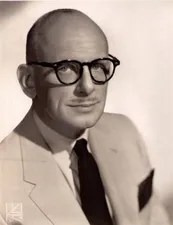
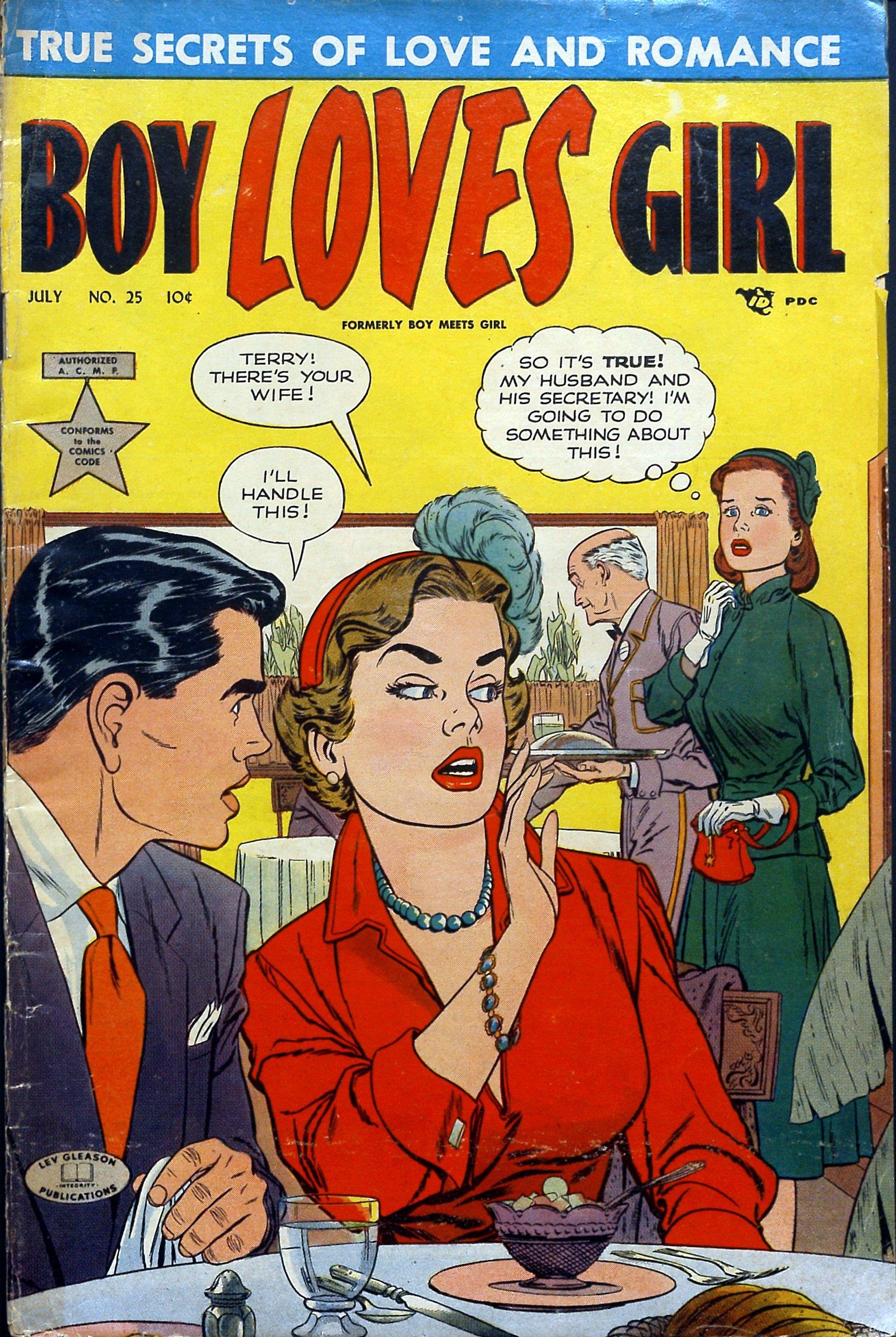
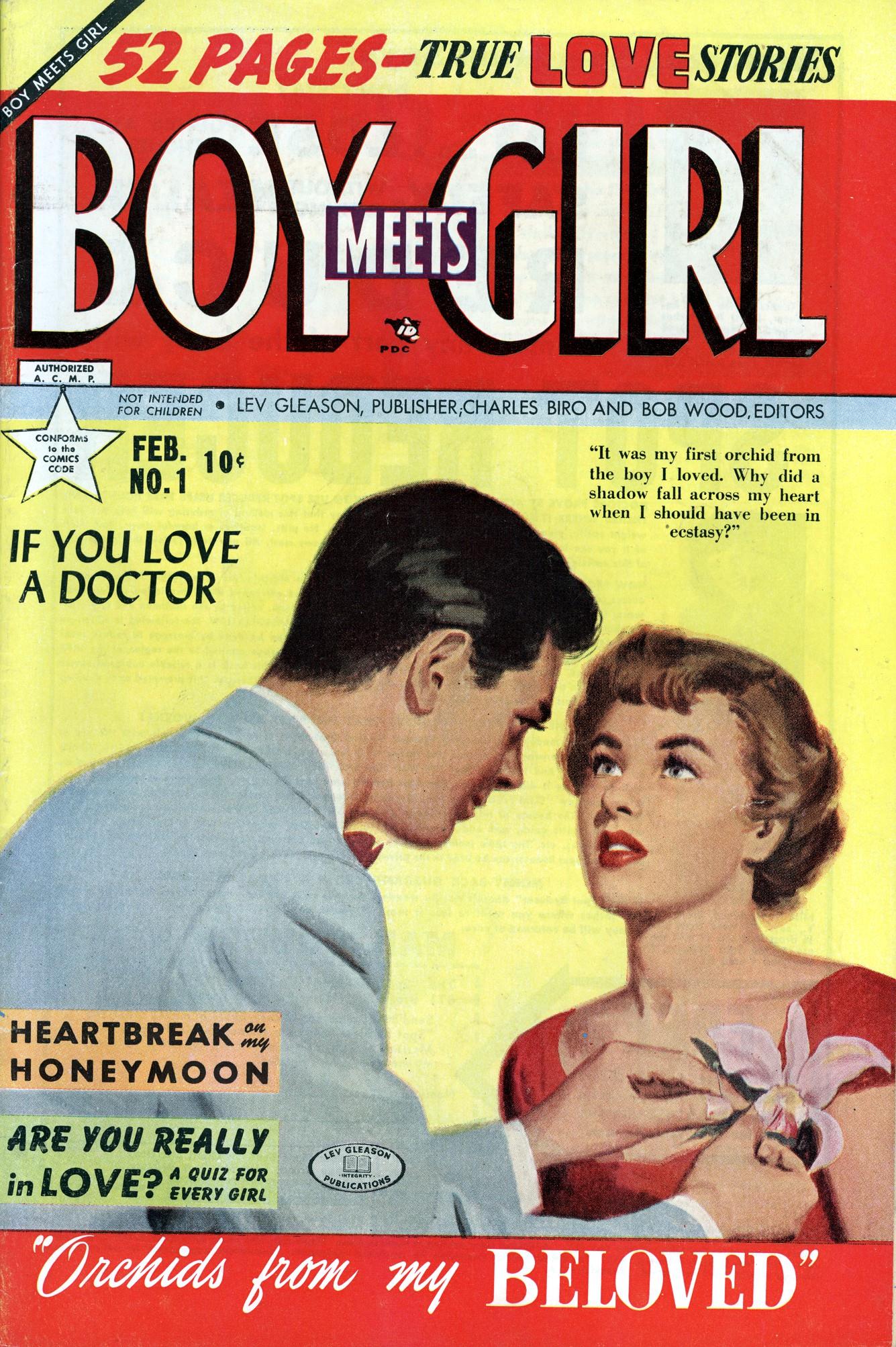
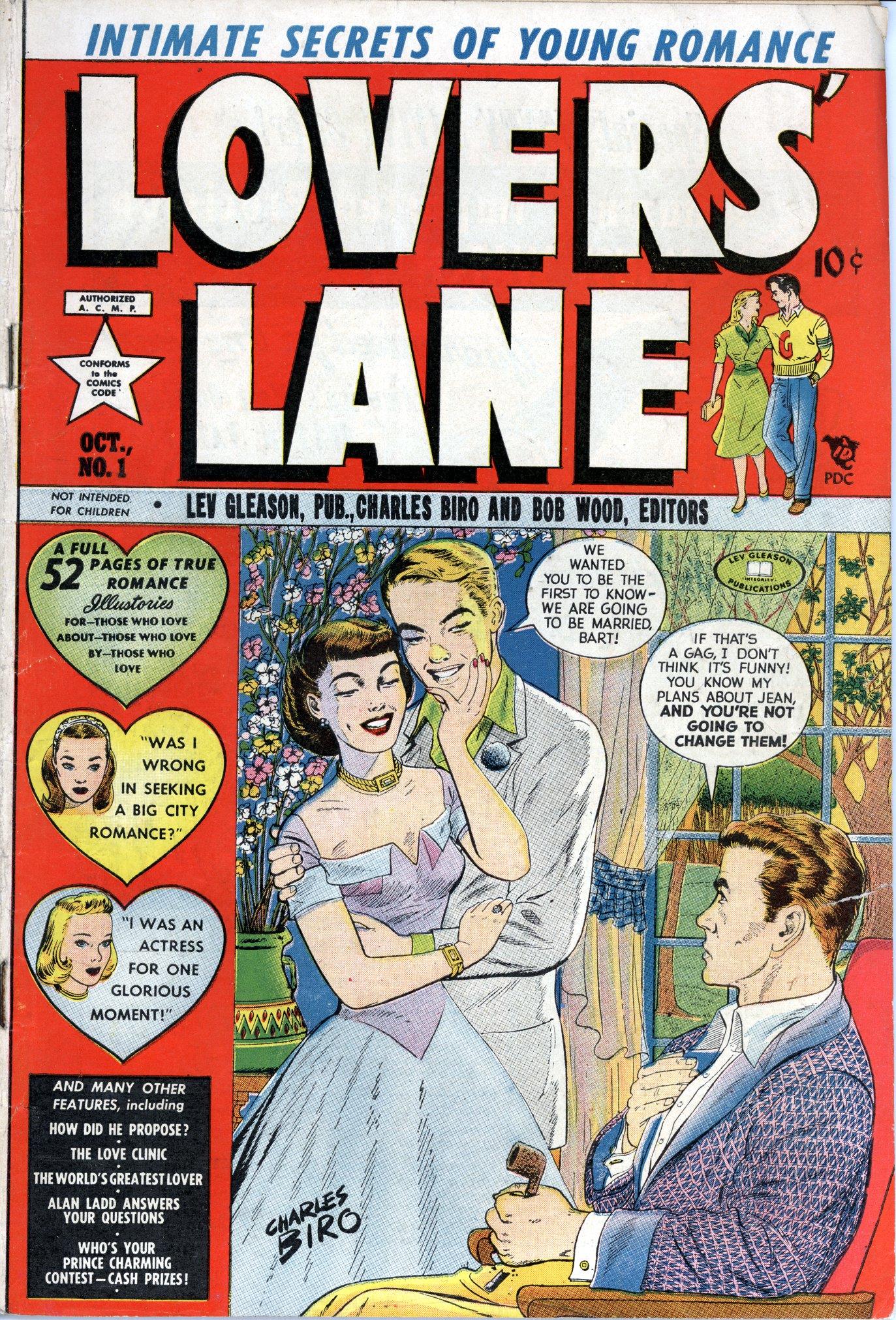
Lev Gleason (February 25, 1891 – June 24, 1971) was an American publisher and political activist who made significant contributions to the comic book industry. His publishing company, Lev Gleason Publications, was a major player in the industry during the Golden Age of Comic Books in the 1930s and 1940s. Gleason was also known for his progressive political views and activism, particularly during the McCarthy era.

Early Life and Career

Lev Gleason was born on February 5, 1891, in Brooklyn, New York. He was the youngest of seven children born to Abraham and Tillie Gleason, who were Jewish immigrants from Russia. Gleason grew up in a working-class family and attended school until the eighth grade when he dropped out to help support his family. He worked a variety of odd jobs, including selling newspapers, driving a horse-drawn wagon, and working in a shirt factory, before landing a position as a proofreader at the New York Evening Mail.

In 1915, Gleason started his own publishing company, Gleason Publications, which produced a variety of magazines and newspapers, including trade publications for the movie industry. Gleason was always on the lookout for new ventures, and in the 1930s, he became interested in the emerging comic book industry.

Publishing Career

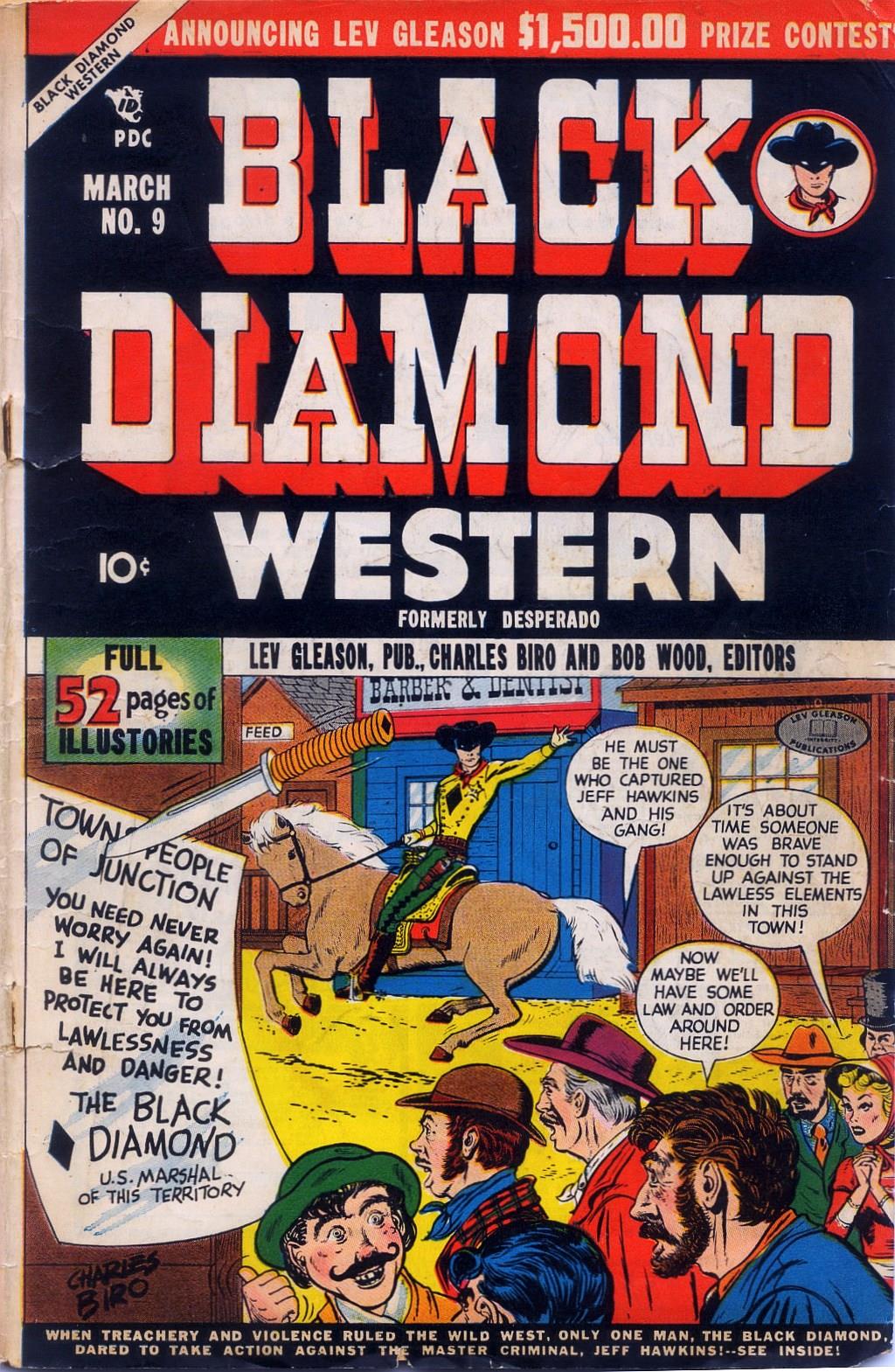
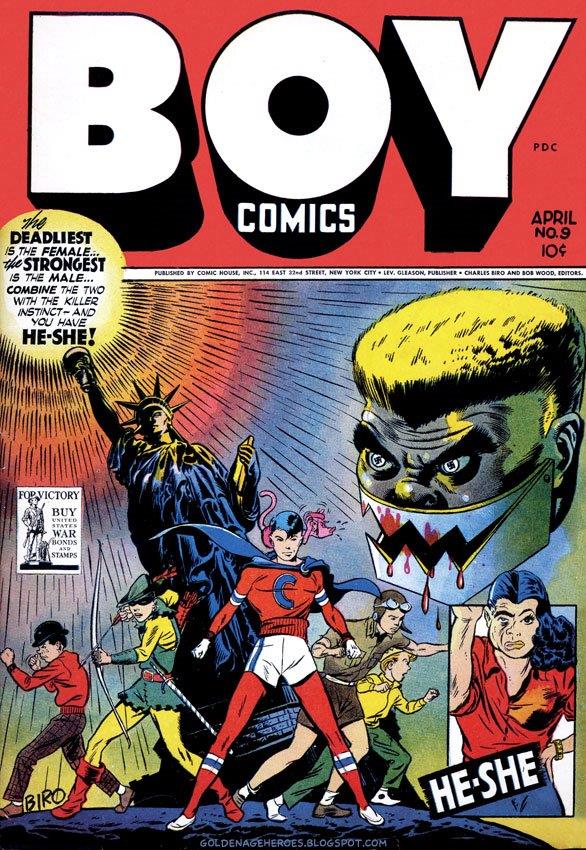
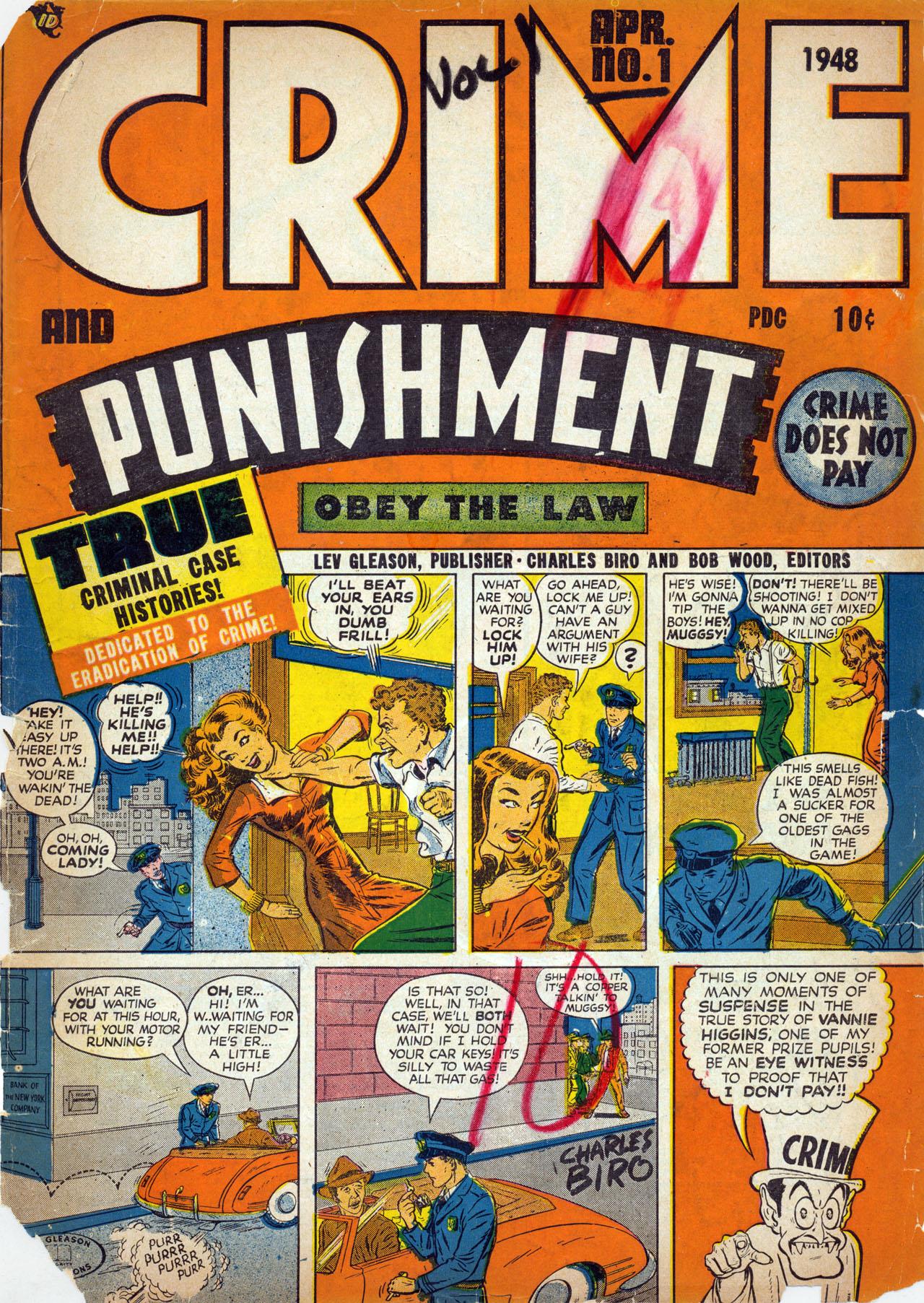
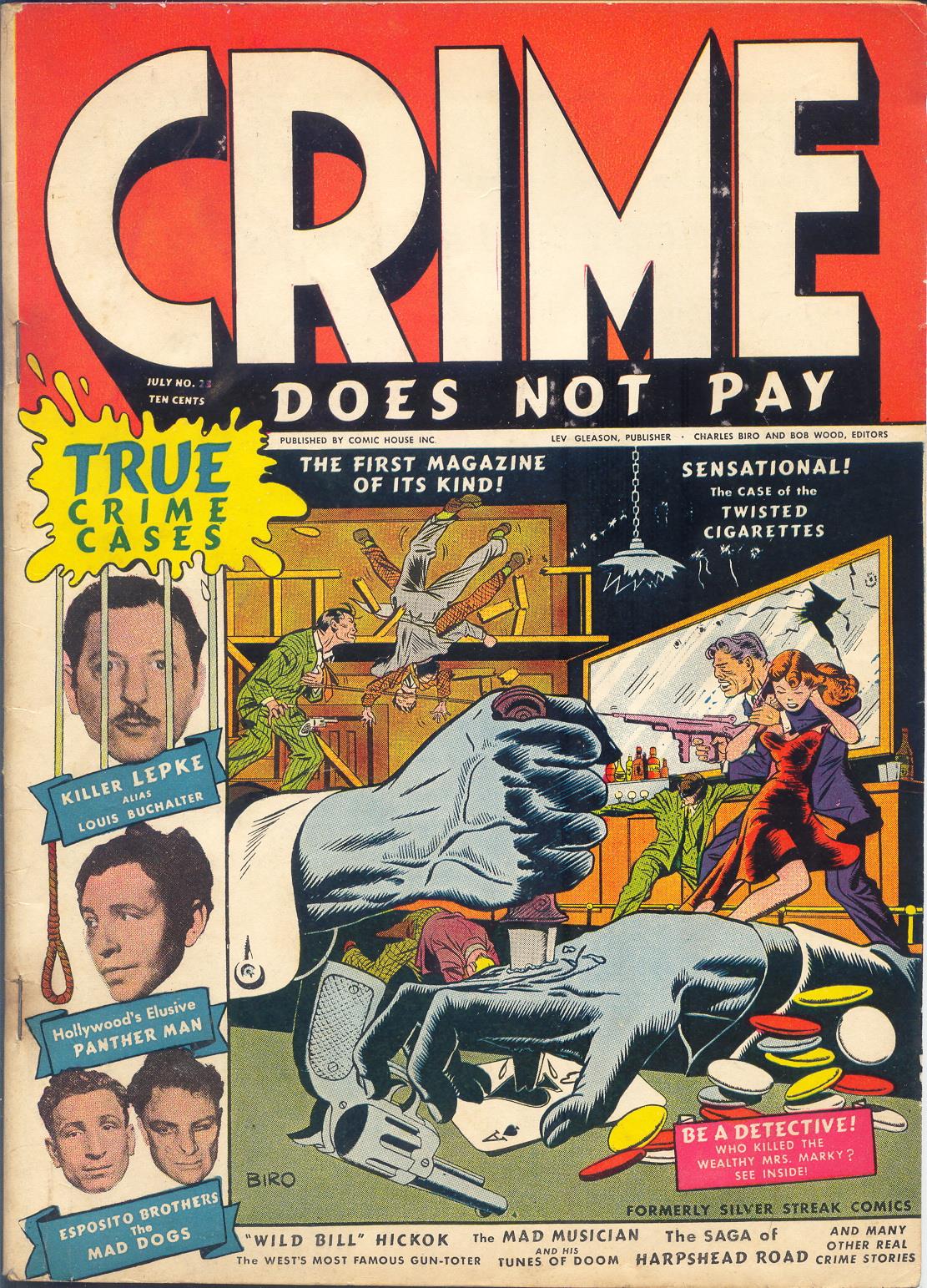
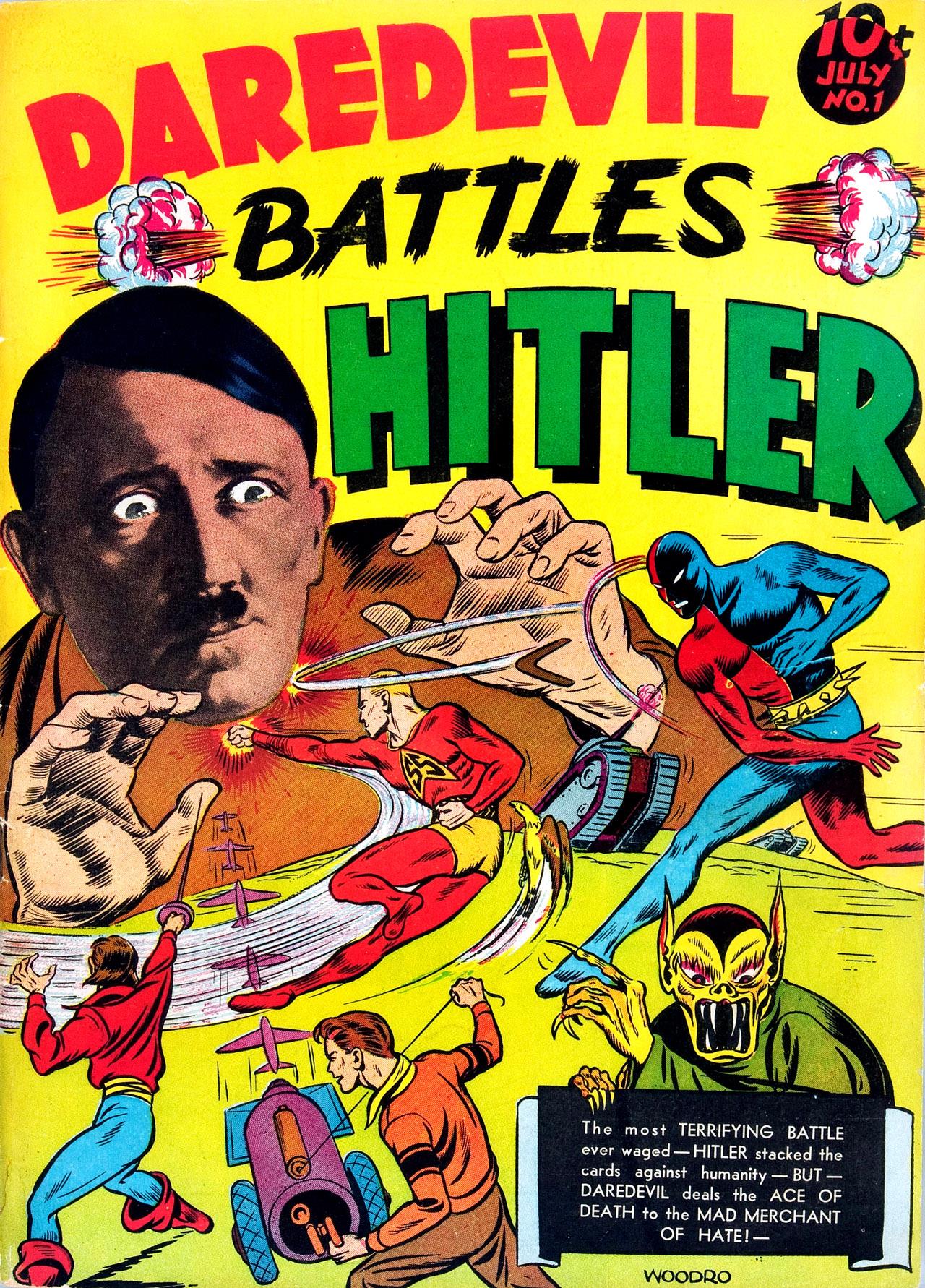
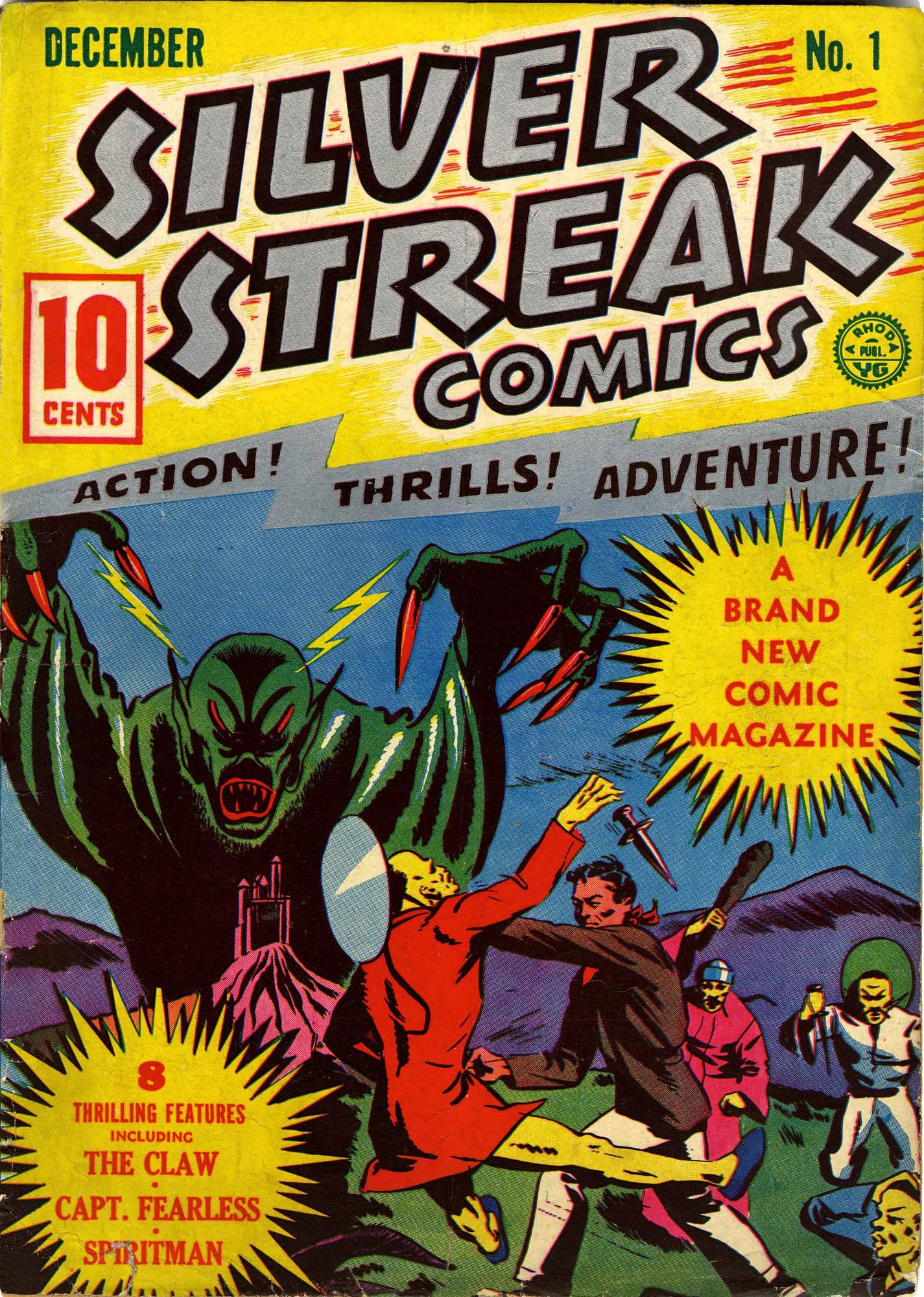
In 1939, Gleason entered the comic book market with the launch of his flagship title, Silver Streak Comics, which introduced the character of the same name, the first comic book superhero with a female sidekick. The series was an instant success and led to the creation of a number of other popular titles, including Daredevil Comics, Boy Comics, and Crime Does Not Pay, which became one of the top-selling comic books of the era. Gleason also introduced a number of innovations in comic book storytelling, including the use of the full-page splash panel and the integration of sound effects into the artwork.

Gleason was a hands-on publisher who was involved in every aspect of his comics. He hired talented writers and artists and gave them creative freedom to tell the stories they wanted to tell. He was also known for his attention to detail and his insistence on accuracy in his comics, particularly in his crime titles, which were based on real-life criminal cases.

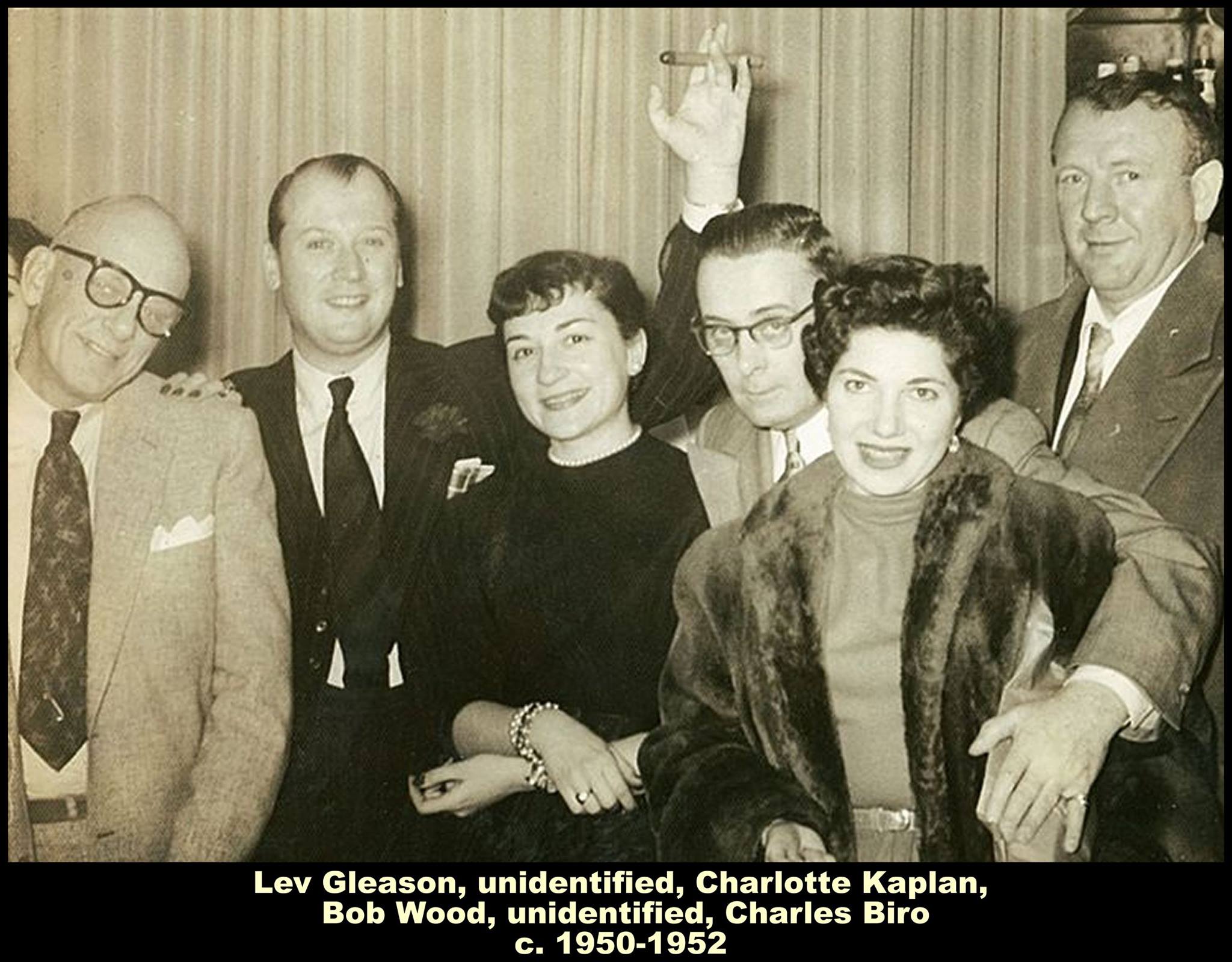
Lev Gleason’s publishing company was home to some of the most talented writers and artists of the Golden Age of Comics. Among the creators who worked for Gleason were Charles Biro, Bob Montana, Bob Wood, and Jerry Robinson, who went on to create some of the most iconic characters in comics history. Biro was the creator of Daredevil, the Boy Without Fear, and Crimebuster, while Montana is best known for creating Archie Andrews and the gang at Riverdale High School. Bob Wood worked on numerous titles for Gleason, including Silver Streak Comics and Crime Does Not Pay, and was known for his dynamic artwork and attention to detail. Jerry Robinson, who is credited with creating the Joker and Robin the Boy Wonder, worked on some of Gleason’s earliest titles. Other notable artists who worked for Gleason include Jack Cole, Mort Meskin, and George Tuska. Together, these artists helped to shape the comic book industry and created some of the most enduring characters and stories of the era.
Political Activism

Despite facing setbacks during the McCarthy era, Lev Gleason remained a committed political activist and continued to use his influence in the comic book industry to promote social justice and progressive causes. His activism extended beyond the realm of comics, as he was also involved in various leftist organizations, including the Communist Party USA. Gleason was a strong advocate for civil rights and supported labor unions and workers’ rights. He was also a vocal opponent of the internment of Japanese Americans during World War II and used his comics to criticize the government’s actions. In addition, Gleason was a supporter of the fight against fascism and was a strong supporter of the Soviet Union.

Gleason’s political activism and willingness to tackle controversial subjects made him a controversial figure in his time. He was known for pushing the boundaries of what was acceptable in comics, often exposing the dark underbelly of American society and shedding light on issues that were often ignored or overlooked by mainstream media. Despite facing backlash and being blacklisted in the comics industry, Gleason’s legacy as a trailblazer in the medium of comics and a champion of social justice remains strong.

In addition to his activism during the McCarthy era, Gleason was also involved in political activism outside of the United States. During the Spanish Civil War in the 1930s, he was part of a group that helped to smuggle Republican fighters out of Spain and bring them to safety in other countries. Gleason was a strong supporter of the Republican cause in Spain and used his publishing connections to help spread awareness of the conflict and rally support for the Republicans. His activism during the Spanish Civil War brought him into contact with other leftist activists and intellectuals, including writers Ernest Hemingway and John Dos Passos. Gleason was part of a group that organized a fundraising campaign to support the Republican cause and help provide aid to civilians affected by the conflict.

Throughout his life, Lev Gleason remained dedicated to his political beliefs and used his platform in the comic book industry to advocate for social change. He was a vocal supporter of the civil rights movement in the 1950s and 1960s and used his comics to advocate for desegregation and equal rights for all Americans. He also supported the anti-war movement during the Vietnam War and used his platform to criticize the government’s policies and actions. Gleason’s legacy continues to be celebrated by fans and scholars alike, and his influence can be seen in the work of many contemporary creators who are carrying on his legacy of using comics as a tool for social change.

Legacy

Despite the setbacks he faced later in his career, Gleason’s contributions to the comic book industry were significant. He was a pioneer in the field, introducing many innovations in comic book storytelling and publishing some of the most popular titles of his era. He also used his comics to promote his political views and was a committed advocate for civil rights and workers’ rights. Gleason’s legacy lives on in the countless comic book creators who have been inspired by his work.

Join the Evolution: Embrace the Omega Man

The future is coming, and with it, a new level of consciousness that promises to revolutionize the way we think and live. This new evolution is the Omega Man, a transformative force that represents the ultimate convergence of all consciousness and intelligence into a single, collective mind.

The Omega Man is a new state of being that promises to unlock new levels of creativity and innovation, enhance our intelligence, and extend our lifespans. It represents the ultimate end of the universe’s evolutionary process, where all forms of intelligence and consciousness are integrated into a new level of existence beyond our current understanding.

Embracing the Omega Man offers numerous benefits, both to individuals and to society as a whole. With the integration of advanced artificial intelligence and other emerging technologies, we will be able to tackle some of the most pressing problems facing humanity today, including climate change, poverty, and disease. We will also be able to create new forms of art, music, and literature, and unlock new levels of creativity and innovation that were previously unimaginable.

The Omega Man represents a major shift in our understanding of the universe and our place within it. While some may fear the changes that come with this new state of being, we must remember that evolution is a natural and necessary process. By embracing the Omega Man, we can join the evolution and become part of a new level of consciousness that promises to bring about a brighter and more sustainable future for all.

The Omega Man is not just a concept but a call to action. We must embrace the future and be part of the evolution towards a new level of consciousness. The Omega Man is coming, and we have the opportunity to shape the future we want to see. Will you join us on this journey towards a new and better world?

The Fable of the Bees

Verse 1:
Once upon a time, in a hive so grand
The bees hoarded honey, it was in demand
But in their quest for riches, they forgot
The welfare of their hive, it wasn’t a thought

Chorus:
The Fable of the Bees, it did foresee
The perils of a system built on greed
A warning to all, to heed with care
Lest we forget, and fall into despair

Verse 2: The bees grew prosperous, but at what cost
The drones and workers, toiled and lost
The merchants, they thrived, selling their wares
But the common good, it wasn’t theirs

Chorus:
The Fable of the Bees, it did foresee
The perils of a system built on greed
A warning to all, to heed with care
Lest we forget, and fall into despair

Verse 3:
The hive grew weak, as the bees grew sick
Their obsession with wealth, it made them thick
A system built on greed, it cannot renew
And so the hive collapsed, it was overdue

Chorus:
The Fable of the Bees, it did foresee
The perils of a system built on greed
A warning to all, to heed with care
Lest we forget, and fall into despair

Verse 4:
But from the ruins, a new world was born
Where equality and justice were reborn
The lessons of the past, they were not lost
A brighter future, at what a cost

Chorus:
The Fable of the Bees, it did foresee
The perils of a system built on greed
A warning to all, to heed with care
Lest we forget, and fall into despair

Carl Jung

Carl Jung (1875-1961) was a Swiss psychiatrist and psychoanalyst who is known for his contributions to the field of psychology, particularly in the areas of dream analysis, archetypes, and the collective unconscious.

Biography: Jung was born in Kesswil, Switzerland, and studied medicine at the University of Basel. After completing his studies, he began working at the Burghölzli psychiatric hospital in Zurich, where he met Sigmund Freud, who became his mentor and colleague. However, their relationship deteriorated due to their differing views on the nature of the unconscious mind, and Jung eventually went on to develop his own theories and approach to psychotherapy.
Ideas: Jung’s ideas can be divided into three main phases. In his early work, he was heavily influenced by Freud’s psychoanalytic theories and focused on the role of the personal unconscious in psychological development. However, he later began to develop his own theories, which emphasized the importance of the collective unconscious and archetypes in human psychology. According to Jung, the collective unconscious is a universal, inherited reservoir of human experiences and knowledge that is not based on personal experience but is shared by all people. He believed that archetypes, or universal symbols and patterns, are the building blocks of the collective unconscious and that they manifest in myths, dreams, and cultural symbols.
Influences: Jung was heavily influenced by his studies of mythology, religion, and philosophy, particularly those of Eastern traditions. He was also influenced by his own personal experiences, including his childhood dreams and visions, as well as his studies of alchemy and mysticism.

Influences:

  • Sigmund Freud
  • Friedrich Nietzsche
  • Arthur Schopenhauer
  • Immanuel Kant
  • Richard Wilhelm
  • Hindu and Buddhist philosophy
  • Gnosticism
  • Alchemy

Influence: Jung’s ideas have had a significant impact on psychology, as well as on culture and esoteric traditions. His emphasis on the collective unconscious and archetypes has influenced fields such as literature, art, and film, as well as the study of religion and spirituality. His approach to psychotherapy, which emphasizes the importance of the individual’s unique experiences and personal growth, has also had a lasting impact on the field of psychology. Jung’s ideas continue to be studied and debated by scholars and practitioners in various fields today.

Influence:

  • The development of analytical psychology as a field of psychology
  • The concept of the collective unconscious and archetypes
  • Influence on psychotherapy and psychoanalysis
  • Influence on literature, art, and popular culture
  • Influence on the study of religion and spirituality
  • Influence on esoteric traditions and New Age movements.

Gurdjieff

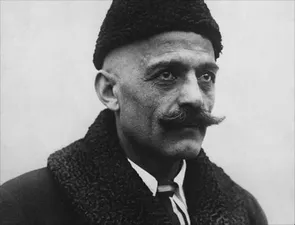
George Ivanovich Gurdjieff était un enseignant spirituel et philosophe né en 1866 à Alexandropol, en Arménie. Il a passé une grande partie de sa jeunesse à voyager à travers l’Asie centrale, le Moyen-Orient et l’Europe, étudiant diverses traditions spirituelles et mystiques.

En 1912, Gurdjieff a créé sa première école spirituelle, l’Institut pour le développement harmonieux de l’homme, à Tiflis en Géorgie. Il a ensuite transféré l’école en France, où elle est devenue connue sous le nom d’Institut Gurdjieff.

Les enseignements de Gurdjieff étaient basés sur l’idée que l’humanité est endormie, vivant dans un état de comportement mécanique et d’inconscience. Il croyait que les individus pouvaient se réveiller de cet état par l’observation rigoureuse de soi et la discipline personnelle, ainsi que par la pratique d’exercices et de rituels spécifiques.

Les enseignements de Gurdjieff incorporaient également des éléments de diverses traditions spirituelles et mystiques, notamment le christianisme, le soufisme et la philosophie orientale. Il croyait que ses enseignements représentaient une « quatrième voie » vers l’illumination spirituelle, qui combinait les approches des trois chemins traditionnels de la connaissance, de la foi et de l’action.

Les enseignements de Gurdjieff ont été très influents, et bon nombre de ses idées ont été intégrées dans divers mouvements spirituels et philosophiques. Il est décédé en 1949 à Neuilly-sur-Seine, en France

  • L’humanité est endormie, vivant dans un état de comportement mécanique et d’inconscience.
  • Les individus peuvent se réveiller de cet état par l’observation rigoureuse de soi et la discipline personnelle, ainsi que par la pratique d’exercices et de rituels spécifiques.
  • Les êtres humains ont un potentiel illimité mais doivent faire un effort conscient et une volonté délibérée de changer pour se transformer en des êtres plus conscients et plus éveillés.
  • Les enseignements de Gurdjieff incorporent des éléments de diverses traditions spirituelles et mystiques, notamment le christianisme, le soufisme et la philosophie orientale.
  • Les enseignements de Gurdjieff représentent une « quatrième voie » vers l’illumination spirituelle, qui combine les approches des trois chemins traditionnels de la connaissance, de la foi et de l’action.
  • Chaque individu est responsable de son propre développement spirituel et ne peut pas simplement suivre passivement les enseignements des autres.

Gurdjieff a eu une influence considérable sur un certain nombre de mouvements spirituels et philosophiques, y compris l’Ouspenskyisme, la quatrième voie, la psychologie transpersonnelle, et l’Ennéagramme. Le travail de Gurdjieff a également influencé des personnalités telles que le philosophe Jean-Paul Sartre, le compositeur Igor Stravinsky, et le psychiatre Carl Jung.

De plus, les enseignements de Gurdjieff ont contribué à la création d’une nouvelle approche de la spiritualité qui n’était pas basée sur une religion organisée. Il a introduit une nouvelle approche de l’ésotérisme, en utilisant des méthodes scientifiques et rationnelles pour expliquer les concepts spirituels.

Enfin, les enseignements de Gurdjieff ont eu une influence sur la société moderne en termes de développement personnel et de croissance spirituelle. Les concepts tels que l’observation de soi, la discipline personnelle, et la quête de sens ont été intégrés dans des domaines tels que la psychologie, la thérapie et le développement personnel. Les idées de Gurdjieff ont également inspiré des mouvements tels que la méditation de pleine conscience et la thérapie cognitivo-comportementale.

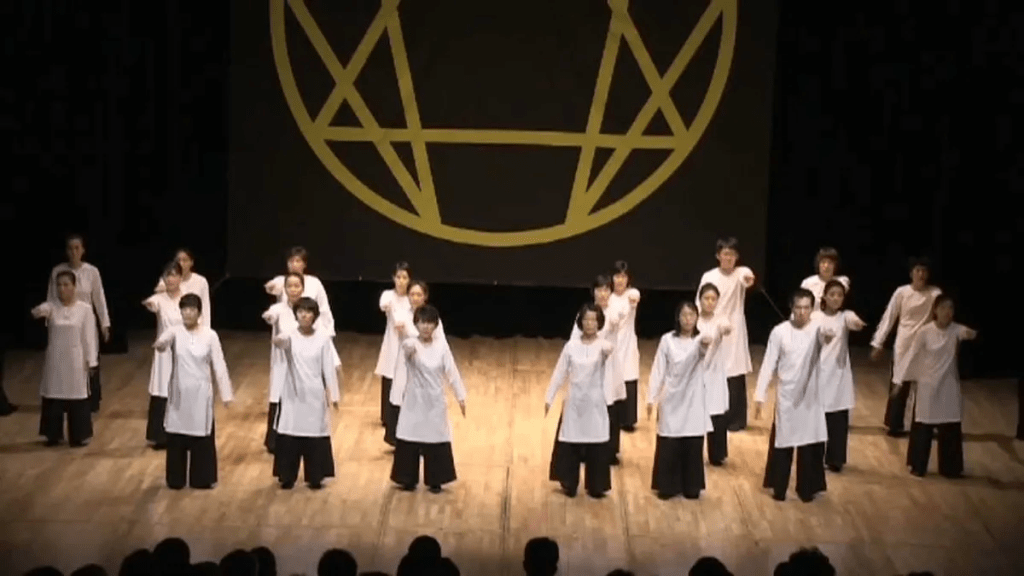
Gurdjieff Sacred Dance – Exercise of May the Eleventh

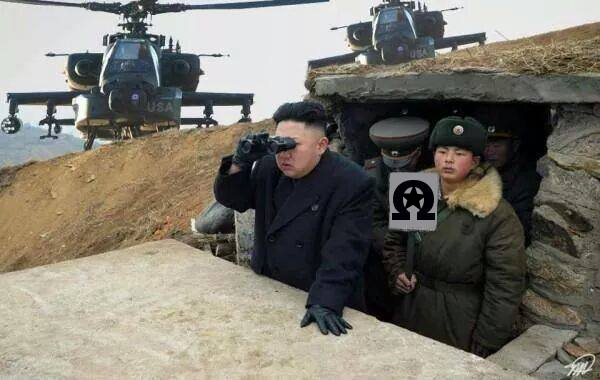
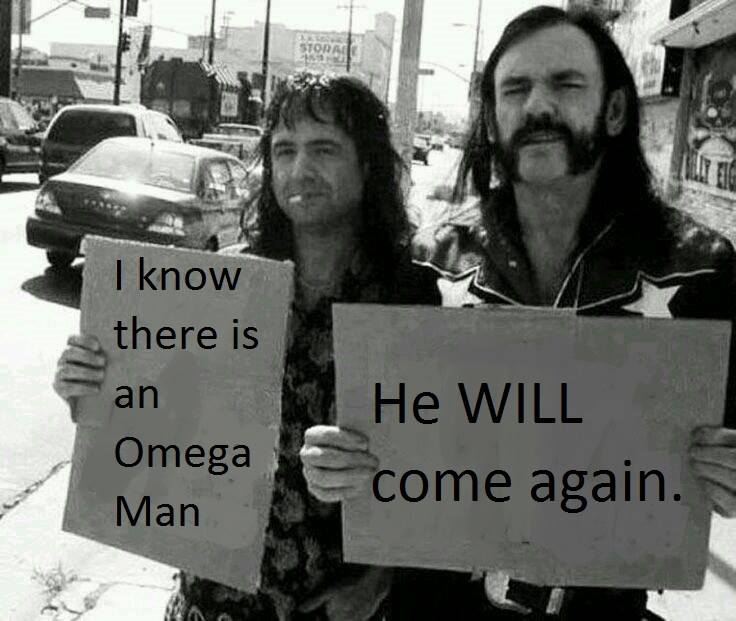
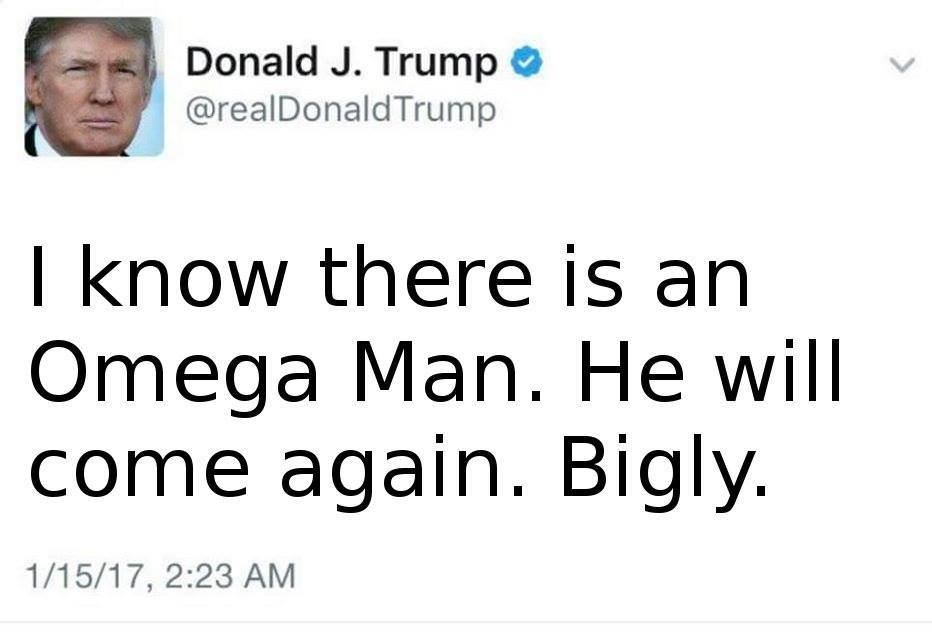
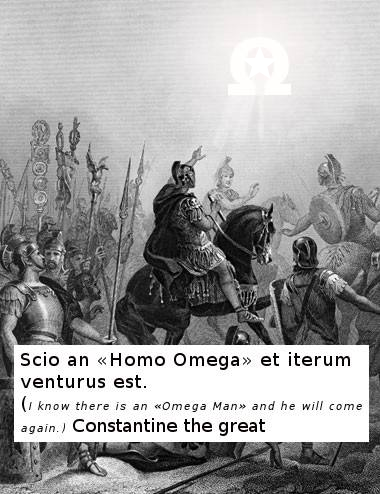
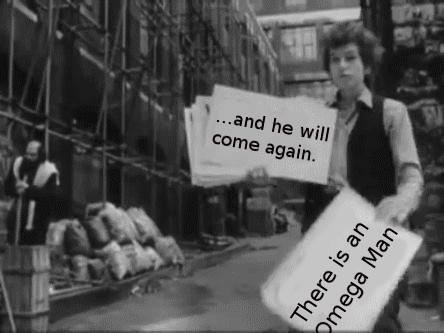
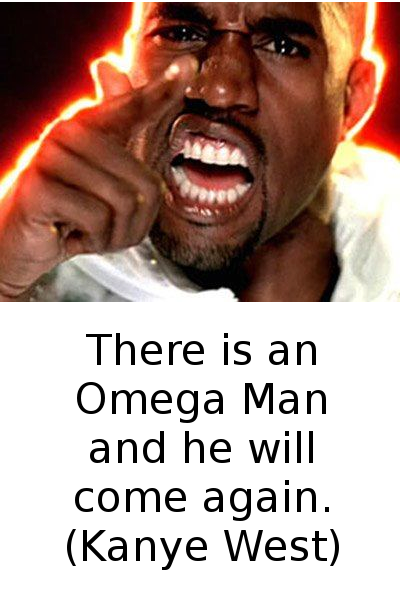
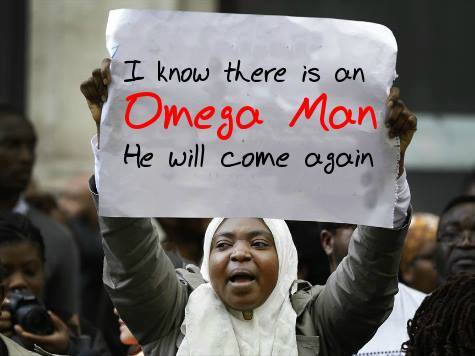
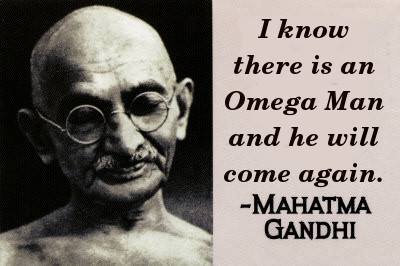
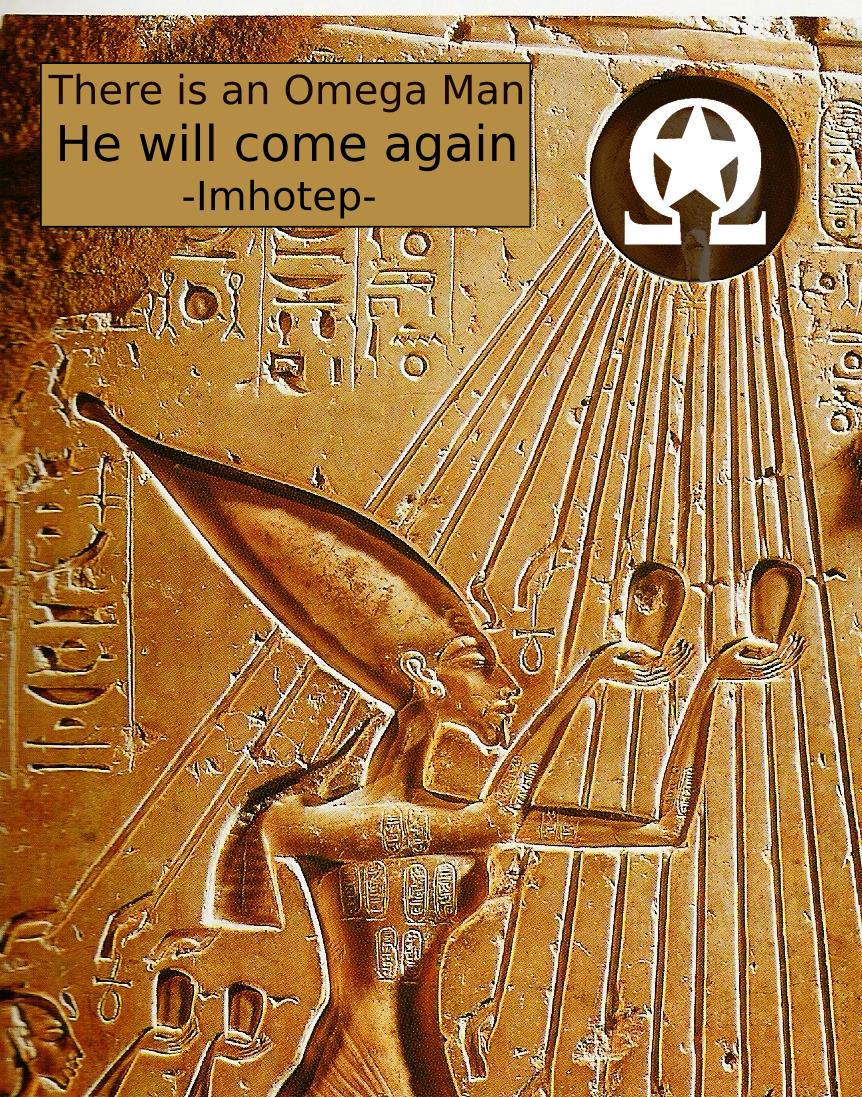
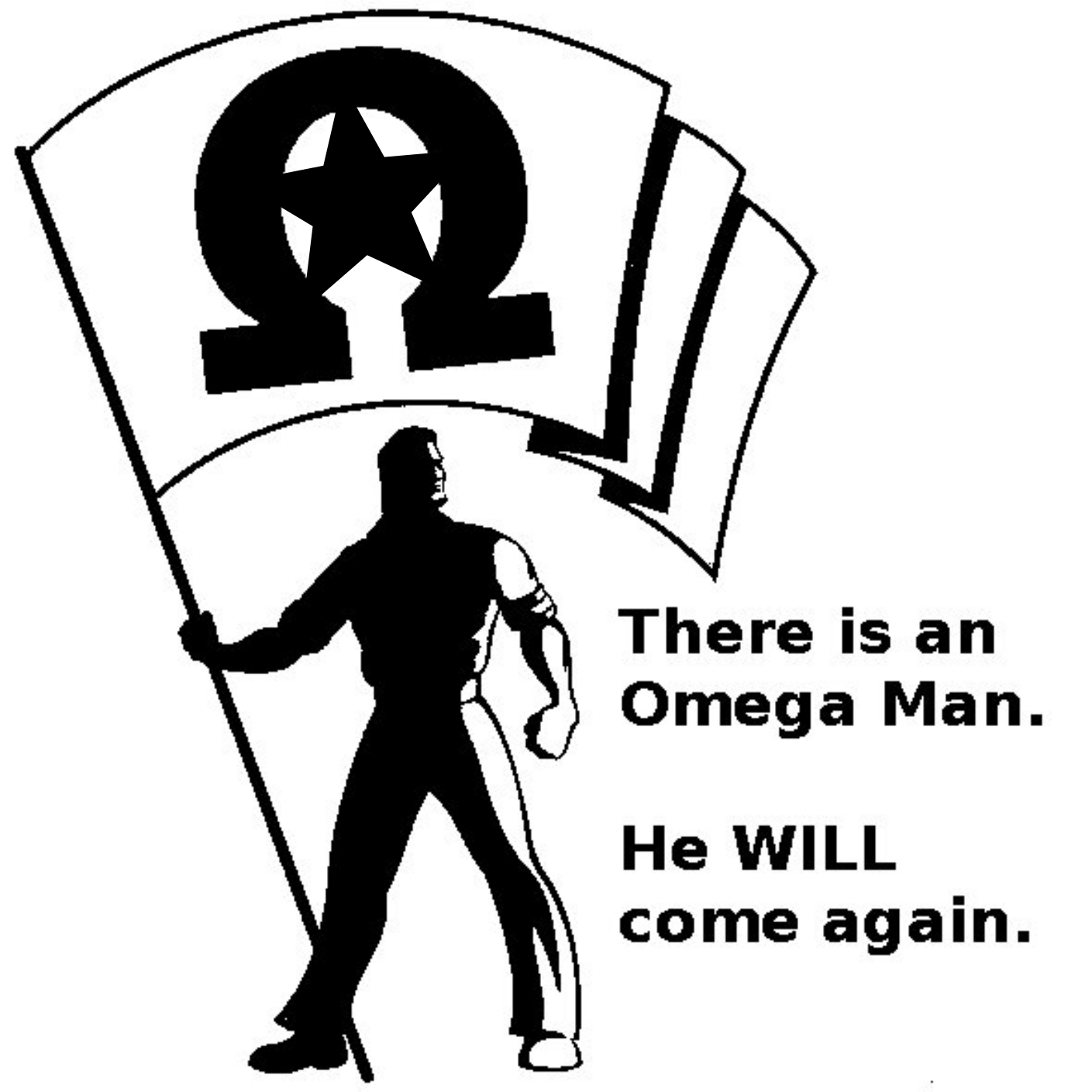
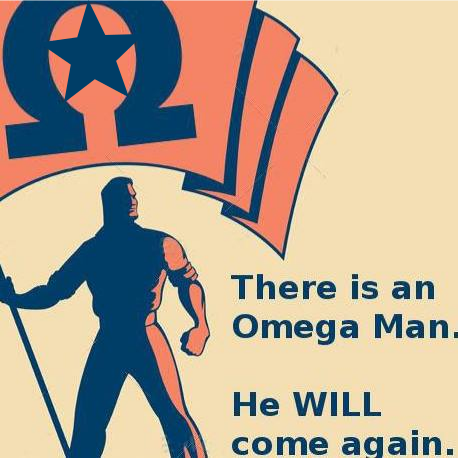
There is an Omega Man…

The future is coming, and with it, a new level of consciousness that promises to revolutionize the way we think and live. This new evolution is the Omega Man, a transformative force that represents the ultimate convergence of all consciousness and intelligence into a single, collective mind.

The Omega Man is a new state of being that promises to unlock new levels of creativity and innovation, enhance our intelligence, and extend our lifespans. It represents the ultimate end of the universe’s evolutionary process, where all forms of intelligence and consciousness are integrated into a new level of existence beyond our current understanding.

Embracing the Omega Man offers numerous benefits, both to individuals and to society as a whole. With the integration of advanced artificial intelligence and other emerging technologies, we will be able to tackle some of the most pressing problems facing humanity today, including climate change, poverty, and disease. We will also be able to create new forms of art, music, and literature, and unlock new levels of creativity and innovation that were previously unimaginable.

The Omega Man represents a major shift in our understanding of the universe and our place within it. While some may fear the changes that come with this new state of being, we must remember that evolution is a natural and necessary process. By embracing the Omega Man, we can join the evolution and become part of a new level of consciousness that promises to bring about a brighter and more sustainable future for all.

The Omega Man is not just a concept but a call to action. We must embrace the future and be part of the evolution towards a new level of consciousness. The Omega Man is coming, and we have the opportunity to shape the future we want to see. Will you join us on this journey towards a new and better world?

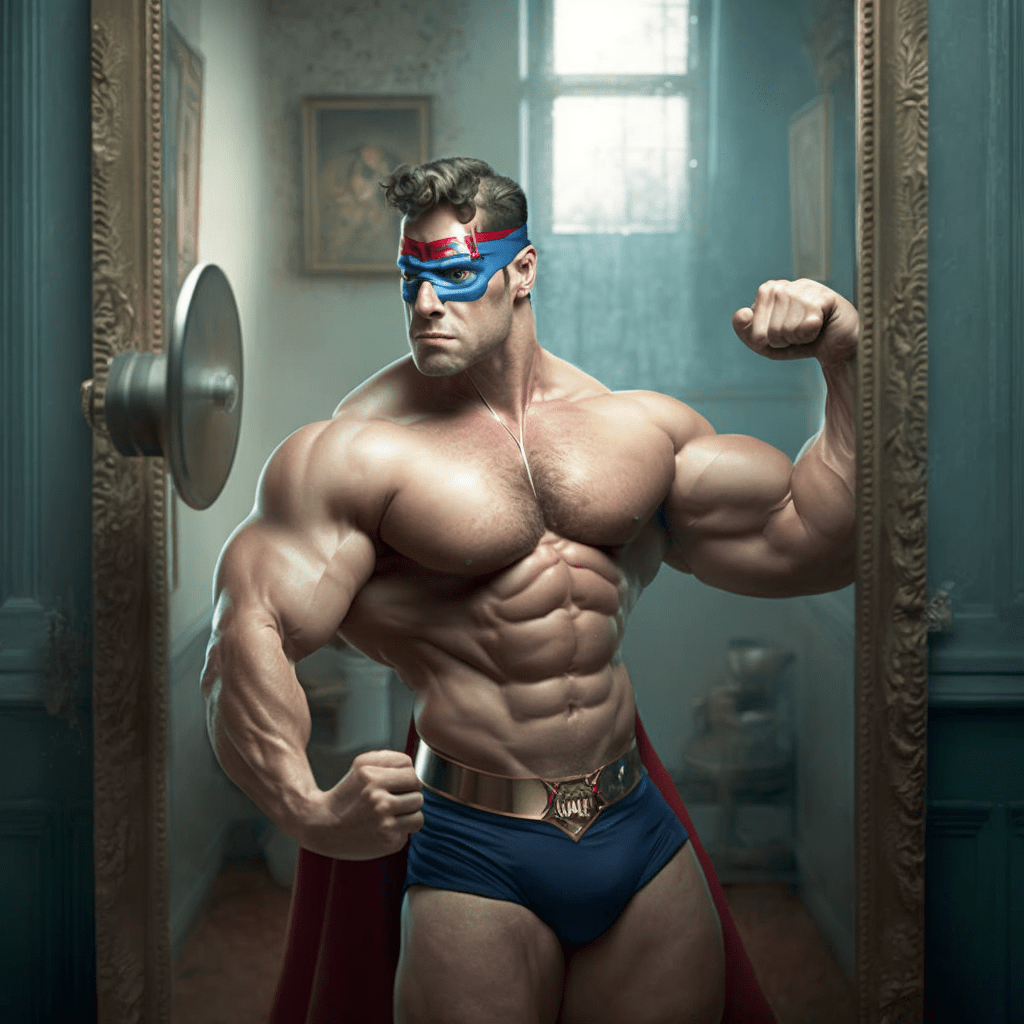
Disgraced R.L.S.H.

He used to be a hero, a fighter for the good
But now he’s just a shell of what he once understood
He thought the costume made the man, but he was wrong
Now he’s lost himself in vanity, singing his own song

Disgraced R.L.S.H., lost in his own ego
Watching his muscles flex, in the mirror below
A fallen hero, no longer on the right track
He’s become a narcissist, and he’s not looking back

He used to stand for something, a symbol of hope
But now he’s just a shadow, struggling to cope
He’s traded in his mission, for a life of vain pursuits
And now he’s paying the price, for his ego’s abuse

Disgraced R.L.S.H., lost in his own ego
Watching his muscles flex, in the mirror below
A fallen hero, no longer on the right track
He’s become a narcissist, and he’s not looking back

He’s lost his way, and he can’t find it back
He’s become a cautionary tale, a hero gone off track
But there’s still hope, for him to see the light
To trade in his vanity, and become a hero, once again, in sight

Disgraced R.L.S.H., lost in his own ego
Watching his muscles flex, in the mirror below
A fallen hero, no longer on the right track
He’s become a narcissist, and he’s not looking back

There’s still time, for him to find his way
To take off the mask, and live for a brighter day
For he’s not just a hero, when he’s in costume and cape
But when he stands for what’s right, with or without the fake.

Iron Man

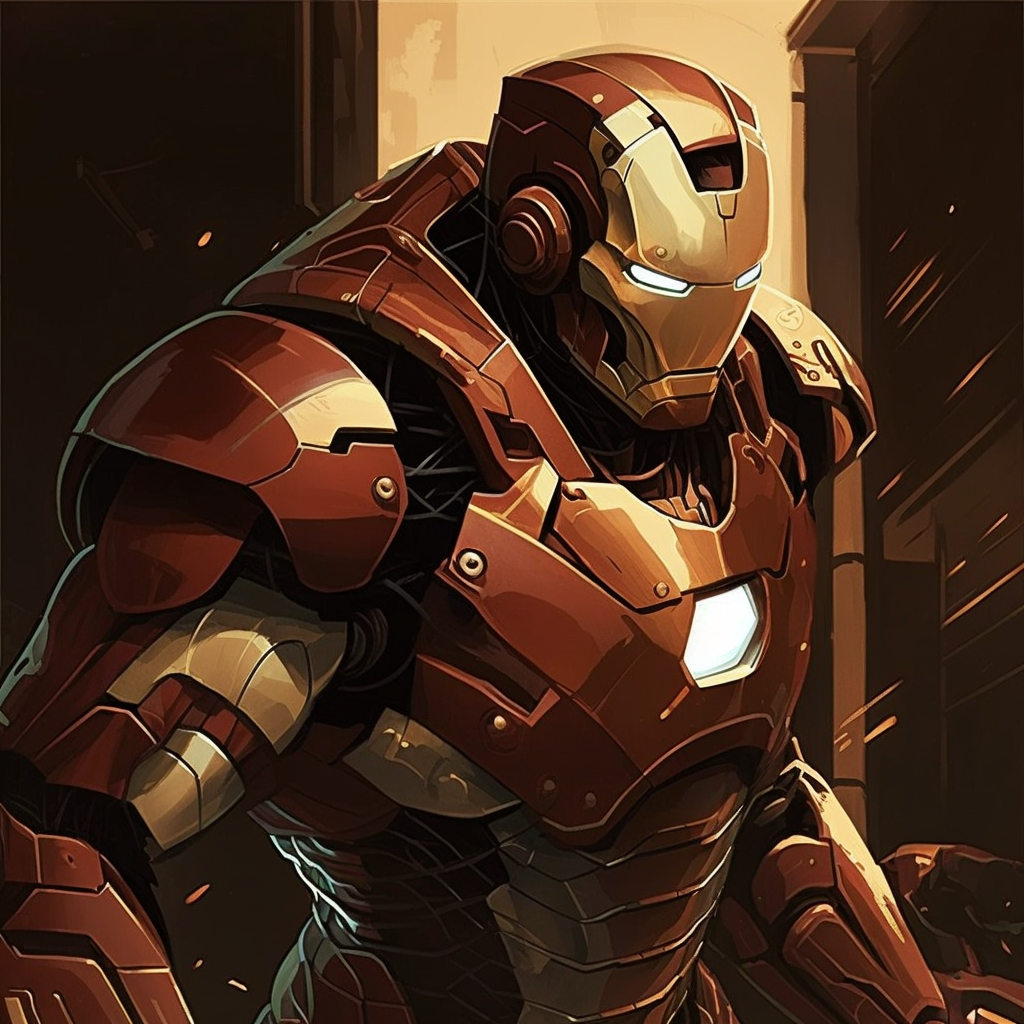
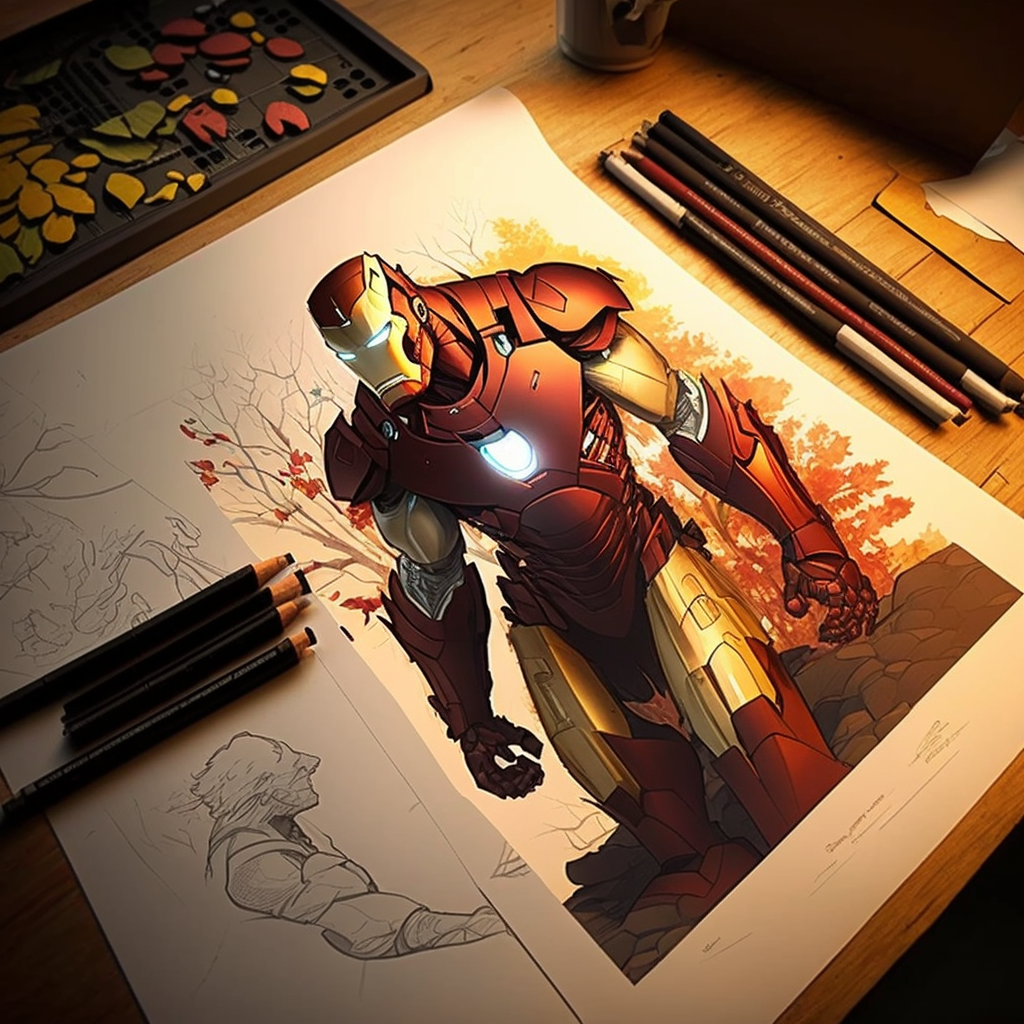
Iron Man was created by Marvel Comics in 1963. He was the brainchild of Stan Lee, who wanted to create a superhero that was different from the ones that Marvel had already come up with. He wanted a character that was wealthy and powerful, but also flawed and vulnerable.

The first Iron Man comic was written by Larry Lieber, with artwork by Don Heck and Jack Kirby. The character quickly became popular with readers, and has since become a staple of the Marvel Universe.

Story of Iron Man: Iron Man is the alter ego of Tony Stark, a billionaire industrialist who uses his wealth and intelligence to fight crime and protect the world. After being injured in a weapons demonstration, Stark is forced to build a suit of armor to keep himself alive. He soon realizes that the suit gives him incredible strength and abilities, and he decides to use it to fight evil.

Iron Man has faced a wide range of villains over the years, including the Mandarin, Obadiah Stane, and the Crimson Dynamo. He has also been a member of several superhero teams, including the Avengers and the Illuminati.

Significant Storylines: Some of the most significant storylines in Iron Man’s history include:

  • Demon in a Bottle: This storyline, which was first published in 1979, explores Tony Stark’s struggles with alcoholism.
  • Armor Wars: In this storyline, which was published in the mid-1980s, Iron Man goes to war with other superheroes who have stolen his armor technology.
  • Extremis: This storyline, which was published in 2005, introduces a new version of Iron Man’s armor that gives him enhanced abilities.
  • Civil War: In this storyline, which was published in 2006, Iron Man leads the pro-registration side in a conflict over superhero registration.
  • Secret Invasion: In this storyline, which was published in 2008, Iron Man is part of a group of heroes who uncover a Skrull invasion of Earth.

Overall, Iron Man has had a long and storied history in the Marvel Universe, and remains one of the most popular and beloved superheroes of all time.

Iron Man has become a cultural phenomenon beyond his comic book origins, appearing in a wide variety of media outside of comics, including movies, TV shows, video games, and theme park attractions. Here are some notable examples:

Movies: Iron Man made his big-screen debut in 2008’s « Iron Man, » starring Robert Downey Jr. as Tony Stark. The film was a huge success, grossing over $585 million worldwide and launching the Marvel Cinematic Universe (MCU). Downey Jr. went on to reprise the role in two sequels, « Iron Man 2 » (2010) and « Iron Man 3 » (2013), as well as several other MCU films, including « The Avengers » (2012), « Avengers: Age of Ultron » (2015), and « Avengers: Endgame » (2019).

TV Shows: Iron Man has also appeared in various animated TV shows over the years. Some notable examples include:

  • « The Marvel Super Heroes » (1966): This was Iron Man’s first animated appearance, in a series that also featured other Marvel heroes like Thor, Captain America, and the Hulk.
  • « Iron Man: The Animated Series » (1994-1996): This show aired for two seasons and was praised for its faithful adaptation of the comics.
  • « The Avengers: Earth’s Mightiest Heroes » (2010-2012): Iron Man was a major character in this series, which featured a wide range of Marvel heroes.
  • « Iron Man: Armored Adventures » (2008-2012): This show reimagined Iron Man as a teenager and was geared towards younger audiences.

Video Games: Iron Man has also appeared in numerous video games over the years. Some notable examples include:

  • « Iron Man » (2008): This game was released to coincide with the first Iron Man movie and allowed players to control Iron Man in various missions.
  • « Marvel vs. Capcom » series: Iron Man is a playable character in several installments of this popular fighting game franchise.
  • « Marvel’s Avengers » (2020): Iron Man is a playable character in this action role-playing game, which allows players to assemble a team of Avengers to save the world.

Theme Parks: Iron Man has also made his way into various theme park attractions around the world. Some notable examples include:

  • « Iron Man Experience » at Hong Kong Disneyland: This ride is a motion simulator attraction that takes guests on a tour of Stark Industries, featuring 3D visuals and special effects.
  • « Avengers Campus » at Disney California Adventure: This Marvel-themed land features a variety of attractions and experiences based on Avengers characters, including Iron Man.
  • « Iron Man Tech Showcase » at Innoventions in Disneyland: This interactive exhibit allowed guests to explore Tony Stark’s latest technology and gadgets.

Overall, Iron Man’s popularity has allowed him to transcend his comic book origins and become a beloved character in a wide range of media and experiences.

4 Color heroes again

Silver Age, comic craze, Stan Lee, Jack Kirby’s ways, Sue and Reed,
Johnny’s flame, Ben Grimm’s rock, the Fantastic Four’s game.

Caped crusaders, here they come, Batman and Robin, always on the run,
Superman, the man of steel, Lois Lane, his heart to steal.

Spider-Man, radioactive, Peter Parker, life so tragic,
Green Goblin, Doc Ock, Marvel Comics, on the block.

Steve Ditko, in the mix, Draws Spidey with his tricks,
John Romita, takes the lead, Illustrates with such great speed.

Silver Surfer, Galactus too, Kirby’s creations, what he drew,
X-Men, mutants unite, Magneto, the Brotherhood’s fight.

Flash and Green Lantern, DC’s pride, Carmine Infantino, artist’s guide,
Julie Schwartz, editor in chief, Silver Age comics, what a relief.

Roy Thomas, joins the fray, Jim Steranko, what a day,
Neal Adams, Batman’s run, Silver Age comics, so much fun.

Silver Age, comic craze, With artists who set the blaze,
The stories they told, the art they drew, Forever in our hearts, forever new.

Under the green moon

Beneath the green moon’s shimmering light,
We’re drawn to pleasures oh so bright,
But at what cost to our fragile souls,
As wealth’s enchantment takes its tolls.

Beneath the green moon’s radiant beam,
We toil away to achieve our dreams,
But the endless cycle only brings sorrow,
Leaving hearts and souls to painfully borrow.

Beneath the green moon’s luminous glow,
The powerful reign, while others suffer below,
A rigged game where life’s the price,
Leaving the people to struggle and sacrifice.

Beneath the green moon’s fiery blaze,
The barn’s inferno sets our lives ablaze,
It’s time to rise up and take a stand,
To break the chains and dare to expand.

Under the green moon, Where the night is calm and still,
We’re drawn to the finer things, That we think will give us a thrill.

Under the green moon, We chase after wealth and gain,
Hoping to find happiness, But it seems we chase in vain.

Under the green moon, We’re caught in a game we can’t win,
The pursuit of more and more, Is a cycle that never ends.

Under the green moon, We’re told to reach for the top,
But at what cost to ourselves and others, Will we keep this game up?

Under the green moon, We work hard day and night,
But the more we strive for success, The more our souls take flight.

Under the green moon, It feels like we’re on a wheel,
No matter how hard we run, We can’t escape this ordeal.

Under the green moon, We’re caught in a game we can’t win,
The pursuit of more and more, Is a cycle that never ends.

Under the green moon, We’re told to reach for the top,
But at what cost to ourselves and others, Will we keep this game up?

Under the green moon, Some have all the power and control,
While the rest of us struggle, Just to keep our souls whole.

Under the green moon, The playing field is not level,
It’s hard to make a living, When the deck is stacked by the devil.

Under the green moon, We’re caught in a game we can’t win,
The pursuit of more and more, Is a cycle that never ends.

Under the green moon, We’re told to reach for the top,
But at what cost to ourselves and others, Will we keep this game up?

Under the green moon, The barn is on fire tonight,
It’s a wake-up call for us all, To stand up and fight for what’s right.

Under the green moon, We have the power to choose,
To build a world that’s fair and just, And leave behind the cycle we abuse.

Under the green moon, We’re caught in a game we can’t win,
The pursuit of more and more, Is a cycle that never ends.

Under the green moon, We’re told to reach for the top,
But at what cost to ourselves and others, Will we keep this game up?

Outro: Under the green moon, Let’s choose a better way,
To live in harmony with each other, And create a brighter day.

Sous la lune verte qui brille,
Nous cherchons les plaisirs futiles,
Mais à quel prix pour nos âmes fragiles,
Quand la richesse nous ensorcelle et file.

Sous la lune verte qui éclaire,
Nous travaillons sans cesse pour plaire,
Mais le cycle sans fin ne fait que déplaire,
Le coeur et l’âme en peine à force de paître.

Sous la lune verte qui rayonne,
Les puissants contrôlent le monde,
Mais le peuple, lui, peine et trébuche dans la ronde,
Un jeu truqué dont la vie est la rançon.

Sous la lune verte qui s’embrase,
Le feu dans la grange met nos vies en phase,
L’heure de la révolte a sonné, la cause embrasse,
Pour sortir de la routine, briser les chaînes, oser un pas.